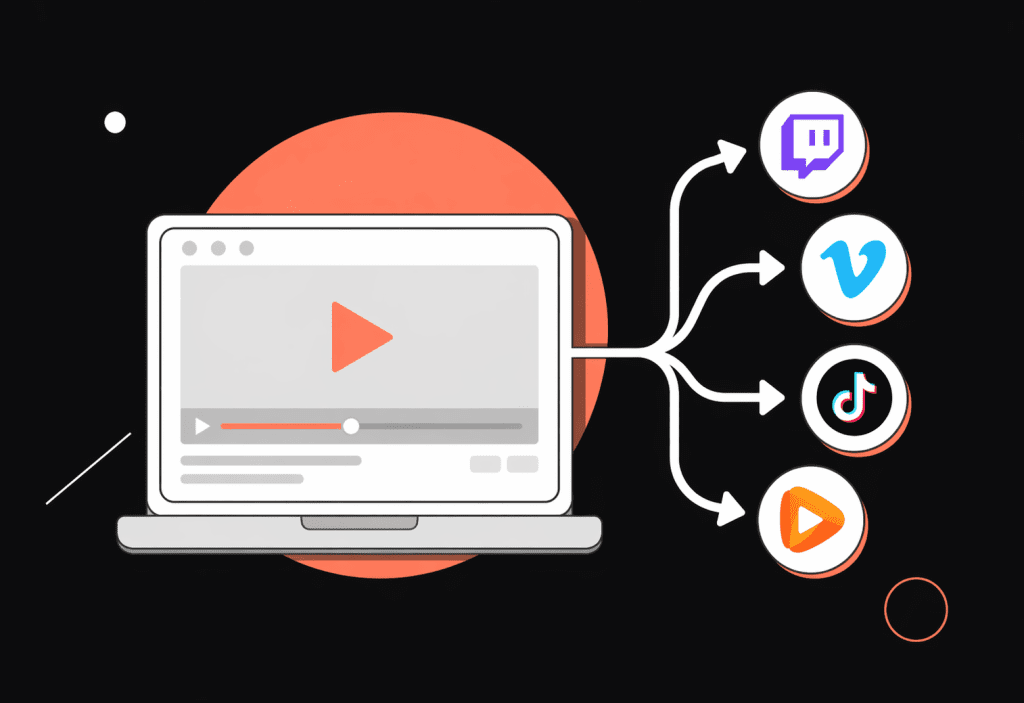
YouTube occupies a specific and increasingly dominant position in the video platform market: a global video-sharing behemoth with proven monetization capabilities, an algorithmic recommendation engine that keeps 2.7 billion users engaged, and a creator community that uploads 720,000 hours of content daily. The 2026 YouTube platform carries forward this reputation with enhanced AI-powered features, improved creator tools, and expanded YouTube Shorts to compete with TikTok. However, YouTube’s aggressive advertising, content restrictions, privacy concerns, and creator revenue splits have created a growing group of users and creators evaluating what else the market offers.
After six weeks of testing across content creation, viewer experience, monetization options, and community features, the best YouTube alternatives in 2026 are Vimeo for creators who prioritize video quality and professional presentation with better privacy controls; Twitch for creators focused on live streaming and real-time audience interaction; and Rumble for creators who want less content restriction with competitive monetization options.
There is no perfect YouTube alternative – its combination of massive audience reach, established monetization, and search integration is genuinely unique in the current market. But depending on what you actually use video platforms for, several of the services on this list do specific things better with different priorities.
Here is every platform I evaluated, with real pros, cons, and a no-bias verdict on who each one is actually for.
Who Should Pick What
Best YouTube alternative for professional creators: Vimeo (Pro or Business)
Best for live streaming: Twitch
Best for free speech priority: Rumble or Odysee
Best for educational content: Skillshare or Udemy
Best for short-form video: TikTok or Instagram Reels
Best for privacy-conscious users: PeerTube or Odysee
Best for monetization potential: Patreon (with any platform) or Twitch
Best for music and audio content: SoundCloud or Spotify for Podcasters
Best for adult content creators: OnlyFans or Fansly
Best for gaming content: Twitch or Kick
Best for decentralized video: PeerTube or LBRY/Odysee
Best for businesses: Vimeo Business or Wistia
How I Evaluated These Platforms
I have created and consumed video content across multiple platforms for 8 years, including monetized YouTube channels, Twitch streaming, and professional video hosting. This six-week evaluation covered four primary use cases: content creator experience, viewer usability, monetization options, and community engagement tools.
I evaluated each platform on eight criteria: upload limits and video quality, discovery and recommendation algorithms, monetization options for creators, content moderation policies, privacy and data handling, community features, mobile app quality, and API/embedding capabilities. Where possible, I uploaded identical content to compare performance and viewer engagement.
No platform paid for placement or coverage in this evaluation. Pricing reflects current tiers as of March 2026; features and policies change frequently in this space.
1. Vimeo – Best for Professional Video Quality
Vimeo – At a Glance Best for: Professional creators, businesses, and filmmakers who prioritize video quality over mass reach
Pricing: Free (limited). Plus: $12/month. Pro: $35/month. Business: $95/month.
What it is: Vimeo is a professional video platform that has positioned itself as the quality-focused alternative to YouTube since 2004. It offers superior compression, no pre-roll ads on videos, detailed analytics, and professional presentation tools that appeal to filmmakers, businesses, and creators who prioritize how their content looks over maximum views.
Why it is a great YouTube alternative: Vimeo’s compression algorithm maintains higher quality at the same bitrate, no ads interrupt the viewer experience, and the platform culture emphasizes artistic and professional content over viral videos. Privacy controls are granular – you can password-protect videos, restrict embedding domains, and control exactly who sees your content.
YouTube vs Vimeo in one line: YouTube wins on audience reach and discovery; Vimeo wins on video quality, professional features, and viewer experience without ads.
Key Features
Superior video quality – 4K, 8K, HDR support with better compression than YouTube. Your videos look noticeably better at the same file size.
No viewer ads – Zero pre-roll, mid-roll, or overlay ads on any tier. Viewers watch your content uninterrupted.
Advanced privacy controls – Password protection, domain-level embed restrictions, and private link sharing with expiration dates.
Professional player customization – Remove Vimeo branding, customize colors, add your logo, and create a white-label experience.
Pros
- Best-in-class video compression and playback quality
- No ads create a premium viewer experience
- Robust API and embedding options for websites and apps
- Strong creative community that values quality over quantity
Cons
- Tiny audience compared to YouTube – discovery is essentially non-existent
- Storage limits even on paid plans (Pro is 20GB/week)
- No real monetization through the platform itself
- Monthly costs for the features YouTube provides free
Pricing: Free: 500MB/week. Plus ($12/mo): 5GB/week. Pro ($35/mo): 20GB/week. Business ($95/mo): 1TB total.
Best for: Filmmakers, professional creators, businesses embedding video, anyone prioritizing quality over reach
Skip if: You need large audience discovery, direct platform monetization, or unlimited uploads.
My take: Vimeo is YouTube for adults with money. If you’re showcasing professional work, running a business, or prioritizing viewer experience over view count, it’s the clear choice. For audience building, it’s not competitive.
2. Twitch – Best for Live Content and Community
Best for: Live streamers, gamers, and creators who want real-time audience interaction
Pricing: Free to use. Revenue split: 50/50 for most, 70/30 for top partners.
What it is: Twitch is Amazon’s live streaming platform that has expanded beyond gaming to include “Just Chatting,” music, art, and virtually any live content category. With integrated chat, donations, subscriptions, and the most engaged live audiences online, it’s the dominant force in live streaming.
Why it is a great YouTube alternative: For creators who thrive on real-time interaction, Twitch’s live-first approach creates deeper audience connections than YouTube’s comment system. Monetization starts earlier – viewers can subscribe or donate from day one. The community culture encourages support through subscriptions, bits (virtual currency), and direct donations.
YouTube vs Twitch in one line: YouTube wins on VOD discoverability and total reach; Twitch wins on live engagement, community features, and early monetization.
Key Features
Integrated live chat – Real-time interaction with moderation tools, emotes, and community culture built around engagement.
Multiple monetization streams – Subscriptions ($4.99+/month), bits (cheering), direct donations, and sponsorships all from one platform.
Raids and hosts – Send your audience to other streamers, building community connections impossible on YouTube.
Category-based discovery – Browse by game, activity, or interest rather than relying solely on algorithm recommendations.
Pros
- Best live streaming infrastructure and features in the industry
- Monetization possible from day one through donations/bits
- Deeply engaged communities around streamers
- Strong moderation tools for managing live chat
Cons
- Terrible for VOD/recorded content discovery
- 50/50 revenue split worse than YouTube’s 55/45
- Extremely competitive – standing out requires consistent live schedules
- The copyright detection system (DMCA) is aggressive and problematic
Monetization: Affiliates (50/50 split), Partners (usually 50/50, top creators 70/30), Bits, Direct donations
Best for: Gamers, live performers, anyone who thrives on real-time audience interaction
Skip if: You primarily create edited videos, can’t maintain a streaming schedule, or need strong VOD discovery
My take: Twitch is unmatched for building a community through live content. The platform mechanics encourage viewer loyalty and financial support in ways YouTube can’t match. But it’s a grind requiring consistent live presence.
3. Rumble – Best for Less Restricted Content
Best for: Creators who want minimal content moderation and alternative monetization
Pricing: Free. Rumble Premium (viewer): $9.99/month for ad-free viewing.
What it is: Rumble positions itself as the “free speech” alternative to YouTube, with minimal content restrictions beyond legal requirements. It has gained significant traction since 2020, particularly among political commentators and creators who faced YouTube restrictions or demonetization.
Why it is a great YouTube alternative: Rumble offers genuine monetization through advertising and licensing, minimal content restrictions, and a growing audience seeking alternatives to mainstream platforms. The platform pays creators for content licensed to its partners and offers competitive ad rates for eligible channels.
YouTube vs Rumble in one line: YouTube wins on total audience size and features; Rumble wins on content freedom and competitive monetization rates for established creators.
Key Features
Minimal content restrictions – Content policies focus on legality rather than advertiser preferences or political positions.
Multiple monetization methods – Ad revenue, content licensing, tips, and Rumble Premium revenue sharing.
Video licensing program – Rumble licenses creator content to partners like Yahoo, generating additional revenue.
Creator-friendly policies – No demonetization for political views, controversial topics, or advertiser-unfriendly content.
Pros
- True alternative monetization through licensing deals
- Growing audience seeking YouTube alternatives
- No shadow banning or algorithmic suppression
- Higher per-view earnings for many creators than on YouTube
Cons
- Much smaller total audience than YouTube
- A platform associated with political content may limit mainstream appeal
- Fewer features and less polished than established platforms
- The discovery algorithm is less sophisticated than YouTube
Monetization: 60% ad revenue share, licensing deals, viewer tips, Premium revenue share
Best for: Political commentators, creators facing YouTube restrictions, free speech advocates
Skip if: You need maximum mainstream reach or prefer heavily moderated platforms
My take: Rumble is what it claims: a genuine alternative for creators that YouTube doesn’t want. The monetization is real, the audience is growing, but the platform’s political associations may limit broader appeal.
4. TikTok – Best for Short-Form Viral Content
Best for: Short-form creators who can adapt to vertical video and trend-based content
Pricing: Free. Creator Fund pays $0.02-0.04 per 1,000 views (highly variable).
What it is: TikTok is the dominant short-form video platform, with an algorithm that can make unknown creators viral overnight. While not a direct YouTube replacement, it’s where audience attention has shifted, particularly for users under 25.
Why it is a great YouTube alternative: TikTok’s algorithm is unmatched at serving content to interested audiences without requiring subscribers. Creators can build massive followings faster than any other platform. The integrated editing tools, effects, and music library lower the barrier to content creation.
YouTube vs TikTok in one line: YouTube wins on long-form content and direct monetization; TikTok wins on viral potential and audience growth speed.
Pros
- Fastest audience growth potential of any platform
- Algorithm excels at finding your target audience
- Built-in editing tools and effects streamline creation
- Massive engaged user base, especially Gen Z
Cons
- Terrible direct monetization – Creator Fund pays pennies
- No long-form content option limits content types
- The copyright system is restrictive and arbitrary
- Uncertain future due to potential bans/regulations
Monetization: Creator Fund (minimal), Brand partnerships, Live gifts, TikTok Shop affiliates
Best for: Short-form creators, trend-based content, building an audience for other platforms
Skip if: You create educational or long-form content, need direct monetization, or want platform stability
My take: TikTok is unmatched for audience building but terrible for direct monetization. Smart creators use it as a funnel to monetize platforms.
5. LBRY/Odysee – Best Decentralized Alternative
Best for: Tech-savvy creators who value decentralization and cryptocurrency integration
Pricing: Free. Creators earn LBC cryptocurrency for views.
What it is: LBRY is a decentralized protocol for content sharing, with Odysee as its main front-end. Content is hosted on a blockchain-based network, making censorship technically impossible and giving creators true ownership of their content and audience.
Why it is a great YouTube alternative: True content ownership, no platform censorship, and cryptocurrency monetization appeal to creators concerned about platform control. The decentralized nature means content can’t be deleted by corporate policy changes.
YouTube vs LBRY/Odysee in one line: YouTube wins on usability and audience size; LBRY wins on creator control and censorship resistance.
Pros
- Truly decentralized – content cannot be censored or removed
- Cryptocurrency monetization with no middleman
- Import YouTube channels easily
- Growing community of tech-savvy users
Cons
- Much smaller audience than centralized platforms
- Cryptocurrency complexity deters mainstream users
- Video quality and streaming reliability vary
- Interface less polished than mainstream alternatives
Monetization: LBC cryptocurrency tips and rewards, direct creator support
Best for: Crypto enthusiasts, creators concerned about censorship, tech-savvy audiences
Skip if: You need mainstream audience reach or aren’t comfortable with cryptocurrency
My take: LBRY/Odysee represents the future many creators want – true ownership and decentralization. But the present reality is a small audience and technical barriers.
6-10. Quick Platform Comparisons
6. PeerTube – Best for Self-Hosted Video
PeerTube is the federated alternative where anyone can host their own instance. Using ActivityPub (same protocol as Mastodon), videos can be shared across instances while maintaining control. It’s perfect for organizations or creators who want complete control over their platform. The downside is minimal built-in discovery and the technical requirements of self-hosting. Best for technical creators or organizations that prioritize ownership over convenience.
7. Dailymotion – Best International YouTube Alternative
Dailymotion remains YouTube’s largest traditional competitor globally, particularly strong in Europe. It offers similar features with a 60/40 revenue split favoring creators. The platform is stable and well-funded, but has failed to differentiate meaningfully from YouTube. Its main advantage is less competition for viewer attention. Best for international creators, particularly in French-speaking markets.
8. Instagram Reels/IGTV – Best for Existing Instagram Audiences
For creators with established Instagram followings, Reels and IGTV offer video options without platform switching. The integration with Instagram’s ecosystem is seamless, and the Reels Play bonus program pays creators directly. However, discovery outside your follower base is limited, and monetization options lag behind dedicated video platforms. Best for influencers leveraging existing Instagram audiences.
9. Patreon – Best for Direct Creator Support
While not a video platform itself, Patreon revolutionized creator monetization through direct monthly support. Creators maintain 88-95% of earnings and can offer exclusive content, early access, and community features. Most successful creators use Patreon alongside other platforms rather than as a replacement. Best for creators with dedicated audiences willing to pay for exclusive content.
10. Nebula – Best for Educational Creators
Nebula is a creator-owned platform featuring educational content from established YouTube educators. The subscription model ($5/month) splits revenue among creators based on watch time. With no ads and creator ownership, it offers what many see as an ideal model. However, it’s invite-only and limited to educational content. Best for educational creators already established elsewhere.
Why People Look Beyond YouTube
Algorithm frustration: YouTube’s recommendation algorithm, while powerful, often feels arbitrary to creators. Videos can be suppressed for unclear reasons, and building an audience requires playing the algorithm game rather than focusing on content quality.
Monetization restrictions: YouTube’s advertiser-friendly guidelines, demonetization policies, and relatively low ad rates push creators to seek alternatives. Many topics that audiences want are deemed “not suitable for advertisers.”
Privacy concerns: Google’s data collection and targeted advertising make privacy-conscious users and creators uncomfortable. The integration with Google’s ecosystem means extensive tracking across platforms.
Content restrictions: YouTube’s community guidelines, while necessary at scale, often feel restrictive to creators. Automated content ID and strikes can destroy channels without meaningful appeal processes.
Platform instability: Creators have learned that platform rule changes can eliminate income overnight. The search for alternatives is often about diversification rather than replacement.
How to Choose the Right YouTube Alternative
1. What type of content do you create?
Long-form educational: Nebula or Vimeo
Live streaming: Twitch or Kick
Short-form: TikTok or Instagram Reels
Professional/Business: Vimeo or Wistia
Controversial/Political: Rumble or Odysee
2. What matters most to you?
Audience reach: Stick with YouTube while building on alternatives.
Monetization: Twitch + Patreon combination
Content freedom: Rumble or Odysee
Video quality: Vimeo
Privacy: PeerTube or Odysee.
3. How technical are you?
Very technical: PeerTube or LBRY
Somewhat technical: Odysee or Vimeo
Not technical: Rumble, Twitch, or TikTok
4. What’s your monetization goal?
Direct platform ads: YouTube is still the best, Rumble is secondary.
Fan funding: Twitch or Patreon
Brand deals: TikTok or Instagram
Selling courses/content: Vimeo or self-hosted
5. How important is mobile?
Critical: TikTok, YouTube, Instagram.
Important: Twitch, Rumble.
Less important: PeerTube, Vimeo
FAQ
Can I make money on YouTube alternatives?
Yes, but different from YouTube. Twitch offers multiple revenue streams but requires live content. Patreon provides a stable monthly income but requires dedicated fans. Rumble offers competitive ad rates but smaller audiences. Most successful creators use multiple platforms.
Should I leave YouTube entirely?
Rarely. YouTube’s audience reach remains unmatched. Smart creators use YouTube for discovery while building audiences on alternatives for diversification. Only leave entirely if YouTube actively prevents your content type.
Which alternative is growing fastest?
Rumble and TikTok show the highest growth rates, though from different bases. Rumble grows among users seeking YouTube alternatives, while TikTok dominates younger demographics. Twitch continues steady growth in live streaming.
What about bandwidth costs?
Most platforms handle hosting, but costs vary. PeerTube requires self-hosting considerations. Vimeo has strict bandwidth limits on lower tiers. Platforms like Rumble and Odysee handle infrastructure costs through their business models.
Final Verdict
YouTube remains the dominant video platform for good reasons – massive audience, established monetization, and unmatched discovery through search integration. No single alternative replicates this combination. However, the best strategy for most creators in 2026 is platform diversification rather than replacement.
For live content, Twitch offers superior features and community engagement. For professional presentation, Vimeo provides quality and control that YouTube can’t match. For content freedom, Rumble and Odysee offer genuine alternatives with growing audiences. For audience building, TikTok’s algorithm remains unmatched despite poor direct monetization.
The ideal approach depends on your content type, audience, and goals. Gaming streamers should prioritize Twitch while maintaining YouTube VODs. Educational creators might combine YouTube for discovery with Nebula or Patreon for monetization. Political commentators increasingly use Rumble alongside YouTube for redundancy.
The era of single-platform dependency is ending. Successful creators in 2026 build audiences across multiple platforms, own their audience relationships through email lists and direct support platforms, and adapt content for each platform’s strengths rather than seeking a perfect YouTube replacement that doesn’t exist.
Have you successfully built an audience on YouTube alternatives? What platform combinations work for your content? Share your experience in the comments.