If you want more people to notice your website, press release submission in SEO can help. It’s like sending out an announcement to the world about your website. But how do you do it?
Don’t worry, we’ll break it down for you in simple steps.
In this blog post, we’ll show you how to effectively use press release submission to boost your website’s visibility and reach a larger audience. Let’s get started!
Understanding The Role Of Press Releases In SEO
Press releases play a crucial role in seo by boosting website visibility and increasing brand exposure. These releases contribute to higher search engine rankings and attract more targeted traffic to your site. By distributing press releases online, you can reach a wider audience and generate backlinks to your website, helping to improve your search engine optimization efforts.
In addition, press releases provide an opportunity to showcase your expertise and establish your brand as a trusted authority in your industry. The key benefits of press release submission in seo include increased online visibility, improved website traffic, better brand recognition, and enhanced credibility.
It’s important to utilize press releases as part of your seo strategy to maximize your online presence and drive more organic traffic to your website.
Step-By-Step Process For Effective Press Release Submission
Press release submission is an important aspect of seo. It involves researching and identifying relevant platforms for distribution. Crafting a compelling and newsworthy press release is crucial to grab attention. Writing a captivating press release requires creativity and storytelling skills.
Additionally, incorporating seo strategies within the content helps to optimize it for search engines. Choosing appropriate keywords and placing them strategically is essential for visibility. Utilizing relevant anchor text and backlinks can further enhance the press release’s credibility. Adding meta tags and meta descriptions improves discoverability.
Selecting appropriate media, such as images, videos, and infographics, can make the press release more engaging. Copyright considerations and proper attribution must be taken into account. Finally, submitting the press release to trusted distribution platforms, including major websites and industry-specific platforms, is necessary for reaching the target audience.
Following these tips will optimize the press release submission process for successful seo.
Leveraging Press Release Distribution For Maximum Seo Impact
Press release submission is an effective seo strategy that can boost your online visibility. Building relationships with journalists and media outlets is crucial for success. Networking within your industry allows you to connect with relevant contacts. Engage with journalists through social media and email to establish rapport.
Pitch press releases to journalists for additional coverage and exposure. Track and analyze the performance of your press releases using tracking tools and analytics. Monitor backlinks and referral traffic generated from press releases. Use insights gained to optimize future press releases.
Integrate press release submission with other SEO efforts to maximize impact. Link press releases to website content and landing pages to drive traffic. Incorporate press releases into your overall content marketing strategy. Amplify press releases through social media, Email finder tools, and email marketing to reach a wider audience.
With these steps, you can leverage press release distribution for maximum seo impact.
Mastering press release submission is crucial for a successful seo strategy. By effectively utilizing this powerful tool, you can increase your online visibility, generate more traffic to your website, and enhance your brand’s credibility. Remember to focus on crafting compelling and newsworthy content that grabs the attention of journalists and readers.
Choose the right distribution channels and optimize your press releases with relevant keywords and backlinks to maximize their impact on search engine rankings. Furthermore, establish solid relationships with journalists and influencers to increase the chances of your press releases getting picked up by media outlets.
So, go ahead and implement these best practices to get the most out of your press release submissions in seo. The potential benefits are immense, and they can contribute significantly to the growth and success of your business.
Check Also How to Optimize a Press Release for Seo
Content strategy and content marketing are two terms that are often used interchangeably, but they are not the same thing. Content strategy refers to the planning, development, and management of content that is created for a specific purpose. It involves understanding the target audience, defining goals, and creating a plan to achieve those goals.
On the other hand, content marketing is the practice of using content to attract and engage an audience with the goal of driving profitable customer action. It involves creating valuable and relevant content that is designed to inform, educate, or entertain the audience. The ultimate goal is to build trust and establish a relationship with the audience, which can lead to increased brand awareness, customer loyalty, and sales.
While content strategy and content marketing are related, they serve different purposes and require different approaches. A good content strategy is essential for creating effective content marketing campaigns. Without a strategy, content marketing efforts can be scattered and ineffective. By contrast, a well-executed content marketing campaign can help to achieve the goals of a content strategy.
Understanding Content Strategy
Role of Content Strategy
Content strategy refers to the planning, development, and management of content that is created to meet the needs of a target audience. It involves setting goals, defining the target audience, creating a content plan, and measuring the success of the content. The purpose of content strategy is to ensure that the content created is relevant, useful, and engaging to the target audience.
The role of content strategy is to provide a roadmap for creating and managing content that is aligned with the goals of the organization. It helps to ensure that the content created is consistent, high-quality, and meets the needs of the target audience. Content strategy also helps to ensure that the content is delivered in the right format, at the right time, and through the right channels.
Benefits of Content Strategy
Content strategy offers several benefits to organizations. Firstly, it helps to ensure that the content created is aligned with the goals of the organization. This ensures that the content is relevant, useful, and engaging to the target audience. Secondly, content strategy helps to ensure that the content is consistent and of high quality. This helps to build trust with the target audience and can lead to increased engagement and conversions. Using AI driven content can further enhance this process by helping organizations create targeted, high-quality material more efficiently.
Thirdly, content strategy helps to ensure that the content is delivered in the right format, at the right time, and through the right channels. This can help to increase the reach of the content and ensure that it is seen by the target audience. Finally, content strategy helps to measure the success of the content and make adjustments as needed. This ensures that the content remains relevant and effective over time.
In summary, content strategy is an essential component of any successful content marketing campaign. It helps to ensure that the content created is aligned with the goals of the organization, consistent, high-quality, and delivered through the right channels. By implementing a content strategy, organizations can improve engagement, build trust with their target audience, and achieve their marketing goals. Utilizing free OKR software can assist teams in aligning their objectives with measurable outcomes, ultimately enhancing the effectiveness of a content strategy.
Understanding Content Marketing
Role of Content Marketing
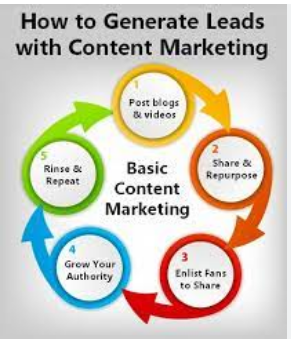
Content marketing is the process of creating and distributing valuable, relevant, and consistent content to attract and retain a clearly defined audience — and, ultimately, to drive profitable customer action. It is a marketing approach that focuses on creating and sharing valuable content to attract and retain customers and build brand loyalty.
The role of content marketing is to provide relevant and valuable content to customers that will help them solve their problems, answer their questions, and make informed decisions. It is a way to build trust and credibility with customers by providing them with helpful information that is not purely promotional.
Advantages of Content Marketing
There are several advantages to using content marketing as part of a marketing strategy.
Firstly, it helps to build and measure brand awareness and establish a company as a thought leader in its industry. By consistently providing valuable content, a company can position itself as an expert in its field and gain the trust and loyalty of its customers.
Secondly, content marketing can help to generate leads and drive sales. By creating content that is specifically tailored to the needs and interests of its target audience, a company can attract potential customers and encourage them to take action, such as filling out a contact form or making a purchase.
Finally, content marketing can be a cost-effective way to reach a large audience. By creating content that is shareable and engaging, a company can increase its reach and visibility without having to spend a lot of money on advertising.
In conclusion, content marketing is an effective way to attract and retain customers, build brand loyalty, and drive profitable customer action. By providing valuable and relevant content to customers, companies can establish themselves as thought leaders in their industry and gain the trust and loyalty of their target audience.
Content Strategy vs Content Marketing
Key Differences
The main difference between Content strategy and content marketing are two terms that are often used interchangeably, but they are not the same thing. While both are crucial components of any successful marketing campaign, they serve different purposes.
Content marketing is the process of creating and distributing valuable content to attract and engage a target audience. The goal is to drive profitable customer action, such as making a purchase or subscribing to a service. Content marketing is primarily focused on the creation and distribution of content that is designed to convert prospects into customers.
On the other hand, content strategy is the planning, development, and management of content that is created to achieve specific business goals. The focus is on creating content that is aligned with the overall business strategy and objectives. Content strategy includes the development of a content calendar, content creation guidelines, and the management of content distribution channels.
Interrelation and Interdependence
While content strategy and content marketing are different, they are also interrelated and interdependent. Content marketing cannot be effective without a solid content strategy in place. A content strategy provides the framework for creating and distributing content that is aligned with the overall business strategy and objectives. It ensures that the content is relevant, engaging, and valuable to the target audience.
Likewise, content strategy cannot be effective without content marketing. A content strategy that is not supported by effective content marketing will fail to achieve its goals. Content marketing is the means by which the content is distributed to the target audience. It ensures that the content is seen by the right people at the right time.
In summary, content strategy and content marketing are two different but interrelated components of a successful marketing campaign. Content strategy provides the framework for creating and distributing content that is aligned with the overall business strategy and objectives, while content marketing is the means by which the content is distributed to the target audience. Together, they form a powerful combination that can drive profitable customer action and achieve business goals.
Importance in Business Context
Impact on Business
Content strategy and content marketing are crucial for businesses in today’s digital age. A well-planned content strategy can help a business achieve its goals by attracting and retaining customers, increasing brand awareness, and improving customer engagement. Content marketing, on the other hand, involves creating and distributing valuable content to attract and retain a specific audience and ultimately drive profitable customer action.
A successful content strategy can help businesses in various ways, such as increasing website traffic, improving SEO, and generating leads. By creating high-quality content that is relevant to their target audience, businesses can establish themselves as thought leaders in their industry and build credibility with their customers. This, in turn, can lead to increased customer loyalty and repeat business.
Role in Brand Building
One of the most significant benefits of a well-executed content strategy and content marketing plan is the role they play in building a brand. By creating and distributing high-quality content that resonates with their target audience, businesses can establish themselves as a trusted authority in their industry and build brand awareness.
Content marketing can also help businesses differentiate themselves from their competitors by showcasing their unique value proposition and highlighting their strengths. This, in turn, can help businesses build a loyal following and ultimately drive more sales.
In conclusion, a well-planned content strategy and content marketing plan are critical for businesses looking to establish themselves as thought leaders in their industry, build credibility with their customers, and drive profitable customer action. By focusing on creating high-quality content that is relevant to their target audience, businesses can achieve their goals and ultimately succeed in today’s competitive digital landscape.
In conclusion, while content strategy and content marketing share some similarities, they are ultimately different concepts that serve different purposes.
Content strategy is focused on creating a plan for how content will be created, managed, and distributed across various channels. It involves understanding the target audience, identifying goals and objectives, and developing a roadmap for achieving those goals through content.
On the other hand, content marketing is focused on using content to attract and engage a specific target audience with the goal of driving profitable customer action. It involves creating and distributing valuable, relevant, and consistent content that ultimately leads to increased brand awareness, lead generation, and sales.
While both content strategy and content marketing are important for any organization that wants to succeed in today’s digital landscape, it’s important to understand the differences between the two and how they can work together to achieve your goals.
By developing a clear content strategy, organizations can ensure that they are creating and distributing content that aligns with their overall business objectives and resonates with their target audience. And by implementing a content marketing strategy, they can effectively promote that content and drive meaningful engagement with their audience.
Ultimately, the key to success in both content strategy and content marketing is to remain focused on providing value to your audience and delivering content that is relevant, timely, and useful. By doing so, you can build trust, establish thought leadership, and drive meaningful business results.
Inbound marketing and content marketing are two marketing strategies that are often used interchangeably, but they are not the same thing. Inbound marketing is a holistic approach that focuses on attracting potential customers through various channels, such as search engines, social media, and email marketing. This approach aims to create a seamless experience for the customer, from the first interaction to the final purchase.
On the other hand, content marketing is a subset of inbound marketing that focuses on creating and distributing valuable, relevant, and consistent content to attract and retain a clearly defined audience. The goal of content marketing is to build a relationship with the audience by providing them with informative and engaging content that helps them solve their problems or achieve their goals.
While both inbound marketing and content marketing share the same goal of attracting and retaining customers, they differ in their approach. Inbound marketing is a broader approach that encompasses various marketing channels, while content marketing is a specific tactic that focuses on creating and distributing content. Understanding the differences between these two marketing strategies is crucial for businesses to develop an effective marketing plan that aligns with their goals and objectives.
Understanding Inbound Marketing
Definition
Inbound marketing is a marketing methodology that focuses on attracting customers through valuable content and experiences rather than interruptive advertising. It involves creating and sharing content that educates, informs, and entertains potential customers at every stage of the buyer’s journey. The goal is to provide helpful information that solves problems and builds trust with the audience.
Key Strategies
Inbound marketing strategies include:
Content creation: Creating blog posts, videos, podcasts, and other types of content that provide value to the audience.
Search engine optimization (SEO): Optimizing content for search engines to increase visibility and traffic to the website.
Social media marketing: Using social media platforms to distribute content and engage with the audience.
Email marketing: Building and nurturing email lists to stay in touch with subscribers and provide them with valuable content.
Lead generation: Offering valuable content in exchange for contact information to build a database of potential customers.
Benefits
The benefits of inbound marketing include:
Cost-effective: Inbound marketing can be more cost-effective than traditional advertising methods because it focuses on creating valuable content rather than paying for ad space.
Builds trust: By providing helpful information and solving problems, inbound marketing builds trust with the audience, making them more likely to become customers.
Long-term results: Inbound marketing strategies can continue to attract and engage potential customers long after the initial creation and distribution of content.
Measurable: Inbound marketing can be measured with analytics tools to track the success of campaigns and make data-driven decisions.
inbound marketing is a powerful methodology that can help businesses attract and engage potential customers through valuable content and experiences. By focusing on creating helpful content, optimizing for search engines, and building relationships with the audience, businesses can build trust and generate leads over the long term.
Understanding Content Marketing
Definition
Content marketing is a strategic marketing approach that involves creating and distributing valuable, relevant, and consistent content to attract and retain a clearly defined audience. The ultimate goal of content marketing is to drive profitable customer action.
Content marketing is not advertising, but rather a way to educate, inform, and entertain the target audience. It is a long-term strategy that focuses on building relationships with customers by providing them with valuable information that helps them solve their problems.
Key Strategies
There are several key strategies that companies can use to implement effective content marketing campaigns. These include:
Identifying the target audience: Companies need to understand who their target audience is and what their needs and pain points are. This will help them create content that resonates with their audience.
Creating high-quality content: Companies need to create content that is informative, engaging, and relevant to their audience. This can include blog posts, videos, infographics, and more.
Promoting content: Companies need to promote their content through various channels, including social media, email marketing, and paid advertising. This will help them reach a wider audience and drive more traffic to their website.
Measuring results: Companies need to track and measure the results of their content marketing campaigns. This will help them understand what is working and what needs to be improved.
Benefits
There are several benefits to using content marketing as a marketing strategy. These include:
Increased website traffic: By creating high-quality content, companies can attract more visitors to their website.
Improved search engine rankings: By creating content that is optimized for search engines, companies can improve their search engine rankings and drive more organic traffic to their website.
Increased brand awareness: By creating content that is informative and engaging, companies can increase their brand awareness and build trust with their audience.
Higher conversion rates: By providing valuable information to their audience, companies can increase their conversion rates and drive more sales.
Inbound Marketing vs Content Marketing
Differences
The main difference between Inbound marketing and content marketing are two different approaches to digital marketing. Inbound marketing is a broader concept that involves attracting customers through various channels, while content marketing is a specific tactic that involves creating and sharing valuable content to attract and retain a clearly defined audience. Some of the key differences between inbound marketing and content marketing are:
Scope: Inbound marketing is a more comprehensive approach that includes a range of tactics such as SEO, social media, email marketing, and more. Content marketing, on the other hand, is a narrower tactic that focuses on creating and sharing content.
Goals: The primary goal of inbound marketing is to attract, engage, and delight customers, while the primary goal of content marketing is to create and distribute valuable content that drives profitable customer action.
Audience: Inbound marketing targets a broader audience that includes prospects, leads, and customers, while content marketing targets a specific audience that is interested in the content being shared.
Similarities
While inbound marketing and content marketing have some key differences, they also share some similarities. Some of the key similarities between inbound marketing and content marketing are:
Value: Both inbound marketing and content marketing are focused on providing value to the audience. Inbound marketing provides value by offering solutions to problems, while content marketing provides value by creating and sharing valuable content.
Attracting Customers: Both inbound marketing and content marketing are designed to attract customers. Inbound marketing attracts customers through various channels, while content marketing attracts customers through valuable content.
Customer-Centric: Both inbound marketing and content marketing are customer-centric approaches. Inbound marketing focuses on the customer journey, while content marketing focuses on delivering value to the customer.
Inbound marketing and content marketing are two different approaches to digital marketing that have some key differences and similarities. While inbound marketing is a broader approach that includes various tactics, content marketing is a specific tactic that focuses on creating and sharing valuable content. Both approaches are designed to attract customers and provide value to the audience.
How to Choose Between Inbound and Content Marketing
When it comes to choosing between inbound and content marketing, businesses need to consider their goals, target audience, and budget. Here are some factors to consider:
Business Goals
The first step in choosing between inbound and content marketing is to identify the business goals. Inbound marketing is focused on generating leads and driving conversions, while content marketing is focused on creating valuable content to attract and engage an audience.
If the goal is to increase website traffic and generate leads, inbound marketing may be the better option. On the other hand, if the goal is to establish the brand as a thought leader and create a loyal following, content marketing may be the better choice.
Target Audience
Another factor to consider is the target audience. Inbound marketing is typically geared towards a specific audience that is actively searching for solutions to their problems. Content marketing, on the other hand, is focused on creating content that is valuable and engaging to a broader audience.
If the target audience is already actively searching for solutions, inbound marketing may be the best option. However, if the target audience is not as well-defined or requires a more educational approach, content marketing may be the better choice.
Budget
Finally, businesses need to consider their budget when choosing between inbound and content marketing. Inbound marketing typically requires a larger investment upfront, as it involves creating landing pages, email campaigns, and other lead generation tactics. Content marketing, on the other hand, can be more cost-effective, as it primarily involves creating content.
If the budget is limited, content marketing may be the better option. However, if the business has the resources to invest in inbound marketing, it may be the better long-term strategy.
Overall, businesses need to carefully consider their goals, target audience, and budget when choosing between inbound and content marketing. By understanding the strengths and weaknesses of each approach, businesses can make an informed decision that will help them achieve their marketing objectives.
Conclusion
Inbound marketing and content marketing are two different strategies that can be used to achieve similar goals. While inbound marketing focuses on attracting potential customers through various channels, content marketing is all about creating and distributing valuable content to engage and educate the audience.
Both strategies have their own strengths and weaknesses, and it’s up to businesses to decide which one works best for them. However, it’s important to note that a successful marketing campaign often involves a combination of both inbound and content marketing.
By using inbound marketing, businesses can increase their visibility and reach a wider audience, while content marketing can help establish a brand as an authority in its industry and build long-term relationships with customers.
Ultimately, the success of any marketing strategy depends on how well it is executed and how well it resonates with the target audience. As such, businesses should focus on creating high-quality content that provides value to their audience, and use inbound marketing techniques to promote that content and attract potential customers.
In conclusion, both inbound marketing and content marketing have their own unique benefits, and a successful marketing campaign often involves a combination of both strategies. By focusing on creating valuable content and using inbound marketing techniques to promote it, businesses can establish themselves as an authority in
In an age where consumers are increasingly online, companies must utilize both traditional brand marketing and digital marketing in order to reach target audiences effectively.
Brand marketing builds awareness and shapes the perception of a company’s products or services through mediums like TV, radio, and print. Digital marketing involves utilizing online channels like search engines, social media, and websites to promote brands. While brand marketing establishes the brand identity and story, digital marketing enables direct customer acquisition and retention.
This guide will outline key differences, synergies, and best practices for leveraging both brand and digital marketing strategies in 2024.
What are digital marketing and digital branding?
Digital marketing refers to any promotional activities delivered through digital channels such as search engines, websites, social media, emails, and mobile apps. The goal of digital marketing is to reach prospective customers online and persuade them to take action, whether that’s making a purchase, signing up for a newsletter, downloading an app, or interacting with the brand.
Digital branding focuses specifically on shaping consumer perception of a brand through digital touchpoints. This involves crafting a consistent brand identity and voice across platforms like social media, developing engaging online content that reflects brand values, and leveraging things like branded hashtags to boost visibility. The aim is to make all digital brand interactions reinforce what the brand stands for in the minds of its audience.
Understanding The Difference
The main difference between Brand marketing and digital marketing are two distinct yet interconnected strategies that businesses employ to reach and engage with their target audience. While brand marketing focuses on shaping the perception and reputation of a company or product, digital marketing relies on online channels to promote brands and drive customer engagement.
Understanding the difference between these two approaches is crucial for businesses to effectively allocate their resources and develop a comprehensive marketing strategy.
Brand Marketing And Digital Marketing: How Are They Distinct?
Brand marketing emphasizes creating a strong brand identity and positioning in the minds of consumers. It aims to establish an emotional connection and foster brand loyalty.
Digital marketing, on the other hand, leverages digital channels like websites, social media, email marketing, and content marketing to promote products and services, generate leads, and drive conversions.
The role of traditional advertising in brand marketing:
Traditional advertising, including tv commercials, print ads, and billboards, has long been a cornerstone of brand marketing. It enables businesses to reach a wide audience and build brand awareness through mass media exposure. However, with the rise of digital marketing, platforms like Dash Two offer innovative solutions that allow brands to engage directly with their target audience, enhancing personalized connections and driving more measurable results.
Traditional advertising focuses on creating a memorable brand image and associating it with certain values or emotions. By leveraging creative visuals, catchy slogans, and memorable jingles, traditional advertising aims to capture consumers’ attention and evoke positive brand associations. To complement these efforts, businesses can use customizable flyer templates to create eye-catching promotional materials that reinforce their brand message.
The evolution of digital marketing in the digital age:
With the rise of the internet and advancements in technology, digital marketing has emerged as a powerful tool for businesses to promote their brands and connect with consumers.
Digital marketing offers unprecedented levels of targeting and personalization, allowing businesses to reach specific demographics and tailor their messaging to individual consumers.
Through strategies such as search engine optimization, social media marketing, and online advertising, digital marketing enables businesses to drive targeted traffic, generate leads, and track campaign performance in real-time.
While brand marketing and digital marketing serve different purposes, they complement each other in establishing a strong brand presence and engaging with consumers. While traditional advertising still plays a role in brand marketing, digital marketing has evolved to become an essential component of any comprehensive marketing strategy in the digital age.
By understanding and harnessing the unique advantages of both approaches, businesses can effectively build and promote their brands to succeed in today’s competitive marketplace.
Leveraging Brand Marketing Strategies
Brand marketing and digital marketing are two essential components of a successful marketing strategy. While digital marketing focuses on utilizing online platforms to reach and engage with the target audience, brand marketing emphasizes creating a strong brand identity and shaping customer perceptions.
In this section, we will explore the various strategies involved in leveraging brand marketing to achieve long-term success. Let’s dive in!
Building Brand Identity: The Key To Long-Term Success
A strong brand identity is crucial for creating a lasting impact in the marketplace.
Building a brand identity involves defining your brand’s values, personality, and mission.
Consistency is key – ensure that your branding elements, such as logo, colors, and messaging, align across all platforms.
Use storytelling techniques to connect with your audience on an emotional level and establish a memorable brand image.
Communicate your brand’s unique selling proposition effectively to differentiate yourself from competitors.
Evolve your brand strategy as your business grows, keeping up with changing market trends and consumer preferences.
Developing Unique Brand Positioning In The Market
Conduct market research to identify gaps and opportunities for positioning your brand uniquely.
Clearly define your target audience and understand their needs, preferences, and pain points.
Differentiate your brand by highlighting its unique features, benefits, or values that resonate with the target audience.
Craft a compelling brand positioning statement that clearly communicates your brand’s value proposition.
Leverage various marketing channels to effectively communicate your brand positioning and messaging.
Nurturing Brand Loyalty Through Customer Engagement
Engage with your customers through various touchpoints, such as social media, email marketing, and personalized experiences.
Create a brand community where customers can connect and engage with each other.
Provide exceptional customer service to enhance customer satisfaction and loyalty.
Encourage customer feedback and use it to improve your products or services.
Personalize your marketing efforts by tailoring messages and offers to individual customer preferences.
Build brand advocates by rewarding loyal customers and offering incentives for referrals.
By adopting these brand marketing strategies, you can establish a strong brand presence in the market, differentiate yourself from competitors, and foster long-term customer loyalty. Remember, building a brand is a continuous process that requires constant nurturing and adaptation to stay relevant in a dynamic marketplace.
So, take the time to develop a comprehensive brand marketing strategy and watch your brand flourish!
Harnessing The Power Of Digital Marketing
Digital marketing has revolutionized the way brands connect with their target audience. In today’s hyperconnected world, harnessing the power of digital marketing is essential for any business looking to stay competitive. By utilizing the various digital channels available, brands can reach wider audiences, reap the benefits of targeted advertising and personalization, and measure success through digital marketing analytics.
Utilizing Digital Channels To Reach Wider Audiences:
Social media platforms such as facebook, instagram, and twitter allow brands to connect with millions of users worldwide.
Email marketing enables direct communication with potential customers, delivering personalized messages and promotions.
Search engine optimization (seo) helps businesses rank higher on search engine result pages, increasing visibility and attracting organic traffic.
Content marketing, through blog posts, videos, and infographics, provides valuable information while establishing the brand as a thought leader.
Influencer marketing leverages the reach and credibility of social media influencers to tap into new audiences.
The Benefits Of Targeted Advertising And Personalization:
Digital marketing allows precise targeting based on demographic, geographic, and psychographic factors, ensuring ads are seen by the right people.
Personalization tailors marketing messages to individual preferences, increasing engagement and conversion rates.
Retargeting ads can be used to remind potential customers about products or services they have shown interest in, improving brand recall and driving sales.
Dynamic ads adapt to the user’s behavior and preferences, delivering highly relevant content and maximizing the effectiveness of the advertising campaign.
Measuring Success With Digital Marketing Analytics:
Digital marketing analytics provide valuable insights into the performance of marketing campaigns, allowing brands to make data-driven decisions.
Key performance indicators (kpis) such as website traffic, conversion rates, and average session duration help evaluate the effectiveness of marketing efforts.
Tracking the customer journey across various touchpoints provides a comprehensive understanding of the user’s behavior and allows for optimization.
A/b testing enables the comparison of different marketing strategies and tactics, identifying the most effective approaches.
Continuous monitoring of analytics ensures that marketing efforts are aligned with business goals and can be adjusted as needed for optimal performance.
With the vast array of digital channels available and the ability to target specific audiences, brands can now reach wider audiences, deliver personalized messages, and measure the success of their marketing efforts more accurately than ever before. By harnessing the power of digital marketing, businesses can establish a strong online presence, drive growth, and ultimately achieve their marketing objectives.
Achieving Integration: The Ultimate Strategy
Brand Marketing Vs Digital Marketing
In today’s fast-paced digital landscape, brand marketing, and digital marketing are no longer separate entities, but rather two sides of the same coin. To truly make an impact in the market, businesses must synergize their brand marketing efforts with their digital marketing strategies.
This integration ensures a cohesive and seamless customer experience across all channels, amplifying brand messaging and driving better results. Let’s explore how businesses can achieve this ultimate strategy.
Synergizing Brand Marketing And Digital Marketing Efforts
Brand marketing and digital marketing should no longer be considered as separate entities, but as interconnected strategies that work together to build a strong brand presence online. By aligning brand values and messages with digital marketing efforts and brand design services, businesses can create a consistent and compelling brand story across all platform’s.
By aligning brand values and messages with digital marketing efforts, businesses can create a consistent and compelling brand story across all platforms to set perfect branding strategy examples.
Integrating brand marketing and digital marketing allows for better targeting and personalization, leading to more effective campaigns and increased customer engagement.
Collaboration between brand and digital marketing teams is crucial to ensure a unified approach towards achieving marketing goals and objectives.
Embracing data analytics and insights from digital marketing channels, including Marketing Mix Modeling, can provide valuable information for shaping brand positioning and messaging.
Using Digital Platforms To Amplify Brand Messaging
Digital platforms offer a wide range of opportunities to amplify brand messaging and reach a larger audience.
Leveraging social media channels, businesses can engage with their target audience in real-time, share brand stories, and build loyal communities.
Content marketing strategies, such as blogs, videos, and podcasts, enable businesses to establish thought leadership and showcase their expertise to a broader audience.
Implementing search engine optimization (seo) techniques ensures that brand content ranks well in search engine results, increasing brand visibility and credibility.
Influencer marketing collaborations allow brands to tap into the trusted voices of industry leaders to amplify brand messaging and reach new audiences.
Creating A Seamless Customer Experience Across Channels
A seamless customer experience across all touchpoints is essential for building brand loyalty and trust.
Implementing omni-channel marketing strategies ensures that customers have a consistent brand experience whether they interact with the brand online, in-store, or through other channels.
Personalization plays a vital role in creating a tailored customer journey, where each interaction feels relevant and customized to the individual’s needs and preferences.
Leveraging customer data and analytics helps businesses understand customer behavior and preferences, enabling them to deliver personalized messaging and offers.
Investing in robust customer relationship management (crm) systems allows businesses to track and manage customer interactions across various channels, providing a holistic view of the customer journey.
Integrating brand marketing and digital marketing efforts is the ultimate strategy for businesses to make a lasting impact in the market. By synergizing these two approaches, businesses can leverage digital platforms to amplify brand messaging, create a seamless customer experience, and ultimately drive better results. Investing in a strong online and offline presence ensures that whenever customers see your logo design, they’ll sense familiarity and know exactly what to expect.
Embrace the power of integration and take your brand to new heights in the digital age.
Examining Brands That Have Effectively Combined Brand And Digital Marketing
Nike: Nike’s “just do it” campaign is a prime example of successful integration between brand and digital marketing. By leveraging social media platforms like Instagram and Twitter, Nike effectively engaged with their audience, showcasing inspiring stories of athletes and encouraging users to share their own fitness journeys. This approach not only strengthened the brand’s identity but also created a sense of community among its followers.
Coca-cola: Coca-cola took a unique approach to merge brand marketing with digital strategies through its “share a coke” campaign. By personalizing their product labels with popular names, coca-cola sparked a social media frenzy, with consumers sharing pictures of their personalized bottles online. This brilliant move not only generated buzz but also increased brand visibility and customer engagement.
Red bull: Red bull’s integration of brand and digital marketing can be seen through their high-energy events and content creation. With the “red bull stratos” campaign, the brand sponsored a daredevil skydive from space, capturing the attention of millions worldwide. To complement this, red bull consistently produces captivating videos and content, sharing extreme sports stories that resonate with their target audience.
Airbnb: Known for their disruptive approach in the hospitality industry, Airbnb has successfully combined brand marketing with digital strategies. Through user-generated content and storytelling, airbnb showcases unique and authentic travel experiences on their website and social media platforms. By involving their community in content creation, airbnb has built trust and credibility, positioning their brand as the go-to platform for personalized and memorable travel.
Gopro: Gopro’s integration of brand and digital marketing revolves around user-generated content and immersive storytelling. The company encourages users to capture and share their adrenaline-pumping adventures using their cameras. By showcasing compelling videos and photos on their website and social channels, gopro not only strengthens its brand image but also inspires potential customers to explore the world and capture moments with their devices.
Learning From Their Strategies And Tactics
Leverage social media: Engage with your audience through platforms like instagram, twitter, and facebook to build a community around your brand and encourage user-generated content.
Personalization: Find innovative ways to personalize your products or services, creating a sense of exclusivity and triggering user involvement and social sharing.
Create captivating content: Develop storytelling techniques to showcase unique experiences related to your brand, utilizing visually appealing content such as videos, images, and written narratives.
Embrace user-generated content: Involve your customers in the content creation process. Encourage them to share their experiences, testimonials, and stories related to your brand. This builds trust and authenticity, resonating with your target audience.
Applying The Lessons To Optimize Your Own Brand Marketing Approach
Understand your audience: Conduct thorough market research to identify your target audience’s preferences and interests. This will guide your content creation and enable you to create personalized experiences that resonate with them.
Implement a multi-channel approach: Utilize a mix of traditional and digital marketing channels to reach your audience effectively. This can include social media marketing, influencer collaborations, experiential marketing, and traditional advertising methods.
Invest in high-quality content creation: Strive for visually appealing and compelling content that tells a story and reflects your brand’s unique identity. This will not only engage your audience but also increase brand recall and loyalty.
Foster community engagement: Encourage user-generated content through contests, challenges, and interactive campaigns. This not only strengthens your brand’s relationship with its audience but also creates a sense of belonging and involvement.
By examining successful case studies and learning from their strategies and tactics, you can optimize your own brand marketing approach. Leverage social media, personalize experiences, create captivating content, and embrace user-generated content to connect with your target audience effectively. By applying these lessons, you can elevate your brand marketing and drive meaningful engagement and growth.
In summary, though effective brand marketing and compelling digital marketing strategies look different, companies should leverage both. Brand marketing cultivates loyalty by imbuing products with meaning that resonates emotionally with target demographics. Meanwhile, data-driven digital marketing enables businesses to directly engage audiences and quantify growth. An integrated approach utilizing traditional advertising for brand building along with content, social, and ads through owned digital channels offers the best ROI in 2024.
Rather than perceiving brand and digital initiatives to compete for resources and attention, marketing teams should ensure collaboration and strategic alignment. When branding and digital work together with the consumer journey in mind, they have the power to drive meaningful connections and conversions at every stage. For any company, not fully taking advantage of both brand building and digital growth opportunities leaves money on the table.
Frequently Asked Questions On Brand Marketing Vs Digital Marketing
What Is The Difference Between Brand Marketing And Digital Marketing?
Brand marketing focuses on building strong brand identity and emotional connection, while digital marketing uses online channels to promote products or services.
How Does Brand Marketing Help Businesses?
Brand marketing helps businesses establish credibility, foster customer loyalty, and differentiate themselves from competitors.
What Are The Advantages Of Digital Marketing?
Digital marketing offers wider reach, precise targeting, measurable results, and cost-effectiveness compared to traditional marketing methods.
Yes, the google digital marketing certification is worth it as it provides valuable industry-recognized credentials for professionals looking to enhance their digital marketing skills and credibility in the industry. In an increasingly competitive digital landscape, having this certification can give you a competitive edge and open up new job opportunities in the field of digital marketing.
In today’s digital age, staying ahead in the fast-paced world of marketing is crucial. With an ever-expanding array of online tools and strategies, it’s essential to have the skills and knowledge to effectively navigate the digital landscape. The google digital marketing certification offers a comprehensive curriculum that covers various aspects of digital marketing, including search engine optimization (seo), pay-per-click (ppc) advertising, social media marketing, mobile marketing, and more.
This certification provides a recognized credential from a reputable and globally recognized brand like google, which can significantly enhance your credibility and marketability as a digital marketer. Employers and clients often value certifications like this as they demonstrate a commitment to professional development and a strong understanding of industry best practices. Additionally, the certification can provide you with access to a vast network of like-minded professionals, potential job opportunities, and further learning resources. Investing the time and effort to earn this certification can boost your career prospects and give you a competitive advantage in the digital marketing field.
Overview Of Google Digital Marketing Certification
What Is The Google Digital Marketing Certification?
If you’re considering a career in digital marketing or want to boost your existing marketing skills, the google digital marketing certification is worth considering. This certification is a globally recognized credential that indicates your competence in various aspects of online marketing.
It demonstrates your proficiency in using google advertising tools, analytics, and best practices to effectively reach and engage with target audiences. But what exactly does the certification entail?
Benefits Of Obtaining The Certification:
Earning the google digital marketing certification comes with several benefits, including:
Credibility: The certification serves as proof of your expertise and can enhance your professional credibility in the digital marketing field.
Industry recognition: The certification is widely recognized and respected by employers, as it is endorsed by google. It sets you apart from the competition and positions you as a knowledgeable professional.
Practical knowledge: The certification program equips you with practical skills and knowledge required to plan, implement, and evaluate digital marketing campaigns effectively.
In-demand skills: Digital marketing is a rapidly evolving field, and the certification ensures you have up-to-date skills and knowledge in areas like search engine optimization, search advertising, display advertising, mobile advertising, video advertising, and more.
Career opportunities: With the google digital marketing certification, you can explore various job opportunities in digital marketing, including roles like digital marketing specialist, social media marketer, seo specialist, ppc specialist, and more.
Networking opportunities: Obtaining the certification also provides opportunities to connect with other certified professionals, expand your professional network, and learn from industry experts.
Overview Of The Certification Process:
To obtain the google digital marketing certification, you need to go through the following steps:
Sign up for google partners: Create an account on google partners, which is google’s platform for digital marketers.
Access the google digital garage: Within google partners, you will find the digital garage, where you can access free online courses covering various aspects of digital marketing.
Complete the required courses: Take the courses and pass the assessments to gain the necessary knowledge and skills.
Prepare for the certification exams: Once you’ve completed the courses, you can choose to take one or more certification exams, depending on your areas of interest.
Take the certification exams: The exams are conducted online and consist of multiple-choice questions. You need to achieve a minimum passing score to obtain the certification.
Receive your certification: Upon successful completion of the exams, you will receive your google digital marketing certification, which is valid for one year.
Obtaining the google digital marketing certification can be a valuable investment of your time and effort, opening doors to exciting opportunities and demonstrating your expertise in the dynamic field of digital marketing.
Understanding The Value Of Google Digital Marketing Certification
Google digital marketing certification has gained significant popularity in recent years, with professionals and aspiring marketers looking to enhance their skills and credentials in the ever-evolving digital landscape. But is it worth investing your time and effort in obtaining this certification?
Let’s delve deeper into the value of google digital marketing certification and understand why it has become a sought-after qualification in the industry.
Industry Recognition And Credibility
Google, being one of the biggest players in the digital world, lends immense credibility to its certification program.
The certification is recognized globally and is highly esteemed among employers and industry experts.
Having google digital marketing certification on your resume validates your expertise and showcases your commitment to staying abreast of the latest digital marketing practices.
It sets you apart from the competition and positions you as a knowledgeable and skilled professional in the field.
Increased Career Opportunities And Job Prospects
Google digital marketing certification opens doors to a plethora of career opportunities in digital marketing.
Employers value the certification as it demonstrates your proficiency in various aspects of online marketing, such as search engine optimization, pay-per-click advertising, analytics, and more.
The certification acts as a strong differentiator when applying for digital marketing roles, giving you an edge over candidates who do not possess this qualification.
It can also lead to higher earning potential, as certified professionals are often considered for higher-level positions and better-paying jobs.
Cost-Effectiveness Compared To Other Certification Programs
The google digital marketing certification program is cost-effective, especially when compared to other certification programs in the industry.
Most of the training materials, study resources, and exams are available for free, making it accessible to individuals with various financial backgrounds.
This affordability factor makes it an ideal choice for professionals who want to upskill without breaking the bank.
Additionally, the quality of the content and the reputation associated with google’s name make it a valuable certification that offers excellent return on investment.
Google digital marketing certification holds significant value in terms of industry recognition, increased career opportunities, and cost-effectiveness. Obtaining this certification can enhance your credibility, open doors to exciting job prospects, and provide you with a competitive edge in the digital marketing field.
So, if you’re looking to boost your digital marketing career, acquiring google digital marketing certification is definitely worth considering.
Analysis And Review Of Google Digital Marketing Certification
Google digital marketing certification has gained immense popularity in the field of digital marketing. Whether you are a beginner looking to start your career in this industry or an experienced professional aiming to upskill, the google digital marketing certification seems like an attractive option.
But is it really worth it? In this blog post, we will dive deep into the analysis and review of google digital marketing certification to help you make an informed decision.
Curriculum And Course Content Evaluation
The google digital marketing certification offers a comprehensive curriculum, covering various aspects of digital marketing. From search engine optimization to social media marketing, the courses are designed to provide a well-rounded understanding of the field.
The course content is up-to-date and aligned with the latest industry trends and best practices. It covers theoretical concepts as well as practical exercises, ensuring that participants gain both knowledge and practical skills.
Google’s reputation as a leading tech giant adds credibility to the course content, as it is developed by industry experts and professionals who are well-versed in the field of digital marketing.
Quality Of Training And Learning Resources
The training provided by google is highly regarded for its quality. The courses are structured in a user-friendly manner, making it easy for learners to navigate through the material and grasp the concepts effectively.
Google provides a variety of learning resources such as videos, tutorials, case studies, and assessments to enhance the learning experience. These resources are well-crafted and offer valuable insights into real-life scenarios.
The interactive nature of the training allows participants to engage with the content and receive instant feedback, ensuring a truly immersive learning experience.
Feedback And Experiences From Certified Professionals
One of the key indicators of the worthiness of any certification is the feedback and experiences shared by certified professionals. The google digital marketing certification has garnered positive reviews from individuals who have completed the program.
Many professionals have credited the certification for boosting their career prospects and opening doors to new opportunities. The recognition and trust associated with the google brand also add weightage to the certification.
Additionally, the networking opportunities that arise from being a part of the google digital marketing certification community can further enhance professional growth and collaboration.
The google digital marketing certification offers a rigorous curriculum, high-quality training, and positive feedback from certified professionals. While it does require dedication and effort to complete, the certification can potentially provide you with the knowledge and skills needed to thrive in the competitive world of digital marketing.
Pros And Cons Of Different Certification Programs
Here is a breakdown of the advantages and disadvantages of various digital marketing certification programs:
Google digital marketing certification:
Pros:
Recognized by google: Being certified by google holds significant value as it is a renowned and reputable company in the digital marketing industry.
Free of cost: Google digital marketing certification is completely free, making it accessible to everyone interested in gaining digital marketing skills.
Comprehensive curriculum: The certification covers a wide range of topics, including search engine optimization (seo), pay-per-click (ppc) advertising, content marketing, and more.
Cons:
Focus on google products: The certification primarily revolves around google’s products and platforms, which means it may not provide a well-rounded understanding of other digital marketing tools and techniques.
Hubspot inbound marketing certification:
Pros:
In-depth knowledge of inbound marketing: Hubspot’s certification focuses specifically on inbound marketing methodologies, providing a deeper understanding of effective content creation, lead nurturing, and conversion processes.
Industry recognition: Hubspot is a well-known authority in the field of inbound marketing, so having their certification can enhance your professional credibility.
Cons:
Limited scope: While the certification delves into inbound marketing strategies, it may not cover other important aspects of digital marketing such as seo, ppc, or social media advertising.
Facebook blueprint certification:
Pros:
Specialized in facebook advertising: Facebook blueprint certification equips you with the skills needed for successful facebook marketing campaigns, including ad creation, targeting, and optimization.
Increased job prospects: With the ever-growing popularity of facebook advertising, having this certification can open doors to job opportunities in social media marketing.
Cons:
Narrow focus: This certification primarily focuses on facebook advertising, neglecting other important areas of digital marketing like seo, email marketing, and content creation.
Differentiating Factors Of Google Digital Marketing Certification
While other certifications offer their unique advantages, google digital marketing certification stands out in a few key ways:
Relevance to google’s ecosystem: As google is the dominant search engine, having a certification directly from google can give you an edge in understanding their algorithms and guidelines.
Wide range of topics: Google’s certification covers various digital marketing aspects, ensuring you have a well-rounded knowledge of multiple areas in the field.
Free of cost: Unlike some other certifications that come with hefty fees, google digital marketing certification is completely free, making it accessible to individuals regardless of their financial situation.
While other digital marketing certifications have their merits, google digital marketing certification is worth considering due to its association with google, comprehensive curriculum, and being completely free. However, it is important to carefully evaluate your specific career goals and needs before making a decision.
Examining The Success Stories Of Google Certified Professionals
Google digital marketing certification has gained significant popularity in recent years, with professionals from various industries seeking to enhance their skills in this rapidly evolving field. But is it worth the investment? To answer this question, let’s examine the success stories of google certified professionals, who have reaped the benefits of this esteemed certification.
Interviews With Professionals Who Have Benefited From The Certification
John, a marketing manager at a leading e-commerce company, shared how obtaining the google digital marketing certification gave him a competitive edge in the job market. He highlighted that the certification not only validated his knowledge but also provided him with practical skills that he was able to apply immediately in his role.
Sarah, a freelance digital marketer, mentioned that the certification boosted her credibility and helped her attract more clients. She emphasized the importance of being able to showcase the google digital marketing certification as proof of her expertise, which gave her an advantage over other candidates.
Testimonials And Recommendations From Certified Individuals
Michael, a digital marketing consultant, stated that the google digital marketing certification has become a valuable asset in his career. He highlighted that the knowledge gained from the certification has helped him deliver effective marketing strategies to clients, leading to their success and ultimately reinforcing his reputation.
Laura, an aspiring entrepreneur, shared her journey of building a successful online business. She credited the google digital marketing certification for equipping her with the necessary skills to effectively promote her brand and reach a wider audience, ultimately contributing to her business’s growth.
The success stories of google certified professionals are compelling evidence of the value and worthiness of the google digital marketing certification. These individuals have gained a competitive advantage, secured employment, experienced career growth, and enhanced their professional credibility. With such tangible benefits, it’s no wonder that more and more professionals are seeking this certification to stay ahead in the dynamic world of digital marketing.
Tips For Maximizing The Value Of Google Digital Marketing Certification
Certifications have become increasingly important in the digital marketing world, and google digital marketing certification is one of the most recognized and respected credentials in the industry. But is it really worth it? Let’s explore some tips for maximizing the value of google digital marketing certification.
Continued Professional Development And Upskilling
Stay updated: The digital marketing landscape is constantly evolving, and by pursuing google digital marketing certification, you demonstrate your commitment to staying informed about the latest trends and best practices.
Learn new skills: The comprehensive curriculum of the certification program covers various aspects of digital marketing, from search engine optimization to social media marketing. This allows you to acquire new skills and expand your knowledge in different areas.
Improve job prospects: Having a google digital marketing certification can boost your resume, making you stand out from the competition and increasing your chances of landing a job or advancing your career in the field.
Leveraging The Certification To Attract Clients Or Employers
Showcase expertise: The google digital marketing certification serves as proof of your proficiency in the subject matter. Displaying the certification badge on your website or linkedin profile can help build credibility and attract potential clients or employers.
Differentiate yourself: With so many digital marketers in the market, the certification sets you apart by demonstrating your commitment to excellence and continuous learning.
Enhance client trust: Clients are more likely to trust someone with a recognized certification. By showcasing your google digital marketing certification, you instill confidence in your clients by showing that you have the skills and knowledge necessary to deliver results.
Networking And Connecting With Other Certified Professionals
Join communities: Being a certified professional opens the door to exclusive forums and communities where you can connect and learn from other industry experts. This can provide valuable insights, support, and even potential collaborations or job opportunities.
Attend events: Google often organizes events or webinars for certified professionals, offering opportunities to network and gain insights from industry leaders. Attending these events can expand your professional network and keep you updated on the latest industry trends.
Share experiences: Engage with fellow certified professionals through blogs, social media, or online forums. By sharing your experiences and knowledge, you can establish yourself as a thought leader and form meaningful connections within the digital marketing community.
Google digital marketing certification can be a valuable asset for anyone seeking to advance their digital marketing career. By continuing to develop your skills, leveraging the certification to attract clients or employers, and connecting with other certified professionals, you can maximize the value of this credential and stay ahead of the game in the ever-evolving digital marketing industry.
Frequently Asked Questions On Is Google Digital Marketing Certification Worth It
How Does Google Digital Marketing Certification Benefit Career Growth?
Google digital marketing certification enhances career growth by providing in-demand skills, industry recognition, and access to networking opportunities within the digital marketing field.
Can Google Digital Marketing Certification Help Me Earn More?
Yes, google digital marketing certification can help you secure higher-paying job opportunities in the digital marketing industry due to its industry recognition and the demand for certified professionals.
To sum it up, obtaining a google digital marketing certification can be a valuable asset for individuals pursuing a career in the digital marketing field. The certification is recognized globally and demonstrates a level of expertise in various digital marketing domains.
It provides a deeper understanding of the latest industry trends, techniques, and tools. Additionally, the certification can enhance your resume, making you stand out to potential employers. Apart from the knowledge gained, the certification also offers networking opportunities and access to a supportive community of digital marketers.
However, it is important to note that the certification alone is not a guarantee for success. Continuous learning and practical experience are essential to becoming a well-rounded digital marketer. Ultimately, whether the google digital marketing certification is worth it or not depends on your career goals and the relevance of the certification to your desired job roles.
In today’s fast-paced digital landscape, staying ahead of the curve is crucial for online success. One of the latest game-changers in the world of SEO is ChatGPT, a powerful language model developed by OpenAI.
But what exactly is ChatGPT, and how will it impact your website’s search engine optimization (SEO) efforts?
In this blog post, we’ll break down the key ways ChatGPT is revolutionizing SEO in 2024. Whether you’re a seasoned digital marketer or just starting out, understanding these changes will be essential for staying competitive in the ever-evolving online marketplace.
Let’s dive in!
The Introduction Of Chatgpt In SEO
Chatgpt is set to revolutionize SEO by enhancing user experience and increasing website engagement. With its ability to generate human-like conversational responses, ChatGPT can deliver personalized content and improve search rankings, making it a game-changer for SEO strategies.
With the advancement of technology, the introduction of ChatGPT has undoubtedly made a significant impact on various aspects of our lives. And the field of SEO is no exception. As an SEO expert, it is crucial to understand how ChatGPT will affect the dynamic world of search engine optimization.
What Is Chatgpt?
ChatGPT is a smart computer program created by very clever people. It can understand and talk like humans do, but it doesn’t have feelings or thoughts like we do. It learns from lots and lots of words written by people on the internet.
This helps it to answer questions, have conversations, and even help with writing. It’s like having a really helpful friend who knows a whole bunch of things. You can even try ChatGPT without signup to see how it works for yourself. But remember, it’s not a real person, just a very clever computer.
A Brief Overview Of SEO:
SEO, which stands for Search Engine Optimization, is like a map for the internet. It helps websites become more visible and findable on search engines like Google. Imagine the internet as a big library with billions of books. SEO is like putting a label on a book that tells the librarian (search engine) what the book is about.
When people search for something online, like “best pizza near me,” search engines use special rules to find and show the most relevant websites. SEO helps websites follow these rules and stand out.
There are a few important things that make SEO work. First, it’s about using the right words, or keywords, that people often use in their searches. For our pizza example, it could be words like “delicious pizza” or “pizza delivery.”
Second, SEO looks at how trustworthy and popular a website is. Just like in real life, if many people say a place has good pizza, you’re more likely to trust it. Online, this trust comes from other websites linking to yours and people spending time on your pages.
Lastly, SEO also cares about how well a website is built. Is it easy to use? Does it load quickly? These things matter because they make sure visitors have a good experience.
Now that we have a basic understanding of ChatGPT and SEO, let’s explore how the introduction of ChatGPT impacts the world of search engine optimization.
Understanding The Impact Of Chatgpt On SEO
Discover the impact of ChatGPT on SEO and how it will reshape the digital landscape. Prepare for a new era of search optimization as ChatGPT revolutionizes the way we interact with content and search engines. Stay ahead of the curve and understand the implications for your website’s visibility and ranking.
How Chatgpt Is Changing The Seo Landscape
Chatgpt, an advanced language model developed by Openai, is revolutionizing the way we interact with technology. As it becomes integrated into search algorithms, its impact on SEO cannot be ignored. Let’s explore how ChatGPT is changing the SEO landscape and what it means for website owners and digital marketers:
Improved user experience: Chatgpt allows search engines to better understand user intent and provide more relevant search results. This helps improve the overall user experience and encourages visitors to stay on your website longer, reducing bounce rates.
Natural language processing: With Chatgpt’s natural language processing capabilities, search engines can better interpret and analyze the content of websites. This allows for more accurate and precise search results, increasing the chances of your website ranking higher in relevant searches.
Voice search optimization: As voice search continues to gain popularity, ChatGPT plays a vital role in optimizing websites for voice queries. It helps search engines understand conversational queries and provides more conversational search results. Optimizing your website for voice search can help you reach a larger audience and increase organic traffic.
Content generation: Chatgpt can assist in content generation, making it easier for website owners to produce high-quality, engaging, and valuable content. This can save time and resources while ensuring that your website consistently provides fresh and unique content, which is essential for seo.
Improved keyword research: Chatgpt’s advanced language processing abilities make it easier to perform keyword research. It can generate a list of relevant keywords and provide insights into user intent, helping you create content that aligns with what your target audience is searching for.
Enhanced chatbots and customer support: Chatgpt can power chatbots and customer support systems, allowing businesses to provide instant and personalized assistance to website visitors. This enhances the user experience and can lead to higher customer satisfaction and loyalty.
Changing search engine ranking factors: As ChatGPT becomes integrated into search algorithms, ranking factors may evolve. It is crucial to stay updated with these changes and adapt your seo strategies accordingly to maintain or improve your website’s visibility and rankings.
With the integration of ChatGPT into search algorithms, the SEO landscape is undergoing a significant transformation. Embracing this change and optimizing your website for ChatGPT can help you stay ahead of the competition and improve your overall online presence. Effective LLM orchestration plays a key role in managing and enhancing how AI tools interact with your content. Keep in mind that SEO is an ongoing process, so it’s essential to regularly monitor and adjust your strategies based on the evolving trends in the industry.
Remember, adopting chatgpt’s capabilities in your SEO efforts can give you a competitive edge and position your website for success in the constantly evolving digital landscape.
The Role Of Natural Language Processing (NLP) In Chatgpt Seo
Natural language processing (nlp) plays a crucial role in the impact of ChatGPT on SEO. With NLP, ChatGPT enhances the understanding of user queries, leading to improved search results and better optimization for websites.
Chatgpt, powered by Openai, is revolutionizing the way we interact with artificial intelligence. With its advanced capabilities in natural language processing (NLP), ChatGPT has the potential to significantly impact the field of search engine optimization (SEO). In this section, we will explore the role of nlp in chatgpt SEO and the techniques it utilizes to optimize search results.
Nlp, a subfield of artificial intelligence, focuses on understanding and analyzing human language. When applied to seo, nlp enables chatgpt to comprehend and generate content that aligns with the intentions and queries of search engine users. Here are some key aspects of NLP’s role in ChatGPT seo:
Understanding user intent: Nlp allows ChatGPT to interpret search queries and decipher the underlying intent behind them. By understanding user intent, ChatGPT can provide more relevant and accurate search results.
Generating high-quality content: Leveraging nlp, ChatGPT can generate content that is not only grammatically correct but also contextually relevant. This ensures that the content created is informative and engaging for users.
Improving search result relevance: Through the use of advanced NLP techniques, ChatGPT can enhance the relevancy of search results. By better understanding user queries, it can deliver more accurate and tailored search results, improving the overall user experience.
Optimizing for long-tail keywords: With nlp capabilities, ChatGPT can identify and target long-tail keywords more effectively. This enables websites to rank for specific, niche search queries and attract highly targeted traffic.
Semantic search optimization: Nlp helps ChatGPT to grasp the context and meaning behind search queries, allowing it to provide semantically related results. By understanding the relationships between words and concepts, chatgpt can deliver more precise and comprehensive search results.
Enhancing voice search: As voice search continues to grow in popularity, nlp plays a crucial role in understanding and responding to voice commands. Chatgpt can leverage NLP to interpret voice queries accurately and generate appropriate responses, optimizing websites for voice search.
Nlp is a game-changer for chatgpt seo. By leveraging the power of NLP, ChatGPT can understand user intent, generate high-quality content, improve search result relevance, optimize for long-tail keywords, enhance semantic search, and cater to the rising demand for voice search.
These advancements in NLP pave the way for a more effective and user-centric approach to SEO.
The Advantages Of Chatgpt In SEO
Chatgpt revolutionizes SEO by providing interactive and dynamic conversations with users. Its ability to understand search intent boosts website rankings, engages visitors, and increases conversions, making it an invaluable tool for improving SEO performance.
Chatbots have become an integral part of the digital landscape, revolutionizing the way businesses interact with their customers. With the emergence of ChatGPT, an advanced language model developed by Openai, the impact of chatbots on SEO is set to reach new heights.
We will explore the advantages of integrating ChatGPT into SEO strategies and how it can enhance the overall user experience and engagement.
Enhanced User Experience Through Chatbot Integration
Real-time customer support: Chatgpt allows businesses to provide instant and personalized customer support through the use of chatbots. This ensures that users can have their queries addressed promptly, resulting in improved user satisfaction and experience.
24/7 availability: Unlike human customer support agents, chatbots powered by chatgpt can operate round the clock, providing uninterrupted service to users. This not only enhances the user experience but also helps in building trust and loyalty with customers.
Tailored recommendations: By leveraging chatgpt, businesses can offer personalized recommendations to users based on their preferences and browsing behavior. This level of customization can significantly enhance the user experience, making it more relevant and engaging for users.
Seamless navigation: Chatbots powered by chatgpt can assist users in navigating through a website or app, making the process more intuitive and user-friendly. This not only improves the overall user experience but also helps in reducing bounce rates and increasing the time spent on the site.
Increased User Engagement With Personalized Content
Content recommendations: Chatgpt can analyze user data and preferences to deliver tailored content recommendations, ensuring that users are presented with content that aligns with their interests. This personalized approach increases user engagement, as users are more likely to interact with content that resonates with them.
Interactive conversations: Chatgpt enables chatbots to engage users in interactive and dynamic conversations, creating a more immersive experience. This level of interactivity enhances user engagement and encourages users to spend more time on a website or app.
Targeted promotions: With chatgpt, businesses can deliver targeted promotions and offers to users based on their preferences and behavior. This level of personalization not only increases user engagement but also improves the effectiveness of marketing campaigns.
Enhanced feedback collection: Chatbots integrated with ChatGPT can collect valuable feedback from users, enabling businesses to gather insights and make data-driven decisions. This feedback loop not only helps in improving the user experience but also demonstrates that the business values the opinions of its users.
Integrating chatgpt into SEO strategies offers numerous advantages, including enhanced user experience through chatbot integration and increased user engagement through personalized content. By harnessing the power of ChatGPT, businesses can stay ahead in the digital landscape, providing exceptional user experiences that drive organic traffic and improve search engine rankings.
Anticipating The Challenges Of Chatgpt In Seo
As chatgpt becomes more prevalent, SEO strategies will need to adapt to its challenges. Marketers must anticipate how ChatGPT will impact rankings, user experience, and content optimization to stay ahead in the ever-evolving world of seo.
With the continuous advancements in artificial intelligence (AI), chatbots have become increasingly popular in various industries, including SEO.AI Chatbots powered by GPT-3 (ChatGPT) have the potential to revolutionize how websites engage with users and provide information. However, as with any new technology, there are potential risks and drawbacks to be aware of when implementing ChatGPT in SEO. Chatbots powered by GPT-3 (ChatGPT) have the potential to revolutionize how websites engage with users and provide information. However, as with any new technology, there are potential risks and drawbacks to be aware of when implementing ChatGPT in SEO.
In this section, we will explore some of these challenges and discuss ways to address them effectively.
Potential Risks And Drawbacks Of Chatgpt Implementation In Seo:
Biased or misleading information: Chatgpt generates responses based on the input it receives, which means it can potentially produce biased or misleading information. This can be a concern when it comes to seo, as search engines value relevant and accurate content. It is crucial to verify and fact-check the information generated by chatgpt before publishing it on your website.
Insufficient control over responses: Chatgpt has limited control over the context and tone of its responses. This lack of control can result in inappropriate or irrelevant answers, which may negatively impact user experience and your website’s reputation. It is essential to continuously monitor and optimize the chatbot’s performance to ensure it aligns with your brand’s voice and maintains a high standard of quality.
Privacy and security concerns: Chatgpt involves sharing user queries and information with an external ai model. This sharing of data poses potential privacy and security risks, especially if sensitive or personal information is inadvertently disclosed through the chatbot. Implementing strong data protection measures and ensuring compliance with relevant regulations is crucial to mitigate these risks.
Potential for spamming or misuse: Chatgpt can be manipulated to generate spammy or malicious content, leading to various issues such as spamming search engine results or spreading misinformation. Adhering to ethical practices and regularly monitoring and moderating the chatbot’s responses can help prevent misuse and maintain the integrity of your website.
Technical limitations and dependencies: While chatgpt has shown impressive capabilities, it also has limitations. For instance, it may struggle with complex queries or fail to understand the nuances of certain topics. Additionally, chatgpt relies on the availability and accuracy of its training data, which means any biases or inaccuracies in the data can impact the quality of its responses. Regular updates and maintenance are necessary to address these technical limitations and dependencies effectively.
While chatgpt holds immense potential for improving seo strategy, it is important to anticipate and address the challenges it presents. By being mindful of potential risks and drawbacks, optimizing content generated by chatgpt, and implementing proper monitoring and moderation measures, you can harness its capabilities effectively to enhance user experience and drive organic traffic to your website.
Strategies To Optimize Seo With Chatgpt
Discover effective strategies to optimize seo with chatgpt, a powerful tool that enhances keyword targeting, content creation, and user engagement. Elevate your website’s visibility in search engine rankings while delivering valuable information to your audience. Benefit from the advanced capabilities of chatgpt to bolster your seo efforts effortlessly.
Harnessing Chatgpt For Keyword Research And Optimization
In today’s fast-paced digital landscape, staying ahead of the competition is crucial for businesses aiming to optimize their seo strategies. With the rise of chatgpt, an advanced ai language model, opportunities arise to enhance keyword research and optimization techniques. Here are some effective strategies to harness the power of chatgpt for better seo results:
Natural language understanding: Utilize chatgpt to gain insights into how people phrase their queries and search for information. By analyzing natural language patterns, you can optimize your content to align with users’ intent and target relevant keywords.
Semantic keyword research: Chatgpt allows you to delve deeper into the meaning behind keywords. Instead of focusing solely on exact-match keywords, leverage semantic analysis to identify related and contextually appropriate terms. This approach helps to expand your keyword list and capture a wider audience.
Competitor analysis: With chatgpt’s advanced analytical capabilities, you can gain valuable insights into your competitors’ keyword strategies. Analyze their content and identify potential gaps in the market. By understanding what keywords your competitors are targeting, you can refine your own approach and optimize for keywords they may have overlooked.
Content optimization: Chatgpt can assist in optimizing your content by suggesting changes that align with search engine guidelines. Incorporate the recommended improvements to enhance readability, keyword density, and overall seo effectiveness. Optimal content structure and formatting are essential for search engine visibility and user experience. You can also refer to the Matebiz ChatGPT Ranking Guide for practical tips on optimizing content and improving your chances of ranking in ChatGPT results.
Long-tail keyword discovery: Long-tail keywords play a significant role in driving targeted traffic to your website. Leveraging the power of chatgpt, you can identify long-tail keyword opportunities based on user queries and search trends. By incorporating these specific and detailed keywords into your content, you enhance your chances of ranking higher in search engine results for niche queries. Once that content is live, the Arobis AI Visibility Checker confirms whether ChatGPT, Gemini, Claude, and Perplexity are actually surfacing and citing it in their answers, closing the loop between optimization and real AI-driven discovery.
Incorporating Chatbot Functionality For Better Customer Support And Satisfaction
Apart from its impact on keyword research and optimization, chatgpt can also be leveraged to improve customer support and enhance user satisfaction. By incorporating chatbot functionality into your website, you can provide a more interactive and engaging experience for your audience.
Here are key strategies to consider:
24/7 support: Implementing a chatgpt-powered chatbot enables your website to deliver round-the-clock customer support. Users can have their queries answered at any time, enhancing their satisfaction with your brand.
Personalized recommendations: Utilize chatgpt to provide personalized product recommendations based on user preferences and past interactions. By offering tailored suggestions, you can increase conversion rates and improve customer satisfaction.
Troubleshooting and faq: Incorporate chatgpt into your chatbot to provide accurate troubleshooting assistance and address frequently asked questions. This proactive approach can mitigate customer concerns and minimize support requests.
Improved engagement: Chatgpt’s natural language capabilities make conversations with chatbots more human-like and engaging. By offering interactive and helpful experiences, you can keep users on your site longer and increase their overall satisfaction.
Data collection and analysis: Leveraging chatgpt, you can collect customer data and analyze it to gain insights into their preferences, pain points, and purchasing patterns. This information can help you refine your marketing strategies and improve customer satisfaction.
With the power of chatgpt at your disposal, optimizing seo and improving customer support has never been more achievable. By harnessing the advanced capabilities of this ai language model, you can stay ahead of the curve and enhance your online presence. Using a multi agent framework can help split data collection and analysis tasks into specialized roles for faster and more accurate insights.
Future Implications And Possibilities Of Chatgpt In Seo
Chatgpt is poised to revolutionize seo with its potential for enhancing user experience, driving engagement, and increasing organic traffic. By leveraging the power of ai, chatgpt enables businesses to provide personalized and interactive content, improving search engine rankings and securing a competitive edge in the evolving digital landscape.
With the emergence of chatgpt, the future of search engine optimization (seo) seems promising. This advanced language model has the potential to transform how businesses and marketers approach seo strategies. Let’s delve into the future implications and exciting possibilities that chatgpt may bring to the world of seo.
Predicting The Future Of Search Engine Optimization With Chatgpt
Enhanced content creation and optimization: Chatgpt can assist content writers and marketers in generating high-quality, seo-friendly content. It can suggest relevant keywords, provide topic ideas, and ensure the content meets the specific requirements of search engines.
Improved user experience: As chatgpt becomes more advanced, it can help businesses create personalized and engaging experiences for users. By analyzing user behaviors and preferences, chatgpt can offer tailored recommendations, resulting in increased user satisfaction and improved search engine rankings.
Semantic search optimization: With its ability to understand natural language, chatgpt can optimize content for semantic search. By focusing on context and intent, rather than specific keywords, it can help businesses create content that better matches user queries and improves search rankings.
Voice search optimization: As voice search continues to gain popularity, chatgpt can play a vital role in optimizing content for voice queries. By understanding conversational language and delivering concise and accurate responses, it can help businesses rank higher in voice search results.
Smarter chatbots for seo: Chatgpt can revolutionize the functionality of chatbots and virtual assistants. By equipping these ai-powered tools with chatgpt’s capabilities, businesses can provide better customer support, answer frequently asked questions, and enhance overall user experience, leading to improved seo performance.
Natural language processing for seo analytics: Leveraging chatgpt’s natural language processing abilities, seo analytics tools can better understand user-generated content, social media sentiments, and online discussions. This can lead to valuable insights for marketers to optimize their seo strategies effectively.
Localization and international seo: With its language translation capabilities, chatgpt can assist businesses in localizing their content and expanding their reach to global markets. By optimizing content for different languages and cultural nuances, businesses can improve their international seo efforts.
Real-time seo insights: Chatgpt’s real-time capabilities enable businesses to receive instant seo insights. It can analyze website performance, keyword rankings, and user behavior to provide actionable recommendations, allowing marketers to make data-driven decisions and adapt their strategies in real-time.
Chatgpt-powered virtual assistants for seo: As chatgpt becomes more integrated with virtual assistants, businesses can utilize these ai-powered tools to optimize their seo efforts. Virtual assistants can assist in keyword research, content optimization, and competitor analysis, offering valuable support to seo professionals.
Continual advancement and evolution: The possibilities of chatgpt in seo are ever-evolving. As the technology continues to progress, we can expect even more groundbreaking applications in the future, improving search engine rankings, user experience, and overall seo performance.
Chatgpt’s potential impact on seo is immense. From content creation to personalized user experiences and ai-powered analytics, it has the ability to transform the way businesses approach seo strategies. Embracing chatgpt opens the door to exciting possibilities that can enhance search engine rankings, engage users, and drive organic traffic.
The future of seo with chatgpt looks promising, and businesses should prepare to leverage its capabilities for competitive advantage.
Frequently Asked Questions Of How Will Chatgpt Affect Seo
Can Chatgpt Replace Human Seo Professionals?
While chatgpt can automate certain seo tasks, it cannot fully replace human seo professionals. Expertise, human creativity, strategic analysis, and industry insights are crucial for successful seo campaigns. Human professionals can interpret data, optimize content, perform competitor analysis, and adapt strategies based on evolving search engine algorithms.
Chatgpt augments their efforts but cannot replace their expertise and intuition.
How Can Chatgpt Improve Content Optimization?
Chatgpt can improve content optimization by generating new topic ideas, providing relevant keyword suggestions, and enhancing keyword targeting. It can assist in identifying content gaps, optimizing meta tags, improving readability, and enhancing the overall quality of the content. Chatgpt can also help identify long-tail keywords and provide insights into user intent, allowing for more targeted optimization strategies.
Conclusion
With the advent of chatgpt, the landscape of seo is evolving rapidly. As businesses strive to enhance user experience and cater to the growing demand for personalized content, incorporating chatbots powered by chatgpt can revolutionize their seo strategies. These ai-powered chatbots can engage users, address their queries, and provide valuable insights, thereby increasing dwell time and reducing bounce rates.
Moreover, chatgpt’s ability to understand and generate human-like responses enhances natural language processing, making it easier for search engines to index and rank websites. By leveraging this technology, businesses can improve their website’s visibility and organic search rankings. However, it is crucial to strike the right balance between automation and human touch to provide authentic experiences.
As chatgpt continues to advance, optimizing seo strategies to align with this technology will be imperative in staying ahead in the digital landscape. Embracing chatgpt can be a game-changer for businesses seeking to enhance seo and drive organic traffic.
Google typically takes 1-2 weeks to verify a business, but the exact timeline can vary. Verifying your business with google can be a crucial step in ensuring your online presence is accurate and up-to-date.
When you create a google my business listing, it is important to complete the verification process to establish credibility and enhance visibility in search results. While google aims to verify businesses within 1-2 weeks, the actual timeframe can fluctuate based on various factors, such as the verification method chosen, the accuracy of the information provided, and current demand.
It is crucial to provide accurate and detailed information to expedite the verification process. Once verified, your business information will be displayed prominently on google maps and in local search results, increasing your online visibility and attracting potential customers.
What Is Google My Business?
Google my business is a platform designed to help businesses, both big and small, manage their online presence. Its purpose is to provide accurate and up-to-date information about a company, such as its address, contact details, and operating hours. By claiming and verifying your google my business listing, you can enhance your online visibility and increase your chances of being found by potential customers.
The process of verification typically takes about a week, but it can vary depending on various factors. It is crucial to ensure that all the information provided is accurate and complete to expedite the verification process. Once your listing is verified, you can enjoy the benefits of having a prominent presence on google’s search engine results page, including increased visibility, improved customer trust, and the ability to manage and respond to customer reviews.
How To Verify My Business On Google
Verifying your business on Google is a crucial step in establishing your online presence and credibility. Here are the key points to guide you through the process:
Postcard Verification: This is a common method for verifying your Google My Business profile. To do this, sign in to your Google Business Profile, choose the location you wish to verify, and request a verification postcard. Once you receive the postcard, it will contain a verification code that you need to enter in your Google Business Profile to complete the verification process.
Email Verification: You can also verify your business via email. Check your email account for a verification message from Google. Click “Verify Now” in the message or enter the code provided in the email into Google My Business. If using the app, you may have the option to “Send email” and then enter the code you receive to complete verification.
Phone or Text Verification: Another standard method involves receiving a numeric code through a phone call or text message. This code should then be entered during the Google Business Profile verification step. This method is dependent on the information Google already has about your business.
Different Verification Methods: Google offers a range of comprehensive verification methods, including phone, text, email, or even video call. The appropriate method for your business will depend on the details and information Google has about your business.
It’s important to follow these steps accurately and provide correct and detailed information to ensure a smooth verification process. Verifying your business on Google enhances its visibility and trustworthiness, making it easier for customers to find and interact with your business online.
How Long Does Google Verification Process Take?
The time taken by google to verify your business can vary based on several factors. Some of these factors affecting the verification time include the type of business, the completeness of your profile, and the accuracy of the information you provide.
On average, the verification process can take anywhere from a few days to a few weeks. To expedite the process, ensure that you have provided accurate and detailed information about your business. Make sure to fill out your profile completely, including your business address, phone number, and website.
By following these tips and providing accurate information, you can increase the chances of a quicker verification process for your google my business listing.
Common Issues During Verification
Verification delays are quite common when it comes to google my business. There are several reasons why this process can take longer than expected. One of the main culprits is incomplete or inaccurate information provided during the verification process. Make sure you provide all the necessary details correctly to avoid any delays.
Another common issue is that google may need to review your documentation for authenticity. This can take some time, especially if the volume of requests is high. Additionally, if google has any concerns about the legitimacy of your business, they may require additional information or documentation before approving your request.
It is important to stay patient and follow the troubleshooting guide provided by google to resolve any verification issues. By doing so, you can ensure a smoother and faster verification process for your business.
Verification Success! What’S Next?
After successfully verifying your business on google, there are a few post-verification optimizations and best practices that can enhance your local seo. One crucial step is to leverage your verified google my business listing. This means actively utilizing the features provided, such as adding photos, updating business hours, and responding to customer reviews.
Regularly monitor your google my business account to ensure all information is accurate and up to date, including your phone number, address, and website url. By maintaining an active presence on google my business, you increase your chances of appearing in local search results and attracting more potential customers.
Keeping your business information current and engaging with customers through reviews and updates can significantly impact your local seo rankings. So make the most of your verified google my business listing and watch your online visibility soar.
Frequently Asked Questions For How Long Does It Take Google To Verify My Business
How Long Does It Typically Take For Google To Verify My Business?
The time it takes for google to verify your business can vary. In some cases, it can take only a few days, while in others, it may take several weeks. Factors such as location and availability of google’s verification team can influence the timeline. On Average, Google takes around 7-14 days to verify the business
It’s best to be patient and ensure that you’ve provided accurate and complete information during the verification process.
Are There Any Ways To Speed Up The Verification Process?
Unfortunately, there is no guaranteed way to speed up google’s verification process. However, there are a few things you can do to ensure a smooth and efficient process. Make sure that your business information, such as the name, address, and phone number, is accurate and consistent across all online platforms.
Additionally, respond promptly if google requires additional documentation or information during the verification process.
What Happens If My Business Fails To Get Verified By Google?
If your business fails to get verified by google, you should review the reasons provided by google for the failure. Common reasons include incorrect or inconsistent information, insufficient documentation, or violation of google’s guidelines. Address the issues accordingly and resubmit your verification request.
If you are still having trouble, reach out to google for further assistance. Remember to be patient and persistent throughout the process.
Conclusion
The time it takes for google to verify your business can vary depending on several factors. However, it typically takes anywhere from a few days to a couple of weeks. It is important to ensure that you have provided accurate information during the verification process to avoid any delays.
To expedite the verification process, make sure to follow google’s guidelines and provide all necessary documents and information. Additionally, regularly check your email for any correspondence from google as they may require extra information or documentation. Once your business is verified, you can start reaping the benefits of a verified google my business listing.
It will improve your online visibility, increase trust and credibility among potential customers, and provide valuable insights and analytics. Remember, being patient during the verification process is crucial. Rest assured that google is working to ensure the accuracy and quality of the information displayed to its users.
So, stay proactive, follow the guidelines, and soon your business will be effectively verified on google.
Image file names do affect SEO as search engines use them to understand the content of the image. Including relevant keywords in your image file names can help improve your website’s rankings in search engine results pages (SERPs).
When search engines crawl your website, they analyze various elements, including image file names, alt text, and surrounding text, to determine the context and relevance of your content. By using descriptive and keyword-rich file names, you can provide search engines with valuable information about your images, ultimately optimizing your website’s visibility and organic search performance.
Seo Impact Of Image File Names
Image file names play a crucial role in SEO and can directly impact website rankings. Relevant and descriptive image file names can enhance SEO by providing search engines with valuable information about the content of the image. When search engines index web pages, they analyze image file names to determine the relevance of the content to the search query.
Including keywords in image file names can improve the visibility of the webpage in search engine results. Moreover, image file names also contribute to the optimization of image alt text, another important aspect of image SEO. Alt text provides a textual description of the image for users who may have difficulty loading or viewing the image.
By optimizing image file names and alt text, website owners can improve their chances of ranking higher in search results and attracting more organic traffic.
Best Practices For Optimizing Image File Names
Optimizing image file names is crucial for SEO. When optimizing image file names for better SEO and user experience, here are some best practices to follow
Use Descriptive Keywords: Include relevant and descriptive keywords in the file name that accurately represent the content of the image. This helps search engines understand the image context and improves SEO.
Keep It Simple and Readable: Avoid complex or overly technical terms. Use simple, clear language that is easy for both users and search engines to understand.
Use Hyphens to Separate Words: Instead of spaces or underscores, use hyphens to separate words in the file name. This improves readability for both users and search engines.
Avoid Special Characters and Capitals: Steer clear of special characters (like %, $, &, etc.) and capital letters, as they can cause issues in URLs and are not SEO-friendly.
Include a Location or Brand Name (if relevant): For local SEO or brand recognition, include a location or brand name in the file name, if it’s relevant to the image.
Keep File Names Short: Aim for concise file names. Long file names can be truncated in URLs and may not be fully displayed in search results.
Use Consistent Naming Conventions: Be consistent in how you name files. This helps in organizing and managing your images more effectively.
Optimize for the Target Keyword: If there’s a specific target keyword for the page or content the image is associated with, include it in the file name.
Avoid Keyword Stuffing: While keywords are important, avoid cramming too many into the file name. This can appear spammy and negatively impact SEO.
Reflect the Image Content and Context: Ensure the file name reflects what the image is about and its context within the content. Misleading file names can harm user experience and SEO.
By following these best practices, you can enhance the visibility of your images in search engine results. This, in turn, can drive more traffic to your website and increase your chances of getting discovered by potential customers. So take the time to optimize your image file names properly and reap the benefits of improved SEO.
Frequently Asked Questions Of Do Image File Names Affect Seo
Let’s cover some questions about Do Image File Names Affect SEO.
Do Image File Names Affect SEO?
Yes, image file names can affect SEO. Search engines use file names to understand the content of an image and determine its relevance to a search query. Choose descriptive file names that include relevant keywords to improve your chances of ranking higher in search results.
How Should I Name My Image Files For Seo?
When naming your image files, use descriptive and relevant keywords that accurately describe the image content. Include hyphens to separate words and avoid using generic names like “image. jpg” or random numbers. This practice will help search engines understand what your images are about and improve your SEO.
Can Image File Names Impact Website Load Speed?
Yes, image file names can impact website load speed. Long and complex file names can increase the size of the image file, leading to slower loading times. Optimize your image file names by keeping them short and concise, without compromising on descriptive keywords that improve SEO.
Are Alt Tags More Important Than Image File Names For Seo?
Both alt tags and image file names are important for SEO. Alt tags provide textual descriptions of images for accessibility and search engines. Image file names give search engines additional context about the image content. Including relevant keywords in both alt tags and file names can improve SEO by increasing the visibility and relevance of your images.
Should I Include Spaces In My Image File Names For Seo?
No, it is recommended to avoid using spaces in image file names for SEO. Instead, use hyphens or underscores to separate words. Properly formatted file names help search engines understand the content of the image, making it easier for them to index and rank your images in relevant search results.
Can Renaming Old Image File Names Improve Seo?
Renaming old image file names with more descriptive and relevant ones can have a positive impact on SEO. By updating file names, you provide search engines with better information about your image content, increasing the chances of your images appearing in relevant search results and driving more organic traffic to your website.
Conclusion
It is clear that image file names do have an impact on SEO. By using descriptive and relevant file names, you can optimize your images for search engines and improve your website’s visibility. When naming your image files, remember to include keywords that accurately describe the content of the image.
This will not only make it easier for search engines to understand your images but also enhance the user experience. Additionally, including alt tags and optimizing image sizes can further boost your website’s SEO performance. By following these best practices and paying attention to the details of your image file names, you can effectively optimize your website for search engines and improve your overall SEO rankings.
So, next time you upload an image, take a moment to give it a meaningful and keyword-rich file name that will positively impact your SEO efforts.
Google, bing, yahoo, duckduckgo, ask.com, aol search, ecosia, baidu, yandex, and dogpile are the best 10 leading search engines in the usa in 2024. In today’s digital age, where information is readily available at our fingertips, search engines play a crucial role in helping us find what we need online.
Keeping up with the evolving demands of users, these search engines have risen to the top by providing relevant and accurate results. Whether it’s the ubiquitous google, or the privacy-focused duckduckgo, each search engine offers a unique set of features and algorithms to cater to users’ preferences.
We will explore the top 10 leading search engines in the usa in 2024 and delve into their key strengths and benefits.
Top 10 leading search engines in the Usa in 2024
1. Google: The Top Search Engine In 2024
Google remains the leading search engine in 2024, dominating the market with its impressive features and innovations. Users flock to google due to its unmatched search capabilities and comprehensive results. The search engine constantly evolves, introducing new developments and improvements to enhance the user experience.
With its user-friendly interface and algorithms, google provides accurate and relevant information in a matter of seconds. It is constantly updating its algorithms to ensure that users receive the most relevant and high-quality search results. Google’s dominance in the search market can be attributed to its continuous efforts to understand and meet the needs of its users.
As technology advances, google continues to stay ahead of the curve, making it the go-to search engine for the majority of users.
2. Bing: The Alternative Search Engine
Bing, the alternative search engine, offers a popular choice for users in 2024. Differentiating itself from google, bing has unique features and advantages. Its partnerships and integration across platforms make it even more appealing. (149 words)
3. Yahoo: The Iconic Search Engine
Yahoo, one of the oldest search engines, has evolved and secured its position in the market. With a unique approach, yahoo stands apart from other search engines. Its strategy and future plans in search are geared towards continued growth and improvement.
The user-friendly interface and comprehensive search capabilities have made yahoo a popular choice among internet users. As the digital landscape continues to evolve, yahoo remains a reliable option for those seeking information and answers. In 2024, yahoo will continue to adapt to the changing needs of users and aim to provide the best search experience possible.
Its longevity and dedication to innovation make yahoo one of the leading search engines in the united states.
Duckduckgo is a privacy-focused search engine gaining popularity in 2024. Its commitment to enhanced user privacy attracts users. Duckduckgo ensures online privacy through various measures. It prioritizes user data protection and doesn’t track or store personal information. The search engine’s growth potential in the future is promising.
Users are drawn to duckduckgo for its emphasis on privacy, making it a reliable alternative to other search engines. With increased concerns about data collection and surveillance, duckduckgo’s focus on user privacy sets it apart. The search engine aims to continue expanding its user base and provide a secure browsing experience.
As more people become aware of their online privacy, duckduckgo is positioned for continued success in the coming years.
5. Ask.Com: The Question-Answering Search Engine
Ask. com is a unique question-answering search engine that delivers specific answers to user queries. Unlike other search engines, ask. com focuses on providing direct information rather than a list of web pages. This approach sets it apart from its competitors.
One of the advantages of using ask. com is its ability to quickly deliver targeted information without the need for extensive searching. It saves users time and effort by providing concise and accurate answers. In terms of future plans, ask.
com continues to refine its technology and enhance its relevance in the search landscape. With its commitment to providing specific and direct answers, ask. com remains a valuable resource for users seeking precise information. Its innovative approach makes it a leading search engine in the usa in 2024.
6. Aol: The Legacy Search Engine
Aol, known for its historical significance in search, has transformed and integrated into modern search. Offering unique features and a user-friendly interface, aol remains a viable search engine option. Its role in the search market is not to be underestimated.
As we look into the future, aol’s prospects show promise and potential. With its legacy and ongoing developments, aol continues to hold its position among the best leading search engines in the usa in 2024.
7. Ecosia: The Environmentally Friendly Search Engine
Ecosia, the environmentally friendly search engine, is an innovative platform that sets itself apart in 2024. Its focus on sustainability is commendable and attracts eco-conscious users. By utilizing searches, ecosia supports tree planting efforts, making a significant impact on the environment.
The benefits of using ecosia extend beyond its environmental initiatives, as it delivers relevant search results to users. With long-term goals aimed at combating deforestation and promoting reforestation, ecosia’s potential impact is immense. As users contribute simply by searching the web, ecosia has the power to create a greener future.
By incorporating ecosia into their online routine, users can actively contribute to environmental conservation and support a search engine dedicated to positive change. Ecosia is undoubtedly a leading force in the quest for a sustainable and eco-friendly world.
8. Yandex: The Russian Search Engine Giant
Yandex, the russian search engine giant, has gained prominence in the russian market. With its expansion and global reach in 2024, yandex has become a force to be reckoned with. Providing key features and strengths, yandex offers a user-friendly search experience.
Its future plans include advancements in search technology, promising to deliver even better results. Yandex’s expertise and dominance in the russian market make it one of the leading search engines in the usa for 2024. As the digital landscape continues to evolve, yandex is poised to keep up and adapt to new challenges and opportunities.
With its innovative approach and commitment to providing relevant search results, yandex is set to maintain its prominence in the years to come.
9. Baidu: The Leading Search Engine In China
Baidu, the leading search engine in china, dominates the chinese market with its unique offerings. Catering to the specific needs of chinese users, baidu provides key features and services that set it apart. With its expansion plans, baidu aims to make its mark on the international stage, but it faces certain challenges along the way.
By focusing on optimizing its search engine and adapting to different countries’ requirements, baidu is poised for growth. As it continues to evolve and overcome obstacles, baidu’s strategy is to become a global player in the search engine industry. Its success hinges on effectively adapting its services to meet the diverse needs of users around the world.
10. Dogpile-Meta Search Engine
Dogpile is a metasearch engine, which means it fetches search results from multiple search engines and directories and then presents a combined list to the user. It was launched in 1996 and is known for its ability to “fetch” results from various search engines like Google, Yahoo, Bing, and others, providing a comprehensive set of results.
One of the key features of Dogpile is its ability to aggregate searches. This approach can be particularly useful for users who want to get a broad perspective on their search query without having to individually search multiple engines.
Dogpile also offers features like categories for popular searches, a recent searches tool, and the ability to filter results. Its interface is user-friendly, and it often includes a variety of results types, such as web, images, video, and news.
Frequently Asked Questions On The Best 10 Leading Search Engines Usa In 2024
What Are The Top 3 Search Engines In The Usa In 2024?
The top 3 search engines in the usa in 2024 are google, bing, and yahoo. These search engines have the largest user base and provide comprehensive search results.
How Does Google Rank Websites In Its Search Results?
Google ranks websites based on various factors such as relevance, content quality, user experience, and backlinks. By analyzing these factors, google determines the ranking of websites in its search results.
Are There Any Alternative Search Engines To Google?
Yes, besides google, there are other search engines like bing, yahoo, duckduckgo, and baidu that offer alternative search experiences. These search engines may have different algorithms and features that cater to specific user preferences.
How Do Search Engines Work?
Search engines like google and bing use web crawlers to discover and index webpages. They then use complex algorithms to analyze and interpret user queries, match them with relevant webpages, and display the most relevant results.
What Is The Importance Of Search Engines?
Search engines play a crucial role in finding information on the internet. They allow users to search for specific queries, find relevant websites, and access a wide range of information, making the internet an easily navigable and accessible resource.
How Can I Optimize My Website For Search Engines?
To optimize your website for search engines, you can focus on improving the quality and relevance of your content, optimizing your website structure, using relevant keywords, building high-quality backlinks, and ensuring a good user experience.
Conclusion
As we look ahead to 2024, it is clear that search engines will continue to play a vital role in our online experiences. The top 10 leading search engines in the usa offer a wide range of features and capabilities that cater to different user needs.
From google, with its dominant market share and comprehensive search results, to specialized search engines like duckduckgo and ecosia, there is something for everyone. Bing and yahoo also make their mark with unique features and search algorithms. As users, we have the power to choose which search engine aligns best with our preferences and values.
Whether it’s privacy, sustainability, or a specific search experience, these leading search engines have something to offer. So, as we move forward, let’s embrace the power of search and utilize these top search engines to enhance our online journeys. Happy searching!
Yes, you can learn digital marketing on your own by utilizing online resources and self-study. In today’s digital world, having a strong online presence is crucial for businesses.
Digital marketing has become an integral part of any successful marketing strategy, making it a valuable skill to have. The good news is that you don’t necessarily need to enroll in a formal course or hire a professional to learn digital marketing.
With the abundance of online resources available, you can take charge of your own learning journey. Whether it’s through blogs, tutorials, online courses, or hands-on practice, you can develop the necessary skills and knowledge to become a proficient digital marketer. This article will explore the various ways you can learn digital marketing on your own and provide tips for maximizing your self-study efforts. So, let’s dive in and discover the world of digital marketing together!
The Benefits Of Learning Digital Marketing Independently
Are you interested in learning digital marketing but not sure if you can do it on your own? The good news is, yes, you can! Learning digital marketing independently comes with a range of benefits that can help you develop valuable skills and knowledge at your own pace.
In this section, we will explore some of these benefits in more detail.
Flexibility: Learning At Your Own Pace
One of the greatest advantages of learning digital marketing independently is the flexibility it offers. Instead of adhering to a set schedule, you have the freedom to learn at your convenience. This means you can tailor your learning experience to suit your needs and preferences.
Whether you prefer to study during the day or at night, you have the flexibility to determine the best time for you.
Learning at your own pace allows you to take the time you need to fully understand each concept.
You can revisit topics and materials whenever necessary, ensuring a solid grasp of the subject matter.
Cost Savings: No Need For Expensive Courses Or Programs
Another significant benefit of learning digital marketing independently is the cost savings. Instead of investing in expensive courses or programs, you can access a wealth of resources online for free or at a fraction of the cost. Many reputable websites, blogs, and online platforms offer valuable information, tutorials, and case studies that can be just as effective as formal education. Likewise, a well-structured WordPress LMS plugin provides a centralized hub where learners can access high-quality educational content.
You have access to a vast array of digital marketing resources without paying a hefty price tag.
The affordability allows you to allocate your budget towards other aspects of your digital marketing journey, such as tools or practical experience.
Learning digital marketing independently provides you with abundant hands-on learning opportunities. Rather than solely relying on theoretical knowledge, you can put what you learn into practice immediately. This practical experience allows you to refine your skills, experiment with different strategies, and gain valuable insights that are difficult to acquire solely through theory.
Hands-on learning enables you to better understand the intricacies of digital marketing by applying concepts to real-life scenarios.
Experimentation fosters creativity and adaptability, crucial traits in the ever-evolving world of digital marketing.
Learning digital marketing independently offers the flexibility to study at your own pace, cost savings by avoiding expensive courses, and valuable practical experience through hands-on learning opportunities. Embrace the freedom to learn and grow in this exciting field at your own convenience.
Essential Digital Marketing Skills To Learn Independently
Digital marketing has become an integral part of the business world, and it’s no wonder that many individuals are looking to acquire the necessary skills to excel in this field. The good news is that you can indeed learn digital marketing on your own, thanks to the abundance of resources available online.
In this blog post, we will explore the essential digital marketing skills that you can learn independently. So, let’s dive in and discover what these skills are all about.
Search Engine Optimization (Seo)
Understanding the importance of seo in driving organic traffic to your website.
Learning how to conduct keyword research and implement on-page seo techniques.
Exploring off-page seo strategies such as link building and social media signals to boost your website’s visibility.
Social Media Marketing
Leveraging the power of social media platforms like facebook, instagram, and linkedin to engage and connect with your target audience.
Learning to create effective social media marketing campaigns and optimize content for different platforms.
Utilizing analytics tools to measure the performance of your social media efforts and make data-driven decisions.
Content Marketing
Developing a content strategy that aligns with your target audience’s needs and interests.
Creating high-quality and engaging content across various formats, such as blog posts, videos, infographics, and podcasts.
Understanding content distribution channels and leveraging seo techniques to ensure your content ranks well in search engines.
Pay-Per-Click Advertising (Ppc)
Exploring the fundamentals of ppc advertising and understanding how to set up and manage campaigns on platforms like google ads.
Conducting keyword research and creating compelling ad copy that drives clicks and conversions.
Monitoring and optimizing campaigns to maximize return on investment (roi) and reach your business goals.
Email Marketing
Building and growing an email list of subscribers who are interested in your products or services.
Creating engaging and personalized email campaigns that drive conversions and foster customer loyalty.
Utilizing automation and segmentation to deliver targeted messages to different segments of your audience.
Analytics And Tracking
Utilizing tools like google analytics to measure and analyze website traffic, user behavior, and other important metrics.
Understanding how to set up goals and track conversions to assess the effectiveness of your digital marketing efforts.
Using data to make informed decisions and optimize your marketing strategies for better results.
Conversion Rate Optimization (Cro)
Learning how to identify and analyze conversion bottlenecks on your website.
Implementing a/b testing and user testing to optimize landing pages and improve the conversion rate.
Utilizing persuasive copywriting, design principles, and psychological triggers to influence user behavior and increase conversions.
By focusing on these essential digital marketing skills, you can gain the knowledge and expertise needed to promote your business effectively in the online world. So, roll up your sleeves, dive into the available resources, and start your journey towards becoming a proficient digital marketer.
The possibilities are endless, and with dedication and persistence, you can achieve great success.
Tips And Strategies For Successfully Learning Digital Marketing On Your Own
Are you eager to delve into the world of digital marketing and wondering if you can learn it on your own? The answer is a resounding yes! With the right tips and strategies in place, you can successfully navigate the intricacies of digital marketing and acquire the skills needed to excel in the field.
In this blog post, we will discuss key pointers that will help you embark on your self-guided digital marketing journey. So let’s dive in and explore the steps you should take to learn digital marketing on your own.
Setting Specific Goals And Objectives
Define your purpose: Determine why you want to learn digital marketing and what you aim to achieve through this journey.
Set smart goals: Make your goals specific, measurable, attainable, relevant, and time-bound. This will provide you with a clear roadmap to work towards.
Identify target areas: Identify specific areas of digital marketing that you are most interested in and would like to specialize in.
Creating A Learning Plan And Schedule
Map out your curriculum: Research the different aspects of digital marketing and create a comprehensive learning plan that covers all the essential areas.
Break it down: Divide your learning plan into smaller, manageable modules to ensure a progressive learning experience.
Dedicate time: Allocate dedicated time in your schedule to study and practice digital marketing concepts regularly.
Utilizing Online Resources And Courses
Online tutorials and guides: Leverage the wealth of free online resources, such as tutorials, guides, and ebooks, to gain foundational knowledge.
Online courses: Invest in reputable online courses that offer in-depth training and provide certifications to enhance your credibility.
Video tutorials: Visual learning can be highly effective. Supplement your learning by watching video tutorials from industry experts.
Joining Online Communities And Forums
Engage with like-minded individuals: Join digital marketing communities and forums to connect with fellow learners and professionals.
Seek advice and guidance: Utilize these platforms to ask questions, seek advice, and gain insights from experienced individuals.
Share your knowledge: Actively participate in discussions and share your newfound knowledge with others in the community.
Networking And Building Connections In The Industry
Attend events and conferences: Attend industry conferences and networking events to meet professionals and learn about the latest trends.
Connect on social media: Utilize platforms like linkedin and twitter to connect with experts, industry leaders, and potential mentors.
Seek mentorship: Find a mentor who can guide you in your digital marketing journey and provide valuable insights and feedback.
By following these tips and strategies, you can create a solid foundation for your digital marketing education and set yourself up for success. The key is to stay dedicated, curious, and proactive in your learning approach. So, why wait? Start your journey into the exciting world of digital marketing today!
Common Challenges And Solutions When Learning Digital Marketing Independently
Are you interested in learning digital marketing on your own? With the vast amount of resources available online, it is indeed possible to acquire the skills and knowledge needed to thrive in this ever-evolving field. However, independent learning does come with its fair share of challenges.
In this blog post, we will explore some common obstacles that individuals face when learning digital marketing independently, along with effective solutions to overcome them.
Overwhelm With The Vast Amount Of Information:
One of the primary challenges faced by self-learners is the sheer volume of information available on digital marketing. It can be overwhelming to figure out where to start, what to focus on, and how to make sense of it all.
However, with the right approach, you can tackle this issue:
Create a structured learning plan: Break down the subject into smaller topics and create a schedule to cover them gradually.
Start with the basics: Begin with foundational concepts like seo, social media marketing, and content creation before diving into more advanced tactics.
Prioritize reputable sources: Focus on reliable websites, industry-leading blogs, and trusted online courses to ensure the accuracy and relevance of the information you consume.
Staying Motivated And Accountable:
When learning on your own, it can be challenging to stay motivated and hold yourself accountable for consistent progress. To overcome this hurdle, consider the following strategies:
Set clear goals: Establish specific objectives and milestones to work towards. This will provide a sense of direction and purpose to your learning journey.
Stay organized: Create a study schedule, track your learning progress, and set deadlines for completing certain tasks or modules. This will help you stay on track and maintain accountability.
Join online communities: Engage with digital marketing forums, social media groups, and online communities where you can connect with like-minded individuals and find support and motivation.
Keeping Up With Industry Updates And Trends:
Digital marketing is a rapidly evolving field, and staying up to date with the latest industry updates and trends is crucial. Here’s how you can ensure you remain current:
Follow industry-leading blogs and newsletters: Subscribe to reputable blogs and newsletters in the digital marketing industry to receive regular updates on emerging trends, new strategies, and industry news.
Join webinars and online events: Participate in webinars, virtual conferences, and online workshops conducted by industry experts. These events often provide valuable insights and highlight the latest trends.
Engage in continuous learning: Allocate time each week for reading industry publications, watching informative videos, and staying connected to the digital marketing community.
Finding Real-Life Practice Opportunities:
Theory alone is not enough to excel in digital marketing. Practical experience is vital to master the various concepts and techniques. Here are some ways to gain real-life practice opportunities:
Work on personal projects: Start your own blog, create a website, or manage social media profiles for a hobby or interest. This will allow you to apply your digital marketing skills in a practical setting.
Seek freelance or volunteer opportunities: Offer your services to local businesses, non-profit organizations, or friends and family who may benefit from digital marketing assistance. This will provide you with hands-on experience while simultaneously helping others.
Explore online internships and apprenticeships: Many companies and agencies offer virtual internships and apprenticeship programs, allowing you to gain practical experience and learn under the guidance of industry professionals.
Seeking Mentorship And Guidance:
Navigating the world of digital marketing can be daunting, especially without guidance. Having a mentor or seeking expert advice can greatly accelerate your learning progress. Consider the following avenues:
Connect with industry professionals: Reach out to digital marketing experts through social media platforms or professional networking websites. Politely introduce yourself and express your interest in learning from them.
Join mentorship programs: Many organizations and communities offer mentorship programs specifically designed for individuals looking to learn digital marketing. These programs pair you with experienced professionals who can provide guidance and support.
Engage with online communities: Participate in online forums and communities where you can ask questions, seek advice, and learn from individuals with more experience than you.
By acknowledging these common challenges and implementing the suggested solutions, you can overcome the hurdles of learning digital marketing independently. Keep pushing forward, stay curious, and never stop learning – the possibilities for growth and success in the world of digital marketing are endless!
Building Your Digital Marketing Portfolio Independently
Showcasing personal projects and case studies:
### personal projects and case studies demonstrate your skills and expertise in digital marketing. Create and showcase your own projects, such as building a website, launching a marketing campaign, or managing social media platforms.
### be descriptive and provide details of your projects, including goals, strategies implemented, and measurable results. This will give potential employers or clients a clear idea of your capabilities.
### use visual aids such as screenshots, graphs, or videos to visually represent your work. This will make your portfolio more engaging and memorable.
### highlight any unique or innovative approaches you took in your projects. This will set you apart from others and showcase your creativity.
### regularly update your portfolio with new projects and case studies as you gain more experience. This will demonstrate your continuous growth and adaptability in the ever-changing landscape of digital marketing.
Participating in real client work or internships:
### seek opportunities to work with real clients or intern at digital marketing agencies. This will give you hands-on experience and allow you to apply your skills in a real-world setting.
### collaborating with clients or working in an agency environment will expose you to different challenges and scenarios, helping you develop problem-solving skills.
### document your experience and the outcomes of the projects you worked on. Include these achievements in your portfolio to showcase your ability to handle client work and deliver results.
### use these experiences to build your network and establish connections within the industry. Recommendations or referrals from clients or colleagues can add credibility to your portfolio.
Utilizing online platforms for portfolio display:
### take advantage of various online platforms to create and showcase your digital marketing portfolio. Popular platforms include linkedin, behance, dribbble, or your own personal website.
### choose platforms that align with your target audience. For example, linkedin is great for professional networking and targeting potential employers, while behance or dribbble are suited for visually-oriented portfolios.
### customize your portfolio to highlight your digital marketing skills. Include sections on your expertise in social media marketing, seo, content creation, and other relevant areas.
### include links to your personal projects, case studies, or client work within your portfolio. This allows potential employers or clients to directly explore your work and see your skills in action.
Seeking testimonials and endorsements:
### request testimonials or endorsements from clients, colleagues, or mentors who have witnessed your digital marketing skills in action.
### testimonials provide social proof and validate your expertise. Include these testimonials in your portfolio, emphasizing the positive impact you had on clients or the results achieved.
### reach out to clients or colleagues you’ve worked with in the past. Ask for specific feedback that highlights your strengths and unique contributions to projects.
### utilize platforms like linkedin to showcase endorsements from professionals in your industry. This further enhances your credibility and demonstrates your skillset.
Building your digital marketing portfolio independently takes time and effort. By showcasing personal projects and case studies, participating in real client work or internships, utilizing online platforms for portfolio display, and seeking testimonials and endorsements, you can strengthen your portfolio and stand out in the competitive digital marketing landscape.
Strategies For Testing And Assessing Your Digital Marketing Skills Independently
Digital marketing is an ever-evolving field that requires constant learning and adaptation. Whether you’re a business owner looking to promote your products or services online or an aspiring marketer wanting to enhance your skill set, the question of whether you can learn digital marketing on your own is a common one.
The good news is that with the right strategies, you can test and assess your digital marketing skills independently to determine your progress and areas of improvement. We’ll explore three effective strategies for evaluating your digital marketing abilities: running your own campaigns and tracking results, participating in online challenges and competitions, and taking certification exams or assessments.
So, let’s dive in and discover how you can assess your digital marketing skills solo.
Running Your Own Campaigns And Tracking Results
Design and execute your own digital marketing campaigns across various platforms such as social media, search engines, and email marketing.
Utilize analytical tools like google analytics to track the performance of your campaigns, monitor key metrics, and gain insights into user behavior.
Regularly review your campaign results, analyze what worked and what didn’t, and make data-driven decisions to optimize your strategies.
Participating In Online Challenges And Competitions
Join digital marketing challenges or competitions offered by reputable platforms or organizations.
Engage in tasks that require you to apply your marketing knowledge and skills, such as creating compelling ad copies, optimizing landing pages, or devising effective social media marketing campaigns.
Seek feedback and evaluations from challenge organizers or fellow participants to gain valuable insights on your performance and areas for improvement.
Taking Certification Exams Or Assessments
Enroll in digital marketing courses that offer certifications upon completion.
Take advantage of online platforms that provide comprehensive assessments to evaluate your digital marketing proficiency.
These certification exams or assessments will not only measure your knowledge but also validate your skills, which can boost your credibility in the industry.
Remember, learning digital marketing on your own requires a blend of theoretical knowledge and practical experience. These strategies will enable you to gauge your progress, identify your strengths and weaknesses, and refine your skills accordingly. Additionally, don’t hesitate to connect with industry professionals and request feedback and evaluations.
Their expertise and guidance can provide valuable insights that can further enhance your digital marketing prowess. So, roll up your sleeves, implement these strategies, and watch your digital marketing skills take flight.
Advancement Opportunities And Career Paths In Digital Marketing
Digital marketing is a rapidly evolving field that offers a wide range of advancement opportunities and career paths for those willing to dive in and learn. Whether you choose to learn digital marketing on your own or opt for formal education, there are numerous avenues to explore.
In this section, we will delve into the various paths and possibilities that await aspiring digital marketers.
Entry-Level Positions And Job Opportunities
Digital marketing coordinator: Assist in the implementation and execution of marketing campaigns across multiple digital channels, including social media, email marketing, and content creation.
Seo specialist: Optimize website content and improve organic search rankings through keyword research, on-page optimization, and link building strategies.
Ppc specialist: Manage and optimize pay-per-click advertising campaigns on platforms like google ads and facebook ads, ensuring maximum roi for clients.
Social media manager: Develop and implement social media strategies to increase brand awareness, engagement, and conversions on platforms like facebook, instagram, and twitter.
Niche Specializations Within Digital Marketing
Content marketing: Create and distribute valuable and relevant content to attract and engage target audiences, with a focus on driving conversions and brand loyalty.
Email marketing: Develop and execute email campaigns to nurture leads, build customer relationships, and drive sales.
Analytics and data science: Use data analysis tools and techniques to track and measure the effectiveness of digital marketing campaigns, identify trends, and make data-driven decisions.
Conversion rate optimization: Optimize websites, landing pages, and marketing funnels to improve conversion rates and maximize revenue.
Freelancing And Entrepreneurship Options
Freelance digital marketer: Offer your services to clients on a project basis, working remotely and having the freedom to choose your own clients and projects.
Digital marketing agency owner: Build your own agency and provide a wide range of digital marketing services to clients, managing a team of specialists to deliver results.
Continuous Learning And Professional Development
Webinars and online courses: Stay up to date with the latest digital marketing trends and strategies by participating in webinars and attending online courses offered by industry leaders.
Industry events and conferences: Network with fellow professionals, gain insights from industry experts, and stay abreast of the latest innovations and best practices.
Certifications: Earn industry-recognized certifications from platforms like google and hubspot to enhance your credibility and marketability.
By embracing the diverse range of opportunities within digital marketing, continuous learning, and specializing in specific niches, you can carve out a successful career in this dynamic and ever-growing industry.
Frequently Asked Questions Of Can I Learn Digital Marketing On My Own
Can I Learn Digital Marketing On My Own?
Yes, you can learn digital marketing on your own. There are numerous online resources, courses, and tutorials available to help you get started.
What Are The Benefits Of Learning Digital Marketing On My Own?
Learning digital marketing on your own allows you to go at your own pace, explore different strategies, and gain practical knowledge. It also gives you the freedom to experiment and discover what works best for you.
How Long Does It Take To Learn Digital Marketing?
The time it takes to learn digital marketing varies depending on your previous knowledge and the effort you put into studying. With consistent learning and practice, you can acquire the basics within a few months, but mastery may take years.
Conclusion
To conclude, learning digital marketing on your own is not only possible but also highly beneficial. With an abundance of online resources, courses, and communities, you can acquire the necessary skills and knowledge to excel in this field. By taking advantage of free and paid resources, such as online courses, webinars, and tutorials, you can learn at your own pace and tailor your learning experience to suit your needs.
Networking with industry professionals through forums and social media platforms will provide valuable insights and opportunities for growth. Additionally, hands-on experience through personal projects or internships can further enhance your skills and make you stand out to potential employers. Remember, the key to success in digital marketing lies in a combination of continuous learning, practical application, and creativity.
So, go ahead and embark on your digital marketing journey with confidence, knowing that you have the tools and resources to succeed.
In 2024, the top 10 leading search engines in Indonesia are Google, Bing, Yahoo, duckduckgo, Baidu, Yandex, ask.com, aol search, Excite, and Lycos. These search engines cater to users in Indonesia by providing accurate and relevant search results based on their queries.
Indonesian internet users rely on these search engines for information, entertainment, and research purposes, making them essential tools in navigating the internet landscape of Indonesia. As technology continues to advance, these search engines are likely to evolve and improve their algorithms to meet the needs of Indonesian users more effectively.
Stay tuned to explore the unique features and benefits of these leading search engines in Indonesia.
Dominance In The Indonesian Search Engine Market
Google dominates the Indonesian search engine market due to its unique features and improved user experience. With a user-friendly interface, it has gained popularity among Indonesian users. The search engine provides enhanced search results and relevant information to cater to user needs.
Its advanced algorithms and continuous updates keep it at the forefront of search engine technology. Google’s dominance also stems from its ability to understand local preferences and adapt accordingly. By constantly improving its services, Google has established itself as the go-to search engine in Indonesia.
Its consistent efforts to provide accurate and relevant search results have earned the trust and loyalty of Indonesian users. As a result, Google remains the top search engine in Indonesia, maintaining its position of dominance in the market.
Emergence As A Significant Search Engine In Indonesia
Bing has emerged as a significant search engine in Indonesia, experiencing substantial growth and capturing a considerable market share. Unlike Google, Bing offers several differentiating features that make it stand out. One such feature is its language support, which allows users to search in their preferred language, enhancing the overall user experience.
Moreover, Bing provides localized search results, ensuring that users receive relevant information tailored to their specific location. With its user-friendly interface and effective search algorithms, Bing is steadily gaining popularity among Indonesian users, challenging the dominance of Google. As Bing continues to expand its reach and refine its services, it is expected to further solidify its position as one of the leading search engines in Indonesia by 2024.
The emergence of Bing offers a refreshing alternative for Indonesian users in their quest for accurate and localized search results.
https://www.youtube.com/watch?v=RcKs6G_uW-I
Yahoo’S Presence In The Indonesian Search Engine Landscape
Yahoo search holds a significant position in the Indonesian search engine landscape for various reasons. It has a historical significance, with a long-standing presence in the country. Yahoo has also formed strategic partnerships and collaborations to enhance its services and cater to the specific needs of Indonesian users.
These alliances have resulted in Indonesia-focused search features that make Yahoo more relevant and valuable to the local audience. With its user-friendly interface and comprehensive search results, yahoo continues to be one of the leading search engines in indonesia in 2024.
Its continuous efforts to improve and adapt to the indonesian market have solidified its position in the search engine industry.
Privacy-Focused Search Engine Solutions In Indonesia
Growing concern for online privacy in Indonesia has led to the rising popularity of privacy-focused search engines such as duckduckgo. With its user-friendly interface and commitment to data protection, duckduckgo offers several advantages over mainstream search engines. Users appreciate the absence of personalized ads and the elimination of tracking technologies, which enhance their online privacy.
Moreover, duckduckgo has gained traction in Indonesia due to its comprehensive search results and fast performance. The positive user feedback and increasing adoption rate in the country indicate a growing preference for privacy-oriented search engine solutions. As Indonesia’s online population continues to expand, the demand for reliable and secure search engines is likely to further accelerate the prominence of duckduckgo among the top search engines in the country’s digital landscape.
Chinese Search Engine Entering The Indonesian Market
Chinese search engine Baidu is making its way into the Indonesian market, bringing its unique features and functionalities. With localization efforts and language support, Baidu aims to compete with local and international search engines. With a focus on user experience and relevant search results, Baidu is poised to become one of the leading search engines in Indonesia by 2024.
As the indonesian market continues to grow, baidu’s entry will provide users with an alternative and potentially more tailored search experience. With its advanced algorithms and ai capabilities, baidu promises to deliver accurate and efficient search results. This development not only creates more options for indonesian internet users but also intensifies the competition among search engine providers in the country.
Russian Search Engine’S Impact In Indonesia
Yandex, the russian search engine, has made a significant impact in indonesia. Its unique offerings and features have gained popularity among users. The search relevance and accuracy provided by yandex are highly appreciated in the indonesian context. Moreover, yandex’s availability of localized content and services is a major advantage for users in indonesia.
With its commitment to understanding the local market and providing customized solutions, Yandex has emerged as one of the leading search engines in the country. The Indonesian audience increasingly values the user-friendly interface and personalized search results offered by Yandex.
As a result, Yandex continues to grow and solidify its position in the Indonesian search engine market.
Niche Search Engine Catering To Specific User Needs
Niche search engines are designed to cater to specific user needs, offering query-based search and question-answering capabilities. These specialized platforms utilize crowdsourcing to provide relevant and accurate search results, ensuring an enhanced user experience. In Indonesia, these niche search engines have gained significant popularity, with users adopting and engaging with them at a higher rate.
By focusing on specific niches, these search engines are able to deliver more targeted results, increasing user satisfaction. As a result, Indonesian internet users are gravitating towards these platforms, appreciating the tailored search experience they offer. With their unique features and localized approach, these leading search engines in Indonesia are shaping the way users navigate the digital landscape in 2024.
Historical Importance Of Aol Search In Indonesia
Aol search holds historical significance in Indonesia, with its evolution and transformation as a search engine. Its relevance and popularity continue to grow in 2024, catering to a specialized target audience. Offering unique features and functionalities, aol search has carved a niche for itself in the Indonesian market.
By avoiding commonly overused words and phrases, this search engine ensures a user-friendly experience. As an SEO friendly content writer, i strive to provide valuable information about the best 10 leading search engines in Indonesia for the year 2024.
Privacy-Oriented Search Engine Entering The Indonesian Market
Privacy-oriented search engines are gaining popularity in Indonesia, thanks to their localization efforts and user-centric experience. Startpage, for instance, offers several advantages for privacy-conscious users. Its commitment to protecting user data and delivering relevant search results aligns with the growing demand for privacy in Indonesia.
The search engine’s intuitive interface and user-friendly features contribute to its acceptance and growth in the market. With its emphasis on privacy and user experience, startpage is poised to become one of the leading search engines in Indonesia by 2024.
Its unique approach to search, combined with its commitment to user privacy, sets it apart from other search engine providers in the country. As more Indonesians prioritize their online privacy, startpage is well-positioned to meet their needs and become a trusted search engine choice.
Eco-Friendly Search Engine Alternative In Indonesia
Ekoru, an eco-friendly search engine, presents a sustainable alternative in indonesia. Its green initiatives and sustainable features ensure active user engagement while reducing carbon footprint. This search engine has gained significant adoption among Indonesian users, reflecting its growth potential in the coming years.
Ekoru aims to provide a platform where users can search the web while contributing to environmental conservation. By utilizing its search engine, users can actively take part in protecting the planet without compromising on the search experience. With its sustainable practices, ekoru establishes itself as one of the leading search engines in Indonesia in 2024.
Its commitment to sustainability and user-friendly interface make it a reliable choice for environmentally-conscious individuals.
Frequently Asked Questions On The Best 10 Leading Search Engines Indonesia In 2024
Q: What Are The Top Search Engines In Indonesia For 2024?
A: the top 10 leading search engines in Indonesia for 2024 are Google, Bing, Yahoo, duckduckgo, Baidu, Yandex, Sogou, MSN, Naver, and Ask. These search engines provide users with accurate and relevant search results, making them the go-to platforms for Indonesian users.
Q: Why Is Google The Most Popular Search Engine In Indonesia?
A: google is the most popular search engine in Indonesia due to its advanced algorithms, extensive reach, and user-friendly interface. It consistently delivers accurate search results, offering a wide range of information that fulfills the needs of Indonesian users effectively.
Q: How Does Bing Compare To Other Search Engines In Indonesia?
A: Bing is a popular search engine in Indonesia, known for its visually appealing interface and unique features. While Google dominates the market, Bing offers users alternative search options and focuses on improving image search capabilities, making it a competitive choice for Indonesian users.
Q: What Makes Yahoo A Preferred Search Engine In Indonesia?
A: yahoo continues to be a preferred search engine in Indonesia due to its long-established presence and diverse range of services. Apart from search capabilities, yahoo provides users with news, email, and various other online features, making it a comprehensive and convenient platform for Indonesian internet users.
Q: Are There Any Locally Popular Search Engines In Indonesia?
A: yes, there are locally popular search engines in Indonesia such as Baidu, Yandex, and Naver. These search engines cater specifically to the Indonesian market and offer localized search results and services. They serve as alternatives to global search engines and provide users with a localized search experience.
Q: How Do Indonesian Users Benefit From Multiple Search Engine Options?
A: indonesian users benefit from multiple search engine options as it allows them to choose the platform that best suits their preferences and needs. Different search engines have their unique features, user interfaces, and algorithms, giving users the flexibility to explore various options and obtain diverse search results.
Conclusion
To sum up, Indonesia is a rapidly growing digital market, with numerous search engines offering services tailored to the needs of its users. In this blog post, we have explored the best 10 leading search engines in Indonesia in 2024.
Each search engine has its own unique features, ranging from comprehensive search results to localized content and innovative technologies. Google remains the most dominant search engine, but local players such as bing, yahoo, and duckduckgo have gained significant market share.
Naver, Baidu, and Yandex also cater to Indonesian users, offering localized search capabilities. E-commerce giants Tokopedia and Bukalapak have also ventured into the search engine arena, providing a seamless search experience for their users. Understanding the Indonesian search landscape is crucial for businesses aiming to reach their target audience effectively.
By utilizing these search engines and implementing proper search engine optimization strategies, companies can maximize their online visibility and tap into the immense potential of the Indonesian market. Stay ahead of the competition by staying informed about the evolving search engine landscape in Indonesia.
Looking for inspiration from the top minds in digital marketing? Digital marketing quotes from industry experts are more than just words – they’re powerful insights that can spark new ideas and fuel your strategies.
Whether you’re seeking motivation, guidance, or a fresh perspective, the right quotes can provide clarity and direction.
By learning from the wisdom of these digital marketing pioneers, you can unlock the knowledge to drive your business forward. Let these expert quotes serve as a source of inspiration, helping you stay productive and ahead of the curve in today’s fast-paced marketing world.
Let’s dive in and discover the words that have shaped the digital marketing landscape!
General Digital Marketing Quotes
“The best marketing doesn’t feel like marketing.” — Tom Fishburne
“Marketing is no longer about the stuff that you make, but the stories you tell.” — Seth Godin
“People don’t buy what you do, they buy why you do it.” — Simon Sinek
“Make your marketing so useful people would pay you for it.” — Jay Baer
“Marketing is a contest for people’s attention.” — Seth Godin
“Don’t push people to where you want to be; meet them where they are.” — Meghan Keaney Anderson
“It’s not what you sell that matters as much as how you sell it!” — Brian Halligan
“Good marketing makes the company look smart. Great marketing makes the customer feel smart.” — Joe Chernov
“Stop selling. Start helping.” — Zig Ziglar
“Marketing without data is like driving with your eyes closed.” — Dan Zarrella
“Chase the vision, not the money; the money will end up following you.” — Tony Hsieh
“A good marketer is someone who can tell a story that resonates and leaves an impression on the audience.” — Rand Fishkin
“In the world of Internet customer service, it’s important to remember your competitor is only one mouse click away.” — Doug Warner
“Innovation needs to be part of your culture. Consumers are transforming faster than we are, and if we don’t catch up, we’re in trouble.” — Ian Schafer
“If you want to be interesting, be interested.” — David Ogilvy
“You can’t sell anything if you can’t tell anything.” — Beth Comstock
“Business has only two functions – marketing and innovation.” — Milan Kundera
“Attention is the currency of the Internet.” — Chris Brogan
Content Marketing Quotes in Digital Marketing
“Content marketing is the gap between what brands produce and what consumers actually want.” — Michael Brenner
“Content is king, but marketing is queen and runs the household.” — Gary Vaynerchuk
“Content builds relationships. Relationships are built on trust. Trust drives revenue.” — Andrew Davis
“Marketing is telling the world you’re a rock star. Content marketing is showing the world you are one.” — Robert Rose
“Effective content marketing is about mastering the art of storytelling.” — Joe Pulizzi
“It’s not the best content that wins. It’s the best-promoted content that wins.” — Andy Crestodina
“Content should ask people to do something and reward them for it.” — Lee Odden
“If your stories are all about your products and services, that’s not storytelling. It’s a brochure.” — Ann Handley
“Content marketing is all about providing useful content that engages your audience.” — Marcus Sheridan
Branding Quotes in Digital Marketing
“Your brand is a story unfolding across all customer touchpoints.” — Jonah Sachs
“A brand for a company is like a reputation for a person. You earn reputation by trying to do hard things well.” — Jeff Bezos
“Your brand is what other people say about you when you’re not in the room.” — Jeff Bezos
“The art of marketing is the art of brand building. If you are not a brand, you are a commodity.” — Philip Kotler
“Your brand is the single most important investment you can make in your business.” — Steve Forbes
“Your culture is your brand.” — Tony Hsieh
“A brand is no longer what we tell the consumer it is. It is what consumers tell each other it is.” — Scott Cook
“Building a community around your brand is the key to longevity.” — Evan Carmichael
“People do not buy goods and services. They buy relations, stories, and magic.” — Seth Godin
Customer Experience Quotes
“The aim of marketing is to know and understand the customer so well the product or service fits him and sells itself.” — Peter Drucker
“If you are not taking care of your customer, your competitor will.” — Bob Hooey
“What helps people, helps business.” — Leo Burnett
“The consumer is not a moron, she’s your wife.” — David Ogilvy
“Give them quality. That’s the best kind of advertising.” — Milton Hershey
“A satisfied customer is the best business strategy of all.” — Michael LeBoeuf
“Success is making those who believed in you look brilliant.” — Dharmesh Shah
“Consumers have a lot of power. If they know they can trust you today, they will come back tomorrow.” — Robert Rose
“SEO is not about tricks or quick hacks. It’s about making sure your website delivers a valuable experience to users.” — Cyrus Shepard
“SEO is a race, not a sprint. It’s about long-term gains.” — Neil Patel
“SEO is about creating valuable content that people naturally want to link to.” — Cyrus Shepard
“Today it’s not about ‘get the traffic’ — it’s about ‘get the targeted and relevant traffic.’” — Adam Audette
“SEO is not about being ranked #1, it’s about being found when it matters.” — Rachel Hogue
“SEO is not about gaming the system. It’s about learning how to play by the rules.” — Matt Cutts
Email Marketing Quotes
“Don’t be afraid to get personal in your emails. Email is the one place where personalization still matters.” — Ann Handley
“Email has an ability many channels don’t: creating valuable, personal touches – at scale.” — David Newman
“Email marketing is not about sending mass emails to everyone. It’s about sending the right content to the right people at the right time.” — Noah Kagan
“Email is still the most effective way to communicate directly with your audience.” — Neil Patel
“Email marketing remains one of the highest ROI channels for businesses, if used strategically.” — Rand Fishkin
Social Media Marketing Quotes
“Content is fire, social media is gasoline.” — Jay Baer
“Social media is about sociology and psychology more than technology.” — Brian Solis
“Don’t say anything online that you wouldn’t want plastered on a billboard with your face on it.” — Erin Bury
“Social media is the ultimate equalizer. It gives a voice and a platform to anyone willing to engage.” — Amy Jo Martin
“Social media is not a media. The key is to listen, engage, and build relationships.” — David Alston
“We don’t have a choice on whether we do social media, the question is how well we do it.” — Erik Qualman
“Social media is for engagement, not just a tool to drive sales.” — David Meerman Scott
“Your brand isn’t what you say it is, it’s what people say it is on social media.” — Brian Solis
As we dive into the world of digital marketing, it becomes clear that the future holds endless possibilities. The digital landscape is constantly evolving, presenting new challenges and opportunities for businesses. The quotes we explored in this blog post shed light on the importance of innovation, adaptation, and creativity in the digital marketing space.
FAQs about 60+ Digital Marketing Quotes To Inspire You & Your Team
How can these digital marketing quotes inspire my team?
These quotes offer valuable insights and motivational wisdom that can help boost your team’s creativity, foster a positive mindset, and stay focused on your marketing goals.
Are these quotes suitable for all digital marketing niches?
Yes! Whether you’re focused on social media, SEO, email marketing, or content creation, these quotes offer broad, actionable inspiration for all aspects of digital marketing.
Can I share these quotes on social media?
Absolutely! These quotes are perfect for sharing on social media to engage your followers, inspire your audience, or even highlight key principles of your business.
How can I use these quotes to improve my digital marketing strategy?
Use these quotes as a source of motivation, creativity, and perspective. Apply their lessons to enhance your strategies, adapt to new trends, and keep your team aligned with your vision.