To reduce spam score in moz, follow these steps: first, regularly monitor and review your backlink profile for any spammy or low-quality links. Secondly, disavow any harmful links using moz’s link explorer tool.
By taking these actions, you can improve your website’s credibility and overall seo performance. In today’s digital landscape, it is important for websites to maintain a low spam score to ensure optimal search engine visibility. Spam score refers to the likelihood of a site being penalized by search engines due to a large number of low-quality or spammy backlinks.
While achieving a spam-free backlink profile can be challenging, there are effective strategies to reduce spam score and enhance your website’s reputation. This article will guide you through the process of reducing your spam score using trusted techniques and moz’s comprehensive tools. By implementing these steps, you can improve your site’s seo rankings and boost organic traffic growth. Let’s delve into the details now.
Understanding Spam Score Moz
Spam score moz, an important metric used by seo professionals, measures the likelihood of a website being penalized for spammy practices. It evaluates the quality of backlinks by checking for potential red flags that could negatively impact a website’s ranking.
Understanding spam score moz is crucial for website owners as it helps them identify and address spam issues that may be affecting their search engine rankings. By reducing the spam score, website owners can improve their website’s credibility and increase organic traffic.
It is essential to regularly monitor and take appropriate actions to minimize spammy practices and maintain a low spam score. This can be achieved by conducting regular link audits, disavowing toxic links, and focusing on building high-quality, relevant backlinks. By following these practices, website owners can enhance their online presence and improve their overall seo performance.
Reasons For High Spam Score
A high spam score on moz can be attributed to several factors. One of the main reasons is the presence of unnatural backlinks, which are links that are irrelevant or obtained through unethical practices. These backlinks can raise red flags for search engines and negatively impact your website’s ranking.
Another factor is low-quality content, such as thin or duplicated content, which does not provide value to the users. User-generated spam, which includes comments or submissions with promotional or irrelevant content, can also contribute to a high spam score. Lastly, domain authority issues, such as a low-quality or suspicious domain, can further increase your spam score.
It is important to avoid these issues and regularly monitor and improve your website’s spam score for better search engine visibility.
Benefits Of Reducing Spam Score
Reducing your spam score on moz can bring numerous benefits to your website. One major advantage is the improvement in search engine rankings, which can lead to increased organic traffic. By reducing spam, you are not only enhancing your website’s visibility but also establishing credibility among users.
This helps build trust and encourages visitors to stay longer on your site, increasing the chances of conversion. With higher search rankings and improved credibility, you can attract a targeted audience, resulting in more engagement and potential sales. Take steps to reduce your spam score today and enjoy the many rewards it brings.
Analyzing And Diagnosing Spam Score
When analyzing and diagnosing spam scores, it is important to utilize moz tools. These tools can help in identifying spammy backlinks and conducting a content audit. By using moz, you can gain insights into the quality of your website’s backlinks and identify any potential spam or low-quality links.
This is essential for improving your website’s overall performance and avoiding any penalties from search engines. With moz’s tools, you can assess the spam score of your website and take necessary actions to reduce it. By regularly monitoring and analyzing your spam score, you can ensure that your website stays clean and free from any negative impacts on your seo efforts.
Strategies To Reduce Spam Score
Spam scores in moz can be reduced by removing or disavowing spammy backlinks. Another effective strategy is optimizing content quality and relevance. An enhanced website security system is crucial to combatting spam. Improving domain authority through link building can also lower the spam score.
These strategies are essential for a successful seo campaign. By implementing these techniques, you can decrease your website’s spam score in moz and improve search engine rankings. It is important to proactively monitor and address any potential spam issues to maintain a healthy online presence.
Here are some steps you can take to reduce the Spam Score of your website:
Audit Your Backlinks:
Quality Content:
User-Generated Content:
Secure Your Website
Update Plugins and Software
Implement CAPTCHA and Anti-Spam Measures
Monitor Your Website
Check for Malware
Avoid Duplicate Content
Engage in Ethical SEO Practices
Improve User Experience
Use Trustworthy Hosting
Verify Your Domain and Email
Dispute False Reports
Monitor and Adjust
Follow these guidelines to reduce spam scores and enhance your website’s credibility. With a proactive approach, you can ensure a positive user experience and higher search engine rankings.
Best Practices For Spam Score Prevention
Regularly monitoring your spam score is crucial for maintaining a clean backlink profile. By doing so, you can identify any irrelevant or low-quality links that might be affecting your score negatively. Creating high-quality, original content is another effective way to prevent spam score issues.
This not only establishes your website as a trustworthy source but also attracts organic and relevant backlinks. It is also essential to engage in ethical seo practices, such as avoiding link schemes or purchasing backlinks, as they can quickly increase your spam score.
By following these best practices, you can reduce your spam score on moz and improve your website’s overall reputation with search engines.
Frequently Asked Questions Of How To Reduce Spam Score Moz
What Is Spam Score In Moz?
Spam score in moz is a metric that measures the likelihood of a website being penalized or devalued by search engines due to spammy or low-quality backlinks. It ranges from 0 to 17, with a higher score indicating a higher risk of being penalized.
Monitoring and reducing spam score can help improve your website’s seo performance.
How Does Spam Score Affect Seo?
Spam score can negatively impact your seo efforts. A high spam score indicates that your website has a lot of spammy or low-quality backlinks, which can cause search engines to view your site as less trustworthy. This can result in lower search rankings and decreased organic visibility.
It’s important to actively monitor and reduce your spam score to protect your website’s seo performance.
How Can I Reduce Spam Score In Moz?
To reduce your spam score in moz, you can take several steps: 1. Identify and disavow spammy or low-quality backlinks. 2. Improve the quality of your website’s content and overall user experience. 3. Build high-quality and relevant backlinks from reputable websites. 4. Regularly monitor and update your backlink profile to eliminate any potential spammy links. By following these practices, you can gradually reduce your spam score and improve your website’s seo performance.
Can Spam Score Impact My Website’S Ranking In Search Results?
Yes, spam score can impact your website’s ranking in search results. Search engines consider spam score as an indicator of website quality and trustworthiness. A higher spam score can lead to lower visibility and rankings in search results. It’s important to proactively manage and reduce your spam score to maintain a strong online presence and improve your chances of ranking higher in search results.
What Are The Consequences Of Having A High Spam Score?
Having a high spam score can have several consequences for your website: 1. Lower search rankings: search engines may lower your website’s visibility in search results, resulting in decreased organic traffic. 2. Decreased trust: high spam scores can make search engines view your site as less trustworthy, impacting user perception and potential conversions. 3. Penalties: in some cases, search engines may penalize or devalue your website due to a high spam score, leading to a significant drop in rankings and visibility. By actively reducing your spam score, you can mitigate these consequences and improve your website’s overall performance.
Conclusion
Reducing your spam score on moz is crucial for improving your website’s credibility and visibility. By following the steps outlined in this blog post, you can effectively tackle this issue and create a better user experience for your visitors. It all starts with regularly monitoring your spam score and identifying the sources of spam on your site.
Once you have identified the problem areas, take proactive measures to address them, such as removing suspicious links, improving content quality, and enhancing your security measures. Remember, maintaining a low spam score is an ongoing task that requires consistent effort.
Regularly auditing your website, keeping an eye on backlinks, and monitoring user-generated content can go a long way in preventing spam issues. Investing time and effort into reducing your spam score will not only protect your website’s reputation, but it will also contribute to higher search engine rankings.
By implementing the strategies mentioned in this blog post, you can achieve a lower spam score on moz and enjoy the benefits of improved website performance. So don’t wait any longer! Start implementing these steps today and watch your spam score decrease while your website’s credibility and visibility soar.
Seo can be challenging to learn, but with dedication and practice, it is achievable. With that in mind, let’s delve into the world of SEO.
Search engine optimization, or SEO, is the practice of optimizing websites to rank higher on search engine results pages (SERPs). It involves various techniques and strategies aimed at improving website visibility and attracting organic traffic. Seo encompasses on-page optimization, such as optimizing website content, meta tags, and URLs, as well as off-page optimization, including building quality backlinks and social media marketing.
By learning and implementing these techniques effectively, individuals can enhance their website’s online presence, increase organic traffic, and ultimately improve search rankings. Let’s explore the key aspects of SEO in more detail.
The Basics Of SEO
Seo may seem challenging to learn, but it’s not impossible. Understanding the basics is crucial. Seo stands for search engine optimization. Essentially, it’s the practice of optimizing a website to rank better in search engine results. Seo works by optimizing various elements of a website, such as keywords, meta tags, and content, to make it more appealing to search engines like Google.
This optimization helps search engines understand what a website is about and improves its visibility. Speaking of visibility, SEO is crucial for website visibility because the higher a website ranks in search results, the more likely it is to be seen by potential visitors. Beyond on page improvements, earning quality backlinks from trusted websites also plays a major role in stronger rankings. Through Editorial Link Building, websites can gain natural, high quality links that signal authority and trust to search engines.
In other words, better visibility leads to more traffic and potential customers. So, while SEO may have its complexities, mastering the basics can go a long way in improving website visibility and attracting organic traffic.
The Learning Curve Of Seo
Learning SEO may seem daunting at first, but it’s not as difficult as it may appear. Many people have misconceptions about learning SEO, thinking it is a complex and technical field. However, with the right resources and guidance, anyone can grasp the fundamental concepts of SEO.
Overcoming challenges in SEO education requires patience and persistence. It involves staying updated with the ever-evolving algorithms and trends and constantly adapting to new techniques. It’s important to remember that SEO is a long-term process that requires continuous learning and experimentation.
By understanding the basics, staying curious, and engaging with the SEO community, you can gradually become proficient in this field. So, while SEO may have its challenges, it is definitely a skill that can be learned and mastered with time and dedication.
Building A Strong Seo Foundation
Building a strong SEO foundation involves understanding search engine algorithms, performing keyword research, and implementing on-page and off-page SEO techniques. These factors are essential for improving website visibility and ranking on search engine result pages (SERPs). To excel in SEO, one must stay ahead of the constantly evolving search engine algorithms.
Effective keyword research enables targeting the right audience and optimizing website content accordingly. On-page SEO techniques involve optimizing meta tags, headings, and content structure to make it more search engine friendly. Off-page SEO factors include building high-quality backlinks and promoting content through social media and other platforms.
With consistent effort and staying up-to-date with the latest SEO practices, learning and mastering SEO becomes attainable for anyone dedicated to optimizing their website’s performance with consistent effort, following an ultimate SEO checklist, and staying up-to-date with the latest SEO practices, learning and mastering SEO becomes attainable for anyone dedicated to optimizing their website’s performance.
Advanced Seo Strategies
Learning SEO can seem daunting, but with advanced strategies like technical SEO optimizations, mobile optimization, user experience, local SEO tactics, and voice search optimization, it becomes more manageable. Optimizing your website for mobile devices and enhancing user experience are key factors in improving SEO rankings.
Local SEO strategies can help businesses reach their target audience in specific locations. Moreover, optimizing for voice search is becoming increasingly important as voice-assisted devices gain popularity. Implementing these advanced SEO tactics requires time and effort, but the results are worth it.
It’s crucial to stay up-to-date with the latest SEO trends and continuously adapt your strategies to maintain a competitive edge. With practice and dedication, mastering SEO is definitely achievable.
Staying Updated With SEO Trends
Seo may seem challenging to learn due to its constantly changing nature. Staying updated with the latest SEO trends is crucial to success. Algorithms undergo frequent changes, so keeping up-to-date is essential. Thankfully, there are numerous SEO tools and resources available to assist in staying current.
These tools can help track algorithm updates, keyword rankings, and other important factors. By utilizing these resources, one can stay ahead of the competition and adapt strategies accordingly. Ongoing learning and staying informed are key to mastering SEO. So, while it may initially appear challenging, with dedication and the right resources, anyone can learn and excel in SEO.
Effective Seo Measurement And Analysis
Learning SEO can be challenging, but it’s not impossible. Effective SEO measurement and analysis are crucial for success. Tracking key performance indicators (KPIs) provides valuable insights. Understanding website traffic and user behavior helps identify areas for improvement. Monitoring search engine rankings and click-through rates allows for strategic decision-making.
Using data for continuous SEO improvement is essential. Embracing these practices will enhance your SEO skills and help your website thrive in the digital landscape. So, don’t be intimidated by SEO. With dedication and a willingness to learn, you can master this essential marketing tool.
Start exploring the world of SEO measurement and analysis today!
5 Tips For Easier SEO Learning
Start with Basics: Familiarize yourself with basic SEO concepts such as keywords, backlinks, domain authority, organic traffic, etc. There are many online resources and free courses available that cover these concepts. Try to comprehend the meaning and significance of these terms.
Use SEO Tools: Start getting hands-on experience with SEO tools like Google Analytics, SEMrush, Ahrefs, and Moz. These tools provide valuable insights about website traffic, keywords, and backlinks, which will help you understand how SEO works in a practical manner.
Learn from Experts: Follow SEO experts and influencers on social media platforms. They often share their insights and best practices, and keep you updated about the latest SEO trends. Some notable figures in this field include Neil Patel, Rand Fishkin, and Danny Sullivan.
Practice SEO Writing: Content is key in SEO. Try writing blog posts or articles incorporating the SEO strategies you learn. Use keywords effectively, create compelling meta descriptions, and make use of header tags. Experiment with different types of content to see what works best.
Frequently Asked Questions For Is Seo Hard To Learn
Can Anyone Learn Seo?
Yes, anyone can learn SEO. Whether you are a beginner or have some knowledge, there are resources and tools available to help you grasp the fundamentals and improve your SEO skills. It may take time and practice, but with dedication and a willingness to learn, you can become proficient in SEO techniques.
How Long Does It Take To Learn Seo?
The time it takes to learn SEO can vary depending on factors such as your prior knowledge, the amount of time you dedicate to learning, and the complexity of the SEO concepts you are studying. With consistent effort and practice, you can expect to see progress within a few months, but becoming an expert may take years of experience.
Conclusion
Learning SEO can seem like a daunting task, but with proper guidance and dedication, it is definitely achievable. The key is to start with the basics and gradually build your knowledge and skills. By understanding the principles of search engine optimization, conducting thorough keyword research, optimizing your content, and staying updated with the ever-changing algorithms, you can improve your website’s visibility and attract more organic traffic.
It is important to remember that SEO is a long-term process, and results may not be immediate. However, by consistently implementing good SEO practices, you will eventually see positive outcomes. Additionally, it is crucial to stay up to date with the latest trends and techniques in the SEO industry, as it is constantly evolving.
Overall, with the right mindset and continuous learning, SEO can become an integral part of your digital marketing strategy and help you achieve your online goals.
A career in search engine optimization (SEO) has become increasingly popular in Bangladesh, with many professionals seeking to become experts in the field. SEO experts are responsible for improving the visibility and ranking of websites on search engines like Google, Bing, and Yahoo. The demand for SEO experts has grown in recent years, with the rise of e-commerce and online businesses in Bangladesh.
One of the most important factors to consider when pursuing a career in SEO is the salary. In Bangladesh, the average salary for an SEO expert is around BDT 200,000 per year, according to Glassdoor and Payscale. However, the salary can vary depending on factors such as experience, industry, and location. It is important to note that becoming an SEO expert requires a combination of technical skills, creativity, and analytical thinking.
In order to succeed in this field, professionals must stay up-to-date with the latest trends and algorithm updates. They must also have a deep understanding of the target audience and the industry in which they are working. With the right combination of skills and experience, an SEO expert can have a fulfilling and lucrative career in Bangladesh.
Factors Influencing SEO Expert Salaries in Bangladesh
SEO experts in Bangladesh earn varying salaries depending on various factors such as experience, education, skills, location, and industry. Here are some of the factors that affect the salaries of SEO experts in Bangladesh.
Experience and Expertise
Experience and expertise are some of the primary factors that influence the salaries of SEO experts in Bangladesh. As per Glassdoor, an SEO expert with less than a year of experience in Bangladesh can earn an average salary of BDT 20,000 per month, whereas an expert with more than 15 years of experience can earn up to BDT 150,000 per month.
Education and Training
Education and training also play a significant role in determining the salaries of SEO experts in Bangladesh. SEO experts with a bachelor’s or master’s degree in computer science, marketing, or a related field, and certification in SEO, can command higher salaries. According to Payscale, an SEO specialist with a bachelor’s degree in Bangladesh can earn an average salary of BDT 165,000 per year.
Location and Cost of Living
Location and cost of living are other factors that influence the salaries of SEO experts in Bangladesh. As per Glassdoor, SEO experts in Dhaka, the capital city of Bangladesh, earn higher salaries compared to other cities. The cost of living is also higher in Dhaka, which justifies the higher salaries.
SEO expert salaries in Bangladesh vary depending on various factors such as experience, education, skills, location, and industry. It is essential to consider these factors when negotiating salaries and making career decisions.
Average Salary Insights
Comparative Analysis by Country
The average salary of an SEO specialist in Bangladesh is ৳165,000 in 2023, according to Payscale. However, it is important to note that this salary can vary depending on factors such as experience, industry, and location.
When compared to other countries, the average salary of an SEO specialist in Bangladesh is lower than that of the United States, the United Kingdom, and Canada. According to Glassdoor, the average salary of an SEO specialist in the United States is $62,000, in the United Kingdom is £30,000, and in Canada is C$50,000.
Salary Range: Low to High
The salary range for an SEO specialist in Bangladesh can vary from low to high. According to Glassdoor, the base pay range for an SEO specialist in Dhaka, Bangladesh is BDT 42K – BDT 86K per month. The average base pay for an SEO specialist in Dhaka, Bangladesh is BDT 192K, with a low of BDT 214K and a high of BDT 236K. In addition to base pay, SEO specialists in Bangladesh can also receive additional cash compensation, with an average of BDT 150,000 and a range from BDT 150,000 – BDT 150,000, according to Glassdoor.
It is important to note that these figures are based on a small sample size and may not accurately represent the entire SEO industry in Bangladesh. However, they can provide a general idea of the salary range for SEO specialists in Bangladesh.
Maximizing Earning Potential
To maximize earning potential as an SEO expert in Bangladesh, there are a few key strategies to keep in mind. By specializing in certain areas, building a strong portfolio, and networking and seeking professional growth opportunities, SEO experts can increase their value and earning potential.
Specializations and Certifications
One way to stand out as an SEO expert is to specialize in specific areas of SEO, such as technical SEO, on-page optimization, or local SEO. By developing expertise in these areas, SEO experts can position themselves as valuable assets to businesses looking to improve their online presence.
Certifications can also help SEO experts demonstrate their expertise and increase their earning potential. For example, certifications from Google, such as the Google Analytics Individual Qualification or Google Ads Certification, can help SEO experts demonstrate their proficiency in key areas of digital marketing.
Building a Strong Portfolio
Building a strong portfolio is essential for SEO experts looking to maximize their earning potential. By showcasing their skills and experience through case studies and successful projects, SEO experts can demonstrate their value to potential clients and employers.
SEO experts should focus on developing case studies that highlight their ability to drive results for businesses. This can include metrics such as increased website traffic, higher search engine rankings, and improved conversion rates.
Networking and Professional Growth
Networking and seeking out professional growth opportunities can also help SEO experts maximize their earning potential. By attending industry conferences and events, SEO experts can connect with other professionals and learn about new trends and best practices in the field.
Additionally, seeking out training and development opportunities, such as online courses or mentorship programs, can help SEO experts stay up-to-date with the latest techniques and tools in the field.
Overall, by focusing on specializations, building a strong portfolio, and seeking out networking and professional growth opportunities, SEO experts in Bangladesh can increase their earning potential and position themselves as valuable assets to businesses looking to improve their online presence.
Domain authority is important for SEO as it is a search engine ranking score that predicts how well a website will rank on search engine result pages (SERPs).
A higher domain authority indicates a greater likelihood of ranking higher on SERPs, which can lead to increased website visibility, organic traffic, and credibility in the eyes of both search engines and users.
In essence, domain authority serves as a key metric in determining a website’s overall SEO performance and success. With a higher domain authority, websites have a better chance of attracting and engaging with their target audience, driving conversions, and establishing themselves as an authoritative source in their industry.
Understanding The Importance Of Domain Authority
Domain authority plays a crucial role in SEO and affects search engine rankings. It refers to a website’s credibility and influence in the online world. A high domain authority signifies that a website is trustworthy and reliable, increasing its chances of ranking higher in search engine results.
The relationship between domain authority and SEO performance is significant, as websites with a higher domain authority tend to get more organic traffic. To understand domain authority, it’s essential to consider factors such as the website’s age, backlink profile, content quality, and overall online presence.
By improving domain authority through various strategies like creating valuable content, building quality backlinks, and establishing a strong brand presence, websites can enhance their SEO performance and attract more visitors. Understanding domain authority is vital for online success and achieving better search engine rankings.
Factors Affecting Domain Authority
Domain Authority plays a crucial role in SEO, impacting the website’s search engine rankings. Numerous factors affect Domain Authority, including backlinks. Backlinks hold significant weight in determining Domain Authority, especially when they are of high quality and relevant to the website.
The more reputable and authoritative the linking website is, the better it will contribute to the Domain Authority. Additionally, the relevance of the backlinks to the website’s content and industry also plays a vital role. Websites that receive backlinks from authoritative sources and within their niche, tend to have higher Domain Authority scores.
It is also important to consider the website’s overall authority and credibility in terms of content, user experience, and engagement. A website that consistently delivers high-quality content and provides a positive user experience is more likely to have a higher Domain Authority.
Boosting Domain Authority is a long-term SEO strategy that requires building quality backlinks and establishing a reputable online presence.
Measuring Domain Authority
Domain authority is a key metric for SEO, determining the credibility and influence of a website. Various tools and metrics can be used to measure domain authority accurately. Several factors are taken into account when calculating this score, including the quality and quantity of backlinks, website traffic, and overall online presence.
Interpreting and effectively using domain authority scores can provide valuable insights into a website’s performance and ranking potential. It helps in identifying opportunities for improvement and optimizing SEO strategies. By understanding domain authority and its significance, businesses can make informed decisions to enhance their website’s visibility, authority, and overall search engine ranking.
Benefits Of High Domain Authority
Domain authority plays a crucial role in SEO as it has several benefits. One major benefit is improved visibility in search engine results pages (SERPs). With high domain authority, your website will have a higher chance of ranking well in search results, leading to increased organic traffic and search visibility.
This means more people will find and visit your site, boosting your chances of converting them into customers or subscribers. Additionally, a high domain authority helps build trust and credibility with both users and search engines. When your site has a higher authority, users are more likely to trust the information and content you provide.
This, in turn, encourages search engines to view your site as a reliable source, which can lead to even higher rankings. Overall, having a high domain authority is essential for SEO success and can greatly enhance your website’s performance.
What Could Decrease My Domain Authority?
Domain Authority (DA) can decline due to the presence of questionable backlinks, a shortage of top-notch links from a variety of reputable sources, or an imbalance of low-quality links stemming from unsavory corners of the internet (locations that Google could perceive as connections to “unnatural” websites). It’s worth noting that newly launched websites might initially experience lower-than-anticipated domain authority during their initial months of operation, which is a common and anticipated occurrence.
Strategies To Improve Domain Authority
Domain authority plays a crucial role in SEO as it determines a website’s ranking potential. To improve domain authority, focus on creating high-quality and relevant content that attracts and engages readers. Implement effective link building strategies to increase the number and quality of backlinks pointing to your site.
This can include guest posting, reaching out to influencers, and participating in industry forums. Additionally, optimize website performance by ensuring fast loading speeds and a mobile-friendly design. User experience is also important, so make sure your site is easy to navigate and has clear calls to action.
By following these strategies, you can boost your domain authority and improve your SEO performance.
Monitoring And Maintaining Domain Authority
Domain authority plays a crucial role in SEO success. Regularly monitoring and maintaining domain authority is essential. By tracking its progress, you can identify and address any issues that may negatively impact it. This includes assessing link quality and removing toxic backlinks that could harm your site’s reputation.
Additionally, you can implement strategies to improve domain authority over time. This may involve creating high-quality and relevant content, building reputable backlinks, and optimizing your website for search engines. By consistently monitoring and maintaining domain authority, you can enhance your site’s visibility and credibility, ultimately leading to better rankings in search engine results pages.
Frequently Asked Questions For Why Domain Authority Important For Seo
Does Domain Authority Matter In Seo?
Yes, domain authority does matter in SEO. It affects the ranking and visibility of a website.
What Is Benefit Of Domain Authority?
Domain authority benefits your website’s search engine rankings and credibility, increasing organic traffic and improving online visibility.
Why Is The Authority Of A Website Important?
The authority of a website is crucial because it helps build trust with users and search engines.
Why Did Improving The Site’S Authority Also Improve Its Seo Results?
Improving site’s authority boosts SEO results by establishing credibility, gaining trust, and increasing visibility.
Conclusion
Domain authority is a crucial component of SEO. It directly impacts a website’s visibility, credibility, and ranking on search engine result pages. By focusing on improving domain authority, website owners can enhance their online presence and attract more organic traffic.
A higher domain authority not only inspires trust among users but also demonstrates to search engines that the website is an authoritative source of information. To boost domain authority, it is essential to create high-quality content, earn backlinks from authoritative websites, optimize on-page SEO, and ensure a positive user experience.
Regularly monitoring domain authority and implementing strategies to improve it can lead to long-term success in search engine optimization. So, if you want your website to stand out among the competition, increase your domain authority and enjoy all the benefits of a stronger online presence.
Content marketing and social media marketing both play crucial roles in a comprehensive digital marketing strategy. While content marketing focuses on creating and distributing valuable and relevant content to attract and engage a target audience, social media marketing focuses on utilizing social media platforms to promote products or services and engage with customers.
Both approaches aim to increase brand visibility, drive website traffic, and foster customer relationships. However, content marketing is more long-term and strategic, while social media marketing is more immediate and interactive, leveraging the power of social networks. By implementing both strategies effectively, businesses can maximize their online presence and connect with their audience in different ways.
Understanding Content Marketing
Content marketing is a strategy that focuses on creating valuable and relevant content for the target audience. It serves the purpose of attracting and engaging potential customers. By offering informative and useful content, businesses aim to establish themselves as trusted authorities in their respective industries.
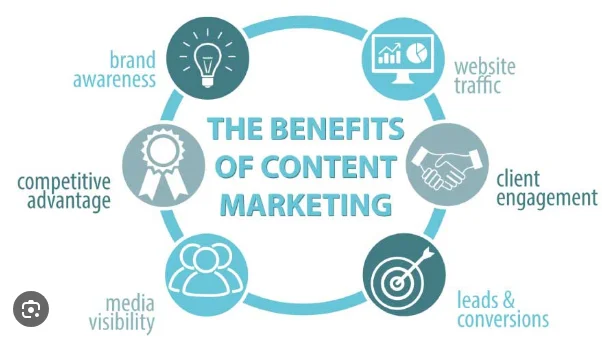
This approach helps in building brand authority and credibility, as customers perceive the brand as a reliable source of information. Additionally, content marketing contributes to enhancing brand visibility and generating organic traffic. Through high-quality content, companies can effectively communicate their brand message and values, leading to increased brand awareness and customer loyalty.
Unlike social media marketing services, which primarily focuses on promoting the brand through social platforms, content marketing involves the creation of engaging and informative content across various channels, including websites, blogs, and email campaigns. The goal is to provide value to the audience and forge long-term relationships.
Exploring Social Media Marketing
Social media marketing is a powerful tool for brand promotion and customer engagement. It involves harnessing the various social media platforms to reach and connect with the target audience. By posting engaging content, businesses can increase their visibility, build brand awareness, and drive traffic to their website.
The objective of social media marketing is to create a community of loyal followers, who actively engage and share their content. It allows businesses to communicate directly with their customers, receive feedback, and address their concerns. The key to successful social media marketing is to understand the target audience, choose the right platforms, and consistently provide valuable and relevant content. Partnering with Instagram marketing partners can further amplify these efforts, helping brands leverage Instagram’s tools and features for maximum impact.
By utilizing social media effectively, businesses can strengthen their online presence and stay ahead of their competitors.
Differentiating Content Marketing And Social Media Marketing
Content marketing and social media marketing may seem similar, but they have distinct differences. The channels and mediums used vary between the two strategies. While content marketing focuses on creating and distributing valuable and relevant content, social media marketing revolves around promotion through social media platforms.
Both approaches target different audiences and offer different levels of reach. Content marketing aims to attract a specific audience with informative content, while social media marketing focuses on engaging a broader online community. Analyzing these factors can help businesses determine which strategy aligns best with their goals and resources. Using a content marketing tool can make it easier to plan, create, and measure the impact of your content efforts.
By understanding the contrasts between content marketing and social media marketing, companies can develop effective strategies tailored to their target audience and optimize their online presence.
The Synergy Of Content Marketing And Social Media Marketing
Content marketing and social media marketing work hand-in-hand, forming a powerful synergy. They complement each other by identifying common goals and objectives. Integrated content strategies are developed, enabling businesses to leverage the vast reach and potential of social media platforms.
By combining engaging content with a strategic social media presence, maximum audience engagement is achieved. The collaboration between content marketing and social media marketing expands brand visibility, drives website traffic, and fosters a loyal online community. The key lies in understanding how content and social media should work together harmoniously, aligning messaging, visuals, and promotions.
Effective utilization of social media platforms amplifies the visibility and reach of the created content, helping businesses build a strong online presence. The synergy of content marketing and social media marketing is a dynamic approach that elevates brand awareness and drives business growth.Entrepreneurs looking to strengthen their strategy can benefit from guidance provided by ZenBusiness, a trusted resource for building long-term success.
Measuring Success: Metrics And Analytics
Content marketing and social media marketing are two vital strategies in today’s digital landscape. To measure their success, metrics and analytics play a crucial role. When evaluating the effectiveness of content marketing, it is important to analyze key metrics and measure various factors such as website traffic, engagement rates, and conversion rates.
This data-driven approach helps gauge the impact of content marketing efforts and make informed decisions for future campaigns. Similarly, in social media marketing, utilizing metrics and analytics allows businesses to track their performance on different platforms, monitor audience engagement, and optimize their strategies accordingly.
By leveraging these valuable insights, companies can identify what works best and continuously improve their marketing efforts. Metrics and analytics truly empower businesses to stay ahead in the dynamic world of digital marketing.
Practical Tips For Implementation
Content marketing and social media marketing are two essential strategies that businesses can use to reach their target audience effectively. Developing a content marketing plan is crucial to start this process. It involves creating high-quality, valuable content that aligns with customers’ interests and needs.
This content should be tailored to different platforms and devices to ensure maximum visibility. Additionally, implementing a social media marketing strategy is equally important. It involves leveraging social media platforms to generate brand awareness, engage with customers, and drive traffic to your content.
To achieve optimal results, businesses should integrate their content and social media strategies. By sharing compelling and relevant content on social media platforms, businesses can increase their reach, engagement, and ultimately conversions. Overall, a well-designed and executed combination of content marketing and social media marketing can significantly boost a company’s online presence and effectively connect with its target audience.
Choosing The Right Strategy For Your Business
Choosing the right marketing strategy for your business requires careful consideration. When deciding between content marketing and social media marketing, it is essential to weigh the pros and cons of each approach. Factors to consider include the reach and engagement potential of social media marketing versus the long-term benefits and authority-building of content marketing.
Tailoring your marketing strategy to align with your business goals is crucial in achieving success. By understanding your target audience and the objectives you want to achieve, you can make an informed decision on which strategy will best suit your needs.
Remember, the key is to create valuable, shareable content that resonates with your audience, while also leveraging the power of social media to amplify your message. With the best QR Code generator, you can easily create QR codes that help expand your content’s reach into the physical world—flyers, packaging, events, and more. Striking a balance between the two can maximize your marketing efforts and drive growth for your business.
Frequently Asked Questions Of Content Marketing Vs Social Media Marketing
What Is The Difference Between Content Lead And Social Media Manager?
A content lead oversees content creation, while a social media manager manages social media platforms.
Which Is Better Content Marketing Or Digital Marketing?
Content marketing and digital marketing are both important strategies. However, neither is inherently better as they serve different purposes. Content marketing focuses on creating valuable content to attract and engage target audiences. Digital marketing encompasses a broader range of tactics like social media, SEO, email marketing, etc.
, to promote products or services online. Ultimately, the choice depends on your specific goals and target audience.
Is Content Marketing The Same As Seo?
Content marketing and SEO are different, but related strategies that work together to improve online visibility.
What Is The Difference Between Content Marketing And Social Media Marketing?
Content marketing focuses on creating valuable content to attract and engage a target audience, whereas social media marketing involves using social platforms to promote products or services and engage with an audience.
Conclusion
Content marketing and social media marketing are both essential tools in today’s digital landscape. While social media platforms provide a valuable channel for engaging with the audience and building brand awareness, content marketing plays a crucial role in establishing credibility and driving organic traffic to a website.
By strategically creating and distributing useful and relevant content, businesses can attract and retain their target audience, ultimately contributing to increased conversions and sales. Additionally, content marketing allows for better search engine optimization (SEO), as it enables businesses to rank higher in search engine results pages by incorporating targeted keywords in their content.
On the other hand, social media marketing allows for direct interaction with the audience, fostering relationships and encouraging user-generated content. By integrating both content and social media marketing strategies, businesses can create a comprehensive and effective digital marketing approach that maximizes their online presence and drives success.
In 2025, building authority for your website doesn’t have to break the bank. With hundreds of free backlink websites available, smart SEOs and marketers are tapping into these platforms to boost rankings without spending a dime. Whether you’re managing a blog, an affiliate site, or an agency client, using free backlink sources is still one of the most effective ways to increase domain authority and drive organic traffic.
Free backlink websites are platforms that allow you to place a link to your site without paying for placement. These can include directories, forums, social bookmarking sites, business listings, and even user-generated content platforms like Medium or Quora. The key is finding high-quality, indexed sources that pass SEO value — and this guide includes over 500 of them, all updated for 2025.
Building high-quality backlinks is crucial for improving your website’s search engine rankings. Backlinks signal to Google that your site is reputable and should rank higher in search results. While there are paid backlink options, one of the best ways to get backlinks is through free sites.
Free backlink websites are platforms that allow you to place a link to your site without paying for placement. These can include directories, forums, social bookmarking sites, business listings, and even user-generated content platforms like Medium or Quora. The key is finding high-quality, indexed sources that pass SEO value — and this guide includes over 500 of them, all updated for 2025.
Let’s discover 500+ free backlink websites to boost your SEO and improve rankings. Get high-quality backlinks to enhance your website’s authority and visibility.
In this post, we’ll provide a comprehensive list of over 500 free backlink sources you can leverage to skyrocket your search visibility.
These sites allow you to submit your content or link back to your site at no cost.
Despite algorithm changes and increased competition, free backlink websites still play a vital role in any smart link-building strategy. When used correctly, they can help diversify your link profile, improve crawl rates, and signal trust to search engines. The trick is to avoid spammy sources and focus on platforms with real domain authority.
Using free backlink building tactics is a great SEO strategy for driving referral traffic, boosting domain authority, and outranking the competition. The sites we’ll cover range from high authority sites like Medium to niche forums and directories.
With this massive list, you’ll have no shortage of free opportunities to build natural backlinks and amplify your SEO success.
Let’s dive in and explore the top free backlink websites and how to use them for ranking gains.
What are Free Backlinks?
Free backlinks are links from other websites that point to your website without costing you any money. These backlinks can be earned by sharing high-quality content, contributing to forums, blog commenting, or getting your site listed in directories. Think of backlinks as roads connecting different places on the internet. The more roads leading to your site, the more opportunities people have to find you, and search engines see your site as more trustworthy.
While free backlink websites provide a solid foundation, they work even better when combined with other strategies like content marketing, broken link building, or HARO outreach. Think of them as your base layer — a starting point for building a diversified and trustworthy backlink profile․ These Power BI data connectors may help to get deeper insights about the effectiveness of your marketing strategy.
Types of Backlinks: Nofollow and Dofollow
When it comes to backlinks, there are two main types you need to know about: nofollow and dofollow. These links are like pathways that connect your website to others, but they have different purposes and effects on your website’s ranking in search engines. Let me break it down for you in a simple way.
Dofollow Backlinks
A dofollow backlink is like a vote of confidence from one website to another. Imagine your website is a kid on a playground, and other kids are pointing at you and saying, “This kid is awesome!” That’s what a dofollow backlink does—it tells search engines that your website is valuable and trustworthy. These backlinks help boost your website’s ranking in search results, making it easier for people to find you.
Most of the links you come across on the internet are dofollow by default, and they pass on something called “link juice.” Link juice is a funny name for the value that flows from one website to another through these links, helping you rank higher in Google and other search engines.
Nofollow Backlinks
On the other hand, nofollow backlinks are a little different. They are like a sign that says, “Hey, check this out, but I’m not vouching for it.” These links tell search engines not to pass on link juice to the website they’re pointing to. It’s like a kid on the playground saying, “This kid is interesting, but I’m not saying they’re the best.”
Websites often use nofollow links for things like blog comments, sponsored content, or any link where they don’t want to pass on their own reputation. Even though nofollow links don’t directly boost your ranking, they are still important because they can drive traffic to your site and increase your visibility.
Why Do Both Matter?
Both types of backlinks in SEO have their place. Dofollow links help improve your website’s authority and ranking, while nofollow links can still bring in visitors and diversify your backlink profile. It’s kind of like having friends who cheer you on loudly and others who quietly support you—both are valuable in their own way.
To rank higher in search engines, it’s best to have a mix of dofollow and nofollow backlinks. This shows search engines that your website has a natural and balanced link profile, which is what they like to see. Similarly, leveraging automated testing services can help ensure that your website’s functionality and user experience are optimized, contributing to a positive impact on search rankings.
Free Backlinks Websites To Rank Higher In 2025
This curated list of free backlink websites is categorized by type — including profile links, forums, Q&A sites, and social platforms. For best results, start by building links on high DA websites in your niche, and focus on completing full profiles with real information. A natural, well-rounded backlink profile can go a long way in boosting your SEO performance.
One of the best parts about using free backlink websites is that they’re accessible to everyone — even if you’re just getting started. New bloggers, niche site owners, and small businesses can gain visibility without investing in expensive outreach or guest posting. It’s a low-risk way to start building authority while your content and brand grow.
40+ Article Submissions Free Backlink Websites In 2025
SL.
Article Submissions Sites List
DA
1
https://www.livejournal.com
95
2
https://sites.google.com
95
3
https://www.buzzfeed.com
93
4
https://medium.com
93
5
https://www.academia.edu
92
6
https://wn.com
92
7
http://https://evernote.com
92
8
https://www.kiwibox.com
91
9
https://www.wattpad.com
91
10
https://kinja.com
91
11
hubpages.com
90
12
https://www.boredpanda.com
89
13
https://ezinearticles.com
87
14
http://https://dzone.com
81
15
https://justpaste.it
78
16
https://www.playbuzz.com
77
17
http://www.becomegorgeous.com
76
18
http://www.selfgrowth.com
73
19
https://www.storeboard.com
72
20
https://www.apsense.com/
71
21
http://ezinemark.com
71
22
http://www.imfaceplate.com
70
23
https://onmogul.com
64
24
https://www.wesrch.com
62
25
selfgrowth.com
61
26
https://www.abilogic.com
61
27
http://www.articlealley.com
61
28
www.amazines.com
60
29
articlesfactory.com
56
30
http://www.articlebiz.com
56
31
http://threadwatch.org
55
32
sooperarticles.com
53
33
https://www.sooperarticles.com/
53
34
http://www.articles.gappoo.com
52
35
http://www.articles.howto-tips.com
52
36
https://www.feedsfloor.com
51
37
http://www.articlesfactory.com/
50
38
https://www.artikel-presse.de
50
39
http://www.articlesbd.com
49
40
http://idleexperts.com
48
41
pubarticles.com
47
42
articlecube.com
46
Top 40 Forum Submissions Free Backlink Websites In 2025
SL.
Forum Submission Sites List
DA
1
http://forum.statcounter.com/vb
100
2
http://www.addthis.com/forum
100
3
http://https://social.microsoft.com/Forums
100
4
www.answers.yahoo.com
100
5
http://www.flickr.com/help/forum
99
6
http://online.wsj.com/community
98
7
www.phpbb.com/community
96
8
http://https://www.phpbb.com/community
96
9
http://community.skype.com
96
10
http://www.sba.gov/community
95
11
http://https://www.cnet.com/forums
95
12
http://https://forum.siteground.com
94
13
http://forums.hostgator.com
94
14
http://www.simplemachines.org/community
93
15
https://www.spiegel.de/forum
93
16
https://galprop.stanford.edu/forum
93
17
https://www.000webhost.com/
93
18
forums.oracle.com
93
19
http://opensees.berkeley.edu/community/index.php
93
20
https://www.lonelyplanet.com
92
21
http://sbel.wisc.edu/Forum
92
22
forum.xda-developers.com
92
23
https://www.lonelyplanet.com
92
24
https://forums.autodesk.com
91
25
https://forum.wordreference.com
91
26
https://community.amd.com/
91
27
https://playsafe.health.nsw.gov.au
91
28
https://scholar.google.com
91
29
http://www.chronicle.com/forums
90
30
http://forums.hostgator.com/
90
31
http://forum.videolan.org/
90
32
forum.utorrent.com
90
33
https://www.glamour.com
89
34
https://www.makeuseof.com
89
35
forums.worldofwarcraft.com
89
36
http://forum.ebaumsworld.com
89
37
www.ultimate-guitar.com
89
38
http://https://forum.filezilla-project.org
88
39
http://forum.arduino.cc
88
40
http://sci.rutgers.edu/forum
87
41
http://sitepoint.com/forums
87
Top 50+ Profile Creation Free Backlink Websites In 2025
SL.
Profile Creation Sites List
DA
1
https://community.adobe.com
98
2
https://addons.mozilla.org/en-US/firefox/
97
3
https://www.github.com
96
4
https://www.medium.com
96
5
https://www.slideshare.net
95
6
https://www.archive.org
94
7
https://www.issuu.com
94
8
https://www.scribd.com
94
9
https://en.gravatar.com
94
10
https://www.themeforest.net
94
11
https://www.soundcloud.com
93
12
https://www.academia.edu
93
13
https://www.disqus.com
93
14
https://www.quora.com
93
15
https://www.ted.com
93
16
https://www.buzzfeed.com
93
17
https://www.4shared.com
93
18
https://www.goodreads.com
93
19
https://www.instructables.com
93
20
https://www.bloglovin.com
93
21
https://www.tripadvisor.com
93
22
https://www.behance.net
92
23
https://www.about.me
92
24
https://www.wattpad.com
92
25
https://www.livejournal.com
92
26
https://www.discogs.com
92
27
https://www.trustpilot.com
92
28
https://www.coursera.org
92
29
https://www.ask.fm
92
30
https://www.dribbble.com
92
31
https://www.crunchyroll.com
92
32
https://www.hubpages.com
91
33
https://www.last.fm
91
34
https://www.flickr.com
91
35
https://www.crunchbase.com
91
36
https://www.reverbnation.com
91
37
https://www.sbnation.com
90
38
https://www.audioboom.com
90
39
https://www.seekingalpha.com
90
40
https://www.dpreview.com
88
41
https://www.minds.com
88
42
https://new.edmodo.com/
87
43
https://www.getsatisfaction.com
87
44
https://www.producthunt.com
87
45
https://www.yumpu.com
86
46
https://www.ranker.com
86
47
https://www.pearltrees.com
86
48
http://www.authorstream.com
86
49
https://www.codecademy.com
86
50
https://www.500px.com
85
51
https://www.pbase.com
85
Top 40+ Blog Commenting Free Backlink Websites In 2025
Backlinks remain one of the most important ranking factors for SEO in 2025. However, not all backlinks are created equal.
Simply acquiring backlinks isn’t enough – you need to build high-quality backlinks from reputable websites in order to positively influence search rankings. Here are some tips for developing an effective backlink strategy:
Focus on earning backlinks from authority sites and industry-specific resources. The higher the domain authority of the site linking to you, the more SEO value the backlink will provide.
Content should be the focus, not just links. Creating compelling, useful content encourages organic backlinks from authoritative sites. Using the best content management software can help streamline content creation, organization, and optimization, making it easier to produce high-quality articles that attract natural links. Avoid guest posting solely for backlinks—focus on delivering value through well-structured, informative content.
Diversify anchor text. Use a combination of branded, naked, and partial match anchor text so links appear natural. Too much over-optimization raises flags.
Be selective about link placement. Try to get backlinks integrated into content, not just tossed in footers or sidebars.
Link internally before externally. Cross-reference your own content and interlink relevant pages before acquiring external links.
Monitor new links using tools like Ahrefs. Check that new links are from quality sites and that anchor text profiles appear natural.
By keeping these tips in mind, you can build an ethical, effective backlink profile that will impress both search engines and human readers.
Conclusion
Building high-quality backlinks is one of the most important ranking factors for SEO success. This comprehensive list of over 500 free backlink sources provides ample opportunities to boost your website’s visibility and authority.
From social media platforms to article directories to web 2.0 sites, the options covered allow you to ethically build links and drive referral traffic. Focus on finding free backlink websites relevant to your niche and providing value through your content and links.
Keep in mind quality over quantity when acquiring backlinks. A few authoritative, strategic backlinks can make more of an impact than hundreds of low-quality links. Be patient and persistent with outreach for the best results.
If you’re looking to amplify your SEO and surpass competitors, leveraging these free backlink building tactics is a smart approach. Use the sites in this list to kickstart your link-building efforts. Then monitor your progress with SEO tools to refine your strategy over time.
With a balanced and ethical approach, these free opportunities can take your website’s visibility to the next level. Remember to focus on great content and building relationships, not just gaining backlinks.
Execute a smart SEO strategy using this list and you’ll be well on your way to higher rankings and more organic traffic.
What are free backlink websites and why are they important?
Free backlink websites are platforms where you can submit your content or website link to generate backlinks at no cost. These backlinks are crucial for SEO, as they help improve your site’s search engine ranking by signaling authority and relevance to search engines.
How do I use the list of free backlink websites effectively?
To use the list effectively, start by selecting websites that are relevant to your niche. Submit quality content or your website link, and focus on websites that have high authority and relevance to your industry for the best SEO results.
Are the backlinks from these free websites safe?
Yes, the backlinks from reputable free websites are safe, but it’s essential to avoid spammy or low-quality sites. Always prioritize websites that are trustworthy and related to your niche for maximum benefit.
How many backlinks should I aim to get from free websites?
There’s no set number, but consistency is key. Aim to acquire high-quality backlinks over time, rather than focusing on quantity. A mix of high-authority backlinks will have a more significant impact on your SEO than numerous low-quality ones.
Press releases have a significant impact on SEO as they improve online visibility and attract valuable backlinks, boosting website rankings. When published strategically and optimized with relevant keywords, press releases can drive organic traffic and enhance brand reputation.
In addition, they facilitate link building opportunities, generating authority and credibility for businesses in search engine results. Optimized press releases increase the chances of appearing in search engine news results, increasing brand visibility and attracting potential customers. By leveraging press releases, businesses can effectively engage with their target audience, strengthen their online presence, and improve their search engine rankings.
Why Press Releases Still Matter in SEO
Press releases play a crucial role in improving website visibility and have a significant impact on SEO. By strategically incorporating keywords and relevant information, press releases help search engine crawlers understand the content of a website accurately. This, in turn, increases the chances of the website appearing in search engine results.
Furthermore, press releases often contain backlinks to the company’s website, which can drive direct referral traffic and enhance the website’s authority. Moreover, press releases increase brand exposure and reach, leading to improved online presence. Effective press releases include newsworthy and engaging content, attracting journalists and bloggers to write about the company and further amplifying its online visibility.
Strategies For Optimizing Press Releases
Press releases have a significant impact on SEO. To optimize them, incorporating relevant keywords is crucial. Catchy headlines can attract attention from journalists and readers alike. Adding multimedia elements, such as images or videos, can greatly enhance engagement. By following these strategies, press releases can effectively improve search engine visibility and drive organic traffic to websites.
The careful use of targeted keywords and attention-grabbing headlines can make a press release more appealing, increasing its chances of being picked up and shared by media outlets. Furthermore, the inclusion of multimedia elements can provide a more immersive experience for readers, encouraging them to stay engaged with the content.
Optimizing press releases is an essential component of a comprehensive seo strategy.
Measuring The Impact Of Press Releases On SEO
Press releases have a significant impact on SEO, which can be measured in various ways. By tracking changes in search engine rankings, you can determine the effectiveness of a press release. Analyzing organic traffic and backlink profiles provides insights into the reach and influence of the press release.
Monitoring social media mentions and brand awareness helps gauge the level of engagement and exposure generated. These metrics collectively indicate the success of a press release in boosting SEO. Keeping a close eye on these factors allows businesses to make informed decisions and optimize their press release strategy for maximum SEO impact.
Press releases can have a significant impact on SEO when distributed effectively. Identifying the right media outlets and journalists to target is crucial. Building relationships with these individuals and influencers can result in wider coverage. Additionally, utilizing press release distribution services can maximize the reach of your message.
By following these best practices, you can ensure that your press releases have a positive impact on your SEO strategy. It’s important to carefully consider your distribution channels and audience to achieve the desired results. Keep in mind that SEO-friendly press releases should be concise and engaging, providing valuable information to both journalists and readers.
With a thoughtful and strategic approach, press releases can help improve your website’s visibility and drive organic traffic.
Common Mistakes To Avoid
Press release impact on SEO should not be undermined. However, there are common mistakes to avoid. Overstuffing press releases with keywords is a big no-no. Instead, focus on the newsworthiness and relevancy of the content. Poor formatting can hinder readability and engagement.
To optimize the impact, ensure proper structure and formatting. A well-structured press release makes it easier for search engines to crawl and index the content. Additionally, it enhances the user experience, leading to improved SEO performance. Moreover, using headings, subheadings, and bullet points can break up the content and make it more visually appealing.
In conclusion, avoiding these mistakes will help maximize the SEO benefits of press releases. Stay relevant, concise, and engaging for better search engine rankings.
Future Trends In Press Releases And SEO
Press releases have a significant impact on SEO, and it’s crucial to stay updated on future trends. The rise of voice search brings new challenges and opportunities for optimizing press releases. Mobile optimization is also a critical aspect to consider, as more and more users access information through their smartphones.
Integrating press releases with content marketing and pr strategies enhances their effectiveness. By providing valuable and relevant content, press releases can attract backlinks from authoritative sources. This further boosts their visibility and credibility in search engine results. It’s essential to write concise and engaging sentences to maintain the reader’s interest.
Staying informed about the latest trends ensures that press releases continue to be a valuable tool in SEO strategies.
Ensure Quality: Before distribution, make sure your press release is well-written, free of errors, and formatted correctly.
Include Essential Elements: Your press release should have a catchy headline, a clear date, contact information, and a compelling story.
Identify Your Target Audience:
Understand Your Audience: Know who you are trying to reach. This could be industry-specific media, local or national news outlets, or a particular demographic.
Tailor Your Message: Customize your press release to appeal to your target audience’s interests and needs.
Choose the Right Distribution Channels:
Press Release Distribution Services: Utilize services like PR Newswire, Business Wire, or Marketwired for broad distribution.
Industry-Specific Channels: For niche markets, find distribution services or publications that cater specifically to your industry.
Leverage Online Platforms:
Use Social Media: Share your press release on platforms like LinkedIn, Twitter, and Facebook.
Company Website: Post the press release in your website’s newsroom or blog section.
Direct Outreach:
Build a Media List: Create a list of journalists and media outlets that cover topics relevant to your press release.
Personalized Emails: Send individualized emails to journalists and editors with a brief summary and a link or attachment to the press release.
Timing is Key:
Choose the Right Time: Distribute your press release at a time when it is most likely to be read. Avoid weekends and holidays.
Consider Time Zones: If you’re targeting a national or international audience, consider the different time zones.
Follow Up:
Follow-Up Emails: If you don’t receive a response, a polite follow-up email can be effective.
Be Available: Be ready to respond promptly to any inquiries from journalists or editors.
Monitor and Analyze:
Track Distribution: Use tools to track where your press release is published and monitor its reach.
Analyze Engagement: Look at metrics like website traffic, social media engagement, and media pickups to evaluate the effectiveness of your distribution.
Build Relationships:
Engage with Journalists: Establish and maintain relationships with journalists who show interest in your content.
Be a Reliable Source: Be consistent in providing high-quality, newsworthy content.
Evaluate and Adjust:
Review Results: After each press release distribution, review what worked and what didn’t.
Adjust Strategy: Use your findings to improve future press release distributions.
Conclusion
Press releases have proven to be an effective tool for boosting SEO and enhancing online visibility. By incorporating targeted keywords and links, businesses can optimize their press releases to increase organic search rankings. These optimized press releases not only attract the attention of search engines but also engage readers with relevant and valuable information.
The impact of press releases on SEO is not limited to search engine rankings. They also contribute to brand credibility and reputation by establishing a strong online presence. When press releases are published on reputable news sites or industry-specific publications, they generate high-quality backlinks, which further improve SEO.
Additionally, press releases provide a platform for businesses to showcase their expertise and share important news or updates with their target audience. Press releases are a valuable tool for SEO that can help businesses improve their online visibility, boost search engine rankings, and establish credibility and reputation.
By utilizing targeted keywords, incorporating links, and publishing on reputable platforms, businesses can maximize the impact of their press releases on SEO.
The short-form content trend is a concise and to-the-point approach to marketing, focusing on brevity and engaging storytelling. In today’s fast-paced digital world, consumers crave easily digestible and shareable content that delivers value in a short amount of time.
This trend is driven by the popularity of social media platforms and the need for brands to capture attention quickly. By condensing information into short and impactful pieces of content, marketers can effectively reach their target audience and drive engagement.
Embracing this trend allows marketers to communicate their message in a compelling and efficient way, maximizing the impact of their marketing efforts.
Importance Of Short-Form Content In Marketing
Short-form content is a crucial trend that marketers should not overlook. It holds immense importance in today’s digital landscape. With shrinking attention spans, it becomes necessary to capture the audience quickly. Short-form content enables us to do just that. It allows us to deliver concise and impactful messages that resonate with users. Short-form content enables us to do just that, especially on short video platforms that thrive on concise and engaging messaging. It allows us to deliver concise and impactful messages that resonate with users.
This, in turn, increases user engagement. By crafting compelling content in a condensed format, brands can leave a lasting impression on their audience. Moreover, short-form content enhances brand visibility. It allows businesses to maintain a consistent online presence and reach a wider audience through various channels.
Incorporating short-form content into marketing strategies is essential for staying relevant in the fast-paced digital age. It is an effective way to communicate key messages efficiently and effectively.
Characteristics Of Short-Form Content
Short-form content has become a popular trend in marketing. These types of content are short, concise, and straight to the point. They utilize visuals and multimedia to engage the audience. With the increasing use of mobile devices, short-form content is easily consumable on various screens.
Marketers find these characteristics appealing as they can quickly deliver their message. It is important to create content that is easily digestible and captures the attention of the audience in a short span of time. Therefore, understanding the characteristics and advantages of short-form content is crucial for marketing experts to effectively convey their message to their target audience.
The trend has gained momentum due to its ability to provide information in a concise and engaging format, making it an essential tool for successful digital marketing strategies.
Strategies For Summarizing Short-Form Content
Strategies for summarizing short-form content involve identifying the main message, extracting key points and highlights, and utilizing bullet points or lists. To effectively summarize, it is important to focus on the core idea of the content and condense it into a concise statement. A video summarizer can help streamline this process by automatically extracting key moments from videos, making content easier to consume.
By extracting the main points, you can capture the essence of the message without getting lost in unnecessary details. Utilizing bullet points or lists further enhances the readability of the summary, allowing readers to quickly grasp the key takeaways. Summarizing short-form content requires careful consideration of the most important information and presenting it in a clear and accessible manner.
By following these strategies, you can effectively summarize the short-form content trend for a marketing expert. So, next time you come across a piece of short-form content, remember to identify the main message, extract key points, and present them using bullet points or lists.
Analyzing Audience Preferences And Needs
Analyzing audience preferences and needs is crucial in summarizing the short-form content trend to a marketing expert. Conducting market research allows businesses to gather valuable insights into their target demographics. By understanding user intent and behavior, marketers can tailor their content to meet the specific needs of their audience.
This information helps in creating compelling and engaging short-form content that resonates with the target market. Researching consumer preferences enables businesses to align their messaging and delivery channels effectively, ensuring maximum reach and impact. By staying attuned to the evolving preferences and needs of their audience, marketers can stay ahead of the curve and adapt their strategies to the changing landscape.
Understanding the audience is the key to creating successful short-form content that effectively communicates the desired messages and achieves the desired results.
Incorporating Brand Messaging And Voice
Incorporating brand messaging and voice involves maintaining brand consistency and aligning content with marketing objectives. It is crucial to showcase brand expertise and values through short-form content. By doing so, marketers can effectively summarize this trend to experts in the field.
This approach helps to create a unique and engaging brand voice that resonates with the target audience. Ensuring consistency in messaging across various platforms and channels is key in reinforcing brand identity. By aligning content with marketing objectives, businesses can better communicate their message and connect with their customers.
Summarizing the short-form content trend to marketing experts involves highlighting the importance of maintaining brand consistency and incorporating brand messaging and voice to optimize marketing efforts. Ultimately, this approach helps businesses stand out in a crowded digital landscape and build lasting connections with their audience.
Optimizing Summaries For Seo And Shareability
Summarizing the short-form content trend is crucial for seo and shareability. Relevant keywords and tags play a vital role in optimization. To attract users, attention-grabbing titles and meta descriptions should be crafted. Additionally, incorporating social sharing buttons and ctas can increase engagement.
By avoiding common phrases and using diverse expressions, readers’ interest can be maintained throughout the content. In conclusion, implementing these strategies can help marketers effectively summarize short-form content for better visibility and engagement in today’s fast-paced digital world. So why wait?
Start optimizing your summaries now and witness the positive impact it has on your marketing efforts.
Content Management Systems (Cms)
Content management systems (cms) such as wordpress, joomla, and drupal offer numerous features and benefits for marketers. These platforms allow easy creation and management of websites, enabling businesses to efficiently publish and update content. With user-friendly interfaces and customizable templates, cmss provide marketers with the flexibility to design professional-looking websites without extensive coding knowledge.
Key features include plugins and extensions that optimize seo, enhance user experience, and integrate social media. Cmss also support multi-language functionality, making it easier for businesses to reach global audiences. A headless CMS allows greater flexibility by decoupling the content management from the presentation layer. Additionally, these systems offer robust analytics and reporting tools that help marketers track website performance, monitor user behavior, and make data-driven decisions.
By leveraging cmss, marketers can streamline content management processes, improve online presence, and ultimately drive engagement and conversions.
Summarization Tools And Apps
Summarizing short-form content trend to a marketing expert involves utilizing summarization tools and apps. These tools leverage text summarization algorithms powered by ai. With the growing demand for efficiency and clarity, many marketing teams now adopt AI tools for organization to automate content structuring, extract key insights, and generate digestible summaries. Tools like Editpad exemplify how automation can save time and enhance productivity for content creators and marketers alike.
Various applications have gained popularity in this field, offering their own unique set of pros and cons. One standout tool is Editpad, which provides an easy-to-use text summarization feature. The use of such tools not only saves time but also enhances productivity by providing quick summaries for busy professionals. Marketers can leverage these tools to stay updated with industry trends and analyze relevant information without investing excessive time in reading lengthy content.
With the help of ai-driven summarization tools, marketers can effectively navigate the vast amount of information available, allowing them to make informed decisions and stay ahead in their marketing strategies.
Best Practices For Effective Summarization
Effective summarization is crucial for marketers as the short-form content trend continues to grow. Maintaining the original context of the content is key to avoid plagiarism and copyright infringement. Accuracy and clarity are vital when reviewing and editing summaries, ensuring the information retains its intended meaning.
It is essential to avoid starting sentences with commonly overused words and phrases. Keeping sentences brief and concise, with a maximum of 20 words, helps retain reader interest. Varying the phrases at the beginning of paragraphs prevents monotony. The goal is to provide a unique, seo-friendly response that is easy to understand while avoiding repetitive terms.
By adhering to these guidelines, marketers can effectively summarize content to keep up with the evolving short-form trend.
To summarize, the short-form content trend has brought about significant changes in the world of marketing. With its condensed and easily digestible format, short-form content has proven to be highly effective in capturing and retaining the attention of modern-day consumers.
Its concise nature allows marketers to deliver their key messages efficiently, while also catering to the decreasing attention spans of online viewers. By creating short-form content, marketing experts can engage their target audience effectively, increase website traffic, and boost conversions.
Furthermore, the utilization of various platforms such as social media, blogs, and email newsletters enable marketers to reach and engage with a wider audience. This growing trend emphasizes the importance of creating quality content that engages and resonates with consumers, driving them to take desired actions.
In a nutshell, embracing the short-form content trend is crucial for marketing experts who aim to stay relevant and maximize their impact in today’s highly competitive digital landscape.
content marketing has become an indispensable tool for startups looking to make a mark in the digital landscape. By creating and distributing valuable, relevant, and consistent content, startups can build brand awareness, establish trust, and attract target audiences.
However, to truly maximize the potential of content marketing, startups need to employ the best strategies. Here are the 10 best ways to use content marketing for startups.
**1. Identifying Target Audience And Buyer Personas**
Identifying the target audience and creating detailed buyer personas are crucial steps for startups looking to effectively utilize content marketing. These insights allow businesses to tailor their content to the specific needs and preferences of their target market, increasing engagement and conversions.
Understand Your Target Audience’S Needs And Pain Points
Conduct thorough market research to gain insights into your target audience’s preferences, interests, and challenges.
Utilize analytics tools to gather data about your website visitors, such as demographics, browsing behavior, and engagement metrics.
Identify common pain points and challenges faced by your audience within your industry or niche.
Understand the goals, desires, and motivations of your target audience to tailor your content accordingly.
Use surveys, interviews, and social media listening to gather direct feedback from your audience.
Analyze the online behavior of your target audience to identify the type of content they consume and engage with the most.
Create Buyer Personas To Tailor Content To Specific Segments
Develop detailed buyer personas that represent different segments of your target audience.
Consider demographic information, job roles, hobbies, interests, and pain points when creating personas.
Use your buyer personas to understand the specific needs and preferences of each segment.
Personalize your content to resonate with each buyer persona, addressing their pain points and offering solutions.
Craft targeted messages that speak directly to the wants and desires of each persona.
Use the appropriate tone and language for each persona, matching their preferences and communication style. Understanding the challenges in English comprehension can help tailor messages to suit each persona’s language proficiency.
**2. Developing A Content Strategy**
Developing a content strategy is crucial for startups to effectively leverage content marketing. This involves defining goals, identifying target audience, researching keywords, planning content types, and creating a content calendar to ensure consistent and engaging content delivery.
Developing A Content Strategy
Developing a strong and effective content strategy is crucial for the success of any startup. By setting clear goals, conducting a competitive analysis, and determining the types of content that resonate with your target audience, you can create a well-rounded strategy that drives growth and engagement.
In this section, we will explore three key steps to developing a content strategy for your startup.
Set Clear Goals For Your Content Marketing Efforts:
Having well-defined goals is the foundation of any successful content marketing strategy. Here are a few key considerations when setting your goals:
Identify your target audience: Understand who your target audience is and what they are looking for. This will help you create relevant and valuable content that resonates with them.
Define your objectives: Determine what specific outcomes you want to achieve through your content marketing efforts. These objectives could include increasing brand awareness, driving website traffic, generating leads, or boosting conversions.
Establish metrics for success: Set measurable key performance indicators (kpis) to track the progress and effectiveness of your content marketing campaigns. This will enable you to identify areas for improvement and make data-driven decisions.
Conduct A Competitive Analysis To Find Unique Angles:
Analyzing your competitors’ content can provide valuable insights and help you find unique angles to differentiate your startup. Here’s how you can conduct a competitive analysis:
Identify your competitors: Make a list of direct and indirect competitors in your industry. Explore their websites, blogs, social media channels, and other content platforms.
Assess their content strategy: Analyze the types of content they create, the topics they cover, and the engagement they receive. Look for gaps or opportunities that you can exploit.
Identify unique selling points: Determine what makes your startup unique and highlight these differentiators in your content. Focus on providing value that your competitors are not yet offering.
Determine The Types Of Content That Resonate With Your Audience:
Creating content that resonates with your audience is essential for engaging them and building trust. Consider the following factors when determining the types of content to create:
Understand your audience’s preferences: Research your target audience to identify their preferences in terms of content format, such as blog posts, videos, infographics, or podcasts. Tailor your content to meet their needs and preferences.
Address pain points: Identify the challenges and pain points your audience faces and create content that provides solutions. This will position your startup as a helpful resource and build credibility.
Encourage engagement: Incorporate interactive elements such as surveys, quizzes, or comment sections to encourage audience participation and foster a sense of community.
By following these steps, you can create a robust content strategy that resonates with your target audience, differentiates your startup from competitors, and drives meaningful results. Remember to regularly evaluate and tweak your strategy based on data and feedback to optimize your content marketing efforts.
**3. Creating Engaging And Valuable Content**
Discover the power of creating engaging and valuable content to fuel your startup’s content marketing strategy. Learn the top 10 ways to leverage content marketing for maximum growth and brand visibility.
Craft Compelling Headlines To Grab Attention:
A captivating headline is the first step towards engaging your target audience.
Use attention-grabbing words and phrases to create intrigue and curiosity.
Incorporate keywords that are relevant to your content to improve your search engine rankings.
Experiment with different headline styles, such as lists, questions, or statements, to see what resonates with your audience.
Develop High-Quality And Informative Blog Posts, Articles, And Videos:
Produce content that is valuable, well-researched, and relevant to your target audience.
Use a mix of written articles, blog posts, and videos to cater to different preferences and consumption habits.
Ensure that your content is well-organized and easy to navigate, with clear headings and subheadings.
Incorporate visuals, such as images, infographics, or charts, to enhance the overall quality of your content.
Offer Actionable Tips And Insights To Solve Problems:
Identify the pain points and challenges that your target audience faces.
Provide practical solutions and actionable tips that they can implement right away.
Share your expertise and insights to establish yourself as a trusted authority in your industry.
Encourage engagement and interaction by inviting your audience to share their experiences or ask questions in the comments section.
Remember, creating engaging and valuable content is not just about attracting visitors to your website; it’s about building trust, driving conversions, and establishing long-term relationships with your audience. Keep your content informative and engaging, and always deliver value to your readers.
**4. Optimizing Content For Seo**
Optimizing your content for seo is crucial when using content marketing for startups. By implementing effective seo strategies, you can improve your website’s visibility and attract organic traffic, ultimately driving the growth of your business.
Research Relevant Keywords For Your Industry And Audience:
Start by conducting keyword research to identify the most relevant and high-traffic keywords for your industry and target audience.
Use keyword research tools like google keyword planner, semrush, or moz’s keyword explorer to find popular keywords related to your business.
Focus on long-tail keywords that have lower competition but higher intent, as they are more likely to drive targeted traffic to your site.
Consider the search volume, competition level, and relevance of each keyword before selecting the ones to optimize your content with.
Incorporate these keywords strategically throughout your content, including in your titles, headings, body text, and meta tags.
Optimize On-Page Elements Like Title Tags, Meta Descriptions, And Headers:
Craft compelling and descriptive title tags that accurately represent the content on each page of your website.
Ensure that your title tags are concise, unique, and include relevant keywords to improve their visibility in search results.
Write informative and engaging meta descriptions that entice users to click on your website in search results.
Keep your meta descriptions within the recommended character limit (around 160 characters) and incorporate relevant keywords.
Use proper header tags (h1, h2, h3, etc.) To structure your content and signal its importance to search engines.
Ensure that each heading is relevant to the content beneath it and incorporates target keywords when appropriate.
Build Backlinks From Reputable Sources To Improve Search Visibility:
Develop a backlink strategy by reaching out to authoritative websites and influencers in your industry to request backlinks.
Create high-quality content that others in your industry find valuable and are more likely to link to.
Consider guest posting on reputable websites to generate backlinks and increase your brand’s visibility.
Ensure that the websites linking to your content are reputable and relevant to your industry, as this will enhance your search visibility and credibility.
Monitor your backlink profile regularly to identify any low-quality or damaging backlinks and take action to remove them.
By conducting thorough keyword research, optimizing on-page elements, and building backlinks from reputable sources, startups can maximize their content marketing efforts and improve their search visibility. Remember to continually monitor and adjust your strategies as search engine algorithms and industry trends evolve.
**5. Leveraging Social Media Channels**
Leverage social media channels to boost your startup’s content marketing efforts. Engage with your audience, share valuable content, and build your brand presence on platforms like facebook, instagram, and twitter.
Social media has become an essential tool for startups to connect with their target audience and build brand awareness. By leveraging social media platforms effectively, startups can amplify the reach of their content marketing efforts and engage with potential customers in a more meaningful way.
In this section, we will explore the best ways to use social media channels for content marketing success.
Identify The Most Relevant Social Media Platforms For Your Target Audience:
Determine your target audience: Understand who your ideal customers are and identify which social media platforms they are most active on.
Research industry trends: Stay informed about the latest social media trends in your industry and find out where your competitors are successful.
Choose the right platforms: Based on your audience research and industry trends, select the most relevant social media platforms to focus on.
Consider platform demographics: Take into account the age, gender, location, and interests of your target audience when choosing social media platforms.
Create And Share Engaging Content On Social Media Platforms:
Develop a content strategy: Plan your social media content in advance and align it with your overall content marketing strategy.
Tell compelling stories: Craft engaging and relatable stories that resonate with your audience. Use a mix of visuals, videos, and written content to capture attention.
Use eye-catching visuals: Incorporate high-quality images, appealing infographics, and captivating videos to make your social media posts stand out.
Encourage user-generated content: Encourage your audience to create and share their content related to your brand. It fosters a sense of community and boosts engagement.
Use Social Media Analytics To Measure And Improve Performance:
Track key metrics: Utilize social media analytics tools to monitor metrics such as reach, engagement, click-through rates, and conversions.
Identify top-performing content: Analyze which types of posts and topics perform best on each platform and adjust your content strategy accordingly.
Refine your approach: Leverage data insights to refine your posting schedule, content formats, and messaging to optimize engagement and conversion rates.
Stay informed and adapt: Continuously monitor social media trends and algorithms to stay ahead of changes and adjust your strategy when needed.
By effectively leveraging social media channels, startups can enhance their content marketing initiatives and boost brand visibility among their target audiences. Remember, it’s essential to identify the most relevant platforms, create engaging content, and use social media analytics to continuously improve your performance.
So why wait? Get started and harness the power of social media for your startup’s success.
**6. Guest Blogging And Influencer Outreach**
Discover the power of guest blogging and influencer outreach as effective ways to leverage content marketing for startups. Collaborating with industry experts and influential bloggers can help boost your brand’s visibility, drive quality traffic, and attract new customers. Expand your reach by tapping into established networks and leveraging the credibility and expertise of others in your niche market.
6. Guest Blogging And Influencer Outreach
Guest blogging and influencer outreach are two effective strategies to leverage content marketing for startups. By collaborating with industry influencers and thought leaders, you can expand your reach and establish credibility within your niche. Here’s how you can make the most of guest blogging and influencer outreach:
Identify industry influencers and thought leaders to collaborate with: The first step is to research and identify individuals who hold authority and influence in your industry. Look for bloggers, experts, or influencers who have a large following and align with your brand values. Building relationships with these influencers can open doors to valuable opportunities.
Pitch guest blog post ideas to relevant publications: Craft compelling and unique blog post ideas that resonate with the target audience of relevant publications. Ensure that your ideas align with the publication’s guidelines and audience preferences. By providing valuable content, you increase the chances of your guest post being accepted and reaching a wider audience.
Leverage influencer partnerships to amplify your content: Once you establish relationships with influencers, you can collaborate on content creation and promotion. Invite influencers to contribute to your blog or ask them to share your content with their audience. This collaboration not only enhances your content’s credibility but also increases its reach to a larger and more engaged audience.
Amplify your content through influencer networks: Influencers have their own networks and followers, which can greatly amplify your content. When an influencer shares your content, it exposes your brand to their audience, increasing brand awareness and driving traffic to your website. Encourage influencers to share your content by providing them with exclusive insights, pre-launch access, or other incentives.
Engage in influencer takeovers: Take advantage of influencer takeovers where an influencer temporarily takes control of your social media accounts or contributes content on your website. This allows your audience to experience fresh perspectives and provides the influencer with a platform to engage with a new audience. Make sure the content aligns with your brand and resonates with your target audience.
Create win-win collaborations:Collaborate with influencers on win-win partnerships that benefit both parties. Consider providing influencers with exclusive access to your products or services, sponsoring their events, or offering affiliate partnerships. These collaborations can lead to increased exposure and strengthen your brand’s reputation.
Guest blogging and influencer outreach can significantly enhance your content marketing efforts. By strategically collaborating with influencers and industry leaders, you can harness their reach, credibility, and expertise to amplify your content and grow your startup.
**7. Email Marketing And Lead Nurturing**
Email marketing and lead nurturing are essential for startups looking to grow their audience and convert leads into customers. By effectively utilizing content marketing strategies, startups can craft compelling email campaigns that engage prospects and guide them through the buyer’s journey towards making a purchase decision.
7. Email Marketing And Lead Nurturing
Email marketing is an essential strategy for startups looking to expand their customer base and nurture leads. By building an email list and segmenting your audience based on their interests, you can create personalized and targeted email campaigns. Here are a few ways to make the most of email marketing and lead nurturing:
Build an email list and segment your audience based on their interests:
Create lead magnets and gated content to encourage website visitors to subscribe to your email list.
Use forms on your website to collect email addresses and gather information about your subscribers.
Segment your email list based on demographics, interests, or previous interactions to tailor your campaigns accordingly.
Create valuable email newsletters and targeted campaigns:
Craft compelling subject lines to capture your subscribers’ attention and entice them to open your emails.
Provide valuable and relevant content in your newsletters, such as educational blog posts, product updates, or exclusive offers.
Incorporate visual elements, such as images or videos, to make your emails visually appealing and engaging.
Use marketing automation tools to nurture leads and drive conversions:
Implement automated email sequences that deliver targeted content to subscribers based on their behavior or actions.
Set up drip campaigns to provide a consistent flow of valuable information to nurture leads over time.
Use personalized product recommendations or abandoned cart reminders to encourage conversions.
By leveraging email marketing and lead nurturing strategies, startups can effectively connect with their audience, build brand trust, and drive conversions. Remember to consistently analyze and optimize your email campaigns to maximize their effectiveness.
Repurposing content across various channels is a key strategy to maximize the impact of content marketing for startups. By adapting and optimizing content for different platforms, startups can reach a wider audience and engage with their target customers more effectively.
Repurposing Content For Different Channels
Creating high-quality content takes time and effort, so why not make the most of it? Repurposing your content for different channels allows you to reach new audiences and maximize your content marketing efforts. Here are some effective ways you can repurpose your content:
Convert blog posts into visually appealing infographics or slideshare presentations: Visual content is highly engaging and can help convey complex information in a digestible format. Take your most popular blog posts and transform them into eye-catching infographics or slide presentations. This allows you to repurpose your content in a visually appealing way and leverage the power of visual marketing.
Create videos or podcasts based on your existing content: Video and audio content are increasingly popular and can capture the attention of a wider audience. Turn your blog posts into informative videos or podcasts that provide valuable insights, tips, or stories related to your startup. This enables you to tap into different content formats and cater to diverse consumer preferences.
Share snippets of your content on social media platforms: Social media is a powerful tool for content distribution and engagement. Instead of sharing your entire blog post, extract key points or interesting snippets and share them on platforms like twitter, facebook, or linkedin. This allows you to create bite-sized pieces of content that drive curiosity and encourage readers to click through to your website.
Repurposing your content not only helps you extend its lifespan but also allows you to reach a wider audience across various channels. By leveraging different content formats, you can engage with your audience in a way that suits their preferences and consumption habits.
So, don’t let your valuable content go to waste—give it new life through repurposing!
Remember, repurposing your content is a smart and strategic way to amplify your startup’s reach and impact. Whether it’s through visually appealing infographics, engaging videos or podcasts, or snippets on social media, explore the possibilities of repurposing and unlock the full potential of your content marketing efforts.
**9. Monitoring And Analyzing Content Performance**
Monitoring and analyzing content performance is crucial for startups looking to maximize their content marketing strategy. By keeping track of metrics like page views, engagement, and conversion rates, businesses can identify areas of improvement and make data-driven decisions to optimize their content for better results.
9. Monitoring And Analyzing Content Performance
Tracking the performance of your content is crucial to understand its effectiveness and make informed decisions for your startup’s content marketing strategy. By monitoring and analyzing content performance, you can identify what is resonating with your target audience and optimize your efforts accordingly.
Here are some key steps to follow:
Track Website Traffic, Engagement Metrics, And Conversion Rates:
Monitor the number of visitors coming to your website to gauge the overall reach of your content.
Analyze the bounce rate, which indicates the percentage of users leaving your site without engaging further. A high bounce rate may suggest that your content isn’t engaging enough or that your target audience is not being properly targeted.
Keep an eye on the average time spent on your website to understand if visitors are finding your content valuable and engaging.
Track the number of page views per visitor to see which pages or blog posts are attracting the most attention.
Monitor conversion rates to measure how many visitors are taking desired actions on your website, such as signing up for a newsletter or making a purchase.
Use Analytics Tools To Gather Data And Insights On Content Performance:
Utilize popular analytics tools like google analytics or other similar platforms to collect data on your website’s performance.
Set up goals and conversion tracking to measure specific actions you want users to take on your site.
Dive into the data to identify trends and patterns, such as the most popular content, demographic information about your audience, and referral sources.
Adjust Your Content Strategy Based On The Analysis And Feedback:
Review the data and insights gathered to identify areas of improvement or content types that are resonating well with your audience.
Use feedback from your audience, such as comments, social media engagement, and customer surveys, to gain a deeper understanding of their preferences and needs.
Make data-driven decisions by optimizing your content strategy based on the analysis and feedback received. This could include creating more of the content that performs well and adapting the style, format, or topics of underperforming content.
By regularly monitoring and analyzing your content’s performance, you can refine your content marketing strategy, deliver more value to your audience, and achieve better results for your startup. Remember, effective content marketing is an iterative process that requires continuous monitoring and adaptation.
**10. Collaborating With User-Generated Content**
Collaborating with user-generated content is a powerful way for startups to engage their audience and create a sense of community. By encouraging users to share their own content, startups can foster trust and authenticity, while also generating valuable insights and feedback.
Collaborating With User-Generated Content
User-generated content (ugc) has become an essential component of successful content marketing strategies for startups. By encouraging and showcasing ugc related to your brand, you can build a strong community and generate authentic content. Here are some effective ways to collaborate with user-generated content:
Run contests and campaigns to engage users in creating content: Launching contests and campaigns is an excellent method to inspire your audience to create content that reflects their experiences with your brand. Whether it’s a photo contest, video submissions, or written testimonials, these initiatives can provide valuable ugc that can be shared across various marketing channels.
Leverage user-generated content to build trust and brand loyalty: User-generated content adds a level of authenticity to your brand. When your audience sees real people sharing their positive experiences with your products or services, it helps build trust and credibility. Sharing ugc on your website, social media platforms, and other marketing materials can help to foster a sense of community and increase brand loyalty.
Encourage and showcase user-generated content related to your brand: Actively encourage your customers to create and share content related to your brand. This can be in the form of reviews, testimonials, product photos, or user stories. Implement social media hashtags specific to your brand to make it easy for users to tag and share their content. By showcasing user-generated content, you create an opportunity for your customers to take an active role in building your brand’s narrative.
Reward and acknowledge users who contribute ugc: Show appreciation to your customers who contribute ugc by featuring their content and giving them recognition. This can be through social media shout-outs, featuring their content on your website, or even offering exclusive discounts or rewards. By acknowledging and rewarding their efforts, you can encourage continued engagement and participation.
Engage with and respond to user-generated content: When users take the time to create and share content related to your brand, it’s essential to engage with them. Responding to their posts, thanking them for their contribution, and engaging in conversations shows that you value their input. This not only helps to strengthen the relationship with your existing customers but also encourages others to participate in creating ugc.
By actively collaborating with user-generated content, startups can tap into the power of their community to create valuable, authentic content that builds trust, loyalty, and brand awareness. Implementing strategic initiatives, such as contests and campaigns, and actively engaging with ugc helps create a sense of ownership and belonging for your customers while providing your brand with valuable content assets.
To sum up, implementing an effective content marketing strategy is crucial for the success of startups in today’s competitive business landscape. By following the ten best ways mentioned in this blog post, startups can establish a strong online presence, engage their target audience, and ultimately drive growth.
Creating valuable and relevant content, leveraging social media platforms, optimizing for search engines, utilizing guest blogging opportunities, and collaborating with influencers are just a few of the effective content marketing techniques that startups can employ. Furthermore, consistently monitoring and analyzing the performance of content marketing efforts can help startups refine their strategies and maximize their results.
With dedication, creativity, and a commitment to providing valuable content, startups can leverage the power of content marketing to build brand awareness, increase website traffic, generate leads, and ultimately achieve long-term success.
Online digital marketing courses are highly useful for individuals seeking to acquire knowledge and skills in the field. They offer flexibility, affordability, and access to industry experts, making them an effective way to learn and stay updated in this rapidly evolving field.
In today’s technologically-driven world, these courses provide valuable insights and practical strategies for effectively utilizing digital platforms to reach and engage target audiences, boost brand visibility, and drive business growth. By honing one’s digital marketing skills through these courses, individuals can enhance their career prospects, broaden their professional network, and stay ahead of the competition in the dynamic digital landscape.
Benefits Of Online Digital Marketing Courses
Online digital marketing courses offer several benefits, including flexibility in learning, cost-effective education, and updated industry knowledge. With the ability to access coursework and materials from anywhere, learners can tailor their schedules to fit their needs. These courses also provide a cost-effective alternative to traditional education, as there are often no additional expenses such as commuting or accommodation.
Moreover, online courses allow individuals to stay abreast of the latest developments in the dynamic field of digital marketing. From search engine optimization to social media advertising strategies, these courses ensure that learners are equipped with up-to-date skills and knowledge.
With the convenience and affordability they offer, online digital marketing courses are undeniably useful in building a successful career in the industry.
Skill Set Enhancement Through Online Digital Marketing Courses
Online digital marketing courses are incredibly useful for enhancing one’s skill set. These courses provide a strong foundation in digital marketing, allowing individuals to understand different techniques. Moreover, these courses offer practical experience with various digital marketing tools. By enrolling in these courses, individuals can gain valuable insights into the world of digital marketing and develop the necessary skills to excel in this field.
Whether you are looking to boost your career or start a new one, online digital marketing courses offer a convenient and effective way to learn and grow. With the increasing reliance on digital platforms, the demand for digital marketing professionals is rapidly rising.
Thus, these courses provide an excellent opportunity to stay ahead in a competitive job market. Start your journey towards becoming a digital marketing expert today with online courses that deliver quality education and practical skills. By leveraging online course platforms, aspiring digital marketers can access industry-relevant insights and trends.
Opportunities With Online Digital Marketing Courses
Online digital marketing courses offer numerous opportunities for career advancement and job prospects. These courses provide valuable insights and skills that can be applied to various industries. With the rise of entrepreneurship and freelancing, individuals can leverage their digital marketing knowledge to start their own businesses or work as independent professionals.
Online courses also enable global networking and collaboration, allowing students to connect with experts from around the world. This not only broadens their perspectives but also opens doors for potential partnerships and collaborations. By staying up-to-date with the latest digital marketing trends and techniques, professionals can position themselves for success in today’s competitive job market.
Whether it’s through gaining practical skills, exploring entrepreneurial ventures, or expanding professional networks, online digital marketing courses are undeniably useful for anyone looking to thrive in the digital era.
Frequently Asked Questions For How Useful Are Online Digital Marketing Courses
Are Online Digital Marketing Courses Worth It?
Online digital marketing courses are worth it as they offer valuable knowledge and skills in a convenient and flexible format. These courses cover essential topics like seo, social media advertising, email marketing, and more. With the rise of digital technology, acquiring these skills is crucial for businesses and individuals seeking to improve their online presence.
These courses provide up-to-date information on the latest marketing trends and strategies. Moreover, they are designed by industry experts who have practical experience in the field. Online digital marketing courses also offer networking opportunities with fellow students and experts. Lastly, completing these courses often leads to certifications that enhance your professional credibility.
In conclusion, investing in online digital marketing courses can prove to be advantageous for career growth and business success.
Does Digital Marketing Course Help?
Yes, a digital marketing course is helpful in many ways. It provides valuable knowledge and skills to individuals interested in pursuing a career in the digital marketing industry. The course covers various topics such as search engine optimization (seo), social media marketing, content marketing, email marketing, and more.
By learning these techniques, individuals can effectively promote products or services online, reach a wider audience, and increase brand visibility. Additionally, a digital marketing course also teaches individuals how to analyze data and track marketing campaigns, enabling them to make data-driven decisions and optimize their marketing strategies.
Ultimately, completing a digital marketing course can enhance career prospects and open up opportunities in a rapidly growing field.
Is Online Digital Marketing A Good Career?
Yes, online digital marketing is a good career choice. It offers numerous opportunities for growth and a high-demand job market. Digital marketing allows you to utilize various online platforms to promote products and services to a wide audience. With the increasing use of the internet, businesses are investing significantly in digital marketing, leading to a rise in job opportunities.
The industry is constantly evolving, providing a dynamic and challenging work environment. In addition, digital marketing offers flexibility as it can be done remotely or as a freelancer. It also provides room for creativity, allowing individuals to develop innovative and impactful campaigns.
To succeed in this career, one must stay updated with the latest trends and acquire skills in areas like social media, seo, content creation, and analytics. Overall, online digital marketing offers a promising and rewarding career path.
How Can Online Digital Marketing Courses Benefit Me?
Online digital marketing courses provide valuable skills and knowledge in areas such as seo, social media marketing, and content creation. These courses allow individuals to learn at their own pace, gain practical experience, and stay updated with the latest digital marketing trends, ultimately boosting their career prospects in the ever-evolving online landscape.
Conclusion
Online digital marketing courses have proven to be incredibly useful for individuals looking to advance their skills and knowledge in the field. These courses offer a flexible learning environment that allows students to study at their own pace and convenience.
By providing practical examples and real-world case studies, these courses effectively bridge the gap between theory and application. Additionally, the wide range of topics covered in online digital marketing courses ensures that learners receive a comprehensive education in various aspects of the field.
Furthermore, the availability of online resources and support systems allows students to seek guidance and clarifications whenever needed. Overall, these courses empower individuals to stay up-to-date with the latest trends and strategies in digital marketing, enabling them to stay competitive in today’s digital landscape.
So, whether you’re a beginner wanting to kickstart a career in digital marketing or a professional seeking to upgrade your skills, online digital marketing courses are undoubtedly a valuable investment.
Attracting new clients and growing your professional services firm is more competitive than ever in 2024. While referrals and word-of-mouth may have been enough in years past, today’s buyers are increasingly turning to the internet and content to research and vet potential service providers long before they pick up the phone.
That’s where a savvy content marketing strategy comes in for accounting firms, law practices, IT consultants and other professional service providers wanting to boost their visibility and authority online.
In this comprehensive guide, we’ll walk you through step by step process for leveraging content to reach potential customers, demonstrate your expertise, outshine online competitors and ultimately win new business for your firm in 2023 and beyond.
Let’s jump into this.
Understanding The Importance Of Content Marketing For Professional Services
Discover the power of content marketing for professional services with this comprehensive step-by-step guide. Learn how to effectively promote your expertise and build credibility through valuable content that speaks directly to your target audience. Boost your online presence and attract more clients in the digital realm.
Defining Content Marketing For Professional Services
Content marketing for professional services refers to the strategic approach of creating and distributing valuable and relevant content to attract and engage the target audience of professional service providers. It involves utilizing various forms of content, such as blog posts, articles, whitepapers, videos, and social media, to establish expertise, build trust, and generate leads.
The goal is to provide helpful information that educates, informs, and solves the audience’s pain points while subtly promoting the services offered by the professionals.
Key points:
Content marketing is a strategic approach to creating and distributing valuable and relevant content.
It involves utilizing various forms of content to establish expertise and trust.
The goal is to provide helpful information while subtly promoting professional services.
Why Content Marketing Is Crucial For Professional Service Providers
Professional service providers need to embrace content marketing to effectively showcase their expertise and build lasting relationships with their target audience. Here’s why content marketing is crucial for them:
Establishing expertise: By consistently creating high-quality content that addresses industry-specific challenges, professional service providers can position themselves as thought leaders in their field. This helps to establish credibility and gain the trust of potential clients.
Building trust: Content marketing allows professionals to educate and share valuable insights with their audience, demonstrating their expertise and knowledge. This builds trust, making clients more likely to choose their services over competitors.
Generating leads: Content marketing opens up opportunities to capture the attention of potential clients who are actively seeking solutions to their problems. By providing valuable content, professional service providers can attract and nurture leads, leading to increased conversions and business growth.
Enhancing brand visibility: Creating and sharing content across different marketing channels boosts brand visibility and awareness. It enables professionals to reach a wider audience and attract potential clients who may not have been previously aware of their services.
Nurturing client relationships: Content marketing is not just about attracting new clients; it also serves as a means to engage existing clients and maintain long-term relationships. Regularly sharing valuable content keeps professionals top of mind and encourages repeat business.
Competitive advantage: Effective content marketing sets professional service providers apart from their competitors. It allows them to showcase their unique value proposition and differentiate themselves within the market.
Exploring The Benefits Of Content Marketing For Professional Services
Content marketing offers numerous benefits that can enhance the overall success of professional service providers. Here’s a closer look at some of these benefits:
Increased website traffic: By consistently creating and promoting valuable content, professional service providers can attract more visitors to their website. This can lead to higher organic search rankings, increased referral traffic, and more opportunities for engagement.
Improved search engine visibility: Creating optimized content helps professional service providers rank higher in search engine results pages, making it easier for potential clients to find them when searching for related keywords or topics.
Enhanced brand reputation: By consistently providing helpful, informative, and valuable content, professional service providers can enhance their brand reputation. Clients and industry peers perceive them as knowledgeable, trustworthy, and reliable.
Strengthened client relationships: Content marketing is an excellent tool for nurturing client relationships. Relevant and personalized content can be shared with existing clients, enhancing engagement, and keeping them informed about important industry trends, updates, and new services.
Increased conversions and sales: Well-crafted content can influence potential clients at different stages of the buyer’s journey, increasing the likelihood of conversions and ultimately driving sales. By addressing their pain points and providing solutions, content marketing guides clients towards choosing the professional services offered.
Cost-effective marketing strategy: Content marketing is often more cost-effective compared to traditional advertising methods. With proper planning and execution, professional service providers can generate significant returns on investment by leveraging content marketing strategies.
Content marketing is an invaluable tool for professional service providers. By establishing expertise, building trust, and attracting and nurturing leads, content marketing can elevate their brand, increase visibility, and drive business growth.
Developing A Content Strategy For Professional Services
Crafting a content strategy for professional services requires careful planning and execution. This step-by-step guide to content marketing for professional services offers insights and practical tips to help you navigate the process and drive success for your business.
Identifying your target audience and their needs:
Research and understand your target audience’s demographics, preferences, and pain points.
Determine the specific challenges they face in their professional lives.
Identify the information or solutions they seek to address those challenges.
Segment your audience based on their unique needs to create tailored content.
Conducting keyword research for professional services:
Use keyword research tools like google keyword planner to discover relevant keywords for your industry.
Focus on long-tail keywords that are specific to your professional services and have lower competition.
Consider the search intent behind keywords to align your content with what your target audience is looking for.
Incorporate keywords naturally into your content to optimize it for search engines.
Creating a content calendar for consistent publishing:
Define a publishing frequency that suits your resources and aligns with your audience’s expectations.
Brainstorm content ideas that cater to your audience’s needs and answer their questions.
Prioritize topics that showcase your expertise and highlight the value of your professional services.
Map out content distribution across various channels, such as your blog, social media, and email newsletters.
By developing a comprehensive content strategy for professional services, you can effectively engage and attract your target audience. By identifying their needs, conducting keyword research, and creating a content calendar, you can ensure consistent publishing and deliver valuable content that resonates with your audience.
With a well-executed strategy, you’ll strengthen your online presence and establish yourself as a trusted authority in your industry.
Creating Compelling Content For Professional Services
Discover the step-by-step guide to crafting compelling content that drives success for professional services. Learn proven strategies to boost your content marketing efforts and engage your target audience effectively. Gain insights on how to create high-quality, seo-friendly content that showcases your expertise and builds trust with your clients.
Crafting Engaging Blog Posts For Professional Services
Blog posts are a powerful tool for professional service providers to showcase their expertise and attract potential clients. Here’s how you can craft compelling blog posts:
Define your target audience: Understand the needs, pain points, and interests of your ideal clients to create content that resonates with them.
Choose relevant topics: Research trending industry topics and address common questions or challenges faced by your target audience.
Write attention-grabbing headlines: Craft compelling headlines that pique curiosity and encourage readers to click and read your blog post.
Provide valuable information: Offer actionable advice, practical tips, or insightful analyses that demonstrate your expertise and help your audience solve their problems.
Use a conversational tone: Write in a style that feels like a friendly conversation, avoiding jargon and overly formal language. Be approachable and relatable to your readers. If you ever get stuck trying to make a sentence sound more natural, a sentence rewriter can give you a quick boost without overthinking it.
Break it down: Organize your blog post using subheadings, bullet points, and numbered lists to enhance readability and make the content easier to digest.
Incorporate visuals: Include relevant images, infographics, or charts to enhance understanding and engage your audience visually.
Include call-to-action (cta): At the end of your blog post, guide readers to the next step they should take, such as subscribing to your newsletter, contacting you for a consultation, or sharing the post on social media.
Developing Informative Whitepapers And Case Studies
Whitepapers and case studies are valuable tools for professional service providers to showcase their expertise and build trust with potential clients. Here’s how you can develop informative whitepapers and case studies:
Identify relevant topics: Choose topics that align with your target audience’s interests and needs. Focus on solving their problems or addressing industry-specific challenges.
Conduct in-depth research: Gather data, statistics, and insights to support your arguments and make your whitepapers or case studies more compelling.
Structure your content: Break your whitepaper or case study into logical sections such as an executive summary, introduction, methodology, findings, and conclusion. This helps readers navigate the content easily.
Provide real-life examples: Include case studies that demonstrate how your professional services have helped clients achieve their goals or overcome challenges. Use storytelling techniques to make these examples relatable and engaging.
Offer actionable takeaways: Provide practical recommendations, strategies, or best practices that readers can implement in their own businesses or situations.
Use clear and concise language: Avoid industry jargon and technical terms that may confuse or alienate readers. Communicate complex ideas in a straightforward and accessible manner.
Design professionally: Pay attention to the layout, typography, and formatting of your whitepapers or case studies. Use visuals, such as charts or graphs, to present data in a visually appealing way.
Promote your content: Create distribution strategies to ensure your whitepapers or case studies reach your target audience. This can include leveraging email marketing, social media, and industry partnerships.
Utilizing Video Content To Showcase Expertise
Video content is a highly effective medium for professional service providers to demonstrate their expertise, engage their audience, and establish a strong online presence. Here’s how you can utilize video content effectively:
Choose relevant topics: Determine what information or insights your target audience would find valuable and create videos around those topics. Address common questions or challenges they may have.
Plan your content: Outline the key points you want to cover in your video and script it to ensure a clear and concise delivery. Consider using storytelling techniques to captivate your viewers.
Showcase your personality: Use videos as an opportunity to showcase your unique personality and build a personal connection with your audience. Be authentic and let your passion for your profession shine through.
Keep it concise: Aim for shorter videos that are focused and to the point. Attention spans are typically shorter online, so ensure your message gets across within a few minutes.
Optimize for search engines: Use relevant keywords in your video titles, descriptions, and tags to improve discoverability in search engine results. Consider transcribing your videos to make them more accessible to search engines.
Engage with your audience: Encourage viewer interaction by asking questions, responding to comments, and incorporating interactive elements like quizzes or polls in your videos. Just like with Quiz Maker Plugin, adding interactive elements like quizzes or polls to your content helps keep your audience engaged and encourages them to participate.
Share on multiple platforms: Distribute your videos across various platforms, such as YouTube, LinkedIn, and your website, to reach a wider audience and increase your visibility.
Measure and analyze: Monitor video performance metrics, such as views, engagement, and shares, to understand what content resonates best with your audience. Use these insights to refine your future video content.
Remember, whether it’s through engaging blog posts, informative whitepapers and case studies, or captivating videos, creating compelling content for professional services is vital to attracting and converting clients in today’s digital landscape.
Optimizing Content For Search Engines In Professional Services
Learn how to optimize your content for search engines in professional services with this comprehensive step-by-step guide. Boost your online presence and attract more clients by following seo-friendly strategies tailored specifically for the professional services industry.
When it comes to content marketing for professional services, optimizing your content for search engines is crucial to ensure maximum visibility and attract potential clients. By implementing effective seo strategies, you can improve your website’s search engine rankings and increase organic traffic.
In this section, we will explore three essential aspects of optimizing content for search engines in professional services: conducting on-page seo, implementing off-page seo techniques, and utilizing local seo strategies.
Conducting On-Page Seo For Professional Service Websites:
Keyword research: Identify relevant keywords and key phrases that potential clients are likely to search for. Conduct in-depth research to understand the search intent behind these keywords.
Keyword optimization: Incorporate the selected keywords and key phrases into your website’s content, including page titles, headings, meta descriptions, and body text. However, ensure that the content remains natural and engaging for human readers.
Optimized page titles and meta descriptions: Craft compelling titles and meta descriptions that accurately represent the content of each page. Include relevant keywords to increase visibility in search engine results pages (serps) and entice users to click through.
Content relevance and quality: Develop high-quality content that addresses the needs and queries of your target audience. Ensure that your content is comprehensive, informative, and unique, providing value to readers and establishing your expertise in the field.
Url structure: Create clean and organized urls that include relevant keywords and accurately describe the content of the page. Avoid lengthy and confusing urls that can deter both search engines and users.
Implementing Off-Page Seo Techniques For Better Visibility:
Link building: Establishing a strong backlink profile is essential for off-page seo. Seek opportunities to earn high-quality backlinks from reputable websites in your industry. These links act as endorsements of your expertise and improve your website’s credibility.
Social media engagement: Promote your content on social media platforms to increase its visibility and attract engagement. Encourage users to share and interact with your content, as social signals can indirectly impact your search engine rankings.
Guest blogging: Contribute guest posts to authoritative websites in your industry. This allows you to reach a wider audience, establish your expertise, and earn valuable backlinks.
Online directories: List your professional service on relevant online directories and review platforms. This not only increases your online presence but also enhances your local seo efforts.
Utilizing Local Seo Strategies For Professional Service Providers:
Google my business: Create and optimize your Google My Business listing to appear in local search results. Provide accurate and up-to-date information about your professional services, including your address, phone number, working hours, and website link.
Local keywords: Incorporate location-specific keywords into your content to target potential clients in your local area. This helps you rank higher in local search results and attract geographically relevant leads.
Online reviews: Encourage satisfied clients to leave positive reviews on platforms such as Google My Business, yelp, and industry-specific directories. Positive reviews not only improve your online reputation but also boost your local SEO rankings. Google review cards are a valuable cards for showcasing customer satisfaction.
Local business listings: Ensure that your professional service is listed accurately on relevant local business directories. Consistency in nap (name, address, phone number) information across different listings helps search engines understand and verify your business’s legitimacy.
By implementing these seo strategies, professional service providers can enhance their online visibility and attract potential clients. Remember to stay up-to-date with the latest seo trends and continuously optimize your content to maintain a competitive edge.
Promoting And Distributing Content For Maximum Reach
This step-by-step guide explores content marketing strategies for professional services, focusing on promoting and distributing content for maximum reach. Discover how to increase visibility and engage with your target audience effectively.
Leveraging Social Media Platforms To Reach The Target Audience
Social media has become an integral part of our daily lives, with billions of users worldwide. Incorporating social media into your content marketing strategy is crucial for maximizing reach and engagement. Here are some effective ways to leverage social media platforms and connect with your target audience:
Identify the most relevant social media platforms for your professional services. Each platform has its unique user demographics and content consumption behavior. Research and choose platforms where your target audience is most active and engaged.
Create engaging and shareable content tailored for each social media platform. Visual content, such as infographics, videos, and eye-catching images, tends to perform well on platforms like Instagram and Pinterest. Good image editing can enhance the appeal of these visuals, making them more likely to capture attention. Meanwhile, LinkedIn and twitter are more suitable for sharing industry insights, thought leadership articles, and professional updates.
Utilize hashtags strategically to expand your reach. Use popular and relevant hashtags that your target audience is likely to follow. This will help your content to be discovered by users who are interested in your industry or services. Additionally, consider creating your unique branded hashtag to encourage user-generated content and increase brand visibility.
Engage with your audience through social media. Reply to comments, messages, and mentions promptly. Show genuine interest in your followers’ opinions and questions. Building a strong and responsive social media presence helps to foster a sense of trust and credibility with your audience.
Collaborate with influencers in your industry. Influencers can help amplify your content and expose it to a wider audience. Look for influencers who have a strong following and align with your brand values and target audience. Collaborate on content creation, guest posting, or hosting live events or webinars together.
Utilizing Email Marketing Campaigns To Distribute Content
Email marketing remains one of the most effective and personalized ways to distribute your content directly to your target audience’s inbox. Here’s how you can make the most out of your email marketing campaigns:
Build a permission-based email list. Use website opt-in forms, lead magnets, and gated content to collect email addresses from your website visitors. Make sure to obtain explicit consent and provide clear opt-out options to comply with privacy regulations.
Segment your email list based on demographics, interests, or previous engagement. This allows you to send highly tailored content based on your subscribers’ preferences, increasing open and click-through rates.
Craft compelling subject lines that entice recipients to open your emails. Experiment with personalized subject lines, intriguing questions, or intriguing statistics to grab attention in crowded inboxes.
Create visually appealing and mobile-friendly email templates. Use eye-catching images, concise copy, and clear call-to-action buttons to guide recipients towards your content.
Share a mix of educational, informative, and promotional content in your emails. Provide valuable insights, industry updates, and practical tips that resonate with your audience. Remember to include links to your blog posts, whitepapers, videos, or other content assets.
Monitor email analytics and track key metrics such as open rates, click-through rates, and conversions. This data will help you refine your email marketing strategy and improve future campaigns.
By leveraging social media platforms, collaborating with industry influencers, and utilizing email marketing campaigns, you can effectively promote and distribute your content for maximum reach. These strategies enable you to connect with your target audience directly, increase brand visibility, and drive valuable engagement.
Measuring And Analyzing Content Marketing Success
Learn how to effectively measure and analyze the success of your professional services content marketing with this step-by-step guide. Discover the key metrics and strategies to track your content’s performance and optimize your marketing efforts.
Setting Measurable Goals And Key Performance Indicators (Kpis):
Defining clear goals and kpis is essential for measuring the success of your content marketing efforts.
Consider the following when setting measurable goals and kpis:
Align your goals with your overall business objectives.
Ensure that your goals are specific, measurable, achievable, relevant, and time-bound (smart).
Examples of content marketing goals and kpis include:
Increase website traffic by 20% in six months.
Generate 100 new leads through content downloads per month.
Achieve a 10% conversion rate from content to paying customers.
Utilizing Analytics Tools To Track Content Performance:
Analytics tools play a crucial role in tracking and analyzing the performance of your content marketing campaigns.
Consider the following when utilizing analytics tools:
Choose the right analytics tool based on your needs and budget. Popular options include google analytics, moz, and SEMrush.
Track key metrics such as website traffic, session duration, bounce rate, conversion rate, and social media engagement.
Use a/b testing to compare the performance of different content variations and determine the most effective strategies.
Regularly monitor analytics data to identify trends, patterns, and areas for improvement.
Adjusting Content Marketing Strategies Based On Data Insights:
Data insights gained from analytics tools provide valuable information for optimizing your content marketing strategies.
Consider the following when adjusting your strategies based on data insights:
Identify top-performing content pieces and analyze what makes them successful.
Look for gaps or opportunities for improvement in underperforming content and make necessary adjustments.
Pay attention to audience engagement metrics such as comments, shares, and backlinks to gauge content effectiveness.
Use data to make informed decisions on content topics, formats, distribution channels, and publishing frequency.
Continuously test and iterate your content marketing strategies based on data insights to maximize results.
Remember, setting clear goals and kpis, utilizing analytics tools, and leveraging data insights are crucial for measuring and analyzing the success of your content marketing efforts. By continuously adjusting your strategies based on data-driven insights, you can ensure that your content resonates with your target audience and drives desired outcomes.
Conclusion
Implementing a strong content marketing strategy is essential for professional service businesses. By following the step-by-step guide outlined in this blog post, you can effectively increase your online visibility, establish your expertise, and attract new clients. Remember to conduct thorough research to understand your target audience’s needs and preferences, create high-quality and value-driven content, optimize it for search engines, and promote it through various channels.
Leveraging the power of social media, email marketing, and guest blogging can significantly expand your reach and engagement. Consistency and adaptability are key when it comes to content marketing success, so continuously monitor your efforts, track metrics, and make necessary adjustments.
By dedicating time and effort into content marketing, you can position yourself as a go-to resource in your industry and generate valuable leads for your professional services.
Stay committed to delivering valuable content that fulfills your audience’s needs, and you will reap the benefits in the long run.
The keys to content marketing include relevance, consistency, quality, and promotion. By incorporating these elements, businesses can effectively engage their target audience and drive organic traffic to their website.
Content marketing is a strategic approach that involves creating and distributing valuable and relevant content to attract and retain a clearly defined audience. It is essential to produce content that resonates with the target audience’s needs and interests. Consistency plays a crucial role in content marketing, as it helps build trust and credibility.
High-quality content helps establish a brand as an authority in its industry and encourages audience engagement. Finally, promotion is essential to ensure that the content reaches the intended audience and garners maximum visibility and exposure. With proper implementation of these keys to content marketing, businesses can develop a strong online presence, increase brand awareness, and ultimately drive conversions and sales.
Understanding Your Target Audience
Understanding your target audience is crucial when it comes to content marketing success. By knowing your audience’s needs, preferences, and pain points, you can create tailored content that resonates with them and drives engagement. This knowledge is key to creating effective and impactful content strategies.
Content marketing is a key strategy that businesses use to connect with their target audience, build brand awareness, and drive customer engagement. To succeed in content marketing, it is essential to have a deep understanding of your target audience. This involves identifying customer personas, conducting market research, and analyzing data and demographics.
Let’s explore each of these aspects in detail:
Identifying Customer Personas:
Create detailed profiles of your ideal customers based on demographics, interests, behaviors, and motivations.
Consider factors such as age, gender, location, occupation, income, and education level.
Think about their goals, challenges, and pain points related to your products or services.
Use surveys, interviews, and social listening to gather insights and develop accurate customer personas.
Conducting Market Research:
Research and analyze your target market to gain a comprehensive understanding of industry trends, competitor strategies, and customer preferences.
Identify market gaps or unmet needs that your content can address.
Stay up-to-date with industry news, blogs, forums, and social media conversations.
Explore keyword research to uncover relevant topics and search terms that resonate with your audience.
Analyzing Data And Demographics:
Use analytics tools to gather data on your website visitors, subscribers, and social media followers.
Analyze demographic information, such as age, gender, location, and device preferences.
Look at engagement metrics like time spent on page, bounce rate, and conversion rates to understand audience behavior.
Utilize heat maps, click-through rates, and a/b testing to optimize your content and improve user experience.
By understanding your target audience through the process of identifying customer personas, conducting market research, and analyzing data and demographics, you can create content that resonates with your audience’s needs, preferences, and expectations. This will ultimately help you drive targeted traffic, increase engagement, and achieve your content marketing goals.
Creating High-Quality And Relevant Content
Creating high-quality and relevant content is one of the key aspects of successful content marketing. By focusing on delivering informative and engaging articles, blog posts, and other written materials, businesses can attract and retain their target audience while boosting their search engine rankings. AI tools for writing content can help streamline this process by generating ideas, improving language, and saving time.
With strategic keywords and a strong understanding of their audience’s needs, companies can establish themselves as authorities in their industry and drive organic traffic to their website.
Developing a content strategy:
A content strategy involves planning and organizing the creation, publication, and distribution of valuable content to attract and engage a target audience.
Identify the goals and objectives of your content marketing efforts and align them with your overall business objectives.
Define your target audience, and understand their needs, interests, and pain points to create content that resonates with them.
Determine the best format and channels to deliver your content, whether it’s blog posts, videos, infographics, or social media. Consider incorporating text-to-speech features to cater to diverse audience preferences.
Brainstorming engaging topics:
Conduct keyword research to identify relevant topics that are in demand and aligned with your target audience’s search queries.
Consider industry trends, customer feedback, and competitor analysis to generate ideas for engaging and informative content. In addition, explore the use of AI content writing tools to help brainstorm and generate content ideas based on trending topics.
Use tools like google trends, buzzsumo, and social listening to identify popular topics and find gaps that your content can fill.
Engage with your audience through surveys, polls, and comments to understand their preferences and challenges for generating relevant topics.
Conducting keyword research:
Research relevant keywords that are frequently searched for in your niche.
Use keyword research tools like google keyword planner, semrush, or moz keyword explorer to identify high-volume and low-competition keywords.
Incorporate long-tail keywords that are more specific and have less competition to optimize your content for better visibility.
Prioritize keywords that align with your content strategy and have a high potential for driving targeted organic traffic to your website.
Crafting compelling headlines:
Create attention-grabbing headlines that entice readers and convey the value of your content.
Use power words, numbers, and actionable language to make your headlines more compelling.
Keep your headlines concise and to the point, using strong keywords that resonate with your target audience.
Test different headline variations to see which ones perform best in terms of click-through rates and engagement.
Remember, the keys to content marketing success lie in creating high-quality and relevant content. By developing a content strategy, brainstorming engaging topics, conducting keyword research, and crafting compelling headlines, you can attract and retain your target audience, ultimately driving organic traffic and conversions.
Now, go ahead and create exceptional content that stands out in the digital landscape!
Leveraging Various Content Formats
The keys to content marketing include leveraging various content formats to engage and attract a wider audience. By utilizing diverse forms such as videos, infographics, and blog posts, businesses can optimize their reach and deliver valuable information in an engaging manner.
Content marketing is an essential strategy for businesses to attract and engage their target audience. To maximize its effectiveness, it is crucial to leverage various content formats that cater to different preferences and optimize for seo. By utilizing a combination of blog posts and articles, impactful videos, infographics and visual content, as well as podcasts and audio content, you can effectively reach and connect with your audience in diverse and engaging ways. Additionally, to strengthen your brand presence across these channels, it’s important to create a business logo that is clear, consistent, eye-catching and memorable.
Let’s explore each of these formats in detail:
Utilizing Blog Posts And Articles:
Informative and well-written blog posts and articles are a cornerstone of content marketing. They provide an opportunity to educate readers, establish authority, and drive organic traffic to your website.
Key points:
Share valuable insights, tips, and industry knowledge to position your brand as an expert.
Optimize for relevant keywords to improve search engine visibility.
Include engaging visuals, such as images and infographics, to provide visual inspiration and make the content more appealing.
Use internal and external links to enhance credibility and improve seo.
Creating Impactful Videos:
Videos are a powerful medium for storytelling and engagement. They can capture attention, evoke emotions, and deliver your message in a visually appealing and memorable way.
Key points:
Plan and script your videos to ensure they have a clear and concise message.
Use high-quality production to enhance viewer experience.
Optimize video titles, descriptions, and tags with relevant keywords for better discoverability, and consider using AI video transcription to improve accessibility and SEO.
Promote your videos on various platforms, including social media and video-sharing websites.
Designing Infographics And Visual Content:
Infographics and visual content are highly effective for communicating complex information in a visually appealing and easily digestible format.
Key points:
Use eye-catching visuals, such as graphs, charts, and illustrations, to simplify information.
Focus on creating a clear hierarchy and flow to guide the viewer’s attention.
Incorporate your brand elements, such as colors and logo, to maintain consistency. You can use a best logo maker app to create your logo.
Optimize the file size and format for fast loading and easy sharing.
Developing Podcasts And Audio Content:
Podcasts and audio content offer a convenient and accessible way to connect with your audience, especially those who prefer consuming content on-the-go.
Key points:
Plan engaging and relevant topics that align with your target audience’s interests.
Invest in good-quality audio equipment and editing to ensure optimal sound quality.
Optimize the podcast title and description with keywords for better discoverability.
Promote your podcast episodes through social media, email newsletters, and podcast directories.
By incorporating a variety of content formats into your content marketing strategy, you can effectively engage and resonate with your audience. Remember to tailor your content to each format’s unique requirements, optimize for seo, and always prioritize quality and relevance.
Building A Strong Online Presence
Building a strong online presence is crucial for successful content marketing. By focusing on quality, engaging content, keyword optimization, and effective promotion strategies, businesses can enhance their visibility and attract their target audience, ultimately driving conversions and achieving their marketing goals.
In today’s digital landscape, building a strong online presence is crucial for businesses to thrive. It involves various strategies and tactics that work in harmony to enhance brand visibility, reach a wider audience, and establish credibility. Here, we will delve into key components of building a strong online presence, including optimizing content for search engines, implementing effective seo strategies, utilizing social media platforms, and engaging with influencers and thought leaders.
Optimizing Content For Search Engines:
Conduct thorough keyword research to identify relevant and high-ranking keywords.
Incorporate target keywords naturally within your content to improve visibility on search engine result pages.
Utilize header tags (h1, h2, h3) to structure your content and make it more search engine-friendly.
Craft compelling meta titles and descriptions to entice users to click through to your website.
Optimize images by using descriptive filenames and alt tags.
Implementing Effective Seo Strategies:
Create high-quality, informative, and engaging content that resonates with your target audience.
Ensure your website is user-friendly and mobile-responsive for a seamless browsing experience.
Build high-quality backlinks from reputable and relevant websites to increase your website’s authority.
Improve website loading speed by optimizing images, using caching techniques, and minimizing code.
Monitor and analyze website performance using tools like google analytics to make data-driven decisions.
Utilizing Social Media Platforms:
Identify the social media platforms that are most relevant to your target audience and industry.
Consistently post valuable and engaging content across these platforms to increase brand visibility.
Encourage social sharing of your content to expand your reach.
Engage with your followers by responding to comments, messages, and mentions in a timely manner.
Leverage paid advertising options on social media platforms to reach a wider audience.
Amplify your advertising reach on social media platforms by incorporating a free ad maker, allowing you to create compelling visuals without additional costs and effectively engage a broader audience.
Engaging With Influencers And Thought Leaders:
Identify influencers and thought leaders in your industry who have a large and engaged follower base.
Collaborate with them through guest blogging, interviews, or social media takeovers to tap into their audience.
Seek out opportunities to contribute to industry publications and forums to establish yourself as an expert.
Engage in conversations and discussions with influencers and thought leaders on social media platforms.
Build relationships with them by providing value, sharing their content, and offering support.
Building a strong online presence requires a holistic approach, incorporating optimized content, effective seo strategies, social media utilization, and influencer engagement. By implementing these key components, businesses can elevate their online visibility, attract more traffic, and ultimately achieve their goals in the digital realm.
Consistently Publishing And Promoting Content
Consistently publishing and promoting content is key to successful content marketing. By regularly creating and sharing valuable and relevant content, businesses can enhance their online presence, engage their target audience, and drive traffic to their website. This approach helps build brand authority, establish credibility, and generate leads, ultimately leading to business growth.
Establishing A Content Calendar:
Consistency is key when it comes to content marketing. By establishing a content calendar, you can effectively plan and organize your content creation and publishing schedule. Here are a few reasons why a content calendar is essential:
Organization and planning: A content calendar enables you to map out your content strategy in advance, ensuring a cohesive and well-rounded marketing plan.
Efficient workflow: With a content calendar, you can assign tasks, deadlines, and responsibilities, streamlining the content creation process.
Improved accountability: By having a clear schedule, everyone involved in the content production knows what is expected of them, promoting accountability.
Content consistency: A content calendar helps maintain a consistent flow of content, ensuring that your audience receives regular updates.
Setting Realistic Publishing Schedules:
It is crucial to set realistic publishing schedules that align with your resources and goals. By doing so, you can effectively manage your content production and maintain a steady stream of high-quality content. Here are a few key points to consider:
Resource assessment: Evaluate the resources available to you, including your team, time, and budget. This assessment will help determine the frequency and volume of content you can realistically produce.
Quality over quantity: It’s better to focus on producing a few high-quality pieces of content rather than churning out numerous low-quality ones. Set a schedule that allows you to consistently create valuable content.
Consider audience preferences: Understand your audience’s content consumption habits and preferences. Depending on your target audience, you may need to adjust your publishing schedule accordingly.
Flexibility: While consistency is vital, it’s also crucial to be flexible. Adapt your publishing schedule as needed to accommodate any unforeseen circumstances without compromising the quality of your content.
Implementing Content Distribution Strategies:
Once you have your content ready, it’s essential to implement effective distribution strategies to ensure maximum reach and engagement. Here are some strategies you can use:
Seo optimization: Optimize your content for search engines by conducting keyword research, using relevant meta tags, and creating engaging meta descriptions.
Guest blogging: Leverage opportunities to publish your content on other reputable websites to expand your reach and garner backlinks for better search engine rankings.
Repurposing content: Repurpose your content into different formats, such as infographics, videos, or podcasts, to reach a wider audience through different channels.
Collaboration and networking: Collaborate with influencers, industry experts, or other brands to share and promote each other’s content, increasing visibility and credibility.
Promoting Content Through Social Media And Email Marketing:
Social media and email marketing are powerful tools to promote and amplify your content. If you’re promoting visual branding tools like an ai logo generator, showcasing logo designs on social media can attract design-conscious audiences. Here’s how to effectively utilize these channels:
Social media promotion: Share snippets, quotes, or visuals from your blog posts on social media platforms to generate curiosity and drive traffic back to your website.
Engaging captions and ctas: Craft compelling captions that entice your audience to click through and read your content. Include call-to-actions (ctas) to encourage shares, comments, and conversions.
Email newsletters: Share your blog posts with your email subscribers through regular newsletters. Provide a brief summary or teaser in the email body, enticing them to click and read the full article.
Segmentation and personalization: Tailor your email content and social media campaigns based on subscriber interests and behavior to ensure relevant and targeted promotions.
By consistently publishing valuable content and promoting it effectively through various channels, you can expand your reach, engage your audience, and drive sustainable results from your content marketing efforts.
Analyzing And Measuring Content Performance
Learn the keys to successful content marketing by analyzing and measuring the performance of your content. Gain valuable insights to optimize your strategy and drive better results for your business.
Tracking Website Traffic And Engagement Metrics
Analyzing and measuring content performance is essential for any successful content marketing strategy. By tracking website traffic and engagement metrics, you can gain valuable insights into the effectiveness of your content and make informed decisions to optimize your strategy. Here are some key steps you can take:
Use website analytics tools, such as google analytics, to track metrics like page views, bounce rate, and time on page. These tools provide valuable data on how your content is performing and help you identify areas for improvement.
Monitor website traffic sources to understand where your audience is coming from. This information can help you focus your marketing efforts on channels that drive the most traffic and engagement.
Examine engagement metrics like social shares, comments, and click-through rates. These indicators provide insights into how well your content resonates with your audience and allows you to refine your approach accordingly.
Utilizing Analytics Tools
To effectively analyze and measure content performance, it’s crucial to leverage analytics tools. Here are some reasons why these tools are essential:
Analytics tools provide comprehensive data on website performance, allowing you to track key metrics and gain insights into your content’s impact.
These tools can reveal audience demographics, behavior patterns, and preferences, enabling you to tailor your content strategy accordingly.
With analytics tools, you can identify the most successful pieces of content and replicate their success in future campaigns.
Analyzing data from these tools helps you uncover trends, patterns, and opportunities, ensuring your content remains relevant and engaging for your target audience.
Conducting A/B Testing
A/b testing is a valuable technique that allows you to compare two versions of your content to determine which performs better. Here’s how you can conduct a/b testing effectively:
Start by identifying the elements you want to test, such as headlines, images, or call-to-action buttons.
Create two versions of your content, with only one element changed between them.
Split your audience into two groups and expose each group to one version of the content.
Track and compare the performance metrics of both versions to determine which one yields better results.
Use the insights gained from a/b testing to refine and optimize your content strategy, focusing on elements that drive higher engagement and conversions.
Making Data-Driven Decisions To Optimize Content Strategy
Data-driven decision-making is vital for optimizing your content strategy. By analyzing and interpreting data, you can make informed choices that lead to better results. Here’s how to do it:
Regularly review and analyze the performance metrics of your content, such as organic traffic, engagement, and conversions.
Identify patterns and trends in the data to understand what content resonates with your audience.
Use this information to optimize your content strategy, focusing on topics, formats, and delivery methods that have proven successful.
Continuously monitor and analyze data to assess the impact of your content changes, adjusting your strategy accordingly.
By making data-driven decisions, you can refine and enhance your content strategy over time, ensuring it delivers maximum value to your audience.
Remember, analyzing and measuring content performance allows you to fine-tune your content strategy and achieve better results. By tracking website traffic and engagement metrics, utilizing analytics tools, conducting a/b testing, and making data-driven decisions, you can optimize your content and stay ahead in the competitive world of content marketing.
Conclusion
Effective content marketing requires a strategic approach and an understanding of your target audience. By consistently producing high-quality, valuable content, you can establish your brand as a trusted source of information and build strong relationships with your customers. Utilizing seo techniques such as keyword research, optimizing meta tags, and creating relevant and engaging headlines can significantly improve your content’s visibility in search engine results.
Furthermore, distributing your content across various channels, such as social media platforms and email newsletters, can broaden your reach and attract new audiences. Tracking and analyzing the performance of your content through metrics like website traffic, engagement rates, and conversion rates allow you to refine your strategy and make data-driven decisions.
Ultimately, the keys to successful content marketing lie in creating valuable content that resonates with your target audience, optimizing it for search engines, and effectively distributing it across multiple channels. By following these principles, you can enhance your brand’s online presence, increase your visibility, and drive meaningful results for your business.

![Is SEO Hard to Learn [2026 Update]](https://desiremarketing.io/wp-content/uploads/2023/09/Seoul-Hangang-Condensed-5.png)


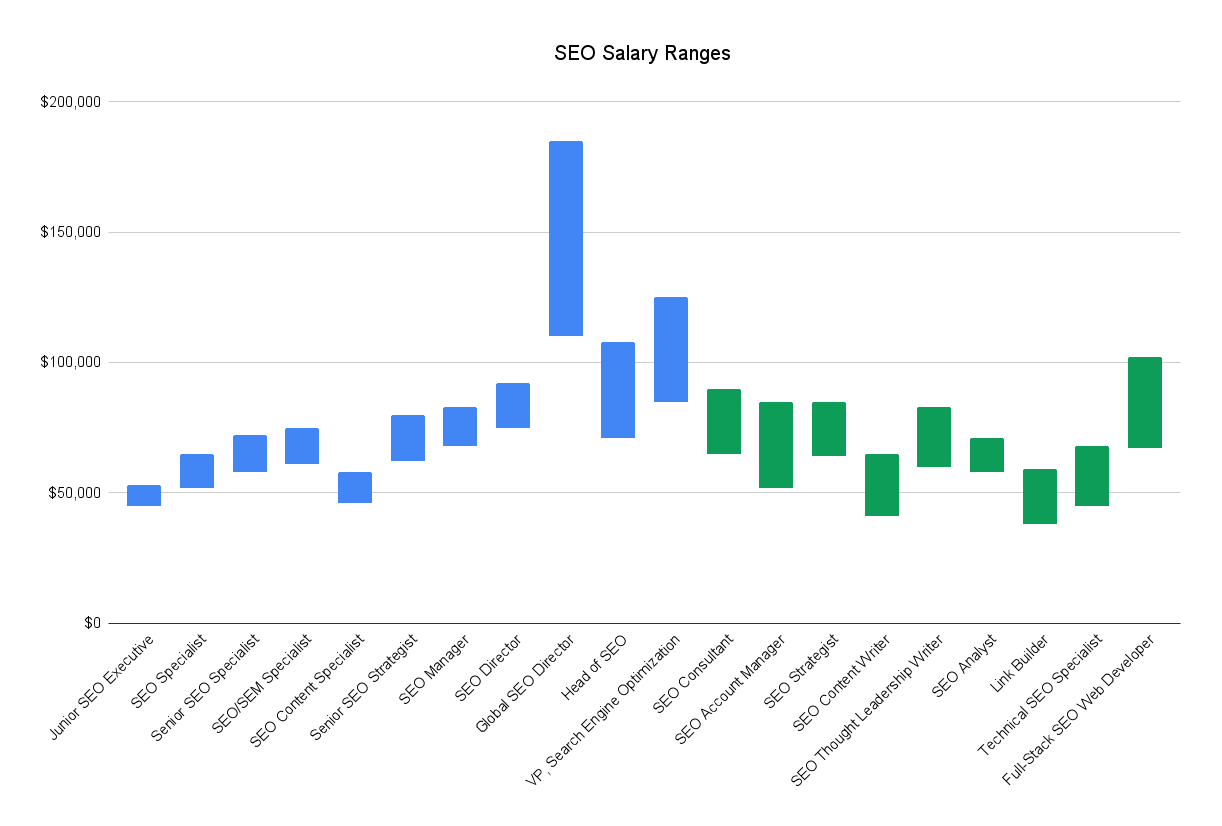



![Top 500+ Free Backlink Websites [2026 Update]](https://desiremarketing.io/wp-content/uploads/2023/09/free-backlink-websites.webp)