Blog

  • Advantages and Disadvantages of Email Marketing

    Advantages and Disadvantages of Email Marketing

    E-marketing, also known as digital marketing, is the practice of promoting products or services through digital channels such as the internet, social media, email, and mobile devices. With the increasing use of technology, e-marketing has become an essential part of any business strategy. However, it is important to weigh the advantages and disadvantages of e-marketing before implementing it.

    One of the main advantages of e-marketing is the ability to reach a large audience at a relatively low cost. With the internet, businesses can reach customers from all over the world without the need for physical locations. Additionally, e-marketing allows for targeted advertising, which means businesses can tailor their marketing efforts to specific demographics, increasing the likelihood of a positive response. However, e-marketing also has its disadvantages, including the potential for information overload and the difficulty in measuring the effectiveness of campaigns.

    Understanding E-Marketing

    E-Marketing

    E-Marketing refers to the process of promoting products or services using the internet as a medium. It involves a range of techniques such as email marketing, social media marketing, search engine optimization, and pay-per-click advertising.

    One of the key advantages of e-marketing is its ability to reach a large audience quickly and cost-effectively. With the rise of social media platforms and search engines, businesses can now target specific demographics with precision and accuracy.

    Another advantage of e-marketing is the ability to measure and track results in real-time. Email scraper tools can help automate the collection of contact information. By using web analytics tools, businesses can monitor the performance of their campaigns and make adjustments as needed to optimize their results.

    However, there are also some disadvantages to e-marketing. One of the biggest challenges is the issue of information overload. With so much content available online, it can be difficult for businesses to stand out and capture the attention of their target audience.

    Another challenge is the issue of privacy and security. With so much personal information being shared online, businesses must take steps to protect their customers’ data and ensure that it is not misused or stolen.

    Overall, while e-marketing offers many benefits, businesses must also be aware of the potential challenges and take steps to mitigate them in order to succeed in the digital marketplace.

    Advantages of E-Marketing

    e marketing advantages

    Cost Effectiveness

    One of the major advantages of e-marketing is its cost-effectiveness. Unlike traditional marketing methods, e-marketing does not require a huge budget. Businesses can reach their target audience through email marketing, social media marketing, and other online advertising methods, which are relatively cheaper than traditional advertising methods like TV and print advertising.

    Global Reach

    E-marketing allows businesses to reach a global audience. With the help of the internet, businesses can reach customers from different parts of the world. This opens up new opportunities for businesses to expand their customer base and increase their revenue. And the usage of email verification tools ensures that marketing messages actually reach real users, improving the chances of engagement and conversion.

    Personalization

    E-marketing allows businesses to personalize their marketing messages to their target audience. With the help of data analytics, businesses can understand their customers’ preferences and tailor their marketing messages accordingly. This makes the marketing messages more relevant to the target audience, which can lead to higher engagement and conversions.

    Measurable Results

    E-marketing provides businesses with measurable results. With the help of web analytics tools, businesses can track their website traffic, email open rates, click-through rates, and other metrics. This allows businesses to measure the effectiveness of their marketing campaigns and make data-driven decisions to improve their marketing strategies. Effective e-marketing strategies require a focus on improving email deliverability to enhance the accuracy and relevance of web analytics data for businesses.

    Ease of Interaction

    E-marketing allows businesses to interact with their customers in real-time. With the help of social media, businesses can engage with their customers, answer their queries, and address their concerns. This helps businesses build a strong relationship with their customers and improve their brand reputation. Here, a reliable email finder helps businesses reach out to potential customers directly through accurate contact information.

    E-marketing offers several advantages to businesses, including cost-effectiveness, global reach, personalization, measurable results, and ease of interaction. These advantages make e-marketing a popular choice among businesses looking to expand their customer base and increase their revenue. It also becomes easier to manage targeted email communication when using Campaigner, which supports businesses in running structured and effective email campaigns.

    Disadvantages of E-Marketing

    Disadvantages of E-Marketing

    E-marketing or digital marketing is an essential tool for promoting businesses, but it has its drawbacks. Here are some of the disadvantages of e-marketing.

    Privacy Concerns

    One of the significant concerns with e-marketing is privacy. Customers are often wary of providing their personal information to companies, especially when it comes to their email addresses. If businesses misuse this information, it can lead to a loss of trust and harm their reputation. Additionally, customers may receive spam emails, which can be annoying and lead to a negative perception of the company.

    Technological Issues

    E-marketing relies heavily on technology, and this can be a disadvantage. Technical issues such as website crashes, slow loading times, and server downtime can negatively affect the customer experience. Email warmup is also essential to ensure messages reach the audience and maintain engagement. This can lead to a loss of sales and customers. Moreover, if businesses do not keep up with the latest technology, they may lose their competitive edge.

    Lack of Personal Touch

    E-marketing lacks the personal touch of traditional marketing methods. Customers may feel disconnected from the business as they do not have any face-to-face interaction with the company. This can lead to a lack of trust and a negative perception of the business. Moreover, customers may not feel valued as they are just one of many on the company’s email list.

    Online Fraud Risks

    E-marketing is susceptible to online fraud risks. Phishing scams, identity theft, and credit card fraud are real concerns for customers. If a business does not have adequate security measures in place, customers may be hesitant to provide their personal and financial information. This can lead to a loss of sales and customers. This is where a robust email authentication strategy comes in handy, and businesses can use a DMARC record generator to enhance their email security and protect their brand reputation. For even stronger protection, companies may consider implementing a sophisticated DMARC platform to gain deeper visibility and control over email authentication.

    In conclusion, e-marketing has its disadvantages, but it is still an essential tool for businesses. Companies need to be aware of these drawbacks and take steps to mitigate them to ensure a positive customer experience.

    Conclusion

    E-marketing has its advantages and disadvantages. While it can help businesses reach a wider audience and increase their sales, it also presents some challenges.

    One of the main advantages of e-marketing is that it allows businesses to reach a global audience. They can promote their products or services to people from different countries and cultures, which can help increase their brand awareness and sales. Additionally, e-marketing is often more cost-effective than traditional marketing methods, such as TV or print ads. This is because businesses can use social media platforms, email marketing, and other digital channels to reach their target audience without spending a lot of money.

    However, e-marketing also has its downsides. For example, it can be difficult to stand out in a crowded online marketplace. With so many businesses competing for attention, it can be challenging to get noticed. Additionally, e-marketing requires businesses to stay up-to-date with the latest digital trends and technologies. This can be time-consuming and expensive, especially for small businesses with limited resources.

    Overall, e-marketing can be a powerful tool for businesses looking to expand their reach and increase their sales. However, it is important to weigh the advantages and disadvantages before deciding whether to invest in this marketing strategy.

  • SaaS Blogger Outreach: A Step-by-Step Guide

    SaaS Blogger Outreach: A Step-by-Step Guide

    Are you a SaaS company struggling to reach your target audience? Do you want to increase your brand awareness and drive growth? Look no further than SaaS blogger outreach. By collaborating with influential bloggers in your industry, you can expand your reach and establish your company as a thought leader.

    But how do you get started with SaaS blogger outreach? It may seem daunting, but with the right strategy and approach, it can be a highly effective marketing tactic.

    In this step-by-step guide, we’ll walk you through the process of SaaS blogger outreach, from identifying the right bloggers to crafting the perfect pitch.

    What is SaaS Blogger Outreach?

    SaaS Blogger Outreach

    SaaS blogger outreach is a marketing strategy that involves reaching out to bloggers in the SaaS industry to promote your product or service. It is an effective way to increase brand awareness, drive traffic to your website, and generate leads.

    To successfully execute a SaaS blogger outreach campaign, you need to be knowledgeable about your product or service and have a clear understanding of your target audience. You need to identify the bloggers who are most likely to be interested in your product or service and reach out to them with a personalized pitch.

    When reaching out to bloggers, it is important to be clear about what you are offering and why it is relevant to their audience. You should also be prepared to provide them with any necessary information or resources to help them write a high-quality post about your product or service.

    Overall, SaaS blogger outreach is a valuable marketing strategy that can help you reach a wider audience and drive growth for your business.

    Implementing the Steps for Successful SaaS Blogger Outreach

    Now that you understand the importance of blogger outreach for your SaaS company, it’s time to implement the steps for successful outreach. Here are a few tips to help you get started:

    Creating Valuable Content

    When it comes to SaaS blogger outreach, creating valuable content is key. Your content should be informative, engaging, and relevant to your target audience. Here are a few tips for creating content that will help you achieve your outreach goals:

    Know Your Audience

    Before you start creating content, it’s important to know who your target audience is. Who are you trying to reach with your content? What are their pain points? What type of content do they prefer (blog posts, infographics, videos, etc.)? Understanding your audience will help you create content that resonates with them.

    Focus on Quality

    When it comes to content creation, quality is more important than quantity. Instead of churning out a lot of mediocre content, focus on creating fewer pieces of high-quality content. This will help you establish yourself as an authority in your niche and build trust with your audience.

    Provide Value

    Your content should provide value to your audience. This could be in the form of actionable tips, industry insights, or thought-provoking ideas. Whatever form it takes, make sure your content is something that your audience will find useful and informative.

    Use Visuals

    Visuals can help make your content more engaging and easier to understand. Whether it’s an infographic, a video, or just some well-placed images, incorporating visuals into your content can help it stand out and keep your audience engaged. AI generated visuals can be a great way to add fresh, unique elements that grab attention.

    Be Consistent

    Consistency is key when it comes to content creation. Make sure you’re regularly publishing new content that is relevant to your audience. This will help you stay top-of-mind with your audience and build a loyal following.

    By following these tips, you can create valuable content that will help you achieve your SaaS blogger outreach goals. Remember to stay focused on your audience and provide them with content that they find useful and engaging.

    Identifying Your Target Audience

    Before you start reaching out to bloggers for your SaaS product, you need to identify your target audience. Knowing your target audience will help you find bloggers who have the right audience for your product.

    To identify your target audience, you need to answer the following questions:

    • Who is your product for?
    • What problems does your product solve?
    • What benefits does your product offer?
    • What is your unique selling proposition (USP)?

    Once you have answered these questions, you can create a buyer persona for your target audience. A buyer persona is a fictional representation of your ideal customer. It includes information such as age, gender, job title, income, interests, and pain points.

    To create a buyer persona, you can use tools like HubSpot’s Make My Persona or Xtensio’s Persona Template. These tools will help you create a detailed profile of your ideal customer.

    Once you have created your buyer persona, you can use it to find bloggers who have the right audience for your product. Look for bloggers who have a similar audience to your buyer persona. You can use tools like BuzzSumo or Followerwonk to find bloggers who have a large following in your target audience.

    Influencer marketing can also help you reach your target audience. Look for influencers who have a large following in your target audience. You can use tools like Upfluence or AspireIQ to find influencers who have a large following in your target audience.

    By identifying your target audience, you can find bloggers and influencers who have the right audience for your product. This will help you reach your target audience and increase your chances of success with SaaS blogger outreach.

    Developing a Blogger Outreach Strategy

    When developing a blogger outreach strategy, it’s important to start with your goals in mind. What are you trying to achieve through blogger outreach? Are you looking to increase brand awareness? Drive traffic to your website? Generate leads? Once you have a clear goal, you can tailor your strategy to achieve it.

    Timing is also important when it comes to blogger outreach. You want to make sure you reach out to bloggers at the right time, when they are most likely to be receptive to your pitch. For example, if you’re promoting a product launch, you’ll want to reach out to bloggers a few weeks before the launch date.

    Your blogger outreach strategy should also include a plan for finding the right bloggers to reach out to. You can use tools like BuzzSumo or Google to find relevant blogs in your industry. Once you have a list of potential bloggers, you’ll want to do some research on each one to make sure they are a good fit for your brand.

    When reaching out to bloggers, it’s important to personalize your pitch. Don’t send out a generic email to every blogger on your list. Take the time to read their blog and understand their audience. Tailor your pitch to their interests and needs.

    Finally, make sure you have a plan for following up with bloggers who don’t respond to your initial pitch. A friendly reminder email can be a great way to get a response and keep the conversation going.

    By developing a thoughtful blogger outreach strategy, you can increase your chances of success and achieve your goals.

    Finding Potential Bloggers

    To effectively reach out to bloggers for your SaaS product, you need to start by finding the right ones. Here are some tips to help you find potential bloggers:

    Use Ahrefs to Find Blogs

    Ahrefs is a powerful tool that allows you to search for blogs in your niche. You can use the Content Explorer feature to search for keywords related to your SaaS product and filter the results by domain authority, social shares, and more.

    Use Buzzsumo to Find Influencers

    Buzzsumo is another great tool that can help you find influencers in your niche. You can search for keywords related to your SaaS product and see who is sharing content related to those keywords. You can also filter the results by domain authority, social shares, and more.

    Look for Blogs with High Domain Authority

    When searching for blogs, it’s important to look for ones with a high domain authority. This means that they have a lot of backlinks pointing to their site, which can help increase your own site’s authority. You can use tools like Ahrefs or Moz to check a blog’s domain authority.

    Check for Active Blogs

    Make sure that the blogs you are considering are active and regularly publishing new content. You can check their archives to see how often they publish and make sure that their most recent posts are recent.

    By following these tips, you can find potential bloggers that are a good fit for your SaaS product and increase your chances of successful outreach.

    Crafting Personalized Outreach Emails

    When it comes to SaaS blogger outreach, crafting personalized outreach emails is one of the most crucial steps. Personalized emails can help you establish a connection with the blogger and increase the chances of getting a positive response. Here are a few tips to craft personalized outreach emails:

    Research the Blogger

    Before sending an outreach email, it’s essential to research the blogger. You should read their blog posts, understand their writing style, and get a sense of their interests. This information can help you craft a personalized email that resonates with the blogger.

    Use the Blogger’s Name

    Using the blogger’s name in the email can help you establish a personal connection. It shows that you’ve done your research and are genuinely interested in working with them.

    Personalize the Email

    Personalizing the email goes beyond using the blogger’s name. You should also mention a specific post or article that caught your attention and explain why it resonated with you. Additionally, you can mention any common interests or experiences you share with the blogger.

    Keep it Short and Sweet

    Bloggers receive a lot of outreach emails, so it’s essential to keep your email short and to the point. Avoid making it too long or complicated. You should clearly explain why you’re reaching out and what you’re looking for.

    Use a Clear Subject Line

    The subject line is the first thing the blogger will see, so it’s essential to make it clear and attention-grabbing. Avoid using clickbait or false promises. Instead, use a subject line that accurately reflects the content of your email.

    Crafting personalized outreach emails can take time, but it’s worth the effort. By following these tips, you can increase your chances of getting a positive response from bloggers and establishing lasting relationships.

    Implementing Follow-Up Techniques

    Once you have reached out to SaaS bloggers, it’s important to follow up to ensure that you get a response. Follow-up techniques can include sending a reminder email, making a phone call, or sending a message on social media. It’s important to be persistent without being pushy. Here are some tips for implementing effective follow-up techniques:

    Send a Reminder Email

    If you haven’t received a response to your initial email, it’s a good idea to send a reminder email. This email should be short and to the point, reminding the blogger of your initial email and asking if they have had a chance to review your request. Be sure to thank them for their time and consideration.

    Make a Phone Call

    If you have the blogger’s phone number, a phone call can be an effective way to follow up. When making the call, introduce yourself and remind the blogger of your initial email. Ask if they have had a chance to review your request and if there is any additional information you can provide.

    Send a Message on Social Media

    If the blogger is active on social media, sending a message can be a good way to follow up. When sending the message, be sure to introduce yourself and remind the blogger of your initial email. Ask if they have had a chance to review your request and if there is any additional information you can provide.

    Ask for Feedback

    If you have received a response from the blogger, but they are not interested in your request, it’s important to ask for feedback. This feedback can be valuable in refining your outreach strategy for future campaigns. Be sure to thank the blogger for their time and consideration.

    Respond to Comments

    If the blogger has left a comment on your website or social media page, be sure to respond in a timely manner. This shows that you are engaged and interested in their feedback. Be sure to thank them for taking the time to comment and address any questions or concerns they may have.

    Implementing effective follow-up techniques is key to a successful SaaS blogger outreach campaign. By being persistent without being pushy and asking for feedback, you can build strong relationships with bloggers and increase your chances of success.

    Using Blogger Outreach Tools

    Blogger outreach tools can help you streamline your outreach process and make it more efficient. These tools can help you find relevant bloggers, manage your outreach campaigns, and track your progress. Here are some popular blogger outreach tools to consider:

    Buzzstream

    Buzzstream is a popular outreach tool that helps you find and manage relationships with influencers. It offers a variety of features like email tracking, campaign management, and contact management. With Buzzstream, you can easily find bloggers in your niche, create custom email templates, and track your progress.

    Pitchbox

    Pitchbox is another outreach tool that helps you find and manage relationships with influencers. It offers a variety of features like email tracking, campaign management, and contact management. With Pitchbox, you can easily find bloggers in your niche, create custom email templates, and track your progress.

    Ninja Outreach

    Ninja Outreach is an outreach tool that helps you find and manage relationships with influencers. It offers a variety of features like email tracking, campaign management, and contact management. With Ninja Outreach, you can easily find bloggers in your niche, create custom email templates, and track your progress.

    Traackr

    Traackr is an influencer marketing platform that helps you find and manage relationships with influencers. It offers a variety of features like influencer discovery, campaign management, and contact management. With Traackr, you can easily find bloggers in your niche, create custom email templates, and track your progress.

    Using blogger outreach tools can help you streamline your outreach process and make it more efficient. They also offer features for contact management, helping you keep track of your connections and communication history. These tools can save you time and effort, and help you build relationships with influencers in your niche. Consider using one of the tools mentioned above to take your outreach efforts to the next level.

    Measuring and Analyzing Success

    Measuring and analyzing success is an essential part of any SaaS blogger outreach campaign. Without proper metrics, it’s impossible to determine if your efforts are paying off. Here are some key metrics to consider when measuring the success of your SaaS blogger outreach campaign:

    Metrics

    • Backlinks: The number of backlinks your website receives from the blogs you’ve reached out to is a critical metric. The more backlinks you get, the higher your website will rank in search engines, resulting in more organic traffic.
    • Domain Authority (DA): Domain Authority is a score that predicts how well a website will rank on search engine result pages (SERPs). The higher the DA of the blogs you’ve reached out to, the more valuable the backlinks will be.
    • Traffic: The amount of traffic your website receives from the blogs you’ve reached out to is also an essential metric. The more traffic you get, the more exposure your brand will receive.

    Scale

    Scaling your SaaS blogger outreach campaign is essential to maximize your success. Here are some tips to help you scale your campaign:

    • Use a CRM: A CRM (customer relationship management) tool can help you keep track of your outreach efforts, making it easier to scale your campaign.
    • Automate: Automating your outreach efforts can save you a lot of time and effort. There are several tools available that can help you automate your outreach efforts.

    Google and SEO

    Google and SEO play a massive role in the success of your SaaS blogger outreach campaign. Here are some tips to help you improve your SEO:

    • Keyword Research: Conducting keyword research can help you identify the keywords your target audience is searching for, making it easier to optimize your content.
    • On-Page Optimization: On-page optimization is the process of optimizing your website’s content to rank higher in search engines. This includes optimizing your titles, meta descriptions, and content.

    Organic Traffic

    Organic traffic is traffic that comes to your website from search engines. Here are some tips to help you increase your organic traffic:

    • Create High-Quality Content: Creating high-quality content that provides value to your target audience is essential to attracting organic traffic.
    • Promote Your Content: Promoting your content on social media and other channels can help you attract more organic traffic to your website.

    By measuring and analyzing your success, scaling your campaign, focusing on SEO, and attracting organic traffic, you can maximize the success of your SaaS blogger outreach campaign.

    Avoiding Common Blogger Outreach Mistakes

    When it comes to SaaS blogger outreach, there are a few common mistakes that many marketers make. These mistakes can lead to wasted time, effort, and resources. Here are a few things to keep in mind to avoid these mistakes:

    Don’t Spam Bloggers

    One of the biggest mistakes that you can make in blogger outreach is to spam bloggers with generic pitches. This is known as the “shotgun approach,” where you send the same message to as many bloggers as possible, hoping that someone will respond. Not only is this ineffective, but it can also damage your brand’s reputation.

    Instead, take the time to research each blogger and personalize your pitch to their specific interests and needs. This is known as the “sniper approach,” where you carefully target each blogger with a tailored message. This approach is more time-consuming, but it is much more effective in building relationships with bloggers.

    Don’t Make False Claims

    Another mistake that many marketers make is to make exaggerated or false claims in their pitches. This can lead to distrust and skepticism from bloggers, which can harm your brand’s reputation.

    Instead, be clear and honest about what your product or service can offer. Use data and statistics to back up your claims, and be transparent about any limitations or drawbacks. This will help you build trust with bloggers and establish your brand as a credible source of information.

    Don’t Ignore Bloggers’ Needs

    Finally, it’s important to remember that bloggers have their own needs and priorities. They are not just a means to an end for your marketing campaign. If you want to build a successful relationship with bloggers, you need to understand their needs and provide value to them.

    This means taking the time to research each blogger’s interests and needs, and tailoring your pitch to meet those needs. It also means being responsive and helpful when bloggers reach out to you with questions or concerns.

    By avoiding these common mistakes, you can build strong relationships with bloggers and establish your brand as a credible source of information in the SaaS industry.

    Building Long-Term Partnerships

    When it comes to SaaS blogger outreach, building long-term partnerships is key to success. By establishing valuable partnerships with bloggers, you can gain access to their audience and build brand awareness. Here are some tips for building long-term partnerships:

    Provide Value

    The key to building a successful partnership is providing value to the blogger. This can be done in a number of ways, such as providing them with exclusive content, offering them early access to new features, or giving them free access to your product. By providing value to the blogger, you are showing them that you are invested in the partnership and are willing to help them succeed.

    Be Transparent

    Transparency is crucial when building long-term partnerships. Be honest with the blogger about your goals and expectations, and make sure they understand what you hope to achieve from the partnership. This will help build trust and ensure that both parties are working towards the same goals.

    Communicate Effectively

    Effective communication is key to any successful partnership. Make sure you are regularly communicating with the blogger and keeping them up-to-date on any new developments or changes. This will help ensure that the partnership remains strong and that both parties are on the same page.

    Nurture the Relationship

    Building a long-term partnership takes time and effort. Make sure you are regularly checking in with the blogger and nurturing the relationship. This can be done by sending them personalized emails, inviting them to events, or even sending them small gifts. By taking the time to nurture the relationship, you are showing the blogger that you value their partnership and are invested in their success.

    By following these tips, you can build valuable partnerships with bloggers that will help you succeed in your SaaS blogger outreach efforts. Remember to always provide value, be transparent, communicate effectively, and nurture the relationship to ensure long-term success.

    Conclusion

    SaaS blogger outreach is a powerful way to increase your brand’s visibility and drive traffic to your website. By following the steps outlined in this article, you should be able to create an effective outreach campaign that will help you achieve your marketing goals.

    Remember to approach each blogger with confidence and a clear understanding of what you have to offer. Be prepared to provide value to the blogger and their audience, and don’t be afraid to follow up if you don’t hear back initially.

    By building relationships with bloggers in your niche, you can establish yourself as a thought leader and increase your brand’s credibility. This can lead to more opportunities for collaboration and exposure, which can ultimately help you grow your business.

    Overall, SaaS blogger outreach requires a combination of knowledge, confidence, and clear communication. With the right approach, you can leverage the power of bloggers to drive traffic and increase your brand’s visibility in your industry.

  • Guest Blogging Statistics: What Marketers Need to Know

    Guest Blogging Statistics: What Marketers Need to Know

    If you’re a marketer looking to improve your content marketing strategy, guest blogging is a powerful tool you should consider. Guest blogging involves creating content for other websites in your industry and linking back to your own website. This can help you increase your brand awareness, establish yourself as an industry authority, and drive traffic to your site. In this article, we’ll explore guest blogging statistics that can help you understand the impact of this strategy and how to make the most of it.

    Understanding guest blogging is the first step to leveraging its benefits. Guest blogging involves creating high-quality content that provides value to your target audience and pitching it to relevant websites. When your content is accepted, it is published on the website with a link back to your own site. This link is known as a “backlink” and can help improve your website’s search engine rankings, as search engines view backlinks as a sign of credibility and authority.

    The importance of guest blogging cannot be overstated. It can help you reach new audiences, build relationships with other industry professionals, and improve your website’s search engine rankings. In the next section, we’ll explore some guest blogging statistics that can help you understand the impact of this strategy and how to make the most of it.

    Key Takeaways

    • Guest blogging involves creating content for other websites in your industry and linking back to your own website.
    • Backlinks from guest blogging can help improve your website’s search engine rankings.
    • Guest blogging is an effective way to increase brand awareness and establish yourself as an industry authority.

    Understanding Guest Blogging

    Guest blogging is a content marketing strategy that involves writing and publishing articles on other websites. As a marketer, you can use guest blogging to reach new audiences, build your brand, and drive traffic to your website.

    When you write a guest post, you include a byline that links back to your website. This byline helps to establish your authority and credibility in your niche. It also helps to drive traffic to your website, as readers who are interested in your content can click through to learn more about you and your business.

    Guest blogging can be a great way to build relationships with other bloggers and website owners in your niche. By providing valuable content for their readers, you can establish yourself as an expert and build trust with your audience. This can lead to new opportunities for collaboration, such as joint ventures or partnerships.

    Guest blogging can also be a valuable SEO strategy. When you publish content on other websites, you can include links back to your own site. These links help to establish your website’s authority and credibility in the eyes of search engines like Google. This can lead to higher search engine rankings and more traffic to your website.

    Overall, guest blogging can be a powerful tool for marketers who want to reach new audiences, build their brand, and drive traffic to their website. By providing valuable content for other websites and partnering with engaged ugc creators, you can establish yourself as an expert in your niche and build relationships with other bloggers and website owners.

    The Importance of Guest Blogging

    The Importance of Guest Blogging

    Guest blogging is a valuable strategy for marketers looking to expand their reach and increase their online presence. By writing and publishing articles on other websites, you can tap into new audiences, build relationships with other bloggers and businesses, and establish yourself as a thought leader in your industry. Here are some of the key benefits of guest blogging:

    Boosting SEO

    One of the primary benefits of guest blogging is its ability to boost your search engine optimization (SEO) efforts. By contributing articles to high-authority websites, you can earn valuable backlinks to your own site, which can help improve your domain authority (DA) and increase your organic search traffic. In addition, guest blogging can help you get your content indexed more quickly and increase the number of pages on your site that are ranking in search results.

    Expanding Brand Awareness

    Guest blogging can also help you expand your brand awareness and exposure. By publishing articles on other websites, you can reach new audiences who may not have heard of your brand before. This can help you build your reputation, establish yourself as a thought leader, and increase your credibility in your industry.

    Generating Traffic and Leads

    Another key benefit of guest blogging is its ability to generate traffic and leads for your website. By including links to your own site in your guest posts, you can drive referral traffic to your site and attract new email subscribers, hot leads, and potential customers.

    Enhancing Content Marketing Strategy

    Guest blogging can also be a valuable addition to your content marketing strategy. By creating high-quality, evergreen content that provides value to readers, you can attract new followers and build your reputation as an expert in your field. In addition, guest blogging can help you diversify your content and reach new audiences who may not have found your site otherwise.

    Increasing Revenue

    Finally, guest blogging can also help you increase your revenue and monetize your content more effectively. By attracting new traffic and leads to your site, you can increase your chances of generating a positive ROI and achieving your business goals.

    In summary, guest blogging is a valuable strategy for marketers looking to expand their reach, increase their online presence, and achieve their business goals. By focusing on the key benefits of guest blogging, including boosting SEO, expanding brand awareness, generating traffic and leads, enhancing your content marketing strategy, and increasing revenue, you can create a successful guest blogging campaign that delivers results.

    Guest Blogging Statistics

    Guest Blogging Statistics

    If you’re a marketer looking to expand your brand’s reach, guest blogging can be an effective strategy. Here are some guest blogging statistics you need to know to make the most of this tactic.

    Current Trends

    According to a survey conducted by Ahrefs, the number of guest blog posts published per month has decreased by 32% since 2017. However, the average word count of guest posts has increased by 77% during the same period. This suggests that guest bloggers are focusing on quality over quantity.

    Performance Metrics

    When it comes to measuring the success of guest blogging, there are a few key metrics to consider. A survey of 500 bloggers conducted by Orbit Media Studios found that the most important metric for measuring the success of a guest post is the number of social shares it receives. Exploring comprehensive link building statistics can further illuminate the effectiveness of various guest blogging strategies and their impact on SEO. Other important metrics include the number of monthly page views and the number of linking websites.

    Blogging Platforms

    When it comes to guest blogging platforms, WordPress is the most popular choice among bloggers. According to a survey of 300 bloggers conducted by ProBlogger, 86% of respondents use WordPress for their blogs. Other popular platforms include Squarespace and Tumblr.

    Content Preferences

    When it comes to the type of content that performs best in guest posts, data suggests that long-form content with plenty of visuals is the way to go. A study of over 900,000 blog posts conducted by Backlinko found that the average word count of a top-performing guest post is 1,900 words. Additionally, posts with at least one image receive 94% more views than those without.

    Overall, guest blogging can be a powerful tool for marketers looking to increase their brand’s reach and drive traffic to their website. By keeping these guest blogging statistics in mind and focusing on creating high-quality content, you can make the most of this strategy.

    Effective Guest Blogging Strategies

    Guest blogging is a valuable strategy for businesses looking to increase their online presence and improve their SEO. To make the most of your guest blogging efforts, it’s important to have a solid strategy in place. Here are some effective guest blogging strategies to help you get started:

    Finding the Right Blogs

    The first step in any successful guest blogging strategy is to identify the right blogs to target. Look for blogs that are relevant to your niche and have a strong online presence. You can use tools like Ahrefs’ Content Explorer to find popular blogs in your industry. Skim through their content to get a sense of the type of content they publish and the quality of their writing.

    Creating High-Quality Content

    Once you’ve identified the blogs you want to target, it’s time to create high-quality content that will appeal to their readers. Your content should provide value to the blog’s audience and be relevant to their interests. Focus on creating evergreen content that will remain relevant over time. Make sure your content is well-written, informative, and engaging.

    Pitching and Outreach

    Once you’ve created your content, it’s time to pitch it to the blog owners or publishers. Before you start pitching, make sure you’ve read and followed the blog’s guest blogging guidelines. Craft a personalized pitch that highlights the value your content will provide to their readers. Be sure to include a brief summary of your article and a link to your website or blog.

    Building Relationships with Blog Owners

    Building relationships with blog owners, editors, and influencers is an important part of any successful guest blogging strategy. Take the time to engage with them on social media and share their content. Offer to help promote their blog or share their content with your audience. Building these relationships can help you secure more guest blogging opportunities in the future.

    By following these effective guest blogging strategies, you can increase your online visibility, build your brand, and improve your SEO. Remember to focus on creating high-quality content that provides value to the blog’s audience, and take the time to build relationships with blog owners and influencers in your industry.

    Challenges in Guest Blogging

    Guest blogging can be a powerful marketing tool for your brand. However, it is not without its challenges. Here are some of the most common challenges you may encounter when engaging in guest blogging:

    Skimming Blog Posts

    One of the biggest challenges of guest blogging is getting your content noticed. With so much content available on the internet, readers are becoming increasingly selective about what they read. This means that your guest post needs to be engaging and informative enough to capture the reader’s attention and keep them interested.

    To overcome this challenge, make sure your guest post is well-written and provides value to the reader. Use eye-catching headlines, subheadings, and bullet points to break up the text and make it easier to skim. Additionally, include relevant images and videos to make your post more visually appealing.

    Staff Members

    Another challenge of guest blogging is finding the right people to write your guest posts. Not everyone on your staff may be a skilled writer, and even those who are may not have the time or interest to write guest posts.

    To overcome this challenge, consider hiring a freelance writer or outsourcing your guest blogging to a content marketing agency. This will ensure that your guest posts are well-written and provide value to the reader, without putting additional strain on your staff. You can also opt for a 360 marketing agency to handle all aspects of your content strategy, including guest blogging.

    Finding Relevant Blogs

    Finally, one of the biggest challenges of guest blogging is finding relevant blogs to post on. Not every blog will be a good fit for your brand, and even those that are may not accept guest posts.

    To overcome this challenge, start by researching blogs in your industry that accept guest posts. Look for blogs that have a similar target audience to your brand and that publish content that is relevant to your industry. Once you have a list of potential blogs, reach out to the editors and pitch your guest post ideas.

    Overall, guest blogging can be a valuable marketing tool for your brand, but it does come with its challenges. By focusing on creating high-quality content, finding the right writers, and targeting the right blogs, you can overcome these challenges and reap the benefits of guest blogging.

    Conclusion

    In conclusion, guest blogging is a powerful tool for marketers to build high-quality backlinks, increase website traffic, and establish themselves as thought leaders in their industry. By prospecting for reputable publications that align with your brand, you can create valuable content that resonates with your target audience and drives inbound leads.

    When it comes to inbound marketing strategy, guest blogging is an effective way to reach B2B buyers and generate leads. By publishing relevant publications, you can attract potential customers who are already interested in your industry and position your brand as a trusted resource.

    According to SEMrush, the most successful guest blogging campaigns are sustainable, meaning they are consistent and long-term. By regularly publishing in reputable publications, you can build a strong reputation and establish yourself as an authority in your field.

    While advertising can be expensive, guest blogging is a cost-effective way to reach a wider audience and promote your brand. By creating valuable content that resonates with readers, you can drive traffic to your website and increase brand awareness.

    In order to succeed with guest blogging, it’s important to follow the guidelines of the publications you want to publish on. By conducting thorough research and preparing a strong pitch, you can increase your chances of getting published and reaching a wider audience.

    Overall, guest blogging is a valuable tool for marketers looking to build their brand, increase website traffic, and generate leads. By following best practices and consistently publishing in reputable publications, you can establish yourself as a thought leader in your industry and drive meaningful results for your business.

  • Video SEO Optimization: An In-depth Guide

    Video SEO Optimization: An In-depth Guide

    Dive deep into the realm of video SEO with this comprehensive guide. Whether you aim to dominate rankings on YouTube or Google, you’ve landed on the perfect resource. Welcome to your one-stop solution for video optimization.

    Definition of Video SEO Optimization:

    Understanding Video SEO Optimization is crucial for anyone serious about online content. But what exactly does it entail? Video SEO optimization refers to the process of enhancing the visibility and ranking of video content on search engines. The objective is clear: to ensure that when users are on the hunt for content relevant to your video, they find your content quickly and easily.

    The digital landscape has rapidly shifted, making video content one of the most consumed forms of media online. Thus, neglecting the SEO aspects of your video could be a missed opportunity to reach a vast audience.

    Why Video Content Matters:

    If a picture is worth a thousand words, imagine the value of a video. With the rise of platforms like YouTube, TikTok, and Instagram’s IGTV, videos are shaping the way we consume information, entertain ourselves, and even shop.

    Let’s look at the numbers:

    • By recent estimates, over 80% of all internet traffic will be video by the end of the year.
    • Video content on landing pages can increase conversion rates by 80%.
    • 64% of users are more likely to buy a product after watching a video about it.

    These figures underscore a straightforward fact: video is no longer just a “nice to have” but a necessity for businesses and content creators. And with this surge in video consumption, ensuring your videos are easily discoverable through search engines becomes paramount.

    The Growing Importance of Video in SEO:

    Google, the world’s most popular search engine, has not remained blind to the growing influence of video content. Over the past few years, there’s been a noticeable increase in videos appearing directly in Google’s search engine results pages (SERPs). This is no accident.

    From “how-to” tutorials to product reviews, users are often seeking video explanations over text-based content. Recognizing this preference, Google has started to prioritize video content, often placing it above traditional web pages in search results. For brands and content creators, this means a well-optimized video could potentially be the first thing a user sees when they punch in a relevant search query.

    Deep Dive into Video SEO Optimization Best Practices

    Keyword Research for Video:

    The foundation of any successful SEO strategy, whether for text or video, begins with keyword research. When it comes to videos, the trick is understanding what your target audience might type into a search bar when looking for content similar to yours.

    Tools and Methods:

    • Google’s Keyword Planner: A classic tool that provides insights into search volume and competition. Although traditionally used for text-based content, it can also be valuable for video content ideas.
    • YouTube’s Search Suggest: Type in a keyword related to your video, and YouTube will automatically suggest popular search terms, giving you a direct insight into what users are frequently searching for.
    • Competitor Analysis: Study popular videos in your niche. What keywords are they targeting in their titles, descriptions, and tags?

    Optimizing Video Titles, Descriptions, and Tags:

    Optimizing your video’s metadata, including the title, description, and tags, is essential for improving search rankings and visibility Including a YouTube transcript not only improves accessibility for viewers but also provides search engines with text to crawl, enhancing your video’s SEO. Additionally, using a YouTube Thumbnail Downloader can help creators extract and analyze high-performing thumbnails to enhance their video’s click-through rate. Once you have your keywords, the next step is seamlessly incorporating them into your video’s metadata. Incorporating AI video summarizers into your workflow can streamline the process of optimizing video content.

    • Video Titles: Think of your video’s title as the headline of a news article. It should be compelling, concise, and include your primary keyword. Remember, the title shouldn’t just be for search engines, but for users too.
    • Video Descriptions: This is your opportunity to provide more context about the video. Use natural language, incorporate secondary keywords, and ensure the first couple of lines are captivating as they’re the most visible.
    • Tags: Use relevant keywords that represent your video and potential search queries. They help platforms like YouTube understand the context of your video.

    The Power of Transcripts and Closed Captions in video SEO optimization:

    While search engines are getting smarter every day, they still can’t “watch” a video in the way humans can. This is where transcripts and closed captions come in.

    • Benefits: Transcripts provide search engines with text to crawl, making your video content more accessible to them. Additionally, they enhance accessibility for viewers with hearing impairments.
    • Tools for Transcripts: There are numerous tools and services available, from YouTube’s auto-captioning feature to third-party services like Rev and Temi.

    Video Thumbnails – The First Impression:

    youtube thumbnail

    Arguably as important as the video title, thumbnails play a crucial role in whether a user decides to click on a video or not.

    • Design Tips: Use high-contrast, clear visuals that represent the content of the video. If appropriate, include faces, as they tend to draw more clicks. Make sure the thumbnail is coherent with the video title and description.

    Engagement Metrics Matter:

    For platforms like YouTube, user engagement is a significant ranking factor.

    • Watch Time: Videos that keep users engaged for longer durations are likely to rank higher.
    • Likes, Shares, and Comments: These are direct indicators of a video’s popularity and quality. Engage with your audience, encourage discussions in the comments, and prompt users to like and share if they found the video useful.

    Creating Video Playlists for Enhanced Visibility:

    Grouping relevant videos into themed playlists can be a masterstroke for increasing visibility and watch time.

    • Benefits: Playlists encourage binge-watching, which in turn increases the cumulative watch time of your content. They also allow for additional keyword optimization opportunities.

    Advanced Techniques of Video SEO Optimization

    Video Schema Markup – Structured Data for Videos:

    Incorporating structured data, or schema markup, for your videos gives search engines a deeper understanding of your content, potentially improving visibility in SERPs.

    • What is Schema Markup for Videos?: It’s a type of microdata added to a webpage which provides search engines with more information about the video content, including a thumbnail, description, upload date, and duration.
    • Implementing Structured Data: Utilize Google’s Structured Data Markup Helper to easily create the necessary code. Once integrated into your site, use Google’s Structured Data Testing Tool to verify its accuracy.

    Backlinks and Video Embedding:

    Much like traditional SEO for websites, backlinks play a pivotal role in video SEO.

    • The Role of Backlinks: Quality backlinks signal to search engines that your video content is authoritative and valuable. The more credible sites linking to your video, the better it may rank.
    • Getting Your Videos Embedded: Encourage reputable sites, blogs, and online publications to embed your video. This not only boosts visibility but can also drive backlink generation.

    Optimizing for Mobile and Speed:

    The majority of video content is consumed on mobile devices. Therefore, ensuring videos are optimized for mobile viewing and fast loading times is paramount.

    • Mobile Optimization: Ensure videos are responsive, meaning they adjust to different screen sizes without sacrificing quality. Consider the user experience on mobile: large, clear play buttons and easy-to-read descriptions enhance usability.
    • Speed is Key: Compress videos without compromising quality. Utilize content delivery networks (CDNs) to ensure faster loading times globally. Remember, a slow-loading video can lead to high bounce rates, affecting SEO negatively.

    Future Trends in Video SEO:

    Video SEO is not static; it’s an ever-evolving field. Staying updated with the latest trends ensures you remain ahead of the curve.

    • Video Featured Snippets: Google has been showcasing video snippets in its SERPs, highlighting specific sections of a video relevant to a user’s query. Structuring your video content and descriptions methodically can help you take advantage of this feature.
    • Voice Search and Video: As voice search becomes increasingly popular through smart speakers and mobile devices, it may influence video search results. Ensuring your video metadata (titles, descriptions, tags) is conversational can position you favorably.
    • Virtual Reality (VR) and Augmented Reality (AR): With VR and AR gaining traction, there’s potential for these to revolutionize how we consume video content. SEO strategies may need to adapt to these immersive experiences in the future.

    Conclusion and Key Takeaways:

    Video SEO optimization is an intricate dance between technology and user experience. As we’ve delved into its depths, from basic principles to advanced techniques, one thing remains clear: the world of video content is burgeoning, and its relevance in SEO can’t be overstated.

    For SEO experts, understanding these nuances and anticipating future trends is not just beneficial—it’s essential. As technology evolves and user preferences shift, staying agile and informed will be the keys to continued success in video SEO.

  • Mastering Niche Edits: Your Complete Guide

    Mastering Niche Edits: Your Complete Guide

    Are you struggling to improve your website’s search engine ranking? If so, you’re not alone. Many website owners find it challenging to increase their visibility online. One effective way to improve your ranking is through link building, and niche edits are a popular method within this strategy.

    Niche edits involve adding a link to your website within an existing article on another website. This type of link building is considered more natural and organic than other methods, as the link is added within the context of an article rather than in a separate section. However, mastering niche edits can be tricky, as it requires finding the right opportunities and crafting effective pitches.

    If you’re looking to improve your website’s SEO through niche edits, you’ve come to the right place. In this complete guide, we’ll walk you through everything you need to know about mastering niche edits. From understanding the basics of link building to finding the right opportunities and crafting effective pitches, we’ll cover it all. By the end of this guide, you’ll be equipped with the knowledge and skills you need to take your website’s ranking to the next level.

    Understanding Niche Edits

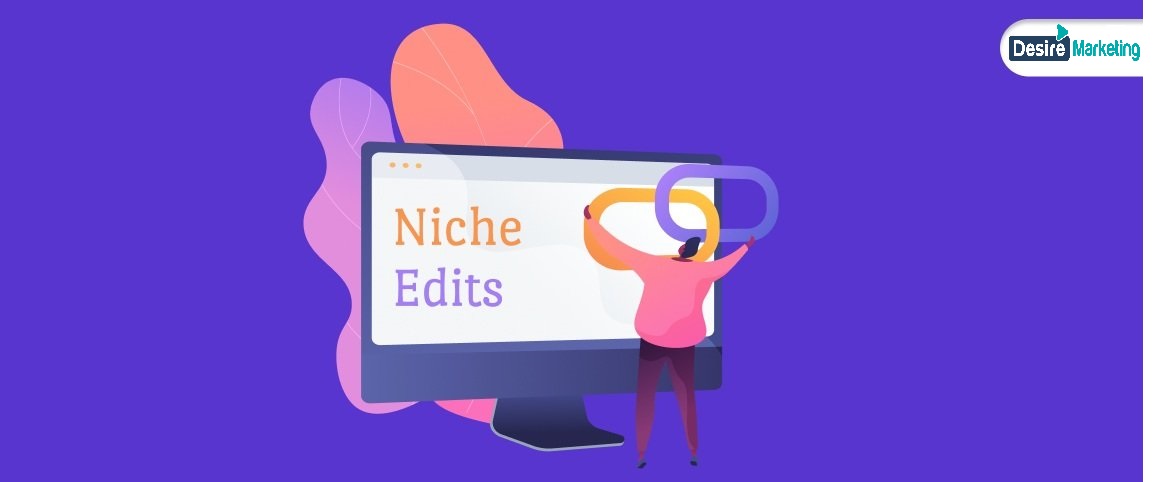
    niche edit

    If you’re looking to improve your website’s SEO, then you’ve probably heard about “niche edits”. But what exactly are niche edits, and how can they help your website? In this section, we’ll explain everything you need to know about niche edits.

    Definition and Importance

    A niche edit is a type of link building strategy where an existing article on a website is edited to include a link to your website. This link is typically added to a relevant keyword or phrase in the article. The goal of niche edits is to increase your website’s authority by getting backlinks from high-quality websites.

    Niche edits are important because they can help improve your website’s SEO. When Google sees that your website has backlinks from high-quality websites, it will view your website as more authoritative and trustworthy. This can result in higher search engine rankings and more traffic to your website.

    Niche Edit Vs Guest Post

    While niche edits and guest posts are both link building strategies, they are different in a few key ways. A guest post is when you write an article for another website and include a link back to your website in the article. This link is usually included in the author bio or within the article itself.

    A niche edit, on the other hand, is when you edit an existing article on another website to include a link back to your website. The main difference between the two is that with a guest post, you have full control over the content of the article, while with a niche edit, you are limited to the existing content on the website.

    While guest posts can be a great way to build backlinks, they can be time-consuming and may require you to have strong writing skills. Niche edits, on the other hand, can be a quicker and easier way to build backlinks, especially if you don’t have the time or resources to write guest posts.

    Niche edits are a powerful tool for improving your website’s SEO and increasing your website’s authority. By understanding the difference between niche edits and guest posts, you can choose the link building strategy that’s right for your website.

    The Process of Niche Edits

    If you’re looking to improve your website’s organic traffic, niche edits can be a valuable addition to your link building strategy. Niche edits involve adding links to existing content on other websites in your niche, which can provide a boost in search engine rankings and drive more traffic to your site. Here’s a breakdown of the process of niche edits.

    Finding Opportunities

    The first step in the process of niche edits is finding opportunities to add links to your website. One way to do this is by using a backlink analysis tool to identify websites in your niche that are linking to your competitors. You can then reach out to the webmasters of those sites and pitch your content as a valuable addition to their existing content.

    Another way to find opportunities is by searching for relevant keywords and phrases in your niche and looking for websites that are ranking well for those terms. You can then reach out to the webmasters of those sites and pitch your content as a valuable addition to their existing content.

    Outreach and Negotiation

    Once you’ve identified potential opportunities, the next step is to reach out to the webmasters of those sites and pitch your content. Your pitch should be personalized and highlight the value that your content can provide to their readers. You may also need to negotiate the terms of the link insertion, such as the anchor text and placement of the link.

    Link Insertion

    After you’ve secured an agreement with the webmaster, the final step is to insert the link into their existing content. It’s important to ensure that the link is contextual and relevant to the content, as this will provide the most value to both the reader and search engines.

    Overall, niche edits can be a valuable addition to your link building strategy, but it’s important to approach the process with a clear understanding of the steps involved and the potential benefits and drawbacks. By following these steps and being strategic in your outreach and negotiation, you can improve your website’s search engine rankings and drive more organic traffic to your site.

    Types of Niche Edits

    When it comes to niche edits, there are three main types: white hat, gray hat, and black hat. Each type has its own level of risk and potential rewards.

    White Hat Niche Edits

    White hat niche edits are the safest and most ethical type of niche edit. They involve finding relevant websites in your niche that have broken or outdated links and offering to replace those links with links to your own high-quality content. This type of niche edit is considered white hat because it adds value to the website and improves the user experience.

    To get the most out of white hat niche edits, you should focus on finding websites with a high domain authority and quality content that is relevant to your niche. By doing so, you can ensure that the links you add will be valuable to both the website owner and your own website.

    Gray Hat Niche Edits

    Gray hat niche edits are a bit riskier than white hat niche edits, but they can still be effective if done correctly. This type of niche edit involves finding relevant websites and adding links to your own content without necessarily replacing broken or outdated links.

    Gray hat niche edits can be effective because they can help improve your website’s search engine rankings. However, it’s important to make sure that the links you add are relevant and add value to the website. Otherwise, you run the risk of being penalized by search engines for engaging in manipulative linking practices.

    Black Hat Niche Edits

    Black hat niche edits are the riskiest and most unethical type of niche edit. They involve finding websites and adding links to your own content without the website owner’s permission or knowledge.

    Black hat niche edits can be effective in the short term, but they can also lead to severe penalties from search engines. It’s important to avoid this type of niche edit and focus on building high-quality links through ethical and sustainable practices.

    In conclusion, when it comes to niche edits, it’s important to focus on white hat techniques that add value to both your own website and the websites you are linking to. By doing so, you can improve your search engine rankings and build a strong online presence that will stand the test of time.

    Tools for Niche Edits

    When it comes to mastering niche edits, having the right tools can make all the difference. Here are two of the most popular tools for conducting niche edits: Ahrefs and SEMrush.

    Ahrefs

    Ahrefs is a powerful SEO tool that can help you in many ways when it comes to niche edits. One of the most useful features of Ahrefs is its ability to help you find relevant content that you can use for your niche edits. By using the Content Explorer feature, you can search for content related to your niche and filter the results by factors such as language, publishing date, and social shares.

    Another useful feature of Ahrefs is its ability to help you identify the types of niche edits that are most effective for your website. By analyzing your backlink profile, Ahrefs can help you identify the types of links that are most likely to improve your search engine rankings.

    SEMrush

    SEMrush is another popular SEO tool that can be used for niche edits. Like Ahrefs, SEMrush can help you find relevant content for your niche edits. One of the most useful features of SEMrush is its ability to help you identify the search engine rankings of your competitors. By analyzing your competitors’ backlink profiles, you can identify the types of links that are most effective for your niche.

    SEMrush also has a feature called Link Building Tool that can help you find high-quality backlinks for your website. By using this tool, you can search for relevant websites that are likely to link to your website and reach out to them to request a link placement.

    Overall, both Ahrefs and SEMrush are powerful tools that can help you master niche edits. By using these tools to find relevant content and identify the types of links that are most effective for your website, you can improve your search engine rankings and drive more traffic to your website.

    Risks and Precautions

    When it comes to niche edits, there are some risks involved that you need to be aware of. Here are some precautions you can take to minimize those risks:

    Google Penalties

    Google has strict guidelines for link building, and any violation of those guidelines can lead to a penalty. This includes using private blog networks (PBNs), buying links, and other black hat tactics. Niche edits can also be risky if they are not done correctly. To avoid penalties, make sure the links you are getting are natural and relevant to your niche.

    Link Farms

    Link farms are networks of websites that exist solely for the purpose of linking to other sites. These links are low quality and can harm your backlink profile. When looking for niche edits, make sure the websites are not part of a link farm.

    Hacked Sites

    Links from hacked websites can be dangerous. If a website has been hacked, it may contain malware that can harm your computer or website. Make sure the websites you are getting links from are secure and have not been hacked.

    In addition to these precautions, it’s important to keep in mind that niche edits are not a magic solution for improving your rankings. They should be part of a larger overall strategy that includes other types of backlinks and high-quality content. By taking the necessary precautions and using niche edits strategically, you can improve your backlink profile and boost your rankings.

    Benefits of Niche Edits

    If you’re a website owner looking to improve your SEO strategy, niche edits can be a valuable tool to consider. Niche edits are a type of contextual backlink that involves inserting a link into an existing piece of content on a high authority website. Here are some of the benefits you can expect from incorporating niche edits into your SEO strategy:

    Increased Traffic

    One of the primary benefits of niche edits is the potential to drive more traffic to your website. When you insert a link into an existing piece of content, you’re essentially piggybacking off the traffic that already exists on that page. If the content is relevant to your own website, you can expect to see an increase in traffic as people click through to learn more.

    Improved SEO Performance

    Niche edits can also help improve your overall SEO performance. By inserting a link into a high authority website, you’re signaling to search engines that your own website is also authoritative and relevant. This can help improve your search engine rankings, making it easier for people to find your website when they search for related keywords.

    Enhanced Authority and Reputation

    Finally, niche edits can help enhance your overall authority and reputation within your industry. By appearing on high authority websites, you’re demonstrating to your audience that you’re a trusted and knowledgeable source of information. This can help build trust and credibility with your audience, which can ultimately lead to more conversions and sales.

    While niche edits can be a time-consuming process, the benefits they offer can make them well worth the effort. By incorporating niche edits into your overall SEO strategy, you can expect to see increased traffic, improved SEO performance, and enhanced authority and reputation within your industry.

    Conclusion

    Congratulations! You have now learned everything you need to know about mastering niche edits. By following the strategies outlined in this guide, you can build authority and brand value, improve your SEO performance, boost your website rankings, and increase targeted traffic to your site.

    Remember that niche edits are just one part of a comprehensive link building strategy. To see the best results, you should also focus on building relationships with other websites in your niche, creating high-quality content, and optimizing your website for search engines.

    When it comes to niche edits, it’s important to approach the process with caution. Make sure you’re only working with reputable websites that have high traffic and a strong online presence. Avoid using black hat tactics or spammy link building strategies, as these can harm your website’s rankings and reputation.

    By using niche edits responsibly and strategically, you can improve your website’s authority and visibility, attract more targeted traffic, and ultimately achieve your online business goals. Good luck!

  • SEO FAQ:50 Questions & Answers for Beginners 2026

    SEO FAQ:50 Questions & Answers for Beginners 2026

    Frequently Asked Questions section about SEO (Search Engine Optimization), is a curated list of common queries and answers related to the practice of optimizing websites for better visibility in search engine results.

    In this SEO FAQ, we’ve answered 50 of the most commonly asked questions about SEO.

    50 SEO FAQ For Beginners

    seo questions answers

    1. What is SEO, and why is it important?

    • SEO stands for Search Engine Optimization, and it’s essential because it helps websites rank higher in search engine results, driving more organic (unpaid) traffic.

    2. How do search engines work?

    • Search engines use algorithms to crawl and index web pages. They then rank these pages based on relevance and authority, displaying the most relevant results when users search for something.

    3. What are keywords, and why are they crucial in SEO?

    • Keywords are specific words or phrases that users type into search engines. Using relevant keywords in your content helps search engines understand and rank your pages accordingly.

    4. What is on-page SEO?

    • On-page SEO involves optimizing individual web pages to improve their search engine rankings. This includes optimizing content, headings, and meta tags.

    5. What is off-page SEO?

    • Off-page SEO focuses on improving a website’s authority and reputation through techniques like link building and social media marketing.

    6. How does technical SEO affect website performance?

    • Technical SEO optimizes a website’s structure and coding to enhance performance and user experience, including factors like page speed and mobile-friendliness.

    7. What are backlinks, and why do they matter in SEO?

    • Backlinks are links from other websites to your site. They are crucial because they signal to search engines that your content is valuable and authoritative.

    8. What is SEO content writing?

    SEO content writing
    • SEO content writing involves creating content that is both engaging and optimized for specific keywords to improve search engine rankings.

    9. How can I perform keyword research effectively?

    • Effective keyword research involves finding relevant keywords with sufficient search volume and low competition using tools like Google Keyword Planner.

    10. What is mobile SEO, and why is it important? – Mobile SEO optimizes websites for mobile devices since an increasing number of users access the internet through smartphones and tablets.

    11. What is local SEO? – Local SEO aims to optimize a website for local search results, making it easier for businesses to connect with local customers.

    12. What is voice search SEO? – Voice Search SEO involves optimizing your content for voice-activated searches as voice assistants like Siri and Alexa become more prevalent.

    13. How do SEO algorithms work, and why do they change? – SEO algorithms are sets of rules that search engines use to rank web pages. They change to improve search results and adapt to evolving user behaviors.

    14. How does user experience (UX) impact SEO? – A positive user experience, including fast page load times and intuitive navigation, can boost SEO by reducing bounce rates and increasing user engagement.

    15. What is the role of social media in SEO? – Social media signals, such as shares and likes, indirectly impact SEO by increasing brand visibility and driving traffic to your website.

    16. What’s the difference between SEO and SEM? – SEO focuses on organic search results, while SEM (Search Engine Marketing) involves paid advertising on search engines.

    17. How long does it take to see results from SEO efforts? – SEO results can take several months to become noticeable, but the long-term benefits are worth the wait.

    18. Are there any SEO best practices for e-commerce websites? – Yes, optimizing product pages, improving site speed, and implementing structured data are crucial for e-commerce SEO.

    19. Is it possible to do SEO without a website? – While having a website is ideal, you can still optimize your online presence through social media and other platforms.

    20. What’s the importance of local citations in local SEO? – Local citations, which are mentions of your business name and contact information, can boost your local search rankings and credibility.

    21. What is the Google Search Console, and how can it help with SEO? – Google Search Console is a free tool that allows website owners to monitor and troubleshoot their site’s presence in Google search results.

    22. What are meta tags, and how do they impact SEO? – Meta tags are HTML elements that provide information about a web page. They can impact SEO by influencing how search engines display your page in search results.

    23. What is the difference between white hat and black hat SEO? – White hat SEO uses ethical techniques to improve rankings, while black hat SEO employs deceptive practices that violate search engine guidelines.

    24. How can I track the success of my SEO efforts? – You can use tools like Google Analytics and Google Search Console to monitor website traffic, keyword rankings, and user behavior.

    25. What is link building, and why is it important for SEO? – Link building is the process of acquiring quality backlinks from other websites. It’s important because it boosts your site’s authority and search engine rankings.

    26. How does site speed affect SEO? – Faster-loading websites tend to rank higher in search results because they provide a better user experience.

    27. What is a sitemap, and how does it benefit SEO? – A sitemap is a file that lists all the pages on your website. It helps search engines crawl and index your site more efficiently.

    28. What is duplicate content, and how can it harm SEO? – Duplicate content refers to identical or very similar content on multiple pages. It can harm SEO by confusing search engines and diluting your site’s authority.

    29. What are long-tail keywords, and why are they valuable in SEO? – Long-tail keywords are longer and more specific keyword phrases. They are valuable in SEO because they can attract highly targeted traffic with less competition.

    30. How does social media sharing impact SEO rankings? – While social media sharing itself doesn’t directly impact SEO rankings, it can indirectly improve SEO by increasing brand visibility and driving traffic to your website.

    31. What is Google My Business, and why is it essential for local SEO? – Google My Business is a free tool that helps businesses manage their online presence, especially in local search results, by providing essential information about the business.

    32. How does content quality affect SEO? – High-quality, informative, and engaging content is more likely to attract backlinks and improve user engagement, positively impacting SEO.

    33. What is the role of user-generated content in SEO? – User-generated content, like reviews and comments, can add fresh and relevant content to your site, enhancing SEO and trustworthiness.

    34. How do you optimize images for SEO? – Image optimization involves using descriptive file names, alt text, and compressing images to improve page load times, which can positively affect SEO.

    35. What is the “nofollow” attribute, and when should it be used in links? – The “nofollow” attribute is used to tell search engines not to follow a specific link. It should be used for paid links, user-generated content, and untrusted content to avoid penalties.

    36. What is structured data, and how does it impact SEO? – Structured data, also known as schema markup, provides search engines with additional information about the content on your site, enhancing the appearance of your listings in search results.

    37. How does HTTPS affect SEO rankings? – Websites with HTTPS (secure) connections are favored by search engines because they provide a secure browsing experience. This can positively impact SEO rankings.

    38. What is the “sandbox effect,” and how does it affect new websites? – The sandbox effect is a phenomenon where new websites may experience lower search rankings initially. It’s believed to be a way for search engines to evaluate site quality and authenticity.

    39. Can you over-optimize a website for SEO? – Yes, over-optimization, known as “keyword stuffing” or excessive use of SEO techniques, can lead to penalties from search engines. It’s essential to maintain a natural balance.

    40. What is Google Analytics, and how does it help with SEO analysis? – Google Analytics is a powerful tool that tracks website traffic, user behavior, and more. It provides valuable data for analyzing the effectiveness of SEO strategies.

    41. How can I deal with duplicate content issues on my website? – To address duplicate content, use canonical tags, 301 redirects, and create unique, valuable content. Regularly check for duplicate content using tools like Copyscape.

    42. What are meta descriptions, and why are they important for SEO? – Meta descriptions are HTML attributes that provide a brief summary of a web page. They are important because they can influence click-through rates from search results.

    43. How does mobile-friendliness impact SEO rankings? – Mobile-friendliness is a ranking factor, and Google prioritizes mobile-responsive websites in mobile search results. It’s essential to have a mobile-friendly site for SEO success.

    44. What is the difference between indexing and crawling in SEO? – Crawling is the process of search engines discovering web pages, while indexing is when they add these pages to their database. Both are essential steps in SEO.

    45. How does content length affect SEO? – Content length can impact SEO, as long-form, comprehensive content tends to perform better in search results. However, quality and relevance are more critical than length alone.

    46. What is the role of anchor text in backlinks for SEO? – Anchor text is the visible, clickable text in a hyperlink. It helps search engines understand the content of the linked page, making it an important SEO factor.

    47. What is a 404 error, and how can it affect SEO? – A 404 error occurs when a web page cannot be found. It can harm SEO by causing a poor user experience and affecting your site’s crawlability.

    48. How do you avoid duplicate content issues in e-commerce product descriptions? – For e-commerce sites, write unique product descriptions, use canonical tags, and employ user-generated content wisely to prevent duplicate content issues.

    49. How does local link building benefit local SEO? – Local link building, such as getting links from local directories and businesses, can boost your site’s authority in local search results.

    50. Are SEO results permanent, or do they require ongoing maintenance? – SEO results require ongoing maintenance. Search algorithms change, competitors evolve, and your website’s content and structure may need updates to maintain and improve rankings.

    These 50 questions and answers should provide beginners with a solid foundation in the world of SEO. Remember that SEO is an ever-evolving field, so staying informed about the latest trends and best practices is essential for long-term success.

  • Sell Backlink: Ultimate Guide for Success

    Sell Backlink: Ultimate Guide for Success

    In today’s highly competitive online landscape, search engine optimization (SEO) plays a critical role in maximizing website visibility and traffic. A key aspect of a successful SEO strategy is acquiring backlinks. These are links from other websites that point directly to your site. High-quality backlinks can significantly improve your website’s authority, credibility, and search engine ranking.

    Selling backlinks has become a popular practice among website owners looking to boost their online presence and generate income. If you have a website with a sizable audience and high domain authority, offering backlinks to other websites can be an effective way to monetize your site and create a win-win situation for both parties. By providing valuable backlinks to other website owners, you contribute to their SEO efforts, while also gaining a new revenue stream for yourself.

    However, it’s important to understand the best practices and potential risks associated with selling backlinks. To ensure that your website maintains a positive reputation in the eyes of search engines and users alike, it’s essential to follow ethical guidelines and prioritize quality over quantity when offering backlinks for sale. Adopting these principles will not only protect your website’s standing but also contribute to the ongoing success of your backlink-selling venture.

    Backlinks, also known as “inbound links” or “incoming links,” are links from one website to another. When a website links to your content, you receive a backlink. They play a significant role in improving your website’s visibility and ranking on search engines like Google.

    As a website owner, it’s essential to understand the importance of backlinks and how they can help your website gain authority, drive traffic and improve search engine rankings. High-quality backlinks come from websites with good content and high authority. These links provide a vote of confidence in your content and show search engines that other trustworthy sites recognize the value you offer.

    To improve the quality of your backlinks, focus on creating engaging, useful, and well-researched content. By doing this, you’ll naturally attract links from other websites in your niche. You can also reach out to other reputable websites in your industry, offering guest posts or suggesting a link to your valuable resource.

    Remember, in the world of backlinks, quality matters more than quantity. A few high-authority backlinks from respected websites can significantly impact your rankings, while hundreds of low-quality links may have little to no effect. So, always prioritize building relationships with authoritative sites and focus on creating top-notch content.

    Selling Backlinks

    Selling backlinks is a way to monetize your website and make money by offering other websites the opportunity to link to their content from your site. To start the process, you first need to have a website with quality content and a good online reputation, as these factors will attract potential buyers interested in purchasing backlinks.

    Step 1: Prepare your site Ensure your website has engaging, relevant content and a user-friendly design. This will make your site more appealing to both users and potential backlink buyers. Additionally, work on improving your site’s domain authority and search engine rankings to showcase its value.

    Step 2: Research potential buyers Identify websites that are related to your niche or industry, as these are the most likely to be interested in purchasing backlinks from you. Look for sites with a similar target audience or those that could benefit from being associated with your site.

    Step 3: Set your pricing Determine the value of the backlinks you’re offering by considering factors like your site’s traffic, domain authority, and niche relevance. Be reasonable with your pricing, as overpricing may turn potential buyers away.

    Step 4: Approach potential buyers Reach out to the identified websites, explaining the benefits of purchasing backlinks from your site. You may also consider offering a trial period or special deals for bulk purchases to entice interested parties.

    Step 5: Manage your backlinks Once you’ve sold some backlinks, ensure they are placed on your site in a way that is visually appealing and does not disrupt the user experience. Monitor the performance of these links and communicate with your buyers to maintain a good relationship and encourage repeat business.

    By following these steps, you can sell backlinks and make money from your website. Always remember to maintain the quality and relevance of your site’s content, as this will contribute to its long-term success and attractiveness for potential backlink buyers.

    In the world of online marketing, finding potential link buyers can be a crucial part of your strategy. As a website owner, you may be interested in selling backlinks to improve the visibility and authority of your site. Here are some useful tips to help you find potential link buyers.

    To begin, identify your target audience by analyzing the niche and key topics of your website. This will help you narrow down a list of businesses and websites that are likely to be interested in buying backlinks from you. Remember, relevant link placements have a higher value and potential to improve SEO for both parties.

    Create a list of potential buyers by researching websites and businesses in your niche. You can find these by using search engines or specialized tools to look for websites with similar content. Take a closer look at their link profiles, and if they are already engaged in sponsored content, they could be potential link buyers.

    Reach out to the potential buyers by crafting a professional email pitch. Make sure to present your offer clearly and concisely, emphasizing the benefits of buying backlinks from your site. Include important information such as the domain authority, traffic statistics, and examples of similar sponsored posts on your website.

    Participate in online communities relevant to your niche as these can be a great source of potential link buyers. Join forums, discussion boards, and social media groups where you can engage with others in your industry. Share valuable insights and establish yourself as an authority in your field, making it more likely that others will be interested in buying backlinks from your website.

    While finding potential link buyers might seem overwhelming at first, remember that establishing a strong online presence and building connections within your industry can significantly increase your chances of successfully selling backlinks. Keep your efforts consistent, and with time, you’ll be able to identify and connect with the right buyers for your sponsored content and posts.

    When it comes to pricing your backlinks, several factors should be considered for a fair and effective valuation. Your main objective is to find the sweet spot that allows you to generate revenue while providing value to your partners.

    Analyze the quality of your website. Before setting a price, evaluate the strength of your site. Consider factors like domain authority, search engine ranking, traffic, and niche relevance. A higher-quality website will naturally command higher prices for backlinks.

    Research your competition. Look into what others in your niche charge for similar services, such as sponsored content and ad placements. By understanding the market rates, you can position your offering competitively, without underselling yourself.

    Consider the time and effort required. The process of creating and managing backlinks involves time and resources. It’s essential to factor in the work required for content creation, outreach, and administration when deciding on a price.

    Here are some suggested pricing models you can use for your backlinks:

    1. Fixed price per backlink: You set a flat rate for each backlink, regardless of the partner or content type. This is a straightforward approach, making it easy for potential clients to understand.
    2. Tiered pricing: Categorize backlinks based on different factors, such as domain authority or traffic, to create a pricing tier system. This allows you to offer flexible pricing options and charge higher rates for more prominent websites.
    3. Negotiated rates: You can also opt for a more customized approach and negotiate prices on a case-by-case basis with each partner. This strategy can result in tailored, mutually beneficial agreements.

    Keep in mind that transparency and communication are crucial when discussing pricing with potential partners. Be prepared to show statistics and information that underpin the value of your backlinks. By maintaining a confident, knowledgeable, and neutral tone, you can effectively convey the return on investment your partners stand to gain. Remember always to remain clear and concise during the negotiation process and maintain a professional demeanor as you build your backlink business.

    Communicating with Potential Buyers

    When selling backlinks, it’s important to establish clear lines of communication with potential buyers. Doing so will help you effectively negotiate partnerships to maximize your gains and ensure a smooth transaction with your partners.

    Start by reaching out to website owners and marketers interested in potentially purchasing backlinks from your website. Use a professional email or messaging platform, and maintain a neutral, clear, and confident tone when discussing the opportunity.

    Make sure you provide relevant information, such as your website’s domain authority, target audience, traffic statistics, and how the partnership benefits your clients. Remember to:

    • Be transparent about your pricing model
    • Share examples of your previous work with other partners
    • Provide detailed instructions on how the backlink process works

    Throughout your conversations, pay attention to the needs and concerns of your potential buyers. Actively address any questions they might have and demonstrate your expertise by offering helpful insights and recommendations. This approach will help you build trust and rapport with your prospects.

    Regarding negotiation, be prepared to discuss flexible pricing and tailor your services to the specific requirements of your clients. Understanding their goals, budget limitations, and desired outcomes will enable you to present a valuable proposal that meets their expectations.

    Always maintain a professional and courteous demeanor throughout the entire negotiation process. By being reliable and straightforward, you will increase your chances of forming long-lasting partnerships and expanding your backlink selling business.

    Leveraging Social Media and Influencer Networks

    To effectively sell backlinks, you can harness the power of social media and influencer networks. By engaging with influencers and joining influencer networks, you can increase your reach and gain access to new potential clients interested in your backlink services.

    Start by identifying influencers in your niche who have a strong online presence and audience. Reach out to them and offer collaboration opportunities, such as sponsored posts or promoting your backlink services on their platforms. Building relationships with influencers can open up new avenues for growth and expose your services to a wider audience that trusts their recommendations.

    Next, consider joining influencer networks within your industry. These networks can connect you with potential clients and other influencers who are actively seeking backlink services. Many influencer networks have platforms to showcase your services, allowing you to pitch your offerings directly to your target audience. By joining reputable networks, you can strengthen your credibility and access a larger pool of potential clients.

    When working with social media and influencers, be mindful of the content you are sharing. Ensure it is relevant, engaging, and informative to foster trust and credibility in your services. By utilizing social media and influencers strategically, you can expand your reach and effectively promote your backlinks services to a larger audience.

    Abiding by Google’s Guidelines

    When selling backlinks, it’s crucial to abide by Google’s guidelines to avoid any negative consequences for your website. By adhering to these rules, you ensure that the backlinks you provide are beneficial to both parties involved.

    Firstly, familiarize yourself with Google’s ground rules on backlinks. These guidelines help maintain the search engine’s quality and trustworthiness. Google prefers natural and organic backlinks rather than those created for the sole purpose of selling. Therefore, it’s vital to create backlinks that add value in terms of content and relevance to the target website.

    Next, always use the appropriate link attributes, such as nofollow and sponsored. These attributes inform Google about the nature of the link and keep you compliant with their guidelines. Specifically, the nofollow attribute prevents link equity from being passed between websites, and the sponsored attribute indicates that the link is part of a paid advertisement. Using these will help you stay on the legal side of selling backlinks.

    Be mindful of the language used in the content on your site as well as in the backlinks you sell. This is an important factor that Google considers when determining the quality of the content. Make sure the language is clear, relevant, and related to the topic. This will not only ensure your website’s content is valuable but also make the backlinks appear more natural.

    In the world of search engine optimization (SEO), high-quality backlinks play a significant role. They refer to links from reputable and authoritative websites pointing back to your site. These links help improve your site’s credibility, visibility, and PageRank in search engine results. For example, if a well-known website in your industry links to your content, it signals to search engines that your content is valuable and worth promoting.

    On the other hand, link farms are networks of websites created solely for the purpose of exchanging links. These websites typically have low-quality content and minimal relevance to your target audience. Link farms are frowned upon by search engines, as they attempt to manipulate search rankings with artificial links. If you participate in link farming practices, search engines like Google can penalize your site, which ultimately results in a drop in search engine rankings.

    When aiming to improve your SEO, it’s essential to focus on obtaining high-quality backlinks. Here are some tips to help you build valuable backlinks:

    1. Create compelling, shareable content that provides value to your audience.
    2. Reach out to influencers or experts in your niche, requesting them to link to your content if they find it useful.
    3. Guest post on reputable websites within your industry, including a link back to your site in the author bio.

    While it can be tempting to take shortcuts and turn to link farms, these practices can severely damage your online presence. Remember that quality matters more than quantity, and focusing on building natural, high-quality backlinks will yield better long-term results for your website’s SEO.

    To create a trusted backlink profile, you should focus on obtaining organic, inbound links from authoritative websites. These trusted sources will improve your site’s reputation and visibility in search engine results.

    Begin by producing high-quality content that others find valuable and worth linking to. Providing useful information, insights, or tools will make your website more attractive to prospective inbound links. By sharing this content on social media or engaging with online communities, you can also increase its visibility and chances of attracting trusted links.

    Another critical step is to build strong relationships with authoritative websites in your niche, as these sites will likely be more inclined to provide dofollow, incoming links. Collaborate with other content creators to exchange guest posts, co-author articles, or partake in expert roundups.

    When analyzing potential link sources, consider these factors to ensure they are trusted:

    • Domain authority: Higher authority websites typically provide more value to your backlink profile.
    • Relevance: Aim to acquire links from websites related to your industry or topic.
    • Dofollow links: While nofollow links still contribute to your backlink profile, dofollow links pass on more SEO value.

    Remember, consistency is key. Continuously work on producing quality content and fostering relationships within your niche to create a steady stream of trusted, organic inbound links. By focusing on these strategies, you’ll gradually develop a solid backlink profile that boosts your site’s credibility and search engine rankings.

    SEO Agencies and Partnering Opportunities

    As an SEO agency, partnering with link-building agencies can create a win-win situation. Not only do you expand your service offerings, but you also gain access to a wealth of expertise in the field. By forming strategic partnerships, you can establish connections that benefit both parties and make it easier to grow your business.

    Choosing the right link-building agency to partner with should be based on their performance and credibility. A potential partner should have a proven history of producing quality backlinks and delivering tangible results for their clients. To ensure a successful collaboration, consider agencies with similar goals and an understanding of your target market.

    When you partner with a link-building agency, be transparent about your expectations. Set clear goals, define the scope of work, and develop a plan for jointly tracking progress. This collaboration can involve sharing resources, exchanging ideas, and aligning business objectives, helping both parties flourish.

    In summary, a partnership between an SEO agency and a link-building agency is an excellent opportunity to leverage their synergies and optimize your client’s online presence. By nurturing long-term relationships, you can create a solid foundation that maximizes value for all involved parties.

    When you’re looking to sell backlinks, it’s essential to consider key metrics that will make your offerings valuable and attractive to potential buyers.

    Domain authority is a crucial metric that potential buyers will assess. A higher domain authority signifies a better ranking potential in search engines, and backlinks from such domains can positively impact their own website. Make sure you improve your domain authority by creating high-quality content and earning backlinks from reputable websites.

    Google ranking factors also play an essential role in selling backlinks. Your website should follow SEO best practices like using relevant keywords and meta tags, having a mobile-friendly design, and ensuring fast loading speeds. By optimizing your website for search engines, you increase the value of the backlinks you’re offering.

    Relevance is another critical factor. Backlinks from websites in the same or related niches have a higher perceived value. For instance, a technology blog would benefit more from a backlink from another tech site, rather than one from a cooking blog. Ensure that you target potential buyers within your niche for better results.

    In the world of backlinks, votes can matter too. When a website links to another, search engines perceive it as a vote of confidence for the linked site’s content. The more high-quality and relevant websites that link to your domain, the better your chances of being seen favorably by search engines.

    To successfully sell backlinks, understanding how search engines operate is vital. Search engines like Google use complex algorithms to analyze and rank websites, with backlinks being a significant part of those algorithms. By ensuring your website adheres to SEO best practices, you’ll be better positioned to sell backlinks that can help improve your buyers’ own website rankings in search engine results.

    By focusing on these key metrics, you can increase the value of the backlinks you’re selling and make your offerings more appealing to potential buyers. Keep improving your domain authority, optimizing for Google ranking factors, maintaining relevance, earning votes, and understanding search engine algorithms to make the most of your backlink selling endeavors.

    Concluding Thoughts

    Selling backlinks can be an effective way to generate income, especially if you possess a website with high SEO value and organic traffic. By offering this service, you allow other businesses to improve their own websites’ ranking and visibility.

    However, it’s essential to prioritize the creation and maintenance of quality content on your website. This allows you to retain your credibility and trust with your audience while maintaining high organic traffic. Remember, a higher ranking website can attract better-paying clients who wish to purchase backlinks from you, increasing your revenue.

    Balancing the sale of backlinks with maintaining your website’s reputation requires skill and discernment. Focus on selecting clients with reputable websites that will add value rather than tarnish your own website’s image.

    Keep in mind that selling backlinks is just one way to make money online. Continuously explore other methods to diversify your income streams, such as affiliate marketing, sponsored content, and display advertisements.

    Lastly, always stay up-to-date with the latest SEO practices and requirements to ensure the success of both your own website and the satisfaction of your clients who purchase backli

  • Top 10 SEO courses in Bangladesh [2026 Update]

    Top 10 SEO courses in Bangladesh [2026 Update]

    Searching for the best SEO training in Bangladesh? With the rise of digital marketing, more Bangladeshis are looking to acquire SEO skills and knowledge. As dozens of SEO courses pop up across the country, it can get overwhelming trying to determine which ones are truly worthwhile.

    That’s why I’ve put together this definitive guide on the top 10 SEO courses available in Bangladesh as of 2024. I’ve personally audited offerings from various digital marketing training institutes nationwide. I assessed criteria like instructor expertise, depth of curriculum, hands-on learning, and reviews from past students.

    The courses that made this list have proven track records of equipping students with in-demand skills for SEO success. Whether you’re a total beginner or a seasoned marketing professional, there’s something here to take your SEO IQ to the next level.

    Stick with me as I count down the 10 best SEO classes and training programs in Bangladesh today. I’ll overview what you can expect to learn from each one as well as other vital details like locations, pricing, and formats. Let’s dive in!

    Best SEO Courses in Bangladesh [2024]

    Mdfarukkhan.com

    The SEO course offered on mdfarukkhan.com is an advanced training program led by Md Faruk Khan, a seasoned SEO expert with over 10 years of experience in the field. This course aims to equip students with in-depth knowledge and practical skills in Search Engine Optimization. It covers a wide range of topics from keyword research to technical SEO, catering to both beginners and advanced practitioners.

    Course Content

    The course offers a comprehensive exploration of SEO concepts. It delves into the depth and breadth of various SEO strategies and practices. Key topics include:

    • Keyword Research: Techniques for finding and analyzing the right keywords.
    • On-Page Optimization: Strategies for optimizing website content and structure.
    • Link Building: Methods for acquiring quality backlinks.
    • Technical SEO: Understanding the technical aspects of SEO to improve site performance.

    The course content is structured to benefit both beginners, who are just getting acquainted with SEO and more advanced learners looking to deepen their knowledge.

    Instructor Expertise

    Md Faruk Khan, the course instructor, brings a wealth of experience to the table. With a decade-long career in SEO, he has trained over 7000 students. His background and credentials establish him as a knowledgeable and reliable source of SEO learning, making the course credible and trustworthy.

    Course Format

    The course is structured into various modules, each focusing on different aspects of SEO. It employs a mix of video lectures, textual content, and quizzes to reinforce learning. This multimodal approach is conducive to a comprehensive understanding of SEO concepts, catering to different learning styles.

    Value

    The course spans several weeks, with a total of 20 sessions. Considering the depth of content and the expertise of the instructor, the course offers good value for the investment. It’s designed to provide practical skills and theoretical knowledge, which is beneficial for a career in SEO.

    Overall, the SEO course on mdfarukkhan.com is highly recommendable. It scores well in terms of content quality, instructor expertise, course structure, and value for money. This course is best suited for individuals looking to start or advance their careers in SEO, including freelancers, marketing professionals, and business owners who wish to enhance their online presence.

    Creativeitinstitute.com

    Creative IT Institute’s SEO course is a comprehensive program designed to teach effective strategies for improving website rankings on search engines. The course, spanning 4 months with 32 lectures, is structured to cater to a wide audience, from beginners to those seeking advanced knowledge in digital marketing. While specific details about the instructor’s background are not provided, the course’s extensive curriculum suggests it is led by experienced professionals in SEO.

    Course Content

    The course offers an in-depth exploration of SEO, covering a wide range of topics:

    • Niche Selection: Guidance on selecting profitable niches.
    • Keyword Research: Techniques for AdSense, affiliate marketing, and service-based businesses.
    • Competitor Analysis & Website Audit: Essential for understanding market competition.
    • On-Site and On-Page Optimization: Focused on optimizing both the website and individual pages.
    • Article Writing Strategy: Crafting content that ranks well on search engines.
    • Google Webmaster Tool & Analytics: Leveraging Google’s tools for SEO insights.
    • Off-Page SEO: Building external links and enhancing online presence.

    The course is comprehensive, making it suitable for beginners and also valuable for advanced learners looking to update their skills.

    Instructor Expertise

    The course is presumably conducted by seasoned SEO professionals, given the depth and breadth of the topics covered. However, specific details about the instructors’ backgrounds and credentials are not explicitly mentioned.

    Course Format

    The course is modular, combining lectures with over 10 practical projects. It likely employs a mix of video lectures, textual content, and hands-on exercises, although the exact blend of these methods isn’t specified. This format seems conducive to a thorough understanding of SEO concepts, accommodating different learning styles.

    Value

    • Length and Pricing: The course lasts 4 months and costs BDT 30,000 for offline and BDT 10,000 for online participation.
    • Assessment: Given the comprehensive curriculum and practical projects, the course appears to offer good value for the investment.

    SEO Course Duration & Fees

    • Duration: 4 months
    • Fees: BDT 30,000 (offline), BDT 10,000 (online)

    Overall, Creative IT Institute’s SEO course is a robust and well-rounded program that offers substantial value, particularly for those new to SEO or looking to update their skills. The course is best suited for a range of students, including beginners in digital marketing, business owners looking to optimize their online presence, and professionals aiming to enhance their SEO expertise. The practical approach and comprehensive curriculum make it a commendable choice for anyone interested in mastering SEO.

    Bitm.org.bd

    The “Complete Practical SEO” course offered by BITM (Bangladesh Institute of Technology Management), in collaboration with e-Soft Training, is a detailed program designed to teach the intricacies of Search Engine Optimization. The course, conducted at e-Soft Training, spans from November 4th to January 16th, covering 48 hours of training across 16 sessions.

    Course Content

    The course provides an extensive exploration of SEO, covering a wide range of topics:

    • SEO Basics: Introduction to SEO, its power, and how Google ranks websites.
    • Keyword Research: Focused on niche sites, including manual and tool-assisted research.
    • Website Setup: Comprehensive guidance on setting up a WordPress site with SEO in mind.
    • Content Strategy: Developing effective content strategies and writing SEO-friendly articles.
    • On-Page SEO: Detailed exploration of on-page optimization techniques.
    • Link Building: Covering over 26 SEO link-building methods.
    • Technical SEO: Including topics like Robots.TXT, Siloing, and Internal Linking.
    • Specialized SEO: Modules on YouTube SEO, Local SEO, E-commerce SEO, etc.

    The course is well-suited for both beginners and advanced SEO practitioners, given its broad and detailed coverage of topics.

    Instructor Expertise

    While specific details about the instructor’s background and credentials are not provided, the comprehensive nature of the course suggests that it is led by experienced professionals in the field of SEO.

    Course Format

    The course is structured into various modules, likely incorporating a mix of lectures, practical exercises, and case studies. The format is designed to effectively teach SEO concepts, though details on the use of videos, text, quizzes, or other learning methods are not explicitly mentioned.

    Value

    • Length and Pricing: The course lasts approximately two and a half months and is priced at TK. 12,000 (including VAT & TAX).
    • Assessment: Considering the depth of content and the total hours of instruction, the course seems to offer good value for the investment.

    SEO Course Duration & Fees

    • Duration: Approximately 2.5 months (48 hours across 16 sessions).
    • Fees: TK. 12,000 (including VAT & TAX).

    Overall, the “Complete Practical SEO” course by BITM and e-Soft Training is a comprehensive and in-depth program that appears to offer substantial value for those interested in learning SEO. It is well-suited for a range of learners, from beginners to those with some experience in SEO, looking to deepen their knowledge and practical skills. The course’s practical approach and extensive curriculum make it a strong choice for anyone looking to enhance their SEO expertise.

    Peoplentech.com.bd

    PeopleNTech’s Complete SEO Training & Outsourcing course in Dhaka is designed to cater to a wide range of learners, from beginners to experts. The course focuses on advanced methods of SEO (Search Engine Optimization) and is structured to help participants become professional or freelance SEO experts. It emphasizes the evolving nature of SEO and aims to teach the latest strategies in the field.

    Course Content

    The course covers a comprehensive range of SEO topics, ensuring a deep understanding of both fundamental and advanced aspects:

    • Basic SEO Training Topics: Includes the history and evolution of SEO, important Google algorithm updates, on-page optimization, Google Search Console basics, Google Analytics, Bing Optimization, and practical training on various platforms.
    • Advanced SEO Topics: Covers canonical tags, Open Graph Optimization, Schema Markup, AMP Optimization, and more.
    • On-Page and Off-Page SEO Optimization: Detailed modules on website structure optimization, content optimization, image optimization, HTML code optimization, meta tag creation, Google Base Optimization, reputation building, link building, article submission, and more.

    The course is suitable for beginners and also offers advanced content for more experienced practitioners.

    Instructor Expertise

    While specific details about the instructor’s background and credentials are not provided, the course’s extensive curriculum suggests that it is led by knowledgeable professionals with practical experience in SEO.

    Course Format

    The course is structured into various modules, including:

    • Understanding SEO
    • Google SERP
    • Self-Branding
    • Domain & Hosting
    • Local SEO
    • Keyword Research
    • On-Page Optimization
    • WordPress Basics
    • Technical SEO
    • Google Algorithm
    • Off-Page Optimization
    • Google Search Console
    • Google Analytics
    • Earning Opportunities

    The format likely includes a mix of lectures, practical exercises, and case studies, although specific details about the use of videos, text, quizzes, or other learning methods are not explicitly mentioned.

    Value

    • Length and Pricing: Details regarding the length and pricing of the course are not specified.
    • Assessment: Based on the depth and breadth of the topics covered, the course seems to offer good value, especially for those looking to establish a career in SEO or enhance their existing skills.

    SEO Course Duration & Fees

    • Duration and Fees: Not specified in the provided information.

    Overall, PeopleNTech’s Complete SEO Training & Outsourcing course appears to be a comprehensive and well-structured program, suitable for a range of learners interested in SEO. The course is likely to be beneficial for individuals looking to start a career in SEO, freelancers seeking to enhance their skills, and professionals aiming to stay updated with the latest SEO strategies. The practical approach and extensive curriculum make it a commendable choice for anyone interested in mastering SEO

    Advanceitbd.com

    The Advance SEO Training Course offered by Advance IT BD, led by Sumon Ahmed, is designed to provide comprehensive knowledge in SEO (Search Engine Optimization) and freelancing. This course is tailored for individuals looking to promote their sites on search engines or start a career in freelancing with SEO expertise.

    Course Content

    The course covers a wide array of SEO topics, ensuring a thorough understanding of both fundamental and advanced SEO strategies:

    • Keyword Research: Techniques for finding and optimizing keywords for search engine rankings.
    • On-Page Optimization: Strategies for optimizing website content and structure.
    • Link Building: Methods for acquiring quality backlinks.
    • Technical SEO: Understanding the technical aspects of SEO to improve site performance.
    • Freelancing with SEO: Guidance on using SEO skills in the freelancing market.

    The course is suitable for all skill levels, from beginners to more advanced SEO practitioners.

    Instructor Expertise

    Sumon Ahmed, the course instructor, is an experienced freelancer at UpWork and an entrepreneur. He has worked over 3,000 hours with 35 clients from different countries, with a majority of his projects related to SEO and WordPress. His practical experience and success in the field make him a credible and knowledgeable instructor for this course.

    Course Format

    • Modules and Structure: The course includes 25 lectures over a duration of 50 hours. The language of instruction is both English and Bengali.
    • Learning Methods: While specific details about the use of videos, text, quizzes, or other methods are not explicitly mentioned, the course likely employs a mix of these to effectively teach SEO concepts.

    Value

    • Length and Pricing: The course spans 50 hours, but details regarding the pricing are not specified.
    • Assessment: Based on the depth of content and the instructor’s expertise, the course seems to offer good value, especially for those looking to establish a career in SEO or enhance their existing skills.

    SEO Course Duration & Fees

    • Duration: 50 hours
    • Fees: Not specified

    Overall, the Advance SEO Training Course by Advance IT BD is a comprehensive and well-structured program, suitable for a range of learners interested in SEO. It is particularly beneficial for individuals looking to start a career in SEO, freelancers seeking to enhance their skills, and professionals aiming to stay updated with the latest SEO strategies. The practical approach and extensive curriculum, combined with the instructor’s expertise, make it a commendable choice for anyone interested in mastering SEO.

    Uniqueitinstitute.com

    The Search Engine Optimization (SEO) course offered by Unique IT Institute in Dhaka is designed to provide comprehensive training in SEO techniques. The course is structured to cater to both beginners and advanced learners in the field of digital marketing, focusing on various aspects of SEO.

    Course Content

    The course covers a wide range of SEO concepts, ensuring both depth and breadth in its curriculum. Key topics include keyword research, on-page optimization, link building, and technical SEO. This diverse range of subjects makes the course suitable for individuals at different skill levels, from beginners to more advanced SEO practitioners.

    Instructor Expertise

    The instructors at Unique IT Institute are experienced SEO professionals. They bring real-world experience to the classroom, enhancing the learning experience with practical insights and examples. This background ensures that students receive up-to-date and relevant information in the field of SEO.

    Course Format

    The course is structured into various modules, utilizing a combination of video, text, and quizzes. This blended learning approach is designed to cater to different learning styles and to reinforce understanding through practical exercises. The format is conducive to effectively teaching the complex concepts of SEO.

    Value

    Priced at BDT 25,500 with a special offer of BDT 19,000, the course spans 3.5 months with a total of 28 classes. Considering the comprehensive content and the expertise of the instructors, the course offers good value for the investment, especially for those serious about pursuing a career in SEO.

    SEO Course Duration & Fees

    The course duration is 3.5 months, with a fee of BDT 19,000 under the special offer. This duration is adequate for covering the extensive topics in SEO and provides ample time for practical learning.

    Overall, the SEO course at Unique IT Institute in Dhaka is a well-rounded program, suitable for anyone looking to delve into the world of SEO, whether as a beginner or as an advanced learner. The course’s practical approach, combined with the expertise of the instructors, makes it a valuable investment for those aspiring to enhance their skills in digital marketing and SEO.

    Advanceitcenter.com

    The SEO training course offered by Advance IT Center in Dhaka is a comprehensive program designed to equip students with a deep understanding of Search Engine Optimization and its application in digital marketing. The course promises to deliver the latest and most effective SEO methods, catering to both beginners and advanced learners.

    Course Content

    The course content is extensive, covering a wide range of SEO topics. It includes training in SEO basics, keyword research, competitor analysis, on-page optimization strategies, content/article writing, off-page SEO, understanding Google algorithm updates, measuring SEO ROI, digital marketing roadmap, website architecture for SEO, WordPress training, Amazon affiliate marketing training, and outsourcing marketplace guidelines. This depth and breadth of topics ensure that students are well-versed in all aspects of SEO, from fundamental concepts to advanced strategies.

    Instructor Expertise

    While specific details about the instructors’ backgrounds and credentials are not provided, the course content suggests that the instructors are knowledgeable in the latest SEO and digital marketing trends. Their expertise likely spans various aspects of SEO, ensuring that students receive a well-rounded education.

    Course Format

    The course is structured into multiple parts, each focusing on different aspects of SEO and digital marketing. The use of diverse teaching methods, including practical exercises and real-world examples, is implied, though specific details about the use of video, text, quizzes, or other learning methods are not explicitly mentioned.

    Value

    Priced at BDT 15,000, the course offers significant value, considering the comprehensive range of topics covered. The course fee seems reasonable for the depth of knowledge and skills imparted.

    SEO Course Duration & Fees

    The course duration and specific schedule details are not provided in the available information. However, the fee for the course is BDT 15,000, which appears to be a competitive price for the extensive content offered.

    Overall, the SEO training course at Advance IT Center seems like a robust program that covers a wide spectrum of SEO and digital marketing topics. It is likely suitable for individuals at various skill levels, from those new to SEO to those looking to deepen their existing knowledge. The course is recommended for anyone interested in a comprehensive understanding of SEO and its practical application in the digital marketing landscape.

    Webtech.com.bd

    WebTech offers a Professional SEO (Search Engine Optimization) Course in Uttara, Dhaka, focusing on affiliate marketing and SEO strategies. This course is designed for individuals looking to make money online through affiliate marketing on platforms like Amazon, ClickBank, Alibaba, and others.

    Course Content

    The course content at WebTech is specialized in affiliate marketing, with a strong emphasis on SEO strategies tailored for this purpose. The curriculum includes niche selection, product selection, keyword analysis, content planning, and various SEO techniques. While the course seems to focus heavily on affiliate marketing, it also covers essential SEO concepts that are crucial for online marketing success.

    Instructor Expertise

    The specific background and credentials of the instructors are not detailed in the provided information. However, the course structure suggests that the instructors are knowledgeable in affiliate marketing and SEO, and equipped to guide students through the complexities of online marketing.

    Course Format

    The course is structured into several classes, each lasting 2 hours, covering different aspects of affiliate marketing and SEO. The format seems to be primarily lecture-based, with a focus on practical application in affiliate marketing. Details on the use of videos, texts, quizzes, or other interactive learning methods are not explicitly mentioned.

    Value

    The course offers two pricing options: BDT 15,000 for training and internship, and BDT 25,000 for training, internship, and job placement. This pricing structure provides flexibility and value for students, depending on their career goals and needs.

    SEO Course Duration & Fees 

    The course duration is not explicitly stated, but it includes multiple 2-hour classes covering various topics. The fees are BDT 15,000 for the basic package and BDT 25,000 for a comprehensive package that includes job placement.

    The SEO course at WebTech is best suited for individuals interested in affiliate marketing and those who wish to integrate SEO strategies into their online marketing efforts. The course is likely more suitable for beginners or intermediate learners in the field of online marketing. The inclusion of practical affiliate marketing strategies, along with SEO, makes it a unique offering for those specifically interested in this niche.

    Ghoorilearning.com 

    Ghoori Learning’s SEO Masterclass course is designed to enhance website visibility on search engines like Google through effective Search Engine Optimization (SEO) techniques. This course is tailored for those interested in learning practical SEO strategies to improve website ranking.

    Course Content

    The SEO Masterclass covers a comprehensive range of SEO topics. The curriculum includes SEO fundamentals, keyword research and analysis, niche selection, on-page optimization (including title optimization, meta descriptions, and heading tags), image and video optimization, technical SEO, backlink strategies, competitor analysis, and local SEO. The course is structured to provide a thorough understanding of both basic and advanced SEO concepts, making it suitable for beginners as well as more advanced SEO practitioners.

    Instructor Expertise

    The course is taught by M. Towfiqul Arafat, although specific details about his background and credentials in SEO are not provided in the available information. However, the course structure and content suggest that the instructor has a solid understanding of SEO techniques and practices.

    Course Format

    The SEO Masterclass is divided into several lectures, each focusing on different aspects of SEO. The course seems to be primarily delivered through video lectures, with practical examples to illustrate key concepts. The inclusion of quizzes helps reinforce learning and assess understanding.

    Value

    Priced at Tk 600 (after a 50% discount from the original price of Tk 1200), the course offers significant value for the depth and breadth of content covered. The pricing is competitive, making it an affordable option for individuals looking to enhance their SEO skills.

    SEO Course Duration & Fees

    The total duration of the course is 337 minutes, spread across various lectures. The course is priced at Tk 600, which is quite reasonable given the comprehensive nature of the content.

    Overall, the SEO Masterclass at Ghoori Learning is a well-rounded course that covers a wide spectrum of SEO topics. It is suitable for a range of learners, from beginners to those with some experience in SEO, looking to deepen their knowledge. The course’s practical approach, combined with the expertise of the instructor, makes it a valuable investment for anyone aspiring to enhance their skills in SEO and digital marketing.

    Bizcope.com

    The Advanced SEO Training Course offered by Bizcope in Dhaka, Bangladesh, is a comprehensive program designed to elevate SEO skills to a higher level. The course is conducted by Nahid Hasan, an experienced SEO expert with over 12 years in the field. This 5-day course is aimed at providing actionable tips and strategies for boosting SEO effectiveness.

    Course Content

    The course covers a wide array of SEO topics, ensuring a thorough understanding of both foundational and advanced concepts. Key areas of focus include the evolution of SEO, understanding search engines (Google vs Bing), audience analysis, domain considerations in SEO, page-level factors (such as meta titles, descriptions, and heading tags), content quality, search intent, LSI keywords, page loading speed, mobile usability, internal linking, and site-level factors like SSL certificates and user reviews. Additionally, the course delves into Google Analytics and Search Console setup, keyword research processes, content planning, eCommerce SEO, local SEO, and current best practices in SEO.

    Instructor Expertise

    Nahid Hasan, the course instructor, brings over 12 years of practical SEO experience. He has a proven track record of helping over 500 companies with their SEO strategies. His extensive experience and hands-on approach in the field of SEO make him a credible and knowledgeable instructor for this course.

    Course Format

    The course is structured over five days, packed with strategies and practical insights. While specific details about the use of videos, texts, quizzes, or other learning methods are not explicitly mentioned, the course seems to be designed to provide a mix of theoretical knowledge and practical application.

    Value

    The course pricing is not specified on the website. However, given the depth of the content and the expertise of the instructor, it is likely to offer good value for money, especially for those serious about advancing their SEO skills.

    SEO Course Duration & Fees 

    The course spans five days, but the specific fee structure is not provided. Interested individuals may need to contact Bizcope directly for detailed pricing information.

    The Advanced SEO Training Course at Bizcope is an excellent opportunity for individuals looking to deepen their understanding of SEO. It is suitable for both beginners who want a solid foundation and advanced practitioners seeking to update their skills with the latest trends and strategies. The course’s practical approach, combined with Nahid Hasan’s expertise, makes it a valuable investment for anyone aspiring to excel in the SEO field.

    Conclusion

    There you have it – the top 10 SEO training programs and certificates available across Bangladesh as of 2023. Each of these courses comes backed by excellent instructors, robust curriculums, and strong reputations amongst previous Bangladeshi students.

    No matter your current skill level or specific interests within SEO, this list has an option to suit your needs and career goals. Ranging from short-term certifications that can be completed fully online to more intensive, in-person bootcamps, you have flexibility as well.

    I sincerely hope this definitive guide has shed some light and helped cut through the noise as you search for the best SEO education in Bangladesh. Keyword research, link building, technical optimization…no matter the specific SEO skills you’re looking to develop, one of these 10 courses will almost certainly get you there.

    As a final piece of advice – don’t overthink it and procrastinate on advancing your digital marketing abilities. Take that first step and enroll in one of these high quality, Bangladesh-based SEO training programs today. 

    Feel free to reach out if you have any other questions along your journey!

  • HARO Link Building Strategy & Alternative 2026

    HARO Link Building Strategy & Alternative 2026

    HARO (Help a Reporter Out) is a platform that connects journalists and bloggers with sources for their articles and stories. It is a powerful tool for businesses and individuals looking to increase their online presence and authority through backlink building. HARO link building is a popular and effective method of acquiring high-quality backlinks from reputable sources.

    Backlinks are an essential element of SEO, and HARO provides an excellent opportunity to acquire them. By responding to queries on HARO, businesses and individuals can provide valuable insights and information to journalists and bloggers, who will often include a link to their website in their articles or posts.

    This can lead to increased website traffic, improved search engine rankings, and enhanced credibility and authority within their industry.

    In this article, we will explore the benefits of utilizing HARO for effective backlink building. We will discuss how to use HARO to find relevant queries, how to craft effective responses, and how to leverage the resulting backlinks to improve your SEO and online presence.

    Whether you are a business owner, marketer, or individual looking to enhance your online reputation, HARO link building is a powerful tool that should not be overlooked.

    So, Let’s jump into this.

    Understanding HARO

    What is HARO

    HARO stands for Help A Reporter Out. It is a platform that connects journalists and bloggers with sources for their stories. Journalists and bloggers submit requests for sources on various topics, and sources can respond to these requests with their expertise and insights.

    HARO is a free service that offers opportunities for businesses and individuals to get media coverage and build backlinks.

    The Importance of HARO in SEO

    HARO is an effective tool for link building, which is a crucial component of SEO. Backlinks are links from other websites to your website, and they are a major factor in search engine rankings. HARO provides an opportunity for businesses to get high-quality backlinks from reputable sources such as news websites, blogs, and magazines.

    By responding to HARO requests, businesses can showcase their expertise and knowledge in their industry, which can lead to media coverage and increased visibility. This can also help establish them as a thought leader in their field. In addition, HARO can also help businesses build relationships with journalists and bloggers, which can lead to future opportunities for media coverage.

    Overall, HARO is a valuable tool for businesses looking to improve their SEO and build their brand. By utilizing HARO effectively, businesses can gain media coverage, establish themselves as thought leaders, and build high-quality backlinks to their website.

    Setting Up Your HARO Account

    Sign Up Process

    To begin utilizing HARO for effective backlink building, the first step is to create a free account. The sign-up process is straightforward and can be completed in a few simple steps.

    First, navigate to the HARO website and click on the “Sign Up” button in the top right corner of the page. You will be prompted to enter your name, email address, and a password.

    Once you have provided this information, you will receive a confirmation email to the email address you provided. Click on the link in the email to confirm your account and complete the sign-up process.

    Setting Preferences

    After creating your account, it is crucial to set your preferences to ensure that you receive relevant queries. To do this, log in to your account and click on “Preferences” in the top right corner of the page.

    Here, you can select the categories that are most relevant to your business and the type of queries you want to receive. It is essential to be specific when selecting your preferences to ensure that you receive queries that are relevant to your business and industry.

    Additionally, you can choose the frequency of emails you receive. HARO sends out three emails per day, and you can choose to receive all of them or just one based on your preferences.

    By setting your preferences correctly, you can ensure that you receive queries that are relevant to your business, which can increase your chances of securing quality backlinks.

    How HARO Backlinks Work

    • HARO Introduction: HARO (Help A Reporter Out) connects journalists with sources. It’s a platform for media inquiries.
    • Source Sign-Up: Users sign up as a source, receiving media requests in their field.
    • Responding to Queries: Sources respond to relevant queries, providing expertise or insights.
    • Journalist Selection: Journalists select the most suitable responses for their content.
    • Publication and Credit: Once published, sources receive backlinks from reputable media outlets.
    • SEO Benefit: These authoritative backlinks enhance a website’s credibility and SEO ranking, driving organic traffic.

    Utilizing HARO for Link Building

    HARO, or Help a Reporter Out, is a platform that connects journalists with sources for their stories. However, it can also be used for link building purposes. By responding to queries and crafting the perfect pitch, HARO can be a valuable tool for effective backlink building.

    Responding to Queries

    The first step in utilizing HARO for link building is to respond to relevant queries. After signing up for HARO, users receive three daily emails containing queries from journalists seeking sources. It is important to carefully read through the queries and only respond to those that are relevant to the website or business being promoted.

    When responding to a query, it is important to provide valuable information and insights that will be useful to the journalist. This increases the chances of the response being chosen and published, resulting in a backlink to the website or business.

    Crafting the Perfect Pitch

    Crafting the perfect pitch is crucial in utilizing HARO for effective link building. The pitch should be concise, informative, and relevant to the query. It should also highlight the expertise and credibility of the source, making it more likely to be chosen by the journalist.

    When crafting a pitch, it is important to follow the guidelines provided by the journalist. This includes the preferred format for responses, word count, and any other specific requirements. By following the guidelines, the pitch is more likely to be considered and published, resulting in a valuable backlink.

    In conclusion, utilizing HARO for link building can be a valuable tool for businesses and websites seeking to improve their online presence. By responding to relevant queries and crafting the perfect pitch, HARO can help to generate high-quality backlinks and increase website traffic.

    Best Practices for HARO Link Building

    Best Practices for HARO Link Building

    HARO (Help a Reporter Out) is a platform that connects journalists with sources for their stories. By leveraging HARO, businesses and individuals can earn high-quality backlinks from reputable publications. However, to be successful with HARO link building, it is important to follow some best practices.

    Quality Over Quantity

    When responding to HARO queries, it is important to prioritize quality over quantity. Rather than sending out generic responses to every query, businesses should focus on crafting thoughtful and relevant pitches that address the specific needs of the journalist. This will increase the likelihood of a response and ultimately lead to high quality backlinks.

    Timeliness and Follow-Up

    Journalists often receive a high volume of responses to their HARO queries, so it is important to respond in a timely manner. Businesses should aim to respond within 24 hours of the query being posted. Additionally, following up with the journalist can increase the chances of being featured in their story.

    Providing Value to Journalists

    To increase the likelihood of being featured in a story, businesses should focus on providing value to the journalist. This can be achieved by offering unique insights, data, or expertise that is relevant to the story. By providing value, businesses can establish themselves as a trusted source and increase the likelihood of future collaborations.

    In summary, to be successful with HARO link building, businesses should prioritize quality over quantity, respond in a timely manner, and focus on providing value to journalists. By following these best practices, businesses can earn high-quality backlinks and establish themselves as trusted sources in their industry.

    Measuring Success and Results

    Tracking the success of your HARO link building efforts is crucial to ensure that you are achieving your goals and making progress towards your targets. There are several ways to measure the results of your HARO link building campaign, including tracking backlinks and monitoring organic traffic growth.

    Tracking Backlinks

    One of the most important metrics to measure when it comes to HARO link building is the number of backlinks you receive. Backlinks are a crucial factor in determining the authority and credibility of your website, and the more high quality backlinks you have, the better your website will perform in search engine rankings.

    To track your backlinks, you can use a variety of tools such as Ahrefs, SEMrush, or Moz. These tools will allow you to see how many backlinks you have, where they are coming from, and the quality of those backlinks. By monitoring your backlinks, you can identify which HARO pitches are generating the most links and adjust your strategy accordingly.

    Monitoring Organic Traffic Growth

    Another important metric to measure is organic traffic growth. HARO link building can help drive more traffic to your website, which can lead to higher conversion rates and increased revenue. To monitor your organic traffic, you can use tools such as Google Analytics or SEMrush.

    By tracking your organic traffic, you can see how many people are visiting your website, how long they are staying, and which pages they are visiting. This information can help you identify which HARO pitches are driving the most traffic and adjust your strategy accordingly.

    Overall, measuring the success of your HARO link building campaign is essential to ensure that you are achieving your goals and making progress toward your targets. By tracking your backlinks and monitoring your organic traffic growth, you can identify which HARO pitches are generating the best results and adjust your strategy accordingly.

    5 HARO Alternatives to Boost Your Link Building Efforts

    HARO Alternatives

    While HARO is a popular platform for building backlinks, it’s not the only option available. Here are a few alternatives to HARO:

    ProfNet

    ProfNet is a service that helps journalists and bloggers find expert sources for their stories. It’s similar to HARO in that it connects reporters with sources, but it’s more focused on finding experts than on building backlinks.

    However, if you’re able to provide valuable insights to journalists, you may still be able to get backlinks from their articles.

    SourceBottle

    SourceBottle is another platform that connects journalists with sources. It’s similar to HARO and ProfNet, but it’s more focused on the Australian and New Zealand markets. If you’re based in these countries, SourceBottle may be a good option for you.

    MyBlogU

    MyBlogU is a platform that helps bloggers collaborate with each other. It’s not specifically designed for building backlinks, but it can be a good way to get your content in front of new audiences. By participating in MyBlogU’s brainstorming sessions and interviews, you may be able to get your name and your content featured on other blogs.

    Help a Reporter

    Help a Reporter is a service that’s similar to HARO, but it’s more focused on the UK market. If you’re based in the UK, Help a Reporter may be a good option for you.

    Muck Rack

    Muck Rack is a platform that helps journalists find sources and track their coverage. It’s not specifically designed for building backlinks, but if you’re able to provide valuable insights to journalists, you may be able to get backlinks from their articles.

    Overall, while HARO is a popular option for building backlinks, there are plenty of other platforms available. By exploring these alternatives, you may be able to find new opportunities to get your content in front of new audiences and build valuable backlinks.

    Conclusion

    HARO is an effective and efficient way to build backlinks for SEO purposes. By utilizing HARO, individuals and businesses can gain exposure and increase their online presence through quality backlinks from reputable sources.

    HARO offers a unique opportunity to connect with journalists and bloggers who are actively seeking sources for their articles. By providing valuable insights and information, individuals can establish themselves as experts in their respective fields and earn high-quality backlinks in return.

    However, it is important to note that HARO is not a one-size-fits-all solution for link building. It requires time, effort, and a strategic approach to be successful. It is crucial to carefully evaluate each opportunity and only respond to relevant queries that align with your expertise and goals.

    Overall, HARO is a valuable tool for those looking to improve their SEO and build high-quality backlinks. By following best practices and utilizing HARO effectively, individuals and businesses can see significant improvements in their online visibility and search engine rankings.

    FAQ On Haro Backlink

    What is a HARO link?

    A backlink gained from media exposure by responding to journalist queries on the HARO (Help A Reporter Out) platform.

    Is HARO good for link building?

    HARO is effective for building high-quality, authoritative backlinks, enhancing SEO and online credibility.

    Is HARO free to use?

    HARO is free to use, offering daily opportunities to respond to media queries and gain exposure.

    What is the success rate of HARO?

    HARO success rate is on average 5-10%

    What is the ideal response time for HARO queries?

    Respond as quickly as possible; ideal within a few hours of receiving queries for the best chance of selection.

  • Maximizing Your Cannabis Business SEO Potential: Tips and Tricks

    Maximizing Your Cannabis Business SEO Potential: Tips and Tricks

    In the competitive landscape of the cannabis industry, having a strong online presence is crucial for the success of your business. Search engine optimization (SEO) plays a vital role in improving your website’s visibility and attracting organic traffic.

    By implementing effective SEO strategies, you can maximize your cannabis business’s potential and gain an edge over your competitors.

    In this article, we will explore valuable tips and tricks to help you optimize your website and boost its search engine rankings. From keyword research and content optimization to building high-quality backlinks and local SEO, we’ll provide actionable insights to help your cannabis business thrive in the online world.

    Conduct keyword researchConduct keyword research

     Keyword research is the foundation of any successful SEO strategy. It involves identifying the keywords and phrases that your target audience is likely to use when searching for cannabis-related products or services. Tools like Google Keyword Planner, SEMrush, and Moz Keyword Explorer can assist you in finding popular keywords with a high search volume and relatively low competition.

    Start by brainstorming a list of relevant keywords that reflect your business and offerings. Consider both broad and long-tail keywords to target a range of search queries. Once you have a list, use keyword research tools to analyze their search volume, competition, and relevance. Look for keywords that have a high search volume and moderate competition, as these present an opportunity to rank well in search engine results.

    When incorporating keywords into your website, ensure they are seamlessly integrated into your page titles, headings, meta descriptions, and content. However, avoid keyword stuffing, as it can negatively impact your rankings. Instead, focus on creating valuable and informative content that naturally incorporates your target keywords.

    Optimize your website’s content

    Creating high-quality, unique, and optimized content is vital for both users and search engines. Develop a content strategy that addresses the needs and interests of your target audience. This could include blog articles, videos, infographics, and guides that provide valuable information about cannabis, its benefits, usage, and related products.

    When optimizing your website’s content, follow these best practices:

    Page titles and headings: Use descriptive and keyword-rich titles and headings that accurately reflect the content of your pages. This helps search engines understand the context and relevance of your content.

    Meta descriptions: Craft compelling meta descriptions that summarize the content of your pages and entice users to click through from search engine results.

    URL structure: Create clean and user-friendly URLs that include relevant keywords. For example, www.yourcannabisbusiness.com/cannabis-products.

    Internal linking: Include internal links within your content to connect related pages on your website. This helps search engines understand the hierarchy and relevance of your pages.

    Image optimization: Optimize images by using descriptive file names and alt tags that include relevant keywords. Compress images to improve page load speed.

    User experience: Ensure your website is user-friendly, easy to navigate, and loads quickly on all devices. A positive user experience leads to longer on-site engagement, lower bounce rates, and higher search rankings.

    By optimizing your website’s content, you provide valuable information to your audience while increasing the chances of ranking higher in search engine results.

    Create valuable and shareable contentCreate valuable and shareable content

    To enhance your cannabis business’s SEO potential, focus on creating content that is informative, engaging, and shareable. Valuable content not only attracts and retains users but also encourages others to link back to your website, which can significantly boost your search engine rankings.

    Consider the following content ideas:

    Educational articles: Produce informative blog articles that answer common questions, provide tips, and offer insights related to cannabis and its various applications.

    Product reviews: Review popular cannabis products and share your unbiased opinions. This helps build credibility and attracts users who are looking for recommendations.

    How-to guides: Create step-by-step guides that explain various aspects of cannabis cultivation, consumption, or product usage. This type of content is highly valuable to both beginners and experienced users.

    Infographics: Visual content like infographics can simplify complex information and make it more shareable on social media platforms. Create visually appealing infographics that cover interesting facts, statistics, or industry trends.

    Video content: With the rise of video consumption, creating informative and engaging videos about cannabis can be highly effective. You can showcase product demonstrations, conduct interviews with industry experts, or share educational content.

    Remember to promote your content through various channels, including your website, social media platforms, and industry-related publications. The more your content is shared and linked to, the more visibility it gains, increasing the likelihood of higher search engine rankings.

    Build high-quality backlinks

    Building high-quality backlinks is a crucial aspect of SEO. Backlinks are links from other websites that direct users to your site. They not only drive traffic but also signal to search engines that your website is reputable and authoritative.

    Here are some strategies to acquire high-quality backlinks for your cannabis business:

    Outreach to industry publications: Reach out to relevant cannabis-related websites, blogs, or online magazines to propose guest posting opportunities. Offer unique and valuable content in exchange for a backlink to your website. Publishing articles on authoritative sites can significantly enhance your SEO efforts.

    Collaborate with influencers: Identify influencers or industry experts who have a significant online following and engage with them. Collaborate on content creation or sponsorships that can lead to backlink opportunities. Influencers often have their own websites or blogs where they can link to your business.

    Partner with other cannabis businesses: Seek partnerships with complementary cannabis businesses or service providers. Collaborate on joint marketing efforts, co-create content, or cross-promote each other’s products. This can generate organic backlinks and expand your online reach.

    Submit to cannabis directories: Submit your business to reputable cannabis directories and listing websites. These directories often allow you to include a link back to your website, providing valuable backlinks and boosting your online visibility.

    Remember, the quality of backlinks matters more than quantity. Aim for backlinks from authoritative and relevant websites within the cannabis industry. Engaging in ethical link-building practices can greatly enhance your cannabis business’s SEO potential.

    Optimize your local SEOOptimize your local SEO

    If your cannabis business has a physical storefront or operates within a specific region, optimizing your local SEO is crucial. Local SEO focuses on improving your visibility in location-based search results.

    Consider the following local SEO strategies:

    Create a Google My Business profile: Set up and optimize your Google My Business profile. Ensure your business name, address, and phone number (NAP) are consistent across all online directories. Encourage customers to leave reviews on your Google My Business listing.

    Local keywords: Include location-specific keywords in your website content, such as city or neighborhood names. This helps search engines associate your business with the local area.

    Local citations: List your business in local directories, online maps, and review sites. Ensure your NAP details are accurate and consistent across all platforms. This helps search engines verify the legitimacy and relevance of your business.

    Location-specific landing pages: If your cannabis business has multiple locations, create individual landing pages for each location. Optimize these pages with location-specific keywords and provide unique content relevant to each area.

    Local reviews: Encourage your customers to leave reviews on platforms like Google, Yelp, and other review websites. Positive reviews not only boost your reputation but also contribute to higher search rankings.

    By optimizing your local SEO, you increase your visibility among users who are searching for cannabis products or services in your specific area, driving targeted traffic to your website.

    Utilize social media

    Social media platforms provide excellent opportunities to connect with your target audience and promote your cannabis business. While social media signals do not directly impact SEO, an active and engaging social media presence indirectly influences your search engine rankings.

    Consider the following social media strategies:

    Choose the right platforms: Identify the social media platforms that are most relevant to your target audience. Popular platforms for cannabis businesses include Facebook, Instagram, Twitter, and LinkedIn.

    Share valuable content: Regularly share your blog articles, videos, product updates, and industry news on social media. Provide value to your followers by sharing educational content, tips, and relevant information.

    Engage with your audience: Respond to comments, messages, and inquiries promptly. Engage in conversations, ask questions, and encourage user-generated content. Building a strong community fosters brand loyalty and generates organic social media shares.

    Collaborate with influencers: Partner with cannabis influencers who have a significant following on social media. Collaborate on content creation, product reviews, or social media takeovers to reach a wider audience and increase brand exposure.

    Run targeted ads: Utilize social media advertising platforms to run targeted ad campaigns. Define your target audience based on demographics, interests, and location to ensure your ads reach the right people.

    Remember to comply with the advertising policies and guidelines of each social media platform, as the cannabis industry is subject to specific restrictions.

    Mobile optimizationMobile optimization

    With the majority of internet users accessing content through mobile devices, optimizing your website for mobile is crucial. Search engines prioritize mobile-friendly websites, and a poor mobile experience can negatively impact your SEO rankings.

    Consider the following mobile optimization practices:

    Responsive design: Ensure your website has a responsive design that adapts to different screen sizes and resolutions. This provides a seamless user experience across desktops, smartphones, and tablets.

    Page load speed: Optimize your website’s load speed on mobile devices. Compress images, minimize code, and utilize caching techniques to improve performance.

    Mobile-friendly navigation: Design your website’s navigation with mobile users in mind. Use clear and concise menus, buttons, and links that are easy to tap and navigate on touch screens.

    Avoid intrusive interstitials: Do not use pop-ups or interstitials that obstruct the user’s view or make it difficult to access content on mobile devices. These can negatively impact the user experience and SEO rankings.

    By prioritizing mobile optimization, you provide a positive user experience, increase engagement, and improve your chances of ranking higher in mobile search results.

    Conclusion

    Maximizing your cannabis business’s SEO potential requires a comprehensive approach that combines keyword research, content optimization, link building, local SEO, social media engagement, and mobile optimization. By implementing these tips and tricks, you can enhance your online visibility, attract organic traffic, and gain a competitive advantage in the cannabis industry. Remember that SEO is an ongoing process, and it may take time to see significant results.

    Stay informed about industry trends, monitor your website’s performance, and adapt your strategy as needed. With consistent effort and a focus on delivering valuable content, your cannabis business can achieve long-term success in the online landscape.

  • Link Exchange in SEO: The Pros and Cons

    Link Exchange in SEO: The Pros and Cons

    Link exchange is a popular tactic used in search engine optimization (SEO) to improve a website’s ranking on search engine results pages (SERPs). The concept of link exchange involves two websites agreeing to link to each other’s content, with the goal of increasing traffic and improving search engine visibility.

    The practice of link exchange has been around for many years and has evolved as search engine algorithms have become more sophisticated. In the past, it was common for websites to engage in link farming, which involved creating large networks of low-quality links to manipulate search engine rankings. However, this approach is now considered a black hat SEO tactic and can result in penalties or even deindexing from search engines.

    Today, link exchange is typically done in a more strategic and targeted way. Websites will often seek out relevant and authoritative sites to link to, with the goal of improving their own credibility and visibility in the eyes of search engines. While link exchange can be an effective SEO tactic, it is important to approach it with caution and ensure that all links are high-quality and relevant to both websites.

    Understanding Link Exchange in SEO

    Definition and Importance

    Link exchange is a process of exchanging links between two websites. It is a popular technique used in search engine optimization (SEO) to improve website ranking and visibility. In this process, two websites agree to display each other’s links on their respective websites.

    Link exchange is important because it helps to increase the number of backlinks to a website, which is a crucial factor in determining the website’s ranking on search engines. Backlinks are links from other websites that point to a website. The more backlinks a website has, the more likely it is to rank higher on search engine results pages (SERPs).

    Types of Link Exchanges

    There are different types of link exchanges, including reciprocal links, 3-way link exchanges, and one-way links. Reciprocal links are when two websites agree to display each other’s links. 3-way link exchanges involve three websites, where website A links to website B, website B links to website C, and website C links back to website A. One-way links are when a website links to another website without receiving a link in return.

    Advantages and Risks

    The advantages of link exchange include increasing website traffic, improving website ranking, and building relationships with other website owners. However, there are also risks associated with link exchanges, such as being penalized for participating in a link scheme.

    It is important to note that natural links, which are links that are earned organically, are more valuable than reciprocal linking or other forms of link exchanges. Search engines prefer natural links because they are a sign of high-quality content and user trust.

    Overall, link exchange can be a useful technique in SEO, but it should be done in moderation and with caution to avoid penalties and maintain the integrity of the website’s backlink profile.

    Google’s Perspective on Link Exchange

    Webmaster Guidelines

    Google’s Webmaster Guidelines clearly state that any link scheme that manipulates PageRank or a site’s ranking in search results is considered a violation of the guidelines. This includes link exchange programs where sites agree to link to each other solely for the purpose of increasing their rankings.

    According to Google, links should be earned naturally through high-quality content and a positive user experience. Webmasters should focus on creating valuable content that other sites will want to link to without any incentives or agreements.

    Penalties for Link Schemes

    Google takes link schemes seriously and has implemented penalties for sites that engage in them. Sites that violate the guidelines may be penalized by having their rankings lowered or even removed from search results altogether.

    The severity of the penalty depends on the extent of the violation and whether it is a first-time offense or a repeated violation. In some cases, the site may receive a warning and have the opportunity to correct the issue before being penalized.

    Webmasters who have been penalized can submit a reconsideration request to Google after addressing the issues. However, it may take some time for the penalty to be lifted and for the site to regain its rankings.

    Strategies for Effective Link Exchange

    Strategies for Effective Link Exchange

    Link exchange is a crucial aspect of SEO that can help websites increase their online visibility and improve their search engine rankings. However, it is important to approach link exchange strategically to ensure that it is effective and does not harm your website’s reputation. Here are some strategies for effective link exchange:

    Building Trust and Relevance

    One of the most important strategies for effective link exchange is to build trust and relevance with other websites. This means that you should focus on building relationships with websites that are relevant to your niche or industry and have a good reputation. You can do this by engaging with them on social media, commenting on their blog posts, and sharing their content. By building trust and relevance, you are more likely to get high-quality links that will benefit your website.

    Outreach and Networking

    Another strategy for effective link exchange is outreach and networking. This involves reaching out to other websites and offering to exchange links. However, it is important to approach this strategically and only reach out to websites that are relevant to your niche or industry. You can use tools like BuzzSumo or Ahrefs to find websites that are linking to your competitors and reach out to them. You can also attend industry events and conferences to network with other website owners and build relationships.

    Guest Posting and Content Marketing

    Guest posting and content marketing are also effective strategies for link exchange. This involves creating high-quality content that other websites will want to link to. You can then reach out to other websites and offer to guest post on their website or have them link to your content. This is a win-win situation as the other website gets high-quality content for their website, and you get a high-quality link back to your website.

    Analyzing Link Exchange Impact

    SEO Metrics and Tools

    When analyzing the impact of link exchange on SEO, there are several metrics and tools that can be used to assess the quality and effectiveness of the links. These metrics and tools include:

    • Domain Authority: A metric developed by Moz that predicts how well a website will rank on search engine results pages (SERPs). It ranges from 0 to 100, with higher scores indicating a stronger ability to rank.
    • Backlink Profile: A summary of all the links pointing to a website, including the number of links, their quality, and the anchor text used.
    • Search Traffic: The amount of traffic a website receives from search engines.
    • Referring Domains: The number of unique domains that link to a website.
    • Ahrefs: A popular tool used to analyze backlink profiles, track rankings, and monitor competitors.
    • Domain Rating: A metric developed by Ahrefs that predicts a website’s ability to rank on SERPs based on its backlink profile.
    • Site Rank: A metric developed by Alexa that ranks websites based on their traffic and popularity.

    Assessing Link Quality

    Assessing the quality of links obtained through link exchange is crucial in determining their impact on SEO. Some factors to consider when assessing link quality include:

    • Relevance: Links should be from websites that are relevant to the content on the linked page.
    • Authority: Links should be from websites with a high domain authority and a strong backlink profile.
    • Link Juice: Links should pass link juice, which is the value or equity passed from one page to another through hyperlinks.
    • Anchor Text: Links should use relevant and descriptive anchor text that accurately reflects the content on the linked page.
    • Search Results: Links should not be from websites that have been penalized by search engines or have a history of spammy practices.

    By analyzing these metrics and factors, website owners can determine the impact of link exchange on their SEO efforts and make informed decisions about their link building strategies.

    Avoiding Link Exchange Pitfalls

    Link exchange is a popular strategy used by website owners to improve their search engine rankings. However, it is important to be aware of the potential pitfalls of link exchange. Here are some tips to avoid harmful practices and maintain link moderation.

    Identifying Harmful Practices

    Excessive link exchanges, cross-linking, and low-quality links are some of the harmful practices to avoid. Excessive link exchanges refer to the practice of exchanging too many links with other websites. This can be seen as a spammy tactic and may result in penalties from search engines. Cross-linking is the practice of linking to sites that are not relevant to your content, which can also be seen as spammy. Low-quality links refer to links from sites that have poor content or are not relevant to your website.

    Maintaining Link Moderation

    Link moderation is important to ensure that your website does not become a target for link spam. Link spam refers to the practice of adding links to your website without your permission or knowledge. This can result in your website being penalized by search engines. To maintain link moderation, it is important to monitor your website’s backlinks regularly. You can use tools such as Google Search Console to identify any harmful links and disavow them.

    Case Studies and Expert Opinions

    John Mueller on Link Exchange

    John Mueller, a Webmaster Trends Analyst at Google, has stated that link exchange is not a recommended practice for SEO ranking. In a Google Webmaster Central Hangout, he explained that exchanging links solely for the purpose of improving rankings is against Google’s guidelines. He advises website owners to focus on creating high-quality content that naturally attracts links.

    Successful Link Exchange Strategies

    While link exchange may not be the most effective approach to SEO ranking, there are still some successful strategies that can be used. Here are a few:

    • Guest Blogging: Writing guest posts for other websites can be a great way to gain exposure and build links. However, it is important to ensure that the content is high-quality and relevant to the website’s audience.
    • Broken Link Building: This involves finding broken links on other websites and offering to replace them with links to your own content. This strategy can be effective, but it requires a lot of research and outreach.
    • Resource Link Building: Creating high-quality resources on your website, such as guides or infographics, can attract links from other websites. This strategy requires a lot of effort, but it can be very effective in building high-quality links.

    Overall, while link exchange may not be the best approach to SEO ranking, there are still some effective strategies that can be used to build high-quality links. It is important to focus on creating high-quality content that naturally attracts links, rather than solely relying on link exchange.

    Conclusion

    Link exchange is an effective strategy for improving a website’s authority and search engine rankings. However, it is important for website owners to approach link building with caution and ensure that they are partnering with reputable and trustworthy sites.

    Anchor text should be carefully chosen to accurately reflect the content of the linked page, and link placement should be strategic and relevant. Partner pages, LinkedIn, and private influencer networks can be useful resources for finding mutually beneficial link exchange opportunities.

    It is also important to consider the impact of link exchange on a website’s reputation and brand recognition. Competition should be monitored and outreach email should be personalized and professional.

    Working with a link building agency can provide valuable expertise and resources for successful link exchange. Overall, link exchange can be a powerful tool for improving site authority and external links, but it should be approached with care and attention to detail.

  • SEMrush vs Moz: Selecting the Right SEO Tool for Your Needs

    SEMrush vs Moz: Selecting the Right SEO Tool for Your Needs

    Are you struggling to choose between SEMrush and Moz for your SEO needs?

    Look no further.

    In this article, we’ll compare these two popular SEO tools to help you make an informed decision. SEMrush and Moz are both renowned in the industry for their comprehensive features and valuable insights. However, they have distinct differences that may sway your choice.

    What is SEMrush?

    SEMrush is a comprehensive and widely used digital marketing platform that offers a diverse set of tools and features to help businesses enhance their online visibility and optimize their digital strategies. Launched in 2008, SEMrush has become a go-to solution for marketers, SEO professionals, and businesses seeking to improve their performance in search engine results and overall online presence.

    What is Moz?

    Moz is a widely recognized and reputable software company that specializes in providing tools and resources for search engine optimization (SEO) and digital marketing. Founded in 2004, Moz has played a significant role in shaping the landscape of online visibility and organic search strategies.

    The Importance of SEO Tools in Digital Marketing

    In today’s digital landscape, having a strong online presence is crucial for businesses of all sizes. Search engine optimization (SEO) plays a vital role in improving organic search rankings and driving targeted traffic to your website. To achieve success in SEO, it’s essential to have the right tools at your disposal. SEMrush and Moz are two of the most prominent tools in the market, and understanding their features and capabilities is key to selecting the right one for your needs.

    Key Features and Functionalities of SEMrush

    1. Competitive Analysis

    Uncover valuable insights into your competitors’ strategies with SEMrush‘s robust competitive analysis tools. Dive deep into the keywords they target, the backlinks they’ve acquired, and the effectiveness of their advertising campaigns. This feature empowers you to stay ahead in your industry by understanding the landscape and adapting your approach accordingly.

    2. Keyword Research

    Efficient keyword research is the cornerstone of a successful digital strategy, and SEMrush excels in this area. Leverage its comprehensive database to identify high-value keywords relevant to your niche. SEMrush not only provides search volume data but also assesses keyword difficulty, helping you prioritize your efforts. Uncover related keywords and long-tail variations to refine your content strategy and boost your search engine rankings.

    3. Site Audit and SEO Recommendations

    Maintaining a healthy website is crucial for SEO success, and SEMrush simplifies this process with its site audit feature. Conduct a thorough examination of your site’s technical aspects, identifying issues that may affect your search performance. SEMrush then provides actionable recommendations to address these issues, ranging from broken links to on-page SEO improvements. By following these suggestions, you can enhance your website’s overall health and increase its visibility in search engine results.

    4. Backlink Analysis

    Understanding your backlink profile is crucial for a robust SEO strategy, and SEMrush excels in backlink analysis. Explore the quality and quantity of your backlinks, identify potential toxic links, and discover opportunities for link building. Moreover, SEMrush allows you to analyze your competitors’ backlink strategies, enabling you to adapt and refine your own link-building efforts for optimal results.

    5. Advertising Research

    Stay ahead in the competitive landscape by unraveling the secrets of your competitors’ advertising strategies. SEMrush’s advertising research tools provide a comprehensive view of your competitors’ ad copies, targeted keywords, and estimated budgets. Armed with this information, you can fine-tune your own paid advertising campaigns, optimize your budget, and craft compelling ad copies to maximize your online visibility.

    6. Social Media Monitoring

    In the age of social media, monitoring your brand’s online presence is essential. SEMrush extends its functionality beyond SEO by offering powerful social media analytics. Track the performance of your brand on various social platforms, measure engagement metrics, and keep a watchful eye on your competitors’ social strategies. This feature helps you understand trends, engage with your audience effectively, and refine your social media marketing strategy for optimal results.

    7. Content Marketing Ideas

    Never run out of content ideas with SEMrush’s content marketing tools. By analyzing trending topics and keywords in your industry, SEMrush suggests relevant and engaging content ideas. This feature aids in keeping your content strategy fresh, aligning it with the interests of your target audience, and ultimately driving more organic traffic to your website.

    8. Local SEO

    For businesses targeting specific geographical areas, SEMrush offers robust tools for local SEO. Track your local keyword rankings, manage your online business listings, and ensure consistency across platforms. With SEMrush, you can optimize your website for local searches, increase your visibility in local directories, and attract potential customers in your target location.

    9. Reporting and Analytics

    Effortlessly showcase the impact of your digital marketing efforts with SEMrush’s reporting and analytics features. Create customizable reports that highlight key performance metrics, such as website traffic, keyword rankings, and social media engagement. Whether you’re presenting to clients or your team, these reports provide a clear overview of your campaigns’ success, helping you make informed decisions for future strategies.

    Key Features and Functionalities of Moz

    1. Keyword Research and Analysis

    Moz excels in providing robust tools for keyword research. Uncover high-performing keywords, assess their difficulty, and identify opportunities for your content strategy. Moz‘s keyword analysis tools empower you to make data-driven decisions, ensuring your content is optimized for maximum visibility.

    2. Site Crawl and Technical SEO

    Ensure your website is search engine friendly with Moz’s site crawl feature. Discover and fix technical SEO issues that may impact your site’s performance. Moz provides insights into crawlability, site structure, and other technical aspects, helping you enhance your website’s overall health.

    3. Link Building and Backlink Analysis

    Craft a strong backlink profile with Moz’s link building tools. Identify link-building opportunities, assess the authority of your existing backlinks, and monitor your competitors’ link strategies. Moz aids in building a credible online presence through effective link-building strategies.

    4. On-Page Optimization

    Optimize your content for search engines with Moz’s on-page optimization features. Receive recommendations to improve title tags, meta descriptions, and other on-page elements. Moz ensures that your content not only appeals to your audience but also meets the criteria of search engine algorithms.

    5. Local SEO Insights

    For businesses targeting local markets, Moz offers valuable insights into local SEO. Manage your business listings, monitor local keyword rankings, and ensure consistency across online platforms. Moz’s local SEO tools help you establish a strong presence in your target geographical areas.

    4. Rank Tracking:

    Stay informed about your website’s search engine rankings. Moz provides accurate and up-to-date ranking data, enabling you to monitor the success of your SEO efforts and adapt your strategy accordingly.

    6. Customizable Reporting

    Demonstrate the impact of your SEO efforts with Moz’s customizable reporting. Create reports that showcase key metrics, track progress over time, and communicate the success of your campaigns to stakeholders. Moz’s reporting features facilitate clear communication and informed decision-making.

    Unique Features: What Sets Them Apart

    While SEMrush and Moz share foundational SEO functionalities, each tool brings its own set of unique features to the table. Let’s explore the distinctive elements that set SEMrush and Moz apart, helping you discern which tool aligns more closely with your specific needs.

    a. SEMrush’s Unique Offerings:

    • SEO Writing Assistant: SEMrush goes beyond conventional SEO tools with its SEO Writing Assistant. This feature provides real-time content optimization suggestions as you create or edit content, ensuring that your copy is not only search engine-friendly but also resonates with your target audience.
    • Market Explorer: Gain a deeper understanding of your industry landscape with SEMrush’s Market Explorer. This feature allows you to analyze market trends, identify key players, and explore audience demographics, providing valuable insights for strategic decision-making.
    • Sensor: Volatility Sensor for SERP: SEMrush’s Sensor feature monitors fluctuations in search engine results pages (SERPs). This allows you to stay ahead of algorithm updates and understand how changes may impact your website’s visibility.

    b. Moz’s Unique Offerings:

    • Page Optimization: Page Grader and Page Score: Moz excels in on-page optimization with features like Page Grader and Page Score. These tools provide actionable recommendations to enhance individual pages, covering aspects such as title tags, meta descriptions, and content quality.
    • Local SEO Insights with Moz Local: Moz emphasizes local SEO with its Moz Local feature, helping businesses manage their online presence across various platforms. This includes ensuring consistent business information, managing reviews, and maximizing local search visibility.
    • Spam Score for Link Analysis: Moz’s Spam Score is a unique tool that evaluates the potential risk of a website’s backlinks. This feature aids in identifying and addressing low-quality or spammy links, contributing to a healthier backlink profile.

    Exploring these distinctive features will allow you to pinpoint the aspects that resonate most with your SEO strategy. Whether it’s SEMrush’s real-time content optimization or Moz’s emphasis on local SEO insights, understanding these unique offerings is crucial for making an informed decision tailored to your specific digital marketing goals.

    Integration Capabilities: Seamless Workflows

    The ability of SEO tools to seamlessly integrate with other platforms and tools is crucial for efficiency and productivity. Let’s explore how SEMrush and Moz fare in terms of integration capabilities, ensuring that your chosen tool aligns seamlessly with your existing workflows.

    SEMrush Integration Capabilities:

    • Third-Party Integrations: SEMrush offers a wide array of integrations with popular third-party tools and platforms. This includes integrations with content management systems (CMS) like WordPress, e-commerce platforms, and other analytics tools. The versatility of SEMrush’s integrations facilitates a cohesive workflow, allowing you to connect your SEO efforts with various aspects of your digital marketing strategy.
    • API Access: SEMrush provides API access for developers, enabling the creation of custom integrations tailored to your specific needs. This can be particularly advantageous for businesses with unique workflows or specialized requirements.
    • Google Data Studio Connector: SEMrush integrates seamlessly with Google Data Studio, empowering users to create custom, visually appealing reports that combine SEMrush data with other relevant metrics. This feature enhances the reporting capabilities of SEMrush, making it easier to communicate insights to stakeholders.

    Moz Integration Capabilities:

    • Moz Pro Campaigns: Moz integrates with Google Analytics and Google Search Console, allowing you to sync data and create comprehensive campaigns within Moz Pro. This feature streamlines the workflow by consolidating data from multiple sources, providing a centralized hub for analysis and optimization.
    • MozBar Chrome Extension: The MozBar Chrome extension seamlessly integrates with your browser, providing on-the-fly SEO insights as you browse the web. This quick-access tool enhances efficiency by delivering key metrics without the need to navigate away from the current webpage.
    • Custom Reports and Data Export: Moz allows users to create custom reports and export data, facilitating integration with other reporting tools or internal systems. This flexibility ensures that your SEO data can be easily incorporated into broader business intelligence processes.

    Pricing and Plans Comparison

    When choosing an SEO tool, pricing is an important consideration. SEMrush and Moz offer various pricing plans to cater to different needs and budgets.

    SEMrush offers three main pricing plans: Pro, Guru, and Business. The Pro plan starts at $129.95 per month and includes features such as keyword research, site audits, and position tracking for up to 500 keywords. The Guru plan, priced at $249.95 per month, expands on the Pro plan by offering additional features like historical data, branded reports, and extended limits for keyword tracking and site audits. The Business plan, which starts at $499.95 per month, is designed for larger businesses and agencies and includes advanced features such as API access, white-label reporting, and extended limits for data exports.

    Moz, on the other hand, offers four pricing plans: Standard, Medium, Large, and Premium. The Standard plan starts at $99 per month and includes features such as site audits, rank tracking, and link building tools. The Medium plan, priced at $179 per month, expands on the Standard plan by offering additional features like branded reports, on-page optimization recommendations, and keyword research tools. The Large plan, priced at $249 per month, adds features such as content optimization recommendations and enhanced site crawl capabilities. The Premium plan, which starts at $599 per month, is designed for larger businesses and agencies and includes advanced features such as advanced keyword research, API access, and custom reporting.

    Pros and Cons of SEMrush

    SEMrush has numerous strengths that make it a popular choice among SEO professionals. Its comprehensive keyword research capabilities and competitor analysis features provide valuable insights for optimizing your website’s content and outperforming your competitors. The tool’s user-friendly interface and intuitive navigation make it easy to use, even for those new to SEO. Additionally, SEMrush offers a range of educational resources, including webinars, tutorials, and a vast knowledge base, which can help users further enhance their SEO skills.

    However, SEMrush does have a few drawbacks. Some users may find the tool’s pricing plans to be on the higher side, especially if they are just starting with SEO or have a limited budget. Additionally, while SEMrush offers a wealth of data and metrics, the sheer volume of information can be overwhelming for beginners. It may take some time to familiarize yourself with the tool and fully utilize its capabilities.

    Pros and Cons of Moz

    Moz, like SEMrush, has its own set of strengths and weaknesses. One of Moz’s biggest advantages is its focus on providing accurate and up-to-date data. The tool’s link building features, such as the link explorer and link tracking, are highly regarded in the industry. Moz also excels in providing site optimization recommendations, helping users improve their website’s on-page SEO.

    Another benefit of Moz is its active and supportive community. The Moz Q&A forum, known as Moz Community, allows users to ask questions, seek advice, and engage with other SEO professionals. This community-driven aspect of Moz adds value to the overall user experience.

    However, Moz does have a few limitations. Some users may find that the tool’s keyword research capabilities are not as robust as those offered by SEMrush. Additionally, Moz’s pricing plans can be a bit steep for smaller businesses or individuals on a tight budget. Lastly, while Moz provides valuable insights and recommendations, it may not offer the same level of comprehensive data and metrics as SEMrush.

    Check Out also
    Ahrefs vs. Semrush

    Conclusion and Final Recommendations

    Choosing between SEMrush and Moz ultimately comes down to your specific SEO goals and requirements. Both tools offer a range of features and functionalities that can help you improve your website’s search engine visibility. SEMrush excels in keyword research and competitor analysis, making it a great choice for those looking to optimize their content and outperform their competition. On the other hand, Moz’s strengths lie in link building and site optimization, making it a suitable option for those focused on building high-quality backlinks and improving on-page SEO.

    When considering pricing, SEMrush may be more suitable for larger businesses and agencies with higher SEO budgets, while Moz’s plans may be more accessible for smaller businesses or individuals. It’s important to assess your specific needs, budget, and level of expertise before making a decision.