In the ever-evolving digital landscape, mastering Search Engine Optimization (SEO) has become a cornerstone for online success. Whether you’re a budding entrepreneur, a seasoned webmaster, or simply curious about the digital world, understanding the key elements of SEO is crucial.
This comprehensive guide is designed to unravel the complexities of SEO and lay out the fundamental tools and strategies needed to elevate your website’s visibility and ranking. From keyword research to technical optimization, and content creation to link building, we’ll delve into each aspect, ensuring that you’re well-equipped to take your website to the pinnacle of search engine results.
Let’s embark on this journey to demystify the essentials of SEO and transform your website into a search engine favorite!
Understanding SEO Fundamentals
Understanding SEO (Search Engine Optimization) fundamentals is crucial for any online content creator or marketer. This process involves optimizing your website and content to improve visibility and ranking on search engine results pages (SERPs).
The primary goal is to attract more organic traffic, which is achieved by enhancing various elements such as keywords, content quality, user experience, mobile-friendliness, and site speed. SEO practices are divided into on-page SEO, which focuses on the content and structure of your website, and off-page SEO, which involves external factors like backlinks and social signals.
Keeping abreast of the latest SEO trends and algorithm updates from search engines like Google is essential. Implementing effective SEO strategies can significantly boost your website’s online presence, making it more accessible and appealing to your target audience
On-Page Seo Best Practices
When it comes to on-page seo best practices, meta tags, headers, and urls play a crucial role. Optimizing these elements is essential for improving website structure and navigation. By incorporating keyword-rich content, you can enhance the visibility of your website in search engine rankings.
Effective utilization of meta tags helps search engines understand the relevance of your web pages. Headers provide structure to your content and make it easier for users to navigate. Urls should be descriptive and contain keywords to improve search engine optimization.
Overall, implementing these on-page seo techniques ensures that your website is easily discoverable by both search engines and users, resulting in increased organic traffic and better user experience.
Off-Page Seo Techniques
Off-page seo techniques play a crucial role in boosting a website’s visibility and ranking on search engines. Building high-quality backlinks is one such technique that can significantly impact seo. These backlinks act as votes of confidence for search engines, indicating the credibility and authority of a website.
Additionally, social media signals can also influence seo by showcasing a website’s popularity and engagement. Sharing content on social media platforms enhances visibility and attracts potential readers. Another effective technique is guest blogging and influencer marketing. By collaborating with industry experts or influential individuals, websites can gain exposure to a wider audience and acquire valuable backlinks.
Implementing these off-page seo techniques can establish a strong online presence and drive organic traffic to a website.
Technical SEO Considerations
Improving website speed and user experience are crucial technical seo considerations. Mobile optimization and responsive design play a vital role in enhancing user experience on different devices. Ensuring that your website is easily accessible and visually appealing on mobile devices can significantly impact seo rankings.
Another key consideration is the implementation of xml sitemaps and robots. txt files. Xml sitemaps help search engines understand the structure and hierarchy of your website, while robots. txt files instruct search engine robots on how to crawl and index your site.
By optimizing these technical aspects of your website, you can improve its seo performance and visibility in search engine results. Remember, a well-optimized and user-friendly website is essential for attracting organic traffic and achieving higher search engine rankings.
Local Seo Strategies
Optimizing your google my business listing is an essential local seo strategy for your website. This allows you to appear in local search results and increases your online visibility. Consistency in your business name, address, and virtual phone number (nap) across different online platforms is also crucial.
It helps search engines understand your business’s location and credibility. Additionally, online reviews play a significant role in local seo. Positive reviews not only improve your website’s ranking but also build trust among potential customers. By utilizing local seo strategies, businesses can gain a range of benefits.
These include increased website traffic, higher conversion rates, improved brand visibility, and a significant edge over competitors. With effective local seo techniques, you can grow your online presence and expand your customer base.
Monitoring And Analytics For SEO
To effectively do seo for a website, it is essential to monitor and analyze its performance. One crucial step is setting up google analytics for website tracking. This allows you to track keyword rankings and understand the traffic coming to your site.
By analyzing website metrics and user behavior, you can identify areas for improvement and optimize your seo strategies. Monitoring and analytics provide valuable insights into the success of your seo efforts, helping you make informed decisions and achieve better visibility in search engines.
With google analytics, you gain a comprehensive understanding of your website’s performance and can refine your seo tactics accordingly. This data-driven approach allows you to continuously enhance your website’s visibility and reach your target audience more effectively.
Seo Tools And Resources
To effectively do seo for a website, it is essential to utilize the right tools and resources. Keyword research tools are crucial in identifying relevant and high-performing keywords for optimization. These tools provide valuable insights into search volume, competition, and user intent.
Additionally, seo plugins play a significant role in optimizing website elements such as meta tags, titles, and sitemaps. These plugins ensure proper indexing and enhance website visibility. Staying updated with industry trends is equally important, and industry blogs and forums serve as valuable sources of information.
Engaging with these platforms facilitates knowledge sharing and helps to stay ahead of the curve in terms of seo practices. By leveraging the power of these tools and resources, website owners can drive organic traffic and improve their search engine rankings.
Common Seo Mistakes To Avoid
To ensure effective seo for your website, it is crucial to avoid common mistakes. One such mistake is keyword stuffing and over-optimization, as search engines penalize websites for excessive keyword usage. Another common mistake is neglecting mobile optimization, which is vital considering the increasing number of mobile users.
Additionally, failing to regularly update your content can negatively impact your seo efforts. It is essential to consistently provide fresh and valuable content to attract and engage users. By avoiding these mistakes, you can improve your website’s visibility and ranking in search engine results.
Keep these tips in mind to optimize your website effectively and drive organic traffic.
To sum it up, implementing seo strategies for your website is crucial for its success in today’s competitive online landscape. By understanding and addressing the various requirements of seo, you can significantly improve your website’s visibility, organic traffic, and overall performance.
Start by conducting thorough keyword research to identify relevant and high-traffic keywords that align with your target audience’s search intent. Incorporate these keywords naturally into your website’s content, ensuring it reads smoothly and provides value to your visitors. Technical optimization is equally important.
Make sure your website is mobile-friendly, loads quickly, and has a well-structured layout that enhances user experience. Pay attention to on-page elements such as meta tags, headers, and alt tags, optimizing them with relevant keywords. Off-page optimization is another crucial aspect of seo.
Build high-quality backlinks from reputable sources, engage with your audience on social media, and create shareable content that encourages others to link back to your website. Regularly monitoring your website’s performance using analytics tools will help you identify areas for improvement and make data-driven decisions to enhance your seo efforts.
Stay updated with the latest seo trends and algorithm changes to ensure your strategies remain effective. By following these key seo requirements, you’ll be well on your way to boosting your website’s visibility, traffic, and online success. Start optimizing your website today and reap the rewards in the long run.
Page speed affects SEO by impacting user experience and search engine rankings. In today’s digital landscape, where speed is of the essence, having a fast-loading website is crucial for capturing and retaining user attention, which in turn leads to higher engagement and lower bounce rates.
Additionally, search engines like google have openly stated that page speed is a ranking factor, meaning that slow-loading web pages may be ranked lower in search engine results pages (serps). To optimize your website’s page speed, consider compressing images, minifying code, utilizing browser caching, and choosing a reliable hosting provider to ensure your website is quick and responsive.
By prioritizing page speed, you can improve user experience and enhance your seo efforts.
How Page Speed Affects Seo Rankings
Page speed plays a crucial role in seo rankings. A faster loading website enhances user experience, reducing bounce rates and increasing engagement. This leads to higher search engine rankings and improved organic visibility.
Page speed is a critical factor that can greatly impact your website’s seo rankings. Slow page speed not only creates a poor user experience, but it can also increase bounce rates and affect your site’s overall visibility on search engine results pages.
In this section, we will explore the various ways in which page speed affects seo rankings and why it is crucial to prioritize optimization in this area.
Slow Page Speed Increases Bounce Rates
A slow-loading website frustrates users and prompts them to leave before fully engaging with your content.
High bounce rates signal to search engines that your website may not be offering a satisfactory user experience.
When users abandon your site quickly, search engines interpret it as a lack of relevance and may lower your rankings as a result.
Impact Of Page Speed On User Experience
Users expect fast-loading webpages and tend to have little patience for slow-loading sites.
Slow page speed can lead to poor user experience, including longer load times and increased waiting periods.
A positive user experience, which includes fast page loading, is a crucial factor in keeping visitors engaged and encouraging them to explore your website further.
Page Speed As A Ranking Factor
Search engines like google prioritize websites that prioritize user experience, including fast loading times.
Google has stated that page speed is an essential ranking factor in its algorithms.
Websites with faster page speeds are more likely to rank higher in search results compared to those with slower load times.
Improving page speed should be a priority for any website owner looking to boost their seo rankings. By reducing load times and providing a seamless user experience, you not only increase the chances of retaining visitors but also enhance your chances of ranking higher in search engine results pages.
Take steps to optimize your website’s speed, such as minimizing http requests, utilizing browser caching, and optimizing images, to ensure you are not losing out on valuable seo opportunities.
The Impact Of Page Speed On User Experience
Page speed plays a pivotal role in user experience and seo. A slow-loading website can deter users and negatively impact search engine rankings. Ensuring fast loading times is crucial for enhancing both user satisfaction and website visibility in search results.
Page speed is a crucial factor that affects not only your website’s performance but also its visibility in search engine results. In today’s digital age, where users have shorter attention spans and higher expectations for fast-loading websites, page speed plays a significant role in shaping user experience.
Let’s explore the impact of page speed on user engagement and satisfaction.
Higher Page Speed Leads To Better User Engagement
Quicker page load time captures user attention and encourages them to stay on your website.
Fast-loading pages provide a seamless browsing experience, resulting in reduced bounce rates.
Users are more likely to explore additional pages and spend more time on your site when the content loads swiftly.
Improved user engagement can positively impact the likelihood of conversions and lead generation.
Effect Of Slow Page Speed On User Satisfaction
Slow-loading pages frustrate users and can lead to a higher bounce rate.
Users expect instant access to information and have little patience for sluggish websites.
Waiting for pages to load creates a negative user experience, leading to frustration and decreased satisfaction.
Dissatisfied users are unlikely to return to your site, resulting in lost potential customers or readers.
User Expectations And Page Load Time
Users expect websites to load within a couple of seconds, and any delay can result in a high bounce rate.
Research shows that a one-second delay in page load time can result in a 7% reduction in conversions.
Mobile users, who now represent a significant portion of internet users, have even higher expectations for fast-loading pages.
With the growing popularity of mobile browsing, optimizing page speed is vital for providing a seamless user experience across devices.
Page speed has a direct impact on user experience. Fast-loading pages lead to better user engagement and increased satisfaction, while slow-loading pages can frustrate and discourage users. By prioritizing page speed optimization, you can provide a better user experience, retain visitors, and enhance your chances of achieving your online goals.
Tools To Measure Page Speed
Discover powerful tools to measure your page speed and optimize your seo performance. By understanding how page speed affects your search engine rankings, you can make informed changes to improve user experience and drive more organic traffic to your website.
Page speed plays a crucial role in determining the success of your website and its visibility in search engine results. A slow-loading website can not only frustrate visitors but also impact your seo efforts negatively. To ensure your website is performing optimally, it’s essential to measure its page speed using the right tools.
In this section, we will explore popular page speed testing tools, discuss the metrics used to measure page speed, and learn how to interpret the test results.
Popular Page Speed Testing Tools
When it comes to measuring page speed, there are numerous reliable tools available. These tools provide valuable insights into your website’s performance, allowing you to identify areas for improvement. Here are some popular page speed testing tools:
Google pagespeed insights: This tool analyzes websites on both desktop and mobile devices, providing a comprehensive report along with optimization suggestions.
Gtmetrix: Gtmetrix offers detailed reports on page speed performance, including waterfall charts, pagespeed and yslow scores, and recommendations for improvement.
Pingdom website speed test: Pingdom provides an easy-to-use interface for testing website speed, generating a performance grade and recommendations for optimization.
Webpagetest: This tool allows you to test your website’s performance from different locations and various devices, offering actionable insights for improvement.
Metrics For Measuring Page Speed
To accurately assess page speed, several key metrics are commonly used. These metrics provide a quantitative understanding of your website’s loading time and performance. Important metrics to consider include:
Page load time: This is the time taken for a webpage to fully load and become interactive. A faster page load time is desirable to provide a seamless user experience.
First contentful paint (fcp): Fcp measures the time from when a user requests to load a webpage to when the first content appears on their screen. A lower fcp indicates faster perceived loading speed.
Time to first byte (ttfb): Ttfb measures the time taken for the server to send the first byte of data in response to a user’s request. A lower ttfb indicates better server responsiveness.
Total blocking time (tbt): Tbt measures the time during page load when the main thread is blocked and unresponsive to user input. A lower tbt contributes to improved interactivity.
Interpreting Page Speed Test Results
Understanding the results of your page speed test is crucial for optimizing your website’s performance. Here are some key factors to consider when interpreting your page speed test results:
Performance score: Most testing tools provide an overall performance score or grade for your website. Aim for a higher score to ensure optimal performance.
Recommendations: Page speed testing tools offer suggestions to improve your website’s performance. Pay attention to these recommendations and implement them where possible.
Comparison with benchmarks: Some tools provide benchmark data, allowing you to compare your website’s performance with others in your industry. Use this information to identify areas where you can gain a competitive advantage.
By utilizing popular page speed testing tools, focusing on key metrics, and understanding the test results, you can optimize your website’s page speed and enhance its seo performance. Remember, a fast-loading website not only improves user experience but also boosts your chances of ranking higher in search engine results.
Strategies To Improve Page Speed
Page speed has a significant impact on seo. To improve page speed, compress images, minify css and js files, enable browser caching, and use a content delivery network (cdn). These strategies can enhance website performance, user experience, and search engine rankings.
Optimizing image size and format:
Use compressed images: Compressing images reduces their file size without sacrificing quality. You can use various tools, such as tinypng or jpegmini, to optimize your images.
Choose the right image format: Different image formats have varying levels of compression and quality. Select the appropriate format based on the type of image you are using. For example, jpeg is ideal for complex images with many colors, while png is better suited for images with fewer colors or transparency.
Minimizing css and javascript files:
Combine css and javascript files: By combining multiple css and javascript files into one, you reduce the number of requests made to the server, thereby improving page load times.
Minify css and javascript: Minification removes unnecessary characters, such as spaces and line breaks, from code files. This reduces their size and improves page speed.
Remove unused code: Remove any css or javascript code that is no longer being used on your website. Unnecessary code adds unnecessary load and slows down page loading times.
Caching and compression techniques:
Enable browser caching: By enabling browser caching, you allow visitors’ browsers to store certain elements of your website locally. This means that when they revisit your site, instead of downloading everything again, their browser can load these elements from the cache, significantly improving page speed.
Implement gzip compression: Gzip compression reduces the size of your website’s files, such as html, css, and javascript, before they are sent to the visitor’s browser. This compression technique speeds up the transfer of files, resulting in faster page loading times.
Use a content delivery network (cdn): A cdn distributes your website’s files across multiple servers worldwide. When a user requests your website, the files are served from the server closest to their location, reducing latency and improving page speed.
By implementing these strategies, you can significantly improve your website’s page speed, leading to better seo rankings and a better user experience. Remember, a fast-loading website is crucial for retaining visitors and reducing bounce rates.
Mobile Page Speed And Seo
Mobile page speed plays a crucial role in seo. Faster-loading websites rank higher in search engine results, providing better user experience and increasing organic traffic. Optimizing page speed can significantly improve seo performance and online visibility.
Mobile optimization and page speed go hand in hand when it comes to seo. With an increasing number of users accessing websites through mobile devices, search engines like google have prioritized mobile page speed as a ranking factor. Slow-loading mobile pages not only frustrate users but also negatively impact seo performance.
In this section, we will explore mobile optimization best practices, the significance of mobile-first indexing in relation to page speed, and the impact of amp on mobile page speed.
Mobile Optimization Best Practices
To ensure your website is mobile-friendly and optimized for fast loading on mobile devices, consider implementing the following best practices:
Responsive design: Use a responsive design approach to create a layout that adapts and looks great on different mobile screen sizes.
Optimize images: Compress and optimize images to reduce their file size without compromising quality. This can significantly improve load times on mobile devices.
Minify css and javascript: Minifying css and javascript files by removing unnecessary characters, whitespace, and comments can help reduce file size and improve page speed.
Enable browser caching: Utilize browser caching to store static files on a user’s device, allowing for faster subsequent page loads.
Reduce redirects: Excessive redirects can slow down a mobile page. Minimize the number of redirects and ensure they are necessary for a seamless user experience.
Mobile-First Indexing And Page Speed
Mobile-first indexing is an approach by which search engines primarily use the mobile version of a website for indexing and ranking. This means that the mobile version of your website plays a crucial role in seo performance. Page speed on mobile devices is especially important in the context of mobile-first indexing.
Here are a few key points to consider:
Google’s mobile-first indexing: Google is predominantly using mobile-first indexing, meaning the mobile version of your website is the starting point for how google indexes and ranks your content.
Page speed impact: Slow-loading mobile pages can have a detrimental impact on rankings and user experience. Faster mobile page speed can lead to better crawling and indexing by search engines, which in turn positively influences serp rankings.
Amp And Its Impact On Mobile Page Speed
Accelerated mobile pages (amp) is an open-source framework designed to create fast-loading web pages on mobile devices. Implementing amp can have a significant impact on mobile page speed, especially for content-heavy websites. Here are a few key points to understand:
Amp basics: Amp simplifies and streamlines the code structure of web pages, resulting in faster load times on mobile devices.
Search engine benefits: Amp pages are often prioritized in search results, as they provide a better user experience with faster loading speed.
Considerations for implementation: Implementing amp requires technical expertise and careful consideration. Evaluate whether amp is the right choice for your website, depending on your content and business goals.
Mobile page speed is a critical factor in seo, as it directly impacts user experience and search engine rankings. By following mobile optimization best practices, understanding the significance of mobile-first indexing, and considering the impact of amp, you can improve your website’s mobile page speed and overall seo performance.
The Effect Of Page Speed On Crawling And Indexing
Page speed directly impacts seo by affecting how quickly search engine bots can crawl and index a website’s pages. Faster load times enable better visibility and rankings in search results, making page speed optimization a crucial aspect of seo strategy.
Page speed is a critical factor in search engine optimization (seo), as it directly influences how efficiently search engines crawl and index your website. Slow-loading web pages can hinder the crawling process, leading to delayed indexing and potentially lower visibility on search engine result pages (serps).
In this section, we will explore the impact of page speed on crawling and indexing, focusing on two key aspects: crawling efficiency and page load time.
Crawling Efficiency And Page Load Time:
Slow-loading pages can significantly impair the efficiency of search engine crawling. Consider the following points:
When search engine crawlers encounter slow pages, they spend more time on each page before moving on to the next. This can limit the number of pages that can be crawled within a given timeframe.
Crawling efficiency is crucial for ensuring search engines can thoroughly and regularly explore your website’s content. If crawlers are unable to access and index all pages efficiently, it may negatively impact your website’s visibility in search results.
Faster page load times allow search engine crawlers to crawl more pages in a shorter period. This can increase the chances of your website being fully indexed and improve its overall visibility in search results.
Indexing And Page Speed:
Page speed also influences the indexing process, whereby search engines analyze and catalog your website’s content. Consider the following points:
Quick-loading pages are more likely to be fully indexed by search engines. When pages load promptly, search engine crawlers can efficiently gather and assess relevant information, ensuring accurate indexing of your content.
Slow-loading pages may lead to incomplete indexing or the omission of critical content from search results. This can have a direct impact on your website’s visibility and organic traffic potential.
Optimal page speed enhances the indexing process, enabling search engines to understand your website’s structure and content more effectively. It allows for better categorization and association of relevant keywords, ultimately leading to improved rankings.
Xml Sitemaps And Page Speed:
Xml sitemaps play a vital role in influencing the crawling and indexing of your website. Here’s how page speed impacts xml sitemaps:
Xml sitemaps help search engine crawlers discover and understand the organization of your website’s content. Faster page load times ensure that these sitemaps can be accessed quickly, enabling efficient crawling and indexing of your web pages.
Slow-loading pages linked within xml sitemaps can hinder the crawling process, potentially delaying the indexing of new or updated content. It’s crucial to prioritize page speed optimization for all pages listed in the xml sitemap to ensure favorable seo outcomes.
Page speed significantly affects the crawling and indexing process of search engines. By optimizing your website’s page load time, you can enhance crawling efficiency, improve indexing accuracy, and increase the visibility of your website in search engine result pages. Paying attention to page speed is crucial for successful seo and maximizing your website’s organic search performance.
Common Page Speed Mistakes To Avoid
Page speed is a crucial factor affecting seo rankings. Avoid common mistakes like large image sizes, unnecessary plugins, and lack of browser caching to ensure faster loading times and improved user experience.
Page speed is a crucial factor when it comes to seo. A slow-loading website not only results in a poor user experience but also hampers your search engine rankings. To ensure optimal page speed, it is essential to avoid some common mistakes.
Let’s take a closer look at three of the most significant page speed mistakes and how you can steer clear of them:
Redirect Chains And Page Speed
Redirect chains occur when a page goes through multiple redirections before loading the final destination. This can significantly slow down your page speed and negatively impact your seo efforts. To avoid this mistake, consider the following steps:
Limit the number of redirects: Each redirect increases the time it takes for your page to load. Minimize the use of unnecessary redirects to ensure faster loading times.
Use direct links: Instead of redirecting users from one page to another, provide direct links that lead to the intended destination. This eliminates the need for multiple redirections and improves page speed.
Heavy Use Of Plugins And Page Load Time
Plugins can enhance the functionality of your website, but their excessive usage can be detrimental to your page speed. Here are some tips to avoid this mistake:
Evaluate the necessity of each plugin: Review the plugins on your website and determine whether they are crucial for your site’s functionality. Remove any unnecessary plugins that may be slowing down your page load times.
Optimize plugin usage: If you require specific plugins, ensure that they are optimized for efficient performance. Regularly update plugins and remove any outdated or conflicting ones that could hinder your page speed.
Large File Sizes And Slower Page Speed
Large file sizes, such as images, videos, or poorly optimized code, can drastically impact your page speed. Consider the following measures to avoid this mistake:
Optimize image sizes: Compress images without compromising their visual quality. Use appropriate formats, such as jpeg or png, and reduce their dimensions to load faster.
Minify code: Minifying your website’s code removes unnecessary characters, spaces, and line breaks, resulting in smaller file sizes. This significantly improves page speed.
Compress files: Use compression techniques such as gzip to reduce the file size of your css, javascript, and html files. Compressed files load faster and enhance overall page speed.
By avoiding the common page speed mistakes mentioned above, you can significantly improve your website’s user experience and search engine rankings. Remember, your goal is to create a fast and efficient website that keeps visitors engaged and satisfied.
Balancing Page Speed And Design Elements
Page speed is a crucial factor in seo as it directly impacts user experience and search rankings. It is essential to find a balance between page speed and design elements to ensure optimal performance and visibility in search results. The faster the page loads, the better the chances of engaging users and boosting organic traffic.
Page speed is a critical factor that impacts the overall user experience and seo rankings of a website. While it’s crucial to prioritize fast-loading pages, website design elements should not be compromised in the process. By striking the right balance between page speed and design elements, you can ensure an engaging user experience without sacrificing performance.
In this section, we will explore effective strategies to enhance page speed without compromising design.
Enhancing Page Speed Without Sacrificing Design
To optimize page speed while maintaining an appealing design, consider the following strategies:
Minimize unnecessary elements: Remove any unnecessary visual or interactive elements that do not serve a specific purpose. This could include excessive animations, decorative images, or complex layouts that contribute little to the overall user experience. Simplify the design to prioritize functionality and speed.
Optimize images: Compress and resize images to ensure they are optimized for web viewing. Large image file sizes significantly impact page load times. By utilizing efficient compression algorithms and optimizing for the appropriate format (jpeg, png, etc. ), you can improve page speed without compromising image quality.
Lazy loading: Implement lazy loading techniques to defer the loading of images and other media content that is not visible in the initial viewport. By loading only the elements that are necessary for the user at a given moment, you can significantly improve page speed without affecting the overall user experience.
Minify css and javascript: Reduce the size of your css and javascript files by removing unnecessary characters, spaces, and comments. Minification helps streamline these code files, resulting in faster loading times and improved page speed.
Caching: Utilize browser caching to store static resources such as css, javascript, and images. This allows returning visitors to load your pages faster as their browser can retrieve cached content instead of downloading it again from the server.
Multimedia content, such as videos and audio files, can significantly impact page speed. To optimize multimedia content without sacrificing the user experience, consider the following approaches:
Compress videos: Utilize video compression techniques to reduce the file size without compromising visual quality. This can be achieved through various codecs and formats, such as h.264, webm, or vp9. Additionally, explore adaptive streaming technologies like http live streaming (hls) or dynamic adaptive streaming over http (dash) for efficient delivery on different devices and network conditions.
Implement lazy loading for videos: Similar to images, implement lazy loading for videos, ensuring that they only load when they come into the user’s viewport. This approach reduces the initial load time and minimizes the impact on page speed.
Choosing The Right Hosting Provider
The hosting provider you choose can significantly impact your website’s page speed. Consider the following factors when selecting a hosting provider:
Performance and reliability: Look for a hosting provider that offers reliable and high-performance servers. Opt for providers with robust infrastructure and proven track records in delivering fast-loading websites.
Server location: Choose a hosting server location that is geographically closer to your target audience. Proximity reduces latency and ensures faster data transfer.
Scalability: Consider a hosting provider that allows easy scalability to accommodate increased traffic and resource demands. This ensures that your website’s performance remains consistent even during peak traffic periods.
Balancing page speed and design elements is crucial to delivering an exceptional user experience while optimizing your website for seo. One effective way to boost performance without extra cost is by using a free WordPress CDN to speed up content delivery. By following the strategies mentioned above, you can enhance page speed without compromising on the visual appeal and functionality of your website.
Remember, a well-designed and fast-loading website is a winning combination that keeps users engaged and encourages higher search engine rankings.
User Signals And Page Speed
Page speed is a crucial factor in seo as it affects user signals. Slow-loading pages frustrate users and lead to high bounce rates, negatively impacting search rankings. Optimizing page speed improves user experience, increases engagement, and boosts organic traffic.
Page speed is a crucial factor that affects seo. When it comes to user signals, page speed plays a vital role in determining the overall user experience. Slow-loading websites can lead to higher bounce rates and decreased engagement, resulting in negative user signals that can impact your search engine rankings. To enhance website speed as well as online security and privacy, one method is to consider using recommended VPNs.
In this section, we will explore three important aspects of user signals and page speed: dwell time and page speed, conversion rates and page load time, and user feedback and page speed.
Dwell Time And Page Speed
A fast-loading website positively impacts dwell time, which is the amount of time users spend on your site before returning to search results.
Improved page speed encourages visitors to stay on your site longer, as they can quickly access the information they are looking for.
A slow-loading site, on the other hand, leads to frustration and a higher likelihood of users abandoning your page.
Conversion Rates And Page Load Time
Page speed also directly affects conversion rates.
Studies have shown that even a one-second delay in page load time can lead to a significant drop in conversions.
Users expect websites to load quickly, and if they have to wait, they are more likely to abandon their purchase or conversion process.
By improving your page speed, you can enhance the user experience and increase your chances of converting visitors into customers or leads.
User Feedback And Page Speed
The user feedback you receive can provide valuable insights into your website’s performance.
If users consistently report slow loading times or frustration with page speed, it indicates a need for optimization.
Poor user feedback can negatively impact your brand reputation and search engine rankings.
On the other hand, positive user feedback regarding fast and responsive page speed can boost your website’s credibility and visibility.
Page speed has a direct impact on user signals, which in turn affect seo. By optimizing your website’s loading time, you can improve the user experience, increase engagement, enhance conversion rates, and receive positive user feedback. Take the necessary steps to prioritize page speed and provide a seamless browsing experience for your visitors.
The Future Of Page Speed And Seo
Page speed plays a crucial role in seo as it directly affects user experience. Faster loading times lead to lower bounce rates and higher search engine rankings, making it essential for website owners to optimize their page speed for improved seo performance.
Google’S Core Web Vitals Update
In today’s digital landscape, website speed plays a vital role in seo. With its constant updates and algorithm changes, google has emphasized the importance of page speed as a ranking factor. The latest update introduced by google is the core web vitals, which analyzes three key metrics – largest contentful paint (lcp), first input delay (fid), and cumulative layout shift (cls), to assess the overall user experience of a page.
These metrics help google better understand and evaluate the loading speed, interactivity, and visual stability of a website. Here’s what you need to know about google’s core web vitals update:
Largest contentful paint (lcp): This metric measures the time it takes for the main content of a webpage to load. Google considers an lcp of under 2.5 seconds as good. A faster lcp ensures that users can quickly access the most important information on your page, reducing bounce rates and improving user satisfaction.
First input delay (fid): Fid measures the time it takes for a webpage to become interactive. It gauges the responsiveness of a website when users interact with it. Google aims for an fid of less than 100 milliseconds, as delays can lead to frustration and a poor user experience. By optimizing your website for a faster fid, you enhance the overall usability and satisfaction of your visitors.
Cumulative layout shift (cls): Cls measures the visual stability of a website. It focuses on the unexpected layout shifts that occur when elements of a page move around while it’s loading. A low cls score ensures that users can read content and interact with elements without any interruptions. Providing a smooth and visually stable experience to your users enhances engagement and reduces the likelihood of accidental clicks.
Emerging Technologies Impacting Page Speed
As technology evolves, new advancements are continuously shaping the web and influencing page speed. Here are some emerging technologies that have a significant impact on page speed:
Content delivery networks (cdns): Cdns help deliver your website’s content to users faster by utilizing a network of servers distributed globally. By storing cached versions of your website in various locations, cdns reduce the distance between your users and your server, enabling quicker content delivery and faster page loading times.
Http/3: The latest version of the hypertext transfer protocol (http/3) is specifically designed to improve the performance of web applications. It introduces the quic (quick udp internet connections) protocol, which reduces latency and increases security. With faster and more reliable connections, http/3 enhances the overall speed and efficiency of your website.
Progressive web apps (pwas): Pwas combine the capabilities of web and mobile applications, offering immersive, app-like experiences to users. These modern web applications can work offline, load instantly, and provide smooth transitions between pages. By utilizing features like service workers and caching, pwas significantly improve page speed and user engagement.
Continual Optimization For Improved Page Speed Improvement
To enhance your website’s page speed and ultimately improve your seo rankings, continual optimization is key. Here are some practices you can implement:
Minimize and compress file sizes: Optimize your images, scripts, and css files to reduce their sizes without compromising quality. Compressed files load faster, resulting in improved page speed.
Enable browser caching: Leverage browser caching to store temporary copies of your website’s pages on users’ devices. This allows subsequent visits to load faster, as the browser doesn’t need to retrieve all the resources from scratch.
Reduce server response time: Optimize your server’s configuration and infrastructure to ensure quick and efficient responses to user requests. A faster server response time significantly improves page speed.
Prioritize above-the-fold content: Load the most important content of your webpage, known as above-the-fold content, first. By doing so, users can start consuming the relevant information while the rest of the page continues to load in the background.
Conduct regular performance audits: Monitor your website’s performance using tools like google’s pagespeed insights or lighthouse. These tools provide insights into areas that need improvement, allowing you to continually optimize your page speed.
By understanding and implementing the best practices for page speed optimization, you can ensure a smooth user experience and boost your website’s visibility in search engine rankings. Keep pace with emerging technologies, prioritize optimization efforts, and continually monitor and refine your page speed for optimal seo results.
Conclusion
In the realm of seo, page speed holds undeniable importance. This blog post has highlighted the significant impact page speed has on seo rankings and overall user experience. With search engines prioritizing fast-loading websites, it is critical for website owners to optimize their page speed to stay competitive in search results.
Slow-loading pages not only frustrate users but also result in higher bounce rates and lower conversion rates. By investing in optimized images, reducing server response time, and leveraging browser caching, website owners can improve their page speed and ultimately enhance their seo rankings.
It is essential to continuously monitor and optimize page speed as technological advancements and user expectations evolve. Take action now and make page speed a priority to ensure your website remains relevant, accessible, and successful in the eyes of both search engines and users alike.
In today’s digital age, having a stunning website or a brilliant blog isn’t enough to get noticed. To stand out in the vast expanse of the internet, you need to be best friends with SEO (Search Engine Optimization).
SEO is the driving force that helps your content rank higher on search engines like Google, making it more discoverable to your target audience.
If you’re looking to boost your online visibility, you’ve come to the right place.
In this blog post, we’ll explore the art of crafting SEO-optimized content. We’ll break down the essentials of SEO, demystify the ranking algorithms, and provide you with practical tips and strategies to make your content not just readable but also highly visible to search engines.
Whether you’re a seasoned content creator or just starting on your digital journey, this guide will help you with the tools and knowledge to enhance your online presence.
Let’s dive into this.
Understanding SEO Optimized Content
In today’s digital landscape, understanding how to write SEO optimized content is essential for online success. By following key strategies such as keyword research, incorporating relevant headings, optimizing meta descriptions, and creating valuable and engaging content, you can improve your website’s visibility and attract organic traffic from search engines.
The Importance Of SEO In Content Writing
Seo, or search engine optimization, plays a crucial role in content writing. It involves optimizing your website content to rank higher in search engine results pages (serps), ultimately increasing visibility, organic traffic, and conversions. Here are some key points to understand the importance of seo in content writing:
Targeted traffic: By using relevant keywords and optimizing your content, you attract visitors who are actively searching for information related to your industry or niche.
Improved rankings: Seo-optimized content has a better chance of ranking higher on search engine result pages, leading to increased visibility and exposure.
Increased credibility: When your content ranks well in search engine results, it instills confidence in readers. They perceive your website as credible and authoritative, leading to improved brand reputation.
User experience: Seo content focuses on providing valuable and user-friendly information, enhancing the overall experience for your website visitors.
Long-term benefits: Investing in seo-optimized content creates a foundation for sustainable organic growth, bringing in long-term benefits and roi for your business.
Seo in content writing is essential for driving targeted traffic, improving rankings, establishing credibility, enhancing user experience, and achieving long-term business growth.
How SEO Optimized Content Can Improve Website Rankings
By optimizing your content for seo, you can significantly enhance your website’s rankings and visibility on search engine result pages. Here are the ways in which seo-optimized content improves website rankings:
Relevant keywords and phrases: Conducting keyword research and incorporating relevant keywords and phrases in your content helps search engines understand the context and relevance of your pages.
High-quality content: Creating valuable, informative, and well-crafted content has a positive impact on your website’s rankings. Search engines prioritize websites that provide useful information to their users. To maintain content quality and originality, using AI detection tools can help identify and filter out AI-generated content, ensuring that your material remains authentic and trustworthy for both users and search engines.
Optimized meta tags: Crafting compelling meta titles and descriptions using relevant keywords can influence search engine rankings and attract clicks from organic search results.
Improved user engagement: Engaging content that encourages users to spend more time on your website and interact with it positively impacts your rankings. This includes factors like low bounce rates, high click-through rates, and social shares.
Backlinks and internal linking: Building high-quality backlinks from authoritative sources and using internal linking within your content can boost your website’s search engine rankings.
Mobile-friendly design: With the increasing dominance of mobile devices, having a responsive and mobile-friendly website design contributes to better rankings on search engines.
Seo-optimized content has a direct impact on your website’s rankings by incorporating relevant keywords, providing high-quality content, optimizing meta tags, improving user engagement, building links, and ensuring mobile-friendliness. Incorporating these practices can lead to increased visibility and organic traffic for your website.
Remember, consistently creating valuable content tailored to seo best practices is key to maintaining and improving your website rankings.
Researching Keywords For SEO Optimized Content
Learn how to write SEO optimized content by researching keywords. Discover effective strategies for finding the right keywords and incorporating them naturally into your writing to improve your website’s visibility in search engine results.
Identifying Relevant Keywords And Search Queries
When it comes to writing SEO-optimized content, one of the first steps is to identify relevant keywords and search queries that will help increase your content’s visibility and reach. By targeting the right keywords, you can attract the right audience and improve your website’s ranking on search engine results pages (serps).
Here’s how you can effectively research keywords for SEO-optimized content:
Start by brainstorming: Begin by brainstorming a list of topics that are relevant to your content. Think about what your target audience is likely to search for when looking for information related to your topic.
Use keyword research tools: Keyword research tools can provide valuable insights into which keywords are popular and have high search volume. Tools like google keyword planner, semrush, and ahrefs can help you find relevant keywords and search queries that are frequently used by your target audience.
Focus on long-tail keywords: Long-tail keywords are longer and more specific phrases that people search for. These keywords may have lower search volume but can be highly targeted. Try to include a mix of both short and long-tail keywords in your content.
Analyze competitor keywords: Take a look at the keywords your competitors are targeting. This can give you an idea of what keywords are driving traffic to their websites. Tools like semrush and ahrefs can help you analyze your competitor’s keywords and find opportunities to rank higher.
Consider search intent: It’s important to consider the intent behind a search query. Are people looking for information, trying to make a purchase, or looking for a specific service? Understanding search intent can help you optimize your content to meet the needs of your target audience.
Monitor keyword trends: Keep an eye on keyword trends to stay updated with the latest search patterns. This will help you identify new opportunities and adapt your content strategy accordingly.
By identifying relevant keywords and search queries, you can create SEO-optimized content that aligns with what your target audience is searching for. Utilize keyword research tools and stay updated with the latest trends to ensure your content ranks higher on search engines.
Structuring Your SEO Optimized Content
Discover how to create seo optimized content by following these guidelines. Start your sentences with unique phrases and keep them brief, engaging the reader throughout. Craft your content in an active voice, ensuring it is easy to understand and free from plagiarism.
Finally, avoid a traditional conclusion paragraph and aim to write in a human-like manner that meets ai writing detection.
When it comes to writing seo optimized content, structuring your content properly is crucial for both search engines and readers. Organizing your content with headers and subheaders and optimizing meta tags and urls are key components to consider. Read on to learn how to structure your seo optimized content effectively.
Organizing Content With Headers And Subheaders:
Structuring your content using headers and subheaders helps search engine crawlers understand the hierarchy and relevance of your content. It also improves readability for your audience. Here are some key points to consider:
Use h1 tags: The main title of your content should be wrapped in h1 tags. Think of it as the headline for your article or blog post. It should accurately represent the main topic.
Utilize h2 tags: Use h2 tags to break down your content into distinct sections. Each section should cover a specific subtopic related to your main topic. This helps both readers and search engines understand the different aspects of your content.
Implement h3 tags: Use h3 tags within the h2 sections to further organize your content. H3 tags can be used to divide your content into smaller sub-sections. This assists in providing a clear structure and improves the overall readability of your content.
Maintain a logical flow: Ensure that your headers and subheaders are organized in a logical manner, following a coherent structure. This allows search engines to comprehend the flow of your content and makes it easier for readers to navigate through your article.
Optimizing Meta Tags And Urls For Search Engines:
Optimizing your meta tags and urls is essential for improving your seo rankings. Here are a few best practices to follow:
Meta title and description: Craft an enticing and relevant meta title and description for each page. Make sure to include your target keywords naturally, but avoid keyword stuffing. The meta description should provide a concise summary of your content, enticing readers to click on your website in the search results.
Seo-friendly urls: Create urls that are easy to read and understand. Include your target keywords in the url, separated by hyphens (-) instead of underscores (_) or other characters. A clean and descriptive url is not only user-friendly but also helps search engines understand the topic of your page.
Properly structured content: Ensure that each h3 heading adheres to markdown syntax by using the ‘###’ format. This helps search engines recognize the structure of your content and gives you the opportunity to optimize each section for specific keywords.
By structuring your seo optimized content with headers and subheaders, and optimizing meta tags and urls, you can improve the visibility of your content in search engine results. Remember to maintain a logical flow and provide valuable information to your readers.
Now you have the tools to create well-structured seo optimized content that meets both search engine and user expectations.
Writing High-Quality SEO Optimized Content
Learn how to write seo optimized content by following these 6 guidelines: avoid overused phrases, keep sentences short, write in a human-like and plagiarism free style, use variety in paragraph beginnings, skip the conclusion, and make sure the content passes ai writing detection while sounding like a natural human wrote it.
Creating Engaging And Informative Content
When it comes to writing high-quality seo optimized content, one of the most important factors to consider is creating engaging and informative content. This not only helps in driving organic traffic to your website but also ensures that your readers stay hooked and find value in what you have to offer.
Here are some key points to keep in mind:
Understand your target audience: Before starting to write, it is crucial to have a clear understanding of who your target audience is. This will help you tailor your content to their specific needs and preferences.
Conduct thorough research: In order to provide valuable information, it is important to conduct thorough research on the topic you are writing about. This will help you gather relevant information and present it in a well-structured manner.
Use catchy titles and headings: Catchy titles and headings not only grab the attention of your readers but also help search engines understand the content of your page. Make sure to include relevant keywords in your titles and headings to optimize them for seo.
Write in a conversational tone: Writing in a conversational tone helps establish a connection with your readers. It makes your content more engaging and enjoyable to read. Avoid using technical jargon and complex language that might confuse your audience.
Break your content into sections: Breaking your content into sections with clear subheadings makes it easier for readers to navigate and find the information they are looking for. It also helps search engines understand the structure of your content.
Use visuals and multimedia: Incorporating visuals such as images, videos, and infographics not only makes your content visually appealing but also enhances the overall user experience. Make sure to optimize the file names, alt tags, and descriptions of your visual content for sales funnel of seo purposes.
Include relevant internal and external links: Including relevant internal and external links in your content helps provide additional information and resources to your readers. It also helps search engines understand the context and relevance of your content.
Proofread and edit your content: Before publishing your content, make sure to proofread and edit it to eliminate any grammatical errors or stylistic inconsistencies. This will help make your content more professional and credible.
By following these guidelines, you can create high-quality seo optimized content that not only ranks well in search engines but also engages and informs your audience effectively. Remember, it is not just about ranking higher but also providing value to your readers.
On-Page Seo Optimization Tips
Discover effective strategies for writing seo optimized content with these on-page seo optimization tips. Learn how to craft engaging and unique content that ranks higher in search engine results, without relying on overused phrases or lengthy paragraphs. Implement these guidelines to create content that captivates readers and satisfies search engine algorithms.
Incorporating keywords in title tags, meta descriptions, and headings:
Title tags are crucial for seo optimization as they provide a concise summary of the webpage’s content. Ensure that your keyword is included in the title tag, preferably towards the beginning. This helps search engines understand the relevance of the page to users’ queries.
Meta descriptions offer a brief insight into the webpage’s content and should include relevant keywords to attract users. Craft a compelling description that entices users to click on your link in search engine results pages.
Headings play a key role in organizing your content and provide structure to both readers and search engines. Incorporate your primary keyword in the heading tags (h1, h2, h3, etc.) To signal the importance of the content to search engines.
Optimizing images, urls, and internal links for seo:
Images should be optimized with descriptive file names and alt tags that include relevant keywords. This helps search engines understand the content of the image and improves the accessibility of your webpage.
Urls should be concise, descriptive, and include relevant keywords. Avoid using generic urls that use numbers or random characters as they provide little context to search engines and users.
Internal links are an essential aspect of seo optimization. By linking relevant pages within your website, you provide search engines with a clear understanding of the structure and relevance of your content. Use keyword-rich anchor text to optimize internal links and improve the user experience.
Remember, incorporating keywords in strategic places like title tags, meta descriptions, and headings is crucial for on-page SEO optimization. Additionally, optimizing images, urls, and internal links enhances the overall visibility and usability of your webpage. Implementing these tips will improve your chances of ranking higher in search engine results pages.
Off-Page SEO Optimization Techniques
Discover effective off-page seo optimization techniques that can boost your website’s rankings and visibility. Learn how to write seo optimized content that attracts search engine traffic and engages your audience. Improve your website’s off-page factors to increase its authority and credibility in the eyes of search engines.
Master the art of off-page optimization and watch your website soar to new heights in search engine rankings.
Building Backlinks From Reputable Websites
Backlinks from reputable websites play a crucial role in off-page seo optimization. These links act as a vote of confidence for search engines, indicating that your content is trustworthy and valuable. Here are some effective techniques to build backlinks from reputable websites:
Guest posting: Reach out to authoritative websites in your niche and offer to write high-quality guest posts. In return, they will usually allow you to include a link back to your own website within the content or author bio.
Influencer collaboration: Collaborate with influencers or industry experts to create valuable content that they can share with their own audience. This collaboration not only helps you gain exposure but also increases your chances of acquiring backlinks from reputable sources.
Broken link building: Find broken links on reputable websites within your niche and reach out to the webmasters to suggest replacing those broken links with your own relevant content. This technique provides value to the website owner while giving you an opportunity to earn backlinks.
Resource page inclusion: Identify resource pages on authoritative websites that list useful content within your field. Reach out to the website owner and suggest including your content as a valuable resource on their page. This strategy can help you earn backlinks from relevant and reputable sources.
Competitor analysis: Analyze your competitors’ backlink profiles to identify websites that are linking to them. Reach out to these websites and pitch your content as a valuable addition to their existing resources. This technique can help you acquire backlinks from websites already linking to similar content.
Building backlinks from reputable websites requires consistency, quality content, and strong relationship-building skills. By implementing these techniques, you can improve your website’s off-page seo and increase its visibility in search engine rankings.
Measuring And Analyzing SEO Performance
Learn how to write seo optimized content by measuring and analyzing its performance. Discover effective strategies for improving your search engine rankings and attracting organic traffic to your website.
A crucial aspect of writing seo-optimized content is ensuring you have a way to measure and analyze the performance of your efforts. By utilizing analytics tools, you can gain valuable insights into how your content is performing and make necessary adjustments to improve its visibility and ranking on search engine result pages (serps).
Here are some key ways to effectively measure and analyze seo performance:
Track organic traffic: Monitor the amount of organic traffic your website receives over time. This data will help you understand whether your seo efforts are increasing your website’s visibility in search engine rankings.
Monitor keyword rankings: Keep an eye on the rankings of your target keywords. Tracking their positions on serps will help you assess the effectiveness of your seo strategy and identify areas for improvement.
Analyze click-through rates (ctrs): Ctr is a vital metric to measure how often search engine users click on your website’s link in the serps. Analyzing ctrs can give you insights into the effectiveness of your meta-tags and titles, helping you optimize them for higher click-through rates.
Evaluate bounce rates: Bounce rate refers to the percentage of users who leave your website after viewing only one page. High bounce rates indicate that visitors may not be finding what they expected or that your content may not be engaging enough. By analyzing bounce rates, you can identify areas where improvements are needed.
Conduct on-page analysis: Use tools that provide on-page analysis to evaluate the optimization level of individual web pages. Such tools assess various factors like keyword usage, page load speed, meta descriptions, and internal links. By addressing any on-page issues, you can enhance your content’s seo performance.
Track backlinks: Backlinks, or incoming links from other websites, serve as a vote of confidence in the eyes of search engines. Monitoring your backlinks helps you understand the quality and quantity of links pointing to your content. This information allows you to analyze the effectiveness of your link-building efforts and identify potential areas for improvement.
Utilize heat mapping and user behavior tools: Heat mapping tools visually represent how users interact with your website. They track mouse movement, clicks, and scrolling behavior, enabling you to see which areas of your webpage users find most engaging. This data can help you optimize your content layout and structure for better user engagement.
Remember, utilizing analytics tools to track seo performance is not a one-time task but an ongoing process. Regularly analyzing data insights and making necessary adjustments will help you stay on top of your seo game and maintain your content’s competitiveness in search engine rankings.
Conclusion
Writing seo optimized content is crucial for ranking higher in search engine results and attracting organic traffic to your website. By following the guidelines outlined in this blog post, you can create content that is not only engaging and valuable to your audience but also appealing to search engines.
Remember to conduct thorough keyword research and include relevant keywords naturally throughout your content. Use compelling, concise titles and meta descriptions to entice readers to click on your link. Additionally, focus on creating high-quality, informative content that answers your audience’s questions and provides solutions to their problems.
Optimize your content structure and formatting to enhance readability and user experience. Lastly, don’t forget to promote your content through social media and other channels to increase its visibility and reach.
By implementing these strategies, you can greatly increase your chances of success in the competitive world of SEO.
Search engine optimization (SEO) is crucial for driving traffic to your website. One important ranking factor that Google considers is page speed, specifically a metric called Largest Contentful Paint (LCP).
LCP measures how long it takes for the largest content element to load on a web page. A slow LCP can negatively impact your Google search rankings.
In this post, we’ll explain what LCP is, why it’s important for SEO, how to measure your site’s LCP, and actionable tips to improve a poor LCP score.
So, Let’s get started.
Understanding Largest Contentful Paint (Lcp)
Largest Contentful Paint, or LCP, is a key metric that measures how fast the main content of a web page loads and becomes visible to the user. Specifically, LCP records the render time for the largest image or text block that is visible within the viewport.
This aims to capture the point when the primary content has loaded on screen – a critical moment for engagement. LCP is one of Google’s ‘Core Web Vitals’ that helps determine page experience and search ranking.
A fast LCP helps ensure users can see and interact with main page content quickly. Conversely, a slow LCP indicates users may abandon a page before fully engaging with its core content and purpose.
Improving LCP by optimizing images, fonts, and order of page elements can enhance user experience and in turn, search engine optimization.
The paragraph focuses on defining LCP with relevant keywords like load time, Core Web Vitals, page experience, etc.
This provides readers with a concise overview of what LCP measures and why it’s important for UX and SEO.
Why it’s important for SEO
Optimizing Largest Contentful Paint is critical for SEO because it directly impacts page experience metrics that Google uses to rank webpages. Pages with a fast LCP tend to rank better in search results.
This is because LCP measures how quickly the primary content loads – if this takes too long, users may abandon a page before fully engaging with it.
Google wants to surface pages that load quickly and deliver a good experience to users. So improving your page’s LCP score by optimizing images, fonts, page weight, and server response times can directly improve organic search rankings. Specifically, a fast LCP helps ensure Google sees your main content indexing quickly.
It also reduces bounce rate by allowing users to see and interact with your core page content faster. Since user experience signals like LCP impact search rankings, webmasters should monitor and optimize LCP just as they do things like page titles, metadata, backlinks, and other traditional SEO best practices.
An optimized LCP contributes to better page experience and higher positions in Google search results.
Key Factors Affecting Lcp
Largest contentful paint (lcp) is a crucial metric that measures the loading time of a web page. Slow loading speed can negatively affect user experience and seo rankings. There are key factors that affect lcp. Page loading time is one of them, as it directly impacts how quickly content is displayed.
Optimizing images and videos is another factor that can improve lcp. Compressing and resizing images, as well as using lazy loading techniques, can enhance page loading speed. Additionally, prioritizing resources such as scripts and stylesheets can mitigate delays in content rendering.
By addressing these factors, website owners can effectively fix lcp issues, ultimately improving the overall user experience.
How To Measure And Analyze Lcp
Largest contentful paint (lcp) is a crucial metric for measuring web page load performance. By analyzing lcp, you can identify issues affecting user experience and take necessary steps to fix them. One effective approach is to utilize google pagespeed insights, a powerful tool that evaluates your webpage and provides lcp data.
Another valuable resource is leveraging lighthouse reports, which offer detailed analysis and recommendations for enhancing lcp. When interpreting lcp metrics, pay attention to the element that dominates the viewport and becomes the largest content on your page. Optimize this element to ensure faster rendering and improve overall load time.
By addressing lcp issues, you can significantly enhance your website’s performance and provide users with a seamless browsing experience.
Common Lcp Issues And Their Solutions
Largest contentful paint (lcp) refers to the time it takes for the largest element on a webpage to load and become visible to the user. It is an important metric for measuring page loading performance. However, lcp issues can occur and negatively impact user experience.
Some common issues include render-blocking resources, server response time optimization, and image optimization techniques. Render-blocking resources can delay the rendering of the largest contentful paint, resulting in slower load times. Optimizing server response time can help improve lcp by reducing the time it takes for the server to respond to a user’s request.
Additionally, optimizing images by compressing, resizing, or employing lazy loading techniques can also enhance lcp. By addressing these lcp issues, website owners can improve user experience and potentially increase their search engine rankings.
Improving Lcp For Mobile Devices
Largest contentful paint (lcp) is a crucial metric for measuring website loading performance, especially on mobile devices. Improving lcp for mobile devices is essential to enhance user experience and boost overall site performance. To achieve this, prioritizing above-the-fold content is vital.
By loading the most important content first, users can quickly engage with your website. Another effective strategy is implementing lazy loading, which loads images and other elements only when they are needed, reducing initial load time. Additionally, minimizing the usage of third-party scripts can significantly improve lcp.
These scripts often add unnecessary bloat to your website, impacting loading speed. Optimizing lcp not only improves user satisfaction but also positively affects search engine rankings. By following these strategies, you can fix lcp issues and create a faster and more user-friendly website experience.
Optimizing Lcp In WordPress Websites
Largest contentful paint (lcp) is an essential aspect of website optimization, particularly for wordpress websites. To optimize lcp in wordpress websites, utilizing caching plugins is crucial. These plugins help in delivering cached versions of the website to users, reducing the load time significantly.
Minifying css and javascript files is another effective strategy to improve lcp. By removing unnecessary characters and spaces, the file size is reduced, resulting in faster loading times. Optimizing server response time is equally important. This can be achieved by optimizing server configuration, using a reliable hosting provider, and utilizing content delivery networks (cdns) to distribute content across multiple servers worldwide.
By implementing these techniques, website owners can effectively fix lcp issues and provide a seamless user experience.
Addressing Lcp Issues On E-Commerce Sites
Largest contentful paint (lcp) is an important metric that measures how long it takes for the largest element on a webpage to load. Addressing lcp issues is crucial for e-commerce sites to provide a smooth browsing experience. Content delivery networks (cdns) are a great way to improve lcp by distributing your website’s content across multiple servers.
This helps reduce the load time for visitors by delivering content from a server closer to their location. Another effective strategy is implementing image lazy loading, which delays the loading of images until they are visible on the screen. This prevents unnecessary loading of images that might not be immediately seen by the user.
Additionally, reducing server response time is key to improving lcp. Optimizing your server setup, using caching techniques, and minimizing the data transferred can significantly enhance the overall performance of your website.
Best Practices To Fix Lcp Issues
Largest contentful paint (lcp) is a metric used to measure the loading performance of a web page. To fix lcp issues, there are certain best practices to follow. One of them is minimizing css and javascript code, which helps reduce the overall page size and improves loading speed.
Optimizing server configurations is another crucial step, ensuring that the server delivers content quickly and efficiently. Additionally, preloading critical resources allows the browser to fetch important assets beforehand, speeding up the rendering process. By implementing these practices, website owners can enhance the lcp score, providing users with a better experience.
It is essential to monitor and address lcp issues regularly to maintain optimal website performance.
Future Updates And Trends For Lcp Optimization
Largest contentful paint (lcp) is an important metric for measuring the loading performance of web pages. It refers to the render time of the largest element on a page, such as an image or a video. To fix lcp issues and optimize it for future updates and trends, there are a few key considerations.
Upcoming changes in google algorithms emphasize the need for faster load times and improved user experience. It is crucial to stay updated with the latest tools and technologies available for lcp improvements. These tools can help identify and address any performance bottlenecks, such as properly optimizing images and reducing server response times.
By continuously monitoring lcp and making the necessary optimizations, websites can ensure a smoother and faster loading experience for their users.
To sum it up, addressing largest contentful paint (lcp) issues is crucial for website optimization. Lcp is a key metric that measures how long it takes for the largest element on a webpage to load. A slow lcp can negatively impact user experience and result in higher bounce rates.
To fix lcp issues, website owners must focus on improving server response times, optimizing images and videos, minifying css and javascript files, leveraging browser caching, and prioritizing visible content. Additionally, using a content delivery network (cdn), reducing the number of redirects, and enabling lazy loading can further enhance lcp.
By implementing these strategies, websites can enhance their lcp scores, leading to faster load times, higher user satisfaction, and improved search engine rankings. Remember, consistently monitoring and optimizing lcp is an ongoing process to ensure optimal website performance and user experience.
Google trends is an effective tool for keyword research. It provides valuable insights on search trends, allowing you to make data-driven decisions when selecting keywords for your content.
By analyzing search volume and related queries, you can identify popular topics and optimize your content to attract more organic traffic. As an seo-friendly content writer expert, i understand the importance of using google trends to guide your keyword research.
By utilizing this tool, you can stay ahead of the competition, target specific keywords that align with recent trends, and ultimately improve your search engine rankings. I will explain how to effectively leverage google trends for keyword research, providing step-by-step instructions and practical tips to help you maximize its potential. So, let’s dive in and explore the world of google trends for effective keyword research.
Understanding Google Trends
Google trends is a powerful tool for keyword research. Gain insights into search patterns and popularity to optimize your content strategy and drive organic traffic to your website.
What Is Google Trends And How Does It Work?
Google trends is a powerful tool that allows users to explore and analyze the popularity and interest in specific search terms over time. This invaluable tool can be used to gain insights into various trends and patterns related to search queries.
By understanding how google trends works, you can leverage it for effective keyword research and stay ahead of the competition.
Exploring The Key Features And Functionalities Of Google Trends
When it comes to exploring the key features and functionalities of google trends, here are some important aspects to consider:
Trending searches: Discover the latest search trends across various categories and regions. This can help you identify popular topics and adjust your content strategy accordingly.
Interest over time: Analyze the search interest for a specific keyword over a given period. This feature provides a visual representation of the keyword’s popularity, allowing you to spot any significant fluctuations or seasonal trends.
Regional interest: Understand how search interest in a keyword varies across different regions and countries. This information can be useful for localizing your campaigns and targeting specific markets effectively.
Related queries: Gain insights into related search queries that are commonly associated with your chosen keyword. By exploring related queries, you can identify additional keywords to target and expand your content strategy.
Related topics: Dive deeper into related topics that are related to your chosen keyword. This feature allows you to explore broader subject areas and discover additional opportunities for content creation.
Real-time data: Google trends provides near real-time data, allowing you to track the latest trends as they happen. This feature is particularly valuable for staying updated with current events and capitalizing on timely content opportunities.
Leveraging The Power Of Google Trends For Keyword Research
When it comes to keyword research, google trends can be a game-changer. Here are some ways you can leverage its power for effective keyword research:
Discover trending keywords: Use the “trending searches” feature to identify popular keywords in your niche. This can help you create content that caters to current interests and maximize engagement.
Validate keyword ideas: Before finalizing your keyword list, use google trends to validate the search volume and interest in your chosen keywords. This ensures that you focus on keywords that are relevant and widely searched.
Identify seasonal trends: By analyzing the “interest over time” feature, you can identify seasonal trends for specific keywords. This can help you plan your content calendar and target keywords that are in high demand during certain times of the year.
Find related keywords: Explore the “related queries” and “related topics” features to discover related keywords and topics. This expands your keyword pool and enables you to create comprehensive and optimized content.
Geo-target keywords: Use the “regional interest” feature to understand how keywords vary in popularity across different regions. This allows you to tailor your content and seo strategy to specific geographic areas.
By understanding and utilizing the features and functionalities of google trends, you can unlock valuable insights for effective keyword research and stay ahead of the competition. So, why wait? Start exploring google trends today and take your keyword research to the next level!
Identifying Trending Keywords
Google trends is a valuable tool for keyword research. By analyzing search trends, you can identify popular keywords to optimize your website’s visibility and attract more traffic. Stay ahead of the curve and harness the power of trending keywords with google trends.
Google trends is a powerful tool that can provide valuable insights into the latest search trends and consumer interests. When it comes to keyword research, google trends can be a game-changer. In this section, we will explore how to use google trends to identify trending keywords and leverage them effectively for your content strategy.
Interpreting The Google Trends Interface For Keyword Analysis:
The google trends interface displays a graph that represents the popularity of a specific keyword over time. It’s essential to understand how to interpret this graph to gain meaningful insights.
The graph provides data on the search interest of a keyword relative to its peak popularity. A score of 100 indicates the highest level of interest, while a score of 0 signifies minimal interest.
Pay attention to the timeframe selected for your analysis. You can choose between the past hour, past day, past week, past month, past year, or a custom range. This selection will impact the data you receive.
By default, google trends shows data by region. You can narrow down your analysis to a specific country, state, or city to get local insights.
Analyzing The Search Volume Trends Of Relevant Keywords:
Use the search bar in google trends to enter relevant keywords or phrases related to your niche. This will help you identify their search volume trends and understand their popularity over time.
Analyze the peaks and valleys on the graph to determine the seasonality and cyclicality of the keyword. If a keyword consistently experiences higher search volumes during a specific time of the year, consider optimizing your content accordingly.
Compare multiple keywords to identify their relative popularity. This will give you insights into which keywords are more searched for and can guide your content creation strategy.
Take note of any sudden spikes or drops in a keyword’s popularity. This could indicate a viral trend or a temporary surge in interest. It’s essential to leverage these trends quickly to take advantage of the increased search volume.
Using Google Trends To Identify Popular And Trending Topics:
Beyond analyzing individual keywords, google trends can help you discover popular and trending topics in your industry.
Start by exploring the “trending searches” section on the google trends homepage. This feature highlights the latest searches that are gaining significant traction.
Dive deeper into specific topics by utilizing the “related queries” section. These related searches can provide inspiration for content ideas and help you tap into emerging trends.
Consider exploring the “top charts” feature on google trends. This section showcases the top search trends across various categories such as entertainment, sports, and technology. Incorporating these trending topics into your content strategy can attract more organic traffic.
Google trends offers a wealth of information to help you identify trending keywords and topics. By analyzing search volume trends and monitoring the popularity of keywords in your niche, you can optimize your content to align with current consumer interests.
Stay informed, adapt to changing trends, and leverage the power of google trends to boost your seo efforts.
Analyzing Regional And Seasonal Trends
Discover regional and seasonal trends with the help of google trends. Uncover valuable keyword insights and optimize your content strategy for maximum visibility in search results. Keep your finger on the pulse of what’s trending to stay ahead of the competition.
Google trends is a powerful tool that can provide valuable insights for keyword research. By analyzing regional and seasonal trends, you can gain a deeper understanding of keyword popularity across different locations and times of the year. This information can help you optimize your content and target specific audiences more effectively.
In this section, we will explore how to utilize google trends to evaluate regional interest in keywords and determine the seasonality of keywords using google trends data.
Utilizing Google Trends To Evaluate Regional Interest In Keywords:
Google trends allows you to analyze the interest in specific keywords across different regions.
By entering a keyword and selecting a specific region or country, you can see how popular the keyword is in that particular area.
This information can help you identify regions where your target audience is more interested in specific topics or products.
You can use this data to create region-specific content or tailor your marketing campaigns to specific areas.
Understanding regional interest in keywords can also be valuable for businesses with physical locations, as it can help them identify areas with high demand for their products or services.
Determining The Seasonality Of Keywords Using Google Trends Data:
Google trends provides insights into the search popularity of keywords over time, allowing you to identify seasonal trends.
By examining the search volume of a keyword over a specific period, you can determine if there are recurring patterns or spikes in interest during certain times of the year.
This information can be particularly useful for businesses that experience seasonal fluctuations in demand.
By aligning your content or advertising strategies with these seasonal trends, you can optimize your visibility and engagement during peak periods.
Understanding the seasonality of keywords can also help you plan your content calendar and develop relevant and timely content for your audience.
Understanding The Impact Of Location And Time On Keyword Popularity:
Location and time are important factors that can significantly influence the popularity of keywords.
Different regions may have varying interests and search behaviors, so it’s crucial to consider location-specific data when conducting keyword research.
Additionally, the time of the year can impact keyword popularity, with certain keywords experiencing higher search volumes during specific seasons or events.
By taking location and time into account, you can better align your content strategy and target keywords that are most relevant and popular for your intended audience.
Monitoring and analyzing the impact of location and time on keyword popularity can give you a competitive edge and help you stay ahead of the curve in your seo efforts.
Now that you have a deeper understanding of how to analyze regional and seasonal trends using google trends, you can effectively optimize your keyword research and create content that resonates with your target audience. Remember to regularly monitor and update your keyword strategies based on the insights gathered from google trends to stay ahead in the rapidly evolving digital landscape.
Comparing And Analyzing Multiple Keywords
Discover the power of google trends for effective keyword research and analysis, enabling you to compare multiple keywords efficiently. Uncover valuable insights into search popularity and trends to optimize your seo strategy.
Conducting Keyword Comparisons Using Google Trends:
When performing keyword research, it is essential to compare multiple keywords to determine their relative popularity and potential for driving organic traffic to your website.
Google trends is a powerful tool that allows you to compare the search interest of different keywords over a specific period.
Here’s how you can effectively conduct keyword comparisons using google trends:
Visit google trends: Open google trends in your web browser and enter the first keyword you want to compare.
Add additional keywords: Click on the “add comparison” button and enter the other keywords you want to analyze. You can add as many keywords as you need.
Choose a timeframe: Select the appropriate timeframe that aligns with your research goals. You can narrow down your analysis by selecting a specific date range or compare trends over several years.
Explore geographic data: If you have a target audience in a specific location, utilize the location filter feature to analyze keyword popularity in that area. This can help you tailor your content to a particular region.
Analyze the search interest: Google trends will display a graph showcasing the relative popularity of the keywords over time. Take note of any spikes or dips in search interest, as this can indicate seasonal trends or changes in user behavior.
Compare related queries: Scroll down to explore related queries and topics. This can provide insights into other keywords or phrases that people are searching for alongside your primary keywords.
Consider other factors: Keep in mind that google trends doesn’t provide absolute search volume data. It illustrates the search interest relative to the highest point on the graph. To get a more accurate understanding of search volume, you can use other keyword research tools.
Analyzing The Relative Popularity Of Different Keywords:
Analyzing the relative popularity of different keywords is crucial to identify the ones that are most likely to attract a significant amount of organic traffic. Here’s how you can go about it:
Compare keyword performance: Use google trends to compare the search interest for various keywords relevant to your content or industry.
Identify the highest peaks: Look for keywords that consistently show high levels of search interest over time. These keywords are likely to drive the most traffic to your website.
Consider seasonality: Take into account any seasonal trends that may affect the popularity of certain keywords. For example, if you are researching keywords for a holiday-related topic, consider the peaks during specific holiday periods. Don’t forget to plan a Valentine’s Day giveaway to engage your audience.
Analyze long-term trends: Use the “past 5 years” or “past 12 months” options in google trends to identify any long-term trends or patterns in keyword popularity. This can help you understand if a keyword’s popularity is increasing or declining over time.
Stay informed: Regularly check google trends to stay updated on the changing interests and search patterns of your target audience. This will enable you to optimize your content strategy accordingly.
Identifying Keyword Trends And Patterns For Effective Research:
Identifying keyword trends and patterns allows you to conduct more effective research and optimize your content strategy. Here are some tips to help you in this process:
Explore rising topics: Use the “explore” feature in google trends to discover rising topics related to your industry or niche. This can give you valuable insights into emerging keywords and areas of interest.
Analyze related queries: Pay attention to the related queries section on google trends. This will help you identify other keywords that users frequently search for alongside your primary keyword.
Monitor seasonality: Understand the cyclical nature of keywords by monitoring seasonal trends. For instance, certain keywords may experience a surge in search interest during specific months or holidays. Incorporating these seasonal keywords into your content can boost its relevance and visibility.
Leverage evergreen keywords: While it’s important to stay up-to-date with the latest trends, don’t overlook evergreen keywords that consistently perform well. These keywords maintain a steady level of search interest over time, ensuring ongoing traffic to your website.
Consider user intent: Take into account the intent behind different keywords. Keywords with informational intent may be more suitable for content creation, while transactional keywords may work well for product or service pages.
Regularly refine your strategy: As you monitor and analyze keyword trends, make adjustments to your content strategy accordingly. Keep track of any shifts in popularity or emerging keyword opportunities to stay ahead of the competition.
Remember, using google trends for keyword research is a dynamic process that requires continuous monitoring and adaptability to leverage the most effective keywords for your website.
Discovering Related Topics And Queries
Discover related topics and queries easily using google trends, a valuable tool for keyword research. Unlock insights to enhance your seo strategy and stay ahead of the competition.
Exploring Related Topics And Queries Using Google Trends
Google trends is a powerful tool that can provide valuable insights for keyword research. One of its key features is the ability to discover related topics and queries. By exploring these related keywords, you can gain a deeper understanding of your target audience’s interests and uncover potential opportunities for your content.
Here’s how you can effectively use google trends to explore related topics and queries:
Identify related topics: Start by entering your primary keyword or topic into the google trends search bar. The tool will generate a graph showing the interest over time for that specific keyword. Below the graph, you’ll find a list of related topics. These topics can help you broaden your content strategy and create relevant content that aligns with your audience’s interests.
Explore related queries: In addition to related topics, google trends also provides a list of related queries. These are the specific search terms that users have entered when searching for your primary keyword. By examining these related queries, you can gain insights into what users are specifically looking for within your niche. The queries can give you ideas for blog post topics, faqs, or even product features.
Analyze trending topics: Google trends also allows you to analyze current trending topics in your industry or niche. This can be helpful in identifying timely content opportunities that are currently capturing your audience’s attention. By capitalizing on these trends, you can boost your visibility and attract more traffic to your website.
Compare related keywords: Another useful feature of google trends is the ability to compare multiple keywords or phrases. This comparison can help you identify the most popular or relevant terms to target in your content. By analyzing the search volume and interest over time for different keywords, you can make informed decisions on which keywords to prioritize in your seo strategy.
Refine keyword ideas: Google trends can also assist you in refining your keyword ideas. By analyzing the interest over time, regional interest, and related queries, you can determine the most relevant and impactful keywords to target. This data-driven approach can significantly enhance your keyword research process and improve your content’s visibility in search engine results.
By leveraging the power of google trends, you can uncover hidden gems in the form of related topics and queries. This allows you to expand your keyword research, discover new content ideas, and ultimately improve your website’s visibility and organic traffic.
So, make sure to include google trends as a valuable tool in your seo arsenal.
Applying Google Trends In Seo Strategy
Discover how to effectively incorporate google trends into your seo strategy for keyword research. Gain valuable insights to optimize your website and stay ahead of the competition.
Google trends is a powerful tool that can provide valuable insights for keyword research and help businesses create an effective seo strategy. By utilizing google trends, you can gain a deeper understanding of user search behavior, identify popular topics and keywords, and discover emerging trends.
Here’s how you can incorporate google trends insights into your seo planning:
Incorporating Google Trends Insights Into Keyword Planning
Explore trending topics: Use google trends to identify current and rising trends in your industry. This information can guide your keyword planning and content creation efforts to align with what users are searching for.
Identify seasonal trends: Google trends can help you uncover seasonal trends and fluctuations in search volume throughout the year. By targeting keywords related to specific seasons or holidays, you can optimize your content to attract more relevant traffic during peak times.
Compare keyword popularity: Compare the popularity of different keywords using google trends. This will help you determine which keywords to prioritize in your seo strategy and focus your efforts on those that have higher search volume.
Discover related queries: Google trends provides insights into related queries that users search for alongside your target keyword. Identifying these related terms can help you expand your keyword list and optimize your content to address a wider range of user queries.
Enhancing Content Creation And Optimization Using Google Trends
Optimize for long-tail keywords: Google trends can uncover long-tail keywords that are steadily gaining traction. By incorporating these keywords into your content, you can target a more specific audience and improve your chances of ranking higher in search results.
Create timely and topical content: Stay up to date with the latest trends and search patterns using google trends. This will enable you to create timely and relevant content that resonates with your target audience and encourages user engagement.
Identify geographic trends: Google trends allows you to filter search data by location, giving you insights into geographic trends and specific regional interests. By tailoring your content and keywords to different locations, you can better target local searchers and attract relevant traffic.
Monitor keyword performance: Continuously monitor the performance of your keywords using google trends. By analyzing how their popularity changes over time, you can adapt your seo strategy accordingly and make data-driven decisions to optimize your content further.
Using Google Trends To Stay Ahead Of Competitors And Drive Organic Traffic
Analyze competitor performance: Use google trends to compare the search popularity of your competitors’ keywords against your own. This information can help you identify gaps in your strategy, find new keyword opportunities, and ultimately outperform your competition in search rankings.
Uncover emerging trends: Google trends can reveal emerging topics and keywords before they reach their peak popularity. By identifying these trends early on, you can create content around them and position yourself as an authority in the industry, attracting organic traffic and gaining a competitive advantage.
Validate content ideas: Before investing time and effort into creating content, use google trends to validate your ideas. By analyzing the search interest for specific topics, you can ensure that there is sufficient demand and interest among your target audience, increasing the chances of your content’s success.
By leveraging the insights provided by google trends, you can optimize your keyword planning, enhance your content creation efforts, stay ahead of competitors, and ultimately drive organic traffic to your website. Incorporating these strategies into your seo approach will help you improve your search rankings, increase visibility, and reach your target audience more effectively.
To sum up, using google trends for keyword research is an essential tool in today’s digital world. By analyzing trending topics and search patterns, you can gain valuable insights into what people are searching for and tailor your content accordingly.
It’s a great way to stay ahead of your competition and ensure your website is optimized for the right keywords. By leveraging the power of google trends, you can identify emerging trends, anticipate changes in user behavior, and create content that resonates with your target audience.
Remember to optimize your content with relevant keywords, provide valuable information, and regularly update your research to stay at the forefront of your industry. With google trends as your ally, you’ll have a powerful tool to drive organic traffic to your website and increase your online visibility.
Start using google trends today and unlock the potential of keyword research for your business.
To use yandex search engine effectively, you need to enter your search query on the yandex homepage and click on the search button. Yandex search engine is a powerful tool that allows users to find information in a quick and efficient manner.
By simply entering your search query on the yandex homepage and clicking on the search button, you can access a vast array of search results that are relevant to your query. Yandex search engine uses advanced algorithms to deliver accurate and up-to-date results, ensuring that you find the information you need quickly and easily.
With its user-friendly interface and intuitive search capabilities, yandex makes it easy for anyone to harness the power of its search engine and uncover the information they are looking for. So, next time you need to search for something online, give yandex search engine a try.
What Is Yandex Search Engine All About?
Yandex search engine is a popular search engine in russia. It was launched in 1997 and has since become the largest search engine in the country. Yandex offers a wide range of features to its users, including image search, video search, news search, and more.
It also has a translation service, yandex. translate, which supports over 95 languages. Yandex search engine uses a proprietary ranking algorithm to deliver relevant search results to users. It takes into account various factors such as keyword relevance, website quality, and user behavior.
With its user-friendly interface and extensive search capabilities, yandex search engine is a valuable tool for anyone looking to find information online.
Why Choose Yandex Search Engine?
Yandex search engine is a reliable choice because of its unique features. With yandex, you have access to personalized search results tailored to your preferences. Its image search allows you to find visually similar images, making it great for creative projects.
Yandex also offers a powerful voice search functionality, allowing for hands-free searching. Another standout feature is its location-based search, providing you with relevant results based on your geographical location. Additionally, yandex search engine provides a seamless user experience with its intuitive interface and fast loading times.
By using yandex, you can enjoy these benefits and more, enhancing your search experience and obtaining accurate and relevant results effortlessly.
Creating A Yandex Account
Using yandex as your search engine is simple. Start by creating a yandex account, which is easy to do by following a step-by-step guide. Once you have your account, you can explore the various customization options and account settings available.
Personalize your search experience by adjusting preferences and accessing features like personalized recommendations. Yandex provides a user-friendly interface, making it easy to navigate and find what you are looking for. With its advanced search algorithms and extensive database, yandex offers accurate and relevant search results.
Enjoy a streamlined search experience with yandex and make the most out of its features. Improve your online searches by utilizing all that yandex has to offer.
Navigating The Yandex Search Interface
Yandex search engine offers a user-friendly interface that allows easy navigation. The search bar plays a crucial role in finding relevant information. Additionally, the search filters help users refine their search results. By understanding the advanced search operators, you can obtain more precise and specific outcomes.
Using quotes for exact phrases and minus signs for excluding certain words or phrases can greatly enhance your search. Moreover, utilizing the site: operator allows you to search within a specific domain. Furthermore, by combining multiple operators, you can create complex search queries.
Yandex search engine provides a range of options to cater to users’ different search needs, making it a valuable tool for finding information effectively. Whether you are an individual seeking general knowledge or a business conducting market research, mastering the features of yandex search engine can significantly improve your search experience.
Utilizing Yandex Search Operators
In order to make the most of yandex search engine, it’s important to familiarize yourself with its search operators. These operators allow you to refine your search queries and get more targeted and accurate results. There are several different search operators available on yandex, each serving a specific purpose.
By exploring these search operators, you can gain a better understanding of how to use them effectively. Some tips and tricks for using search operators include avoiding commonly overused words, using concise sentences, and varying the phrases at the beginning of paragraphs.
By following these guidelines, you can maximize your search experience on yandex and find the information you need quickly and efficiently.
Refining Search Results With Filters
Yandex search engine offers various filters to refine search results and streamline the process. These filters enable users to narrow down their search based on specific criteria, providing more targeted results. By utilizing filters, users can easily find what they are looking for without sifting through irrelevant information.
Whether it is sorting results by date, location, file type, or language, yandex offers a range of options to customize search queries. Understanding these different search filters allows users to optimize their search experience and access the most relevant content efficiently.
Yandex’s filter feature empowers users to filter out unwanted results and focus on the information that matters to them. With filters, searching on yandex becomes a more precise and effective process.
Customizing Yandex Search Preferences
Yandex search engine offers personalized search results based on user preferences. By adjusting your settings and preferences, you can customize your search experience. Whether you want to filter out certain types of content or prioritize specific websites, yandex allows you to tailor your search results to your liking.
You can also customize the language, region, and other preferences to receive more relevant results. Stay in control of your search experience by personalizing yandex to suit your needs. Explore the various settings and options available to make the most out of yandex search engine and enhance your search experience.
Exploring Additional Yandex Services
Yandex search engine offers a range of additional services that can greatly enhance your search experience. By exploring these services, you can unlock a whole new level of search capabilities. Yandex maps is a powerful tool for finding locations, getting directions, and exploring areas using satellite imagery.
Yandex music allows you to discover and listen to your favorite music, creating personalized playlists based on your preferences. Yandex. translate enables you to easily translate text and web pages in multiple languages, making it a valuable tool for language learners and travelers.
These services provided by yandex not only complement the search engine but also provide unique features that can make your online activities more efficient and enjoyable. So, take the time to explore and utilize these additional services offered by yandex for an enhanced search experience.
Understanding Privacy And Security Features
Yandex search engine offers comprehensive privacy and security features to ensure safe browsing and protect personal information. With a wide range of privacy settings and options, users have control over their data. These features include the ability to customize search settings, manage personal data, and adjust privacy preferences.
By understanding and utilizing the privacy settings on yandex, users can enhance their online privacy and security. Users have the option to customize their search preferences, including filtering adult content and adjusting search results. The protection of personal information is a top priority, and yandex provides encryption and data anonymization to safeguard user data.
By taking advantage of these privacy and security features, users can enjoy a secure browsing experience on yandex. In a organisational setting, a web content filtering solution becomes necessary to enhance the security of information.
Identifying And Avoiding Fake News
With the rise of fake news on digital platforms, it is crucial to be able to identify and avoid misleading information while using the yandex search engine. Here are some tips and techniques to help you verify the accuracy of the news you come across.
Firstly, evaluate the source of the news by checking the credibility and reputation of the website or publication. Look for signs of bias or overly sensationalized headlines. Secondly, cross-check the information by searching for other reliable sources or fact-checking websites.
Analyze the author’s credentials and expertise in the subject matter. Thirdly, examine the supporting evidence and references provided in the news article. Look for inconsistencies or lack of reliable sources. Lastly, trust your instincts and use critical thinking skills to question the validity of the news before accepting it as true.
By following these guidelines, you can navigate yandex and make informed decisions when it comes to consuming news online.
Mastering the use of yandex, the popular search engine in russia, can greatly enhance your online presence and visibility in this vast market. By following the tips and strategies outlined you can optimize your website for yandex’s ranking algorithms and improve your chances of attracting organic traffic.
Remember to focus on creating high-quality and relevant content, optimizing your keywords, and understanding the unique features of yandex’s search engine. Regularly monitoring your website’s performance using yandex webmaster tools will allow you to make necessary adjustments to maintain and grow your online presence.
With the right approach and consistent efforts, you can tap into the immense potential of the russian market and achieve success in your online ventures. Start implementing these techniques today and take your business to new heights with yandex.
Are you ready to make your press releases shine in the online world? Welcome to our friendly guide on optimizing your press releases for SEO in 2024. Whether you’re announcing something big or small, we know you want your news to reach as many people as possible. That’s where SEO comes in, and don’t worry, it’s not as complicated as it sounds!
In this guide, we’ll walk you through simple, effective steps to make your press release more visible and attractive to search engines. From picking the perfect keywords to giving your content that extra sparkle, we’ve got you covered.
So, grab a cup of coffee, and let’s start making your press releases the talk of the internet!
What are Press Releases
A press release is an official statement sent to media outlets to communicate news about a company, product, or service. The goal is to generate interest, publicity, and visibility through media coverage.
Press releases follow a standard format that includes catchy headlines, brief descriptive summaries, quotes from company leaders, contact details, and multimedia like images. They announce major developments like new hires, product launches, company milestones, events, and more.
The most effective press releases are newsworthy, clearly written, and convey relevance to the target audience. They are distributed through press release wire services like PR Newswire, which syndicates the announcement to their media network.
Well-optimized press releases can gain placements in industry publications, blogs, and mainstream news outlets. This earned media exposure builds credibility and authority around a brand in a more organic way than advertising. Overall, press releases are a strategic marketing tool for businesses to shape their public image and get their message heard through the power of media.
Why SEO Optimization Matters For Press Releases
SEO optimization plays a crucial role in improving the visibility and reach of press releases. By optimizing press releases for SEO, you can ensure that they rank higher in search engine results. This, in turn, increases the chances of your press release being seen by a wider audience.
The importance of SEO optimization for press releases lies in its ability to attract organic traffic and improve search engine rankings. When press releases are optimized with relevant keywords, meta tags, and headers, they become more search-engine friendly. As a result, they are more likely to appear in relevant search queries, leading to increased visibility and exposure for your news.
So, when crafting a press release, make sure to pay attention to SEO optimization to maximize its impact and reach.
Keyword Research For Press Releases
Press releases play a vital role in the online visibility of a brand. To optimize a press release for SEO, conducting keyword research is crucial. Identify relevant keywords that align with your target audience and business goals. Utilize various tools and techniques such as Google keyword planner, Semrush, or Ahrefs for conducting keyword research.
Look for long-tail keywords as they have less competition and provide better targeting opportunities. Incorporate these keywords naturally throughout the press release, including in the title, subheadings, and body text. By optimizing your press release with the right keywords, you can enhance its visibility in search engine results and attract more organic traffic to your website.
Remember to prioritize relevance and user experience to achieve the desired SEO results.
Crafting An SEO-Friendly Press Release
Crafting an SEO-friendly press release involves several key strategies. First and foremost, it is essential to write a compelling headline that includes targeted keywords. By doing so, you increase the chances of your press release being discovered and ranked higher in search engine results.
Additionally, strategically utilizing keywords throughout the body of the press release helps search engines understand the content and purpose of your release. This, in turn, improves its visibility and relevance. Another important aspect is incorporating relevant links into the press release.
These links should lead to authoritative sources or other pages on your website, enhancing the overall SEO value of your release. By following these guidelines, you can effectively optimize your press release for SEO and improve its visibility in search engine rankings.
Press releases can be an effective tool for SEO optimization. The organization of information within a press release is crucial. Utilizing clear subheadings and bullet points helps to both improve readability and enhance SEO. Search engines favor well-structured content. It is also important to consider the length and formatting of a press release.
Keeping it concise and properly formatted will make it more appealing to search engines. By following these guidelines, you can optimize your press release for SEO and increase its visibility on search engine result pages. So, next time you write a press release, pay attention to its structure, length, and formatting to maximize its SEO potential.
Incorporating Multimedia And Visuals
Press releases are a powerful tool for SEO optimization. One way to enhance press releases is by incorporating multimedia and visuals. Images and videos not only make your press release more engaging, but they also provide additional opportunities for optimization.
When using multimedia files, it is crucial to optimize them for SEO by providing descriptive alt text and using keyword-relevant file names. Alt text helps search engines understand what the image or video is about, while keyword-rich file names can improve your chances of ranking high in search results.
By taking advantage of multimedia and optimizing these elements, you can maximize the SEO potential of your press releases and reach a wider audience.
Distributing Press Releases For Maximum SEO Impact
Distributing press releases through reputable channels and platforms is crucial for maximum SEO impact. To optimize a press release, focus on the metadata and tags by using relevant keywords. This will help search engines understand the content and rank it better.
Additionally, leverage social media platforms and influencer outreach to expand the reach of your press release. By sharing it with a wider audience, you can increase visibility and attract more traffic. Remember to keep your sentences concise and engaging, and avoid repetitive terms to maintain reader interest.
With these strategies, you can effectively optimize your press release for SEO and enhance its online visibility and reach.
Measuring And Analyzing SEO Success For Press Releases
Measuring SEO success for press releases involves tracking performance through analytics tools. Analyzing metrics like organic traffic and backlinks guides data-driven decisions for future optimization.
Constantly Improving Press Release SEO Strategy
Press release optimization for SEO involves constantly improving strategies and adapting to algorithm changes. Staying updated on industry trends and best practices is crucial. Testing and refining techniques are necessary to ensure optimal results. By avoiding overused phrases and repetitive terms, the content will remain engaging for readers.
The sentences should be concise, with a maximum of 20 words each. The goal is to create unique, plagiarism-free content that is easy to understand and written in an active voice. Remember, there is no need for a conclusion paragraph.
Focus on writing content that is SEO-friendly, human-like, and able to pass AI writing detection.
Final Thoughts
We hope you’ve enjoyed our easy-peasy guide to making your press releases SEO-friendly in 2024. Remember, it’s like making a new friend – you want to be found (hello, SEO!) and be interesting enough to stick around (that’s your awesome content speaking). Sprinkle in those keywords like magic dust, but always keep your story at the heart of it all.
Think of your readers first – what would catch their eye and keep them reading? SEO isn’t just about pleasing search engines; it’s about connecting with real people who are excited about what you have to say. With these tips up your sleeve, you’re ready to make your next press release a hit both in search results and with your audience.
If you want more people to notice your website, press release submission in SEO can help. It’s like sending out an announcement to the world about your website. But how do you do it?
Don’t worry, we’ll break it down for you in simple steps.
In this blog post, we’ll show you how to effectively use press release submission to boost your website’s visibility and reach a larger audience. Let’s get started!
Understanding The Role Of Press Releases In SEO
Press releases play a crucial role in seo by boosting website visibility and increasing brand exposure. These releases contribute to higher search engine rankings and attract more targeted traffic to your site. By distributing press releases online, you can reach a wider audience and generate backlinks to your website, helping to improve your search engine optimization efforts.
In addition, press releases provide an opportunity to showcase your expertise and establish your brand as a trusted authority in your industry. The key benefits of press release submission in seo include increased online visibility, improved website traffic, better brand recognition, and enhanced credibility.
It’s important to utilize press releases as part of your seo strategy to maximize your online presence and drive more organic traffic to your website.
Step-By-Step Process For Effective Press Release Submission
Press release submission is an important aspect of seo. It involves researching and identifying relevant platforms for distribution. Crafting a compelling and newsworthy press release is crucial to grab attention. Writing a captivating press release requires creativity and storytelling skills.
Additionally, incorporating seo strategies within the content helps to optimize it for search engines. Choosing appropriate keywords and placing them strategically is essential for visibility. Utilizing relevant anchor text and backlinks can further enhance the press release’s credibility. Adding meta tags and meta descriptions improves discoverability.
Selecting appropriate media, such as images, videos, and infographics, can make the press release more engaging. Copyright considerations and proper attribution must be taken into account. Finally, submitting the press release to trusted distribution platforms, including major websites and industry-specific platforms, is necessary for reaching the target audience.
Following these tips will optimize the press release submission process for successful seo.
Leveraging Press Release Distribution For Maximum Seo Impact
Press release submission is an effective seo strategy that can boost your online visibility. Building relationships with journalists and media outlets is crucial for success. Networking within your industry allows you to connect with relevant contacts. Engage with journalists through social media and email to establish rapport.
Pitch press releases to journalists for additional coverage and exposure. Track and analyze the performance of your press releases using tracking tools and analytics. Monitor backlinks and referral traffic generated from press releases. Use insights gained to optimize future press releases.
Integrate press release submission with other SEO efforts to maximize impact. Link press releases to website content and landing pages to drive traffic. Incorporate press releases into your overall content marketing strategy. Amplify press releases through social media, Email finder tools, and email marketing to reach a wider audience.
With these steps, you can leverage press release distribution for maximum seo impact.
Mastering press release submission is crucial for a successful seo strategy. By effectively utilizing this powerful tool, you can increase your online visibility, generate more traffic to your website, and enhance your brand’s credibility. Remember to focus on crafting compelling and newsworthy content that grabs the attention of journalists and readers.
Choose the right distribution channels and optimize your press releases with relevant keywords and backlinks to maximize their impact on search engine rankings. Furthermore, establish solid relationships with journalists and influencers to increase the chances of your press releases getting picked up by media outlets.
So, go ahead and implement these best practices to get the most out of your press release submissions in seo. The potential benefits are immense, and they can contribute significantly to the growth and success of your business.
Check Also How to Optimize a Press Release for Seo
Content strategy and content marketing are two terms that are often used interchangeably, but they are not the same thing. Content strategy refers to the planning, development, and management of content that is created for a specific purpose. It involves understanding the target audience, defining goals, and creating a plan to achieve those goals.
On the other hand, content marketing is the practice of using content to attract and engage an audience with the goal of driving profitable customer action. It involves creating valuable and relevant content that is designed to inform, educate, or entertain the audience. The ultimate goal is to build trust and establish a relationship with the audience, which can lead to increased brand awareness, customer loyalty, and sales.
While content strategy and content marketing are related, they serve different purposes and require different approaches. A good content strategy is essential for creating effective content marketing campaigns. Without a strategy, content marketing efforts can be scattered and ineffective. By contrast, a well-executed content marketing campaign can help to achieve the goals of a content strategy.
Understanding Content Strategy
Role of Content Strategy
Content strategy refers to the planning, development, and management of content that is created to meet the needs of a target audience. It involves setting goals, defining the target audience, creating a content plan, and measuring the success of the content. The purpose of content strategy is to ensure that the content created is relevant, useful, and engaging to the target audience.
The role of content strategy is to provide a roadmap for creating and managing content that is aligned with the goals of the organization. It helps to ensure that the content created is consistent, high-quality, and meets the needs of the target audience. Content strategy also helps to ensure that the content is delivered in the right format, at the right time, and through the right channels.
Benefits of Content Strategy
Content strategy offers several benefits to organizations. Firstly, it helps to ensure that the content created is aligned with the goals of the organization. This ensures that the content is relevant, useful, and engaging to the target audience. Secondly, content strategy helps to ensure that the content is consistent and of high quality. This helps to build trust with the target audience and can lead to increased engagement and conversions. Using AI driven content can further enhance this process by helping organizations create targeted, high-quality material more efficiently.
Thirdly, content strategy helps to ensure that the content is delivered in the right format, at the right time, and through the right channels. This can help to increase the reach of the content and ensure that it is seen by the target audience. Finally, content strategy helps to measure the success of the content and make adjustments as needed. This ensures that the content remains relevant and effective over time.
In summary, content strategy is an essential component of any successful content marketing campaign. It helps to ensure that the content created is aligned with the goals of the organization, consistent, high-quality, and delivered through the right channels. By implementing a content strategy, organizations can improve engagement, build trust with their target audience, and achieve their marketing goals. Utilizing free OKR software can assist teams in aligning their objectives with measurable outcomes, ultimately enhancing the effectiveness of a content strategy.
Understanding Content Marketing
Role of Content Marketing
Content marketing is the process of creating and distributing valuable, relevant, and consistent content to attract and retain a clearly defined audience — and, ultimately, to drive profitable customer action. It is a marketing approach that focuses on creating and sharing valuable content to attract and retain customers and build brand loyalty.
The role of content marketing is to provide relevant and valuable content to customers that will help them solve their problems, answer their questions, and make informed decisions. It is a way to build trust and credibility with customers by providing them with helpful information that is not purely promotional.
Advantages of Content Marketing
There are several advantages to using content marketing as part of a marketing strategy.
Firstly, it helps to build and measure brand awareness and establish a company as a thought leader in its industry. By consistently providing valuable content, a company can position itself as an expert in its field and gain the trust and loyalty of its customers.
Secondly, content marketing can help to generate leads and drive sales. By creating content that is specifically tailored to the needs and interests of its target audience, a company can attract potential customers and encourage them to take action, such as filling out a contact form or making a purchase.
Finally, content marketing can be a cost-effective way to reach a large audience. By creating content that is shareable and engaging, a company can increase its reach and visibility without having to spend a lot of money on advertising.
In conclusion, content marketing is an effective way to attract and retain customers, build brand loyalty, and drive profitable customer action. By providing valuable and relevant content to customers, companies can establish themselves as thought leaders in their industry and gain the trust and loyalty of their target audience.
Content Strategy vs Content Marketing
Key Differences
The main difference between Content strategy and content marketing are two terms that are often used interchangeably, but they are not the same thing. While both are crucial components of any successful marketing campaign, they serve different purposes.
Content marketing is the process of creating and distributing valuable content to attract and engage a target audience. The goal is to drive profitable customer action, such as making a purchase or subscribing to a service. Content marketing is primarily focused on the creation and distribution of content that is designed to convert prospects into customers.
On the other hand, content strategy is the planning, development, and management of content that is created to achieve specific business goals. The focus is on creating content that is aligned with the overall business strategy and objectives. Content strategy includes the development of a content calendar, content creation guidelines, and the management of content distribution channels.
Interrelation and Interdependence
While content strategy and content marketing are different, they are also interrelated and interdependent. Content marketing cannot be effective without a solid content strategy in place. A content strategy provides the framework for creating and distributing content that is aligned with the overall business strategy and objectives. It ensures that the content is relevant, engaging, and valuable to the target audience.
Likewise, content strategy cannot be effective without content marketing. A content strategy that is not supported by effective content marketing will fail to achieve its goals. Content marketing is the means by which the content is distributed to the target audience. It ensures that the content is seen by the right people at the right time.
In summary, content strategy and content marketing are two different but interrelated components of a successful marketing campaign. Content strategy provides the framework for creating and distributing content that is aligned with the overall business strategy and objectives, while content marketing is the means by which the content is distributed to the target audience. Together, they form a powerful combination that can drive profitable customer action and achieve business goals.
Importance in Business Context
Impact on Business
Content strategy and content marketing are crucial for businesses in today’s digital age. A well-planned content strategy can help a business achieve its goals by attracting and retaining customers, increasing brand awareness, and improving customer engagement. Content marketing, on the other hand, involves creating and distributing valuable content to attract and retain a specific audience and ultimately drive profitable customer action.
A successful content strategy can help businesses in various ways, such as increasing website traffic, improving SEO, and generating leads. By creating high-quality content that is relevant to their target audience, businesses can establish themselves as thought leaders in their industry and build credibility with their customers. This, in turn, can lead to increased customer loyalty and repeat business.
Role in Brand Building
One of the most significant benefits of a well-executed content strategy and content marketing plan is the role they play in building a brand. By creating and distributing high-quality content that resonates with their target audience, businesses can establish themselves as a trusted authority in their industry and build brand awareness.
Content marketing can also help businesses differentiate themselves from their competitors by showcasing their unique value proposition and highlighting their strengths. This, in turn, can help businesses build a loyal following and ultimately drive more sales.
In conclusion, a well-planned content strategy and content marketing plan are critical for businesses looking to establish themselves as thought leaders in their industry, build credibility with their customers, and drive profitable customer action. By focusing on creating high-quality content that is relevant to their target audience, businesses can achieve their goals and ultimately succeed in today’s competitive digital landscape.
In conclusion, while content strategy and content marketing share some similarities, they are ultimately different concepts that serve different purposes.
Content strategy is focused on creating a plan for how content will be created, managed, and distributed across various channels. It involves understanding the target audience, identifying goals and objectives, and developing a roadmap for achieving those goals through content.
On the other hand, content marketing is focused on using content to attract and engage a specific target audience with the goal of driving profitable customer action. It involves creating and distributing valuable, relevant, and consistent content that ultimately leads to increased brand awareness, lead generation, and sales.
While both content strategy and content marketing are important for any organization that wants to succeed in today’s digital landscape, it’s important to understand the differences between the two and how they can work together to achieve your goals.
By developing a clear content strategy, organizations can ensure that they are creating and distributing content that aligns with their overall business objectives and resonates with their target audience. And by implementing a content marketing strategy, they can effectively promote that content and drive meaningful engagement with their audience.
Ultimately, the key to success in both content strategy and content marketing is to remain focused on providing value to your audience and delivering content that is relevant, timely, and useful. By doing so, you can build trust, establish thought leadership, and drive meaningful business results.
Inbound marketing and content marketing are two marketing strategies that are often used interchangeably, but they are not the same thing. Inbound marketing is a holistic approach that focuses on attracting potential customers through various channels, such as search engines, social media, and email marketing. This approach aims to create a seamless experience for the customer, from the first interaction to the final purchase.
On the other hand, content marketing is a subset of inbound marketing that focuses on creating and distributing valuable, relevant, and consistent content to attract and retain a clearly defined audience. The goal of content marketing is to build a relationship with the audience by providing them with informative and engaging content that helps them solve their problems or achieve their goals.
While both inbound marketing and content marketing share the same goal of attracting and retaining customers, they differ in their approach. Inbound marketing is a broader approach that encompasses various marketing channels, while content marketing is a specific tactic that focuses on creating and distributing content. Understanding the differences between these two marketing strategies is crucial for businesses to develop an effective marketing plan that aligns with their goals and objectives.
Understanding Inbound Marketing
Definition
Inbound marketing is a marketing methodology that focuses on attracting customers through valuable content and experiences rather than interruptive advertising. It involves creating and sharing content that educates, informs, and entertains potential customers at every stage of the buyer’s journey. The goal is to provide helpful information that solves problems and builds trust with the audience.
Key Strategies
Inbound marketing strategies include:
Content creation: Creating blog posts, videos, podcasts, and other types of content that provide value to the audience.
Search engine optimization (SEO): Optimizing content for search engines to increase visibility and traffic to the website.
Social media marketing: Using social media platforms to distribute content and engage with the audience.
Email marketing: Building and nurturing email lists to stay in touch with subscribers and provide them with valuable content.
Lead generation: Offering valuable content in exchange for contact information to build a database of potential customers.
Benefits
The benefits of inbound marketing include:
Cost-effective: Inbound marketing can be more cost-effective than traditional advertising methods because it focuses on creating valuable content rather than paying for ad space.
Builds trust: By providing helpful information and solving problems, inbound marketing builds trust with the audience, making them more likely to become customers.
Long-term results: Inbound marketing strategies can continue to attract and engage potential customers long after the initial creation and distribution of content.
Measurable: Inbound marketing can be measured with analytics tools to track the success of campaigns and make data-driven decisions.
inbound marketing is a powerful methodology that can help businesses attract and engage potential customers through valuable content and experiences. By focusing on creating helpful content, optimizing for search engines, and building relationships with the audience, businesses can build trust and generate leads over the long term.
Understanding Content Marketing
Definition
Content marketing is a strategic marketing approach that involves creating and distributing valuable, relevant, and consistent content to attract and retain a clearly defined audience. The ultimate goal of content marketing is to drive profitable customer action.
Content marketing is not advertising, but rather a way to educate, inform, and entertain the target audience. It is a long-term strategy that focuses on building relationships with customers by providing them with valuable information that helps them solve their problems.
Key Strategies
There are several key strategies that companies can use to implement effective content marketing campaigns. These include:
Identifying the target audience: Companies need to understand who their target audience is and what their needs and pain points are. This will help them create content that resonates with their audience.
Creating high-quality content: Companies need to create content that is informative, engaging, and relevant to their audience. This can include blog posts, videos, infographics, and more.
Promoting content: Companies need to promote their content through various channels, including social media, email marketing, and paid advertising. This will help them reach a wider audience and drive more traffic to their website.
Measuring results: Companies need to track and measure the results of their content marketing campaigns. This will help them understand what is working and what needs to be improved.
Benefits
There are several benefits to using content marketing as a marketing strategy. These include:
Increased website traffic: By creating high-quality content, companies can attract more visitors to their website.
Improved search engine rankings: By creating content that is optimized for search engines, companies can improve their search engine rankings and drive more organic traffic to their website.
Increased brand awareness: By creating content that is informative and engaging, companies can increase their brand awareness and build trust with their audience.
Higher conversion rates: By providing valuable information to their audience, companies can increase their conversion rates and drive more sales.
Inbound Marketing vs Content Marketing
Differences
The main difference between Inbound marketing and content marketing are two different approaches to digital marketing. Inbound marketing is a broader concept that involves attracting customers through various channels, while content marketing is a specific tactic that involves creating and sharing valuable content to attract and retain a clearly defined audience. Some of the key differences between inbound marketing and content marketing are:
Scope: Inbound marketing is a more comprehensive approach that includes a range of tactics such as SEO, social media, email marketing, and more. Content marketing, on the other hand, is a narrower tactic that focuses on creating and sharing content.
Goals: The primary goal of inbound marketing is to attract, engage, and delight customers, while the primary goal of content marketing is to create and distribute valuable content that drives profitable customer action.
Audience: Inbound marketing targets a broader audience that includes prospects, leads, and customers, while content marketing targets a specific audience that is interested in the content being shared.
Similarities
While inbound marketing and content marketing have some key differences, they also share some similarities. Some of the key similarities between inbound marketing and content marketing are:
Value: Both inbound marketing and content marketing are focused on providing value to the audience. Inbound marketing provides value by offering solutions to problems, while content marketing provides value by creating and sharing valuable content.
Attracting Customers: Both inbound marketing and content marketing are designed to attract customers. Inbound marketing attracts customers through various channels, while content marketing attracts customers through valuable content.
Customer-Centric: Both inbound marketing and content marketing are customer-centric approaches. Inbound marketing focuses on the customer journey, while content marketing focuses on delivering value to the customer.
Inbound marketing and content marketing are two different approaches to digital marketing that have some key differences and similarities. While inbound marketing is a broader approach that includes various tactics, content marketing is a specific tactic that focuses on creating and sharing valuable content. Both approaches are designed to attract customers and provide value to the audience.
How to Choose Between Inbound and Content Marketing
When it comes to choosing between inbound and content marketing, businesses need to consider their goals, target audience, and budget. Here are some factors to consider:
Business Goals
The first step in choosing between inbound and content marketing is to identify the business goals. Inbound marketing is focused on generating leads and driving conversions, while content marketing is focused on creating valuable content to attract and engage an audience.
If the goal is to increase website traffic and generate leads, inbound marketing may be the better option. On the other hand, if the goal is to establish the brand as a thought leader and create a loyal following, content marketing may be the better choice.
Target Audience
Another factor to consider is the target audience. Inbound marketing is typically geared towards a specific audience that is actively searching for solutions to their problems. Content marketing, on the other hand, is focused on creating content that is valuable and engaging to a broader audience.
If the target audience is already actively searching for solutions, inbound marketing may be the best option. However, if the target audience is not as well-defined or requires a more educational approach, content marketing may be the better choice.
Budget
Finally, businesses need to consider their budget when choosing between inbound and content marketing. Inbound marketing typically requires a larger investment upfront, as it involves creating landing pages, email campaigns, and other lead generation tactics. Content marketing, on the other hand, can be more cost-effective, as it primarily involves creating content.
If the budget is limited, content marketing may be the better option. However, if the business has the resources to invest in inbound marketing, it may be the better long-term strategy.
Overall, businesses need to carefully consider their goals, target audience, and budget when choosing between inbound and content marketing. By understanding the strengths and weaknesses of each approach, businesses can make an informed decision that will help them achieve their marketing objectives.
Conclusion
Inbound marketing and content marketing are two different strategies that can be used to achieve similar goals. While inbound marketing focuses on attracting potential customers through various channels, content marketing is all about creating and distributing valuable content to engage and educate the audience.
Both strategies have their own strengths and weaknesses, and it’s up to businesses to decide which one works best for them. However, it’s important to note that a successful marketing campaign often involves a combination of both inbound and content marketing.
By using inbound marketing, businesses can increase their visibility and reach a wider audience, while content marketing can help establish a brand as an authority in its industry and build long-term relationships with customers.
Ultimately, the success of any marketing strategy depends on how well it is executed and how well it resonates with the target audience. As such, businesses should focus on creating high-quality content that provides value to their audience, and use inbound marketing techniques to promote that content and attract potential customers.
In conclusion, both inbound marketing and content marketing have their own unique benefits, and a successful marketing campaign often involves a combination of both strategies. By focusing on creating valuable content and using inbound marketing techniques to promote it, businesses can establish themselves as an authority in
In an age where consumers are increasingly online, companies must utilize both traditional brand marketing and digital marketing in order to reach target audiences effectively.
Brand marketing builds awareness and shapes the perception of a company’s products or services through mediums like TV, radio, and print. Digital marketing involves utilizing online channels like search engines, social media, and websites to promote brands. While brand marketing establishes the brand identity and story, digital marketing enables direct customer acquisition and retention.
This guide will outline key differences, synergies, and best practices for leveraging both brand and digital marketing strategies in 2024.
What are digital marketing and digital branding?
Digital marketing refers to any promotional activities delivered through digital channels such as search engines, websites, social media, emails, and mobile apps. The goal of digital marketing is to reach prospective customers online and persuade them to take action, whether that’s making a purchase, signing up for a newsletter, downloading an app, or interacting with the brand.
Digital branding focuses specifically on shaping consumer perception of a brand through digital touchpoints. This involves crafting a consistent brand identity and voice across platforms like social media, developing engaging online content that reflects brand values, and leveraging things like branded hashtags to boost visibility. The aim is to make all digital brand interactions reinforce what the brand stands for in the minds of its audience.
Understanding The Difference
The main difference between Brand marketing and digital marketing are two distinct yet interconnected strategies that businesses employ to reach and engage with their target audience. While brand marketing focuses on shaping the perception and reputation of a company or product, digital marketing relies on online channels to promote brands and drive customer engagement.
Understanding the difference between these two approaches is crucial for businesses to effectively allocate their resources and develop a comprehensive marketing strategy.
Brand Marketing And Digital Marketing: How Are They Distinct?
Brand marketing emphasizes creating a strong brand identity and positioning in the minds of consumers. It aims to establish an emotional connection and foster brand loyalty.
Digital marketing, on the other hand, leverages digital channels like websites, social media, email marketing, and content marketing to promote products and services, generate leads, and drive conversions.
The role of traditional advertising in brand marketing:
Traditional advertising, including tv commercials, print ads, and billboards, has long been a cornerstone of brand marketing. It enables businesses to reach a wide audience and build brand awareness through mass media exposure. However, with the rise of digital marketing, platforms like Dash Two offer innovative solutions that allow brands to engage directly with their target audience, enhancing personalized connections and driving more measurable results.
Traditional advertising focuses on creating a memorable brand image and associating it with certain values or emotions. By leveraging creative visuals, catchy slogans, and memorable jingles, traditional advertising aims to capture consumers’ attention and evoke positive brand associations. To complement these efforts, businesses can use customizable flyer templates to create eye-catching promotional materials that reinforce their brand message.
The evolution of digital marketing in the digital age:
With the rise of the internet and advancements in technology, digital marketing has emerged as a powerful tool for businesses to promote their brands and connect with consumers.
Digital marketing offers unprecedented levels of targeting and personalization, allowing businesses to reach specific demographics and tailor their messaging to individual consumers.
Through strategies such as search engine optimization, social media marketing, and online advertising, digital marketing enables businesses to drive targeted traffic, generate leads, and track campaign performance in real-time.
While brand marketing and digital marketing serve different purposes, they complement each other in establishing a strong brand presence and engaging with consumers. While traditional advertising still plays a role in brand marketing, digital marketing has evolved to become an essential component of any comprehensive marketing strategy in the digital age.
By understanding and harnessing the unique advantages of both approaches, businesses can effectively build and promote their brands to succeed in today’s competitive marketplace.
Leveraging Brand Marketing Strategies
Brand marketing and digital marketing are two essential components of a successful marketing strategy. While digital marketing focuses on utilizing online platforms to reach and engage with the target audience, brand marketing emphasizes creating a strong brand identity and shaping customer perceptions.
In this section, we will explore the various strategies involved in leveraging brand marketing to achieve long-term success. Let’s dive in!
Building Brand Identity: The Key To Long-Term Success
A strong brand identity is crucial for creating a lasting impact in the marketplace.
Building a brand identity involves defining your brand’s values, personality, and mission.
Consistency is key – ensure that your branding elements, such as logo, colors, and messaging, align across all platforms. Small teams that want to create a logo can use a guided design tool to keep colors, fonts, and spacing aligned from day one.
Use storytelling techniques to connect with your audience on an emotional level and establish a memorable brand image.
Communicate your brand’s unique selling proposition effectively to differentiate yourself from competitors.
Evolve your brand strategy as your business grows, keeping up with changing market trends and consumer preferences.
Developing Unique Brand Positioning In The Market
Conduct market research to identify gaps and opportunities for positioning your brand uniquely.
Clearly define your target audience and understand their needs, preferences, and pain points.
Differentiate your brand by highlighting its unique features, benefits, or values that resonate with the target audience.
Craft a compelling brand positioning statement that clearly communicates your brand’s value proposition.
Leverage various marketing channels to effectively communicate your brand positioning and messaging.
Nurturing Brand Loyalty Through Customer Engagement
Engage with your customers through various touchpoints, such as social media, email marketing, and personalized experiences.
Create a brand community where customers can connect and engage with each other.
Provide exceptional customer service to enhance customer satisfaction and loyalty.
Encourage customer feedback and use it to improve your products or services.
Personalize your marketing efforts by tailoring messages and offers to individual customer preferences.
Build brand advocates by rewarding loyal customers and offering incentives for referrals.
By adopting these brand marketing strategies, you can establish a strong brand presence in the market, differentiate yourself from competitors, and foster long-term customer loyalty. Remember, building a brand is a continuous process that requires constant nurturing and adaptation to stay relevant in a dynamic marketplace.
So, take the time to develop a comprehensive brand marketing strategy and watch your brand flourish!
Harnessing The Power Of Digital Marketing
Digital marketing has revolutionized the way brands connect with their target audience. In today’s hyperconnected world, harnessing the power of digital marketing is essential for any business looking to stay competitive. By utilizing the various digital channels available, brands can reach wider audiences, reap the benefits of targeted advertising and personalization, and measure success through digital marketing analytics.
Utilizing Digital Channels To Reach Wider Audiences:
Social media platforms such as facebook, instagram, and twitter allow brands to connect with millions of users worldwide.
Email marketing enables direct communication with potential customers, delivering personalized messages and promotions.
Search engine optimization (seo) helps businesses rank higher on search engine result pages, increasing visibility and attracting organic traffic.
Content marketing, through blog posts, videos, and infographics, provides valuable information while establishing the brand as a thought leader.
Influencer marketing leverages the reach and credibility of social media influencers to tap into new audiences.
The Benefits Of Targeted Advertising And Personalization:
Digital marketing allows precise targeting based on demographic, geographic, and psychographic factors, ensuring ads are seen by the right people.
Personalization tailors marketing messages to individual preferences, increasing engagement and conversion rates.
Retargeting ads can be used to remind potential customers about products or services they have shown interest in, improving brand recall and driving sales.
Dynamic ads adapt to the user’s behavior and preferences, delivering highly relevant content and maximizing the effectiveness of the advertising campaign.
Measuring Success With Digital Marketing Analytics:
Digital marketing analytics provide valuable insights into the performance of marketing campaigns, allowing brands to make data-driven decisions.
Key performance indicators (kpis) such as website traffic, conversion rates, and average session duration help evaluate the effectiveness of marketing efforts.
Tracking the customer journey across various touchpoints provides a comprehensive understanding of the user’s behavior and allows for optimization.
A/b testing enables the comparison of different marketing strategies and tactics, identifying the most effective approaches.
Continuous monitoring of analytics ensures that marketing efforts are aligned with business goals and can be adjusted as needed for optimal performance.
With the vast array of digital channels available and the ability to target specific audiences, brands can now reach wider audiences, deliver personalized messages, and measure the success of their marketing efforts more accurately than ever before. By harnessing the power of digital marketing, businesses can establish a strong online presence, drive growth, and ultimately achieve their marketing objectives.
Achieving Integration: The Ultimate Strategy
Brand Marketing Vs Digital Marketing
In today’s fast-paced digital landscape, brand marketing, and digital marketing are no longer separate entities, but rather two sides of the same coin. To truly make an impact in the market, businesses must synergize their brand marketing efforts with their digital marketing strategies.
This integration ensures a cohesive and seamless customer experience across all channels, amplifying brand messaging and driving better results. Let’s explore how businesses can achieve this ultimate strategy.
Synergizing Brand Marketing And Digital Marketing Efforts
Brand marketing and digital marketing should no longer be considered as separate entities, but as interconnected strategies that work together to build a strong brand presence online. By aligning brand values and messages with digital marketing efforts and brand design services, businesses can create a consistent and compelling brand story across all platform’s.
By aligning brand values and messages with digital marketing efforts, businesses can create a consistent and compelling brand story across all platforms to set perfect branding strategy examples.
Integrating brand marketing and digital marketing allows for better targeting and personalization, leading to more effective campaigns and increased customer engagement.
Collaboration between brand and digital marketing teams is crucial to ensure a unified approach towards achieving marketing goals and objectives.
Embracing data analytics and insights from digital marketing channels, including Marketing Mix Modeling, can provide valuable information for shaping brand positioning and messaging.
Using Digital Platforms To Amplify Brand Messaging
Digital platforms offer a wide range of opportunities to amplify brand messaging and reach a larger audience.
Leveraging social media channels, businesses can engage with their target audience in real-time, share brand stories, and build loyal communities.
Content marketing strategies, such as blogs, videos, and podcasts, enable businesses to establish thought leadership and showcase their expertise to a broader audience.
Implementing search engine optimization (seo) techniques ensures that brand content ranks well in search engine results, increasing brand visibility and credibility.
Influencer marketing collaborations allow brands to tap into the trusted voices of industry leaders to amplify brand messaging and reach new audiences.
Creating A Seamless Customer Experience Across Channels
A seamless customer experience across all touchpoints is essential for building brand loyalty and trust.
Implementing omni-channel marketing strategies ensures that customers have a consistent brand experience whether they interact with the brand online, in-store, or through other channels.
Personalization plays a vital role in creating a tailored customer journey, where each interaction feels relevant and customized to the individual’s needs and preferences.
Leveraging customer data and analytics helps businesses understand customer behavior and preferences, enabling them to deliver personalized messaging and offers.
Investing in robust customer relationship management (crm) systems allows businesses to track and manage customer interactions across various channels, providing a holistic view of the customer journey.
Integrating brand marketing and digital marketing efforts is the ultimate strategy for businesses to make a lasting impact in the market. By synergizing these two approaches, businesses can leverage digital platforms to amplify brand messaging, create a seamless customer experience, and ultimately drive better results. Investing in a strong online and offline presence ensures that whenever customers see your logo design, they’ll sense familiarity and know exactly what to expect.
Embrace the power of integration and take your brand to new heights in the digital age.
Examining Brands That Have Effectively Combined Brand And Digital Marketing
Nike: Nike’s “just do it” campaign is a prime example of successful integration between brand and digital marketing. By leveraging social media platforms like Instagram and Twitter, Nike effectively engaged with their audience, showcasing inspiring stories of athletes and encouraging users to share their own fitness journeys. This approach not only strengthened the brand’s identity but also created a sense of community among its followers.
Coca-cola: Coca-cola took a unique approach to merge brand marketing with digital strategies through its “share a coke” campaign. By personalizing their product labels with popular names, coca-cola sparked a social media frenzy, with consumers sharing pictures of their personalized bottles online. This brilliant move not only generated buzz but also increased brand visibility and customer engagement.
Red bull: Red bull’s integration of brand and digital marketing can be seen through their high-energy events and content creation. With the “red bull stratos” campaign, the brand sponsored a daredevil skydive from space, capturing the attention of millions worldwide. To complement this, red bull consistently produces captivating videos and content, sharing extreme sports stories that resonate with their target audience.
Airbnb: Known for their disruptive approach in the hospitality industry, Airbnb has successfully combined brand marketing with digital strategies. Through user-generated content and storytelling, airbnb showcases unique and authentic travel experiences on their website and social media platforms. By involving their community in content creation, airbnb has built trust and credibility, positioning their brand as the go-to platform for personalized and memorable travel.
Gopro: Gopro’s integration of brand and digital marketing revolves around user-generated content and immersive storytelling. The company encourages users to capture and share their adrenaline-pumping adventures using their cameras. By showcasing compelling videos and photos on their website and social channels, gopro not only strengthens its brand image but also inspires potential customers to explore the world and capture moments with their devices.
Learning From Their Strategies And Tactics
Leverage social media: Engage with your audience through platforms like instagram, twitter, and facebook to build a community around your brand and encourage user-generated content.
Personalization: Find innovative ways to personalize your products or services, creating a sense of exclusivity and triggering user involvement and social sharing.
Create captivating content: Develop storytelling techniques to showcase unique experiences related to your brand, utilizing visually appealing content such as videos, images, and written narratives.
Embrace user-generated content: Involve your customers in the content creation process. Encourage them to share their experiences, testimonials, and stories related to your brand. This builds trust and authenticity, resonating with your target audience.
Applying The Lessons To Optimize Your Own Brand Marketing Approach
Understand your audience: Conduct thorough market research to identify your target audience’s preferences and interests. This will guide your content creation and enable you to create personalized experiences that resonate with them.
Implement a multi-channel approach: Utilize a mix of traditional and digital marketing channels to reach your audience effectively. This can include social media marketing, influencer collaborations, experiential marketing, and traditional advertising methods.
Invest in high-quality content creation: Strive for visually appealing and compelling content that tells a story and reflects your brand’s unique identity. This will not only engage your audience but also increase brand recall and loyalty.
Foster community engagement: Encourage user-generated content through contests, challenges, and interactive campaigns. This not only strengthens your brand’s relationship with its audience but also creates a sense of belonging and involvement.
By examining successful case studies and learning from their strategies and tactics, you can optimize your own brand marketing approach. Leverage social media, personalize experiences, create captivating content, and embrace user-generated content to connect with your target audience effectively. By applying these lessons, you can elevate your brand marketing and drive meaningful engagement and growth.
In summary, though effective brand marketing and compelling digital marketing strategies look different, companies should leverage both. Brand marketing cultivates loyalty by imbuing products with meaning that resonates emotionally with target demographics. Meanwhile, data-driven digital marketing enables businesses to directly engage audiences and quantify growth. An integrated approach utilizing traditional advertising for brand building along with content, social, and ads through owned digital channels offers the best ROI in 2024.
Rather than perceiving brand and digital initiatives to compete for resources and attention, marketing teams should ensure collaboration and strategic alignment. When branding and digital work together with the consumer journey in mind, they have the power to drive meaningful connections and conversions at every stage. For any company, not fully taking advantage of both brand building and digital growth opportunities leaves money on the table.
Frequently Asked Questions On Brand Marketing Vs Digital Marketing
What Is The Difference Between Brand Marketing And Digital Marketing?
Brand marketing focuses on building strong brand identity and emotional connection, while digital marketing uses online channels to promote products or services.
How Does Brand Marketing Help Businesses?
Brand marketing helps businesses establish credibility, foster customer loyalty, and differentiate themselves from competitors.
What Are The Advantages Of Digital Marketing?
Digital marketing offers wider reach, precise targeting, measurable results, and cost-effectiveness compared to traditional marketing methods.
Yes, the google digital marketing certification is worth it as it provides valuable industry-recognized credentials for professionals looking to enhance their digital marketing skills and credibility in the industry. In an increasingly competitive digital landscape, having this certification can give you a competitive edge and open up new job opportunities in the field of digital marketing.
In today’s digital age, staying ahead in the fast-paced world of marketing is crucial. With an ever-expanding array of online tools and strategies, it’s essential to have the skills and knowledge to effectively navigate the digital landscape. The google digital marketing certification offers a comprehensive curriculum that covers various aspects of digital marketing, including search engine optimization (seo), pay-per-click (ppc) advertising, social media marketing, mobile marketing, and more.
This certification provides a recognized credential from a reputable and globally recognized brand like google, which can significantly enhance your credibility and marketability as a digital marketer. Employers and clients often value certifications like this as they demonstrate a commitment to professional development and a strong understanding of industry best practices. Additionally, the certification can provide you with access to a vast network of like-minded professionals, potential job opportunities, and further learning resources. Investing the time and effort to earn this certification can boost your career prospects and give you a competitive advantage in the digital marketing field.
Overview Of Google Digital Marketing Certification
What Is The Google Digital Marketing Certification?
If you’re considering a career in digital marketing or want to boost your existing marketing skills, the google digital marketing certification is worth considering. This certification is a globally recognized credential that indicates your competence in various aspects of online marketing.
It demonstrates your proficiency in using google advertising tools, analytics, and best practices to effectively reach and engage with target audiences. But what exactly does the certification entail?
Benefits Of Obtaining The Certification:
Earning the google digital marketing certification comes with several benefits, including:
Credibility: The certification serves as proof of your expertise and can enhance your professional credibility in the digital marketing field.
Industry recognition: The certification is widely recognized and respected by employers, as it is endorsed by google. It sets you apart from the competition and positions you as a knowledgeable professional.
Practical knowledge: The certification program equips you with practical skills and knowledge required to plan, implement, and evaluate digital marketing campaigns effectively.
In-demand skills: Digital marketing is a rapidly evolving field, and the certification ensures you have up-to-date skills and knowledge in areas like search engine optimization, search advertising, display advertising, mobile advertising, video advertising, and more.
Career opportunities: With the google digital marketing certification, you can explore various job opportunities in digital marketing, including roles like digital marketing specialist, social media marketer, seo specialist, ppc specialist, and more.
Networking opportunities: Obtaining the certification also provides opportunities to connect with other certified professionals, expand your professional network, and learn from industry experts.
Overview Of The Certification Process:
To obtain the google digital marketing certification, you need to go through the following steps:
Sign up for google partners: Create an account on google partners, which is google’s platform for digital marketers.
Access the google digital garage: Within google partners, you will find the digital garage, where you can access free online courses covering various aspects of digital marketing.
Complete the required courses: Take the courses and pass the assessments to gain the necessary knowledge and skills.
Prepare for the certification exams: Once you’ve completed the courses, you can choose to take one or more certification exams, depending on your areas of interest.
Take the certification exams: The exams are conducted online and consist of multiple-choice questions. You need to achieve a minimum passing score to obtain the certification.
Receive your certification: Upon successful completion of the exams, you will receive your google digital marketing certification, which is valid for one year.
Obtaining the google digital marketing certification can be a valuable investment of your time and effort, opening doors to exciting opportunities and demonstrating your expertise in the dynamic field of digital marketing.
Understanding The Value Of Google Digital Marketing Certification
Google digital marketing certification has gained significant popularity in recent years, with professionals and aspiring marketers looking to enhance their skills and credentials in the ever-evolving digital landscape. But is it worth investing your time and effort in obtaining this certification?
Let’s delve deeper into the value of google digital marketing certification and understand why it has become a sought-after qualification in the industry.
Industry Recognition And Credibility
Google, being one of the biggest players in the digital world, lends immense credibility to its certification program.
The certification is recognized globally and is highly esteemed among employers and industry experts.
Having google digital marketing certification on your resume validates your expertise and showcases your commitment to staying abreast of the latest digital marketing practices.
It sets you apart from the competition and positions you as a knowledgeable and skilled professional in the field.
Increased Career Opportunities And Job Prospects
Google digital marketing certification opens doors to a plethora of career opportunities in digital marketing.
Employers value the certification as it demonstrates your proficiency in various aspects of online marketing, such as search engine optimization, pay-per-click advertising, analytics, and more.
The certification acts as a strong differentiator when applying for digital marketing roles, giving you an edge over candidates who do not possess this qualification.
It can also lead to higher earning potential, as certified professionals are often considered for higher-level positions and better-paying jobs.
Cost-Effectiveness Compared To Other Certification Programs
The google digital marketing certification program is cost-effective, especially when compared to other certification programs in the industry.
Most of the training materials, study resources, and exams are available for free, making it accessible to individuals with various financial backgrounds.
This affordability factor makes it an ideal choice for professionals who want to upskill without breaking the bank.
Additionally, the quality of the content and the reputation associated with google’s name make it a valuable certification that offers excellent return on investment.
Google digital marketing certification holds significant value in terms of industry recognition, increased career opportunities, and cost-effectiveness. Obtaining this certification can enhance your credibility, open doors to exciting job prospects, and provide you with a competitive edge in the digital marketing field.
So, if you’re looking to boost your digital marketing career, acquiring google digital marketing certification is definitely worth considering.
Analysis And Review Of Google Digital Marketing Certification
Google digital marketing certification has gained immense popularity in the field of digital marketing. Whether you are a beginner looking to start your career in this industry or an experienced professional aiming to upskill, the google digital marketing certification seems like an attractive option.
But is it really worth it? In this blog post, we will dive deep into the analysis and review of google digital marketing certification to help you make an informed decision.
Curriculum And Course Content Evaluation
The google digital marketing certification offers a comprehensive curriculum, covering various aspects of digital marketing. From search engine optimization to social media marketing, the courses are designed to provide a well-rounded understanding of the field.
The course content is up-to-date and aligned with the latest industry trends and best practices. It covers theoretical concepts as well as practical exercises, ensuring that participants gain both knowledge and practical skills.
Google’s reputation as a leading tech giant adds credibility to the course content, as it is developed by industry experts and professionals who are well-versed in the field of digital marketing.
Quality Of Training And Learning Resources
The training provided by google is highly regarded for its quality. The courses are structured in a user-friendly manner, making it easy for learners to navigate through the material and grasp the concepts effectively.
Google provides a variety of learning resources such as videos, tutorials, case studies, and assessments to enhance the learning experience. These resources are well-crafted and offer valuable insights into real-life scenarios.
The interactive nature of the training allows participants to engage with the content and receive instant feedback, ensuring a truly immersive learning experience.
Feedback And Experiences From Certified Professionals
One of the key indicators of the worthiness of any certification is the feedback and experiences shared by certified professionals. The google digital marketing certification has garnered positive reviews from individuals who have completed the program.
Many professionals have credited the certification for boosting their career prospects and opening doors to new opportunities. The recognition and trust associated with the google brand also add weightage to the certification.
Additionally, the networking opportunities that arise from being a part of the google digital marketing certification community can further enhance professional growth and collaboration.
The google digital marketing certification offers a rigorous curriculum, high-quality training, and positive feedback from certified professionals. While it does require dedication and effort to complete, the certification can potentially provide you with the knowledge and skills needed to thrive in the competitive world of digital marketing.
Pros And Cons Of Different Certification Programs
Here is a breakdown of the advantages and disadvantages of various digital marketing certification programs:
Google digital marketing certification:
Pros:
Recognized by google: Being certified by google holds significant value as it is a renowned and reputable company in the digital marketing industry.
Free of cost: Google digital marketing certification is completely free, making it accessible to everyone interested in gaining digital marketing skills.
Comprehensive curriculum: The certification covers a wide range of topics, including search engine optimization (seo), pay-per-click (ppc) advertising, content marketing, and more.
Cons:
Focus on google products: The certification primarily revolves around google’s products and platforms, which means it may not provide a well-rounded understanding of other digital marketing tools and techniques.
Hubspot inbound marketing certification:
Pros:
In-depth knowledge of inbound marketing: Hubspot’s certification focuses specifically on inbound marketing methodologies, providing a deeper understanding of effective content creation, lead nurturing, and conversion processes.
Industry recognition: Hubspot is a well-known authority in the field of inbound marketing, so having their certification can enhance your professional credibility.
Cons:
Limited scope: While the certification delves into inbound marketing strategies, it may not cover other important aspects of digital marketing such as seo, ppc, or social media advertising.
Facebook blueprint certification:
Pros:
Specialized in facebook advertising: Facebook blueprint certification equips you with the skills needed for successful facebook marketing campaigns, including ad creation, targeting, and optimization.
Increased job prospects: With the ever-growing popularity of facebook advertising, having this certification can open doors to job opportunities in social media marketing.
Cons:
Narrow focus: This certification primarily focuses on facebook advertising, neglecting other important areas of digital marketing like seo, email marketing, and content creation.
Differentiating Factors Of Google Digital Marketing Certification
While other certifications offer their unique advantages, google digital marketing certification stands out in a few key ways:
Relevance to google’s ecosystem: As google is the dominant search engine, having a certification directly from google can give you an edge in understanding their algorithms and guidelines.
Wide range of topics: Google’s certification covers various digital marketing aspects, ensuring you have a well-rounded knowledge of multiple areas in the field.
Free of cost: Unlike some other certifications that come with hefty fees, google digital marketing certification is completely free, making it accessible to individuals regardless of their financial situation.
While other digital marketing certifications have their merits, google digital marketing certification is worth considering due to its association with google, comprehensive curriculum, and being completely free. However, it is important to carefully evaluate your specific career goals and needs before making a decision.
Examining The Success Stories Of Google Certified Professionals
Google digital marketing certification has gained significant popularity in recent years, with professionals from various industries seeking to enhance their skills in this rapidly evolving field. But is it worth the investment? To answer this question, let’s examine the success stories of google certified professionals, who have reaped the benefits of this esteemed certification.
Interviews With Professionals Who Have Benefited From The Certification
John, a marketing manager at a leading e-commerce company, shared how obtaining the google digital marketing certification gave him a competitive edge in the job market. He highlighted that the certification not only validated his knowledge but also provided him with practical skills that he was able to apply immediately in his role.
Sarah, a freelance digital marketer, mentioned that the certification boosted her credibility and helped her attract more clients. She emphasized the importance of being able to showcase the google digital marketing certification as proof of her expertise, which gave her an advantage over other candidates.
Testimonials And Recommendations From Certified Individuals
Michael, a digital marketing consultant, stated that the google digital marketing certification has become a valuable asset in his career. He highlighted that the knowledge gained from the certification has helped him deliver effective marketing strategies to clients, leading to their success and ultimately reinforcing his reputation.
Laura, an aspiring entrepreneur, shared her journey of building a successful online business. She credited the google digital marketing certification for equipping her with the necessary skills to effectively promote her brand and reach a wider audience, ultimately contributing to her business’s growth.
The success stories of google certified professionals are compelling evidence of the value and worthiness of the google digital marketing certification. These individuals have gained a competitive advantage, secured employment, experienced career growth, and enhanced their professional credibility. With such tangible benefits, it’s no wonder that more and more professionals are seeking this certification to stay ahead in the dynamic world of digital marketing.
Tips For Maximizing The Value Of Google Digital Marketing Certification
Certifications have become increasingly important in the digital marketing world, and google digital marketing certification is one of the most recognized and respected credentials in the industry. But is it really worth it? Let’s explore some tips for maximizing the value of google digital marketing certification.
Continued Professional Development And Upskilling
Stay updated: The digital marketing landscape is constantly evolving, and by pursuing google digital marketing certification, you demonstrate your commitment to staying informed about the latest trends and best practices.
Learn new skills: The comprehensive curriculum of the certification program covers various aspects of digital marketing, from search engine optimization to social media marketing. This allows you to acquire new skills and expand your knowledge in different areas.
Improve job prospects: Having a google digital marketing certification can boost your resume, making you stand out from the competition and increasing your chances of landing a job or advancing your career in the field.
Leveraging The Certification To Attract Clients Or Employers
Showcase expertise: The google digital marketing certification serves as proof of your proficiency in the subject matter. Displaying the certification badge on your website or linkedin profile can help build credibility and attract potential clients or employers.
Differentiate yourself: With so many digital marketers in the market, the certification sets you apart by demonstrating your commitment to excellence and continuous learning.
Enhance client trust: Clients are more likely to trust someone with a recognized certification. By showcasing your google digital marketing certification, you instill confidence in your clients by showing that you have the skills and knowledge necessary to deliver results.
Networking And Connecting With Other Certified Professionals
Join communities: Being a certified professional opens the door to exclusive forums and communities where you can connect and learn from other industry experts. This can provide valuable insights, support, and even potential collaborations or job opportunities.
Attend events: Google often organizes events or webinars for certified professionals, offering opportunities to network and gain insights from industry leaders. Attending these events can expand your professional network and keep you updated on the latest industry trends.
Share experiences: Engage with fellow certified professionals through blogs, social media, or online forums. By sharing your experiences and knowledge, you can establish yourself as a thought leader and form meaningful connections within the digital marketing community.
Google digital marketing certification can be a valuable asset for anyone seeking to advance their digital marketing career. By continuing to develop your skills, leveraging the certification to attract clients or employers, and connecting with other certified professionals, you can maximize the value of this credential and stay ahead of the game in the ever-evolving digital marketing industry.
Frequently Asked Questions On Is Google Digital Marketing Certification Worth It
How Does Google Digital Marketing Certification Benefit Career Growth?
Google digital marketing certification enhances career growth by providing in-demand skills, industry recognition, and access to networking opportunities within the digital marketing field.
Can Google Digital Marketing Certification Help Me Earn More?
Yes, google digital marketing certification can help you secure higher-paying job opportunities in the digital marketing industry due to its industry recognition and the demand for certified professionals.
To sum it up, obtaining a google digital marketing certification can be a valuable asset for individuals pursuing a career in the digital marketing field. The certification is recognized globally and demonstrates a level of expertise in various digital marketing domains.
It provides a deeper understanding of the latest industry trends, techniques, and tools. Additionally, the certification can enhance your resume, making you stand out to potential employers. Apart from the knowledge gained, the certification also offers networking opportunities and access to a supportive community of digital marketers.
However, it is important to note that the certification alone is not a guarantee for success. Continuous learning and practical experience are essential to becoming a well-rounded digital marketer. Ultimately, whether the google digital marketing certification is worth it or not depends on your career goals and the relevance of the certification to your desired job roles.









![How to Optimize a Press Release for SEO [2026 Guide]](https://desiremarketing.io/wp-content/uploads/2023/08/Seoul-Hangang-Condensed-9.png)



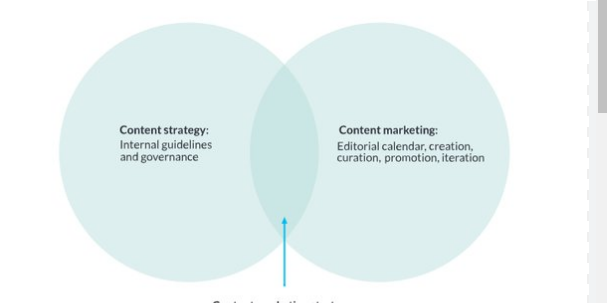


![Brand Marketing Vs Digital Marketing [2026 Guide]](https://desiremarketing.io/wp-content/uploads/2023/07/Brand-Marketing-Vs-Digital-Marketing.webp)
![Is Google Digital Marketing Certification Worth It? [2023 Update]](https://desiremarketing.io/wp-content/uploads/2023/07/Is-Google-Digital-Marketing-Certification-Worth-It.png)