Businesses planning to stay ahead must use social media the right way. Running the right social media campaigns can play an essential role in generating a higher return on investment. Around 96% of businesses use social media as a part of their strategy to drive recognition and growth.
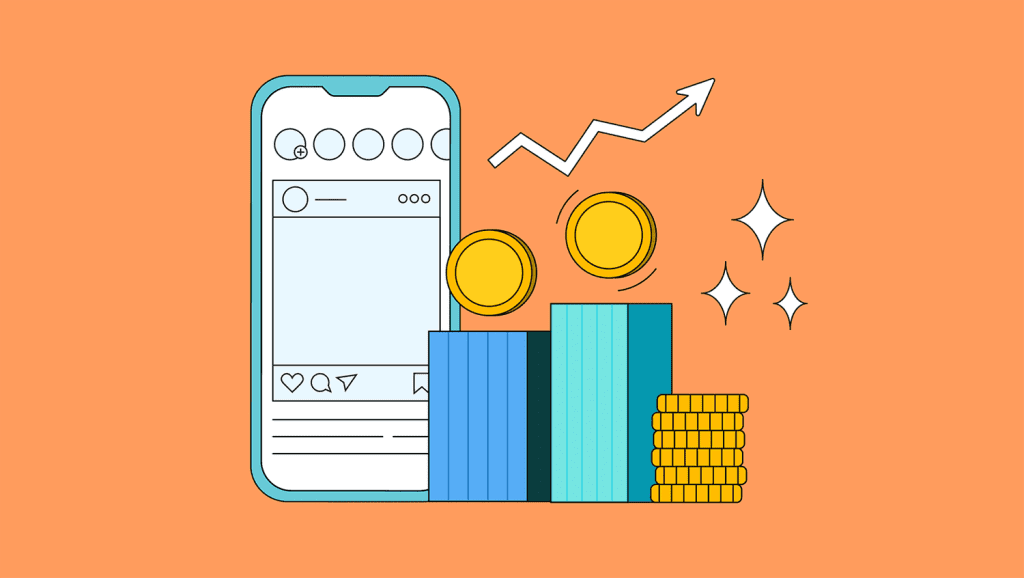
However, running the campaigns isn’t enough; it is essential to monitor the campaigns too. This blog will help you understand all the key things you need to know to measure ROI from social media campaigns.
Identify Key Metrics and KPIs
To measure social media campaigns’ ROI, it is important to identify the key metrics & KPIs that align with the business goals. Regularly tracking metrics is critical to understanding the benefits social media brings to your business. By tapping into advanced insights from social media analytics, businesses can use social media to create more personalized and effective marketing campaigns.
Some of the key metrics and KPIs to identify for measuring social media ROI campaigns are as follows:
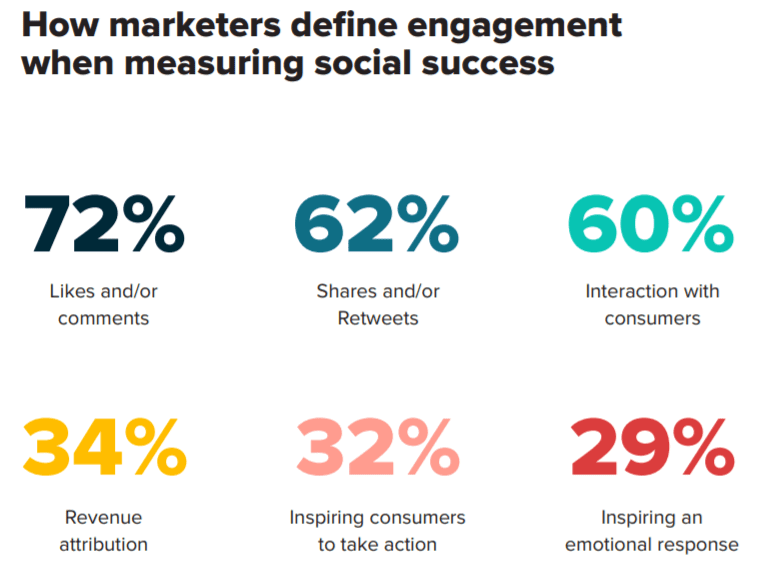
- Engagement: Engagement is one of the key KPIs for measurement. To achieve this, you need to monitor the comments, shares, likes, and mentions on social media.
- Visibility: The insights tool board provides a key value on how much visibility the brand has. It is advisable to monitor the visibility constantly. Reach, impressions, follower growth, and website traffic all contribute to determining visibility.
- Conversion rates: Lead generation, sales, and conversion rates can play an essential role in determining business growth. Furthermore, to assess the impact, it is crucial to monitor the conversion rate of performance costs,by aligning your digital marketing with strong eCommerce SEO practices,along with performance marketing services, you can improve product discoverability, attract more qualified leads, and maximize the long-term value of your social media efforts.
If you are running any paid ads, it is crucial to monitor the paid media metrics too. In this regard, you’ll have to go through the pay-per-click and cost-per-view metrics. At the same time, customer satisfaction is also an essential factor to consider. This determines the growth of your business.
How Can You Attach Monetary Values to Measure ROI Effectively?
Using historical data is one of the best ways to measure ROI for social media campaigns. It plays an essential role in calculating the Lifetime Value (LV) for every customer. Estimating can also be of great help for calculating monetary values. However, this approach may not be ideal if you lack historical data.
Below are some of the key ways for attaching monetary values for effective social media ROI measurement:
- Identify and quantify the financial benefits by tracking the sales revenue of the products & services. It must also increase productivity while driving customer satisfaction.
- Track and measure costs: For ROI measurement, it is best to track and measure costs relating to training, hardware, software, and personnel costs.
- Calculate the ROI: It is best to calculate the ROI to determine the measurement. You must calculate the total cost of investment and the net profit from the revenue of the marketing strategies. The total cost of the net profit should include both ongoing costs and the initial investment.
Use Tools for ROI Measurement
Using the right tools for ROI measurement can play a crucial role in simplifying the process. These tools provide valuable insights into B2B eCommerce and beyond. Some of the key tools for measuring social media campaign ROI are as follows:
- Native Social Media Analytics Apps
Several social media apps have their analytics tools. For example, you can use X Analytics, LinkedIn Analytics, and Meta Business Suite. These tools provide platform-specific ROI without any extra costs. However, these documents have some limitations regarding ROI measurement.
- UTM Builders
UTM parameters are crucial to measuring ROI for social media campaigns. Different UTM Builders that can measure the ROI include Hootsuite’s UTM Generator, Bitly’s Campaign Management Tools, and Google’s Campaign URL Builder.
Through these tools, you can constantly monitor the UTM parameters for the sourcing medium, campaign, content, and analytics for accuracy.
- Kissmetrics
Kissmetrics is one of the top tools for ROI measurement. You can use this tool for monitoring user behavior. The tool will allow you to gain extra information and check the results you’re getting from the campaign.
Using Kissmetrics, you can measure the customer journey, the page they are visiting, and more. Furthermore, you can track bounce rates, page views, and time on site. Leveraging AI-powered SEO tools can help track and analyze social media performance metrics automatically, allowing marketers to make data-driven decisions and maximize ROI efficiently.
- Hotjar
A good tool to measure ROI from social media campaigns includes Hotjar. You can record the user’s session on the website and analyze their interaction with the content. Hotjar also helps you understand the conversion.
When you notice a low RPI, measure user behavior and then address any issues that could be hindering user conversion. This will help to improve ROI and increase results for the business.
Real-Life Examples or Case Studies
Below are some of the top real-life social media campaigns that contributed to increasing the ROI of businesses:
- Coca-Cola Share a Coke

The Share a Coke campaign by Coca-Cola was one of the most successful campaigns, generating around 500,000 photos shared on social media with the campaign #ShareACoke. While the campaign was running, the sales volume of the brand increased by 2.5% whereas their Facebook page received 870% in traffic.
- Dove’s Real Beauty Sketches
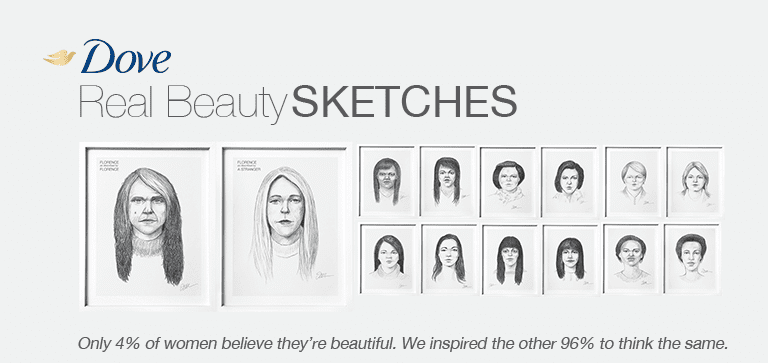
The Real Beauty Sketches campaign involved forensic artists who drew sketches of women based on their descriptions of themselves and then other descriptions. The video received 163 million views and 4.6 million shares on X (formerly Twitter) and Facebook. Through increased brand awareness, sales increased by 30% during the campaign period.
- Nike’s #BetterForIt
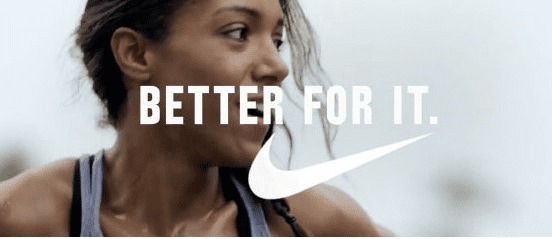
The #BetterForIt campaign on social media was targeted at women with inspiring messages about health and fitness. It was promoted widely across various social media platforms, encouraging women to share their fitness stories. The campaign garnered approximately 800,000 retweets, while Nike’s official Instagram account gained around 50,000 new followers.
- Airbnb Wanderlust Showcase

Focused on Instagram, Airbnb’s Wonderlust Showcase was a successful campaign that increased its engagement rate by 1.5%. By posting inspiring and unique photos of the global rental properties, Airbnb garnered around 6.7 million followers on Instagram.
- Marketing360 Social Media Case Study
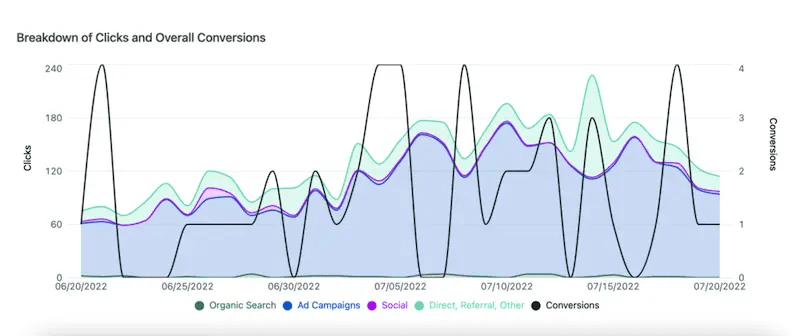
This case study was brought to highlight social media ROI. By using Facebook Ad Funneling, Marketing360 was able to increase the conversion rates, driving sales leads and then turning them into customers.
Conclusion
Using social media the right way can play an essential role in boosting traffic on websites and increasing ROI. As a business, you must regularly measure ROI from social media campaigns. Depending on the ROI, you can make necessary adjustments to the business model to drive significant revenue. It is advisable to understand what your current social media strategy is before integrating any change. Moreover, after running campaigns, make sure to constantly monitor them to drive growth.

About the Author: Shubham Dhameja is an experienced outreach specialist with a solid track record of two years in the industry. Known for his expertise in building relationships and enhancing brand visibility, Shubham has consistently demonstrated a keen ability to connect with audiences and foster engagement.
Email: [email protected]