To find, nurture, and successfully promote your products and services, you need to connect with your customers. What’s the perfect way to do it? Of course, with compelling and unique content.
But what kind of content? There are different content types you can choose from, each serving its own purpose.
Let’s find out together what they are and which one works best for you.
Written Content Types You Can Use
Even though you might think visual content is more popular than written content, it is actually extremely important for building your brand authority and improving your SEO performance.
Here are the written content formats you can leverage to maximize your content marketing impact:
- Blog posts
These are the types of posts on your website that share your insights, ideas, and tips, helping your business stay visible on Google and other search engines.
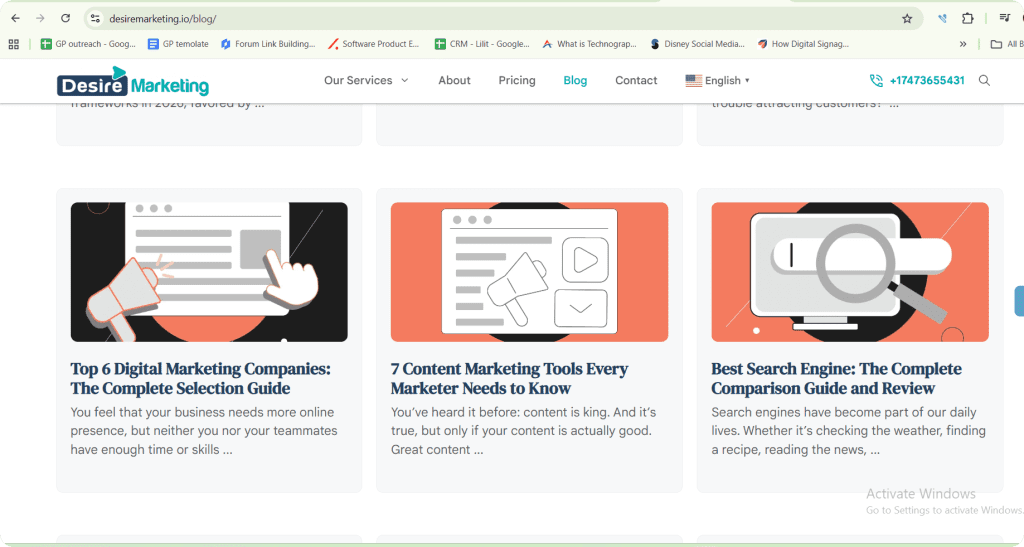
Here is how you should create blog posts:
- Create posts that are unique and helpful, and follow Google’s E.E.E.T. guidelines.
- Analyze your audience and choose topics that match their needs. If your readers are focused on SEO, guide them with subjects like keyword research basics, ranking improvements, and simple ways to boost organic traffic.
- SEO optimize your content to improve visibility and reach more readers by using clear headings, natural keywords, and a layout that is easy for search engines to read.
- Add visuals to keep readers interested and engaged.
This list can be very long, but keeping your content clear, well-structured, up-to-date, and interactive will make it more useful and engaging.
- Emails
Emails remain one of the most powerful channels to reach your audience directly, landing right in their inbox and letting you connect personally.
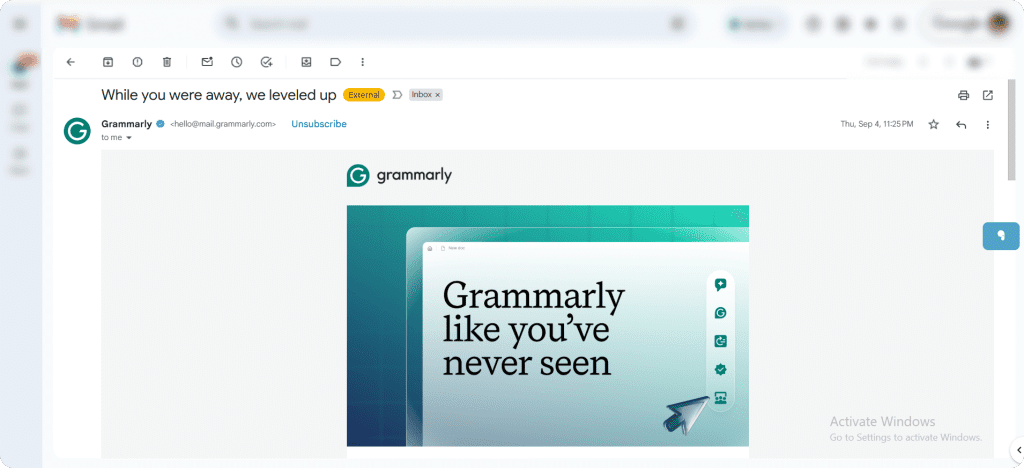
To make your emails effective:
- Write a clear, attention-grabbing subject line. Keep it under 50 characters and avoid spam words.
- Personalize the message for your readers. Use the recipient’s name in the subject line. Segment your list by interests or behavior and create relevant content for their needs.
- Keep it short, simple, and easy to read. Focus on one main message per email and write in simple, conversational language.
- Add a clear call-to-action. Use action-oriented language that tells readers exactly what to do next.
- Use visuals to make it appealing. Include relevant images, brand colors, and a mobile-friendly design.
- Track results and improve with each send. Monitor open rates, click rates, and conversions to optimize performance.
With strategic email campaigns, you can boost engagement, drive conversions, and build stronger relationships with your audience.
Landing pages
While blog posts share insights and information, a landing page is designed for one goal – getting visitors to take a specific action. When people click an ad or email link, they land on a page that removes distractions and guides them toward a single clear next step, such as signing up, buying, or downloading something.
When building landing pages, focus on these steps:
- Define your goal. Decide on one specific action you want visitors to take – sign up, buy, download, or register.
- Write a clear headline. Make it attention-grabbing and explain the main benefit immediately.
- Keep it simple. Remove navigation menus and extra links that might distract from your goal.
- Use a strong call-to-action. Make your button stand out with action words and contrasting colors.
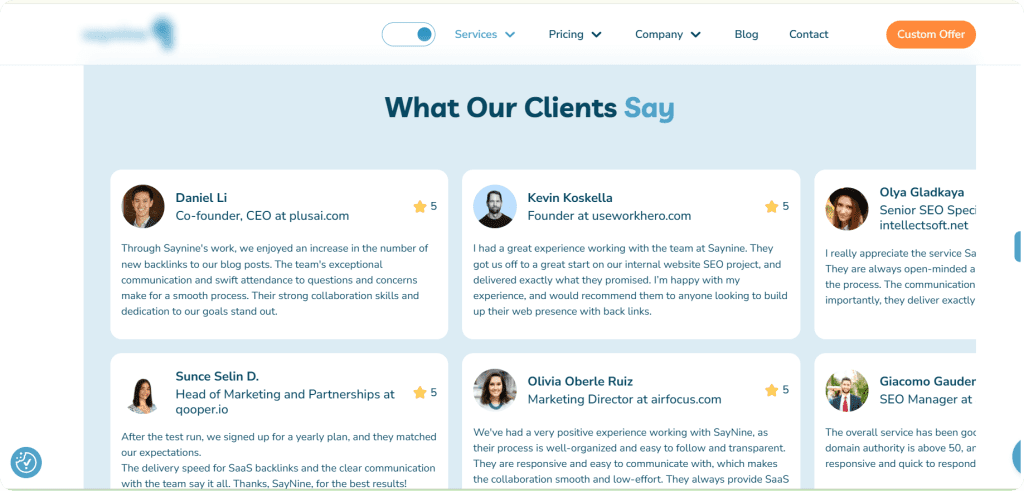
Add trust signals. Include testimonials, reviews, customer logos, or security badges to build credibility.
- Optimize for mobile. Ensure your page loads fast and displays properly on phones, tablets, and desktops.
These types of landing pages will convert better and ensure visitors stay focused on completing your desired action.
- Social Media Posts
While emails are direct, social media is a dynamic and engaging way to connect with your audience.
To succeed on social media, follow these rules:
- Set clear goals: Define what success looks like – brand awareness, community growth, or website traffic.
- Keep posts concise and compelling: Grab attention fast with punchy, visual-friendly content.
- Adapt to each platform: Professional insights work on LinkedIn, while Instagram thrives on aesthetic visuals.
Stay authentic: Social media “loves” authenticity, so share real stories and use a voice that reflects your brand’s personality.

Leverage visuals and hashtags: Use striking images, graphics, emojis, and strategic hashtags to expand your reach.
Visual Content Types To Captivate Your Audience
Visual content boosts marketing by grabbing attention, simplifying information, and helping people remember it.
Here are visual content types you can use in your marketing to engage your audience and strengthen your message:
- Infographics
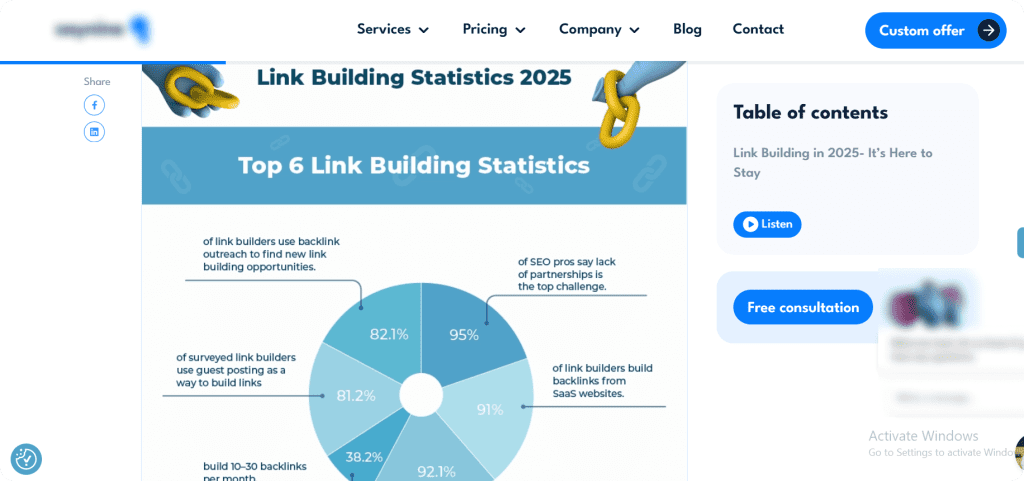
Infographics are visuals like charts, icons, and images that make information easy to understand. They grab attention, explain ideas quickly, and work well online, in print, or for learning.
Study shows infographics are 30 times more likely to be read than a written article, and they can increase website traffic by up to 12%.
Here is how you can create effective infographics:
- Research reliable information
Use credible sources like industry reports and studies, or conduct your own surveys and interviews.
- Pick one clear topic
Focus on a single message to keep it simple.
- Use a simple layout
Organize information top to bottom in a logical flow.
- Make key points stand out
Use larger text and bold colors for important information.
- Stick to 3-4 colors.
Choose colors that match your brand.
- Keep text minimal
Use short phrases and let visuals do the talking.
Use infographics on social media, blog posts, email campaigns, presentations, and landing pages to make complex information instantly digestible and more shareable across platforms. By combining graphics with clear design, data visualisation makes complicated information immediately understandable.
- Photos and Images
Your words should be sharp and captivating, but visuals grab the attention of potential and existing customers first. Photos and images make your blogs, social media posts, and content stand out and stop people mid-scroll.
Here’s how to use images effectively:
- Use high-quality visuals. Clear, professional photos build instant credibility. Blurry or pixelated images damage your brand’s reputation.
- Match images to your message. If you’re explaining productivity tips, show an organized workspace, not a random coffee cup. Your visuals should reinforce your words.
- Add your branding. Include your logo or brand colors so people instantly recognize your content in crowded feeds.
- Optimize for each platform. Instagram favors square and vertical formats, while Facebook and LinkedIn work best with horizontal images.
- Show real people. Customers using your product create emotional connections and drive more engagement than product-only shots. Photos and images are your fastest way to communicate value before someone reads a single word.
- Webinars
Webinars are live online presentations where people join from anywhere to learn something valuable.
Webinars establish you as an expert by demonstrating your knowledge in real-time, attract motivated leads who are genuinely interested in your topic, and create direct conversations through live Q&A sessions.
Attendees can ask questions and interact instantly, making it feel personal and engaging. Record each session so people who missed it can watch later, then repurpose that content across your blog, social media, and email campaigns to keep reaching new audiences.
Here’s how to create effective webinars:
- Choose a valuable topic your audience wants to learn.
- Select a user-friendly platform like Zoom or Google Meet.
- Promote registration links early through email, website and social media.
- Prepare engaging slides with visuals and interactive elements.
- Encourage questions during the live session.
- Record everything to repurpose as ongoing content.
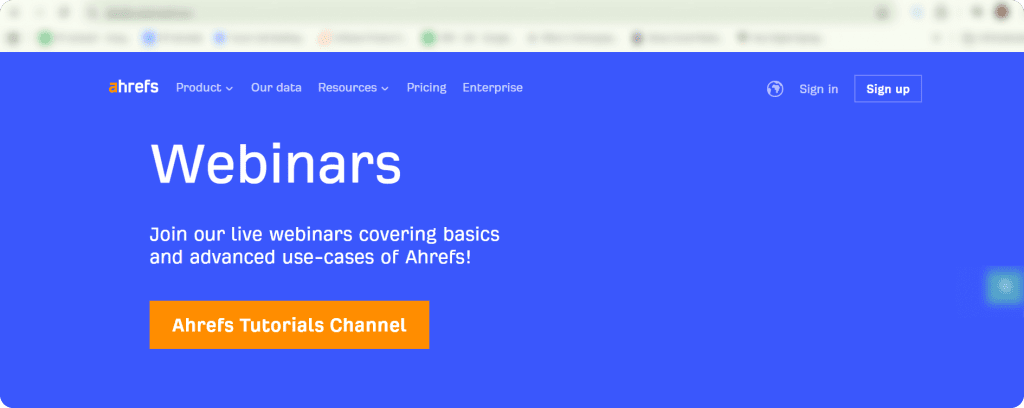
Webinars will turn interested viewers into loyal customers by building trust through real-time value and expertise.
- Videos, Live Videos and Stories
While pictures capture attention, videos bring your message to life. Videos that demonstrate your product, teach valuable skills, or tell compelling stories create deeper connections with your audience.
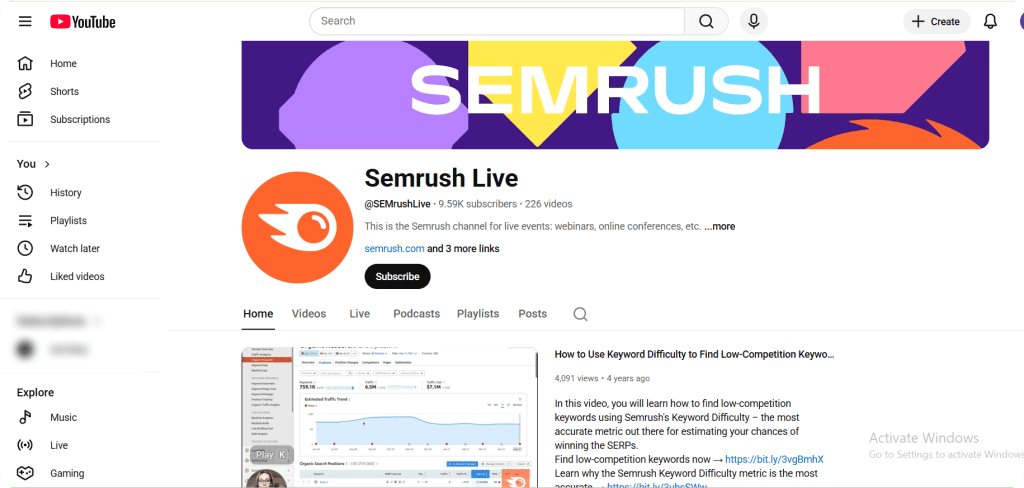
Beyond pre-recorded content, go live on Instagram, Facebook, or other platforms for authentic, unscripted moments. Live videos are perfect for answering questions in real-time or giving behind-the-scenes glimpses. YouTube works well for longer, polished tutorials and educational content that people search for and rewatch over time.
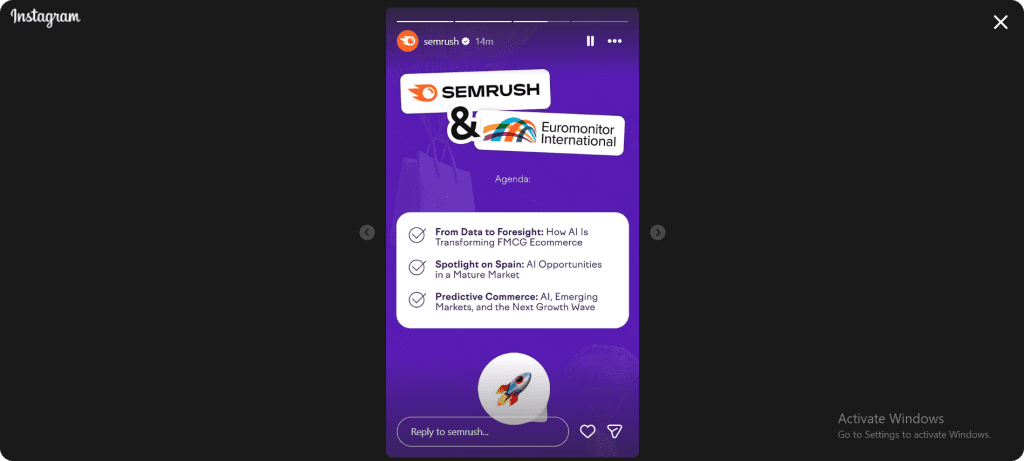
Don’t limit yourself to standard videos. Create Stories too – they generate urgency since they vanish after 24 hours, pushing viewers to watch immediately before the content disappears.
- Podcasts
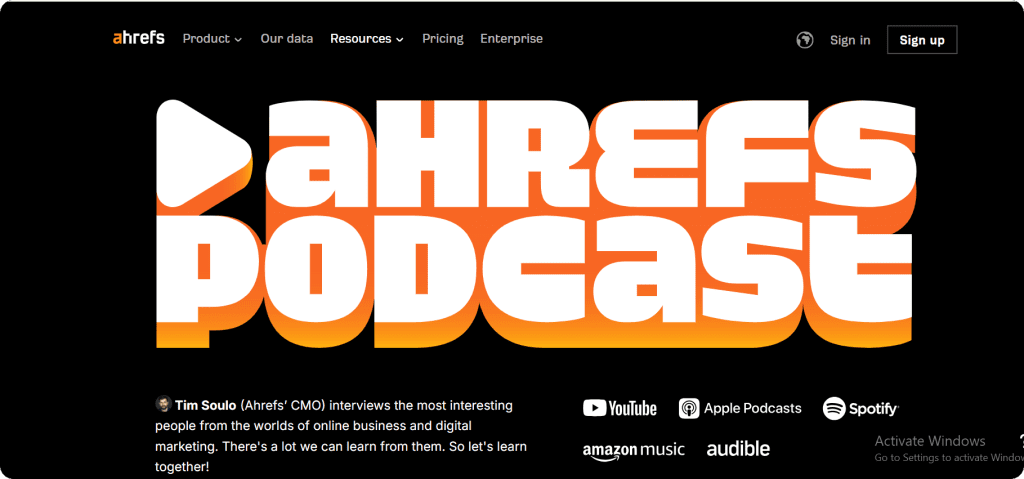
Podcasts have become part of our daily routines – we listen while driving, exercising, or cooking. So your brand needs to create engaging audio content that provides real value and keeps listeners coming back for more.
Here’s how to create effective podcasts:
- Pick a clear topic or theme your audience cares about.
- Invest in a decent microphone for clear audio quality.
- Plan episodes with a simple outline, but keep the delivery conversational.
- Keep episodes focused – typically 20-40 minutes works well.
- Publish consistently on a regular schedule, so listeners know when to expect new episodes.
- Promote episodes on social media, email, and your website.
- Host on platforms like Spotify, Apple Podcasts, or Google Podcasts to reach the widest audience.
Interactive Content Types To Boost Customer Engagement
Interactive content equals deeper engagement. Create experiences that require active participation rather than passive consumption, turning viewers into active participants who invest time and attention in your brand. Adding interactive content to your digital marketing strategies can make campaigns more engaging and effective.
Here are types of interactive content that capture attention and drive meaningful engagement with your audience.
- Quizzes and Surveys
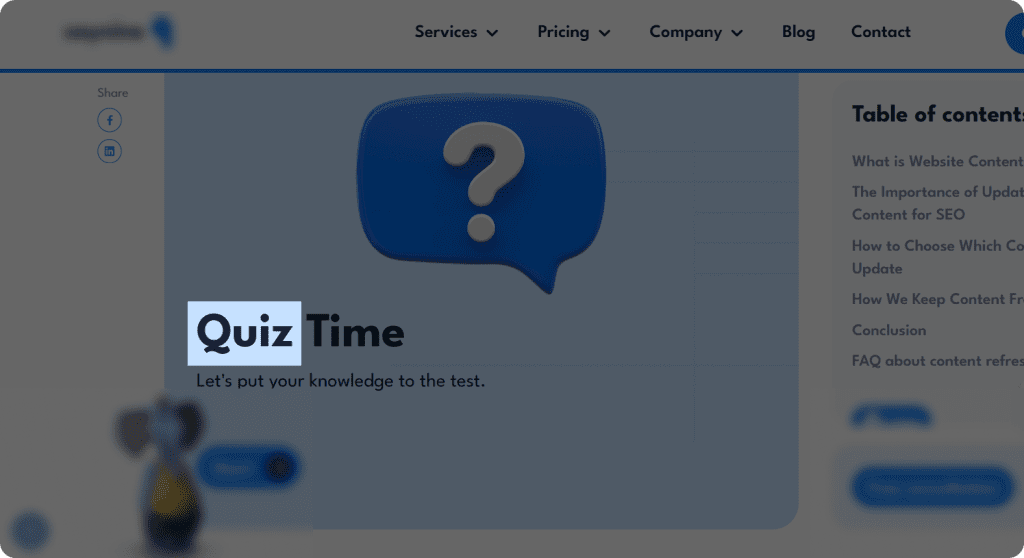
Quizzes and surveys engage your audience directly. Create fun quizzes like “Which SEO strategy fits your business?” or gather feedback through simple surveys about their content marketing struggles. People enjoy them because they’re interactive, personalized, and reveal something useful about their own skills or needs.
- Polls and Opinion Posts
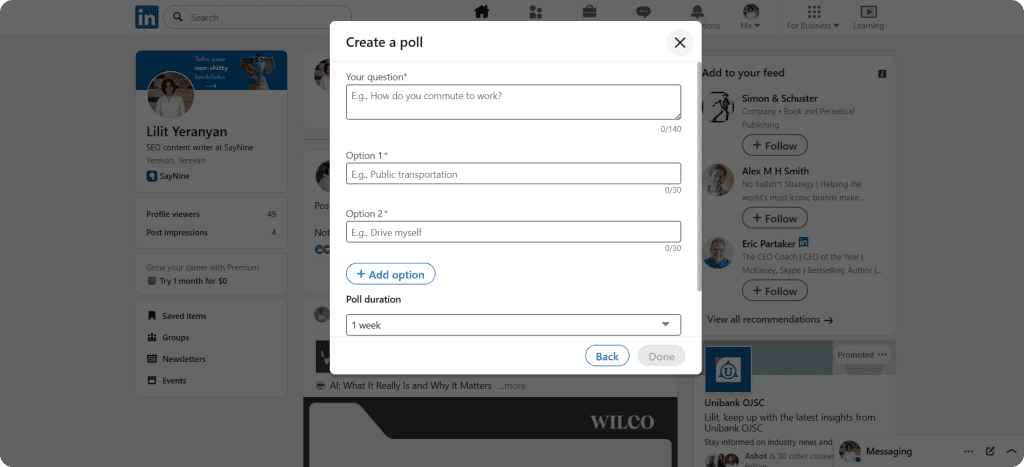
Your audience feels valued when you ask their opinion through polls. Ask simple questions like “Which topic should we cover next – SEO tips or email strategies?” or share your perspective and invite comments. This gets people talking, sharing their views, and feeling heard.
How to Choose Perfect Content Type
After learning about content types, let’s understand the next steps you should take to implement them effectively:
- Pick your main format: Focus on one type that matches your goals – blogs for SEO traffic or videos for higher engagement.
- Match format to your goal: Use tutorials to teach skills, live streams to spark conversations, and guides to build brand awareness. A step-by-step video demonstrates processes more clearly than text alone.
- Go where your audience hangs out: Share content in formats they already consume – short clips on Instagram Stories, detailed articles on LinkedIn, or quick tips on Twitter. To get the best results, regularly practice digital marketing by testing different content types and seeing what resonates with your audience.
- Spot market gaps: Cover topics your competitors overlook. If no one’s explaining a specific tool or strategy, your simple how-to guide will stand out.
Repurpose strategically: Transform one piece into multiple formats – turn a blog post into a social carousel, short video clip, or eye-catching infographic.
To Wrap up
You’ve probably heard it countless times – content is king. But there really isn’t a better way to say it.
However, choosing the right content types will ensure your message reaches the right audience and drives real results for your business.
Hopefully, our article helped you understand which content formats work best for your goals and how to use them effectively to grow your brand.