Blog

  • Best 10 VIPBox Alternatives to Watch Live Sports 2026

    Best 10 VIPBox Alternatives to Watch Live Sports 2026

    Looking for reliable alternatives to VIPBox for streaming your favorite sports and entertainment events?

    Look no further! In this blog post, we’ll explore some top-notch VIPBox alternatives that will ensure you never miss a moment of your favorite content.

    Whether it’s live sports, TV shows, or movies, we’ve got you covered with the best options available. Say goodbye to buffering and downtime – discover the perfect VIPBox alternative for your streaming needs right here.

    Best Vipbox Sports Alternatives

    Best Vipbox Sports Alternatives

    Discover top-notch alternatives to Vipbox Sports with our curated list

    GOATDgoatd

    GoATD offers a great alternative for those who want to stream sports online. It provides real-time sporting events and is straightforward in its design, making it easy to use. GoATD is the perfect site for sports fans looking to watch their favorite games.

    Unlike other websites that provide too many visuals, this homepage solely showcases scheduled events all day long with a simple design and easy navigation category list allowing you find what’s available no matter which sport it may be.

    The site offers various sports like basketball, golf and tennis to name just a few. For people with specific events they want watch the Go ATD has an easy navigation category where all sporting events supported by this website are listed.

    SupersportSupersport

    The website above offers a variety of sports entertainment to its audience. The SuperSport channel is one of the most famous broadcasting companies in South Africa. They have live coverage and streaming for many different sports, including rugby or cricket games.

    So if you want to get your fill on all things sport-related then this network will be perfect – just like VIPBox Sports. Once it was considered as the world-famous broadcaster.

    SportLemonSportLemon

    When you access this website, it offers a wide range of live sports entertainment for people. That’s why the site also functions as an excellent alternative to VIPBox when looking at what they have available on their platform.

    You can get all your favorite sports live and in high definition! 130 programs are available on this site, which means you’ll never miss out. It’s easy to navigate because of its user-friendly interface – perfect for any level viewer alike.

    StrikeoutStrikeout

    Strikeout is a great way to catch all your favorite sportswear from around the world! You can watch Ball Games and Races stream in HD with no adverts or commercials. One of the best things about this website is how it’s organized on a game-by game basis.

    Clicking one tab from the home screen brings you all your favorite games right in front where they can be found quickly and easily. The event finder can search for your favorite events and find the best times to watch them. It’s great if you’re looking up something specific, like a movie or TV show that starts at 8:00 PM tonight.

    CricFreeCricFree

    If you are looking for a good alternative to VIPBox, CricFree is the perfect site. It has many of these types sports events up on their website and they offer them in HD. The site provides a well-organized schedule for gaming so you will know what’s available.

    You can find out the time of broadcast and set reminders for watching games by checking on this site. Each game is represented with an icon, but if you don’t see it available here then links point to other sites that stream live sports events from around the world.

    Fubo TV

    The Fubo TV sports streaming platform is a new way to watch your favorite teams with live programs. It was released in 2015, and it already offers many different packages so you can find something that fits just right for yourself.

    But if you want to watch the latest sports content on this site, it is good for people who sign in regularly. You will get updates about what’s happening with various sporting events.

    MyP2PMyP2P

    MyP2P is a free sports streaming channel that allows you to watch live events from all over the world on your computer, phone or any other device. You will never miss an important game again because it’s available at anytime and anywhere.

    The interface is so sleek and modern, with multiple categories from the site like tennis, football or soccer. Each station contains interactive elements to explore such as polls that change what you see in real time.

    StreamhunterStreamhunter

    StreamHunter is the best free sports streaming website you can find. They offer links to other sporting events and their site has an easy-to use interface with great navigation features.

    The homepage of Streamhunter is a great place to find out what sports events are going on at any given time. This site will help you avoid missing your favorite team’s game and plan accordingly. That means it’s a great alternative to Vipbox.

    FirstRowSportsFirstRowSports

    If you’re looking for a sports streaming service that offers premium video quality, then First Row Sports is an excellent alternative to consider. The platform streams all types of games from leading networks in just seconds and without any lag time.

    FirstRowSports has a unique approach to streaming sports. Instead of hosting videos, they offer one match with several viewing links so you can switch to another palces if you want or if need be.

    BatmanStreamBatmanStream

    Batmanstream is a site that many people turn to for the best live streams of today’s matches. It has features like changing your time zone, so you can watch events on this website in any location around world. BatmanStream is the best place to watch European sports events.

    If you’re into handball or volleyball, this service will provide all of your needs.

    FAQ On Vipbox Alternatives

    Is VIP box still working?

    VIPBox status may change; check its current availability for live sports streaming.

    What is like Vipbox?

    Yes, SportRAR and FirstRowSports are alternatives with similar live sports streaming features.

    Is Vipbox legal?

    Vipbox operates in a legal gray area; use at your own discretion and consider official streaming services.

    What is the alternative to VIP row sports?

    Try VIPLeague or Sportsurge as alternatives for live sports streaming like VIPRow.

    Final Words

    When it comes to finding reliable alternatives to Vipbox Sports, there are plenty of options to choose from. Whether you’re a die-hard sports fan or just looking for a convenient way to catch your favorite games, these alternatives offer a diverse range of features and content. Say goodbye to unreliable streams and hello to uninterrupted sports action with these Vipbox Sports alternatives. Explore your options and enjoy seamless sports streaming today!

  • What Is Hypertext: Definition and Explanation

    What Is Hypertext: Definition and Explanation

    What is hypertext? Hypertext is a term that has become increasingly popular in recent years, especially with the rise of the internet and digital technology. But what exactly is hypertext? In simple terms, hypertext refers to text that contains links to other pieces of text, allowing users to navigate between them with ease.

    The concept of hypertext can be traced back to the 1940s, when Vannevar Bush first proposed the idea of a “memex” – a device that would allow users to store and access information in a non-linear way. However, it wasn’t until the development of the internet in the 1990s that hypertext truly came into its own.

    Today, hypertext is an integral part of the online experience, allowing users to seamlessly move between web pages, articles, and other forms of digital content. Whether you’re browsing the web, reading an e-book, or using a mobile app, chances are you’re interacting with hypertext in some way. In the following sections, we’ll explore the history and evolution of hypertext, as well as its many applications in the modern world.

    Fundamentals of Hypertext

    Fundamentals of Hypertext

    Definition and Origins

    Hypertext is a term that describes a type of electronic text that contains links to other related content. The concept of hypertext was first introduced by Ted Nelson in the 1960s, and later popularized by Douglas Engelbart in the 1980s. The term itself was first coined by Nelson in his 1965 book “Literary Machines”.

    Hypertext is essentially a non-linear way of presenting information, allowing users to navigate through a web of interconnected content. This is achieved through the use of hyperlinks, which are clickable elements that take users to other parts of the text or to external resources.

    Key Concepts

    There are several key concepts that are important to understand when it comes to hypertext. These include:

    • Links: As mentioned, links are the backbone of hypertext. They allow users to move seamlessly between different pieces of content, creating a web-like structure that is easy to navigate.
    • Nodes: Nodes are individual pieces of content within a hypertext document. These can be anything from a single word to an entire page of text.
    • Anchors: Anchors are used to create links within a document. They are essentially markers that allow users to jump to a specific point within a piece of content.
    • Browsing: Browsing is the act of moving through a hypertext document by following links. This can be done in a non-linear fashion, allowing users to explore content in a way that makes sense to them.

    Hypertext has become an integral part of the modern web, with websites and online resources relying heavily on links to connect users with related content. As Merriam-Webster puts it, hypertext is “a database format in which information related to that on a display can be accessed directly from the display”.

    Dynamic Hypertext

    As the name suggests, dynamic hypertext refers to the ability to change the content of a hypertext document based on user interaction. This means that the content of a web page can change depending on the user’s input or actions. Dynamic hypertext is a key component of modern web development and is made possible by the integration of JavaScript.

    JavaScript Integration

    JavaScript is a programming language that allows developers to create interactive web pages. It is used extensively in web development to add functionality to web pages, such as form validation, animations, and dynamic content. When integrated with hypertext, JavaScript allows developers to create dynamic and interactive web pages that can respond to user input in real-time.

    For example, a web page that uses dynamic hypertext might display different content depending on the user’s location or the time of day. This can be achieved by using JavaScript to detect the user’s location or the current time and then dynamically updating the content of the web page.

    In addition to changing the content of a web page, JavaScript can also be used to create interactive elements such as drop-down menus, sliders, and pop-up windows. These elements allow users to interact with the web page in a more intuitive and engaging way, making the overall user experience more enjoyable.

    Overall, dynamic hypertext is a powerful tool for web developers that allows them to create engaging and interactive web pages. By integrating JavaScript into hypertext, developers can create web pages that respond to user input in real-time, providing a more engaging and personalized user experience.

    Advanced Hypertext Features

    Advanced Hypertext Features

    As hypertext technology evolved, advanced features were added to make web pages more interactive and engaging. Here are some of the most notable advanced hypertext features:

    Multimedia Integration

    One of the most significant advancements in hypertext technology is the ability to integrate multimedia elements such as images, audio, and video into web pages. This feature has been instrumental in making websites more engaging and interactive. With multimedia integration, web designers can create visually stunning and dynamic pages that capture the attention of their audience. With multimedia integration, web designers can create visually stunning and dynamic pages that capture the attention of their audience. The integration of a talking photo will elevate this engagement by combining visual appeal with audio interaction, offering a captivating way to hold visitors’ focus.

    Interactive Forms

    Interactive forms are another advanced hypertext feature that has made web pages more interactive. Forms are used to collect information from users, and interactive forms allow users to interact with the website in real-time. This feature has been instrumental in creating online stores, surveys, and other types of web applications that require user input.

    Data Tables

    Data tables are another advanced hypertext feature that has made web pages more informative and useful. With data tables, web designers can present complex information in an organized and easy-to-read format. This feature has been instrumental in creating websites that provide users with access to large amounts of data, such as financial reports, product catalogs, and scientific research.

    Advanced hypertext features have revolutionized the way web pages are designed and presented. With multimedia integration, interactive forms, and data tables, web designers can create engaging and informative pages that provide users with a rich and interactive experience.

    Hypertext and the Internet

    As the internet became more widespread, hypertext became an essential part of navigating and accessing information. The World Wide Web, or simply the web, is a vast collection of interconnected documents and resources that use hypertext to link them together. The web was created by Tim Berners-Lee in 1989, and it quickly became the most popular way to access information on the internet.

    World Wide Web

    The World Wide Web is built on top of the internet, which is a global network of interconnected computers. The web allows users to access and share information over the internet using web browsers, such as Google Chrome, Firefox, and Safari. Hypertext is used to link web pages together, allowing users to easily navigate between them.

    Web pages are typically written in HTML, or Hypertext Markup Language, which is a markup language used to create web pages. HTML allows web developers to create links, images, and other multimedia content that can be accessed by users.

    Internet Protocols

    The internet is built on a set of protocols, which are rules that govern how data is transmitted over the network. One of the most important protocols used on the internet is the Transmission Control Protocol/Internet Protocol (TCP/IP). TCP/IP is used to transmit data between computers on the internet, and it ensures that data is transmitted reliably and efficiently.

    Hypertext Transfer Protocol (HTTP) is another important protocol used on the internet. HTTP is used to transfer data between web servers and web browsers. When a user requests a web page, the web server sends the page to the user’s browser using HTTP.

    Hypertext is an essential part of the internet, and it has revolutionized the way we access and share information. The World Wide Web and internet protocols such as TCP/IP and HTTP have made it possible to access and share information from anywhere in the world.

    Hypertext in Databases

    As databases evolved, the ability to link information became increasingly important. Hypertext is a natural fit for databases, as it allows users to navigate through related data in a non-linear fashion. In this section, I will explore how hypertext is used in databases, specifically in terms of database integration.

    Database Integration

    Hypertext can be used to integrate databases in a variety of ways. One common approach is to use hypertext links to connect related records across multiple tables. This allows users to quickly navigate through related data without having to perform complex queries.

    Another way hypertext is used in database integration is through the use of hyperlinks in reports. Reports can be generated with hyperlinks that allow users to navigate directly to related records in the database. This can be particularly useful for large, complex databases where finding related records can be a challenge.

    In addition to linking related data, hypertext can also be used to provide context-sensitive help within a database. By embedding hypertext links within the user interface, users can quickly access help files or other documentation related to the task at hand.

    Overall, hypertext is an important tool for integrating databases and making them more accessible to users. By providing a non-linear way to navigate through related data, hypertext can help users find the information they need quickly and efficiently.

    Why Is Hypertext Important?

    Why Is Hypertext Important

    As an SEO Expert and Link Builder, I find hypertext to be an essential tool for creating and organizing information. Hypertext allows me to link related ideas and concepts, making it easier for readers to navigate through my work and access additional information.

    One of the primary benefits of hypertext is its ability to provide non-linear access to information. Unlike traditional text, hypertext allows readers to choose their own path through a document, following links that interest them and skipping over sections that do not. This flexibility can make it easier for readers to find the information they need quickly and efficiently.

    In addition to enhancing the reader experience, hypertext can also make it easier for writers to create and organize their work. By using links to connect related ideas and concepts, writers can create a more cohesive and interconnected document. This can also make it easier to update and revise a document, as changes made to one section can be reflected throughout the entire document.

    Overall, hypertext is an important tool for anyone who creates or consumes information. Its ability to provide non-linear access to information and facilitate connections between related ideas can make it easier for both writers and readers to navigate and understand complex topics.

    FAQs about What is Hypertext

    How does Hypertext Markup Language (HTML) relate to hypertext?

    HTML is the language used to create hypertext documents on the World Wide Web. Hypertext is the concept of linking information together in a non-linear way, while HTML is the language used to create the structure and format of those links and documents.

    Hypertext refers to the concept of linking information together in a non-linear way, while a hyperlink is a specific link that connects two pieces of information. Hypertext is the overarching concept, while hyperlinks are the specific connections between pieces of information.

    Can you provide examples of hypertext in everyday use?

    Some examples of hypertext in everyday use include websites that allow users to navigate through different pages and sections using hyperlinks, e-books that allow readers to jump between different chapters and sections, and online encyclopedias that allow users to explore related topics through hyperlinks.

    In what ways does hypertext contribute to literature?

    Hypertext can contribute to literature by allowing for non-linear storytelling and the exploration of multiple plotlines and perspectives. It can also allow for interactive elements and multimedia, creating a more immersive reading experience.

    How does hypertext interact with the concept of intertextuality?

    Hypertext can enhance intertextuality by allowing for easy linking between related texts and ideas. It can also allow for the creation of new connections and interpretations between texts, as readers are able to explore multiple perspectives and sources of information.

    What are the defining characteristics of hypertext?

    The defining characteristics of hypertext include non-linearity, the use of hyperlinks to connect information, and the ability to easily navigate between different sections and perspectives. Hypertext also often includes multimedia elements and interactive features.

  • Pinterest SEO Strategy For 2026

    Pinterest SEO Strategy For 2026

    Pinterest is a visual discovery and bookmarking platform that allows users to discover and save ideas for various topics. With over 400 million active users, Pinterest has become a valuable tool for businesses and individuals looking to drive traffic to their websites.

    However, with so many users and pins on the platform, it can be challenging to get your content seen. This is where Pinterest SEO comes in.

    Understanding Pinterest SEO

    Pinterest SEO

    Pinterest is a visual search engine that allows users to discover and save ideas. It is also a powerful platform for businesses to increase their online visibility and reach. Pinterest SEO is the process of optimizing your content to rank higher in Pinterest search results.

    Pinterest’s algorithm works differently from other search engines such as Google. It prioritizes fresh content and engagement, which means that pins with higher engagement rates and more recent pins are more likely to appear at the top of search results.

    To improve your Pinterest SEO, it is important to understand how the algorithm works. Here are some key factors to keep in mind:

    • Keywords: Including relevant keywords in your profile, board titles, and pin descriptions can help your content appear in relevant search queries. Use keywords that accurately reflect your brand and the content you are sharing.
    • Engagement: Pins with higher engagement rates, such as saves, comments, and clicks, are more likely to appear at the top of search results. Encourage engagement by creating high-quality, visually appealing pins that resonate with your audience.
    • Freshness: Pinterest prioritizes fresh content, so it is important to regularly share new pins and update your boards.
    • Relevance: Pinterest’s algorithm considers the relevance of the content to the search query. Make sure your pins and boards are relevant to the keywords you are targeting.
    • Quality: Pinterest values high-quality content, so make sure your pins and boards are visually appealing and provide value to your audience.

    10 Pinterest SEO Strategy To Follow In 2024

    1. Setting Up Your Pinterest Profile

    When it comes to optimizing your Pinterest profile for SEO, there are a few key elements that you need to focus on. In this section, we’ll cover two of the most important: choosing a username and optimizing your bio.

    Choosing a Username

    Your username is one of the first things people will see when they come across your Pinterest profile. It’s important to choose a username that accurately reflects your brand and is easy for people to remember.

    When choosing your username, try to keep it short and sweet. Avoid using numbers or special characters, as they can make your username harder to remember. If possible, use your business name as your username to make it easier for people to find you.

    Optimizing Your Bio

    Your bio is another important element of your Pinterest profile. It’s a chance for you to tell people what your brand is all about and why they should follow you.

    When writing your bio, be sure to include relevant keywords that describe your brand and the type of content you share. This will help your profile show up in relevant search results.

    In addition to keywords, you should also include a brief description of what your brand is all about and what people can expect to find on your Pinterest boards. This will give people a better idea of whether or not your content is relevant to their interests.

    Be sure to include a link to your website or blog in your bio. Additionally, make sure to include your logo in your profile picture, and if you don’t have one yet consider using a logo maker to easily create one. This will drive traffic to your site and help you build your online presence.

    By following these tips, you can set up a Pinterest profile that is optimized for SEO and designed to attract new followers and customers.

    2. Creating Quality Content

    Creating quality content is the foundation of any successful Pinterest SEO strategy. By producing content that resonates with your target audience, you can drive engagement, increase your reach, and ultimately, boost your SEO ranking. Here are some tips for creating quality content on Pinterest.

    Creating Pins

    Pins are the visual representations of your content on Pinterest. To create effective pins, you need to focus on the following:

    • Visuals: Use high-quality visuals that are eye-catching and engaging. Make sure your images are clear, well-lit, and properly cropped. To enhance your images further, a background remover can be used to eliminate distracting elements and create a cleaner, more professional look.
    • Text: Include clear and concise text that accurately describes your content. Use keywords in your text to make it easier for users to find your pins.
    • Branding: Include your brand logo or name on your pins to increase brand recognition.

    Using Rich Pins

    Rich pins provide additional information about your content, making it easier for users to understand what your content is about. To use rich pins, you need to add metadata to your website. Here are some types of rich pins you can use:

    • Article pins: Provide a headline, author, and story description for your articles.
    • Product pins: Provide pricing, availability, and purchase information for your products.
    • Recipe pins: Provide ingredients, cooking times, and serving sizes for your recipes.

    Video Pins

    Video pins are a great way to showcase your content and engage with your audience. Here are some tips for creating effective video pins:

    • Length: Keep your videos short and to the point. Aim for 30 seconds or less.
    • Sound: Use music or voiceover to enhance your videos. Make sure your sound is clear and easy to understand.
    • Branding: Include your brand logo or name in your videos to increase brand recognition.

    By creating quality content, you can increase engagement, drive traffic to your website, and improve your SEO ranking on Pinterest. Use these tips to create pins that stand out, use rich pins to provide additional information, and incorporate video pins to engage with your audience.

    3. Keyword Research for Pinterest

    Pinterest keyword research

    Pinterest is a visual search engine that relies heavily on keywords to help users find what they are looking for. Therefore, keyword research is essential for optimizing your Pinterest account and increasing your visibility on the platform.

    To start with, you should identify the keywords that are relevant to your brand and audience. You can use various tools, such as Google Keyword Planner, Ahrefs, or Pinterest’s own search bar, to find relevant keywords and search terms.

    Once you have a list of potential keywords, you should evaluate their relevance and search volume. Look for keywords that are highly relevant to your brand and have a decent search volume. Avoid using keywords that are too broad or too specific, as they may not generate enough traffic or may be too competitive.

    When conducting keyword research, it’s important to consider the context in which your keywords will be used. For example, if you are promoting a product, you may want to use keywords that describe the product’s features and benefits. If you are promoting a blog post, you may want to use keywords that reflect the topic and key points of the post.

    Another important aspect of keyword research for Pinterest is identifying long-tail keywords. Long-tail keywords are more specific and less competitive than broad keywords, making them easier to rank for. They also tend to generate more targeted traffic, as users who search for long-tail keywords are often further along in the buying process.

    In addition to using relevant keywords in your profile and pin descriptions, you can also use them in your boards and board descriptions. Consider creating boards around specific topics or themes and using relevant keywords in the board titles and descriptions.

    4. Optimizing Pinterest Boards

    Pinterest boards are an essential part of a successful Pinterest SEO strategy. Here are two tips for optimizing your Pinterest boards:

    Naming Your Boards

    When naming your boards, it’s important to use clear and descriptive titles that accurately reflect the content of the board. This will make it easier for users to find your boards in search results and increase the chances of your pins being discovered.

    Here are some tips for naming your boards:

    • Use relevant keywords in your board titles
    • Keep your board titles short and concise
    • Avoid using vague or generic board titles
    • Use proper capitalization and punctuation in your board titles

    Using Board Cover Images

    Board cover images are the first thing users see when they visit your Pinterest profile, so it’s important to choose visually appealing images that accurately represent the content of your boards.

    Here are some tips for using board cover images:

    • Choose high-quality images that are visually appealing
    • Use images that accurately represent the content of your board
    • Use consistent branding elements in your board cover images
    • Update your board cover images regularly to keep your profile fresh and engaging

    5. Increasing Engagement on Pinterest

    Engagement is a crucial aspect of Pinterest SEO. The more engagement your pins receive, the more likely they are to be seen by a wider audience. Here are some tips to increase engagement on Pinterest:

    Pin Consistently

    Consistency is key when it comes to Pinterest SEO. The more frequently you pin, the more likely your content is to be seen by your audience. Aim to pin at least once a day, but don’t overload your followers with too much content at once.

    Optimize Your Pins

    Make sure your pins are visually appealing and easy to read. Use high-quality images and clear, concise text to grab your audience’s attention. Use keywords in your pin descriptions and titles to make them more searchable.

    Engage with Your Followers

    Interact with your followers by responding to comments and messages. This will help build a strong relationship with your audience and encourage them to engage with your content.

    Follow Other Users

    Follow other users in your niche to stay up-to-date on the latest trends and to build relationships with other content creators. This can also help increase your own visibility on the platform.

    Use Pinterest Ads

    Consider using Pinterest Ads to promote your content and increase visibility. Pinterest Ads can help you reach a wider audience and increase engagement on your pins.

    By following these tips, you can increase engagement on Pinterest and improve your overall Pinterest SEO. Remember to stay consistent, optimize your pins, engage with your followers, follow other users, and consider using Pinterest Ads to promote your content.

    6. Using Pinterest Analytics

    Pinterest Analytics

    Pinterest Analytics is a powerful tool that can help you better understand your audience and improve your Pinterest SEO strategy. By analyzing your audience’s behavior, interests, and engagement with your Pins, you can optimize your content to drive more traffic and sales.

    One of the key features of Pinterest Analytics is the dashboard, which provides you with a range of metrics and data points that can help you monitor your performance and track your progress over time. Some of the key metrics you can track include:

    • Impressions: The number of times your Pins have been seen by users on Pinterest.
    • Engagements: The number of times users have interacted with your Pins, such as saving, clicking, or commenting.
    • Clicks: The number of clicks your Pins have received, which can help you measure the effectiveness of your content and drive more traffic to your website.

    Another important aspect of Pinterest Analytics is the ability to track your audience’s behavior and interests. By analyzing data on your audience’s demographics, interests, and engagement with your Pins, you can better understand what types of content resonate with your target audience and adjust your strategy accordingly.

    For example, if you notice that your Pins are getting more engagement from users in a certain age group or location, you can adjust your content to better target that audience. Similarly, if you notice that certain topics or keywords are performing particularly well, you can create more content around those themes to drive more traffic and engagement.

    8. Leveraging Other Social Media Platforms

    While Pinterest is a great platform for visual discovery and inspiration, it is not the only social media platform out there. In fact, leveraging other social media platforms can help increase your reach and drive more traffic to your Pinterest account. Here are a few tips on how to use other social media platforms to boost your Pinterest SEO:

    Twitter

    Twitter is a great platform for sharing quick updates and engaging with your audience. To leverage Twitter for Pinterest SEO, consider tweeting out links to your Pinterest boards and pins. Make sure to include relevant hashtags and keywords in your tweets to increase their visibility. You can also use Twitter to engage with other Pinterest users and build relationships with influencers in your niche.

    Facebook

    Facebook is the largest social media platform in the world, making it a great place to promote your Pinterest content. Consider sharing links to your Pinterest boards and pins on your Facebook page, and encourage your followers to engage with your content. You can also join Facebook groups related to your niche and share your Pinterest content with the group.

    Instagram

    Instagram is a visual platform, just like Pinterest, making it a natural fit for promoting your Pinterest content. Consider creating Instagram posts that showcase your Pinterest pins and boards, and include a call-to-action to encourage your followers to check out your Pinterest account. You can also use Instagram Stories to share behind-the-scenes glimpses of your Pinterest content creation process.

    YouTube

    YouTube is the second largest search engine in the world, making it a great place to promote your Pinterest content. Consider creating videos that showcase your Pinterest pins and boards, and include links to your Pinterest account in the video description. You can also use YouTube to share tutorials and how-to guides related to your niche, which can help drive traffic to your Pinterest account.

    By leveraging other social media platforms, you can increase your reach and drive more traffic to your Pinterest account. Make sure to tailor your content to each platform and include relevant keywords and hashtags to boost your visibility.

    Advanced Pinterest SEO Strategies

    Pinterest is an essential platform for businesses that want to increase their online reach and engagement. To ensure that your business stands out on Pinterest, you need to implement advanced SEO strategies. This section covers two advanced strategies: Using Pinterest Tags and Becoming a Verified Merchant.

    9. Using Pinterest Tags

    Pinterest tags are a powerful tool for SEO. They allow you to add additional information to your pins, such as keywords, descriptions, and other relevant data. By using tags, you can improve the visibility of your pins and make them more discoverable to users.

    To use Pinterest tags effectively, you need to follow these steps:

    1. Identify relevant keywords for your pins.
    2. Add those keywords to your pin descriptions.
    3. Use hashtags to categorize your pins.
    4. Add relevant links to your pins.
    5. Use rich pins to provide additional information about your pins.

    10. Becoming a Verified Merchant

    Becoming a verified merchant on Pinterest is an excellent way to boost your business’s credibility and visibility. Verified merchants are businesses that have been verified by Pinterest as legitimate and trustworthy.

    To become a verified merchant, you need to follow these steps:

    1. Create a business account on Pinterest.
    2. Add your website to your business account.
    3. Apply for verification by clicking on the “Verify Now” button on your account settings page.
    4. Provide Pinterest with the required information, such as your business name, address, and phone number.
    5. Wait for Pinterest to review your application and approve your verification.

    Once you become a verified merchant, you can take advantage of a range of benefits, such as:

    1. Access to Pinterest’s Verified Merchant Program.
    2. Increased visibility on Pinterest.
    3. Enhanced credibility and trustworthiness.
    4. The ability to use rich pins to provide additional information about your products.

    By implementing these advanced Pinterest SEO strategies, you can improve your business’s visibility, engagement, and credibility on Pinterest.

    Conclusion

    Optimizing for Pinterest SEO can greatly increase the visibility and traffic to a website. By implementing the tips discussed in this article, businesses and content creators can improve their chances of being discovered on the platform.

    Overall, by implementing these tips and staying up-to-date with the latest Pinterest SEO trends, businesses can improve their visibility, drive more traffic to their website, and ultimately increase their bottom line.

  • How Do Search Engines Work In 2026

    How Do Search Engines Work In 2026

    Search engines work by using complex algorithms to crawl and index webpages, and then provide relevant results based on user queries. In today’s digital age, the importance of search engines cannot be overstated.

    They act as gatekeepers, connecting users to the vast amount of information available online. Search engines are designed to understand user intent and deliver the most useful and accurate results in the quickest time possible. By analyzing factors such as keywords, webpage relevance, inbound links, and user behavior, search engines provide a ranked list of webpages that best match a user’s query.

    Understanding how search engines work is crucial for businesses and website owners to optimize their content and improve their online visibility.

    How Do Search Engines Work

    Understanding Web Crawling And Indexing

    Web crawling and indexing are essential for understanding how search engines work. By systematically scanning and analyzing web pages, search engines create an index, which is then used to retrieve relevant information for search queries. This process enables search engines to deliver accurate and timely search results to users.

    Web crawling and indexing are essential processes in how search engines work. In this section, we will delve into the role of web crawlers in search engine operation, how search engines index web pages, and the importance of meta tags and xml sitemaps.

    Role Of Web Crawlers In Search Engine Operation

    Web crawlers, also known as spiders or bots, are automated programs that browse the internet, moving from one webpage to another. They play a crucial role in gathering information about websites and their content. Here’s what you need to know:

    • Web crawlers start by visiting a few webpages, usually referred to as seed urls, which are typically popular or trusted sites. From there, they follow links found on these pages to discover and visit other webpages.
    • These bots use algorithms to determine the relevance and importance of each webpage they encounter. They evaluate various factors such as the number and quality of incoming links, the freshness of the content, and the website’s overall authority.
    • The primary aim of web crawlers is to collect data in the form of html code from visited webpages. This data is used by search engines to build an index of the web and to note changes or updates to existing webpages.

    How Search Engines Index Web Pages

    After web crawlers collect the necessary data from webpages, search engines employ a process called indexing. Here’s a breakdown of how it works:

    • Indexing involves organizing and storing the collected data in a structured and searchable manner. This allows search engines to quickly retrieve relevant information when a user performs a search query.
    • When a webpage is indexed, its content, including text, images, and other media, is analyzed and categorized. This categorization enables search engines to match user queries with the most relevant webpages.
    • Search engines use complex algorithms to determine the relevance and ranking of indexed webpages in search results. Factors such as keyword usage, page speed, mobile compatibility, and user experience contribute to a webpage’s ranking.

    Importance Of Meta Tags And Xml Sitemaps

    Meta tags and xml sitemaps are crucial elements that facilitate the crawling and indexing process. Let’s take a closer look:

    • Meta tags provide additional information about a webpage to search engines. They include the page title, description, and keywords. These tags help search engines understand the page’s content and improve its visibility in search results.
    • Xml sitemaps act as a roadmap for search engine crawlers, guiding them to relevant pages on a website. This file contains a list of urls and related metadata, helping search engines identify and index webpages efficiently.

    Web crawling and indexing are fundamental processes that enable search engines to organize and retrieve relevant information from the vast sea of the internet. Understanding these processes and utilizing meta tags and xml sitemaps effectively can significantly improve website visibility and search engine rankings.

    Unveiling The Secrets Of Ranking Algorithms

    Uncover the inner workings of search engines and their ranking algorithms to better understand how they deliver results. Gain insights into the intricate mechanisms behind search engine performance and optimization strategies.

    Overview Of Ranking Algorithms Used By Search Engines

    Search engines use complex ranking algorithms to determine the order in which webpages appear in search results. These algorithms take into account various factors and signals to assess the quality and relevance of a webpage. Here is an overview of how ranking algorithms work:

    • Page content evaluation: Search engines analyze the content of webpages to understand what they are about. They consider factors such as keyword usage, semantic relevance, and overall quality of the content.
    • On-page optimization: Search engines look for elements like page titles, meta descriptions, heading tags, and url structures to determine the relevance of a webpage to a given search query.
    • Relevance and importance: Search engines prioritize relevant webpages that provide valuable information for users. They assess relevance based on factors like keyword relevance, user intent, and the overall context of the search query.
    • Backlink analysis: Backlinks are an important signal of a webpage’s authority and credibility. Search engines consider the number, quality, and relevance of backlinks to determine the ranking of webpages. A webpage with high-quality backlinks from authoritative sources is more likely to rank higher in search results.
    • User engagement signals: Search engines also analyze user engagement signals like click-through rates, bounce rates, and time spent on page. These signals provide insights into user satisfaction and help search engines determine the usefulness of a webpage.

    The Role Of Relevance And Importance In Determining Page Rankings

    Relevance and importance play a crucial role in search engine rankings. When users enter a search query, search engines aim to present them with the most relevant and valuable results. Here are the key factors related to relevance and importance in determining page rankings:

    • Keyword relevance: Search engines assess how well a webpage matches the keywords used in a search query. Pages with higher keyword relevance are likely to rank higher in search results.
    • User intent: Search engines strive to understand the intent behind a user’s search query. They consider the context and purpose of the search to provide the most suitable results. Understanding user intent helps search engines deliver relevant content to satisfy users’ needs.
    • Content quality: Search engines evaluate the overall quality of a webpage’s content. Factors such as accuracy, depth, uniqueness, and usefulness determine the quality of content. Pages with high-quality content tend to rank higher in search results.
    • Trust and authority: Search engines prioritize webpages with a strong reputation and authority in their respective fields. This is determined by factors such as backlinks from reputable sources, social signals, and overall online presence.
    • User satisfaction: Search engines analyze user engagement signals to assess the satisfaction level of users with a webpage. Pages that deliver a positive user experience by providing relevant and valuable information are more likely to rank well.

    Understanding the role of relevance and importance enables website owners and content creators to optimize their webpages to meet the criteria set by search engines and improve their chances of ranking higher in search results.

    Analyzing The Impact Of Backlinks On Search Engine Rankings

    The impact of backlinks on search engine rankings cannot be underestimated. Backlinks are seen as votes of confidence from other websites, indicating that the linked webpage is valuable and trustworthy. Here are some key aspects to consider regarding the impact of backlinks:

    • Quality of backlinks: Search engines consider the quality of the websites that link to a webpage. Backlinks from authoritative and reputable websites carry more weight in search engine rankings.
    • Relevance of backlinks: The relevance of the websites linking to a webpage is also important. Backlinks from websites related to the content of the linked webpage are considered more valuable by search engines.
    • Quantity of backlinks: While quality is a significant factor, search engines also consider the number of backlinks pointing to a webpage. However, the focus should be on acquiring quality backlinks rather than a high quantity of low-quality ones.
    • Anchor text: The text used in the anchor link plays a role in determining the relevance of a backlink. Relevant anchor text provides additional context to search engines, helping them understand the content of the linked webpage.
    • Natural link profile: Search engines look for a natural link profile, indicating that backlinks have been acquired organically rather than through manipulative tactics. Having a diverse and natural link profile improves the credibility of a webpage.

    Understanding the impact of backlinks allows website owners to develop effective link building strategies, focusing on acquiring high-quality and relevant backlinks. This can positively influence search engine rankings and drive organic traffic to their websites.

    Decoding User Intent And Search Queries

    User intent and search queries play a crucial role in how search engines work. By deciphering the user’s intent behind their search query, search engines can provide more relevant and accurate results, ensuring a better user experience. Understanding user intent helps search engines deliver valuable content to answer their queries effectively.

    Understanding User Intent And Its Significance In Search Engine Results:

    • The success of a search engine lies in its ability to understand and deliver what users are searching for. This is where user intent comes into play.
    • User intent refers to the underlying motive or purpose behind a user’s search query. It is crucial for search engines to decode user intent accurately in order to provide relevant and useful results.
    • By deciphering user intent, search engines can better understand the context and meaning behind the search query, helping them deliver highly targeted and personalized results.
    • Understanding user intent is vital because search engines seek to provide the most relevant and helpful information to users, ensuring a positive user experience and enhancing their credibility.

    How Search Engines Analyze Search Queries To Provide Relevant Results:

    • Search engines employ sophisticated algorithms to analyze search queries and match them with the most relevant web pages. Here’s how they do it:
    • Keyword analysis: Search engines examine the keywords in a search query and identify their relevance to different web pages.
    • Ranking factors: Search engines consider various factors, such as page authority, domain authority, and user signals, to determine the relevance and credibility of web pages.
    • User behavior: Search engines also take into account user behavior data, including click-through rates and bounce rates, to gauge the quality and relevance of search results.
    • Contextual understanding: Search engines analyze the user’s search history, location, and other contextual data to tailor the search results based on their preferences and needs.
    • Machine learning: Search engines utilize machine learning algorithms to continuously improve their understanding of search queries and deliver more accurate results over time.

    Read Also What are the Things Required to Do Seo for a Website

    The Role Of Semantic Search And Natural Language Processing:

    • Semantic search and natural language processing (nlp) play a crucial role in helping search engines better understand user intent and provide more relevant search results.
    • Semantic search focuses on deciphering the contextual meaning of search queries and web content, rather than solely relying on matching keywords.
    • Nlp enables search engines to understand and interpret natural language as opposed to simply analyzing individual keywords.
    • With semantic search and nlp, search engines can better understand the intent behind a user’s search query, leading to improved accuracy and more personalized results.
    • By analyzing the context, entities, synonyms, and relationships within the search query and web content, search engines can generate more comprehensive and precise search results, ensuring users find what they are truly looking for.

    Frequently Asked Questions On How Do Search Engines Work

    Where Do Search Engines Get Their Information?

    Search engines get their information from websites by using a process called web crawling. They send out bots, also known as spiders or crawlers, that systematically browse through web pages and index them. These bots follow links from one page to another, collecting information about each page they visit.

    The information they gather includes the page’s content, meta tags, urls, and other relevant data. Once the bots have collected the information, it is indexed and stored in a database. When a user enters a search query, the search engine retrieves the most relevant results from this database based on various factors, such as keyword relevance, page authority, and user experience.

    It’s important for website owners to optimize their content to make it more discoverable by search engines. This can be done through techniques like keyword research, proper meta tags, and high-quality content creation. Ultimately, search engines aim to provide users with the most relevant and useful information based on their search queries.

    How Does Google Search Work Technically?

    Google search works by using a complex algorithm that scans billions of web pages to provide users with relevant search results. The process involves crawling, indexing, and ranking. Crawling involves robots, called googlebots, that visit websites and follow links to find new pages.

    The information gathered during this process is then added to google’s index, which is like a giant library of web pages. When a user does a search, google’s algorithm quickly analyzes the index to find the pages that match the search query.

    The algorithm uses various factors to determine the relevance and ranking of each page, such as the keywords used, site quality, and user experience. The most relevant pages are then displayed in the search results. The goal is to provide users with the most accurate and useful information possible.

    How Does A Search Engine Work 3 Steps?

    A search engine works in three steps: crawling, indexing, and ranking. First, the search engine sends out web crawlers that browse the internet, discovering and collecting information from various web pages. Then, the collected data goes through indexing, where it is organized and stored in a database.

    This process helps the search engine retrieve information quickly when someone enters a search query. Lastly, when a user submits a search query, the search engine uses an algorithm to rank the indexed pages based on their relevance to the query.

    The algorithm considers factors like keyword usage, page authority, and user experience to determine the most relevant results, which are then displayed to the user.

    Conclusion

    Understanding how search engines work is crucial for anyone involved in online marketing. By grasping the essential concepts behind search algorithms, such as crawling, indexing, and ranking, you can optimize your content to increase visibility and drive organic traffic to your website.

    Remember to focus on relevant keywords, create high-quality and valuable content, build authoritative backlinks, and ensure your website is easily navigable. Keeping up with the latest trends, updates, and changes in search engine algorithms will also help you stay ahead of the competition.

    Ultimately, the better you understand search engines, the more effectively you can tailor your content strategy to meet your target audience’s needs and achieve your online goals. With the right seo strategies in place, you can improve your website’s ranking and establish a strong online presence.

    So, start implementing these insights and watch your organic search traffic grow.

  • What is a Content Coordinator  (Duties and Salary 2026)

    What is a Content Coordinator  (Duties and Salary 2026)

    A Content Coordinator is responsible for organizing and managing content creation and distribution. They ensure that all content aligns with the company’s goals and brand identity.

    In today’s digital age, content is a crucial aspect of any business’s marketing strategy. From blog posts to social media updates, companies need to produce high-quality content regularly to engage with their target audience. This is where a Content Coordinator comes in.

    As a Content Coordinator, you will be responsible for coordinating content creation efforts across multiple channels, including websites, social media platforms, and email newsletters. Your role will involve working closely with writers, editors, graphic designers, and other members of the marketing team to ensure that the content produced is of the highest standard and resonates with the company’s target audience. Additionally, you will also play a vital role in analyzing the performance of content and making data-driven decisions to optimize future content strategies.

    What is a Content Coordinator

    The Role Of A Content Coordinator

    A content coordinator is a crucial role in digital marketing, responsible for coordinating and managing various content-related tasks. Their responsibilities include creating and implementing content strategies, overseeing content production, and ensuring consistent brand messaging. They collaborate with writers, designers, and other team members to develop engaging and relevant content for different platforms.

    Content coordinators also conduct research, analyze data, and optimize content based on SEO guidelines. Their role is essential for maintaining brand consistency and enhancing the overall user experience. As part of their performance review process, coordinators may be evaluated on content engagement metrics, SEO performance improvements, and their contributions to team workflows. As the digital landscape continues to evolve, the importance of content coordination in digital marketing cannot be overlooked.

    It ensures that businesses effectively communicate their message, engage with their target audience, and achieve their marketing objectives. Content coordination is the backbone of successful digital marketing campaigns.

    Skills Required For A Content Coordinator

    Skills Required For A Content Coordinator

    A content coordinator is responsible for managing and coordinating all aspects of content creation. They require strong writing and editing skills to ensure that the content is engaging and error-free. In addition, they need to have knowledge of SEO and content marketing strategies to optimize the content for search engines and drive traffic.

    Another important skill for a content coordinator is organizational and project management. They need to be able to plan and prioritize tasks, meet deadlines, and work efficiently in a team environment. With these skills, a content coordinator can effectively create and distribute high-quality content that aligns with the organization’s goals and objectives.

    Content Coordination Process

    A content coordinator is responsible for the content coordination process. This involves planning content calendars and schedules while collaborating with content creators and stakeholders. The coordinator ensures consistency and alignment with brand guidelines. They play a crucial role in managing the creation and distribution of content.

    By carefully organizing and scheduling content, they help ensure that it is published in a timely manner and meets the needs of the target audience. Collaborating with content creators and stakeholders allows the coordinator to gather input, review drafts, and incorporate feedback, resulting in high-quality and effective content.

    Furthermore, the coordinator maintains consistency by adhering to brand guidelines, ensuring that all content aligns with the brand’s tone, style, and messaging. This helps to create a cohesive brand identity and increase brand recognition and trust.

    Content Creation And Optimization

    A content coordinator is responsible for researching and brainstorming content ideas. They also focus on writing and editing high-quality content. Additionally, they optimize the content for both SEO and user experience. Content coordinators take into consideration the target audience and ensure that the content meets their needs.

    They use strategies to rank the content high in search engine results, while also making sure it is engaging and valuable for readers. By analyzing keywords and conducting competitor research, content coordinators create content that grabs attention and drives organic traffic.

    Overall, a content coordinator plays a vital role in developing and optimizing content that resonates with the target audience and helps achieve business goals.

    Content Distribution And Promotion

    A content coordinator plays a crucial role in content distribution and promotion activities. They identify the target audience and channels for effective reach. Once the audience is identified, the coordinator creates a distribution strategy to ensure the content reaches the right people.

    Social media platforms and other relevant platforms are utilized to promote the content and increase visibility. By leveraging different channels, the content coordinator maximizes its potential for engagement and drives traffic to the intended destination. Ultimately, their efforts help in spreading the content more effectively, increasing brand awareness, and reaching a wider audience.

    With a well-executed distribution and promotion strategy, a content coordinator can amplify the impact of the content and achieve the desired results.

    Performance Tracking And Analysis

    A content coordinator plays a crucial role in performance tracking and analysis. They monitor content metrics and analytics to gain valuable insights. By adjusting strategies based on data, they ensure continuous improvement and optimization of content efforts. Their focus is on achieving measurable results and driving success.

    It involves careful observation of audience behavior, engagement rates, and conversion metrics. Content coordinators use this information to make informed decisions and refine content strategies. They actively seek ways to enhance content performance and meet organizational goals. By constantly analyzing data, they can identify areas for improvement and make data-driven changes.

    The role requires a keen eye for detail, analytical thinking, and a commitment to delivering high-quality content.

    Collaboration And Communication

    Collaboration And Communication

    A content coordinator plays a crucial role in collaboration and communication within cross-functional teams. They ensure seamless coordination between designers, developers, and marketers, maximizing the effectiveness of the content creation process. By establishing a strong feedback loop, they facilitate open and clear communication, allowing for constant improvement and refinement of the content.

    This collaboration fosters an environment of creative synergy, enabling the team to collectively work towards achieving their goals. Through effective communication and coordination, a content coordinator ensures that the team remains aligned and focused on delivering high-quality content to meet the needs of the target audience.

    They serve as the bridge between different departments, ensuring the smooth flow of information and the successful execution of content strategies.

    Content Coordinator Vs Content Manager

    A content coordinator and content manager have distinct roles, yet they overlap in certain areas. Both positions involve managing and coordinating content production, but they differ in terms of responsibilities and scope. A content coordinator focuses on executing content plans and ensuring timely delivery.

    They may handle tasks related to content creation and distribution, such as coordinating with writers and editors, managing content calendars, and tracking performance metrics. On the other hand, a content manager takes on a more strategic role, shaping the overall content strategy and managing the team responsible for content creation.

    They may also be involved in audience research, content optimization, and analyzing data to drive content decisions. While the content coordinator’s responsibilities are more hands-on and tactical, the content manager’s role is broader and requires a deeper understanding of the content landscape.

    Overall, both positions are crucial for effective content management and ensuring the success of a brand’s content strategy.

    Content Coordinator Career Opportunities

    A content coordinator plays a crucial role in managing and organizing content for various platforms. They ensure that content is delivered on time, meets quality standards, and aligns with the organization’s objectives. In the digital marketing industry, content coordinators have numerous career opportunities.

    They can work in digital marketing agencies that handle content creation and distribution for their clients. These agencies require skilled content coordinators who can handle multiple projects, collaborate with different teams, and ensure the smooth flow of content production. Additionally, there are in-house content coordination roles in organizations where content coordinators contribute to the company’s overall content strategy.

    Overall, the job prospects for content coordinators in the digital marketing field are promising, offering diverse and fulfilling career paths.

    Read also What Does a Digital Marketing Coordinator Do

    Content Coordinator Salary

    The average salary for a Content Coordinator in the United States in 2023 is $42,227 per year. Here’s a breakdown of the salary range and additional compensation details:

    • Base Salary: Ranges from $31,000 to $66,000.
    • Bonus: Can vary from $95 to $8,000.
    • Total Pay: Overall, the total pay ranges from $30,000 to $65,000.

    This data is based on 87 salary profiles and was last updated on September 5, 2023. Additionally, the report includes information on common health benefits for Content Coordinators, with 75% receiving medical benefits, 67% dental, and 58% vision, while 22% do not receive any of these benefits. The gender breakdown in this role is 76.9% female and 23.1% male, based on 39 survey responses.

    Frequently Asked Questions For What Is A Content Coordinator

    What Is The Role Of A Content Coordinator?

    A content coordinator is responsible for planning, organizing, and managing content creation and distribution.

    What Does A Marketing And Content Coordinator Do?

    A marketing and content coordinator promotes products and manages content to attract customers to a business.

    What Is The Career Progression For A Content Coordinator?

    The career progression for a content coordinator can lead to roles such as content manager, content strategist, or digital marketing manager.

    What Comes After Content Coordinator?

    After content coordinator, the next position in the career ladder could be content manager or content strategist.

    Conclusion

    Overall, a content coordinator plays a crucial role in today’s digital landscape. Their ability to plan, create, and optimize content is essential for businesses looking to establish a strong online presence. By working closely with stakeholders, they ensure that content aligns with brand guidelines and objectives, while also meeting the needs and preferences of target audiences.

    Apart from providing valuable insights, content coordinators are responsible for implementing SEO strategies to drive organic traffic and improve search engine rankings. Through effective content coordination, they ensure that every piece of content supports the overall marketing goals of the organization.

    With their knack for organization and communication, content coordinators streamline content production processes, enabling businesses to produce high-quality, engaging, and relevant content consistently. In a rapidly evolving digital world, having a skilled content coordinator is an invaluable asset for any organization looking to thrive online.

    So, whether you are a small startup or a multinational corporation, investing in a content coordinator can be a game-changer for your online success.

  • SEO Checklist: A Comprehensive Guide for Optimizing Your Website

    SEO Checklist: A Comprehensive Guide for Optimizing Your Website

    An SEO checklist is a crucial tool for any website owner looking to optimize their website for search engines. An SEO checklist is a comprehensive guide that covers all the essential aspects of optimizing a website for search engines. It includes both on-page and off-page optimization techniques to help improve a website’s ranking on search engine results pages (SERPs).

    An SEO checklist typically includes technical SEO, on-page SEO, and keyword research. Technical SEO involves optimizing a website’s structure and code to make it easier for search engines to crawl and index. On-page SEO focuses on optimizing a website’s content and metadata to make it more relevant to search engines. Keyword research is the process of identifying the keywords and phrases that users are searching for and optimizing a website’s content to target those keywords.

    Having an SEO checklist can help website owners ensure that they are taking all the necessary steps to optimize their website for search engines. By following an SEO checklist, website owners can improve their website’s visibility on search engine results pages, attract more traffic, and ultimately increase their revenue.

    SEO Basics Checklist

    SEO Basics Checklist

    To achieve a higher ranking on search engines like Google, it is essential to follow a comprehensive SEO checklist. The following checklist outlines some of the fundamental SEO basics that should be on every website owner’s radar.

    Keyword Research

    Keyword research is one of the most crucial steps in optimizing a website for search engines. It involves identifying the right keywords that your target audience is searching for and optimizing your website’s content around those keywords. This can be done by using keyword research tools like Google Keyword Planner or SEMrush.

    On-Page Optimization

    On-page optimization is the process of optimizing individual web pages to rank higher and earn more relevant traffic in search engines. This includes optimizing the page title, meta description, header tags, and content for the target keywords.

    Technical SEO

    Technical SEO involves optimizing the technical aspects of a website to improve its ranking on search engines. This includes optimizing the website’s structure, URL structure, mobile responsiveness, site speed, and security.

    Link building is the process of acquiring hyperlinks from other websites to your own. This is an essential factor in improving your website’s ranking on search engines. The quality and relevance of the links are crucial in determining the effectiveness of the link building strategy.

    Analytics and Reporting

    Analytics and reporting are essential in measuring the effectiveness of your SEO strategy. By tracking key performance indicators like traffic, bounce rate, and conversion rate, you can identify areas for improvement and make data-driven decisions to improve your website’s ranking on search engines.

    By following this SEO basics checklist, website owners can ensure that their website is optimized for search engines and has the best chance of ranking higher on Google and other search engines.

    Technical SEO Checklist

    Technical SEO Checklist

    Technical SEO is an essential aspect of any website’s optimization process. It involves optimizing the website’s technical aspects to improve its search engine visibility. A Technical SEO Checklist helps website owners and SEO specialists to ensure that their website is optimized for search engines. Here are some of the key areas that should be included in a Technical SEO Checklist.

    Site Structure and URLs

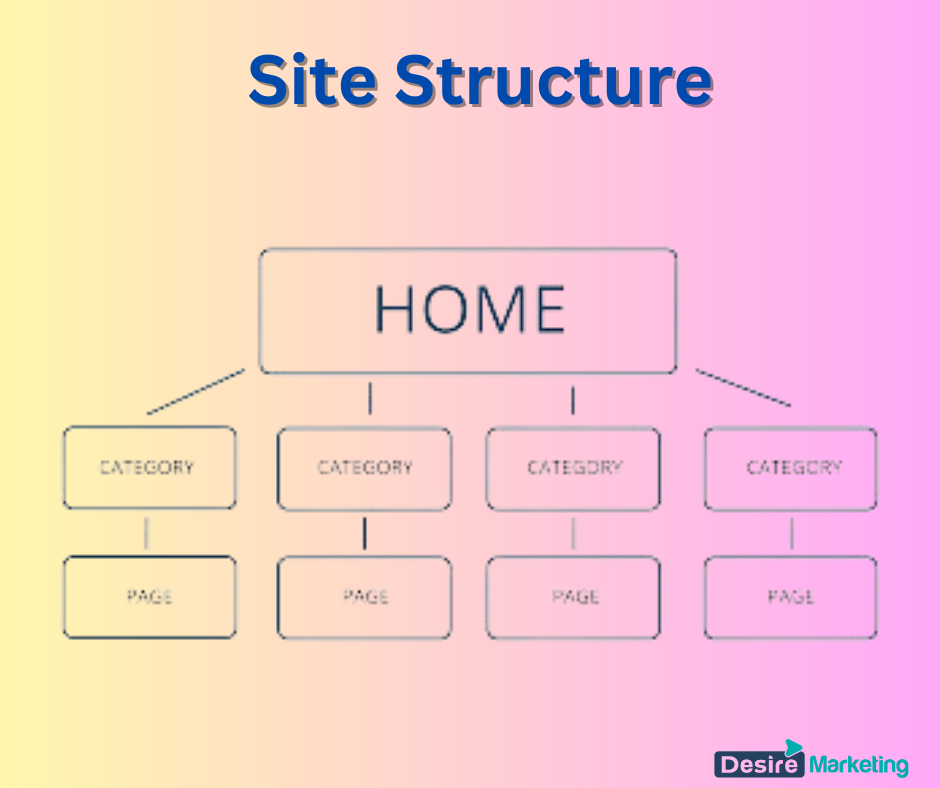
    The site structure and URLs are essential for a website’s SEO. They help search engines to understand the website’s content and hierarchy. Here are some of the key elements that should be included in a site structure and URLs section of a Technical SEO Checklist.

    • Use HTTPS: HTTPS is a secure protocol that encrypts data between the website and the user’s browser. It is essential for website security and also helps improve search engine rankings.
    • Use a clear and concise URL structure: A clear and concise URL structure makes it easy for search engines and users to understand the website’s content and hierarchy.
    • Use a sitemap: A sitemap is a file that lists all the pages on a website. It helps search engines to crawl and index the website’s content.

    Crawlability and Indexing

    Crawlability and indexing are essential for a website’s SEO. They determine how easily search engines can crawl and index the website’s content. Here are some of the key elements that should be included in a crawlability and indexing section of a Technical SEO Checklist.

    • Use a robots.txt file: A robots.txt file tells search engines which pages to crawl and which pages to ignore. It is essential for controlling the website’s crawlability and indexing.
    • Use Google Search Console and Bing Webmaster Tools: Google Search Console and Bing Webmaster Tools are free tools that help website owners to monitor their website’s crawlability and indexing.
    • Use a mobile-friendly design: A mobile-friendly design ensures that the website is accessible on mobile devices. It is essential for improving the website’s search engine rankings.

    Mobile Optimization

    Mobile optimization is essential for a website’s SEO. Most internet users access the internet on mobile devices, and search engines prioritize mobile-friendly websites. Here are some of the key elements that should be included in a mobile optimization section of a Technical SEO Checklist.

    • Use a responsive design: A responsive design ensures that the website adapts to different screen sizes and resolutions.
    • Use a mobile-friendly font size: A mobile-friendly font size ensures that the website’s text is readable on mobile devices.
    • Use a pagespeed insights tool: A pagespeed insights tool helps website owners to identify and fix issues that affect the website’s speed and performance on mobile devices.

    Site Speed and Performance

    Site speed and performance are essential for a website’s SEO. A fast and responsive website improves user experience and search engine rankings. Here are some of the key elements that should be included in a site speed and performance section of a Technical SEO Checklist.

    • Use a content delivery network (CDN): A CDN distributes the website’s content across multiple servers, reducing the website’s loading time.
    • Optimize images and videos: Optimizing images and videos reduces their file size, improving the website’s loading time.
    • Use a caching plugin: A caching plugin stores the website’s content in the user’s browser, reducing the website’s loading time.

    Security

    Website security, including robust web hosting security measures, is essential for a website’s SEO. A secure website improves user trust and search engine rankings. Here are some of the key elements that should be included in a security section of a Technical SEO Checklist.

    • Use HTTPS: HTTPS is essential for website security and search engine rankings.
    • Use a secure hosting provider: A secure provider of web hosting services ensures that the website’s data is safe and secure.
    • Use a security plugin: A security plugin helps website owners to monitor and protect their website from security threats.

    On-Page SEO Checklist

    On Page SEO Checklist

    On-page SEO is the practice of optimizing individual web pages in order to rank higher and earn more relevant traffic in search engines. A comprehensive on-page SEO checklist can help ensure that all your web pages are optimized for maximum search engine visibility, especially when supported by managed seo services.

    Content Optimization

    Content is king when it comes to on-page SEO. Keyword research is an essential part of content optimization. It helps you identify the words and phrases people are using to search for information related to your business. Once you have your keywords, make sure to use them in your content, but don’t overdo it. Keyword stuffing can harm your rankings.

    Another important aspect of content optimization is ensuring that your content is unique, valuable, and relevant. Existing content should be updated and refreshed regularly. Duplicate content and thin content should be avoided.

    HTML Tags

    HTML tags provide structure and meaning to your content. The title tag is the most important HTML tag for on-page SEO. It should be descriptive, unique, and contain your primary keyword. The H1 tag should also contain your primary keyword and should be used only once per page. H2 and H3 tags can be used for subheadings and should also contain relevant keywords.

    Meta descriptions and meta tags are also important HTML tags for on-page SEO. The meta description should be a concise summary of your content and should include your primary keyword. Meta tags provide additional information about your content and can include keywords, author information, and more.

    Images and Multimedia

    Images and multimedia can enhance the user experience and also provide additional opportunities for on-page SEO. Use high-quality images that are relevant to your content. Optimize images for web using formats like webp and ensure that they have descriptive file names and alt text that includes relevant keywords.

    Internal Linking

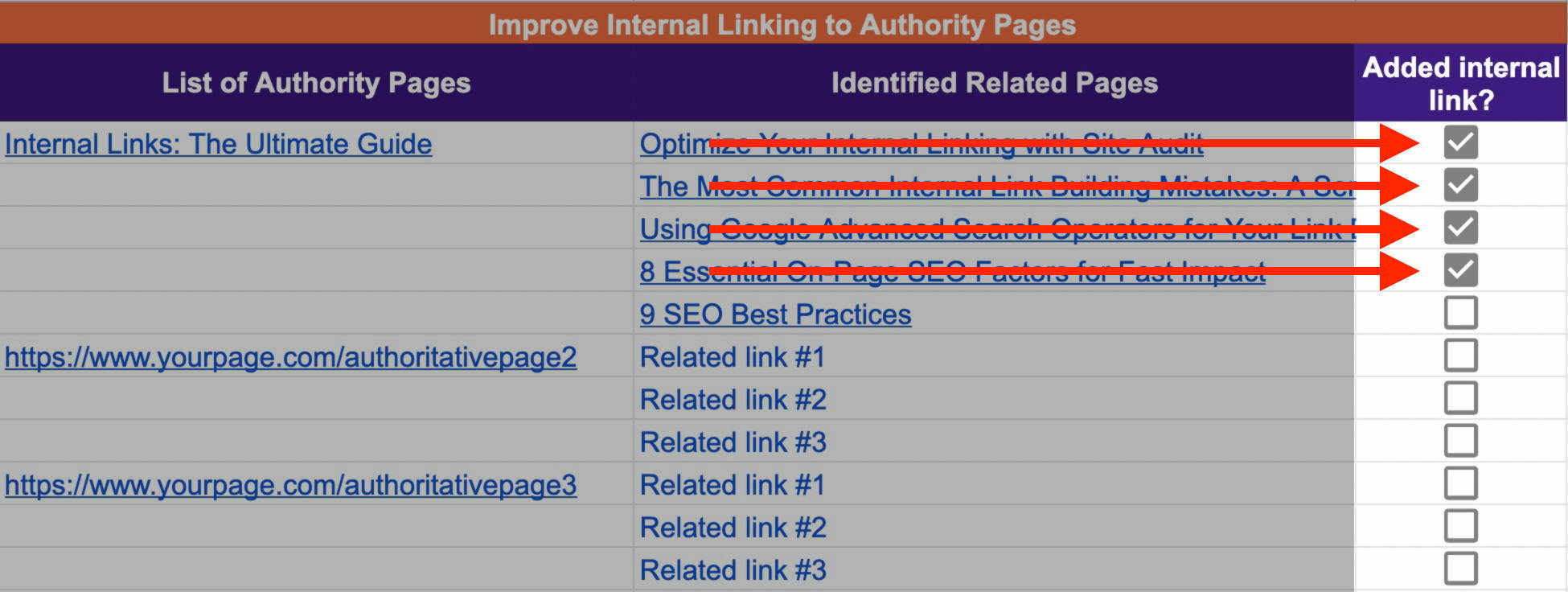
    Internal linking is the practice of linking to other pages on your website. It helps search engines understand the structure of your website and can also help distribute link equity throughout your site. Use descriptive anchor text that includes relevant keywords when linking to other pages on your site. Make sure that your internal links are relevant and add value to the user experience.

    By following this on-page SEO checklist and implementing these best practices, you can improve your website’s search engine visibility and attract more relevant traffic.

    Keyword Research Checklist

    Keyword research is a crucial step in any SEO strategy. It involves identifying the right keywords to target in order to rank higher in search engine results pages (SERPs). Here are some key elements of a keyword research checklist:

    Keyword Identification

    The first step in keyword research is to identify the keywords that are relevant to your business or website. This involves brainstorming and coming up with a list of potential keywords that you think your target audience might use to search for your products or services.

    Once you have a list of potential keywords, you can use keyword research tools like Google Keyword Planner, SEMrush, or Ahrefs to find out how many people are searching for those keywords and how difficult it is to rank for them.

    Search Intent

    It’s important to understand the search intent behind the keywords you are targeting. Search intent refers to the reason why someone is searching for a particular keyword. For example, someone searching for “best pizza in New York” is likely looking for recommendations on where to find good pizza in New York, while someone searching for “how to make pizza dough” is looking for instructions on how to make pizza dough.

    Understanding search intent can help you create content that matches the searcher’s intent and increases the chances of ranking higher in SERPs.

    Competitor Analysis

    Analyzing your competitors’ keywords can give you insights into what keywords they are targeting and how successful they are at ranking for those keywords. This can help you identify gaps in your own keyword strategy and find new opportunities to target.

    Tools like SEMrush and Ahrefs can help you analyze your competitors’ keywords and find new keyword opportunities. You can also look at their content and see what keywords they are using in their titles, headings, and body text.

    By following a keyword research checklist that includes keyword identification, search intent, and competitor analysis, you can create a comprehensive keyword strategy that improves your chances of ranking higher in search engine results pages.

    Content Strategy

    A well-planned content strategy is crucial to the success of any SEO campaign. It involves creating and optimizing content that is relevant to the target audience and aligns with the SEO strategy. Here are two important aspects of content strategy:

    Content Creation

    Creating high-quality content that is relevant to the target audience is the foundation of any successful SEO campaign. The content should be optimized for search queries and should provide value to the readers. It is important to identify the target audience and their search queries before creating the content. The content should be in-depth and well-researched, with relevant keywords and phrases included in the text.

    Blog posts are a great way to create fresh and relevant content on a regular basis. They can be optimized for search queries and can help drive organic traffic to the website. It is important to ensure that the blog posts are consistent with the overall SEO strategy and provide value to the readers.

    Content Updates and Optimization

    Existing content on the website should be regularly updated and optimized to ensure that it continues to align with the SEO strategy. Duplicate content issues should be avoided, and canonicalization should be used where necessary.

    Regularly updating and optimizing content can help improve the website’s search engine rankings and drive more organic traffic. It is important to ensure that the content is relevant to the target audience and provides value to the readers.

    In conclusion, a well-planned content strategy is crucial to the success of any SEO campaign. It involves creating and optimizing content that is relevant to the target audience and aligns with the SEO strategy. Regularly updating and optimizing content can help improve the website’s search engine rankings and drive more organic traffic.

    Off-Page SEO Checklist

    Off-Page SEO Checklist

    Off-page SEO refers to all the activities that are performed outside of your website to improve your website’s ranking on search engines. Here are some off-page SEO strategies that can help you improve your website’s ranking:

    Link building is one of the most important off-page SEO strategies. It involves acquiring backlinks from other websites to your website. Backlinks are important because they signal to search engines that other websites consider your website to be a valuable resource.

    Some effective link building strategies include:

    • Guest posting: This involves writing articles for other websites and including a link back to your website in the author bio or within the article itself.
    • Broken link building: This involves finding broken links on other websites and reaching out to the website owner to suggest a replacement link to your website.
    • Skyscraper technique: This involves finding high-performing content in your niche, creating a better version of that content, and reaching out to websites that linked to the original content to suggest they link to your content instead.

    Social Signals and External Marketing

    Social signals and external marketing are other important off-page SEO strategies. Social signals refer to the number of likes, shares, and comments your content receives on social media platforms. The more social signals your content receives, the more likely it is to rank higher on search engines.

    External marketing involves promoting your website through other channels such as email marketing, influencer marketing, and paid advertising. These strategies can help you attract more traffic to your website and increase your website’s visibility on search engines.

    In conclusion, off-page SEO is an important aspect of your overall SEO strategy. By implementing effective link building strategies and social signals and external marketing, you can improve your website’s ranking on search engines and attract more traffic to your website.

    SEO Tools and Platforms

    When it comes to optimizing a website for search engines, it’s crucial to have access to the right tools and platforms. These tools can help website owners and SEO professionals track performance, identify issues, and make data-driven decisions to improve their website’s visibility in search results.

    Analytics and Performance Tracking

    One of the most important tools for tracking website performance is Google Analytics. This free platform provides detailed insights into website traffic, page views, bounce rate, and conversions. With Google Analytics, website owners can see how visitors are interacting with their website, which pages are most popular, and where traffic is coming from.

    Another popular tool for tracking website performance is Yoast SEO. This plugin for WordPress provides real-time analysis of website content, helping website owners optimize their pages for search engines. Yoast SEO provides feedback on keyword usage, readability, and other factors that can impact search engine rankings.

    Search Console and Webmaster Tools

    Google Search Console is another essential tool for website owners and SEO professionals. This free platform provides insights into how Google crawls and indexes a website, identifying issues that can impact search engine visibility. With Google Search Console, website owners can see which pages are indexed, which keywords are driving traffic, and which issues need to be addressed.

    In addition to Google Search Console, website owners can also use Bing Webmaster Tools to track performance on Bing. This free platform provides insights into how Bing crawls and indexes a website, identifying issues that can impact search engine visibility on Bing.

    Overall, having access to the right SEO tools and platforms can make a big difference in a website’s search engine visibility. By tracking performance, identifying issues, and making data-driven decisions, website owners and SEO professionals can improve their website’s rankings and drive more traffic to their site.

    Local SEO Checklist

    Local SEO Checklist

    Local SEO is a crucial aspect of SEO that focuses on optimizing a website for local search. It is an effective way to promote a business to local customers when they are looking for products or services online. In this section, we will discuss two important aspects of Local SEO: Google Business Profile Optimization and Local Citations and Reviews.

    Google Business Profile Optimization

    Google Business Profile is a free tool that allows businesses to manage their online presence across Google, including Google Search and Google Maps. Optimizing your Google Business Profile can help improve your local search ranking and attract more customers to your business.

    To optimize your Google Business Profile, you should:

    • Fill out all the required fields, including your business name, address, phone number, and website.
    • Choose the right categories that describe your business.
    • Add photos and videos to showcase your business.
    • Encourage customers to leave reviews on your Google Business Profile, as positive reviews can help improve your local search ranking.

    Local Citations and Reviews

    Local citations are mentions of your business name, address, and phone number on other websites, such as directories, social media platforms, and review sites. Local citations can help improve your local search ranking and attract more customers to your business.

    To build local citations, you should:

    • Claim and verify your business listings on major directories, such as Yelp, Yellow Pages, and TripAdvisor.
    • Ensure that your business information is consistent across all directories and review sites.
    • Encourage customers to leave reviews on your Google Business Profile and other review sites, as positive reviews can help improve your local search ranking.

    In summary, optimizing your Google Business Profile and building local citations and reviews are essential for Local SEO. By following these best practices, businesses can improve their local search ranking and attract more customers to their business.

    E-commerce SEO Checklist

    E-commerce SEO Checklist

    In the world of e-commerce, SEO is crucial for increasing traffic and sales. Optimizing your website for search engines can be a complex and time-consuming process, but it’s worth it. Here are some key areas to focus on for e-commerce SEO.

    Product Page Optimization

    Product pages are the heart of any e-commerce website. Optimizing these pages for search engines can help drive more traffic and sales. Here are some tips for optimizing product pages:

    • Use descriptive and keyword-rich titles and descriptions for each product.
    • Include high-quality images and videos of the product.
    • Optimize product images with descriptive file names and alt tags.
    • Use structured data markup to provide search engines with more information about your products.
    • Include customer reviews and ratings on the product page.

    Customer Reviews and Ratings

    Customer reviews and ratings can have a significant impact on your e-commerce SEO. Here’s why:

    • Reviews and ratings provide fresh, user-generated content that search engines love.
    • They can help increase click-through rates from search engine results pages.
    • Positive reviews and ratings can improve your website’s reputation and credibility.

    To encourage customers to leave reviews and ratings, consider offering incentives such as discounts or free shipping. Make it easy for customers to leave reviews by including a prominent review section on your product pages.

    Overall, e-commerce SEO is a complex and ongoing process, but it’s worth investing time and resources into. By optimizing your website for search engines, you can drive more traffic and sales to your online store. If you’re using a platform like Shopify, there are many SEO tools and plugins available to help you optimize your website.

    Frequently Asked Questions

    What are the essential elements of an on-page SEO checklist?

    An on-page SEO checklist should include elements such as keyword research, optimizing meta tags, using header tags, optimizing images, creating quality content, and ensuring website speed and mobile-friendliness. These elements help ensure that the website is optimized for search engines and user experience.

    What should be included in an off-page SEO checklist for 2024?

    Off-page SEO checklist should include elements such as building high-quality backlinks, using social media to drive traffic, optimizing online directories and citations, and creating quality content that attracts natural links. These elements help improve the website’s authority and reputation in the eyes of search engines.

    How can I create an effective SEO checklist for a new website?

    To create an effective SEO checklist for a new website, one should start with keyword research, create a sitemap and optimize website structure, optimize website content, ensure website speed and mobile-friendliness, and build high-quality backlinks. These elements will help ensure that the website is optimized for search engines and user experience.

    What are the top five SEO factors to consider in any optimization strategy?

    The top five SEO factors to consider in any optimization strategy are keyword research, optimizing website structure, creating quality content, building high-quality backlinks, and ensuring website speed and mobile-friendliness. These elements help ensure that the website is optimized for search engines and user experience.

    Some of the recommended tools for managing an on-page SEO strategy include Google Search Console, Google Analytics, Ahrefs, SEMrush, and Yoast SEO. These tools help with keyword research, website analysis, tracking website performance, and optimizing website content.

    What are the four main components to focus on for comprehensive SEO?

    The four main components to focus on for comprehensive SEO are technical SEO, on-page SEO, off-page SEO, and local SEO. Technical SEO involves optimizing website structure and ensuring website speed and mobile-friendliness. On-page SEO involves optimizing website content and meta tags. Off-page SEO involves building high-quality backlinks and social media optimization. Local SEO involves optimizing online directories and citations for local search.

  • How To Increase Domain Authority [2026]

    How To Increase Domain Authority [2026]

    To increase domain authority, focus on creating high-quality content and earning authoritative backlinks from reputable websites. Increasing your website’s domain authority is crucial for improving its overall search engine ranking and visibility.

    By having a high domain authority score, search engines recognize your website as a trustworthy and authoritative source for information. To achieve this, it is vital to consistently produce valuable and relevant content that appeals to your target audience. By doing so, you can attract more organic traffic and increase the likelihood of other websites linking back to your content.

    These backlinks from reputable sources act as endorsements and signal trustworthiness to search engines, thereby boosting your domain authority. Prioritizing content quality and earning authoritative backlinks are key strategies for elevating your domain authority and establishing a strong online presence.

    What Is Domain Authority?

    Domain Authority refers to the measure of a website’s reputation and credibility in the eyes of search engines. It is a crucial factor in determining its ranking on search engine results pages (SERPs). The higher the domain authority, the more likely a website is to appear at the top of search results.

    Domain authority is a metric developed by Moz, which evaluates various factors like backlinks, domain age, and overall website quality. It acts as a sort of vote of confidence from search engines, indicating that a website is trustworthy, reliable, and offers valuable content to users.

    Consequently, it is essential for website owners to focus on increasing their domain authority to improve their search engine rankings and attract more organic traffic.

    How Toincrease Domain Authority

    Best Strategies To Increase Domain Authority In 2024

    Build High-Quality Backlinks: Focus on acquiring backlinks from reputable and relevant websites.

    Improve On-Page SEO: Ensure your website is optimized for relevant keywords and user experience.

    Content Quality: Regularly publish high-quality, engaging, and informative content.

    Monitor Your Link Profile: Keep track of your backlinks and disavow any low-quality or spammy links.

    These strategies will help increase your domain authority and drive more organic traffic to your site.

    Factors Affecting Domain Authority

    Domain authority is influenced by various factors, including the quality of backlinks. Backlinks should be authoritative and relevant to your content. Another factor is the domain age and history, as older domains tend to have higher authority. The content you provide should be both relevant and of high quality.

    User experience is also vital, as a fast and user-friendly website can greatly affect your domain authority. By focusing on these factors, you can increase your domain authority and improve your website’s visibility and credibility.

    Monitoring And Tracking Domain Authority

    Domain Authority is an important metric in search engine optimization. To effectively increase it, monitoring and tracking your domain authority is crucial. Using tools to check your domain authority is a great way to stay on top of your progress.

    Additionally, analyzing your competitors’ domain authority can provide valuable insights. By identifying areas for improvement and implementing strategies to enhance your authority, you can enhance your organic visibility and attract more traffic. Improving domain authority takes time and effort, but with consistent monitoring and optimization, you can see long-term benefits for your website’s search ranking and overall online presence.

    Don’t forget to regularly assess and refine your strategies to keep up with the ever-evolving SEO landscape.

    Read Also Why Domain Authority Important for Seo

    Conclusion

    Increasing domain authority is key to improving your website’s search engine visibility and online reputation. By following the strategies outlined in this blog post, such as creating high-quality content, building authoritative backlinks, optimizing on-page elements, and maintaining a strong social media presence, you can steadily increase your domain authority over time.

    Remember to regularly monitor your progress and make adjustments as needed. It’s important to keep in mind that increasing domain authority is a long-term process that requires consistent effort and dedication. By implementing these strategies and staying up-to-date with industry best practices, you can be well on your way to boosting your website’s domain authority and achieving higher search rankings.

    So, start implementing these tips today and watch as your website gains authority and credibility in the eyes of both search engines and users.

  • Link Prospecting Strategies: A Detailed Guide for 2026

    Link Prospecting Strategies: A Detailed Guide for 2026

    Are you struggling to find quality backlinks for your website? Do you want to improve your website’s search engine ranking but don’t know where to start? Link prospecting may be the solution you’re looking for.

    Link prospecting is the process of identifying potential websites or web pages that may link to your website. It’s a crucial part of any successful link building strategy. However, link prospecting can be time-consuming and challenging, especially for beginners. That’s why we’ve created this complete guide to link prospecting strategies.

    In this guide, we’ll cover everything you need to know about link prospecting, including the benefits of link building, how to identify quality backlinks, and the best tools and techniques for link prospecting. Whether you’re a beginner or an experienced marketer, this guide will provide you with the knowledge and skills to develop a successful link building strategy.

    What is Link Prospecting

    Link prospecting is a crucial process in SEO and link building. It is the process of identifying potential websites or pages that could link back to your website. The goal of link prospecting is to find high-quality backlinks that can improve your website’s search engine rankings and increase organic traffic.

    Link prospecting involves a lot of research and analysis. You need to identify websites that are relevant to your niche and have high domain authority. You also need to analyze their backlink profile to ensure that they are not spammy or low-quality websites.

    There are many tools available that can help you with link prospecting. Some of the popular ones include Ahrefs, Moz, and SEMrush. These tools can help you identify potential link opportunities, analyze your competitors’ backlink profile, and track your progress.

    Link prospecting is an ongoing process, and it requires patience and persistence. You need to constantly monitor your backlink profile and identify new opportunities for link building. By doing so, you can improve your website’s search engine rankings and drive more traffic to your website.

    Importance of Link Prospecting

    Link prospecting is an essential part of any successful SEO strategy. It involves identifying and targeting websites that are likely to link back to your site, which can help improve your website’s traffic, authority, and relevance.

    By targeting high-quality websites with relevant content, you can attract organic traffic to your site and improve your domain authority. High-quality links from authoritative websites can also help to establish your website as a trusted source of information in your industry.

    Effective link prospecting can also help you to generate leads and build relationships with other websites in your industry. By reaching out to relevant websites and offering valuable content or resources, you can establish yourself as an expert in your field and build trust with potential customers.

    Link prospecting is a crucial part of any successful SEO strategy. By targeting high-quality websites with relevant content, you can improve your website’s traffic, authority, and relevance, generate leads, and build relationships with other websites in your industry.

    Link prospecting is the process of identifying and reaching out to potential websites that can link back to your site. It is a crucial aspect of SEO that can help you improve your website’s traffic, authority, and relevance. Effective link prospecting can help you get high-quality links that can boost your website’s organic traffic and domain authority.

    To get started with link prospecting, you need to identify your target audience and the websites that they visit. You can use various tools to find websites that are relevant to your niche and have high domain authority. Some of the popular tools for link prospecting include Ahrefs, SEMRush, and Moz.

    Once you have identified the websites that you want to target, you can start reaching out to them. You can use email outreach, social media and Influencer marketing metrics, or other methods to contact the website owners and ask them to link back to your site. When reaching out, it’s essential to be polite and provide value to the website owners.

    When prospecting for links, it’s crucial to focus on high-quality links that can provide value to your website. High-quality links are links from websites that have high domain authority and relevant content. These links can help you improve your website’s authority and organic traffic.

    One of the most effective link prospecting strategies is to analyze the backlinks of your competitors. By doing so, you can identify potential link opportunities for your website and learn from your competitors’ successful link building tactics.

    To perform a competitor backlink analysis, you can use tools like Ahrefs or Moz. These tools allow you to see the backlinks pointing to your competitors’ websites, as well as important metrics like domain authority and anchor text.

    You can also use Google search operators to find backlinks to your competitors’ websites. For example, you can use the “link:” operator followed by your competitor’s URL to see all the pages that link to their website.

    Once you have a list of your competitors’ backlinks, you can start analyzing them to identify potential opportunities for your website. Look for websites that link to your competitors but not to your own website, as these could be potential targets for your link building efforts.

    You should also pay attention to the quality of the backlinks. Focus on websites with high domain authority and relevant content to ensure that your link building efforts are effective.

    Overall, a competitor backlink analysis is an essential part of any successful link prospecting strategy. By analyzing your competitors’ backlinks, you can identify potential opportunities for your own website and learn from their successful link building tactics.

    Identify Your Prospects

    Before you start your link prospecting, it’s important to identify your target audience and the websites they frequent. This will help you narrow down your search and increase the chances of finding high-quality backlink opportunities.

    One way to identify your prospects is by using tools like Ahrefs or Moz to analyze your competitors’ backlinks. Look for websites that link to your competitors but not to you, as these could be potential prospects.

    Another method is to use Google search operators to find websites that are relevant to your niche. For example, if you’re in the fitness industry, you could use the search operator “fitness intitle” to find websites that have “resources” in the title and are related to fitness.

    Once you have a list of potential prospects, it’s important to evaluate the quality of each website. Look for websites that have high domain authority, relevant content, and a good reputation. You can use tools like Ahrefs or Moz to check domain authority and evaluate the quality of the website’s content.

    In summary, identifying your prospects is a crucial step in link prospecting. Use tools like Ahrefs or Moz to analyze your competitors’ backlinks, and use Google search operators to find websites that are relevant to your niche. Evaluate the quality of each website before reaching out for a backlink opportunity.

    Finding relevant and high-quality link prospects is essential for a successful link building campaign. You want to target websites that are authoritative, relevant to your niche, and have a good backlink profile. Here are some strategies to help you find the best link prospects.

    Use Ahrefs to Find Relevant Websites

    Ahrefs is a powerful tool that can help you find relevant websites in your niche. You can use the “Content Explorer” feature to search for relevant content and filter by language, domain rating, and more. You can also use the “Site Explorer” feature to analyze a website’s backlink profile and find potential link prospects.

    Use Google Search Operators

    Google search operators can help you find relevant websites in your niche. For example, you can use the “intitle” operator to search for websites that have your target keyword in the title. You can also use the “site” operator to search for websites that are relevant to your niche.

    Moz’s Link Explorer is another tool that can help you find relevant websites in your niche. You can use the tool to analyze a website’s backlink profile and find potential link prospects. You can also use the “Link Intersect” feature to find websites that link to your competitors but not to your website.

    By using these strategies, you can find relevant and high-quality link prospects for your link building campaign. Remember to focus on quality over quantity and only target websites that are relevant to your niche.

    Guest Blogging Opportunities

    Guest blogging is an effective way to build relationships, generate traffic, and increase your online visibility. It involves writing a blog post for another website that is related to your niche. This not only helps you reach a new audience but also helps you build relationships with other bloggers in your industry.

    To find guest blogging opportunities, you can use various link prospecting strategies. Here are a few ways to find guest blogging opportunities:

    • Keyword Research: Use keyword research tools to find websites that are related to your niche. Look for websites that regularly publish blog posts and have a high domain authority. Reach out to the website owner or editor and pitch your guest post idea.
    • Target Research: Look for websites that are already publishing guest posts. These websites are more likely to accept your guest post pitch. You can use Google search operators to find websites that are accepting guest posts.
    • Target Keyword Research: Use target keywords to find websites that are related to your niche. Look for websites that have a high domain authority and regularly publish blog posts. Reach out to the website owner or editor and pitch your guest post idea.

    When pitching your guest post idea, make sure to follow the website’s guidelines and provide a unique and valuable article. This will increase your chances of getting your guest post published.

    Broken link building is a popular link prospecting strategy that involves finding broken links on relevant websites and offering to replace them with a link to your site. This strategy is effective because it provides value to the website owner by helping them fix broken links, while also allowing you to secure a link to your site.

    To begin, you need to find relevant websites in your niche that have broken links. You can use tools like Ahrefs or SEMrush to find broken links on relevant sites. Once you have identified a broken link, you can reach out to the website owner and offer to replace the broken link with a link to your site.

    When reaching out to website owners, it is important to offer value and explain why your site is relevant to their audience. You should also provide them with the exact URL of the broken link and the URL of the page on your site that would be a good replacement.

    It is important to note that not all broken links are created equal. You should prioritize broken links on high-quality, authority sites with a high domain rating. These sites are more likely to provide value to your site and improve your search engine rankings.

    Overall, broken link building is a highly effective link prospecting strategy that can help you secure high-quality, relevant links to your site. By targeting broken links on authority sites in your niche, you can improve your site’s domain rating and increase your visibility in search engine results pages.

    Outreach is an essential part of any link building strategy. It involves reaching out to other websites and asking them to link back to your site. There are several outreach strategies that you can use to build links, such as personalized emails, guest posting, social media, LinkedIn, and Twitter.

    Personalized Emails

    Personalized emails are a great way to reach out to other websites and ask them to link back to your site. When sending personalized emails, make sure to:

    • Address the recipient by name
    • Mention their website and why you think a link to your site would be valuable for their audience
    • Keep the email short and to the point
    • Include a call-to-action, such as asking them to link to your site or to reply to your email

    Social Media

    Social media is a great way to connect with other website owners and promote your content. When using social media for link building, make sure to:

    • Share your content on social media platforms, such as Twitter and LinkedIn
    • Engage with other users by commenting on their posts and sharing their content
    • Reach out to other website owners and ask them to share your content with their audience

    LinkedIn

    LinkedIn is a professional networking platform that can be used for link building. When using LinkedIn, make sure to:

    • Connect with other professionals in your industry
    • Join LinkedIn groups that are relevant to your niche
    • Share your content with your LinkedIn network
    •  Use LinkedIn analytics tools to track the performance

    Twitter (X)

    Twitter (X)is another social media platform that can be used for link building. When using Twitter, make sure to:

    • Follow other website owners and influencers in your industry
    • Share your content on Twitter and tag other users who might be interested in your content
    • Retweet other users’ content and engage with them by commenting on their tweets

    Once you’ve launched your link prospecting campaign, it’s important to track and evaluate its progress. This will help you determine what’s working and what’s not, so you can make adjustments and improve your results.

    One way to track your campaign is to use a spreadsheet or other tool to keep track of the links you’ve identified and the outreach you’ve done. This can help you see which sites are responding to your outreach and which ones aren’t, so you can focus your efforts more effectively.

    Another important step is to test different approaches to link building. For example, you might try different outreach emails or different types of content to see what generates the best response rates. By testing and tracking your results, you can refine your approach and improve your overall success rate.

    It’s also important to track your progress over time. This will help you see how your campaign is evolving and whether you’re making progress towards your goals. You might track metrics like the number of links you’ve acquired, the traffic generated by those links, or the overall impact on your search engine rankings.

    Link prospecting is a time-consuming task that requires patience, effort, and persistence. While it can be a valuable strategy for building backlinks and improving your website’s search engine ranking, it’s not without its challenges. Here are some common challenges you may encounter during link prospecting and how to overcome them:

    Challenge 1: Time-Consuming

    One of the biggest challenges with link prospecting is that it can be a time-consuming process. You need to identify potential link opportunities, research the website, and reach out to the website owner or webmaster. This can take a lot of time, especially if you’re doing it manually.

    How to overcome it: One way to save time is to use link prospecting tools that automate the process. These tools can help you find potential link opportunities faster and provide you with contact information for the website owner or webmaster. Some popular link prospecting tools include Ahrefs, Moz, and SEMrush.

    Challenge 2: Spammy

    Another challenge with link prospecting is that it can be seen as spammy if not done correctly. If you’re sending out mass emails to website owners or webmasters, you may be flagged as a spammer and your email may be ignored or sent to the spam folder.

    How to overcome it: To avoid being seen as spammy, personalize your emails and make them relevant to the website you’re reaching out to. Avoid using generic templates and instead, take the time to research the website and tailor your email to their specific needs. Also, make sure to follow best practices for email outreach, such as including a clear subject line, a personalized greeting, and a clear call-to-action.

    Challenge 3: Overcoming Rejection

    Not every website owner or webmaster will be interested in linking to your website, even if you have a great pitch. Rejection can be discouraging and make you feel like your efforts are wasted.

    How to overcome it: Keep in mind that rejection is a normal part of link prospecting. Don’t take it personally and instead, use it as an opportunity to improve your pitch and outreach strategy. You can also try reaching out to different websites or using different outreach methods to increase your chances of success.

    Conclusion

    Congratulations! You have now learned about some of the most effective link prospecting strategies. By following these techniques, you can find high-quality websites that are relevant to your niche and build strong backlinks that will improve your search engine rankings.

    Remember that link building is a long-term process that requires patience and persistence. Don’t expect to see results overnight. Instead, focus on building relationships with website owners and providing value to their readers.

    As you continue to implement these strategies, you may discover new techniques that work well for your specific niche. Don’t be afraid to experiment and try new things. The more you learn, the more successful you will be at link building.

  • Inbound Link Building Strategies (10+ Best Practices in 2026 )

    Inbound Link Building Strategies (10+ Best Practices in 2026 )

    If you’re looking to improve your website’s search engine rankings, then you need to focus on inbound link building strategies. Inbound links, also known as backlinks, are links from other websites that lead to your site. These links are important because they signal to search engines that your website is reputable and trustworthy.

    In this article, we will discuss effective inbound link building strategies that you can use to improve your website’s SEO today.

    So, Let’s dive into this.

    Understanding SEO and Inbound Link Building

    Inbound Link Building

    When it comes to SEO, inbound link building is a crucial element that can help improve your website’s rankings on search engines like Google. Inbound links, also known as backlinks, are links from other websites that lead to your website. These links are important because they signal to search engines that your website is a valuable and trustworthy source of information.

    Inbound link building is the process of acquiring these links from other websites. There are many strategies you can use to build inbound links, and working with an inbound marketing agency can help through methods like creating high-quality content, guest blogging, and reaching out to other website owners to request links.

    It’s important to note that not all inbound links are created equal. The quality of the link matters just as much as the quantity. A high-quality link is one that comes from a reputable website that is relevant to your niche or industry. Links from low-quality or spammy websites can actually hurt your rankings.

    Google’s algorithm is constantly evolving, and the search engine uses many different factors to determine the relevance and authority of a website. Inbound links are just one of these factors, but they are an important one. By building a strong network of inbound links, you can improve your website’s authority and increase your chances of ranking higher on search engine results pages.

    In summary, inbound link building is an essential part of any SEO strategy. By understanding the importance of inbound links and implementing effective link building strategies, you can improve your website’s rankings and drive more traffic to your site.

    Boost your website’s authority and visibility with our expert Inbound Link Building Service! Elevate your online presence, drive organic traffic, and dominate search engine rankings. Take the first step towards digital success – secure high-quality backlinks today and watch your website soar! Click here to supercharge your SEO journey now

    The Importance of Inbound Link Building

    Importance of Link Building

    Inbound link building is an essential part of any successful SEO strategy. It involves acquiring links from other websites that point to your own site. These links act as a vote of confidence in the quality and relevance of your content, and can have a significant impact on your search engine rankings.

    One of the primary benefits of link building is that it can help to improve the quality and authority of your website. When other high-quality sites link to your content, it signals to search engines that your site is a trusted and authoritative source of information. This can lead to higher search engine rankings, increased traffic, and more conversions.

    Google and other search engines use backlinks as a key ranking factor when determining the relevance and authority of a website. The more high-quality links you have pointing to your site, the more likely you are to rank well in search results. However, it’s important to note that not all links are created equal. Links from low-quality or spammy sites can actually have a negative impact on your rankings.

    In addition to improving your search engine rankings, link building can also help to drive referral traffic to your site. When other sites link to your content, it provides an opportunity for their readers to discover your site and potentially become new customers or followers.

    Overall, link building is a crucial aspect of any successful SEO strategy. By acquiring high-quality links from relevant and authoritative sites, you can improve your website’s rankings, authority, and traffic.

    Quality Vs. Quantity in Link Building

    When it comes to link building, there has always been a debate between quality and quantity. Some people believe that the more links you have, the better, while others believe that it’s better to have fewer, high-quality links. So, which one is better?

    In general, it’s always better to have high-quality links rather than low-quality ones. Low-quality links can actually hurt your website’s rankings, while high-quality ones can help improve them. However, that doesn’t mean that quantity doesn’t matter at all.

    Having a lot of links can help increase your website’s visibility and exposure. The more links you have, the more likely it is that people will find your website. However, if those links are low-quality, it can actually hurt your website’s credibility and authority.

    So, it’s important to focus on both quality and quantity when it comes to link building. You want to have as many high-quality links as possible, while also making sure that you’re not sacrificing quality for quantity.

    When it comes to determining the quality of a link, there are several things to consider. For example, you want to make sure that the website linking to you is relevant to your niche or industry. You also want to make sure that the link is coming from a reputable website with a high domain authority.

    A Complete Guide to Infographic Link Building: Mastering Effective Strategies

    Types of Inbound Links

    When it comes to inbound links, there are two types: follow and nofollow links. Follow links are links that pass on link equity, which can improve your website’s search engine ranking. Nofollow links, on the other hand, do not pass on link equity.

    Follow links are valuable because they signal to search engines that other websites consider your content to be valuable and relevant. As a result, search engines are more likely to display your website in search results. However, it’s important to note that not all follow links are created equal. Links from high-quality, authoritative websites are more valuable than links from low-quality websites.

    Nofollow links, while not as valuable as follow links, still have their place in inbound link building strategies. Nofollow links can still drive traffic to your website, and they can also help diversify your backlink profile.

    It’s also important to consider the source of your inbound links. Referring domains, or the number of unique websites linking to your website, is an important metric to track. Having a diverse range of referring domains can signal to search engines that your website is a valuable resource.

    In addition to follow and nofollow links, there are also internal and external links. Internal links are links that point to other pages on your website, while external links are links that point to pages on other websites. Internal links can help with website navigation and can also help distribute link equity throughout your website. External links can provide valuable context and resources for your readers.

    Overall, a well-rounded inbound link building strategy should include a mix of follow and nofollow links, as well as a diverse range of referring domains. By focusing on building high-quality, relevant links, you can improve your website’s search engine ranking and drive more traffic to your site.

    Creating Linkable Content

    One of the most effective ways to build inbound links is to create linkable content. This means content that is so valuable, informative, or entertaining that others will want to link to it. Here are some tips for creating linkable content:

    • Focus on quality: Creating great content is essential for link building. Your content should be well-researched, well-written, and provide value to your target audience. This will increase the likelihood of others linking to it.
    • Use visual assets: Visual assets such as images, infographics, and charts can make your content more engaging and shareable. They can also help to illustrate complex ideas and data in a way that is easy to understand.
    • Conduct original research: Conducting original research and publishing the results can be a great way to attract links. This type of content is often cited by other websites and can establish you as an authority in your field.
    • Offer unique insights: Providing unique insights or perspectives on a topic can make your content stand out from the crowd. This can help to attract links from other websites and increase your visibility in search engine results.
    • Use content marketing: Content marketing can help to promote your linkable assets and attract links. This can include guest blogging, social media promotion, and email outreach to influencers in your industry.

    By creating linkable content, you can attract inbound links and improve your search engine rankings. Focus on quality, use visual assets, conduct original research, offer unique insights, and use content marketing to promote your content.

    Outreach for Inbound Link Building

    Outreach is an effective way to build inbound links to your website. Outreach involves reaching out to bloggers, journalists, and other website owners to request a link to your website. Here are some tips to help you with your outreach efforts:

    • Identify websites that are relevant to your industry and have a high domain authority. These websites are more likely to provide a valuable link to your website.
    • Personalize your outreach emails to the website owner. Show that you have taken the time to research their website and explain why a link to your website would be valuable to their readers.
    • Consider offering to write a guest post for their website in exchange for a link back to your website. This can be a win-win situation for both parties.
    • Use a professional tone in your outreach emails. Avoid making exaggerated or false claims about your website or your product.
    • Follow up with website owners if you don’t receive a response to your initial outreach email. A polite follow-up email can help to keep the conversation going.

    Outreach can be a time-consuming process, but it can be a valuable way to build inbound links to your website. By following these tips, you can increase your chances of success with your outreach efforts.

    Utilizing Social Media for Inbound Links

    Social media platforms are a great way to share your content and attract inbound links. By promoting your content on social media, you can increase the visibility of your website and attract more traffic. Here are some social media strategies to help you build inbound links.

    Share Your Content on Social Media

    One of the simplest ways to attract inbound links is to share your content on social media. When you share your content on social media, you increase the visibility of your website and make it easier for people to find your content. By sharing your content on social media, you can attract more traffic and increase your chances of getting inbound links.

    Engage with Your Audience

    Engaging with your audience on social media can help you build relationships and attract inbound links. When you engage with your audience, you show them that you value their opinions and are interested in their feedback. By building relationships with your audience, you can increase the likelihood that they will share your content and link back to your website.

    Leverage Influencers

    Influencers can help you attract inbound links by sharing your content with their followers. When you work with influencers, you tap into their audience and increase the visibility of your website. By leveraging influencers, you can attract more traffic and increase your chances of getting inbound links.

    Use Social Media Advertising

    Social media advertising can help you attract inbound links by increasing the visibility of your content. When you use social media advertising, you can target your audience and reach people who are interested in your content. By using social media advertising, you can attract more traffic and increase your chances of getting inbound links.

    Broken Link Building Strategy

    One of the most effective inbound link building strategies is broken link building. This strategy involves finding broken links on other websites and reaching out to the webmasters to suggest replacing the broken links with your own content.

    Broken links are links that no longer work because the page they are linking to has been deleted or moved. They can harm the user experience and negatively impact a website’s search engine rankings.

    To find broken links, you can use tools such as Ahrefs, SEMrush, or Broken Link Checker. Once you have identified broken links on relevant websites, you can reach out to the webmasters and suggest replacing the broken links with your own content.

    When reaching out to webmasters, it is important to be polite and professional. You should explain why the broken link is harmful and suggest your own content as a replacement. You can also offer to help the webmaster fix the broken link.

    Broken link building is a great way to build high-quality inbound links to your website. It is also a win-win strategy because you are helping webmasters improve their website’s user experience by fixing broken links.

    Anchor Text Strategy

    When it comes to inbound link building, anchor text is an essential factor to consider. Anchor text is the visible, clickable text that appears as a hyperlink on a webpage. It is the text that is used to link one page to another.

    Using the right anchor text can help improve your website’s search engine rankings. However, it’s important to use anchor text strategically and avoid over-optimization. Here are some tips for creating a successful anchor text strategy:

    Use Natural Anchor Text

    Using natural anchor text is crucial for avoiding penalties from search engines. Natural anchor text is the text that would naturally be used to link to a page. It should be relevant to the content on the page and not overly keyword-focused.

    For example, if you’re linking to a blog post about “Inbound Link Building Strategies,” a natural anchor text could be “Click here to read more about inbound link building.” It’s important to avoid using exact match keywords as anchor text, as this can be seen as spammy.

    Vary Your Anchor Text

    Using a variety of anchor text can help improve the naturalness of your link profile. It’s important to avoid using the same anchor text repeatedly, as this can look unnatural to search engines.

    You can vary your anchor text by using synonyms, related phrases, or even just using the URL as the anchor text. This can help create a diverse link profile that looks natural to search engines.

    Use Branded Anchor Text

    Using branded anchor text can help improve your website’s brand recognition. Branded anchor text is the text that includes your brand name or URL.

    For example, if you’re linking to your homepage, a branded anchor text could be “Visit our website for more information.” This can help improve your website’s visibility and credibility.

    Avoiding Penalties in Link Building

    When it comes to link building, it’s important to follow guidelines to avoid being penalized by Google. Google Penguin is an algorithm that specifically targets black hat link building strategies and can result in severe penalties for your website.

    To avoid penalties, it’s important to focus on building high-quality inbound links from reputable sources. This means avoiding spammy links or links from websites with low authority. Instead, focus on building relationships with other websites in your industry and providing valuable content that others will want to link to.

    Another way to avoid penalties is to regularly audit your backlink profile. This means analyzing your inbound links to ensure they are coming from reputable sources and that they are relevant to your website’s content. If you find any spammy or irrelevant links, take steps to remove them.

    In addition to these strategies, it’s important to stay up-to-date with Google’s guidelines for link building. By following these guidelines, you can ensure that your link building efforts are in line with Google’s expectations and avoid any potential penalties.

    Overall, the key to avoiding penalties in link building is to focus on quality over quantity. By building relationships with reputable sources and providing valuable content, you can build a strong backlink profile that will improve your website’s search engine rankings without risking penalties from Google.

    Tools for Inbound Link Building

    When it comes to inbound link building, having the right tools can make all the difference. Here are some tools that you can use to help you with your inbound link building efforts:

    1. SEMrush

    SEMrush is a powerful tool that can help you with your inbound link building efforts. With SEMrush, you can:

    • Identify your competitors’ backlinks
    • Analyze the quality of your backlinks
    • Find new link building opportunities
    • Monitor your backlink profile

    SEMrush also offers a range of other features, such as keyword research, site audit, and competitor analysis.

    2. Ahrefs

    The homepage of Ahrefs, a tool for backlink analysis

    Ahrefs is another great tool for inbound link building. With Ahrefs, you can:

    • Analyze your competitors’ backlinks
    • Monitor your backlink profile
    • Find new link building opportunities
    • Analyze the quality of your backlinks

    Ahrefs also offers a range of other features, such as keyword research, site audit, and content analysis.

    3. Moz

    The homepage of Moz, a  tool for backlink analysis

    Moz is a popular tool for inbound link building. With Moz, you can:

    • Analyze your competitors’ backlinks
    • Monitor your backlink profile
    • Find new link building opportunities
    • Analyze the quality of your backlinks

    Moz also offers a range of other features, such as keyword research, site audit, and content analysis.

    4. Majestic

    the home page of majestic

    Majestic is a tool that specializes in backlink analysis. With Majestic, you can:

    • Analyze your competitors’ backlinks
    • Monitor your backlink profile
    • Find new link building opportunities
    • Analyze the quality of your backlinks

    Majestic also offers a range of other features, such as keyword research and site audit.

    5. BuzzStream

    the home page of BuzzStream, a link building tool

    BuzzStream is a tool that can help you with outreach and link building. With BuzzStream, you can:

    • Find contact information for potential link building opportunities
    • Manage your outreach campaigns
    • Track your progress

    BuzzStream also offers a range of other features, such as link monitoring and content promotion.

    These are just a few of the many tools that you can use for inbound link building. By using these tools, you can improve the quality and quantity of your backlinks, which can help to improve your search engine rankings and drive more traffic to your website.

    Conclusion

    Inbound link building is a crucial aspect of any successful SEO strategy. By implementing the right tactics, you can increase your website’s visibility, authority, and ultimately, its ranking on search engine results pages.

    Throughout this article, we’ve discussed various inbound link building strategies that you can use to improve your website’s SEO. These include creating high-quality content, guest blogging, broken link building, and influencer outreach.

    Remember, the key to successful inbound link building is to focus on quality over quantity. Instead of trying to acquire as many links as possible, aim to build relationships with other websites in your niche and provide value to their audience.

    By following these strategies and staying up-to-date with the latest SEO trends, you can create a strong inbound link profile that will help your website rank higher on search engine results pages and drive more traffic to your site.

  • How to Create an Effective SEO Press Release In 2026

    How to Create an Effective SEO Press Release In 2026

    To make a press release for SEO, follow these steps: create a catchy headline and include relevant keywords, write a concise and engaging introduction, provide important details and facts in the body of the press release, include links to your website or related content, and conclude with a strong call to action. A well-optimized press release can help improve your website’s visibility in search engine results and drive traffic to your business.

    Establishing an online presence through SEO strategies is essential in today’s digital landscape, and a press release can be an effective tool in achieving this goal. By following these guidelines, you can create a press release that is both SEO-friendly and engaging for your audience.

    Understanding The Importance Of Seo Press Releases

    Understanding The Importance Of Seo Press Releases

    Press releases are an essential tool in the world of SEO. This powerful marketing tactic serves multiple purposes, helping to boost brand visibility and drive organic traffic to your website. Understanding the importance of SEO press releases is key to leveraging their full potential.

    In this blog post, we will explore why press releases are valuable for SEO, the impact they have on brand visibility, and how SEO press releases can drive organic traffic to your site. So, let’s dive in and uncover the benefits of incorporating press releases into your SEO strategy.

    Why Press Releases Are Valuable For Seo:

    • Press releases provide an effective way to announce important news and updates about your business to the world.
    • When optimized correctly for search engines, press releases can increase your website’s visibility and attract more qualified traffic.
    • Press releases can help you gain valuable backlinks from reputable sources, which contribute to your website’s authority and search engine rankings.
    • By incorporating relevant keywords and phrases into your press releases, you enhance your chances of ranking higher in search engine results pages (SERPs).
    • Press releases provide an opportunity to showcase your expertise and establish your brand as a thought leader in your industry.

    The Impact Of Press Releases On Brand Visibility:

    • Press releases enable you to reach a wider audience beyond your existing customer base, increasing brand exposure.
    • When distributed through various channels, such as news aggregators and industry-specific websites, press releases help to amplify brand visibility.
    • Media outlets and journalists often use press releases as a source of information for their stories, further enhancing your brand’s reach.
    • Consistently issuing press releases keeps your brand on the radar of industry influencers, potential customers, and stakeholders.

    How SEO Press Releases Can Drive Organic Traffic:

    How Seo Press Releases Can Drive Organic Traffic:

    • Well-optimized press releases can attract organic traffic to your website from search engines like Google, Bing, and Yahoo.
    • Including keywords strategically in your press release content and headline can help search engines better understand the relevance of your content to user queries.
    • By providing informative and engaging content, your press releases entice readers to visit your website and explore further.
    • Sharing press releases on social media platforms can generate additional traffic as readers share and engage with your content.

    Incorporating SEO press releases into your digital marketing strategy is a smart move that can yield significant results. By understanding their value for SEO, the impact they have on brand visibility, and their ability to drive organic traffic, you can harness the power of press releases to enhance your online presence and achieve your marketing goals.

    So, let’s get started and unlock the full potential of SEO press releases.

    Crafting A Compelling Press Release

    Crafting A Compelling Press Release

    Identifying Your Target Audience And Goals

    Crafting a compelling press release starts with identifying your target audience and goals. Understanding who you are trying to reach and what you want to achieve will help you tailor your message effectively. For those who need additional writing help, there are professional services available to assist in crafting the perfect press release. Here are some key points to consider:

    • Research your target audience: Take the time to understand the demographics, interests, and needs of your target audience. This will allow you to customize your press release to resonate with them.
    • Define your goals: What do you hope to achieve with your press release? Are you looking to drive traffic to your website, increase brand awareness, or announce a new product? Clearly defining your goals will guide your writing and help you measure success.

    Keyword Research For Press Releases

    Keyword research is an essential part of optimizing your press release for SEO. By identifying relevant keywords, you can ensure that your press release ranks well in search engine results. Consider the following points:

    Keyword Research For Press Releases

    • Start with a seed keyword: Begin your research by brainstorming a few seed keywords that are relevant to your press release topic.
    • Use keyword research tools: Utilize keyword research tools like Google Keyword Planner or Semrush to find related keywords and determine their search volume and competitiveness.
    • Incorporate keywords strategically: Once you have identified your target keywords, incorporate them naturally throughout your press release. This will help search engines understand the topic of your release and improve its visibility.

    Also Read
    How to Optimize a Press Release for Seo
    How to Do Press Release Submission in Seo

    Optimizing Press Release Headlines And Subheadings

    The headlines and subheadings of your press release play a crucial role in grabbing attention and optimizing for SEO. Here’s what you need to know:

    • Make it concise and captivating: Craft a headline that concisely summarizes your key message while compelling readers to click and read further.
    • Include relevant keywords: Incorporate your target keywords in the headline and subheadings to improve search engine visibility.
    • Write for readability: Use clear and enticing language that engages readers and communicates the value of your press release. If your organization offers language interpreting services, emphasize how it bridges communication gaps and fosters inclusivity across diverse audiences.
    • Use markdown syntax: Format your headlines and subheadings using markdown syntax (###) to improve readability and provide a clear structure for readers and search engines.

    Remember, crafting a compelling press release requires a deep understanding of your target audience, thorough keyword research, and strategic optimization of headlines and subheadings. By following these guidelines, you can create press releases that not only grab attention but also improve your SEO rankings.

    Best Practices For Seo In Press Releases

    Press releases are a powerful tool for SEO, allowing businesses to effectively communicate important information to their target audience while boosting their search engine rankings. In order to make the most out of your press release for SEO, it’s important to follow some best practices.

    Here are some key points to keep in mind:

    Writing Clear And Concise Press Release Content:

    • Focus on delivering the key message of your press release in a clear and concise manner.
    • Avoid using jargon or industry-specific terms that may confuse readers.
    • Make sure your press release is well-structured with a headline, subheadings, and paragraphs that flow logically.

    Incorporating Relevant Keywords Naturally:

    • Choose relevant keywords that align with your press release topic and target audience.
    • Place these keywords strategically throughout your press release, including in the headline, subheadings, and body text.
    • However, avoid keyword stuffing and ensure that the keywords are incorporated naturally and in a meaningful way.

    Utilizing Multimedia Elements For SEO Benefits:

    • Include relevant images, videos, or infographics in your press release to enhance its visual appeal.
    • Optimize these multimedia elements by using descriptive file names, alt tags, and captions that include keywords.
    • Consider embedding videos or sharing links to additional resources that provide more information about your press release topic.

    Remember, when crafting your press release, keep it engaging, informative, and tailored to your target audience. By following these best practices, you can effectively optimize your press release for SEO, increasing its chances of ranking high in search engine results and driving organic traffic to your website.

    Formatting And Structure

    Formatting And Structure

    Importance Of An Attention-Grabbing Headline

    Having an attention-grabbing headline in your press release is crucial for SEO purposes. It is the first thing that readers see, and it determines whether they click on your press release or move on to something else. A great headline should be concise, compelling, and relevant to the content of your press release.

    Here are a few key points to keep in mind when crafting your headline:

    • Keep it short and sweet: Aim for a headline that is no more than 70 characters long.
    • Use relevant keywords: Incorporate keywords that are relevant to your press release and your target audience. This will help improve search engine rankings and attract the right kind of readers.
    • Make it captivating: Use powerful words and phrases to create a sense of urgency or curiosity. This will grab the reader’s attention and make them want to read more.

    Creating An Engaging And Informative Lead Paragraph

    The lead paragraph is the introductory paragraph of your press release, and it plays a crucial role in capturing the reader’s attention. It should provide a brief and compelling summary of the main points of your press release, giving readers a clear idea of what they can expect from the rest of the content.

    Here are a few tips on how to create an engaging and informative lead paragraph:

    • Hook the reader: Use a catchy opening sentence that grabs the reader’s attention and makes them want to keep reading.
    • Provide a concise summary: In one to two sentences, give readers an overview of the main points and key takeaways of your press release.
    • Include relevant keywords: Incorporate relevant keywords naturally into the lead paragraph to improve SEO and make it clear what your press release is about.

    Utilizing Bullet Points And Numbered Lists For Readability

    Using bullet points and numbered lists in your press release can greatly improve readability and make it easier for readers to scan and digest the information. This formatting technique helps break down complex or lengthy information into concise and easily digestible chunks. To make your formatting more effective, convert text into bullet points to clearly separate and highlight key ideas.

    Here are a few reasons why utilizing bullet points and numbered lists is beneficial:

    • Enhances readability: Bullet points and numbered lists help readers quickly identify key points or important information without having to read through lengthy paragraphs.
    • Improves comprehension: By presenting information in a structured and organized way, bullet points and numbered lists make it easier for readers to understand the main points of your press release.
    • Highlights important details: Using bullet points and numbered lists allows you to draw attention to specific details or benefits you want to emphasize.
    • Increases engagement: Readers are more likely to stay engaged and read through the entire press release when the information is presented in a clear and easy-to-follow format.

    Remember to always use markdown syntax when formatting your bullet points and numbered lists to ensure proper display across different platforms and mediums.

    Building High-Quality Backlinks

    Building High-Quality Backlinks

    Strategically inserting backlinks in press releases:

    • Backlinks play a vital role in search engine optimization (SEO) by contributing to the overall authority and credibility of a website. When creating a press release, it is essential to strategically insert backlinks to enhance its SEO value. Here are some key points to keep in mind:
    • Identify relevant anchor text: Choose anchor text that accurately represents the content of the linked page. This helps search engines understand the context and relevance of the backlink.
    • Link to relevant and authoritative websites: Look for reputable sources or industry-leading websites to link to within your press release. These high-quality backlinks can significantly enhance your website’s visibility and authority in search engine rankings.
    • Use natural linking strategies: Avoid over-optimization or excessive keyword insertion in anchor texts. Instead, focus on incorporating backlinks seamlessly into the flow of your press release. The goal is to offer valuable information to readers while improving your website’s SEO.

    Leveraging PR distribution platforms for link building:

    • PR distribution platforms can be a valuable asset when it comes to link-building and enhancing your SEO efforts. Here are some key points to consider:
    • Choose reputable PR distribution platforms: Opt for well-established and respected platforms that have a wide reach and a good track record. This ensures that your press release reaches a larger audience and increases the chances of obtaining quality backlinks.
    • Craft compelling headlines and summaries: Create enticing headlines and concise summaries that capture the attention of readers and make them want to click on your press release. This increases the likelihood of generating backlinks from other websites.
    • Share your press release across different channels: Utilize social media platforms, industry forums, and relevant online communities to share your press release. This can lead to additional backlinks from sources interested in your news or content.

    Identifying authoritative websites for backlink opportunities:

    • One of the key aspects of effective link-building is identifying authoritative websites that can provide valuable backlink opportunities. Consider these points when searching for backlink opportunities:
    • Relevant industry websites: Look for websites that are specific to your industry or niche. These websites are more likely to have a higher domain authority and can provide valuable backlinks that boost your website’s SEO.
    • Guest posting opportunities: Reach out to influential blogs or websites in your industry to explore guest posting opportunities. Guest posting allows you to showcase your expertise while obtaining valuable backlinks from authoritative sources.
    • Influencer collaborations: Collaborating with industry influencers or thought leaders can generate high-quality backlinks. By working together on content creation or partnerships, you can gain exposure on their platforms, improving your website’s SEO.

    Remember, when building backlinks, quality is more important than quantity. Focus on securing backlinks from authoritative sources that can genuinely benefit your website’s SEO. With careful planning and strategic implementation, backlinks from press releases can significantly enhance your website’s search engine visibility and boost your overall online presence.

    Monitoring And Measuring Success

    Monitoring And Measuring Success

    You’re excited about your recent partnership with George Digital, and you want to make sure that the press release you create has a significant impact on your SEO efforts. Monitoring and measuring the success of your press release is crucial to optimizing its performance and ensuring that it generates organic traffic growth.

    By using analytics tools and tracking various metrics, you can gain valuable insights and make data-driven adjustments to maximize the impact of your press release.

    Tracking Press Release Performance Through Analytics:

    • Utilize Google Analytics or other analytics tools to track the performance of your press release.
    • Monitor key metrics such as website traffic, referral sources, and user engagement to gauge the effectiveness of the press release.
    • Analyze the number of page views, time spent on a page, and bounce rate to assess the level of interest and engagement generated by the release.
    • Keep an eye on the click-through rate (ctr) of any links contained within the press release to measure its effectiveness in driving traffic to your website.
    • Use custom tracking links or UTM parameters to accurately track the traffic generated by the press release and its impact on conversion rates.

    Measuring Seo Impact And Organic Traffic Growth:

    • Track the organic search rankings for target keywords to determine whether the press release has had an impact on your site’s visibility in search engine results.
    • Monitor the increase in organic traffic to your website after the release is published, comparing it to the baseline data to measure its effectiveness.
    • Analyze the number of backlinks generated from reputable sources as a result of the press release. This can indicate the level of authority and credibility it has gained.
    • Use keyword data to assess whether the press release has helped improve your site’s keyword rankings and overall SEO performance.
    • Measure the impact of the press release on brand visibility and recognition by tracking mentions and social media engagement.

    Making Adjustments Based On Data And Insights:

    • Regularly review the analytics data and insights to identify areas for improvement and make data-driven adjustments to your press release strategy.
    • Identify the demographics and interests of your audience through analytics tools to refine your targeting and messaging for future press releases.
    • Assess the effectiveness of headlines, content structure, and formatting to optimize the performance of your press releases.
    • Experiment with different distribution channels and timing to determine the most effective methods for reaching your target audience.
    • Consider incorporating feedback and suggestions from readers and stakeholders to continually improve the effectiveness of your press releases.

    By diligently monitoring and measuring the success of your press release using analytics tools, you can make data-driven adjustments that ensure its SEO impact and organic traffic growth. Stay proactive in analyzing the data and making necessary improvements to maximize the benefits of your press releases.

    Frequently Asked Questions For How To Make A Press Release For Seo George Digital

    What Is A Press Release And Why Is It Important For Seo?

    A press release is a written statement that is distributed to media outlets to promote a product or service. It is important for SEO because it helps increase visibility and brand awareness.

    How Can I Optimize A Press Release For SEO purposes?

    To optimize a press release for SEO, ensure you include relevant keywords, write a compelling headline, provide valuable content, and include links to your website and social media platforms.

    What Are The Key Elements To Include In A Press Release For Seo?

    Key elements to include in a press release for SEO include a catchy headline, a concise and informative summary, relevant keywords, a strong opening paragraph, quotes from key individuals, and contact information for media inquiries.

    Conclusion

    To create a successful press release for SEO purposes, it is crucial to follow certain guidelines. By incorporating relevant keywords, providing valuable information, and optimizing for search engines, your press release can effectively boost your online visibility. Start by developing a captivating headline and opening paragraph that grabs readers’ attention.

    Utilize strategic keywords throughout the body of your press release to ensure optimization for search engines like Google. Additionally, make sure your content is valuable, informative, and concise, capturing the essence of your message. Be sure to include relevant links and contact information to make it easy for interested parties to reach out.

    Remember, a well-structured and SEO-friendly press release creates opportunities for increased visibility, improved search engine rankings, and increased traffic to your website or digital platform. Start implementing these strategies into your press releases today and see the positive impact they can have on your SEO efforts.

  • Link Juice in SEO-Optimize For Higher Ranking

    Link Juice in SEO-Optimize For Higher Ranking

    Link juice is a term used in search engine optimization (SEO) to describe the value or equity passed from one page or site to another through hyperlinks. In simpler terms, link juice refers to the authority and credibility that a website gains when other websites link to it.

    The concept of link juice is based on the idea that search engines view links as votes of confidence. The more high-quality links a website has, the more likely it is to be seen as a trustworthy and authoritative source of information. As a result, websites with more link juice tend to rank higher in search engine results pages (SERPs) than those with less link juice.

    Understanding how link juice works and how to acquire it is essential for any website owner or SEO practitioner. By building a strong backlink profile and optimizing internal linking, websites can increase their link juice and improve their chances of ranking well in search engine results.

    Understanding Link Juice

    SEO Link Juice

    Link juice is a term used in SEO that refers to the value or equity passed from one page or website to another via hyperlinks. In other words, it is the power or authority that a link can provide to the linked page in terms of search engine optimization.

    When a website links to another website, it is essentially giving a vote of confidence to that website. The more high-quality websites that link to a particular website, the more link juice that website will receive. This is important because search engines like Google use link juice as a factor in determining the relevance and authority of a website.

    Link juice can be passed through both internal and external links. Internal links are links that point to other pages within the same website, while external links are links that point to pages on other websites. Both types of links can pass link juice, but external links are generally considered more valuable because they are seen as more objective votes of confidence.

    It is important to note that not all links are created equal. Links from high-quality, authoritative websites are generally more valuable than links from low-quality, spammy websites. Additionally, links that are relevant to the content of the linked page are also considered more valuable.

    Overall, understanding link juice is an important aspect of search engine optimization. By building high-quality, relevant links to a website, webmasters can help improve the website’s authority and relevance in the eyes of search engines like Google.

    The Importance of Link Juice in SEO

    Importance of Link Juice in SEO

    Link juice is a term used in the SEO world to describe the value or equity passed from one page or website to another through hyperlinks. It is an important ranking factor that search engines like Google use to determine the authority and relevance of a webpage.

    Backlinks are considered one of the most important ranking factors in SEO, and link juice plays a critical role in determining the value of those links. When a high-quality website links to your webpage, it passes on some of its link juice to your site, which can boost your search engine rankings and help you achieve higher ranks in the search results.

    Link juice is also important for building your website’s authority. The more high-quality websites that link to your site, the more link juice you can accumulate, which can help establish your website as an authoritative source in your industry.

    Pagerank, a Google algorithm used to determine the importance and relevance of a webpage, is heavily influenced by link juice. The more link juice a webpage has, the higher its Pagerank is likely to be, which in turn can help improve its search engine rankings.

    In the SEO world, link juice is a key concept that website owners and marketers should understand. By building high-quality backlinks and accumulating link juice, you can boost your website’s authority, improve your search engine rankings, and establish your website as a relevant and trustworthy source in your industry.

    Types of Links and Their Impact on SEO

    Internal Links

    Internal links are hyperlinks that point to pages within the same website. They are an essential part of any website’s architecture and play a significant role in SEO. Internal links help search engines understand the structure of a website and how different pages are related to each other. They also help users navigate a website more efficiently.

    The number of internal links on a website is essential, but the quality of those links is even more critical. A well-planned internal linking strategy can help distribute link juice throughout a website, improve the backlink profile, and increase the overall domain authority. On the other hand, a poorly planned internal linking strategy can lead to broken links and a confusing website structure.

    External Links

    External links are hyperlinks that point to pages on other websites. They are also known as outbound links or outgoing links. External links are essential for SEO because they help search engines understand the relevance and authority of a website. When a website links to another site, it is essentially vouching for the quality of that site’s content.

    The number of external links on a website is essential, but the quality of those links is even more critical. A website that links to high-quality, relevant websites will be seen as more authoritative by search engines. On the other hand, a website that links to low-quality, irrelevant websites will be seen as less authoritative.

    Follow and Nofollow Links

    Follow and nofollow links are two types of links that impact SEO differently. A follow link is a hyperlink that passes link juice from one page to another. When a search engine crawls a follow link, it will follow that link and count it as a vote of confidence for the linked page.

    A nofollow link is a hyperlink that does not pass link juice from one page to another. When a search engine crawls a nofollow link, it will not follow that link, and it will not count it as a vote of confidence for the linked page.

    Follow links are typically used for internal links and high-quality external links, while nofollow links are typically used for low-quality external links and links that are not editorially given (such as paid links).

    Overall, the type and quality of links on a website can have a significant impact on SEO. A well-planned internal and external linking strategy can help distribute link juice, improve the backlink profile, and increase the overall domain authority.

    Factors That Affect Link Juice

    Here are the key factors highlighted:

    The Source Page’s Authority: The more authoritative the page linking to your site, the more valuable the link juice. Authority is often determined by the quality of content, user engagement, and other SEO factors.

    The Number of Links on the Page: If a page links to many websites, the link juice is divided among all those links. Therefore, a link from a page with fewer outbound links can be more valuable.

    Relevance of the Linking Site: Links from websites that are in the same or related industry/niche are generally more valuable. This relevance is seen as an indicator of the link’s quality and usefulness.

    The Placement of the Link on the Page: Links placed within the main content of a page are typically more powerful than those in the footer or sidebar. This is because main content links are more likely to be editorially placed and contextually relevant.

    The Anchor Text Used for the Link: The anchor text, or the clickable text in a hyperlink, can influence the value of the link. Relevant, descriptive anchor text can provide context and add value, but over-optimization or spammy anchor text can be detrimental.

    The Destination Page’s Content Quality: If the link directs to a high-quality, relevant page, it can increase the value of the link juice. Conversely, links to low-quality or irrelevant pages are less valuable.

    The Age of the Link: Older links can be more valuable as they indicate a long-term endorsement of a page. However, this is not always a strict rule, as the relevance and context of the link also play significant roles.

    User Engagement Metrics: If a link drives engaged traffic (users who interact positively with the site), it can be more valuable. This is based on the idea that user behavior can signal the usefulness and relevance of a link.

    Any Penalties on the Linking Site: If the site providing the link is penalized by search engines for manipulative practices, the value of the link juice can be negatively affected.

    Optimizing Link Juice for Better SEOOptimizing Link Juice for Better SEO

    Optimizing link juice is an important part of SEO. By optimizing link juice, you can increase your website’s visibility and improve your search engine rankings. Here are some tips for optimizing link juice:

    • Focus on high-quality backlinks: High-quality backlinks are links from reputable websites that are relevant to your website’s content. These links are valuable because they pass on link juice and help to improve your website’s authority.
    • Avoid paid links: Paid links can be tempting, but they can harm your website’s SEO. Google penalizes websites that use paid links, so it’s best to avoid them altogether.
    • Use Google Search Console: Google Search Console is a free tool that can help you monitor your website’s performance in Google search results. Use it to identify any issues with your website’s links, and to monitor your website’s search engine rankings.
    • Create high-quality content: High-quality content is more likely to attract backlinks naturally. By creating informative and engaging content, you can increase your website’s visibility and attract more backlinks.
    • Use infographics: Infographics are a great way to attract backlinks. They are easy to share and can be a valuable resource for other websites.
    • Conduct outreach: Reach out to other websites in your industry and ask them to link to your website. This can be a great way to attract high-quality backlinks.
    • Monitor your bounce rate: A high bounce rate can indicate that your website’s content is not engaging enough. By improving your website’s content, you can reduce your bounce rate and improve your website’s SEO.
    • Use SEMrush: SEMrush is a powerful tool that can help you monitor your website’s SEO performance. Use it to identify any issues with your website’s links, and to monitor your website’s search engine rankings.

    By following these tips, you can optimize your website’s link juice and improve your website’s SEO. However, it’s important to remember that SEO is a long-term process, and it may take time to see results. To learn more about optimizing link juice, consult with an SEO expert or review case studies.

    Common Misconceptions and Practices to Avoid

    Despite the importance of link juice in SEO, there are several common misconceptions and practices that should be avoided. Here are some of the most important ones:

    Pagerank Sculpting

    Pagerank sculpting refers to the practice of using nofollow links to control the flow of link juice within a website. This practice was popular in the early days of SEO, but it is no longer effective. Google’s pagerank algorithm has evolved to the point where it ignores nofollow links when calculating a website’s pagerank.

    Bloggers

    Bloggers are often approached by SEO professionals to write sponsored posts or include links to their clients’ websites. While this can be an effective way to build links, it is important to avoid paying for links or using deceptive practices to manipulate search engine rankings. Google’s guidelines prohibit such practices and can result in penalties or even a ban from the search engine results pages.

    Sitemap

    A sitemap is a file that lists all the pages on a website and helps search engines crawl and index them. While a sitemap can be helpful for SEO, it is important to note that it does not directly affect a website’s pagerank or search engine rankings. A sitemap is just one of many factors that search engines consider when ranking websites.

    Google Rankings

    Many website owners and SEO professionals obsess over their Google rankings, but it is important to remember that search engine rankings are just one measure of a website’s success. It is better to focus on creating high-quality content and building a strong brand than to obsess over search engine rankings.

    Link Farms

    Link farms are websites that exist solely to provide links to other websites. These websites are often created by spammers and can be harmful to a website’s SEO. Google’s pagerank algorithm is designed to detect and penalize link farms, so it is important to avoid them at all costs.

    Keyword Stuffing

    Keyword stuffing is the practice of overusing keywords in an attempt to manipulate search engine rankings. This practice is no longer effective and can result in penalties or even a ban from the search engine results pages. It is better to focus on creating high-quality content that naturally includes relevant keywords.

    In conclusion, it is important to avoid these common misconceptions and practices when working with link juice in SEO. By focusing on creating high-quality content and building a strong brand, website owners and SEO professionals can improve their search engine rankings and achieve long-term success.

  • 7 Link Building KPIs to Measure Your Website’s Success

    7 Link Building KPIs to Measure Your Website’s Success

    Link building is an essential aspect of SEO, and it is important to track its progress using relevant metrics. Key Performance Indicators (KPIs) are measurable values that help track the success of a link building campaign. In this article, we will discuss seven essential link building KPIs that every marketer should track to improve their SEO strategy.

    The first KPI is the number of backlinks. A backlink is a link from another website to your site. The more backlinks you have, the higher your website’s authority and visibility. However, it’s important to note that not all backlinks are created equal. High-quality, relevant backlinks from authoritative websites are more valuable than low-quality ones.

    The second KPI is link velocity, which measures the rate at which you are acquiring new backlinks. A sudden spike or drop in link velocity can indicate a problem with your link building strategy. It’s important to maintain a steady link velocity to avoid penalties from search engines. In the next section, we will discuss the other five KPIs that are crucial for measuring the success of your link building campaign.

    Understanding Link Building KPIs

    Link building is a critical component of any successful SEO strategy. It involves acquiring backlinks from other websites to your own website. However, it is not enough to simply acquire backlinks. It is important to track and measure the effectiveness of your link building efforts. This is where Key Performance Indicators (KPIs) come into play.

    Importance of KPIs in Link Building

    KPIs in link building are used to measure the success of your link building efforts. They help you understand which tactics are working and which ones are not. By tracking KPIs, you can make data-driven decisions to improve your link building strategy.

    Some of the most important KPIs in link building include:

    • Number of backlinks: This is the total number of links pointing to your website. It is important to track this KPI to ensure that you are acquiring backlinks consistently over time.
    • Domain Authority: This is a metric that measures the overall authority of a website. It is important to acquire backlinks from high domain authority websites, as they have more influence on search engine rankings.
    • Anchor text: This is the text that is used to link to your website. It is important to track the anchor text to ensure that it is diverse and relevant to your website.
    • Link quality: This is a measure of the quality of the websites that are linking to your website. It is important to acquire backlinks from high-quality websites, as they have more influence on search engine rankings.
    • Link velocity: This is the rate at which you are acquiring backlinks. It is important to track this KPI to ensure that you are acquiring backlinks consistently over time.
    • Referral traffic: This is the amount of traffic that is coming to your website from other websites. It is important to track this KPI to ensure that your link building efforts are driving traffic to your website.
    • Conversion rate: This is the percentage of visitors to your website that take a desired action, such as making a purchase or filling out a form. It is important to track this KPI to ensure that your link building efforts are driving conversions.

    KPIs are an essential part of any successful link building strategy. By tracking and measuring these metrics using KPI dashboard software, you can visualize performance trends, make data-driven decisions, and optimize your link building efforts to drive more traffic and conversions to your website.

    Key Link Building KPIs

    Link Building KPIs Keys

    When it comes to measuring the success of a link building campaign, there are several KPIs (Key Performance Indicators) that are worth tracking. Here are the top seven KPIs to monitor:

    Number of Backlinks

    The number of backlinks a website has is a critical KPI for link building campaigns. The more backlinks a website has, the more likely it is to rank higher in search engine results pages (SERPs). However, it’s important to note that the quality of backlinks is equally important.

    Quality of Backlinks

    The quality of backlinks is another crucial KPI to track. High-quality backlinks come from authoritative websites that have a high domain authority and are relevant to the website’s niche. These types of backlinks are more valuable than low-quality backlinks from spammy websites.

    Referral Traffic

    Referral traffic is the traffic that a website receives from other websites that have linked to it. It’s important to track referral traffic as it can help measure the effectiveness of a link building campaign. If the referral traffic is increasing, it’s a good sign that the link building campaign is working.

    Domain Authority

    Domain authority (DA) is a score that predicts how well a website will rank on search engine result pages. It’s important to track DA as it can help determine the quality of a website’s backlinks. The higher the DA, the more authoritative the website is considered to be.

    Link Building Conversion Rate

    The link building conversion rate is the percentage of links that are successfully acquired through outreach efforts. It’s important to track this KPI as it can help determine the effectiveness of outreach efforts and identify areas for improvement.

    Anchor Text Distribution

    Anchor text distribution is the distribution of anchor text used in backlinks. It’s important to track this KPI as it can help determine if the anchor text is diverse enough and not over-optimized. A diverse anchor text distribution can help improve a website’s search engine rankings.

    Competitor’s Backlink Profile

    Analyzing a competitor’s backlink profile can help identify potential link building opportunities. It’s important to track this KPI as it can help determine the types of websites that are linking to competitors and identify gaps in a website’s backlink profile.

    Overall, tracking these KPIs can help measure the effectiveness of a link building campaign and identify areas for improvement.

    How to Measure Link Building KPIs

    Measuring the success of your link building campaigns is essential to ensure that you are meeting your goals and making the most of your efforts. Here are some key performance indicators (KPIs) to track and how to measure them.

    Tools for Measuring KPIs

    There are several tools available to measure your link building KPIs. Here are some of the most popular options:

    • Google Analytics: This tool can help you track traffic to your website from different sources, including backlinks.
    • Ahrefs: This tool provides detailed information about your backlinks, including the number of referring domains, anchor text, and more.
    • Moz: Moz offers a range of tools to help you track and analyze your backlinks, including the Domain Authority metric.

    Interpreting KPI Data

    Once you have collected data on your link building KPIs, it’s important to interpret the results to see how your campaigns are performing. Here are some tips:

    • Look for trends: Analyze the data over time to see if there are any patterns or trends. This can help you identify what is working and what needs to be improved.
    • Compare to benchmarks: Use industry benchmarks to compare your results to other websites in your niche. This can help you understand how your campaigns are performing relative to your competitors.
    • Consider context: Keep in mind the context of your data. For example, a high number of backlinks may not necessarily be a good thing if they are low-quality links from spammy websites.

    By measuring and analyzing your link building KPIs, you can make data-driven decisions to improve your campaigns and achieve better results.

    Improving Your Link Building KPIs

    Link building is an essential aspect of any SEO strategy. To improve your link building KPIs, it’s crucial to focus on obtaining quality backlinks, optimizing anchor text distribution, and enhancing domain authority.

    Strategies for Obtaining Quality Backlinks

    One of the most crucial factors that impact link building KPIs is the quality of backlinks. To obtain quality backlinks, it’s essential to focus on creating high-quality content that is relevant and valuable to your target audience. Here are some strategies to obtain quality backlinks:

    • Guest blogging on relevant websites
    • Creating shareable infographics and visual content
    • Participating in online communities and forums
    • Conducting original research and publishing the results on your website
    • Building relationships with influencers and other industry experts

    Optimizing Anchor Text Distribution

    Anchor text is the clickable text that appears as a hyperlink. Optimizing anchor text distribution is crucial for improving link building KPIs. To optimize anchor text distribution, it’s essential to focus on the following strategies:

    • Using a variety of anchor text, including branded, exact match, and partial match
    • Avoiding over-optimization of anchor text
    • Using anchor text that is relevant to the content it links to
    • Including anchor text in the context of the content

    Enhancing Domain Authority

    Domain authority is a metric that measures the overall strength of a website’s backlink profile. To enhance domain authority, it’s essential to focus on the following strategies:

    • Building high-quality backlinks from authoritative websites
    • Creating high-quality content that attracts natural backlinks
    • Improving website speed and user experience
    • Optimizing on-page SEO elements, such as title tags and meta descriptions
    • Building a strong social media presence

    By focusing on these strategies, you can improve your link building KPIs and achieve better results in your SEO efforts.

    Conclusion

    In conclusion, tracking the right KPIs is crucial for measuring the effectiveness of your link building efforts. By focusing on the seven KPIs discussed in this article, you can gain valuable insights into the success of your link building campaigns and make data-driven decisions to improve your strategy.

    Remember that link building is a long-term process, and results may not be immediate. It’s important to stay patient and consistent in your efforts, while also monitoring your KPIs to ensure you’re on the right track.

    By regularly monitoring your KPIs and making adjustments to your strategy as needed, you can improve your website’s search engine rankings, drive more traffic to your site, and ultimately increase conversions and revenue.

    Overall, link building is an essential part of any successful SEO strategy, and by tracking the right KPIs, you can ensure that your efforts are paying off in the long run.