Blog

  • Scholarship Link Building Strategy: Boosting Your Backlink Profile

    Scholarship Link Building Strategy: Boosting Your Backlink Profile

    Scholarship link building is a popular strategy used by many businesses to improve their website’s search engine rankings. This technique involves creating and offering scholarships to students, then reaching out to educational institutions to promote the scholarship and obtain backlinks to the company’s website. The idea behind this strategy is that educational institutions are highly trusted by search engines, and backlinks from these institutions can significantly improve a website’s search engine ranking.

    The scholarship link building strategy is not only beneficial for improving search engine rankings but also for building brand awareness and generating high-quality traffic. By offering scholarships, businesses can create a positive image of themselves as socially responsible and committed to supporting education. Moreover, the scholarship promotion process can generate valuable traffic from students and educational institutions who are interested in the scholarship. Additionally, the backlinks obtained from educational institutions can drive high-quality traffic to the business’s website, resulting in increased conversions and sales.

    Scholarship Link Building

    Scholarship link building is a popular strategy used by websites to improve their search engine rankings. It involves offering scholarships to students in exchange for links back to the website. This strategy can be effective, but it requires careful planning and execution.

    The first step in scholarship link building is to identify the target audience. Websites should choose scholarships that are relevant to their niche and target audience. For example, a website that focuses on nursing should offer scholarships to nursing students.

    Once the target audience has been identified, websites should create a scholarship page on their website. This page should provide all the necessary information about the scholarship, including eligibility criteria, application process, and deadline. Websites should also include a link back to their homepage on this page.

    The next step is to promote the scholarship to the target audience. Websites can do this by reaching out to universities, colleges, and other educational institutions. They can also promote the scholarship on social media and other relevant websites.

    When students apply for the scholarship, websites should carefully review each application to ensure that the applicant meets the eligibility criteria. Websites should also verify that the applicant has provided a link back to their website.

    Scholarship link building can be an effective strategy for improving search engine rankings. However, it requires careful planning and execution. Websites should identify their target audience, create a scholarship page, promote the scholarship, and carefully review each application.

    Successful scholarship link building requires a well-structured and comprehensive strategy. Here are some key components that can help you build a successful scholarship link building strategy:

    Identifying Potential Scholarship Opportunities

    The first step in building a successful scholarship link building strategy is to identify potential scholarship opportunities. This involves researching relevant websites, institutions, and organizations that offer scholarships in your industry or niche. You can use search engines, scholarship databases, and social media to find these opportunities.

    Once you have identified potential scholarship opportunities, you need to evaluate them based on their relevance, authority, and link potential. Look for websites that have high domain authority, a good number of backlinks, and are relevant to your niche.

    Creating a Compelling Scholarship Offer

    The next step is to create a compelling scholarship offer that will attract potential applicants and link partners. A good scholarship offer should have clear eligibility criteria, a generous award amount, and a well-defined application process.

    To make your scholarship offer stand out, you can also consider adding unique features such as essay prompts, video submissions, or creative challenges. This will not only attract more applicants but also increase the likelihood of your scholarship offer being shared and linked to by other websites.

    Website Optimization for Scholarship Promotion

    Once you have created a compelling scholarship offer, you need to optimize your website for scholarship promotion. This involves creating a dedicated scholarship page on your website that provides all the necessary information about the scholarship offer, including eligibility criteria, application process, and award amount.

    You can also create promotional materials such as banners, social media posts, and email templates to promote your scholarship offer to potential applicants and link partners. Make sure to include clear calls to action and provide easy-to-follow instructions on how to apply for the scholarship.

    A successful scholarship link building strategy requires a well-structured and comprehensive approach that includes identifying potential scholarship opportunities, creating a compelling scholarship offer, and optimizing your website for scholarship promotion. By following these key components, you can attract more applicants, build high-quality links, and improve your website’s authority and visibility in your niche or industry.

    Implementing the Strategy

    Once you have identified potential scholarship link opportunities, it’s time to implement your outreach and promotion strategy. This section will cover the two main steps of the process: Outreach and Promotion, and Monitoring and Tracking Success.

    Outreach and Promotion

    The first step is to reach out to the websites or organizations you have identified as potential scholarship link opportunities. This can be done through email, social media, or even phone calls. The key is to be professional, clear, and concise in your communication.

    When reaching out, make sure to explain the purpose of your email and why you think their website or organization would be a good fit for your scholarship. You should also provide all the necessary information about your scholarship, including eligibility requirements, deadlines, and any other relevant details.

    Once you have made contact, it’s important to follow up regularly to ensure that your scholarship is getting the attention it deserves. This can be done through additional emails or even personalized thank-you notes.

    Monitoring and Tracking Success

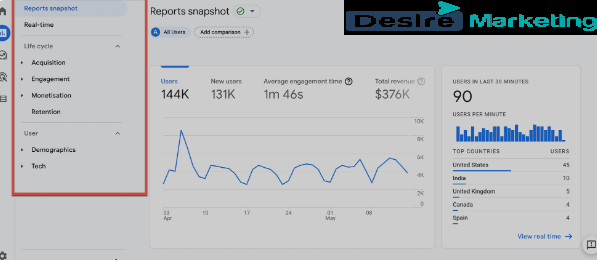
    The second step is to monitor and track the success of your outreach and promotion efforts. This can be done through a variety of tools, including Google Analytics, social media analytics, and email tracking software.

    By monitoring your outreach efforts, you can identify which websites or organizations are most responsive to your scholarship and adjust your strategy accordingly. You can also track the success of your scholarship link building efforts, including the number of backlinks generated and the overall impact on your website’s search engine rankings.

    Implementing a successful scholarship link building strategy requires a combination of outreach and promotion efforts, as well as ongoing monitoring and tracking. By following these steps, you can increase the visibility of your scholarship and attract the attention of potential applicants.

    When it comes to scholarship link building, quality and relevance are crucial factors to consider. The quality of the linking site can impact the overall effectiveness of the scholarship link building strategy. This means that links from high-quality, authoritative sites are more valuable than links from low-quality, spammy sites. Therefore, it is important to focus on building links from reputable websites in your niche or industry.

    Additionally, relevance is another important factor to consider. Links from sites that are relevant to your niche or industry can help improve your website’s overall relevance and authority. This means that it is important to focus on building links from sites that are related to your scholarship topic.

    Maximizing SEO Impact

    Scholarship link building can have a significant impact on your website’s SEO. By building high-quality, relevant links, you can improve your website’s search engine rankings and visibility. Here are some tips to help maximize the SEO impact of your scholarship link building strategy:

    • Focus on building links from high-quality, authoritative sites in your niche or industry.
    • Use relevant anchor text when linking back to your website.
    • Ensure that your scholarship page is optimized for SEO by including relevant keywords and meta descriptions.
    • Consider reaching out to bloggers and influencers in your niche to promote your scholarship and build links back to your website.
    • Monitor your backlink profile regularly to ensure that your links are high-quality and relevant.

    By following these tips, you can leverage scholarship link building to improve your website’s SEO and drive more traffic to your site.

    Dealing with Unresponsive Websites

    One of the most common challenges in scholarship link building is finding websites that are unresponsive. This can be frustrating, especially when you have spent a lot of time researching and identifying potential link opportunities.

    To overcome this challenge, it is important to be persistent and follow up with the website owners or editors. Send a polite email or follow up with a phone call to inquire about the status of your scholarship link request. Additionally, you can try reaching out to them on social media platforms or through other channels to increase your chances of getting a response.

    Another challenge in scholarship link building is maintaining link quality. It is important to ensure that the links you receive are from high-quality websites that are relevant to your niche.

    To maintain link quality, you can use tools like Ahrefs or Moz to analyze the domain authority and other metrics of the websites you are targeting. Additionally, you can manually review the websites to ensure that they are relevant to your scholarship and that the links are placed in appropriate locations on the page.

    It is also important to monitor the links over time to ensure that they remain active and relevant. If a website removes your scholarship link or if the website’s content becomes irrelevant, it may be necessary to reach out to the website owner and request that the link be updated or removed.

    Overall, scholarship link building can be a challenging but rewarding strategy for improving your website’s search engine rankings and increasing your online visibility. By being persistent and maintaining link quality, you can achieve success in your scholarship link building efforts.

    Conclusion

    In conclusion, scholarship link building is an effective strategy that can help websites increase their search engine rankings and drive traffic to their site. By offering scholarships, websites can attract high-quality links from authoritative sources.

    When implementing a scholarship link building strategy, it’s important to follow best practices and avoid any unethical tactics that could result in penalties from search engines. This includes ensuring that the scholarship is legitimate, relevant, and accessible to all students.

    Additionally, websites should focus on outreach and promotion to ensure that their scholarship is seen by as many relevant sources as possible. This can include reaching out to universities, scholarship directories, and other relevant websites to promote the scholarship and encourage link building.

    Overall, scholarship link building can be a valuable addition to any website’s SEO strategy. By following best practices and focusing on outreach and promotion, websites can attract high-quality links and improve their search engine rankings.

  • Black Hat Link Building Strategies: What You Need to Know

    Black Hat Link Building Strategies: What You Need to Know

    Black hat link building strategies are methods used to manipulate search engine rankings by building links in ways that violate Google’s guidelines. These tactics are considered unethical and can result in penalties, loss of ranking, and even complete removal from search results. Despite the risks, some website owners still engage in black hat link building strategies to gain an unfair advantage over their competitors.

    Black hat link building

    One common black hat link building strategy is the use of private link networks. These networks are groups of websites that are owned by the same person or company and are used to link back to a target website. This tactic is designed to manipulate search engine rankings by creating backlinks from a large number of websites that are all controlled by the same entity. Private link networks are considered a violation of Google’s guidelines and can result in severe penalties.

    Another black hat link building strategy is the use of automated link building tools. These tools are designed to create backlinks quickly and easily by submitting links to directories, forums, and other websites. However, these links are often of low quality and can result in penalties or loss of ranking. It is important for website owners to avoid using automated link building tools and instead focus on creating high-quality content that naturally attracts backlinks.

    Understanding Black Hat Link Building

    Black hat link building is a practice that goes against Google’s guidelines, and it involves using manipulative and unethical tactics to acquire backlinks that aim to trick search engines rather than providing genuine value to users. Black hat techniques are designed to game the Google algorithm and push a site higher up the search results than it would otherwise be.

    Black hat SEO practices are often employed by webmasters who are looking for a quick and easy way to improve their site’s search engine rankings. However, these practices can be risky and can cause a site to be penalized or even banned from Google’s search results.

    There are several black hat link building strategies that are commonly used, including private blog networks (PBNs), spamming blog comments, low-quality guest posts, cloaking, devious redirects, and purchasing low-quality backlinks. These tactics violate search engine guidelines and aim to exploit loopholes in algorithms.

    Using these black hat techniques can result in immediate gains in search engine rankings, but they are not sustainable in the long term. In fact, they can be detrimental to a site’s overall SEO strategy.

    It is important to note that black hat link building is not the same as white hat link building. White hat link building involves using ethical and legitimate tactics to acquire backlinks that provide value to users. White hat SEO practices are focused on long-term gains and sustainable growth, rather than quick fixes.

    In summary, black hat link building is a risky practice that can result in short-term gains but can ultimately harm a site’s SEO strategy. It is important to focus on ethical and legitimate white hat link building strategies to achieve sustainable growth and long-term success.

    The Risks and Penalties

    Black hat link building strategies can have severe consequences for websites and businesses that use them. These strategies violate Google’s guidelines and can result in penalties or manual actions that can severely damage a website’s ranking and visibility.

    Penalties can range from a decrease in search engine ranking to being de-indexed or banned altogether. Google penalties can be algorithmic or manual actions taken by Google’s search quality team. Algorithmic penalties are automatic and are triggered by Google’s algorithms, while manual actions are taken by Google’s search quality team.

    Some of the penalties that websites can face due to black hat link building include:

    • Decreased search engine ranking: Websites that violate Google’s guidelines for link building can see a significant drop in their search engine ranking. This can result in a loss of traffic and revenue for the website.
    • Manual actions: Google’s search quality team can take manual actions against websites that violate their guidelines. These actions can range from a warning to a full-on penalty that can result in the website being de-indexed.
    • De-indexed or banned: Websites that engage in black hat link building can be de-indexed or banned from Google’s search results altogether. This can have a severe impact on the website’s visibility and traffic.

    It is essential to note that recovering from penalties resulting from black hat link building can be difficult and time-consuming. It is best to avoid these strategies altogether and focus on white hat link building techniques that are in line with Google’s guidelines.

    Black Hat Tactics and Techniques

    Black hat link building tactics are used to manipulate search engine rankings and violate Google’s guidelines. These tactics are often used for short-term gains, but they can result in long-term damage to a website’s reputation and search engine visibility.

    Some of the most common black hat tactics and techniques include:

    • Link Farms: Link farms are networks of websites that exist solely for the purpose of linking to other sites. These links are often low-quality and irrelevant, and they can be harmful to a website’s search engine ranking.
    • Keyword Stuffing: Keyword stuffing involves adding excessive amounts of keywords to a website’s content or meta tags in an attempt to manipulate search engine rankings. This tactic is easily detected by search engines and can result in penalties or even a ban.
    • Cloaking: Cloaking involves showing different content to search engines than what is shown to users. This is done in an attempt to manipulate search engine rankings, and it is a clear violation of Google’s guidelines.
    • Buying Links: Buying links is the practice of paying for links to a website in an attempt to manipulate search engine rankings. This practice is considered a violation of Google’s guidelines and can result in penalties or even a ban.
    • Link Networks: Link networks are groups of websites that exist solely for the purpose of linking to each other. These links are often low-quality and irrelevant, and they can be harmful to a website’s search engine ranking.
    • Spam: Spam involves sending unsolicited messages or comments to other websites in an attempt to create backlinks. This practice is considered a violation of Google’s guidelines and can result in penalties or even a ban.
    • Blog Comment Spam: Blog comment spam involves leaving irrelevant or low-quality comments on blogs in an attempt to create backlinks. This practice is considered a violation of Google’s guidelines and can result in penalties or even a ban.
    • Article Spinning: Article spinning involves taking existing content and rewording it in an attempt to create new content. This practice is considered a violation of Google’s guidelines and can result in penalties or even a ban.
    • Hidden Text or Links: Hidden text or links involve adding text or links to a website that are invisible to users but visible to search engines. This is done in an attempt to manipulate search engine rankings, and it is a clear violation of Google’s guidelines.
    • Link Schemes: Link schemes involve creating links to a website in an attempt to manipulate search engine rankings. This practice is considered a violation of Google’s guidelines and can result in penalties or even a ban.
    • Spammy Links: Spammy links are low-quality links that are often irrelevant and harmful to a website’s search engine ranking. These links can be created through a variety of black hat tactics and techniques.
    • Sneaky Redirects: Sneaky redirects involve redirecting users to a different page than the one they clicked on in an attempt to manipulate search engine rankings. This practice is considered a violation of Google’s guidelines and can result in penalties or even a ban.
    • Bait and Switch: Bait and switch involves showing users one thing and search engines another in an attempt to manipulate search engine rankings. This is a clear violation of Google’s guidelines.
    • Irrelevant Keywords: Irrelevant keywords involve adding keywords to a website’s content or meta tags that are not relevant to the content on the page. This practice is considered a violation of Google’s guidelines and can result in penalties or even a ban.
    • Invisible Keywords: Invisible keywords involve adding keywords to a website’s content or meta tags that are invisible to users but visible to search engines. This is a clear violation of Google’s guidelines.

    Overall, black hat tactics and techniques should be avoided at all costs. While they may provide short-term gains, they can result in long-term damage to a website’s reputation and search engine visibility.

    Impact on Search Engine Rankings

    Black hat link building strategies can have a significant impact on search engine rankings. While these tactics may provide short-term gains, they can ultimately lead to long-term penalties from search engines such as Google.

    Search engines use complex algorithms to determine the relevance and quality of a website’s content. Backlinks are a key ranking factor in these algorithms, and as such, link building has become an essential component of search engine optimization (SEO). However, not all links are created equal, and search engines have become increasingly adept at identifying and penalizing websites that engage in black hat link building tactics.

    Black hat link building techniques such as comment spamming, link farms, and paid links are designed to manipulate search engine rankings by artificially inflating a website’s PageRank. While these tactics may provide short-term gains, they can ultimately lead to long-term penalties from search engines such as Google.

    The Google Penguin update, released in 2012, was specifically designed to combat these types of tactics. The update targeted websites that were engaging in manipulative link building practices, and as a result, many websites saw a significant drop in search engine rankings.

    In addition to the direct penalties imposed by search engines, black hat link building can also have indirect effects on search engine rankings. For example, if a website is penalized for engaging in manipulative link building practices, it may lose credibility with its audience. This loss of credibility can lead to a decrease in traffic and ultimately hurt the website’s search engine rankings.

    While black hat link building tactics may provide short-term gains, they can ultimately lead to long-term penalties and a decrease in search engine rankings. It is essential to follow search engine guidelines and engage in ethical link building practices to ensure long-term success in search engine optimization.

    Unethical Link Building Strategies

    Black hat link building tactics are those that violate search engine guidelines and can result in penalties or even complete removal from search results. These tactics are often used to manipulate search engine rankings and gain an unfair advantage over competitors. Here are some of the most common unethical link building strategies:

    Private Blog Networks (PBNs)

    PBNs are networks of websites that are created solely for the purpose of linking to a target website. These websites are often low-quality and have little to no content, but they are used to manipulate search engine rankings by creating a network of links that point to a specific website. While PBNs can be effective in the short term, they are a violation of search engine guidelines and can result in penalties or even complete removal from search results.

    Guest Posts

    Guest posting is a legitimate way to build links, but it can become unethical when it is done solely for the purpose of link building. Some website owners will accept guest posts that are of low quality or have little to no relevance to their audience in exchange for a link back to the author’s website. This can be seen as a violation of search engine guidelines and can result in penalties or even complete removal from search results.

    Link Exchanges

    Link exchanges involve two websites linking to each other in order to gain a mutual benefit. While this can be a legitimate way to build links, it can become unethical when it is done solely for the purpose of link building. Search engines view this as an attempt to manipulate search rankings and can result in penalties or even complete removal from search results.

    Paid Links

    Paying for links is a violation of search engine guidelines and can result in penalties or even complete removal from search results. Paid links can take many forms, including sponsored posts, advertorials, and paid directory listings. While these links can be effective in the short term, they are not a sustainable way to build links and can result in long-term damage to a website’s search engine rankings.

    Expired Domains

    Expired domains are domains that have been abandoned by their owners and are available for purchase. These domains can be attractive to website owners because they often have existing links pointing to them. However, using expired domains solely for the purpose of link building is a violation of search engine guidelines and can result in penalties or even complete removal from search results.

    Redirects

    Redirects involve redirecting a website or page to another website or page in order to gain a link. While redirects can be a legitimate way to redirect users to a new location, they can become unethical when they are done solely for the purpose of link building. This can be seen as a violation of search engine guidelines and can result in penalties or even complete removal from search results.

    These unethical link building strategies can provide short-term gains but can result in long-term damage to a website’s search engine rankings. It is important for website owners to focus on building high-quality, relevant links that provide value to their audience.

    The E-A-T Principle and Black Hat SEO

    The E-A-T principle stands for Expertise, Authoritativeness, and Trustworthiness. It is a set of guidelines that Google uses to evaluate the quality of a website’s content. Websites that demonstrate high levels of E-A-T are more likely to rank higher in search engine results pages (SERPs).

    Black hat SEO strategies often involve tactics that go against the E-A-T principle. For example, some black hat link building strategies involve creating poor quality content and using it to build links to a website. This type of content often lacks expertise, authoritativeness, and trustworthiness, and can negatively impact a website’s ranking in SERPs.

    One of the key elements of the E-A-T principle is quality content. Websites that produce high-quality content are more likely to rank higher in SERPs. Quality content is original, relevant, and provides value to the user. Black hat SEO strategies often involve creating poor quality content that is not relevant or valuable to the user.

    Another important element of the E-A-T principle is user experience. Websites that provide a positive user experience are more likely to rank higher in SERPs. User experience is influenced by factors such as page load speed, mobile responsiveness, and ease of navigation. Black hat SEO strategies often involve tactics that negatively impact user experience, such as keyword stuffing and cloaking.

    Authority is another key element of the E-A-T principle. Websites that are seen as authoritative are more likely to rank higher in SERPs. Authority is influenced by factors such as domain authority and the authority of individual pages. Black hat SEO strategies often involve tactics that attempt to artificially inflate a website’s authority, such as buying links or using private link networks.

    Black hat SEO strategies often involve tactics that go against the E-A-T principle. These tactics often involve creating poor quality content, negatively impacting user experience, and attempting to artificially inflate a website’s authority. Websites that follow the E-A-T principle are more likely to rank higher in SERPs and provide a positive experience for users.

    Dealing with Black Hat SEO

    Black hat SEO strategies can be tempting, but they can have serious consequences. If your website is caught using black hat techniques, it could be penalized or even banned from search engines. Therefore, it is essential to learn how to deal with black hat SEO and avoid it altogether.

    One of the most common black hat link building techniques is buying links. These links are often low-quality and have no relevance to your website’s content. It is crucial to understand the difference between nofollow and dofollow links. Nofollow links do not pass link equity, while dofollow links do. Therefore, buying dofollow links is a risky strategy that should be avoided.

    Another important aspect of dealing with black hat SEO is to use the disavow links tool. This tool allows you to tell Google which links you want to disavow, which means that you do not want them to be counted towards your website’s ranking. Disavowing links can be useful if your website has been hit with a penalty due to low-quality or spammy links.

    Duplicate content is another issue that can arise from black hat SEO. Duplicate content refers to content that appears on multiple web pages. Search engines penalize websites that have duplicate content, so it is essential to avoid it. One way to avoid duplicate content is to use canonical tags, which tell search engines which page is the original.

    Broken link building is a white hat SEO strategy that involves finding broken links on other websites and replacing them with your own links. However, some black hat SEO practitioners use broken link building to create low-quality links. It is essential to use this strategy ethically and avoid creating spammy links.

    Dealing with black hat SEO requires knowledge and diligence. It is essential to understand the difference between nofollow and dofollow links, use the disavow links tool, avoid duplicate content, and use broken link building ethically. By following these guidelines, you can avoid the pitfalls of black hat SEO and build a sustainable and successful website.

    Conclusion

    In conclusion, black hat link building strategies may seem like a quick and easy way to boost a website’s search engine rankings, but they come with significant risks. Business owners should avoid using these tactics as they violate search engine guidelines and can result in severe penalties, including being banned from search engine results pages altogether.

    Trusted and reputable SEO agencies and professionals will always recommend using organic search engine optimization techniques that prioritize user experience. These techniques may take longer to show results, but they are safe, sustainable, and provide long-term benefits.

    It is essential to remember that search engines are continually updating their algorithms to provide the best possible user experience. Therefore, using black hat link building strategies may provide temporary gains, but they will eventually be caught and penalized.

    In summary, business owners should prioritize user experience and use trusted and reputable SEO agencies to ensure that their website’s search engine optimization is done correctly. By doing so, they can achieve sustainable and long-term results without risking their website’s reputation and search engine rankings.

  • How to Disavow Backlinks: A Clear and Confident Guide

    How to Disavow Backlinks: A Clear and Confident Guide

    If you’re a website owner or an SEO specialist, you may have heard of the term “backlinks”. Backlinks are links that point to your website from other websites. While backlinks can be beneficial for your website’s search engine optimization (SEO), not all backlinks are created equal. Some backlinks can actually hurt your website’s SEO and rankings. These harmful backlinks are known as “toxic backlinks”.

    If your website has toxic backlinks, you may want to consider disavowing them. Disavowing backlinks is the process of telling search engines like Google to ignore certain backlinks when evaluating your website’s SEO. This can help improve your website’s search engine rankings and protect it from penalties.

    Google provides a disavow tool that allows you to submit a list of backlinks that you want to disavow. However, it’s important to note that disavowing backlinks should be done with caution. Disavowing too many backlinks or disavowing backlinks unnecessarily can actually hurt your website’s SEO. In this article, we’ll go over the basics of how to disavow backlinks and provide some tips on when and how to use the disavow tool effectively.

    Identifying Bad Backlinks

    When it comes to disavowing backlinks, the first step is to identify the bad ones. Bad backlinks are links that can harm your website’s ranking and reputation. They can be the result of a negative SEO attack, link scheme, or unnatural links. Here are some tips on how to identify bad backlinks:

    1. Review Link Quality

    Manually reviewing the websites linking to your site is a great way to identify bad backlinks. Look for reputable and authoritative sources. If a website appears spammy, has low-quality content, or displays suspicious behavior, it may be a candidate for a bad backlink. Here are some signs of a bad backlink:

    2. Check for Link Schemes

    Link schemes are a type of black hat SEO tactic that involves manipulating links to improve a website’s ranking. If you notice a sudden increase in the number of links pointing to your site, it may be a sign of a link scheme. Here are some common link schemes:

    3. Monitor for Negative SEO Attacks

    Negative SEO attacks are a deliberate attempt to harm a website’s ranking and reputation through the use of unethical tactics. If you notice a sudden drop in your website’s ranking, it may be a sign of a negative SEO attack. Here are some common negative SEO tactics:

    • Building low-quality links to your site
    • Hacking your website
    • Duplicate content
    • Reporting your website for spam

    4. Use Tools to Identify Toxic Backlinks

    There are several tools available that can help you identify toxic backlinks. These tools analyze your website’s backlink profile and identify links that may be harming your website’s ranking. Here are some popular backlink analysis tools:

    Identifying bad backlinks is the first step in disavowing them. By regularly monitoring your website’s backlink profile and using the tips above, you can prevent bad backlinks from harming your website’s ranking and reputation.

    The Impact of Bad Backlinks

    Bad backlinks can have a significant impact on your website’s search engine rankings. These links, also known as toxic backlinks, can harm your website’s reputation and credibility.

    When search engines like Google crawl your website, they analyse the quality and quantity of the backlinks that point to it. Backlinks from reputable sources, such as high-quality image submission sites, can boost your rankings—while a high number of bad backlinks can harm them

    Bad backlinks can harm your website in several ways. They can trigger algorithmic penalties, manual actions, and negatively affect your domain authority. If your website has a high number of bad backlinks, you may notice a significant drop in traffic.

    Google’s algorithm is constantly evolving, and it is becoming increasingly sophisticated in identifying bad backlinks. If Google detects that your website has a high number of bad backlinks, it may penalize your website.

    A manual penalty is a severe penalty that Google can impose on your website if it detects that you have violated its webmaster guidelines. If your website has a high number of bad backlinks, you may receive a manual penalty.

    Manual actions are penalties that Google can impose on your website if it detects that you have violated its webmaster guidelines. If your website has a high number of bad backlinks, you may receive a manual action.

    In some cases, bad backlinks can be the result of negative SEO. Negative SEO is when someone intentionally creates bad backlinks to harm your website’s rankings.

    Using Disavow Tools

    Use disavow tools

    If you have identified spammy or low-quality links pointing to your website, you may want to disavow them. Disavowing links means that you are telling search engines not to count those links when evaluating your website’s authority.

    To disavow links, you can use the Google Disavow Tool, which is available through Google Search Console. The tool allows you to upload a disavow file that contains a list of URLs or domains that you want to disavow.

    To create a disavow file, you can use a text editor or spreadsheet program. Each URL or domain should be listed on a separate line, and you can include comments by starting a line with the pound sign (#). Comments can be useful to remind yourself why you disavowed a particular link.

    It’s important to note that disavowing links is not a guarantee that your website’s ranking will improve. In fact, if you disavow too many links, you could harm your website’s ranking. Therefore, it’s essential to use the disavow tool judiciously and only disavow links that you believe are harming your website’s authority.

    If you’re not sure which links to disavow, you can use tools like Ahrefs, Moz, or SEMrush to perform a backlink audit. These tools can help you identify spammy or low-quality links and determine which links are most likely to be harming your website’s authority.

    Once you have identified the links you want to disavow, you can use the disavow tool to upload your disavow file. Google will then review your file and use it to inform their algorithm about which links to ignore when evaluating your website’s authority.

    How to Disavow Backlinks- 2023

    Get a Manual Actions Report

    If a Google reviewer — that’s a real person, not a computer — decides that your site isn’t in-line with their quality guidelines, they’ll issue a manual action. That’s basically Google’s way of saying, “Hey, we know you’re trying to trick us. Stop it.” If your site has manual actions against it, your web pages or entire site could be either ranked lower or totally omitted from results. You can run a manual actions report to see if your site is in danger — you’ll either find a count of manual actions or a green check, which means you’re fine.

    Creating a Disavow File

    If you have determined that you need to disavow links to your site, the next step is to create a disavow file. This is a text file that contains a list of links or domains that you want Google to ignore when assessing your site’s backlink profile.

    The disavow file can be up to 100,000 lines long and must be saved in UTF-8 or 7-bit ASCII format. You can create the file using any text editor, such as Notepad or TextEdit.

    To disavow a link, you need to include the entire URL of the linking page in your disavow file. For example, if you want to disavow a link from example.com, you would add the following line to your disavow file:

    domain:example.com

    If you want to disavow a specific page on a domain, you would add the entire URL of that page to your disavow file:

    http://example.com/spammy-page.html
    

    You can also disavow an entire domain by adding the following line to your disavow file:

    domain:example.com
    

    This will tell Google to ignore all links from example.com, including links to specific pages on that domain.

    When creating your disavow file, it’s important to be as specific as possible. You should only disavow links that are spammy, artificial, or low-quality. If you disavow too many links, you could harm your site’s search engine rankings.

    Uploading the file to Search Console

    Once you have created your disavow file, you can upload it to Google Search Console. Google will then use this file to inform its algorithms that you want to disavow the listed links. It’s important to note that disavowing links does not guarantee that they will be removed from your backlink profile. However, it can help to mitigate the negative impact of spammy or low-quality links on your site’s search engine rankings.

    Recovering from Penalties

    If you’ve received a manual action or algorithmic penalty from Google, you’ll need to take action to recover your rankings. Here are some steps you can take to recover from penalties:

    1. Identify the Penalty

    The first step in recovering from a penalty is to identify what type of penalty you’ve received. If you’ve received a manual action, you’ll receive a notification in Google Search Console. If you’ve received an algorithmic penalty, you’ll need to analyze your backlink profile and other factors to determine the cause of the penalty.

    2. Clean Up Your Backlink Profile

    If you’ve received a penalty due to spammy or low-quality backlinks, you’ll need to clean up your backlink profile. This involves identifying the problematic backlinks and taking steps to have them removed or disavowed. You can use tools like Ahrefs or SEMrush to analyze your backlink profile and identify problematic links.

    3. Improve Your Website Quality

    In addition to cleaning up your backlink profile, you’ll also need to improve the quality of your website. This includes improving the content on your site, optimizing your site for user experience, and ensuring your site is mobile-friendly.

    4. Submit a Reconsideration Request

    If you’ve received a manual action, you’ll need to submit a reconsideration request to Google once you’ve cleaned up your backlink profile and improved your website quality. This involves explaining the steps you’ve taken to address the issues that led to the penalty and asking Google to reconsider your site for ranking.

    5. Be Patient

    Recovering from a penalty can take time, so it’s important to be patient and continue to monitor your backlink profile and website quality. Keep working to improve your site and build high-quality backlinks, and eventually, you should see your rankings start to recover.

    In conclusion, recovering from penalties is a process that requires time, effort, and patience. By identifying the cause of the penalty, cleaning up your backlink profile, improving your website quality, submitting a reconsideration request, and being patient, you can recover from penalties and regain your rankings.

    Maintaining a Clean Backlink Profile

    Maintaining a clean backlink profile is crucial for the success of your website. A clean backlink profile means that your website has high-quality, relevant, and trustworthy backlinks. It also means that your website is not associated with any spammy or low-quality backlinks that can harm your website’s ranking and reputation.

    To maintain a clean backlink profile, you need to be proactive in disavowing any harmful backlinks. Disavowing is the process of telling search engines to ignore certain backlinks that are harmful to your website. By disavowing these backlinks, you can prevent them from devaluing your website’s ranking and reputation.

    There are several best practices that you can follow to maintain a clean backlink profile. First, you need to ensure that your website complies with the webmaster guidelines set by search engines. These guidelines provide you with the dos and don’ts of link building and help you avoid any penalties associated with spammy and low-quality backlinks.

    Second, you need to create great content that attracts high-quality backlinks. Great content is the backbone of any successful website, and it can help you earn backlinks naturally. When you have high-quality content, other websites will want to link to it, and this can help you build a strong backlink profile.

    Third, you need to regularly monitor your backlinks and disavow any harmful backlinks that you come across. This is an ongoing process, and you need to be vigilant in identifying and disavowing any harmful backlinks that can harm your website’s ranking and reputation.

    Finally, you need to keep up with the latest updates and changes to search engine algorithms, such as the Penguin algorithm. These updates can impact your website’s ranking and reputation, and you need to be aware of them to maintain a clean backlink profile.

    Avoiding Link Schemes

    When it comes to disavowing backlinks, prevention is always better than cure. One of the best ways to avoid having to disavow backlinks is by avoiding link schemes altogether.

    A link scheme is any practice or technique that is intended to manipulate the ranking of a website by artificially inflating the number of backlinks it has. Some common types of link schemes include paid links, private blogging networks (PBNs), and link exchanges.

    Paid links are links that are purchased from other websites in exchange for money. While it may seem like a quick and easy way to get backlinks, this practice is considered a violation of Google’s Webmaster Guidelines. If you get caught buying links, your website could be penalized or even banned from search results.

    Private blogging networks (PBNs) are networks of websites that are owned by the same person or group of people. These websites are used to create backlinks to other websites owned by the same person or group. While PBNs can be effective in boosting a website’s ranking, they are also considered a violation of Google’s Webmaster Guidelines.

    Link exchanges are agreements between two websites to link to each other’s websites. While this practice is not inherently bad, it can become a problem if the links are not relevant or if they are used solely for the purpose of manipulating search engine rankings.

    Hacked websites are another common source of bad backlinks. If your website has been hacked, it is possible that the hacker has created backlinks to other websites without your knowledge. Regularly monitoring your website for signs of hacking can help you catch and address this issue before it becomes a problem.

    By avoiding these types of link schemes, you can reduce the risk of having to disavow backlinks in the future. Instead, focus on creating high-quality content that other websites will want to link to naturally. This approach may take more time and effort, but it is a safer and more sustainable way to build backlinks and improve your website’s ranking.

    Understanding Google’s Stance

    When it comes to backlinks, Google has a strict stance on what it considers acceptable and what it considers spammy. Google’s algorithm is designed to reward websites that have high-quality, relevant backlinks, while penalizing those with low-quality, irrelevant backlinks.

    Google’s stance on backlinks is reflected in its guidelines for webmasters. According to Google, webmasters should focus on creating high-quality, relevant content that naturally attracts backlinks. Webmasters should avoid any tactics that manipulate backlinks or attempt to artificially boost their website’s rankings.

    Google’s penalties for violating its guidelines can be severe, including a drop in rankings or even a complete removal from search results. That’s why it’s important to understand Google’s stance on backlinks and take steps to ensure that your website’s backlink profile is in compliance.

    One tool that Google provides to help webmasters manage their backlink profiles is the Disavow Links Tool. This tool allows webmasters to tell Google to ignore specific backlinks that they believe are spammy or low-quality. However, it’s important to note that the Disavow Links Tool is a “strong suggestion rather than a directive.” This means that while Google will consider the disavow file, it may not necessarily act on it.

    In addition to using the Disavow Links Tool, webmasters should also focus on building high-quality, relevant backlinks through natural means. This includes creating valuable content that others will want to link to, reaching out to other websites in your industry to request backlinks, and participating in online communities and forums to build your reputation and attract backlinks.

    Understanding Google’s stance on backlinks is crucial for any webmaster who wants to ensure that their website is in compliance with Google’s guidelines and avoid penalties. By focusing on building high-quality, relevant backlinks and using tools like the Disavow Links Tool when necessary, you can help ensure that your website is in good standing with Google and set yourself up for long-term success.

    Conclusion

    Disavowing backlinks can be a complex and time-consuming process, but it is necessary if you want to improve your website’s online reputation and ranking algorithm. By disavowing low-quality or spammy links, you can prevent them from negatively affecting your website’s progress and user experience.

  • 15 Top Google Ranking Factors in 2026

    15 Top Google Ranking Factors in 2026

    Google Ranking

    A website’s visibility on Google can spell the difference between business obscurity and success. Google, being the leading search engine, holds an immense influence over the vast majority of online traffic. As such, understanding how it ranks websites is pivotal for any online business or content creator. But here’s the catch: Google’s ranking algorithm isn’t static. It evolves, adapting to changing user behaviors, technological advancements, and the ceaseless march of innovation. To successfully navigate this shifting terrain, it’s essential to know the top Google ranking factors. This article delves into 15 of the most crucial of these factors. By familiarizing yourself with these elements and integrating them into your website strategy, you set yourself up for greater online visibility and success.

    1. Quality Content

    From the start of SEO to now content remains king. But not just any content; Google places immense value on content that is relevant, well-researched, and original. This preference stems from the search engine’s primary goal: delivering the most pertinent information to its users in response to their queries. Websites with thin or duplicated content rarely make the cut in top search results. Instead, Google rewards comprehensive content that addresses user queries in depth, presenting a holistic view of the topic at hand. Such content not only attracts organic traffic but also keeps visitors engaged, reducing bounce rates. It’s not just about quantity, though; quality is paramount. Invest in thorough research, make sure your content is unique, and always aim to provide genuine value to your readers.

    2. Backlinks

    Often likened to the backbone of SEO, backlinks play a pivotal role in determining a website’s authority and credibility. In Google’s eyes, a backlink from another site is akin to a vote of confidence, a signal that your content is worth referencing. However, not all backlinks are created equal. Links from reputable, high-authority websites carry more weight than those from lesser-known or spammy sites. This is why it’s essential to focus on acquiring high-quality relevant backlinks. Such links not only bolster your site’s reputation in the eyes of search engines but also drive quality traffic from sources that matter. However, a word of caution: steer clear of black-hat tactics like buying links, as these can lead to penalties and even de-indexing from search results.

    3. Mobile-Friendliness

    Ensuring your website is mobile-friendly is one of the top Google ranking factors. Recognizing the growing trend of mobile web browsing, Google implemented mobile-first indexing. This means the search engine predominantly uses the mobile version of a site’s content for indexing and ranking. A site that doesn’t render well on mobile devices, causing users to pinch and zoom or deal with misaligned content, can negatively impact user experience and, subsequently, rankings. Implementing a responsive design ensures that your website adjusts smoothly to various screen sizes, offering users a seamless browsing experience whether they access your site from a desktop, tablet, or smartphone.

    4. Page Speed

    Slow-loading websites can frustrate users, leading to higher bounce rates and lower dwell times – both of which are metrics Google considers when ranking pages. In fact, Google has made it clear that page speed is a direct ranking factor, especially for mobile searches. A fast-loading page enhances user experience, encouraging visitors to spend more time on your site and interact with more of its content. Tools like Google’s PageSpeed Insights can provide insights into what’s slowing your site down and offer recommendations for improvement. Whether it’s optimizing images, minifying HTML code, leveraging browser caching, or reducing server response times, prioritizing page speed is essential for both user experience and SEO.

    5. HTTPS (Secure Websites)

    Security is paramount for a website. Google recognizes this, and as a result, the search giant gives a ranking boost to secure websites (those starting with HTTPS). HTTPS indicates that a site uses an SSL certificate, ensuring data transferred between the website and its users is encrypted and secure. Websites that remain on HTTP are now flagged by many browsers as ‘not secure’, which can erode user trust. By transitioning to HTTPS, you not only bolster your site’s security but also build trust with your visitors and gain favor in Google’s rankings.

    6. User Experience (UX) and Core Web Vitals

    User experience transcends aesthetics; it’s about how a user interacts with and perceives your site. Google’s algorithm is increasingly oriented towards ensuring users find what they’re looking for quickly and efficiently. Metrics like click-through rate, bounce rate, and dwell time provide insights into user satisfaction and are indirect indicators of your website’s UX. In 2020, Google introduced Core Web Vitals as part of its ranking criteria, further emphasizing the importance of UX. These vitals are a set of specific factors that Google considers important in the overall user experience of web pages, such as loading performance, interactivity, and visual stability. By optimizing for these factors, you not only elevate user experience but also signal to Google that your site is user-centric and deserving of a higher ranking.

    7. Domain Age, URL, and Authority

    While not the definitive determiner of website quality, the age of a domain can sometimes act as an informal sign of its legitimacy and trustworthiness. Older domains often have had more time to build authority, gather backlinks, and establish a reputation – all factors that can be favorable in Google’s eyes. However, new websites can still compete with the right strategies.

    Alongside domain age, the structure and clarity of your website’s URL play a role. A well-constructed URL that includes relevant keywords can offer both users and search engines a clear indication of what the page’s content entails.

    Lastly, domain authority, often gauged using tools like Moz’s Domain Authority score, reflects the relevance of a website for a specific subject area or industry. It’s determined by factors such as the number of linking root domains and the total number of backlinks. Websites with higher domain authority tend to fare better in search rankings.

    8. Technical SEO

    Beyond content and links, the underlying structure and code of a website can influence its rankings. Technical SEO encompasses these backend optimizations. Elements such as schema markup and structured data can help search engines better understand the context and content of your pages. An XML sitemap assists search engines in crawling and indexing your site more efficiently. Furthermore, ensuring your website’s robots.txt file is properly configured guarantees that search engines can easily access crucial pages while skipping over non-essential ones. In a nutshell, while technical SEO might seem behind-the-scenes, its impact on your site’s visibility is significant.

    9. On-Page SEO

    On-Page SEO refers to the optimization of individual web pages to ensure they rank higher and garner more relevant traffic in search engines. Crucial elements include title tags, meta descriptions, and headers. The title tag, often the first impression of your content, should be compelling and include the primary keyword. Meta descriptions, though not a direct ranking factor, influence click-through rates by offering a brief summary of the page’s content. Headers (H1, H2, H3, etc.) structure your content and should be used wisely to emphasize topic hierarchy and include relevant keywords. Additionally, internal linking, where you link to other content on your own website, not only helps distribute page authority but also encourages prolonged user engagement.

    10. Content Freshness

    Stagnation is rarely rewarded in the ever-evolving digital realm. Google often prefers content that is fresh and updated, especially for topics where timeliness is crucial. For instance, an article about the “latest SEO trends” from five years ago may not hold as much relevance today. Google’s “Query Deserved Freshness” algorithm identifies when surge queries demand newer content. By regularly updating your existing content and ensuring its relevancy, you signal to Google that your site provides current and valuable information. This doesn’t mean you need to rewrite articles continuously, but periodic updates and reviews can enhance your content’s relevancy and appeal to both readers and search engines.

    11. Social Signals

    The debate on how much social signals like shares, likes, and mentions directly impact SEO is ongoing. However, there’s a consensus on the indirect benefits. Content that is widely shared and talked about on social platforms often gains increased visibility, leading to more backlinks, higher traffic, and enhanced brand recognition. When content resonates on social media, it typically indicates its value and relevance to readers, and search engines don’t ignore these hints. While Google hasn’t explicitly labeled social signals as a direct ranking factor, the ripple effect of a strong social presence can undoubtedly influence your site’s search performance.

    12. User Interaction

    How users interact with your site provides valuable insights into its quality and relevance. Engagement metrics, such as organic click-through rate (CTR), are significant indicators. A high CTR often suggests that your site’s title and meta description are compelling and relevant to the search query. On the other hand, metrics like bounce rate and dwell time can reflect user satisfaction. For instance, if a user clicks on your page but quickly returns to the search results (a behavior known as “pogo-sticking”), it might indicate that they didn’t find what they were looking for. Optimizing content, improving page speed, and enhancing user experience can all lead to better user interactions and, consequently, better rankings.

    13. Structured Data and Schema Markup

    The web is vast, and search engines seek ways to understand content better and deliver more accurate results to users. Enter structured data and schema markup. These are essentially codes added to a web page to provide search engines with more detailed information about the content. By using schema markup, you can specify elements like articles, events, products, and reviews, giving search engines a clearer understanding of your content’s context.

    When implemented correctly, structured data can lead to rich snippets in search results, such as star ratings, product prices, or event dates. These enhanced displays can significantly improve click-through rates and user engagement. While schema markup might not be a direct ranking factor, the indirect benefits, such as increased CTRs and more accurate content indexing, are undeniable.

    14. Voice Search Optimization

    Voice search has seen explosive growth with the rise of smart speakers and voice-activated assistants like Google Assistant, Amazon’s Alexa, and Apple’s Siri. As voice searches differ from traditional text-based queries, optimizing for them requires a slightly different approach. Voice search queries tend to be longer and more conversational. Thus, content that answers questions and mimics natural speech patterns can rank higher for voice searches.

    To optimize for voice search, consider incorporating more long-tail keywords and frequently asked questions (FAQs) in your content. It’s also beneficial to ensure your site loads quickly, as voice search platforms favor faster-loading pages.

    15. Video Content

    Video content has surged in popularity over the past years. With platforms like YouTube (owned by Google) hosting billions of video views per day, it’s no wonder that video content has become an essential aspect of search. Research suggests that pages with video content can potentially rank higher than those without. Moreover, a compelling video can drastically improve user engagement, increase dwell time, and reduce bounce rates.

    For effective video SEO, it’s crucial to optimize video titles, descriptions, and tags with relevant keywords. Additionally, providing a transcript can be immensely beneficial, as it makes your video content accessible to search engines and users alike.

    Conclusion

    Understanding and implementing the top Google ranking factors is crucial for achieving better search visibility and driving organic traffic to your website. By focusing on factors like high-quality content, strong backlinks, mobile optimization, and user experience, you can improve your website’s chances of ranking higher in search results. Keep monitoring your performance, stay updated with SEO trends, and adapt your strategies accordingly to maintain and improve your search engine rankings over time. Remember, SEO is an ongoing process, and with dedication and effort, you can reach the coveted top positions on Google’s search results pages.

  • Link Building ROI: How To Calculate

    Link Building ROI: How To Calculate

    Calculating the return on investment (ROI) is an essential aspect of any business strategy. Link building is no exception. Link building ROI is a measure of the effectiveness of your link building campaigns. It helps you determine whether the resources you have invested in link building are generating the desired results.

    Calculating link building ROI can be challenging. It involves tracking and analyzing multiple metrics to determine the value of the links you have built. However, it is a crucial step towards building a successful link building campaign. By calculating your link building ROI, you can identify which strategies are working and which ones need to be improved or abandoned.

    In this article, we will guide you through the process of calculating link building ROI. We will provide you with a step-by-step guide on how to measure the effectiveness of your link building campaigns. We will also discuss some of the metrics you need to track to calculate your link building ROI accurately. By the end of this article, you will have a clear understanding of how to calculate link building ROI and how to use this information to improve your link building campaigns.

    What is Link Building ROI?

    What is Link Building ROI

    Link Building ROI refers to the value you get from investing in link building activities. Link Building ROI refers to the value you get from investing in link building activities, which are a core component of broader SEO services aimed at improving search visibility and performance. ROI stands for Return on Investment, which is a measure of the profitability of an investment. In the context of link building, ROI is a way of measuring the success of your efforts in terms of the value you gain from the links you acquire.

    Calculating Link Building ROI involves determining the amount of money you invest in link building activities, and comparing it to the value you get from the links you acquire. The ROI formula is:

    ROI = (Value of Links – Cost of Link Building) / Cost of Link Building

    The value of links is determined by the impact they have on your website’s search engine rankings, traffic, and conversions. The cost of link building includes the cost of any tools, software, or services you use to acquire links.

    Link Building ROI is important because it helps you determine whether your investment in link building is paying off. If your ROI is positive, it means that your link building efforts are generating more value than they cost, and you should continue investing in them. If your ROI is negative, it means that your link building efforts are costing more than they are worth, and you should reconsider your strategy.

    Overall, Link Building ROI is a key metric for measuring the success of your link building efforts, and it can help you make informed decisions about how to allocate your resources for maximum impact.

    Importance of Measuring Link Building ROI

    Importance of Measuring Link Building ROI

    If you’re investing time and resources into link building, it’s crucial to measure the return on investment (ROI) to determine the success of your efforts. Link building ROI can help you understand the value of your investment and guide future decisions.

    Calculating ROI involves comparing the cost of investment with the revenue generated from that investment. In the case of link building, investment costs can include time spent on outreach, content creation, and tools used to manage the process. Revenue generated from link building can include increased traffic, improved search engine rankings, and ultimately, more conversions and sales.

    By measuring link building ROI, you can determine which tactics are most effective and adjust your strategy accordingly. For example, if you find that guest posting on certain websites generates more traffic and conversions than others, you can focus your efforts on those sites.

    Measuring ROI can also help you justify your link building budget to stakeholders. If you can demonstrate a positive ROI, you’re more likely to receive continued support and resources for your efforts.

    To calculate link building ROI, you can use a simple formula:

    ROI = (Revenue – Cost of Investment) / Cost of Investment

    Keep in mind that measuring link building ROI is not an exact science and there are many variables that can impact the results. However, by consistently tracking and analyzing your efforts, you can make informed decisions and improve the overall success of your link building strategy.

    Key Metrics for Calculating ROI

    To calculate the ROI of your link building efforts, you need to track and analyze several key metrics. These metrics can be divided into six categories: Traffic Metrics, SEO Metrics, Revenue Metrics, Engagement Metrics, Risk Metrics, and Forecasting Metrics.

    Traffic Metrics

    Traffic metrics measure the number of visitors to your website and how they arrived there. Some of the most important traffic metrics for calculating link building ROI include:

    • Unique Visitors: The number of individual people who visit your website.
    • Sessions: The number of times people visit your website.
    • Referral Traffic: The number of people who arrive at your website from another website.
    • Organic Traffic: The number of people who arrive at your website from a search engine.

    By tracking these metrics, you can determine how much traffic your link building efforts are generating and whether that traffic is high-quality.

    SEO Metrics

    SEO metrics measure your website’s visibility and ranking in search engine results pages (SERPs). Some of the most important SEO metrics for calculating link building ROI include:

    • Domain Authority (DA): A score from 1 to 100 that predicts how well a website will rank on search engine results pages.
    • Domain Rating: A score from 1 to 100 that predicts the strength of a website’s backlink profile.
    • Rankings: The position of your website in search engine results pages for specific keywords.
    • Google Search Console: A tool that provides data and insights about your website’s performance in Google search results.

    By tracking these metrics, you can determine how effective your link building efforts are at improving your website’s ranking in search engine results pages.

    Revenue Metrics

    Revenue metrics measure the impact of your link building efforts on your bottom line. Some of the most important revenue metrics for calculating link building ROI include:

    • Sales: The number of products or services sold.
    • Profitability: The amount of profit generated from sales.
    • Revenue per Visit: The amount of revenue generated per website visit.

    By tracking these metrics, you can determine how much revenue your link building efforts are generating and whether that revenue is worth the investment.

    Engagement Metrics

    Engagement metrics measure how visitors interact with your website. Some of the most important engagement metrics for calculating link building ROI include:

    • Bounce Rate: The percentage of visitors who leave your website after viewing only one page.
    • Conversion Tracking: The number of visitors who take a desired action on your website, such as filling out a form or making a purchase.

    By tracking these metrics, you can determine how engaged your website visitors are and whether your link building efforts are leading to more conversions.

    Risk Metrics

    Risk metrics measure the potential risks associated with your link building efforts. Some of the most important risk metrics for calculating link building ROI include:

    • Search Intent: The reason why people are searching for specific keywords.
    • Serp Ranking: The position of your website in search engine results pages for specific keywords.
    • Search Engine Results: The types of results that appear in search engine results pages for specific keywords.

    By tracking these metrics, you can determine whether your link building efforts are putting your website at risk of being penalized by search engines.

    Forecasting Metrics

    Forecasting metrics measure the potential impact of your link building efforts in the future. Some of the most important forecasting metrics for calculating link building ROI include:

    • Monte Carlo Simulation: A statistical technique that simulates a range of possible outcomes based on different scenarios.
    • Data Analytics: The process of analyzing data to make predictions about future outcomes.
    • Measurement: The process of collecting data and analyzing it to make informed decisions.

    By tracking these metrics, you can determine the potential ROI of your link building efforts and make informed decisions about future investments.

    Link Building Strategies and ROI

    When it comes to link building, there are several strategies you can use to increase your ROI. In this section, we will explore some of the most effective ones.

    Content Marketing

    Creating quality content is one of the best ways to attract backlinks naturally. By providing valuable information to your audience, you increase your chances of earning a high-quality backlink from other websites. However, it’s important to make sure your content is optimized for keywords and structured in a way that makes it easy for search engines to crawl.

    Digital PR

    Digital PR involves reaching out to journalists and influencers to get coverage for your brand. By getting your brand mentioned in high authority publications, you can increase your credibility and attract more links. However, it’s important to make sure your outreach is targeted and personalized to increase your chances of success.

    Outreach

    Outreach involves reaching out to website owners and bloggers to request backlinks. This can be done through email or social media. However, it’s important to make sure your outreach is personalized and provides value to the recipient. Otherwise, your requests may be ignored or even marked as spam.

    Competitor Analysis

    Analyzing your competitors’ backlink profiles can give you valuable information on where to focus your link building efforts. By identifying the websites that link to your competitors, you can reach out to them and request a link to your own website.

    Overall, using a combination of these strategies can help you increase your link building ROI. By creating quality content, reaching out to influencers and website owners, and analyzing your competitors, you can attract high-quality backlinks that improve your website’s authority and search engine rankings.

    Common Mistakes in Calculating ROI

    Calculating the return on investment (ROI) of your link building efforts is crucial for determining the effectiveness of your strategy. However, there are some common mistakes that people make when calculating ROI that can lead to inaccurate results. Here are some of the most common mistakes to avoid:

    Mistake 1: Focusing Only on Sales

    While sales are an important metric to measure, they are not the only factor to consider when calculating ROI. Link building can have a variety of benefits, such as increased website traffic, improved search engine rankings, and brand awareness. Focusing solely on sales can lead to an incomplete picture of the effectiveness of your link building efforts.

    Mistake 2: Not Accounting for Location

    If you have a local business, it’s important to consider the location of your audience when calculating ROI. For example, if you’re targeting a national audience but your business only serves a specific region, your ROI may be lower than expected. Make sure to take into account the location of your audience when calculating ROI.

    Mistake 3: Not Considering Audience

    Link building can attract a variety of audiences, and it’s important to consider who your link building efforts are targeting. For example, if you’re targeting a niche audience, your ROI may be higher than if you’re targeting a broader audience. Make sure to consider your audience when calculating ROI.

    Mistake 4: Overlooking Ecommerce Metrics

    If you have an ecommerce website, it’s important to consider metrics such as conversion rate, average order value, and customer lifetime value when calculating ROI. These metrics can provide a more accurate picture of the effectiveness of your link building efforts.

    calculating ROI is an important part of measuring the effectiveness of your link building strategy. By avoiding these common mistakes and considering factors such as location, audience, and ecommerce metrics, you can get a more accurate picture of the ROI of your link building efforts.

    Conclusion

    In conclusion, calculating the ROI of your link building efforts is an important step towards assessing the effectiveness of your strategy. By tracking the metrics outlined in this article, you can gain a better understanding of the impact your link building efforts are having on your website’s traffic and revenue.

    Remember that link building is just one aspect of your overall SEO strategy, and should be approached as such. It’s important to focus on building high-quality, relevant links from authoritative sources, rather than simply trying to accumulate as many links as possible.

    By taking a strategic approach to link building and regularly tracking your ROI, you can ensure that your efforts are contributing to the overall success of your website. With the right tools and metrics in place, you can make data-driven decisions that will help you achieve your SEO goals and drive more traffic to your site.

  • Search Intent in SEO: Understanding User Needs for Effective Optimization

    Search Intent in SEO: Understanding User Needs for Effective Optimization

    Search Intent in SEO refers to the purpose behind a user’s search query. It is the reason why a user types a specific keyword in the search engine. Understanding search intent is crucial for SEO professionals as it helps them optimize content to match the user’s search intent. Search engines aim to provide the most relevant results to users, and understanding search intent helps SEO professionals to meet this goal.

    Search intent can be categorized into four types: informational, navigational, transactional, and commercial investigation. Informational intent refers to a user seeking information about a particular topic. Navigational intent refers to a user looking for a specific website or web page. Transactional intent refers to a user looking to make a purchase or take action. Commercial investigation intent refers to a user researching products and services before making a purchase decision.

    By understanding the user’s search intent, SEO professionals can develop content that matches the user’s needs. This can improve the user experience and increase the chances of the content ranking higher in the search engine results pages. In the following article, we will discuss the importance of search intent in SEO and provide tips on how to optimize content to match user intent.

    Understanding Search Intent

    Search Intent

    Search intent refers to the reason behind a user’s search query. It is the purpose or goal that the user has in mind when they perform a search. Understanding search intent is essential in SEO because it helps to create content that matches the user’s needs and provides a better user experience.

    There are four main types of search intent:

    Four Type Search Intent
    1. Informational Intent: The user is looking for information on a particular topic. They may be looking for answers to a question, definitions, or explanations.
    2. Navigational Intent: The user is looking for a specific website or webpage. They may be looking for a particular brand or company, or they may be looking for a specific product or service.
    3. Transactional Intent: The user is looking to purchase a product or service. They may be looking for reviews, comparisons, or deals.
    4. Commercial Investigation Intent: The user is researching a product or service with the intention of making a purchase in the future. They may be looking for information on features, pricing, and reviews.

    By understanding the search intent, you can create content that matches the user’s needs and provides a better user experience. For example, if a user is looking for information on a particular topic, you can create a blog post or article that provides answers to their questions. If a user is looking to purchase a product, you can create a product page that provides all the information they need to make a purchase.

    Understanding search intent is crucial in SEO because it helps to create content that matches the user’s needs and provides a better user experience. By creating content that matches the user’s search intent, you can improve your search engine rankings and attract more traffic to your website.

    Importance of Search Intent in SEO

    Importance of Search Intent in SEO

    Search intent refers to the reason behind a user’s search query. It is the intent behind the keywords that the user types into the search engine. Understanding search intent is crucial for SEO professionals as it helps them to optimize their website content to match the user’s intent.

    Search engines aim to provide the best possible results to their users, and they do this by analyzing the user’s search intent. By understanding the user’s intent, search engines can deliver the most relevant results to the user.

    Optimizing for search intent means creating content that matches the user’s intent. This involves understanding the different types of search intent, such as informational, navigational, and transactional intent. By creating content that matches the user’s search intent, the website is more likely to rank higher in the search results.

    Search engines are getting better at understanding search intent, and as a result, they are becoming more sophisticated in the way they rank websites. Websites that do not match the user’s search intent are likely to be penalized by the search engines.

    Types of Search Intent

    When it comes to Search Engine Optimization (SEO), understanding the different types of search intent is crucial. Search intent is the reason behind a user’s search query, and it can be categorized into four main types: informational intent, navigational intent, transactional intent, and commercial investigation.

    Informational Intent

    Informational intent is when a user is looking for information about a particular topic. They may be researching a product, service, or idea, and are seeking to learn more about it. The user may use keywords such as “how to,” “what is,” or “benefits of” to find the information they need.

    Navigational Intent

    Navigational intent is when a user is searching for a specific website or web page. They know exactly what they want to find and are using a search engine to quickly locate it. The user may use the website or brand name as a keyword in their search query.

    Transactional Intent

    Transactional intent is when a user is ready to make a purchase or take a specific action. They are looking for a website that will allow them to complete the transaction or action they want to take. The user may use keywords such as “buy,” “order,” or “sign up” to find what they need.

    Commercial Investigation

    Commercial investigation intent is when a user is researching a product or service with the intention of making a purchase in the future. They are in the early stages of the buying process and are looking for information about different options. The user may use keywords such as “best,” “compare,” or “reviews” to find the information they need.

    Understanding the different types of search intent can help businesses create content that meets the needs of their target audience. By creating content that aligns with the user’s intent, businesses can improve their search engine rankings and drive more traffic to their website.

    Identifying Search Intent

    Identifying search intent is crucial for creating effective SEO content. It helps to understand what the user is looking for and what type of content is most likely to satisfy their needs. Here are a few tips for identifying search intent:

    1. Analyze the search query

    The search query is the most direct source of information about the user’s intent. Look for keywords and phrases that can indicate the user’s intent. For example, if the user searches for “best coffee shops near me,” it’s safe to assume that they’re looking for recommendations for coffee shops in their area.

    2. Look at the search results

    The search results can also provide valuable insights into the user’s intent. Look for patterns in the type of content that ranks for the search query. For example, if the top results for “best coffee shops near me” are all listicles or reviews, it’s a good indication that users are looking for recommendations.

    3. Consider the user’s context

    The user’s context can also provide clues about their intent. Consider factors such as their location, device, and previous search history. For example, if the user is searching on a mobile device and is currently located in a specific neighborhood, they may be looking for coffee shops nearby.

    4. Use keyword research

    Keyword research can also help to identify search intent. Look for related keywords and phrases that can provide context for the user’s search. For example, if the user searches for “coffee shops,” related keywords such as “latte,” “cappuccino,” and “espresso” can indicate that they’re looking for information about coffee drinks.

    By analyzing the search query, search results, user context, and keyword research, it’s possible to identify the user’s intent and create content that meets their needs.

    Tools for Determining Search Intent

    To determine search intent, there are several tools that SEO professionals can use. These tools can help identify the type of content that users are searching for, and optimize website content accordingly.

    Google Search Console

    Google Search Console is a free tool that provides valuable insights into website performance and search traffic. It can be used to determine search intent by analyzing the keywords that users are using to find a website. By looking at the search queries report, SEO professionals can identify the most common queries and tailor their content to match user intent.

    Keyword Research Tools

    Keyword research tools such as Ahrefs, SEMrush, and Moz can help identify the type of content that users are searching for. These tools provide insights into search volume, competition, and related keywords. By analyzing this data, SEO professionals can create content that matches user intent and ranks higher in search results.

    Google Trends

    Google Trends is a free tool that provides insights into search trends over time. It can be used to identify seasonal trends, popular topics, and related queries. By analyzing this data, SEO professionals can create content that is timely and relevant to users.

    User Surveys

    User surveys can provide valuable insights into user behavior and preferences. By asking users about their search habits and preferences, SEO professionals can gain a better understanding of user intent and optimize website content accordingly.

    Incorporating Search Intent in SEO Strategy

    Keyword Research

    Keyword research is a crucial step in incorporating search intent into SEO strategy. The goal of keyword research is to identify the keywords and phrases that potential customers use when searching for products or services. By understanding the search intent behind these keywords, businesses can create content that meets the needs of their target audience.

    To conduct effective keyword research, businesses should use tools such as Google Keyword Planner, SEMrush, and Ahrefs. These tools provide insights into search volume, competition, and user intent. By analyzing this data, businesses can identify the keywords and phrases that are most relevant to their target audience.

    Content Creation

    Once businesses have identified the keywords and phrases that their target audience is searching for, they can create content that meets their needs. This content should be tailored to the search intent behind the keywords, providing valuable information that addresses the user’s query.

    When creating content, businesses should keep in mind the different types of search intent. For example, informational search intent requires content that educates and informs the user, while transactional search intent requires content that promotes a product or service.

    Website Design

    Website design also plays a role in incorporating search intent into SEO strategy. Businesses should ensure that their website is easy to navigate and provides a positive user experience. This includes optimizing website speed, ensuring that the website is mobile-friendly, and providing clear calls to action.

    In addition, businesses should structure their website content in a way that aligns with the different types of search intent. For example, informational content should be easily accessible from the homepage, while transactional content should be prominently featured on product or service pages.

    Measuring the Success of SEO Strategy Based on Search Intent

    In order to measure the success of an SEO strategy based on search intent, it is important to understand the different types of search intent and how they relate to specific keywords. Once this is understood, there are several metrics that can be used to measure the success of a strategy.

    One important metric is organic traffic. By tracking the amount of organic traffic coming to a website, it can be determined if the SEO strategy is driving more traffic to the site. However, it is important to keep in mind that not all traffic is equal. It is important to look at the bounce rate and time on site to determine if the traffic is engaged and finding what they are looking for.

    Another important metric is keyword rankings. By tracking the rankings of specific keywords, it can be determined if the SEO strategy is effective in targeting the right keywords for the intended search intent. However, it is important to keep in mind that rankings alone do not necessarily equate to success. It is important to look at the amount of traffic those rankings are driving and the engagement of that traffic.

    Conversion rates are also an important metric to consider. By tracking the conversion rates of specific pages or keywords, it can be determined if the SEO strategy is driving valuable traffic to the site. This can be measured through the use of goal tracking in Google Analytics or other analytics tools.

    Conclusion

    Search intent is a crucial factor in SEO. Understanding what users are searching for and why they are searching for it is essential to creating content that meets their needs and ranks well in search results.

    By analyzing search queries and user behavior, businesses can gain valuable insights into what their target audience is looking for and how to best meet those needs. This can lead to increased traffic, higher engagement, and ultimately, more conversions.

    To optimize for search intent, it’s important to consider the four main types of search intent: informational, navigational, transactional, and commercial investigation. By tailoring content to match the intent behind a user’s search, businesses can improve their chances of ranking well and driving relevant traffic to their site.

    Additionally, optimizing for search intent can help businesses stay ahead of the competition by providing a better user experience and delivering content that truly meets the needs of their target audience.

    Overall, search intent is a critical aspect of SEO that should not be overlooked. By understanding and optimizing for search intent, businesses can improve their online visibility, drive relevant traffic, and ultimately, achieve their marketing goals.

  • How to Conduct Competitor Analysis in Digital Marketing: A Comprehensive Guide

    How to Conduct Competitor Analysis in Digital Marketing: A Comprehensive Guide

    In the fast-paced world of digital marketing, running a successful campaign requires keeping a close eye on your competitors. Conducting regular competitor analysis allows you to benchmark your performance, identify gaps or opportunities in the market, and tailor your strategy to outshine the competition.

    Before launching a new marketing campaign or working to improve an existing one, it’s wise to thoroughly analyze a handful of competitors first. Evaluating their digital presence offers insider intelligence on things like their key messaging, content formats, lead gen funnels, traffic sources, and more.

    This post will walk through a step-by-step framework for carrying out in-depth competitor analysis in the digital space. You’ll learn research tactics for studying your rivals along with tips for selecting KPIs to track. With the right competitive intel, you’ll gain an advantageous edge in connecting with your audience and promoting conversion-focused solutions. Let’s dive into the need-to-know basics for assessing the digital landscape around your brand.

    Understanding Competitor Analysis

    Competitor analysis is a crucial aspect of digital marketing. By analyzing our competitors, we can gain valuable insights into their strategies, strengths, and weaknesses. This information can help us make informed decisions about our marketing efforts.

    To begin with, we need to identify our competitors. This includes both direct and indirect competitors. Direct competitors are those who offer similar products or services to ours, while indirect competitors are those who offer alternative solutions to the same problem.

    Once we have identified our competitors, we need to analyze their marketing strategies. This includes their target audience, messaging, branding, and advertising channels. We can use tools like SEMrush and SimilarWeb to gather data on our competitors’ online presence.

    Another important aspect of competitor analysis is understanding their strengths and weaknesses. We can do this by analyzing their website, social media, and customer reviews. By understanding what our competitors do well and where they fall short, we can identify opportunities to differentiate ourselves in the market.

    Understanding Why Competitor Analysis is Crucial for Digital Marketing Success.

    In the digitally-driven modern marketplace, no brand can afford to develop their online marketing strategy in a vacuum without looking at what the top players in the industry are doing. Competitor analysis provides the competitive intelligence to benchmark your performance and position your offerings in a strategic way that captures market share. It gives you keen insight into the digital promotion approaches and content formats that convert, so you can emulate successful tactics.

    Just as importantly, studying your rivals helps reveal vulnerabilities or gaps to exploit so you can differentiate your messaging, provide unique value, and achieve greater connection with your audience. Whether optimizing conversion funnels, revamping social media presence, or maximizing the impact of paid ads, understanding the digital activity within your niche is foundational. Implementing an ongoing competitor analysis framework lets you gauge precisely how you stack up and informs the agile decision-making needed to continually improve. In essence, such research allows you to play offense and defense for achieving and sustaining leaps ahead.

    Identifying Your Competitors

    To conduct a successful competitor analysis in digital marketing, it is crucial to first identify who your competitors are. This step is essential as it helps you to understand the competitive landscape of your industry and market players.

    Direct Competitors

    Direct competitors are companies that offer the same products or services as your company. Identifying your direct competitors is relatively easy, as you can simply search for companies that offer similar products or services as yours. You can also use tools such as Google search, social media, and industry reports to identify your direct competitors.

    Once you have identified your direct competitors, it is important to analyze their strengths and weaknesses. This will help you to understand their marketing strategies, pricing, and target audience. You can also use this information to develop your own marketing strategies and differentiate yourself from your direct competitors.

    Indirect Competitors

    Indirect competitors are companies that offer products or services that are different from yours but can still satisfy the same customer needs. Identifying your indirect competitors can be challenging, as they may not be as obvious as your direct competitors.

    To identify your indirect competitors, you need to analyze your target audience and their needs. You can also use tools such as Google search and social media to find companies that offer similar solutions to your target audience.

    Once you have identified your indirect competitors, it is important to understand their marketing strategies and how they differentiate themselves from your company. This will help you to develop your own marketing strategies and stand out from your indirect competitors.

    Analyzing Competitor’s Product and Services

    When it comes to digital marketing, it’s important to understand your competitor’s products and services. This can help you identify areas where you can improve your own offerings and gain a competitive advantage. In this section, we’ll discuss how to analyze your competitor’s products and services.

    Product Comparison

    One way to analyze your competitor’s products is to compare them to your own. This can help you identify areas where your product is lacking and where you can improve. Here are some factors to consider when comparing products:

    • Features: What features does your competitor’s product have that yours doesn’t? Are there any features that your product has that theirs doesn’t?
    • Quality: How does the quality of your product compare to your competitor’s? Is their product made with higher quality materials or does it have better craftsmanship?
    • Price: How does the price of your product compare to your competitor’s? Are they offering a better value for the price?
    • Unique Selling Proposition (USP): What is your competitor’s USP? How does it compare to yours?

    By comparing these factors, you can identify areas where you can improve your product and gain a competitive advantage.

    Service Comparison

    In addition to analyzing your competitor’s products, it’s also important to analyze their services. Here are some factors to consider when comparing services:

    • Customer Service: How does your competitor’s customer service compare to yours? Do they offer more support options or faster response times?
    • Delivery: How does your competitor’s delivery process compare to yours? Do they offer faster delivery times or more delivery options? In the restaurant industry, an optimized online ordering system can provide faster and more flexible delivery options to meet customer expectations.
    • Returns: How does your competitor’s return policy compare to yours? Do they offer free returns or a longer return window?
    • Unique Selling Proposition (USP): What is your competitor’s USP when it comes to services? How does it compare to yours?

    By comparing these factors, you can identify areas where you can improve your services and gain a competitive advantage.

    Overall, analyzing your competitor’s products and services can help you identify areas where you can improve your own offerings and gain a competitive advantage. By taking a neutral and knowledgeable approach, you can confidently make informed decisions that will benefit your business.

    Analyzing Competitor’s Marketing Strategy

    When it comes to digital marketing, analyzing your competitor’s strategy is crucial for staying ahead of the competition. By analyzing their marketing strategy, we can identify their strengths and weaknesses and develop a better strategy for ourselves. In this section, we will discuss how to analyze your competitor’s marketing strategy.

    Content Marketing Strategy

    One of the first things to look at when analyzing your competitor’s marketing strategy is their content marketing. This includes the type of content they produce, the frequency of their content production, and the quality of their content. By analyzing your competitor’s content marketing, we can identify what works and what doesn’t work for them, and use this information to improve our own content marketing.

    Some of the things to look for when analyzing your competitor’s content marketing strategy include:

    • The topics they cover and the keywords they target
    • The format of their content (blog posts, videos, infographics, etc.)
    • The frequency of their content production
    • The quality of their content (is it informative, engaging, and well-written?)

    Social Media Strategy

    Another important aspect of your competitor’s marketing strategy to analyze is their social media strategy. This includes the social media platforms they use, the frequency of their posts, and the engagement they receive on their posts. By analyzing your competitor’s social media strategy, we can identify what works and what doesn’t work for them, and use this information to improve our own social media strategy.

    Some of the things to look for when analyzing your competitor’s social media strategy include:

    • The social media platforms they use and the frequency of their posts
    • The type of content they post on each platform
    • The engagement they receive on their posts (likes, comments, shares, etc.)
    • The tone of voice they use in their posts

    SEO Strategy

    Finally, it’s important to analyze your competitor’s SEO strategy. This includes the keywords they target, the quality of their backlinks, and the on-page optimization of their website. By analyzing your competitor’s SEO strategy, we can identify what works and what doesn’t work for them, and use this information to improve our own SEO strategy.

    Some of the things to look for when analyzing your competitor’s SEO strategy include:

    • The keywords they target and the volume of traffic they receive from those keywords
    • The quality of their backlinks (are they from authoritative websites?)
    • The on-page optimization of their website (title tags, meta descriptions, etc.)

    By analyzing your competitor’s marketing strategy in these three areas, we can gain valuable insights that will help us improve our own marketing strategy and stay ahead of the competition.

    Using Tools for Competitor Analysis

    When it comes to digital marketing, keeping an eye on your competition is crucial. Fortunately, there are several tools available that can help us analyze our competitors effectively.

    SEMrush

    SEMrush is a popular tool for competitor analysis. It provides a variety of features that can help us gain insight into our competitors’ strategies. Some of the key features of SEMrush include:

    • Domain overview: This feature provides a high-level overview of a domain’s organic search traffic, paid search traffic, backlinks, and more.
    • Keyword research: SEMrush’s keyword research tool can help us identify the keywords our competitors are targeting and the ones we should target.
    • Backlink analysis: This feature allows us to see which websites are linking to our competitors’ sites and the quality of those links.

    Ahrefs

    Ahrefs is another popular tool for competitor analysis. It provides a range of features that can help us gain insight into our competitors’ SEO strategies. Some of the key features of Ahrefs include:

    • Site explorer: This feature provides a high-level overview of a domain’s backlink profile, organic search traffic, and more.
    • Keyword research: Ahrefs’ keyword research tool can help us identify the keywords our competitors are targeting and the ones we should target.
    • Content analysis: This feature allows us to see which pages on our competitors’ sites are performing well and the topics they are covering.

    SimilarWeb

    SimilarWeb is a tool that provides competitive intelligence for websites and apps. It can help us gain insight into our competitors’ traffic sources, audience demographics, and more. Some of the key features of SimilarWeb include:

    • Traffic analysis: This feature allows us to see where our competitors’ traffic is coming from, including search engines, social media, and referral sites.
    • Audience analysis: SimilarWeb’s audience analysis tool can help us understand our competitors’ audience demographics, including age, gender, and interests.
    • Industry analysis: This feature allows us to see how our competitors are performing compared to other sites in our industry.

    Using these tools can help us gain valuable insights into our competitors’ strategies and improve our own digital marketing efforts.

    Analyzing Competitor’s Strengths and Weaknesses

    When it comes to digital marketing, analyzing your competitor’s strengths and weaknesses is crucial to developing a successful marketing strategy. By understanding what your competitors are doing well and where they are struggling, you can identify opportunities to differentiate your brand and gain a competitive advantage.

    SWOT Analysis

    One effective way to analyze your competitor’s strengths and weaknesses is by conducting a SWOT analysis. SWOT stands for Strengths, Weaknesses, Opportunities, and Threats. You can use SWOT analysis templates to make your tasks more easier. This analysis helps you identify the internal and external factors that impact your competitor’s performance.

    Strengths

    When analyzing your competitor’s strengths, consider what they do well and what sets them apart from other brands in your industry. This could include:

    • Strong brand recognition
    • High-quality products or services
    • Effective marketing campaigns
    • Large social media following
    • Exceptional customer service

    Identifying your competitor’s strengths can help you understand what they are doing right and what you need to do to compete with them.

    Weaknesses

    Analyzing your competitor’s weaknesses can help you identify areas where you can gain a competitive advantage. Some common weaknesses include:

    • Poor customer reviews
    • Inconsistent branding
    • Limited product or service offerings
    • Ineffective marketing campaigns
    • Lack of social media presence

    By understanding your competitor’s weaknesses, you can identify opportunities to differentiate your brand and offer something that they don’t.

    Strengths and Weaknesses

    It’s important to remember that your competitor’s strengths and weaknesses are often interconnected. For example, a brand with a strong social media following may struggle with inconsistent branding. By analyzing both strengths and weaknesses, you can develop a more comprehensive understanding of your competitor’s overall performance.

    Identifying Opportunities and Threats

    As we analyze our competitors, we must keep in mind the opportunities and threats that arise from our findings. By identifying these factors, we can better position ourselves in the market and take advantage of opportunities while minimizing the impact of threats.

    Opportunities

    One opportunity that may arise from competitor analysis is the identification of gaps in the market. By analyzing our competitors’ offerings, we may discover areas where they are not meeting the needs of their customers. We can use this information to develop products or services that fill these gaps, giving us a competitive advantage.

    Another opportunity is the identification of market trends. By analyzing our competitors’ marketing strategies, we can gain insight into what is resonating with their target audience. This information can help us develop our own marketing campaigns that appeal to our target audience and stay ahead of the curve.

    Threats

    One threat that may arise from competitor analysis is the emergence of new competitors. By analyzing our competitors, we may identify new entrants into the market that pose a threat to our business. We can use this information to develop strategies to compete with these new players and maintain our market share.

    Another threat is the identification of areas where our competitors are outperforming us. By analyzing our competitors’ strengths, we can identify areas where we need to improve and develop strategies to close the gap.


    Analyzing Competitor’s Market Share

    When conducting a competitor analysis in digital marketing, one of the key metrics to look at is the competitor’s market share. This metric provides valuable insights into the competitor’s position in the market and their overall success.

    To analyze a competitor’s market share, we first need to define the market and the competitor’s niche within that market. We can then determine the total market size and the competitor’s share of that market. This information can be obtained through market research and industry reports.

    Once we have this information, we can analyze the competitor’s market share in relation to their target market and target customers. This allows us to identify areas where the competitor may be strong or weak, and where we can potentially gain an advantage.

    It’s important to note that market share is not the only metric to consider when analyzing competitors. We also need to look at factors such as the competitor’s target audience, their marketing strategies, and their overall brand positioning.

    To summarize, analyzing a competitor’s market share is an important part of any digital marketing competitor analysis. By understanding the competitor’s position in the market and their target audience, we can identify areas where we can potentially gain an advantage and improve our own marketing strategies.

    Analyzing Competitor’s Digital Presence

    When it comes to digital marketing, analyzing your competitor’s digital presence is crucial to stay ahead of the game. In this section, we will discuss the various aspects of competitor analysis that you should consider.

    Website Analysis

    The first step in analyzing your competitor’s digital presence is to examine their website. You should evaluate their site speed, design, user experience, and content. You can use tools like Google PageSpeed Insights and GTmetrix to analyze their site speed. Additionally, you can use tools like Ahrefs and SEMrush to analyze their backlinks and traffic sources.

    Social Media Presence

    Social media is an essential component of digital marketing, and you should analyze your competitor’s social media presence to understand their strategy. You should examine their presence on Facebook, Instagram, Twitter, LinkedIn, and YouTube. You can use tools like Hootsuite and Sprout Social to analyze their social media metrics like engagement rates, follower count, and post frequency.

    Email Marketing Analysis

    Email marketing is a powerful tool for digital marketers, and you should analyze your competitor’s email marketing strategy. You should evaluate their email frequency, content, and design. You can use tools like Mailchimp and Campaign Monitor to analyze their email campaigns.

    By analyzing your competitor’s digital presence, you can gain valuable insights into their strategy and stay ahead of the competition.

    Understanding Competitor’s Customer Engagement

    To gain a competitive edge in digital marketing, it is crucial to understand how your competitors engage with their customers. By analyzing their customer engagement strategies, we can identify areas where we can improve our own approach.

    One way to start is by analyzing our competitor’s audience. We can use tools like Google Analytics and social media analytics to find out who their target audience is, what their interests are, and where they are located. This information can help us tailor our marketing efforts to better reach our own target audience.

    Another important aspect to consider is customer reviews. By analyzing our competitor’s reviews on various platforms such as Yelp, Google My Business, or Amazon, we can see what customers like and dislike about their products or services. This can help us identify areas where we can improve our own offerings.

    Engagement metrics such as likes, shares, comments, and followers on social media platforms can also provide valuable insights into our competitor’s customer engagement strategies. By analyzing their social media presence, we can see what type of content resonates with their audience and what doesn’t.

    Analyzing our competitor’s leads and conversions can also provide valuable insights into their customer engagement strategies. By analyzing their sales funnel, we can see where they are losing potential customers and where we can improve our own approach.


    Benchmarking and Setting Goals

    When it comes to competitor analysis in digital marketing, it’s important to not only understand what your competitors are doing but also to benchmark against them and set goals for your own performance. By doing so, you can identify areas where you can improve and stay ahead of the competition.

    To start, we recommend benchmarking against your top competitors in terms of website traffic, social media engagement, and search engine rankings. This will give you a better understanding of where you stand in comparison to your competitors and help you identify areas where you can improve.

    Once you’ve benchmarked against your competitors, it’s important to set goals for your own performance. These goals should be specific, measurable, achievable, relevant, and time-bound (SMART). For example, you might set a goal to increase website traffic by 20% within the next six months or to improve your search engine rankings for specific keywords.

    To achieve these goals, it’s important to identify best practices and processes that can help you improve your performance. This might include optimizing your website for search engines, creating high-quality content, engaging with your audience on social media, and using paid advertising to drive traffic to your website.

    Overall, benchmarking and setting goals is an essential part of competitor analysis in digital marketing. By doing so, you can identify areas where you can improve and stay ahead of the competition.

    Developing Your Digital Marketing Strategy

    When it comes to digital marketing, developing a solid strategy is key to achieving success. We need to understand our competitors and their marketing strategies to develop a plan that will set us apart and help us achieve our goals. Here are some steps to help you develop your digital marketing strategy:

    1. Define your goals: Before we can develop a strategy, we need to know what we want to achieve. Whether it’s increasing website traffic, generating leads, or boosting sales, we need to define our goals and make sure they align with our overall business objectives.
    2. Identify your target audience: Knowing our target audience is crucial to developing a successful digital marketing strategy. We need to understand their needs, pain points, and behaviors to create content and promotions that will resonate with them.
    3. Analyze your competitors: Conducting a thorough competitor analysis will help us identify our competitors’ strengths and weaknesses, as well as their marketing strategies. We can use this information to develop a plan that sets us apart and helps us stand out in the market.
    4. Develop a unique value proposition: To stand out in a crowded market, we need to develop a unique value proposition that sets us apart from our competitors. This could be our pricing, customer service, or the quality of our products or services.
    5. Choose your promotion channels: Once we have developed our strategy, we need to choose the promotion channels that will help us reach our target audience. This could include social media, email marketing, search engine optimization, or paid advertising.

    By following these steps, we can develop a digital marketing strategy that will help us achieve our goals and stand out in a crowded market.

    Conclusion

    Conducting a competitor analysis in digital marketing is like having a roadmap in a race. It guides you on where to go and how to get there faster and more efficiently. By understanding your competitors’ strategies, strengths, and weaknesses, you can make smarter decisions for your digital marketing efforts. Remember, the goal isn’t to copy what others are doing but to learn from them and carve out your unique path to success. Keep an eye on market trends, be ready to adapt, and always aim to offer something better or different to your audience. With these insights, you’re well on your way to enhancing your digital presence and achieving your marketing goals!

  • What is a Tag in Digital Marketing: A Clear Explanation

    What is a Tag in Digital Marketing: A Clear Explanation

    Have you ever wondered what is a tag is in digital marketing?

    If you’re new to the world of digital marketing, you may have come across this term and not known what it means.

    In this article, we will explore what a tag is and how it is used in digital marketing.

    What is a Tags in Digital Marketing?What is a Tags in Digital Marketing

    In simple terms, a tag is a piece of code that is placed on a website or within a digital marketing campaign to track website visitor behavior and gather data.

    Marketing tags are essential for digital marketers to understand their audience and optimize their campaigns.

    They allow you to track user behavior, such as clicks, views, and conversions, and provide valuable insights into how users interact with your website or campaign.

    There are different types of tags used in digital marketing.

    Types of Tags in Digital Marketing

    Tags are an essential part of digital marketing and are used to track user behavior and website performance. There are different types of tags used in digital marketing, each serving a specific purpose.

    Pageview Tags

    Pageview tags are used to track page views on a website. They are placed on each page of a website and are triggered when a user visits that page.

    Pageview tags are used to track website traffic, user behavior, and user engagement.

    Conversion Tags

    Conversion tags are used to track user actions on a website, such as making a purchase or filling out a form.

    They are placed on the confirmation page that appears after the user completes the desired action. Conversion tags are used to track the success of marketing campaigns and to optimize website performance.

    Image Tags

    Image tags are used to track user behavior on images. They are placed on images and are triggered when a user clicks on the image. Image tags are used to track user engagement with images, such as product images or banners.

    Script Tags

    Script tags are used to track user behavior on a website. They are placed in the header or footer of a website and are triggered when a user visits that page. Script tags can be used to track user behavior, such as clicks or form submissions.

    Container Tags

    Container tags are used to manage multiple tags on a website. They are placed on each page of a website and are used to manage and deploy tags. Container tags are used to simplify the tag management process and to improve website performance.

    In addition to these tags, third-party tags are also used in digital marketing. Third-party tags are tags that are placed on a website by a third-party provider. They are used to track user behavior and website performance and can be used for piggybacking, which is the practice of adding additional tags to a website without the website owner’s knowledge or consent.

    Overall, tags are an essential part of digital marketing and are used to track user behavior and website performance. By using different types of tags, marketers can gain valuable insights into user behavior and optimize website performance.

    Tag Management in Digital MarketingWhat is a Tag in Digital Marketing

    As a digital marketer, you know that managing tags is an essential part of your job. Tags are snippets of code that track user behavior and provide valuable data for your marketing campaigns.

    However, managing tags can be a daunting task, especially if you have multiple tags on your website. This is where tag management systems (TMS) come in.

    Tag Management Systems

    A tag management system is a software that simplifies the process of deploying and managing tags on your website. With a TMS, you can add, edit, and remove tags without touching the code of your website.

    This saves time and reduces the risk of errors. TMS also provide data layer management, which allows you to collect and organize data from different sources. It also facilitates seamless Data Warehouse Implementation.

    One of the benefits of using a TMS is that it allows you to deploy tags faster. You can add new tags to your website in minutes, rather than days or weeks.

    This is especially important if you need to launch a new marketing campaign quickly. TMS also provide version control, which allows you to roll back to a previous version of a tag if there are any issues.

    Tag Management Solutions

    There are many tag management solutions available in the market, each with its own strengths and weaknesses. Some popular tag management solutions include Google Tag Manager, Adobe Launch, Tealium, and TagCommander.

    When choosing a tag management solution, it’s important to consider factors such as ease of use, scalability, and integration with other marketing tools.

    Tag managers are also available as standalone software, which can be installed on your own server. This provides more control and customization options, but also requires more technical expertise to set up and maintain.

    Role of Tags in Data Collection

    Tags play a crucial role in data collection for digital marketing. They are small pieces of code that are added to a website to track user actions and collect data.

    In this section, we will explore how tags are used to collect data, the role of web analytics in tags, and privacy concerns related to data collection.

    Data Collection through Tags

    Tags are used to collect data on user behavior and actions on a website. This data can include information on user demographics, location, device, and browsing behavior. Tags can also track user interactions with specific elements on a website, such as clicks on buttons or links.

    Website tags are added to a website’s code to track user behavior and collect data. These tags can be added manually or through a tag management system, which makes it easier to manage and update tags on a website.

    Web Analytics and Tags

    Web analytics is the process of analyzing data collected from a website to understand user behavior and improve website performance. Tags play a crucial role in web analytics as they are used to collect data that is analyzed to gain insights into user behavior.

    Web analytics tools like Google Analytics use tags to collect data on website visitors, including information on user behavior, demographics, and device. This data is then analyzed to gain insights into user behavior and improve website performance.

    Privacy and Data Collection

    Privacy is a major concern when it comes to data collection through tags. Websites must be transparent about the data they collect and how it is used. Users must also have the option to opt-out of data collection.

    Cookies are often used to collect data through tags, and users must be informed about the use of cookies on a website. Websites must also comply with privacy laws, such as the General Data Protection Regulation (GDPR) in the European Union. Implementing a cookie consent management platform (CMP) can streamline this process and ensure users’ choices are respected from the start.

    Impact of Tags on Website PerformanceWhat is a Tag in Digital Marketing

    Tags are an essential element in digital marketing, as they allow website owners to track their visitors’ behavior and optimize their website accordingly. However, tags can also have an impact on website performance, which can affect user experience and ultimately the success of a website.

    Website Performance and Speed

    Website performance and speed are crucial factors that determine a website’s success. Slow loading times can lead to high bounce rates, which means that visitors leave the website before it has fully loaded. Tags can slow down a website’s loading time as they require additional resources to load.

    To ensure that your website is performing optimally, it is essential to monitor your website’s loading time and identify any tags that may be causing delays.

    You can use tools such as Google PageSpeed Insights or GTmetrix to analyze your website’s loading time and identify any issues that may be affecting performance.

    Optimization of Website Performance

    Optimizing website performance is essential to ensure that your website is providing a positive user experience. There are several ways to optimize website performance, including minimizing the number of tags used on your website.

    Reducing the number of tags used on your website can significantly improve loading times and reduce the risk of delays.

    You can also optimize your website’s performance by using asynchronous loading for tags, which means that tags load in the background while the website is loading.

    Tags and AdvertisingWhat is a Tag in Digital Marketing

    Tags are an essential component of digital marketing that help you track user behavior and optimize your advertising campaigns.

    By adding tags to your website, you can gather valuable data about your visitors and use it to create more effective ad campaigns.

    Advertising and Remarketing

    One of the primary uses of tags in digital marketing is for remarketing. Remarketing allows you to show ads to people who have previously visited your website or interacted with your brand.

    By using tags to track user behavior, you can create highly targeted ad campaigns that are more likely to convert.

    Retargeting with Tags

    Retargeting is another powerful advertising technique that involves showing ads to people who have previously interacted with your brand but didn’t convert. By using tags to track user behavior, you can create retargeting campaigns that are highly personalized and targeted to specific audiences.

    Conversion and ROI

    Tags can also be used to track conversions and measure the ROI of your ad campaigns. By adding conversion tags to your website, you can track when users take specific actions, such as making a purchase or filling out a form. This data can be used to optimize your ad campaigns and improve your ROI.

    Advanced Concepts in Tagging

    Tags are an essential component of digital marketing, and understanding advanced concepts in tagging can help you optimize your marketing strategies.

    Here are some advanced concepts to consider:

    Pixels and Tags

    Pixels and tags are both used to track user behavior and collect data. A pixel is a small, transparent image that is embedded in a web page or email. When a user interacts with the pixel, it sends data back to the server. Tags, on the other hand, are snippets of code that are embedded in a web page or email and are used to track user behavior. They can be used to track clicks, views, and other user actions.

    Javascript and Tags

    JavaScript is a programming language that is commonly used in web development. It can be used to create interactive elements on a web page, such as drop-down menus and pop-ups. JavaScript can also be used to implement tags on a web page. By using JavaScript, you can track user behavior in real-time and collect data on user interactions.

    Snippets of Code

    Snippets of code are small pieces of code that can be used to implement tags on a web page. They can be used to track user behavior, collect data, and optimize marketing strategies. Snippets of code can be implemented using JavaScript, HTML, or other programming languages. For developers who want to build these tracking snippets more confidently, taking python courses can help strengthen the foundational skills needed to automate tasks and work more efficiently with data.

    Conclusion

    In conclusion, a tag in digital marketing is a powerful tool that allows you to track user behavior on your website.

    By using tags, you can gain valuable insights into how users interact with your site, which pages they visit, and what actions they take.

    When implementing tags, it’s important to ensure that they are properly configured and tested.

    This will help to ensure that your data is accurate and that your campaigns are effective.

  • What is Digital Marketing Analytics? A Clear and Concise Explanation

    What is Digital Marketing Analytics? A Clear and Concise Explanation

    Digital marketing analytics is a crucial component of any successful digital marketing strategy. It involves measuring, collecting, and analyzing data from various digital channels to gain insights into user behavior and how they interact with digital content. Relevant data can come from a wide range of sources, including social media platforms, websites, mobile apps, email campaigns, and more.

    By analyzing this data, digital marketers can make informed decisions about their marketing strategies, including which channels to focus on, what content to create, and how to optimize their campaigns for maximum impact. Digital marketing analytics can also help marketers track the success of their campaigns, measure ROI, and identify areas for improvement.


    What is Digital Marketing Analytics?

    What is Digital Marketing Analytics?

    Digital marketing analytics is the process of collecting, measuring, and analyzing data from various digital marketing channels, such as social media, email marketing, SEO, PPC, and website analytics. The goal of digital marketing analytics is to gain insights into the performance of your digital marketing campaigns and make informed decisions to improve them.

    Digital marketing analytics is important because it helps you understand your target audience and their behavior. By analyzing data, you can identify which marketing channels are most effective, which campaigns are driving the most traffic, and which keywords are generating the most leads. This information can help you optimize your marketing strategy and improve your ROI.

    Data is at the heart of digital marketing analytics. You need to collect data from multiple sources, such as Google Analytics, social media platforms, and email marketing tools, to get a complete picture of your marketing performance. Once you have collected the data, you need to analyze it to uncover insights that can help you improve your marketing campaigns.

    Analysis is the process of examining data to identify patterns, trends, and insights. Digital marketing analytics involves both descriptive and predictive analysis. Descriptive analysis involves looking at historical data to understand what happened in the past. Predictive analysis involves using data to make predictions about future behavior.

    Marketing analytics is a subset of digital marketing analytics, which focuses specifically on measuring the effectiveness of marketing campaigns. Marketing analytics involves tracking key performance indicators (KPIs) such as traffic, leads, and conversions to understand how your marketing efforts are impacting your business.

    Key Components of Digital Marketing Analytics

    Key Components of Digital Marketing Analytics

    To get the most out of digital marketing analytics, you need to understand the key components of the data you collect. These components include web analytics, social media analytics, email marketing analytics, SEO and content marketing analytics, PPC and SEM analytics, customer behavior analytics, and conversion analytics.

    Web Analytics

    Web analytics is the practice of measuring, collecting, and analyzing website data to understand and optimize its usage. Key metrics include page views, visitors, traffic sources, bounce rate, and page views per session. By analyzing these metrics, you can identify areas for improvement and optimize your website for better performance.

    Social Media Analytics

    Social media analytics involves measuring and analyzing data from social media platforms such as Facebook, Twitter, and Instagram. Key metrics include the number of followers, the number of engagements, and the success of social media campaigns. By analyzing these metrics, you can identify which social media platforms are most effective for your business and optimize your social media strategy accordingly.

    Email Marketing Analytics

    Email marketing analytics involves measuring and analyzing data from email campaigns. Key metrics include open rate, unsubscribe rate, and the success of email campaigns. By analyzing these metrics, you can identify which email campaigns are most effective for your business and optimize your email marketing strategy accordingly.

    SEO and Content Marketing Analytics

    SEO and content marketing analytics involve measuring and analyzing data from search engines and content marketing efforts. Key metrics include keywords, organic traffic, and page rankings. By analyzing these metrics, you can identify which keywords are most effective for your business and optimize your content marketing strategy accordingly.

    PPC and SEM Analytics

    PPC and SEM analytics involve measuring and analyzing data from paid search and advertising campaigns. Key metrics include click-through rate, conversion rate, and the success of PPC campaigns. By analyzing these metrics, you can identify which PPC campaigns are most effective for your business and optimize your PPC strategy accordingly.

    Customer Behavior Analytics

    Customer behavior analytics involves measuring and analyzing data from customer experiences and journeys. Key metrics include behavioral data, customer experiences, and user experience. By analyzing these metrics, you can identify areas where customers are dropping off or experiencing difficulties and optimize your customer experience accordingly.

    Conversion Analytics

    Conversion analytics involves measuring and analyzing data from lead generation and conversion efforts. Key metrics include conversion rates, number of conversions, and the success of conversion campaigns. By analyzing these metrics, you can identify which conversion campaigns are most effective for your business and optimize your conversion strategy accordingly.

    Importance of Digital Marketing Analytics

    Digital marketing analytics is an essential tool for businesses to make data-driven marketing decisions. By analyzing data from various digital channels, you can gain insights into user behavior and how they interact with digital content. This information can help you adjust your marketing strategy to better target your audience and increase your ROI.

    With digital marketing analytics, you can measure and track the effectiveness of your marketing campaigns. By monitoring metrics such as website traffic, click-through rates, and conversion rates, you can identify which campaigns are performing well and which ones need improvement. This allows you to make data-driven decisions about where to allocate your marketing budget to get the best return on investment (ROI).

    Digital marketing analytics also provides valuable insights into your audience. By analyzing data such as demographics, interests, and behavior, you can better understand your customers and tailor your marketing strategy to their needs. This can help you increase revenue and build stronger relationships with your audience.

    Tools for Digital Marketing Analytics

    Tools for Digital Marketing Analytics

    To effectively measure and analyze data from various digital marketing channels, you need to use the right tools. Here are some of the most popular and effective digital marketing analytics tools you can use:

    • Google Analytics: This is a free tool that provides you with a wealth of information about your website traffic. It allows you to track user behavior, monitor website performance, and measure the effectiveness of your marketing campaigns.
    • Analytics Tools: There are various analytics tools available that can help you track and analyze data from different channels, such as social media, email marketing, SEO, PPC, and website analytics. Some popular analytics tools include Mixpanel, SEMrush, and HubSpot.
    • Mixpanel: This is a powerful analytics tool that allows you to track user behavior and engagement across different platforms, including web, mobile, and IoT devices. It provides you with real-time data and insights that you can use to optimize your marketing campaigns and improve user experience.
    • SEMrush: This is an all-in-one marketing toolkit that provides you with a range of tools to help you optimize your website and improve your online visibility. It includes features such as keyword research, site audit, backlink analysis, and more.
    • HubSpot: This is a popular inbound marketing platform that provides you with a range of tools to help you attract, engage, and delight your customers. It includes features such as email marketing, social media management, lead generation, and more.
    • Marketing Analytics Tools: There are also various marketing analytics tools available that can help you measure the effectiveness of your marketing campaigns and optimize your marketing strategies. Some popular marketing analytics tools include Adobe Analytics, Salesforce Marketing Cloud, and Marketo.

    Using the right digital marketing analytics tools can help you gain valuable insights into user behavior and improve the effectiveness of your marketing campaigns. Make sure to choose the right tools that meet your specific needs and goals.

    Metrics in Digital Marketing Analytics

    When it comes to digital marketing analytics, metrics are essential to measure the success of your marketing campaigns. Metrics are data points that help you understand how your audience is interacting with your content. By tracking metrics, you can identify areas for improvement and optimize your marketing efforts for better results.

    Some of the most important metrics in digital marketing analytics include:

    • Traffic: This metric measures the number of visitors to your website. It can help you understand how effective your marketing campaigns are at driving traffic to your site.
    • Conversion Rate: The conversion rate is the percentage of visitors who take the desired action on your website, such as making a purchase or filling out a form. It is a key performance indicator (KPI) for measuring the success of your marketing campaigns.
    • Bounce Rate: The bounce rate measures the percentage of visitors who leave your website after viewing only one page. A high bounce rate can indicate that your website is not engaging enough or that your marketing campaigns are targeting the wrong audience.
    • Click-Through Rate (CTR): The CTR measures the percentage of people who click on a call-to-action (CTA) button or link on your website. It is a KPI for measuring the effectiveness of your CTAs.

    Other metrics that are important in digital marketing analytics include engagement metrics (such as time on page and pages per session), social media metrics (such as likes, shares, and comments), and email marketing metrics (such as open rate and click-through rate).

    Challenges in Digital Marketing Analytics

    Challenges in Digital Marketing Analytics

    While digital marketing analytics can provide valuable insights into user behavior and campaign performance, there are also several challenges to consider. Here are some of the main challenges you may face in digital marketing analytics:

    Big Data

    One of the biggest challenges in digital marketing analytics is dealing with large amounts of data. With so much information available from various sources, it can be difficult to sort through and analyze all of the data effectively. It’s important to have the right tools and processes in place to manage big data and extract meaningful insights.

    Technical Skills

    Another challenge is the need for technical skills to effectively analyze and interpret data. Digital marketing analytics requires knowledge of data analysis tools, statistical methods, and programming languages. It’s important to have a team with the right technical skills to ensure accurate and effective analysis.

    Innovation

    Innovation is another challenge in digital marketing analytics. With new technologies and platforms emerging constantly, it can be difficult to keep up and adapt to changes in the industry. It’s important to stay up-to-date with the latest trends and innovations to ensure your digital marketing analytics strategies remain effective.

    Experimentation

    Lastly, experimentation is a challenge in digital marketing analytics. To optimize campaign performance, it’s important to experiment with different strategies and tactics. However, experimentation can also lead to uncertainty and risk. It’s important to balance experimentation with careful analysis and data-driven decision making.

    Future Trends in Digital Marketing Analytics

    As technology continues to evolve, so does the world of digital marketing analytics. Here are some of the future trends to keep an eye on:

    Interactive Videos

    Interactive videos are becoming increasingly popular in digital marketing. These videos allow viewers to engage with the content, providing valuable insights into their behavior and preferences. By analyzing the data collected from interactive videos, marketers can gain a better understanding of their audience and tailor their marketing strategies accordingly.

    Voice Search Optimization

    With the rise of voice assistants like Siri and Alexa, voice search is becoming more prevalent. As a result, optimizing for voice search is becoming increasingly important for digital marketers. By analyzing data from voice searches, marketers can gain insights into the types of queries people are making and tailor their content accordingly.

    Chatbots

    Chatbots are becoming more sophisticated, and are increasingly being used to interact with customers. With advancements in chatbot development, businesses can create more intuitive and responsive AI-driven assistants. By analyzing data from chatbots, marketers can gain insights into customer behavior and preferences, allowing them to tailor their marketing strategies accordingly.

    Virtual Reality and Augmented Reality

    Virtual reality (VR) and augmented reality (AR) are becoming more prevalent in digital marketing. By providing immersive experiences, these technologies allow marketers to engage with customers in new and exciting ways. By analyzing data from VR and AR experiences, marketers can gain insights into customer behavior and preferences, allowing them to tailor their marketing strategies accordingly.

    Conclusion

    Digital marketing analytics is a crucial component of any modern marketing strategy. By collecting and analyzing data from various digital channels, you can gain valuable insights into user behavior and how they interact with your content. This information can help you make data-driven decisions to improve your marketing efforts and drive better results.

    As technology continues to advance, there are several emerging trends in digital marketing analytics to keep an eye on. For example, videos are becoming an increasingly popular format for content, and analytics tools are evolving to better measure video performance. Voice search and chatbots are also growing in popularity, and analytics tools are adapting to provide insights into how users interact with these technologies.

    Virtual reality and augmented reality are also becoming more prevalent, and analytics tools are developing to measure user engagement with these immersive experiences. As these technologies continue to evolve, it’s important to stay up-to-date with the latest trends and tools in digital marketing analytics to ensure you’re getting the most out of your data.

    Frequently Asked Questions

    What are some common digital analytics tools used in marketing?

    There are numerous digital analytics tools used in marketing. Some of the most common ones include Google Analytics, Adobe Analytics, Mixpanel, Kissmetrics, and Crazy Egg. These tools help businesses collect and analyze data from various digital channels, such as websites, social media platforms, and email campaigns. By using these tools, businesses gain insights into user behavior and how they interact with digital content.

    What techniques are used in digital marketing analytics?

    Digital marketing analytics involves measuring, collecting, and analyzing data from various digital channels. Some of the techniques used in digital marketing analytics include data mining, predictive modeling, machine learning, and artificial intelligence. These techniques help businesses gain insights into user behavior and how they interact with digital content. By using these techniques, businesses can optimize their digital marketing strategies to improve user engagement and increase conversions.

    What is the importance of digital analytics in marketing?

    Digital analytics is essential in marketing because it helps businesses gain insights into user behavior and how they interact with digital content. By analyzing data from various digital channels, businesses can optimize their digital marketing strategies to improve user engagement and increase conversions. Digital analytics also helps businesses identify trends, patterns, and opportunities to improve their marketing efforts.

    What are some examples of digital analytics in marketing?

    Some examples of digital analytics in marketing include tracking website traffic, monitoring social media engagement, analyzing email campaigns, and measuring conversion rates. By using digital analytics tools, businesses can gain insights into user behavior and how they interact with digital content. For example, by tracking website traffic, businesses can identify which pages are most popular and optimize those pages to increase user engagement.

    What are the different types of digital analytics used in marketing?

    There are three main types of digital analytics used in marketing: descriptive analytics, predictive analytics, and prescriptive analytics. Descriptive analytics involves analyzing historical data to gain insights into user behavior. Predictive analytics involves using data mining, machine learning, and other techniques to predict future user behavior. Prescriptive analytics involves using data to make recommendations for future actions. By using these different types of digital analytics, businesses can gain insights into user behavior and optimize their digital marketing strategies to improve user engagement and increase conversions.

  • What is SERP in Digital Marketing: A Clear Explanation

    What is SERP in Digital Marketing: A Clear Explanation

    If you’re involved in digital marketing, you’ve probably heard the term SERP thrown around.

    But what exactly is a SERP?

    In this article, we’ll break down the concept of SERP in simple terms, helping you understand its significance and how it impacts your online presence.

    So, Let’s get started.

    What is SERP in Digital Marketing?What is SERP in Digital Marketing

    As a digital marketer, you should be familiar with the term SERP or Search Engine Results Page.

    SERP refers to the page that appears after a user enters a query into a search engine, such as Google or Bing.

    This page displays a list of search results that are relevant to the user’s query.

    SERP is an essential component of digital marketing because it determines the visibility of a website on search engines. The higher a website appears on the SERP, the more likely it is to receive traffic from users searching for relevant information.

    Search engines use complex algorithms to determine the order in which websites appear on the SERP. These algorithms take into account various factors such as the relevance of the content, the quality of the website, and the user’s location.

    Types of SERP Features

    When you search for something on a search engine, you might notice that there are different types of results that come up on the page.

    These are called SERP features, and they can include a variety of different types of content. Here are some of the most common types of SERP features that you might see:

    Organic Results

    Organic results are the standard search results that come up when you search for something on a search engine.

    These are the results that are not paid for, and they are ranked based on a variety of factors, including the relevance of the content to the search query and the authority of the website.

    Paid Ads

    Paid ads are the results that come up at the top of the search results page, and they are marked with the word (Ad) next to them.

    These results are paid for by advertisers, and they are ranked based on a variety of factors, including the relevance of the ad to the search query and the amount of money that the advertiser is willing to pay.

    Featured Snippets

    Featured snippets are the boxes that come up at the top of the search results page, and they provide a summary of the content that is on the page.

    These snippets are designed to provide users with quick answers to their search queries, and they are often used for “how-to” or “what-is” type queries.

    Image Pack

    The image pack is a collection of images that come up when you search for something on a search engine.

    These images are often related to the search query, and they can be used to provide users with a visual representation of the content that is available.

    Local Pack

    The local pack is a set of results that come up when you search for something that has a local component.

    These results are designed to provide users with information about businesses that are located in their area, and they often include things like addresses, phone numbers, and reviews.

    Video Results

    Video results are the results that come up when you search for something that has a video component. These results are often related to the search query, and they can be used to provide users with a visual representation of the content that is available.

    Knowledge Panel

    The knowledge panel is a box that comes up on the search results page, and it provides users with information about a specific entity.

    This can include things like a person’s name, a company’s information, or information about a specific place.

    Shopping Results

    Shopping results are the results that come up when you search for something that can be purchased online. These results are often related to the search query, and they can be used to provide users with information about where they can buy a specific product.

    People Also Ask

    People also ask is a box that comes up on the search results page, and it provides users with additional questions that are related to their search query. These questions are designed to help users find the information that they are looking for.

    Rich Snippets

    Rich snippets are the results that come up when you search for something that has a rich snippet component. These results are often related to the search query, and they can be used to provide users with additional information about the content that is available.

    That’s a brief overview of some of the most common types of SERP features that you might see when you search for something on a search engine.

    Importance of SERP for SEOWhat is SERP in Digital Marketing

    When it comes to SEO, the SERP (Search Engine Results Page) is the ultimate battleground. It is where businesses compete for visibility, traffic, and ultimately, conversions. The SERP is a crucial aspect of SEO, and understanding its importance is key to success.

    Ranking and Visibility

    The SERP is where your website’s ranking is displayed. The higher your website ranks, the more visibility it gets. This means that your website is more likely to be seen by potential customers, which can lead to increased traffic and ultimately, more conversions.

    Traffic Generation

    The SERP is also important for generating traffic. The higher your website ranks, the more likely it is that people will click on your website. This means that the SERP can be a powerful tool for driving traffic to your website.

    Relevance and Authority

    The SERP is not just about ranking and visibility. It is also about relevance and authority. The more relevant and authoritative your website is, the higher it will rank on the SERP. This means that your website needs to have high-quality content that is relevant to your target audience.

    Role of Keywords in SERP

    When it comes to search engine results pages (SERP), keywords play a crucial role in determining the ranking of a website. A keyword is a word or phrase that people use to search for information on the internet. Search engines use these keywords to match the search queries with the relevant web pages.

    There are different types of search queries, such as informational queries, transactional queries, and navigational queries. Each type of query has a different intent, and the keywords used in the search query can provide valuable insights into the user’s intent.

    For example, if someone searches for “best pizza places near me,” it is a transactional query that indicates that the user is looking for a place to eat pizza. In contrast, if someone searches for “how to make pizza at home,” it is an informational query that indicates that the user is looking for information on how to make pizza.

    Using the right keywords in your website’s content can help you rank higher in the SERP for relevant search queries. However, it is important to use keywords naturally and avoid keyword stuffing, which can result in a penalty from search engines.

    In addition to using keywords in your website’s content, you can also use them in meta tags, such as the title tag and meta description, to provide search engines with more information about your website’s content.

    Overall, understanding the role of keywords in SERP can help you optimize your website for search engines and improve your visibility in search results.

    Understanding Google’s SERP AlgorithmWhat is SERP in Digital Marketing

    When you search for something on Google, the search engine uses a complex algorithm to determine which results to show you and in what order. This algorithm is called the SERP algorithm, which stands for Search Engine Results Page.

    Google’s SERP algorithm takes into account hundreds of different ranking signals to determine which pages are most relevant and useful to the user. These signals include factors such as the content on the page, the quality and relevance of external links pointing to the page, and the user’s search history and location.

    One of the most important factors in Google’s SERP algorithm is relevance. Google wants to show users the most relevant results for their search query, so it looks for pages that include the keywords the user searched for and that are related to the user’s search intent.

    Another important factor is authority. Google wants to show users pages that are trustworthy and authoritative, so it looks for pages that have high-quality external links pointing to them and that are from reputable sources.

    Impact of SERP on Content Marketing

    When it comes to content marketing, SERP plays a crucial role in determining the success of your efforts. SERP, or Search Engine Results Page, is the page that appears after you enter a query in a search engine like Google. The way your content appears on the SERP can have a significant impact on its visibility and reach.

    One of the most significant impacts of SERP on content marketing is that it can affect the click-through rate (CTR) of your content. If your content appears at the top of the SERP, it is more likely to be clicked on by users. This means that you need to create relevant, high-quality content that is optimized for search engines to increase your chances of appearing at the top of the SERP.

    Another impact of SERP on content marketing is that it can affect the type of content you create. For example, if you notice that your target audience is searching for a specific keyword or phrase, you may want to create content that is relevant to that keyword or phrase. This will increase the chances of your content appearing on the SERP when someone searches for that keyword or phrase.

    It’s also essential to note that the SERP is constantly evolving, and search engines are continually updating their algorithms to provide users with the best possible search results. This means that you need to stay up-to-date with the latest SEO best practices to ensure that your content is optimized for search engines.

    Paid Search and Pay-Per-Click in SERP

    When you search for something on a search engine, you might see some results that have a small “Ad” label next to them.

    These are paid search results, also known as pay-per-click (PPC) ads. Paid search results are a type of search engine results page (SERP) that businesses can pay for to appear at the top of the search results.

    Paid search results are different from organic search results, which are the regular search results that appear below the paid search results. Organic search results are determined by the search engine’s algorithm, while paid search results are determined by the highest bidder. In paid search, businesses bid on specific keywords that are relevant to their products or services. When someone searches for those keywords, the search engine will display the ads of the highest bidders at the top of the search results. The cost of each click on the ad is determined by the bid amount, and businesses only pay when someone clicks on their ad.

    Pay-per-click (PPC) is a type of paid search where businesses only pay when someone clicks on their ad. PPC ads can appear in various forms, including text ads, shopping ads, and display ads. Shopping ads are a type of PPC ad that displays product images and information, making it easier for users to find and purchase products.

    How To Optimize for SERPWhat is SERP in Digital Marketing

    To improve your website’s visibility on search engine results pages (SERP), you need to optimize your website for search engines.

    Optimizing your website for SERP involves both on-page and off-page SEO techniques.

    On-Page SEO

    On-page SEO refers to the optimization of your website’s content and structure. Here are some on-page SEO techniques to optimize for SERP:

    • Keyword research: Identify keywords that your target audience is searching for and incorporate them into your content.
    • Title tag: Use descriptive and relevant title tags for each page on your website.
    • Meta description: Write compelling meta descriptions to entice users to click on your website.
    • Headings: Use H1, H2, and H3 tags to structure your content and make it easier for search engines to understand.
    • Alt text: Use descriptive alt text for images to help search engines understand the content on your website.

    Off-Page SEO

    Off-page SEO refers to the optimization of your website’s external factors, such as backlinks and social media presence. Here are some off-page SEO techniques to optimize for SERP:

    • Link building: Build high-quality backlinks from authoritative websites to improve your website’s authority and search engine rankings.
    • Social media: Establish a strong social media presence to increase brand awareness and drive traffic to your website.
    • Local SEO: Optimize your website for local search by creating local listings, optimizing your Google My Business profile, and getting listed in local directories.

    By implementing these on-page and off-page SEO techniques, you can optimize your website for SERP and improve your search engine rankings.

    Analyzing SERP with Google Analytics

    One of the most effective ways to analyze SERP (Search Engine Results Page) is by using Google Analytics. Google Analytics provides a wealth of information about your website’s traffic, including which keywords are driving traffic to your site and how visitors are interacting with your site.

    To get started, you’ll need to set up Google Analytics on your website and connect it to your Google Search Console account. Once you’ve done that, you can start analyzing your website’s search traffic.

    One of the most useful reports in Google Analytics for analyzing SERP is the “Search Console” report. This report provides information about the keywords that are driving traffic to your site, as well as the pages on your site that are ranking for those keywords.

    You can also use Google Analytics to track user behavior on your site after they arrive from a search engine. For example, you can track how long users are staying on your site, which pages they are visiting, and whether they are converting (e.g. making a purchase, filling out a form, etc.).

    Another useful report in Google Analytics for analyzing SERP is the “Behavior” report. This report provides information about how users are interacting with your site, including which pages are the most popular, which pages have the highest bounce rate, and which pages are leading to the most conversions.

    SERP Features on Other Search Engines

    While Google dominates the search engine market, it’s important to note that other search engines like Bing and Yahoo also have their own SERP features.

    Bing

    Bing has several SERP features that are similar to Google’s. These include featured snippets, knowledge graphs, and local packs. Bing also has its own unique SERP features, such as “Bing Visual Search” which allows users to search for images by drawing or uploading a picture.

    Yahoo

    Yahoo’s SERP features are also similar to Google’s. These include featured snippets, knowledge graphs, and local packs. Yahoo also has its own unique SERP features, such as “Yahoo Answers” which displays relevant questions and answers related to the search query.

    It’s important to keep in mind that while these search engines have similar SERP features, they may display them differently or prioritize them differently in their search results. As a digital marketer, it’s important to understand how each search engine displays SERP features and optimize your content accordingly.

    Conclusion

    In conclusion, understanding the SERP (Search Engine Results Page) is crucial for any digital marketer or business owner looking to improve their online presence.

    By optimizing your website and content for search engines, you can increase your chances of appearing higher in the SERP and driving more traffic to your website.

    It’s important to keep in mind that the SERP is constantly evolving, and search engines are constantly introducing new features and updates.

    As a digital marketer, it’s crucial to stay up-to-date with these changes and adapt your strategy accordingly.

  • What is Media Buying in Digital Marketing? A Clear Explanation

    What is Media Buying in Digital Marketing? A Clear Explanation

    what is media buying in digital marketing

    If you’re new to digital marketing, you may have heard the term “media buying” thrown around a lot. But what exactly is media buying, and how does it fit into the larger picture of digital marketing? Simply put, media buying is the process of purchasing ad space on various digital platforms, including Facebook and Instagram Ads, Google Ads, and YouTube Ads.

    Media buying is a crucial component of any successful digital marketing campaign. By purchasing ad space on popular platforms, you can get your message in front of your target audience and drive traffic to your website or landing page. However, it’s important to approach media buying strategically, as it can quickly become expensive if not managed properly.

    To make the most of your media buying efforts, you’ll need to have a solid understanding of your target audience, your marketing goals, and the platforms you plan to advertise on. By carefully selecting your ad placements and optimizing your campaigns for maximum performance, you can achieve great results and drive meaningful ROI for your business.

    Understanding Media Buying in Digital Marketing

    Media buying is a process of purchasing ad space and time on digital and offline platforms to reach a target audience. In digital marketing, media buying is the process of buying digital media inventory, such as display ads, video ads, and social media ads, to reach your target audience. For anyone learning this as part of a Digital Marketing Course, understanding digital media buying involves planning, executing, and optimizing ad campaigns across various digital channels, including websites, social media, and streaming platforms.

    Digital media buying is a crucial component of digital marketing because it helps businesses reach their target audience effectively. With the rise of programmatic advertising, digital media buying has become more automated. Programmatic advertising uses automated technology to buy and sell digital media inventory. Demand-side platforms (DSPs) and supply-side platforms (SSPs) are two types of programmatic advertising platforms that help advertisers and publishers buy and sell ad inventory.

    Real-time bidding (RTB) is another aspect of programmatic advertising that enables advertisers to bid on ad inventory in real-time. RTB allows advertisers to target specific audiences and bid on ad impressions based on the value of the impression.

    In digital media buying, programmatic digital display advertising is one of the most popular forms of advertising. It involves buying display ads programmatically across various digital channels. Programmatic digital display advertising allows advertisers to reach their target audience effectively and efficiently.

    Key Elements of Media Buying

    key elements of media buying

    Media buying is an essential component of digital marketing that involves purchasing ad space on various platforms to reach the target audience. The process of media buying involves identifying the target audience, choosing the right channels, optimizing the budget, and evaluating campaign performance. In this section, we will discuss each of these elements in detail.

    Identifying and Targeting the Audience

    The first step in media buying is to identify and target the audience. You need to know who your target audience is, what their interests are, and where they spend their time online. This information will help you choose the right channels to reach your audience effectively.

    Choosing the Right Channels

    Choosing the right channels is crucial in media buying. There are various channels available, including social media platforms like Facebook, Instagram, Twitter, LinkedIn, and Pinterest, search engines like Google and Bing, video platforms like YouTube, and websites. You need to select the channels that are most relevant to your target audience and align with your marketing objectives.

    Optimizing the Budget

    Optimizing the budget is a critical aspect of media buying. You need to allocate your budget effectively to achieve your campaign goals. You can optimize your budget by focusing on the channels that provide the highest ROI or ROAS. You also need to monitor your campaigns’ performance regularly and adjust your budget accordingly.

    Evaluating Campaign Performance

    Evaluating campaign performance is essential to determine the effectiveness of your media buying efforts. You need to track various metrics like impressions, clicks, CTR, conversions, conversion rate, cost per conversion, and more. You can use analytics tools to measure your campaigns’ performance and adjust your strategy to improve your results.

    Types and Platforms of Media Buying

    Media buying is a crucial aspect of digital marketing that involves purchasing ad space on various platforms. There are two main types of media buying: traditional media buying and digital media buying.

    Traditional Media Buying

    Traditional media buying involves purchasing ad space on traditional media channels such as radio, TV, print, and billboards. These channels are still popular and effective in reaching a broad audience. However, traditional media buying can be expensive and may not be as targeted as digital media buying.

    When it comes to traditional media buying, you need to consider factors such as the target audience, ad placement, and ad inventory. You will also need to negotiate with publishers to get the best ad space and manage your budget effectively.

    Digital Media Buying

    Digital media buying involves purchasing ad space on digital platforms such as display ads, search ads, video ads, social channels, OTT, and podcasts. Digital media buying is more targeted, cost-effective, and measurable than traditional media buying.

    When it comes to digital media buying, you need to consider factors such as ad placements, ad inventory, ad networks, and ad space. You can use programmatic technology to automate the media buying process and ensure that your ads are displayed to the right audience at the right time.

    The Interactive Advertising Bureau (IAB) has developed standards for digital media buying, such as the IAB Digital Ad Operations Certification. These standards ensure that ads are delivered efficiently and effectively to the target audience.

    Role and Responsibilities of Media Buyers and Planners

    As a media buyer or planner, your role is to work with clients and advertising professionals to identify the right advertising spaces for their marketing purposes. You will collaborate with media vendors, negotiate ad space and time slots, and participate in media planning to identify target audiences and craft effective campaigns.

    Media planners are responsible for conducting market research to learn where companies can expect the highest levels of audience engagement. They develop reliable key performance indicators (KPIs) to track advertising effectiveness and work alongside media buyers to establish marketing channels.

    Media buyers, on the other hand, are tasked with engaging with the advertising channels themselves, making sure the budget is assigned in the most cost-effective way. This can be by exploiting under-served channels or simply by making good deals with media vendors. They ensure that ads reach the intended audience through the right channels at optimal prices.

    Negotiation is a crucial part of the media buyer’s role. They must work with publishers and media outlets to get the best possible pricing for their clients. This involves bidding for ad space and creating insertion orders for the ads that are placed.

    Market research is also an important aspect of media planning and buying. You need to understand the target audience and the channels they use to consume media. This information helps you to create a media plan that is tailored to the client’s needs.

    Reporting tools are used by media buyers and planners to track the performance of campaigns. These tools provide insights into the number of impressions, clicks, and conversions generated by the ads. The data collected is used to optimize the campaign and improve its effectiveness.

    Campaign details are also important for media buyers and planners. They need to know the types of ads that are being run, the channels they are being run on, and the target audience. This information helps them to optimize the campaign and ensure that it is reaching the right people.

    In summary, media buyers and planners play a crucial role in the success of digital marketing campaigns. They are responsible for identifying the right advertising spaces, negotiating pricing, conducting market research, and optimizing campaigns. By working closely with clients and advertising professionals, they ensure that ads reach the intended audience through the right channels at optimal prices.

  • What is a Funnel in Digital Marketing? A Clear Explanation

    What is a Funnel in Digital Marketing? A Clear Explanation

    If you’re new to digital marketing, you may have heard the term “funnel” thrown around a lot. But what exactly is a funnel, and why is it so important in digital marketing? In short, a funnel is a marketing strategy that guides potential customers through a series of steps, with the ultimate goal of converting them into paying customers.

    At the top of the funnel, you’ll find a large pool of potential customers who are just starting to become aware of your brand or product. As you move down the funnel, you’ll encounter customers who are more engaged and interested in what you have to offer. Finally, at the bottom of the funnel, you’ll find customers who are ready to make a purchase.

    The key to a successful funnel is guiding customers through each stage, providing them with the information and resources they need to make informed decisions. This can include targeted ads, engaging content, and personalized messaging. By understanding the different stages of the funnel and tailoring your marketing strategy accordingly, you can increase conversions and drive business growth.

    Understanding the Concept of a Funnel in Digital Marketing

    If you are interested in digital marketing, you have probably heard the term “funnel” before. But what exactly is a funnel? In short, a funnel is a way of visualizing the customer journey from initial awareness to conversion.

    The digital marketing funnel is divided into several stages:

    1. Awareness
    2. Interest
    3. Consideration
    4. Intent
    5. Evaluation
    6. Purchase

    Each stage represents a different level of engagement with your brand. The goal of the funnel is to move customers from the top of the funnel (awareness) to the bottom of the funnel (purchase).

    At the top of the funnel, customers are just becoming aware of your brand. They may have seen an ad or stumbled across your website. At this stage, your goal is to capture their attention and generate interest in your brand.

    As customers move down the funnel, they become more engaged with your brand. They may start to consider your products or services, evaluate your offerings, and ultimately make a purchase.

    It’s important to note that not all customers will make it to the bottom of the funnel. Some may drop off at various stages along the way. Your job as a marketer is to create a funnel that is optimized to move as many customers as possible from the top to the bottom.

    In order to do this, you need to understand your customers’ needs and behaviors at each stage of the funnel. You also need to create content and marketing messages that are tailored to each stage of the funnel.

    Overall, the digital marketing funnel is a powerful tool for understanding and optimizing your customer journey. By creating a funnel that is tailored to your customers’ needs and behaviors, you can increase conversions and drive growth for your business.

    Stages of a Digital Marketing Funnel

    A digital marketing funnel is a framework that helps businesses to understand and analyze the different stages of the customer journey. The funnel is divided into three main stages: Top of the Funnel (TOFU), Middle of the Funnel (MOFU), and Bottom of the Funnel (BOFU). Each stage represents a different phase of the customer journey and requires a different marketing approach.

    Top of the Funnel (TOFU)

    The top of the funnel (TOFU) is the first stage of the digital marketing funnel. This stage is all about creating awareness and generating interest in your brand. At this stage, your primary goal is to reach as many people as possible and introduce them to your brand.

    To achieve this, you need to focus on tactics that increase your reach and visibility. Some of the most effective tactics for the TOFU stage include social media advertising, content marketing, and influencer marketing. These tactics can help you to reach a wider audience and drive more traffic to your website.

    Middle of the Funnel (MOFU)

    The middle of the funnel (MOFU) is the second stage of the digital marketing funnel. At this stage, your audience is aware of your brand and is interested in learning more about your products or services. Your goal at this stage is to educate your audience and provide them with the information they need to make an informed decision.

    To achieve this, you need to focus on tactics that provide value to your audience. Some of the most effective tactics for the MOFU stage include email marketing, webinars, and case studies. These tactics can help you to engage your audience and provide them with the information they need to move to the next stage of the funnel.

    Bottom of the Funnel (BOFU)

    The bottom of the funnel (BOFU) is the final stage of the digital marketing funnel. At this stage, your audience is ready to make a purchase and become a customer. Your goal at this stage is to provide them with the information they need to make a decision and take action.

    To achieve this, you need to focus on tactics that drive conversions. Some of the most effective tactics for the BOFU stage include retargeting, customer reviews, and live demos. These tactics can help you to convert your audience into customers and drive revenue for your business.

    The AIDA Framework and the Marketing Funnel

    When it comes to digital marketing, the AIDA framework is a common model used to understand the customer journey. AIDA stands for Awareness, Interest, Desire, and Action. These four stages represent the different phases a customer goes through before making a purchase.

    The marketing funnel is a visual representation of the AIDA framework. It is called a funnel because it shows how many potential customers enter the process at the top and how many eventually make it to the bottom, where they convert into paying customers.

    Awareness

    The first stage of the funnel is Awareness. At this stage, potential customers become aware of your brand and products. They may have seen your ads, heard about you from friends, or stumbled upon your website.

    To increase awareness, you can use tactics such as search engine optimization (SEO), social media marketing, and influencer partnerships.

    Interest

    Once a potential customer is aware of your brand, they move into the Interest stage. At this point, they are actively seeking out more information about your products and services.

    To keep their interest, you can use tactics such as content marketing, email marketing, and webinars.

    Desire

    After a potential customer has shown interest in your brand, they move into the Desire stage. At this point, they are considering making a purchase and are looking for reasons to do so.

    To increase desire, you can use tactics such as product demos, customer reviews, and limited-time promotions.

    Action

    The final stage of the funnel is Action. This is where a potential customer converts into a paying customer. At this point, they have made the decision to purchase your product or service.

    To encourage action, you can use tactics such as clear calls-to-action (CTAs), easy checkout processes, and post-purchase follow-ups.

    Overall, the AIDA framework and marketing funnel are essential tools for understanding the customer journey and optimizing your digital marketing efforts. By focusing on each stage of the funnel, you can increase your chances of converting potential customers into loyal customers.

    Importance of Content in a Marketing Funnel

    To have a successful marketing funnel, you need to have great content. Content is the backbone of any marketing funnel, and it’s what attracts potential customers and keeps them engaged throughout the funnel. Here are a few reasons why content is so important in a marketing funnel.

    Education

    One of the main purposes of a marketing funnel is to educate potential customers about your product or service. Your content should be informative and provide value to the reader. This could be in the form of blog posts, webinars, case studies, and more. By educating potential customers, you are building trust and establishing yourself as an authority in your industry.

    Attraction

    Your content is what attracts potential customers to your funnel in the first place. By creating high-quality content that resonates with your target audience, you can draw them in and get them interested in what you have to offer. Your content should be tailored to your target audience and address their pain points and needs.

    Engagement

    Once you have attracted potential customers to your funnel, your content needs to keep them engaged. This could be in the form of follow-up emails, more blog posts, or even a free trial of your product or service. By keeping potential customers engaged, you are increasing the likelihood that they will convert into paying customers.

    Role of SEO in a Marketing Funnel

    When it comes to digital marketing, SEO plays a crucial role in the marketing funnel. Search engine optimization (SEO) is the process of optimizing your website to rank higher in search engine results pages (SERPs) for specific keywords. By using SEO tactics, you can attract more organic traffic to your website, which can then be converted into leads and sales.

    At the top of the marketing funnel, SEO can help you attract new visitors to your website. By targeting specific keywords, you can ensure that your website appears in relevant search results when people are searching for products or services that you offer. This can help you reach a wider audience and generate more leads.

    In the middle of the funnel, SEO can help you nurture leads and build relationships with potential customers. By creating high-quality content that addresses the needs and pain points of your target audience, you can establish yourself as an authority in your industry and build trust with your audience.

    At the bottom of the funnel, SEO can help you convert leads into customers. By optimizing your website for conversion, you can make it easier for visitors to take the desired action, whether that’s making a purchase, filling out a form, or contacting you for more information.

    Google and other search engines play a crucial role in the marketing funnel. By appearing at the top of search results for relevant keywords, you can attract more visitors to your website and increase the chances of converting them into leads and customers. That’s why it’s important to invest in SEO and ensure that your website is optimized for search engine visibility and user experience.

    Understanding the Sales Funnel

    In digital marketing, a sales funnel is a visual representation of the customer journey from initial awareness of a product or service to the final purchase. It is a model that helps businesses understand how potential customers move through the buying process.

    The sales funnel is divided into several stages, each of which represents a different level of engagement with the customer. These stages include awareness, interest, consideration, and decision.

    At the top of the funnel, the focus is on generating leads and raising awareness of the product or service. This is usually done through advertising, social media, and other marketing channels. The goal is to attract as many potential customers as possible.

    As customers move down the funnel, they become more interested in the product or service and start to consider whether or not to make a purchase. This is where lead generation and conversion come into play. The goal is to turn potential customers into actual customers by providing them with the information they need to make an informed decision.

    At the bottom of the funnel, the focus is on closing the sale and generating revenue. This is where businesses need to be particularly attentive to the needs and concerns of their customers. By providing excellent customer service and addressing any concerns or questions, businesses can increase the likelihood of a successful sale.

    Paid Advertising and the Marketing Funnel

    If you want to drive traffic to your website, you need to invest in advertising. Paid advertising is an effective way to reach potential customers and promote your products or services. But, simply running ads is not enough. You need to have a well-defined marketing funnel to convert visitors into customers.

    The marketing funnel is a framework that describes the customer journey from awareness to purchase. It is divided into four stages: awareness, interest, decision, and action. Each stage represents a different level of engagement with your brand.

    Paid advertising can be used to target customers at each stage of the funnel. For example, you can use Google Ads to target customers who are searching for keywords related to your product or service. This will help you reach customers who are in the awareness stage of the funnel.

    YouTube Ads can be used to target customers who are interested in your product or service. You can create video ads that showcase your product or service and provide valuable information to potential customers. This will help you move customers from the interest stage to the decision stage of the funnel.

    In the decision stage, customers are ready to make a purchase. You can use ad retargeting to reach customers who have already visited your website. This will help you remind them of your product or service and encourage them to take action.

    Paid advertising is an important part of the marketing funnel. By targeting customers at each stage of the funnel, you can increase conversions and drive more sales. Whether you are using Google Ads or YouTube Ads, make sure you have a clear understanding of your target audience and their needs. This will help you create effective ads that resonate with your customers.

    Using Social Media in a Marketing Funnel

    Social media is an excellent tool to use in your marketing funnel. By leveraging social media, you can reach a larger audience, increase engagement, and build brand awareness. Social media can also help drive traffic to your website, which is crucial in the consideration and conversion stages of the funnel.

    To effectively use social media in your marketing funnel, you need to understand your audience and what platforms they use. For example, if your target audience is primarily millennials, you may want to focus on platforms like Instagram and TikTok. On the other hand, if your audience is primarily professionals, LinkedIn may be a better option.

    Once you have identified the right platform(s), you can begin creating content that resonates with your audience. This content should be engaging, informative, and relevant to your brand. By providing value to your audience, you can build trust and establish yourself as an authority in your industry.

    Social media is also an excellent way to increase brand awareness. By consistently posting high-quality content and engaging with your audience, you can increase visibility and reach new potential customers. This is especially important in the awareness stage of the funnel, where you are trying to introduce your brand to new people.

    Finally, social media can help drive traffic to your website. By including links to your website in your posts and bio, you can encourage your audience to visit your site and learn more about your brand. This is crucial in the consideration and conversion stages of the funnel, where you want to provide as much information as possible to help people make a decision.

    The Role of Email Marketing in a Funnel

    Email marketing is an essential component of any digital marketing funnel. It is a powerful tool that can help you connect with your leads and guide them through the conversion process. By using email marketing, you can build a relationship with your subscribers, keep them engaged, and ultimately increase your conversion rate.

    One of the primary benefits of email marketing is its ability to generate leads. By collecting email addresses from your website visitors, you can build an email list that you can use to communicate with your subscribers. This list is a valuable asset that you can use to promote your products or services, offer discounts, and keep your subscribers informed about your business.

    Once you have a list of subscribers, you can begin to nurture those leads with targeted email campaigns. By providing valuable content, you can build trust and credibility with your subscribers, which can lead to increased conversions. You can also use email marketing to segment your list and send personalized messages to specific groups of subscribers based on their interests or behavior.

    Email marketing can also be used to drive traffic to your website and increase your conversion rate. By including links to your website in your emails, you can encourage your subscribers to visit your site and take action. You can also use email marketing to promote special offers, discounts, or other incentives that can help increase conversions.

    Customer Journey and the Marketing Funnel

    When it comes to digital marketing, understanding the customer journey is crucial. A customer journey is the process a potential customer goes through before making a purchase. The marketing funnel is a visual representation of this journey, and it is divided into four main stages: awareness, consideration, purchase, and loyalty.

    Awareness

    At the top of the funnel, customers are in the awareness stage. This is where they become aware of your brand and what you have to offer. Your goal at this stage is to get their attention and make them interested in learning more about your product or service. You can do this through various marketing channels such as social media, email marketing, or paid advertising.

    Consideration

    Once a potential customer is aware of your brand, they move to the consideration stage. Here, they start to research and compare different options before making a decision. Your goal at this stage is to provide them with the information they need to make an informed decision. This can be done through product demos, customer reviews, or case studies.

    Purchase

    After a potential customer has considered their options, they move on to the purchase stage. This is where they make a decision and buy your product or service. Your goal at this stage is to make the buying process as easy as possible. This can be done through a user-friendly website, clear pricing, and a simple checkout process.

    Loyalty

    Once a customer has made a purchase, you want to keep them coming back. This is where the loyalty stage comes in. Your goal at this stage is to turn one-time customers into repeat customers. This can be done through personalized offers, loyalty programs, and excellent customer service.

    Advocacy

    Finally, the advocacy stage is where customers become brand advocates. They love your product or service so much that they recommend it to others. Your goal at this stage is to encourage and reward this behavior. This can be done through referral programs, social media shoutouts, and other incentives.

    In conclusion, understanding the customer journey and the marketing funnel is essential for any digital marketer. By focusing on each stage of the funnel, you can create a seamless experience for potential customers and turn them into loyal brand advocates.

    Conversion Funnel and Its Importance

    When it comes to digital marketing, the conversion funnel is an essential concept that every marketer must understand. The conversion funnel is a visual representation of the journey that a customer takes from the initial contact with your business to the final conversion. The funnel is divided into different stages, and each stage represents a step in the customer’s journey towards conversion.

    The conversion funnel is important because it helps you to understand the customer’s behavior and the factors that influence their decision-making process. By analyzing the conversion funnel, you can identify the areas where customers drop off and take corrective measures to improve the conversion rate.

    The conversion rate is the percentage of visitors who complete the desired action on your website, such as making a purchase or filling out a form. Improving the conversion rate is critical to the success of your digital marketing campaign.

    One of the most critical elements of the conversion funnel is the landing page. A landing page is a standalone web page designed to persuade visitors to take a specific action. The landing page should be optimized to provide a seamless user experience and encourage visitors to complete the desired action.

    Strategies for Effective Marketing Funnels

    To create an effective marketing funnel, you need to consider a few strategies that can help you reach your target audience and convert them into loyal customers. Here are some strategies that you can use:

    Segment Your Audience

    One of the most important strategies for creating an effective marketing funnel is to segment your audience. This means dividing your target audience into smaller groups based on their interests, preferences, behaviors, and demographics. By doing so, you can create personalized messages and offers that resonate with each group and increase the chances of conversion.

    Target the Right Audience

    Targeting the right audience is crucial for the success of your marketing funnel. You need to identify the people who are most likely to be interested in your products or services and focus your efforts on them. This can be done through market research, customer surveys, and social media analytics.

    Offer Value

    To attract and retain customers, you need to offer them value. This means providing them with something that they find useful, informative, entertaining, or inspiring. This can be in the form of free content, discounts, rewards, or exclusive access to products or services.

    Use Multiple Products or Services

    Offering multiple products or services can help you increase the lifetime value of your customers. This means that they will continue to buy from you over time, increasing your revenue and profitability. By offering a range of products or services that complement each other, you can create a loyal customer base that keeps coming back for more.

    Conclusion

    You now have a better understanding of what a funnel is in digital marketing. A funnel is a visual representation of the customer journey from awareness to conversion. It is a powerful tool that can help you optimize your digital marketing efforts and increase your ROI.

    To create an effective funnel, you need to have a solid digital marketing strategy in place. This includes content marketing, SEO, email marketing, and other tactics that can help you attract and engage your target audience.

    Once you have attracted your target audience, you need to guide them through the funnel by providing them with valuable information and resources that can help them make an informed decision. This can include blog posts, whitepapers, case studies, and more.

    To optimize your funnel, you need to track and analyze your data to identify areas of improvement. This can include tracking your conversion rates, bounce rates, and other key metrics that can help you identify areas of weakness and opportunities for improvement.

    Overall, a funnel is a fundamental part of any digital marketing strategy. By understanding how to create and optimize a funnel, you can increase your chances of success and achieve your business goals.