Search Intent in SEO refers to the purpose behind a user’s search query. It is the reason why a user types a specific keyword in the search engine. Understanding search intent is crucial for SEO professionals as it helps them optimize content to match the user’s search intent. Search engines aim to provide the most relevant results to users, and understanding search intent helps SEO professionals to meet this goal.
Search intent can be categorized into four types: informational, navigational, transactional, and commercial investigation. Informational intent refers to a user seeking information about a particular topic. Navigational intent refers to a user looking for a specific website or web page. Transactional intent refers to a user looking to make a purchase or take action. Commercial investigation intent refers to a user researching products and services before making a purchase decision.
By understanding the user’s search intent, SEO professionals can develop content that matches the user’s needs. This can improve the user experience and increase the chances of the content ranking higher in the search engine results pages. In the following article, we will discuss the importance of search intent in SEO and provide tips on how to optimize content to match user intent.
Understanding Search Intent
Search intent refers to the reason behind a user’s search query. It is the purpose or goal that the user has in mind when they perform a search. Understanding search intent is essential in SEO because it helps to create content that matches the user’s needs and provides a better user experience.
There are four main types of search intent:
Informational Intent: The user is looking for information on a particular topic. They may be looking for answers to a question, definitions, or explanations.
Navigational Intent: The user is looking for a specific website or webpage. They may be looking for a particular brand or company, or they may be looking for a specific product or service.
Transactional Intent: The user is looking to purchase a product or service. They may be looking for reviews, comparisons, or deals.
Commercial Investigation Intent: The user is researching a product or service with the intention of making a purchase in the future. They may be looking for information on features, pricing, and reviews.
By understanding the search intent, you can create content that matches the user’s needs and provides a better user experience. For example, if a user is looking for information on a particular topic, you can create a blog post or article that provides answers to their questions. If a user is looking to purchase a product, you can create a product page that provides all the information they need to make a purchase.
Understanding search intent is crucial in SEO because it helps to create content that matches the user’s needs and provides a better user experience. By creating content that matches the user’s search intent, you can improve your search engine rankings and attract more traffic to your website.
Importance of Search Intent in SEO
Search intent refers to the reason behind a user’s search query. It is the intent behind the keywords that the user types into the search engine. Understanding search intent is crucial for SEO professionals as it helps them to optimize their website content to match the user’s intent.
Search engines aim to provide the best possible results to their users, and they do this by analyzing the user’s search intent. By understanding the user’s intent, search engines can deliver the most relevant results to the user.
Optimizing for search intent means creating content that matches the user’s intent. This involves understanding the different types of search intent, such as informational, navigational, and transactional intent. By creating content that matches the user’s search intent, the website is more likely to rank higher in the search results.
Search engines are getting better at understanding search intent, and as a result, they are becoming more sophisticated in the way they rank websites. Websites that do not match the user’s search intent are likely to be penalized by the search engines.
Types of Search Intent
When it comes to Search Engine Optimization (SEO), understanding the different types of search intent is crucial. Search intent is the reason behind a user’s search query, and it can be categorized into four main types: informational intent, navigational intent, transactional intent, and commercial investigation.
Informational Intent
Informational intent is when a user is looking for information about a particular topic. They may be researching a product, service, or idea, and are seeking to learn more about it. The user may use keywords such as “how to,” “what is,” or “benefits of” to find the information they need.
Navigational Intent
Navigational intent is when a user is searching for a specific website or web page. They know exactly what they want to find and are using a search engine to quickly locate it. The user may use the website or brand name as a keyword in their search query.
Transactional Intent
Transactional intent is when a user is ready to make a purchase or take a specific action. They are looking for a website that will allow them to complete the transaction or action they want to take. The user may use keywords such as “buy,” “order,” or “sign up” to find what they need.
Commercial Investigation
Commercial investigation intent is when a user is researching a product or service with the intention of making a purchase in the future. They are in the early stages of the buying process and are looking for information about different options. The user may use keywords such as “best,” “compare,” or “reviews” to find the information they need.
Understanding the different types of search intent can help businesses create content that meets the needs of their target audience. By creating content that aligns with the user’s intent, businesses can improve their search engine rankings and drive more traffic to their website.
Identifying Search Intent
Identifying search intent is crucial for creating effective SEO content. It helps to understand what the user is looking for and what type of content is most likely to satisfy their needs. Here are a few tips for identifying search intent:
1. Analyze the search query
The search query is the most direct source of information about the user’s intent. Look for keywords and phrases that can indicate the user’s intent. For example, if the user searches for “best coffee shops near me,” it’s safe to assume that they’re looking for recommendations for coffee shops in their area.
2. Look at the search results
The search results can also provide valuable insights into the user’s intent. Look for patterns in the type of content that ranks for the search query. For example, if the top results for “best coffee shops near me” are all listicles or reviews, it’s a good indication that users are looking for recommendations.
3. Consider the user’s context
The user’s context can also provide clues about their intent. Consider factors such as their location, device, and previous search history. For example, if the user is searching on a mobile device and is currently located in a specific neighborhood, they may be looking for coffee shops nearby.
4. Use keyword research
Keyword research can also help to identify search intent. Look for related keywords and phrases that can provide context for the user’s search. For example, if the user searches for “coffee shops,” related keywords such as “latte,” “cappuccino,” and “espresso” can indicate that they’re looking for information about coffee drinks.
By analyzing the search query, search results, user context, and keyword research, it’s possible to identify the user’s intent and create content that meets their needs.
Tools for Determining Search Intent
To determine search intent, there are several tools that SEO professionals can use. These tools can help identify the type of content that users are searching for, and optimize website content accordingly.
Google Search Console
Google Search Console is a free tool that provides valuable insights into website performance and search traffic. It can be used to determine search intent by analyzing the keywords that users are using to find a website. By looking at the search queries report, SEO professionals can identify the most common queries and tailor their content to match user intent.
Keyword Research Tools
Keyword research tools such as Ahrefs, SEMrush, and Moz can help identify the type of content that users are searching for. These tools provide insights into search volume, competition, and related keywords. By analyzing this data, SEO professionals can create content that matches user intent and ranks higher in search results.
Google Trends
Google Trends is a free tool that provides insights into search trends over time. It can be used to identify seasonal trends, popular topics, and related queries. By analyzing this data, SEO professionals can create content that is timely and relevant to users.
User Surveys
User surveys can provide valuable insights into user behavior and preferences. By asking users about their search habits and preferences, SEO professionals can gain a better understanding of user intent and optimize website content accordingly.
Incorporating Search Intent in SEO Strategy
Keyword Research
Keyword research is a crucial step in incorporating search intent into SEO strategy. The goal of keyword research is to identify the keywords and phrases that potential customers use when searching for products or services. By understanding the search intent behind these keywords, businesses can create content that meets the needs of their target audience.
To conduct effective keyword research, businesses should use tools such as Google Keyword Planner, SEMrush, and Ahrefs. These tools provide insights into search volume, competition, and user intent. By analyzing this data, businesses can identify the keywords and phrases that are most relevant to their target audience.
Content Creation
Once businesses have identified the keywords and phrases that their target audience is searching for, they can create content that meets their needs. This content should be tailored to the search intent behind the keywords, providing valuable information that addresses the user’s query.
When creating content, businesses should keep in mind the different types of search intent. For example, informational search intent requires content that educates and informs the user, while transactional search intent requires content that promotes a product or service.
Website Design
Website design also plays a role in incorporating search intent into SEO strategy. Businesses should ensure that their website is easy to navigate and provides a positive user experience. This includes optimizing website speed, ensuring that the website is mobile-friendly, and providing clear calls to action.
In addition, businesses should structure their website content in a way that aligns with the different types of search intent. For example, informational content should be easily accessible from the homepage, while transactional content should be prominently featured on product or service pages.
Measuring the Success of SEO Strategy Based on Search Intent
In order to measure the success of an SEO strategy based on search intent, it is important to understand the different types of search intent and how they relate to specific keywords. Once this is understood, there are several metrics that can be used to measure the success of a strategy.
One important metric is organic traffic. By tracking the amount of organic traffic coming to a website, it can be determined if the SEO strategy is driving more traffic to the site. However, it is important to keep in mind that not all traffic is equal. It is important to look at the bounce rate and time on site to determine if the traffic is engaged and finding what they are looking for.
Another important metric is keyword rankings. By tracking the rankings of specific keywords, it can be determined if the SEO strategy is effective in targeting the right keywords for the intended search intent. However, it is important to keep in mind that rankings alone do not necessarily equate to success. It is important to look at the amount of traffic those rankings are driving and the engagement of that traffic.
Conversion rates are also an important metric to consider. By tracking the conversion rates of specific pages or keywords, it can be determined if the SEO strategy is driving valuable traffic to the site. This can be measured through the use of goal tracking in Google Analytics or other analytics tools.
Conclusion
Search intent is a crucial factor in SEO. Understanding what users are searching for and why they are searching for it is essential to creating content that meets their needs and ranks well in search results.
By analyzing search queries and user behavior, businesses can gain valuable insights into what their target audience is looking for and how to best meet those needs. This can lead to increased traffic, higher engagement, and ultimately, more conversions.
To optimize for search intent, it’s important to consider the four main types of search intent: informational, navigational, transactional, and commercial investigation. By tailoring content to match the intent behind a user’s search, businesses can improve their chances of ranking well and driving relevant traffic to their site.
Additionally, optimizing for search intent can help businesses stay ahead of the competition by providing a better user experience and delivering content that truly meets the needs of their target audience.
Overall, search intent is a critical aspect of SEO that should not be overlooked. By understanding and optimizing for search intent, businesses can improve their online visibility, drive relevant traffic, and ultimately, achieve their marketing goals.
In the fast-paced world of digital marketing, running a successful campaign requires keeping a close eye on your competitors. Conducting regular competitor analysis allows you to benchmark your performance, identify gaps or opportunities in the market, and tailor your strategy to outshine the competition.
Before launching a new marketing campaign or working to improve an existing one, it’s wise to thoroughly analyze a handful of competitors first. Evaluating their digital presence offers insider intelligence on things like their key messaging, content formats, lead gen funnels, traffic sources, and more.
This post will walk through a step-by-step framework for carrying out in-depth competitor analysis in the digital space. You’ll learn research tactics for studying your rivals along with tips for selecting KPIs to track. With the right competitive intel, you’ll gain an advantageous edge in connecting with your audience and promoting conversion-focused solutions. Let’s dive into the need-to-know basics for assessing the digital landscape around your brand.
Understanding Competitor Analysis
Competitor analysis is a crucial aspect of digital marketing. By analyzing our competitors, we can gain valuable insights into their strategies, strengths, and weaknesses. This information can help us make informed decisions about our marketing efforts.
To begin with, we need to identify our competitors. This includes both direct and indirect competitors. Direct competitors are those who offer similar products or services to ours, while indirect competitors are those who offer alternative solutions to the same problem.
Once we have identified our competitors, we need to analyze their marketing strategies. This includes their target audience, messaging, branding, and advertising channels. We can use tools like SEMrush and SimilarWeb to gather data on our competitors’ online presence.
Another important aspect of competitor analysis is understanding their strengths and weaknesses. We can do this by analyzing their website, social media, and customer reviews. By understanding what our competitors do well and where they fall short, we can identify opportunities to differentiate ourselves in the market.
Understanding Why Competitor Analysis is Crucial for Digital Marketing Success.
In the digitally-driven modern marketplace, no brand can afford to develop their online marketing strategy in a vacuum without looking at what the top players in the industry are doing. Competitor analysis provides the competitive intelligence to benchmark your performance and position your offerings in a strategic way that captures market share. It gives you keen insight into the digital promotion approaches and content formats that convert, so you can emulate successful tactics.
Just as importantly, studying your rivals helps reveal vulnerabilities or gaps to exploit so you can differentiate your messaging, provide unique value, and achieve greater connection with your audience. Whether optimizing conversion funnels, revamping social media presence, or maximizing the impact of paid ads, understanding the digital activity within your niche is foundational. Implementing an ongoing competitor analysis framework lets you gauge precisely how you stack up and informs the agile decision-making needed to continually improve. In essence, such research allows you to play offense and defense for achieving and sustaining leaps ahead.
Identifying Your Competitors
To conduct a successful competitor analysis in digital marketing, it is crucial to first identify who your competitors are. This step is essential as it helps you to understand the competitive landscape of your industry and market players.
Direct Competitors
Direct competitors are companies that offer the same products or services as your company. Identifying your direct competitors is relatively easy, as you can simply search for companies that offer similar products or services as yours. You can also use tools such as Google search, social media, and industry reports to identify your direct competitors.
Once you have identified your direct competitors, it is important to analyze their strengths and weaknesses. This will help you to understand their marketing strategies, pricing, and target audience. You can also use this information to develop your own marketing strategies and differentiate yourself from your direct competitors.
Indirect Competitors
Indirect competitors are companies that offer products or services that are different from yours but can still satisfy the same customer needs. Identifying your indirect competitors can be challenging, as they may not be as obvious as your direct competitors.
To identify your indirect competitors, you need to analyze your target audience and their needs. You can also use tools such as Google search and social media to find companies that offer similar solutions to your target audience.
Once you have identified your indirect competitors, it is important to understand their marketing strategies and how they differentiate themselves from your company. This will help you to develop your own marketing strategies and stand out from your indirect competitors.
Analyzing Competitor’s Product and Services
When it comes to digital marketing, it’s important to understand your competitor’s products and services. This can help you identify areas where you can improve your own offerings and gain a competitive advantage. In this section, we’ll discuss how to analyze your competitor’s products and services.
Product Comparison
One way to analyze your competitor’s products is to compare them to your own. This can help you identify areas where your product is lacking and where you can improve. Here are some factors to consider when comparing products:
Features: What features does your competitor’s product have that yours doesn’t? Are there any features that your product has that theirs doesn’t?
Quality: How does the quality of your product compare to your competitor’s? Is their product made with higher quality materials or does it have better craftsmanship?
Price: How does the price of your product compare to your competitor’s? Are they offering a better value for the price?
Unique Selling Proposition (USP): What is your competitor’s USP? How does it compare to yours?
By comparing these factors, you can identify areas where you can improve your product and gain a competitive advantage.
Service Comparison
In addition to analyzing your competitor’s products, it’s also important to analyze their services. Here are some factors to consider when comparing services:
Customer Service: How does your competitor’s customer service compare to yours? Do they offer more support options or faster response times?
Delivery: How does your competitor’s delivery process compare to yours? Do they offer faster delivery times or more delivery options? In the restaurant industry, an optimized online ordering system can provide faster and more flexible delivery options to meet customer expectations.
Returns: How does your competitor’s return policy compare to yours? Do they offer free returns or a longer return window?
Unique Selling Proposition (USP): What is your competitor’s USP when it comes to services? How does it compare to yours?
By comparing these factors, you can identify areas where you can improve your services and gain a competitive advantage.
Overall, analyzing your competitor’s products and services can help you identify areas where you can improve your own offerings and gain a competitive advantage. By taking a neutral and knowledgeable approach, you can confidently make informed decisions that will benefit your business.
Analyzing Competitor’s Marketing Strategy
When it comes to digital marketing, analyzing your competitor’s strategy is crucial for staying ahead of the competition. By analyzing their marketing strategy, we can identify their strengths and weaknesses and develop a better strategy for ourselves. In this section, we will discuss how to analyze your competitor’s marketing strategy.
Content Marketing Strategy
One of the first things to look at when analyzing your competitor’s marketing strategy is their content marketing. This includes the type of content they produce, the frequency of their content production, and the quality of their content. By analyzing your competitor’s content marketing, we can identify what works and what doesn’t work for them, and use this information to improve our own content marketing.
The topics they cover and the keywords they target
The format of their content (blog posts, videos, infographics, etc.)
The frequency of their content production
The quality of their content (is it informative, engaging, and well-written?)
Social Media Strategy
Another important aspect of your competitor’s marketing strategy to analyze is their social media strategy. This includes the social media platforms they use, the frequency of their posts, and the engagement they receive on their posts. By analyzing your competitor’s social media strategy, we can identify what works and what doesn’t work for them, and use this information to improve our own social media strategy.
Some of the things to look for when analyzing your competitor’s social media strategy include:
The social media platforms they use and the frequency of their posts
The type of content they post on each platform
The engagement they receive on their posts (likes, comments, shares, etc.)
The tone of voice they use in their posts
SEO Strategy
Finally, it’s important to analyze your competitor’s SEO strategy. This includes the keywords they target, the quality of their backlinks, and the on-page optimization of their website. By analyzing your competitor’s SEO strategy, we can identify what works and what doesn’t work for them, and use this information to improve our own SEO strategy.
Some of the things to look for when analyzing your competitor’s SEO strategy include:
The keywords they target and the volume of traffic they receive from those keywords
The quality of their backlinks (are they from authoritative websites?)
The on-page optimization of their website (title tags, meta descriptions, etc.)
By analyzing your competitor’s marketing strategy in these three areas, we can gain valuable insights that will help us improve our own marketing strategy and stay ahead of the competition.
Using Tools for Competitor Analysis
When it comes to digital marketing, keeping an eye on your competition is crucial. Fortunately, there are several tools available that can help us analyze our competitors effectively.
SEMrush
SEMrush is a popular tool for competitor analysis. It provides a variety of features that can help us gain insight into our competitors’ strategies. Some of the key features of SEMrush include:
Domain overview: This feature provides a high-level overview of a domain’s organic search traffic, paid search traffic, backlinks, and more.
Keyword research: SEMrush’s keyword research tool can help us identify the keywords our competitors are targeting and the ones we should target.
Backlink analysis: This feature allows us to see which websites are linking to our competitors’ sites and the quality of those links.
Ahrefs
Ahrefs is another popular tool for competitor analysis. It provides a range of features that can help us gain insight into our competitors’ SEO strategies. Some of the key features of Ahrefs include:
Site explorer: This feature provides a high-level overview of a domain’s backlink profile, organic search traffic, and more.
Keyword research: Ahrefs’ keyword research tool can help us identify the keywords our competitors are targeting and the ones we should target.
Content analysis: This feature allows us to see which pages on our competitors’ sites are performing well and the topics they are covering.
SimilarWeb
SimilarWeb is a tool that provides competitive intelligence for websites and apps. It can help us gain insight into our competitors’ traffic sources, audience demographics, and more. Some of the key features of SimilarWeb include:
Traffic analysis: This feature allows us to see where our competitors’ traffic is coming from, including search engines, social media, and referral sites.
Audience analysis: SimilarWeb’s audience analysis tool can help us understand our competitors’ audience demographics, including age, gender, and interests.
Industry analysis: This feature allows us to see how our competitors are performing compared to other sites in our industry.
Using these tools can help us gain valuable insights into our competitors’ strategies and improve our own digital marketing efforts.
Analyzing Competitor’s Strengths and Weaknesses
When it comes to digital marketing, analyzing your competitor’s strengths and weaknesses is crucial to developing a successful marketing strategy. By understanding what your competitors are doing well and where they are struggling, you can identify opportunities to differentiate your brand and gain a competitive advantage.
SWOT Analysis
One effective way to analyze your competitor’s strengths and weaknesses is by conducting a SWOT analysis. SWOT stands for Strengths, Weaknesses, Opportunities, and Threats. You can use SWOT analysis templates to make your tasks more easier. This analysis helps you identify the internal and external factors that impact your competitor’s performance.
Strengths
When analyzing your competitor’s strengths, consider what they do well and what sets them apart from other brands in your industry. This could include:
Strong brand recognition
High-quality products or services
Effective marketing campaigns
Large social media following
Exceptional customer service
Identifying your competitor’s strengths can help you understand what they are doing right and what you need to do to compete with them.
Weaknesses
Analyzing your competitor’s weaknesses can help you identify areas where you can gain a competitive advantage. Some common weaknesses include:
Poor customer reviews
Inconsistent branding
Limited product or service offerings
Ineffective marketing campaigns
Lack of social media presence
By understanding your competitor’s weaknesses, you can identify opportunities to differentiate your brand and offer something that they don’t.
Strengths and Weaknesses
It’s important to remember that your competitor’s strengths and weaknesses are often interconnected. For example, a brand with a strong social media following may struggle with inconsistent branding. By analyzing both strengths and weaknesses, you can develop a more comprehensive understanding of your competitor’s overall performance.
Identifying Opportunities and Threats
As we analyze our competitors, we must keep in mind the opportunities and threats that arise from our findings. By identifying these factors, we can better position ourselves in the market and take advantage of opportunities while minimizing the impact of threats.
Opportunities
One opportunity that may arise from competitor analysis is the identification of gaps in the market. By analyzing our competitors’ offerings, we may discover areas where they are not meeting the needs of their customers. We can use this information to develop products or services that fill these gaps, giving us a competitive advantage.
Another opportunity is the identification of market trends. By analyzing our competitors’ marketing strategies, we can gain insight into what is resonating with their target audience. This information can help us develop our own marketing campaigns that appeal to our target audience and stay ahead of the curve.
Threats
One threat that may arise from competitor analysis is the emergence of new competitors. By analyzing our competitors, we may identify new entrants into the market that pose a threat to our business. We can use this information to develop strategies to compete with these new players and maintain our market share.
Another threat is the identification of areas where our competitors are outperforming us. By analyzing our competitors’ strengths, we can identify areas where we need to improve and develop strategies to close the gap.
Analyzing Competitor’s Market Share
When conducting a competitor analysis in digital marketing, one of the key metrics to look at is the competitor’s market share. This metric provides valuable insights into the competitor’s position in the market and their overall success.
To analyze a competitor’s market share, we first need to define the market and the competitor’s niche within that market. We can then determine the total market size and the competitor’s share of that market. This information can be obtained through market research and industry reports.
Once we have this information, we can analyze the competitor’s market share in relation to their target market and target customers. This allows us to identify areas where the competitor may be strong or weak, and where we can potentially gain an advantage.
It’s important to note that market share is not the only metric to consider when analyzing competitors. We also need to look at factors such as the competitor’s target audience, their marketing strategies, and their overall brand positioning.
To summarize, analyzing a competitor’s market share is an important part of any digital marketing competitor analysis. By understanding the competitor’s position in the market and their target audience, we can identify areas where we can potentially gain an advantage and improve our own marketing strategies.
Analyzing Competitor’s Digital Presence
When it comes to digital marketing, analyzing your competitor’s digital presence is crucial to stay ahead of the game. In this section, we will discuss the various aspects of competitor analysis that you should consider.
Website Analysis
The first step in analyzing your competitor’s digital presence is to examine their website. You should evaluate their site speed, design, user experience, and content. You can use tools like Google PageSpeed Insights and GTmetrix to analyze their site speed. Additionally, you can use tools like Ahrefs and SEMrush to analyze their backlinks and traffic sources.
Social Media Presence
Social media is an essential component of digital marketing, and you should analyze your competitor’s social media presence to understand their strategy. You should examine their presence on Facebook, Instagram, Twitter, LinkedIn, and YouTube. You can use tools like Hootsuite and Sprout Social to analyze their social media metrics like engagement rates, follower count, and post frequency.
Email Marketing Analysis
Email marketing is a powerful tool for digital marketers, and you should analyze your competitor’s email marketing strategy. You should evaluate their email frequency, content, and design. You can use tools like Mailchimp and Campaign Monitor to analyze their email campaigns.
By analyzing your competitor’s digital presence, you can gain valuable insights into their strategy and stay ahead of the competition.
Understanding Competitor’s Customer Engagement
To gain a competitive edge in digital marketing, it is crucial to understand how your competitors engage with their customers. By analyzing their customer engagement strategies, we can identify areas where we can improve our own approach.
One way to start is by analyzing our competitor’s audience. We can use tools like Google Analytics and social media analytics to find out who their target audience is, what their interests are, and where they are located. This information can help us tailor our marketing efforts to better reach our own target audience.
Another important aspect to consider is customer reviews. By analyzing our competitor’s reviews on various platforms such as Yelp, Google My Business, or Amazon, we can see what customers like and dislike about their products or services. This can help us identify areas where we can improve our own offerings.
Engagement metrics such as likes, shares, comments, and followers on social media platforms can also provide valuable insights into our competitor’s customer engagement strategies. By analyzing their social media presence, we can see what type of content resonates with their audience and what doesn’t.
Analyzing our competitor’s leads and conversions can also provide valuable insights into their customer engagement strategies. By analyzing their sales funnel, we can see where they are losing potential customers and where we can improve our own approach.
Benchmarking and Setting Goals
When it comes to competitor analysis in digital marketing, it’s important to not only understand what your competitors are doing but also to benchmark against them and set goals for your own performance. By doing so, you can identify areas where you can improve and stay ahead of the competition.
To start, we recommend benchmarking against your top competitors in terms of website traffic, social media engagement, and search engine rankings. This will give you a better understanding of where you stand in comparison to your competitors and help you identify areas where you can improve.
Once you’ve benchmarked against your competitors, it’s important to set goals for your own performance. These goals should be specific, measurable, achievable, relevant, and time-bound (SMART). For example, you might set a goal to increase website traffic by 20% within the next six months or to improve your search engine rankings for specific keywords.
To achieve these goals, it’s important to identify best practices and processes that can help you improve your performance. This might include optimizing your website for search engines, creating high-quality content, engaging with your audience on social media, and using paid advertising to drive traffic to your website.
Overall, benchmarking and setting goals is an essential part of competitor analysis in digital marketing. By doing so, you can identify areas where you can improve and stay ahead of the competition.
Developing Your Digital Marketing Strategy
When it comes to digital marketing, developing a solid strategy is key to achieving success. We need to understand our competitors and their marketing strategies to develop a plan that will set us apart and help us achieve our goals. Here are some steps to help you develop your digital marketing strategy:
Define your goals: Before we can develop a strategy, we need to know what we want to achieve. Whether it’s increasing website traffic, generating leads, or boosting sales, we need to define our goals and make sure they align with our overall business objectives.
Identify your target audience: Knowing our target audience is crucial to developing a successful digital marketing strategy. We need to understand their needs, pain points, and behaviors to create content and promotions that will resonate with them.
Analyze your competitors: Conducting a thorough competitor analysis will help us identify our competitors’ strengths and weaknesses, as well as their marketing strategies. We can use this information to develop a plan that sets us apart and helps us stand out in the market.
Develop a unique value proposition: To stand out in a crowded market, we need to develop a unique value proposition that sets us apart from our competitors. This could be our pricing, customer service, or the quality of our products or services.
Choose your promotion channels: Once we have developed our strategy, we need to choose the promotion channels that will help us reach our target audience. This could include social media, email marketing, search engine optimization, or paid advertising.
By following these steps, we can develop a digital marketing strategy that will help us achieve our goals and stand out in a crowded market.
Conclusion
Conducting a competitor analysis in digital marketing is like having a roadmap in a race. It guides you on where to go and how to get there faster and more efficiently. By understanding your competitors’ strategies, strengths, and weaknesses, you can make smarter decisions for your digital marketing efforts. Remember, the goal isn’t to copy what others are doing but to learn from them and carve out your unique path to success. Keep an eye on market trends, be ready to adapt, and always aim to offer something better or different to your audience. With these insights, you’re well on your way to enhancing your digital presence and achieving your marketing goals!
Have you ever wondered what is a tag is in digital marketing?
If you’re new to the world of digital marketing, you may have come across this term and not known what it means.
In this article, we will explore what a tag is and how it is used in digital marketing.
What is a Tags in Digital Marketing?
In simple terms, a tag is a piece of code that is placed on a website or within a digital marketing campaign to track website visitor behavior and gather data.
Marketing tags are essential for digital marketers to understand their audience and optimize their campaigns.
They allow you to track user behavior, such as clicks, views, and conversions, and provide valuable insights into how users interact with your website or campaign.
There are different types of tags used in digital marketing.
Types of Tags in Digital Marketing
Tags are an essential part of digital marketing and are used to track user behavior and website performance. There are different types of tags used in digital marketing, each serving a specific purpose.
Pageview Tags
Pageview tags are used to track page views on a website. They are placed on each page of a website and are triggered when a user visits that page.
Pageview tags are used to track website traffic, user behavior, and user engagement.
Conversion Tags
Conversion tags are used to track user actions on a website, such as making a purchase or filling out a form.
They are placed on the confirmation page that appears after the user completes the desired action. Conversion tags are used to track the success of marketing campaigns and to optimize website performance.
Image Tags
Image tags are used to track user behavior on images. They are placed on images and are triggered when a user clicks on the image. Image tags are used to track user engagement with images, such as product images or banners.
Script Tags
Script tags are used to track user behavior on a website. They are placed in the header or footer of a website and are triggered when a user visits that page. Script tags can be used to track user behavior, such as clicks or form submissions.
Container Tags
Container tags are used to manage multiple tags on a website. They are placed on each page of a website and are used to manage and deploy tags. Container tags are used to simplify the tag management process and to improve website performance.
In addition to these tags, third-party tags are also used in digital marketing. Third-party tags are tags that are placed on a website by a third-party provider. They are used to track user behavior and website performance and can be used for piggybacking, which is the practice of adding additional tags to a website without the website owner’s knowledge or consent.
Overall, tags are an essential part of digital marketing and are used to track user behavior and website performance. By using different types of tags, marketers can gain valuable insights into user behavior and optimize website performance.
Tag Management in Digital Marketing
As a digital marketer, you know that managing tags is an essential part of your job. Tags are snippets of code that track user behavior and provide valuable data for your marketing campaigns.
However, managing tags can be a daunting task, especially if you have multiple tags on your website. This is where tag management systems (TMS) come in.
Tag Management Systems
A tag management system is a software that simplifies the process of deploying and managing tags on your website. With a TMS, you can add, edit, and remove tags without touching the code of your website.
This saves time and reduces the risk of errors. TMS also provide data layer management, which allows you to collect and organize data from different sources. It also facilitates seamless Data Warehouse Implementation.
One of the benefits of using a TMS is that it allows you to deploy tags faster. You can add new tags to your website in minutes, rather than days or weeks.
This is especially important if you need to launch a new marketing campaign quickly. TMS also provide version control, which allows you to roll back to a previous version of a tag if there are any issues.
Tag Management Solutions
There are many tag management solutions available in the market, each with its own strengths and weaknesses. Some popular tag management solutions include Google Tag Manager, Adobe Launch, Tealium, and TagCommander.
When choosing a tag management solution, it’s important to consider factors such as ease of use, scalability, and integration with other marketing tools.
Tag managers are also available as standalone software, which can be installed on your own server. This provides more control and customization options, but also requires more technical expertise to set up and maintain.
Role of Tags in Data Collection
Tags play a crucial role in data collection for digital marketing. They are small pieces of code that are added to a website to track user actions and collect data.
In this section, we will explore how tags are used to collect data, the role of web analytics in tags, and privacy concerns related to data collection.
Data Collection through Tags
Tags are used to collect data on user behavior and actions on a website. This data can include information on user demographics, location, device, and browsing behavior. Tags can also track user interactions with specific elements on a website, such as clicks on buttons or links.
Website tags are added to a website’s code to track user behavior and collect data. These tags can be added manually or through a tag management system, which makes it easier to manage and update tags on a website.
Web Analytics and Tags
Web analytics is the process of analyzing data collected from a website to understand user behavior and improve website performance. Tags play a crucial role in web analytics as they are used to collect data that is analyzed to gain insights into user behavior.
Web analytics tools like Google Analytics use tags to collect data on website visitors, including information on user behavior, demographics, and device. This data is then analyzed to gain insights into user behavior and improve website performance.
Privacy and Data Collection
Privacy is a major concern when it comes to data collection through tags. Websites must be transparent about the data they collect and how it is used. Users must also have the option to opt-out of data collection.
Cookies are often used to collect data through tags, and users must be informed about the use of cookies on a website. Websites must also comply with privacy laws, such as the General Data Protection Regulation (GDPR) in the European Union. Implementing a cookie consent management platform (CMP) can streamline this process and ensure users’ choices are respected from the start.
Impact of Tags on Website Performance
Tags are an essential element in digital marketing, as they allow website owners to track their visitors’ behavior and optimize their website accordingly. However, tags can also have an impact on website performance, which can affect user experience and ultimately the success of a website.
Website Performance and Speed
Website performance and speed are crucial factors that determine a website’s success. Slow loading times can lead to high bounce rates, which means that visitors leave the website before it has fully loaded. Tags can slow down a website’s loading time as they require additional resources to load.
To ensure that your website is performing optimally, it is essential to monitor your website’s loading time and identify any tags that may be causing delays.
You can use tools such as Google PageSpeed Insights or GTmetrix to analyze your website’s loading time and identify any issues that may be affecting performance.
Optimization of Website Performance
Optimizing website performance is essential to ensure that your website is providing a positive user experience. There are several ways to optimize website performance, including minimizing the number of tags used on your website.
Reducing the number of tags used on your website can significantly improve loading times and reduce the risk of delays.
You can also optimize your website’s performance by using asynchronous loading for tags, which means that tags load in the background while the website is loading.
Tags and Advertising
Tags are an essential component of digital marketing that help you track user behavior and optimize your advertising campaigns.
By adding tags to your website, you can gather valuable data about your visitors and use it to create more effective ad campaigns.
Advertising and Remarketing
One of the primary uses of tags in digital marketing is for remarketing. Remarketing allows you to show ads to people who have previously visited your website or interacted with your brand.
By using tags to track user behavior, you can create highly targeted ad campaigns that are more likely to convert.
Retargeting with Tags
Retargeting is another powerful advertising technique that involves showing ads to people who have previously interacted with your brand but didn’t convert. By using tags to track user behavior, you can create retargeting campaigns that are highly personalized and targeted to specific audiences.
Conversion and ROI
Tags can also be used to track conversions and measure the ROI of your ad campaigns. By adding conversion tags to your website, you can track when users take specific actions, such as making a purchase or filling out a form. This data can be used to optimize your ad campaigns and improve your ROI.
Advanced Concepts in Tagging
Tags are an essential component of digital marketing, and understanding advanced concepts in tagging can help you optimize your marketing strategies.
Here are some advanced concepts to consider:
Pixels and Tags
Pixels and tags are both used to track user behavior and collect data. A pixel is a small, transparent image that is embedded in a web page or email. When a user interacts with the pixel, it sends data back to the server. Tags, on the other hand, are snippets of code that are embedded in a web page or email and are used to track user behavior. They can be used to track clicks, views, and other user actions.
Javascript and Tags
JavaScript is a programming language that is commonly used in web development. It can be used to create interactive elements on a web page, such as drop-down menus and pop-ups. JavaScript can also be used to implement tags on a web page. By using JavaScript, you can track user behavior in real-time and collect data on user interactions.
Snippets of Code
Snippets of code are small pieces of code that can be used to implement tags on a web page. They can be used to track user behavior, collect data, and optimize marketing strategies. Snippets of code can be implemented using JavaScript, HTML, or other programming languages. For developers who want to build these tracking snippets more confidently, taking python courses can help strengthen the foundational skills needed to automate tasks and work more efficiently with data.
Conclusion
In conclusion, a tag in digital marketing is a powerful tool that allows you to track user behavior on your website.
By using tags, you can gain valuable insights into how users interact with your site, which pages they visit, and what actions they take.
When implementing tags, it’s important to ensure that they are properly configured and tested.
This will help to ensure that your data is accurate and that your campaigns are effective.
Digital marketing analytics is a crucial component of any successful digital marketing strategy. It involves measuring, collecting, and analyzing data from various digital channels to gain insights into user behavior and how they interact with digital content. Relevant data can come from a wide range of sources, including social media platforms, websites, mobile apps, email campaigns, and more.
By analyzing this data, digital marketers can make informed decisions about their marketing strategies, including which channels to focus on, what content to create, and how to optimize their campaigns for maximum impact. Digital marketing analytics can also help marketers track the success of their campaigns, measure ROI, and identify areas for improvement.
What is Digital Marketing Analytics?
Digital marketing analytics is the process of collecting, measuring, and analyzing data from various digital marketing channels, such as social media, email marketing, SEO, PPC, and website analytics. The goal of digital marketing analytics is to gain insights into the performance of your digital marketing campaigns and make informed decisions to improve them.
Digital marketing analytics is important because it helps you understand your target audience and their behavior. By analyzing data, you can identify which marketing channels are most effective, which campaigns are driving the most traffic, and which keywords are generating the most leads. This information can help you optimize your marketing strategy and improve your ROI.
Data is at the heart of digital marketing analytics. You need to collect data from multiple sources, such as Google Analytics, social media platforms, and email marketing tools, to get a complete picture of your marketing performance. Once you have collected the data, you need to analyze it to uncover insights that can help you improve your marketing campaigns.
Analysis is the process of examining data to identify patterns, trends, and insights. Digital marketing analytics involves both descriptive and predictive analysis. Descriptive analysis involves looking at historical data to understand what happened in the past. Predictive analysis involves using data to make predictions about future behavior.
Marketing analytics is a subset of digital marketing analytics, which focuses specifically on measuring the effectiveness of marketing campaigns. Marketing analytics involves tracking key performance indicators (KPIs) such as traffic, leads, and conversions to understand how your marketing efforts are impacting your business.
Key Components of Digital Marketing Analytics
To get the most out of digital marketing analytics, you need to understand the key components of the data you collect. These components include web analytics, social media analytics, email marketing analytics, SEO and content marketing analytics, PPC and SEM analytics, customer behavior analytics, and conversion analytics.
Web Analytics
Web analytics is the practice of measuring, collecting, and analyzing website data to understand and optimize its usage. Key metrics include page views, visitors, traffic sources, bounce rate, and page views per session. By analyzing these metrics, you can identify areas for improvement and optimize your website for better performance.
Social Media Analytics
Social media analytics involves measuring and analyzing data from social media platforms such as Facebook, Twitter, and Instagram. Key metrics include the number of followers, the number of engagements, and the success of social media campaigns. By analyzing these metrics, you can identify which social media platforms are most effective for your business and optimize your social media strategy accordingly.
Email Marketing Analytics
Email marketing analytics involves measuring and analyzing data from email campaigns. Key metrics include open rate, unsubscribe rate, and the success of email campaigns. By analyzing these metrics, you can identify which email campaigns are most effective for your business and optimize your email marketing strategy accordingly.
SEO and Content Marketing Analytics
SEO and content marketing analytics involve measuring and analyzing data from search engines and content marketing efforts. Key metrics include keywords, organic traffic, and page rankings. By analyzing these metrics, you can identify which keywords are most effective for your business and optimize your content marketing strategy accordingly.
PPC and SEM Analytics
PPC and SEM analytics involve measuring and analyzing data from paid search and advertising campaigns. Key metrics include click-through rate, conversion rate, and the success of PPC campaigns. By analyzing these metrics, you can identify which PPC campaigns are most effective for your business and optimize your PPC strategy accordingly.
Customer Behavior Analytics
Customer behavior analytics involves measuring and analyzing data from customer experiences and journeys. Key metrics include behavioral data, customer experiences, and user experience. By analyzing these metrics, you can identify areas where customers are dropping off or experiencing difficulties and optimize your customer experience accordingly.
Conversion Analytics
Conversion analytics involves measuring and analyzing data from lead generation and conversion efforts. Key metrics include conversion rates, number of conversions, and the success of conversion campaigns. By analyzing these metrics, you can identify which conversion campaigns are most effective for your business and optimize your conversion strategy accordingly.
Importance of Digital Marketing Analytics
Digital marketing analytics is an essential tool for businesses to make data-driven marketing decisions. By analyzing data from various digital channels, you can gain insights into user behavior and how they interact with digital content. This information can help you adjust your marketing strategy to better target your audience and increase your ROI.
With digital marketing analytics, you can measure and track the effectiveness of your marketing campaigns. By monitoring metrics such as website traffic, click-through rates, and conversion rates, you can identify which campaigns are performing well and which ones need improvement. This allows you to make data-driven decisions about where to allocate your marketing budget to get the best return on investment (ROI).
Digital marketing analytics also provides valuable insights into your audience. By analyzing data such as demographics, interests, and behavior, you can better understand your customers and tailor your marketing strategy to their needs. This can help you increase revenue and build stronger relationships with your audience.
Tools for Digital Marketing Analytics
To effectively measure and analyze data from various digital marketing channels, you need to use the right tools. Here are some of the most popular and effective digital marketing analytics tools you can use:
Google Analytics: This is a free tool that provides you with a wealth of information about your website traffic. It allows you to track user behavior, monitor website performance, and measure the effectiveness of your marketing campaigns.
Analytics Tools: There are various analytics tools available that can help you track and analyze data from different channels, such as social media, email marketing, SEO, PPC, and website analytics. Some popular analytics tools include Mixpanel, SEMrush, and HubSpot.
Mixpanel: This is a powerful analytics tool that allows you to track user behavior and engagement across different platforms, including web, mobile, and IoT devices. It provides you with real-time data and insights that you can use to optimize your marketing campaigns and improve user experience.
SEMrush: This is an all-in-one marketing toolkit that provides you with a range of tools to help you optimize your website and improve your online visibility. It includes features such as keyword research, site audit, backlink analysis, and more.
HubSpot: This is a popular inbound marketing platform that provides you with a range of tools to help you attract, engage, and delight your customers. It includes features such as email marketing, social media management, lead generation, and more.
Marketing Analytics Tools: There are also various marketing analytics tools available that can help you measure the effectiveness of your marketing campaigns and optimize your marketing strategies. Some popular marketing analytics tools include Adobe Analytics, Salesforce Marketing Cloud, and Marketo.
Using the right digital marketing analytics tools can help you gain valuable insights into user behavior and improve the effectiveness of your marketing campaigns. Make sure to choose the right tools that meet your specific needs and goals.
Metrics in Digital Marketing Analytics
When it comes to digital marketing analytics, metrics are essential to measure the success of your marketing campaigns. Metrics are data points that help you understand how your audience is interacting with your content. By tracking metrics, you can identify areas for improvement and optimize your marketing efforts for better results.
Some of the most important metrics in digital marketing analytics include:
Traffic: This metric measures the number of visitors to your website. It can help you understand how effective your marketing campaigns are at driving traffic to your site.
Conversion Rate: The conversion rate is the percentage of visitors who take the desired action on your website, such as making a purchase or filling out a form. It is a key performance indicator (KPI) for measuring the success of your marketing campaigns.
Bounce Rate: The bounce rate measures the percentage of visitors who leave your website after viewing only one page. A high bounce rate can indicate that your website is not engaging enough or that your marketing campaigns are targeting the wrong audience.
Click-Through Rate (CTR): The CTR measures the percentage of people who click on a call-to-action (CTA) button or link on your website. It is a KPI for measuring the effectiveness of your CTAs.
Other metrics that are important in digital marketing analytics include engagement metrics (such as time on page and pages per session), social media metrics (such as likes, shares, and comments), and email marketing metrics (such as open rate and click-through rate).
Challenges in Digital Marketing Analytics
While digital marketing analytics can provide valuable insights into user behavior and campaign performance, there are also several challenges to consider. Here are some of the main challenges you may face in digital marketing analytics:
Big Data
One of the biggest challenges in digital marketing analytics is dealing with large amounts of data. With so much information available from various sources, it can be difficult to sort through and analyze all of the data effectively. It’s important to have the right tools and processes in place to manage big data and extract meaningful insights.
Technical Skills
Another challenge is the need for technical skills to effectively analyze and interpret data. Digital marketing analytics requires knowledge of data analysis tools, statistical methods, and programming languages. It’s important to have a team with the right technical skills to ensure accurate and effective analysis.
Innovation
Innovation is another challenge in digital marketing analytics. With new technologies and platforms emerging constantly, it can be difficult to keep up and adapt to changes in the industry. It’s important to stay up-to-date with the latest trends and innovations to ensure your digital marketing analytics strategies remain effective.
Experimentation
Lastly, experimentation is a challenge in digital marketing analytics. To optimize campaign performance, it’s important to experiment with different strategies and tactics. However, experimentation can also lead to uncertainty and risk. It’s important to balance experimentation with careful analysis and data-driven decision making.
Future Trends in Digital Marketing Analytics
As technology continues to evolve, so does the world of digital marketing analytics. Here are some of the future trends to keep an eye on:
Interactive Videos
Interactive videos are becoming increasingly popular in digital marketing. These videos allow viewers to engage with the content, providing valuable insights into their behavior and preferences. By analyzing the data collected from interactive videos, marketers can gain a better understanding of their audience and tailor their marketing strategies accordingly.
Voice Search Optimization
With the rise of voice assistants like Siri and Alexa, voice search is becoming more prevalent. As a result, optimizing for voice search is becoming increasingly important for digital marketers. By analyzing data from voice searches, marketers can gain insights into the types of queries people are making and tailor their content accordingly.
Chatbots
Chatbots are becoming more sophisticated, and are increasingly being used to interact with customers. With advancements in chatbot development, businesses can create more intuitive and responsive AI-driven assistants. By analyzing data from chatbots, marketers can gain insights into customer behavior and preferences, allowing them to tailor their marketing strategies accordingly.
Virtual Reality and Augmented Reality
Virtual reality (VR) and augmented reality (AR) are becoming more prevalent in digital marketing. By providing immersive experiences, these technologies allow marketers to engage with customers in new and exciting ways. By analyzing data from VR and AR experiences, marketers can gain insights into customer behavior and preferences, allowing them to tailor their marketing strategies accordingly.
Conclusion
Digital marketing analytics is a crucial component of any modern marketing strategy. By collecting and analyzing data from various digital channels, you can gain valuable insights into user behavior and how they interact with your content. This information can help you make data-driven decisions to improve your marketing efforts and drive better results.
As technology continues to advance, there are several emerging trends in digital marketing analytics to keep an eye on. For example, videos are becoming an increasingly popular format for content, and analytics tools are evolving to better measure video performance. Voice search and chatbots are also growing in popularity, and analytics tools are adapting to provide insights into how users interact with these technologies.
Virtual reality and augmented reality are also becoming more prevalent, and analytics tools are developing to measure user engagement with these immersive experiences. As these technologies continue to evolve, it’s important to stay up-to-date with the latest trends and tools in digital marketing analytics to ensure you’re getting the most out of your data.
Frequently Asked Questions
What are some common digital analytics tools used in marketing?
There are numerous digital analytics tools used in marketing. Some of the most common ones include Google Analytics, Adobe Analytics, Mixpanel, Kissmetrics, and Crazy Egg. These tools help businesses collect and analyze data from various digital channels, such as websites, social media platforms, and email campaigns. By using these tools, businesses gain insights into user behavior and how they interact with digital content.
What techniques are used in digital marketing analytics?
Digital marketing analytics involves measuring, collecting, and analyzing data from various digital channels. Some of the techniques used in digital marketing analytics include data mining, predictive modeling, machine learning, and artificial intelligence. These techniques help businesses gain insights into user behavior and how they interact with digital content. By using these techniques, businesses can optimize their digital marketing strategies to improve user engagement and increase conversions.
What is the importance of digital analytics in marketing?
Digital analytics is essential in marketing because it helps businesses gain insights into user behavior and how they interact with digital content. By analyzing data from various digital channels, businesses can optimize their digital marketing strategies to improve user engagement and increase conversions. Digital analytics also helps businesses identify trends, patterns, and opportunities to improve their marketing efforts.
What are some examples of digital analytics in marketing?
Some examples of digital analytics in marketing include tracking website traffic, monitoring social media engagement, analyzing email campaigns, and measuring conversion rates. By using digital analytics tools, businesses can gain insights into user behavior and how they interact with digital content. For example, by tracking website traffic, businesses can identify which pages are most popular and optimize those pages to increase user engagement.
What are the different types of digital analytics used in marketing?
There are three main types of digital analytics used in marketing: descriptive analytics, predictive analytics, and prescriptive analytics. Descriptive analytics involves analyzing historical data to gain insights into user behavior. Predictive analytics involves using data mining, machine learning, and other techniques to predict future user behavior. Prescriptive analytics involves using data to make recommendations for future actions. By using these different types of digital analytics, businesses can gain insights into user behavior and optimize their digital marketing strategies to improve user engagement and increase conversions.
If you’re involved in digital marketing, you’ve probably heard the term SERP thrown around.
But what exactly is a SERP?
In this article, we’ll break down the concept of SERP in simple terms, helping you understand its significance and how it impacts your online presence.
So, Let’s get started.
What is SERP in Digital Marketing?
As a digital marketer, you should be familiar with the term SERP or Search Engine Results Page.
SERP refers to the page that appears after a user enters a query into a search engine, such as Google or Bing.
This page displays a list of search results that are relevant to the user’s query.
SERP is an essential component of digital marketing because it determines the visibility of a website on search engines. The higher a website appears on the SERP, the more likely it is to receive traffic from users searching for relevant information.
Search engines use complex algorithms to determine the order in which websites appear on the SERP. These algorithms take into account various factors such as the relevance of the content, the quality of the website, and the user’s location.
Types of SERP Features
When you search for something on a search engine, you might notice that there are different types of results that come up on the page.
These are called SERP features, and they can include a variety of different types of content. Here are some of the most common types of SERP features that you might see:
Organic Results
Organic results are the standard search results that come up when you search for something on a search engine.
These are the results that are not paid for, and they are ranked based on a variety of factors, including the relevance of the content to the search query and the authority of the website.
Paid Ads
Paid ads are the results that come up at the top of the search results page, and they are marked with the word (Ad) next to them.
These results are paid for by advertisers, and they are ranked based on a variety of factors, including the relevance of the ad to the search query and the amount of money that the advertiser is willing to pay.
Featured Snippets
Featured snippets are the boxes that come up at the top of the search results page, and they provide a summary of the content that is on the page.
These snippets are designed to provide users with quick answers to their search queries, and they are often used for “how-to” or “what-is” type queries.
Image Pack
The image pack is a collection of images that come up when you search for something on a search engine.
These images are often related to the search query, and they can be used to provide users with a visual representation of the content that is available.
Local Pack
The local pack is a set of results that come up when you search for something that has a local component.
These results are designed to provide users with information about businesses that are located in their area, and they often include things like addresses, phone numbers, and reviews.
Video Results
Video results are the results that come up when you search for something that has a video component. These results are often related to the search query, and they can be used to provide users with a visual representation of the content that is available.
Knowledge Panel
The knowledge panel is a box that comes up on the search results page, and it provides users with information about a specific entity.
This can include things like a person’s name, a company’s information, or information about a specific place.
Shopping Results
Shopping results are the results that come up when you search for something that can be purchased online. These results are often related to the search query, and they can be used to provide users with information about where they can buy a specific product.
People Also Ask
People also ask is a box that comes up on the search results page, and it provides users with additional questions that are related to their search query. These questions are designed to help users find the information that they are looking for.
Rich Snippets
Rich snippets are the results that come up when you search for something that has a rich snippet component. These results are often related to the search query, and they can be used to provide users with additional information about the content that is available.
That’s a brief overview of some of the most common types of SERP features that you might see when you search for something on a search engine.
Importance of SERP for SEO
When it comes to SEO, the SERP (Search Engine Results Page) is the ultimate battleground. It is where businesses compete for visibility, traffic, and ultimately, conversions. The SERP is a crucial aspect of SEO, and understanding its importance is key to success.
Ranking and Visibility
The SERP is where your website’s ranking is displayed. The higher your website ranks, the more visibility it gets. This means that your website is more likely to be seen by potential customers, which can lead to increased traffic and ultimately, more conversions.
Traffic Generation
The SERP is also important for generating traffic. The higher your website ranks, the more likely it is that people will click on your website. This means that the SERP can be a powerful tool for driving traffic to your website.
Relevance and Authority
The SERP is not just about ranking and visibility. It is also about relevance and authority. The more relevant and authoritative your website is, the higher it will rank on the SERP. This means that your website needs to have high-quality content that is relevant to your target audience.
Role of Keywords in SERP
When it comes to search engine results pages (SERP), keywords play a crucial role in determining the ranking of a website. A keyword is a word or phrase that people use to search for information on the internet. Search engines use these keywords to match the search queries with the relevant web pages.
There are different types of search queries, such as informational queries, transactional queries, and navigational queries. Each type of query has a different intent, and the keywords used in the search query can provide valuable insights into the user’s intent.
For example, if someone searches for “best pizza places near me,” it is a transactional query that indicates that the user is looking for a place to eat pizza. In contrast, if someone searches for “how to make pizza at home,” it is an informational query that indicates that the user is looking for information on how to make pizza.
Using the right keywords in your website’s content can help you rank higher in the SERP for relevant search queries. However, it is important to use keywords naturally and avoid keyword stuffing, which can result in a penalty from search engines.
In addition to using keywords in your website’s content, you can also use them in meta tags, such as the title tag and meta description, to provide search engines with more information about your website’s content.
Overall, understanding the role of keywords in SERP can help you optimize your website for search engines and improve your visibility in search results.
Understanding Google’s SERP Algorithm
When you search for something on Google, the search engine uses a complex algorithm to determine which results to show you and in what order. This algorithm is called the SERP algorithm, which stands for Search Engine Results Page.
Google’s SERP algorithm takes into account hundreds of different ranking signals to determine which pages are most relevant and useful to the user. These signals include factors such as the content on the page, the quality and relevance of external links pointing to the page, and the user’s search history and location.
One of the most important factors in Google’s SERP algorithm is relevance. Google wants to show users the most relevant results for their search query, so it looks for pages that include the keywords the user searched for and that are related to the user’s search intent.
Another important factor is authority. Google wants to show users pages that are trustworthy and authoritative, so it looks for pages that have high-quality external links pointing to them and that are from reputable sources.
Impact of SERP on Content Marketing
When it comes to content marketing, SERP plays a crucial role in determining the success of your efforts. SERP, or Search Engine Results Page, is the page that appears after you enter a query in a search engine like Google. The way your content appears on the SERP can have a significant impact on its visibility and reach.
One of the most significant impacts of SERP on content marketing is that it can affect the click-through rate (CTR) of your content. If your content appears at the top of the SERP, it is more likely to be clicked on by users. This means that you need to create relevant, high-quality content that is optimized for search engines to increase your chances of appearing at the top of the SERP.
Another impact of SERP on content marketing is that it can affect the type of content you create. For example, if you notice that your target audience is searching for a specific keyword or phrase, you may want to create content that is relevant to that keyword or phrase. This will increase the chances of your content appearing on the SERP when someone searches for that keyword or phrase.
It’s also essential to note that the SERP is constantly evolving, and search engines are continually updating their algorithms to provide users with the best possible search results. This means that you need to stay up-to-date with the latest SEO best practices to ensure that your content is optimized for search engines.
Paid Search and Pay-Per-Click in SERP
When you search for something on a search engine, you might see some results that have a small “Ad” label next to them.
These are paid search results, also known as pay-per-click (PPC) ads. Paid search results are a type of search engine results page (SERP) that businesses can pay for to appear at the top of the search results.
Paid search results are different from organic search results, which are the regular search results that appear below the paid search results. Organic search results are determined by the search engine’s algorithm, while paid search results are determined by the highest bidder. In paid search, businesses bid on specific keywords that are relevant to their products or services. When someone searches for those keywords, the search engine will display the ads of the highest bidders at the top of the search results. The cost of each click on the ad is determined by the bid amount, and businesses only pay when someone clicks on their ad.
Pay-per-click (PPC) is a type of paid search where businesses only pay when someone clicks on their ad. PPC ads can appear in various forms, including text ads, shopping ads, and display ads. Shopping ads are a type of PPC ad that displays product images and information, making it easier for users to find and purchase products.
How To Optimize for SERP
To improve your website’s visibility on search engine results pages (SERP), you need to optimize your website for search engines.
Optimizing your website for SERP involves both on-page and off-page SEO techniques.
On-Page SEO
On-page SEO refers to the optimization of your website’s content and structure. Here are some on-page SEO techniques to optimize for SERP:
Keyword research: Identify keywords that your target audience is searching for and incorporate them into your content.
Title tag: Use descriptive and relevant title tags for each page on your website.
Meta description: Write compelling meta descriptions to entice users to click on your website.
Headings: Use H1, H2, and H3 tags to structure your content and make it easier for search engines to understand.
Alt text: Use descriptive alt text for images to help search engines understand the content on your website.
Off-Page SEO
Off-page SEO refers to the optimization of your website’s external factors, such as backlinks and social media presence. Here are some off-page SEO techniques to optimize for SERP:
Link building: Build high-quality backlinks from authoritative websites to improve your website’s authority and search engine rankings.
Social media: Establish a strong social media presence to increase brand awareness and drive traffic to your website.
Local SEO: Optimize your website for local search by creating local listings, optimizing your Google My Business profile, and getting listed in local directories.
By implementing these on-page and off-page SEO techniques, you can optimize your website for SERP and improve your search engine rankings.
Analyzing SERP with Google Analytics
One of the most effective ways to analyze SERP (Search Engine Results Page) is by using Google Analytics. Google Analytics provides a wealth of information about your website’s traffic, including which keywords are driving traffic to your site and how visitors are interacting with your site.
To get started, you’ll need to set up Google Analytics on your website and connect it to your Google Search Console account. Once you’ve done that, you can start analyzing your website’s search traffic.
One of the most useful reports in Google Analytics for analyzing SERP is the “Search Console” report. This report provides information about the keywords that are driving traffic to your site, as well as the pages on your site that are ranking for those keywords.
You can also use Google Analytics to track user behavior on your site after they arrive from a search engine. For example, you can track how long users are staying on your site, which pages they are visiting, and whether they are converting (e.g. making a purchase, filling out a form, etc.).
Another useful report in Google Analytics for analyzing SERP is the “Behavior” report. This report provides information about how users are interacting with your site, including which pages are the most popular, which pages have the highest bounce rate, and which pages are leading to the most conversions.
SERP Features on Other Search Engines
While Google dominates the search engine market, it’s important to note that other search engines like Bing and Yahoo also have their own SERP features.
Bing
Bing has several SERP features that are similar to Google’s. These include featured snippets, knowledge graphs, and local packs. Bing also has its own unique SERP features, such as “Bing Visual Search” which allows users to search for images by drawing or uploading a picture.
Yahoo
Yahoo’s SERP features are also similar to Google’s. These include featured snippets, knowledge graphs, and local packs. Yahoo also has its own unique SERP features, such as “Yahoo Answers” which displays relevant questions and answers related to the search query.
It’s important to keep in mind that while these search engines have similar SERP features, they may display them differently or prioritize them differently in their search results. As a digital marketer, it’s important to understand how each search engine displays SERP features and optimize your content accordingly.
Conclusion
In conclusion, understanding the SERP (Search Engine Results Page) is crucial for any digital marketer or business owner looking to improve their online presence.
By optimizing your website and content for search engines, you can increase your chances of appearing higher in the SERP and driving more traffic to your website.
It’s important to keep in mind that the SERP is constantly evolving, and search engines are constantly introducing new features and updates.
As a digital marketer, it’s crucial to stay up-to-date with these changes and adapt your strategy accordingly.
If you’re new to digital marketing, you may have heard the term “media buying” thrown around a lot. But what exactly is media buying, and how does it fit into the larger picture of digital marketing? Simply put, media buying is the process of purchasing ad space on various digital platforms, including Facebook and Instagram Ads, Google Ads, and YouTube Ads.
Media buying is a crucial component of any successful digital marketing campaign. By purchasing ad space on popular platforms, you can get your message in front of your target audience and drive traffic to your website or landing page. However, it’s important to approach media buying strategically, as it can quickly become expensive if not managed properly.
To make the most of your media buying efforts, you’ll need to have a solid understanding of your target audience, your marketing goals, and the platforms you plan to advertise on. By carefully selecting your ad placements and optimizing your campaigns for maximum performance, you can achieve great results and drive meaningful ROI for your business.
Understanding Media Buying in Digital Marketing
Media buying is a process of purchasing ad space and time on digital and offline platforms to reach a target audience. In digital marketing, media buying is the process of buying digital media inventory, such as display ads, video ads, and social media ads, to reach your target audience. For anyone learning this as part of a Digital Marketing Course, understanding digital media buying involves planning, executing, and optimizing ad campaigns across various digital channels, including websites, social media, and streaming platforms.
Digital media buying is a crucial component of digital marketing because it helps businesses reach their target audience effectively. With the rise of programmatic advertising, digital media buying has become more automated. Programmatic advertising uses automated technology to buy and sell digital media inventory. Demand-side platforms (DSPs) and supply-side platforms (SSPs) are two types of programmatic advertising platforms that help advertisers and publishers buy and sell ad inventory.
Real-time bidding (RTB) is another aspect of programmatic advertising that enables advertisers to bid on ad inventory in real-time. RTB allows advertisers to target specific audiences and bid on ad impressions based on the value of the impression.
In digital media buying, programmatic digital display advertising is one of the most popular forms of advertising. It involves buying display ads programmatically across various digital channels. Programmatic digital display advertising allows advertisers to reach their target audience effectively and efficiently.
Key Elements of Media Buying
Media buying is an essential component of digital marketing that involves purchasing ad space on various platforms to reach the target audience. The process of media buying involves identifying the target audience, choosing the right channels, optimizing the budget, and evaluating campaign performance. In this section, we will discuss each of these elements in detail.
Identifying and Targeting the Audience
The first step in media buying is to identify and target the audience. You need to know who your target audience is, what their interests are, and where they spend their time online. This information will help you choose the right channels to reach your audience effectively.
Choosing the Right Channels
Choosing the right channels is crucial in media buying. There are various channels available, including social media platforms like Facebook, Instagram, Twitter, LinkedIn, and Pinterest, search engines like Google and Bing, video platforms like YouTube, and websites. You need to select the channels that are most relevant to your target audience and align with your marketing objectives.
Optimizing the Budget
Optimizing the budget is a critical aspect of media buying. You need to allocate your budget effectively to achieve your campaign goals. You can optimize your budget by focusing on the channels that provide the highest ROI or ROAS. You also need to monitor your campaigns’ performance regularly and adjust your budget accordingly.
Evaluating Campaign Performance
Evaluating campaign performance is essential to determine the effectiveness of your media buying efforts. You need to track various metrics like impressions, clicks, CTR, conversions, conversion rate, cost per conversion, and more. You can use analytics tools to measure your campaigns’ performance and adjust your strategy to improve your results.
Types and Platforms of Media Buying
Media buying is a crucial aspect of digital marketing that involves purchasing ad space on various platforms. There are two main types of media buying: traditional media buying and digital media buying.
Traditional Media Buying
Traditional media buying involves purchasing ad space on traditional media channels such as radio, TV, print, and billboards. These channels are still popular and effective in reaching a broad audience. However, traditional media buying can be expensive and may not be as targeted as digital media buying.
When it comes to traditional media buying, you need to consider factors such as the target audience, ad placement, and ad inventory. You will also need to negotiate with publishers to get the best ad space and manage your budget effectively.
Digital Media Buying
Digital media buying involves purchasing ad space on digital platforms such as display ads, search ads, video ads, social channels, OTT, and podcasts. Digital media buying is more targeted, cost-effective, and measurable than traditional media buying.
When it comes to digital media buying, you need to consider factors such as ad placements, ad inventory, ad networks, and ad space. You can use programmatic technology to automate the media buying process and ensure that your ads are displayed to the right audience at the right time.
The Interactive Advertising Bureau (IAB) has developed standards for digital media buying, such as the IAB Digital Ad Operations Certification. These standards ensure that ads are delivered efficiently and effectively to the target audience.
Role and Responsibilities of Media Buyers and Planners
As a media buyer or planner, your role is to work with clients and advertising professionals to identify the right advertising spaces for their marketing purposes. You will collaborate with media vendors, negotiate ad space and time slots, and participate in media planning to identify target audiences and craft effective campaigns.
Media planners are responsible for conducting market research to learn where companies can expect the highest levels of audience engagement. They develop reliable key performance indicators (KPIs) to track advertising effectiveness and work alongside media buyers to establish marketing channels.
Media buyers, on the other hand, are tasked with engaging with the advertising channels themselves, making sure the budget is assigned in the most cost-effective way. This can be by exploiting under-served channels or simply by making good deals with media vendors. They ensure that ads reach the intended audience through the right channels at optimal prices.
Negotiation is a crucial part of the media buyer’s role. They must work with publishers and media outlets to get the best possible pricing for their clients. This involves bidding for ad space and creating insertion orders for the ads that are placed.
Market research is also an important aspect of media planning and buying. You need to understand the target audience and the channels they use to consume media. This information helps you to create a media plan that is tailored to the client’s needs.
Reporting tools are used by media buyers and planners to track the performance of campaigns. These tools provide insights into the number of impressions, clicks, and conversions generated by the ads. The data collected is used to optimize the campaign and improve its effectiveness.
Campaign details are also important for media buyers and planners. They need to know the types of ads that are being run, the channels they are being run on, and the target audience. This information helps them to optimize the campaign and ensure that it is reaching the right people.
In summary, media buyers and planners play a crucial role in the success of digital marketing campaigns. They are responsible for identifying the right advertising spaces, negotiating pricing, conducting market research, and optimizing campaigns. By working closely with clients and advertising professionals, they ensure that ads reach the intended audience through the right channels at optimal prices.
If you’re new to digital marketing, you may have heard the term “funnel” thrown around a lot. But what exactly is a funnel, and why is it so important in digital marketing? In short, a funnel is a marketing strategy that guides potential customers through a series of steps, with the ultimate goal of converting them into paying customers.
At the top of the funnel, you’ll find a large pool of potential customers who are just starting to become aware of your brand or product. As you move down the funnel, you’ll encounter customers who are more engaged and interested in what you have to offer. Finally, at the bottom of the funnel, you’ll find customers who are ready to make a purchase.
The key to a successful funnel is guiding customers through each stage, providing them with the information and resources they need to make informed decisions. This can include targeted ads, engaging content, and personalized messaging. By understanding the different stages of the funnel and tailoring your marketing strategy accordingly, you can increase conversions and drive business growth.
Understanding the Concept of a Funnel in Digital Marketing
If you are interested in digital marketing, you have probably heard the term “funnel” before. But what exactly is a funnel? In short, a funnel is a way of visualizing the customer journey from initial awareness to conversion.
The digital marketing funnel is divided into several stages:
Awareness
Interest
Consideration
Intent
Evaluation
Purchase
Each stage represents a different level of engagement with your brand. The goal of the funnel is to move customers from the top of the funnel (awareness) to the bottom of the funnel (purchase).
At the top of the funnel, customers are just becoming aware of your brand. They may have seen an ad or stumbled across your website. At this stage, your goal is to capture their attention and generate interest in your brand.
As customers move down the funnel, they become more engaged with your brand. They may start to consider your products or services, evaluate your offerings, and ultimately make a purchase.
It’s important to note that not all customers will make it to the bottom of the funnel. Some may drop off at various stages along the way. Your job as a marketer is to create a funnel that is optimized to move as many customers as possible from the top to the bottom.
In order to do this, you need to understand your customers’ needs and behaviors at each stage of the funnel. You also need to create content and marketing messages that are tailored to each stage of the funnel.
Overall, the digital marketing funnel is a powerful tool for understanding and optimizing your customer journey. By creating a funnel that is tailored to your customers’ needs and behaviors, you can increase conversions and drive growth for your business.
Stages of a Digital Marketing Funnel
A digital marketing funnel is a framework that helps businesses to understand and analyze the different stages of the customer journey. The funnel is divided into three main stages: Top of the Funnel (TOFU), Middle of the Funnel (MOFU), and Bottom of the Funnel (BOFU). Each stage represents a different phase of the customer journey and requires a different marketing approach.
Top of the Funnel (TOFU)
The top of the funnel (TOFU) is the first stage of the digital marketing funnel. This stage is all about creating awareness and generating interest in your brand. At this stage, your primary goal is to reach as many people as possible and introduce them to your brand.
To achieve this, you need to focus on tactics that increase your reach and visibility. Some of the most effective tactics for the TOFU stage include social media advertising, content marketing, and influencer marketing. These tactics can help you to reach a wider audience and drive more traffic to your website.
Middle of the Funnel (MOFU)
The middle of the funnel (MOFU) is the second stage of the digital marketing funnel. At this stage, your audience is aware of your brand and is interested in learning more about your products or services. Your goal at this stage is to educate your audience and provide them with the information they need to make an informed decision.
To achieve this, you need to focus on tactics that provide value to your audience. Some of the most effective tactics for the MOFU stage include email marketing, webinars, and case studies. These tactics can help you to engage your audience and provide them with the information they need to move to the next stage of the funnel.
Bottom of the Funnel (BOFU)
The bottom of the funnel (BOFU) is the final stage of the digital marketing funnel. At this stage, your audience is ready to make a purchase and become a customer. Your goal at this stage is to provide them with the information they need to make a decision and take action.
To achieve this, you need to focus on tactics that drive conversions. Some of the most effective tactics for the BOFU stage include retargeting, customer reviews, and live demos. These tactics can help you to convert your audience into customers and drive revenue for your business.
The AIDA Framework and the Marketing Funnel
When it comes to digital marketing, the AIDA framework is a common model used to understand the customer journey. AIDA stands for Awareness, Interest, Desire, and Action. These four stages represent the different phases a customer goes through before making a purchase.
The marketing funnel is a visual representation of the AIDA framework. It is called a funnel because it shows how many potential customers enter the process at the top and how many eventually make it to the bottom, where they convert into paying customers.
Awareness
The first stage of the funnel is Awareness. At this stage, potential customers become aware of your brand and products. They may have seen your ads, heard about you from friends, or stumbled upon your website.
To increase awareness, you can use tactics such as search engine optimization (SEO), social media marketing, and influencer partnerships.
Interest
Once a potential customer is aware of your brand, they move into the Interest stage. At this point, they are actively seeking out more information about your products and services.
To keep their interest, you can use tactics such as content marketing, email marketing, and webinars.
Desire
After a potential customer has shown interest in your brand, they move into the Desire stage. At this point, they are considering making a purchase and are looking for reasons to do so.
To increase desire, you can use tactics such as product demos, customer reviews, and limited-time promotions.
Action
The final stage of the funnel is Action. This is where a potential customer converts into a paying customer. At this point, they have made the decision to purchase your product or service.
To encourage action, you can use tactics such as clear calls-to-action (CTAs), easy checkout processes, and post-purchase follow-ups.
Overall, the AIDA framework and marketing funnel are essential tools for understanding the customer journey and optimizing your digital marketing efforts. By focusing on each stage of the funnel, you can increase your chances of converting potential customers into loyal customers.
Importance of Content in a Marketing Funnel
To have a successful marketing funnel, you need to have great content. Content is the backbone of any marketing funnel, and it’s what attracts potential customers and keeps them engaged throughout the funnel. Here are a few reasons why content is so important in a marketing funnel.
Education
One of the main purposes of a marketing funnel is to educate potential customers about your product or service. Your content should be informative and provide value to the reader. This could be in the form of blog posts, webinars, case studies, and more. By educating potential customers, you are building trust and establishing yourself as an authority in your industry.
Attraction
Your content is what attracts potential customers to your funnel in the first place. By creating high-quality content that resonates with your target audience, you can draw them in and get them interested in what you have to offer. Your content should be tailored to your target audience and address their pain points and needs.
Engagement
Once you have attracted potential customers to your funnel, your content needs to keep them engaged. This could be in the form of follow-up emails, more blog posts, or even a free trial of your product or service. By keeping potential customers engaged, you are increasing the likelihood that they will convert into paying customers.
Role of SEO in a Marketing Funnel
When it comes to digital marketing, SEO plays a crucial role in the marketing funnel. Search engine optimization (SEO) is the process of optimizing your website to rank higher in search engine results pages (SERPs) for specific keywords. By using SEO tactics, you can attract more organic traffic to your website, which can then be converted into leads and sales.
At the top of the marketing funnel, SEO can help you attract new visitors to your website. By targeting specific keywords, you can ensure that your website appears in relevant search results when people are searching for products or services that you offer. This can help you reach a wider audience and generate more leads.
In the middle of the funnel, SEO can help you nurture leads and build relationships with potential customers. By creating high-quality content that addresses the needs and pain points of your target audience, you can establish yourself as an authority in your industry and build trust with your audience.
At the bottom of the funnel, SEO can help you convert leads into customers. By optimizing your website for conversion, you can make it easier for visitors to take the desired action, whether that’s making a purchase, filling out a form, or contacting you for more information.
Google and other search engines play a crucial role in the marketing funnel. By appearing at the top of search results for relevant keywords, you can attract more visitors to your website and increase the chances of converting them into leads and customers. That’s why it’s important to invest in SEO and ensure that your website is optimized for search engine visibility and user experience.
Understanding the Sales Funnel
In digital marketing, a sales funnel is a visual representation of the customer journey from initial awareness of a product or service to the final purchase. It is a model that helps businesses understand how potential customers move through the buying process.
The sales funnel is divided into several stages, each of which represents a different level of engagement with the customer. These stages include awareness, interest, consideration, and decision.
At the top of the funnel, the focus is on generating leads and raising awareness of the product or service. This is usually done through advertising, social media, and other marketing channels. The goal is to attract as many potential customers as possible.
As customers move down the funnel, they become more interested in the product or service and start to consider whether or not to make a purchase. This is where lead generation and conversion come into play. The goal is to turn potential customers into actual customers by providing them with the information they need to make an informed decision.
At the bottom of the funnel, the focus is on closing the sale and generating revenue. This is where businesses need to be particularly attentive to the needs and concerns of their customers. By providing excellent customer service and addressing any concerns or questions, businesses can increase the likelihood of a successful sale.
Paid Advertising and the Marketing Funnel
If you want to drive traffic to your website, you need to invest in advertising. Paid advertising is an effective way to reach potential customers and promote your products or services. But, simply running ads is not enough. You need to have a well-defined marketing funnel to convert visitors into customers.
The marketing funnel is a framework that describes the customer journey from awareness to purchase. It is divided into four stages: awareness, interest, decision, and action. Each stage represents a different level of engagement with your brand.
Paid advertising can be used to target customers at each stage of the funnel. For example, you can use Google Ads to target customers who are searching for keywords related to your product or service. This will help you reach customers who are in the awareness stage of the funnel.
YouTube Ads can be used to target customers who are interested in your product or service. You can create video ads that showcase your product or service and provide valuable information to potential customers. This will help you move customers from the interest stage to the decision stage of the funnel.
In the decision stage, customers are ready to make a purchase. You can use ad retargeting to reach customers who have already visited your website. This will help you remind them of your product or service and encourage them to take action.
Paid advertising is an important part of the marketing funnel. By targeting customers at each stage of the funnel, you can increase conversions and drive more sales. Whether you are using Google Ads or YouTube Ads, make sure you have a clear understanding of your target audience and their needs. This will help you create effective ads that resonate with your customers.
Using Social Media in a Marketing Funnel
Social media is an excellent tool to use in your marketing funnel. By leveraging social media, you can reach a larger audience, increase engagement, and build brand awareness. Social media can also help drive traffic to your website, which is crucial in the consideration and conversion stages of the funnel.
To effectively use social media in your marketing funnel, you need to understand your audience and what platforms they use. For example, if your target audience is primarily millennials, you may want to focus on platforms like Instagram and TikTok. On the other hand, if your audience is primarily professionals, LinkedIn may be a better option.
Once you have identified the right platform(s), you can begin creating content that resonates with your audience. This content should be engaging, informative, and relevant to your brand. By providing value to your audience, you can build trust and establish yourself as an authority in your industry.
Social media is also an excellent way to increase brand awareness. By consistently posting high-quality content and engaging with your audience, you can increase visibility and reach new potential customers. This is especially important in the awareness stage of the funnel, where you are trying to introduce your brand to new people.
Finally, social media can help drive traffic to your website. By including links to your website in your posts and bio, you can encourage your audience to visit your site and learn more about your brand. This is crucial in the consideration and conversion stages of the funnel, where you want to provide as much information as possible to help people make a decision.
The Role of Email Marketing in a Funnel
Email marketing is an essential component of any digital marketing funnel. It is a powerful tool that can help you connect with your leads and guide them through the conversion process. By using email marketing, you can build a relationship with your subscribers, keep them engaged, and ultimately increase your conversion rate.
One of the primary benefits of email marketing is its ability to generate leads. By collecting email addresses from your website visitors, you can build an email list that you can use to communicate with your subscribers. This list is a valuable asset that you can use to promote your products or services, offer discounts, and keep your subscribers informed about your business.
Once you have a list of subscribers, you can begin to nurture those leads with targeted email campaigns. By providing valuable content, you can build trust and credibility with your subscribers, which can lead to increased conversions. You can also use email marketing to segment your list and send personalized messages to specific groups of subscribers based on their interests or behavior.
Email marketing can also be used to drive traffic to your website and increase your conversion rate. By including links to your website in your emails, you can encourage your subscribers to visit your site and take action. You can also use email marketing to promote special offers, discounts, or other incentives that can help increase conversions.
Customer Journey and the Marketing Funnel
When it comes to digital marketing, understanding the customer journey is crucial. A customer journey is the process a potential customer goes through before making a purchase. The marketing funnel is a visual representation of this journey, and it is divided into four main stages: awareness, consideration, purchase, and loyalty.
Awareness
At the top of the funnel, customers are in the awareness stage. This is where they become aware of your brand and what you have to offer. Your goal at this stage is to get their attention and make them interested in learning more about your product or service. You can do this through various marketing channels such as social media, email marketing, or paid advertising.
Consideration
Once a potential customer is aware of your brand, they move to the consideration stage. Here, they start to research and compare different options before making a decision. Your goal at this stage is to provide them with the information they need to make an informed decision. This can be done through product demos, customer reviews, or case studies.
Purchase
After a potential customer has considered their options, they move on to the purchase stage. This is where they make a decision and buy your product or service. Your goal at this stage is to make the buying process as easy as possible. This can be done through a user-friendly website, clear pricing, and a simple checkout process.
Loyalty
Once a customer has made a purchase, you want to keep them coming back. This is where the loyalty stage comes in. Your goal at this stage is to turn one-time customers into repeat customers. This can be done through personalized offers, loyalty programs, and excellent customer service.
Advocacy
Finally, the advocacy stage is where customers become brand advocates. They love your product or service so much that they recommend it to others. Your goal at this stage is to encourage and reward this behavior. This can be done through referral programs, social media shoutouts, and other incentives.
In conclusion, understanding the customer journey and the marketing funnel is essential for any digital marketer. By focusing on each stage of the funnel, you can create a seamless experience for potential customers and turn them into loyal brand advocates.
Conversion Funnel and Its Importance
When it comes to digital marketing, the conversion funnel is an essential concept that every marketer must understand. The conversion funnel is a visual representation of the journey that a customer takes from the initial contact with your business to the final conversion. The funnel is divided into different stages, and each stage represents a step in the customer’s journey towards conversion.
The conversion funnel is important because it helps you to understand the customer’s behavior and the factors that influence their decision-making process. By analyzing the conversion funnel, you can identify the areas where customers drop off and take corrective measures to improve the conversion rate.
The conversion rate is the percentage of visitors who complete the desired action on your website, such as making a purchase or filling out a form. Improving the conversion rate is critical to the success of your digital marketing campaign.
One of the most critical elements of the conversion funnel is the landing page. A landing page is a standalone web page designed to persuade visitors to take a specific action. The landing page should be optimized to provide a seamless user experience and encourage visitors to complete the desired action.
Strategies for Effective Marketing Funnels
To create an effective marketing funnel, you need to consider a few strategies that can help you reach your target audience and convert them into loyal customers. Here are some strategies that you can use:
Segment Your Audience
One of the most important strategies for creating an effective marketing funnel is to segment your audience. This means dividing your target audience into smaller groups based on their interests, preferences, behaviors, and demographics. By doing so, you can create personalized messages and offers that resonate with each group and increase the chances of conversion.
Target the Right Audience
Targeting the right audience is crucial for the success of your marketing funnel. You need to identify the people who are most likely to be interested in your products or services and focus your efforts on them. This can be done through market research, customer surveys, and social media analytics.
Offer Value
To attract and retain customers, you need to offer them value. This means providing them with something that they find useful, informative, entertaining, or inspiring. This can be in the form of free content, discounts, rewards, or exclusive access to products or services.
Use Multiple Products or Services
Offering multiple products or services can help you increase the lifetime value of your customers. This means that they will continue to buy from you over time, increasing your revenue and profitability. By offering a range of products or services that complement each other, you can create a loyal customer base that keeps coming back for more.
Conclusion
You now have a better understanding of what a funnel is in digital marketing. A funnel is a visual representation of the customer journey from awareness to conversion. It is a powerful tool that can help you optimize your digital marketing efforts and increase your ROI.
To create an effective funnel, you need to have a solid digital marketing strategy in place. This includes content marketing, SEO, email marketing, and other tactics that can help you attract and engage your target audience.
Once you have attracted your target audience, you need to guide them through the funnel by providing them with valuable information and resources that can help them make an informed decision. This can include blog posts, whitepapers, case studies, and more.
To optimize your funnel, you need to track and analyze your data to identify areas of improvement. This can include tracking your conversion rates, bounce rates, and other key metrics that can help you identify areas of weakness and opportunities for improvement.
Overall, a funnel is a fundamental part of any digital marketing strategy. By understanding how to create and optimize a funnel, you can increase your chances of success and achieve your business goals.
If you’re a real estate professional, you know that marketing is an essential part of your business. In today’s digital age, it’s more important than ever to have a strong online presence.
That’s where digital marketing comes in.
Digital marketing for real estate can help you reach a wider audience, generate leads, and ultimately close more deals.
In this blog post, we’ll explore the game-changing tactics and techniques that can help boost your real estate business online.
We’ll provide you with a comprehensive overview of the strategies that can lead to real estate success in the digital era.
Whether you’re a seasoned pro or just starting out, this guide will help you stay ahead of the curve and achieve your property goals in an ever-evolving market.
So, Let’s get started.
Understanding Digital Marketing for Real Estate
Digital marketing has become an essential part of the real estate industry, and it is crucial to understand how it works.
Digital marketing for real estate involves using various digital channels to promote properties, generate leads, and build brand awareness.
One of the primary goals of digital marketing for real estate is to create a strong online presence that attracts potential buyers and sellers.
This can be achieved through various strategies, including search engine optimization (SEO), social media marketing, email marketing, and content marketing.
SEO is the process of optimizing your website and its content to rank higher in search engine results pages (SERPs). This can help increase your visibility and drive more traffic to your website.
Social media marketing involves using social media platforms to connect with potential clients and promote your properties.
Email marketing is a great way to keep in touch with your clients and keep them informed about new listings and market trends.
Content marketing involves creating valuable and informative content that educates and engages your audience.
This can include blog posts, videos, infographics, and more. By providing useful information, you can establish yourself as an authority in the real estate industry and build trust with potential clients.
Digital Marketing Strategies for Real Estate
Create a Real Estate Website
If you’re a real estate agent or broker, having a website is crucial to your digital marketing strategy. Your website is your online presence, and it’s where potential clients will go to learn more about you and your properties. By integrating a real estate appointment setting service, you can offer convenient scheduling options for property viewings and consultations.
Here are a few reasons why having a real estate website is so important:
User-Friendly and Mobile-Friendly Design
Your website should be easy to navigate and use. A user-friendly website design will keep visitors on your site longer and make it more likely that they’ll contact you for more information.
Additionally, your website should be mobile-friendly, as more and more people are using their smartphones to browse the web. A mobile-friendly website will ensure that your site looks great and functions properly on any device.
Property Listings and High-Quality Images
Your website should include property listings with high-quality images. High-quality visuals will make your properties stand out and help potential buyers get a better sense of what they’re looking at. High-quality visuals, such as real estate drone photography, will make your properties stand out and help potential buyers get a better sense of what they’re looking at from unique perspectives. Additionally, integrating rental property management software can streamline your listings and provide a seamless experience for both property owners and tenants, helping you manage inquiries, bookings, and payments more efficiently.
Your property listings should be easy to search and filter, so that visitors can quickly find the properties that meet their needs.
Having a user-friendly and mobile-friendly website with high-quality property listings and images is essential for any real estate agent or broker.
Your website is your online presence, and it’s where potential clients will go to learn more about you and your properties.
SEO for Real Estate
If you’re looking to increase your online presence and attract more potential buyers to your real estate website, Search Engine Optimization (SEO) is a must.
SEO is the process of optimizing your website to rank higher in search engine results pages (SERPs) for relevant keywords and phrases.
Here are some tips to help you improve your real estate website’s SEO:
Keyword Research for Real Estate
Keyword research is the process of identifying the most relevant and valuable keywords and phrases for your website. When it comes to real estate, you’ll want to focus on local keywords and long-tail keywords that are specific to your niche.
For example, instead of targeting broad keywords like “real estate,” you might target more specific keywords like “luxury homes in [your city]” or “condos for sale near [landmark].”
To conduct keyword research, you can use tools like Google Keyword Planner or SEMrush to identify high-volume, low-competition keywords that are relevant to your business.
Once you’ve identified your target keywords, make sure to incorporate them into your website’s content, meta descriptions, and title tags.
Backlinks and SEO Strategy
Backlinks are links from other websites to your website. They are an important factor in SEO because they signal to search engines that other websites consider your content to be valuable and relevant.
The more high-quality backlinks you have, the higher your website is likely to rank in search engine results pages.
To build backlinks for your real estate website, you can reach out to other websites in your industry and ask them to link to your content. You can also create valuable content that other websites will want to link to, such as blog posts, infographics, and videos.
In addition to building backlinks, you should also develop a comprehensive SEO strategy that includes on-page optimization, technical SEO, and local SEO.
This will help ensure that your website is optimized for search engines and that you’re targeting the right keywords and phrases to attract potential buyers.
By implementing these SEO strategies, you can improve your real estate website’s visibility in search engine results pages and attract more potential buyers to your listings.
Social Media Marketing
Social media marketing is a crucial aspect of digital marketing for real estate. It allows you to reach a wider audience and engage with potential clients on a more personal level.
There are various social media platforms available, but the most popular ones for real estate marketing are Facebook, Instagram, LinkedIn, and TikTok.
Facebook and Instagram Marketing
Facebook and Instagram are two of the most widely used social media platforms, and they offer a variety of tools and features that are beneficial for real estate marketing.
With Facebook Ads, you can target specific demographics, interests, and behaviors to reach your ideal audience. Instagram, on the other hand, is a visual platform that allows you to showcase your properties through high-quality images and videos.
When using Facebook and Instagram for real estate marketing, it is important to create engaging content that resonates with your target audience.
You can use eye-catching visuals, compelling captions, and hashtags to increase your reach and engagement. Additionally, you can use Facebook and Instagram Stories to provide behind-the-scenes glimpses of your properties and showcase your expertise in the industry.
LinkedIn and TikTok Marketing
LinkedIn is a professional networking platform that is ideal for B2B marketing and connecting with other professionals in the industry.
You can use LinkedIn to establish yourself as an authority in the real estate industry by sharing informative articles, videos, and other content. You can also use LinkedIn to connect with potential clients and partners.
TikTok is a newer social media platform that is rapidly gaining popularity, especially among younger audiences. While it may not seem like an obvious choice for real estate marketing, a well-thought-out TikTok marketing strategy offers a unique opportunity to showcase your properties in a creative and engaging way.
You can use TikTok to create short videos that highlight the best features of your properties and show off your personality and expertise.
Email Marketing and Newsletters
Email marketing is a powerful tool in the real estate industry. It allows you to reach out to potential clients and keep in touch with current ones.
By sending regular newsletters, you can keep your audience informed about the latest trends and developments in the real estate market.
To make the most out of your email campaigns, you should focus on creating engaging content that resonates with your audience.
You can use a variety of formats, such as text, images, and videos, to convey your message effectively. Make sure your subject lines are attention-grabbing and your emails are well-designed and easy to read.
When creating your newsletter, consider including the following elements:
Recent market trends and statistics
Featured properties and listings
Tips for buyers and sellers
Testimonials from satisfied clients
Local events and news
By providing valuable information to your subscribers, you can establish yourself as an authority in the real estate industry and build trust with your audience.
It’s important to keep your email list up-to-date and segmented to ensure that your messages are reaching the right people. You can use a variety of tools to automate your email campaigns and track your results, such as Mailchimp, Constant Contact, or Hubspot.
Content Marketing
When it comes to digital marketing for real estate, content marketing is an essential strategy to attract potential clients and establish your brand as an authority in the industry.
Content marketing involves creating and sharing valuable, relevant, and consistent content to attract and retain a clearly defined audience.
Blog Posts and Webinars
One of the most effective ways to engage with potential clients is through blog posts and webinars.
These platforms allow you to share your expertise and provide valuable insights into the real estate industry. By creating high-quality content that is informative and useful, you can establish yourself as a trusted source of information and build a loyal following.
When creating blog posts and webinars, it’s important to focus on topics that are relevant to your target audience.
For example, you might create content around the home buying or selling process, tips for first-time homebuyers, or market trends in your local area.
By providing valuable insights and actionable advice, you can attract potential clients and position yourself as an expert in the field.
Video Marketing
Video marketing is another powerful tool for real estate professionals. With the rise of platforms like YouTube, video has become an increasingly popular way to engage with potential clients and showcase properties.
By creating high-quality videos that highlight your properties and provide valuable insights into the real estate market, you can attract a wider audience and establish your brand as a leader in the industry.
When creating videos, it’s important to focus on quality over quantity. Invest in high-quality equipment and editing software to ensure that your videos look professional and polished.
Additionally, be sure to optimize your videos for search engines by including relevant keywords and tags in the video description.
Paid Advertising
If you’re looking to drive more traffic to your real estate website, paid advertising is a great way to do it.
There are a variety of paid advertising options available, but two of the most popular for real estate are PPC and Google Ads, and remarketing strategies.
PPC and Google Ads
PPC (pay-per-click) advertising is a type of online advertising where you only pay when someone clicks on your ad.
Google Ads is one of the most popular PPC advertising platforms, and it’s a great way to get your real estate listings in front of potential buyers.
With Google Ads, you can create ads that target specific keywords and locations.
For example, if you’re a real estate agent in New York City, you can create ads that target people searching for “New York City real estate” or “apartments for sale in New York City.” You can also target specific neighborhoods or zip codes. In the competitive real estate market, promoting tiny homes for sale in Arizona through Google Ads can give you a strategic advantage.
To get the most out of your Google Ads campaigns, it’s important to do your research and choose the right keywords. You should also create compelling ad copy that encourages people to click on your ads.
Remarketing Strategies
Remarketing is a type of online advertising that targets people who have already visited your website. With remarketing, you can show ads to people who have already expressed an interest in your real estate listings, which can increase the chances of them coming back to your website and making a purchase.
There are a variety of remarketing strategies you can use, including:
Display ads: These are banner ads that appear on other websites that your potential customers visit.
Email remarketing: This involves sending targeted emails to people who have visited your website but haven’t made a purchase.
Social media remarketing: This involves showing ads to people who have interacted with your social media accounts.
Overall, paid advertising can be a great way to drive more traffic to your real estate website and increase your chances of making a sale.
Whether you choose to use PPC and Google Ads or remarketing strategies, it’s important to do your research and choose the right advertising platforms for your business.
Leveraging Analytics
One of the most significant advantages of digital marketing is the ability to track and analyze data to make informed decisions.
The real estate industry can leverage analytics to gain insights into their target audience and improve their marketing strategies.
Google Analytics and Insights
Google Analytics is a powerful tool that allows you to track website traffic, user behavior, and conversion rates.
By analyzing this data, you can gain insights into your audience’s preferences and adjust your marketing strategy accordingly.
For example, you can identify which pages on your website are most popular and which ones need improvement. You can also track the effectiveness of your marketing campaigns and adjust them to maximize your ROI.
Google Insights is another useful tool that provides data on search trends and user behavior. By analyzing this data, you can identify which keywords and phrases are most relevant to your target audience and adjust your SEO strategy accordingly.
You can also gain insights into your audience’s location, demographics, and interests, which can help you tailor your marketing messages to their preferences.
CRM and Database Management
Customer Relationship Management (CRM) software is essential for managing customer interactions and data. By using a CRM system, you can track leads, manage customer information, and automate marketing campaigns.
This allows you to focus on building relationships with your customers and providing them with personalized experiences.
Database management is also crucial for organizing and analyzing data.
By using a database, you can store and access information about your customers, properties, and marketing campaigns. This allows you to track your marketing efforts and adjust your strategy based on real-time data.
Engaging the Target Audience
As a real estate agent, engaging your target audience is crucial for your digital marketing strategy. Here are some effective ways to engage your target audience:
Open Houses and Virtual Tours
Hosting open houses and virtual tours are great ways to showcase your properties to potential buyers.
By providing an opportunity for your target audience to see the property in person or virtually, you can help them visualize themselves living in the space. Utilizing Mynd property management services can further enhance this experience by offering easy scheduling for in-person tours or virtual walkthroughs, making the process more convenient for potential renters.
Make sure to advertise your open houses and virtual tours on your website and social media platforms to attract more potential buyers.
Testimonials and Reviews
Client testimonials and reviews are powerful tools in engaging your target audience. When potential buyers see positive feedback from satisfied clients, they are more likely to trust you and consider your services.
Encourage your clients to leave reviews on your website, social media platforms, and third-party review sites like Yelp.
You can also showcase your client testimonials on your website and social media platforms to build trust with your target audience.
Overall, engaging your target audience is essential for a successful digital marketing strategy.
By hosting open houses and virtual tours and showcasing client testimonials and reviews, you can build trust with your target audience and attract more potential buyers.
Real Estate Marketing Plan
To effectively market your real estate business, you need a solid marketing plan. This plan should outline your goals, target audience, marketing strategies, and budget. By having a well-defined plan in place, you can ensure that your marketing efforts are focused and effective.
To create a successful real estate marketing plan, start by identifying your target audience. Consider factors such as age, income, location, and interests. This information will help you tailor your marketing messages and campaigns to appeal to your target audience.
Next, set specific goals for your marketing efforts. This could include increasing website traffic, generating leads, or boosting sales. With clear goals in mind, you can develop strategies and tactics to achieve them.
When it comes to marketing strategies, there are many options to consider. Some effective strategies for real estate marketing include:
Social media marketing: Use platforms like Facebook, Twitter, and Instagram to connect with potential clients and share information about your properties.
Email marketing: Send regular newsletters and updates to your email list to keep them engaged and informed.
Content marketing: Create valuable content such as blog posts, videos, and infographics to attract and educate potential clients.
Paid advertising: Consider using pay-per-click (PPC) advertising on platforms like Google and Facebook to drive traffic and leads to your website.
Finally, it’s important to set a realistic marketing budget. Consider your goals, target audience, and the strategies you plan to use when determining how much to spend on marketing. Keep in mind that a successful marketing campaign requires ongoing investment and effort.
By following these steps and developing a solid real estate marketing plan, you can effectively promote your business and attract new clients.
Conclusion
Digital marketing has become an essential tool for real estate agents and companies to reach their target audience effectively. With a well-planned marketing strategy, you can increase your brand awareness, generate leads, and ultimately close more deals.
When creating your marketing plan, it’s essential to identify your target audience and tailor your message to their needs and preferences.
You can use various digital marketing channels such as social media, email marketing, and search engine optimization to reach your target audience where they spend most of their time.
To make the most out of your marketing budget, it’s crucial to test and measure your campaigns’ performance regularly.
This will help you identify what’s working and what’s not and make informed decisions to optimize your strategy for better results.
Digital marketing is a constantly evolving field, and staying ahead of the curve is crucial to success. One important aspect of digital marketing is online reputation management (ORM), which involves monitoring and improving a brand’s online presence. ORM is essential for businesses of all sizes, as it can impact customer perception, sales, and overall success.
At its core, ORM involves monitoring and responding to online reviews, comments, and other feedback about a brand. This can include social media posts, blog comments, and reviews on third-party websites like Yelp and Google My Business. By actively engaging with customers and addressing any concerns or issues they may have, businesses can improve their online reputation and build customer loyalty.
In addition to monitoring and responding to online feedback, ORM also involves proactively building a positive online presence. This can include creating and sharing high-quality content, optimizing social media profiles, and utilizing search engine optimization (SEO) strategies to improve search engine rankings. By taking a proactive approach to ORM, businesses can establish themselves as industry leaders and build a strong online presence.
Understanding ORM in Digital Marketing
In today’s digital age, online reputation management (ORM) has become an essential aspect of digital marketing. ORM refers to the practice of monitoring, influencing, and managing an individual or organization’s reputation online.
ORM plays a crucial role in digital marketing as it helps to build and maintain a positive online reputation for businesses and individuals. A positive online reputation can lead to increased brand awareness, improved customer trust, and ultimately, increased revenue.
To effectively manage online reputation, it is essential to understand the different aspects of ORM. This includes monitoring social media platforms, search engines, and review sites for any mentions of the individual or organization.
In addition to monitoring, ORM also involves actively engaging with customers and clients. This can include responding to reviews, addressing negative feedback, and highlighting positive customer experiences.
Another important aspect of ORM is search engine optimization (SEO). By optimizing website content and utilizing keywords, businesses and individuals can improve their online visibility and search engine rankings.
Overall, ORM is a critical component of digital marketing as it helps to build and maintain a positive online reputation. By monitoring and engaging with customers, optimizing website content, and utilizing SEO strategies, businesses and individuals can improve their online presence and ultimately, their bottom line.
Importance of Online Reputation Management [ORM] For Business
As digital marketers, we understand the importance of building a strong brand and maintaining a positive reputation. In today’s digital age, online reputation management (ORM) is crucial to achieving these goals.
ORM involves monitoring and managing what is being said about a brand or individual online. This includes social media, review sites, and other online platforms where people can leave feedback or comments.
Having a positive online reputation not only builds trust with potential customers but also helps to establish credibility in the industry. On the other hand, a negative online reputation can harm a brand’s image and lead to a loss of customers.
By monitoring and addressing negative feedback, we can take proactive steps to protect our brand’s reputation and improve customer satisfaction. This can include responding to negative reviews, addressing customer complaints, and highlighting positive feedback.
In summary, ORM is a vital component of any digital marketing strategy. By managing our online reputation, we can build trust, establish credibility, and ultimately drive business success.
Monitoring Your Online Presence
As digital marketers, it is crucial for us to monitor our online presence regularly. This helps us to track our brand reputation, identify potential issues, and stay on top of industry trends. Here are some effective ways we can monitor our online presence:
Google Alerts
Google Alerts is a free tool that allows us to monitor the web for specific keywords. We can set up alerts for our brand name, industry keywords, or even our competitors. Whenever Google finds new content that matches our search terms, we will receive an email notification. This is a great way to stay informed about what people are saying about our brand and industry.
Social Media Management
Social media is a powerful tool for building our online presence, but it can also be a double-edged sword. We need to monitor our social media channels regularly to ensure that we are engaging with our audience effectively and addressing any negative feedback. There are many social media management tools available that can help us to streamline this process.
Online Presence
Our online presence extends beyond our website and social media channels. We need to monitor all of our digital touchpoints, including review sites, directories, and forums. This helps us to identify any issues that may be impacting our brand reputation and take corrective action.
Monitoring our online presence is a critical aspect of digital marketing. By using BrandMentions for social listening, along with social media management and monitoring our online presence, we can stay on top of industry trends, track our brand reputation, and quickly address any issues that may arise.
Managing Customer Feedback
In digital marketing, managing customer feedback is an essential aspect of ORM (Online Reputation Management). We understand that customer feedback can come in various forms, including comments, reviews, and feedback. Therefore, it is crucial to handle each type of feedback appropriately to maintain a positive brand image.
Positive customer feedback is excellent for business, and we should always encourage customers to leave reviews and comments. We can achieve this by providing excellent products or services and making it easy for customers to share their experiences. Responding to positive feedback with gratitude and appreciation can also help build a positive brand image.
However, negative reviews and comments can be detrimental to a brand’s reputation. It is essential to handle negative feedback professionally and promptly to minimize damage to the brand. We should always acknowledge the customer’s concerns and offer solutions to their problems. By doing so, we show customers that we value their feedback and are committed to addressing their concerns.
Negative feedback can also present an opportunity for improvement. We can use negative feedback to identify areas where we need to improve and make necessary changes. By doing so, we can turn a negative experience into a positive one and improve our brand’s reputation.
Leveraging Social Media for ORM
Social media has become an integral part of our daily lives and businesses have realized its potential to manage their online reputation. We, as digital marketers, can leverage social media platforms like Facebook, Twitter, and Instagram to monitor and manage our brand’s online presence.
One of the most important aspects of social media for ORM is monitoring social media posts and mentions. By monitoring social media handles and relevant keywords, we can quickly respond to any negative comments or reviews. This can help us address any issues and prevent them from escalating.
In addition to monitoring, social media can also be used to build a positive online reputation. By creating engaging content and interacting with our audience, we can increase brand awareness and loyalty. This can help us generate positive reviews and recommendations, which can help improve our online reputation.
When it comes to social media, it’s important to remember that each platform has its own unique audience and features. For example, Facebook is great for building a community and sharing content, while Twitter is more suited for real-time updates and customer service. Instagram, on the other hand, is perfect for visual content and influencer marketing.
SEO and ORM
When it comes to digital marketing, Search Engine Optimization (SEO) and Online Reputation Management (ORM) are two crucial aspects that go hand in hand. SEO is the practice of optimizing a website’s content and structure to rank higher in search engines, while ORM involves monitoring and managing a brand’s online reputation.
Search engines like Google consider a website’s reputation when ranking it in search results. Therefore, having a positive online reputation can help improve a website’s search ranking. On the other hand, negative reviews or comments can harm a website’s reputation and lower its search ranking.
To improve SEO and ORM, we recommend the following strategies:
Creating high-quality, relevant content that aligns with the brand’s values and target audience.
Building backlinks from reputable websites to improve the website’s authority and credibility.
Monitoring online reviews and comments to respond promptly and address any negative feedback.
Encouraging satisfied customers to leave positive reviews on review websites and social media platforms.
Using social media to engage with customers and promote the brand’s values and products.
By implementing these strategies, we can improve a brand’s online reputation and search ranking, leading to increased visibility and traffic to the website.
Content Strategy for ORM
When it comes to ORM, content strategy plays a crucial role in managing online reputation. Our content strategy is designed to create positive content that reflects our brand values and resonates with our target audience. We aim to provide valuable and informative content that showcases our expertise and builds trust with our customers.
One of the key components of our content strategy is blogging. Our blog serves as a platform to share our thoughts and insights on industry trends, best practices, and product updates. We publish blog posts regularly to keep our audience engaged and informed.
To ensure that our blog posts are effective in managing our online reputation, we follow a few best practices:
We focus on topics that are relevant to our audience and tie back to our brand values.
We use a mix of formats, such as how-to guides, listicles, and case studies, to keep our content fresh and interesting.
We optimize our blog posts for SEO to ensure that they rank well in search results.
We promote our blog posts on social media to increase their reach and engagement.
In addition to blogging, we also create other types of content to support our ORM efforts. This includes:
Social media content: We create social media posts that align with our brand messaging and showcase our products and services.
Videos: We produce videos that provide educational content and showcase our brand personality.
Infographics: We create infographics that break down complex information into easily digestible visuals.
Overall, our content strategy is focused on creating high-quality content that showcases our brand values and expertise. By following best practices and regularly publishing content, we are able to maintain a positive online reputation and build trust with our audience.
Dealing with Negative Online Presence
As digital marketers, we understand the importance of maintaining a positive online presence. However, negative comments and reviews can sometimes slip through the cracks and damage our brand’s reputation. In this section, we’ll discuss some strategies for dealing with negative online presence.
Respond Quickly and Professionally
When negative comments or reviews appear online, it’s important to respond quickly and professionally. Ignoring them can make the situation worse, and responding in an unprofessional manner can reflect poorly on our brand. We should acknowledge the issue and offer a solution or apology if necessary. This shows that we care about our customers and are willing to address their concerns.
Implement Damage Control
If negative comments or reviews are spreading quickly, it’s important to implement damage control. This may involve reaching out to customers directly to resolve their issues, as well as addressing the issue publicly on our website or social media channels. We can also consider creating positive content to counteract the negative content.
Monitor for Negative SEO
Negative SEO is a tactic used by some to harm a website’s search engine rankings. This can be done by creating spammy links or using other black hat SEO techniques. We should monitor our website’s backlink profile regularly to ensure that there are no suspicious links that could be harming our rankings.
Learn from Negative Feedback
Negative feedback can be an opportunity for us to learn and improve. We should take the feedback seriously and use it to make changes to our products or services. This can help prevent similar issues from arising in the future and improve our brand’s reputation.
In conclusion, dealing with negative online presence can be challenging, but it’s important to address the issue quickly and professionally. By implementing damage control, monitoring for negative SEO, and learning from negative feedback, we can maintain a positive online presence and protect our brand’s reputation.
Using ORM Tools
When it comes to managing your online reputation, ORM tools are essential. These tools allow us to monitor what people are saying about our brand online and respond appropriately. Here are a few ways we can use ORM tools to improve our digital marketing efforts:
Monitor Social Media
Social media is where a lot of people go to express their opinions about brands. By using ORM tools, we can monitor social media channels and see what people are saying about our brand. This allows us to respond quickly to any negative comments and address any issues that may arise. We can also use social media to engage with our customers and build a positive reputation.
Track Mentions
ORM tools allow us to track mentions of our brand across the web. This includes mentions on blogs, forums, and news sites. By tracking these mentions, we can see what people are saying about our brand and respond accordingly. We can also use this information to identify influencers who are talking about our brand and reach out to them for partnerships.
Analyze Data
ORM tools provide us with a lot of data about our online reputation. We can use this data to identify trends and patterns in what people are saying about our brand. We can also use this data to identify areas where we need to improve our reputation. For example, if we notice a lot of negative comments about our customer service, we can work to improve our customer service to address these concerns.
Integrate with CRM
ORM tools can be integrated with CRM systems to provide a more complete view of our customers. By integrating our ORM data with our CRM data, we can see how our online reputation is impacting our customer relationships. This allows us to make more informed decisions about how to improve our reputation and build stronger relationships with our customers.
Overall, ORM tools are essential for managing our online reputation. By using these tools, we can monitor what people are saying about our brand, respond appropriately, and make data-driven decisions to improve our reputation.
Role of Customer Support in ORM
As a digital marketing agency, we understand that customer support plays a crucial role in online reputation management (ORM). In today’s digital age, customers have the power to voice their opinions and experiences online, which can greatly impact a brand’s reputation. Therefore, it’s important for businesses to have a strong customer support team that can effectively manage customer interactions and feedback.
One of the key ways that customer support can contribute to ORM is by actively monitoring and responding to customer feedback on various online platforms such as social media, review sites, and forums. By promptly addressing negative comments and reviews, businesses can show that they care about their customers’ experiences and are willing to take steps to improve them.
Additionally, a well-trained customer support team can also help prevent negative reviews and comments from being posted in the first place. By providing excellent customer service and addressing any issues or concerns promptly, businesses can increase customer satisfaction and reduce the likelihood of negative feedback.
Another important role of customer support in ORM is to gather customer feedback and insights. By actively listening to customers and soliciting their feedback, businesses can gain valuable insights into areas where they can improve their products or services. This can help businesses not only improve their reputation but also their overall customer experience.
The Impact of ORM on Business Metrics
Online Reputation Management (ORM) can have a significant impact on various business metrics. By monitoring and managing your online reputation, you can improve your brand image, attract potential customers, and increase revenue.
One of the most significant impacts of ORM is on potential customers. A positive online reputation can attract potential customers to your business. According to a study, 84% of people trust online reviews as much as personal recommendations. By having positive reviews and ratings, you can increase the likelihood of potential customers choosing your business over your competitors.
ORM can also help in converting potential customers into new customers. By responding to negative reviews and addressing customer complaints, you can show your commitment to customer satisfaction. This can lead to an increase in customer loyalty and repeat business.
Increased conversions are another business metric that can be impacted by ORM. By having a positive online reputation, you can increase the likelihood of website visitors becoming customers. A study found that businesses with a 5-star rating on Yelp saw a 25% increase in conversions compared to those with a 4-star rating.
Lastly, ORM can have a direct impact on revenue. A positive online reputation can lead to increased sales and revenue. A study found that businesses with a 1-star increase in their Yelp rating saw a 5-9% increase in revenue.
Conclusion
ORM is an essential part of digital marketing that helps businesses manage their online reputation. By using the right review management software and monitoring online reviews, comments, and feedback, businesses can improve their brand image and build trust with their customers.
We have learned that there are various tools and strategies available for ORM, including social media monitoring, search engine optimization, and content creation. It is important to have a proactive approach to ORM and to address any negative feedback promptly and professionally.
Furthermore, we have discussed the importance of transparency and authenticity in ORM. It is crucial for businesses to be transparent about their products and services and to address any issues honestly. This can help build credibility and trust with customers, which can lead to increased brand loyalty and positive word-of-mouth marketing.
Overall, ORM is an ongoing process that requires constant monitoring and adaptation. By implementing the strategies and tools discussed in this article, businesses can effectively manage their online reputation and improve their overall digital marketing efforts.
Digital marketing has revolutionized the way companies interact with their customers. It has become an essential tool for businesses to reach out to their target audience and build relationships with them. In today’s world, where customers have access to a vast amount of information, it is crucial for companies to build trust and loyalty in their brand. A well-planned digital marketing strategy can help achieve this goal.
One of the primary benefits of digital marketing is that it allows companies to engage with their customers on a more personal level. By creating relevant and valuable content, companies can establish themselves as thought leaders in their industry and build trust with their audience. Social media platforms, email marketing, and content marketing are some of the most effective ways to achieve this.
Another way digital marketing can build customer trust and loyalty is by providing exceptional customer service. With the rise of social media, customers expect companies to respond to their queries and complaints promptly. By providing timely and helpful responses, companies can demonstrate that they value their customers and are committed to providing the best possible experience. Additionally, companies can use customer feedback to improve their products and services, which can further enhance customer loyalty.
Understanding Digital Marketing and Trust
Digital marketing is a powerful tool that can help you build trust and loyalty with your customers. By leveraging the latest technologies and techniques, you can create a digital marketing strategy that connects with your target audience and establishes your brand as a trusted authority in your industry.
One of the key factors that drives trust in digital marketing is transparency. When you are open and honest with your customers about your products, services, and business practices, you can build a strong foundation of trust that will help you attract and retain loyal customers.
Another important aspect of digital marketing is personalization. By tailoring your marketing messages and content to the specific needs and interests of your target audience, you can create a more engaging and relevant experience that resonates with your customers on a deeper level.
Data also plays a critical role in digital marketing and trust. An AI test creator can use this data to design personalized assessments and create targeted surveys that capture what customers care about most. By analyzing customer data and feedback, you can gain valuable insights into their preferences, behaviors, and needs. This information can help you refine your marketing strategy and improve your overall customer experience, which can lead to greater trust and loyalty over time.
Finally, artificial intelligence (AI) is becoming an increasingly important tool in digital marketing. By leveraging AI-powered tools and platforms, you can automate many aspects of your marketing strategy and gain deeper insights into your customers’ behaviors and preferences. This can help you create more personalized and effective marketing campaigns that build trust and loyalty with your customers.
Overall, digital marketing is a powerful tool for building trust and loyalty with your customers. By focusing on transparency, personalization, data, and AI, you can create a digital marketing strategy that connects with your target audience and establishes your brand as a trusted authority in your industry.
Importance of Customer Trust and Loyalty
In today’s fast-paced digital world, customers have access to a wide range of options when it comes to choosing a brand. This is why it’s essential to build customer trust and loyalty. Building trust and loyalty is crucial for any business as it helps to create a strong customer base. In this section, we will discuss the importance of customer trust and loyalty.
Customer Trust
Customer trust is the foundation of any successful business. When customers trust a brand, they are more likely to make a purchase and recommend the brand to others. Trust is built through consistent communication, transparency, and delivering on promises. By creating a transparent and honest relationship with your customers, you can build trust and establish a long-term relationship.
Brand Loyalty
Brand loyalty is the result of building trust with customers. When customers trust a brand, they are more likely to become loyal to it. Loyal customers are repeat customers who continue to purchase from a brand and recommend it to others. They are also more likely to forgive any mistakes made by the brand and remain loyal.
Customer Loyalty
Customer loyalty is the ultimate goal of any digital marketing strategy. Loyal customers are the backbone of any successful business. They are more likely to purchase from a brand repeatedly, spend more money, and recommend the brand to others. Using customer loyalty software can make it easier to track engagement and reward repeat customers effectively. By building trust and loyalty, you can create a strong customer base that will help your business grow.
Building Trust Through Authenticity
One of the most important aspects of building trust with your customers is authenticity. Customers want to know that they are dealing with a company that is honest and genuine in its communications and actions. Here are a few ways that you can build trust through authenticity:
Be Honest
Honesty is the foundation of trust. It’s important to be honest in your communications with customers, even if it means admitting to mistakes or shortcomings. By being transparent about your business practices and policies, you can show customers that you value their trust and are committed to building a long-term relationship with them.
Develop a Strong Brand Voice
Your brand voice is the personality of your brand. It’s the tone and style that you use in your communications with customers. By developing a strong brand voice that is authentic and consistent, you can build trust with your customers. Your brand voice should be reflective of your company values and personality.
Build Brand Trust
Brand trust is the level of confidence that customers have in your brand. It’s important to build brand trust by consistently delivering on your promises and providing high-quality products or services. Staying aware of evolving customer loyalty trends can also help you tailor your approach to what today’s consumers value most, further strengthening long-term relationships. By building brand trust, you can create a loyal customer base that will continue to do business with you for years to come.
Enhancing Customer Experience
A positive customer experience is essential for building trust and loyalty in your brand. It is important to make sure that your customers feel valued and appreciated. By providing excellent customer service—enhanced by tools such as an AI phone agent—you can create a positive experience that will keep customers coming back.
One way to enhance the customer experience is to provide personalized service. By understanding your customers’ needs and preferences, you can tailor your marketing strategy to meet their specific needs. This can include sending personalized emails, offering customized promotions, and providing personalized product recommendations.
Another way to enhance the customer experience is to provide excellent customer service. This includes responding promptly to customer inquiries and resolving issues quickly and efficiently. By providing exceptional customer service, you can build trust and loyalty in your brand. Leveraging an AI phone agent can further streamline support by handling routine questions and directing complex issues to the appropriate team.
Customer success is another important aspect of building trust and loyalty in your brand. By helping your customers achieve their goals, you can create a positive experience that will keep them coming back. This can include providing resources and support to help customers use your products effectively.
Finally, customer care is essential for building trust and loyalty in your brand. By showing that you care about your customers’ needs and concerns, you can create a positive experience that will keep them coming back. This can include providing excellent after-sales support and addressing any issues or concerns that customers may have.
Utilizing Social Media and Video
Social media and video are powerful tools for building customer trust and loyalty. By utilizing these platforms, you can engage with your audience and start a conversation that can lead to long-term relationships.
One of the main benefits of social media is that it allows you to connect with your customers on a personal level. By sharing content that resonates with them, you can build a community of loyal followers who trust your brand. You can also use social media to address any questions or concerns that your customers may have, which can help to build trust and confidence in your brand.
Video is another effective tool for building customer trust and loyalty. By creating informative and engaging videos, you can showcase your products or services in a way that is both entertaining and educational. This can help to establish your brand as an authority in your industry, which can lead to increased trust and loyalty from your customers.
When utilizing social media and video, it’s important to focus on engagement. By encouraging your audience to interact with your content, you can create a sense of community and build strong relationships with your customers. This can be achieved through asking questions, running polls, or hosting live Q&A sessions.
Overall, social media and video are powerful tools for building customer trust and loyalty. By utilizing these platforms effectively, you can engage with your audience, start meaningful conversations, and establish your brand as a trusted authority in your industry.
Leveraging Customer Feedback
One of the most effective ways to build customer trust and loyalty in a company’s brand is by leveraging customer feedback through customer feedback software, which helps businesses collect and analyze insights more efficiently. Feedback is essential for businesses to understand how their customers perceive their products and services. Tools that help you get survey responses from targeted audiences can make this process far more efficient and insightful. By listening to your customers, you can gain valuable insights into what they like and dislike about your brand, and use this information to improve your digital marketing strategy.
Anonymous survey tools can also be invaluable for capturing honest customer opinions, especially when users may hesitate to share critical input directly. These tools help businesses uncover hidden issues and make informed improvements while maintaining customer comfort and trust.
Negative feedback can be particularly valuable, as it provides an opportunity for you to address any concerns or issues that your customers may have. By responding to negative feedback in a timely and professional manner, you can demonstrate that you are committed to addressing customer concerns and improving their experience with your brand. AI phone calls can assist in speeding up the response process, allowing immediate engagement with customers.
Encouraging customers to leave reviews can also be an effective way to build trust and loyalty. Positive reviews can help to reinforce the value of your products or services, while negative reviews can provide valuable feedback that you can use to improve your offerings.
Incorporating customer feedback into your digital marketing strategy can help to build trust and loyalty by demonstrating that you value your customers’ opinions and are committed to providing them with the best possible experience — a trait consistently seen in the best companies for customer experience. By actively seeking out and responding to feedback, you can build a strong relationship with your customers and create a loyal customer base that will continue to support your brand for years to come.
Personalization and Relevant Content
When it comes to building customer trust and loyalty, personalization and relevant content are key factors. By tailoring your digital marketing strategy to the specific needs and interests of your target audience, you can create a more personalized experience for your customers and build a stronger connection with them.
One way to achieve this is through content marketing. By creating high-quality, informative content that addresses the pain points and interests of your target audience, you can establish yourself as a thought leader in your industry and build trust with your customers. This can include blog posts, social media updates, videos, and more. To support your efforts, consider using neuroflash to generate relevant, audience-focused content more efficiently.
Another important aspect of personalization is using customer data to create more targeted marketing campaigns. By analyzing customer behavior and preferences, you can create targeted ads and promotions that are more likely to resonate with your audience and drive conversions.
Overall, personalization and relevant content are essential components of any successful digital marketing strategy. By focusing on the needs and interests of your customers, you can build trust and loyalty in your brand and drive long-term success.
Loyalty Programs and Brand Ambassadors
Loyalty programs are a great way to build customer trust and loyalty in your company’s brand. These programs incentivize customers to continue doing business with your company by offering rewards, award recognition items, discounts, or exclusive access to products or services. By providing these benefits, you are showing your customers that you value their business and are willing to invest in their satisfaction.
Brand ambassadors are another effective way to build customer trust and loyalty. These individuals are loyal customers who are passionate about your brand and are willing to promote it to others. By identifying and nurturing these relationships, you can create a network of advocates who will help spread the word about your company and products.
When it comes to building customer relationships, both loyalty programs and brand ambassadors can be powerful tools. By offering incentives and nurturing relationships with your most loyal customers, you can create a community of brand advocates who will help build trust and loyalty in your company’s brand.
Navigating the Pandemic
The COVID-19 pandemic has drastically changed the way businesses operate. With social distancing measures in place, many companies have had to shift their focus to digital marketing to reach their customers. However, this shift has also presented an opportunity for businesses to build trust and loyalty with their customers.
One way to build trust is by being transparent about how your company is responding to the pandemic. Let your customers know what measures you are taking to ensure their safety, such as implementing contactless delivery or enforcing mask-wearing policies in your stores.
Another way to build trust is by providing helpful resources to your customers during this time. For example, if you are a fitness company, you could offer free virtual workout classes or nutrition tips to help your customers stay healthy while they are stuck at home.
In addition to building trust, the pandemic has also highlighted the importance of loyalty. With many businesses struggling to stay afloat, customers are more likely to stick with companies they trust and have a connection with.
One way to build loyalty is by creating a sense of community among your customers. Encourage them to share their experiences with your brand on social media and create a space where they can connect with each other.
Overall, the pandemic has presented both challenges and opportunities for businesses to build trust and loyalty with their customers. By being transparent, providing helpful resources, and creating a sense of community, you can navigate these uncertain times and come out stronger on the other side.
Value Proposition and Competition
In digital marketing, it is important to communicate your company’s unique value proposition to potential customers. This is what sets you apart from your competitors and helps build trust and loyalty in your brand.
Your value proposition should clearly communicate the benefits of your products or services and how they solve the customer’s pain points. It should also be unique and difficult for competitors to replicate.
To develop a strong value proposition, you need to understand your competition. Conduct a competitive analysis to identify their strengths and weaknesses. This will help you differentiate your brand and highlight your unique selling points.
When communicating your value proposition, use clear and concise language that resonates with your target audience. Highlight the benefits of your products or services and how they solve their specific problems.
Remember, your value proposition is not just a statement, but a promise to your customers. Make sure you can deliver on that promise and provide exceptional customer service to build trust and loyalty in your brand.
The Role of Newsletters
One of the most effective ways to build customer trust and loyalty is through regular communication with your audience. Newsletters are a great way to keep your customers informed about your brand, products, and services.
When done correctly, newsletters can be a powerful tool in building customer trust and loyalty. Here are some ways newsletters can help:
1. Establish Credibility
By providing your customers with valuable and informative content, you can establish yourself as an expert in your industry. This can help build trust and credibility with your audience, which can lead to increased loyalty and sales. ReferralCandy is a great tool to reward loyal customers and turn that trust into word-of-mouth growth.
2. Keep Customers Engaged
Newsletters are a great way to keep your customers engaged with your brand. By providing them with regular updates, promotions, and exclusive content, you can keep them interested and excited about what you have to offer.
3. Drive Conversions
Newsletters can also be used to drive conversions. By including calls-to-action and promoting your products and services, you can encourage your customers to make a purchase or take a desired action.
4. Personalize Your Communication
Personalization is key when it comes to building customer trust and loyalty. Newsletters allow you to personalize your communication by addressing your customers by name and tailoring your content to their interests and needs.
Overall, newsletters can be a powerful tool in building customer trust and loyalty. By providing valuable content, keeping your customers engaged, driving conversions, and personalizing your communication, you can establish yourself as a trusted and reliable brand in your industry.
Edelman Trust Barometer and Forbes Communications Council
The Edelman Trust Barometer is a global survey that measures trust in institutions, including businesses, governments, and non-governmental organizations. The survey has been conducted annually since 2001 and provides valuable insights into consumer attitudes towards trust and loyalty.
According to the 2022 Edelman Trust Barometer, trust in businesses has increased globally, with 61% of respondents stating that they trust businesses to do what is right. The survey also found that businesses that prioritize social responsibility, transparency, and ethical behavior are more likely to gain consumer trust and loyalty.
The Forbes Communications Council is a community of senior-level communications and public relations professionals who provide insights and advice on industry trends and best practices. The council has published several articles on how digital marketing strategies can build customer trust and loyalty.
One key takeaway from the Forbes Communications Council is that businesses should focus on building relationships with their customers through personalized experiences and authentic communication. This can be achieved through targeted marketing campaigns, social media engagement, and customer feedback.
Conclusion
In today’s fast-paced digital world, building customer trust and loyalty is crucial for businesses to succeed. A well-planned digital marketing strategy can help to establish a strong brand reputation, increase sales, and foster a deeper connection with consumers.
By utilizing social proof, such as customer stories and reviews, businesses can showcase their credibility and reliability, which can lead to increased trust and loyalty. Advertising campaigns that focus on building relationships and connections with consumers can also help to establish a positive brand image.
In order to maintain customer trust and loyalty, businesses must remain transparent and honest in their advertising and sales practices. By consistently delivering high-quality products and services, businesses can build a loyal customer base that will continue to support their brand over time.
Overall, a digital marketing strategy that prioritizes building customer trust and loyalty can have a significant impact on a business’s success. By focusing on establishing a positive brand reputation and fostering a strong connection with consumers, businesses can improve sales and build a loyal customer base that will continue to support their brand for years to come.
Building a digital marketing team is a critical step in growing your business. With the right team in place, you can increase brand awareness, generate leads, and drive revenue. However, building a successful digital marketing team is not easy. It requires careful planning, strategic thinking, and a deep understanding of the skills and expertise needed to execute a successful digital marketing strategy.
To build a successful digital marketing team, we must first understand the key roles and responsibilities that make up a digital marketing team. These roles include content creators, social media managers, SEO specialists, PPC experts, and data analysts. Each of these roles requires a unique set of skills and expertise, and it is important to identify the right talent for each role to ensure success. Once you have identified the key roles, you can begin to build your team by hiring the best talent available, or by training existing employees to fill these roles.
Understanding Digital Marketing
As a digital marketing team, it is essential to have a clear understanding of what digital marketing is and how it works. Digital marketing refers to the use of digital channels, such as search engines, social media, email, and websites, to promote products or services.
A successful digital marketing strategy requires a comprehensive understanding of the target audience, their behavior, and their preferences. It is crucial to develop a digital strategy that aligns with the overall marketing strategy and business goals. This includes identifying the right channels to use, creating engaging content, and measuring the performance of marketing activities.
Search engine optimization (SEO) is a critical component of any digital marketing strategy. It involves optimizing the website’s content and structure to improve its ranking on search engine results pages. This helps to increase the visibility of the website and drive traffic to it.
Content marketing is another essential aspect of digital marketing. It involves creating and sharing valuable content that attracts and engages the target audience. This can include blog posts, videos, infographics, and social media posts.
Digital marketing campaigns are designed to achieve specific business goals, such as increasing brand awareness, generating leads, or driving sales. These campaigns can be executed across various digital channels, including social media, email, search engines, and display advertising.
In summary, understanding digital marketing is critical to building a successful digital marketing team. It involves developing a digital strategy that aligns with the overall marketing strategy and business goals, optimizing the website for search engines, creating engaging content, and executing digital marketing campaigns across multiple channels.
Structuring Your Digital Marketing Team
When it comes to building a digital marketing team, it’s important to have a clear understanding of the structure and key roles that will make up your team. At our company, we have found the following structure to be effective:
Chief Marketing Officer (CMO)
The CMO is responsible for overseeing the entire marketing department, including the digital marketing team. They set the overall strategy and direction for the team, and ensure that all marketing efforts are aligned with the company’s goals.
Director of Marketing
The Director of Marketing is responsible for managing the day-to-day operations of the digital marketing team. They work closely with the CMO to develop and execute marketing strategies that drive business growth.
VP of Marketing
The VP of Marketing is responsible for overseeing all marketing efforts across the organization. They work closely with the CMO and other senior leaders to ensure that marketing initiatives are aligned with the company’s overall strategy.
Key Roles
In addition to the senior leadership roles, there are several key roles that are essential to building a successful digital marketing team:
Content Marketing Manager: responsible for creating and managing all content marketing initiatives, including blog posts, social media content, and email campaigns.
SEO Manager: responsible for optimizing the company’s website and online presence for search engines.
PPC Manager: responsible for managing all pay-per-click advertising campaigns.
Social Media Manager: responsible for managing the company’s social media accounts and creating engaging content for those channels.
Structure
When it comes to structuring your digital marketing team, there are several factors to consider. First, you’ll want to ensure that each team member has a clearly defined role and responsibilities. You’ll also want to consider the size of your team and how it will be organized. For example, you may want to organize your team by function (e.g. content marketing, SEO, PPC) or by channel (e.g. social media, email marketing).
Overall, building a successful digital marketing team requires careful planning and a clear understanding of the key roles and structure needed to achieve your goals. By following these guidelines, you can create a team that is aligned with your company’s overall strategy and poised for success.
Key Roles in a Digital Marketing Team
As we build our digital marketing team, it’s essential to identify the key roles that will drive our success. Here are some of the critical positions we need to consider:
Marketing Manager
Our marketing manager will be responsible for overseeing the entire digital marketing strategy, from planning to execution. They will work closely with other team members to ensure that all campaigns are aligned with our brand and business goals.
Graphic Designer
A skilled graphic designer is essential for creating visually appealing content that captures our audience’s attention. To effectively manage graphic design projects, it’s crucial to implement structured workflows and utilize the right tools. They will work on everything from website design to social media graphics and email marketing campaigns.
Media Manager
Our media manager will be responsible for managing our paid advertising campaigns, including PPC and social media advertising. They will work closely with our marketing manager and data analyst to optimize campaigns and achieve our desired ROI.
Strategist
A strategist will help us develop a comprehensive digital marketing plan that aligns with our business goals. They will analyze market trends, identify opportunities, and develop strategies to reach our target audience effectively.
SEO Specialist
An SEO specialist will be responsible for optimizing our website and content to improve our search engine rankings. They will work closely with our content strategist and copywriter to ensure that all content is optimized for search engines.
Copywriter
A skilled copywriter is essential for creating compelling content that resonates with our target audience, which is why businesses often choose to hire top copywriters to handle everything from website copy to email marketing campaigns and social media posts.
Social Media Manager
Our social media manager will be responsible for managing our social media presence across all platforms. They will work closely with our graphic designer and copywriter to create engaging content that drives engagement and brand awareness.
Data Analyst
A data analyst will help us measure the success of our digital marketing campaigns and identify areas for improvement. They will work closely with our marketing manager and media manager to track key metrics and develop reports that inform our strategy.
Project Manager
Our project manager will be responsible for overseeing all aspects of our digital marketing campaigns, from planning to execution. They will work closely with all team members to ensure that campaigns are completed on time and within budget.
Content Strategist
A content strategist will help us develop a comprehensive content plan that aligns with our business goals. They will work closely with our SEO specialist and copywriter to ensure that all content is optimized for search engines and resonates with our target audience.
Content Marketing Manager
Our content marketing manager will be responsible for executing our content marketing strategy, including blog posts, whitepapers, and other content assets. They will work closely with our content strategist and copywriter to ensure that all content is aligned with our brand and business goals.
Digital Marketing Manager
Our digital marketing manager will oversee all aspects of our digital marketing strategy, from planning to execution. They will work closely with all team members to ensure that campaigns are aligned with our business goals and drive results.
PPC Manager
Our PPC manager will be responsible for managing our paid search campaigns, including Google Ads and Bing Ads. They will work closely with our media manager and data analyst to optimize campaigns and achieve our desired ROI.
Web Developer
A skilled web developer is essential for ensuring that our website is user-friendly, responsive, and optimized for search engines. They will work closely with our graphic designer and content strategist to ensure that our website is visually appealing and easy to navigate. However, if you don’t want to hire an in-house professional, you can always find developers for startups. Consider also leveraging nearshore agile development to access a pool of skilled experts who can work remotely and collaborate effectively with your team. Another highly flexible solution is IT staff augmentation, which allows companies to scale their development capabilities without the long-term commitment of full-time hiring. This approach lets you quickly bring in experienced developers with the specific skills needed for your project, helping you meet deadlines and maintain momentum without compromising quality. To support seamless collaboration across distributed teams, it’s essential to invest in reliable remote working software that keeps communication, task management, and productivity aligned.
As we build our digital marketing team, we must consider these key roles to ensure that we have the right talent in place to drive our success. To optimize the team’s performance, explore the option to hire remote developers.
Skills Required for a Digital Marketing Team
To build a successful digital marketing team, we need to ensure that the team members have a diverse set of skills. Here are some of the essential skills required for a digital marketing team:
Creativity
One of the most important skills required for a digital marketing team is creativity. We need team members who can think outside the box and come up with innovative ideas to promote our brand. Creative team members can help us stand out from the competition and attract more customers.
Leadership
Leadership skills are also crucial for a digital marketing team. We need team members who can take charge and guide the team towards success. A good leader can motivate and inspire team members to work towards a common goal. Inviting a growth keynote speaker can further inspire your team, offering fresh perspectives on leadership and motivating everyone to reach their full potential.
Google Analytics
Google Analytics is an essential tool for digital marketing. We need team members who are proficient in using this tool to track website traffic, analyze user behavior and measure the success of our marketing campaigns. Knowledge of Google Analytics can help us make data-driven decisions and optimize our marketing strategies.
Technical Skills
Technical skills are also essential for a digital marketing team. We need team members who are proficient in using various digital marketing tools and platforms such as social media, email marketing, and SEO. Knowledge of HTML, CSS, and other technical skills can also be beneficial for creating and managing websites.
Interpersonal Skills
Interpersonal skills are crucial for a digital marketing team. We need team members who can communicate effectively with clients, customers, and other team members. Strong interpersonal skills can help us build relationships with customers and stakeholders and improve our brand reputation.
Traits
Apart from skills, we also need team members with certain traits. We need team members who are passionate, hardworking, and adaptable. Passionate team members are more likely to go the extra mile to achieve success, while hardworking team members can help us meet our targets. Adaptable team members can help us adjust to changes in the market and stay ahead of the competition.
The Importance of Collaboration and Leadership
Building a successful digital marketing team requires more than just hiring the right people. It also requires strong collaboration and leadership. Our team understands that working together and having clear leadership is essential to achieving our goals. Equally important is fostering a positive work culture where team members feel valued and motivated. Using employee recognition software can help acknowledge achievements and encourage collaboration, strengthening the team’s overall performance.
Collaboration is key to ensuring that all team members are on the same page and working towards the same objectives. We regularly hold meetings to discuss our progress and brainstorm new ideas. We also use internal communication tools, including Clariti, Trello and Slack, to keep everyone informed and up to date on projects.
Effective leadership is also critical to the success of a digital marketing team. Our leaders set clear goals and expectations, provide guidance and support, and lead by example. They also encourage open communication and feedback, which helps to foster a positive and productive work environment. In case of a remote team, this includes holding regular virtual meeting sessions to keep everyone aligned and engaged.
In addition to collaboration and leadership, teamwork is also essential. We believe that every team member has something valuable to contribute, and we work together to leverage each other’s strengths. This helps us to achieve our goals more efficiently and effectively.
Overall, building a successful digital marketing team requires a strong focus on collaboration, leadership, and teamwork. By working together and having clear objectives, we can achieve our goals and drive results for our clients.
Building a Social Media Strategy
At the core of any successful digital marketing team is a solid social media strategy. Social media is an essential component of any modern marketing campaign, and having a dedicated social media manager or marketing specialist can make all the difference in building a strong online presence.
When building a social media strategy, it’s important to first identify your target audience and the platforms they are most active on. This will help you tailor your content to their interests and behaviors, and ensure that you are reaching them where they are most likely to engage.
Once you have identified your target audience and platforms, you can begin developing a content calendar and posting schedule. This will help you stay organized and consistent in your messaging, and ensure that you are posting at optimal times for maximum engagement.
In addition to creating and scheduling content, it’s important to actively monitor your social media channels for engagement and feedback. This will allow you to respond to comments and messages in a timely and professional manner, and address any concerns or issues that may arise.
Overall, building a strong social media strategy requires a combination of creativity, organization, and attention to detail. By working closely with a dedicated social media manager or specialist, we can ensure that our digital marketing team is well-equipped to succeed in the ever-evolving world of social media marketing.
Utilizing Search Engine Optimization
When building a digital marketing team, utilizing search engine optimization (SEO) is essential. SEO is the process of optimizing your website to rank higher in search engine results pages (SERPs) for relevant keywords. This can drive more traffic to your website and increase your online visibility.
To effectively utilize SEO, we first need to conduct thorough keyword research. This involves identifying the keywords and phrases that are relevant to our business and target audience. We can use tools like Google Keyword Planner, SEMrush, and Ahrefs to find keywords with high search volume and low competition.
Once we have a list of relevant keywords, we can begin optimizing our website for them. This includes optimizing our website’s content, meta tags, and URLs. We should also ensure that our website is mobile-friendly and has a fast loading speed, as these are important factors in search engine rankings.
Another important aspect of SEO is link building. This involves getting other websites to link back to our website, which can improve our website’s authority and credibility in the eyes of search engines. We can do this by creating high-quality content that other websites will want to link to, or by reaching out to other websites and asking them to link back to our website.
Overall, utilizing SEO best practices can help us improve our website’s search engine rankings and drive more traffic to our website. By conducting thorough keyword research, optimizing our website’s content and technical aspects, and building high-quality backlinks, we can improve our online visibility and reach our target audience more effectively.
Leveraging Email Marketing
Email marketing is a powerful tool for building relationships with our subscribers. Email marketing is a powerful tool for building relationships with our subscribers, and marketing teams can combine it with AI SDR systems to automate outreach and qualification. By sending targeted and personalized emails, we can increase engagement and drive conversions. Here are some tips for leveraging email marketing to build a successful digital marketing team:
Segment your email list: By segmenting our email list based on subscriber behavior and interests, we can send more relevant and personalized emails that are more likely to be opened and clicked.
Use a clear and compelling subject line: The subject line is the first thing our subscribers see, so it’s important to make it clear and compelling. We can use personalization, urgency, and curiosity to grab their attention and encourage them to open our emails.
Provide valuable content: Our subscribers are more likely to engage with our emails if we provide them with valuable content that solves their problems or meets their needs. We can use blog posts, videos, infographics, and other types of content to educate and entertain them.
Include a strong call-to-action: Every email should have a clear and compelling call-to-action that encourages our subscribers to take the next step. Whether it’s to visit our website, download a free resource, or make a purchase, we need to make it easy for them to take action.
Test and optimize: We should always be testing and optimizing our email campaigns to improve their effectiveness. We can test different subject lines, calls-to-action, and content to see what resonates best with our subscribers.
By leveraging email marketing, we can build stronger relationships with our subscribers and drive more conversions. With the right strategy and tactics, we can create a successful digital marketing team that delivers results. Prioritizing an email deliverability test ensures that these carefully crafted messages actually reach the primary inbox rather than being filtered out by automated security protocols.
The Role of Content Creation
At our company, we believe that content creation plays a critical role in building a successful digital marketing team. Content marketing is an essential aspect of any digital marketing strategy, and it requires a team of creative and skilled content writers to execute it effectively.
Engaging content is key to attracting and retaining customers. Our team of content writers is responsible for creating content that is not only informative but also engaging and visually appealing. They work closely with our creative team to develop content that aligns with our brand voice and messaging.
In addition to creating content for our website and social media channels, our content writers also develop content for email marketing campaigns, whitepapers, case studies, and other marketing materials.
To ensure that our content is effective, we regularly analyze and measure its performance. We use analytics tools to track engagement metrics such as page views, time on site, and social shares. This helps us to identify what content is resonating with our audience and make data-driven decisions about future content creation.
In summary, content creation is a crucial element of our digital marketing strategy. Our team of content writers plays a vital role in creating engaging content that attracts and retains customers. We believe that investing in content creation is essential to building a successful digital marketing team.
Budgeting for Digital Marketing
When building a digital marketing team, it is important to allocate the appropriate budget for your marketing efforts. A well-planned budget will ensure that your team has the necessary resources to achieve your marketing goals.
To start, we recommend analyzing your revenue and determining what percentage of it you can allocate towards digital marketing. This will give you a baseline for your budget and help you set realistic goals for your team.
Next, consider the specific channels and tactics you plan to use in your digital marketing strategy. Each channel may require a different budget allocation, so it’s important to prioritize and allocate accordingly. For example, social media advertising may require a larger budget than email marketing.
It’s also important to keep in mind that your budget should be flexible and adaptable. As you gather data and adjust your strategy, you may need to shift your budget to different channels or tactics that are performing better.
Finally, don’t forget to track your spending and measure your ROI. This will help you determine the effectiveness of your budget allocation and make adjustments as necessary.
In summary, budgeting for digital marketing requires careful analysis of revenue, prioritization of channels and tactics, flexibility, and ongoing measurement of ROI. By following these guidelines, you can ensure that your digital marketing team has the resources they need to succeed.
Hiring and Onboarding Your Team
When building a digital marketing team, hiring and onboarding are critical steps in ensuring success. We recommend a thorough recruitment process that includes identifying the skills and experience needed for each role, creating detailed job descriptions, and utilizing a variety of recruitment channels to attract a diverse pool of candidates.
During the hiring process, we conduct initial interviews to assess candidates’ qualifications and fit within our team culture. We also use skills assessments and reference checks to verify their experience and capabilities. It is important to keep in mind that hiring for diversity and inclusivity is essential to building a strong and effective team.
Once the hiring process is complete, onboarding is crucial to ensuring a smooth transition for new team members. We provide comprehensive training on our company culture, values, and processes, as well as the tools and software necessary for their role. We also assign a mentor to each new team member to provide guidance and support during their first few weeks on the job.
Overall, a thoughtful and thorough recruitment process, combined with effective onboarding, sets the foundation for a successful digital marketing team. Utilizing onboarding software can streamline the process of integrating new team members into the company culture and workflow.
Outsourcing vs In-house Marketing
When it comes to building a digital marketing team, one of the most important decisions you’ll make is whether to outsource your marketing efforts or keep them in-house. There are pros and cons to both approaches, and the right choice for your business will depend on a number of factors.
Outsourcing
Outsourcing your marketing efforts to a marketing agency or digital marketing agency can be a good option for businesses that don’t have the resources or expertise to handle marketing in-house. By outsourcing, you can access a team of experienced marketers who can help you develop and execute a comprehensive marketing strategy.
Another benefit of outsourcing is that it can be more cost-effective than hiring a full-time marketing team. With an agency, you only pay for the services you need, and you don’t have to worry about the costs of recruiting, training, and managing an in-house team. Similarly, partnering with customer support outsourcing companies allows businesses to provide high-quality customer service without the overhead of maintaining an in-house support team.
However, outsourcing also has its drawbacks. One of the biggest concerns is that you may not have as much control over your marketing efforts as you would with an in-house team. You’ll need to work closely with your agency to ensure that they understand your brand and your goals, and you’ll need to trust them to make decisions on your behalf.
In-house Marketing
Keeping your marketing efforts in-house can give you more control and flexibility over your marketing strategy. With an in-house team, you can work closely with your marketers to develop a strategy that aligns with your brand and your business goals. Meanwhile, to handle routine tasks and free up your team’s time for higher-level work, you could also hire a virtual assistant. You’ll also have more control over the day-to-day execution of your marketing efforts.
Another benefit of in-house marketing is that it can be easier to build a strong company culture when your marketing team is part of your organization. Your marketers will have a deeper understanding of your business, and they’ll be more invested in your success.
However, in-house marketing can also be more expensive than outsourcing. When hiring the right digital marketing manager, consider the cost implications of in-house marketing. You’ll need to hire and train a team of marketers, and you’ll need to provide them with the resources they need to be successful. You’ll also need to stay up-to-date with the latest marketing trends and technologies, which can be time-consuming and costly. To streamline team development and ensure ongoing growth, using Qooper Mentoring Software can help onboard new hires, provide structured learning paths, and foster continuous skill-building within your marketing team.
In the end, the decision to implement outsourced marketing or keep your marketing efforts in-house will depend on your business goals, your budget, and your resources. We recommend weighing the pros and cons of each approach carefully and working with a trusted partner to help you make the right decision for your business.
The Importance of Diversity and Inclusion
As we build our digital marketing team, it is important to recognize the significance of diversity and inclusion. We believe that a diverse team brings a range of perspectives and experiences, which can lead to innovative ideas and solutions.
Diversity encompasses a wide range of characteristics, including but not limited to race, ethnicity, gender, sexual orientation, age, religion, and socioeconomic status. By intentionally seeking out team members with diverse backgrounds, we can ensure that our team is representative of the communities we serve.
Inclusion is equally important, as it ensures that everyone on our team feels valued and respected. We strive to create a culture where all team members feel comfortable sharing their ideas and opinions, regardless of their background or identity.
Equity is another key component of diversity and inclusion. We recognize that certain groups may face systemic barriers that prevent them from accessing the same opportunities as others. By actively working to address these disparities, we can create a more equitable workplace where everyone has the opportunity to succeed.
In summary, we believe that diversity, inclusion, and equity are critical components of building a successful digital marketing team. By prioritizing these values, we can create a team that is innovative, collaborative, and reflective of the communities we serve.
Measuring Success with KPIs
At the heart of any successful digital marketing team is a robust set of Key Performance Indicators (KPIs). KPIs are the metrics that we use to measure the success of our marketing efforts. They allow us to track progress, identify areas for improvement, and demonstrate the value of our work to stakeholders.
To choose the right KPIs, we need to start by understanding our marketing data and datasets. This means looking at everything from website traffic and social media engagement to email open rates and conversion rates. An attendance management system can also offer useful data on team availability, which may impact project timelines and overall campaign performance. By analyzing this data, we can identify the metrics that are most relevant to our business goals and objectives.
Once we have identified our KPIs, it is important to track them consistently over time. This allows us to see trends and patterns in our data, and to make data-driven decisions about our marketing strategy. We can also use our KPIs to set targets and benchmarks for our team, and to measure our progress against these goals.
Some examples of common KPIs for digital marketing teams include:
Website traffic: This measures the number of visitors to our website over time, and can help us to understand how effective our SEO and content marketing efforts are.
Conversion rate: This measures the percentage of website visitors who take a desired action, such as making a purchase or filling out a form.
Social media engagement: This measures the number of likes, comments, and shares that our social media posts receive, and can help us to understand how well our content resonates with our audience.
Email open rate: This measures the percentage of recipients who open our marketing emails, and can help us to understand the effectiveness of our email marketing campaigns.
By tracking these and other KPIs, we can build a data-driven marketing team that is focused on achieving our business goals and objectives.
Understanding and Respecting Privacy and Trust
As a digital marketing team, we understand the importance of privacy and trust. In today’s world, consumers are becoming increasingly concerned about how their personal data is being used and who has access to it. Therefore, it is essential that we respect their privacy and earn their trust.
To achieve this, we must be transparent about how we collect, store, and use their data. We should only collect the data that is necessary for our marketing efforts and ensure that it is stored securely. We must also obtain explicit consent from consumers before using their data for any purpose.
Furthermore, we must ensure that our marketing efforts are ethical and do not mislead or deceive consumers. We should avoid making exaggerated or false claims and be clear about what we are offering. This will help to build trust with consumers and establish a positive reputation for our brand.
In summary, understanding and respecting privacy and trust is crucial for building a successful digital marketing team. By being transparent, ethical, and clear in our marketing efforts, we can earn the trust of consumers and establish a positive reputation for our brand.
The Future of Digital Marketing
As we look ahead to the future of digital marketing, it’s clear that the landscape is constantly evolving. With new technologies emerging and consumer behavior shifting, it’s more important than ever for businesses to stay ahead of the curve.
One major trend we see in the future of digital marketing is the continued growth of mobile. With more and more people accessing the internet through their smartphones and tablets, it’s essential for businesses to optimize their websites and content for mobile devices. This means creating responsive designs, mobile-friendly content, and leveraging mobile-specific channels like push notifications and in-app advertising.
Another trend we see is the increasing importance of data and analytics. As more businesses invest in digital marketing, there’s a growing need for insights and metrics to measure the effectiveness of campaigns. This means leveraging tools like Google Analytics, social media analytics, and marketing automation platforms to track and analyze user behavior and engagement.
In addition, we see a continued focus on personalization and customization. As consumers become more sophisticated and demand more personalized experiences, businesses must tailor their messaging and content to individual users. This means leveraging data and analytics to create targeted campaigns, as well as using tools like chatbots and AI to deliver personalized experiences at scale.
Overall, the future of digital marketing is exciting and full of potential. By staying ahead of the curve and embracing new technologies and trends, businesses can continue to drive growth and connect with customers in meaningful ways.
Conclusion
Building a digital marketing team is a complex process that requires a lot of time and effort. However, by following the steps outlined in this article, we can create a team that is capable of achieving great results.
First, we need to define the roles and responsibilities of each team member. This will help to ensure that everyone is aware of what is expected of them and can work together effectively.
Next, we need to hire the right people for each role. This means looking for individuals who have the necessary skills and experience, as well as a passion for digital marketing.
Once we have our team in place, we need to provide them with the tools and resources they need to succeed. This includes access to the latest technology, training programs, and ongoing support.
Finally, we need to measure our team’s performance and make adjustments as needed. This means regularly reviewing our metrics and identifying areas where we can improve.
By following these steps, we can build a digital marketing team that is capable of achieving great things. We must be committed to the success of our team and willing to invest the time and resources necessary to help them succeed.
As a financial advisor, you understand the importance of building relationships with your clients. However, in today’s digital age, it’s not enough to rely solely on traditional marketing methods.
Digital marketing has become an essential tool for financial advisors to connect with potential clients and build their brand.
In this article we are going to walk through importance of digital marketing for financial advisor and give you some best practices for digital marketing.
So, Let’s get started.
The Landscape of Financial Advisory Industry
As a financial advisor, You are operating in a highly competitive industry that is constantly evolving. The traditional marketing methods that once worked for your business are no longer as effective as they used to be.
With the pandemic and COVID-19, the industry has been forced to adapt to new ways of doing business. This is where digital marketing comes in.
The financial advisory industry has been slow to adopt digital marketing strategies, but it is now becoming increasingly important to stay competitive.
With the rise of technology, more people are turning to the internet to find financial advisors who can help with everything from basic retirement planning to specialized areas like the life settlement market.
You need to be visible online if you want to reach potential clients.
Understanding Digital Marketing
You may have heard about digital marketing and its importance in today’s world.
But what exactly is digital marketing, and why is it crucial for your business?
Digital marketing is the promotion of products or services using digital technologies, such as the internet, social media, search engines, and mobile devices.
Unlike traditional marketing, which relies on print ads, billboards, and TV commercials, digital marketing allows you to reach a wider audience in a more targeted and cost-effective way.
Why Digital Marketing is Crucial for Financial Advisors
As a financial advisor, you may be wondering why digital marketing is so important. The truth is, traditional marketing methods are no longer as effective as they used to be.
With the rise of the internet and social media, more and more people are turning to digital channels to find the products and services they need.
In the wake of the COVID-19 pandemic, digital marketing has become even more crucial. With many people staying home and avoiding in-person meetings, digital channels have become the primary way to connect with potential clients.
By leveraging digital marketing strategies, financial advisors can reach a wider audience and build relationships with clients in a virtual space.
Easy To Reach Targeted Audience
Digital marketing makes it easy for financial advisors to reach and target their ideal audience.
With various platforms such as social media, email, SEO, content, Facebook, LinkedIn, Twitter, Instagram, YouTube, Google, Bing, email marketing, search engine optimization (SEO), content marketing, paid search, paid social, and local search ads, financial advisors can tailor their marketing efforts to specific demographics and interests.
These platforms allow advisors to share valuable content, engage with their audience, and build relationships with potential clients. They also share insights on how to plan effectively, helping clients make informed financial decisions. By addressing the emotional side of financial planning, advisors can connect with clients on a deeper level and guide them through both practical and emotional aspects of their financial journey.
Overall, digital marketing provides financial advisors with a range of tools and platforms to reach and target their ideal audience.
By leveraging these tools effectively, advisors can build relationships with potential clients, nurture leads, and grow their business.
Establishing Credibility and Trust
As an advisor, one of the most important aspects of your job is to establish credibility and trust with your clients. This can be a challenge, especially if you are just starting out or if you are trying to reach a new audience.
However, digital marketing can be a powerful tool to help you establish yourself as a reliable and trustworthy advisor.
One way to use digital marketing to build trust is through social media. By sharing valuable content and engaging with your audience on platforms like Facebook, LinkedIn, Twitter, and Instagram, you can show that you are knowledgeable and passionate about your work.
You can also respond to comments and messages in a timely and professional manner, which can help build trust and strengthen relationships with potential clients.
By creating high-quality blog posts, videos, and other content that addresses common financial questions and concerns, you can position yourself as an expert in your field. This can help attract new clients and build trust with existing ones.
Search engine optimization (SEO) is another important tool for financial advisors looking to establish credibility online. By optimizing your website and content for relevant keywords, you can increase your visibility in search engine results pages and attract more potential clients to your site.
Paid search and social media advertising can also be effective for building credibility and trust. By targeting specific demographics and interests, you can reach potential clients who are more likely to be interested in your services. Local search ads can also be effective for reaching clients in your area who are actively searching for financial advisors.
Email marketing can be a powerful tool for building trust and strengthening relationships with existing clients. By sending regular newsletters and updates, you can keep clients informed about important financial news and developments. This can help establish you as a reliable and trusted advisor who is committed to helping clients achieve their financial goals.
Overall, digital marketing can be a powerful tool for financial advisors looking to establish credibility and trust with potential and existing clients. By leveraging social media, SEO, content marketing, paid search and social, local search ads, and email marketing, you can build a strong online presence and position yourself as a knowledgeable and trustworthy advisor.
Building a Personal Brand
Building a personal brand is essential to your success in digital marketing. Your personal brand is how you present yourself to potential clients and how they perceive you. It is a combination of your skills, experience, personality, and values that differentiate you from other financial advisors.
Building a personal brand helps establish trust and authority with your audience. By presenting yourself as an expert in your field, you can validate your knowledge and experience to potential clients. This can help build credibility and establish you as a trusted advisor.
Your personal brand can also help with branding efforts. By creating a consistent brand image across all your digital marketing channels, you can build recognition and familiarity with your audience. This can help potential clients remember you and your services when they are in need of financial advice.
To build a personal brand, it is important to be authentic and consistent. Your personal brand should reflect who you are as a person and what you stand for. This can help attract clients who share your values and beliefs.
Some ways to build your personal brand include:
Creating a professional website that showcases your skills, experience, and personality
Developing a strong social media presence that reflects your personal brand
Publishing articles and blog posts that demonstrate your expertise in financial planning
Speaking at industry events and conferences to establish yourself as a thought leader in your field
By building a strong personal brand, you can establish trust, authority, and recognition with potential clients. This can help you stand out in a crowded market and attract new business.
Cost-Effectiveness
Digital marketing is an essential tool for financial advisors because it is cost-effective. Traditional marketing methods such as print ads, radio, and television commercials can be expensive and may not reach the target audience. With digital marketing, you can reach your target audience at a fraction of the cost.
One of the most cost-effective digital marketing strategies is email marketing. With email marketing, you can send personalized messages to your clients and prospects at a low cost. This is a great way to keep your clients engaged and informed about your services.
Another cost-effective digital marketing strategy is social media marketing. Platforms such as Facebook, Twitter, and LinkedIn—with a user base of over 1 billion worldwide—allow you to reach a large audience at a low cost. You can use social media to share valuable content, promote your services, and engage with your audience.
By using cost-effective digital marketing strategies, you can build trust and authority with your audience. When you share valuable content and engage with your clients and prospects, you demonstrate your expertise and establish yourself as a thought leader in your industry.
In addition, digital marketing can help you build your brand and validate your services. By creating a strong online presence, you can increase your visibility and attract new clients. When you have a strong brand and online presence, you demonstrate that you are a reputable and trustworthy financial advisor.
Overall, digital marketing is a cost-effective way for financial advisors to reach their target audience, build trust and authority, and validate their services. By using digital marketing strategies such as email marketing and social media marketing, you can increase your visibility and attract new clients.
Best Strategies of Digital Marketing for Financial Advisors
As a financial advisor, you understand the importance of reaching your target audience effectively. In today’s digital age, digital marketing is the key to achieving this goal. Here are some of the best strategies of digital marketing that can help you grow your business and achieve your goals.
1. Content Marketing
Creating and sharing valuable content is one of the most effective ways to build brand awareness, engage with your audience, and generate leads. By creating informative blog posts, videos, social media posts, and other content, you can establish yourself as a thought leader in your industry and attract potential clients to your website.
2. Search Engine Optimization (SEO)
SEO is the process of optimizing your website to rank higher in search engine results pages. By targeting relevant keywords and optimizing your website’s content, you can attract more traffic to your site and generate more leads. This strategy is particularly effective for financial advisors, as potential clients often turn to search engines when looking for financial advice.
3. Social Media Marketing
Social media platforms like Facebook, Twitter, and LinkedIn are powerful tools for building your brand, engaging with your audience, and generating leads. By creating and sharing relevant content on these platforms, you can attract potential clients and build a community of followers.
4. Email Marketing
Email marketing is a highly effective way to nurture leads and convert them into clients. By sending targeted emails to your subscribers, you can keep them engaged with your brand and provide them with valuable information that can help them make informed financial decisions.
5. Networking
Networking is an essential part of any business, and digital marketing can help you expand your network and connect with potential clients. By participating in online communities, attending webinars, and engaging with other professionals in your industry, you can build relationships and establish yourself as a trusted advisor.
Final Thought
In today’s digital world, having a strong digital marketing strategy is crucial for financial advisors.
By utilizing various digital marketing strategies, financial advisors can reach a wider audience, establish their brand, and ultimately increase their business growth.


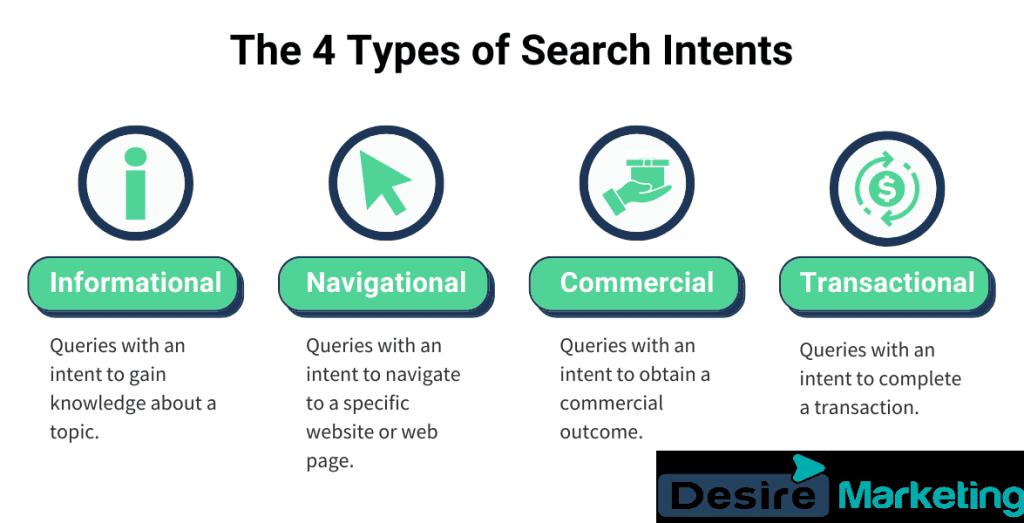






![How to Do ORM in Digital Marketing [Importance & Role]](https://desiremarketing.io/wp-content/uploads/2023/10/ORM-in-Digital-Marketing.png)