Digital marketing is important for five main reasons: it helps businesses build brand awareness, reach a wider audience, engage with customers, increase leads and conversions, and stay competitive in the digital era. In today’s highly connected world, digital marketing plays a crucial role in reaching customers where they spend most of their time – online.
It allows businesses to create targeted campaigns, personalize messaging, and measure their marketing efforts in real-time. By leveraging digital channels such as search engines, social media, email, and websites, businesses can connect with their target audience in a cost-effective and efficient manner.
Furthermore, digital marketing provides valuable insights into consumer behavior, enabling businesses to make data-driven decisions and optimize their marketing strategies for better results.
Benefits Of Digital Marketing For Brand Awareness
Digital marketing is an essential component of any successful marketing strategy in today’s digital age. It offers numerous benefits and advantages for businesses, including the ability to reach a larger audience through online channels, improve brand recognition and recall, and establish credibility and trust.
Let’s explore these benefits in more detail.
Reach A Larger Audience Through Online Channels:
A good digital marketing agency provides businesses with the opportunity to reach a much larger audience than traditional marketing methods. By utilizing various online channels such as social media, search engines, and email marketing, businesses can effectively target their messages to the right people.
Social media platforms like facebook, twitter, and instagram allow businesses to engage with their target audience and build a community of loyal followers. Through targeted advertising and content creation, businesses can attract new customers and drive traffic to their websites or online stores.
Search engine optimization (seo) is another crucial aspect of digital marketing that helps businesses rank higher in search engine results pages. By optimizing their website for relevant keywords and creating high-quality content, businesses can increase their visibility and attract organic traffic.
Email marketing is a cost-effective way to reach potential customers directly. With personalized and targeted email campaigns, businesses can nurture leads and convert them into paying customers.
Improve Brand Recognition And Recall:
Digital marketing plays a significant role in improving brand recognition and recall. By consistently delivering a strong brand message through various online channels, businesses can increase their brand visibility and create brand awareness. One of the key components of digital marketing is creating engaging examples of content for digital signage, which can effectively grab the attention of potential customers and reinforce brand messaging.
A well-designed website, engaging social media content, and strategic online advertising can all contribute to building a strong brand presence. Through creative and compelling visuals, businesses can leave a lasting impression on their target audience and differentiate themselves from the competition.
Utilizing visual elements such as logos, colors, and fonts consistently across all online platforms helps reinforce brand identity and makes it more memorable for consumers.
In today’s digital landscape, consumers rely heavily on online reviews, ratings, and recommendations before making purchasing decisions. Digital marketing allows businesses to leverage these factors and establish credibility and trust with their target audience.
By actively engaging with customers on social media, responding to their queries and feedback, businesses can build a reputation for excellent customer service and reliability.
Content marketing, such as blog posts, articles, and videos, allows businesses to share valuable information, expertise, and insights with their audience. This positions them as industry leaders and experts, boosting their credibility and trustworthiness.
Digital marketing also provides opportunities for businesses to showcase their customer reviews and testimonials, which serve as social proof and further enhance their reputation.
Digital marketing offers numerous benefits for businesses, especially when it comes to brand awareness. By reaching a larger audience through online channels, improving brand recognition and recall, and establishing credibility and trust, businesses can effectively position themselves in the digital marketplace and gain a competitive edge.
So don’t underestimate the power of digital marketing in building your brand and connecting with your target audience.
How Digital Marketing Helps In Lead Generation
Digital marketing has become an essential component of every business strategy, and its importance cannot be overstated. One of the key ways digital marketing helps businesses is by generating leads, which are crucial for any company’s growth. In this section, we will explore three effective strategies digital marketing utilizes to generate leads: targeted advertising, website and landing page optimization, and email marketing and automation.
Use Targeted Advertising To Reach Specific Audience Segments
Digital marketing allows businesses to target specific audience segments with precision. By utilizing various tools, such as social media platforms and search engine advertising, businesses can reach their ideal customers more effectively.
Targeted advertising ensures that your message is delivered to the right people at the right time. This increases the chances of attracting qualified leads and ultimately converting them into customers.
By leveraging data and analytics, digital marketers can identify the interests, demographics, and online behaviors of their target audience. This insight allows for the creation of ad campaigns that resonate with potential customers, increasing the likelihood of generating leads.
Optimize Website And Landing Pages For Lead Capture
A well-optimized website and landing pages are essential for lead generation. By enhancing the user experience, businesses can encourage visitors to take action and provide their contact information.
Website optimization includes improving loading speed, ensuring mobile responsiveness, and creating compelling content that addresses the needs of your target audience.
Landing pages play a vital role in capturing leads, as they often serve as the entry point for potential customers. Designing landing pages with clear and concise call-to-action buttons and forms can significantly increase conversion rates.
Implementing lead capture forms and strategically placing them on relevant web pages can help capture valuable information about potential leads.
Nurture Leads Through Email Marketing And Automation
Once leads are captured, it’s crucial to nurture them through effective email marketing and automation strategies.
Email marketing allows businesses to stay in touch with potential customers and provide them with valuable content and offers. This builds trust and keeps your brand top of mind.
Automation tools enable businesses to streamline their lead nurturing process. By setting up automated email sequences tailored to specific customer segments, businesses can deliver personalized messages at scale.
Personalization is key in email marketing, and by leveraging data gathered from lead capture forms and customer interactions, businesses can deliver highly targeted and relevant content to their audience.
Digital marketing is instrumental in lead generation due to its ability to target specific audience segments, optimize websites and landing pages for lead capture, and nurture leads through email marketing and automation. By implementing these strategies effectively, businesses can increase their chances of attracting valuable leads and ultimately growing their customer base.
The Impact Of Digital Marketing On Revenue Generation
Digital marketing has become an essential strategy for businesses of all sizes. With the ever-increasing reliance on the internet, it’s crucial to have a strong online presence to stay ahead of the competition. One of the most significant impacts of digital marketing lies in its ability to generate revenue.
By strategically utilizing various digital marketing techniques, businesses can not only increase website traffic and conversions, but also boost sales through online channels and measure and track marketing performance for better roi.
Increase Website Traffic And Conversions
Search engine optimization (seo) techniques can help improve website visibility and drive organic traffic.
Pay-per-click (ppc) advertising allows businesses to display targeted ads on search engines and social media platforms, attracting relevant traffic to their website.
Engaging content marketing strategies, such as blogging and video marketing, can capture the interest of potential customers and encourage website visits.
Effective email marketing campaigns can drive traffic to specific landing pages, optimizing conversion rates.
Boost Sales Through Online Channels
Utilizing various digital marketing channels, such as social media platforms, online marketplaces, and email marketing, businesses can reach a broader audience and expand their customer base.
Social media advertising allows businesses to target specific demographics and interests, increasing the chances of conversions.
E-commerce platforms provide a convenient and user-friendly shopping experience for customers, resulting in higher sales.
Measure And Track Marketing Performance For Better Roi
Digital marketing provides a wealth of data and analytics, enabling businesses to measure the success of their marketing campaigns and make data-driven decisions.
Key performance indicators (kpis) such as website traffic, click-through rates, conversion rates, and customer engagement can be tracked and analyzed to optimize marketing strategies.
With accurate tracking and reporting tools, businesses can determine which marketing channels are providing the highest return on investment (roi) and allocate their resources effectively.
By leveraging the power of digital marketing, businesses can not only increase their online visibility and brand awareness but also drive more conversions and generate higher revenue. The ability to target specific audiences, measure marketing performance, and adapt strategies accordingly is invaluable in the constantly evolving digital landscape.
Embracing digital marketing is no longer a choice but a necessity for businesses seeking long-term success in today’s highly competitive market.
Frequently Asked Questions On 5 Reasons Why Digital Marketing Is Important
How Does Digital Marketing Help In Targeting The Right Audience?
Digital marketing allows businesses to target specific demographics, interests, and behaviors, ensuring that their message reaches the right audience at the right time.
Can Digital Marketing Help Businesses Save Money?
Yes, digital marketing strategies are cost-effective, providing businesses with better roi compared to traditional marketing methods. It allows precise targeting and avoids unnecessary spending on uninterested audiences.
Conclusion
Digital marketing is an essential component of any business strategy, and its importance cannot be overstated. From increased brand visibility to targeted audience reach, there are five key reasons why digital marketing is crucial for business success. Firstly, it allows businesses to connect with their audience in a cost-effective and measurable way.
With the right strategies in place, digital marketing can generate higher conversion rates and drive more sales. Secondly, it enables businesses to build and maintain a strong online reputation, crucial in today’s competitive landscape. Thirdly, it provides businesses with the opportunity to target their ideal customers and tailor their marketing efforts accordingly.
This level of personalization leads to higher customer engagement and satisfaction. Fourthly, digital marketing offers valuable insights and data that can be used to refine and optimize marketing campaigns. Lastly, it keeps businesses ahead of the curve by adapting to changing consumer trends and demands.
In a nutshell, embracing digital marketing is not just important, but necessary for long-term success in the digital age.
Video Completion Rate (VCR) stands as a pivotal metric, offering insight into viewer engagement and content effectiveness. VCR, essentially, is the percentage of viewers who watch a video advertisement or content from its beginning to its very end. This rate is not just a number; it reflects the extent to which the audience is captivated by the video content. In some circles, VCR is also known as the view-through rate (VTR), emphasizing the aspect of viewers watching the entire length of the video.
Overview of Its Importance in Measuring Viewer Engagement
Let’s discover what is VCR in Digital Marketing and why it’s important. The significance of VCR in digital marketing cannot be overstated. It serves as a barometer for gauging the effectiveness of video content in a world where digital media consumption is constantly on the rise. High VCRs are indicative of content that resonates well with the target audience, suggesting that the video is engaging, relevant, and compelling enough to retain viewer interest from start to finish. Conversely, lower VCRs might signal a need for content revision, hinting at potential issues like inadequate relevance, poor video quality, or unappealing content.
VCR is a critical factor in determining the success of video advertising campaigns. It helps marketers and content creators understand what works and what doesn’t, enabling them to refine their strategies and produce more effective video content. By closely monitoring VCR, marketers can make informed decisions to optimize their video content for better engagement, ultimately leading to higher conversion rates and a more robust digital marketing performance.
Calculation of Video Completion Rate
Understanding how to calculate the Video Completion Rate (VCR) is crucial for digital marketers and advertisers who wish to gauge the effectiveness of their video content. The calculation of VCR is relatively straightforward but requires specific data points.
Basic Formula for Calculating VCR
The fundamental formula for determining the VCR is expressed as:
Here’s a breakdown of the formula components:
Number of Complete Views: This refers to the count of times the video has been watched from the beginning to the end. A complete view means the viewer has watched the entire video without skipping any part.
Total Number of Video Impressions or Starts: This represents the total number of times the video has been initiated by viewers. It counts every play of the video, regardless of whether it was watched in its entirety or not.
By dividing the number of complete views by the total number of impressions or starts and then multiplying the result by 100, you get the VCR as a percentage. This percentage reflects the proportion of viewers who watched the entire video out of all who started watching it.
In the realm of digital marketing, understanding what influences the Video Completion Rate (VCR) is key to creating effective video content. Working with an experienced video marketing agency can help brands analyze viewer behavior, create content for videos and optimize videos for higher completion rates. Several factors play a significant role in determining whether viewers will watch a video in its entirety. Here are some of the most critical factors:
1) The Length of the Video
Impact of Video Length: The duration of a video significantly affects VCR. Videos that are either too long or too short can fail to maintain viewer interest. A video that’s too long might bore or overwhelm the audience, while a very short one may not provide enough information or entertainment value to engage the viewer.
Optimal Video Length: The ideal length for a video generally falls between one and two minutes. This duration is long enough to convey a message or tell a story effectively, but not so long that it risks losing the viewer’s attention. However, this can vary depending on the content type and target audience.
2) The Quality of Your Content
Engaging and Relevant Content: High-quality content that is engaging and relevant to the target audience is more likely to be viewed completely. Content that resonates with viewers’ interests, needs, or preferences keeps them engaged and interested in watching the entire video.
Poor Content Quality: Conversely, if the content is dull, irrelevant, or fails to connect with the audience, viewers are likely to lose interest and stop watching before the video ends. Thus, investing in content quality is crucial for maintaining high VCR.
3) The Production Value of Your Video
High-Quality Production: Videos with high production value, including professional-quality visuals and sound, are more appealing and engaging to viewers. A well-produced video creates a more enjoyable and immersive viewing experience, encouraging viewers to watch it until the end.
Low Production Value: On the other hand, a video with poor production quality, such as low-resolution visuals, poor sound quality, or amateurish editing, can quickly turn viewers off. Even if the content is good, poor production can negatively impact the viewer’s experience and reduce the likelihood of them watching the entire video.
Good vs. Bad VCR: What the Numbers Mean
In the context of digital marketing, differentiating between a good and a bad Video Completion Rate (VCR) is crucial for assessing the effectiveness of video content. Understanding what constitutes a “good” or “bad” VCR helps marketers in making informed decisions about their video strategies.
What is Considered a Good VCR?
General Benchmark for a Good VCR: A good VCR is typically one that exceeds 50%. This threshold indicates that more than half of the viewers who started watching a video watched it through to its conclusion.
Varies by Goals and Audience: It’s important to note that the ideal VCR can vary depending on the specific goals of the video campaign and the nature of the target audience. For instance, certain types of content or specific target demographics might have different benchmarks for what constitutes a good VCR.
Indication of Effective Engagement: A VCR higher than 50% generally suggests that the video is effectively engaging the audience. It indicates that the content is resonating well, capturing the viewers’ interest, and is relevant to their preferences or needs.
What is Considered a Bad VCR?
General Benchmark for a Bad VCR: Conversely, a VCR below 50% is generally considered poor. This indicates that less than half of the viewers who began watching the video stayed until the end.
Dependent on Video Goals and Audience: Similar to a good VCR, what is considered a bad VCR also depends on the objectives of the video and the characteristics of the target audience. Different types of videos and audiences might have varying thresholds for what is deemed an unsatisfactory VCR.
Possible Indicators of Issues: A lower VCR could signal various issues with the video content, such as lack of relevance, poor video quality, unengaging content, or inappropriate length. It serves as a prompt for marketers to reevaluate and adjust their video content strategy.
To sell digital marketing services, identify your target audience, showcase your expertise and results, develop a tailored proposal, and provide ongoing support and communication to clients. In today’s digital age, businesses are increasingly seeking effective strategies to reach and engage their target audience online.
As a result, the demand for digital marketing services is on the rise. If you are in the business of selling digital marketing services, it is important to have a clear plan to attract and convert potential clients. In this article, we will explore effective strategies for selling digital marketing services to help you grow your business and increase your revenue.
By following these steps, you can position yourself as a trusted expert in the field and build long-lasting relationships with your clients.
Credit: blog.hubspot.com
Understanding The Importance Of Digital Marketing
Digital marketing has revolutionized the way businesses promote and sell their products and services. With the fast-paced world we live in today, traditional marketing methods are no longer enough to catch the attention of potential customers. In order to stay ahead of the competition and reach a wider audience, businesses need to leverage the power of digital marketing.
Why Digital Marketing Is Crucial For Businesses
Increased visibility: Digital marketing allows businesses to reach a global audience, breaking down geographical barriers. This increases brand visibility and helps businesses connect with potential customers who may have otherwise been out of reach.
Cost-effective: Compared to traditional marketing methods, digital marketing is much more cost-effective. There are a variety of online advertising platforms available that allow businesses to set their budgets and reach their target audience without breaking the bank.
Targeted marketing: Digital marketing enables businesses to precisely target their ideal customers. By leveraging data and analytics, businesses can identify their target demographic and customize their marketing messages accordingly.
Higher conversion rates: Digital marketing strategies such as email marketing and social media advertising have higher conversion rates compared to traditional methods. With the ability to reach a more targeted audience, businesses can expect to see a higher return on their investment.
Ability to measure results: One of the biggest advantages of digital marketing is the ability to track and measure results. Businesses can analyze the performance of their campaigns in real-time and make necessary adjustments to optimize their marketing efforts.
Exploring The Advantages Of Digital Marketing Services
Search engine optimization (seo): Digital marketing services often include seo strategies to improve a business’s online visibility. By optimizing their website for search engines, businesses can improve their organic rankings and attract more organic traffic.
Social media marketing: Social media platforms have become powerful tools for businesses to engage with their target audience and build brand awareness. Digital marketing services can help businesses create compelling social media campaigns that resonate with their audience and generate leads.
Content marketing: Content is king in the world of digital marketing. With the help of digital marketing services, businesses can create high-quality, informative, and engaging content that attracts and retains customers. From blog posts to videos and infographics, content marketing helps businesses establish their expertise and build trust with their audience.
Email marketing: Email marketing is still one of the most effective ways to reach customers directly. Using sales automation tools like Clevenio, Digital marketing services can help businesses develop targeted email campaigns that drive customer engagement and conversions.
Paid advertising: Digital marketing services can also include paid advertising options such as pay-per-click (ppc) and display ads. These advertising strategies allow businesses to reach their target audience instantly and generate quick results.
In today’s digital age, businesses cannot afford to ignore the power of digital marketing. It provides opportunities for increased visibility, targeted marketing, and higher conversion rates. By leveraging digital marketing services, businesses can stay ahead of the competition and reach their full potential in the online marketplace.
Building An Effective Digital Marketing Sales Strategy
Digital marketing is a rapidly growing industry, and selling digital marketing services requires a strategic approach. Building an effective sales strategy is crucial to attract and convert clients. Meanwhile, good sales management helps ensure that this strategy is executed consistently and efficiently across the team. Leveraging sales engagement software can automate outreach sequences, personalize follow-ups, and surface real-time insights to keep your team aligned and your pipeline healthy. In this section, we will discuss three important aspects of building your digital marketing sales strategy: identifying your target audience, crafting a compelling value proposition, and optimizing your website for lead generation.
Identifying Your Target Audience
To effectively sell your digital marketing services, you need to have a clear understanding of your target audience. Identifying your target audience helps you tailor your marketing efforts and messages to meet their specific needs and pain points. Here are some key points to consider when identifying your target audience:
Research and analyze your existing customer base to identify common characteristics, demographics, and interests.
Conduct market research to gain insights into the needs, preferences, and challenges of your potential clients.
Segment your audience into specific groups based on industry, size, location, or other relevant factors.
Create buyer personas to represent your ideal clients and guide your marketing and sales strategies.
Continuously monitor and refine your audience profiles as your business grows and evolves.
Crafting A Compelling Value Proposition
A compelling value proposition is crucial to differentiate yourself from competitors and convince potential clients to choose your digital marketing services. Here are some key points to consider when crafting your value proposition:
Clearly define the unique benefits and advantages that your services offer to clients.
Focus on the specific problems or challenges that your services can solve for your target audience.
Highlight the results and outcomes that clients can expect by working with your agency.
Use persuasive and concise language to communicate the value and impact of your services. When presenting your proposals, contracts, or sales documents, exploring PandaDoc alternatives can help you find a platform that best fits your agency’s workflow and budget.
Tailor your value proposition to each target audience segment to increase relevance.
Optimizing Your Website For Lead Generation
Your website is a powerful tool for generating leads and converting prospects into clients. Optimizing your website for lead generation involves creating a user-friendly and conversion-focused experience. Additionally, integrating lead enrichment into your strategy allows you to better understand who your visitors are and tailor your messaging accordingly. Here are some key points to consider when optimizing your website:
Ensure your website is visually appealing and loads quickly to create a positive first impression.
Create clear and compelling calls-to-action (ctas) to guide visitors towards taking the desired action.
Implement lead capture forms strategically on your website to collect contact information from potential leads.
Provide valuable content such as blog posts, case studies, or whitepapers to establish your expertise and attract potential clients.
Use analytics tools to track and analyze user behavior on your website and make data-driven optimizations.
By identifying your target audience, crafting a compelling value proposition, and optimizing your website for lead generation, you can build a solid foundation for selling your digital marketing services. Investing in lead enrichment can help you better understand and qualify potential clients, improving your chances of conversion. Remember to regularly review and adapt your sales strategy to stay ahead in this ever-evolving industry. Strong sales engagement is key to building lasting relationships and moving prospects through the pipeline effectively. Among the available tools, VanillaSoft offers advanced features that simplify lead tracking, improve communication, and help sales teams maintain consistent momentum in their outreach efforts.
Frequently Asked Questions Of How To Sell Digital Marketing Services
What Are The Key Benefits Of Digital Marketing Services?
Some key benefits of digital marketing services include increased brand visibility, targeted audience reach, and measurable results.
What Are The Common Mistakes To Avoid When Selling Digital Marketing Services?
Common mistakes to avoid when selling digital marketing services are not understanding client needs, overpromising results, and underestimating competition.
Conclusion
To successfully sell digital marketing services, it is crucial to understand the needs and pain points of potential clients. By conducting a thorough analysis of their existing online presence and identifying areas for improvement, you can present a compelling case for your services.
Building a solid reputation and showcasing your expertise through case studies and testimonials can greatly enhance your credibility. Additionally, staying up to date with the latest trends and best practices in digital marketing is essential for providing effective and innovative solutions to your clients.
A personalized approach, tailored to each client’s specific goals and objectives, can make all the difference in securing new business. Remember, the key to selling digital marketing services lies in effectively communicating the value you can bring to the table and demonstrating tangible results.
With a strong understanding of your target audience and a strategic sales approach, you will be well-equipped to thrive in the competitive digital marketing industry.
Cvr in digital marketing refers to conversion rate, which measures the percentage of website visitors who take a desired action, such as making a purchase or filling out a form, ultimately converting them into customers or leads. Digital marketers use cvr to analyze the effectiveness of their campaigns and optimize them for better results.
It is a crucial metric that helps businesses understand the success of their website and marketing efforts. By tracking cvr, marketers can identify areas for improvement, make data-driven decisions, and increase the overall profitability of their digital marketing strategies. With a strong cvr, businesses can effectively convert website visitors into valuable customers, driving growth and success in the digital landscape.
What Is Cvr In Digital Marketing
Conversion rate (cvr) is a significant metric in digital marketing that measures the percentage of users who complete a desired action or goal on a website. It helps businesses evaluate the effectiveness of their marketing campaigns and optimize their strategies to drive more conversions.
Cvr is calculated by dividing the number of conversions by the total number of visitors and multiplying the result by 100. Understanding cvr is crucial for businesses to track their marketing roi and make informed decisions to improve their online performance.
Importance Of Maximizing Conversion Rates For Success
Maximizing conversion rates is critical for businesses to achieve success in digital marketing. Here’s why:
Higher rois: A higher conversion rate directly translates into a better return on investment (roi). By converting more visitors into customers, businesses can generate more revenue with less expenditure. It’s an effective way to capitalize on the existing traffic and get the most out of marketing efforts.
Improved user experience: Focusing on conversion rate optimization (cro) entails enhancing the usability, navigation, and overall user experience of a website. By optimizing the user journey and making it intuitive and convenient for visitors to convert, businesses can create a positive impression and build trust with their target audience.
Enhanced marketing efficiency: Knowing which marketing channels, campaigns, or strategies result in the highest conversion rates allows businesses to allocate their resources more efficiently. By identifying and focusing on the most successful tactics, they can optimize their budget, time, and efforts to achieve better results.
Increased revenue and growth: A higher conversion rate means more purchases, leads, or desired actions being completed. This directly contributes to revenue growth and business expansion. By consistently improving conversion rates, businesses can continuously drive their bottom line and scale their operations.
Competitive advantage: In a competitive digital landscape, businesses need every advantage they can get. By maximizing their conversion rates, they stand out from their competitors, attract more customers, and establish themselves as leaders in their industry. It’s a powerful differentiator that can translate into long-term success.
Cvr is a vital metric in digital marketing, enabling businesses to measure the success of their marketing efforts and make data-driven decisions. By optimizing conversion rates, businesses can increase their roi, improve user experience, allocate resources efficiently, drive revenue growth, and gain a competitive advantage.
It’s a key factor in achieving success in the fast-paced digital world.
What is the formula for calculating conversion rates?
The formula for calculating conversion rates is straightforward and can be summarized in bullet points:
Conversion Rate Formula:
Conversion Rate=(Number of ConversionsTotal Number of Visitors)×100%Conversion Rate=(Total Number of VisitorsNumber of Conversions)×100%
Key Components:
Number of Conversions: This is the total number of actions that count as a conversion during a specific time frame. A conversion could be any desired action such as a purchase, a sign-up, or a download.
Total Number of Visitors: This is the total number of unique visitors or sessions during the same time frame.
Calculation:
Count the total number of conversions (e.g., sales, sign-ups).
Count the total number of visitors to your site or page.
Divide the number of conversions by the number of visitors.
Multiply the result by 100 to get a percentage.
Example:
If your website had 50 conversions from 1,000 visitors, the conversion rate would be (50/1000)×100%=5%(50/1000)×100%=5%.
Usage:
This metric is widely used in digital marketing, e-commerce, and website analytics to assess the effectiveness of a website or campaign in converting visitors into customers or leads.
Personalization Techniques To Improve Cvr:
Utilize demographic information to segment your audience and deliver targeted content. Understanding their age, location, and preferences allows you to create personalized messages.
Leverage behavioral data to track users’ actions and interactions with your content. This information can help tailor your marketing efforts to their specific needs, interests, and purchasing habits.
Incorporate dynamic content, such as personalized recommendations and product suggestions, to enhance the user experience. Showcasing products or services that align with their previous interactions can significantly improve conversion rates.
Employ intelligent algorithms and machine learning capabilities to continuously optimize and refine your content personalization strategy. This enables you to deliver the right message to the right audience at the right time.
Using data and analytics for targeted content delivery:
Gather and analyze data from various sources, such as website traffic, social media engagement, and customer feedback. These insights provide valuable information about user behavior, preferences, and patterns.
Implement a/b testing to experiment with different versions of your content and determine which resonates best with your audience. This allows you to refine your approach based on real-time feedback.
Utilize analytics tools to track the performance of your personalized content campaigns, measuring key metrics such as click-through rates, conversions, and customer satisfaction. These metrics inform your future content strategies, ensuring continuous improvement.
Delivering relevant content and personalizing your marketing efforts are essential for success in the digital landscape. By catering to the specific needs and preferences of your audience, you can establish a strong connection, enhance the user experience, and drive conversions.
Using data and analytics further strengthens your content delivery strategy, allowing you to continuously optimize and refine your approach. Embrace content relevance and personalization to stand out in the competitive digital marketing realm.
A/B Testing And Conversion Rate Optimization (Cro)
In the world of digital marketing, a/b testing and conversion rate optimization (cro) are crucial strategies for improving the performance of your website and maximizing conversion rates. A/b testing allows you to systematically test different variations of a webpage or element to determine what resonates best with your audience.
On the other hand, cro involves making data-informed changes to improve the conversion rate of your website. Let’s delve deeper into the importance of a/b testing and the techniques for cro:
Importance Of A/B Testing For Continuous Improvement
A/b testing provides you with valuable insights into the preferences of your audience and helps you make informed decisions to improve your website’s performance. Here are some key points to consider:
A/b testing allows you to compare different versions of your webpage or specific elements to determine what drives higher conversion rates.
By testing variations of headlines, call-to-action buttons, layouts, and other elements, you can identify the design and content that resonates best with your audience.
Through continuous testing and optimization, you can incrementally improve your website’s performance over time, leading to greater conversion rates and business success.
Techniques For Cro To Maximize Conversion Rates
Conversion rate optimization (cro) focuses on making data-driven changes to improve the conversion rate of your website. Here are some techniques to help you maximize conversions:
Conduct a thorough analysis of your current website performance. Understand your audience’s behavior, identify bottlenecks and areas for improvement.
Utilize heatmaps, click data, and user recordings to gain insights into how visitors engage with your website.
Optimize your website’s loading speed to ensure a seamless user experience and reduce the chances of visitors bouncing off.
Implement clear and compelling call-to-action buttons that are prominently displayed on your webpage.
Streamline the user journey by removing unnecessary steps or distractions that might deter visitors from completing a conversion.
Personalize your content and offers based on user behavior and preferences to create a tailored experience.
Analyzing And Interpreting Test Results
Once you’ve conducted a/b tests, it’s crucial to analyze and interpret the results accurately. Here are the key steps to take:
Define clear metrics and goals to measure the success of your a/b tests, such as conversion rate, click-through rate, or bounce rate.
Use statistical methods to determine the significance of the results and establish if the observed differences are statistically significant.
Consider the context and potential reasons behind the observed results. Is there a specific element or factor that contributed to the differences?
Learn from both successful and unsuccessful tests to continually improve your understanding of your audience and optimize your website accordingly.
A/b testing and cro are invaluable tools for enhancing your website’s performance and driving higher conversion rates. By continuously testing, analyzing, and optimizing your website, you can create a user-centric experience that engages your audience and boosts your business success. To simplify testing process, consider utilizing an open-source automation tool that offers easy test creation, real-time collaboration, and smooth integration with your existing workflows.
Landing Page Optimization
Landing page optimization is a crucial aspect of digital marketing, playing a significant role in improving the conversion rate (cvr). When it comes to digital marketing, optimizing landing pages is essential for a successful campaign. By focusing on design and layout best practices, crafting compelling headlines, and persuasive copy, you can significantly increase your cvr.
In this section, we will explore the importance of optimizing landing pages for cvr, design and layout best practices, and how to create captivating headlines and persuasive copy. Let’s dive in!
Importance Of Optimizing Landing Pages For Cvr:
A well-optimized landing page can maximize conversions and drive business growth.
By focusing on landing page optimization, you can improve the overall user experience and engagement.
A high-converting landing page can lead to increased sales and revenue for your business.
Optimizing landing pages allows you to target your audience more effectively and deliver a personalized experience.
It helps build trust and credibility with your visitors, leading to higher conversion rates.
Design And Layout Best Practices For High Conversions:
Keep your landing page design clean, uncluttered, and visually appealing.
Use contrasting colors to make your call-to-action buttons stand out.
Ensure your landing page is mobile responsive to cater to the growing number of mobile users.
Make sure your landing page loads quickly to avoid losing impatient visitors.
Use clear and concise headlines, subheadings, and bullet points to communicate your message effectively.
Use high-quality images and videos that are relevant to your product or service. And don’t forget to edit images- a little tweak to the lighting, cropping, or colors can make a big difference in how professional and inviting your page looks.
Incorporate an intuitive and easy-to-use navigation system to guide visitors through your landing page.
Crafting Compelling Headlines And Persuasive Copy:
Your headline should be attention-grabbing, captivating, and highlight the value proposition of your offer.
Clearly articulate the benefits and unique selling points of your product or service in your copy.
Use emotionally appealing language to establish a connection with your audience.
Keep the text concise and avoid overwhelming visitors with too much information.
Incorporate social proof, testimonials, and customer success stories to build trust.
Include a clear call-to-action that guides visitors towards the desired action.
Emphasize the urgency or scarcity of your offer to create a sense of fomo (fear of missing out).
By following these landing page optimization best practices and focusing on design, layout, headlines, and persuasive copy, you can significantly enhance your cvr. Remember, a well-optimized landing page can make all the difference in turning visitors into customers and driving conversions.
Frequently Asked Questions On What Is Cvr In Digital Marketing
Why Is Cvr Important In Digital Marketing?
Cvr is crucial in digital marketing because it measures the effectiveness of your campaigns and helps evaluate the return on investment (roi) of your marketing efforts.
How Can I Improve My Cvr In Digital Marketing?
To improve your cvr, try optimizing your website’s user experience, creating compelling and relevant content, implementing effective call-to-actions, and conducting a/b testing to identify what resonates with your audience.
Conclusion
To sum up, cvr or conversion rate is a crucial metric in digital marketing that measures the effectiveness of your campaigns in driving conversions. By calculating the ratio between the number of visitors and the number of conversions, businesses can gain valuable insights into their marketing efforts’ success.
A high cvr indicates that your website or landing page is effectively persuading visitors to take the desired action, making it an essential metric to track. To improve your cvr, focus on optimizing your landing pages, improving the user experience, and ensuring that your call-to-action is compelling and clear.
Additionally, regularly monitoring and analyzing your cvr data can help you identify patterns and make data-driven decisions to optimize your marketing strategies. By leveraging the power of cvr, businesses can increase their conversion rates and maximize their return on investment in digital marketing efforts.
Keep the cvr in mind as a key performance indicator to guide your marketing decisions and drive better results.
The optimal number of seo keywords per page is subjective and varies based on the length and relevance of the content. However, it is generally recommended to use 2-3 primary seo keywords per page for effective optimization.
This helps search engines understand the page’s content and rank it accordingly. In today’s digital landscape, seo keywords are essential for improving website visibility and attracting organic traffic. By strategically incorporating relevant keywords into your website’s pages, you can enhance its search engine ranking and increase its chances of being found by potential visitors.
However, it is crucial to strike a balance and avoid keyword stuffing, as excessive use of keywords can harm your seo efforts. Finding the right number of seo keywords per page is a delicate process that should be based on comprehensive keyword research and analysis.
Understanding The Importance Of Proper Keyword Usage
As a savvy seo marketer or website owner, you’re likely aware of the significant role that keywords play in boosting your website’s visibility and driving organic traffic. When it comes to optimizing your web pages for search engines, strategic keyword usage is crucial for seo success.
By incorporating relevant keywords in your content, you enhance the chances of ranking higher in search engine results pages (serps) and attracting your target audience. Using a keyword ranking tracker helps you analyze and monitor your rankings over time, ensuring your optimization efforts are effective and aligned with SEO goals. In this section, we will explore why keyword optimization is crucial for seo success, and delve into the impact of keywords on search engine rankings.
We will also discuss key factors to consider when determining the number of keywords per page, ensuring you strike the perfect balance. So, let’s dive right in!
Finding The Right Balance: The Ideal Number Of Seo Keywords Per Page
The ideal number of seo keywords per page is a topic that often sparks debates among website owners and digital marketers. Finding the right balance between keyword optimization and user experience is crucial for driving organic traffic and improving search engine rankings.
In this section, we will delve into the relationship between keyword density and user experience, factors that affect the ideal keyword density per page, and debunk common misconceptions about keyword stuffing.
Analyzing The Relationship Between Keyword Density And User Experience
Keyword density refers to the percentage of times a target keyword appears in a given webpage compared to the total number of words on that page.
While keyword density used to be an important ranking factor, search engines, particularly google, have evolved to prioritize user experience and quality content over keyword optimization alone.
Excessive keyword density can result in keyword stuffing, which not only impacts the user experience but also leads to penalties from search engines.
Instead of focusing solely on keyword density, it is crucial to optimize content for relevance, intent, and overall user satisfaction.
Factors Affecting The Ideal Keyword Density Per Page
The ideal keyword density varies depending on the nature of the content and the specific industry. In general, it is recommended to aim for a keyword density of 1-2%, although this should not be rigidly followed.
Content length also plays a role in keyword density, as longer articles naturally accommodate a higher number of keywords.
User intent and search queries should inform keyword usage, with a focus on providing valuable information and answering user questions.
It is essential to consider the competition and conduct thorough keyword research to identify relevant and low-competition keywords that can be effectively incorporated into the content.
Debunking Common Misconceptions About Keyword Stuffing
Keyword stuffing involves unnaturally overusing keywords in an attempt to manipulate search engine rankings. This practice is against google’s guidelines and can lead to penalties.
Many website owners believe that inserting as many keywords as possible will boost their search engine rankings. However, search engines have become much smarter in recognizing and penalizing this tactic.
It is important to prioritize user experience, readability, and content quality over keyword optimization alone.
Instead of focusing on keyword density, aim for a natural flow of content that provides value to the user while incorporating relevant keywords strategically.
Finding the right balance between seo keywords and user experience is crucial for a successful website. By understanding the relationship between keyword density and user experience, considering various factors that affect the ideal keyword density per page, and debunking misconceptions about keyword stuffing, you can optimize your content to rank well in search engine results while providing a positive user experience.
https://www.youtube.com/watch?v=Yzyj16_tI28
Frequently Asked Questions On How Many Seo Keywords Per Page
What Is The Ideal Number Of Seo Keywords To Use On A Page?
The ideal number of seo keywords to use on a page depends on its length, content relevance, and user experience.
What Happens If I Use Too Many Seo Keywords On A Page?
Using too many seo keywords on a page can lead to keyword stuffing, which can harm your website’s rankings and user experience.
Can I Use Multiple Seo Keywords For Different Sections Of A Page?
Yes, it is possible to use multiple seo keywords for different sections of a page to optimize for diverse search queries and improve visibility.
Conclusion
To optimize your website for search engines, your keyword strategy plays a crucial role. So, how many seo keywords per page should you target? Well, there isn’t a definite answer. It largely depends on various factors such as the length and purpose of your content, as well as your target audience.
However, it is generally recommended to focus on one or two primary keywords per page, ensuring they are naturally integrated into your content. This approach allows search engines to understand the main topic of your page, improving its chances of ranking higher.
Remember, it’s not just about the quantity of keywords, but also about their relevance and usage. Balancing keyword optimization with high-quality, informative content that engages readers is key. So, conduct thorough keyword research, understand your audience’s search intent, and create valuable content that meets their needs.
By following these guidelines, you can enhance your seo efforts and drive organic traffic to your website.
The first step of a structured SEO plan is conducting keyword research to identify the right target keywords for optimizing a website’s content. In this phase, relevant keywords are researched, analyzed, and selected based on their search volume, competition, and relevance to the website’s niche.
With an effective keyword research strategy, businesses can understand what keywords their target audience is using to search for products or services, enabling them to optimize their website and content accordingly. By incorporating these keywords strategically, businesses can drive organic traffic, improve their search engine rankings, and increase their chances of attracting more potential customers.
This article will delve into the importance of keyword research and provide actionable tips for conducting it successfully as a crucial first step in a structured SEO plan
Understanding Search Engine Optimization (SEO)
Search engine optimization (SEO) is a fundamental part of any structured SEO plan. Understanding SEO is crucial for improving your website’s visibility and achieving higher rankings on search engine results pages (SERPs). By implementing effective SEO strategies, you can drive more organic traffic to your website, increase brand awareness, and ultimately, boost conversions.
In this section, we will explore the definition and explanation of SEO, as well as the key elements and strategies that are essential for a successful SEO plan.
Definition And Explanation Of Seo
Seo stands for search engine optimization, which is the practice of optimizing your website and its content to improve its visibility and rankings on search engines like Google.
The primary goal of SEO is to increase organic (non-paid) traffic to your website by ensuring that it appears on the top of search results for relevant keywords.
Seo involves various techniques, including keyword research, on-page optimization, link building, and technical optimization, all aimed at making your website more search engine-friendly.
Key Elements And Strategies Of An Effective Seo Plan
To create an effective SEO plan, you need to consider a combination of key elements and strategies:
Keyword research:
Identify relevant keywords that your target audience is searching for.
Use keyword research tools to discover high-volume, low-competition keywords.
Optimize your website’s content with these keywords to improve its visibility on search engines.
On-page optimization:
Optimize your website’s meta tags, including title tags, meta descriptions, and header tags.
Create well-structured and keyword-rich URLs for your web pages.
Ensure your content is high-quality, informative, and meets the search intent of users.
Technical optimization:
Optimize your website’s loading speed to improve user experience and reduce bounce rates.
Ensure your website is mobile-friendly and responsive across different devices.
Implement proper website architecture and structured data markup.
Create engaging and shareable content that naturally attracts backlinks.
Leverage social media platforms to expand your reach and attract more backlinks.
User experience (UX):
Improve website navigation and usability to enhance user experience.
Optimize your website for easy navigation, fast-loading pages, and mobile responsiveness.
Provide engaging and informative content that keeps users on your website longer.
By understanding the definition and key strategies of SEO, you can lay the foundation for a structured SEO plan. Remember, SEO is an ongoing process that requires continuous optimization and monitoring to stay ahead of the competition. In the next sections, we will delve deeper into each of these key elements and strategies to help you implement a successful SEO plan that drives results.
Keyword research is the first and most crucial step in any structured SEO plan. It lays the foundation for your website’s visibility and ranking in search engine results. By identifying relevant keywords, you can optimize your website content to align with what users are searching for online.
Let’s explore the importance of keyword research in SEO and how it can benefit your website:
Helps understand user intent: Keyword research allows you to gain insight into what your target audience is interested in and what information they are seeking. By analyzing search terms, you can determine user intent and tailor your content to meet their needs.
Drives organic traffic: By targeting specific keywords in your website content, you increase the chances of appearing in search engine results for relevant queries. This can drive organic traffic to your site and attract potential customers or readers.
Enhances website visibility: With effective keyword research, you can identify keywords that have a reasonable search volume and low competition. By strategically incorporating these keywords into your content, you can improve your website’s visibility and increase its chances of ranking higher in search engine results.
Improves user experience: Keyword research not only benefits search engines but also enhances the overall user experience. By providing content that matches users’ search queries, you can offer them relevant and valuable information that they are seeking, which ultimately leads to higher engagement and conversions.
Tools And Techniques For Identifying Relevant Keywords
To conduct effective keyword research, you need to utilize various tools and techniques to identify relevant keywords that resonate with your target audience:
Google Keyword Planner: This free tool helps you discover keywords by providing search volume data, competition levels, and related keywords. It’s an excellent starting point for keyword research.
Competitor analysis: Analyzing the keywords your competitors are ranking for can provide valuable insights. Tools like Semrush or Ahrefs can help identify keywords your competitors are targeting and ranking well for.
Long-tail keywords: Long-tail keywords are more specific keyword phrases that typically have lower search volume but higher conversion potential. These keywords often indicate higher user intent and can help you attract more qualified traffic.
Keyword research tools: There are various paid tools available that provide in-depth keyword analysis, competition data, and additional keyword suggestions. Popular tools include Moz keyword explorer, keywordtool.io, and ubersuggest.
Incorporating Targeted Keywords Into Website Content
Once you have identified relevant keywords, it’s essential to incorporate them strategically into your website content. Consider the following best practices:
Create unique and high-quality content: Develop informative, engaging, and well-structured content that naturally incorporates your targeted keywords.
Use keywords in meta tags: Include targeted keywords in your page titles, meta descriptions, and header tags (h1, h2, etc. ), as these elements play a crucial role in search engine rankings.
Sprinkle keywords throughout your content: Place your targeted keywords in the body of your content, but avoid overstuffing. Aim for a natural and reader-friendly flow.
Optimize images: Use descriptive file names and alt tags that include keywords to optimize your images for search engines.
Update and refresh your content regularly: As search trends and user preferences change over time, keeping your content up-to-date and relevant will help your website maintain a strong SEO position.
By conducting thorough keyword research and seamlessly incorporating targeted keywords into your website content, you can maximize your website’s visibility, attract organic traffic, and improve user experience. Remember, keyword optimization is an ongoing process that requires monitoring and strategic adjustments to stay ahead in the ever-evolving world of SEO.
On-Page Optimization
On-page optimization is an essential first step in any structured SEO plan. By optimizing various elements on your website, you can improve your chances of ranking higher in search engine results and attracting organic traffic. There are several key aspects of on-page optimization that you need to focus on to maximize your SEO efforts.
Let’s take a look at these elements in detail:
Optimizing Meta Tags, Headings, And URLs:
Meta tags: Include relevant keywords in your meta title and description tags to provide search engines and users with a concise summary of your page’s content.
Headings: Use clear and descriptive headings (h1, h2, h3) to organize your content and make it easier for both search engines and readers to understand the structure of your page.
Urls: Craft SEO-friendly, readable URLs that incorporate keywords related to your content. Avoid using long, arbitrary strings of characters.
Creating High-Quality And Engaging Content:
Research: Conduct thorough research to understand the needs and interests of your target audience. Identify relevant keywords and topics to ensure your content resonates with their search queries.
Unique and valuable: Produce original and informative content that provides value to your readers. Avoid duplicating content from other sources, as this can harm your SEO efforts.
Readability: Write in a clear and concise manner, using short sentences and paragraphs to improve readability. Utilize headings, bullet points, and other formatting techniques to enhance the user experience.
Improving Website Speed And Mobile Responsiveness:
Page load speed: Optimize your website’s performance to provide a seamless user experience. Minimize file sizes, enable caching, and remove unnecessary scripts or plugins that could slow down your site.
Mobile responsiveness: Ensure your website is fully responsive and displays correctly on all devices, including smartphones and tablets. With the increasing number of mobile users, mobile-friendly websites are crucial for SEO success.
By paying attention to on-page optimization, you can set a strong foundation for your SEO strategy. Remember, while search engine algorithms are complex, focusing on these fundamental elements can significantly impact your website’s visibility and rankings. So start by optimizing your meta tags, headings, and URLs, creating engaging content, and enhancing website speed and mobile responsiveness.
These efforts will go a long way in improving your website’s overall SEO performance.
Off-Page Optimization
Off-page optimization is a crucial aspect of a structured SEO plan. It involves activities that take place outside of your website but still contribute to its search engine rankings and visibility. Off-page optimization aims to improve your website’s authority, relevance, and popularity in the eyes of search engines.
Two key strategies for off-page optimization include building high-quality backlinks and engaging in social media promotion. Additionally, building a strong online presence through directory listings is also essential. Let’s explore each of these strategies in more detail.
Building High-Quality Backlinks:
Backlinks are links to your website from other reputable websites.
High-quality backlinks can significantly improve your website’s search engine rankings.
Focus on acquiring backlinks from authoritative websites within your industry.
Guest blogging, influencer outreach, and content marketing are effective ways to build backlinks.
Avoid low-quality or spammy backlinks, as they can harm your SEO efforts.
Engaging In Social Media Promotion:
Social media platforms offer excellent opportunities to promote your content and engage with your target audience.
Regularly share valuable and relevant content on social media channels to attract users to your website.
Encourage social sharing and engagement by adding social share buttons to your website.
Engage with your followers, respond to comments and questions, and participate in relevant conversations.
Consider running paid social media campaigns to expand your reach and drive targeted traffic to your website.
Building A Strong Online Presence Through Directory Listings:
Online directories provide a valuable opportunity to increase your online visibility and credibility.
Submit your business information to relevant directories such as Google My Business, Yelp, and industry-specific directories.
Ensure that your business information is accurate, consistent, and up-to-date across all directories.
Encourage customers to leave reviews and ratings on directory listings to build trust and credibility.
Regularly monitor your online listings and address any inaccuracies or negative feedback promptly.
By implementing these off-page optimization strategies as a part of your structured SEO plan, you can improve your website’s visibility, attract more traffic, and increase your search engine rankings. Remember to focus on building high-quality backlinks, engaging in social media promotion, and building a strong online presence through directory listings to enhance your overall SEO efforts.
Monitoring And Analytics
Monitoring and analytics: the first step in your structured SEO plan
Monitoring and analyzing the performance of your SEO efforts is crucial to the success of your website. By keeping tabs on how your site is performing in search engine rankings and understanding the data behind it, you can make informed decisions and take strategic actions to improve your SEO strategy.
This is why monitoring and analytics should be the first step in any structured SEO plan. Let’s delve into the importance of tracking SEO performance, the tools you can utilize, and how to analyze the data to drive improvements.
Importance Of Tracking Seo Performance:
Tracking your SEO performance allows you to gauge the effectiveness of your optimization efforts.
It helps you understand how your website is ranking in search engine result pages (SERPs).
By monitoring your SEO performance, you can identify any issues or areas for improvement.
Tracking helps you measure the impact of any changes you make to your SEO strategy.
It enables you to track the success of your keywords and identify opportunities for optimization.
Utilizing Google Analytics And Other Tools:
Google Analytics is a powerful free tool that provides valuable insights into your website’s performance.
It offers detailed information about your website visitors, their behavior, and traffic sources.
Google Search Console is another essential tool that provides data on how your site appears in search results and helps identify indexing issues.
Other tools, such as Semrush and Moz, provide additional data and insights to enhance your SEO monitoring and analysis.
Analyzing Data And Making Improvements:
Once you have gathered the data from tools like Google Analytics, it’s essential to analyze it effectively.
Look for patterns, trends, and outliers in your data that can give you insights into your SEO performance.
Identify which pages are performing well and which ones may need improvement.
Pay attention to metrics like organic traffic, bounce rate, time on page, and conversion rates.
Use the data to inform your SEO strategy and make data-driven improvements to your website.
By prioritizing monitoring and analytics as the first step in your structured SEO plan, you can gain valuable insights into your website’s performance and make informed decisions to improve your SEO strategy. Remember, tracking your SEO performance, utilizing tools like Google Analytics, and analyzing the data are key components to driving continuous improvement and achieving better search engine rankings.
So, start monitoring and analyzing today to lay a strong foundation for your SEO success.
Frequently Asked Questions On What Should Be The First Step Of A Structured SEO Plan?
Why Is Keyword Research Important In Seo Planning?
Keyword research is important in SEO planning because it helps you understand the language your audience uses and optimize your content accordingly.
How Can Keyword Research Impact A Website’s Search Visibility?
Keyword research can impact a website’s search visibility by helping you optimize your content for the right keywords, improving your chances of ranking higher in search engine results.
Conclusion
To begin a structured SEO plan, conducting keyword research is essential. By identifying the keywords and phrases your target audience is searching for, you can optimize your website’s content to improve visibility in search engine results. This initial step sets the foundation for an effective SEO strategy.
Once you have a list of relevant keywords, create high-quality, engaging content that incorporates them naturally. Remember to optimize title tags, meta descriptions, and headers for each webpage, making it easier for search engines to understand your content. Additionally, optimizing your website’s structure and navigation will enhance user experience and encourage search engine crawlers to easily index your site.
Regularly monitor and analyze your website’s performance using tools like Google Analytics, and make necessary adjustments to your SEO plan. By consistently implementing these steps, you can enhance your website’s visibility, attract more qualified traffic, and ultimately boost your online presence and business success.
Wondering how much it costs to get a professional SEO audit for your website?
With SEO being crucial for online visibility, an audit is highly recommended to identify issues holding your site back.
But audits range wildly in price due to differences in scope, tools, analysis depth and expertise. So what can you expect to invest for an audit that provides maximum value?
This ultimate guide examines the factors that influence SEO audit pricing so you can understand what goes into it. We’ll break down costs based on audit depth, location, agency size and other key considerations. You’ll also get tips to ensure you choose the right audit scope based on your budget and needs.
So, Let’s get started.
What Is An SEO Audit?
An SEO audit is a crucial step in optimizing your website for search engines. It involves a comprehensive analysis of your website’s performance, identifying areas that need improvement, and implementing effective strategies to enhance your search engine rankings. This process helps you understand how well your website is performing in terms of search visibility and provides insights into areas that may be hindering your online success.
Definition And Purpose Of An SEO Audit:
An SEO audit is an evaluation of your website’s current state, including technical aspects, content quality, and overall user experience.
The purpose of an SEO audit is to identify issues and opportunities for improvement, allowing you to make data-driven decisions and optimize your website for better search engine rankings.
Importance Of Conducting Regular SEO Audits For Businesses:
Regular SEO audits help you stay up-to-date with the ever-changing search engine algorithms, ensuring that your website remains optimized and relevant.
By identifying and addressing potential issues through an SEO audit, you can improve your website’s visibility and attract more organic traffic.
Seo audits provide valuable insights into your website’s user experience, helping you enhance navigation, load times, and overall performance.
Conducting regular SEO audits allows you to stay ahead of your competition by identifying new opportunities, optimizing your content, and enhancing your online presence.
An SEO audit is an essential process for businesses looking to improve their online visibility and attract more organic traffic. By regularly evaluating your website’s performance and making necessary optimizations, you can stay ahead of the competition and ensure that your website is fully optimized for search engines.
Factors Affecting SEO Audit Cost
When it comes to investing in a comprehensive SEO audit for your website, the cost can vary depending on several key factors. Understanding these factors will help you determine the appropriate budget for your website’s audit. Below, we explore the main elements that influence the cost of an SEO audit:
Complexity Of Website Structure
The complexity of your website’s structure can significantly impact the cost of an SEO audit. If your site has a simple structure with a few pages and straightforward navigation, the audit will require less time and resources. On the other hand, if your website is large, has multiple levels of navigation, or involves advanced functionalities, the audit will be more extensive and therefore more expensive.
Size And Number Of Web Pages
The size and number of web pages on your site also play a role in determining the cost of an SEO audit. A larger website with numerous pages requires more time and effort to analyze each page for SEO optimization opportunities. Additionally, large websites often have more complex interlinking structures, which further adds to the complexity of the audit.
Types Of Content (Text, Images, Videos)
The types of content present on your website can impact the SEO audit cost. Assessing various content formats, such as text, images, and videos, requires different approaches and tools. If your site incorporates multimedia elements like videos or infographics, it will require additional analysis to ensure they are optimized for search engines.
Current SEO Performance And Ranking
The current state of your website’s SEO performance and ranking also influences the cost of an SEO audit. If your website is already optimized for search engines and ranks well, the audit may focus on fine-tuning and identifying areas for improvement. However, if your site has significant SEO issues or struggles to rank in search engine results, the audit will require more extensive analysis and recommendations.
Level Of Competition In The Industry
The level of competition within your industry can affect the cost of an SEO audit. Highly competitive industries often require more in-depth analysis and strategies to outperform competitors in search engine rankings. Consequently, an SEO audit for a website in a highly competitive industry may involve more comprehensive research and planning, leading to higher costs.
By considering these factors, you can better understand why the cost of an SEO audit varies and make informed decisions regarding your website’s optimization efforts. Remember, investing in a well-executed SEO audit can lead to significant improvements in your online visibility and organic search rankings.
Different Approaches To Pricing SEO Audits
Hourly Rate: Pros And Cons
When it comes to pricing SEO audits, one approach that many agencies use is an hourly rate. This means that the client pays for the number of hours it takes to complete the audit. Here are the pros and cons of this pricing model:
Pros:
Flexibility: Hourly pricing allows for flexibility in terms of the scope of the audit. It can be adjusted based on the client’s specific needs and budget.
Transparency: With hourly pricing, clients can see exactly how much time is being spent on their audit and what tasks are being completed.
Cost-effective for small projects: Hourly pricing can be more cost-effective for smaller projects that don’t require a comprehensive audit.
Cons:
Uncertainty: Hourly pricing can create uncertainty for the client, as they may not know exactly how much the audit will cost until it’s completed.
Potential for exceeding budget: If the audit takes longer than expected, the final cost can exceed the client’s budget.
Lack of fixed deliverables: With hourly pricing, the client doesn’t have a guarantee of specific deliverables, as the focus is on the amount of time spent rather than the outcomes.
Fixed Package Pricing: What Is Included?
Another approach to pricing SEO audits is using fixed package pricing. This means that the audit is offered at a set price, with specific deliverables included. Here’s what you can expect from this pricing model:
Clear deliverables: Fixed package pricing provides clear deliverables, outlining exactly what the client will receive as part of the audit.
Transparent pricing: Clients know upfront how much the audit will cost, making it easier to budget and plan.
Value for money: Fixed package pricing often offers a comprehensive audit at a lower cost compared to hourly rates.
However, it’s important to note that fixed package pricing may not be suitable for every client, as it may not fully address their specific needs. In such cases, a customized pricing approach is recommended.
Customized Pricing: Tailoring The Audit To Specific Needs
Customized pricing takes into account the unique needs of each client and tailors the audit accordingly. Here’s why this approach can be beneficial:
Personalized approach: A customized pricing model allows for a personalized approach to the audit, ensuring that it addresses the specific pain points and goals of the client.
Comprehensive analysis: By tailoring the audit, it can encompass a more comprehensive analysis of the client’s website, including technical SEO, on-page optimizations, and off-page factors.
Flexibility: Customized pricing offers flexibility in terms of the deliverables and extent of the audit, accommodating different budgets and objectives.
However, it’s important to note that a customized pricing approach may require more time and effort in scoping and discussing the project with the client, which can affect the overall cost.
The cost of an SEO audit can vary depending on the approach to pricing. Hourly rates provide flexibility but can create uncertainty, while fixed package pricing offers predictability but may not fully address specific needs. Customized pricing tailors the audit for a personalized approach, providing a comprehensive analysis.
When choosing the pricing model, it’s crucial to consider your goals, budget, and the level of detail required for your website’s optimization.
Pricing Models For SEO Audit Services
When it comes to investing in an SEO audit, pricing can vary depending on the approach and scope of the service. Seo agencies and consultants often offer different pricing models to cater to the needs and budgets of businesses. Understanding these pricing models can help you make an informed decision about which option is best for your company.
Here are three common pricing models for SEO audit services:
Flat Fee: Suitable For Small Businesses
A flat fee pricing model involves paying a predetermined amount for the SEO audit service. This model is ideal for small businesses with a limited budget.
The flat fee pricing structure provides transparency, as you know the exact cost upfront without any surprises. It allows you to budget and plan accordingly.
This pricing model is suitable if you have specific requirements for your SEO audit and do not anticipate the need for ongoing monitoring or continuous improvements.
Monthly Retainer: Continuous Monitoring And Improvements
A monthly retainer pricing model involves paying a fixed amount every month for ongoing SEO services, including regular monitoring and improvements.
With a monthly retainer, you can benefit from continuous optimization and stay ahead of the ever-changing SEO landscape. It allows you to adapt and make adjustments as needed.
This pricing model is perfect if you want to maintain a strong online presence and require ongoing optimization, monitoring, and improvements for your website.
Project-Based Fee: One-Time Comprehensive Audit
A project-based fee pricing model is a one-time payment for a comprehensive SEO audit. This model ensures a thorough examination of your website and provides actionable recommendations. By accepting payment online, the transaction process becomes quick and convenient for both parties.
The project-based fee is suitable if you want a detailed analysis of your website’s strengths, weaknesses, and opportunities for improvement.
This comprehensive audit can serve as a roadmap to optimize your website in the long term, even if you do not opt for ongoing SEO services.
Remember, regardless of the pricing model you choose, investing in an SEO audit is a critical step towards improving your online visibility, driving organic traffic, and ultimately growing your business. So weigh your options, consider your budget and goals, and select the pricing model that aligns with your needs.
Average Costs Of Seo Audits
The cost of an SEO audit can vary depending on several factors, such as the complexity of the website, the scope of the audit, and the expertise of the SEO consultant or agency. Understanding the average costs of SEO audits can help you plan and budget accordingly.
In this section, we will explore the range of prices for different types of audits and industry benchmarks and averages.
Range Of Prices For Different Types Of Audits:
Technical SEO audit: A technical SEO audit focuses on identifying and addressing technical issues that may be impacting your website’s performance in search engines. The price range for this type of audit can vary from $500 to $5,000, depending on the size and complexity of the website.
On-page SEO audit: An on-page SEO audit examines the optimization of individual web pages to ensure they are optimized for relevant keywords and provide a positive user experience. The cost for an on-page SEO audit typically ranges from $500 to $2,000, depending on the number of pages to be audited.
Off-page SEO audit: An off-page SEO audit evaluates the website’s backlink profile and identifies opportunities for building high-quality, authoritative links. The price for an off-page SEO audit can range from $500 to $3,000 or more, depending on the size and competitiveness of the website’s niche.
Industry Benchmarks And Averages:
According to industry data, the average cost of a comprehensive SEO audit ranges from $1,000 to $5,000. This type of audit includes a thorough analysis of technical, on-page, and off-page SEO factors.
Smaller businesses or websites with less complex needs might opt for a basic SEO audit, which typically costs between $500 and $2,000.
On the other hand, larger businesses with more extensive websites or competitive industries might invest in a more in-depth and customized SEO audit, which can cost upwards of $5,000.
It’s important to note that these are general benchmarks, and the actual costs can vary depending on your specific requirements and the expertise of the SEO consultant or agency you choose to work with.
Remember, investing in an SEO audit can provide valuable insights into your website’s performance, identify areas for improvement, and help you develop an effective SEO strategy. By understanding the average costs associated with different types of audits and industry benchmarks, you can make an informed decision that aligns with your budget and goals.
Additional Factors To Consider
Reputation And Expertise Of The SEO Agency
When considering an SEO audit, it’s essential to take into account the reputation and expertise of the SEO agency you choose to work with. Partnering with a reputable and knowledgeable agency can greatly impact the quality and effectiveness of the audit.
Here are a few key factors to consider:
Experience: Look for an agency that has significant experience and a proven track record in conducting SEO audits. An agency with expertise in your specific industry can provide valuable insights and recommendations tailored to your business.
Client reviews and testimonials: Read reviews and testimonials from past clients to gauge the agency’s reputation. Positive feedback and success stories can give you confidence in your abilities.
Case studies: Request case studies from the agency that showcase their work, highlighting the positive results achieved for their clients. This will give you an idea of their capabilities and the potential impact an audit can have on your website’s performance.
Industry recognition and awards: Check if the agency has received any industry recognition or awards for their SEO services. Such accolades are often a reflection of their expertise and credibility within the industry.
Partnerships and certifications: Look for agencies that have partnerships or certifications with reputable organizations, such as Google partner certifications or membership in professional associations. These affiliations can indicate their commitment to staying up-to-date with the latest SEO best practices.
Expected Deliverables And Timeline
Understanding the expected deliverables and timeline of an SEO audit is crucial for effective planning and resource allocation. Here are some key points to consider:
Audit scope: Clarify what areas of your website and online presence will be assessed during the audit. This may include on-page optimization, technical SEO, link analysis, keyword research, and content analysis.
Comprehensive report: Expect a detailed report that highlights the audit findings, including issues identified, recommendations for improvement, and prioritization of action items. The report should provide actionable insights to help you optimize your website and enhance its visibility in search engine results.
Timeline: Inquire about the estimated timeline for completing the audit. The duration can vary depending on the complexity of your website and the depth of analysis required. It’s important to have a clear understanding of when you can expect to receive the audit report.
Cost-Benefit Analysis Of The Audit
Before committing to an SEO audit, it’s important to consider the cost-benefit ratio. While the cost of an audit can vary depending on factors such as the size of your website and the scope of the audit, it’s essential to evaluate the potential benefits it can bring to your online presence.
Here are a few points to consider:
Improved visibility: An SEO audit can identify areas where your website can be optimized for better visibility in search engine rankings. Higher rankings can result in increased organic traffic and potential growth in your business.
Enhanced user experience: A thorough audit can uncover opportunities to improve the user experience on your website, leading to increased user engagement and higher conversion rates.
Identifying issues early on: The audit can help uncover technical issues, broken links, or duplicate content that may hinder your website’s performance. By identifying and addressing these issues early on, you can prevent potential penalties from search engines and ensure a smooth user experience.
Maximized ROI: Investing in an SEO audit can yield long-term benefits. By optimizing your website based on the audit recommendations, you can increase your return on investment by attracting more organic traffic and potential customers.
When weighing the cost of an SEO audit against the potential benefits it can bring, it’s important to consider the long-term value it can provide to your online presence and business growth.
Diy SEO Audits Vs. Professional Seo Audits
Advantages And Limitations Of Diy Audits:
When it comes to SEO audits, you have two options: conducting the audit yourself or hiring a professional SEO agency. Each approach has its own set of advantages and limitations. Let’s take a look:
Advantages of DIY audits:
Cost-effective: Conducting your own SEO audit can save you money, as you won’t have to pay for professional services.
In-house control: You have complete control over the process and can tailor it to your specific needs.
Learning opportunity: Diy audits allow you to understand the intricacies of SEO better, giving you valuable insights for future optimization efforts.
Immediate action: With DIY audits, you can quickly implement changes and improvements without waiting for an agency’s response.
Limitations of DIY audits:
Expertise required: Seo audits require a certain level of knowledge and expertise. If you’re not familiar with SEO best practices, you may miss critical issues or overlook optimization opportunities.
Time-consuming: Diy audits can be time-consuming, especially if you’re new to the process. It takes time to research, analyze data, and implement optimization strategies effectively.
Limited tools and resources: Professional agencies have access to advanced SEO tools that provide comprehensive analysis. Diy audits may rely on free or basic tools, limiting the depth of the audit.
Biased perspective: Conducting audits on your own site may lead to a biased perspective. You may unintentionally overlook issues that an unbiased professional would spot.
Benefits Of Hiring A Professional SEO Agency:
While conducting a DIY SEO audit has its advantages, there are compelling reasons to hire a professional SEO agency. Here are some of the benefits they offer:
Expertise and experience: Professional SEO agencies have a team of experts with in-depth knowledge and experience in conducting audits. They stay up-to-date with the latest industry trends and have a deep understanding of search engine algorithms.
Comprehensive analysis: SEO agencies have access to advanced tools and resources that provide a comprehensive analysis of your website’s performance. They can identify issues, uncover hidden opportunities, and provide actionable recommendations.
Objectivity: Hiring an external agency ensures an unbiased and objective perspective. They are not emotionally attached to your website, allowing them to identify issues that you may have overlooked.
Time-saving: Seo agencies can quickly and efficiently conduct audits, saving you valuable time that can be utilized for other important tasks.
Results-driven approach: Professional SEO agencies focus on driving tangible results. They create tailored strategies and provide ongoing support to help you achieve your SEO goals.
Remember, whether you choose a DIY audit or hire a professional agency, regular SEO audits are essential to ensure your website is optimized for maximum visibility and performance in search engine rankings.
How To Choose An SEO Audit Provider
Researching And Evaluating Potential Providers:
When it comes to choosing an SEO audit provider, it’s important to do your homework and carefully evaluate your options. With so many providers out there, it can be overwhelming to make a decision. Here are some key points to consider before making your choice:
Look for experience and expertise: It’s essential to find a provider that has a proven track record in conducting SEO audits. Look for companies or individuals who have extensive experience in the field and a deep understanding of search engine optimization.
Consider the scope of the audit: Different providers may offer different types and levels of audits. Determine what specific aspects of your website you want to focus on and find a provider that can cater to your needs.
Evaluate their tools and methodologies: Find out what tools and methodologies the provider uses for their audits. Look for providers that utilize industry-standard tools and follow best practices in conducting SEO audits.
Check their credentials and references: Take the time to research the provider’s credentials and check for any certifications or affiliations that may indicate their level of expertise. Additionally, don’t hesitate to ask for references or case studies from past clients to gauge the provider’s effectiveness.
Consider the cost: While cost shouldn’t be the sole deciding factor, it’s important to keep your budget in mind. Evaluate the pricing models of different providers and determine if their prices align with the value and quality of services they offer.
Asking The Right Questions Before Making A Decision:
To ensure you make an informed decision, it’s crucial to ask the right questions when evaluating potential SEO audit providers. Here are some essential questions to consider:
Can you provide a detailed breakdown of the audit process?
What specific areas will the audit cover?
Can you provide examples of actionable recommendations you’ve made in previous audits?
How long will it take to conduct the audit?
Will you provide ongoing support and consultation after the audit?
What level of communication and reporting can I expect throughout the process?
Do you have experience working with websites in my industry/niche?
What tools and software do you use for your audits?
Can you provide references or case studies from previous clients?
What is your pricing structure and what are the inclusions and exclusions?
Asking these questions will help you gain a better understanding of each provider’s approach and determine if they are the right fit for your SEO audit needs. Take the time to research, evaluate, and compare providers to make an informed decision that will benefit your website’s search engine optimization efforts.
Frequently Asked Questions For How Much Does An SEO Audit Cost
What Factors Affect The Cost Of An SEO Audit?
Several factors can influence the cost of an SEO audit, including the size and complexity of your website, the number of pages to be audited, the depth of analysis required, the level of competition in your industry, and the expertise of the SEO agency.
What Are The Main Benefits Of Getting An SEO Audit?
An SEO audit can provide valuable insights into your website’s performance, identify areas for improvement, uncover technical issues that may be impacting your rankings, help you understand your competition, and guide your SEO strategy to drive more traffic and increase conversions.
Conclusion
To summarize, an SEO audit is an important investment for any website owner who wants to improve their online visibility and boost their organic rankings. While the cost of an SEO audit can vary depending on factors such as the size of the website and the depth of analysis required, it is crucial to view it as a long-term investment rather than a one-time expense.
By conducting regular SEO audits, you can identify and resolve any issues that may be hindering your website’s performance and unlock its full potential. Furthermore, an SEO audit provides valuable insights into your competitors’ strategies, allowing you to stay ahead in the digital landscape.
Remember, the benefits of an SEO audit far outweigh the cost, as it can ultimately lead to increased traffic, higher conversions, and a stronger online presence. Don’t hesitate to invest in an SEO audit today and reap the rewards in the future.
Infographics submission sites are platforms where you can share and submit your infographics to reach a wider audience and gain backlinks. These sites help you promote your visual content and drive traffic to your website, making them essential for content marketing strategies.
By submitting your infographics to these platforms, you increase the chances of your content going viral and reaching a larger audience. In this blog post, we will explore some top infographics submission sites and discuss the benefits of using them to boost your online presence.
So let’s dive in and discover the power of infographics submission sites in expanding your reach and driving targeted traffic to your website.
What is Infographic Submission?
Infographic submission refers to the process of creating and distributing infographics across various online platforms, including infographic directories, social media sites, and blogs. This method is not just about showcasing data visually but also about strategically placing your content where it can attract the right audience and generate valuable backlinks to your website.
Key Benefits of Infographic Submission
Enhanced Engagement: Infographics are visually appealing and can simplify complex data, making it easier for your audience to understand and engage with your content.
Boost in Traffic: By submitting infographics to popular platforms, you can drive significant traffic to your website.
Improved SEO: High-quality backlinks from infographic submissions can enhance your website’s SEO, improving its ranking on Google.
Brand Awareness and Authority: Sharing well-designed infographics helps establish your brand as an authority in your niche, enhancing brand recognition.
Top 10 Tips for Creating SEO-Friendly Infographics
Start with Compelling Content: Your infographic should be based on relevant, accurate, and interesting content. Conduct thorough research and gather unique insights that will resonate with your target audience. This foundational step ensures that your infographic provides value, which is crucial for SEO.
Incorporate Relevant Keywords: Just like any other form of content, infographics should include relevant keywords. These keywords should be strategically placed in the title, subtitle, and the body of the infographic. This practice helps in improving the infographic’s visibility in search engine results.
Ensure Readability and Accessibility: Your infographic should be easily readable and accessible. Use clear fonts and appropriate font sizes. Additionally, include alt text for images and ensure that the file size is optimized for quick loading, as these factors are important for SEO.
Use High-Quality and Original Graphics: The quality of your visuals is paramount. Use high-resolution images and original graphics. Unique and attractive visuals are more likely to be shared, increasing the chances of generating backlinks, which are beneficial for SEO.
Optimize the File Size: Large file sizes can slow down page loading times, negatively impacting SEO. Optimize your infographic’s file size without compromising on quality to ensure faster loading times.
Create a Shareable Design: Design your infographic to be easily shareable. Include social sharing buttons and ensure that the aspect ratio fits well on most social platforms. The more your infographic is shared, the better it is for your SEO.
Mobile-Friendly Design: With the increasing use of mobile devices, it’s crucial to ensure that your infographic is mobile-friendly. A responsive design that adapts to different screen sizes can significantly improve user experience and SEO.
Embeddable Code for Backlinking: Provide an embed code with your infographic. This makes it easier for others to share your infographic on their websites while providing you with valuable backlinks, which are a key factor in SEO.
Promote Your Infographic: Once your infographic is created, actively promote it through various channels like social media, email newsletters, and your website. Promotion increases visibility, which in turn can lead to more backlinks and improved SEO.
Track and Analyze Performance: Use analytics tools to track the performance of your infographic. Understanding how your audience interacts with your infographic can provide insights for future improvements and SEO optimization.
Best Practices for Infographic Submission
Choose the Right Platforms: Submit your infographics to well-known and relevant infographic directories and social media platforms.
Quality Over Quantity: Focus on creating high-quality infographics rather than mass-producing lower quality visuals.
Engage with Your Audience: Respond to comments and feedback on your infographic submissions to foster community engagement.
Track Performance: Use analytics tools to track the performance of your infographics and understand audience preferences.
Link Building Opportunities: How Infographics Attract Quality Backlinks
Infographics have the potential to attract high-quality backlinks from reputable websites and blogs. Here’s why they are effective in link building:
Visual appeal grabs attention: Infographics are eye-catching and visually appealing, making them ideal for attracting attention and generating interest from other content creators. When other websites link back to your infographic, it signals to search engines that your content is valuable and worth referencing.
Easy to embed and share: Infographics are often designed in a way that makes it easy for others to embed them on their own websites or share them on social media. This increases the likelihood of others referencing and linking back to your infographic, thereby driving more traffic to your website.
Viral potential: When an infographic goes viral, it can generate a significant number of backlinks from various sources. The unique and visually appealing nature of infographics makes them highly shareable, increasing the likelihood of them being picked up by influential websites and bloggers.
Infographics present a goldmine of opportunities for enhancing visibility, driving organic traffic, and attracting quality backlinks. By creating visually appealing and informative infographics, you can effectively boost your website’s seo and improve search rankings. So, start harnessing the power of infographics to optimize your online presence and unlock success in the digital realm.
Exploring the world of infographics and leveraging the power of infographics submission sites list can be a transformative step for your digital marketing strategy. By utilizing these platforms, you not only enhance the visibility of your content but also significantly boost your brand’s online presence. Remember, the key to maximizing the impact of your infographics lies in choosing the right submission sites that align with your audience and industry. With our comprehensive guide and insights into the advantages of infographic submission, you’re now equipped to navigate this vibrant landscape effectively. So, dive into our carefully curated infographics submission sites list, and start making your mark in the digital world today. Your journey towards more engaging, visually appealing, and SEO-optimized content begins here!
Digital marketing has become an integral part of the modern business landscape, offering a diverse range of tools and strategies to connect with audiences, enhance brand visibility, and drive growth.
In this rapidly evolving digital era, understanding the different types of digital marketing tools is crucial for any business looking to thrive online. From search engine optimization (SEO) to social media marketing, each tool serves a unique purpose and targets specific aspects of your digital presence.
In this blog post, we will explore the various types of digital marketing tools available, their functionalities, and how they can be effectively utilized to maximize your online impact. Whether you’re a startup or an established enterprise, this guide will help you navigate the digital marketing world with greater clarity and confidence.
Let’s dive into the dynamic and exciting world of digital marketing tools.
Introduction To Digital Marketing Tools
Digital marketing tools play a crucial role in today’s competitive digital landscape, empowering businesses to effectively reach and engage their target audience. From analyzing website performance to creating captivating content, digital marketing tools provide essential assistance in optimizing marketing strategies and driving growth.
By utilizing the right tools, businesses can enhance their online presence, gain valuable insights, and ultimately boost their overall marketing efforts. It’s crucial for businesses to collaborate with a reliable digital marketing agency to maximize the potential of these tools. In this section, we will explore the importance of using the right tools for digital marketing and how they can significantly impact your overall strategy.
So let’s dive in and discover how these tools can help you succeed in the digital realm.
Importance Of Using The Right Tools For Digital Marketing:
Streamlined workflow: Digital marketing tools streamline various marketing tasks, helping businesses save time and improve efficiency. They automate repetitive processes, such as scheduling social media posts or sending targeted email campaigns, allowing marketers to focus on more strategic initiatives. Great online tools also help businesses improve efficiency, analyze customer behavior, and optimize marketing performance.
Data-driven insights: The right tools provide valuable data and analytics, enabling marketers to make informed decisions. By understanding key metrics like website traffic, conversion rates, and customer behavior, businesses can fine-tune their marketing strategies to yield better results.
Improved targeting and personalization: With digital marketing tools, businesses can segment their target audience based on demographics, preferences, or behavior. This enables more tailored and personalized communication, delivering relevant content to the right people at the right time.
Enhanced customer engagement: Tools like social media management platforms or email marketing software facilitate seamless communication with customers. Engaging with your audience through various channels helps build relationships, generate brand loyalty, and drive customer retention.
How Digital Marketing Tools Can Boost Your Overall Strategy:
Content creation and optimization: Digital marketing tools offer features like keyword research, seo analysis, and content planning, which assist in creating high-quality and optimized content. These tools ensure that your content resonates with your target audience and ranks higher in search engine results.
Social media management: Tools for social media scheduling, monitoring, and analytics allow businesses to effectively manage their social media presence. These tools help in planning and scheduling posts, analyzing engagement metrics, and monitoring brand mentions, enabling you to maintain an active and impactful social media strategy.
Email marketing automation: Marketing automation tools enable businesses to send personalized, targeted emails at scale. With features like drip campaigns, segmentation, and a/b testing, you can effectively nurture leads, engage with customers, and drive conversions.
Analytics and reporting: Digital marketing tools provide comprehensive analytics and reporting capabilities, allowing businesses to measure and track the success of their marketing campaigns. By monitoring key metrics, you can identify areas for improvement and optimize your strategy accordingly.
Utilizing the right digital marketing tools is essential for businesses aiming to thrive in the digital space. Utilizing the right digital marketing tools and a reliable marketing platform is essential for businesses aiming to thrive in the digital space. By streamlining workflows, providing valuable insights, and enabling better targeting and engagement, these tools can significantly enhance your overall marketing strategy. So, leverage the power of digital marketing tools and take your business to new heights in the digital landscape.
SEO Tools: Enhancing Online Visibility
Search engine optimization (seo) is a key component of digital marketing that focuses on improving a website’s visibility and search rankings. By implementing effective seo strategies, businesses can increase their online presence, attract organic traffic, and boost conversions. To achieve these goals, it is essential to utilize various seo tools that help optimize content, analyze backlinks, and audit website performance.
In this section, we will explore the importance of seo in digital marketing and discuss the different types of seo tools that can enhance online visibility.
Importance Of Search Engine Optimization In Digital Marketing
Seo plays a vital role in improving a website’s visibility on search engine result pages (serps).
By optimizing web pages, businesses can increase their chances of ranking higher in search engine rankings.
Higher search rankings translate to more organic traffic, which can lead to increased brand awareness, website visits, and conversions.
Seo helps businesses understand their target audience and create content that resonates with them.
An optimized website that follows seo best practices provides a seamless user experience, ultimately leading to improved conversions and customer satisfaction.
Keyword Research Tools For Optimizing Content
Keyword research is a critical aspect of seo that involves identifying the right keywords to target in your content.
Seo tools like google keyword planner, semrush, and ahrefs can help you discover relevant keywords with high search volume and low competition.
These tools provide valuable insights such as keyword search volume, competition level, and related keywords, enabling you to optimize your content for better search engine rankings.
By incorporating the right keywords naturally into your content, you can increase your chances of ranking higher on serps and attracting targeted organic traffic.
Backlink Analysis Tools For Improving Website Authority
Backlinks are crucial in establishing the authority and credibility of a website.
Backlink analysis tools such as moz, ahrefs, and majestic allow you to monitor and analyze your backlink profile.
These tools help you identify valuable backlinks, understand your competitors’ backlink strategies, and discover potential opportunities for link building.
By assessing the quality and relevance of your backlinks, you can refine your link-building efforts and improve your website’s authority in the eyes of search engines.
Seo Auditing Tools For Optimizing Website Performance
Seo auditing tools like moz, semrush, and screaming frog analyze various aspects of a website to identify areas for improvement.
These tools crawl your website, assess technical issues, analyze on-page optimization, and provide suggestions for enhancements.
By regularly auditing your website’s seo performance, you can ensure that it is optimized for search engines, improve page loading speed, fix broken links, and enhance overall user experience.
Seo auditing tools help you identify and rectify any potential issues that may be hindering your website’s search engine visibility and overall performance.
By utilizing these seo tools effectively, businesses can optimize their online presence, enhance website visibility, and ultimately drive more organic traffic and conversions. Stay tuned as we delve deeper into each tool and explore their functionalities in the subsequent sections.
Digital marketing tools play a crucial role in helping businesses enhance their online presence and reach their target audience effectively. Among the various types of digital marketing tools available, content marketing tools are particularly important in executing a successful digital marketing strategy.
With the ever-increasing demand for engaging content, businesses need to utilize content marketing tools to create and distribute captivating content that resonates with their audience. In this section, we will explore the significance of content marketing in a digital marketing strategy, the tools for content planning and ideation, content creation tools, and content distribution tools.
Importance Of Content Marketing In Digital Marketing Strategy:
Content marketing is essential for building brand awareness and establishing a strong online presence.
Engaging content helps businesses attract and retain their target audience.
Well-crafted content establishes businesses as experts in their respective industries.
Content Planning And Ideation Tools For Generating Ideas:
Content planning tools provide a structured approach to content creation by organizing ideas, topics, and publishing schedules.
These tools assist in performing keyword research, identifying trending topics, and analyzing competitor content.
They enable businesses to brainstorm and generate creative ideas for their content marketing campaigns.
Content Creation Tools For Producing High-Quality Content:
Content creation tools facilitate the creation of visually appealing and engaging content across various mediums, such as blog posts, articles, infographics, videos, and social media posts.
These tools often include features like grammar and spell-check, readability analysis, image and video editing, and collaboration capabilities.
Using content creation tools streamlines the content creation process and ensures consistency in style and branding.
Content Distribution Tools For Reaching The Target Audience:
Once the content is created, businesses need to effectively distribute it to their target audience.
Content distribution tools help businesses amplify their reach by leveraging various channels such as social media platforms, email marketing, influencer collaborations, and content syndication.
These tools enable businesses to schedule and automate their content distribution, ensuring that it reaches the right audience at the right time.
By incorporating content marketing tools into their digital marketing strategy, businesses can enhance their brand visibility, attract a wider audience, and drive meaningful engagement. These tools aid in seamlessly planning, creating, and distributing compelling content that resonates with the target audience, often including dynamic visual assets generated through solutions like an Image Generation API. This ultimately results in increased brand awareness, customer loyalty, and business growth.
Social Media Marketing Tools: Building An Online Presence
Social media marketing has become an essential part of any digital marketing strategy. It allows businesses to build an online presence, engage with their target audience, and drive traffic to their websites. To effectively manage social media marketing efforts, there are several tools available that can streamline processes and improve performance. Businesses can use automated WhatsApp notifications to improve communication and keep in touch with customers on time.
Let’s explore these tools and their importance in building an online presence.
Importance Of Social Media Marketing In Digital Marketing Strategy
Social media marketing helps businesses connect with their target audience, build brand awareness, and establish credibility.
It provides a platform to share valuable content, drive website traffic, and generate leads.
Social media presence improves search engine rankings, making it easier for potential customers to find your business online.
Engaging with customers on social media fosters trust, loyalty, and brand advocacy.
Social Media Scheduling Tools For Efficient Content Posting
Scheduling tools allow businesses to plan and schedule posts in advance, ensuring consistent and timely content delivery.
They provide the ability to manage multiple social media accounts from a single dashboard, saving time and effort.
These tools often offer features like content calendar, post preview, and hashtag suggestions for optimized post engagement.
Scheduling tools enable businesses to maintain a consistent posting frequency, even during busy periods.
Social Media Analytics Tools For Tracking Performance
Analytics tools provide insights into post reach, engagement, and audience demographics.
They help businesses understand which content resonates with their audience, enabling them to optimize future strategies.
These tools offer performance metrics such as likes, shares, comments, and click-through rates, allowing businesses to measure the impact of their social media efforts.
Analytics tools also provide data on follower growth, enabling businesses to track their social media presence over time.
Social Listening Tools For Monitoring Brand Mentions And Conversations
Social listening tools allow businesses to monitor online conversations and brand mentions in real time.
They help identify customer sentiments, allowing businesses to respond promptly and effectively.
These tools provide insights into industry trends, allowing businesses to stay ahead of the curve and make data-driven decisions.
Social listening tools also help identify influencers and potential brand collaborations, expanding reach and brand visibility.
Incorporating social media marketing into your digital marketing strategy is crucial for building an online presence. By utilizing social media scheduling tools, analytics tools, and social listening tools, businesses can effectively manage their social media efforts, engage with their target audience, and track performance.
Remember, consistency, valuable content, and active engagement are key components of a successful social media marketing strategy.
Email marketing is an essential tool for nurturing customer relationships in a digital marketing strategy. With the ability to reach customers directly in their inbox, email marketing provides a personal and targeted approach to engaging with your audience. Let’s explore the various types of email marketing tools that can help you effectively execute your campaigns and drive results.
Importance Of Email Marketing In Digital Marketing Strategy:
Building customer relationships: Email marketing allows you to connect with your audience on a more personal level, fostering trust and loyalty.
Cost-effective communication: Compared to traditional marketing channels, email marketing is a cost-effective way to deliver messages, promotions, and updates.
Targeted marketing campaigns: With email segmentation and personalization, you can tailor your messages to specific customer segments, increasing the relevance and effectiveness of your campaigns.
Generating repeat business: By keeping your brand top-of-mind and nurturing customer relationships through regular email communication, you can encourage repeat purchases and customer loyalty.
Measurable results: Email marketing platforms provide analytics tools that allow you to track key metrics such as open rates, click-through rates, and conversions, providing valuable insights into the performance of your campaigns. For even better engagement, consider using AMP emails, which make messages interactive and let users take actions right inside their inbox․
Email Marketing Platforms For Creating And Sending Campaigns:
Mailchimp: A popular and user-friendly email marketing platform that offers a wide range of templates, automation features, and analytics tools.
Constant contact: Provides an easy-to-use drag-and-drop editor, email automation features, and list management functionalities.
Campaign monitor: Offers customizable templates, segmentation options, and integrations with popular e-commerce platforms.
Getresponse: Known for its powerful marketing automation capabilities, getresponse also includes a/b testing features and advanced segmentation options.
Sendinblue: Suitable for both email and sms marketing, sendinblue offers a user-friendly interface, automation workflows, and transactional email capabilities.
Automation Tools For Personalized And Targeted Email Marketing:
Drip campaigns: Set up automated email sequences triggered by specific user actions or behaviors, allowing you to deliver personalized content at strategic times.
Behavioral triggers: Automate emails based on customer actions, such as abandoned cart reminders or personalized recommendations based on past purchases.
Dynamic content: Create email templates that adapt to each recipient based on their preferences, behavior, or demographic information, enhancing the personalization of your campaigns.
Personalized email journeys: Use automation tools to create customized email journeys for different customer segments, ensuring relevant and timely communication throughout the customer lifecycle.
Analytics Tools For Tracking Email Campaign Performance:
Open rate tracking: Measure how many recipients opened your emails, indicating the effectiveness of your subject lines and sender name.
Click-through rate (ctr) tracking: Monitor the percentage of recipients who clicked on links within your emails, helping you evaluate the relevance and effectiveness of your content and calls-to-action.
Conversion tracking: Track the number of recipients who complete desired actions, such as making a purchase or filling out a form, providing insights into the roi of your email campaigns.
A/b testing: Test different elements of your emails, such as subject lines, ctas, or visuals, to optimize your campaigns for better performance.
Email performance analytics: Gain insights into overall engagement metrics, delivery rates, and subscriber growth, allowing you to make data-driven decisions to improve future campaigns.
Incorporating email marketing into your digital marketing strategy can significantly enhance your ability to engage with and nurture customer relationships. By leveraging the right email marketing platforms, automation tools, and an easy-to-use email template builder, along with analytics, you can create personalized and targeted campaigns that drive measurable results. To prevent email spoofing and phishing attacks and optimize your email security and deliverability, it’s essential to add a DMARC record to your domain.
Analytics Tools: Measuring Success
Analytics play a crucial role in any successful digital marketing strategy. By measuring and analyzing data – such as submissions through your lead capture form – businesses can gain valuable insights into the effectiveness of their marketing efforts and make data‑driven decisions to improve performance. In this section, we will explore the importance of analytics in a digital marketing strategy and discuss the different types of tools available to measure success.
Importance Of Analytics In Digital Marketing Strategy
Analytics helps businesses track and measure their digital marketing campaigns to understand what works and what doesn’t.
It provides valuable insights into customer behavior, preferences, and interests, enabling businesses to create targeted and personalized marketing campaigns.
By analyzing data, businesses can identify trends, patterns, and opportunities to optimize their marketing efforts and drive better results.
Analytics helps measure the return on investment (roi) of marketing campaigns, ensuring that resources are allocated effectively.
It enables businesses to identify key performance indicators (kpis) and set realistic goals for their digital marketing efforts.
Website Analytics Tools For Tracking Website Traffic And User Behavior
Website analytics tools like google analytics provide in-depth data on website traffic, including the number of visitors, page views, bounce rate, and average time spent on the site.
These tools help businesses understand how users navigate their website, which pages are most popular, and where visitors are dropping off.
Website analytics tools also track the source of website traffic, whether it’s from organic search, paid ads, social media, or referral sites.
They provide insights into user demographics, such as location, age, and interests, helping businesses tailor their marketing strategies accordingly.
Conversion Tracking Tools For Monitoring Goal Completions
Conversion tracking tools allow businesses to track and measure goal completions on their website, such as making a purchase, filling out a contact form, or subscribing to a newsletter.
These tools provide valuable information on conversion rates, conversion paths, and the effectiveness of different conversion points.
By monitoring conversion goals, businesses can optimize their marketing campaigns and landing pages to increase conversions and drive more revenue.
Social Media Analytics Tools For Measuring Engagement And Reach
Social media analytics tools provide data on engagement metrics, such as likes, comments, shares, and clicks, helping businesses measure the effectiveness of their social media efforts.
These tools track the reach and impression of social media posts, helping businesses understand which content resonates with their audience.
Social media analytics tools also provide demographic data on social media followers, allowing businesses to target their content and campaigns to the right audience.
Analytics tools are essential in measuring the success of digital marketing strategies. By leveraging analytics data, businesses can gain valuable insights into their website traffic, user behavior, conversions, and social media engagement. This enables them to make data-driven decisions, optimize their marketing efforts, and drive better results.
Frequently Asked Questions For Types Of Digital Marketing Tools
What Are The Different Types Of Digital Marketing Tools?
Digital marketing tools can include seo software, email marketing platforms, and social media management tools. Ensuring proper email security and deliverability is crucial for successful digital marketing campaigns.
How Do Digital Marketing Tools Help Businesses?
Digital marketing tools help businesses reach their target audience, analyze data, and optimize their marketing strategies for better results.
Which Digital Marketing Tools Are Best For Improving Website Traffic?
Top digital marketing tools for improving website traffic include seo tools, content marketing platforms, and social media advertising platforms.
Conclusion
To sum up, digital marketing tools play a crucial role in helping businesses thrive in the online landscape. With the right combination of these tools, companies can effectively attract, engage, and convert their target audience. From search engine optimization to social media management, email marketing to content creation, the possibilities are endless.
It is important to note that the choice of tools will largely depend on the specific goals and needs of each business. However, one thing is clear – the use of digital marketing tools has become a necessity in today’s competitive market.
By leveraging these tools, businesses can not only enhance their online presence but also increase brand awareness, drive traffic to their websites, and ultimately boost their revenue. So, whether you are a small startup or an established enterprise, incorporating digital marketing tools into your strategy is a must to stay ahead of the game.
Changing the URL of a webpage can have a significant impact on its search engine optimization (SEO) and can result in lost rankings and traffic if not handled properly. However, by using a 301 redirect, you can change the URL while preserving the SEO value of the old URL.
A 301 redirect is a permanent redirect that informs search engines that the page has been moved permanently to a new location. This allows search engines to transfer the ranking signals and traffic from the old URL to the new one, ensuring that your SEO efforts are not wasted.
In this article, we will explore how to change a URL without losing SEO by implementing a 301 redirect.
Why Changing URL Structure Is Important For SEO
Url structure plays a crucial role in the success of your website’s SEO strategy. When it comes to optimizing your website for search engines, changing the URL structure is of utmost importance. It can have a significant impact on your search engine rankings and overall visibility.
In this section, we will delve into the reasons why changing URL structure is important for SEO.
The Impact Of Url Structure On Search Engine Rankings
A well-optimized URL structure can help search engines understand the content and context of your web pages more effectively.
Consistent and descriptive URLs that accurately reflect the page’s content are more likely to be clicked on by users, increasing your website’s organic traffic.
Search engines like Google consider the URL as one of the ranking factors, so optimizing it can improve your chances of ranking higher in search results.
Changing your URL structure can help resolve any existing issues with your URLs, such as duplicate content or poor keyword targeting.
Understanding The Necessity Of Changing URLs for SEO Purposes
If your website has a complex or non-descriptive URL structure, it can make it challenging for search engines to understand and categorize your content correctly.
By changing the URL structure, you can make it more user-friendly, improving the overall user experience on your website.
A clear and concise URL structure also helps search engines crawl and index your web pages more efficiently, leading to better visibility in search results.
Implementing SEO-friendly URLs can also make it easier for users to remember and share your web pages, increasing the likelihood of gaining backlinks.
Exploring The Benefits Of A Well-Optimized URL
A well-optimized URL can include relevant keywords that not only help search engines understand the page’s content but also improve its chances of ranking for those keywords.
Short and concise URLs are more user-friendly and easier to read, making it more likely that users will click on them.
Removing unnecessary or excessive parameters, numbers, or special characters from your URLs can also make them more aesthetically pleasing and easier for users to share.
Well-structured URLs can contribute to a positive user experience by providing clear navigation paths and improving the overall website usability.
Changing your URL structure is important for SEO as it can significantly impact your search engine rankings. By optimizing your URLs, you can improve your website’s visibility, increase organic traffic, and enhance the overall user experience. Take the time to analyze your existing URL structure and make the necessary changes to ensure your website is on the right track to SEO success.
Strategy 1: Plan And Prepare For URL Change
Changing URLs can be a daunting task for any website owner, especially when you’re concerned about maintaining your SEO rankings. But fear not, there are strategies you can employ to change your URLs without negatively impacting your SEO efforts.
By analyzing the current URL structure, conducting keyword research, and creating a comprehensive plan, you can make this transition seamless and ensure that your SE remains intact.
Analyzing The Current Url Structure And Identifying Areas For Improvement:
Evaluate the structure of your current URLs and assess if they are user-friendly and search engine-friendly.
Look for any long or convoluted URLs that can be simplified for a better user experience.
Identify URL parameters that may be causing duplicate content issues and find ways to address them.
Assess the relevance and clarity of your existing URLs in relation to your target keywords.
Conducting Keyword Research To Determine The Best URLs For SEO:
Use keyword research tools to identify the most relevant and highly searched keywords in your niche.
Determine the keywords that best represent your content and reflect the user intent.
Look for opportunities to incorporate these keywords into your new URL structure while maintaining clarity and brevity.
Creating A Comprehensive Plan For Implementing URL Changes:
Outline a step-by-step plan for implementing the URL changes, considering the size and complexity of your website.
Set up 301 redirects from the old URLs to the new ones to ensure a smooth transition for users and search engines.
Update internal links to point to the new URLs to maintain a cohesive website structure.
Monitor the website closely after the URL change to identify and address any potential issues.
By following these strategies and taking a proactive approach to planning and preparing for URL changes, you can successfully navigate this process without losing SEO value. Now let’s delve into the specifics of each strategy to empower you with the knowledge and tools needed for a successful URL change.
https://www.youtube.com/watch?v=piWmsvvG_RI
Strategy 2: Implement 301 Redirects
Understanding The Purpose And Functionality Of 301 Redirects
One of the most critical steps in changing a URL without losing SEO is the implementation of 301 redirects. Understanding how these redirects work and their purpose is essential. A 301 redirect is a permanent redirect that informs search engines that a website or web page has been moved permanently to a new location.
This redirect ensures that users and search engines are redirected to the new URL whenever they visit the old URL.
Setting Up 301 Redirects
To successfully change a URL without losing SEO rankings, follow these steps to set up 301 redirects:
Assess your website – before making any changes, conduct a thorough analysis of your website’s structure and assess all URLs that need to be redirected. Identify the old URLs that are no longer in use or will be replaced.
Create a redirect map – a redirect map is a document that maps out all the old URLs and their corresponding new URLs. This map is crucial for maintaining website structure and ensuring proper redirection. Include both the old and new URLs in the map.
Implement the redirect code – on the server side, implement the 301 redirect code for each URL in the redirect map. This code will inform browsers and search engines that the content has moved permanently. The code can be implemented manually or through an SEO plugin.
Test the redirects – after implementing the code, test the redirects to ensure they are functioning correctly. Use a tool like Screaming Frog or Google Search Console’s URL inspection tool to check if the redirects are in place and are working as expected.
How to Set Up 301 Redirects on WordPress?
Setting up a 301 redirect on WordPress can be done in several ways. Here are three methods you can use:
Using a Plugin (AIOSEO or Redirection Plugin):
Install and activate a redirection plugin like All in One SEO (AIOSEO) or Redirection.
For AIOSEO, navigate to the Redirects section and add your source URL and target URL. Choose ‘301 Moved Permanently’ as your redirection type and click ‘Add Redirect’.
For the Redirection plugin, go to Tools » Redirection and add your source and target URLs, then select the ‘301 Moved Permanently’ option.
Editing the .htaccess File:
Access your site’s server via FTP or use the cPanel’s File Manager tool.
Locate and backup your .htaccess file before editing it.
Add the 301 redirect code snippet to your .htaccess file. For a single page, use Redirect 301 /old-page.html http://www.example.com/new-page.html. For redirecting an entire domain, use the appropriate Rewrite rules.
Using PHP:
If you are comfortable with coding, you can set up a 301 redirect using PHP.
This involves adding a header function to your PHP file, such as header("HTTP/1.1 301 Moved Permanently"); header("Location: http://www.example.com/new-page");.
Remember to test the redirect thoroughly, as mistakes in the code can lead to website errors.
For a more user-friendly experience, consider exploring the features offered by a best PHP hosting service.
Tools And Resources To Simplify The Process Of Implementing Redirects
Implementing 301 redirects can be a technical task, but several tools and resources can facilitate the process:
SEO plugins – popular plugins like Yoast SEO or Rank Math offer built-in features for managing redirects. These plugins allow you to set up and manage redirects directly from your WordPress dashboard.
Redirect generators – online redirect generators can help you create the necessary redirect code without much technical knowledge. Simply input the old and new URLs, and the generator will provide you with the corresponding code to implement.
Server-level redirects – if you have access to your website’s server, you can implement redirects at the server level. Apache servers use a .htaccess file, while nginx servers utilize the server configuration file for implementing redirects.
Google search console – google search console offers a user-friendly interface for managing redirects. You can submit a list of URLs that need to be redirected and monitor the status of those redirects directly within the console.
By following these steps and utilizing the right tools and resources, you can successfully change urls without experiencing a negative impact on your SEO efforts. Implementing 301 redirects ensures that search engines understand the change and continue to direct users to the new URLs, preserving your website’s rankings and traffic.
Changing the URL of your website can be a daunting task, especially when it comes to maintaining your SEO rankings. However, with the right strategies in place, you can change your URL without losing SEO. In this section, we will explore strategy 3: update internal and external links.
Analyzing And Updating Internal Links To Reflect The New Url Structure
Conduct a thorough analysis of your website’s internal links and identify all instances where the old URLs are used.
Update the internal links throughout your website to reflect the new URL structure.
Use a 301 redirect for any old URLs that have been changed to ensure that visitors are directed to the correct page.
Verify that all internal links are working properly by testing them after the changes have been made.
Utilizing Tools To Monitor And Manage Link Changes
Use tools like Google Search Console or bing webmaster tools to monitor and track any changes in your website’s link structure.
Set up alerts or notifications to be informed of any broken or outdated links that might occur during the transition.
Regularly check your website’s backlink profile to ensure that all external websites have updated the backlinks to the new URLs.
Consider reaching out to reputable websites that have not updated their backlinks after a reasonable period of time, reminding them of the URL change and requesting their attention.
By analyzing and updating internal links, contacting external websites to update backlinks, and utilizing monitoring tools, you can successfully change your URL without losing SEO. These strategies are essential in maintaining your website’s visibility and ensuring a smooth transition for both users and search engines.
Remember to test and monitor the changes regularly to address any issues promptly and maintain your SEO rankings.
Strategy 4: Monitor And Optimize For SEO
Changing URLs can be a nerve-wracking process for any website owner, especially when it comes to the potential impact on SEO. However, with the right strategy in place, it is possible to change URLs without losing your hard-earned SEO rankings.
In this section, we will discuss strategy 4: monitor and optimize for SEO, which involves tracking changes in search engine rankings and organic traffic after the URL change, utilizing analytics tools to measure the success of the change, and providing tips for ongoing optimization to maintain and improve SEO performance.
Tracking Changes In Search Engine Rankings And Organic Traffic After Url Change
Keep a close eye on your search engine rankings and organic traffic immediately after the URL change.
Monitor any fluctuations or drops in rankings to identify potential issues.
Use SEO tools like Google search console to track keyword rankings and identify any changes in visibility.
Keep in mind that it may take some time for search engines to re-crawl and reindex your updated URLs, so be patient and continue monitoring regularly.
If you notice any significant drops in rankings or organic traffic, investigate further and take appropriate actions to address any issues.
Utilizing Analytics Tools To Measure The Success Of The URL Change
Utilize analytics tools such as Google Analytics to track the performance of your website after the URL change.
Set up proper tracking and goal conversions to measure the impact on key performance indicators (KPIs) such as organic traffic, bounce rate, and time on site.
Compare the data before and after the URL change to evaluate the success of the transition.
Look for positive changes in metrics like increased organic traffic, improved engagement, and higher conversions.
Use a/b testing and other data-driven methodologies to continually optimize and improve your SEO efforts.
Tips For Ongoing Optimization To Maintain And Improve Seo Performance
Regularly monitor and analyze your website’s performance using analytics tools and SEO software.
Keep an eye on key SEO factors such as backlinks, page load speed, and mobile-friendliness to ensure optimal performance.
Implement best practices for on-page SEO, including keyword optimization, meta tags, and structured data markup.
Continuously create high-quality, relevant content to attract organic traffic and build authority.
Stay updated with the latest SEO trends, algorithm changes, and industry practices to adapt your strategy accordingly.
By carefully tracking changes in search engine rankings and organic traffic, utilizing analytics tools to measure success, and implementing ongoing optimization techniques, you can change your URL without losing SEO and continue to improve your website’s performance. Stay proactive and vigilant, and your SEO efforts will pay off in the long run.
Strategy 5: Communicate The Change To Search Engines
The Importance Of Notifying Search Engines About URL Changes
When it comes to changing URLs on your website, one crucial step that often gets overlooked is notifying search engines. Properly communicating the change to search engines is essential to ensure that your website’s SEO efforts are not lost in the transition.
Here are a few key points to keep in mind:
Submitting sitemaps and re-indexing URLs: One effective way to inform search engines about URL changes is by submitting updated sitemaps. By including the new URLs in your sitemap, search engines will be able to discover and crawl them more efficiently. Additionally, you can request re-indexing of your website through the Google search console or the equivalent tool for other search engines. This process signals to search engines that your URLs have changed and need to be reevaluated for indexing.
Strategies for ensuring proper recognition and indexing: It is crucial to employ strategies that aid search engines in recognizing and properly indexing new URLs. Some helpful methods include:
301 redirects: Implementing 301 redirects from the old URLs to the new ones is an effective way to redirect users and search engine crawlers. This strategy not only helps preserve user experience but also ensures that the SEO value of the old URLs is transferred to the new ones.
Internal linking update: Review and update your internal links within the website to point to the new URLs. By doing so, search engines can follow these links and discover the changes more easily.
Backlink updating: If you have control over external backlinks pointing to your website, reach out to the referring domains and request them to update the links with the new URLs. This step helps to maintain the integrity of your backlink profile and maximize the SEO benefits.
By following these strategies, you can effectively communicate url changes to search engines and minimize the potential loss of seo value. This proactive approach ensures that your website continues to rank well in search engine results pages, driving organic traffic and maintaining a positive user experience.
Frequently Asked Questions Of How To Change Url Without Losing Seo
Can Changing Urls Negatively Impact Your Website’s Seo?
Changing URLs can have a negative impact on your website’s SEO if not done correctly. It is important to follow best practices and implement proper redirects to maintain rankings and traffic.
How Can You Change URLs Without Losing Seo?
To change URLs without losing SEO, you should set up 301 redirects from the old URLs to the new ones. This redirects both users and search engines to the new pages while preserving rankings and traffic.
Why Is It Important To Update URLs Without Losing Seo?
Updating URLs without losing SEO is crucial because it helps maintain your website’s rankings, organic traffic, and overall visibility in search engine results. Properly managing url changes ensures a smooth transition for both users and search engines.
Conclusion
Changing URLs can be an intimidating task, but it doesn’t have to come at the cost of your SEO efforts. By following a few best practices and being strategic in your approach, you can successfully change URLs without losing SEO value.
Firstly, conduct thorough research to identify the new URL structure that aligns with your website’s goals and SEO strategy. Implement 301 redirects to ensure a smooth transition for both users and search engines. Next, update internal links and sitemaps to reflect the new URLs.
Don’t forget to inform search engines about the changes using tools like Google Search Console. Regularly monitor your website’s performance and fix any issues that arise during the transition. Remember, the key to preserving seo value while changing URLs lies in careful planning, execution, and continuous monitoring.
So, go ahead and make those necessary url changes without worrying about losing your hard-earned SEO rankings.
Embarking on a writing journey, whether for academic pursuits, professional endeavors, or creative expression, often raises a common question:
How long does it take to write 2000 words?
This inquiry isn’t just about the clock.
it’s a quest for productivity, efficiency, and the elusive balance between quality and speed.
In this expert’s guide, we’ll unravel the factors that influence writing speed, share practical tips to boost your output, and ultimately empower you to wield your pen (or keyboard) with newfound confidence.
So, Let’s get started.
Understanding The Writing Process
Writing 2000 words may seem like a daunting task, but understanding the writing process can help make it more manageable. There are several factors that can influence your writing speed, such as your familiarity with the topic, research required, and your own writing style.
Finding your own writing pace and setting realistic writing goals are essential in completing a 2000-word piece effectively.
Factors That Influence Writing Speed:
Familiarity with the topic: Being well-versed in the subject matter can significantly impact your writing speed. If you’re knowledgeable about the topic, you’ll spend less time researching and can focus more on articulating your thoughts.
Research requirements: The amount of research needed for a 2000-word piece can vary depending on the complexity of the subject. Extensive research can take a significant amount of time, but it is crucial for producing well-informed and credible content.
Writing style: Each writer has their own unique writing style, and this can affect how quickly they can write. Some writers may prefer to carefully craft each sentence, while others may write more freely. Understanding your own writing style can help you work more efficiently.
Finding Your Own Writing Pace:
Time of day: Pay attention to the time of day when you feel most productive and creative. Some writers may find that they are more focused and inspired in the morning, while others may be night owls. Find the time that works best for you and use it to your advantage.
Eliminate distractions: Minimize distractions when you sit down to write. Find a quiet space, turn off notifications on your devices, and focus solely on your writing. This will help you maintain flow and concentrate on your thoughts.
Writing environment: Create a comfortable and inspiring writing environment that encourages productivity. Whether it’s a dedicated workspace or a cozy corner of your favorite cafe, find a setting that makes you feel motivated and inspired.
Setting Realistic Writing Goals:
Break it down: Instead of overwhelming yourself with the idea of writing 2000 words, break it down into smaller, more achievable goals. Set daily or hourly word count targets that are realistic and manageable. This will help you stay motivated and track your progress.
Time management: Create a writing schedule that works with your daily routine. Dedicate specific blocks of time to writing and stick to them. By managing your time effectively, you’ll be able to make consistent progress towards your goal without feeling overwhelmed.
Celebrate accomplishments: Acknowledge and celebrate milestones along the way. Completing certain sections or reaching specific word counts can be cause for celebration. Reward yourself for your hard work and use these moments of achievement as motivation to keep going.
By understanding the factors that influence writing speed, finding your own writing pace, and setting realistic goals, you can tackle a 2000-word writing task with confidence and efficiency. It can be helpful to use a time tracker to you monitor your writing sessions and gain insights into your productivity patterns. Remember, practice and perseverance are key in honing your writing skills and improving your speed over time.
So, get started and enjoy the journey of creating an engaging and informative piece!
Strategies For Writing 2000 Words
Writing a 2000-word blog post may seem like a daunting task, but with efficient strategies and proper planning, it can be accomplished smoothly. In this section, we will delve into some effective techniques that can help you write 2000 words in a timely and organized manner.
Proper Planning And Outline Creation
One of the crucial steps before starting to write is proper planning and creating an outline. This simple yet effective strategy can save you valuable time and help you maintain a clear structure throughout your writing process. Using time tracking can also support this process by helping you stay focused and organized while following your outline.
Start by brainstorming ideas and jotting down all the relevant points you want to cover in your blog post.
Organize these points into a logical sequence that flows smoothly from one topic to another.
Create a detailed outline by specifying the main subheadings and supporting points for each section.
Research And Gather Relevant Information
Thorough research is key when writing a comprehensive blog post. To ensure your content is informative and engaging, make sure you gather relevant information from credible sources. Consider using a reliable note-taking tool to help you organize your research and keep track of key points as you write.
Utilize search engines, online databases, and academic journals to find authoritative sources related to your topic.
Take concise notes and organize the information based on its relevance to each section of your outline.
Use quotes, statistics, and examples to support your arguments and provide credibility to your content.
Use Of Writing Tools And Software
In today’s digital era, numerous writing tools and software can significantly enhance your writing process. AI grading systems offer quick and accurate feedback to help you improve your work efficiently. Take advantage of these resources to improve productivity and efficiency.
Grammar and spell-checking tools can help you catch any errors or typos in your writing.
Writing software with distraction-free interfaces can improve focus and concentration.
Word count trackers can help you monitor your progress and ensure you stay on target.
Techniques To Improve Writing Speed
Writing efficiently is not just about speed, but also about maintaining quality. Here are some techniques that can help you improve your writing speed without compromising on the overall quality of your content.
Set specific writing goals and allocate dedicated time for writing sessions.
Eliminate distractions by turning off notifications or using website blockers.
Write in batches, focusing on one section or subheading at a time.
Avoid self-editing during the writing process; save revisions for the editing phase.
By implementing these efficient strategies for writing 2000 words, you can enhance your productivity, maintain a flow, and produce high-quality content within a reasonable timeframe. So, roll up your sleeves, plan your outline, conduct thorough research, utilize writing tools, and improve your writing speed. And with the development of artificial intelligence, AI-powered tools can prioritize tasks to help you stay organized, allocate your time effectively, and concentrate on the most impactful parts of your writing process.
Tips To Manage Time And Stay Focused
Whether you’re a professional writer or a student working on an essay, it’s important to manage your time effectively while writing. However, if you’re struggling, you can always consider an essay buy option to get expert assistance.
In this section we’ll explore these strategies in detail, offering practical advice to improve your time management skills and increase productivity. When facing complex assignments with approaching deadlines, a professional write my essay service can provide valuable assistance that helps you maintain academic excellence while learning from expertly crafted example
Breaking The Writing Task Into Smaller Chunks
Breaking the writing task into smaller, manageable chunks is a key strategy to help you tackle the 2000-word goal. Here are some tips to keep in mind:
Start by outlining the main sections or subtopics of your piece.
Break down each section into smaller subheadings or bullet points.
Allocate a specific word count for each section and track your progress.
Prioritize and focus on one section at a time, rather than trying to write the entire piece at once.
By breaking the task into smaller chunks, you’ll feel a sense of accomplishment as you complete each section, keeping you motivated and on track.
Creating A Writing Schedule And Setting Deadlines
To effectively manage your time and stay focused, it’s essential to create a writing schedule and set clear deadlines. Consider the following tips:
Determine the amount of time you can dedicate to writing each day or week.
Establish specific writing sessions and stick to them consistently.
Break down the overall word count into smaller daily or weekly targets.
Set realistic deadlines for completing each section or milestone.
Use a planner or digital calendar to organize your writing schedule and keep track of your progress.
By creating a schedule and setting deadlines, you’ll have a clear roadmap to follow, ensuring that you make steady progress towards completing your 2000-word piece.
Avoiding Distractions And Managing Procrastination
Distractions and procrastination can significantly hinder your writing progress. To stay focused and minimize distractions, consider the following strategies:
Find a quiet and dedicated workspace where you can concentrate without interruptions.
Turn off notifications on your phone or computer to minimize distractions.
Use productivity apps or website blockers to temporarily block access to social media or other time-wasting websites.
Break the writing task into smaller time blocks with designated periods for focused writing and short breaks in between.
Practice techniques such as the pomodoro technique, where you work for 25 minutes, followed by a short 5-minute break, to maintain productivity.
Utilize time management tools or timers to stay accountable and track your writing progress.
By avoiding distractions and managing procrastination, you’ll be able to make the most of your writing time and complete your 2000-word piece efficiently.
Taking Breaks And Practicing Self-Care During The Writing Process
Writing for long periods can be mentally and physically exhausting. Therefore, it’s crucial to take breaks and practice self-care to maintain your energy and focus. Consider the following tips:
Take short breaks every hour to stretch, move around, or relax your mind.
Engage in physical activities or exercises to rejuvenate yourself and increase blood flow.
Stay hydrated and maintain a balanced diet to keep your energy levels up.
Practice deep breathing exercises or mindfulness techniques to reduce stress and improve concentration.
Get enough sleep to ensure mental clarity and creativity.
Don’t hesitate to seek support from friends, family, or writing communities when you need a fresh perspective or feedback.
By taking breaks and practicing self-care, you’ll be able to sustain your writing momentum and produce high-quality content.
Completing a 2000-word writing task requires effective time management and a focused mindset. By breaking the task into smaller chunks, creating a writing schedule, avoiding distractions, and supporting your well-being with proper hydration and nutrition, you’ll be well-equipped to manage your time efficiently and stay on track.
Remember, everyone’s writing process is unique, so experiment with these strategies to find what works best for you.
Conclusion
Writing 2,000 words may seem like a daunting task, but with proper planning and organization, you can complete it efficiently.
Time taken to write 2,000 words will vary depending on various factors such as your writing speed, research requirements, and distractions.
However, it is important to remember that quality should not be compromised for speed. Taking breaks, staying focused, and maintaining a steady pace will ensure a well-researched and well-written piece.
Frequently Asked Questions On How Long Does It Take To Write 2000 Words
How Long Does It Take To Write 2000 Words?
The time it takes to write 2000 words largely depends on your writing speed and topic familiarity.
What Factors Impact The Time To Write 2000 Words?
Factors such as research requirements, complexity of the topic, distractions, and your writing experience can affect the time needed.
Can You Provide Tips To Write 2000 Words Efficiently?
To write 2000 words efficiently, plan your time, break the task into smaller chunks, eliminate distractions, and stay focused.
Internal linking for seo helps to improve the website’s visibility and rankings by connecting relevant pages within the website. It enhances the user experience and makes it easier for search engines to crawl and understand the site structure, leading to higher organic traffic and better indexing of web pages.
By strategically linking related content, you can guide visitors throughout the website, distribute link equity, and improve the overall seo performance. The key is to use relevant and descriptive anchor text, balance the number of internal links on a page, and place them naturally within the content.
Effective internal linking can play a crucial role in boosting your website’s search engine optimization efforts.
Internal Linking: An Essential Seo Strategy
Internal linking is a crucial aspect of seo that is often overlooked by website owners and content creators. By strategically linking pages within your own website, you can improve your site’s visibility, enhance user experience, and ultimately boost your search engine rankings.
In this section, we will explore the importance of internal linking for seo and provide you with tips on how to optimize your internal linking strategy for better results.
Importance Of Internal Linking For Seo
Internal linking allows search engines to discover and index your content more easily. By linking your pages together, you create a clear pathway for search engine bots to follow, ensuring that all your pages are crawled and indexed effectively.
Internal links also help search engines understand the structure and hierarchy of your website. By linking from high-authority pages to other important pages, you signal to search engines that these pages are valuable and need to be prioritized in search results.
Internal linking enhances user experience by providing visitors with additional relevant content and guiding them through your website. By linking to related articles or resources, you can keep your users engaged and encourage them to spend more time on your website.
Internal links help distribute link equity throughout your website. When you link from a high-authority page to another page, you pass some of that authority to the linked page. This helps boost the search visibility and ranking potential of those pages.
How To Optimize Internal Linking For Better Seo Results
Conduct a thorough audit of your website to identify existing internal linking opportunities. Look for pages with high authority and relevance that can be used as anchor pages to link to other important pages.
Use descriptive anchor text when creating internal links. Avoid using generic terms like “click here” or “read more” as anchor text. Instead, use descriptive keywords that accurately reflect the content of the linked page.
Make sure your internal links are natural and contextually relevant. Avoid excessive linking or over-optimized anchor text, as this can be seen as spammy by search engines. Focus on providing value to your users through relevant and useful links.
Create a logical and intuitive site structure that makes it easy for both users and search engines to navigate your website. Organize your content into categories and subcategories, and ensure that each page is accessible through clear and relevant internal links.
Take advantage of breadcrumbs and navigation menus to reinforce your internal linking structure. These elements not only make it easier for users to navigate your site but also provide additional internal links that search engines can follow.
Regularly monitor and update your internal links to ensure they are still relevant and functioning correctly. Broken or outdated links can negatively impact user experience and search engine rankings.
Consider implementing sitemaps to further assist search engines in discovering and indexing your content. A comprehensive xml sitemap can help search engines understand the structure of your website and find all your important pages.
Internal linking is a powerful seo strategy that can significantly impact your website’s visibility and rankings. By strategically linking your pages together and following best practices, you can improve user experience, boost search engine crawlability, and ultimately drive more organic traffic to your website.
Take the time to optimize your internal linking strategy, and you’ll reap the rewards in terms of improved seo results.
Why Internal Linking Matters In Seo
Internal linking plays a crucial role in optimizing your website for search engines. It involves linking pages within your own website, creating a web of interconnectedness that helps improve your site’s visibility and performance. In this section, we will explore why internal linking matters in seo and how it can benefit your website.
Read Also
Boosting Website Performance With Internal Linking
Using internal links effectively can greatly enhance the performance of your website in search engine results pages (serps). Here are some key points to consider:
Internal links help search engines discover and index your web pages more efficiently, leading to better visibility and a higher chance of ranking.
By interlinking related content, you can establish information hierarchy and demonstrate the relevance and expertise of your website to search engines.
Strategic internal linking can help boost the ranking of specific pages by passing link authority from high-ranking pages to others.
It enhances website crawlability, making it easier for search engine bots to navigate and understand your site’s structure.
Enhancing User Experience
Internal linking is not only beneficial for search engines but also for your website visitors. Here’s why:
By linking related content, you provide users with additional information and resources, improving their overall experience on your site.
Internal links make it easier for users to navigate your website, allowing them to find relevant content more quickly and easily.
It encourages users to explore more pages on your website, increasing their engagement and potentially leading to conversions.
A well-structured internal linking strategy helps users discover and access important pages that might otherwise be overlooked.
Increasing Time Spent On Site
Internal linking can contribute to increasing the amount of time visitors spend on your website. Consider the following points:
By providing users with relevant and interesting internal links, you encourage them to continue exploring your site, extending their session duration.
Internal links can guide users to related pages that align with their interests, keeping them engaged and immersed in your content.
When visitors spend more time on your website, it sends positive signals to search engines, indicating that your content is valuable and deserving of a higher ranking.
Reducing Bounce Rate
An effective internal linking strategy can also help reduce your website’s bounce rate. Consider the following:
By providing internal links to relevant pages, you can entice users to click through and explore further, rather than immediately leaving your site.
Relevant internal links can redirect users to pages that answer their questions or satisfy their needs, reducing the likelihood of them bouncing back to the search results.
Keeping visitors engaged and encouraging them to explore other pages on your site can significantly decrease your bounce rate, indicating to search engines that your content is relevant and valuable.
Internal linking is an essential aspect of seo that can significantly impact your website’s performance. It not only helps search engines understand and rank your content but also enhances user experience, increases time spent on site, and reduces bounce rate.
By implementing a well-thought-out internal linking strategy, you can boost your website’s visibility and attract more organic traffic. So, make sure to invest time and effort in creating meaningful and relevant internal links throughout your website.
Key Benefits Of Internal Linking For Seo
As an seo-friendly content writer, i understand the importance of internal linking for seo. Internal linking refers to the practice of linking to different pages within your own website. It not only helps users navigate through your site but also provides various benefits for search engine optimization.
In this section, we will discuss the key benefits of internal linking for seo.
Improving Website Visibility In Search Engines
Internal linking plays a crucial role in improving the visibility of your website in search engines. Here’s how it does that:
Helps search engine crawlers discover and index your web pages more efficiently.
Enables search engines to understand the relationship between different pages on your site, improving overall site structure.
Increases the chances of your web pages ranking higher in search engine results pages (serps).
Crawling And Indexing Efficiency
Internal linking facilitates the crawling and indexing process for search engines. By linking to relevant pages within your site, you provide search engine crawlers with clear paths to follow. This helps them discover and index new or updated content more quickly and effectively.
Distributing Link Equity
Link equity refers to the value passed from one page to another through hyperlinks. Internal linking allows you to distribute link equity throughout your website strategically. By linking from high-authority pages to those that need a boost, you can improve the overall rankings of your web pages.
Enhancing Page Authority And Ranking Potential
Internal links help to enhance the authority of your web pages. When you link from a high-authority page to a lower-ranking page, you pass on some of the authority, providing a ranking boost. Additionally, internal linking helps search engines understand the relevance of your pages, potentially increasing their ranking potential.
Building Relevance And Context
Internal linking aids in establishing relevance and context within your website. By linking to related content, you create a network of interconnected pages that align with specific topics or themes. This helps search engines understand your website’s purpose and improves your chances of ranking for relevant keywords.
Strengthening Site Architecture
A well-structured site architecture is essential for seo. Internal linking strengthens your site architecture by creating logical pathways between different pages. This allows search engines and users to navigate your website easily, improving user experience and increasing the chances of higher search rankings.
Promoting Link Juice Flow
Internal linking promotes the flow of link juice throughout your website. Link juice refers to the value or authority passed along through hyperlinks. By strategically linking from high-authority pages to others, you can enhance the overall authority and visibility of your web pages.
Internal linking offers numerous benefits for seo. It improves website visibility in search engines, enhances crawling and indexing efficiency, distributes link equity, enhances page authority and ranking potential, builds relevance and context, strengthens site architecture, and promotes link juice flow.
By implementing internal linking strategies effectively, you can enhance your website’s seo performance and achieve better rankings in search engine results.
Best Practices For Effective Internal Linking
Conducting thorough site audit and analysis:
Before implementing internal linking strategies, it is crucial to conduct a comprehensive site audit and analysis.
Identify any structural issues, such as broken links or duplicate content, and fix them to ensure a smooth user experience and improved seo performance.
Analyze your website’s navigation structure to determine the logical flow of content and identify areas where internal linking can enhance user engagement.
Look for opportunities within your website to create internal links that connect relevant pages and improve user navigation.
Link related content together to provide additional value to the user, helping them explore relevant topics and information.
Take advantage of popular landing pages or high-performing content to strategically create internal links, driving traffic to other important pages on your site.
Analyzing link equity distribution:
Assess the distribution of link equity across your website to identify pages with low authority or insufficient internal links.
Prioritize internal linking to pages with low link equity, funneling some of the link juice from high-authority pages and boosting their visibility.
By strategically distributing link equity, you can improve the overall organic ranking and visibility of your website.
Strategically place internal links within content:
Incorporate internal links naturally within your content to enhance user experience and improve seo.
Place links within the body of your content, choosing anchor text that accurately reflects the linked page’s topic.
Ensure that internal links are contextually relevant, directing users to related content that adds value to their browsing experience.
Utilizing anchor text optimization:
Optimize anchor text to provide search engines with a clear understanding of the link’s destination.
Use descriptive and keyword-rich anchor text that accurately represents the linked page’s content.
Avoid generic anchor text like “click here” or “learn more” as they provide little value to search engines and users.
Balancing internal and external links:
Achieve a balance between internal and external links within your content to maximize seo benefits.
Internal links facilitate navigation and keep users on your website, while external links provide additional resources and credibility.
Ensure that the majority of your links are internal, prioritizing a seamless user experience and showcasing the depth of your website’s content.
Avoiding over-optimization:
While internal linking is beneficial, avoid over-optimization or excessive use of internal links.
Keep your internal links relevant, useful, and purposeful instead of spamming them throughout your content.
Maintain a natural balance of internal linking and prioritize user experience to avoid being penalized by search engines.
Implementing these best practices for effective internal linking can significantly improve your website’s seo performance. By conducting a thorough site audit, identifying existing internal linking opportunities, analyzing link equity distribution, strategically placing internal links, optimizing anchor text, balancing internal and external links, and avoiding over-optimization, you can enhance user experience, increase organic visibility, and drive more targeted traffic to your website.
Internal Linking Structure And Hierarchy
Establishing hierarchical site structure:
An effective internal linking structure begins with a well-defined hierarchical site structure. This means organizing your website’s pages in a logical order of importance and relevance.
The homepage holds the highest hierarchy, followed by main category pages, subcategory pages, and individual topic pages.
The aim is to create a clear path of navigation for both search engines and users to understand the website’s structure easily.
Creating categories and silos:
Categories act as the main divisions of your website and should reflect the primary topics or services you offer.
Silos are subcategories that further breakdown categories into more specific topics.
By creating categories and silos, you provide a clear organizational structure to your website, making it easier for search engines to crawl and understand your content.
Organizing subcategories and topics:
Subcategories help to further organize content within each category and provide a more granular level of information for users.
Each subcategory should be focused on a specific theme and closely related to the main category.
Topics can then be linked to their respective subcategories, reinforcing the hierarchical structure and making it easier for users to navigate between related content.
Utilizing breadth-first or depth-first internal linking:
Breadth-first internal linking: This approach involves linking to broader or higher-level pages within your website before linking to deeper, more specific pages.
Depth-first internal linking: Conversely, this strategy focuses on first linking to lower-level pages before linking to higher-level ones.
The choice between these two approaches depends on your website’s needs and goals. Breadth-first linking can help spread link authority throughout the site, while depth-first linking can emphasize specific subtopics.
Internal linking patterns for different purposes:
Navigation links: These links are meant to guide users through your website and should be placed prominently, such as in headers or menus.
Contextual links: These links are embedded naturally within the content and should add value to the reader by providing relevant additional information on a particular topic.
Footer links: Footer links help with site navigation and provide a way for search engine bots to discover and index pages that may not be easily accessible otherwise.
Incorporating contextual relevance:
The key to effective internal linking is to ensure contextual relevance between the linked pages.
Linking related pages together helps search engines understand the relationships between different parts of your website.
For example, if you have a blog post discussing seo best practices, you can internally link to other articles that delve deeper into specific aspects, like keyword research or link building.
By following these internal linking strategies and creating a clear hierarchical structure, you can enhance both the user experience and search engine crawlability of your website. Remember to regularly analyze and optimize your internal links to ensure they remain relevant and beneficial to your audience.
Internal Linking Best Practices For Navigation Menus And Footer
Designing user-friendly navigation menus:
A well-designed navigation menu is crucial for both user experience and seo. Here are some best practices to keep in mind:
Keep the menu simple and intuitive, with clear labels that accurately describe the content on the linked pages.
Group related pages together to make it easier for users to find what they’re looking for.
Use dropdown menus sparingly, as they can overwhelm users and make navigation more complex.
Ensure that the navigation menu is visible and easily accessible on all pages of the website.
Avoiding link overload:
While internal links are important for seo, too many links can confuse both users and search engines. Here’s how to avoid link overload:
Include only relevant and useful links in the navigation menus and footer.
Prioritize the most important pages and link to them prominently, while omitting less important or duplicate content.
Limit the number of links in each menu or dropdown to prevent overcrowding.
Regularly audit and update your internal links to ensure they remain relevant and effective.
Prioritizing important pages:
Not all pages on your website are equally important from an seo standpoint. Here’s how to prioritize the most important ones:
Identify your cornerstone content – the pages that are most valuable and comprehensive in terms of information.
Link to your cornerstone content prominently in the navigation menu and footer to signal its importance to search engines.
Consider implementing a hierarchical structure in the navigation menus, with top-level categories linking to subcategories and individual pages.
Implementing dropdown menus:
Dropdown menus can be a useful way to organize and present a large number of navigation options. Here’s how to implement them effectively:
Use dropdown menus sparingly and only when they genuinely improve the user experience.
Ensure that dropdown menus are easy to navigate by providing clear labels and a logical hierarchy.
Test your dropdown menus across different devices and screen sizes to ensure they work well on mobile and desktop.
Using footer links for enhanced internal linking:
The footer section of your website is often underutilized when it comes to internal linking. Here’s how to make the most of it:
Include relevant links to important pages in the footer to provide additional opportunities for users to navigate your site.
Use clear labels and concise descriptions for the footer links to ensure they are easily understood by users.
Be mindful of the number of links in the footer to avoid overwhelming users or diluting the value of each link.
Including relevant internal links:
Internal linking helps search engines understand the structure and hierarchy of your website. Here are some tips for including relevant internal links:
Identify key pages that deserve more visibility and link to them from highly-trafficked pages in your navigation menu and footer.
Incorporate anchor text that is descriptive and relevant to the linked page’s content.
Avoid over-optimized anchor text or excessive keyword stuffing.
Improving site accessibility and usability:
A user-friendly website is crucial for both seo and the overall user experience. Here are some ways to improve site accessibility and usability:
Ensure that your navigation menus and footer are accessible to all users, including those with disabilities, by following accessibility guidelines.
Make sure your navigation menus and footer are responsive and work well on both desktop and mobile devices.
Regularly test your site’s navigation to identify and fix any usability issues.
Aim for a clean and clutter-free design that minimizes distractions and enhances usability.
By following these internal linking best practices, you can improve user experience, boost your site’s seo, and help search engines discover and navigate your content more effectively. Remember to regularly assess and update your internal links to ensure they remain relevant and beneficial to both users and search engines.
Leveraging Internal Linking For Link Building
Throughout the world of seo, internal linking is a well-known strategy to enhance website visibility and improve search engine rankings. But did you know that internal links can also be leveraged for link building? By using internal linking strategically, you can not only improve your website’s seo but also attract backlinks and social shares.
In this section, we will explore the various ways you can utilize internal links for link building purposes.
Linking To Relevant And Authoritative Sources
One effective way to leverage internal linking for link building is by linking to relevant and authoritative sources within your website. This not only enhances the user experience but also demonstrates the credibility and trustworthiness of your content.
By linking to reputable sources, you are signaling to search engines that your website provides valuable information and is a reliable source of knowledge.
These internal links help create a strong network of interconnected content and facilitate the flow of link equity throughout your website.
Establishing Credibility And Trustworthiness
Another key benefit of internal linking for link building is the ability to establish credibility and trustworthiness with your audience.
By linking to your own high-quality and informative articles, you are showcasing your expertise and knowledge on a particular topic.
This builds trust with your readers and encourages them to view you as a reliable source of information.
Additionally, internal linking helps visitors navigate through your website, which in turn increases their engagement and time spent on your site.
Utilizing Internal Links To Promote New Content
When you create new content on your website, you can leverage internal links to promote it effectively.
By linking to the new content from relevant existing pages, you can drive traffic to it and increase its visibility.
This not only helps search engines discover and index the new content faster but also encourages users to explore your website further.
As a result, the new content has a higher chance of getting social shares and attracting backlinks from other websites.
Boosting Indexation And Crawling
Internal links play a crucial role in optimizing indexation and crawling by search engine bots.
When search engine bots come across an internal link, they follow it to discover and crawl new pages on your website.
By strategically placing internal links throughout your site, you can ensure that all your pages are easily accessible and indexed by search engines.
This helps search engines understand the structure and hierarchy of your website, which can positively impact your rankings.
Encouraging Backlinks And Social Shares
One of the most significant benefits of utilizing internal links for link building is their potential to encourage backlinks and social shares.
By consistently creating high-quality and engaging content that is linked internally, you improve its visibility and shareability.
When your content provides value to readers and is easily accessible through internal links, it increases the likelihood of other websites linking to it and users sharing it on social platforms.
This, in turn, boosts your website’s credibility, authority, and visibility in the eyes of search engines.
Internal linking is not just a technical seo practice but a powerful link building strategy as well. By linking to relevant and authoritative sources, establishing credibility, promoting new content, boosting indexation and crawling, and encouraging backlinks and social shares, you can harness the full potential of internal linking for seo and achieve higher rankings in search engine results.
So go ahead and optimize your internal linking strategy to enhance your website’s visibility and create a compelling user experience.
Measuring And Monitoring Internal Linking Performance
Tracking Internal Link Metrics With Google Analytics
Measuring and monitoring the performance of your internal linking strategy is crucial to ensure its effectiveness and make necessary improvements. By tracking internal link metrics with google analytics, you can gain valuable insights into how your internal links are performing and optimize them accordingly.
Here are the key points to consider:
Use google analytics to analyze data related to your internal links.
Set up and track specific internal link metrics to measure their effectiveness.
Monitor the number of sessions and page views generated through internal links.
Identify the pages that receive the most internal link clicks.
Use event tracking to track user interaction with internal links.
Set up goals and custom reports to assess the effectiveness of internal links.
Analyzing Internal Link Click-Through Rate
Analyzing the click-through rate (ctr) of your internal links provides valuable insights into the user’s interaction with your website. By evaluating the ctr, you can determine which internal links are most effective in driving traffic and user engagement. Here are the key points to consider:
Calculate the ctr of your internal links by dividing the number of clicks by the number of impressions or pageviews.
Analyze the ctr for different types of internal links, such as text links, image links, or buttons.
Identify patterns and trends in ctr to determine the effectiveness of your internal links.
Optimize the anchor text and placement of your internal links to improve ctr.
Test different variations of internal links to identify the most engaging ones.
Use a/b testing to compare the performance of different internal link strategies.
Evaluating Conversion Rates And User Behavior
Tracking the conversion rates and user behavior associated with your internal links allows you to measure their impact on your website’s goals and objectives. By evaluating these metrics, you can identify opportunities for improvement and optimize your internal linking strategy accordingly.
Here are the key points to consider:
Set up conversion goals and track them using google analytics.
Measure the conversion rates associated with different internal links and compare their performance.
Analyze the user behavior following internal link navigation, such as bounce rate, time on page, and pages per session.
Identify patterns and trends in user behavior to understand how internal links influence conversions.
Optimize the user flow and website structure to drive higher conversion rates.
Make data-driven decisions by analyzing the impact of internal links on your website’s goals and objectives.
Monitoring Site Health With Seo Audit Tools
Regularly monitoring the health of your website is crucial to maintain its performance and user experience. By using seo audit tools, you can identify any issues related to internal linking, such as broken links or redirect chains, and take appropriate actions to resolve them.
Here are the key points to consider:
Utilize seo audit tools like semrush, moz, or ahrefs to identify potential issues with your internal linking structure.
Conduct regular site audits to check for broken links, redirects, or other technical issues.
Analyze the crawlability and indexability of your internal links using tools like google search console.
Monitor your website’s overall health score and fix any issues that may impact internal linking.
Optimize your internal links for better search engine visibility and user experience.
Regularly update and maintain your internal linking strategy based on the insights gained from seo audit tools.
Identifying Broken Links
Broken links can negatively impact user experience and seo performance, as they lead to dead ends and frustrate visitors. It’s essential to identify and fix broken links promptly to ensure a smooth browsing experience for users. Here are the key points to consider:
Regularly check for broken links using tools like google search console or online link checkers.
Use crawlability tools to identify broken links within your website.
Fix broken links by updating urls or redirecting them to relevant pages.
Consider creating a custom 404 error page to guide users when they encounter broken links.
Conduct regular website audits to prevent broken links from occurring.
Resolving Redirect Chains
Redirect chains can negatively impact website performance, as they can slow down page loading speed and confuse search engines. Resolving redirect chains ensures a seamless user experience and better overall seo performance. Here are the key points to consider:
Identify redirect chains using tools like screaming frog or google search console.
Update redirect urls to eliminate unnecessary redirect hops.
Utilize 301 redirects for permanent url changes and 302 redirects for temporary changes.
Test and validate redirect chains to ensure they are functioning correctly.
Optimize internal linking to avoid redirect chains and optimize user experience.
By measuring, analyzing, and monitoring the performance of your internal linking strategy, you can fine-tune it for better seo results and enhanced user experience. Keep track of link metrics, assess user behavior, resolve any issues, and optimize your internal links to achieve your website’s goals and objectives.
Conclusion: Mastering Internal Linking For Seo Success
Recap Of Key Internal Linking Strategies
Internal linking is a crucial aspect of seo that can significantly impact your website’s ranking and visibility. By strategically linking relevant pages within your own site, you can enhance user experience, improve crawlability, and boost your overall seo performance. Let’s recap some key strategies for mastering internal linking:
Link relevant pages: Ensure that you’re only linking pages that are relevant to each other. The links should provide additional value and context to the user.
Use anchor text wisely: Anchor text plays a vital role in internal linking. Instead of using generic phrases like “click here,” use descriptive and keyword-rich anchor text that accurately reflects the linked page’s content.
Use a natural link structure: Organize your internal links in a way that makes sense to both users and search engines. Use categories, menus, and navigational tools to guide users through your website seamlessly.
Consider page priority: Prioritize your most important pages by linking to them more frequently and prominently. This can help search engines understand the significance of those pages and improve their visibility in search results.
Avoid excessive linking: While internal linking is useful, overdoing it can have adverse effects. Don’t fill every sentence with links; instead, focus on quality over quantity. Opt for relevant, useful, and contextual links.
Importance Of Continuously Monitoring And Optimizing Internal Links
Implementing internal linking strategies is just the first step; the process doesn’t end there. Continuous monitoring and optimization are key to ensuring the effectiveness of your internal links. Here’s why:
Identify broken links: Regularly check for any broken links within your website. Broken links can lead to a poor user experience and hinder search engine crawling. Use tools like google search console or third-party link checkers to identify and fix any broken internal links promptly.
Update outdated links: Websites evolve over time, and content can be updated, moved, or deleted. It’s essential to periodically review your internal links and update any outdated ones to ensure they point to the correct pages.
Analyze link performance: Monitoring link performance can provide valuable insights. Use tools like google analytics to track click-through rates, time spent on pages, and other engagement metrics. This data can help you identify which internal links are performing well and which ones need improvement.
Optimize anchor text: Over time, you may discover new keywords or better anchor text options. Keep refining your internal links by updating the anchor text to target relevant keywords that align with your seo goals.
Stay abreast of seo best practices: Seo techniques and algorithms are ever-evolving. Stay informed about the latest seo trends and best practices to ensure your internal linking strategies align with current industry standards.
Maximizing Seo Benefits With Effective Internal Linking
Mastering internal linking isn’t just about following a set of rules; it’s about utilizing this strategy to maximize your seo benefits. Here are some tips to help you optimize your internal linking for seo success:
Create cornerstone content: Identify your most valuable and comprehensive pieces of content, known as cornerstone content. Linking to these pages from other related pages can give them a significant seo boost and establish them as authoritative resources.
Deep link to relevant content: Don’t limit your internal linking to just your homepage or top-level pages. Dive deeper into your website’s structure and link to specific, relevant content. This helps distribute link authority and showcases the breadth of knowledge on your site.
Utilize breadcrumbs: Breadcrumbs are a navigational aid that improves the user experience and facilitates search engine crawling. Implement breadcrumbs on your website to provide clear paths for users to navigate through your site and improve internal link visibility.
Leverage related posts or content widgets: Displaying related posts or content widgets at the end of your articles can encourage users to explore more of your content. This increases the likelihood of internal linking and keeps users engaged on your site for longer.
Prioritize user experience: Ultimately, the user should always be at the forefront of your internal linking strategy. Ensure that your internal links are intuitive, relevant, and enhance the overall user experience on your website.
Mastering internal linking requires a strategic approach, continuously monitoring and optimizing your internal links, and maximizing seo benefits. By implementing these strategies effectively, you can improve your website’s visibility, user experience, and overall seo success.
Frequently Asked Questions Of Internal Linking For Seo
What Is Internal Linking And Why Is It Important For Seo?
Internal linking refers to placing hyperlinks within a website that lead to other pages within the same domain. It is crucial for seo as it helps search engines understand the structure of your site, improves navigation, distributes link equity, and boosts the ranking potential of individual pages.
How Does Internal Linking Benefit Seo?
Internal linking benefits seo by enhancing website crawlability, increasing the visibility of important pages, and improving user experience. By connecting relevant pages, it helps search engines understand the content hierarchy and relevance, ultimately leading to higher rankings and organic traffic.
What Are The Best Practices For Internal Linking?
To optimize internal linking for seo, it is important to create natural and contextually relevant anchor text, prioritize linking from high-authority pages, include relevant keywords in the anchor text, and keep the total number of internal links on a page reasonable.
A well-planned internal linking structure can significantly enhance your site’s seo performance.
Is There A Limit To The Number Of Internal Links On A Page?
There is no fixed limit for the number of internal links on a page. However, it is advisable to keep the number of links reasonable and avoid excessive linking, as search engines may interpret it as spammy or manipulative. Focus on quality rather than quantity, ensuring that each link adds value and relevance to the user’s experience.
Should I Use Follow Or Nofollow Attributes For Internal Links?
In most cases, it is recommended to use the default “follow” attribute for internal links. This allows search engines to follow and pass link equity through those links, positively impacting the seo value of the linked pages. Reserve the “nofollow” attribute for situations where you want to prevent search engines from associating your site with low-quality or paid links.
Conclusion
To summarize, internal linking is a crucial aspect of seo that should not be overlooked. By strategically linking relevant pages within your website, you can enhance user experience, improve website navigation, and boost search engine rankings. Remember to use descriptive anchor text that accurately reflects the content of the linked page.
Additionally, ensure that your internal links are spread evenly throughout your website to create a well-organized structure. By implementing a well-thought-out internal linking strategy, you can establish a interconnected web of information that search engines will love. Not only will this help increase organic traffic and improve user engagement, but it will also establish your website as a credible and authoritative source of information within your niche.
So don’t underestimate the power of internal linking – start optimizing your website today and see the positive impact it can have on your seo efforts.

![5 Reasons Why Digital Marketing is Important [2026 Guideline]](https://desiremarketing.io/wp-content/uploads/2023/07/11baff32552c4e1eb5163686d0273875.jpg)

![What is VCR in Digital Marketing? [2026 Guideline]](https://desiremarketing.io/wp-content/uploads/2023/07/What-is-Vcr-in-Digital-Marketing.png)









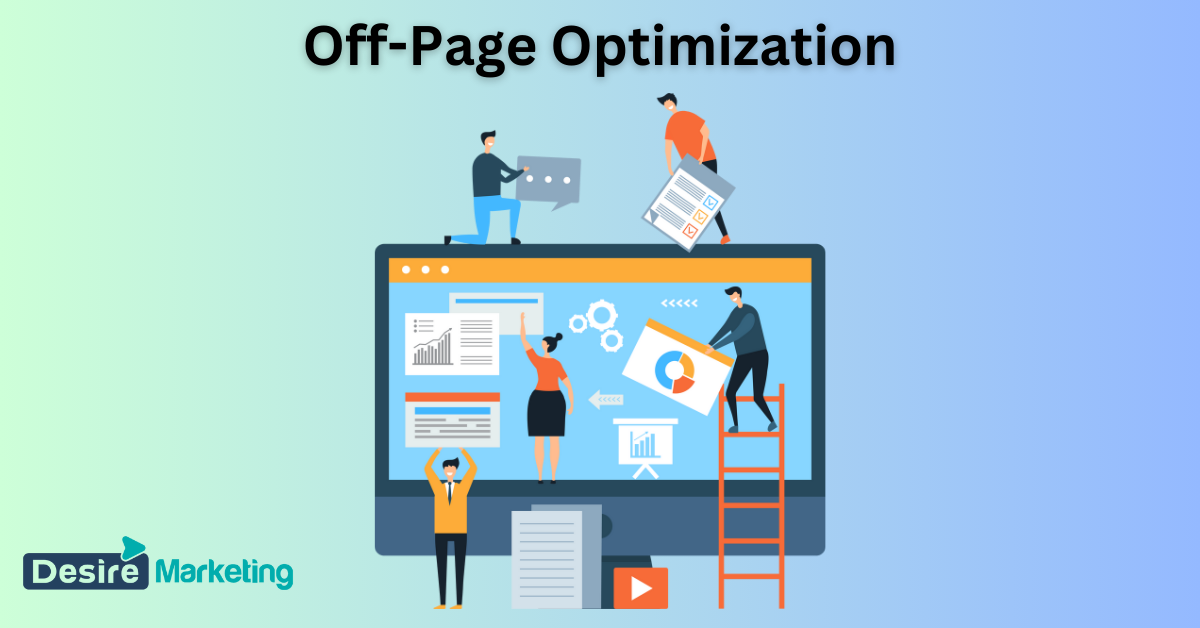
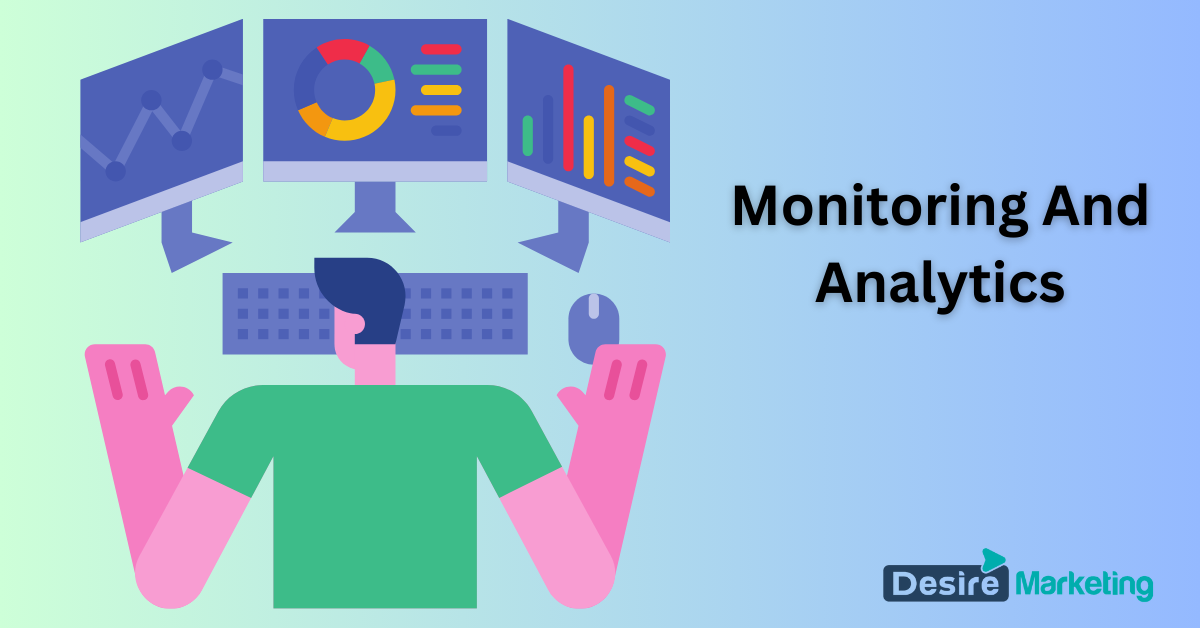


![40+ Infographics Submission Sites List [2026 Update]](https://desiremarketing.io/wp-content/uploads/2023/11/Infographics-Submission-Sites-List.png)