An SSL certificate can solve the technical SEO issue of not having a secure website by encrypting data and improving website security. In today’s digital age, having a secure website is essential for both user trust and search engine rankings.
Without an SSL certificate, websites are labeled as ‘not secure’, potentially deterring users and negatively impacting organic search visibility. By implementing an SSL certificate, all data transmitted between the user and the website is encrypted, protecting sensitive information such as login credentials and credit card details from potential hackers.
This increased security not only boosts user confidence but also sends positive signals to search engines, resulting in better rankings and improved organic traffic. Don’t overlook the importance of SSL certificates when it comes to technical SEO and overall website security.
Understanding SSL Certificates
What Are SSL Certificates?
SSL (secure sockets layer) certificates are digital certificates that establish a secure connection between a server and a user’s web browser. These certificates encrypt the data being transmitted, ensuring that it cannot be intercepted or tampered with by unauthorized parties.
How Do SSL Certificates Work?
SSL certificates involve a process of encryption and decryption that ensures secure communication between a server and a user’s browser. Here’s a breakdown of how they work:
It starts with a user accessing a website with an SSL certificate. The server sends a copy of the SSL certificate to the user’s browser.
The user’s browser checks the SSL certificate’s validity and authenticity. If everything checks out, a secure connection is established.
Next, the user’s browser generates a unique session key and encrypts it using the server’s public key from the SSL certificate. This encrypted session key is sent to the server.
The server then uses its private key to decrypt the session key sent by the user’s browser. The server and browser can now communicate securely using this session key, which is used to encrypt and decrypt the data exchanged.
Why Are SSL Certificates Important For Websites?
SSL certificates bring numerous benefits and are essential for websites for the following reasons:
Security: By encrypting the data transmitted between a server and a user’s browser, SSL certificates protect sensitive information from unauthorized access, such as login credentials, personal details, and financial transactions.
Trust and credibility: Websites with SSL certificates display a padlock symbol and use the “https://” protocol in the URL, indicating a secure connection. This visual cue instills trust in users, assuring them that their information is safe.
Seo ranking: Ssl certificates have become a ranking factor for search engines like Google. Websites with SSL certificates are more likely to rank higher in search results, leading to increased visibility and organic traffic.
Enhanced user experience: SSL certificates ensure a seamless browsing experience by preventing warning messages that may scare off users when accessing websites without secure connections.
Compliance: SSL certificates are often required to meet online security standards and regulations, particularly for websites that handle sensitive data or engage in e-commerce activities.
SSL certificates play a critical role in addressing technical SEO issues by providing secure connections, trust, improved rankings, and compliance with online security standards. Whether it’s safeguarding user information or boosting search engine visibility, implementing an SSL certificate is a crucial step in ensuring a website’s success. Continuous cybersecurity learning enables businesses to stay updated on such critical measures.
How SSL Certificates Impact Technical Seo
A secure website is vital for effective technical SEO. Implementing an SSL certificate not only helps to establish trust and credibility with your users but also impacts various ranking factors that search engines consider when determining the visibility of your website.
In this blog post, we will delve into how SSL certificates can address technical SEO issues, focusing on three key areas: secure website ranking factors, improving website trust and credibility, and enhancing user experience and engagement.
Secure Website Ranking Factors:
SSL certificates play a significant role in influencing the ranking of your website on search engine result pages (SERPs).
Search engines prioritize secure websites and consider SSL certificates as a positive ranking signal.
HTTPS encryption, provided by SSL certificates, helps protect user data and prevents malicious attacks, which can boost your website’s credibility with search engines.
Implementing an SSL certificate contributes to a safer browsing experience, reducing the likelihood of security warnings and increasing user trust.
SSL certificates establish secure connections between your website and users, ensuring that the data transmitted is encrypted and protected from interception.
When users see the padlock symbol and “https: //” in their browser’s address bar, they are reassured that their information is safe.
Websites without SSL certificates may display warnings to users, discouraging them from accessing your site or engaging with your content.
The presence of an SSL certificate instills confidence in your website and can positively impact user behavior, leading to increased conversions and improved user satisfaction.
Enhancing User Experience And Engagement:
Secure websites provide a better user experience by protecting sensitive information, such as login credentials, credit card details, and personal data.
Users are more likely to engage with a website that they perceive as secure, leading to longer session durations and increased page views.
SSL certificates can improve website loading times as search engines prioritize secure websites, resulting in enhanced user experience and lower bounce rates.
With the growing emphasis on privacy and security, users are becoming more cautious about sharing their personal information. By implementing an SSL certificate, you demonstrate your commitment to safeguarding their data.
By addressing technical SEO issues through the implementation of an SSL certificate, you can positively impact your website’s visibility, trustworthiness, user experience, and engagement. Secure connections create a win-win situation for both search engines and users alike, resulting in improved rankings and increased conversions.
So, if you haven’t already, it’s time to secure your website with an SSL certificate and reap the benefits it brings.
Some Myth Ideas About SSL and SEO
These points effectively debunk several common misconceptions about SSL (Secure Sockets Layer) certificates and their impact on SEO (Search Engine Optimization). Let’s summarize and expand on each of these myths:
Myth: SSL is Only for E-commerce Sites
Reality: SSL certificates are beneficial for all types of websites, not just e-commerce or those handling sensitive information. Google and other search engines favor secure websites (those with HTTPS) in their rankings, regardless of the site’s content or purpose. This is because SSL encryption enhances the overall security and integrity of data transmission between a user’s browser and the server.
Myth: SSL Doesn’t Affect SEO Rankings
Reality: Google has confirmed that SSL is a ranking factor in its search algorithm. While it may not be as significant as other factors like content quality or user experience, it still plays a role. As online security awareness increases among users, the impact of SSL on SEO could become more pronounced.
Myth: SSL Guarantees Complete Website Security
Reality: SSL is crucial for encrypting data transfer, making it harder for intercepted data to be deciphered. However, it’s not a comprehensive security solution. Other security measures, such as regular malware scans, firewalls, and strong password policies—often advised by cybersecurity experts — are necessary for full website protection. Additionally, using an antivirus for Mac and other devices, as recommended by Cybernews, adds another layer of security by preventing malware infections that could compromise website safety.
Myth: Setting Up SSL is a One-Time Task
Reality: SSL certificates have expiration dates and must be renewed periodically to remain effective. Additionally, staying informed about the latest developments in SSL/TLS protocols and potential vulnerabilities is important to maintain optimal website security.
Myth: All SSL Certificates Are the Same
Reality: There are different types of SSL certificates designed for various needs. For example, a Domain Validation (DV) certificate might suffice for a personal blog, but an e-commerce site might require an Extended Validation (EV) certificate, which involves a more thorough validation process and provides a higher level of trust and security.
Understanding these realities is crucial for website owners and developers to ensure they are effectively utilizing SSL certificates not only for enhanced security but also for improved SEO performance.
Frequently Asked Questions Of What Technical SEO Issue Can You Solve With An SSL Certificate?
How Does An SSL Certificate Affect Seo?
Having an SSL certificate shows search engines that your website is secure, which can boost your rankings.
Will An SSL Certificate Improve Website Speed?
No, an SSL certificate doesn’t directly impact website speed. However, it can indirectly affect it by boosting trust and credibility.
Can An SSL Certificate Affect Website Visibility?
Yes, having an SSL certificate can improve your website’s visibility in search engine results, enhancing your online presence.
Conclusion
By getting an SSL certificate for your website, you can address several technical SEO issues that can greatly impact your site’s performance. Implementing SSL can ensure secure and encrypted communication between your website and its visitors, improving their trust and confidence in your site.
This can lead to higher rankings in search engine results pages (SERPs) as search engines prioritize sites with secure connections. Additionally, SSL certificates can help eliminate the “not secure” warning that might deter visitors from entering your site. This, in turn, can reduce bounce rates and improve user experience, which are both important SEO factors.
Moreover, SSL certificates can also help with on-page SEO, as Google gives a slight ranking boost to websites that implement HTTPS. So, by investing in an SSL certificate, you not only address technical SEO issues but also enhance security, boost rankings, and improve the overall user experience on your website.
Effective CSS rules for SEO include using proper headings (h1, h2, etc. ), optimizing image alt tags, incorporating internal linking, and implementing clean and lightweight code.
These rules help search engines understand the content and context of a web page, resulting in better visibility and higher rankings. In addition, using descriptive file names and relevant keywords in URLs, as well as ensuring the website is mobile-friendly and loads quickly, are essential for SEO success.
By following these CSS rules, websites can improve their search engine optimization and attract more organic traffic.
The Impact Of CSS on Search Engine Optimization
CSS (cascading style sheets) plays a crucial role in website design and aesthetics, but it also has a significant impact on search engine optimization (SEO). By optimizing your CSS, you can improve your website’s visibility and rankings on search engines.
Let’s take a closer look at how CSS affects SEO rankings, the role of CSS in website accessibility, and optimizing CSS for speed and performance.
How Css Affects Seo Rankings:
Properly structured CSS helps search engines understand the content and structure of your website, improving its visibility in search results.
Using CSS to optimize your website’s layout and structure can enhance user experience, reducing bounce rates and increasing engagement metrics, which are important ranking factors.
CSS allows you to create responsive and mobile-friendly designs, which is a crucial aspect of SEO as mobile search continues to grow in importance.
By separating your CSS code from your HTML, you can keep your website’s code clean and organized, making it easier for search engine crawlers to index your pages efficiently.
The Role Of CSS in Website Accessibility:
CSS enables you to apply various accessibility techniques, such as using proper color contrast, font sizes, and layouts that cater to users with visual impairments or disabilities.
By optimizing CSS for accessibility, you ensure that all users can interact with your website effectively, improving user experience and potentially increasing your rankings.
Optimizing CSS for Speed And Performance:
Minifying CSS files by removing unnecessary characters and whitespace can significantly improve page loading speed, which is a crucial ranking factor.
Combining multiple CSS files into one reduces the number of requests made to the server, further enhancing the speed and performance of your website.
The use of CSS sprites, which combine multiple images into a single file, reduces the number of HTTP requests, resulting in faster page loading times.
Employing CSS grid or flexbox layouts instead of using floats or tables can improve rendering performance, resulting in a better user experience.
By understanding the impact of CSS on SEO rankings, the role it plays in website accessibility, and how to optimize CSS for speed and performance, you can enhance your website’s visibility, user experience, and ultimately, its search engine rankings. Ensuring that your CSS code adheres to best practices will not only benefit your website’s SEO but also contribute to a more visually appealing and accessible website for all users.
Understanding CSS Selectors For SEO Optimization
The Importance Of Choosing The Right CSS Selectors
When it comes to SEO optimization, choosing the right CSS selectors can make a significant impact on the visibility and ranking of your website. CSS, or cascading style sheets, is a powerful tool that allows you to control the design and layout of your web pages.
By using CSS selectors effectively, you can not only enhance the user experience but also optimize your website for search engines.
Here are the key points to understand the importance of choosing the right CSS selectors:
Targeting specific elements: CSS selectors enable you to target specific elements on your web pages, such as headings, paragraphs, images, and links. By selecting these elements through CSS selectors, you can apply different styles, add relevant keywords, and optimize them for search engines.
Improving crawling and indexing: When search engine bots crawl your website, they rely on CSS selectors to identify the different elements of your content. By using descriptive and meaningful selectors, you make it easier for search engines to understand the structure of your web pages and index them more accurately.
Enhancing user experience: CSS selectors also play a vital role in improving the overall user experience of your website. By styling and formatting elements consistently and aesthetically, you can make your content more readable, visually appealing, and engaging for visitors. A positive user experience can result in longer visit durations, lower bounce rates, and higher chances of conversions.
Using CSS Selectors To Target Specific Elements For Seo Purposes
Now that we understand the importance of CSS selectors for SEO, let’s delve into how you can use them to target specific elements effectively:
Headings: Use CSS selectors to target your headings (h1, h2, h3, etc.) And ensure they are optimized with relevant keywords. Search engines consider headings as important elements to understand the structure and context of your content.
Text content: Targeting paragraphs, lists, and other text elements allows you to optimize them for SEO. You can highlight key information, incorporate keywords naturally, and ensure proper formatting for improved readability.
Images: By targeting image elements, you can optimize them with descriptive filenames, alt tags, and captions. This helps search engines understand the content of your images, improving their visibility in image search results.
Links: CSS selectors can be used to target different types of links, such as internal links, external links, or specific anchors. Properly optimized links can lead to better user navigation and improve the overall link structure of your website.
Best Practices For Using CSS Selectors Effectively
To ensure you maximize the benefits of CSS selectors for SEO optimization, here are some best practices to keep in mind:
Use specific selectors: Instead of relying on generic selectors, such as targeting all paragraphs or all images, aim for more specific selectors. This helps search engines understand the relevance and context of your targeted elements.
Avoid inline styles: While inline styles can be convenient, it’s best to avoid them for SEO purposes. Instead, use external CSS files and selectors to keep your code clean, maintain consistency, and make future updates easier.
Be mindful of performance: While CSS selectors are powerful, excessive use or overly complex selectors can negatively impact the loading speed of your web pages. Optimize your CSS code and selectors to ensure efficient performance.
Test across different devices: Make sure your selectors work well on different devices and screen sizes. Staying updated with design trends can help you create responsive designs that enhance user experience and positively influence SEO.
By understanding the importance of choosing the right CSS selectors, utilizing them effectively to target specific elements, and following best practices, you can optimize your website for SEO and improve its visibility in search engine results. Remember, CSS selectors are not just for design and aesthetics; they are essential tools for enhancing user experience and optimizing your content for higher search rankings.
Frequently Asked Questions On What Are The Effective CSS Rules For Seo?
How Does Semantic HTML Impact Seo?
Semantic HTML enhances SEO by providing clear and structured content for search engines to understand and rank your website.
Why Is Mobile-Friendly Design Important For Seo?
Mobile-friendly design is vital for SEO as it improves user experience, increases visibility on mobile search, and boosts website rankings in search engines.
Conclusion
To optimize your website for search engines, it is crucial to understand the effective CSS rules for SEO. By implementing these rules, you can enhance the visibility of your website and improve its ranking on search engine result pages. A few key rules to keep in mind are using descriptive class and ID names, reducing code bloat, optimizing page load speed, utilizing media queries for mobile responsiveness, and prioritizing mobile-first design.
These CSS rules contribute to a positive user experience and ultimately boost your search engine rankings. Additionally, remember to optimize your CSS code for efficient crawling by search engine bots. With these effective CSS rules, you can optimize your website and ensure it is easily discoverable and accessible to your target audience.
Implement these rules today to maximize your SEO efforts and stand out in the competitive online landscape.
A digital marketing audit is a comprehensive evaluation of an organization’s online marketing strategies and activities. It involves analyzing various aspects such as website performance, search engine optimization, social media presence, and content effectiveness to identify areas for improvement and optimization.
Through this audit, businesses can gain insights into their digital marketing efforts and develop actionable strategies to enhance their online presence, attract more customers, and improve overall marketing performance. Assessing metrics, conducting competitor analysis, and reviewing consumer behavior are some key components of a digital marketing audit.
It helps companies stay updated with the latest digital marketing trends and ensures their strategies align with business goals.
Credit: www.searchenginejournal.com
Understanding The Importance And Components
Digital marketing audits play a crucial role in today’s online landscape. With the ever-changing digital landscape, businesses need to regularly assess their digital marketing strategies to ensure they are effectively reaching their target audience and achieving their marketing goals. A digital marketing audit involves a comprehensive evaluation of various aspects of a company’s online presence, including their website, social media accounts, search engine optimization (seo) efforts, paid advertising campaigns, and more.
By conducting a digital marketing audit, businesses can gain valuable insights into their current performance and identify areas for improvement. In this section, we will explore the importance of conducting a digital marketing audit and the key components involved. So, let’s dive in!
Why Conduct A Digital Marketing Audit?
To assess the effectiveness of current digital marketing strategies and identify areas for improvement.
To ensure brand consistency across all digital channels.
To analyze the website’s performance and user experience.
To evaluate the success of social media marketing efforts and engagement with the target audience.
To review the performance of paid advertising campaigns and optimize budget allocation.
To identify opportunities for search engine optimization and improve organic visibility.
To ensure compliance with industry regulations and best practices.
To benchmark against competitors and identify areas where the business can gain a competitive advantage.
Key Components Of A Digital Marketing Audit
A digital marketing audit encompasses various key components that need to be assessed thoroughly. These components provide a comprehensive understanding of the current digital marketing efforts and help businesses identify areas for improvement. The key components of a digital marketing audit include:
Website analysis: Evaluating the website’s design, layout, loading speed, mobile responsiveness, and user experience.
Seo assessment: Analyzing keyword research, on-page optimization, backlink profile, and overall organic search performance.
Content evaluation: Reviewing the quality, relevance, and engagement level of the website’s content, including blog posts, articles, and landing pages.
Social media examination: Evaluating the effectiveness of social media marketing efforts, analyzing audience engagement, content strategy, and platforms used.
Paid advertising audit: Assessing the performance of paid advertising campaigns, including ad copy, targeting, conversion tracking, and return on investment (roi).
Analytics review: Analyzing website traffic, user behavior, conversion rates, and other key performance metrics using tools like google analytics.
Competitive analysis: Benchmarking against competitors to identify strengths, weaknesses, and potential opportunities in the market.
Legal and compliance check: Ensuring compliance with data protection regulations, privacy policies, and any legal requirements related to digital marketing activities.
By conducting a digital marketing audit and addressing the key components mentioned above, businesses can gain valuable insights into their digital marketing performance and make data-driven decisions to enhance their online presence. So, let’s explore these components in detail in the upcoming sections!
Ensuring Comprehensive Analysis And Optimal Results By Digital Marketing Audit
A digital marketing audit is a comprehensive analysis of your online marketing efforts to ensure optimal results. It involves evaluating various aspects of your digital strategy, including website design, seo, social media presence, content marketing, paid advertising campaigns, email marketing, and data analytics.
By conducting a digital marketing audit, you can identify areas of improvement and implement strategies to increase your online visibility, attract more potential customers, and ultimately drive conversions. In this blog post, we will delve into the key components of a digital marketing audit, highlighting the importance of each element in achieving your business objectives.
Setting Clear Objectives For The Audit:
Clearly define the purpose and goals of your digital marketing audit.
Determine what you want to achieve and the specific areas you want to assess.
Align the audit objectives with your overall business goals.
How to Conduct A Digital Marketing Audit?
Analyzing Website Design And User Experience:
Review the visual appeal and layout of your website.
Ensure it aligns with your brand identity and effectively communicates your message.
Analyze user feedback and behavior to improve the overall user experience.
Evaluating Website Performance And Loading Speed:
Measure website loading speed and optimize it for faster performance.
Assess the efficiency of hosting services and server response time.
Monitor website uptime and address any performance-related issues.
Assessing Website Navigation And Structure:
Evaluate the website’s navigation menu and categorization of content.
Ensure ease of use, intuitive navigation, and logical information architecture.
Make it easy for visitors to find what they are looking for with clear calls-to-action.
Monitor content performance metrics, such as page views, time on page, and bounce rate.
Assess audience engagement through comments, social shares, and backlinks.
Identify top-performing content and areas for improvement.
Reviewing Paid Advertising Campaigns:
Assess the performance of your paid advertising campaigns.
Analyze click-through rates (CTRs), conversion rates, and cost per acquisition (CPA).
Identify opportunities to optimize ad targeting and messaging.
Evaluating Ad Performance And Roi:
Measure the effectiveness of your ads in driving qualified traffic and conversions.
Analyze the return on investment (ROI) for each advertising campaign.
Optimize ad placements, bidding strategies, and creative elements.
Assessing Targeting And Segmentation:
Evaluate the accuracy of your target audience segmentation.
Analyze the effectiveness of your ad targeting parameters.
Identify opportunities for refining your targeting strategy.
Analyzing Landing Page Effectiveness:
Assess the conversion rates and bounce rates of your landing pages.
Analyze the clarity and relevance of your landing page content and offers.
Conduct a/b testing to optimize landing page performance.
Evaluating Email Marketing Strategies:
Assess the effectiveness of your email marketing campaigns.
Analyze open rates, click-through rates, and conversion rates.
Identify opportunities for improving email segmentation and personalization.
Assessing Email List Quality And Growth:
Monitor the growth of your email subscriber list.
Analyze the quality of your email contacts in terms of engagement and relevancy.
Implement strategies to increase email list growth and ensure a healthy subscriber base.
Reviewing Email Content And Design:
Evaluate the quality and relevance of your email content.
Analyze the effectiveness of your email templates and design elements.
Optimize email content for readability and engagement.
Analyzing Email Open And Click-Through Rates:
Monitor email open rates and click-through rates.
Analyze the subject lines, preview text, and call-to-action effectiveness.
Identify opportunities for improving email engagement and click-through rates.
Monitoring Analytics And Reporting:
Set up relevant metrics and key performance indicators (KPIs).
Monitor data analytics to track your digital marketing performance.
Generate actionable reports to guide decision-making and strategy adjustments.
Analyzing Data For Insights And Trends:
Evaluate data trends and patterns to identify areas of improvement.
Analyze user behavior data to gain insights into audience preferences.
Identify opportunities for optimization based on data-driven insights.
Generating Actionable Reports:
Create comprehensive reports summarizing your digital marketing audit findings.
Provide clear recommendations and action steps for improvement.
Use the reports as a roadmap to implement changes and drive future success.
Frequently Asked Questions On What Is A Digital Marketing Audit
What Are The Key Components Of A Digital Marketing Audit?
Key components of a digital marketing audit include website analysis, SEO evaluation, social media assessment, content review, competitor analysis, campaign performance evaluation, and ROI analysis.
How Can A Digital Marketing Audit Benefit My Business?
A digital marketing audit can benefit your business by providing valuable insights into your online performance, identifying areas for improvement, optimizing your strategies, enhancing customer engagement, increasing brand awareness, and maximizing your marketing budget.
Conclusion
To wrap up, a digital marketing audit is an essential tool to assess your online marketing efforts and identify areas for improvement. By conducting a thorough analysis of your digital assets, such as your website, social media profiles, and advertising campaigns, you can gain valuable insights into how effectively you are connecting with your target audience.
The audit helps to uncover what is working well and what needs to be enhanced, allowing you to make data-driven decisions that will optimize your marketing strategies and drive better results. Through examining key metrics, including website traffic, engagement rates, and conversion rates, you can pinpoint areas that require attention and prioritize your marketing efforts accordingly.
By regularly conducting digital marketing audits, you can stay ahead of the competition, boost your online presence, and ultimately achieve your business goals. So, don’t underestimate the power of a digital marketing audit – it’s the key to unlocking your online marketing potential and maximizing your success.
Welcome to the world of SEO Quotes, where wisdom meets digital marketing strategies. In this article, we’ll explore the power of inspiring and actionable quotes that not only motivate but also provide valuable insights into the realm of Search Engine Optimization. Whether you’re a seasoned SEO expert or just starting to dip your toes into the vast ocean of online visibility, these SEO quotes will offer you a fresh perspective and guidance on how to navigate the ever-changing landscape of search engines effectively. Get ready to be inspired and equipped with the knowledge to take your website’s rankings to new heights!
Evergreen SEO Quotes to Inspire Marketing in 2024
“Good SEO work only gets better over time. It’s only search engine tricks that need to keep changing when the ranking algorithms change.” – Jill Whalen
“SEO is a noun, verb, and adjective.” – Todd Malicoat
“SEO, in a nutshell, is the art and science of pleasing search engines and humans.” – Rebecca Lieb
“The ultimate search engine would understand exactly what you mean and give back exactly what you want.” – Larry Page
“The objective is not to ‘make your links appear natural’; the objective is that your links are natural.” – Matt Cutts
“You can’t just ‘SEO’ your website and be done. It’s a forever moving goal post.” – Stoney deGeyter
“Content is King, but marketing is Queen and runs the household.” – Gary Vaynerchuk
“Today it’s not about ‘get the traffic’ — it’s about ‘get the targeted and relevant traffic.’” – Adam Audette
“SEO is like a resume, you polish it so you have your best foot forward.” – Matt Cutts
“Google only loves you when everyone else loves you first.” – Wendy Piersall
“Success in SEO is like cooking a great meal. While knowing the recipe is key, the ability to adapt the ingredients is the real secret sauce.” – Danny Sullivan
“SEO isn’t about gaming the system anymore; it’s about learning how to play by the rules.” – Jordan Teicher
“When it comes to SEO, change is the only constant.” – Unknown
“SEO does not exist in a vacuum. It requires a combination of disciplines to do really well.” – Jono Alderson
“Doing well with blogging is not about writing one key post, it is about performing day after day and helping a few people at a time.” – Aaron Wall
“Think about what a user is going to type.” – Matt Cutts
“It’s much easier to double your business by doubling your conversion rate than by doubling your traffic.” – Jeff Eisenberg
Best SEO Quote -Inspiring SEO Quotes
“SEO is an investment, not a cost.” – Tom Preston-Werner
“Good SEO work only gets better over time. It’s only search engine tricks that need to keep changing when the ranking algorithms change.” – Jill Whalen
“The best place to hide a dead body is the second page of Google search results.” – Anonymous
“SEO is not something you do anymore. It’s what happens when you do everything else right.” – Chad Pollitt
“SEO is a marketing function for sure, but it needs to be baked into a product, not slapped on like icing after the cake is baked.” – Duane Forrester
“On a broad scale, I see SEO becoming a normalized marketing tactic, the same way TV, radio, and print are traditionally thought of as marketing tactics.” – Duane Forrester
“Content is the reason search began in the first place.” – Lee Odden
“The objective is not to ‘make your links appear natural’; the objective is that your links are natural.” – Matt Cutts
“The success of a page should be measured by one criteria: Does the visitor do what you want them to do?” – Aaron Wall
“The best way to predict your future is to create it.” – Peter Drucker
“The more you engage with customers, the clearer things become and the easier it is to determine what you should be doing.” – John Russell
“Google only loves you when everyone else loves you first.” – Wendy Piersall
“The only way to do great work is to love what you do.” – Steve Jobs
“Focus on the user and all else will follow.” – Google
“Success is not the key to happiness. Happiness is the key to success. If you love what you are doing, you will be successful.” – Albert Schweitzer
“If you’re not on the internet, you don’t exist.” – Bill Gates
“The best marketing doesn’t feel like marketing.” – Tom Fishburne
“Do not be embarrassed by your failures, learn from them and start again.” – Richard Branson
“The key is not to prioritize what’s on your schedule, but to schedule your priorities.” – Stephen Covey
“Your brand is what people say about you when you’re not in the room.” – Jeff Bezos
“The best time to plant a tree was 20 years ago. The second best time is now.” – Chinese Proverb
“Content is king.” – Bill Gates
“SEO is not just about backlinks; it’s about building a brand that people trust and love.” – Neil Patel
“It’s much easier to double your business by doubling your conversion rate than by doubling your traffic.” – Jeff Eisenberg
“If you’re not adapting to the digital world, you’re being left behind.” – Sam Walton
“SEO is a never-ending process. If you’re not moving forward, you’re falling behind.” – Mike Volpe
“The best way to hide something is to put it on the second page of Google.” – Sergio Aguero
“The objective is not just to ‘make your links appear natural’; the objective is that your links are natural.” – Matt Cutts
“The success of a page should be measured by one criteria: Does the visitor do what you want them to do?” – Aaron Wall
“Good SEO work only gets better over time. It’s only search engine tricks that need to keep changing when the ranking algorithms change.” – Jill Whalen
“SEO is not something you do anymore. It’s what happens when you do everything else right.” – Chad Pollitt
“The best place to hide a dead body is the second page of Google search results.” – Anonymous
“SEO is an investment, not a cost.” – Tom Preston-Werner
“On a broad scale, I see SEO becoming a normalized marketing tactic, the same way TV, radio, and print are traditionally thought of as marketing tactics.” – Duane Forrester
“SEO is a marketing function for sure, but it needs to be baked into a product, not slapped on like icing after the cake is baked.” – Duane Forrester
“Content is the reason search began in the first place.” – Lee Odden
“The objective is not to ‘make your links appear natural’; the objective is that your links are natural.” – Matt Cutts
“The success of a page should be measured by one criteria: Does the visitor do what you want them to do?” – Aaron Wall
“The best way to predict your future is to create it.” – Peter Drucker
“The more you engage with customers, the clearer things become and the easier it is to determine what you should be doing.” – John Russell
“Google only loves you when everyone else loves you first.” – Wendy Piersall
“The only way to do great work is to love what you do.” – Steve Jobs
“Focus on the user and all else will follow.” – Google
“Success is not the key to happiness. Happiness is the key to success. If you love what you are doing, you will be successful.” – Albert Schweitzer
“If you’re not on the internet, you don’t exist.” – Bill Gates
“The best marketing doesn’t feel like marketing.” – Tom Fishburne
“Do not be embarrassed by your failures, learn from them and start again.” – Richard Branson
“The key is not to prioritize what’s on your schedule, but to schedule your priorities.” – Stephen Covey
“Your brand is what people say about you when you’re not in the room.” – Jeff Bezos
“The best time to plant a tree was 20 years ago. The second best time is now.” – Chinese Proverb
“Content is king.” – Bill Gates
“SEO is not just about backlinks; it’s about building a brand that people trust and love.” – Neil Patel
“It’s much easier to double your business by doubling your conversion rate than by doubling your traffic.” – Jeff Eisenberg
“If you’re not adapting to the digital world, you’re being left behind.” – Sam Walton
“SEO is a never-ending process. If you’re not moving forward, you’re falling behind.” – Mike Volpe
“The best way to hide something is to put it on the second page of Google.” – Sergio Aguero
“The objective is not just to ‘make your links appear natural’; the objective is that your links are natural.” – Matt Cutts
“The success of a page should be measured by one criteria: Does the visitor do what you want them to do?” – Aaron Wall
Search Engine Optimization Quotes To Rank #1
“Ranking #1 is not just about keywords; it’s about understanding the user’s intent and delivering value.” – Anonymous
“In the world of SEO, content is the currency, and relevance is the key to the vault of high rankings.” – Brian Sutter
“SEO is not a one-time sprint; it’s a marathon where consistent efforts lead to the podium of search results.” – Amit Ray
“To rank #1, think like a user, optimize like a machine, and create content like a storyteller.” – Shreya Dalela
“The algorithm is a reflection of user behavior. To win at SEO, you must first understand your audience.” – Moz
“SEO is not just about climbing the ranks; it’s about dominating the conversation in your industry.” – Sam Hollis
“Ranking high is not just about pleasing search engines; it’s about serving your audience better than anyone else.” – Neil Patel
“In the dance of algorithms, the website with the best moves takes the lead in the rankings.” – Digital Marketing Proverb
“To reach the top, optimize not just for search engines but for the user’s experience and satisfaction.” – Barry Schwartz
“SEO is the art of making search engines fall in love with your website over and over again.” – Sorav Jain
“The road to #1 is paved with strategic content, technical finesse, and an unwavering commitment to excellence.” – Ann Smarty
“Ranking high is not a privilege; it’s a result of strategic choices, meticulous planning, and relentless execution.” – Derek Gleason
“The search engine’s favorite website is the one that offers the most value to its users consistently.” – Rand Fishkin
“To climb to the top, your SEO strategy should be a harmonious symphony of relevance, authority, and user experience.” – Aleyda Solis
“SEO is not about tricking the algorithm; it’s about being the best answer to the user’s query.” – Vanessa Fox
“To rank #1, your content should not just answer questions; it should be the authority on the subject.” – Brian Clark
“In the world of SEO, adaptability is the secret weapon that helps you stay ahead in the ever-evolving landscape.” – Danny Sullivan
“Ranking high is not a sprint; it’s a climb that requires resilience, adaptability, and a clear view of the summit.” – John Rampton
“SEO success is not about shortcuts; it’s about consistently delivering value, relevance, and an exceptional user experience.” – Cyrus Shepard
“To be the king of search, you must understand the language of algorithms, speak the voice of the user, and dance to the rhythm of relevance.” – SEO Proverb
These quotes not only provide valuable insights but also help remind us of the core principles of SEO. It’s not just about getting to the top of search engine results pages, but also about providing quality, valuable content that meets users’ needs and expectations. In the constantly changing world of SEO, these quotes can serve as guiding lights, leading us toward more effective and ethical strategies.
Mobile convergence marketing refers to the strategy of integrating marketing efforts across multiple mobile platforms, devices, and channels to create a seamless and unified customer experience. The mobile convergence marketing of real and digital worlds in mobile marketing is best reflected through augmented reality technology. Mobile marketing has evolved to integrate augmented reality, bridging the gap between the physical and digital realms.
With the rise of smartphones and advanced technology, consumers can now experience interactive and immersive digital content overlaid onto their real-world environment. Augmented reality allows businesses to engage with their target audience in innovative ways, offering virtual try-ons, product visualizations, and interactive experiences.
By seamlessly blending the real and digital worlds, mobile marketing with augmented reality enhances customer engagement and provides a unique and personalized brand experience.
Credit: www.fiercewireless.com
Definition Of Mobile Convergence Marketing
The convergence of the real and digital worlds in mobile marketing is transforming the way businesses engage with their target audience. It brings together the physical and virtual aspects of marketing to create a seamless and immersive experience for consumers.
The concept of mobile convergence marketing encompasses integrating offline and online marketing strategies to reach customers effectively. In this section, we will explore the definition of mobile marketing convergence and why it is important in today’s digital landscape.
What Is Mobile Marketing Convergence And Why Is It Important?
Mobile marketing convergence refers to the integration and synchronization of offline and online marketing efforts to deliver a cohesive brand experience across various touchpoints.
It involves leveraging mobile devices and technologies to bridge the gap between the physical and digital worlds, enabling businesses to engage with customers in real-time, anytime, and anywhere.
Mobile marketing convergence is essential because it allows brands to create personalized and targeted interactions with their audience, enhancing customer engagement and loyalty.
By combining the power of data analytics, mobile apps, social media, and location-based services, businesses can deliver tailored experiences that resonate with customers on a deeper level. Businesses can harness the benefits of mobile apps development services for personalized customer experiences.
It enables a seamless transition from offline to online experiences, enabling consumers to effortlessly engage with a brand across different channels and devices.
Mobile marketing convergence also offers greater opportunities for businesses to drive conversions, generate leads, and increase sales by creating a consistent and relevant customer journey.
Power words contribute significantly to the success of mobile convergence marketing. These are persuasive and impactful words that can evoke emotions and create a sense of urgency. They play a crucial role in capturing the attention of the audience and driving them to take the desired action.
Here are some ways power words enhance mobile marketing convergence:
How Power Words Contribute To The Success Of Mobile Marketing Convergence:
Power words can grab the attention of users, leading to higher click-through rates and engagement.
These words evoke emotions and create a sense of urgency, compelling users to take immediate action.
Power words can enhance the persuasiveness of call-to-action buttons and encourage users to convert.
They can be used in mobile ads to increase ad recall and drive higher conversion rates.
Power words can be incorporated into push notifications to capture users’ interest and entice them to open the app or visit the website.
By using power words in content marketing materials such as blog posts and social media posts, brands can make their messaging more compelling and shareable, thereby increasing brand exposure and reach.
Power words can also make mobile marketing messages more memorable, helping to reinforce brand awareness and recognition.
Mobile marketing convergence is a powerful strategy that blends the real and digital worlds to deliver a unified brand experience. By leveraging power words effectively, businesses can maximize the impact of their mobile marketing efforts and improve customer engagement and conversion rates.
Embracing mobile marketing convergence and utilizing the influence of power words can position businesses ahead of the pack in today’s competitive digital landscape.
Examples Of Power Words In Mobile Marketing Convergence
Mobile marketing is rapidly evolving, with the convergence of the real and digital worlds reshaping the way brands connect with their audience. This phenomenon has opened up new avenues for marketers to engage and entice consumers, using powerful words to create impactful campaigns.
In this blog post, we will explore the application and impact of power words in mobile convergence marketing campaigns, shedding light on how they can enhance consumer engagement and conversion rates. So, let’s dive deep into the world of power words in mobile marketing and discover how they can take your campaigns to new heights!
Application Of Power Words In Mobile Marketing Convergence Campaigns
Power words are strategically incorporated in mobile marketing convergence campaigns to capture the attention and interest of consumers right from the start.
These words are carefully chosen to evoke emotions, spark curiosity, create a sense of urgency, or address specific pain points and desires.
Power words can be used in various elements of a mobile marketing campaign, such as headlines, email subject lines, call-to-action buttons, and social media posts.
They can assist in grabbing a user’s attention, conveying a strong message, and compelling them to take action, such as making a purchase or subscribing to a service.
Incorporating power words in the mobile convergence marketing campaigns enables brands to communicate their value proposition effectively, stand out from the competition, and leave a lasting impression in the minds of consumers.
Impact Of Power Words On Consumer Engagement And Conversion Rates
The strategic use of power words in mobile marketing convergence campaigns has a significant impact on consumer engagement and conversion rates.
Power words tap into consumers’ emotions, drawing them in, and fostering a connection that drives them to take the desired action.
These words can create a sense of exclusivity, scarcity, or urgency, leading consumers to feel compelled to engage immediately.
By using power words that address specific pain points and desires, brands can resonate with their target audience and present themselves as the solution they seek.
The emotional appeal of power words helps to captivate consumers, making them more receptive to the brand’s messaging and increasing the likelihood of conversion.
A well-crafted mobile marketing campaign that integrates power words in its content can result in higher click-through rates, increased conversions, and improved overall roi.
Power words play a vital role in mobile marketing convergence campaigns by capturing attention, evoking emotions, and driving action. By expertly incorporating these words into various elements of a campaign, brands can effectively engage consumers and achieve higher conversion rates.
So, if you’re looking to take your mobile marketing efforts to the next level, harness the power of words and watch your campaigns soar!
The Power Word That Best Reflects Mobile Marketing Convergence
The convergence of the real and digital worlds in mobile marketing is transforming the way businesses engage with their customers. This shift has given rise to a new set of challenges and opportunities for marketers, and it is essential for them to adapt their strategies accordingly.
One powerful word that encapsulates the essence of this convergence is “integration. ” By seamlessly integrating the real and digital aspects of their marketing efforts, businesses can create a more cohesive and impactful experience for their audience. In this section, we will analyze different power words that align with mobile marketing convergence goals and discuss the factors to consider when selecting the best power word for a mobile marketing convergence strategy.
So, let’s dive in and explore the world of power words and their impact on mobile marketing convergence.
Analyzing Different Power Words And Their Alignment With Mobile Marketing Convergence Goals
Synergy: This word highlights the idea of different elements working together harmoniously. In the context of mobile marketing convergence, it emphasizes the need for cohesive and integrated strategies that combine real-world experiences with digital interactions. The goal is to create an experience that is greater than the sum of its parts.
Seamlessness: The word suggests a smooth and effortless flow between the real and digital worlds. For mobile marketing convergence, this means delivering a consistent and uninterrupted experience across various touchpoints, whether it’s a physical store, a mobile app, or a social media platform. It emphasizes the importance of removing barriers and making the transition between channels seamless for customers. The integration of mobile app development services and app design services is key to bridging the gap between physical and digital touchpoints.
Immersive: This word captures the essence of creating an engaging and captivating experience for customers. In the context of mobile marketing convergence, it means using technology to blur the boundaries between the real and digital worlds, allowing users to fully immerse themselves in a brand’s story or offering. By leveraging augmented reality, virtual reality, or interactive content, businesses can create memorable and immersive experiences for their customers.
Factors To Consider When Selecting The Best Power Word For A Mobile Marketing Convergence Strategy
Alignment with brand identity: The power word should align with the brand’s values, mission, and overall identity. It should reflect the essence of the brand and resonate with its target audience.
Clarity and simplicity: The chosen word should be clear and easily understood by both the brand and its customers. It should communicate the concept of mobile marketing convergence without causing confusion or ambiguity.
Impact and memorability: The power word should make an impact and be memorable to the target audience. It should evoke emotions and create a lasting impression that helps differentiate the brand from its competitors.
Versatility and adaptability: The chosen word should be versatile enough to be applied across different marketing channels and strategies. It should be adaptable to various contexts and capable of evolving with the ever-changing landscape of mobile marketing convergence.
Relevance to the target audience: The power word should resonate with the brand’s target audience and align with their expectations, preferences, and behaviors. It should capture their attention and create a sense of connection and relevance.
Benefits Of Using The Selected Power Word
The convergence of the real and digital worlds has completely transformed the landscape of mobile marketing. The ability to seamlessly integrate offline and online experiences has opened up a world of opportunities for marketers to engage with their audience on a whole new level.
One of the most effective ways to achieve this convergence is by using a powerful word that resonates with consumers and drives action.
How The Chosen Power Word Enhances The Effectiveness Of Mobile Marketing Convergence:
Creates a sense of urgency: By using a power word that inspires a sense of urgency, marketers can encourage immediate action from their audience. This can be particularly effective in the realm of mobile marketing, where consumers are constantly on the move and have limited attention spans. The power word prompts users to take action in the moment, leading to higher engagement rates and increased conversions.
Increases brand recall: A well-chosen power word has the potential to make a lasting impact on consumers’ minds. When a power word is used consistently in mobile marketing campaigns, it becomes synonymous with the brand and is easily recognizable by users. This not only helps to increase brand recall but also fosters a sense of familiarity and trust, making it more likely that consumers will engage with the brand on multiple touchpoints.
Drives social sharing: A powerful word can evoke strong emotions and resonate with users on a deeper level. When people feel a strong connection to a brand or campaign, they are more likely to share it with their social networks. This word-of-mouth marketing can significantly amplify the reach and impact of mobile marketing campaigns, ultimately driving more traffic and conversions.
Examples Of Successful Mobile Marketing Convergence Campaigns That Utilized The Selected Power Word:
Redefining ‘now’: A major telecommunications company launched a mobile marketing campaign with the power word ‘now’. By emphasizing the immediate benefits of their services, they successfully drove a sense of urgency among consumers. The campaign focused on real-time offers and exclusive deals that were only available for a limited time, prompting users to take immediate action. The result was a significant increase in app downloads and conversions.
Unlock your potential: A fitness app utilized the power word ‘potential’ in their mobile marketing campaign. Their strategy revolved around empowering users to reach their fitness goals and unlock their full potential. The app provided personalized workout plans, progress tracking, and motivational content that encouraged users to push their limits. The campaign not only increased app downloads but also led to higher engagement rates and app usage.
The selected power word plays a crucial role in enhancing the effectiveness of mobile marketing convergence. By creating a sense of urgency, increasing brand recall, and driving social sharing, marketers are able to leverage the power of words to engage with their audience and drive action.
Successful campaigns that have utilized the power word have achieved remarkable results in terms of engagement, conversions, and brand loyalty.
Strategies For Incorporating The Power Word Into Mobile Marketing Convergence
The convergence of the real and digital worlds in mobile marketing has opened up a realm of possibilities for businesses to connect with their target audience like never before. With the power of mobile devices in the hands of consumers, marketers have the opportunity to create seamless experiences that blend the physical and online worlds.
In this blog post, we will explore strategies for incorporating the power word into mobile marketing convergence, helping businesses optimize their campaigns and increase their impact.
Techniques To Seamlessly Integrate The Power Word Into Mobile Marketing Campaigns:
Personalization: Tailor your mobile marketing campaigns to individual users, using data and insights to deliver personalized messages and experiences. By addressing customers by name and recognizing their preferences, you can create a sense of connection and relevance, increasing the power and impact of your messaging.
Location-based targeting: Leverage the power of geolocation to deliver targeted content and offers based on a user’s physical location. By aligning your messaging with the real-world context of your audience, you can make your marketing campaigns more impactful and meaningful.
Social media integration: Incorporate social media elements into your mobile marketing campaigns to encourage user engagement and enable seamless sharing. By integrating social sharing buttons, hashtags, and user-generated content, you can harness the power of social media to amplify the reach and impact of your messaging.
Tips For Optimizing Mobile Marketing Materials To Reinforce The Power Word’S Impact:
Responsive design: Ensure that your mobile marketing materials, such as websites, emails, and ads, are optimized for mobile devices. Responsive design allows your content to adapt to different screen sizes, ensuring a seamless and engaging user experience across devices.
Clear call-to-action: Make sure your mobile marketing materials have a clear and compelling call-to-action (cta). Whether it’s a button, link, or form, your cta should provide a clear next step for users, guiding them towards the desired action.
Streamlined user experience: Simplify the user journey by removing any friction points and ensuring a smooth and intuitive experience. From loading times to navigation, every aspect of the user experience should be optimized to maximize engagement and encourage conversions.
A/b testing: Continuously experiment and optimize your mobile marketing materials through a/b testing. By testing different variations of your messaging, design, and cta, you can identify the most effective elements and refine your campaigns for maximum impact.
Incorporating the power word into mobile marketing convergence requires a thoughtful and strategic approach. By implementing these techniques and tips, businesses can create engaging and impactful mobile marketing campaigns that resonate with their audience in the real and digital worlds.
Measuring The Impact Of The Power Word In Mobile Marketing Convergence
Mobile marketing is constantly evolving, and one of the most significant developments in recent years is the convergence of the real and digital worlds. This convergence has opened up new possibilities for marketers to reach their target audience in more personalized and impactful ways.
But how do we measure the impact of this convergence? In this section, we will explore key metrics to track the effectiveness of the power word in mobile marketing convergence. Partnering with a mobile app development company can further amplify these efforts by creating tailored applications that connect digital strategies with real-world user experiences.
Key Metrics To Track The Effectiveness Of The Power Word In Mobile Marketing Convergence:
Conversion rate: The percentage of users who take the desired action after encountering the power word in a mobile marketing campaign. This metric helps evaluate the persuasive power of the word and its ability to convert users into customers.
Click-through rate (ctr): The ratio of users who click on a link or a call-to-action (cta) after being exposed to the power word. A high ctr indicates that the word is successfully capturing users’ attention and motivating them to take further action.
Engagement rate: Measures the level of user interaction with the power word. It includes metrics such as time spent on page, number of interactions (likes, comments, shares), and bounce rate. A high engagement rate indicates that the word is resonating with the target audience and generating interest.
Return on investment (roi): Determines the financial impact of the power word in a mobile marketing campaign. By comparing the costs of implementing the word to the revenue generated from conversions, marketers can assess the overall effectiveness and profitability of the strategy.
Social media reach: Tracks the number of social media users who are exposed to the power word through various platforms. This metric provides insight into the word’s reach and potential virality, helping marketers understand its influence on social media engagement and brand visibility.
Analyzing data and evaluating the success of the power word implementation is crucial for optimizing mobile marketing convergence strategies. By monitoring these key metrics, marketers can continuously refine their approach, ensuring maximum impact and effectiveness in reaching and engaging their target audience.
Challenges And Potential Pitfalls In Utilizing The Power Word
With the convergence of the real and digital worlds in mobile marketing, utilizing the power word can offer tremendous opportunities. However, it’s not without its challenges and potential pitfalls. In order to drive effective results and make the most of this powerful tool, marketers need to be aware of the obstacles they may face and develop strategies to overcome them.
Common Obstacles Faced When Incorporating The Power Word Into Mobile Marketing Convergence:
Limited screen space: Mobile devices have smaller screens compared to other platforms, making it challenging to effectively incorporate the power word without compromising the user experience.
Attention span: Mobile users are often on-the-go and have shorter attention spans. It can be difficult to capture their attention and convey the message effectively within a limited timeframe.
Technical limitations: Mobile devices may have constraints like slower internet connections, limited memory, or outdated software versions, which can hinder the seamless integration of the power word.
Compatibility issues: With a wide variety of mobile devices, operating systems, and screen sizes, ensuring compatibility and consistent user experience across all platforms can be a challenge.
Ad-blockers: Many mobile users employ ad-blockers to enhance their browsing experience, making it difficult for marketers to reach their target audience with the power word.
Strategies To Overcome Challenges And Minimize Potential Pitfalls:
Responsive design: Utilize responsive design techniques to ensure that the power word content adapts to different screen sizes and resolutions, providing an optimal viewing experience for mobile users.
Concise messaging: Craft concise and compelling messages that quickly resonate with mobile users, delivering the key value proposition without overwhelming them with excessive information.
Optimize website loading speed: Mobile users expect quick loading times. Optimizing website performance, reducing file sizes, and leveraging caching techniques will enhance the user experience and enable faster access to the power word content.
Cross-platform testing: Conduct extensive testing across various devices, operating systems, and screen sizes to ensure consistent delivery and performance of the power word across all platforms.
Native advertising: Explore native advertising formats that seamlessly blend with the mobile app or website’s look and feel, increasing the chances of the power word being noticed and engaged with. Leveraging expert mobile app development services can help ensure these ads integrate smoothly while maintaining a high-quality user experience.
Offer value: Focus on delivering value to mobile users through the power word. Whether it is through personalized offers, exclusive discounts, or relevant content, provide incentives that make the mobile experience worthwhile.
Leverage user data: Gain insights from user data to personalize the power word content, targeting specific user segments and ensuring relevance, which can increase engagement and conversions.
By being aware of the challenges associated with integrating the power word into mobile marketing convergence and implementing these strategies to overcome them, marketers can harness the true power of this concept and drive successful mobile marketing campaigns.
Conclusion
To sum up, mobile marketing has witnessed a remarkable convergence of the real and digital worlds. With the advent of technologies such as augmented reality (ar), virtual reality (vr), and geolocation, businesses can now engage with their audience in innovative and immersive ways.
The use of ar and vr in mobile marketing campaigns has allowed brands to create unique experiences that seamlessly blend the physical and digital realms, enhancing customer interaction and driving conversions. Moreover, the integration of geolocation services has enabled businesses to deliver personalized and location-based content, making marketing efforts more relevant and effective.
As the mobile landscape continues to evolve, it is crucial for marketers to stay abreast of emerging trends and technologies. By embracing the convergence of the real and digital worlds, businesses can unlock new opportunities for customer engagement and forge stronger connections with their target audience.
Start leveraging these advancements in mobile marketing today and witness the power of the real and digital worlds colliding.
As mobile marketing continues to converge with other digital channels, it’s essential to understand how connected TV (CTV) fits into the mix. To learn more about this emerging trend, check out our clear explanation of CTV in digital marketing.
FAQs about Power Word Best Reflects Mobile Marketing Convergence
How Is Mobile Marketing Bridging The Gap Between The Real And Digital Worlds?
Mobile marketing is leveraging technologies like augmented reality and geolocation to merge virtual experiences with physical locations.
What Are The Benefits Of Real-World Interactions In Mobile Marketing?
Real-world interactions in mobile marketing provide personalized experiences, enhance engagement, build trust, and drive conversions.
How Does The Convergence Of Real And Digital Worlds Impact Consumer Behavior?
The convergence influences consumer behavior by offering seamless shopping experiences, targeted advertising, and personalized content, leading to increased brand loyalty and customer satisfaction.
When doing seo, you need to balance between optimizing for search engines and creating valuable content for users.
Understanding The Foundations
Effective seo requires a careful balance between various elements – each playing a crucial role in improving your website’s visibility and ranking on search engine results pages (serps). To fully grasp the concept of seo, it’s essential to understand the foundations, which involve the intricate interplay between on-page and off-page optimization, as well as the role of keyword research in your seo strategy.
The Importance Of Balancing On-Page And Off-Page Seo
Achieving a successful seo strategy necessitates a harmonious equilibrium between on-page and off-page optimization techniques. Here’s what you need to know:
On-page seo entails optimizing your website’s individual pages to enhance their visibility to search engines. Key points include:
Conducting comprehensive keyword research to identify relevant and high-value keywords for each page.
Incorporating these keywords into page titles, meta descriptions, headings, and content.
Optimizing the structure of your website by utilizing descriptive urls and linking internally to relevant pages.
Creating high-quality and original content that provides value to your audience while incorporating targeted keywords naturally.
Off-page seo, on the other hand, focuses on improving your website’s reputation and authority through external factors. Some key points to consider are:
Earning high-quality backlinks from reputable and relevant websites.
Engaging in social media marketing and utilizing platforms to promote your content and attract organic traffic.
Building relationships with influencers and industry leaders to cultivate a strong online presence and increase brand visibility.
Enhancing user experience by ensuring fast page speed, mobile optimization, and easy navigation.
Remember, a balanced approach to both on-page and off-page seo is vital. Neglecting one aspect in favor of the other can hinder your website’s performance and overall ranking potential.
The Role Of Keyword Research In Seo Strategy
Keyword research forms the foundation of a successful seo strategy. Here’s why it is crucial:
Keyword research helps you understand your target audience’s search intent and behavior.
It allows you to identify the most relevant and high-value keywords to optimize your website’s content and improve its visibility on serps.
By incorporating targeted keywords naturally in your content, you can attract organic traffic and drive qualified leads to your website.
Keyword research ensures that you optimize your website for the right keywords, maximizing your chances of ranking higher on search engine result pages.
Striking a balance between on-page and off-page seo while incorporating keyword research into your strategy will set the stage for improved search engine visibility, increased organic traffic, and higher conversion rates. So, invest time and effort into understanding the foundations to establish a solid seo framework for your website.
Balancing Technical Seo With User Experience
When it comes to seo, it’s important to strike the right balance between technical optimization and providing a great user experience. These two aspects go hand in hand and are equally vital for the success of your website. While technical seo ensures that search engines can crawl and understand your site, user experience focuses on making your website engaging and intuitive for your visitors.
Let’s explore how you can balance these aspects effectively.
The Impact Of Website Structure On Seo Performance
A well-structured website not only enhances user experience but also plays a crucial role in seo performance. Here are key points to consider when it comes to website structure:
A clear and logical hierarchy: Organize your website in a way that makes sense to both users and search engines. A clear hierarchy helps search engines understand the relationships between different pages and improves their ability to index and rank your content.
User-friendly navigation: Ensure your website navigation is intuitive and easy to use. Visitors should be able to find the information they’re looking for without any hassle, which in turn improves their overall experience on your site.
Url structure: Optimize your urls to be descriptive and relevant. Use keywords wisely in your urls, making them both user-friendly and search engine friendly.
Internal linking: Incorporate internal links throughout your website to establish connections between different pages. This not only helps users navigate your site but also boosts seo by spreading link authority and directing search engine crawlers to important pages.
Optimizing Website Load Speed For Better Rankings
Website load speed has a direct impact on user experience and seo rankings. Here are some key points to consider when optimizing your website’s load speed:
Minimize file sizes: Compress images and files to reduce their size without compromising on quality. Smaller file sizes result in faster load times, leading to better user experience and higher search engine rankings.
Enable browser caching: Leverage browser caching to store static resources on visitors’ browsers, reducing the need to re-download them on subsequent visits. This significantly speeds up load times for returning users.
Reduce server response time: Optimize your server to deliver responses quickly. A fast server response time ensures that users can access your content without delays, positively impacting user experience and search engine rankings.
Eliminate unnecessary scripts and plugins: Regularly evaluate and remove unnecessary scripts and plugins that add unnecessary weight to your website. Streamlining your codebase improves load times and overall performance.
As you strive to achieve seo success, remember that technical optimization and user experience go hand in hand. By balancing both elements effectively, you can enhance your website’s visibility, engage visitors, and ultimately drive more organic traffic to your site. Choosing a dedicated server can improve your site’s speed and reliability, supporting both SEO and user experience.
Striking A Balance Between Content And Optimization
Search engine optimization requires a delicate balance between creating high-quality content and optimizing it for better search engine rankings. Gone are the days when simply stuffing keywords into your content would guarantee a higher ranking. Today, it’s all about creating engaging, informative content that appeals to both your audience and search engine algorithms.
In this section, we will explore how to strike that balance effectively with two key considerations: creating high-quality and seo-friendly content and incorporating keywords naturally in your content.
Creating High-Quality And Seo-Friendly Content
To achieve success in seo, it’s crucial to focus on creating content that is not only tailored to your target audience but is also optimized for search engines. Here are some key points to keep in mind:
Understand your audience: Before you start creating content, conduct thorough research to understand your target audience’s needs, preferences, and pain points. This will help you tailor your content to their interests and provide valuable information.
Provide valuable information: Your content should aim to solve problems, answer questions, or provide useful insights to your audience. Focus on creating content that adds value and addresses the specific needs of your audience.
Use a conversational tone: Writing in a conversational style helps establish a connection with your readers and makes your content more engaging. Avoid using overly technical jargon and strive for simplicity and clarity in your writing.
Organize your content effectively: Structure your content with headings, subheadings, and bullet points to make it easily scannable for both readers and search engines. Use appropriate formatting, images, and multimedia elements to enhance the user experience.
Incorporating Keywords Naturally In Content
While creating great content is essential, it’s equally important to incorporate relevant keywords naturally throughout your content. Here are some key points to remember:
Conduct keyword research: Identify the keywords and phrases that your target audience is using to search for information related to your topic. Use tools like google keyword planner or semrush to find relevant keywords with optimal search volume and competition.
Place keywords strategically: Incorporate your target keywords in important areas of your content such as the title, headings, meta tags, and within the main body of the text. However, avoid keyword stuffing, as it can negatively impact user experience and search engine rankings.
Focus on keyword variations: Instead of relying on a single keyword, include variations and synonyms to make your content more comprehensive and natural-sounding. This not only helps with seo but also enhances the readability of your content.
Write for humans, not just search engines: Remember that your content is ultimately meant for human readers. Prioritize the user experience by creating engaging and valuable content that provides solutions and resonates with your audience.
Keep up with seo best practices: Seo algorithms and best practices are constantly evolving. Stay updated with the latest trends, algorithm changes, and seo techniques to ensure your content remains relevant and optimized.
By striking a balance between creating high-quality, informative content and incorporating keywords naturally, you can achieve better search engine rankings while still providing value to your readers.
Balancing Link Building With Authority And Relevance
Building A Diverse And Natural Backlink Profile
When it comes to seo, balancing link building with authority and relevance is crucial. It’s not just about getting as many backlinks as possible, but also about ensuring the quality and relevance of those links. A diverse and natural backlink profile can greatly improve your website’s authority and search engine rankings.
Here are some key points to consider:
Quality over quantity: It’s important to focus on acquiring high-quality backlinks from reputable sources rather than aiming for a large number of low-quality links. One high-quality link from an authoritative website can carry more weight than multiple low-quality links.
Relevance is key: The relevance of the websites linking to your site is crucial for seo. Backlinks from websites that are relevant to your industry or niche are more valuable in the eyes of search engines. They provide context and help establish your website’s authority in a specific topic or field.
Natural link building: Search engines value natural link building practices. Avoid participating in link schemes or engaging in manipulative tactics to acquire backlinks. Instead, focus on creating valuable content that naturally attracts links from other websites.
Diversify your link sources: Building a diverse backlink profile helps to establish your website’s authority. Seek backlinks from various sources such as industry-related websites, blogs, news articles, social media platforms, and directories. This diversity adds credibility and signals to search engines that your website is trusted and valuable.
Monitor and manage your backlinks: Regularly monitor your backlink profile and evaluate the quality of your links. Identify and disavow any toxic or spammy links that could harm your website’s seo performance. You can use tools like google search console or third-party backlink analysis tools to gain insights into your backlink profile and make informed decisions.
By balancing link building with authority and relevance, you can create a strong backlink profile that improves your website’s seo performance and increases its visibility in search engine results. Remember to prioritize quality over quantity and focus on creating valuable content that naturally attracts high-quality backlinks.
Balancing Seo Efforts With Local Optimization
In today’s digital landscape, seo (search engine optimization) plays a crucial role in helping businesses gain visibility online. However, it’s essential to strike the right balance between seo efforts and local optimization. While seo helps you rank higher in search engine results, local optimization focuses on targeting a specific geographic area to attract customers near your business location.
Let’s explore how you can leverage local seo for geo-relevant searches and effectively manage online reviews and reputation management.
Leveraging Local Seo For Geo-Relevant Searches
When it comes to attracting local customers, optimizing your website for geo-relevant searches is vital. Here are some key points to keep in mind:
Conduct keyword research: Identify keywords that are relevant to your business and incorporate location-specific terms, such as city or neighborhood names, into your content. This will help search engines understand the geographical relevance of your website.
Optimize google my business profile: Claim your google my business listing and provide accurate and up-to-date information about your business. Include your address, phone number, website url, and business hours. Encourage customers to leave reviews on your google my business profile.
Create localized content: Develop content that caters to the specific needs and interests of your local audience. This can include writing blog posts, creating landing pages, or producing videos that highlight local events, attractions, or customer testimonials.
Build local citations: Ensure your business information is consistent across various online directories and review websites. This consistency builds credibility and makes it easier for search engines to verify your business’s location.
Get involved in the community: Participate in local events, sponsor local organizations, or collaborate with other businesses in your area. This not only helps you build relationships but also increases brand visibility within your community.
Managing Online Reviews And Reputation Management
Online reviews can make or break a business’s reputation. Here’s how you can effectively manage online reviews and maintain a positive brand image:
Monitor review platforms: Regularly check review platforms like google, yelp, or industry-specific sites to keep track of customer feedback. Address both positive and negative reviews promptly, showing that you value your customers’ opinions.
Respond professionally: When replying to reviews, maintain a professional and empathetic tone. Thank customers for their feedback, address any concerns they have raised, and offer solutions or assistance if necessary.
Encourage reviews: Actively encourage satisfied customers to leave reviews on platforms relevant to your industry. This can be done through follow-up emails, social media prompts, or including review links on your website.
Handle negative reviews constructively: Instead of ignoring or deleting negative reviews, use them as an opportunity to showcase your commitment to customer satisfaction. Apologize for any negative experience and offer resolutions publicly. This demonstrates transparency and a proactive approach to problem-solving.
Monitor and respond to social media comments: Stay on top of social media conversations related to your brand. Respond promptly to comments or inquiries, showcasing your dedication to customer engagement.
For businesses or agencies managing multiple clients, using white label reputation management software can streamline monitoring, reporting, and response processes, allowing teams to maintain consistent brand standards and quickly address customer feedback across all platforms.
By balancing seo efforts with local optimization and effectively managing online reviews and reputation, you can position your business for success in the digital world. Implement these strategies to attract local customers, build a positive brand image, and improve your overall online visibility.
Frequently Asked Questions For What Do You Need To Balance When Doing Seo?
What Factors Should You Consider When Balancing Seo?
Some important factors to consider when balancing seo are keyword research, content optimization, and backlink building.
How Can You Balance On-Page And Off-Page Seo?
To balance on-page and off-page seo, focus on optimizing your website’s content while also building high-quality backlinks from authoritative sources.
Why Is It Important To Balance Seo With User Experience?
Balancing seo with user experience ensures that your website is not only optimized for search engines but also provides a positive and engaging experience for visitors.
Conclusion
Ultimately, finding the right balance in seo is crucial for achieving long-term success and visibility online. By focusing on the three key pillars of seo – on-page optimization, off-page optimization, and technical optimization – you can ensure that your website is optimized for search engines and provides a positive user experience.
It’s important to constantly monitor and adapt your seo strategy as search engines algorithms continue to evolve. As a website owner or marketer, remember to prioritize high-quality content that engages users and encourages them to stay on your site. Ensure that your website is fast, mobile-friendly, and easy to navigate.
Last but not least, building strong relationships with other websites through link building and social media engagement can help boost your website’s authority and increase its chances of ranking higher in search results. By successfully balancing these key elements, you can give your website the best chance of success in the competitive world of seo.
The ranking differs in PPC vs SEO due to pay-per-click advertising and organic search engine optimization, respectively. In the world of online marketing, ranking plays a crucial role in attracting targeted traffic to a website.
Pay-per-click (PPC) advertising involves bidding for ad placement in search engine results pages (SERPs) and paying for each click on the advertisement. With PPC, websites can achieve instant visibility and higher rankings by paying for their positions. On the other hand, search engine optimization (SEO) focuses on optimizing website content to improve organic rankings.
SEO rankings are not directly influenced by payment, but rather by factors like website quality, relevance, and authority. Understanding the differences between PPC and SEO rankings is key to maximizing the effectiveness of online marketing strategies.
Understanding PPC And SEO
In today’s digital landscape, ranking high on search engine results pages (SERPs) is crucial for businesses looking to increase their online visibility. Two popular strategies used to achieve higher rankings are PPC and SEO. While both methods aim to improve visibility and drive traffic to a website, they differ significantly in terms of how rankings are achieved.
Understanding the basics of PPC and SEO can help businesses make informed decisions about their digital marketing efforts. Let’s explore the differences between these two strategies and their impact on ranking.
Explanation Of How PPC and SEO Differ In Terms Of Ranking
PPC (Pay-Per-Click):
Paid advertising method where businesses bid on keywords to display their ads on search engine results pages.
Rankings are determined by how much businesses are willing to pay per click and the quality and relevance of their ads.
Immediate visibility can be obtained, but traffic stops when the budget is exhausted or the campaign ends.
Requires ongoing investment to maintain ad position and can be expensive in competitive markets.
SEO (Search Engine Optimization):
The organic method of optimizing a website to rank higher in SERPs based on its relevance, content quality, and user experience.
Rankings are influenced by factors like optimized content, backlinks, site structure, and page load speed.
A long-term strategy that requires continuous efforts to improve and maintain rankings.
Generates sustainable organic traffic, even when the budget is limited or stops completely.
PPC vs SEO Table
Aspect
PPC (Pay-Per-Click)
SEO (Search Engine Optimization)
Definition
A model of internet marketing in which advertisers pay a fee each time one of their ads is clicked.
A methodology of strategies, techniques and tactics used to increase the amount of visitors to a website by obtaining a high-ranking placement in the search results page of a search engine.
Cost
Costs are incurred every time the ad is clicked. Can be expensive depending on the competition for keywords.
No direct costs for clicks, but may require investment in content creation and optimization.
Timeframe for Results
Immediate visibility once the campaign starts.
Longer timeframe; results typically take months to become evident.
Target Audience
Highly targeted based on keywords, demographics, and other factors.
Targets a broader audience through content relevancy and keyword matching.
Control
High level of control over budget, targeting, and ad placements.
Less direct control, dependent on search engine algorithms.
Sustainability
Dependent on ongoing investment. Traffic stops when the campaign is paused or ended.
Provides long-term results and traffic continues to grow over time.
Visibility
Ads are placed at the top of search engine results pages, offering immediate visibility.
Users might be skeptical of ads; lower trust compared to organic results.
Higher credibility with users as organic results are often viewed as more trustworthy.
ROI Measurement
Easier to measure ROI as it’s more straightforward to track clicks and conversions.
More challenging to measure ROI directly, but overall impact is significant over time.
Skillset Required
Requires expertise in ad platforms, copywriting, and conversion optimization.
Involves SEO expertise, content creation, and understanding of search engine algorithms.
Importance Of Understanding The Differences Between PPC and SEO for Effective Digital Marketing
To effectively utilize digital marketing strategies, you need to have a clear understanding of the differences between PPC and SEO. Consider the following points:
Cost-effectiveness: While PPC provides immediate results, it can be costly in the long run. SEO, on the other hand, requires more time and effort but offers sustainable traffic without ongoing investment costs.
Targeting: Ppc allows businesses to target specific keywords and demographics, ensuring ads reach the right audience. Seo focuses on optimizing a website to be relevant to a wider range of organic search queries.
Visibility: Ppc provides instant visibility on SERPs, ideal for time-sensitive campaigns. Seo is a long-term solution that gradually increases visibility over time, resulting in sustained organic traffic.
Credibility: Organic search results achieved through SEO are often seen as more credible by users compared to paid ads.
User experience: SEO focuses on optimizing the website for better user experience, which leads to higher rankings. PPC primarily targets ad relevance and click-through rates.
Factors Affecting PPC Ranking
PPC and SEO are two essential strategies used in digital marketing to improve a website’s visibility on search engine results pages (SERPs). While both aim to increase website traffic and generate leads, the approach and ranking factors involved in each strategy differ significantly.
In this section, we will delve into the factors that have a direct impact on PPC ranking. Understanding these factors is crucial for developing effective PPC campaigns and maximizing their potential.
Quality Score And Its Impact On PPC Ranking
Quality score is a metric used by search engines, such as Google, to evaluate the relevance and quality of PPC ads. It plays a significant role in determining the ad’s position on the SERPs.
The quality score is influenced by various factors, including the ad’s expected click-through rate (ctr), ad relevance, and landing page experience.
Higher quality scores increase the chances of achieving a higher ad ranking, as search engines prioritize delivering ads that are relevant and valuable to users.
Bidding Strategies And Their Influence On PPC Ranking
Bidding strategies play a crucial role in PPC ranking. It determines how much you are willing to pay for each click and helps in positioning your ad against competitors.
Different bidding strategies, such as manual bidding or automated bid strategies like target CPA or maximizing conversions, can affect your ad’s visibility.
Your bid amount, combined with the ad’s relevance and quality score, determines your ad’s position on the SERPs.
Ad Relevance And Its Significance In PPC Ranking
Ad relevance refers to the alignment between the keywords, ad copy, and landing page content. It ensures that the ad is relevant to the search query and the user’s intent.
Search engines prioritize ads with high ad relevance, as it improves the overall user experience by delivering accurate and helpful information.
Creating targeted ad groups and utilizing relevant keywords are vital for achieving high ad relevance, which, in turn, positively impacts your PPC ranking.
How Landing Page Experience Affects PPC Ranking
A landing page is the webpage users land on after clicking your ad. Providing a positive landing page experience is crucial for optimizing PPC campaigns and achieving higher ad rankings.
Factors that contribute to a good landing page experience include relevant and informative content, easy navigation, fast loading times, and mobile-friendliness.
Poor landing page experiences, such as irrelevant content or confusing layouts, can negatively impact your quality score and PPC ranking.
Factors Affecting SEO Ranking
We will delve into the factors affecting SEO ranking, including on-page optimization, high-quality content, backlinks, and technical SEO elements. By exploring these key aspects, we can gain a deeper understanding of the impact they have on SEO ranking and how they differ from PPC.
So let’s dive in and explore each of these factors in detail with regard to their effects on SEO ranking.
On-Page Optimization And Its Impact On SEO Ranking
Properly optimizing web pages with relevant keywords in titles, headings, and meta tags improves their visibility to search engines.
User-friendly URL structures and well-structured content, such as using header tags (h1, h2, h3), enhance the overall user experience.
High-quality, unique, and engaging content helps to keep visitors on the page longer, reducing bounce rates and boosting SEO ranking.
Importance Of High-Quality And Relevant Content In SEO Ranking
Search engines prioritize websites with valuable, informative content that satisfies user intent.
Well-researched and well-written content that answers users’ questions and provides practical solutions helps to establish authority and credibility.
Incorporating relevant keywords naturally throughout the content, without overstuffing, signals to search engines that the content is highly relevant to particular search queries.
Backlinks And Their Role In SEO Ranking
Backlinks from authoritative and trustworthy websites indicate to search engines that your website has valuable content worth linking to.
Natural and high-quality backlinks can significantly improve SEO ranking.
Link-building strategies, such as guest blogging and outreach, can help generate organic backlinks and increase visibility.
Technical SEO Elements That Affect Ranking, Such As Page Speed And Mobile-Friendliness
Improving page speed not only enhances user experience but also plays a crucial role in SEO ranking, as search engines prioritize fast-loading websites.
Optimizing websites for mobile devices is essential, considering the increasing number of mobile users. Mobile-friendly websites are more likely to receive higher rankings in mobile search results.
Now that we have explored the key factors affecting SEO ranking, let’s further discuss them to gain a deeper understanding of each aspect.
The Role Of Keywords In PPC and SEO Ranking
How Keywords Are Used In PPC Campaigns For Ranking Purposes
In PPC campaigns, keywords play a crucial role in determining the ad placements and reach of your campaigns. Here’s how they are used for ranking:
Ad relevance: The keywords you choose for your PPC campaign should closely align with the content of your ads and landing pages. This ensures that your ads appear in relevant search results, increasing the chances of attracting qualified clicks.
Quality score: Each keyword in your PPC campaign is assigned a quality score by search engines like Google. This score is influenced by factors such as ad relevance, click-through rate, and landing page experience. Higher quality scores lead to better ad positions and lower costs per click.
Bidding strategy: Keywords in PPC campaigns are bid upon to compete for ad placements. Choosing relevant keywords and optimizing your bidding strategy can help you appear in top positions and outrank your competitors.
Importance Of Keyword Research In PPC Ranking
Keyword research is the foundation of a successful PPC campaign. It involves identifying and selecting keywords that are relevant to your business and have a high search volume. Here’s why keyword research is essential for PPC ranking:
Targeting the right audience: Thorough keyword research allows you to understand what terms your potential customers are using to find products or services similar to yours. By targeting these keywords, you can reach the right audience and maximize your chances of conversions.
Cost-effective ad spend: Keyword research helps you identify high-performing keywords with low competition. By targeting these keywords, you can maximize your ad spend by reaching a wider audience without overspending on highly competitive keywords.
Ad copy optimization: Keyword research also helps you craft compelling ad copies that align with the keywords you’re targeting. By using the right keywords in your ad copy, you can improve relevancy and increase the likelihood of clicks.
How Keywords Impact SEO Ranking And Organic Search Results
In the realm of SEO, keywords are an integral part of improving organic search rankings. Here’s how keywords impact SEO ranking and organic search results:
On-page optimization: Keywords are strategically placed in various on-page elements such as titles, headings, meta descriptions, and content. This optimization signals search engines about the relevance of your page to specific search queries, ultimately impacting your search engine rankings.
User Intent: By understanding the intent behind different search queries, you can choose keywords that align with the user’s needs. This helps in creating content that fully addresses their queries, leading to better user experience and higher rankings.
Link building: Keywords also play a role in link-building efforts. When other websites link to your content using keywords as anchor text, it indicates to search engines that your page is a credible and authoritative source on that topic. This positively impacts your SEO rankings.
On-Page Optimization Techniques To Improve SEO Ranking Through Keyword Usage
To improve your SEO ranking through keyword usage, consider the following on-page optimization techniques:
Conduct comprehensive keyword research to identify relevant keywords with sufficient search volume.
Use keywords naturally throughout your content, ensuring they fit seamlessly within the context of your writing.
Optimize your meta tags, including titles and descriptions, to include targeted keywords.
Structure your content with relevant headings (h1, h2, h3) that contain keywords.
Create high-quality and engaging content that fully addresses the user’s query, using keywords strategically.
Include related keywords and variations to enhance the topic’s relevancy and comprehensiveness.
By implementing these on-page optimization techniques, you can improve your SEO ranking and attract organic traffic to your website.
Remember, balancing keyword usage with providing valuable and engaging content for users is essential for achieving both PPC and SEO success.
Cost Analysis: PPC Vs SEO
Are you unsure whether to invest in PPC advertising or focus on SEO strategies to improve your website’s ranking? One crucial factor to consider is the cost associated with each approach. In this section, we will examine the cost analysis of PPC versus SEO, exploring the key points through both plain paragraphs and bullet points.
So, let’s dive in and discover which approach might work best for your business.
Comparing The Costs Associated With PPC Advertising
PPC advertising involves paying for each click on your online ads, which can quickly become expensive, especially if you are in a competitive industry.
The cost of PPC can vary depending on factors such as the competitiveness of the keywords you are targeting and the quality score of your advertisements.
Setting a daily budget for your PPC campaigns can help you control your spending, but there is still the risk of overspending if not managed effectively.
Determining The ROI of PPC campaigns
Calculating the return on investment (ROI) of your PPC campaigns allows you to assess the profitability of your advertising efforts.
To determine the ROI of PPC, you need to compare the costs incurred (ad spend, management fees, etc.) With the results generated (click-through rates, conversions, sales).
Consider both short-term and long-term ROI when evaluating the effectiveness of your PPC campaigns.
Analyzing The Long-Term Cost-Effectiveness Of SEO Strategies
Seo strategies require an initial investment of time and resources, but once implemented, they can drive organic traffic to your website without ongoing costs per click.
While SEO might seem less expensive than PPC in the long run, it’s vital to understand that it requires consistent effort and adaptation to ever-changing search engine algorithms.
Seo can provide sustained results over time, leading to increased organic visibility and reducing the reliance on paid advertising.
Evaluating The Potential Benefits And Drawbacks Of Investing In PPC Vs SEO
Benefits of PPC: Immediate visibility, targeted advertising, control over ad placement, and the ability to quickly test and optimize campaigns.
Drawbacks of PPC: High costs, fierce competition, the need for ongoing monitoring and management, and the inability to guarantee results.
Benefits of SEO: Sustainable organic traffic, increased brand credibility, long-term viability, and the potential for higher conversion rates.
Drawbacks of SEO: Slower results, the necessity for continuous optimization, and the risk of algorithm changes impacting rankings.
Advantages Of PPC Advertising For Businesses:
Immediate visibility: Ppc provides instant visibility on search engine result pages, ensuring that your website reaches your target audience immediately.
Targeted advertising: With PPC, businesses can strategically target specific keywords, demographics, locations, and even the time of day to reach their ideal customers.
Measurable results: PPC platforms such as Google ads offer detailed analytics that allow businesses to track clicks, impressions, conversions, and other key performance metrics. This data helps to optimize campaigns and maximize ROI.
Flexibility: PPC advertising offers businesses the freedom to control their ad spend and adjust their budget according to their needs. This allows for experimentation and refinement of strategies to achieve the desired results.
Limitations And Challenges Associated With PPC Ranking:
Cost: While PPC can deliver quick results, it comes at a price. Bidding on popular and competitive keywords can lead to high costs. Businesses need to carefully manage their budget and adjust their bidding strategies to ensure cost-effectiveness.
Increased competition: As more businesses recognize the benefits of PPC, the competition for ad placements intensifies. This can drive up bidding prices and make it more challenging to secure top positions.
Fraud risks: Another concern is the threat of click fraud, where invalid clicks (from bots, competitors, or other non‑genuine sources) inflate costs without delivering real value. This risk can erode ROI and distort performance metrics.
Ad fatigue: Constant exposure to the same ad can lead to ad fatigue, causing users to ignore or become disinterested in the ads. To combat this, businesses need to regularly refresh their ad creatives and stay relevant to maintain user engagement.
Ad blockers: The growing popularity of ad blockers poses a challenge for businesses relying solely on PPC. Ad blockers prevent ads from being displayed, limiting the reach of PPC campaigns.
Balancing PPC Costs And Desired Results For Effective Ranking:
Set realistic goals: Clearly define your advertising objectives and create a budget that aligns with your goals. Identify key performance indicators (KPIs) and track them regularly to evaluate the effectiveness of your campaigns.
Refine keyword targeting: Conduct thorough keyword research and identify relevant keywords with the right balance of competition and search volume. Continuously refine and update your keyword lists to optimize targeting and maximize ROI.
Optimize landing pages: Ensure that your landing pages are well-designed, relevant, and aligned with your ad copy. A seamless user experience from ad click to conversion increases the chances of achieving desired results.
Monitor and adjust regularly: Regularly review your PPC campaigns, analyzing performance metrics and making necessary adjustments. This includes refining targeting, ad creatives, bidding strategies, and budget allocation.
Benefits Of SEO Ranking For Businesses:
Increased organic visibility: Seo allows businesses to drive organic traffic to their websites, leading to increased visibility on SERPs. This helps in establishing credibility and attracting potential customers.
Cost-effectiveness: Unlike PPC, ranking through SEO does not require paying for clicks, which can be quite costly. While SEO efforts may require initial investments, the long-term benefits can outweigh the expenses.
Targeted traffic: Seo allows for targeting specific keywords relevant to the business, making it more likely for the website to attract genuinely interested visitors who are more likely to convert into customers.
Trust and authority: High-ranking websites on servers are often seen as trustworthy and authoritative sources of information. Seo ranking can help businesses strengthen their brand reputation and gain the trust of consumers.
Integrating PPC and SEO for Maximum Ranking Success
We all know that both PPC (pay-per-click) and SEO (search engine optimization) are crucial strategies when it comes to increasing your website’s visibility and ranking on search engine results pages. But how do these two approaches differ when it comes to achieving top-ranking success?
We will explore the integration of PPC and SEO and how they can work together to maximize your ranking potential. By leveraging PPC data to inform SEO strategies and vice versa, you can create a powerful digital marketing approach that yields optimal results.
Frequently Asked Questions Of How Is Ranking Different When Comparing PPC Vs SEO
How Is Ppc Different From Seo?
PPC stands for pay-per-click and involves paid advertising, while SEO is organic and focuses on optimizing website content for search engines.
SEO improves website visibility, increases organic traffic, and helps search engines understand the relevance of web pages.
Conclusion
To summarize, understanding the difference between PPC and SEO is crucial for achieving higher rankings in search engine results. While PPC provides immediate visibility and control over advertising campaigns, it can be costly and lacks organic growth potential. On the other hand, SEO focuses on optimizing website content to increase organic traffic, visibility, and credibility.
It requires consistent effort and patience, but the long-term benefits are far-reaching. Ranking in PPC depends on bidding higher than competitors, whereas SEO rankings are determined by a complex algorithm that considers various factors including relevance, quality content, user experience, and backlinks.
While PPC guarantees visibility, it does not necessarily result in conversions or higher organic rankings. Seo helps build a strong online presence, drives targeted traffic, and establishes credibility, which can lead to sustained growth and better returns on investment. In today’s competitive digital landscape, it is important to adopt a comprehensive strategy that combines the strengths of both PPC and SEO to gain maximum visibility, reach, and conversions.
By understanding the nuances between the two, businesses can make informed decisions and optimize their online presence for success.
An SEO audit is important because it helps optimize your website for search engines, improving visibility and rankings. In today’s digital age, having a strong online presence is crucial for businesses to succeed.
One way to achieve this is by ensuring your website is optimized for search engines. This is where an SEO audit becomes vital. An SEO audit is a process that evaluates your website’s current performance and identifies areas that need improvement.
By conducting an SEO audit, you can identify any technical issues, optimize your website’s structure and content for relevant keywords, and improve user experience. Ultimately, an SEO audit helps you improve your website’s visibility, gain organic traffic, and outperform your competitors in search engine rankings. So, don’t underestimate the importance of an SEO audit if you want your website to thrive in the online marketplace.
The Fundamentals Of SEO Audit
Understanding The Importance Of SEO Audit
In the fast-paced world of digital marketing, staying ahead of the competition is crucial for success. This is where SEO audit comes into play. An SEO audit is a comprehensive analysis of your website’s current performance to identify areas that need improvement in order to enhance its visibility and organic search rankings.
It enables you to understand how your website is performing in terms of search engine optimization and provides actionable insights to optimize it for better results.
Key Components Of A Comprehensive SEO Audit
A comprehensive SEO audit consists of various key components that need to be thoroughly analyzed to gain a holistic view of your website’s SEO health. Here are the essential elements that should be included in an SEO audit:
Website architecture: Assessing the overall structure and organization of your website to ensure it is crawlable and user-friendly.
On-page optimization: Evaluating factors such as keyword usage, meta tags, headings, and content quality to ensure your website is optimized for relevant keywords and user intent.
Technical SEO: Analyzing technical aspects like site speed, mobile-friendliness, URL structure, and XML sitemap to ensure your website meets the technical requirements set by search engines.
Backlink profile: Examining the quality and quantity of backlinks pointing to your website, as well as identifying any potentially harmful links that could negatively impact your SEO efforts.
Benefits Of Conducting Regular SEO Audits
Regular SEO audits offer several significant benefits that contribute to the overall success of your website’s search engine optimization efforts. Here are some key advantages that highlight the importance of conducting regular SEO audits:
Improved organic rankings: By identifying and addressing SEO issues, you can optimize your website to improve its visibility and ultimately achieve higher rankings in search engine result pages (SERPs).
Enhanced user experience: A thorough SEO audit helps to identify and resolve any user experience issues, such as slow site speed or poor mobile optimization, which can lead to a better overall user experience.
Increased website traffic: By optimizing various aspects of your website through SEO audit recommendations, you can attract more targeted organic traffic and increase the overall traffic to your website.
Better conversion rates: When your website is optimized properly, it not only attracts more traffic but also improves the likelihood of converting visitors into customers or leads.
Stay ahead of competitors: Regular SEO audits ensure you stay on top of the latest trends and industry best practices, enabling you to outperform your competitors and maintain a competitive edge.
Conducting regular SEO audits is essential for the success of your website’s search engine optimization efforts. It allows you to identify areas of improvement, implement optimization strategies, and stay ahead in the rapidly evolving online landscape. With a comprehensive SEO audit, you pave the way for increased organic rankings, improved user experience, and ultimately, higher website visibility and success.
So, don’t overlook the fundamentals of SEO audit and harness its benefits to stay ahead in the digital marketing race.
Utilizing Seo Audit Tools And Analytics Platforms
To effectively monitor and analyze website performance, utilizing SEO audit tools and analytics platforms is crucial. Here’s how these tools can assist you:
5 BestSEO audit tools:
SEMRush: SEMRush is a comprehensive SEO tool that offers a variety of features, including an SEO audit tool. It provides detailed reports on your website’s health, identifies errors that need to be fixed, provides recommendations for improvement, and monitors your site’s progress over time.
Ahrefs: Known for its comprehensive backlink analysis, Ahrefs also includes a website audit tool. It crawls all pages of your website and provides an overall SEO health score, flags all possible SEO issues, and provides recommendations on how to fix them.
Moz Pro: Moz Pro’s Site Crawl tool helps you identify and fix pressing SEO issues. It can detect critical issues, like 404 errors, duplicate content, missing meta descriptions, and issues that could be causing your site to be penalized by search engines.
Screaming Frog SEO Spider: Screaming Frog is a website crawler that provides an in-depth analysis of your website. It fetches key onsite elements for SEO, presents them in tabs by type, and allows you to filter for common SEO issues.
Google Search Console: While not a traditional SEO audit tool, Google Search Console is invaluable for understanding how Google’s search bots view your website. It shows you if Google is having any problems crawling your site, the specific pages that have issues, and gives you the ability to fix them.
These tools provide in-depth insights into your website’s technical and on-page SEO elements. They help identify issues that may be affecting your search engine rankings and provide recommendations for improvement.
Analytics platforms: Platforms like Google Analytics offer valuable data on website performance, traffic sources, user behavior, and conversions. Use these platforms to track key metrics, set up goals, and generate reports to inform your optimization efforts.
Keyword research tools: Conduct thorough keyword research using tools like Semrush or Mozto identify relevant keywords with high search volumes and low competition. This research informs your content creation and optimization strategies.
By effectively monitoring and analyzing website performance through tracking key SEO metrics, analyzing organic traffic and conversion rates, evaluating user behavior and engagement metrics, and utilizing SEO audit tools and analytics platforms, you can continuously optimize your website to improve its visibility, drive more targeted traffic, and increase conversions.
Developing A Strategic SEO Action Plan
Once you have conducted a thorough SEO audit, the next crucial step is to develop a strategic SEO action plan. This plan will serve as a roadmap for optimizing your website and driving organic traffic. By utilizing the findings from the SEO audit, you can identify areas of improvement and implement targeted strategies to elevate your website’s visibility in search engine results.
Here’s how you can develop an effective SEO action plan:
Utilizing SEO Audit Findings To Inform Strategy
Analyze the SEO audit report to identify key areas that require attention, such as technical issues, on-page optimization, or content gaps.
Use the audit findings to identify the strengths and weaknesses of your website in relation to your competitors.
Leverage the data collected during the audit to gain insights into keyword performance, user behavior, and search engine indexing.
Establishing Priorities And Setting Goals
Prioritize the SEO issues based on their potential impact and the effort required to address them.
Set realistic goals and KPIs that align with your business objectives and the insights gained from the audit.
Determine which keywords and target audience segments to focus on, ensuring that your efforts are tailored toward reaching your target market.
Implementing Recommendations And Best Practices
Actively address the issues identified in the SEO audit by implementing the recommended changes and solutions.
Optimize your website’s technical aspects, including page speed, mobile responsiveness, and site structure.
Develop high-quality, relevant content that aligns with user intent and incorporates targeted keywords.
Monitoring And Adjusting Seo Efforts For Long-Term Success
Regularly monitor the performance of your SEO initiatives using analytics tools and tracking data.
Analyze the results and make necessary adjustments to your strategy based on the insights gained.
Stay up-to-date with the latest SEO trends, algorithm updates, and best practices to ensure long-term success in search engine rankings.
By following these steps and developing a well-defined SEO action plan, you can optimize your website effectively, improve its visibility in search engine results, and drive targeted organic traffic. Remember, SEO is an ongoing process, and continuous monitoring and adjustment are essential for long-term success.
Frequently Asked Questions Of Why SEO Audit Is Important
Why Should I Conduct An SEO Audit?
Conducting an SEO audit helps identify areas for improvement, reveals technical issues, and boosts your site’s visibility and search engine rankings.
How Often Should I Perform An SEO Audit On My Website?
Performing an SEO audit regularly, at least once every six months, ensures that your website remains optimized, addresses any new issues, and keeps up with search engine algorithm updates.
What Are The Benefits Of Conducting An SEO audit?
An SEO audit provides valuable insights into your website’s performance, uncovers optimization opportunities, helps increase organic traffic, and enhances overall user experience.
Conclusion
An SEO audit is crucial for the success of your online presence. By conducting a thorough analysis of your website’s performance, you can identify areas that need improvement and take appropriate actions to optimize your site for search engines. This process involves examining various aspects such as website speed, mobile-friendliness, content quality, site architecture, and keyword optimization.
Through an SEO audit, you can uncover hidden opportunities to boost your rankings, drive more organic traffic, and ultimately achieve your digital marketing goals. Furthermore, an audit helps you stay ahead of your competitors by uncovering their strategies and identifying gaps in your own approach.
By consistently monitoring and updating your site based on audit findings, you can maintain a strong online presence and attract targeted visitors who are interested in what you have to offer. So, invest in an SEO audit today and reap the rewards of improved visibility and increased business opportunities.
Shopify has emerged as a fundamental pillar in the world of e-commerce, attracting a growing number of businesses and individual sellers to its platform. As these users strive for online success, a critical aspect they focus on is the strategic use of advertising to enhance product visibility and customer engagement.
Central to winning in the bustling e-commerce space is the optimization of your Shopify website. Known for its SEO-friendliness, Shopify offers a range of built-in features that simplify search engine optimization for its users. Nevertheless, to create a high-traffic website, a key task is the effective use of keywords.
The process begins with understanding your audience: What are potential customers searching for? What terms do they use in their online searches? Identifying the main keywords, along with alternative expressions and long-tail keyword phrases, is crucial. Once you have pinpointed the right keywords, the next step involves developing a detailed strategy for incorporating these keywords into your website content. This not only boosts organic search results but also significantly increases the flow of visitors to your site, including potential buyers.
In this blog post, I’ll be sharing insights on how to strategically add keywords to your Shopify store, a vital step for enhancing your SEO and amplifying your online presence.
Understanding Keywords For Shopify SEO
If you have a Shopify Agency and want to improve its visibility and ranking on search engines, understanding keywords and implementing them effectively is crucial. Keywords are words or phrases that people use to search for products, services, or information online.
By including relevant keywords in your Shopify store, you can increase your chances of appearing in search results and attracting potential customers.
What Are Keywords And Why Are They Important For SEO?
Keywords are words or phrases that define the content of a web page and help search engines understand what the page is about.
They are important for SEO because they are used by search engines to determine the relevance and ranking of a webpage in search results.
Including relevant keywords in your Shopify store can help improve organic traffic, increase visibility, and ultimately attract more customers.
Why Should You Add Keywords to Your Shopify Store?
Adding keywords to your Shopify store is essential for several reasons, particularly for enhancing your store’s search engine optimization (SEO) and improving its visibility online. Here are some key reasons why you should consider adding keywords to your Shopify store:
Improved Search Engine Rankings: By strategically placing relevant keywords throughout your store, including product descriptions, titles, and meta tags, you increase the chances of your store ranking higher in search engine results. This can lead to more organic traffic.
Targeted Traffic: Keywords help you target specific audiences looking for the products you sell. By using keywords that your potential customers are searching for, you can attract more qualified traffic to your store.
Enhanced User Experience: Keywords can also help in creating a more navigable and user-friendly website. When your content aligns with what users are searching for, it improves their overall experience on your site.
Competitive Edge: By researching and using keywords that are relevant but less competitive, you can gain an edge over competitors who might not be optimizing their sites as effectively.
Better Content Strategy: Understanding which keywords are most relevant to your audience can guide your content strategy, including blog posts, product descriptions, and marketing campaigns.
Increased Sales and Conversion Rates: As you draw more targeted traffic to your store with relevant keywords, the likelihood of conversions and sales increases because you’re attracting visitors who are more likely to be interested in your products.
Analytics and Insights: Keywords can provide valuable insights into market trends and customer behavior. Analyzing which keywords are most effective can help you understand your customers’ needs and preferences better.
Local SEO: If you have a physical location or a specific geographic target market, local SEO keywords can help attract local customers to both your online and physical store.
Types Of Keywords: Short-Tail Vs. Long-Tail Keywords
Short-tail keywords are short and generic phrases that have a high search volume. Examples include “women’s shoes” or “digital cameras.”
Long-tail keywords are longer and more specific phrases. They have a lower search volume but are generally more targeted. For example, “red high-heeled pumps for women” or “best budget DSLR cameras under $500.”
Using a combination of both short-tail and long-tail keywords can help you reach a wider audience and target specific customer needs.
How To Conduct Keyword Research For Your Shopify Store
Start by brainstorming a list of keywords that are relevant to your products or services.
Utilize keyword research tools such as Google Keyword Planner, Semrush, or Moz Keyword Explorer to identify popular and relevant keywords related to your niche.
Consider factors such as search volume, competition, and relevance when selecting keywords for your Shopify store.
Analyze your competitor’s websites and identify the keywords they are ranking for to gain insights and inspiration for your own keyword strategy.
Tools And Resources To Find Relevant Keywords For Your Niche
Google Trends can help you identify trending keywords and understand their popularity over time.
Use Google’s autocomplete feature to get keyword suggestions as you type in the search box.
Explore social media platforms and online forums in your niche to find out what people are searching for and use those keywords in your strategy.
Utilize keyword research tools mentioned earlier to find relevant keywords and analyze their potential effectiveness for your Shopify store.
By thoroughly understanding keywords, conducting proper research, and utilizing the right tools, you can effectively incorporate SEO keywords into your Shopify store. This will enhance your visibility, attract more organic traffic, and ultimately lead to increased conversions and success for your e-commerce business.
Optimizing your Shopify store for search engines is crucial for increasing online visibility and driving organic traffic to your website. One of the primary aspects of on-page optimization is incorporating relevant keywords throughout your store. By strategically placing targeted keywords in various elements of your website, you can improve its chances of ranking higher in search engine results.
In this section, we will explore different ways to effectively integrate SEO keywords into your Shopify store.
Optimizing Meta Tags And Page Titles With Targeted Keywords:
Meta tags and page titles are important elements that search engines look at to understand the content of your website. By incorporating targeted keywords in these areas, you can signal to search engines what your store is about and improve its chances of appearing in relevant search queries.
Include your main keyword/phrase in the meta title and meta description to make it clear to search engines and potential visitors what your page is about.
Ensure that your meta tags and titles accurately reflect the content on each page to avoid misleading search engines and users.
Incorporating Keywords In Your Website’s URLs and Headings:
Another way to optimize your Shopify store is by incorporating keywords in your website’s URLs and headings. This not only helps search engines understand the relevance of your content but also improves the user experience by providing clear and descriptive information.
When creating URLs for your store’s pages, use relevant keywords that are easy to read and understand for both search engines and visitors.
Incorporate your targeted keywords in headings, such as h1, h2, and h3, throughout your website’s content to provide further context about your products or services. This helps search engines categorize and index your content more effectively.
Writing Keyword-Rich Product Descriptions And Content:
When it comes to optimizing your Shopify store, writing keyword-rich product descriptions and content is essential. These descriptions not only inform potential customers about your products but also play a significant role in search engine optimization.
Incorporate your targeted keywords naturally and strategically into product descriptions, ensuring they flow seamlessly and provide value to the reader.
Produce unique and compelling content that aligns with the interests and needs of your target audience. High-quality content helps establish your authority and credibility, enhancing your chances of ranking higher in search results.
Using Keyword Variations And Synonyms To Enhance SEO:
To further optimize your Shopify store, make use of keyword variations and synonyms. By diversifying your keyword usage, you can reach a broader audience and increase the chances of appearing in different search queries.
Research and identify relevant keyword variations and synonyms related to your products or services and incorporate them into your content in a natural and meaningful way.
Avoid keyword stuffing or overusing keywords, as it can negatively impact the user experience and lead to penalties from search engines.
Incorporating keywords into your Shopify store is a fundamental part of on-page optimization. By optimizing meta tags, URLs, headings, product descriptions, and content with targeted keywords and variations, you can improve your store’s visibility in search engine results and attract more organic traffic.
Take the time to research and plan your keyword strategy to ensure you are effectively targeting your audience and staying ahead of your competitors.
Adding SEO keywords to your Shopify store is just the first step in optimizing your website for search engine visibility. Monitoring and analyzing keyword performance is crucial for identifying opportunities for improvement and ensuring your SEO efforts are on track.
In this section, we will explore how to utilize Google Analytics to track keyword rankings and organic traffic, as well as monitor keyword performance to make data-driven adjustments to your keyword strategies.
Utilizing Google Analytics To Track Keyword Rankings And Organic Traffic:
Google Analytics provides valuable insights into how your keywords are performing in terms of rankings and organic traffic.
By linking your Shopify store to Google Analytics, you can access data on which keywords are generating the most traffic and attracting the most visitors to your site.
With this information, you can identify the keywords that are driving the most conversions and optimize your content and website accordingly.
Google Analytics also offers tools to track the bounce rate, average time on page, and other metrics related to keyword performance, allowing you to further analyze the effectiveness of your keyword strategies.
By regularly monitoring these metrics, you can stay informed about the performance of your SEO keywords and make informed decisions about adjustments and improvements.
Monitoring Keyword Performance To Identify Opportunities For Improvement:
Constant monitoring of keyword performance is essential to identify opportunities for improvement in your SEO strategy.
Regularly check keyword rankings to ensure your keywords are maintaining their positions and adjust your strategy if necessary.
Analyze the click-through rates (CTR) of your keywords to understand how well they are attracting organic traffic.
Use tools like Google Search Console to identify keywords that are underperforming or not generating the desired results.
Keep an eye on the search volume of your targeted keywords to ensure you are targeting the right keywords with sufficient search interest.
Monitor the competition and identify keywords that your competitors are ranking well for, which could present opportunities for improvement in your own keyword strategy.
Adjusting Keyword Strategies Based On Performance Data:
Data-driven decision-making is essential when it comes to adjusting keyword strategies based on performance.
Use the insights gained from tracking keyword performance to refine your keyword selection, focusing on those that are consistently driving organic traffic and conversions.
Identify keywords that are not performing as well and consider optimizing or replacing them with more effective alternatives.
Experiment with variations of keywords or long-tail keywords to expand your reach and target more specific search queries.
Continuously monitor and analyze keyword performance data to stay ahead of changes in search trends and adjust your strategies accordingly.
Regularly evaluate and update your keyword strategies based on performance data to ensure your Shopify store remains optimized for search engine visibility.
By utilizing Google Analytics to track keyword rankings and organic traffic, monitoring keyword performance, and making adjustments based on performance data, you can optimize your Shopify store’s SEO and stay competitive in the online marketplace.
SEO Best Practices for Shopify Stores
When optimizing your Shopify store for search engines, it’s crucial to go beyond just adding keywords. Implementing a range of SEO best practices can significantly boost your store’s visibility and user experience. Here are some key strategies to consider:
Optimize Site Speed: One of the critical factors for SEO is your website’s loading speed. A faster site improves user experience and is favored by search engines. Compress images, leverage browser caching, and minimize the use of heavy scripts to enhance loading times.
Ensure Mobile Responsiveness: With the increasing use of mobile devices for online shopping, having a mobile-responsive site is essential. Shopify themes are generally mobile-friendly, but always check your store’s mobile usability and make adjustments as needed.
User-Friendly Site Navigation: A well-organized site structure helps search engines crawl your site more effectively and improves user experience. Use clear, logical navigation menus, and categorize products in a way that makes sense to your audience.
Use High-Quality, Unique Content: Besides product descriptions, include unique and high-quality content on your site. This could be through blog posts, buying guides, or detailed product reviews. Fresh, valuable content can attract more traffic and improve your site’s authority.
Optimize URLs for SEO: Keep your URLs clean, readable, and keyword-rich. Avoid long and complicated URLs; instead, use a structure that includes relevant keywords and is easy for both users and search engines to understand.
Implement Structured Data: Use structured data (or schema markup) to give search engines more context about your site’s content. This can help in displaying rich snippets in search results, like product ratings and prices, which can improve click-through rates.
Regularly Update Your Content: Keep your site dynamic by regularly updating content. This could include updating product listings, refreshing blog posts, and revising key pages. A site that frequently updates its content is seen as more relevant by search engines.
Secure Your Site with HTTPS: Security is a top priority for Google, and sites with HTTPS are preferred in search rankings. Shopify provides an SSL certificate for all stores, so ensure it’s activated to secure your site and build trust with your visitors.
Encourage Customer Reviews: User-generated content, like customer reviews, can improve SEO. Reviews not only provide fresh content but also help build trust and credibility for your products.
Integrate Social Media: Linking your Shopify store with your social media profiles can drive more traffic and improve SEO. Use social media to promote your products and content, and include social sharing buttons on your store.
Frequently Asked Questions On How To Add Seo Keywords To Shopify
Let’s go and see some questions about How To Add SEO keywords To Shopify.
What Are The Benefits Of Adding SEO Keywords To Shopify?
Adding SEO keywords to your Shopify store can improve your search engine rankings, drive organic traffic, increase visibility, and ultimately boost sales and conversions. With better keyword targeting and optimization you should be getting more traffic. For tips on how to increase sales to your shopify, read this guide on the best apps to increase Shopify sales.
Are There Any Tools To Help Me Add Seo Keywords To Shopify?
Yes, there are various SEO tools available that can assist you in adding keywords to your Shopify store, such as Google Keyword Planner, Semrush, and Moz. These tools can help you identify relevant keywords and track your keyword performance.
Conclusion
Incorporating SEO keywords into your Shopify website is essential for improving its visibility and driving organic traffic. By following the right techniques, you can enhance your website’s search engine rankings and attract more potential customers. Start by conducting thorough keyword research using tools like Google keyword planner and Semrush to identify relevant and high-volume keywords for your niche.
Once you have identified these keywords, strategically incorporate them into your website’s copy, meta titles, descriptions, URLs, and image alt texts. However, remember to use keywords naturally and avoid keyword stuffing, as it can negatively impact your website’s ranking. Additionally, regularly monitor your website’s SEO performance using tools like Google Analytics to identify areas for improvement and adjust your strategy accordingly.
By implementing these SEO practices, you can boost your Shopify website’s visibility and drive more qualified traffic to your online store, ultimately increasing your chances of converting visitors into customers.
A digital marketing coordinator oversees and implements digital marketing strategies for a company. They handle social media, content creation, seo, and online advertising campaigns.
Digital marketing has become essential in today’s business landscape, and companies are constantly seeking innovative ways to reach their target audience online. A digital marketing coordinator plays a crucial role in this process by designing and implementing effective digital marketing strategies that drive traffic, engage customers, and generate leads.
They research and analyze market trends, identify target demographics, and utilize various digital platforms to promote products or services. From managing social media accounts and creating engaging content to optimizing websites for search engines and monitoring online advertising campaigns, a digital marketing coordinator ensures that the company’s online presence remains competitive and successful. Their expertise and skills in digital marketing contribute to the company’s growth and success in the digital space.
The Role Of A Digital Marketing Coordinator
In today’s ever-evolving business landscape, having a strong online presence is crucial for success. That’s where a digital marketing coordinator comes in. This role plays a vital part in driving a company’s digital marketing efforts, ensuring that their brand reaches the right audience in the most effective way possible.
From creating engaging content to optimizing strategies, a digital marketing coordinator wears many hats. Let’s dive into the responsibilities and importance of this role.
Responsibilities Of A Digital Marketing Coordinator
A digital marketing coordinator is responsible for a multitude of tasks that help shape a company’s digital presence. Some key responsibilities include:
Developing and executing digital marketing campaigns: They create and implement comprehensive strategies across various channels, such as social media, email marketing, and search engine optimization (seo). These campaigns aim to increase brand visibility, engage the target audience, and drive conversions.
Content creation and management: They produce compelling and seo-friendly content, including blog posts, articles, videos, and social media updates. They also ensure that content is regularly updated and optimized for search engines to improve organic traffic.
Social media management: They oversee social media platforms, including content scheduling, community management, and engagement. They analyze social media metrics to gather insights and identify areas for improvement.
Website optimization: They work closely with the web development teams to optimize websites for search engines, improve user experience, and enhance conversion rates. This includes performing keyword research, optimizing meta tags, and monitoring website performance.
Data analysis and reporting: They measure the success of digital marketing campaigns using tools like google analytics. They analyze data and generate reports to track key performance metrics, identify trends, and make data-driven recommendations for future strategies.
Importance Of Digital Marketing In Today’S Business Landscape
Digital marketing has become an integral part of modern businesses due to its numerous benefits in reaching and engaging customers. Here are some reasons why digital marketing is essential:
Wide reach and targeting capabilities: Through various digital channels, businesses can reach a vast global audience across different demographics. With tools like social media ads and search engine marketing, digital marketing allows for highly targeted campaigns, ensuring that messages reach the right people at the right time.
Improved brand visibility and awareness: Digital marketing techniques help businesses gain visibility in crowded online spaces. Using effective strategies like seo and social media marketing, companies can boost their brand awareness, making it easier for potential customers to find and engage with their products or services.
Cost-effective marketing: Compared to traditional marketing methods, digital marketing offers more cost-effective solutions. With a variety of channels available, businesses can choose tactics that align with their budget while still achieving significant reach and impact.
Real-time engagement and interaction: Digital marketing enables businesses to engage with their audience in real-time. Through social media platforms, live chats, and interactive content, companies can foster meaningful connections, receive feedback, and address customer concerns promptly.
Measurable results and data-driven decision-making: Unlike traditional marketing, digital marketing provides extensive data and analytics. This data allows businesses to measure the success of their campaigns, track customer behavior, and effectively allocate resources to areas that yield the highest return on investment.
A digital marketing coordinator plays a critical role in driving a company’s online success. With their diverse skill set and expertise, they help businesses navigate the digital landscape, build brand visibility, engage customers, and achieve their marketing goals. In today’s fast-paced and highly competitive business environment, embracing digital marketing is not just beneficial; it is essential for sustained growth and staying ahead of the competition.
Developing Effective Digital Marketing Strategies
Developing effective digital marketing strategies is a crucial aspect of a digital marketing coordinator’s role. By understanding the target audience, conducting competitive analysis, and setting measurable goals and objectives, digital marketers can create strategies that resonate with their target market and drive results.
Understanding The Target Audience
Understanding the target audience is the foundation of any successful digital marketing strategy. By comprehending their demographics, interests, and pain points, marketers can tailor their messaging and campaigns to effectively reach and engage their desired audience. Some key points to consider when understanding the target audience include:
Conducting thorough market research to identify the audience’s preferences and behaviors.
Analyzing data and insights to develop buyer personas that represent the target audience segments.
Creating customer journey maps to understand the touchpoints and interactions that influence their decision-making process.
Conducting Competitive Analysis
To stay ahead in the digital landscape, it is crucial to keep a close eye on competitors. By conducting a thorough competitive analysis, digital marketers can gain valuable insights into their competitors’ strategies and identify opportunities for differentiation. Some key points to consider when conducting competitive analysis include:
Identifying direct and indirect competitors in the industry.
Analyzing competitors’ digital presence, including their website, social media channels, and online advertising campaigns.
Assessing their strengths and weaknesses to identify areas of opportunity or potential threats.
Setting Measurable Goals And Objectives
Measurable goals and objectives act as guideposts for digital marketing strategies. By setting specific, measurable, attainable, relevant, and time-bound (smart) goals, marketers can evaluate their performance and track their progress. Some key points to consider when setting measurable goals and objectives include:
Identifying key performance indicators (kpis) that align with the overall business objectives.
Defining specific metrics to track and measure the success of digital marketing initiatives.
Regularly monitoring and analyzing data to make data-driven decisions and optimize strategies based on performance.
By focusing on understanding the target audience, conducting competitive analysis, and setting measurable goals and objectives, digital marketing coordinators can develop effective digital marketing strategies that drive meaningful results and help organizations achieve their business objectives.
Frequently Asked Questions Of What Does A Digital Marketing Coordinator Do
What Skills Does A Digital Marketing Coordinator Need?
A digital marketing coordinator needs skills in social media management, data analysis, and campaign optimization.
How Does A Digital Marketing Coordinator Contribute To A Company’S Growth?
A digital marketing coordinator contributes to a company’s growth by implementing effective strategies to increase online visibility and drive targeted traffic.
What Tools Does A Digital Marketing Coordinator Use?
A digital marketing coordinator uses tools like google analytics, email marketing platforms, social media scheduling tools, and content management systems (cms).
Conclusion
To sum up, a digital marketing coordinator plays a crucial role in driving online success for businesses. Their skills in strategy development, content creation, social media management, and data analysis are invaluable in today’s digital landscape. By staying up-to-date with the latest trends and technologies, they can effectively navigate the ever-changing digital marketing landscape.
From developing and executing marketing campaigns to measuring their success, a digital marketing coordinator ensures that businesses reach their target audience and achieve their marketing goals. Collaborating with various teams, they work towards enhancing brand visibility, generating leads, and increasing conversions.
Their ability to think analytically and creatively enables them to adapt quickly and make data-driven decisions. In the fast-paced world of digital marketing, a digital marketing coordinator is the driving force behind a company’s online visibility and success. So, if you’re looking to create a solid online presence for your business, hiring a digital marketing coordinator is a wise choice.
To select the best digital marketing agency in bangladesh, consider the agency’s experience, expertise, client portfolio, and reputation in the industry. In a rapidly evolving digital landscape, finding the right agency can be the key to the success of your digital marketing efforts.
With numerous agencies to choose from, it’s essential to carefully evaluate the available options based on specific criteria. This article will discuss the factors you should consider to select the best digital marketing agency in bangladesh. By doing thorough research and considering the mentioned aspects, you’ll be able to make an informed decision that aligns with your business goals and objectives.
Understanding The Importance Of Digital Marketing In Bangladesh
The rise of digital marketing in bangladesh has brought about a significant shift in the way businesses operate and reach their target audience. In this technologically advanced era, companies are increasingly recognizing the importance of establishing a strong online presence to stay competitive.
As a result, the demand for digital marketing agencies in bangladesh has seen a tremendous surge. Here, we will explore the impact of digital marketing on businesses in bangladesh and why partnering with a digital marketing agency is crucial for their success.
Rise Of Digital Marketing In Bangladesh
With the rapid growth of internet penetration in bangladesh, digital marketing has emerged as a powerful tool for businesses to connect with consumers.
The increasing popularity of social media platforms and online shopping has contributed to the widespread adoption of digital marketing strategies in the country.
More businesses are investing in digital advertising, content marketing, social media marketing, search engine optimization (seo), and other digital marketing channels to enhance their brand visibility and customer engagement.
Impact Of Digital Marketing On Businesses In Bangladesh
Digital marketing provides businesses with a cost-effective way to reach a larger audience compared to traditional marketing methods.
It enables targeted advertising, allowing businesses to tailor their messages to specific demographics, interests, and behavior.
Through digital marketing, businesses can analyze and track the effectiveness of their marketing campaigns in real-time, making data-driven decisions for better results.
It helps businesses build brand loyalty and increase customer retention by engaging with their target audience through various digital channels.
Digital marketing also opens up opportunities for businesses to expand their reach beyond traditional boundaries, tapping into the global market.
Why Businesses In Bangladesh Need A Digital Marketing Agency
The realm of digital marketing is vast and dynamic, requiring specialized skills and expertise to navigate effectively.
Digital marketing agencies have industry professionals who possess an in-depth understanding of the digital landscape and the latest marketing trends.
By partnering with a digital marketing agency, businesses in bangladesh can leverage their expertise to develop and implement well-rounded strategies.
They can benefit from a holistic approach to digital marketing that includes website optimization, content creation, social media management, paid advertising, and more.
A digital marketing agency can save businesses time and effort by handling the complexities of digital marketing, allowing them to focus on their core business operations.
Digital marketing has revolutionized the way businesses in bangladesh operate and reach their target audience. By embracing digital marketing strategies and partnering with a reputable agency, businesses can establish a strong online presence, connect with their customers effectively, and achieve long-term success in the dynamic digital landscape.
Factors To Consider When Choosing A Digital Marketing Agency In Bangladesh
Defining Your Goals And Objectives For Digital Marketing
When choosing a digital marketing agency in bangladesh, it is crucial to define your goals and objectives for your digital marketing efforts. This will help you find an agency that aligns with your specific needs and can deliver the desired results.
Consider the following key points:
Clearly identify what you want to achieve through digital marketing, whether it’s increased brand awareness, higher website traffic, lead generation, or improved sales conversions.
Determine your target audience and understand their preferences, behaviors, and needs.
Assess your current digital marketing strategy and identify areas for improvement.
Outline specific metrics and key performance indicators (kpis) that will help measure the success of the digital marketing campaign.
By having a clear understanding of your goals and objectives, you can effectively communicate your expectations to potential digital marketing agencies and ensure a successful partnership.
Evaluating The Agency’S Industry Experience And Expertise
One of the crucial factors to consider when choosing a digital marketing agency in bangladesh is their industry experience and expertise. Here are the key points to evaluate:
Determine how long the agency has been operating in the industry and their experience level working with businesses similar to yours.
Check if the agency specializes in specific digital marketing channels such as search engine optimization (seo), social media marketing, content marketing, or pay-per-click (ppc) advertising.
Assess the agency’s knowledge of the latest industry trends, tools, and technologies to ensure they can develop effective strategies for your business.
Research their team’s qualifications, certifications, and expertise in various digital marketing disciplines.
Choosing an agency with extensive industry experience and expertise will give you confidence in their ability to deliver results and navigate the digital marketing landscape effectively.
Another critical factor to consider when selecting a digital marketing agency in bangladesh is their track record and portfolio. Here are the key points to consider:
Review the agency’s case studies and success stories to assess their past achievements and the outcomes they have delivered to their clients.
Request references and contact previous clients to inquire about their experience working with the agency.
Investigate their portfolio to see if they have experience working with businesses in your industry.
Look for awards, recognition, or certifications that showcase the agency’s competence and credibility.
By assessing the agency’s track record and portfolio, you can gain insights into their capabilities and determine if they are the right fit for your digital marketing needs.
Understanding The Agency’S Strategies And Methodologies
To ensure effective collaboration with a digital marketing agency in bangladesh, it is essential to understand their strategies and methodologies. Consider the following key points:
Request a detailed explanation of the agency’s approach to digital marketing, including their planning, implementation, and optimization processes.
Determine if the agency follows ethical and compliant practices, adhering to industry standards and guidelines.
Inquire about their use of data analytics and reporting to measure the success of their campaigns and make data-driven decisions.
Assess their ability to customize strategies according to your business goals and adapt to changing market dynamics.
Understanding the agency’s strategies and methodologies will help you determine if their approach aligns with your expectations and if they can deliver the desired results.
Considering The Agency’S Pricing And Budget
Pricing and budget are crucial aspects when selecting a digital marketing agency in bangladesh. Consider the following key points:
Request a detailed breakdown of their pricing structure, including any recurring fees, additional costs, or hidden charges.
Evaluate the agency’s pricing in comparison to their competitors in the market.
Discuss your budget and determine if the agency can provide suitable digital marketing solutions within your allocated budget.
Consider the return on investment (roi) potential and long-term value the agency can provide for the determined budget.
By considering the agency’s pricing and budget, you can ensure that their services are affordable and offer a favorable roi for your digital marketing efforts.
Checking For Transparency And Communication
Transparency and effective communication are crucial for a successful partnership with a digital marketing agency in bangladesh. Consider the following key points:
Evaluate the agency’s communication channels, availability, and responsiveness to inquiries.
Inquire about the reporting frequency and the metrics they will provide to track the progress and performance of your campaigns.
Discuss their processes for sharing updates, insights, and any changes implemented in the digital marketing strategies.
Assess their transparency regarding the allocation of resources, campaign progress, and any challenges faced.
Choosing an agency that prioritizes transparency and maintains open lines of communication will ensure a collaborative and efficient working relationship.
Examining The Agency’S Customer Reviews And Testimonials
To gain insights into a digital marketing agency’s reputation and client satisfaction, it is essential to examine customer reviews and testimonials. Consider the following key points:
Search for reviews and testimonials on reliable platforms, industry-specific directories, or social media channels.
Read both positive and negative reviews to get a balanced perspective.
Pay attention to clients’ feedback regarding the agency’s professionalism, responsiveness, and ability to deliver results.
Assess if the agency has received any awards or certifications that validate their reputation and client satisfaction.
By examining customer reviews and testimonials, you can gauge the agency’s reliability and the experiences of their past clients.
Remember, choosing a digital marketing agency in bangladesh is a crucial decision that can significantly impact your business growth. By considering these factors and conducting thorough research, you can select the best agency that aligns with your goals and ensures your digital marketing success.
Questions To Ask When Interviewing Potential Digital Marketing Agencies In Bangladesh
What Range Of Digital Marketing Services Do You Offer?
When selecting a digital marketing agency in bangladesh, it is crucial to inquire about the range of services they offer. Here are some key points to consider:
Search engine optimization (seo): Ensure that the agency has expertise in optimizing your website to improve its visibility in search engine rankings.
Pay-per-click (ppc) advertising: Ask if they can manage ppc campaigns on platforms like google ads, bing ads, or social media advertising.
Social media marketing: Inquire about their experience in creating engaging social media strategies across platforms like facebook, instagram, twitter, and linkedin.
Content marketing: Determine if they can provide high-quality content creation and distribution services, including blog posts, articles, videos, and infographics.
Email marketing: Check if they have experience in designing effective email marketing campaigns and newsletters.
Conversion rate optimization (cro): Ask if they can optimize your website to improve user experience and increase conversion rates.
Analytics and reporting: Find out if they offer detailed analytics and regular reports to track the performance of your digital marketing efforts.
By understanding the agency’s range of services, you can ensure that they can meet your specific digital marketing needs.
How Do You Tailor Your Strategies For Specific Industries?
A digital marketing agency’s ability to tailor strategies for specific industries can greatly impact the success of your campaigns. Here’s what to consider:
Research and analysis: The agency should conduct thorough research to understand the target audience, competition, and industry trends.
Customized approach: Inquire how they develop strategies specific to each industry, taking into account unique challenges and objectives.
Industry expertise: Ask if they have worked with clients in your industry before, as familiarity with the market can greatly benefit your campaigns.
Personalization: Ensure that the agency isn’t using a cookie-cutter approach but rather adapting strategies to align with your industry’s demands.
By choosing an agency that understands and can cater to the nuances of your industry, you can expect more effective and targeted digital marketing strategies.
Can You Provide Examples Of Successful Campaigns You Have Executed?
To gauge the effectiveness of a digital marketing agency in bangladesh, it is essential to ask for examples of their successful campaigns. Consider the following:
Case studies: Look for detailed case studies that showcase the agency’s ability to achieve specific goals and drive tangible results.
Metrics and results: Ask for specific metrics such as increased website traffic, improved search engine rankings, lead generation, or revenue growth.
Industry relevance: Ensure that their past campaigns are relevant to your industry or target market, demonstrating their ability to deliver results in your niche.
By reviewing past successes, you can gain confidence in the agency’s capabilities and determine if their approach aligns with your digital marketing goals.
How Do You Measure The Success Of Your Digital Marketing Efforts?
Evaluating the success of your digital marketing efforts is crucial, and a reliable agency should have a clear measurement process in place. Here’s what to inquire about:
Key performance indicators (kpis): Ask about the specific metrics they track and use to measure campaign success, such as website traffic, conversions, or engagement rates.
Reporting frequency: Inquire how often they provide detailed reports, allowing you to monitor progress and make informed decisions.
Alignment with goals: Ensure that their measurement approach aligns with your business objectives so that you can track the metrics that matter most to you.
By understanding their measurement strategies, you can assess the effectiveness of the agency’s campaigns and make data-driven decisions for future improvements.
What Is Your Approach To Handling Challenges And Setbacks?
Challenges and setbacks are inevitable in any digital marketing campaign, so it’s crucial to understand how an agency handles them. Consider the following:
Problem-solving skills: Ask how they approach challenges and setbacks, assess problems, and find creative solutions.
Communication and transparency: Inquire about their communication process during difficult times, ensuring they keep you informed and involved.
Adaptability: Check if they are flexible enough to revise strategies or tactics when faced with unexpected obstacles.
A dependable agency will have a proactive and adaptive approach to handling challenges, allowing them to navigate setbacks while keeping your campaign on track.
How Do You Stay Updated With The Latest Digital Marketing Trends?
The digital marketing landscape is constantly evolving, so it is important to choose an agency that stays updated with the latest trends and advancements. Here’s what to look for:
Continuous learning: Ask how they prioritize professional development and whether their team regularly engages in relevant courses, webinars, or industry events.
Industry partnerships: Inquire if they have partnerships with industry organizations or experts who keep them informed of the latest trends.
Knowledge sharing: Check if they have a culture of sharing knowledge internally, ensuring their team stays up-to-date with the latest industry developments.
By selecting an agency that prioritizes staying on top of digital marketing trends, you can benefit from cutting-edge strategies that adapt to the ever-changing online landscape.
Can You Provide References From Your Current Or Past Clients?
References from current or past clients can provide valuable insights into the agency’s reputation and performance. Consider the following:
Client testimonials: Ask for testimonials or reviews from clients who have previously worked with the agency.
Contact information: Inquire if they can provide contact information for a few current or past clients, allowing you to reach out and inquire about their experiences.
Results and satisfaction: Ask about the outcomes achieved and client satisfaction levels to gain a better understanding of what you can expect.
Receiving references will help you gauge the agency’s credibility, customer satisfaction, and ability to deliver on their promises.
Frequently Asked Questions Of How To Select The Best Digital Marketing Agency In Bangladesh
What Services Does A Digital Marketing Agency Provide?
A digital marketing agency provides services such as seo, social media management, content creation, and paid advertising.
How Can A Digital Marketing Agency Help My Business?
A digital marketing agency can help your business by increasing online visibility, driving traffic, generating leads, and improving brand reputation.
What Factors Should I Consider When Selecting A Digital Marketing Agency?
When selecting a digital marketing agency, consider factors such as industry experience, client testimonials, pricing, and communication and reporting capabilities.
Conclusion
To ensure you select the best digital marketing agency in bangladesh, conduct thorough research and consider factors such as experience, expertise, pricing, and client reviews. Look for agencies that have a proven track record in delivering successful digital marketing campaigns and possess a deep understanding of bangladesh’s market.
Evaluate their range of services, including search engine optimization (seo), content marketing, social media management, and pay-per-click (ppc) advertising. Compare pricing packages and choose one that best suits your budget and requirements. Furthermore, read client reviews and testimonials to gauge their level of customer satisfaction.
A transparent and open communication channel is essential for a successful partnership, so don’t forget to inquire about their reporting and communication processes. Keep these points in mind, and you’ll be on your way to finding the best digital marketing agency that can help propel your business to new heights in bangladesh.
Hiring a digital marketing manager involves defining your requirements, conducting a thorough screening process, and selecting a candidate possessing relevant skills and experience.
With the rapid growth of digital marketing, businesses are increasingly looking to hire competent professionals who can develop and implement effective digital strategies to drive growth and increase brand visibility.
However, finding the right digital marketing manager is not an easy task. It requires a well-planned recruitment process to identify candidates with the right set of skills and experience.
In this article, we will provide you with a step-by-step guide on how to hire a digital marketing manager that will help you find the perfect fit for your organization.
By following this guide, you can ensure that you hire a skilled and competent professional who can effectively manage your digital marketing initiatives.
So, Let’s get started.
Understanding The Role Of A Digital Marketing Manager
As a business owner or manager, hiring the right digital marketing manager can be a crucial decision for the growth and success of your company. In the digital age, having a strong online presence is vital, and a skilled digital marketing manager can help your business thrive in the competitive online landscape.
Understanding the role of a digital marketing manager is the first step in finding the perfect candidate for your organization.
Responsibilities Of A Digital Marketing Manager
A digital marketing manager is responsible for overseeing and implementing various online marketing strategies to drive brand awareness, increase website traffic, and generate leads.
Some common responsibilities of a digital marketing manager include:
Developing and executing digital marketing campaigns that align with the overall marketing goals and objectives of the company.
Managing and optimizing the company’s website and online presence, including seo strategies, website content, and user experience.
Planning and executing email marketing campaigns, social media advertising, and other forms of digital advertising.
Conducting market research to identify target audiences and consumer behavior trends, and applying these insights to develop effective marketing strategies.
Analyzing data and metrics to evaluate the success of marketing initiatives and make data-driven decisions.
Staying updated on the latest digital marketing trends, tools, and best practices, and continuously improving the company’s digital marketing efforts.
Importance Of Hiring The Right Digital Marketing Manager
Hiring the right digital marketing manager is crucial for the success of your business’s online marketing efforts and leveraging AI Recruitment Software can streamline the hiring process.. Here are a few reasons why it is important to find the right candidate for this role:
Expertise and knowledge: A skilled digital marketing manager brings expertise and in-depth knowledge of the digital marketing landscape. They are familiar with various marketing techniques, tools, and platforms that can drive tangible results for your business.
Strategy and planning: A digital marketing manager can develop a comprehensive marketing strategy aligned with your business goals. They can identify the right target audience, create engaging content, and execute campaigns to effectively reach and engage potential customers.
Optimization and analysis: A proficient digital marketing manager knows how to analyze data and metrics to optimize marketing campaigns. They can identify areas for improvement, make data-driven decisions, and continuously refine the marketing strategy to achieve better results. To achieve better results in marketing campaigns, it is crucial for a proficient digital marketing manager to prioritize recruiting a database of potential candidates.
Time and resource management: By hiring a digital marketing manager, you can ensure that your marketing efforts are being managed efficiently, allowing you and your team to focus on other crucial aspects of your business. Additionally, using PSA software can help streamline project management and resource allocation.
Compliance and integrity: As part of a responsible hiring process, it’s also essential to screen candidates against government watchlists such as the SAM exclusion list. This step helps ensure that the individuals or entities you hire are not barred from receiving federal contracts or participating in government-funded programs.
Stay ahead of the competition: The digital marketing landscape is always evolving, and a skilled digital marketing manager stays updated on the latest trends and best practices. They can help your business stay ahead of the competition and adapt to new marketing opportunities.
It’s important to hiring a digital marketing manager who understands the role, possesses the necessary qualifications and skills, and can drive your business’s online marketing efforts is vital for your company’s success in the digital era.
Steps to hire a right digital marketing manager for your business.
Step 1: Defining Your Hiring Needs
Before you begin the process of hiring a digital marketing manager, it’s important to clearly define your hiring needs. This step will help ensure that you find the right candidate who can effectively contribute to your company’s growth. To define your hiring needs, you should focus on three key areas:
Evaluating Your Current Digital Marketing Strategy And Goals
Take a close look at your existing digital marketing strategy and assess its effectiveness. Identify areas for improvement and determine the skills and expertise required to address those gaps.
Evaluate your current digital marketing goals and objectives. Are they aligned with your overall business objectives? Consider whether your current strategy and goals need to be modified or expanded.
Analyze your current digital marketing team, if you have one. Determine whether there is a need for additional expertise or skills that can enhance your team’s performance. Consider outsourcing HR services to help you recruit the right talent and streamline your team-building efforts.
Identifying The Specific Skills And Experience Required
Define the specific skills and experience you are looking for in a digital marketing manager. Consider both technical skills, such as search engine optimization (SEO) and social media marketing, as well as soft skills like communication and leadership abilities.
Take into account the industry and target audience you are serving. Different industries and target audiences may require different expertise and approaches.
Research the latest trends and advancements in digital marketing to identify the skills and experiences that are currently in demand.
Determining The Budget And Resources Available For Hiring
Assess your budget and resources available for hiring a digital marketing manager. Consider factors including the salary they’ll see in their legitimate pay stub, benefits, and any additional resources that may be required.
Determine whether you have the capacity to hire a full-time employee or if hiring a freelancer or agency would be a more suitable option.
Conduct market research to understand the average salary range for digital marketing managers with the desired skills and experience.
By carefully evaluating your current digital marketing strategy and goals, identifying the specific skills and experience required, and determining your hiring budget and resources, you will be well-prepared to move onto the next step of the hiring process. You can also automate some of these processes by using Workday integrations which can streamline many HR functions, including recruitment, onboarding, and payroll, saving you time and resources.
Step 2: Crafting An Effective Job Description
Writing A Compelling Job Title
Crafting a job description for a digital marketing manager requires careful thought and consideration. It all begins with a compelling job title that not only grabs the attention of potential candidates but also accurately conveys the essence of the role.
Here are a few tips to help you create an enticing job title:
Use clear and concise language to describe the position.
Incorporate relevant keywords to enhance the job post’s visibility in search results.
Highlight the level of the role (e.g., senior digital marketing manager, entry-level digital marketing manager).
Consider including any specific specialization or industry focus (e.g., ecommerce digital marketing manager, b2b digital marketing manager).
Remember, a well-crafted job title sets the foundation for attracting qualified applicants who align with your company’s goals and vision.
Describing The Key Responsibilities And Tasks
When outlining the key responsibilities and tasks of a digital marketing manager, it’s crucial to provide a comprehensive yet concise overview. This helps candidates understand the scope of the role and assess their fit within your organization. Here are some points to consider:
Develop and execute digital marketing strategies to drive brand awareness, website traffic, and customer acquisition.
Manage and optimize various digital marketing channels, including seo, sem, social media, email marketing, and content marketing.
Track and analyze campaign performance using analytics tools to identify opportunities for improvement and growth.
Collaborate with cross-functional teams to align digital marketing efforts with overall business objectives.
Stay up to date with the latest digital marketing trends, techniques, and best practices to ensure the company remains competitive.
By clearly stating the key responsibilities and tasks, you can attract candidates who possess the necessary skills and experience to excel in the role.
Highlighting The Required Qualifications And Experience
To attract qualified applicants, your job description should explicitly outline the required qualifications and experience for a digital marketing manager position. Consider the following points:
A bachelor’s degree in marketing, business, or a related field.
Proven experience in developing and implementing successful digital marketing campaigns.
Strong knowledge of various digital marketing channels and tools, including seo, ppc, social media management, and email marketing platforms.
Proficient in data analysis and using analytics tools to measure campaign performance.
Excellent communication and interpersonal skills, with the ability to collaborate with cross-functional teams.
Demonstrated ability to think creatively and strategically to drive business outcomes.
By clearly stating the required qualifications and experience, you can ensure that only candidates who meet the necessary criteria apply for the position.
Incorporating Your Company Culture And Values
In addition to outlining the technical requirements, it’s important to incorporate your company culture and values into the job description. This not only helps applicants understand your organization’s ethos but also attracts candidates who align with your company’s vision. Consider the following:
Emphasize your company’s mission, vision, and core values.
Highlight any unique perks or benefits your company offers, such as flexible work arrangements, professional development opportunities, or a positive work-life balance.
Mention any awards, recognitions, or industry affiliations that showcase your company’s credibility and reputation.
By incorporating your company culture and values, you can attract candidates who not only possess the necessary skills but also resonate with the overall ethos of your organization.
Step 3: Sourcing Candidates
Finding the right digital marketing manager for your company is crucial to ensure success in the online space. Once you have defined the role and responsibilities, it’s time to start sourcing qualified candidates. Using hiring assessments can help you evaluate each candidate’s real-world skills and see how well they align with your business goals. Here are some effective strategies to help you find the perfect fit:
Posting The Job Opening On Relevant Platforms:
Utilize popular job boards and career websites to attract a wide pool of candidates.
Use niche job boards specific to digital marketing roles for targeted reach.
Leverage industry-specific platforms and forums to tap into the right talent pool.
Utilizing Social Media And Professional Networks:
Share the job opening across your company’s social media channels to reach a broader audience.
Utilize linkedin to connect with professionals in the digital marketing field and promote the job opportunity.
Engage with online communities and groups focused on digital marketing to generate interest.
Leveraging Recruitment Agencies And Industry Associations:
Engage reputable recruitment agencies that specialize in digital marketing roles to access their extensive network of qualified candidates.
Collaborate with industry associations to tap into their talent pool and receive recommendations for potential candidates.
Generating Employee Referrals:
Encourage your current employees to refer suitable candidates from their network.
Offer incentives such as referral bonuses to motivate employees to actively participate in the hiring process.
Promote the job opening internally and ensure that employees are aware of the opportunity.
By utilizing a combination of these sourcing strategies, you can increase your chances of finding the right digital marketing manager who will bring value to your organization. Leveraging Top Tools for Staffing and Recruitment In addition to understanding the essential responsibilities and skills required for a digital marketing manager, it’s crucial to equip your HR team with the right tools to streamline your hiring process. Embracing top staffing software can revolutionize how you source, track, and shortlist candidates. As businesses evolve, staying abreast of technological advancements is not just an option but a necessity. Remember to tailor your approach based on the specific requirements of the role and the desired qualifications of the candidate.
Step 4: Screening And Shortlisting Candidates
Reviewing Resumes And Cover Letters
When it comes to hiring a digital marketing manager, using the best recruiting software helps in the process of screening and shortlisting candidates to find the right fit for your organization. This step involves reviewing resumes and cover letters to evaluate a candidate’s qualifications and potential.
Here are a few key points to consider:
Look for relevant experience: Pay attention to the candidate’s previous roles and projects, focusing on those that align with your company’s digital marketing needs. Look for experience in areas such as social media management, seo, content marketing, and ppc advertising.
Assess skills and qualifications: Take note of the candidate’s technical skills, certifications, and qualifications that are essential for the role. Look for evidence of a strong understanding of digital marketing tools, analytics, and campaign management.
Analyze achievements and results: Look for quantifiable results or achievements mentioned in the resumes and cover letters. It could be improvements in website traffic, lead generation, campaign performance, or roi. This demonstrates that the candidate not only possesses the necessary skills but also knows how to apply them effectively.
Attention to detail: Pay attention to the presentation, formatting, grammar, and spelling in resumes and cover letters. A candidate’s attention to detail in their application materials can provide insights into their work ethic and professionalism. Using a reliable CV creator can help applicants structure their information effectively, ensuring a polished and professional look that reflects their capabilities.
Cultural fit: Consider how well the candidate’s values, work style, and personality align with your company culture and team dynamics. Look for clues on their personal interests, volunteer work, or involvement in industry communities. Candidates with an ENFJ personality type, known for their empathy and leadership qualities, often thrive in collaborative and people-centered environments.
Time management and organization: Look for indications of effective time management and organizational skills. Digital marketing managers often have to juggle multiple campaigns and deadlines, so it’s important to find someone who can handle the demands of the role efficiently.
Passion for learning and growth: Seek out candidates who demonstrate a genuine interest in staying updated with the latest digital marketing trends, techniques, and technologies. This shows that they are committed to continuous learning and personal growth.
By carefully reviewing resumes and cover letters, you can start shortlisting candidates who match the desired qualifications and experience. The next step is to conduct initial phone or one- way video interviews to learn more about their skills, expertise, and fit for your organization.
Step 5: Conducting In-Person Interviews
Digital marketing managers play a vital role in any modern business, overseeing online marketing strategies and driving growth. Once you’ve narrowed down your pool of candidates, the next step is sending the interview call letter and conducting in-person interviews to find the best fit for your organization. For organizations that want to streamline candidate evaluations, video interview software can make the interview process more flexible and efficient.
This critical step allows you to assess their skills, experience, and cultural fit firsthand. You can even use the culture index personality types to understand their personality traits and how they might fit into your team. To ensure a successful interview process, follow these key steps:
Creating A Structured Interview Process:
Define the interview objectives and desired outcomes beforehand.
Prepare a list of key areas to assess for each candidate.
Create a consistent set of questions that all candidates will be asked.
Assign specific interviewers for each round of interviews.
Allocate sufficient time for each interview to avoid rushing.
Asking Relevant And Behavior-Based Questions:
Focus on behavioral questions that provide insight into candidates’ past experiences and abilities.
Ask candidates to describe specific situations and how they handled them.
Encourage candidates to provide examples of their problem-solving and analytical skills.
Evaluate their ability to think critically and react to real-world scenarios.
Tailor questions to evaluate their expertise in different digital marketing channels, such as seo, social media, and paid advertising.
Evaluating Candidates’ Cultural Fit Within The Organization:
Assess their compatibility with the existing team and company culture.
Look for candidates who align with your organization’s values and mission.
Analyze their communication and interpersonal skills.
Consider their ability to collaborate effectively with diverse teams.
Evaluate their adaptability and willingness to learn and grow.
Assessing Their Problem-Solving And Analytical Abilities:
Pose hypothetical challenges relevant to the role and ask candidates how they would approach them.
Evaluate their ability to analyze data and make data-driven decisions.
Look for candidates who demonstrate creativity and innovative thinking.
Assess their understanding of key digital marketing concepts and strategies.
Consider their experience with marketing tools and technologies.
By adopting a structured interview process, asking relevant and behavior-based questions, evaluating cultural fit, and assessing problem-solving and analytical abilities, you’ll be able to identify the most qualified digital marketing manager for your organization.
Step 6: Assessing Work Samples And Portfolios
Requesting Examples Of Previous Campaigns Or Projects
When assessing candidates for a digital marketing manager role, it’s crucial to request examples of their previous campaigns or projects. This will give you valuable insights into their experience, creativity, and problem-solving skills. By examining their work samples, you’ll be able to evaluate their ability to create successful digital marketing campaigns.
Consider the following points when reviewing their portfolio:
Look for diverse range of campaigns: Check if their work covers a variety of industries and target demographics. This showcases their versatility and adaptability to different business needs.
Assess quality and creativity: Pay attention to the overall design, aesthetics, and creativity of their campaigns. Consider if they align with your brand’s image and values.
Measure performance metrics: Analyze the results and metrics achieved by their campaigns. Look for evidence of increased website traffic, conversions, leads, or other relevant key performance indicators (kpis).
Evaluate strategic thinking: Examine how their campaigns align with specific business objectives. Assess if they demonstrate a clear understanding of your target audience and how to reach them effectively.
Consider the use of different digital marketing channels: Look for candidates who have experience with various platforms such as social media, email marketing, seo, content marketing, and ppc advertising.
Assess the projects’ level of complexity: Consider if the campaigns they have worked on were challenging and required advanced skills. This indicates their ability to handle complex projects and adapt to changing market trends.
Reviewing work samples and portfolios through a human resources software is a crucial step in selecting the right digital marketing manager for your business. It provides insights into the candidate’s abilities, creativity, and alignment with your business objectives. Make sure to thoroughly assess the quality of their work and its effectiveness in achieving desired results.
Step 7: Checking References And Background
Once you have narrowed down your pool of potential digital marketing managers, it is crucial to thoroughly check their references and background to ensure you are making the right hiring decision. This step will allow you to gather valuable insights into their past experiences, work performance, and reputation.
By contacting previous employers or clients, verifying employment history and performance, and checking for any red flags or warning signs, you can gain a deeper understanding of the candidate’s capabilities and suitability for the role.
Contacting Previous Employers Or Clients
When contacting the candidate’s previous employers or clients, it is essential to ask the right questions to gather valuable information. Some key points to consider include:
Inquiring about the candidate’s job responsibilities and the specific projects they have worked on.
Asking about their work ethic, level of professionalism, and ability to meet deadlines.
Requesting feedback on their overall performance, work quality, and ability to work well within a team.
Seeking insights into their strengths and areas for improvement.
Asking if they would rehire the candidate and why.
Verifying Employment History And Performance
Verifying the candidate’s employment history and performance is critical to ensure the accuracy of their claims. Some steps to follow include:
Confirming the dates of employment, job titles, and responsibilities with the candidate’s previous employers.
Checking if the candidate’s achievements align with what they have stated in their resume or during the interview.
Assessing the suitability of their previous roles and responsibilities in comparison to the requirements of the digital marketing manager position.
Evaluating their performance reviews, if available, to gain insights into their strengths and weaknesses.
Checking For Any Red Flags Or Warning Signs
During the hiring process, it is essential to be attentive to any red flags or warning signs that may arise. Some factors to consider include:
Discovering any disciplinary actions, conflicts, or termination reasons during their previous employment.
Investigating any negative feedback or complaints from previous clients or coworkers.
Assessing their online presence and reputation through social media platforms and professional networks.
Paying attention to any inconsistencies or discrepancies in their resume, qualifications, or claims made during the interview.
By thoroughly checking the references and background of potential digital marketing managers, you can make a more informed decision and ensure that you are bringing in the right candidate for the role. Remember to use this step as an opportunity to gather meaningful insights that will help you assess the individual’s capabilities, work ethic, and compatibility with your organization.
Step 8: Conducting A Final Interview And Negotiating Offers
Inviting Top Candidates For A Final Interview
After going through a thorough selection process, you have narrowed down your list of candidates to a few top contenders for the digital marketing manager position. Now it’s time to invite them for a final interview. This step allows you to assess their skills, cultural fit, and suitability for the role in more detail. At this stage, using HR software can help you schedule interviews efficiently and keep track of candidate progress.
Here are the key points to consider when inviting candidates for the final interview:
Notify the selected candidates via email or phone, clearly stating the date, time, and location of the interview.
Provide a brief overview of what the final interview will entail, mentioning the expected duration and any specific tasks or assessments.
Request confirmation of their attendance at the scheduled interview.
Discussing Job Expectations And Responsibilities
During the final interview, it’s crucial to have a comprehensive conversation about the job expectations and responsibilities with the potential digital marketing manager. Here are the key points to cover in this discussion:
Explain the scope of the role, including the specific tasks and responsibilities they will be expected to handle.
Discuss the goals and objectives of the organization and how the digital marketing manager’s role aligns with them.
Clarify any reporting lines, team structure, or cross-functional collaborations the candidate will need to be a part of.
Address any potential challenges or areas that may require special attention.
Negotiating Salary And Benefits Package
Once you have identified the ideal candidate, the next step is to negotiate salary and benefits. Here are some key points to consider during this process:
Familiarize yourself with industry standards and salary ranges for similar digital marketing manager roles.
Evaluate the candidate’s experience, qualifications, and how their skills can contribute to the organization’s success.
Determine a salary range that aligns with the candidate’s expectations and the organization’s budget.
Discuss additional benefits such as healthcare, retirement plans, vacation days, and professional development opportunities.
Extending The Job Offer To The Selected Candidate
After conducting the final interview and negotiating the salary and benefits package, it’s time to extend the job offer. Here are the key points to ensure a smooth and successful job offer:
Prepare a formal job offer letter outlining the details of the position, including the job title, start date, and salary.
Clearly express enthusiasm for the candidate, highlighting their qualifications and fit for the role.
Provide a deadline for the candidate to accept or decline the offer.
Be prepared to address any questions or concerns the candidate may have regarding the offer.
Remember, conducting a final interview and negotiating offers is a critical step in the hiring process. It allows you to evaluate the potential digital marketing manager’s skills, align expectations, and finalize the details to ensure a successful onboarding.
Step 9: Onboarding And Integration
Developing An Onboarding Plan For The New Hire
As the final step in the hiring process, developing an onboarding plan for the new digital marketing manager is crucial to ensure their successful integration into the company. Effective onboarding will not only help them understand their role and responsibilities better but also foster a positive work environment that encourages growth and collaboration.
Here are key points to consider when developing an onboarding plan:
Begin by creating a detailed schedule that outlines the first few weeks for the new hire. This schedule should include introductions to team members, training sessions, and specific tasks to be completed.
Assign an onboarding buddy or mentor who can guide the new hire and answer any questions they may have during the initial period. This support system will help them adjust to the new environment faster.
Provide the new hire with an overview of the company culture, values, and mission. Share any relevant documentation or resources that will give them insights into the company’s purpose and long-term goals.
Facilitate introductions to the team members they will be working closely with. Encourage open communication and collaboration from the onset, promoting a sense of inclusivity and teamwork.
Clearly communicate performance expectations and goals. Set measurable targets and provide the new hire with a timeline for achievement. This clarity will help them understand what is expected of them from the start.
Offer training sessions and resources that will equip the new hire with the necessary skills and knowledge to excel in their role. Provide access to relevant tools, software, and materials that will support their success. Consider also using an AI presentation maker to create visually engaging and professional onboarding materials.
Regularly check in with the new hire to assess their progress and address any concerns they may have. Be open to feedback and make adjustments to the onboarding plan as needed.
By carefully developing an onboarding plan and following these key points, you can ensure a smooth transition for your new digital marketing manager, setting them up for success from day one.
Conclusion
Finding the right digital marketing manager for your business is crucial in today’s competitive online landscape.
By following these steps, you can streamline the hiring process and ensure that you are bringing aboard a skilled and qualified professional. Start by clearly identifying your company’s marketing goals and specific needs, as this will help you find a candidate who is the right fit.

![Solve Technical SEO issues with an SSL certificate [2026 Guide]](https://desiremarketing.io/wp-content/uploads/2023/08/How-Css-Affects-Seo-Rankings-5.png)


![What Are The Effective Css Rules For Seo [2026 Guide]](https://desiremarketing.io/wp-content/uploads/2023/08/What-Are-The-Effective-Css-Rules-For-Seo.png)




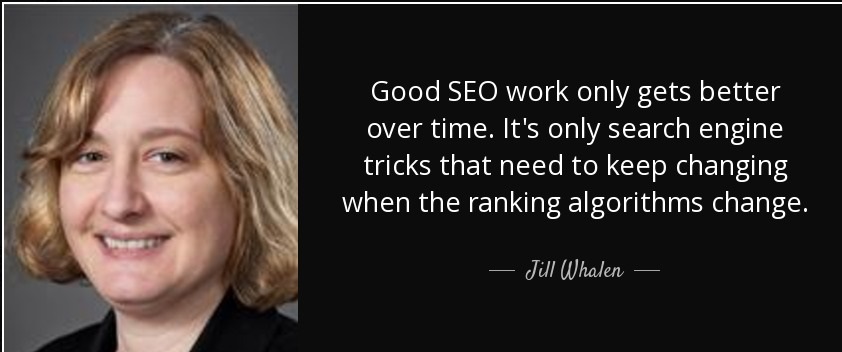

![What Do You Need to Balance When Doing SEO? [2026 Guide]](https://desiremarketing.io/wp-content/uploads/2023/07/What-Do-You-Need-to-Balance-When-Doing-SEO.jpg)
![How Is Ranking Different When Comparing PPC vs SEO [2026 Guide]](https://desiremarketing.io/wp-content/uploads/2023/07/How-Is-Ranking-Different-When-Comparing-PPC-vs-SEO.png)


![Why SEO Audit is Important For Website [2026 Update]](https://desiremarketing.io/wp-content/uploads/2023/07/Add-a-heading-34.png)


![How To Add SEO Keywords To Shopify [2026 Guide]](https://desiremarketing.io/wp-content/uploads/2023/07/Different-Approaches-To-Pricing-SEO-Audits-11.png)
![What Does a Digital Marketing Coordinator Do [2026 Guide]](https://desiremarketing.io/wp-content/uploads/2023/07/What-Does-a-Digital-Marketing-Coordinator-Do.png)
![What Does a Digital Marketing Coordinator Do [2023 Guide]](https://desiremarketing.io/wp-content/uploads/2023/07/What-Does-a-Digital-Marketing-Coordinator-Do-1024x467.png)
![How to Choose the Best Digital Marketing Agency in Bangladesh [2026 Proper Guide]](https://desiremarketing.io/wp-content/uploads/2023/07/Digital-Marketing-Agency-in-Bangladesh.jpg)


