Blog

  • 14 Best Marketing Analytics Tools: Boost Your Marketing Strategy with These Top Performers

    14 Best Marketing Analytics Tools: Boost Your Marketing Strategy with These Top Performers

    Are you looking for ways to improve your marketing strategy? One of the most effective ways to do so is by utilizing marketing analytics tools. These tools can provide valuable insights into your audience, their behavior, and the effectiveness of your campaigns.

    With so many marketing analytics tools available, it can be overwhelming to decide which one to use. That’s why we’ve compiled a list of the 13 best marketing analytics tools to help you make an informed decision.

    What is a Marketing Analytics Tool

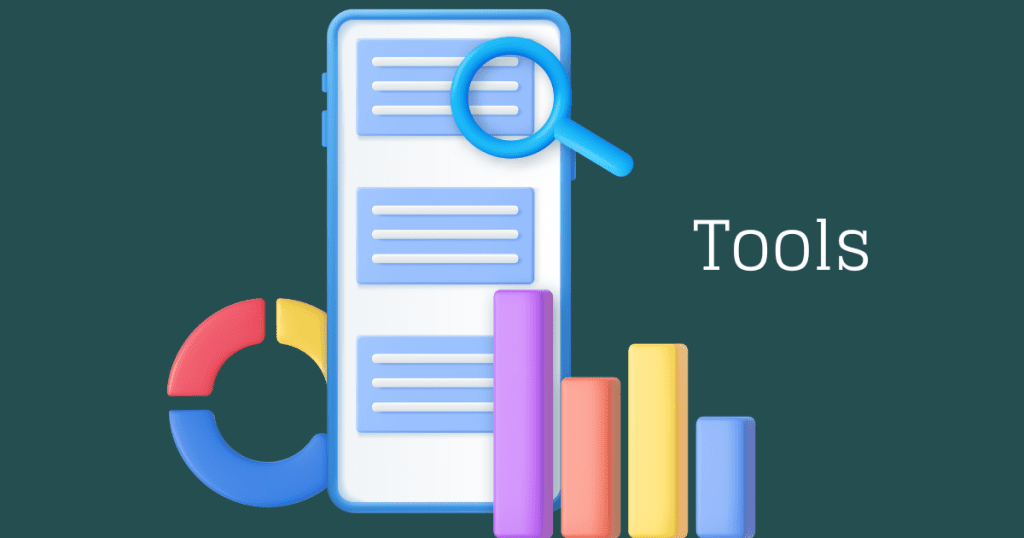
    This picture shows the best marketing analytics tools.

    A marketing analytics tool is software that helps businesses track, analyze, and interpret data related to their marketing efforts. These tools collect data from various sources, such as websites, social media, email campaigns, and advertisements.

    By analyzing this data, businesses can understand how well their marketing strategies are performing, identify trends, and make informed decisions to improve their efforts.

    What Are the Tools Listed in This Article Best For?

    Core website analytics: Google Analytics, Hotjar

    Marketing automation and CRM: HubSpot

    SEO and competitive intelligence: SEMrush

    Marketing reporting and data visualization: Whatagraph, Klipfolio

    User behavior analytics: Mixpanel, Heap Analytics

    Social media analytics: Sprout SocialMarketing data integration: Supermetrics, Improvado

    Top Marketing Analytics Tools

    If you are looking for the best marketing analytics tools to help you optimize your marketing campaigns and improve your ROI, you have come to the right place. Here are the top marketing analytics tools that you should consider using:

    1. Google Analytics

    Google Analytics is one of the most popular marketing analytics tools out there. It’s widely used because it’s free, powerful, and easy to integrate with other Google products. With Google Analytics, you can track and analyze website traffic, user behavior, and conversions. It provides detailed insights that help businesses understand how visitors interact with their site, which pages perform best, and where traffic is coming from.

    Pros:

    • Free to use: Google Analytics offers a free version with robust features, making it accessible for businesses of all sizes.
    • Comprehensive data: You can access detailed metrics on user behavior, traffic sources, and conversions.
    • Integration with other Google tools: Easily integrates with Google Ads, Search Console, and more.
    • Customizable reports: You can create custom reports to focus on specific metrics that matter most to your business.

    Cons:

    • Steep learning curve: The platform can be overwhelming, especially for beginners.
    • Privacy concerns: With increasing privacy regulations, some data might be limited or restricted.
    • Limited features in free version: Advanced features like BigQuery integration are only available in the paid version, Google Analytics 360.
    • Sampling issues: For large datasets, Google Analytics may sample data, which can affect accuracy.

    2. HubSpot

    HubSpot is a versatile marketing analytics tool that offers much more than just data tracking. It’s an all-in-one platform with tools for inbound marketing, sales, and customer service. HubSpot’s analytics features help you monitor website performance, email campaigns, and lead generation efforts. It’s particularly popular among small to mid-sized businesses due to its user-friendly interface and robust integrations.

    Pros:

    • All-in-one platform: HubSpot combines marketing, sales, and CRM tools, making it a comprehensive solution.
    • User-friendly interface: It’s easy to navigate, even for those without a technical background.
    • Extensive integrations: Works well with other tools like Salesforce, WordPress, and Shopify.
    • Powerful reporting: Offers customizable dashboards and detailed insights into campaigns, traffic, and ROI.

    Cons:

    • Cost: While there is a free version, advanced features can be pricey, especially for small businesses.
    • Limited customization: Some users find the customization options for reports and workflows limited compared to other tools.
    • Data export restrictions: Exporting data can be cumbersome, and some reports are only available in specific formats.
    • Learning curve: Although it’s user-friendly, mastering all of HubSpot’s features can take time.

    3. SEMrush

    SEMrush is a powerful tool for marketing analytics, especially when it comes to SEO and competitive research. It offers a wide range of features, including keyword research, site audits, traffic analysis, and social media tracking. SEMrush is well-suited for businesses that want to improve their search engine rankings and keep an eye on competitors.

    Pros:

    • Comprehensive SEO tools: SEMrush provides extensive tools for keyword research, backlink analysis, and site audits.
    • Competitor insights: You can easily analyze competitors’ traffic, keywords, and advertising strategies.
    • Content marketing support: The platform includes features to help with content planning, writing, and optimization.
    • PPC analysis: Offers detailed insights into paid search campaigns, including CPC and ad copy.

    Cons:

    • Pricey: SEMrush can be expensive, especially for smaller businesses or individual users.
    • Complex interface: The wide array of features can make the platform overwhelming for beginners.
    • Data limitations in lower-tier plans: The number of reports and data you can access may be limited depending on your subscription plan.
    • Limited social media tools: While SEMrush offers some social media tracking, it’s not as robust as dedicated social media management tools.

    4. AppsFlyer

    AppsFlyer is a cross-channel marketing analytics platform that brings data from mobile, web, CTV, and desktop into one place. It includes customizable dashboards, user journey measurement, LTV and cohort analysis, and ROAS tracking to show where individual campaigns fit into the bigger picture of business growth.

    AppsFlyer is useful for growth and performance marketers who are running multi-channel campaigns and need to understand how the overall user journey connects with long-term value.

    Pros:

    • Cross-channel performance visibility: Gathers data from multiple sources and allows teams to identify high-converting campaigns for budget considerations.
    • Flexible dashboards and KPIs: Marketers can create custom reports to include only metrics that matter to their specific goals.
    • Reliable attribution and long-term insights: AppsFlyer ties conversions and revenue back to original campaigns, so teams can evaluate long-term impact rather than short-term results.
    • Broad data integrations: It can pull cost, performance, and revenue data from 100+ marketing platforms precisely into the same reporting view.

    Cons:

    • Pricing: It can be expensive to startups or smaller marketing teams.
    • Learning curve for advanced features: In-depth analytics and customization can take time to fully understand and implement efficiently.
    • Reporting complexity: Businesses who look for only simple metrics may find it more powerful than necessary.
    • Not a beginner platform: Compared to basic analytics tools, AppsFlyer may feel complex for first-time users.

    5. Mixpanel

    Mixpanel is a powerful analytics tool focused on user behavior and product analytics. It helps businesses understand how users interact with their websites or apps, making it especially valuable for SaaS companies and web development companies. With Mixpanel, you can track user actions, create custom funnels, and analyze retention rates to optimize the user experience and drive growth.

    Pros:

    • Detailed user insights: Mixpanel provides in-depth analysis of user behavior, including real-time tracking and event-based data.
    • Customizable reports: You can create custom dashboards and funnels tailored to your specific goals.
    • User segmentation: Easily segment users based on behavior, demographics, or other criteria to gain more targeted insights.
    • Event-based tracking: Mixpanel’s focus on events allows for granular tracking of specific user actions.

    Cons:

    • Complex setup: Setting up tracking for events can be challenging, especially for those without technical expertise.
    • Costly: Although there is a free tier, advanced features are only available on higher-tier plans, which can be expensive.
    • Steep learning curve: The platform’s wide range of features and customization options can be overwhelming for new users.
    • Limited integrations: While it does integrate with some platforms, Mixpanel’s integration options are more limited compared to other tools.

    6. Hotjar

    Hotjar is a user analytics and feedback tool that focuses on understanding user behavior through heatmaps, session recordings, and surveys. It’s widely used by businesses that want to gain insights into how visitors interact with their websites. With Hotjar, you can visually see where users click, how far they scroll, and what elements catch their attention. This helps identify usability issues and optimize the user experience.

    Pros:

    • Heatmaps and session recordings: Hotjar’s visual tools provide a clear picture of user behavior on your site.
    • User feedback tools: You can gather insights directly from users through surveys, polls, and feedback widgets.
    • Easy to set up: Hotjar is straightforward to install and doesn’t require extensive technical knowledge.
    • Affordable pricing: Offers a free plan and reasonably priced tiers, making it accessible for small businesses and startups.

    Cons:

    • Limited analytics depth: Hotjar focuses on visual data and user feedback, so it lacks the advanced analytics of other tools.
    • Data privacy concerns: Collecting session recordings may raise privacy issues, especially in regulated industries.
    • Sampling limitations: Heatmaps and recordings may not capture all user sessions, which can affect data accuracy.
    • Basic integrations: Hotjar integrates with some platforms, but it’s not as robust as other tools in terms of integrations.

    7. Funnel.io

    Funnel.io is a data collection and integration tool designed to help businesses centralize marketing and advertising data. It pulls data from multiple sources, like Google Ads, Facebook, and LinkedIn, and consolidates it into a single dashboard. With Funnel.io, you can automate data collection, standardize metrics, and send data to other tools like Google Data Studio or Excel for reporting and analysis.

    Pros:

    • Wide range of integrations: Supports over 500 data sources, making it easy to gather data from various platforms.
    • Automated data processing: Funnel.io automates data collection, transformation, and normalization, saving time and reducing manual work.
    • Customizable dashboards: Allows you to create personalized dashboards tailored to your specific data needs.
    • Data export flexibility: You can export data to other tools like Google Data Studio, Excel, and Power BI for further analysis – or take it a step further with Power BI consulting services to unlock deeper insights and tailored dashboards.

    Cons:

    • Expensive: Pricing can be high, especially for small businesses or those with limited budgets.
    • No built-in analytics: Funnel.io focuses on data collection and integration, so it lacks analytics features like user behavior tracking or conversion analysis.
    • Complex setup: Initial setup and configuration can be time-consuming, especially for those unfamiliar with data management tools.
    • Limited visualization options: While it offers data exports, Funnel.io itself provides limited visualization capabilities within the platform.

    8. Adverity

    Adverity is a marketing data analytics platform that helps businesses connect, visualize, and analyze their marketing data from various sources. It automates the process of data integration and reporting, allowing users to focus on making data-driven decisions. Adverity is especially beneficial for marketing teams looking to streamline their reporting processes and gain insights across multiple channels.

    Pros:

    • Data integration capabilities: Adverity connects with numerous marketing platforms, allowing for seamless data collection from various sources.
    • Automated reporting: The platform automates data aggregation and report generation, saving time for marketing teams.
    • Custom dashboards and visualizations: Users can create tailored dashboards to visualize their data in a way that makes sense for their specific needs.
    • Collaboration features: Adverity allows teams to collaborate on reports and data insights, enhancing communication and decision-making.

    Cons:

    • Pricing: Adverity can be costly, especially for small businesses or those just starting with marketing analytics.
    • Steep learning curve: The platform may be complex for new users, requiring some time to fully understand its features.
    • Limited customer support: Some users have reported that customer support can be slow or not as responsive as desired.
    • Customization limitations: While it offers customization options, some users find that certain features are not as flexible as they would like.

    9. Birdeye Social AI

    Birdeye Social AI gives multi-location businesses a clear, data-backed view of their social media performance. Whether you’re managing 10 or 300 locations, Birdeye helps you understand what’s working and why. Teams can monitor content reach, engagement, and audience behavior across regions, then use these insights to guide planning and optimize results. Powered by BirdAI, the platform also supports competitive tracking, location-level reporting, and scheduling recommendations, all in one place.

    Pros:

    • View performance by location:
    • Track how each business region performs across social platforms to identify local trends and adapt your content accordingly. Use posting time data to beat the scroll
    • AI analyzes historical and real-time engagement to recommend optimal posting times for each platform. Benchmark competitors’ publishing habits
    • Track how often competitors post, what kind of content they use, and how their audience responds—so you’re not guessing where you stand. Track audience sentiment over time
    • Assess sentiment across comments and reactions to understand how audiences respond to different types of content.

    Cons:

    • Tailored for location-specific businesses
    • The platform’s features are well-optimized for businesses with regional locations, offering deep insights tailored to local operations-though it places less focus on online-only brands.
    • The platform delivers strong analytics, with a focus on actionable insights, even though real-time brand monitoring isn’t its primary emphasis.

    10. Klipfolio

    Klipfolio is a business dashboard and reporting tool that allows users to create real-time dashboards to track key performance indicators (KPIs) and metrics. It pulls data from various sources, including spreadsheets, databases, and cloud services, enabling businesses to visualize their data in a way that suits their needs. Klipfolio is particularly popular among marketing teams and small to mid-sized businesses looking to monitor their performance metrics in real time.

    Pros:

    • Real-time data visualization: Klipfolio provides live dashboards, allowing users to track their metrics as they change.
    • Wide range of integrations: It integrates with numerous data sources, including Google Analytics, social media platforms, and CRM systems.
    • Customizable dashboards: Users can create highly tailored dashboards with various visualization options, including graphs, charts, and tables, and even use double bar graph maker to compare data sets effectively.
    • User-friendly interface: The platform is relatively easy to navigate, making it accessible even for those without a technical background.

    Cons:

    • Pricing structure: While it offers various plans, costs can add up, especially for more advanced features.
    • Steep learning curve for complex setups: While basic usage is straightforward, setting up more complex dashboards may require time and effort.
    • Limited offline access: Klipfolio requires an internet connection to access dashboards, which may be a drawback for some users.
    • Mobile app limitations: The mobile version is not as feature-rich as the desktop version, which can limit usability on the go.

    11. Sprout Social

    Sprout Social is a comprehensive social media management and analytics tool designed for businesses to streamline their social media strategies. It allows users to manage multiple social media accounts, schedule posts, engage with their audience, and analyze performance metrics. Sprout Social is particularly favored by marketing teams looking to enhance their social media presence and gain insights into their audience’s behavior.

    Pros:

    • All-in-one platform: Sprout Social combines social media management, engagement, and analytics in one tool, making it convenient for users.
    • Powerful reporting features: It offers detailed analytics on post performance, audience engagement, and overall social media metrics.
    • User-friendly interface: The platform is designed to be intuitive, making it easy for users to navigate and manage their social media accounts.
    • Collaboration tools: Sprout Social includes features that allow teams to collaborate effectively on social media campaigns.

    Cons:

    • Pricing: It can be expensive, especially for small businesses or startups, as advanced features come with higher-tier plans.
    • Limited integrations: While it supports major social platforms, it may not integrate with all the tools that some businesses use.
    • Steep learning curve for advanced features: While basic functions are straightforward, some users may find advanced features more complex to learn.
    • Occasional performance issues: Some users have reported lag or glitches during peak usage times, which can hinder user experience.

    12. Supermetrics

    Supermetrics is a powerful data integration tool designed to help marketers pull data from various marketing platforms into a centralized location for analysis and reporting. It connects seamlessly with tools like Google Sheets, Excel, and Google Data Studio, making it easy to aggregate data from different sources. Supermetrics is particularly useful for businesses looking to streamline their reporting processes and gain comprehensive insights into their marketing performance.

    Pros:

    • Wide range of integrations: Supermetrics connects with numerous marketing platforms, including Google Ads, Facebook Ads, and analytics tools, allowing for comprehensive data aggregation.
    • User-friendly interface: The platform is relatively easy to navigate, making it accessible even for those with limited technical expertise.
    • Automated reporting: Users can schedule automatic data refreshes, which saves time and ensures reports are always up-to-date.
    • Customizable data pulls: You can tailor data queries to focus on specific metrics or time periods, making the reports relevant to your needs.

    Cons:

    • Pricing: Supermetrics can be expensive, especially for smaller businesses or those who need access to multiple data sources.
    • Complex setup for some users: While it’s user-friendly, initial setup may be challenging for those unfamiliar with data integration tools.
    • Limited visualization capabilities: Supermetrics primarily focuses on data integration; for advanced visualizations, users often need to rely on external tools like Google Data Studio.
    • Learning curve for advanced features: Some of the more advanced functionalities may require time to learn and fully utilize.

    13. Improvado

    Improvado is a marketing data aggregation and analytics platform that helps businesses centralize their marketing data from various sources. It’s designed to automate the process of pulling data from multiple marketing channels, allowing users to create comprehensive reports and dashboards. Improvado is particularly beneficial for marketing teams looking to improve their data-driven decision-making and streamline their reporting processes.

    Pros:

    • Comprehensive data integration: Improvado connects with over 200 data sources, including social media, PPC, email marketing, and analytics tools, making it easy to gather data from various channels.
    • Automated data processing: The platform automates data extraction and transformation, reducing manual work and saving time.
    • Customizable dashboards: Users can create tailored dashboards to visualize their marketing metrics and KPIs effectively.
    • Focus on marketing analytics: Improvado is specifically designed for marketers, making it easier to analyze marketing performance.

    Cons:

    • Pricing: Improvado can be expensive, which may be a barrier for small businesses or startups with limited budgets.
    • Complex setup: Initial setup and configuration can be time-consuming and may require technical expertise.
    • Learning curve: Users may find the platform overwhelming at first, especially when trying to navigate its extensive features.
    • Limited customer support: Some users have reported that customer support can be slow to respond, leading to frustration during the onboarding process.

    14. Heap Analytics

    Heap Analytics is a powerful product analytics tool that helps businesses automatically capture and analyze user interactions on their websites and mobile apps. It focuses on event-based tracking, allowing teams to understand user behavior without needing to set up manual tracking for each event. Heap is particularly useful for product managers, marketers, and data analysts who want to gain insights into user journeys and optimize their digital experiences.

    Pros:

    • Automatic event tracking: Heap automatically captures all user interactions, eliminating the need for manual event setup, which saves time and reduces errors.
    • User-friendly interface: The platform is intuitive, making it accessible for users without extensive technical skills.
    • In-depth analysis: Heap allows users to analyze user behavior, create funnels, and segment audiences to gain deeper insights into engagement and retention.
    • Retrospective analysis: Users can analyze past data without needing to set up tracking in advance, allowing for flexible reporting.

    Cons:

    • Pricing: Heap can be costly, particularly for smaller businesses or those with limited budgets.
    • Complex features: While the interface is user-friendly, some advanced features may have a learning curve, requiring time to master.
    • Limited integrations: Although it integrates with various tools, some users find that the available integrations are not as extensive as those offered by competitors.
    • Data privacy concerns: As with any analytics tool, organizations must be cautious about compliance with privacy regulations when collecting and analyzing user data.

    Benefits of Marketing Analytics Tools

    Benefits of Marketing Analytics Tools

    Marketing analytics tools provide a plethora of benefits that can help businesses make informed decisions, increase revenue growth, and enhance customer engagement. In this section, we will discuss the key benefits of using marketing analytics tools.

    Improved Decision-Making

    Marketing analytics tools provide businesses with insights into customer behavior, preferences, and trends. By analyzing this data, businesses can make informed decisions about their marketing strategies, product development, and customer service. Marketing analytics tools can help businesses identify which marketing channels are most effective, which products are most popular, and which customer segments are most profitable. This information can be used to optimize marketing campaigns, improve product offerings, and target the right customers with the right message.

    Increased Revenue Growth

    Marketing analytics tools can help businesses increase revenue growth by identifying new opportunities for growth and optimizing existing revenue streams. By analyzing customer data, businesses can identify new markets to target, cross-sell and up-sell opportunities, and pricing strategies that maximize revenue. Marketing analytics tools can also help businesses identify which marketing channels are most effective at driving revenue and which products are most profitable. This information can be used to optimize marketing campaigns, improve product offerings, and increase customer lifetime value.

    Enhanced Customer Engagement

    Marketing analytics tools can help businesses enhance customer engagement by providing insights into customer behavior and preferences. By analyzing customer data, including insights from social media analytics tools, businesses can identify which products and services are most popular, which customer segments are most profitable, and which marketing messages resonate with customers.

    This information can be used to personalize marketing messages, improve product offerings, and provide a better customer experience. Marketing analytics tools can also help businesses identify which customer touchpoints are most important and which channels are most effective at engaging customers.

    Marketing analytics tools provide businesses with valuable insights into customer behavior, preferences, and trends. By using these tools, businesses can make informed decisions, increase revenue growth, and enhance customer engagement.

    Choosing the Right Marketing Analytics Tool

    When it comes to choosing the right marketing analytics tool, there are a few things you need to consider before making a decision. Here are some key factors to keep in mind:

    Customization Options

    One of the most important things to look for in a marketing analytics tool is customization options. You want to be able to tailor the tool to your specific needs and goals. Look for a tool that allows you to customize reports, dashboards, and metrics. The more flexibility you have, the better you’ll be able to analyze your data and make informed decisions.

    User-Friendly Interface

    Another important factor to consider is the user-friendliness of the tool. You want a tool that is easy to use and navigate, even if you’re not a data expert. Look for a tool that has a clean, intuitive interface and provides helpful guidance and support. The easier it is to use, the more likely you are to use it consistently and get the most out of it.

    Data Visualization

    Data visualization is another key aspect to consider. You want a tool that can present your data in a clear, visually appealing way. Look for a tool that offers a variety of charts, graphs, and other visualizations that can help you quickly and easily understand your data. The more visually engaging the tool is, the more likely you are to stay engaged with your data and use it to inform your marketing decisions. Integrating professional PowerPoint diagrams helps bridge the gap between internal analysis and formal presentations, ensuring that your strategic insights are clearly communicated to management during executive reviews.

    Cross-Channel Reporting

    Finally, you want a tool that can provide cross-channel reporting. This means that the tool can pull data from multiple sources and channels, such as social media, email, and website analytics, and present it in a unified way. Look for a tool that can provide a holistic view of your marketing efforts across all channels. The more comprehensive the reporting, the better you’ll be able to identify trends and opportunities for improvement.

    Overall, choosing the right marketing analytics tool requires careful consideration of a variety of factors. By looking for a tool that offers customization options, a user-friendly interface, data visualization, and cross-channel reporting, you can find a tool that meets your specific needs and helps you make informed marketing decisions.

    Conclusion

    In this article, we have explored 13 of the best marketing analytics tools available today. Each of these tools has its strengths and weaknesses, but all of them are designed to help you make data-driven decisions and improve your marketing efforts.

    Whether you’re looking for a comprehensive analytics platform or a specialized tool for a specific task, there is sure to be a tool on this list that meets your needs. From Google Analytics to SEMrush, these tools offer a wide range of features and capabilities that can help you take your marketing to the next level.

  • Link Building Checklist: A Comprehensive Guide for Effective SEO

    Link Building Checklist: A Comprehensive Guide for Effective SEO

    Link building is a crucial aspect of SEO that involves getting other websites to link back to your website. This process can help to improve your website’s search engine rankings, increase your online visibility, and drive more traffic to your site.

    However, link building can be a complex and time-consuming process, and it’s important to have a solid strategy in place to ensure that you’re getting the most out of your efforts.

    To help streamline the link building process and ensure that you’re covering all your bases, it’s a good idea to have a link building checklist in place.

    This checklist can serve as a guide to help you stay organized and focused on your goals, and ensure that you’re not missing any important steps along the way.

    A good link building checklist should include a range of different tactics and strategies, such as guest blogging, broken link building, and social media outreach, to name just a few.

    By following a comprehensive link building checklist, you can improve your chances of success and achieve better results from your link building efforts.

    So, Let’s get started.

    Understanding Link Building

    Understanding Link Building

    Link building is an essential part of SEO (Search Engine Optimization) that involves acquiring links from other websites to your website.

    These links are also known as backlinks or inbound links. The primary goal of link building is to increase the authority of your website, which can lead to higher search engine rankings and more organic traffic.

    Links are a way for search engines to evaluate the authority and relevance of a website. The more high-quality links a website has, the more likely it is to rank well in search engine results pages (SERPs). However, it’s essential to note that not all links are created equal. Links from high-authority websites are more valuable than links from low-authority websites.

    Link building involves a variety of tactics, including:

    It’s important to note that link building is not a one-time activity. It’s an ongoing process that requires a long-term strategy and consistent effort. Building high-quality links takes time and effort, but the benefits can be significant.

    Link building is a crucial aspect of SEO that involves acquiring high-quality links from other websites to improve the authority and relevance of your website. It’s a long-term strategy that requires consistent effort and a variety of tactics.

    Why Link Building is Important

    Why Link Building is Important

    Link building is an important aspect of search engine optimization (SEO) that involves acquiring hyperlinks from other websites to your own. It is a crucial component of any SEO strategy because it helps to improve website rankings and authority, which in turn can lead to increased traffic and conversions.

    One of the primary reasons why link building is important is that it can significantly impact website rankings. Google and other search engines use links as a way to determine the relevance and authority of a website. The more quality links a website has pointing to it, the more likely it is to rank higher in search engine results pages (SERPs).

    In addition to improving rankings, link building can also help to establish website authority. When a website has a large number of high-quality links pointing to it, it signals to search engines that the website is a reputable source of information. This can help to boost the website’s overall authority, which can lead to increased traffic and conversions.

    Overall, link building is an important part of any SEO strategy. It can help to improve website rankings, authority, and overall visibility in Google search results.

    By investing time and effort into building quality links, website owners can help to ensure that their website is well-positioned for success in the competitive online landscape.

    But, Link Building Agency can makes your life easier by building high-quality links.

    Here is the list of top link building companies

    Link Building Checklist

    Link Building Checklist

    Link building is a crucial aspect of SEO that can help improve your website’s search engine ranking and drive more traffic to your site. A link building checklist can help ensure that you are taking all the necessary steps to build high-quality links that will benefit your website.

    Here are some tasks that should be included in your link building checklist:

    • Identify Link Opportunities: The first step in building links is to identify potential opportunities. This can include reaching out to other websites in your niche and asking for a link, guest posting on other blogs, and creating high-quality content that others will want to link to.
    • Research Your Competitors: It’s important to know what your competitors are doing in terms of link building. You can use tools like Ahrefs or Moz to analyze their backlink profiles and identify potential link opportunities for your own website.
    • Create High-Quality Content: One of the best ways to earn links is by creating high-quality content that others will want to link to. This can include blog posts, infographics, videos, and more.
    • Use Social Media: Social media can be a great way to promote your content and attract links. Share your content on social media and engage with your followers to encourage them to share your content with their own networks.
    • Monitor Your Backlinks: It’s important to keep track of your backlinks and ensure that they are high-quality and relevant to your website. Use tools like Ahrefs or Majestic to monitor your backlink profile and disavow any low-quality or spammy links.

    By following these tasks and including them in your link building checklist, you can ensure that you are taking all the necessary steps to build high-quality links that will benefit your website’s search engine ranking and drive more traffic to your site.

    Quality Over Quantity

    When it comes to link building, it’s important to remember that quality is more important than quantity. Building a large number of low-quality links may seem like a good idea, but it can actually harm your website’s search engine rankings in the long run.

    High-quality links are those that come from authoritative websites in your niche. These links are more valuable than low-quality links because they provide more value to both your website and your audience. They can also help establish your website as an authority in your niche.

    When building links, it’s important to focus on finding high-quality links rather than just building as many links as possible. This means doing research to find websites that are relevant to your niche and have a high domain authority.

    Some ways to build high-quality links include:

    • Guest posting on authoritative websites in your niche
    • Building relationships with other website owners in your niche
    • Creating high-quality content that other websites will want to link to

    It’s important to note that building high-quality links takes time and effort. It’s not something that can be done overnight, but the results are worth it in the long run.

    when it comes to link building, quality should always be prioritized over quantity. Building high-quality links takes time and effort, but it’s worth it in the long run for both your website’s search engine rankings and your audience.

    Content is Key

    When it comes to link building, content is key. Without quality content, it’s nearly impossible to attract high-quality backlinks. Creating high-quality content should be the foundation of any link building strategy.

    Quality content is content that is informative, engaging, and relevant to your audience. It should be well-researched, well-written, and free of errors. Quality content can take many forms, including articles, videos, infographics, and more.

    Creating quality content is not just important for link building, but also for content marketing. Content marketing is the practice of creating and sharing valuable content to attract and retain a target audience. By creating quality content, you can attract a larger audience and build a following.

    When creating content for link building, it’s important to keep the following in mind:

    • Relevance: Your content should be relevant to your target audience and industry.
    • Originality: Your content should be original and not copied from other sources.
    • Value: Your content should provide value to your audience and offer unique insights.
    • Shareability: Your content should be easily shareable on social media and other platforms.

    In summary, creating quality content is essential for link building and content marketing. By creating informative, engaging, and relevant content, you can attract high-quality backlinks and build a following.

    Tools for Link Building

    Link building is an essential aspect of any SEO strategy. It involves acquiring hyperlinks from other websites to your own. However, it can be a challenging and time-consuming task. Fortunately, there are several tools available to make link building easier and more efficient.

    One of the most popular tools for link building is SEMrush. It is an all-in-one SEO tool that provides a comprehensive set of features for link building. With SEMrush, you can perform backlink analysis, track your competitors’ backlinks, and find link building opportunities. Additionally, it offers a link building tool that helps you find potential link partners and outreach to them.

    Another tool that is highly recommended is Google Search Console. It is a free tool provided by Google that helps you monitor your website’s performance in search results. It also provides valuable insights into your website’s backlinks. With Google Search Console, you can see which websites are linking to your site, identify any issues with your backlinks, and disavow any toxic links.

    Ahrefs is another popular tool for link building. It is a comprehensive SEO tool that provides a range of features for link building. With Ahrefs, you can perform backlink analysis, identify link building opportunities, and track your competitors’ backlinks. It also offers a broken link checker that helps you find broken links on your website and fix them.

    Finally, there are several other SEO tools that can help you with link building. These include Moz, Majestic, and Raven Tools. Each of these tools provides a range of features for link building, including backlink analysis, link building opportunities, and competitor analysis.

    Link building is an essential aspect of any SEO strategy, and there are several tools available to make it easier and more efficient. SEMrush, Google Search Console, Ahrefs, and other SEO tools provide a range of features for link building, including backlink analysis, link building opportunities, and competitor analysis. By using these tools, you can improve your website’s search engine rankings and drive more traffic to your site.

    Building Relationships

    Building strong relationships is a crucial aspect of successful link building. It is important to establish a connection with the website owners or bloggers before asking for a link. This helps to build trust and credibility, making it more likely for them to link back to your website.

    One way to build relationships is by engaging with the website owners or bloggers on social media. Follow them on Twitter, Facebook, or Instagram and interact with their content. Share their posts, comment on their articles, and mention them in your own content. This can help to get their attention and start a conversation.

    Another way to build relationships is by offering something of value. This could be a guest post, an infographic, or a tool that they can use on their website. By providing something that is useful to them, you are more likely to get a positive response and establish a relationship.

    It is also important to personalize your outreach. Avoid sending generic emails or messages. Take the time to research the website and the owner or blogger, and tailor your outreach to their specific needs and interests. This shows that you have done your homework and are genuinely interested in working with them.

    building relationships is a key component of successful link building. By engaging with website owners or bloggers on social media, offering something of value, and personalizing your outreach, you can establish trust and credibility, making it more likely for them to link back to your website.

    Competitor Analysis For Link Building

    To create an effective link building strategy, it is important to analyze the backlink profiles of your competitors. By doing so, you can identify potential link sources and gain insight into the types of content that are resonating with your target audience.

    To begin the competitor analysis process, start by identifying your main competitors within your industry or niche. Once you have a list of competitors, you can use a backlink analysis tool to see which websites are linking to them.

    When analyzing your competitors’ backlink profiles, pay attention to the following factors:

    • Domain Authority: The higher the domain authority of a linking website, the more valuable the link is likely to be.
    • Anchor Text: Look for patterns in the anchor text used in the links. Are they using exact match keywords or branded anchor text?
    • Linking Pages: Analyze the pages on your competitors’ websites that are receiving the most links. This can give you insight into the types of content that are resonating with your target audience.
    • Linking Domains: Take note of the number of unique domains linking to your competitors. A larger number of unique domains indicates a more diverse backlink profile.

    Once you have identified potential link sources from your competitors’ backlink profiles, you can begin reaching out to those websites to request a link. However, it is important to note that simply copying your competitors’ backlink profiles is not enough to create a successful link building strategy. You should also focus on creating high-quality, valuable content that will naturally attract links from other websites.

    Niche Specific Link Building

    When it comes to link building, one size does not fit all. Niche-specific link building can help businesses attract more relevant traffic and improve their search engine rankings. In this section, we will discuss the importance of niche-specific link building and some strategies to get started.

    Importance of Niche-Specific Link Building

    Niche-specific link building involves getting links from websites that are relevant to a particular industry or niche. These links are more valuable than links from unrelated websites because they signal to search engines that the website is an authority in that niche.

    For example, a website that sells organic skincare products would benefit from links from websites that focus on health, beauty, and wellness. These links would help search engines understand that the website is a trusted source of information about organic skincare products. Collaborating with industry SEO experts can also improve your link-building strategy by identifying the most relevant and impactful opportunities within your niche.

    Strategies for Niche-Specific Link Building

    Here are some strategies to get started with niche-specific link building:

    • Industry Directories: Submitting your website to industry-specific directories can help you get links from relevant websites. Make sure that the directory is reputable and has a good domain authority.
    • Guest Blogging: Writing guest posts for websites in your industry can help you get links from authoritative websites. Make sure that the content you write is high-quality and relevant to the website’s audience.
    • Industry Studies: Conducting industry studies and publishing the results can help you get links from websites that cover your industry. Make sure that the study is original and provides valuable insights.
    • Social Media: Engaging with your audience on social media can help you get links from websites that cover your industry. Make sure that your social media profiles are up-to-date and provide valuable information.

    Data and SEO

    Data and SEO

    Data plays a crucial role in search engine optimization (SEO) and link building. By analyzing data, SEO professionals can gain insights into how their website is performing and make informed decisions about their link building strategy.

    One of the key data points to consider is search engine rankings. By tracking the rankings of target keywords, SEO professionals can determine which pages are performing well and which pages need improvement. This information can be used to guide the link building strategy, with a focus on acquiring links to pages that are not ranking well.

    Another important data point is search engine visibility. This refers to how visible a website is in search engine results pages (SERPs) for a given set of keywords. By tracking search engine visibility over time, SEO professionals can determine whether their link building efforts are having a positive impact on their website’s overall visibility.

    In addition to these metrics, there are a variety of other data points that can be useful for link building. For example, analyzing competitor backlink profiles can provide insights into which types of links are most valuable in a given industry.

    Overall, data is a critical component of any successful link building strategy. By using data to inform decision-making, SEO professionals can optimize their efforts and achieve better results.

    Link Building as an Ongoing Process

    Link building is not a one-time event but an ongoing process. The success of a website’s SEO strategy depends on the continuous acquisition of high-quality backlinks. The link building process should be viewed as a long-term investment that requires patience, persistence, and commitment.

    To achieve sustainable results, it is essential to develop a link building plan that is aligned with the website’s goals and objectives. The plan should include a clear understanding of the target audience, the type of content that resonates with them, and the channels through which the content can be promoted.

    The link building process involves several steps, including identifying link opportunities, creating link-worthy content, reaching out to potential link partners, and monitoring the performance of the acquired links. It is crucial to track the metrics that matter, such as the number of referring domains, the authority of the linking domains, and the anchor text distribution.

    An effective link building plan should also prioritize the acquisition of natural and relevant links. Google’s algorithm is becoming increasingly sophisticated in detecting spammy and manipulative link building practices. Therefore, it is essential to avoid black hat tactics and focus on creating value for the users.

    FAQ On Link Building Checklist

    What is a link building checklist?

    A link building checklist is a systematic guide outlining essential steps to acquire high-quality backlinks and boost SEO.

    Why is a link building checklist important?

    A link building checklist ensures a structured approach, covering key aspects like content quality, outreach strategies, and link tracking for effective SEO.

    What are the essential components of a link building checklist?

    Components include keyword research, content optimization, prospect identification, personalized outreach, and continuous monitoring for successful link building.

    How to create an effective link building checklist?

    Develop an effective checklist by defining goals, identifying target audiences, leveraging quality content, and implementing ethical outreach practices for sustained link building success.

    Can automation be part of a link building checklist?

    Yes, automation tools can streamline tasks like outreach emails and link monitoring, enhancing efficiency and effectiveness in your link building strategy.

    Conclusion

    In conclusion, building links is an essential part of any successful SEO strategy. By following the link building checklist outlined in this article, website owners and marketers can ensure that they are building high-quality, relevant links that will help improve their search engine rankings and drive traffic to their site.

  • Top White Hat SEO Hacks for Boosting Your Website’s Ranking

    Top White Hat SEO Hacks for Boosting Your Website’s Ranking

    In the world of SEO, there are two types of tactics: black hat and white hat. Black hat tactics involve using unethical and manipulative techniques to try and improve search engine rankings quickly. White hat tactics, on the other hand, involve using ethical and sustainable techniques to improve search engine rankings over time. In this article, we will focus on the top white hat SEO hacks that can help your website rank higher in search results.

    One of the most important white hat SEO hacks is to focus on creating high-quality content that provides value to your audience. This means creating content that is well-researched, informative, and engaging. By doing so, you can attract more visitors to your website, keep them engaged for longer periods of time, and increase the likelihood that they will share your content with others.

    Another important white hat SEO hack is to optimize your website for mobile devices. With more and more people accessing the internet on their smartphones and tablets, having a mobile-friendly website is essential. This means ensuring that your website is easy to navigate on smaller screens, loads quickly, and has a responsive design that adjusts to different screen sizes. By doing so, you can improve the user experience for your visitors and boost your search engine rankings.

    Understanding White Hat SEO

    White Hat SEO

    White Hat SEO is a set of ethical and legitimate practices that are used to improve a website’s ranking on search engine results pages (SERPs). Unlike Black Hat SEO, which involves unethical and manipulative techniques to trick search engines, White Hat SEO follows the guidelines set by search engines, such as Google.

    The primary goal of White Hat SEO is to provide high-quality content that is relevant to the user’s search query. This means that the content should be informative, engaging, and well-structured. It should also be optimized for the target keyword(s) without overusing them, which is known as keyword stuffing.

    Quality is a crucial aspect of White Hat SEO. Websites that provide high-quality content are more likely to rank higher on SERPs. Quality content not only improves the user experience but also helps build a website’s authority and credibility in the eyes of search engines.

    White Hat SEO also involves optimizing a website’s structure and design to make it more user-friendly. This includes improving website speed, navigation, and mobile responsiveness. A well-structured website with easy navigation and a fast loading speed will provide a better user experience, which can lead to higher engagement and lower bounce rates.

    In summary, White Hat SEO is a set of ethical and legitimate practices that focus on providing high-quality content and a positive user experience. By following the guidelines set by search engines, websites can improve their ranking on SERPs and attract more organic traffic.

    Essential White Hat SEO Strategies

    White Hat SEO Strategies

    To improve search engine rankings while complying with search engine rules and guidelines, it’s important to use white hat SEO strategies. Below are some essential strategies that can help improve your website’s visibility and ranking in search engine results pages (SERPs).

    Quality Content Creation

    One of the most important factors in white hat SEO is creating high-quality content that provides value to your audience. This means creating original research, using relevant keywords, and making sure the content is readable and easy to understand. It’s also important to ensure that the content is unique and not duplicated from other sources.

    Effective Keyword Research

    Keyword research is an essential part of any SEO strategy. It involves identifying the keywords that your target audience is searching for and incorporating them into your website’s content. Using SEO tools such as Google Keyword Planner or SEMrush can help you identify relevant keywords and their search volume. It’s important to use target keywords in the title tag, meta descriptions, and throughout the content.

    Backlinks are an important factor in determining a website’s authority and ranking in search engine results. Building high-quality backlinks from reputable sources can help improve your website’s visibility and ranking. It’s important to focus on building natural backlinks by creating quality content that other websites will want to link to.

    Optimizing User Experience

    User experience (UX) is an important factor in white hat SEO. It involves making sure that your website is easy to navigate, loads quickly, and is optimized for mobile devices. Improving UX can help reduce bounce rates and improve engagement, which can ultimately lead to higher rankings in search engine results.

    Local SEO Optimization

    If you have a local business, it’s important to optimize your website for local search. This involves creating local business listings, using relevant keywords, and optimizing your website for local search intent. This can help improve your website’s visibility in local search results and drive more traffic to your website.

    On-Page SEO Techniques

    On-page SEO involves optimizing individual pages on your website to improve their ranking in search engine results. This includes optimizing title tags, meta descriptions, and meta tags, as well as using alt text for images. It’s also important to make sure that the content is readable and easy to understand.

    By using these essential white hat SEO strategies, you can improve your website’s visibility and ranking in search engine results pages. It’s important to remember that SEO is a long-term process and requires patience and persistence.

    Avoiding Black Hat SEO Practices

    Black hat SEO practices are unethical and can harm a website’s search engine rankings. It is important to avoid them to ensure a website’s long-term success. Here are some black hat SEO practices to avoid:

    Keyword Stuffing

    Keyword stuffing is the practice of overusing keywords on a webpage to manipulate search engine rankings. It is a black hat SEO practice that can result in a website being penalized by search engines. Instead of stuffing keywords, focus on creating high-quality content that naturally includes relevant keywords.

    Cloaking

    Cloaking is the practice of showing different content to search engines than what is shown to users. It is a black hat SEO practice that can result in a website being penalized by search engines. Instead of cloaking, make sure that the content on a webpage is the same for both search engines and users.

    Unnatural Anchor Text

    Unnatural anchor text is the practice of using irrelevant or spammy anchor text to link to a webpage. It is a black hat SEO practice that can result in a website being penalized by search engines. Instead of using unnatural anchor text, use relevant and descriptive anchor text that accurately describes the content being linked to.

    Other Black Hat SEO Practices

    In addition to keyword stuffing, cloaking, and unnatural anchor text, there are other black hat SEO practices to avoid. These include link schemes, content scraping, and hidden text and links. It is important to stay up-to-date with search engine guidelines and avoid any practices that are deemed unethical or manipulative.

    By avoiding black hat SEO practices, website owners can ensure that their website is optimized for search engines in a way that is ethical and sustainable.

    Importance of SEO Audit

    Performing a regular SEO audit is an essential part of any successful SEO strategy. An SEO audit helps you identify the areas of your website that need improvement, and it allows you to make data-driven decisions to improve your website’s search engine rankings.

    An SEO audit involves analyzing your website’s content, structure, and technical aspects to identify any issues that may be affecting your search engine rankings. It is a comprehensive process that requires a deep understanding of SEO best practices and the tools necessary to conduct a thorough analysis.

    One of the most popular tools for conducting an SEO audit is SEMrush. SEMrush is an all-in-one SEO tool that provides a comprehensive analysis of your website’s SEO performance. It allows you to identify technical issues, track your keyword rankings, analyze your competitors, and more.

    Another essential tool for conducting an SEO audit is Google Search Console. Google Search Console is a free tool provided by Google that allows you to monitor and maintain your website’s presence in Google search results. It provides valuable insights into your website’s search performance, including the keywords that are driving traffic to your site, the pages that are performing well, and any technical issues that may be affecting your search engine rankings.

    Conducting an SEO audit is crucial for any website that wants to improve its search engine rankings. By using tools like SEMrush and Google Search Console, you can identify the areas of your website that need improvement and make data-driven decisions to improve your website’s search engine rankings.

    Understanding Google’s Algorithm Updates

    Google's Algorithm Updates

    Google’s algorithm is a complex system that determines the order in which search results are displayed for any given query. The algorithm is constantly evolving, with Google making hundreds of updates each year. While most of these changes are minor and do not significantly impact rankings, major updates like BERT or Passage Ranking can have a significant effect on search results.

    To stay ahead in SEO, it is crucial to understand Google’s algorithm updates and how they impact search results. Here are a few key points to keep in mind:

    • Google’s algorithm updates are designed to improve the quality and relevance of search results.
    • The updates are typically focused on addressing specific issues or improving specific aspects of the algorithm.
    • Some updates may have a negative impact on rankings for certain websites, while others may have a positive impact.
    • It is important to stay up-to-date on algorithm updates and adjust SEO strategies accordingly.

    One of the most significant algorithm updates in recent years was the BERT update, which was released in 2019. BERT stands for Bidirectional Encoder Representations from Transformers and is designed to improve Google’s ability to understand natural language queries. This update had a significant impact on search results, particularly for long-tail queries.

    Another important update was the Passage Ranking update, which was released in 2020. This update allows Google to identify and rank specific passages of content within a webpage, rather than just the page as a whole. This update has the potential to benefit websites with high-quality, in-depth content.

    It is important to note that Google’s algorithm updates are not always announced in advance, and it can take time to fully understand the impact of a particular update. However, by staying informed and adapting SEO strategies as needed, businesses can stay ahead of the curve and improve their search engine rankings.

    Role of SEO in Long-Term Success

    SEO is crucial for businesses that want to achieve long-term success. While it may take time to see results, the benefits of SEO are long-lasting. By optimizing their website for search engines, businesses can improve their online visibility, attract more traffic, and increase their bottom line.

    One of the key advantages of SEO is its longevity. Unlike paid advertising, which stops generating traffic as soon as the budget runs out, SEO can continue to generate traffic for months or even years after the initial optimization. This is because search engines favor websites that have high-quality content and a strong online presence, and will continue to rank them higher in search results over time.

    In addition to improving online visibility, SEO can also have a direct impact on a business’s bottom line. By attracting more traffic to their website, businesses can increase their chances of generating leads, making sales, and ultimately, growing their revenue.

    It’s important to note that SEO is not a one-time process. In order to maintain their rankings and continue to attract traffic, businesses must stay up-to-date with the latest SEO trends and best practices. This may involve regularly updating their website with fresh, high-quality content, optimizing their site for mobile users, and building high-quality backlinks.

    Overall, SEO is an essential component of any long-term digital marketing strategy. By investing in SEO, businesses can improve their online visibility, attract more traffic, and ultimately, increase their sales and revenue.

  • Dofollow vs Nofollow Backlinks: Understanding the Differences

    Dofollow vs Nofollow Backlinks: Understanding the Differences

    If you’re new to the world of SEO, you may have heard the terms “dofollow” and “nofollow” backlinks thrown around without fully understanding what they mean. In simple terms, a backlink is a link from one website to another. Dofollow and nofollow refer to the way search engines treat these links.

    Dofollow links are links that search engines can follow to reach your website and pass on “link juice” or SEO value. In other words, they can help improve your website’s search engine rankings. On the other hand, nofollow links are links that search engines cannot follow and therefore do not pass on any SEO value. While they may still drive traffic to your website, they will not directly impact your search engine rankings.

    Understanding the difference between dofollow and nofollow links is important when it comes to building a strong backlink profile for your website. In the following article, we’ll take a closer look at the pros and cons of each type of link, as well as how to determine which type of link is best for your website’s SEO strategy.

    Backlinks are links from one website to another. They are also known as inbound links or incoming links. Backlinks are important for search engine optimization (SEO) because they are a ranking signal for search engines. The more high-quality backlinks a website has, the more likely it is to rank well in search engine results pages (SERPs).

    Backlinks can be categorized into two types: dofollow and nofollow. A dofollow link is a link that passes link equity or “link juice” from one website to another. This means that the search engine crawlers follow the link and count it as a vote of confidence for the linked website. On the other hand, a nofollow link is a link that does not pass link equity. This means that the search engine crawlers do not follow the link and do not count it as a vote of confidence for the linked website.

    Nofollow links are often used for user-generated content, such as blog comments, to prevent spam. They can also be used for paid links or links to untrusted websites. Dofollow links are more valuable for SEO because they pass link equity and can improve a website’s search engine rankings.

    It is important to have a balanced link profile with a mix of dofollow and nofollow links. A website with only dofollow links can be seen as spammy and may be penalized by search engines. A website with only nofollow links may not receive the full SEO benefit of backlinks.

    The value of a backlink depends on the relevance and authority of the linking website. A backlink from an authoritative website in the same industry as the linked website is more valuable than a backlink from an unrelated website. The anchor text of the backlink is also important for SEO. The anchor text should be relevant to the linked website and should not be over-optimized with exact match keywords.

    In summary, backlinks are important for SEO and can improve a website’s search engine rankings and referral traffic. Dofollow links pass link equity and are more valuable for SEO than nofollow links. A balanced link profile with a mix of dofollow and nofollow links is important for SEO. The value of a backlink depends on the relevance and authority of the linking website and the anchor text of the backlink.

    Dofollow vs Nofollow: The Differences

    Dofollow vs Nofollow

    When it comes to backlinks, there are two types you need to know about: dofollow and nofollow links. The main difference between these two types of links is how search engines treat them.

    Dofollow links are links that search engines will follow and count towards a website’s authority. When a website links to another website with a dofollow link, it is essentially vouching for that website’s credibility. Dofollow links are the most valuable type of link because they pass on “link juice” to the linked website, which can help improve its search engine ranking.

    Nofollow links, on the other hand, are links that search engines will not follow or count towards a website’s authority. When a website links to another website with a nofollow link, it is essentially saying “I don’t vouch for this website’s credibility.” Nofollow links were created to combat spammy link building practices, and they are often used for user-generated content like blog comments and forum posts.

    It’s important to note that nofollow links still have value, even though they don’t pass on link juice. They can still drive traffic to your website and help build brand awareness. Additionally, having a mix of dofollow and nofollow links can look more natural to search engines and can help improve your overall search engine ranking.

    Nofollow Attribute and Robots Meta Tag

    To indicate that a link is nofollow, you can use the “nofollow” attribute in HTML or the “robots meta tag.” Here’s an example of how to use the nofollow attribute in HTML:

    <a href="https://www.example.com" rel="nofollow">Example Website</a>
    

    And here’s an example of how to use the robots meta tag:

    <meta name="robots" content="nofollow">
    

    In summary, dofollow links are more valuable for improving search engine ranking, but nofollow links can still provide value in terms of driving traffic and building brand awareness. It’s important to have a mix of both types of links and to use the appropriate HTML attributes and meta tags to indicate which links are nofollow.

    When it comes to link building, there are two types of links that you can acquire: dofollow and nofollow links. Both of these links play a role in your website’s link profile and can impact your SEO strategy.

    Dofollow links are links that pass link juice and contribute to your website’s PageRank. These links are considered valuable because they signal to search engines that other websites consider your content relevant and authoritative. As a result, dofollow links can improve your search engine rankings and increase organic traffic to your website.

    However, not all dofollow links are created equal. The value of a dofollow link depends on the authority and relevance of the linking website. A high-quality dofollow link from an authoritative website in your niche can have a significant impact on your SEO, while a spammy or irrelevant dofollow link can harm your website’s rankings.

    Nofollow links, on the other hand, do not pass link juice and do not contribute to your website’s PageRank. These links are typically used to indicate that the linking website does not endorse the content being linked to, or to prevent spammy or untrusted websites from benefiting from your content.

    While nofollow links do not directly impact your search engine rankings, they can still provide value to your website. Nofollow links can drive referral traffic to your website and increase brand awareness. Additionally, a natural and diverse backlink profile that includes both dofollow and nofollow links can signal to search engines that your website is reputable and credible.

    Importance of a Balanced Link Profile

    In order to build a strong and effective link profile, it is important to have a balance of dofollow and nofollow links. A natural backlink profile that includes a mix of both types of links can improve your website’s visibility and search engine rankings.

    It is also important to focus on acquiring high-quality links from authoritative websites in your niche. Building a diverse and relevant backlink profile can help improve your website’s domain authority and increase the likelihood of ranking higher in search results.

    Overall, understanding the impact of dofollow and nofollow links on your SEO strategy is important for building a successful and effective link profile. By focusing on acquiring high-quality links from authoritative and relevant websites, you can improve your website’s visibility, increase organic traffic, and drive business growth.

    Acquiring DoFollow links, which are links that pass on “link juice” and contribute to the page rank in search engines, can be a significant part of a website’s SEO strategy. Here are some pros and cons of acquiring DoFollow links:

    Pros:

    1. Improved Search Engine Rankings: DoFollow links from reputable sites can significantly improve your website’s search engine rankings by passing on link equity.
    2. Increased Traffic: High-quality DoFollow links can drive traffic to your site, both directly from the linking site and indirectly by improving your search engine visibility.
    3. Enhanced Credibility and Authority: Links from authoritative websites can enhance your site’s credibility and perceived expertise in your field.
    4. Long-term SEO Benefits: Unlike paid advertising, the benefits of DoFollow links can persist long after the link is established, offering long-term SEO advantages.
    5. Networking Opportunities: Building relationships for link acquisition can lead to other collaborative opportunities with influencers and industry leaders.

    Cons:

    1. Risk of Penalties: If Google perceives your DoFollow link-building strategies as manipulative or spammy (e.g., buying links or participating in link schemes), your site could be penalized.
    2. Time-Consuming: Building a portfolio of high-quality DoFollow links often requires considerable time and effort, including outreach, content creation, and relationship building.
    3. No Guarantee of Success: There’s no guarantee that your efforts to acquire DoFollow links will be successful, and even if they are, the impact on your SEO might not be immediate.
    4. Quality Over Quantity: A few high-quality DoFollow links are often more beneficial than many low-quality links, but acquiring these high-quality links is challenging.
    5. Potential for Negative SEO: If competitors engage in negative SEO tactics, they might create spammy DoFollow links to your site, which could harm your site’s reputation and rankings.

    Acquiring nofollow links, which are links that do not pass on “link juice” or PageRank to your website, can still be beneficial in various ways, but they also have some downsides. Here’s a breakdown of the pros and cons:

    Pros

    1. Diversifying Your Link Profile: A natural link profile includes both dofollow and nofollow links. Having a mix of both types can make your backlink profile appear more organic and less manipulative to search engines.
    2. Referral Traffic: Nofollow links on popular websites or platforms can still drive significant referral traffic to your site. Users who click these links are often highly engaged and can become leads or customers.
    3. Brand Exposure and Recognition: Being mentioned on reputable sites, even with a nofollow tag, increases brand visibility and recognition. This can indirectly lead to more business and dofollow links.
    4. Building Relationships: Acquiring nofollow links often involves networking and building relationships with other website owners and content creators, which can be beneficial in various ways beyond just link building.
    5. Indirect SEO Benefits: While nofollow links don’t directly contribute to your site’s SEO in terms of passing link equity, they can lead to other actions that do have a positive SEO impact, like social shares or someone else linking to you with a dofollow link.

    Cons

    1. No Direct SEO Value: The primary downside is that nofollow links do not directly contribute to your website’s search engine rankings since they don’t pass PageRank or link equity.
    2. Time and Resource Investment: The effort and resources invested in acquiring nofollow links might not justify the returns, especially if your primary goal is improving search rankings.
    3. Potential Overemphasis: Focusing too much on acquiring nofollow links can divert attention and resources away from other valuable SEO strategies, like content creation or on-page optimization.
    4. Limited Control: Often, the decision between a link being nofollow or dofollow is out of your hands. This lack of control can be frustrating, especially if you’re investing significant effort into link-building strategies.
    Dofollow and Nofollow Links Strategically

    When it comes to link building, it’s important to understand the difference between dofollow and nofollow links. Dofollow links are links that pass link juice and help boost your website’s search engine rankings. Nofollow links, on the other hand, do not pass link juice and therefore do not directly impact your search engine rankings.

    However, this doesn’t mean that nofollow links are completely useless. In fact, using nofollow links strategically can be just as important as using dofollow links. Here are a few ways to use both types of links to your advantage:

    Having a diverse link profile that includes both dofollow and nofollow links can help make your website look more natural to search engines. If all of your links are dofollow, it can look like you’re trying to manipulate search engine rankings. On the other hand, if all of your links are nofollow, it can look like you’re not actively trying to promote your website.

    2. Driving traffic

    While nofollow links don’t directly impact your search engine rankings, they can still drive traffic to your website. If you’re getting traffic from a reputable website, it can still be valuable even if the link is nofollow. Plus, if people are clicking through to your website from a nofollow link, it can help increase your overall click-through rate, which can indirectly impact your search engine rankings.

    3. Building brand awareness

    Even if a link is nofollow, it can still help build brand awareness. If people are seeing your brand name and clicking through to your website, it can help increase visibility and credibility. Plus, if people are seeing your brand name on reputable websites, it can help increase trust in your brand.

    4. Avoiding penalties

    Using too many spammy or low-quality dofollow links can actually hurt your search engine rankings. By using nofollow links for spammy or low-quality websites, you can help avoid penalties from search engines.

    Overall, using both dofollow and nofollow links strategically can help improve your website’s search engine rankings, drive traffic, build brand awareness, and avoid penalties. It’s important to have a diverse link profile that includes both types of links and to use them in a way that makes sense for your website and your goals.

    Conclusion

    In conclusion, understanding the difference between dofollow and nofollow backlinks is crucial for any website owner or digital marketer. Both types of links have their own unique benefits and drawbacks, and it’s important to use them strategically in order to achieve the best results for your website.

    Dofollow links are valuable for improving your website’s search engine rankings and increasing your overall traffic. However, they can also be risky if used improperly, as they can lead to penalties from search engines if they are seen as spammy or manipulative.

    Nofollow links, on the other hand, are useful for driving referral traffic and building relationships with other websites. While they don’t directly impact your search engine rankings, they can still provide valuable exposure and help to establish your brand as an authority in your industry.

    Ultimately, the key to success with backlinks is to focus on quality over quantity. Rather than simply trying to build as many links as possible, you should aim to create high-quality content that naturally attracts links from other websites. By taking a strategic approach and using both dofollow and nofollow links in the right way, you can improve your website’s visibility and drive more traffic and leads to your business.

  • Image Link Building Strategies: Boost Your SEO with Visual Content

    Image Link Building Strategies: Boost Your SEO with Visual Content

    If you’re looking to improve your website’s search engine rankings, then you need to focus on building high-quality backlinks. One effective strategy for doing this is through image link building. By using images on your website and linking them to relevant content, you can increase your website’s visibility and attract more traffic.

    To start, you’ll need to create high-quality images that are relevant to your content. This could include product photos, infographics, or other visual content that is both attractive and informative. Once you have your images, you’ll need to optimize them for search engines by including relevant keywords in the file name, alt text, and caption.

    Next, you’ll need to find websites that are willing to link to your images. This could include other websites in your industry, blogs, and social media platforms. You can reach out to these websites directly and ask if they would be willing to share your images and include a link back to your website. You can also use tools like reverse image search to find websites that are already using your images and request that they include a link back to your website.

    Image link building is a powerful strategy that can improve your website’s search engine optimization (SEO) and increase your website’s visibility on Google. Image links are links that point to your website from other sites using images as the anchor text. When you optimize your images and use them as a link building strategy, you can improve your website’s PageRank and search engine rankings.

    Google uses a complex algorithm to determine the relevance and authority of a website. One of the factors that Google considers when ranking websites is the number and quality of links pointing to your website. Image links are a great way to get high-quality links because they are visually appealing and can attract more clicks than traditional text links.

    When using image link building as a strategy, it’s important to optimize your images for SEO and also consider submitting them to reputable image submission sites for additional visibility and backlinks. This includes using descriptive filenames, alt tags, and captions that accurately describe the image and its content. By doing this, you can help Google understand the context of your images and improve their relevance to your website.

    Another important factor to consider when using image link building is the quality of the websites linking to your images. It’s important to get links from high-quality websites that are relevant to your industry or niche. This can help improve your website’s authority and increase your chances of ranking higher on Google.

    In conclusion, image link building is a powerful strategy that can help improve your website’s SEO and increase your website’s visibility on Google. By optimizing your images for SEO and getting links from high-quality websites, you can improve your website’s PageRank and search engine rankings.

    Image link building is a vital component of your overall SEO strategy. By building links through images, you can improve your website’s traffic, rank, and authority. In this section, we will discuss the importance of image link building and how it can benefit your website.

    Improves Traffic

    Image link building is an effective way to drive traffic to your website. When you use high-quality images on your website, people are more likely to click on them and visit your site. By building links through these images, you can increase the visibility of your website and attract more visitors.

    Boosts Rank and Authority

    Image link building can also help improve your website’s rank and authority. When other websites link to your images, it signals to search engines that your content is relevant and valuable. This can lead to higher search engine rankings and increased authority in your industry.

    Image link building is a great way to earn backlinks to your website. When other websites link to your images, they are essentially linking to your website as well. This can help improve your website’s backlink profile, which is an important factor in search engine rankings.

    Pagerank Algorithm

    The Pagerank algorithm, which is used by Google to rank websites, takes into account the number and quality of links pointing to a website. By building links through images, you can improve your website’s Pagerank and increase your chances of ranking higher in search engine results pages.

    In summary, image link building is an essential part of any SEO strategy. By building links through images, you can improve your website’s traffic, rank, and authority. It is a powerful way to earn backlinks and improve your website’s Pagerank.

    When it comes to link building, using images can be a powerful strategy. Not only do clipped images help to break up text and make content more visually appealing, but they can also attract links from other websites. Here are some types of images that you can use for link building:

    Infographics

    Infographics are a popular type of visual content that can be used to communicate complex information in an engaging way. They can be used to present statistics, data, or other information in a visually appealing format. Infographics can be highly shareable and can attract links from other websites.

    Product Photos

    Product photos are an important type of visual content for ecommerce websites. High-quality product photos can help to showcase products and make them more appealing to potential customers. An AI image generator can be a useful tool for creating high-quality visuals quickly and at a lower cost. They can also be used to attract links from other websites, especially if they are unique or particularly eye-catching.

    Maps and Graphs

    Maps and graphs can be used to visualize data and make it easier to understand. They can be used to present information about geographic locations, trends, or other data. Maps and graphs can be highly shareable and can attract links from other websites.

    Illustrations and Logos

    Illustrations and logos can be used to add visual interest to content and make it more appealing. They can be used to create a brand identity or to illustrate concepts in a visually engaging way. Illustrations and logos can be highly shareable and can attract links from other websites.

    Using images is a powerful strategy for link building. By using infographics, product photos, maps and graphs, illustrations, and logos, you can create visually engaging content that is highly shareable and can attract links from other websites. With the help of a photo editor, you can enhance infographics, product photos, maps and graphs, illustrations, and logos to create visually engaging content that is highly shareable and can attract links from other websites.

    When it comes to link building, optimizing your images can play a crucial role in getting your website noticed. Here are a few strategies for optimizing your images to improve your link building efforts.

    Alt Text and File Names

    When adding images to your website, it’s important to give them descriptive file names and alt text. This not only helps search engines understand what the image is about, but it also improves the user experience for those using screen readers or with slow internet connections. Make sure to include relevant keywords in both the file name and alt text, but avoid keyword stuffing.

    Image Compression and Resolution

    Large, high-resolution images can slow down your website, which can negatively impact your search engine rankings and user experience. To avoid this, compress your images before uploading them to your website. There are many tools available online that can help you convert PNG to JPG which can significantly reduce file size and compress your images without sacrificing too much quality.

    Keyword Research for Images

    Just like with text-based content, keyword research plays an important role in optimizing your images for search engines. Use tools like Google Keyword Planner to find relevant keywords for your images, and make sure to include them in your file names, alt text, and image captions.

    By optimizing your images for link building, you can improve your search engine rankings and attract more traffic to your website. Make sure to follow these strategies to get the most out of your image-based link building efforts.

    If you’re looking to build high-quality links to your website, image link building is an effective strategy that can help you get more organic links and improve your website’s overall authority. Here are some image link building strategies that you can use to promote your content and attract inbound links.

    Guest Posting

    Guest posting is a popular tactic that can help you get high-quality links to your website. By writing guest posts for other websites in your niche, you can establish yourself as an authority in your industry and attract more organic links to your website. When you create guest posts, make sure to include high-quality images that are relevant to your content and include a link back to your website.

    Email Outreach

    Email outreach is another effective way to promote your content and attract inbound links. By reaching out to other website owners and bloggers in your niche, you can introduce them to your content and ask them to include a link to your website in their future posts. When you send outreach emails, make sure to include high-quality images that are relevant to your content and can help attract more attention to your website.

    Social Media Promotion

    Social media can be a powerful tool for promoting your content and attracting inbound links. By sharing your content on social media platforms like Instagram and Pinterest, you can attract more attention to your website and encourage others to share your content with their followers. When you share your content on social media, make sure to include high-quality images that are visually appealing and can help attract more clicks and engagement. To maximize the impact of your posts, apply graphic design tips for social media that align with your brand and help your content stand out in crowded feeds.

    Reverse image search is a useful tool that can help you find websites that have used your images without attribution. By using reverse image search, you can identify websites that have used your images and reach out to them to ask for a link back to your website. This can help you build more organic links and improve your website’s overall authority.

    Resource page link building is a tactic that involves reaching out to website owners and bloggers in your niche and asking them to include a link to your website on their resource pages. When you create resource pages, make sure to include high-quality images that are relevant to your content and can help attract more attention to your website.

    Broken link building is a tactic that involves finding broken links on other websites and reaching out to the website owners to suggest a replacement link to your website. When you suggest replacement links, make sure to include high-quality images that are relevant to your content and can help attract more attention to your website.

    Unlinked Mentions

    Unlinked mentions are mentions of your brand or website on other websites that do not include a link back to your website. By identifying unlinked mentions and reaching out to website owners to request a link back to your website, you can build more organic links and improve your website’s overall authority. When you reach out to website owners, make sure to include high-quality images that are relevant to your content and can help attract more attention to your website.

    When it comes to image link building, there are some common mistakes that you should avoid. Here are some tips to help you stay on track and build quality links that will help your website’s SEO.

    One of the biggest mistakes you can make is to engage in spammy link building practices or participate in link schemes. These tactics can harm your website’s reputation and result in penalties from search engines like Google.

    Instead, focus on building links through legitimate means such as creating quality content—for example, write informative articles or create images—and reaching out to relevant websites for link opportunities.

    Using Unique Images Over Stock Photos

    Using unique images on your website can help set you apart from the competition and make your content more shareable. Avoid using stock photos that have been used on many other websites as they can be seen as less valuable.

    By creating your own images or using unique ones from reputable sources, you can increase the chances of other websites linking to your content.

    Proper Attribution and Embed Codes

    When using images from other sources, it’s important to provide proper attribution and embed codes. This not only shows respect for the original creator but can also help you build relationships with other websites.

    Make sure to properly credit the source of the image and provide a link back to their website. Additionally, use embed codes to ensure that the image is properly displayed and linked back to the original source.

    By following these tips, you can avoid common link building mistakes and build quality links that will help improve your website’s SEO and reputation.

    When it comes to image link building, using the right tools can make all the difference. Here are a few tools you can use to improve your image link building strategy:

    Google Trends and keyword tools can help you identify trending topics and relevant keywords to use in your image link building strategy. By researching the most popular search terms and incorporating them into your image titles, alt tags, and descriptions, you can increase your chances of getting your images noticed and linked to.

    Ahrefs is a powerful tool for link building that can help you identify referring domains and track your organic search rankings. By analyzing your competitors’ backlinks and finding opportunities for link building, you can improve your search engine ranking and increase the number of links pointing to your images.

    Using HARO for Outreach

    HARO (Help a Reporter Out) is a platform that connects journalists with sources for their stories. By signing up for HARO and responding to relevant queries, you can get your images featured in articles and earn valuable backlinks. Make sure to include a link to your image in your response and provide a clear explanation of how it relates to the query.

    Using these tools can help you improve your image link building strategy and increase your chances of getting your images noticed and linked to. By staying up-to-date with trending topics and keywords, analyzing your competitors’ backlinks, and reaching out to journalists through HARO, you can build a strong network of links and improve your search engine ranking.

    Conclusion

    Implementing image link building strategies can significantly boost your SEO efforts, increase your website’s authority, and drive more traffic to your site. By creating high-quality images, optimizing them for search engines, and building links to them, you can improve your website’s ranking on Google and other search engines.

    When building image links, it’s essential to focus on quality over quantity. Avoid spammy tactics like buying links or participating in link farms, as these can hurt your website’s reputation and ranking. Instead, focus on building natural, relevant links from reputable sources that add value to your website.

    Remember that image link building is just one aspect of a comprehensive SEO strategy. While it can be a powerful tool, it’s important to focus on other SEO factors like content, backlinks, and technical optimization to ensure your website ranks well on search engines.

    Overall, image link building can be an effective way to improve your website’s SEO, drive more traffic, and establish your website as an authority in your industry. By following the best practices outlined in this article, you can create a successful image link building strategy that helps you achieve your SEO goals.

  • Voice Search Optimization: Tips for Enhancing Your Results

    Voice Search Optimization: Tips for Enhancing Your Results

    Voice search has become an increasingly popular way for people to find information online. With the rise of virtual assistants like Siri, Alexa, and Google Assistant, more and more people are using their voices to search for everything from directions to recipes. As a result, businesses and website owners need to pay attention to voice search optimization if they want to stay ahead of the game.

    Voice search optimization involves making sure that your website and its content are optimized for voice searches. This includes using natural language, optimizing for long-tail keywords, and ensuring that your website is mobile-friendly. By taking these steps, you can improve your chances of appearing in voice search results and increase your visibility to potential customers. In this article, we’ll explore some tips for enhancing your voice search results and staying ahead of the competition.

    Understanding Voice Search

    Voice search is the ability to use voice commands to search for information on the internet or perform tasks on your device. It is a feature that has become increasingly popular with the rise of smart speakers, smartphones, and voice assistants like Siri, Alexa, and Google Assistant.

    Voice search works by using voice recognition technology to convert spoken words into text, which is then processed by a search engine or virtual assistant. AI Chatbot Development often integrates similar technology to create more natural and efficient user interactions. This allows you to search for information without having to type on a keyboard or touch screen.

    Smart speakers like Amazon Echo and Google Home are designed to be voice-activated and are used primarily for voice search and smart home automation, including connected safety solutions such as home security with fire monitoring that enhance protection and emergency response within modern smart homes. Smartphones, on the other hand, have built-in voice assistants that allow you to perform voice searches, make calls, send messages, and more.

    To use voice search, you need to activate your device’s voice assistant by saying a wake word or pressing a button. Once activated, you can ask your device a question or give it a command, and it will respond with the information you need or perform the task you requested.

    When optimizing for voice search, it is important to understand how people use voice search differently than they use traditional text-based search. Voice search queries tend to be more conversational and longer than text-based queries, and they often include natural language and questions.

    By understanding how voice search works and how people use it, you can optimize your content and website to rank higher in voice search results and provide a better user experience for your audience.

    Voice search is becoming increasingly popular as more and more people use their smartphones and smart speakers to search for information. As a result, optimizing your website for voice search has become essential to stay ahead of the competition.

    To achieve this, you need to focus on SEO (Search Engine Optimization) for voice search. SEO is the process of optimizing your website to rank higher in search engine results pages (SERPs) and attract more organic traffic.

    When it comes to voice search, SEO is even more critical because voice searches are more conversational and natural than traditional text-based searches. This means that your website needs to be optimized for natural language queries and long-tail keywords.

    To do this, you need to have a solid SEO strategy in place that takes into account the unique requirements of voice search. This includes optimizing your website for on-page SEO factors such as page speed, mobile-friendliness, and structured data.

    Additionally, you should focus on optimizing your content for voice search by using natural language and long-tail keywords. This will help your content rank higher in voice search results and attract more organic traffic.

    SEO experts recommend that you should also focus on local SEO for voice search. This means optimizing your website for local keywords and phrases that are relevant to your business. This will help you attract more local customers who are searching for your products or services using voice search.

    In conclusion, SEO is crucial for voice search optimization. By optimizing your website for voice search, you can attract more organic traffic, rank higher in search engine results pages, and stay ahead of the competition.

    Artificial intelligence (AI) and algorithms play a crucial role in voice search optimization. These technologies are used to understand user queries and provide relevant results. AI-powered voice assistants like Siri, Alexa, and Google Assistant use natural language processing (NLP) algorithms to interpret and respond to voice commands.

    One of the most significant developments in NLP is the BERT algorithm. BERT stands for Bidirectional Encoder Representations from Transformers. It is a deep learning algorithm that uses neural networks to understand the context of words in a sentence. BERT allows search engines to understand the nuances of natural language queries and provide more accurate results.

    AI and algorithms are also used to personalize search results based on user behavior, preferences, and location. A voice bot can further enhance this experience by handling spoken interactions in real-time and delivering responses tailored to each user. For example, if you frequently search for restaurants in a particular area, the search engine will prioritize results for that location in future searches.

    In addition to personalization, AI and algorithms are also used to improve the accuracy of voice recognition. As more people use voice search, the technology is becoming more sophisticated, and algorithms are constantly being updated to improve accuracy.

    Overall, AI and algorithms are critical components of voice search optimization. They enable voice assistants to understand natural language queries and provide accurate and personalized results. As voice search continues to grow in popularity, we can expect to see further advancements in AI and algorithms that will enhance the user experience.

    Optimizing for Different Voice Assistants

    When it comes to optimizing for different voice assistants, it’s important to understand the nuances of each platform. Here are some tips on how to optimize for the most popular voice assistants:

    Google

    Google is the most popular search engine and, therefore, the most popular voice assistant. To optimize for Google Assistant, you should focus on optimizing for Google’s search algorithm. This means using relevant keywords, providing high-quality content, and ensuring your website is mobile-friendly.

    Alexa

    Alexa is Amazon’s voice assistant and is available on the Amazon Echo and other devices. To optimize for Alexa, you should focus on optimizing your content for Amazon’s search algorithm. This means using relevant keywords, providing high-quality content, and ensuring your website is mobile-friendly.

    Siri

    Siri is Apple’s voice assistant and is available on iPhones and other Apple devices. To optimize for Siri, you should focus on optimizing your content for Apple’s search algorithm. This means using relevant keywords, providing high-quality content, and ensuring your website is mobile-friendly.

    Cortana

    Cortana is Microsoft’s voice assistant and is available on Windows devices. To optimize for Cortana, you should focus on optimizing your content for Microsoft’s search algorithm. This means using relevant keywords, providing high-quality content, and ensuring your website is mobile-friendly.

    Google Assistant

    Google Assistant is Google’s voice assistant and is available on Android devices and Google Home. To optimize for Google Assistant, you should focus on optimizing for Google’s search algorithm. This means using relevant keywords, providing high-quality content, and ensuring your website is mobile-friendly.

    Amazon Echo

    The Amazon Echo is Amazon’s smart speaker and is powered by Alexa. To optimize for the Amazon Echo, you should focus on optimizing your content for Amazon’s search algorithm. This means using relevant keywords, providing high-quality content, and ensuring your website is mobile-friendly.

    Digital Assistant

    Digital assistants are becoming more popular and are available on a variety of devices. To optimize for digital assistants, you should focus on optimizing your content for the search algorithm of the platform the assistant is on. This means using relevant keywords, providing high-quality content, and ensuring your website is mobile-friendly.

    Keyword Research for Voice Search

    When it comes to optimizing for voice search, keyword research is a crucial step in the process. Unlike traditional search, voice queries tend to be more conversational in nature and often contain long-tail keywords.

    To begin your keyword research, start by brainstorming potential conversational keywords and long-tail phrases that your target audience may use when performing a voice search. Consider the questions they may ask and the language they may use.

    Next, use keyword research tools to determine the search volume and competition level for each keyword or phrase. Look for keywords with a high search volume and low competition level to increase your chances of ranking well in voice search results.

    It’s also important to consider the intent behind each keyword or phrase. Are users looking for information, products, or services? Understanding the intent behind voice queries can help you optimize your content to better meet the needs of your target audience.

    Overall, conducting thorough keyword research for voice search can help you better understand your target audience and optimize your content to improve your chances of appearing in voice search results.

    How to Use Google Trends for Keyword Research

    When it comes to optimizing for voice search, one of the most important factors to consider is the conversational tone. Unlike traditional text-based search, voice search queries are often phrased in a conversational tone, with users asking questions in a more natural and informal way.

    By optimizing your content for conversational language and tone, you can increase your chances of appearing in voice search results and improve the overall user experience. Here are some tips for enhancing your conversational tone in voice search:

    • Use natural language: Write content that sounds like it was written by a human, not a robot. Avoid overly technical jargon or complex sentence structures that can be difficult for voice assistants to understand.
    • Anticipate user intent: Think about the types of questions your target audience might ask and create content that answers those questions in a conversational way.
    • Be concise: Keep your answers short and to the point. Voice search users are often looking for quick answers, so avoid long-winded explanations that may not be relevant.
    • Use question and answer format: Structure your content in a question and answer format to make it easier for voice assistants to understand and provide relevant answers.

    By incorporating conversational tone and language into your voice search optimization strategy, you can improve your chances of appearing in voice search results and provide a better user experience for your audience.

    When it comes to optimizing for voice search, leveraging featured snippets and SERP features can make a significant difference in enhancing your results. Featured snippets are concise answers that appear at the top of the SERP in response to a user’s query. They are known to increase visibility, drive traffic, and improve click-through rates.

    To optimize for featured snippets, you must identify the most common questions related to your content and create concise and informative answers. You can also use tables, bullet points, and bold text to make your content more readable and appealing to both users and search engines.

    In addition to featured snippets, SERP features such as knowledge graphs, local packs, and image packs can also improve your visibility and drive traffic to your website. To optimize for these features, you must ensure that your content is relevant, informative, and structured in a way that search engines can easily understand.

    Voice search results are also known to feature rich snippets, which are enhanced search results that provide additional information such as ratings, reviews, and pricing. To optimize for rich snippets, you must ensure that your content is structured in a way that search engines can easily identify and extract relevant information.

    Overall, leveraging featured snippets and SERP features can significantly enhance your voice search results and drive more traffic to your website. By creating concise and informative content and optimizing it for search engines, you can improve your visibility and reach a wider audience.

    When it comes to local search, optimizing your website and business listings can greatly improve your chances of appearing in local search results. This is especially important for local businesses looking to attract customers in their area.

    One important step in optimizing for local search is to claim and optimize your Google Business Profile. This will ensure that your business information is accurate and up-to-date, making it easier for potential customers to find you. Additionally, having a complete and optimized profile can improve your chances of appearing in local search results.

    Another important factor to consider is the consistency of your business information across all online platforms. This includes your website, business listings, and social media profiles. Ensuring that your business name, address, and phone number (NAP) are consistent can help improve your local search rankings.

    In addition to optimizing your online presence, it’s also important to focus on local SEO tactics. This includes targeting local keywords and creating content that is relevant to your local audience. By doing so, you can improve your chances of appearing in local search results for relevant queries. At a broader level, search marketing ties these efforts together by aligning your local visibility with how users actually search online.

    Overall, optimizing for local search requires a combination of tactics, including optimizing your Google Business Profile, ensuring consistency of your business information, and focusing on local SEO. By taking these steps, you can improve your chances of appearing in local search results and attracting local customers to your business.

    The Role of Schema Markup

    When it comes to voice search optimization, schema markup plays a critical role in enhancing your search results. Schema markup is a structured data format that helps search engines better understand the content on your website. By implementing schema markup, you can provide search engines with additional context about your website’s content, which can lead to higher search engine rankings and better visibility in search results.

    Schema markup uses a standardized vocabulary to describe the content on your website, which makes it easier for search engines to understand what your website is about. This vocabulary includes a wide range of entities, such as products, reviews, events, and more. By using schema markup to describe these entities, you can help search engines display more relevant information about your website in search results.

    For example, if you run an e-commerce website, you can use schema markup to describe your products in detail, including their name, description, price, and availability. This information can then be displayed directly in search results, making it easier for users to find the products they are looking for.

    Overall, schema markup is an essential tool for any website that wants to improve its visibility in search results. By providing search engines with more context about your website’s content, you can increase your chances of ranking higher in search results and attracting more traffic to your website.

    Creating a Mobile-Friendly Site

    In today’s world, mobile devices are ubiquitous, and people use them to access the internet more than ever before. As a result, it’s essential to have a mobile-friendly site that provides a seamless experience for your users, whether they’re on a smartphone or a tablet.

    To create a mobile-friendly site, you need to consider a few things. First, you should make sure your site is optimized for LTE (Long-Term Evolution), which is the latest and fastest mobile network technology. This will ensure that your site loads quickly and efficiently on mobile devices.

    Second, you should design your site with mobile queries in mind. This means using responsive design techniques that adjust the layout and content of your site based on the screen size of the device being used. This will help ensure that your site looks great and is easy to use, regardless of the device being used.

    Finally, you should make sure that your site is easy to navigate on a mobile device. This means using clear, concise headings and menus, and avoiding cluttered layouts that can be difficult to read on a small screen.

    By following these tips, you can create a mobile-friendly site that provides a great experience for your users and helps you rank higher in voice search results.

    Utilizing FAQ Pages

    FAQ pages are a great way to enhance your voice search results. By creating a dedicated FAQ page on your website, you can provide answers to common questions that potential customers may have. This can help improve your website’s search engine rankings, as well as provide a better user experience for visitors.

    When creating your FAQ page, it’s important to organize your content in a clear and concise manner. Use headings and subheadings to break up your content into easy-to-digest sections. You can also use bullet points or tables to present information in a visually appealing way.

    In addition to creating a dedicated FAQ page, you can also include an FAQ section on relevant pages throughout your website. For example, if you offer a product or service, you can include an FAQ section on the product or service page. This can help address any potential concerns or questions that potential customers may have, and can ultimately lead to more conversions.

    When creating your FAQ content, make sure to use natural language and avoid industry jargon. This will help ensure that your content is easily understood by a wide range of users. You can also use bold text to highlight important information, such as pricing or contact information.

    Overall, utilizing FAQ pages can be a powerful tool for enhancing your voice search results. By providing clear and concise answers to common questions, you can improve your website’s search engine rankings and provide a better user experience for visitors.

    Understanding User Intent

    When it comes to voice search optimization, understanding user intent is crucial. User intent refers to the reason behind a user’s search query. By understanding user intent, you can create content that matches what users are looking for, and in turn, improve your search rankings and user engagement.

    To understand user intent, you need to consider several factors, such as the user experience, target audience, potential customers, context, and search intent. By analyzing these factors, you can gain insights into what users are looking for and tailor your content to meet their needs.

    One way to understand user intent is to analyze the types of questions users are asking. For example, are users looking for information, products, or services? Are they looking for specific answers or general information? By answering these questions, you can create content that matches the user’s search intent.

    Another way to understand user intent is to analyze the context of the search. For example, are users searching for information on a specific location, time, or event? Understanding the context of the search can help you create content that is more relevant to the user’s needs.

    Ultimately, understanding user intent is about creating content that matches what users are looking for. By doing so, you can improve your search rankings, user engagement, and overall user experience.

    When it comes to optimizing your website for voice search, domain authority and backlinks play a vital role in enhancing your results.

    Domain authority is a metric used to measure the strength and credibility of your website’s domain name. The higher your domain authority, the more likely your website will rank higher in search engine results pages (SERPs). This is because search engines consider websites with high domain authority to be more trustworthy and authoritative sources of information.

    Backlinks, on the other hand, are links from other websites that point to your website. They serve as a vote of confidence in your website’s content and can boost your website’s credibility and authority. Backlinks from high authority websites can have a significant impact on your website’s search engine rankings and can help you rank higher for voice search queries.

    According to Backlinko, a leading SEO research website, there is a strong correlation between the number of backlinks a website has and its search engine rankings. In fact, websites with the highest number of backlinks tend to rank higher in SERPs than those with fewer backlinks.

    In summary, having a high domain authority and a strong backlink profile can significantly improve your website’s chances of ranking higher in voice search results. It is important to focus on building high-quality backlinks from authoritative websites to improve your website’s credibility and authority in the eyes of search engines.

    Securing Your Site

    When it comes to voice search optimization, securing your site is crucial. Not only does it help protect your data and your users’ data, but it can also improve your search engine rankings. Here are some tips for securing your site:

    Use SSL/HTTPS

    One of the most important things you can do to secure your site is to use SSL/HTTPS. SSL (Secure Sockets Layer) is a protocol that encrypts data sent between a user’s browser and your website. HTTPS (Hypertext Transfer Protocol Secure) is the secure version of HTTP, which is the protocol used to transfer data between a web server and a browser. Using SSL/HTTPS helps ensure that sensitive information, such as login credentials and payment information, is protected from hackers.

    Install Security Plugins

    Another way to secure your site is to install security plugins. These plugins can help protect your site from malware, spam, and other security threats. Some popular security plugins include Wordfence, Sucuri, and iThemes Security.

    Keep Your Software Up-to-Date

    Keeping your software up-to-date is another important step in securing your site. This includes your website platform, plugins, and themes. Updates often include security patches that can help protect your site from vulnerabilities that hackers might exploit.

    Use Strong Passwords

    Using strong passwords is another way to protect your site. Make sure your passwords are at least 12 characters long and include a mix of uppercase and lowercase letters, numbers, and symbols. Avoid using common words, phrases, or personal information in your passwords.

    By following these tips, you can help ensure that your site is secure and protected from security threats.

    Voice search is not a new concept. It has been around for decades, but it wasn’t until the advent of smartphones and virtual assistants that it became a mainstream technology. In recent years, voice search has undergone a revolution, thanks to advancements in natural language processing and machine learning.

    Windows 10 was one of the first operating systems to introduce voice search capabilities. With the release of Cortana, Microsoft’s virtual assistant, users could perform desktop searches using voice commands. This feature paved the way for voice search on other devices, including smartphones and smart speakers.

    As the technology evolved, so did the way people used voice search. Initially, users relied on voice search for simple tasks like setting reminders and making phone calls. However, with the introduction of more advanced virtual assistants like Amazon’s Alexa and Google Assistant, users began to use voice search for more complex tasks like shopping, booking flights, and controlling smart home devices. This expansion in functionality highlights the increasing reliance on sophisticated virtual assistant services for everyday interactions.

    Today, voice search is an integral part of our daily lives. In fact, according to a study by Adobe Analytics, nearly half of all consumers use voice search for general web searches and also use AI voice cloning tools. As the technology continues to advance, we can expect to see even more innovative use cases for voice search in the future.

    Future of Voice Search

    Voice search is becoming increasingly popular, and it is expected to continue growing in the future. According to Statista, the number of digital voice assistants in use worldwide is expected to reach 8.4 billion by 2024. This demonstrates the importance of optimizing your website for voice search to stay ahead of the competition.

    One of the key benefits of voice search is its accessibility. It allows people with disabilities or impairments to access information easily, which is crucial for making the internet more inclusive. As a result, optimizing for voice search can help improve the accessibility of your website.

    Another important aspect of voice search is its multilingual capabilities. As voice assistants become more advanced, they will be able to understand and respond to queries in multiple languages. This is particularly important for businesses that operate in multiple countries and need to cater to customers who speak different languages.

    In the future, voice search is expected to become even more integrated with our daily lives. As more devices become voice-enabled, we will be able to use voice search to control our homes, cars, and other devices. This will create new opportunities for businesses to connect with customers and provide personalized experiences.

    Overall, the future of voice search is bright, and it is important for businesses to stay up-to-date with the latest trends and technologies to remain competitive. By optimizing your website for voice search, you can improve accessibility, reach multilingual audiences, and provide a better user experience for your customers.

    Conclusion

    By implementing the tips outlined in this article, you can enhance your voice search optimization results and improve your website’s visibility. Voice search is becoming increasingly popular, and it’s important to stay ahead of the curve by optimizing your content for voice queries.

    Remember to focus on conversational language and natural phrasing, as well as providing direct answers to common questions. Structuring your content in a way that’s easy to digest and navigate can also help improve your results.

    It’s important to keep in mind that voice search optimization is an ongoing process. As technology and user behavior evolve, so should your approach to voice search optimization. Stay up-to-date on the latest trends and best practices to ensure your website remains competitive in the voice search landscape.

    Overall, with the right strategies in place, voice search optimization can be a valuable tool for improving your website’s visibility and driving traffic to your content.

  • Unnatural Links: How to Find & What to Do About Them

    Unnatural Links: How to Find & What to Do About Them

    Unnatural links can be a major issue for website owners and can result in penalties from search engines. These links are typically created with the intention of manipulating search engine rankings and can be difficult to detect. The types of unnatural links can vary, but they all share the common characteristic of being created with the intent to manipulate search engine rankings.

    One common type of unnatural link is the use of anchor text that is overly optimized. This occurs when the same keyword or phrase is used repeatedly as anchor text for links pointing to a website. Search engines view this as an attempt to manipulate rankings and may penalize the website as a result. Another type of unnatural link is the use of paid links, which are links that are purchased with the intention of improving search engine rankings.

    If you have identified unnatural links pointing to your website, it is important to take action to address the issue. This may involve reaching out to website owners and requesting that they remove the links, disavowing the links using Google’s disavow tool, or making changes to your own website to ensure that future links are natural and not created with the intention of manipulating search engine rankings.

    Understanding Unnatural Links

    Unnatural Links

    Unnatural links are links that are created with the intention of manipulating search engine rankings. These links violate Google’s Webmaster Guidelines and can result in a penalty or even a complete removal from search results. Understanding unnatural links is essential for any website owner or SEO professional to maintain a healthy website and avoid any potential penalties.

    Identifying Unnatural Links

    Identifying unnatural links can be a challenging task, but it is crucial to do so to avoid any penalties. Here are some signs that a link may be unnatural:

    • The link is from a low-quality or spammy website.
    • The link is a nofollow link, which means that it does not pass any link juice.
    • The link is part of a link scheme or private blog network (PBN).
    • The link is in the footer of a website.
    • The link is automatically generated.
    • The link is from spammy content.

    Types of Unnatural Links

    There are several types of unnatural links that you should be aware of:

    • Paid links: These are links that are paid for and violate Google’s guidelines.
    • Link schemes: These are schemes designed to manipulate search rankings, such as buying or exchanging links.
    • Private blog networks (PBNs): These are networks of websites that are used to manipulate search rankings.
    • Footer links: These are links that are placed in the footer of a website, which can be seen as manipulative.
    • Automatically generated links: These are links that are generated automatically, often by software.
    • Spammy content: These are links that are placed in spammy or low-quality content, such as comment spam.

    It is important to note that not all links are created equal. Natural links, which are links that are earned through genuine means, are not considered unnatural links. However, if you engage in unnatural link building practices, you run the risk of being penalized by Google.

    Understanding unnatural links is crucial for any website owner or SEO professional. By identifying and avoiding unnatural links, you can maintain a healthy website and avoid any potential penalties.

    Impact of Unnatural Links

    Impact of Unnatural Links

    Unnatural links can have a significant impact on your website’s search engine ranking and visibility. In this section, we will explore the effects of unnatural links on your website’s PageRank, potential penalties, and negative SEO attacks.

    Effects on PageRank

    PageRank is a crucial factor that determines the ranking of your website in search engine results pages (SERPs). Unnatural links can negatively impact your website’s PageRank, which can result in a drop in your website’s search engine ranking.

    When search engines detect unnatural links pointing to your website, they may consider your website to be spammy and not trustworthy. As a result, search engines may penalize your website by lowering your PageRank.

    Potential Penalties

    Unnatural links violate Google’s webmaster guidelines, which can result in penalties and manual actions. If Google detects unnatural links pointing to your website, they may take manual action against your website, which can result in a significant drop in your website’s ranking or even a complete removal from search engine results pages.

    It’s essential to monitor your website’s backlink profile regularly and identify any unnatural links pointing to your website. If you find any unnatural links, you should take immediate action to remove them to avoid penalties and manual actions.

    Negative SEO Attacks

    Negative SEO attacks are a malicious tactic used by competitors to harm your website’s search engine ranking. One of the most common negative SEO attacks is creating unnatural links pointing to your website.

    If you notice a sudden increase in unnatural links pointing to your website, it could be a sign of a negative SEO attack. In such cases, you should take immediate action to disavow the unnatural links and report the attack to Google.

    Unnatural links can have a severe impact on your website’s search engine ranking and visibility. It’s crucial to follow Google’s quality guidelines and monitor your website’s backlink profile regularly to avoid any negative consequences.

    Analyzing Your Link Profile

    To effectively deal with unnatural links, you need to analyze your link profile. This will help you identify the types of links that are hurting your website’s ranking and take appropriate action. In this section, we’ll cover two ways to analyze your link profile: using SEO tools and identifying toxic links.

    Using SEO Tools

    There are several SEO tools available that can help you analyze your link profile. Some of the most popular ones include Ahrefs, SEMrush, and Majestic. These tools provide detailed information about your backlink profile, including the number of backlinks, referring domains, and anchor text distribution.

    One of the most important metrics to look at is the toxic score. This score measures the percentage of toxic links in your backlink profile. A high toxic score can indicate that your website has a lot of unnatural links that could be hurting your ranking.

    To analyze your link profile using these tools, simply enter your website’s URL and wait for the tool to generate a report. You can then review the report to identify any issues with your backlink profile.

    Identifying Toxic Links

    Once you’ve generated a report using an SEO tool, you can start identifying toxic links. Toxic links are links that are coming from low-quality or spammy websites. These links can hurt your website’s ranking and should be removed or disavowed.

    To identify toxic links, look for links coming from websites with a low domain authority or trust flow. You should also look for links with anchor text that is not relevant to your website’s content. Another red flag is links coming from websites with a high toxic score.

    When you’ve identified toxic links, you can take action to remove or disavow them. Removing links involves contacting the website owner and requesting that they remove the link. Disavowing links involves telling Google not to count the link when calculating your website’s ranking.

    Analyzing your link profile is an important step in dealing with unnatural links. By using SEO tools and identifying toxic links, you can take action to improve your website’s ranking and avoid penalties from search engines.

    Dealing with Unnatural Links

    When it comes to dealing with unnatural links, there are two main strategies you can use: disavowing links and recovering from penalties.

    Disavowing Links

    Disavowing Links

    Disavowing links involves telling Google to ignore certain links pointing to your site. This is typically done by creating a disavow file and submitting it to Google through Google Search Console.

    To create a disavow file, you’ll need to identify the bad links pointing to your site. This can be done using a variety of tools, including Google Search Console, backlink analysis tools, and manual inspection.

    Once you’ve identified the bad links, you’ll need to add them to your disavow file. The file should be in a specific format and contain one URL per line, with any comments preceded by a hashtag (#).

    After creating your disavow file, you can submit it to Google through Google Search Console. Keep in mind that disavowing links is not a guarantee that your site will see an improvement in rankings, but it can help prevent further harm from bad links.

    Recovering from Penalties

    If your site has been hit with a penalty due to unnatural links, you’ll need to take steps to recover. The first step is to identify the cause of the penalty and remove any offending links.

    Once you’ve removed the bad links, you can submit a reconsideration request to Google through Google Search Console. In your request, be sure to explain the steps you’ve taken to remove bad links and prevent future issues.

    It’s important to note that recovering from a penalty can take time and may require ongoing efforts to maintain a clean link profile. Regularly monitoring your backlinks and submitting disavow files as needed can help prevent future penalties.

    Overall, dealing with unnatural links can be a complex and time-consuming process, but taking the right steps can help protect your site’s rankings and reputation.

    Preventing Unnatural Links

    One of the best ways to prevent unnatural links is to focus on building natural backlinks. Here are some tips on how to do that:

    Building Natural Backlinks

    • Create high-quality content that people will want to link to naturally.
    • Reach out to other websites in your niche and ask if they would be interested in linking to your content.
    • Participate in online communities and forums related to your niche and share your content there.
    • Use social media to promote your content and attract natural backlinks.

    By building natural backlinks, you can avoid the risk of being penalized by search engines for using unnatural link building techniques.

    Avoiding Black Hat SEO Techniques

    It’s important to avoid using black hat SEO techniques to build backlinks. Here are some examples of black hat techniques to avoid:

    • Buying backlinks from low-quality websites.
    • Participating in link farms or link exchange programs.
    • Using automated link building tools.
    • Creating spammy comments or forum posts with links to your website.

    Using these techniques can result in penalties from search engines and damage your website’s reputation.

    To ensure that your backlinks are natural and high-quality, focus on creating great content and building relationships with other websites in your niche. By doing so, you can attract natural backlinks and improve your website’s visibility in search results.

    Unnatural Links in Different Platforms

    When it comes to unnatural links, they can be found in various platforms on the internet. In this section, we will discuss some of the most common platforms where you may encounter unnatural links and what you can do about them.

    Directories and Bookmarking Sites

    Directories and bookmarking sites are platforms where websites can be listed for users to find. However, some of these sites may have been created solely for the purpose of link building. These links may not be relevant to your website and can be harmful to your SEO efforts.

    To identify these unnatural links, you can use tools such as Ahrefs or SEMrush to analyze your backlink profile. If you find links from directories or bookmarking sites that are not relevant to your website, you can disavow them using Google’s Disavow Tool.

    Forums and Blog Comments

    Forums and blog comments are another platform where unnatural links can be found. Some websites may use these platforms to build links by leaving comments with a link back to their website. These links may not be relevant to the discussion and can be harmful to your website’s reputation.

    To avoid these unnatural links, you can monitor your website’s comments section and remove any comments with irrelevant links. You can also use tools such as Akismet to automatically filter out spam comments.

    Press Releases and Advertorials

    Press releases and advertorials are platforms where businesses can publish news and promotional content. However, some of these platforms may allow links back to the business’s website, which can be harmful if the links are not relevant.

    To avoid these unnatural links, you can ensure that any press releases or advertorials you publish only contain relevant links. You can also use the “nofollow” attribute to indicate to search engines that the link should not be considered for ranking purposes.

    It is important to be aware of the different platforms where unnatural links can be found and take steps to avoid them. By monitoring your backlink profile and being selective about the links you include in your content, you can maintain a healthy and natural link profile that will benefit your SEO efforts.

    Best Practices For Avoiding Unnatural Links

    Best Practices For Avoiding Unnatural Links

    To avoid creating unnatural links, which can negatively impact your website’s SEO, here are some best practices I follow:

    • Focus on Quality Content: My primary goal is to create high-quality, informative, and engaging content. This attracts natural backlinks from websites and users who find the content valuable. I avoid overstuffing keywords and ensure the content flows naturally.
    • Diversify My Link Profile: I aim for a mix of different types of links from various domains. These include both dofollow and nofollow links, as well as links from different sources like blogs, directories, and social media platforms. This diversity helps maintain a natural-looking link profile.
    • Engage in Legitimate Outreach: Networking with other website owners and content creators in my niche is essential. I often reach out to share my content, but I always ensure that it’s relevant to their audience. I never buy links or participate in link exchange schemes.
    • Leverage Social Media: By actively sharing my content on social media platforms, I increase its visibility. This often leads to organic sharing and linking, which is viewed positively by search engines.
    • Monitor My Backlink Profile: Regularly checking my backlink profile helps me spot and disavow any unnatural or spammy links that could harm my website’s SEO.
    • Avoid Over-Optimized Anchor Text: I ensure that the anchor text for my links is varied and contextually relevant. Over-optimization, such as using exact-match keywords excessively, can flag my site as trying to manipulate rankings.
    • Guest Blogging With Care: When I write guest posts, I choose reputable sites relevant to my niche. I focus on adding value to the host site’s audience rather than just obtaining a backlink.
    • Stay Updated with SEO Practices: SEO is constantly evolving. I stay informed about the latest trends and guidelines from search engines to ensure my link-building strategies remain effective and ethical.
    • Create Link-Worthy Assets: I invest time in creating resources like infographics, research reports, or comprehensive guides. Such assets naturally attract backlinks from other sites that find them useful.
    • Encourage Natural Link Growth: Finally, I understand that link building is a gradual process. I avoid shortcuts and focus on steadily growing my backlink profile over time.

    By following these practices, I aim to build a strong, natural link profile that supports my website’s long-term SEO strategy.

    Conclusion

    Now that you have a better understanding of the different types of unnatural links, it is important to take action to address any that may be impacting your website. By doing so, you can protect the value and reputation of your site, as well as improve your organic traffic and relevancy.

    There are several strategies you can use to address unnatural links, including:

    • Requesting removal of the link
    • Disavowing the link through Google Search Console
    • Focusing on building high-quality, natural links

    It is important to remember that addressing unnatural links is an ongoing process, as new links may appear over time. By regularly monitoring your backlink profile and taking action as needed, you can help ensure that your website remains in good standing with search engines.

    Overall, addressing unnatural links requires a combination of knowledge, strategy, and action. With the right approach, you can protect your website’s value and reputation while improving your search engine rankings and driving more organic traffic to your site.

  • Top Cannabis Business Social Networks: Connect, Grow, Thrive

    Top Cannabis Business Social Networks: Connect, Grow, Thrive

    If you’re in the cannabis industry, you know that networking is essential for success. Whether you’re a grower, dispensary owner, or product manufacturer, connecting with others in the industry can help you stay up-to-date on the latest trends, find new business opportunities, and build valuable relationships. One of the best ways to do this is by joining a cannabis business social network.

    There are several cannabis business social networks out there, each with its unique features and benefits. These networks are designed to connect professionals in the industry and provide a platform for them to share information, collaborate on projects, and promote their businesses. By joining a cannabis business social network, you can tap into a wealth of knowledge and expertise, connect with potential partners and customers, and stay ahead of the competition.

    In this article, we’ll take a look at some of the top cannabis business social networks available today. We’ll explore their features, benefits, and pricing, so you can choose the right network for your needs. Whether you’re a seasoned industry veteran or just starting, these networks can help you take your cannabis business to the next level.

    Quick List of Top 17 Cannabis Business Social Network

    #1 Leafwire

    #2 WeedLife

    #3 MJLink

    #4 420 Cannabis Network

    #5 HempTalk

    #6 CannaSOS

    #7 Duby

    #8 The Cannabis Industry Network

    #9 The WeedTube

    #10 ICBC (International Cannabis Business Conference) Community

    #11 Weedable

    #12 CannaBusiness Connect

    #13 Canna Networking

    #14 CannaFundr

    #15 Growers Network

    #16 Canna-Community

    #17 THC University Alumni Network

    Understanding Cannabis Business Social Networks

    Cannabis Business Social Networks

    If you’re working in the cannabis industry, you’ll want to be a part of the right social networks. Cannabis Business Social Networks are online communities designed for professionals working in the cannabis industry. These platforms provide a space for discussion, networking, and making connections.

    Cannabis Business Social Networks are different from other social media platforms. They are tailored to the needs of cannabis businesses and professionals. They provide a safe and engaging space for discussion and making connections.

    Cannabis Business Social Networks are particularly useful for ancillary service providers like consultants, lawyers, and accountants. These professionals can use these platforms to connect with other professionals in the industry and find new clients. Product manufacturers, such as those who create Delta 9 gummies and other hemp-derived consumables, also benefit from these networks by staying informed about compliance with the 2018 Farm Bill requirements that limit THC content to 0.3% in legal products.

    Some of the benefits of joining a Cannabis Business Social Network include:

    • Finding new clients and business opportunities
    • Networking with other professionals in the industry
    • Staying up-to-date with industry news and trends
    • Building your brand and reputation in the industry

    There are many different cannabis business social networks to choose from. Some of the most popular ones include Leafwire, WeedLife, MjLink, Grasscity, CannaSOS, WeedTube, and Weedable. Each platform has its own unique features and benefits.

    When choosing a Cannabis Business Social Network, it’s important to consider your specific needs and goals. Think about what you want to achieve by joining a social network and choose a platform that aligns with your goals.

    Top Cannabis Business Social Networks

    If you’re looking for a social network to connect with other cannabis businesses, enthusiasts, and consumers, there are several options available. Here are some of the top cannabis business social networks to consider:

    #1. LeafWire: The Professional Network for Cannabis

    #1. LeafWire: The Professional Network for Cannabis

    LeafWire is more than just a social network; it’s a professional platform designed specifically for the cannabis industry. Think of it as the LinkedIn for the Green Rush. Here, you’ll find a curated community of businesses, professionals, and industry experts. LeafWire offers a range of features to help you network, find job opportunities, and stay informed about the latest industry trends.

    Key Features:

    • Job Board: Find your next cannabis career or post job openings.
    • Company Profiles: Showcase your business to potential clients, partners, and investors.
    • Industry News: Stay updated on the latest trends and developments in the cannabis space.
    • Networking: Connect with like-minded professionals and build valuable relationships.

    #2. WeedLife: The Social Hub for Cannabis Enthusiasts

    #2. WeedLife: The Social Hub for Cannabis Enthusiasts

    WeedLife is the go-to social platform for cannabis enthusiasts. It’s a place to share your love for cannabis, connect with other like-minded individuals, and stay informed about the latest cannabis news. WeedLife offers a vibrant and engaging community where you can discuss your favorite strains, growing techniques, and consumption methods.

    Key Features:

    • News Feed: Discover articles, videos, and other content related to cannabis.
    • Groups: Join or create groups based on specific interests, such as strains, growing techniques, or medical conditions.
    • Marketplace: Buy and sell cannabis products and accessories.
    • Events Calendar: Find and attend cannabis-related events in your area.

    #3. MJLink: A Comprehensive Platform for Cannabis Businesses

    #3. MJLink: A Comprehensive Platform for Cannabis Businesses

    MJLink is a powerful tool for cannabis businesses looking to grow their online presence. It offers a suite of features to help you connect with customers, manage your brand, and streamline your operations. MJLink is a one-stop shop for all your cannabis business needs.

    • Key Features:
      • Lead Generation: Generate leads and convert them into customers.
      • Content Management: Create and manage your website and online content.
      • Marketing Automation: Automate your marketing campaigns and save time.
      • E-commerce: Sell your cannabis products online.

    #4. 420 Cannabis Network: A Community-Driven Platform

    #4. 420 Cannabis Network: A Community-Driven Platform

    420 Cannabis Network is a community-focused platform that brings together cannabis enthusiasts from all walks of life. It’s a place to discuss cannabis-related topics, share your experiences, and connect with others who share your passion. 420 Cannabis Network offers a friendly and supportive environment where you can feel at home.

    Key Features:

    • Forums: Engage in discussions on a wide range of cannabis topics, from cultivation to consumption.
    • Marketplace: Buy and sell cannabis products and accessories.
    • Events Calendar: Find and attend cannabis-related events in your area.

    #5. HempTalk: A Hub for the Hemp and CBD Industry

    #5. HempTalk: A Hub for the Hemp and CBD Industry

    HempTalk is a dedicated platform for the hemp and CBD industries. It’s a place for businesses, professionals, and consumers to connect, learn, and share information about hemp and CBD products. HempTalk is a valuable resource for anyone interested in the hemp and CBD industry.

    Key Features:

    • News and Articles: Stay up-to-date on the latest news and trends in the hemp and CBD industry.
    • Forums: Discuss hemp and CBD-related topics, such as cultivation, processing, and product development.
    • Marketplace: Buy and sell hemp and CBD products.

    #6. CannaSOS: A Knowledge Base for Cannabis Professionals

    #6. CannaSOS: A Knowledge Base for Cannabis Professionals

    CannaSOS is a comprehensive resource for cannabis professionals. It offers a wealth of information on various aspects of the cannabis industry, including cultivation, processing, marketing, and legal compliance. CannaSOS is a valuable tool for anyone looking to learn more about the cannabis industry and grow their career.

    Key Features:

    • Webinars and Courses: Learn from industry experts through online courses and webinars.
    • Expert Q&A: Get answers to your questions from experienced cannabis professionals.
    • Industry Research: Access the latest research and reports on the cannabis industry.

    #7. Duby: A Social Media Platform for Cannabis Enthusiasts

    Duby is a social media platform specifically designed for cannabis enthusiasts. It’s a place to share your love for cannabis, connect with like-minded individuals, and stay informed about the latest trends and developments in the industry. Duby offers a vibrant and engaging community where you can discuss your favorite strains, growing techniques, and consumption methods.

    Key Features:

    • News Feed: Discover articles, videos, and other content related to cannabis.
    • Groups: Join or create groups based on specific interests, such as strains, growing techniques, or medical conditions.
    • Marketplace: Buy and sell cannabis products and accessories.
    • Events Calendar: Find and attend cannabis-related events in your area.

    #8. The Cannabis Industry Network: A Global Network for Cannabis Professionals

    The Cannabis Industry Network is a global platform that connects cannabis professionals from around the world. It’s a great place to network, learn, and stay informed about the latest trends and developments in the industry. The Cannabis Industry Network offers a variety of resources and opportunities for professionals at all levels.

    Key Features:

    • Events and Conferences: Attend industry-leading events and conferences.
    • Networking Opportunities: Connect with other cannabis professionals and build valuable relationships.
    • Educational Resources: Access a variety of educational resources, including articles, webinars, and courses.

    #9. The WeedTube: A Video Platform for Cannabis Content

    The WeedTube is a video-sharing platform dedicated to cannabis-related content. It’s a great place to discover informative videos, entertaining content, and educational resources on all things cannabis. The WeedTube offers a wide variety of content, from cultivation tutorials to product reviews and interviews with industry experts.

    Key Features:

    • Video Uploads: Upload your own cannabis-related videos.
    • Video Discovery: Discover new and trending cannabis videos.
    • Channels: Follow your favorite cannabis creators and stay up-to-date on their latest content.

    #10. ICBC (International Cannabis Business Conference) Community

    The ICBC (International Cannabis Business Conference) Community is a platform for attendees of the world’s largest cannabis business conference. It’s a great place to connect with other conference attendees, discuss industry topics, and find networking opportunities. The ICBC Community is a valuable resource for anyone interested in the cannabis industry.

    Key Features:

    • Forums: Discuss conference topics and share your insights.
    • Networking Opportunities: Connect with other attendees and build relationships.
    • Job Board: Find job openings in the cannabis industry.

    #11. Weedable: A Social Media Platform for Cannabis Enthusiasts

    Weedable is a social media platform that brings together cannabis enthusiasts from all walks of life. It’s a place to share your love for cannabis, connect with others who share your passion, and stay informed about the latest cannabis news. Weedable offers a diverse and inclusive community where you can feel welcome and respected.

    Key Features:

    • News Feed: Discover articles, videos, and other content related to cannabis.
    • Groups: Join or create groups based on specific interests, such as strains, growing techniques, or medical conditions.
    • Marketplace: Buy and sell cannabis products and accessories.

    #12. CannaBusiness Connect: A Platform for Cannabis Businesses

    CannaBusiness Connect is a platform that connects cannabis businesses with each other and with potential customers. It’s a great tool for growing your business, increasing brand awareness, and generating leads. CannaBusiness Connect offers a variety of features to help you connect with your target audience and grow your business.

    Key Features:

    • Business Listings: Create a profile for your cannabis business.
    • Lead Generation: Generate leads and convert them into customers.
    • Marketing Tools: Use marketing tools to promote your business and reach new customers.

    #13. Canna Networking: A Platform for Cannabis Professionals

    Canna Networking is a platform for cannabis professionals to connect with each other and learn from one another. It’s a great place to network, find job opportunities, and stay up-to-date on industry trends. Canna Networking offers a variety of resources and opportunities for professionals at all levels.

    Key Features:

    • Online Events: Attend online events and webinars.
    • Discussion Forums: Discuss industry topics and share your expertise.
    • Job Board: Find job openings in the cannabis industry.

    #14. CannaFundr: A Crowdfunding Platform for Cannabis Businesses

    CannaFundr is a crowdfunding platform that helps cannabis businesses raise capital. It’s a great way to fund your business without having to take on debt or give up equity. CannaFundr offers a variety of tools and resources to help you create a successful crowdfunding campaign.

    Key Features:

    • Pitch Decks: Create a pitch deck to present your business idea to potential investors.
    • Investment Opportunities: Find investors who are interested in funding your business.

    #15. Growers Network: A Platform for Cannabis Growers

    Growers Network is a platform for cannabis growers to connect with each other and share their knowledge. It’s a great place to learn new cultivation techniques, find suppliers, and buy and sell cannabis seeds and equipment. Growers Network is a valuable resource for anyone interested in growing cannabis.

    Key Features:

    • Forums: Discuss cultivation techniques, strains, and growing challenges.
    • Marketplace: Buy and sell cannabis seeds, equipment, and other supplies.
    • Educational Resources: Access educational resources on cannabis cultivation, including articles, videos, and guides.

    #16. Canna-Community: A Community-Driven Platform for Cannabis Enthusiasts

    Canna-Community is a community-driven platform that brings together cannabis enthusiasts from all walks of life. It’s a place to share your love for cannabis, connect with others who share your passion, and stay informed about the latest cannabis news. Canna-Community offers a friendly and supportive environment where you can feel at home.

    Key Features:

    • Forums: Discuss cannabis-related topics, such as strains, cultivation, consumption, and legal issues.
    • Marketplace: Buy and sell cannabis products and accessories.
    • Events Calendar: Find and attend cannabis-related events in your area.

    #17. THC University Alumni Network: A Network for THC University Graduates

    The THC University Alumni Network is a dedicated platform for graduates of the THC University cannabis business program. It’s a place to connect with other alumni, network with industry professionals, and find new career opportunities. As a member of this exclusive community, you’ll have access to a wealth of resources and support.

    Key Features:

    • Alumni Directory: Connect with other THC University graduates and build lasting relationships.
    • Job Board: Find job openings in the cannabis industry, tailored to THC University graduates.
    • Networking Opportunities: Connect with other alumni and industry professionals, and expand your professional network.
    • Mentorship Program: Connect with experienced alumni who can offer guidance and mentorship.

    Legal Aspects of Cannabis Business Networks

    Legal Aspects of Cannabis Business Networks

    When it comes to cannabis business networks, there are several legal aspects that you need to consider. Since cannabis is still illegal at the federal level, businesses operating in the industry face unique legal challenges that other businesses do not. Here are some important legal considerations to keep in mind when using cannabis business networks:

    1. Federal Law

    While some states have legalized cannabis for medical or recreational use, it is still illegal at the federal level. This means that businesses operating in the cannabis industry are technically breaking federal law. As a result, cannabis businesses may face legal consequences such as fines and even imprisonment.

    2. State Law

    Although cannabis is illegal at the federal level, several states have legalized it for medical or recreational use. However, each state has its own laws and regulations surrounding cannabis, so it’s important to be aware of the laws in your state. For example, some states may have restrictions on the types of cannabis products that can be sold, while others may require businesses to obtain specific licenses and permits.

    3. Advertising and Marketing

    Due to the legal gray area surrounding cannabis, advertising and marketing can be particularly challenging for businesses in the industry. For example, many social media platforms have strict rules around cannabis-related content, which can make it difficult for businesses to promote their products and services. It’s important to be aware of these restrictions and to find creative ways to market your business within the bounds of the law.

    4. Banking

    Another legal challenge facing cannabis businesses is banking. Since cannabis is still illegal at the federal level, many banks are hesitant to work with businesses in the industry. This can make it difficult for cannabis businesses to access traditional banking services such as loans and credit lines. As a result, many cannabis businesses are forced to operate on a cash-only basis, which can be risky and inconvenient.

    The Influence of Mainstream Social Media Platforms

    When it comes to promoting your cannabis business online, mainstream social media platforms like Facebook, Instagram, LinkedIn, and Twitter can be a double-edged sword. On one hand, they offer a massive audience that you can potentially reach with your message. On the other hand, their strict policies on cannabis-related content can make it difficult to promote your business without running afoul of their rules.

    For example, Facebook and Instagram have a strict policy against promoting the sale of cannabis products, even in states where it is legal. This means that you can’t use these platforms to advertise your dispensary or your cannabis-infused products. However, you can use them to build your brand and engage with your audience by sharing educational content, behind-the-scenes glimpses of your business, and other non-promotional material.

    LinkedIn, on the other hand, has a more relaxed policy when it comes to cannabis-related content. While they still prohibit the promotion of cannabis products, they do allow for the discussion of cannabis-related topics and the sharing of industry news and updates. This makes LinkedIn a great platform for networking with other professionals in the cannabis industry and building your reputation as a thought leader.

    Twitter recently became the first large social media platform to allow cannabis-related advertising, but there are still some caveats. Specifically, they only allow advertising for CBD products, and the ads must be targeted only to users who are over the age of 21 and live in states where CBD is legal. This means that if you’re selling THC products or you’re targeting a national audience, Twitter may not be the best platform for you.

    Networking Opportunities on Cannabis Business Social Networks

    Cannabis business social networks provide a platform for cannabis industry professionals to connect and collaborate. As a member of a cannabis business social network, you have access to a vast network of like-minded individuals who share your passion for the industry. Here are some of the networking opportunities available on cannabis business social networks:

    Connections

    One of the primary benefits of joining a cannabis business social network is the ability to connect with other professionals in the industry. You can create a profile that showcases your skills and experience, and search for other members who share your interests. This can help you build your network, find new business opportunities, and stay up-to-date with the latest industry trends.

    Events

    Many cannabis business social networks host events, such as conferences, seminars, and webinars. These events provide an opportunity to meet other professionals in the industry, learn about new products and services, and share your own knowledge and expertise. Attending these events can help you build your network and stay informed about the latest developments in the industry.

    Discussion Forums

    Most cannabis business social networks have discussion forums where members can ask questions, share ideas, and engage in conversations about the industry. These forums provide a platform for networking and collaboration, and can help you stay informed about the latest trends and developments. Participating in these forums can also help you establish yourself as an industry expert and build your reputation.

    Audience

    Cannabis business social networks provide a platform to reach a wider audience of industry professionals. By sharing your ideas, insights, and expertise, you can establish yourself as an industry thought leader and build your reputation. This can help you attract new clients, find new business opportunities, and build your network of contacts.

    Marketing and Advertising on Cannabis Business Social Networks

    Marketing and advertising on cannabis business social networks can be a great way to increase brand awareness and reach your target audience. However, due to the legal complexities surrounding the cannabis industry, advertising and marketing can be challenging. Here are some tips to help you navigate the landscape of cannabis business social networks:

    Advertising

    Advertising on cannabis business social networks can be tricky due to the restrictions on advertising cannabis products. However, there are still ways to advertise your brand on these platforms. Some cannabis business social networks allow advertising for ancillary services like consultants, lawyers, and accountants. You can also advertise events and education programs related to the cannabis industry.

    Marketing

    Marketing on cannabis business social networks can be a great way to increase brand awareness. You can create educational content about the cannabis industry, share news and updates about your company, and engage with your audience through social media. You can also use influencer marketing to reach a wider audience.

    Social Media Strategy

    Having a social media strategy is important for any business, and the cannabis industry is no exception. When creating a social media strategy for your cannabis business, it’s important to know your target audience and create content that resonates with them. You can also use social media to engage with your audience and build brand loyalty.

    Brand Awareness

    Building brand awareness is crucial for any business, and the cannabis industry is no exception. You can build brand awareness on cannabis business social networks by creating educational content, sharing news and updates about your company, and engaging with your audience. You can also use influencer marketing to reach a wider audience.

    Business Directory

    Listing your business in a cannabis business directory can be a great way to increase visibility and reach your target audience. Some cannabis business social networks have directories where you can list your business. Make sure to include all relevant information about your business, such as your location, contact information, and services offered.

    Cannabis Business Social Networks and the Consumer

    As a cannabis consumer, you want to connect with others who share your passion for the plant. Cannabis business social networks provide a space for like-minded individuals to connect, share information, and stay up-to-date on the latest industry news.

    Through these social networks, you can interact with other cannabis lovers, learn about new products and strains, and discover local dispensaries and delivery services. You can also find reviews and recommendations for products and services from other consumers, helping you make more informed purchasing decisions.

    Local dispensaries can also benefit from cannabis business social networks, as they can use these platforms to connect with customers and promote their products. By engaging with consumers on social media, dispensaries can build brand loyalty and attract new customers.

    Tech Aspects of Cannabis Business Social Networks

    When it comes to cannabis business social networks, technology plays a crucial role in creating a seamless experience for users. These platforms are designed to connect professionals in the cannabis industry, and they rely heavily on technology to make this happen.

    One of the key features of cannabis business social networks is their mobile apps. These apps allow you to stay connected with other professionals in the industry no matter where you are. With the rise of remote work, having a mobile app is essential for staying connected with your colleagues and clients.

    In addition to mobile apps, cannabis business social networks also use various internet technologies to ensure that their platforms are secure and reliable. Encryption technology is used to protect user data and prevent unauthorized access. These platforms also use cloud computing to ensure that their services are always available and can handle high levels of traffic.

    Another important aspect of cannabis business social networks is their user interface. These platforms are designed to be user-friendly and intuitive, making it easy for you to find the information you need and connect with other professionals in the industry. Many of these platforms also use machine learning algorithms to personalize your experience and recommend relevant content and connections.

    Future Trends in Cannabis Business Social Networks

    As the cannabis industry continues to grow, the need for networking and collaboration among professionals in the field is becoming increasingly important. In the coming years, cannabis business social networks are expected to evolve and adapt to meet the needs of this growing industry. Here are some future trends to keep an eye on:

    Expansion of B2B Sales

    As the cannabis industry continues to grow, more and more businesses are entering the market. This means that there will be an increased demand for B2B sales and partnerships. In the coming years, cannabis business social networks are likely to expand their offerings to include more B2B sales opportunities. This will allow businesses to connect with other businesses and form partnerships that can help them grow and succeed.

    Increased Focus on CBD and Hemp

    CBD and hemp are becoming increasingly popular in the cannabis industry. As more and more businesses enter this market, cannabis business social networks are likely to focus more on these products. This could include providing more information about CBD and hemp, as well as offering more opportunities for businesses to connect and collaborate around these products.

    Seed Round Funding

    Seed round funding is becoming increasingly important in the cannabis industry. As more and more businesses enter this market, it is becoming more difficult to secure funding. In the coming years, cannabis business social networks are likely to offer more opportunities for businesses to connect with investors and secure seed round funding.

    Increased Focus on Growth and Sales

    As the cannabis industry continues to grow, there will be an increased focus on the cultivation and sale of cannabis. Cannabis business social networks are likely to focus more on these aspects of the industry in the coming years. This could include providing more information about growing and selling cannabis, as well as offering more opportunities for businesses to connect and collaborate around these topics.

    Conclusion

    The cannabis business social network landscape offers a variety of platforms, each with unique features. Choose the best one for your needs and goals. Stay informed about industry trends to stay ahead.

  • What is Link Baiting

    What is Link Baiting

    Link baiting is a technique used by marketers to attract attention and generate traffic to their website. It involves creating content that is so interesting, informative, or entertaining that people can’t help but share it with others. The goal of link baiting is to create viral content that will spread across the internet, generating backlinks and increasing your website’s visibility and authority.

    To create effective link bait, you need to understand what makes content shareable. This can include things like humor, controversy, useful information, or emotional appeal. By tapping into these triggers, you can create content that people want to share with their friends, family, and social networks. The key is to make the content so compelling that people can’t resist sharing it.

    There are many different types of link bait that you can use to attract attention to your website. These can include infographics, quizzes, videos, blog posts, and more. The key is to create content that is unique, informative, and engaging, and that will appeal to your target audience. By mastering the art of link baiting, you can drive more traffic to your website and increase your online visibility and authority.

    Understanding Link Baiting

    Understanding Link Baiting

    Definition and Purpose

    Link baiting refers to the practice of creating high-quality content that is designed to attract attention and generate backlinks from other websites. The purpose of link baiting is to increase the visibility of your website, improve your search engine rankings, and ultimately drive more traffic to your site.

    Link baiting is an effective SEO strategy because search engines like Google place a high value on backlinks. Backlinks are essentially votes of confidence from other websites, indicating that your content is valuable and worth linking to. The more high-quality backlinks you have, the higher your website will rank in search engine results pages (SERPs).

    Link Baiting Vs. Link Building

    It’s important to note that link baiting is not the same as link building. Link building is the process of actively seeking out backlinks by reaching out to other websites and asking them to link to your content. Link baiting, on the other hand, involves creating content that is so compelling and valuable that other websites naturally want to link to it.

    While both link baiting and link building can be effective strategies for improving your search engine rankings, link baiting is generally considered to be a more sustainable and organic approach. By creating high-quality content that naturally attracts backlinks, you can build a strong backlink profile that will continue to benefit your website over time.

    Link baiting is a powerful SEO strategy that can help you improve your search engine rankings, increase your website’s visibility, and drive more traffic to your site. By creating high-quality content that is valuable and shareable, you can attract backlinks from other websites and establish your website as a trusted authority in your industry.

    Types of Link Bait

    Link baiting is a strategy that aims to create content that naturally attracts links from other websites. There are various types of link bait that you can create to achieve this goal. In this section, we will explore some of the most popular types of link bait that you can use to create viral content.

    Infographics

    Infographics are a great way to present complex information in a visually appealing and easy-to-understand format. They are highly shareable and can attract a lot of links if they are well-designed and informative. Infographics can be used to present statistics, data, or any other type of information that can be represented visually.

    Original Research

    Original research is another effective type of link bait. Conducting your own research and publishing the results can help you establish yourself as an authority in your niche. Original research can take many forms, such as surveys, case studies, or experiments. The key is to provide valuable insights that are not available elsewhere.

    Guides and Resources

    Guides and resources are another popular type of link bait. Creating a comprehensive guide or resource on a particular topic can attract a lot of links if it is well-researched and provides value to your audience. Guides and resources can take many forms, such as tutorials, how-to guides, or lists of resources.

    Surveys

    Surveys are another effective way to create link bait. Conducting a survey and publishing the results can help you generate buzz and attract links. Surveys can be used to gather insights on a particular topic, or to gauge the opinions and attitudes of your audience.

    Controversial Content

    Controversial content can also be effective link bait. Creating content that challenges the status quo or sparks debate can attract a lot of attention and links. However, it is important to be careful when creating controversial content, as it can also backfire and damage your reputation.

    Interactive Content

    Interactive content is another effective type of link bait. Creating interactive content such as quizzes, games, or calculators can help you engage your audience and attract links. Interactive content can be used to educate, entertain, or provide value to your audience.

    Ebooks

    Ebooks are another popular type of link bait. Creating an ebook on a particular topic can help you establish yourself as an authority in your niche and attract links. Ebooks can be used to provide in-depth information, insights, or advice on a particular topic.

    There are many types of link bait that you can use to create viral content. The key is to choose the right type of content for your audience and niche, and to provide value and insights that are not available elsewhere. By using link baiting strategies, you can attract high-quality links and improve your search engine rankings.

    Why is linkbaiting important?

    Why is linkbaiting important

    Linkbaiting is important in the digital marketing landscape for several compelling reasons:

    • Improves Search Engine Rankings: One of the main benefits of linkbaiting is its significant impact on SEO (Search Engine Optimization). Search engines like Google use backlinks as a key metric to gauge the relevance and authority of a website. High-quality linkbait attracts natural backlinks, which can significantly improve a site’s search engine rankings, leading to increased visibility and organic traffic.
    • Drives Organic Traffic: By creating engaging and valuable content, linkbaiting draws in users who are genuinely interested in what you have to offer. This organic traffic is more likely to engage with your content and convert into leads or customers, compared to traffic driven by paid ads.
    • Builds Brand Authority and Credibility: Linkbaiting helps establish your website as an authoritative source in your niche. When reputable sites link to your content, it signals to users and search engines that your content is trustworthy and of high quality, thereby enhancing your brand’s credibility.
    • Facilitates Networking and Relationships: Successful linkbaiting can lead to relationships with other bloggers, influencers, and industry leaders. These connections can be invaluable for future collaborations, cross-promotions, or simply for gaining greater visibility in your industry.
    • Cost-Effective Marketing Strategy: Compared to other marketing strategies, linkbaiting can be relatively cost-effective. Once created, a piece of linkbait content continues to attract backlinks and traffic over time, without the need for ongoing investment, unlike paid advertising campaigns.
    • Enhances Social Media Presence: Good linkbait content is often shared widely on social media platforms, increasing your brand’s reach and engagement. This not only drives traffic to your website but also strengthens your social media presence.
    • Long-Term Value: Linkbait content typically has a long shelf life. It can continue to attract backlinks and traffic for years after it’s published, offering long-term value far beyond the initial investment in creating the content.

    How To Do Link Baiting In Seo-Best Link Baiting Techniques

    Best Link Baiting Techniques

    Link baiting, a technique used in digital marketing, involves creating content that naturally attracts backlinks from other websites. Here, I’ll share some effective strategies based on my experience:

    • Create Original Research or Data: Content with unique insights or data is highly shareable. By conducting surveys, compiling unique data, or providing new analyses, you can offer something valuable that others will reference in their own content.
    • Develop Comprehensive Guides and How-Tos: In-depth guides on specific topics not only establish authority but also serve as a go-to resource. These can cover anything from beginner’s guides to advanced techniques in a particular field.
    • Use Infographics and Visual Content: People love sharing visually appealing content. Well-designed infographics that present data or concepts in an easily digestible format are particularly effective.
    • Leverage Trending Topics: Creating content around current trends or hot topics can attract immediate attention and links. However, it’s crucial to ensure relevance to your niche.
    • Produce High-Quality Video Content: Videos that are informative, entertaining, or both can generate significant engagement and are often shared across various platforms.
    • Host Contests and Giveaways: People love free stuff. Hosting a contest or giveaway can encourage shares and links, especially if part of the participation involves linking back to your site.
    • Create Interactive Content: Quizzes, polls, and interactive tools can engage users and encourage them to share the content, leading to more backlinks.
    • Write Thought Leadership Pieces: By sharing insights and opinions on industry trends or future predictions, you can establish yourself as a thought leader, leading to more shares and links.
    • Guest Blogging: Write for other websites in your niche. This not only provides you with a direct link but also exposes your content to a wider audience.
    • Collaborate with Influencers: Partner with influencers in your niche to create or promote content. Their endorsement can lead to a significant number of backlinks.

    Remember, the key to successful link baiting is to create content that is genuinely valuable, engaging, and worth sharing. This approach not only helps in building backlinks but also in establishing long-term credibility and authority in your field.

    Why Does Link Bait Work & Successful?

    Link bait works effectively in digital marketing because it leverages the natural tendency of internet users and content creators to share and link to valuable, interesting, or entertaining content. Here’s why it’s successful:

    • Value and Relevance: High-quality link bait provides substantial value to its audience. Whether it’s through informative guides, original research, or engaging multimedia content, it offers something beneficial or interesting to the reader. This inherent value encourages other websites, bloggers, and social media users to link to the content as a resource or reference.
    • Emotional Engagement: Link bait often taps into the emotional triggers of the audience. Be it through humor, controversy, awe, or inspiration, it generates strong reactions that compel users to share the content with their network, thereby increasing its reach and the potential for backlinks.
    • Social Proof and Authority: When content is widely shared and linked to, it gains social proof, signaling to others that it’s trustworthy and authoritative. This, in turn, leads to more links, creating a virtuous cycle where popularity breeds more popularity.
    • SEO Benefits: From a technical standpoint, backlinks are a key factor in search engine optimization (SEO). Link bait attracts organic backlinks, which are viewed favorably by search engines, improving the website’s ranking. A higher ranking leads to more visibility, more traffic, and, subsequently, more opportunities for additional backlinks.
    • Networking and Relationships: Link baiting can help build relationships with other content creators, industry leaders, and influencers. When these entities link to or share your content, it’s not just a one-off SEO boost; it’s a step towards building ongoing partnerships and a stronger network.
    • Cost-Effectiveness: Compared to paid advertising, link bait can be more cost-effective in the long run. Once created, it continues to attract backlinks over time without additional investment, unlike paid ads which stop generating returns once the campaign ends.

    How to find good link bait ideas

    How to find good link bait ideas

    Finding good link bait ideas requires a mix of creativity, understanding your audience, and being aware of what works in your industry. Here are some strategies to uncover ideas that can effectively attract links:

    • Know Your Audience: Understanding your audience is crucial. Identify their interests, needs, and pain points. Use surveys, social media listening, and feedback mechanisms to gather insights about what they value.
    • Analyze Trending Topics: Use tools like Google Trends, BuzzSumo, or social media platforms to identify trending topics in your industry. Creating content that taps into these trends can generate significant interest and shares.
    • Competitor Analysis: Look at what your competitors are doing. Identify their most shared and linked-to content using tools like Ahrefs or SEMrush. This can give you an idea of what resonates with your shared audience.
    • Use Content Research Tools: Tools like AnswerThePublic or AlsoAsked can provide insights into the questions and topics people are searching for in your industry. Creating content that answers these queries can be a powerful link bait.
    • Tap into Seasonal Events: Align your content with upcoming holidays, seasons, or major events. This timely and relevant content can capture the moment’s interest.
    • Leverage Data and Research: Conduct original research or compile unique data sets. Content that offers new insights or comprehensive data is highly shareable and link-worthy.
    • Expert Roundups and Interviews: Collaborate with industry experts or influencers for roundups or interviews. Such content is often shared by the participants and their followers.
    • Create Resource Guides: Comprehensive guides that cover a topic thoroughly can become go-to resources and attract links over time.
    • Infographics and Visual Content: Develop infographics that summarize complex data or information in a visually appealing way. These are highly shareable and can attract links from various sources.
    • Interactive Content: Quizzes, calculators, or interactive maps related to your niche can be engaging and share-worthy.
    • Utilize User-Generated Content: Encourage and feature content created by your audience, like testimonials, reviews, or community stories.
    • Check Online Forums and Q&A Sites: Platforms like Reddit or Quora can offer insights into what your audience is discussing and questioning. Creating content that addresses these discussions can be very effective.

    Remember, the best link bait ideas come from a deep understanding of what your audience finds valuable, shareable, and worth linking to. Keep an eye on the trends, listen to your audience, and don’t be afraid to get creative.

    Conclusion

    Link baiting is a strategic approach that aims to create original and interesting online content that will attract the public’s attention and encourage them to share it with others. The goal is to generate as many links from other websites as possible, which can help improve your website’s search engine rankings and increase your online visibility.

    To create effective link baiting content, you need to understand your competition and what they are doing to attract links. You also need to know your target audience and what type of content they are most likely to share with others. By creating original and high-quality content, you can increase the chances of other websites linking back to your website.

    One effective strategy for link baiting is to create calculators or other interactive tools that are useful to your target audience. This can help you generate a lot of links from other websites and improve your online visibility.

    It is important to note that link baiting should never involve making exaggerated or false claims. Instead, you should focus on creating high-quality and original content that will genuinely interest your target audience.

    Overall, link baiting can be an effective strategy for improving your website’s search engine rankings and increasing your online visibility. By creating original and interesting content that encourages others to link back to your website, you can improve your website’s authority and attract more traffic to your site.

  • Crowdfunding Link Building: An Underrated Digital Marketing Tactic!

    Crowdfunding Link Building: An Underrated Digital Marketing Tactic!

    Crowdfunding has become a popular way for entrepreneurs and businesses to raise funds for their projects. However, crowdfunding is not just a way to raise money, it can also be an effective digital marketing tactic. Crowdfunding link building, in particular, is an underrated strategy that can help businesses increase their online visibility and improve their search engine rankings.

    If you’re not familiar with the concept of link building, it’s the process of acquiring links from other websites to your own. This is important for SEO because search engines like Google use links to determine the authority and relevance of a website.

    Crowdfunding link building involves creating a crowdfunding campaign and using it to attract links from other websites. This can be done by reaching out to bloggers, journalists, and other influencers who might be interested in your project and asking them to share your campaign with their audience.

    In this article, we will let you know how you can build quality backlinks through crowdfunding link building method.

    What is Crowdfunding Link Building?

    Crowdfunding link building is a digital marketing tactic that involves using crowdfunding platforms to build links for your website. The process involves creating a crowdfunding campaign and promoting it on various platforms to attract backers who will support your project. In return for their support, you can offer them a link to your website.

    Link building is an essential part of SEO and digital marketing. It involves getting other websites to link back to your site, which can help increase your website’s visibility and authority. Crowdfunding link building is an underrated tactic that can help you build high-quality links and improve your website’s search engine rankings.

    The process of crowdfunding link building is relatively simple. You create a crowdfunding campaign and offer backers a link to your website in return for their support. You can promote your campaign on various platforms, including social media, email marketing, and paid advertising.

    The Importance of Crowdfunding Link Building

    Importance of Crowdfunding Link Building

    Crowdfunding link building is an underrated digital marketing tactic that can yield significant benefits for your business. By securing high-quality backlinks through crowdfunding campaigns, you can drive more traffic to your website, generate leads, and increase sales.

    One of the primary benefits of crowdfunding link building is that it can help improve your website’s search engine rankings. Google and other search engines use backlinks as one of the key factors in determining a website’s authority and relevance. By securing high-quality backlinks from reputable sources through crowdfunding campaigns, you can improve your website’s authority and increase its visibility in the search engine results pages (SERPs).

    In addition to improving your search engine rankings, crowdfunding link building can also help drive targeted traffic to your website. When you secure backlinks from relevant websites, you can attract visitors who are interested in your products or services. This targeted traffic is more likely to convert into leads and sales, which can help you grow your business.

    Crowdfunding link building can also help you generate leads by expanding your reach and increasing your visibility. By securing backlinks from relevant websites, you can expose your brand to a wider audience and attract potential customers who may not have otherwise found you. This increased exposure can help you generate more leads and grow your customer base.

    Crowdfunding link building can help you increase sales by driving more targeted traffic to your website. When you attract visitors who are interested in your products or services, you are more likely to convert them into paying customers. By leveraging crowdfunding campaigns to secure high-quality backlinks, you can increase your website’s visibility, attract more targeted traffic, and ultimately increase your sales.

    Why Crowdfunding Link Building Works in 2024

    Crowdfunding link building has emerged as a powerful strategy for enhancing SEO, offering numerous benefits that traditional methods may not provide. Here’s a breakdown of why this approach is effective:

    1. High Domain Authority

    Most crowdfunding platforms, such as Kickstarter and Indiegogo, boast significant domain authority. Backlinks from these sites are highly valued by search engines, as they signal credibility and trustworthiness. Securing a link from a high-authority site not only boosts your website’s SEO but also enhances its overall credibility​.This is crucial in a competitive digital landscape, where establishing authority can significantly impact your search engine rankings​.

    2. Cost-Effectiveness

    Crowdfunding link building is often more budget-friendly compared to conventional marketing strategies. For instance, many campaigns allow contributions as low as $1, offering valuable backlinks in return​. This low barrier to entry makes it an attractive option for startups and small businesses that may have limited marketing budgets. By investing small amounts, businesses can secure high-quality backlinks without incurring the hefty costs associated with traditional advertising​.

    ​3. Targeted Exposure

    Participating in crowdfunding campaigns enables businesses to connect with niche audiences genuinely interested in their products or services. This targeted exposure increases the likelihood of converting visitors into customers​. By aligning with campaigns that resonate with their brand values, businesses can attract backers who are more likely to engage with their content and offerings​.

    4. Building Relationships

    Crowdfunding is not just about securing backlinks; it’s also an opportunity to build valuable relationships within the industry. Engaging with campaign creators and other backers can lead to potential collaborations and partnerships that further enhance link-building opportunities​. By fostering these relationships, businesses can create a network of support that benefits future projects and link-building efforts​.

    5. Long-Term Benefits

    The advantages of crowdfunding link building extend beyond the campaign’s duration. High-quality backlinks can continue to drive traffic long after the campaign has ended. This residual traffic can lead to ongoing interest in the business, potentially resulting in future sales or support​. Additionally, the authority and trust established during a crowdfunding campaign can benefit subsequent projects, creating a solid foundation for future endeavors

    Effective Ways for Crowdfunding Link Building

    Here are some effective strategies for using crowdfunding for link building:

    1. Creating Your Own Crowdfunding Campaign: Launching a crowdfunding campaign can attract backlinks from high-authority websites. You can offer backlinks as rewards to incentivize donations. This method not only helps in fundraising but also in acquiring relevant links.

    2. Guest Posting on Crowdfunding Blogs: Identify blogs that focus on crowdfunding and contribute guest posts. This approach helps in gaining backlinks to your website, ensuring that your content is valuable and relevant to the blog’s audience.

    3. Claiming Unlinked Mentions: Search for instances where your brand is mentioned on crowdfunding websites without a link. You can reach out to these sites and request them to add a backlink to your brand mention.

    4. Networking and Partnerships: Building relationships with other businesses, influencers, and bloggers in the crowdfunding space can lead to organic backlink opportunities. Partnerships with companies or influencers who share a similar audience can result in cross-promotion and link exchange.

    5. Leveraging Social Media: Promoting your crowdfunding campaign on social media platforms can increase visibility and attract backlinks. Engaging with your followers, joining relevant groups, and using hashtags can help in spreading the word about your campaign.

    Top Crowdfunding Platforms for Link Building

    Crowdfunding Platforms

    Crowdfunding platforms are a great way to raise funds for your project or business. But did you know that they can also be used for link building? Yes, you heard it right! Crowdfunding platforms can help you build high-quality backlinks to your website.

    Here are some of the top crowdfunding platforms in 2023, each offering unique features and catering to different types of projects and funding models:

    GoFundMe is another popular crowdfunding platform that can be used for link building. It is great for social causes and charitable organizations. If you have a social cause or a charitable organization, GoFundMe can help you raise funds and build high-quality backlinks at the same time.

    Patreon is a crowdfunding platform that is great for artists, musicians, and other creative professionals. It allows fans to support their favorite creators and get exclusive content in return. If you are a creative professional, Patreon can help you build a loyal fan base and high-quality backlinks.

    Mightycause is a crowdfunding platform that is great for nonprofits. It allows nonprofits to raise funds and build awareness for their cause. If you are a nonprofit, Mightycause can help you build high-quality backlinks and raise funds at the same time.

    Kickstarter: This platform is renowned for creative projects like films, music, and art. It operates on an “all or nothing” funding policy, meaning projects must reach their funding goals to receive any money.

    Indiegogo: Similar to Kickstarter, but it offers a “flexible funding” option, allowing project creators to keep the funds raised even if the goal is not met. Indiegogo is also open to nonprofits.

    Fundable: This platform caters to small businesses and startups, offering both reward-based and equity funding options. Fundable is known for its hands-on approach in assisting entrepreneurs throughout the fundraising process.

    Advantages and Disadvantages of E-Marketing: A Comprehensive Analysis In 2023

    Risk and Ligality in Crowdfunding Link Building

    Crowdfunding link building is a digital marketing tactic that can be highly effective, but it’s important to understand the risks and legalities involved. Here are some of the key considerations to keep in mind when using crowdfunding for link building:

    Risks

    • Risk of Fraud: Crowdfunding campaigns can be vulnerable to fraud, and participating in a fraudulent campaign can damage your reputation and even result in legal action.
    • Risk of Low-Quality Links: Crowdfunding campaigns can attract low-quality links that may not be relevant or valuable to your website, which can hurt your search engine rankings.
    • Risk of Negative Feedback: Crowdfunding campaigns can attract negative feedback from users who feel that they were misled or taken advantage of, which can harm your brand.

    Legalities

    • FTC Regulations: The Federal Trade Commission (FTC) has regulations in place to protect consumers from deceptive advertising practices, and these regulations apply to crowdfunding campaigns as well. It’s important to ensure that your campaign is transparent and accurate in its claims.
    • SEC Regulations: The Securities and Exchange Commission (SEC) has regulations in place to protect investors from fraudulent investment schemes, and these regulations may apply to certain types of crowdfunding campaigns. It’s important to consult with legal counsel to ensure that your campaign is compliant with SEC regulations.
    • Intellectual Property: Crowdfunding campaigns may involve the use of copyrighted or trademarked material, and it’s important to ensure that you have the necessary permissions and licenses to use this material.

    Ethical Considerations

    • Honesty: It’s important to be honest and transparent in your crowdfunding campaign, and to avoid making exaggerated or false claims.
    • User Privacy: It’s important to respect user privacy and to ensure that any personal information collected through your crowdfunding campaign is handled in a responsible and ethical manner.

    Legitimacy

    • Legitimacy of the Campaign: It’s important to ensure that your crowdfunding campaign is legitimate and that you have the necessary resources and expertise to deliver on your promises.
    • Legitimacy of the Platform: It’s important to choose a reputable crowdfunding platform that has a track record of successful campaigns and satisfied users.

    The Impact of Crowdfunding Link Building on Final Product Sales

    Crowdfunding link building has a significant impact on final product sales. By leveraging the power of crowdfunding platforms, you can attract a large number of potential customers to your product. These customers are often early adopters who are willing to support innovative and unique products.

    When you launch a crowdfunding campaign, you have the opportunity to showcase your product to a large audience. This exposure can lead to increased interest in your product, which can translate into higher sales. In fact, studies have shown that crowdfunding campaigns can increase sales by up to 30%.

    One of the key benefits of crowdfunding link building is that it helps to build trust with potential customers. When people see that your product has been successfully funded on a crowdfunding platform, they are more likely to trust your brand and make a purchase. This can be especially important for new products or startups that are trying to establish themselves in the market.

    Another benefit of crowdfunding link building is that it can help you to identify potential customers. By analyzing the data from your crowdfunding campaign, you can gain valuable insights into who is interested in your product. This information can be used to target your marketing efforts and increase your chances of making a sale.

    Conclusion

    Crowdfunding link building offers a unique and effective way to enhance SEO efforts. By leveraging high domain authority, cost-effectiveness, targeted exposure, relationship-building opportunities, and long-term benefits, businesses can significantly improve their online visibility and authority. This innovative approach to link building is not just about securing backlinks; it’s about creating meaningful connections and fostering a supportive community around your brand.
  • Creating a Powerful Social Media Content Strategy: Tips and Tricks

    Creating a Powerful Social Media Content Strategy: Tips and Tricks

    Are you struggling to create a social media content strategy that truly resonates with your audience? With so many platforms and constantly changing algorithms, it can be overwhelming to know where to start. However, having a powerful social media content strategy is essential for building brand awareness, increasing engagement, and ultimately driving conversions.

    In this article, we will guide you through the process of creating a social media content strategy that will help you achieve your business goals. We will cover everything from defining your target audience and choosing the right platforms, to creating a content calendar and measuring your success. By the end of this article, you will have the knowledge and tools you need to create a powerful social media content strategy that drives results.

    Understanding Social Media Content Strategy & Target Audience

    Social Media Content Strategy

    To create a powerful social media content strategy, you need to understand your target audience. Your target audience is the group of people who are most likely to engage with your content, follow your brand, and eventually become your customers.

    To understand your target audience, you need to gather data about their demographics, interests, pain points, and needs. This data will help you create buyer personas, which are fictional representations of your ideal customers.

    Demographics are the basic characteristics of your target audience, such as age, gender, location, education, and income. Understanding these demographics will help you create content that appeals to your target audience.

    Buyer personas are more detailed representations of your ideal customers. They include information about their goals, challenges, values, and behaviors. Creating buyer personas will help you understand your target audience’s motivations and needs, which will help you create more targeted and effective social media content.

    Interests are the topics and activities that your target audience is interested in. Knowing your target audience’s interests will help you create content that appeals to their passions and hobbies.

    Pain points are the problems and challenges that your target audience faces. Understanding your target audience’s pain points will help you create content that addresses their needs and provides solutions to their problems.

    Needs are the things that your target audience wants and desires. Understanding your target audience’s needs will help you create content that fulfills their desires and helps them achieve their goals.

    Overall, understanding your target audience is essential for creating a powerful social media content strategy. By gathering data about their demographics, interests, pain points, and needs, you can create targeted and effective content that engages your target audience and helps you achieve your social media goals.

    Setting Clear and Specific Goals

    To create a powerful social media content strategy, it’s essential to set clear and specific goals. These goals will guide your content creation and help you measure your success.

    When setting your social media goals, it’s crucial to make them specific and measurable. Vague goals like increasing brand awareness or getting more followers won’t provide you with the direction you need to create effective content.

    Instead, consider setting goals like increasing website traffic, generating leads, or boosting sales. These goals are specific and measurable, and they tie directly to your bottom line.

    To ensure that your goals are achievable, it’s important to consider your available resources. If you have a small team and limited budget, setting a goal of generating thousands of leads per month may not be realistic.

    Once you’ve set your goals, it’s important to track your progress regularly. This will help you identify what’s working and what’s not, and adjust your strategy accordingly.

    To track your progress, you’ll need to identify key performance indicators (KPIs) that align with your goals. For example, if your goal is to increase website traffic, you’ll want to track metrics like page views, unique visitors, and bounce rate.

    In conclusion, setting clear and specific goals is essential to creating a powerful social media content strategy. By making your goals specific and measurable, you’ll be able to create effective content that drives revenue, sales, and leads. Remember to regularly track your progress and adjust your strategy as needed to ensure that you’re on track to meet your goals. Automating tasks with a social media automation tool can free up time for more strategic content creation and goal alignment.

    Choosing the Right Platforms

    When it comes to social media, not all platforms are created equal. Each platform has its own unique audience and features, so it’s important to choose the right ones for your brand. You can also consider your own social media app development to create a more personalized experience for your audience. Here are some tips to help you choose the right platforms for your social media content strategy:

    Know Your Audience

    The first step in choosing the right platforms is to know your audience. Who are they? What social media platforms do they use? What are their interests and behaviors? By understanding your audience, you can choose the platforms that are most likely to reach and engage with them.

    Consider Your Goals

    What are your goals for social media? Are you looking to increase brand awareness, drive traffic to your website, or generate leads? Different platforms have different strengths, so it’s important to choose the ones that align with your goals. For example, if you’re looking to drive traffic to your website, Pinterest might be a good choice, while if you’re looking to generate leads, LinkedIn might be a better option. Many businesses find it helpful to schedule posts on LinkedIn to maintain consistent engagement without daily effort.

    Evaluate the Platforms

    Once you’ve identified your audience and goals, it’s time to evaluate the platforms. Here’s a quick overview of some of the most popular social media platforms:

    • Facebook: With over 2 billion monthly active users, Facebook is the largest social media platform. It’s great for building brand awareness, engaging with customers, and driving traffic to your website.
    • Twitter: Twitter is a fast-paced platform that’s great for real-time conversations and news. It’s also a good platform for customer service and building relationships with influencers.
    • Instagram: Instagram is a visual platform that’s great for showcasing products and building a brand aesthetic. It’s also a good platform for influencer marketing.
    • LinkedIn: LinkedIn is a professional networking platform that’s great for B2B companies. It’s a good platform for building thought leadership and generating leads.
    • Pinterest: Pinterest is a visual platform that’s great for driving traffic to your website. It’s especially popular among women and is a good platform for e-commerce businesses.
    • YouTube: YouTube is a video platform that’s great for building brand awareness and engaging with customers. It’s also a good platform for influencer marketing.
    • TikTok: TikTok is a short-form video platform that’s popular among younger audiences. It’s a good platform for building brand awareness and engaging with Gen Z.
    • Snapchat: Snapchat is a messaging app that’s popular among younger audiences. It’s a good platform for building brand awareness and engaging with Gen Z.

    Choose Wisely

    Once you’ve evaluated the platforms, it’s time to choose the ones that are right for your brand. Remember, it’s better to focus on a few platforms and do them well than to spread yourself too thin across too many platforms. By choosing the right platforms for your brand, you can build a powerful social media content strategy that reaches and engages with your audience.

    Analyzing Your Competitors

    One of the most important steps in creating a powerful social media content strategy is analyzing your competitors. By understanding what your competitors are doing, you can identify gaps in the market and find ways to differentiate yourself.

    To begin your competitive analysis, start by identifying your main competitors. Look at businesses that are in the same industry or niche as you, and that target a similar audience. Once you have a list of competitors, start analyzing their social media presence.

    Here are a few things to look for when analyzing your competitors:

    • Types of content: What types of content are your competitors posting? Are they mostly sharing articles, photos, videos, or something else? This can give you an idea of what types of content are popular in your industry.
    • Frequency of posts: How often are your competitors posting on social media? Are they posting daily, weekly, or less frequently? This can help you determine how often you should be posting to stay competitive.
    • Engagement metrics: Look at how many likes, comments, and shares your competitors’ posts are getting. This can help you identify what types of content are resonating with their audience.
    • Tone and voice: Pay attention to the tone and voice your competitors are using in their social media posts. Are they formal or informal? Humorous or serious? This can help you determine what tone and voice will resonate with your own audience.

    Once you have gathered this information, you can use it to identify gaps in the market. For example, if your competitors are mostly sharing articles, you might want to focus on creating more visual content like photos and videos. Or, if your competitors are posting infrequently, you might want to post more often to stay top of mind with your audience.

    By analyzing your competitors, you can create a social media content strategy that sets you apart from the competition and resonates with your target audience.

    Creating Engaging Content

    Creating Engaging Content

    Creating engaging content is the key to a successful social media content creation strategy. Your content should be interesting, informative, and relevant to your audience. Here are some tips to help you create engaging content:

    Know Your Topics

    Before you start creating content, it’s important to know what your audience is interested in. Research your target audience and find out what topics they are interested in. Use this information to create content that is relevant and interesting to them.

    Use Videos and Photos

    Videos and photos are a great way to create engaging content. They are visually appealing and can help you tell a story. Use high-quality videos and photos to make your content more engaging. For example, law firms can incorporate high quality professional lawyer headshots to elevate their brand’s visual appeal and build trust with their audience

    Tell Stories

    People love stories. Use storytelling to create engaging content. Tell stories about your brand, your products, or your customers. Use stories to educate and entertain your audience.

    Write Blog Posts

    Blogging is a great way to create engaging content. Write blog posts that are informative and interesting. Use your blog to educate your audience about your brand and your products.

    Use User-Generated Content

    User-generated content is a great way to create engaging content. Encourage your audience to create content related to your brand and products. Share user-generated content on your social media channels to show your audience that you value their opinions. Pair it with enhancements like background removal to create cohesive designs for your posts or promotional material. You can also embed Instagram on your website to prominently display user-generated content and inspire others to join the conversation.

    Create High-Quality Content

    Creating high-quality content is essential for a successful social media content strategy. Your content should be well-written, informative, and visually appealing. To improve clarity and flow, you can use a free AI sentence rewriter to polish your captions or post descriptions. Use high-quality images and videos to make your content more engaging.

    Educate and Promote

    Use your content to educate your audience about your brand and your products. Share informative content that teaches your audience something new. Use your content to promote your brand and your products in a subtle way.

    By following these tips, you can create engaging content that will help you build a strong social media presence.

    Leveraging Trends and Influencers

    One of the most effective ways to create a powerful social media content strategy is by leveraging trends and influencers. By doing so, you can increase your reach and engage with your target audience in a more meaningful way.

    Trends are an important aspect of social media because they allow you to tap into what’s popular at the moment. By incorporating trending topics into your content, you can increase your visibility and attract new followers. However, it’s important to be careful when using trends. You don’t want to come across as inauthentic or insensitive, so make sure that you’re only using trends that are relevant to your brand and audience.

    Influencers are another valuable resource for your social media content strategy. These are individuals who have a large following on social media and can help promote your brand to their audience. When working with influencers, it’s important to find someone who aligns with your brand values and has a following that overlaps with your target audience.

    Gen Z and millennials are two generations that are highly influenced by trends and influencers. By creating content that appeals to these demographics, you can increase your engagement and build a loyal following. Additionally, working with creators who are popular among these generations can help you reach a wider audience and build brand awareness. Targeting campaigns in places with the most unemployed Gen Zs can also help brands connect with a segment actively seeking opportunities and inspiration.

    In summary, leveraging trends and influencers is a powerful way to create a successful social media content strategy. By incorporating popular topics and working with influential individuals, you can increase your reach, engagement, and brand awareness.

    Building a Content Calendar

    Content Calendar

    A content calendar is a tool that helps you plan and organize your social media content. It allows you to schedule your posts in advance, which saves time and ensures that you have a consistent posting schedule. Here are some steps to help you build a content calendar:

    1. Determine your goals: Before you start creating your content calendar, you need to know what you want to achieve. Are you trying to increase brand awareness, drive traffic to your website, or generate leads? Your goals will help you determine the type of content you should create and the frequency of your posts.
    2. Choose your platform: Different social media platforms have different audiences and require different types of content. Choose the platforms that are most relevant to your business and your goals.
    3. Repurpose content: Repurposing content is a great way to save time and ensure that your content is consistent across all platforms. For example, you can turn a blog post into a series of social media posts or a video into a blog post.
    4. Create a schedule: Once you have determined your goals, chosen your platforms, and repurposed your content, it’s time to create a schedule. Determine how often you want to post on each platform and what type of content you will post.
    5. Use a scheduling tool: There are many scheduling tools available that allow you to schedule your posts in advance. These tools can save you time and ensure that your posts are published at the optimal time for your audience.

    By following these steps, you can schedule your social media posts in advance and create a powerful social media content strategy that will help you achieve your goals and reach your audience.

    Monitoring and Measuring Success

    Once you have implemented your social media content strategy, it is crucial to monitor and measure its success. This will help you understand what is working and what is not, and allow you to make data-driven decisions to optimize your strategy for better results.

    One of the most important tools for monitoring and measuring success is social media analytics. Most social media platforms offer built-in analytics tools that provide insights into your followers, engagement, reach, and more. These tools can help you track your progress over time and identify trends in your performance.

    When measuring your results, it’s important to focus on the metrics that matter most to your business goals. For example, if your goal is to increase brand awareness, you may want to track metrics such as follower count, impressions, and reach. On the other hand, if your goal is to drive website traffic or conversions, you may want to focus on metrics such as click-through rates and conversion rates.

    It’s also important to track your competitors’ performance and benchmark your results against theirs. This can help you identify areas where you may be falling behind and give you ideas for how to improve your strategy.

    In addition to social media analytics, there are many other tools and techniques you can use to measure your social media success. For example, you can use Google Analytics to track the traffic and conversions generated from your social media channels. You can also use social listening tools like Hootsuite to monitor mentions of your brand and track sentiment around your content.

    Overall, monitoring and measuring your social media success is crucial for optimizing your strategy and achieving your business goals. By focusing on the metrics that matter most to your business and using the right tools and techniques, you can gain valuable insights into your performance and make data-driven decisions for better results.

    Utilizing Social Listening Tools

    One of the most important aspects of creating a powerful social media content strategy is to listen to what your audience is saying. Social listening tools can help you to do just that.

    By monitoring conversations on social media platforms, you can gain valuable insights into what your audience is interested in, what they are talking about, and what their pain points are. This information can then be used to create content that resonates with your audience and addresses their needs.

    There are many social listening tools available, ranging from free options like Google Alerts to more advanced paid tools like Hootsuite Insights and Brandwatch. These tools allow you to track mentions of your brand, competitors, and industry keywords, as well as monitor sentiment and track trends.

    When using social listening tools, it’s important to keep in mind that it’s not just about tracking your own brand. By monitoring conversations about your competitors and industry keywords, you can gain insights into what is working for others and what your audience is interested in.

    In addition, social listening tools can help you to identify potential influencers and brand advocates. By tracking who is talking about your brand and engaging with your content, you can identify individuals who may be willing to promote your brand and help spread your message.

    Overall, utilizing social listening tools is an essential part of any effective social media content strategy. By listening to your audience and gaining insights into their needs and interests, you can create content that resonates with them and drives engagement.

    Optimizing Your Social Media Channels

    Once you have created your social media accounts, it is important to optimize them to ensure that they are effective in achieving your online presence and brand awareness goals. Here are a few tips to help you optimize your social media channels:

    Consistency is Key

    Maintaining consistency across all your social media channels is crucial. This includes using the same profile picture, cover photo, and bio across all your channels. This helps your audience recognize your brand and creates a sense of familiarity.

    Brand Voice

    Your brand voice is the unique personality and tone of your business that you use to communicate with your audience. For example, an AI native law firm can use a consistent digital-first voice across social channels to demonstrate innovation while maintaining professional credibility. Make sure your brand voice is consistent across all your social media channels. This helps to build trust with your audience and reinforces your brand identity.

    Content Strategy

    Develop a content strategy that aligns with your brand voice and goals. This includes the type of content you post, the frequency of your posts, and the time of day you post. Use analytics to determine what content resonates with your audience and adjust your strategy accordingly.

    Engage with Your Audience

    Engaging with your audience is a great way to build relationships and increase brand awareness. Respond to comments and messages in a timely manner, and consider hosting Q&A sessions or polls to encourage interaction. To make communication even more seamless, using a WhatsApp marketing tool can help manage interactions efficiently and keep your audience engaged.

    Use Visuals

    Visuals are a powerful tool for increasing engagement on social media. Use high-quality images and videos to make your content more visually appealing and memorable. Use graphics and infographics to convey information in a visually appealing way.

    By following these tips, you can optimize your social media channels and create a powerful social media content strategy that helps you achieve your online presence and brand awareness goals.

    Conclusion

    Now that you have a better understanding of how to create a powerful social media content strategy, you are well on your way to achieving your marketing goals. By following the steps outlined in this article, you can develop a social media marketing plan that is tailored to your business needs and target audience.

    Remember that content marketing is a long-term strategy that requires consistent effort and dedication. Utilize social media management software to streamline your content creation and distribution process, and always ensure that you are sharing the right content for your audience on the appropriate social platforms.

    Conduct regular social media audits to evaluate the effectiveness of your strategy and make adjustments as needed. This will help you stay up-to-date with changes in algorithms and ensure that you are reaching your target customers with the right message.

    By conducting audience research and analyzing demographic information, you can create content that resonates with your target customer and helps you achieve your content goals. Don’t forget to also align your content marketing strategy with your overall marketing goals to ensure that you are driving business results.

    Whether you are a small business owner or a marketing professional, a powerful social media content strategy can help you achieve success in customer service, brand awareness, and lead generation. By taking the time to develop a comprehensive plan, you can create content that engages your audience and drives business results.

  • No-Follow Links: Understanding Their Impact on SEO

    No-Follow Links: Understanding Their Impact on SEO

    If you’re familiar with SEO, you’ve probably heard of no-follow links. These links are hyperlinks that don’t pass on any link equity to the linked website. In other words, no-follow links don’t contribute to a website’s search engine rankings. But just because no-follow links don’t directly impact on SEO doesn’t mean they’re not important.

    In fact, no-follow links can still play a valuable role in your overall SEO strategy. For one, they can help drive traffic to your website. Even if a link is tagged as no-follow, people can still click on it and potentially become a customer or client. Additionally, no-follow links can still provide brand exposure and help establish your website as an authority in your industry.

    In this article, we’ll explore the impact of no-follow links in more detail and discuss how to incorporate them into your SEO strategy.

     We’ll also examine how Google treats no-follow links and how to determine which links on your website should be no-follow.

    Let’s jump into this.

    Definition of No-Follow Links

    No-Follow Links

    No-follow links are hyperlinks that contain a rel attribute with the value “nofollow”. This attribute tells search engines not to follow the link to its destination, which means that no link equity will be passed from the linking page to the linked page.

    Difference Between Follow and No-Follow Links

    Follow links, on the other hand, are hyperlinks that do not contain the nofollow attribute. These links allow search engines to follow the link to its destination and pass link equity from the linking page to the linked page.

    Types of No-Follow Links

    There are three types of no-follow links:

    1. Nofollowed links: These are links that have the rel=”nofollow” attribute added to them manually. They are typically used for paid links, user-generated content, or links to untrusted sites.
    2. Rel=”ugc” links: These links are used to identify user-generated content links. Google introduced this attribute in 2019 to help differentiate between editorial links and user-generated content links.
    3. Sponsored links: These are links that are paid for by advertisers. Google introduced the rel=”sponsored” attribute in 2019 to help identify these types of links.

    In summary, no-follow links are hyperlinks that contain the rel=”nofollow” attribute, which tells search engines not to follow the link to its destination. While these links do not pass link equity, they can still be useful for driving traffic to a website and building brand awareness.

    The Role of No-Follow Links in SEO

    The Role of No-Follow Links in SEO

    No-Follow Links and PageRank

    No-follow links are hyperlinks that tell search engines not to follow them. They were introduced by Google in 2005 to combat spammy link building practices. No-follow links do not pass PageRank, which is Google’s algorithm for measuring the importance of a webpage. As a result, they do not contribute to the target page’s PageRank or search engine ranking.

    Impact on Search Engine Rankings

    While no-follow links do not contribute to the target page’s PageRank or search engine ranking, they can still have an impact on search engine rankings. When a webpage receives a lot of no-follow links, it can signal to search engines that the page is popular or authoritative. This can indirectly improve the page’s search engine ranking.

    No-Follow Links and Link Profile

    No-follow links can also play a role in a website’s link profile. A website’s link profile is the collection of all the links that point to it. A natural link profile should include a mix of do-follow and no-follow links. If a website has too many do-follow links and not enough no-follow links, it can look suspicious to search engines and potentially harm the website’s search engine ranking.

    It’s important to note that while no-follow links can have some impact on search engine rankings, they should not be the sole focus of a website’s link building strategy. A natural backlink profile with a mix of do-follow and no-follow links is the best approach for long-term success in SEO.

    Overall, no-follow links play a small but important role in SEO. They do not directly contribute to a webpage’s PageRank or search engine ranking, but they can indirectly impact it and play a role in a website’s link profile.

    Practical Applications of No-Follow Links

    Using No-Follow Links in Content

    When creating content, it’s important to include both do-follow and no-follow links. No-follow links can be used to link to sources that are not directly related to your content or to affiliate links. By using no-follow links, you can ensure that your website is not penalized for linking to low-quality or irrelevant sources.

    Additionally, no-follow links can be used to link to pages that you don’t want to give too much link juice to. For example, if you have a page that you don’t want to rank too high in search results, you can use a no-follow link to prevent it from receiving too much link juice.

    No-Follow Links and User-Generated Content

    User-generated content (UGC) can be a great way to engage your audience and generate new content. However, it can also be a breeding ground for spam and low-quality content. To prevent your website from being penalized for user-generated spam, it’s important to use no-follow links in UGC.

    By using no-follow links, you can ensure that any spammy links in user-generated content do not pass link juice to other pages on your website. This can help prevent your website from being penalized by search engines for having spammy content.

    No-Follow Links in Link Building

    Link building is an important part of SEO, but it’s important to use no-follow links in addition to do-follow links. No-follow links can be used to link to sources that are not directly related to your content or to affiliate links.

    Additionally, no-follow links can be used to link to pages that you don’t want to give too much link juice to. This can help prevent your website from being penalized by search engines for having too many low-quality or irrelevant links.

    No-follow links are an important part of SEO and should be used in conjunction with do-follow links. By using no-follow links, you can ensure that your website is not penalized for linking to low-quality or irrelevant sources, prevent your website from being penalized for user-generated spam, and help prevent your website from being penalized for having too many low-quality or irrelevant links.

    No-Follow Links and Webmaster Guidelines

    When it comes to optimizing your website for search engines, it’s important to follow the guidelines set forth by webmasters. One of these guidelines includes the use of no-follow links.

    A no-follow link is a link that has been tagged with the rel=”nofollow” attribute. This tells search engines not to follow the link and not to give any weight to the linked page in terms of SEO. The no-follow attribute was introduced in 2005 as a way to combat spam and prevent webmasters from manipulating search rankings by buying or exchanging links.

    According to Google’s webmaster guidelines, no-follow links should be used in certain situations, such as for paid links, user-generated content, and untrusted content. For example, if you’re running a blog and someone leaves a comment with a link to their website, it’s a good idea to make that link no-follow to avoid passing any link juice to a potentially spammy website.

    It’s important to note that while no-follow links don’t directly impact your search rankings, they can still have indirect benefits. For example, a no-follow link from a high-authority website can still drive traffic to your site and increase brand awareness.

    In summary, following webmaster guidelines and using no-follow links appropriately can help you maintain a healthy and ethical SEO strategy. By using no-follow links for paid links, user-generated content, and untrusted content, you can avoid penalties and maintain a positive online reputation.

    Common Misconceptions About No-Follow Links

    No-follow links have been a topic of discussion in the SEO community for a long time. There are many misconceptions about no-follow links that can lead to confusion and misunderstandings. In this section, we will address some of the most common misconceptions about no-follow links.

    Misconception 1: No-Follow Links Have No Value for SEO

    One of the most common misconceptions about no-follow links is that they have no value for SEO. This is not entirely true. While no-follow links do not pass PageRank, they can still be valuable for SEO in other ways. For example, no-follow links can help to increase brand awareness, drive traffic to your website, and improve your online reputation.

    Misconception 2: No-Follow Links Are Harmful for SEO

    Another common misconception about no-follow links is that they are harmful for SEO. This is not true. No-follow links do not have a negative impact on your SEO efforts. In fact, no-follow links can help to diversify your backlink profile and make it look more natural to search engines.

    Misconception 3: No-Follow Links Should Be Avoided

    Some people believe that no-follow links should be avoided at all costs. This is not necessarily true. While do-follow links are generally more valuable for SEO, no-follow links can still be useful in certain situations. For example, if you are trying to build relationships with other websites or if you want to promote your brand, no-follow links can be a valuable tool.

    There are many misconceptions about no-follow links. While no-follow links may not pass PageRank, they can still be valuable for SEO in other ways. It is important to understand the role that no-follow links play in your SEO strategy and to use them appropriately.

    Final Thought

    Now that you have a better understanding of no-follow links and their impact on SEO, you can make informed decisions about how to use them on your website. Remember that no-follow links do not pass link equity, but they can still be valuable for directing traffic and building relationships with other websites.

    Google’s use of no-follow links has evolved over the years, and it’s important to stay up-to-date with their latest guidelines. Keep in mind that using no-follow links excessively or inappropriately can harm your website’s SEO.

    When using no-follow links, it’s important to use the rel=”nofollow” tag correctly and consistently. This will ensure that search engines and other websites understand your intentions and can accurately interpret your links.

    Overall, no-follow links can be a useful tool in your SEO strategy, but they should be used thoughtfully and strategically. By understanding their impact and following best practices, you can use no-follow links to enhance your website’s performance and achieve your SEO goals.