Blog

  • How to Practice Digital Marketing: Tips and Strategies for Success

    How to Practice Digital Marketing: Tips and Strategies for Success

    To succeed in today’s digital landscape, businesses must have a strong online presence. Digital marketing is a crucial component of any successful marketing strategy. However, with so many different aspects to consider, it can be overwhelming to know where to start. In this article, we will provide you with some practical tips on how to practice digital marketing effectively.

    Firstly, it’s important to understand your target audience. Who are you trying to reach with your marketing efforts? What are their interests and pain points? By knowing your audience, you can tailor your messaging and choose the most effective channels to reach them.

    Secondly, it’s essential to have a clear and consistent brand message across all digital platforms. This includes your website, social media channels, email marketing, and any other digital channels you use. Your brand message should be consistent in tone, imagery, and messaging to build trust and recognition with your audience.

    Finally, tracking and analyzing your digital marketing efforts is crucial to understanding what works and what doesn’t. Use analytics tools to track your website traffic, social media engagement, email open rates, and other metrics to see what is resonating with your audience. By doing so, you can refine your strategy and improve your results over time.

    Understanding Digital Marketing

    Digital marketing is the use of digital technologies, such as the internet, social media, and mobile devices, to promote products or services. It is a vital component of any marketing strategy in today’s business world. Understanding digital marketing can help you reach a wider audience, increase your brand awareness, and drive more sales.

    One of the key aspects of digital marketing is knowing your target audience. You need to understand who your ideal customer is, what they want, and how they use digital media. This will help you create targeted marketing campaigns that resonate with your audience and drive engagement.

    Another important aspect of digital marketing is creating valuable content. This can include blog posts, social media updates, videos, and more. Your content should be informative, engaging, and relevant to your target audience. By providing valuable content, you can establish yourself as an expert in your field and build trust with your audience.

    In addition to creating content, you should also focus on optimizing your website for search engines. This involves using keywords, meta tags, and other techniques to improve your website’s visibility in search engine results pages. Many businesses rely on a digital marketing service to improve these efforts and maintain consistent performance. By ranking higher in search results, you can drive more traffic to your website and increase your chances of converting visitors into customers.

    Overall, digital marketing is an essential part of any modern business strategy. By understanding digital marketing, you can inform your marketing decisions and reach your target audience more effectively.

    Setting Digital Marketing Goals

    To effectively practice digital marketing, you need to set clear and achievable goals. These goals should align with your overall business objectives and guide your digital marketing strategy.

    Start by identifying what you want to achieve with your digital marketing campaign. Do you want to increase website traffic, generate leads, improve brand awareness, or boost sales? Once you have a clear understanding of your goals, you can develop a marketing strategy that will help you achieve them.

    When setting your digital marketing goals, it’s important to make them specific, measurable, attainable, relevant, and time-bound (SMART). This will help you track progress and determine the success of your campaign.

    For example, if your goal is to increase website traffic, you could set a specific target of a certain number of visitors per month. You could measure this using website analytics tools like Google Analytics. To make this goal attainable, consider factors like your budget, target audience, and available resources.

    It’s also important to ensure that your digital marketing goals are aligned with your overall business objectives. For instance, if your business objective is to increase revenue, your digital marketing goals should focus on generating leads and boosting sales.

    Creating a Digital Marketing Strategy

    To effectively practice digital marketing, it is important to have a well-planned strategy in place. A digital marketing strategy outlines your goals and objectives, target audience, and the tactics you will use to reach them. Here are some steps to help you create a digital marketing strategy:

    1. Define your goals: Determine what you want to achieve with your digital marketing efforts. This could be increasing brand awareness, generating leads, or driving sales.
    2. Identify your target audience: Understand who your ideal customer is and what their needs and pain points are. This will help you tailor your messaging and tactics to resonate with them.
    3. Choose your tactics: There are many tactics you can use to reach your target audience, including SEO, content marketing, email marketing, social media marketing, influencer marketing, video marketing, search engine marketing, and paid advertising. Choose the tactics that align with your goals and audience.
    4. Develop your content strategy: Content is at the heart of digital marketing. Develop a content strategy that aligns with your goals and tactics. This could include creating blog posts, videos, social media posts, or email newsletters.
    5. Set a budget: Determine how much you are willing to spend on your digital marketing efforts and allocate your budget accordingly. Consider the cost of tools, software, and advertising.
    6. Measure and analyze: Regularly monitor and analyze your digital marketing efforts to see what is working and what is not. Use this data to adjust your strategy and tactics as needed.

    Creating a digital marketing strategy takes time and effort, but it is essential for success in today’s digital landscape. By following these steps, you can create a strategy that helps you achieve your goals and reach your target audience effectively.

    Implementing SEO Techniques

    To improve your digital marketing efforts, implementing effective SEO techniques is crucial. SEO, or search engine optimization, is the process of optimizing your website to rank higher in search engine results pages. This can lead to increased organic traffic and better visibility for your business.

    Keyword research is a key component of SEO. By researching and targeting specific keywords, you can optimize your website’s content to rank higher in Google and other search engines. Use tools like Google Keyword Planner to identify high-traffic, relevant keywords for your business.

    On-page SEO refers to optimizing the content and structure of your website. This includes optimizing title tags, meta descriptions, and header tags with your target keywords. It is also important to ensure your website has a clear structure with easy-to-use navigation.

    Off-page SEO involves building high-quality backlinks to your website. This can be achieved through guest blogging, social media, and other online marketing efforts. By building a strong backlink profile, you can improve your website’s authority and increase its chances of ranking higher in search engine results.

    Technical SEO refers to the technical aspects of your website that impact its search engine rankings. This includes optimizing your website’s speed, mobile responsiveness, and ensuring it is properly indexed by search engines.

    By implementing these SEO techniques, you can improve your website’s visibility in search engine results pages and drive more organic traffic to your business.

    Content Marketing

    Content marketing is an essential part of any digital marketing strategy. It involves creating and sharing valuable, relevant, and consistent content to attract and retain a clearly defined audience. Your content marketing strategy should focus on creating content that resonates with your target audience and helps them solve their problems.

    Blogs are a great way to share your knowledge and expertise with your audience. They can help you establish yourself as a thought leader in your industry and drive traffic to your website. When writing blog posts, make sure to use compelling headlines and subheadings to grab your reader’s attention. Use bullet points and short paragraphs to make your content easy to read and scan.

    Copywriting is the art of writing persuasive and compelling copy that motivates people to take action. Your website copy should be clear, concise, and easy to understand. It should highlight the benefits of your products or services and address your audience’s pain points. Use strong calls-to-action to encourage your audience to take the next step.

    Visuals such as infographics, images, and videos can help you convey complex information in a simple and engaging way. They can also help you stand out from your competition and increase your brand awareness. Make sure to use high-quality visuals that are relevant to your content and your audience.

    Podcasts and audio content are becoming increasingly popular among consumers. They allow you to connect with your audience on a more personal level and provide value in a format that is easy to consume. When creating podcasts, make sure to choose topics that are relevant to your audience and provide actionable insights.

    Social Media Marketing

    Social media marketing is an essential component of digital marketing. It involves promoting your brand, products, or services on social media channels such as Facebook, Instagram, LinkedIn, Twitter, and Pinterest. Social media marketing enables you to reach a wider audience and interact with your followers, building your influence and brand reputation.

    To effectively practice social media marketing, you need to understand the different social channels and their unique features. Facebook is a great platform for building a community and engaging with your followers through posts, ads, and groups. Instagram is ideal for visual content and reaching younger audiences. LinkedIn is perfect for B2B marketing and networking with industry professionals—and with the help of a LinkedIn CRM, you can better manage your connections, track interactions, and strengthen professional relationships. Twitter is great for real-time updates and engaging with your followers through tweets and hashtags. Pinterest is ideal for showcasing products and driving traffic to your website.

    To build a strong social media presence, you need to focus on creating high-quality content that resonates with your audience. This can include blog posts, videos, images, infographics, and more. You should also engage with your followers by responding to comments, sharing user-generated content, and running social media campaigns.

    In addition, influencers can be powerful allies in your social media marketing efforts. Influencers are individuals who have a large following on social media and can help promote your brand to their audience. You can partner with influencers to create sponsored content, host giveaways, or run influencer marketing campaigns – especially when aligned with current influencer marketing trends to maximize engagement and reach.

    Email Marketing

    Email marketing is a powerful tool for digital marketers to communicate with their audience. With email campaigns, you can reach out to leads and customers to build relationships and drive conversions. To make the most of email marketing, you need to have a strong strategy and use the right tools.

    One of the key elements of email marketing is building a strong list of contacts. You can use a customer relationship management (CRM) system to manage your contacts and keep track of their engagement with your emails. This can help you segment your list and send targeted messages to specific groups of people.

    When creating email campaigns, it’s important to have a clear goal in mind. Whether you’re trying to promote a product, build brand awareness, or drive traffic to your website, your emails should be tailored to your objective. You can use bold text, images, and calls to action to make your message stand out and encourage recipients to take action.

    Communication is key in email marketing. You should aim to send regular, relevant emails to your subscribers to keep them engaged and interested in your brand. However, it’s important to balance frequency with quality – bombarding your subscribers with too many emails can lead to unsubscribes and a negative reputation.

    Overall, email marketing is a valuable tool for digital marketers. By building a strong list of contacts, creating targeted campaigns, and focusing on communication, you can use email to drive conversions and build lasting relationships with your audience.

    Paid advertising is a powerful tool that can help you reach your target audience and increase your ROI. One of the most popular forms of paid advertising is Google Ads, which allows you to create ads that are displayed on Google search results pages. With Google Ads, you can target specific keywords and demographics to ensure that your ads are seen by the right people.

    Another form of paid advertising is display advertising, which involves creating banner ads that are displayed on websites that are relevant to your business. Display advertising can be very effective if you choose the right websites to advertise on and create eye-catching ads that grab the attention of your target audience.

    Paid search is another form of paid advertising that involves placing ads on search engine results pages. With paid search, you bid on specific keywords that are relevant to your business, and your ads are displayed when someone searches for those keywords. This can be a very effective way to reach people who are actively searching for products or services like yours.

    When it comes to paid advertising, it’s important to track your ROI to ensure that you are getting a positive return on your investment. You can use tools like Google Analytics to track the performance of your ads and make adjustments as needed to improve your ROI.

    Video Marketing

    Video marketing is an essential aspect of digital marketing. It involves creating and sharing videos that promote your brand, products, or services. Videos can be used to increase engagement, build trust, and drive sales.

    One of the most popular platforms for video marketing is YouTube. With over 2 billion monthly active users, YouTube is an excellent platform for businesses to reach a large audience. You can create videos that showcase your products or services, provide tutorials, or share customer testimonials.

    Another platform that has gained popularity in recent years is TikTok. TikTok is a short-form video app that allows users to create and share videos up to 60 seconds long. TikTok is an excellent platform for businesses that want to target a younger audience.

    According to a study by Wyzowl, 84% of consumers have been convinced to buy a product or service after watching a brand’s video. This highlights the importance of video marketing in driving sales.

    Explainer videos are a popular type of video that businesses use to educate their audience about their products or services. Explainer videos can help simplify complex topics and make it easier for your audience to understand what you offer. So consider leveraging elearning video production to create explainer videos that are truly engaging and informative.

    Influencer Marketing

    Influencer marketing is a powerful digital marketing technique that involves partnering with influential people on social media to promote your brand, product, or service. By leveraging the influence of these individuals, you can reach a wider audience and increase your brand’s visibility.

    Influencers are people who have built a large following on social media platforms like Instagram, YouTube, and TikTok. They have a significant impact on their followers’ purchasing decisions and can help you build trust with your target audience. When working with influencers, it’s important to choose someone whose values align with your brand and who has a genuine interest in your product or service.

    One of the most effective ways to use influencer marketing is by having influencers create content that showcases your product or service. This can include product reviews, tutorials, or even just a simple mention in their posts. By doing so, you can tap into their followers’ trust in them and increase your chances of converting them into customers.

    Another way to use influencer marketing is by having influencers provide testimonials for your product or service. This can help build social proof and increase your credibility with potential customers. Make sure to disclose any sponsored content and comply with FTC guidelines.

    When working with influencers, it’s important to establish clear goals and expectations for the partnership. This can include the type of content they will create, the number of posts, and the timeline for the campaign. Communication is key to a successful influencer marketing campaign. What’s better, new tech allows you to save money and create AI influencers which you can align to your brand’s voice and aesthetics.

    Overall, influencer marketing can be a valuable addition to your digital marketing strategy. By partnering with the right influencers and creating compelling content, you can increase your brand’s visibility and reach a wider audience.

    Analyzing and Optimizing Campaigns

    Once you have launched your digital marketing campaign, it is important to analyze the results to determine its success. This will help you optimize future campaigns to ensure maximum ROI.

    One of the most important tools for analyzing your campaign is Google Analytics. This powerful tool allows you to track website traffic, user behavior, and conversion rates. By analyzing this data, you can gain valuable insights into the effectiveness of your campaign.

    To get the most out of Google Analytics, it is important to set up conversion tracking. This will allow you to track how many leads or sales your campaign generated. You can then use this information to calculate your ROI and determine which campaigns are worth investing in.

    In addition to Google Analytics, data analytics tools can also be used to analyze your campaign. These tools allow you to track social media engagement, email open rates, and other metrics that can help you optimize your campaign.

    When analyzing your campaign, it is important to focus on the results that matter most to your business. For example, if your goal is to generate leads, you should focus on analyzing lead generation metrics such as form submissions and phone calls.

    Once you have analyzed your campaign, it is important to optimize it based on your findings. This may involve adjusting your targeting, messaging, or creative to better resonate with your audience.

    Utilizing Marketing Tools

    To effectively practice digital marketing, you need to leverage marketing tools to streamline your efforts and maximize your results. Here are some ways to utilize marketing tools to improve your digital marketing strategy:

    HubSpot

    HubSpot is an all-in-one marketing platform that offers a range of tools to help you attract, engage, and delight your customers. With HubSpot, you can create landing pages, email campaigns, and social media posts, all from one platform. You can also track your website traffic and analyze your marketing efforts to see what’s working and what’s not.

    Marketing Tools

    There are many marketing tools available that can help you automate your marketing efforts and save time. For example, you can use tools like Hootsuite to schedule your social media posts in advance, or tools like Mailchimp to automate your email campaigns. By using these tools, you can focus on other aspects of your business while your marketing efforts run on autopilot.

    Automation

    Automation is a key component of digital marketing. By automating your marketing efforts, you can save time and improve your efficiency. To make your communication even more effective, integrating WhatsApp Automation can help deliver timely updates and build stronger customer connections. For example, you can use automation to send personalized emails to your customers based on their behavior or to send follow-up emails to leads who haven’t yet converted. By automating your marketing efforts, you can ensure that you’re always reaching out to your customers at the right time with the right message.

    CRM

    A CRM (customer relationship management) system is a tool that helps you manage your customer interactions and relationships. By using a powerful CRM, you can keep track of your customers’ contact information, purchase history, and preferences. This information can then be used to personalize your marketing efforts and provide a better customer experience.

    Building Digital Marketing Skills

    To become proficient in digital marketing, it is essential to build your skills. Digital marketing skills refer to the knowledge and expertise required to plan, execute and optimize digital marketing campaigns effectively.

    One way to build digital marketing skills is to pursue digital marketing certification. A certification program can provide a structured learning experience that covers various aspects of digital marketing. It can also help you validate your skills and make you more marketable to potential employers.

    However, certification alone is not enough. To be truly knowledgeable in digital marketing, you need to continuously learn and stay up-to-date with the latest trends and best practices. Reading industry blogs, attending webinars, and networking with other professionals can help you stay informed and broaden your knowledge base.

    Another way to build digital marketing skills is to gain hands-on experience. You can start by volunteering to work on digital marketing projects for non-profit organizations or small businesses. This will give you the opportunity to apply your skills and learn from real-world scenarios.

    Finally, it’s important to develop a growth mindset. The digital marketing landscape is constantly changing, and what works today may not work tomorrow. By adopting a growth mindset, you can approach challenges as opportunities to learn and improve your skills.

    As digital marketing continues to evolve, there are several trends that are likely to shape the future of the industry. Here are a few of the most significant trends to keep an eye on:

    1. Artificial Intelligence (AI)

    AI is already being used in many areas of digital marketing, from chatbots to personalized content recommendations. In the future, we can expect AI to become even more prevalent, with marketers using it to automate tasks like ad targeting and lead scoring. As AI becomes more sophisticated, it will be able to analyze vast amounts of data to provide insights and predictions that were previously impossible. The integration of AI text generator can revolutionize how marketers approach content creation and distribution.

    With the rise of smart speakers and virtual assistants, voice search is becoming an increasingly important area of focus for digital marketers. Optimizing content for voice search requires a different approach than traditional SEO, with a focus on natural language and conversational queries.

    3. Video Marketing

    Video is already a powerful tool for engaging audiences, and this trend is only set to continue. As technology improves, we can expect to see more interactive and immersive video experiences, as well as increased use of live streaming and 360-degree video. And in this shift toward real-time content, an Entertainment Streaming Solution helps support stable and accessible live streaming experiences for growing audiences.

    4. Personalization

    Consumers today expect personalized experiences, and this trend is only going to become more important in the future. Marketers will need to focus on using data to deliver personalized content, offers, and recommendations across multiple channels.

    5. Data Privacy

    As consumers become more aware of the value of their data and the risks of sharing it, data privacy is set to become a major concern for digital marketers. Companies that prioritize data privacy and transparency will be more likely to gain consumer trust and loyalty.

    Overall, the future of digital marketing is likely to be shaped by these and other trends, as companies and marketers adapt to changing consumer preferences and technological advancements. By staying up-to-date on these trends and incorporating them into your digital marketing strategy, you can stay ahead of the curve and achieve greater success in the years to come.

    Conclusion

    Congratulations! You now have a good understanding of how to practice digital marketing. With the right skills and tools, you can achieve great results for your company.

    Remember, digital marketing is an ever-changing field, so it’s important to keep up with the latest trends and technologies. Don’t be afraid to experiment with new products and services, and always keep your target audience in mind.

    When it comes to websites, make sure they are optimized for both organic traffic and potential buyers. Educate your clients on the importance of online channels and social media use, and how they can benefit their small business.

    It’s important to keep an eye on your competitors and their strategies, but don’t get too caught up in what they’re doing. Instead, focus on creating unique content and providing excellent services to your clients.
    Finally, don’t forget to track your results and adjust your budget accordingly. By doing so, you can attract new customers and increase your sales. Good luck!

  • What is Reach in Digital Marketing? A Clear Explanation

    What is Reach in Digital Marketing? A Clear Explanation

    Do you know what reach is in digital marketing? Reach is a term that refers to the number of unique people who have seen your content or ad. In other words, it’s the total number of individuals who have been exposed to your message. Reach is a crucial metric in digital marketing because it can help you determine the effectiveness of your campaigns.

    When it comes to digital marketing, there are several ways to measure reach. For instance, you can track the number of impressions, clicks, or views your content receives. Impressions refer to the number of times your content is displayed, while clicks indicate the number of times people have clicked on your ad. Views, on the other hand, refer to the number of times your video or image has been watched. All of these metrics can help you assess the reach of your campaigns and make informed decisions about your marketing strategy.

    Overall, understanding reach is essential for any digital marketer who wants to create effective campaigns. By tracking your reach, you can gain valuable insights into your audience and adjust your messaging accordingly. So, if you’re looking to improve your digital marketing efforts, be sure to keep an eye on your reach metrics.

    Understanding Reach in Digital Marketing

    In digital marketing, reach refers to the number of unique users who see your content or advertisement. It is an important metric that helps you understand the potential audience for your marketing campaign.

    Reach can be measured in different ways, including impressions and unique users. Impressions refer to the number of times your content or advertisement is displayed, while unique users refer to the number of individual people who see your content or advertisement.

    When it comes to measuring reach, it is important to consider the quality of the audience as well. For example, if your content or advertisement is seen by a large number of people, but they are not your target audience, then the reach may not be as valuable.

    In digital marketing, the goal is to reach as many potential customers as possible with your message. This can be achieved through various channels, including social media, email marketing, search engine optimization, and more.

    To increase your reach, it is important to create content that is relevant and engaging to your target audience. You can also use paid advertising to reach a larger audience, but it is important to carefully target your ads to ensure they are seen by the right people.

    Overall, understanding reach in digital marketing is essential for creating effective marketing campaigns that reach your target audience and drive results.

    The Importance of Reach

    In digital marketing, reach refers to the number of people who see your content or advertisement. It is a crucial metric that measures the potential size of your audience. The importance of reach cannot be overstated, as it directly impacts several key aspects of your marketing efforts.

    Firstly, reach is essential for building brand awareness. The more people who see your content, the more familiar they become with your brand. This familiarity can lead to increased trust, which is crucial for building long-term relationships with potential customers.

    Secondly, reach is vital for attracting potential customers. The more people who see your content, the more likely you are to reach individuals who are interested in your products or services. This can lead to increased engagement and ultimately, conversions.

    Furthermore, reach can also impact engagement rates. If your content is not reaching enough people, it is unlikely to generate the level of engagement you desire. On the other hand, if your content is reaching a large number of people, you are more likely to see increased engagement rates.

    Finally, reach is crucial for driving conversions. The more people who see your content, the more likely you are to generate conversions. This is because increased reach leads to increased awareness, which can ultimately lead to increased sales.

    In summary, reach is a critical metric in digital marketing. It impacts several key aspects of your marketing efforts, including brand awareness, potential customers, engagement, and conversions. By focusing on increasing your reach, you can improve the effectiveness of your marketing campaigns and achieve your desired outcomes.

    Types of Reach

    When it comes to digital marketing, there are several types of reach that you can achieve. Understanding the different types of reach can help you determine the best approach for your marketing campaigns.

    Organic Reach

    Organic reach refers to the number of unique individuals who see your content without any paid promotion. This type of reach is achieved through search engine optimization (SEO), social media algorithms, and other methods that increase the visibility of your content to your target audience.

    Paid reach refers to the number of unique individuals who see your content as a result of paid advertising. This can include social media ads, display ads, and other types of paid promotion. Paid reach allows you to target specific audiences and increase the visibility of your content to those who may not have seen it otherwise.

    Viral Reach

    Viral reach refers to the number of unique individuals who see your content as a result of it being shared by others. This type of reach is often achieved through social media platforms, where users can easily share content with their followers and friends.

    Unique Reach

    Unique reach refers to the number of unique accounts or individuals who see your content. This metric takes into account the fact that some individuals may see your content multiple times, and only counts each unique individual once.

    Overall, understanding the different types of reach can help you create more effective marketing campaigns that reach your target audience and achieve your goals. By combining organic and paid reach, leveraging viral content, and tracking unique reach, you can maximize the impact of your marketing efforts.

    Reach on Different Platforms

    When it comes to digital marketing, reach is a crucial metric that determines the number of people who have seen your content. Different platforms have varying reach, and it’s essential to understand how each platform works to maximize your reach. In this section, we’ll discuss the reach on different platforms.

    Facebook Reach

    Facebook is one of the most popular social media platforms, with over 2 billion monthly active users. Facebook reach refers to the number of people who have seen your content on the platform. Facebook’s algorithm determines the reach of your content based on various factors such as engagement, relevance, and timeliness. You can increase your reach on Facebook by creating engaging content, using relevant hashtags, and posting at the right time.

    Instagram Reach

    Instagram is another popular social media platform with over 1 billion monthly active users. Instagram reach refers to the number of people who have seen your content on the platform. Instagram’s algorithm determines the reach of your content based on various factors such as engagement, relevance, and timeliness. You can increase your reach on Instagram by creating visually appealing content, using relevant hashtags, and posting at the right time.

    Twitter Reach

    Twitter is a social media platform with over 330 million monthly active users. Twitter reach refers to the number of people who have seen your content on the platform. Twitter’s algorithm determines the reach of your content based on various factors such as engagement, relevance, and timeliness. You can increase your reach on Twitter by using relevant hashtags, retweeting popular tweets, and posting at the right time.

    LinkedIn Reach

    LinkedIn is a professional social media platform with over 740 million members. LinkedIn reach refers to the number of people who have seen your content on the platform. LinkedIn’s algorithm determines the reach of your content based on various factors such as engagement, relevance, and timeliness. You can increase your reach on LinkedIn by creating professional content, using relevant hashtags, and posting at the right time.

    YouTube Reach

    YouTube is a video-sharing platform with over 2 billion monthly active users. YouTube reach refers to the number of people who have seen your videos on the platform. YouTube’s algorithm determines the reach of your videos based on various factors such as engagement, relevance, and watch time. You can increase your reach on YouTube by creating high-quality videos, using relevant keywords, and promoting your videos on other platforms.

    Snapchat Reach

    Snapchat is a social media platform with over 280 million daily active users. Snapchat reach refers to the number of people who have seen your content on the platform. Snapchat’s algorithm determines the reach of your content based on various factors such as engagement, relevance, and timeliness. You can increase your reach on Snapchat by creating engaging content, using relevant filters, and posting at the right time.

    Pinterest Reach

    Pinterest is a social media platform with over 400 million monthly active users. Pinterest reach refers to the number of people who have seen your content on the platform. Pinterest’s algorithm determines the reach of your content based on various factors such as engagement, relevance, and timeliness. You can increase your reach on Pinterest by creating visually appealing content, using relevant keywords, and posting at the right time.

    Metrics to Measure Reach

    When it comes to measuring the reach of your digital marketing campaign, there are several metrics that you should keep in mind. These metrics will help you understand how many people your campaign is reaching and how effective it is at getting your message out to your target audience.

    Impressions

    Impressions refer to the number of times your ad or content has been displayed on a user’s screen. This metric is important because it gives you an idea of how many people have had the opportunity to see your ad or content. However, it’s important to note that impressions do not necessarily mean that a user has engaged with your content in any way.

    Viewed Impressions

    Viewed impressions are similar to impressions, but they only count when a user has actually seen your ad or content. This metric is important because it gives you a more accurate idea of how many people are actually engaging with your content.

    Click-Through Rate (CTR)

    CTR measures the number of clicks your ad or content receives, divided by the number of impressions or viewed impressions. This metric is important because it gives you an idea of how many people are actually interested in your content and are taking the next step to engage with it.

    Engagement Metrics

    Engagement metrics refer to the number of times users have interacted with your content, such as liking, commenting, or sharing it. These metrics are important because they give you an idea of how engaged your audience is with your content and how likely they are to share it with others.

    Overall, tracking these metrics can help you understand how effective your digital marketing campaign is at reaching your target audience and engaging them with your content. By regularly monitoring these metrics, you can make adjustments to your campaign to improve its effectiveness and reach even more people.

    Strategies to Increase Reach

    To improve your reach in digital marketing, you need to implement effective strategies that can help you reach a larger audience. Here are some strategies that you can use to increase your reach:

    1. Develop a Strong Content Strategy

    Creating high-quality content is one of the best ways to increase your reach. Your content should be informative, engaging, and relevant to your target audience. You can use various types of content such as blog posts, videos, infographics, and more to attract and retain your audience.

    2. Launch a Marketing Campaign

    A well-designed marketing campaign can help you reach a wider audience and create brand awareness. You can use various channels such as email marketing, social media marketing, and influencer marketing to promote your products or services.

    3. Invest in Paid Advertising

    Paid advertising can help you reach your target audience more quickly and effectively. You can use various platforms such as Google Ads, Facebook Ads, and Instagram Ads to run your ads and increase your reach.

    4. Leverage Organic Reach

    Organic reach refers to the number of people who see your content without paid promotion. You can increase your organic reach by optimizing your content for search engines, using relevant hashtags on social media, and encouraging your audience to share your content.

    5. Focus on Design

    The design of your website, social media profiles, and marketing materials can impact your reach. Make sure that your design is visually appealing, easy to navigate, and consistent with your brand identity.

    By implementing these strategies, you can increase your reach and attract more customers to your business.

    Tools to Analyze Reach

    To analyze the reach of your digital marketing efforts, you need to use the right tools. Here are some tools that you can use to analyze your reach:

    Google AdWords

    Google AdWords is a powerful tool that can help you analyze your reach. With AdWords, you can see how many people are clicking on your ads, how many people are seeing your ads, and how much you are spending on ads. You can also use AdWords to test different ads to see which ones are performing the best.

    Analytics Tool

    An analytics tool like Google Analytics can help you analyze your reach by showing you how many people are visiting your website, how long they are staying on your site, and which pages they are visiting. You can also use an analytics tool to track your conversions and see which channels are driving the most traffic to your site.

    Hootsuite

    Hootsuite is a social media management tool that can help you analyze your reach on social media. With Hootsuite, you can see how many people are engaging with your social media posts, how many people are following you, and how many people are clicking on your links. You can also use Hootsuite to schedule your social media posts and monitor your social media accounts.

    Sprout Social

    Sprout Social is another social media management tool that can help you analyze your reach on social media. With Sprout Social, you can see how many people are engaging with your social media posts, how many people are following you, and how many people are clicking on your links. You can also use Sprout Social to schedule your social media posts and monitor your social media accounts.

    Overall, using the right tools is essential to analyzing your reach in digital marketing. By using these tools, you can get a better understanding of how your digital marketing efforts are performing and make adjustments as needed.

    The Role of Reach in ROI

    To understand the impact of reach on ROI, it’s important to first define ROI and its relationship with marketing efforts. ROI, or return on investment, is a measure of the profitability of an investment, typically expressed as a percentage. In the context of digital marketing, ROI is often used to evaluate the effectiveness of marketing campaigns in generating sales.

    One of the key factors that influences ROI is reach, which refers to the number of people who see your marketing message. The more people who see your message, the greater the potential for generating sales. However, it’s important to note that reach alone is not enough to guarantee a positive ROI. Other factors, such as the quality of your marketing message and the targeting of your audience, also play a role in determining ROI.

    To maximize the impact of reach on ROI, it’s important to focus on reaching the right audience with the right message. This means identifying your target audience and tailoring your marketing message to their specific needs and interests. By doing so, you can increase the likelihood that your message will resonate with your audience and lead to sales.

    In addition to targeting the right audience, it’s also important to track the results of your marketing efforts to ensure that you are achieving a positive ROI. This can be done by measuring the number of sales generated by your campaign and comparing it to the cost of the campaign. By doing so, you can determine whether your marketing efforts are generating a positive ROI and make adjustments as needed to improve your results.

    Overall, reach plays an important role in determining the ROI of your marketing efforts. By focusing on reaching the right audience with the right message and tracking your results, you can maximize the impact of reach on your ROI and achieve greater profitability from your marketing campaigns.

    Conclusion

    Reach is an essential metric in digital marketing that measures the number of people who have seen your content or advertisement. It is an important factor in determining the success of your marketing campaign and can help you make informed decisions about your marketing strategy.

    By analyzing your reach, you can identify the effectiveness of your marketing efforts and adjust your strategy accordingly. It is important to note, however, that reach is not the only metric to consider in digital marketing. Other metrics such as engagement, conversion rate, and return on investment (ROI) should also be taken into account.

    To maximize your reach, it is important to focus on creating engaging and relevant content that resonates with your target audience. Utilizing social media platforms and other digital marketing channels can also help increase your reach and drive traffic to your website.

    Overall, understanding the importance of reach in digital marketing can help you create a successful marketing campaign that reaches a wider audience and achieves your business goals.

  • How AI Is Revolutionizing Digital Marketing: A Comprehensive Overview

    How AI Is Revolutionizing Digital Marketing: A Comprehensive Overview

    Artificial intelligence (AI) is rapidly transforming the world of digital marketing. As businesses continue to adopt digital marketing strategies, AI is playing an increasingly important role in helping them stay competitive.

    With AI-powered tools, marketers can gain valuable insights into consumer behavior, personalize their marketing efforts, and automate routine tasks.

    If you’re new to the concept of AI, don’t worry – this article will break it down for you in simple terms.

    We’ll explore how AI is transforming digital marketing and why it’s something you should pay attention to, regardless of your level of expertise in the field.

    Let’s dive into the exciting world of AI and its profound impact on the digital marketing landscape.

    How AI Is Revolutionizing Digital Marketing

    The Intersection of AI and Digital Marketing

    As AI continues to advance, it is changing the face of digital marketing. AI can analyze large amounts of data, identify patterns, and make predictions. AI solutions help companies streamline their marketing efforts by automating routine tasks and improving customer targeting. help companies streamline their

    This allows businesses to make data-driven decisions and create more effective marketing strategies.

    The Role of AI in Marketing Automation

    Marketing automation has become increasingly important in recent years, as businesses seek to streamline their marketing efforts and improve their ROI.

    AI is playing an increasingly important role in this process, as it can help automate many of the tasks that are involved in marketing.

    One of the key benefits of using AI in marketing automation is that it can help businesses to better understand their customers.

    By analyzing data from a variety of sources, including social media, email, and CRM systems, AI algorithms can identify patterns and trends that would be difficult for humans to spot.

    This can help businesses to create more targeted and personalized marketing campaigns, which can lead to higher conversion rates and increased customer loyalty.In today’s digital age, leveraging the power of AI is more critical than ever. However, a key aspect often overlooked is still having an independent online presence. As part of building effective marketing automation and personalization strategies, it’s essential for businesses to seamlessly integrate AI with innovative tools available to build a website online. Doing so allows businesses not only to reach their preferred audience but also to ensure each customer’s experience reflects the brand’s unique identity. This integration makes technology work hand in hand for tailored consumer experiences.

    Business can enhance operations by using the best AI apps for iPhone, providing on-the-go insights and automating key tasks for increased efficiency.

    Another benefit of using AI in marketing automation is that it can help businesses to save time and money. Platforms like AI-powered CRM automation software such as Pepper Cloud unify multichannel outreach, automate sales follow-ups, and personalise customer journeys through WhatsApp, email, and CRM pipeline automation.

    By automating tasks such as email marketing, lead scoring, and social media management, businesses can free up their marketing teams to focus on more strategic tasks.

    This can help to improve the overall efficiency of the marketing department, while also reducing costs.

    There are many tools available that can help businesses to implement AI in their marketing automation efforts. These tools include AI-powered chatbots, predictive analytics software, machine learning algorithms, and AI image generators like ImagineArt that create engaging visuals for campaigns. Additionally, an AI image detector can be used to ensure the authenticity of visuals and maintain content integrity across platforms

    By leveraging these tools, businesses can gain a competitive advantage in their industry, and stay ahead of the curve when it comes to marketing innovation.

    AI and Personalization in Marketing

    Artificial intelligence (AI) has revolutionized the way digital marketing works, especially in the aspect of personalization. With AI, it is now possible to create personalized experiences for customers based on their preferences, behaviors, and segmentation.

    One of the most significant benefits of AI in marketing is the ability to collect and analyze vast amounts of data in real-time. By leveraging conversation intelligence platforms, marketers can gain valuable insights into customer interactions and optimize marketing campaigns accordingly.

    AI-powered personalization can be achieved in various ways, such as product recommendations, content recommendations, and personalized pricing. Get started with easy to use AI to implement these strategies effectively. These strategies are based on data collected from customers’ browsing and purchase history, social media activity, and other sources. Many digital marketers find it valuable to monitor these personalization trends through AI newsletters, which highlight practical applications being implemented across industries.

    Segmentation is another critical aspect of personalization that AI can help with. By analyzing customer data, AI can identify different segments of customers with similar characteristics and behaviors. Marketers can then create targeted campaigns for each segment, resulting in more effective marketing efforts.

    Overall, AI-powered personalization in marketing is a game-changer for businesses. By leveraging the power of AI, companies can create more relevant and engaging experiences for their customers, leading to higher customer satisfaction, loyalty, and ultimately, revenue. This approach exemplifies the transformative potential of AI for customer experience, where intelligent systems help tailor every touchpoint to match customer expectations in real time.

    Implications of Machine Learning in Marketing

    How AI Is Revolutionizing Digital Marketing

    Machine learning is a subfield of artificial intelligence that enables machines to learn from data and improve their performance without being explicitly programmed. In recent years, machine learning has been increasingly used in marketing to gain insights and make predictions about consumer behavior.

    Machine learning algorithms can identify patterns and trends in consumer behavior that would be difficult or impossible for humans to detect. This allows marketers to make more informed decisions about how to target their audience and what messages to deliver.

    Machine learning can enhance real-time decision-making across business processes. By utilizing intelligent data automation, organizations can streamline data integration, enabling machine learning algorithms to access clean, consistent data for more accurate and responsive performance optimization.

    Machine learning can also be used to optimize marketing campaigns in real-time. By analyzing data about how consumers are interacting with a campaign, machine learning algorithms can make adjustments to improve performance. Incorporating LLM orchestration into this process allows multiple language models to collaborate, enhancing the system’s ability to interpret nuanced consumer responses and adapt messaging more effectively across different segments.

    For example, if a particular advertisement is not resonating with consumers, the algorithm can adjust the targeting or messaging to improve engagement.

    AI in Content Creation and Marketing

    Artificial intelligence (AI) is transforming the way digital marketing operates. One of the most significant ways AI is changing the digital marketing industry is through content creation and marketing.

    AI-powered tools like BypassGPT can help you create human-like and high-quality content that resonates with your audience, and also helps you to market that content more effectively.

    Content creation is a time-consuming process that requires a lot of effort. However, AI-powered tools can help you create content faster and more efficiently. AI can generate content ideas, write articles, and even create videos.

    These tools use natural language processing (NLP) to understand human language and generate content that is similar to what a human would write.

    AI can also help you to market your content more effectively. By analyzing data from your website and social media channels, AI can identify the most effective channels to promote your content while also helping to humanize AI text for better audience engagement.

    It can also analyze the behavior of your audience to determine what type of content they are most likely to engage with.

    In addition to content creation and marketing, AI can also help you to optimize your content for search engines. By analyzing search engine data, AI can identify the keywords and phrases that your audience is searching for and help you to optimize your content accordingly. AI humanizer ensures that the content remains engaging and relatable while still being optimized for search engines.

    The Impact of AI on Advertising

    Artificial intelligence is revolutionizing the way businesses advertise their products and services. AI algorithms have the ability to analyze vast amounts of data and provide insights that can help marketers make informed decisions about their advertising strategies.

    Impact of AI on advertising is the ability to create targeted marketing campaigns. AI algorithms can analyze consumer data to identify patterns and preferences, allowing marketers to deliver personalized advertising messages to specific audiences.

    This targeted approach can increase the effectiveness of advertising campaigns and improve ROI. Ad Intelligence plays a crucial role in this process, enabling businesses to leverage AI-driven insights for smarter ad placements and better audience engagement.

    Online advertising is another area where AI is having a significant impact. AI algorithms can analyze user behavior and provide real-time insights into which ads are most effective.

    This information can be used to optimize ad campaigns, ensuring that they are reaching the right audience and generating the desired results.

    Digital advertising is also being transformed by AI. With the help of machine learning algorithms, advertisers can create more engaging and interactive ads that are tailored to the preferences of individual users. Tools like Zeely AI demonstrate this transformation by enabling even small businesses to generate personalized marketing materials and targeted campaigns without requiring extensive technical expertise or large creative teams.

    This can improve the user experience and increase engagement with the ad, ultimately leading to higher conversion rates.

    Chatbots and Customer Interaction

    How AI Is Revolutionizing Digital Marketing

    Chatbots have become increasingly popular in recent years, and for good reason. They provide a simple and efficient way for businesses to interact with their customers, while also offering a more personalized experience.

    With the help of AI chatbots, businesses can now provide 24/7 customer support, without the need for human intervention.

    Chatbot technology has come a long way, and they are now capable of handling a wide range of customer queries and concerns.

    From answering simple questions to handling complex issues, virtual assistant chatbots can provide a seamless customer experience.

    They can also be integrated with other technologies such as voice assistants, making it even easier for customers to interact with businesses.

    One of the key benefits of chatbots is their ability to improve customer experiences. By providing instant responses to customer queries, businesses can improve customer satisfaction and loyalty. Chatbots can also collect data on customer interactions, which can be used to improve future interactions and personalize customer experiences.

    When it comes to user experience, chatbots can be designed to be intuitive and user-friendly. They can be programmed to understand natural language, making it easier for customers to communicate with them. Additionally, chatbots can be designed to provide a consistent experience across multiple channels, such as social media and messaging apps. So, consider using them and regularly evaluating LLMs to ensure they are performing optimally and providing accurate and helpful information.

    AI in Predictive Analytics and Decision Making

    AI has revolutionized the way businesses analyze data and make decisions. Predictive analytics is one area where AI has made a significant impact. As a result, enterprise ai solutions are increasingly used to process large datasets and support more accurate forecasting.

    Predictive analytics involves using data, statistical algorithms, and machine learning techniques to identify the likelihood of future outcomes based on historical data. AI-powered predictive analytics can help businesses make informed decisions and improve their overall performance.

    AI-powered analytics tools can process large amounts of data quickly and accurately, making it easier for businesses to identify patterns and trends. AI-powered tools for AI analytics can process large amounts of data quickly and accurately, making it easier for businesses to identify patterns and trends. These tools can also detect anomalies and outliers, which can be missed by human analysts. As a result, businesses can make more accurate predictions and take proactive measures to mitigate risks.

    In addition to predictive analytics, AI is also changing the way businesses make decisions. AI-powered decision-making tools can analyze data and provide recommendations based on the insights gained. These tools can help businesses make informed decisions quickly and efficiently.

    Big data is another area where AI is making a significant impact. AI-powered analytics tools can process large amounts of data quickly, making it easier for businesses to extract insights and make informed decisions. This can help businesses identify new opportunities, improve their products and services, and gain a competitive advantage.

    The Influence of AI on Marketing Strategies

    Artificial Intelligence (AI) is revolutionizing the way businesses approach marketing strategies. With AI, marketers can gain valuable insights into customer behavior and preferences. This information can be used to develop more effective marketing plans that resonate with customers and drive sales.

    One of the key benefits of AI in marketing is its ability to analyze large amounts of data quickly and accurately. This allows marketers to identify patterns and trends that would be difficult to detect manually. With this information, they can develop more targeted marketing strategies that are tailored to the needs and preferences of specific customer segments.

    AI also enables marketers to automate many routine tasks, such as automating data entry and analysis, freeing up time to focus on more strategic initiatives. For example, AI-powered chatbots can handle customer inquiries and support, reducing the workload on human employees and improving the overall customer experience.

    Another area where AI is having a significant impact on marketing strategies is in the area of personalization. By analyzing customer data, AI can help marketers create more personalized content and messaging that resonates with individual customers. This can lead to higher engagement rates and increased customer loyalty.

    AI’s Role in Enhancing Customer Segmentation

    One of the most significant ways AI is revolutionizing digital marketing is by enhancing customer segmentation. This process involves dividing customers into groups based on specific characteristics, such as demographics, behavior, or interests. By doing so, businesses can better understand their customers and tailor their marketing efforts to meet their needs.

    AI-powered tools can analyze vast amounts of data and identify patterns that humans may not be able to detect. This enables businesses to create more accurate customer segments and target them with personalized marketing campaigns.

    For example, an AI algorithm can analyze a customer’s past purchases, browsing history, and social media activity to determine their interests and preferences. An AI test creator can also help businesses assess the effectiveness of different marketing strategies before launching them.

    By using AI-powered tools to analyze vast amounts of data, businesses can create more accurate customer segments, identify new opportunities, and target customers with personalized marketing campaigns.

    Ethical Considerations in AI’s Use in Marketing

    As AI becomes more prevalent in the field of digital marketing, it is important to consider the ethical implications of its use. Here are some of the key ethical considerations to keep in mind:

    Transparency

    One of the biggest concerns with AI in marketing is the lack of transparency. Customers have a right to know how their data is being used, and AI algorithms can sometimes be opaque and difficult to understand.

    To address this concern, companies should strive to be transparent about how they are using AI in their marketing efforts. This could involve providing clear explanations of how algorithms work, as well as being upfront about what types of data are being collected and how they are being used.

    Bias

    Another concern with AI in marketing is the potential for bias. AI algorithms are only as unbiased as the data they are trained on, and if that data is biased, the algorithm will be too.

    This could lead to discriminatory or unfair marketing practices. To address this concern, companies should be careful about the data they use to train their algorithms and should take steps to mitigate any bias that may be present.

    Privacy

    Privacy is another important ethical consideration when it comes to AI in marketing. Customers have a right to privacy, and companies must take steps to protect their data. This could involve implementing strong data security measures, as well as being transparent about what data is being collected and how it is being used. Utilizing datacenter proxies can help companies safeguard customer data and ensure secure transactions.

    Accountability

    Finally, it is important for companies to be accountable for the use of AI in their marketing efforts. This could involve establishing clear guidelines for the use of AI, as well as ensuring that algorithms are regularly audited for bias and other ethical concerns. Companies should also be prepared to take responsibility for any negative consequences that may arise from the use of AI in their marketing efforts.

    The Future of AI in Digital Marketing

    Artificial intelligence (AI) is rapidly changing the face of digital marketing. As technology continues to advance, AI is becoming more sophisticated and capable of performing tasks that were once thought impossible.

    In the future, AI will play an even greater role in digital marketing, transforming the way businesses interact with their customers and creating new opportunities for growth and success. Tools like the best AI chatbot for flooring businesses are already helping companies deliver more efficient, personalized customer service and marketing automation.

    One of the most exciting predictions for the future of AI in social media is the ability to personalize content and experiences for each individual customer. With the help of machine learning algorithms, AI can analyze vast amounts of data about a customer’s preferences, behavior, and history to create highly personalized marketing campaigns that are tailored to their specific needs and interests.

    This level of personalization can lead to higher customer engagement, increased sales, and greater customer loyalty.

    AI is also expected to revolutionize the way businesses analyze and interpret data. For example, customer centers will get better with more in-depth speech analytics, and automation to improve every call center customer experience. With the ability to process vast amounts of data quickly and accurately, AI can help businesses identify patterns and trends that would be difficult or impossible to detect manually.

    This can provide businesses with valuable insights into customer behavior, market trends, and other key metrics, allowing them to make more informed decisions and stay ahead of the competition. Incorporating call routing powered by AI can lead to faster resolution times and enhanced customer satisfaction levels

    Overall, the future of AI in digital marketing is bright. As technology continues to advance, businesses will have access to more powerful and sophisticated AI tools that can help them create personalized experiences for their customers, improve customer engagement and loyalty, and gain valuable insights into their business operations. Organizations can also benefit from implementing innovation management software to systematically evaluate and adopt emerging AI technologies, ensuring they remain at the forefront of digital marketing innovation.

    With the right strategy and approach, businesses can leverage the power of AI to stay ahead of the competition and achieve long-term success.

    Conclusion

    As you can see, AI is already changing the future of digital marketing in significant ways. With the ability to process vast amounts of data and provide insights that would be impossible for humans to uncover, AI is quickly becoming an essential tool for any digital marketer.

    It’s clear that AI is a powerful tool that has the potential to revolutionize the way we approach digital marketing.

    Whether you’re a marketer, a business owner, or just someone interested in the future of technology, it’s worth keeping an eye on this rapidly evolving field.

  • What is a Conversion in Digital Marketing

    What is a Conversion in Digital Marketing

    Digital marketing is a rapidly growing industry that is constantly evolving and adapting to new trends and technologies. One important aspect of digital marketing is conversion. In simple terms, a conversion is when a potential customer takes a desired action on a website or digital platform, such as making a purchase, filling out a form, or subscribing to a newsletter.

    In the context of digital marketing, a conversion is a crucial metric that helps businesses measure the success of their online campaigns. By tracking conversions, businesses can determine which marketing channels and strategies are most effective at driving customer engagement and sales. Understanding what a conversion is and how to optimize for it is essential for any business looking to succeed in the digital marketplace.

    What is a Conversion in Digital Marketing

    increasing conversion in digital marketing

    A conversion in digital marketing refers to a specific action taken by a visitor to a website or landing page that is considered valuable to the website owner or marketer. This action could be a purchase, a form submission, a phone call, or any other goal that is defined by the website owner or marketer.

    In other words, a conversion is the desired outcome of a marketing campaign. It is the point at which a visitor to a website becomes a customer or takes another valuable action. Conversion marketing is the process of optimizing a website or landing page to increase the likelihood that visitors will take these valuable actions.

    Conversions are essential to the success of digital marketing campaigns. They are the ultimate goal of most campaigns, and they provide a tangible measure of success. By tracking conversions, marketers can determine which campaigns are most effective and adjust their strategies accordingly.

    The most common type of conversion is a purchase. When a visitor to a website makes a purchase, they become a customer. However, conversions can also include other actions that are valuable to the website owner or marketer, such as filling out a form or calling a phone number.

    In order to increase conversions, marketers must understand their target audience and create campaigns that are tailored to their needs and interests. This involves creating compelling product descriptions, optimizing landing pages, and using persuasive calls-to-action. By continuously testing and refining their campaigns, marketers can improve their conversion rates and achieve greater success.

    Importance of Conversion in Digital Marketing

    Conversion is a crucial metric in digital marketing. It is a measure of how many visitors to a website take a desired action, such as making a purchase, filling out a form, or subscribing to a newsletter. In other words, conversion is when a visitor becomes a customer or a lead.

    The importance of conversion lies in its ability to measure the effectiveness of a marketing campaign. By tracking conversions, businesses can determine which marketing channels and tactics are driving the most revenue and return on investment (ROI). This information can then be used to optimize marketing strategies and allocate resources more effectively.

    Conversion is also an essential component of the marketing funnel, which is the process that a customer goes through from initial awareness of a product or service to making a purchase. By optimizing the conversion rate at each stage of the funnel, businesses can increase the number of leads and customers they acquire.

    Furthermore, conversion is critical for businesses looking to grow and succeed in the digital age. With more and more consumers turning to online channels to research and purchase products and services, businesses that do not prioritize conversion risk falling behind their competitors.

    Types of Conversions

    In digital marketing, conversions refer to the successful completion of a desired action by a user on a website or landing page. Here are some common types of conversions that are tracked in digital marketing:

    E-Commerce Conversions

    E-commerce conversions refer to the successful purchase of a product or service on an e-commerce store. Online retailers like Amazon and eBay track e-commerce conversions to measure the success of their online sales. Using Amazon product ads management can help them optimize ad campaigns, driving higher conversion rates.

    Form Conversions

    Form conversions refer to the successful completion of a web form by a user. This could include filling out a registration form, signing up for a newsletter, or completing a contact form. Marketers use form conversions to collect user information and generate leads.

    Email Conversions

    Email conversions refer to the successful completion of an action by a user in response to an email marketing campaign. This could include clicking on a link in an email, signing up for a newsletter, or making a purchase. Marketers track email conversions to measure the success of their email marketing campaigns.

    Event Conversions

    Event conversions refer to the successful completion of an action related to an event, such as registering for a webinar or signing up for a conference. Marketers track event conversions to measure the success of their event marketing campaigns. They can do it via an event management platform, such as Hopin. Before you opt to use such a platform, be sure to explore how much does Hopin charge and what features it’s equipped with.

    Overall, tracking conversions is an important part of digital marketing. By measuring the success of different types of conversions, marketers can optimize their campaigns and improve their ROI.

    Conversion Metrics and KPIs

    Conversion metrics and KPIs are important aspects of digital marketing. They help measure the effectiveness of a marketing campaign and provide insights into the behavior of the target audience. Tracking KPIs in intuitive dashboards makes it easier to understand and act on the data quickly. Some of the most commonly used conversion metrics and KPIs include:

    Conversion Rate

    Conversion rate is the percentage of website visitors who complete a desired action, such as making a purchase or filling out a form. It is calculated by dividing the number of conversions by the number of clicks, and multiplying the result by 100.

    Clicks

    Clicks are a measure of the number of times a user clicks on an ad or a link. They are often used as a metric to measure the effectiveness of an ad campaign.

    Metrics

    Metrics are measurements used to track the performance of a marketing campaign. They can be used to identify areas of improvement and optimize the campaign for better results.

    Google Analytics

    Google Analytics is a free web analytics service offered by Google that tracks and reports website traffic. It provides valuable insights into the behavior of website visitors and can be used to measure the effectiveness of a marketing campaign.

    KPIs

    kpi

    KPIs, or key performance indicators, are specific metrics used to measure the success of a marketing campaign. They are often used to set goals and track progress towards those goals.

    Conversion metrics and KPIs are important tools for measuring the success of a digital marketing campaign. By tracking these metrics, marketers can gain valuable insights into the behavior of their target audience and optimize their campaigns for better results. Google Analytics is a powerful tool that can be used to track these metrics and provide insights into website traffic.

    Conversion Rate Optimization

    conversion rate optimization

    Conversion rate optimization (CRO) is a crucial aspect of digital marketing strategy that focuses on improving the percentage of website visitors who take a desired action. By optimizing the conversion rate, businesses can increase engagement, generate more leads, and ultimately boost revenue.

    A/B Testing

    One of the most effective ways to optimize conversion rates is through A/B testing. This involves creating two different versions of a web page or marketing campaign and testing them against each other to see which performs better. By analyzing the results, businesses can identify the most effective design, copy, and calls to action (CTAs) for their target audience.

    Landing Page Optimization

    Landing pages are a key element in any digital marketing campaign. They are designed to convert website visitors into leads or customers by providing relevant information and a clear call to action. To optimize landing pages for conversion, businesses should focus on creating a clear and concise message, using compelling visuals, and ensuring that the page is easy to navigate.

    Personalization and Segmentation

    Personalization and segmentation are powerful tools for improving conversion rates. By tailoring content and offers to specific segments of their audience, businesses can increase engagement and encourage more conversions. This can be achieved through data analysis, user research, and targeted marketing campaigns.

    Conversion Marketing Strategies

    Conversion Marketing Strategies

    Effective conversion marketing strategies involve a range of tactics, including optimizing landing pages, creating compelling CTAs, and using social proof such as testimonials to build trust with potential customers. By understanding their target audience and tailoring their approach accordingly, businesses can create a seamless user experience that encourages conversions.

    Tools and Techniques for Conversion Optimization

    Tools and Techniques for Conversion Optimization

    To optimize conversions, digital marketers use a variety of tools and techniques. These tools and techniques help them analyze user behavior, identify areas for improvement, and implement changes to increase the likelihood of conversions.

    Heatmaps

    Heatmaps are a popular tool for conversion optimization. They provide visual representations of user behavior on a website, highlighting areas that receive the most attention and those that are ignored. This information can help marketers identify areas for improvement, such as changing the placement of important calls-to-action or improving the design of a landing page.

    Google Analytics

    Google Analytics is a widely used tool for conversion optimization. It provides valuable insights into user behavior on a website, such as where users come from, what pages they visit, and how long they stay on each page. This information can help marketers identify areas for improvement and make data-driven decisions to optimize conversions.

    Automation

    Automation is another tool used for conversion optimization. It allows marketers to automate certain tasks, such as sending follow-up emails to users who have abandoned their shopping carts. This can help increase the likelihood of conversions by reminding users of their interest in a product or service.

    Pop-ups

    Pop-ups are a controversial tool for conversion optimization. While some users find them annoying, they can be effective at capturing user attention and encouraging conversions. Marketers can use pop-ups to offer discounts, promote new products, or collect email addresses for future marketing efforts.

    Video Marketing

    Video marketing is a powerful tool for conversion optimization. Videos can be used to showcase products or services, provide tutorials, or tell a brand’s story. They can be particularly effective at capturing user attention and encouraging conversions, as they provide a more engaging and interactive experience than static images or text.

    Digital marketers use a variety of tools and techniques to optimize conversions. By analyzing user behavior, making data-driven decisions, and implementing changes to improve the user experience, they can increase the likelihood of conversions and ultimately drive business growth. To further streamline content production, an AI video generator from text can quickly transform marketing messages or scripts into engaging videos, helping brands create compelling visual content more efficiently.

    The Role of Content in Conversion

    Content plays a crucial role in conversion for digital marketing. It is the primary tool that businesses use to engage and educate their audience, build brand awareness, and ultimately convert potential customers into paying customers.

    Long-form content, such as blog posts, whitepapers, and case studies, is particularly effective in driving conversions. This is because long-form content provides an opportunity for businesses to showcase their expertise and provide in-depth information on their products or services. By doing so, businesses are not only building trust with their audience but also positioning themselves as thought leaders in their industry.

    Brand awareness is also a critical component of conversion. Content that is well-written, informative, and engaging can help businesses establish themselves as a trusted authority in their field. This can lead to increased brand recognition and, ultimately, more conversions.

    In addition to creating high-quality content, businesses need to ensure that their content is easily accessible to their target audience. This means optimizing their website for search engines, creating shareable content, and promoting their content through social media and other marketing channels.

    Overall, content is a powerful tool that businesses can use to drive conversions in digital marketing. By creating informative, engaging, and accessible content, businesses can build brand awareness, establish themselves as thought leaders, and ultimately convert potential customers into paying customers.

    Conversion in Different Marketing Channels

    In digital marketing, conversion refers to the desired action taken by a user on a website or landing page. These actions could be anything from filling out a form, subscribing to a newsletter, or making a purchase. Conversion rates vary across different marketing channels, and it is essential to understand how each channel can impact your conversion rate.

    Social Media Marketing

    Social media has become an indispensable part of digital marketing. It is an effective way to reach a large audience and engage with them. Social media can be used to build brand awareness, drive traffic to your website, and generate leads. Social media marketing can also increase social proof, which can lead to higher conversion rates.

    Email Marketing

    Email marketing is a powerful tool for businesses to communicate with their customers. It is a cost-effective way to reach a large audience and can be used to build relationships with customers. Email marketing campaigns can include newsletters, promotional emails, and other types of emails that can drive traffic to your website. Newsletter sign-up forms on your website can also help to increase your email list and conversion rates.

    SMS Marketing

    SMS marketing is a form of mobile marketing that involves sending text messages to customers. It is an effective way to reach customers on their mobile devices and can be used to promote products, services, and events. SMS marketing can also be used to send reminders, alerts, and other types of messages that can drive traffic to your website. Businesses often rely on SMS aggregators to streamline message delivery, ensuring reliable and cost-effective communication with their audience.

    Advertising and PPC

    Advertising and pay-per-click (PPC) campaigns can be used to drive traffic to your website and increase conversion rates. Google Ads is a popular platform for advertising and PPC campaigns. It allows businesses to target specific keywords and demographics to reach their target audience. Advertising and PPC campaigns can be expensive, but they can also yield high conversion rates if done correctly.

    Conclusion

    A conversion is a crucial component of any digital marketing strategy. It is the ultimate goal of any campaign and signifies the achievement of a predetermined online goal. A conversion can be any desired action that a user takes on a website, such as making a purchase, filling out a form, or subscribing to a newsletter.

    Digital marketing companies track conversions and measure conversion rates to evaluate the effectiveness of their campaigns. By analyzing the data, they can optimize their strategies to improve the conversion rates and achieve better results.

    Conversion optimization involves various tactics, including improving website design, creating compelling content, and using persuasive calls-to-action. It also involves analyzing user behavior and identifying areas of improvement to reduce friction and increase conversions.

    Overall, understanding conversions and optimizing for them is essential for the success of any digital marketing campaign. It allows companies to achieve their goals, improve their ROI, and ultimately grow their business.

  • Digital Marketing Strategist: Roles and Responsibilities Overview

    Digital Marketing Strategist: Roles and Responsibilities Overview

    In the fast-paced realm of digital marketing, a skilled navigator is essential to steer the ship towards success. Enter the Digital Marketing Strategist, a pivotal player in the ever-evolving landscape of online marketing. But who exactly is this digital maestro, and what do they do?

    In this guide, we’ll demystify the role of a Digital Marketing Strategist, shedding light on their crucial functions and responsibilities.

    So, let’s get started.

    What is a Digital Marketing Strategist?

    What Is a Digital Marketing Strategist

    A Digital Marketing Strategist is a professional who specializes in developing and executing marketing strategies using digital channels. Their primary role is to understand a company’s overall business goals and use digital tools and platforms to support these objectives.

    What does a Digital Marketing Strategist Do?

    A Digital Marketing Strategist plays a multifaceted role, focusing on planning, developing, and implementing comprehensive digital marketing strategies.

    A Digital Marketing Strategist is a key player in guiding a company’s digital presence, ensuring that all online marketing efforts are focused, data-driven, and aligned with the overall business objectives.

    Their work encompasses several key activities:

    1. Developing Digital Marketing Strategies: They create and oversee the execution of a digital marketing plan that aligns with the business’s goals. This involves setting objectives, identifying target audiences, choosing appropriate digital channels, and determining the best tactics and content types to engage the audience.
    2. Market Research and Analysis: A significant part of their job is to conduct thorough market research. This includes analyzing trends, understanding customer behavior, and keeping an eye on competitors. The insights gained from this research guide the development of effective marketing strategies.
    3. Utilizing Various Digital Channels: They leverage multiple digital platforms such as social media, email, SEO, PPC advertising, and content marketing. Choosing the right mix of these channels is crucial to effectively reach and engage the target audience.
    4. Content Strategy Development: Content is a key component of digital marketing. Strategists often develop a content strategy that supports overall marketing goals, deciding on the type of content (blogs, videos, infographics, etc.) that will best engage the audience and drive conversions.
    5. Data Analysis and Reporting: Digital Marketing Strategists regularly analyze data from various campaigns and initiatives. They use tools like Google Analytics to track website traffic, conversion rates, and other key performance indicators (KPIs) to measure the effectiveness of their strategies.
    6. SEO and SEM Management: They are responsible for managing and optimizing SEO (Search Engine Optimization) and SEM (Search Engine Marketing) activities. This includes keyword research, optimizing website content, and managing ad campaigns to improve visibility and ranking in search engine results.
    7. Social Media Management: Managing a brand’s presence on social media platforms is often part of their role. This includes creating and scheduling posts, engaging with the audience, and analyzing social media metrics.
    8. Collaboration and Communication: They work closely with other team members, such as content creators, graphic designers, and marketing managers, to ensure a cohesive marketing strategy. Effective communication and collaboration with these teams are essential.
    9. Staying Up-to-Date with Trends: The digital landscape is constantly changing, so staying informed about the latest trends and technologies in digital marketing is crucial for success in this role.
    10. Adjusting Strategies as Needed: Based on the performance data and changing market conditions, they are responsible for making necessary adjustments to the marketing strategies to ensure they remain effective and aligned with business goals.

    Which skills are required to become a digital marketing strategist?

    To become a successful Digital Marketing Strategist, a combination of various skills is essential. These skills can be broadly categorized into technical, analytical, creative, and soft skills. Here’s a detailed overview:

    1. Technical Skills:
      • SEO and SEM: Knowledge of search engine optimization (SEO) and search engine marketing (SEM) to improve website visibility and ranking.
      • Content Management: Familiarity with content management systems (CMS) and the ability to create content strategies.
      • Social Media Marketing: Proficiency in using social media platforms for marketing and understanding their unique algorithms and audience behaviors.
      • Email Marketing: Skills in crafting and executing effective email campaigns.
      • Data Analytics: Ability to use tools like Google Analytics to track and interpret web traffic and other key metrics.
      • Digital Advertising: Understanding of online advertising platforms like Google Ads, Facebook Ads, and programmatic advertising.
    2. Analytical Skills:
      • Data Analysis: The ability to interpret complex data and analytics to make informed marketing decisions.
      • Critical Thinking: Evaluating different strategies and tactics to determine what will best meet the business goals.
      • Problem-Solving: Quickly identifying problems and thinking logically and creatively to resolve them.
    3. Creative Skills:
      • Content Creation: Crafting engaging and relevant content for various digital platforms.
      • Visual Design Sensibility: Basic understanding of design principles to create or guide appealing visual content.
      • Innovation: Continuously coming up with new and unique ideas for digital marketing campaigns.
    4. Soft Skills:
      • Communication: Strong written and verbal communication skills for crafting clear, persuasive content and effectively collaborating with team members.
      • Project Management: Ability to manage multiple projects simultaneously, often with tight deadlines.
      • Leadership: Leading and motivating a team, and managing cross-departmental work relationships.
      • Adaptability: Being flexible and able to adjust strategies in a rapidly changing digital landscape.
      • Time Management: Prioritizing tasks effectively to ensure efficient use of time.
    5. Business Acumen:
      • Understanding the broader business context in which digital marketing operates, including market dynamics, customer psychology, and business strategy.
    6. Continuous Learning:
      • Keeping up-to-date with the latest digital marketing trends, tools, and technologies to remain competitive in the field.

    Combining these skills enables a Digital Marketing Strategist to craft effective, comprehensive marketing strategies that align with business objectives and resonate with target audiences. Continuous learning and adaptation are crucial in this dynamic field.

    Digital Marketing Strategy Development

    Developing a digital marketing strategy is a crucial step in achieving your business objectives. Here are some key sub-sections to consider when developing your digital marketing strategy:

    Understanding Business Objectives

    Before you begin developing your digital marketing strategy, it is important to clearly define your business objectives. This will help you to align your marketing efforts with your overall business goals. Your business objectives may include increasing sales, improving brand awareness, or expanding your customer base.

    Market Research

    Market research is an essential component of any digital marketing strategy. It involves gathering information about your target audience, including their demographics, interests, and behaviors. This information can help you to create targeted marketing campaigns that resonate with your audience and drive results.

    Competitor Analysis

    Analyzing your competitors is another important step in developing your digital marketing strategy. By understanding what your competitors are doing well and where they are falling short, you can identify opportunities to differentiate your brand and stand out in the marketplace.

    Setting Marketing Goals

    Once you have a clear understanding of your business objectives, target audience, and competitors, you can begin setting marketing goals. These goals should be specific, measurable, achievable, relevant, and time-bound (SMART). Examples of marketing goals may include increasing website traffic, improving lead generation, or boosting social media engagement.

    By taking the time to develop a comprehensive digital marketing strategy, you can ensure that your marketing efforts are aligned with your business objectives and are driving real results.

    Executing Digital Marketing Strategieswhat is a Digital Marketing Strategist

    To execute a successful digital marketing strategy, you need to have a solid plan in place. Here are some key areas to focus on:

    Website and SEO

    Your website is the foundation of your digital presence, so it’s important to make sure it’s optimized for search engines. Your website is the foundation of your digital presence, so it’s important to make sure it’s optimized for search engines. This also helps ensure your content can appear in the AI overview, maximizing visibility across both traditional and new search experiences. This includes using relevant keywords, creating high-quality content, and ensuring your site is mobile-friendly.

    Content Marketing

    Content is king in the digital world, and creating valuable, relevant content is key to attracting and retaining customers. This can include blog posts, videos, infographics, and more.

    Email Marketing

    Email marketing is a powerful way to reach your audience and keep them engaged with your brand. Make sure your emails are personalized, relevant, and provide value to your subscribers.

    Social Media Marketing

    Social media is a great way to build relationships with your audience and promote your brand. Choose the platforms that make the most sense for your business, and create a consistent posting schedule.

    Paid Advertising

    Paid advertising can be a highly effective way to drive traffic to your website and generate leads. Platforms like Google Ads, Facebook, Twitter, LinkedIn, and Instagram offer a range of targeting options to help you reach the right audience.

    Overall, executing a successful digital marketing strategy requires a deep understanding of your audience, a clear plan of action, and a willingness to adapt and evolve as needed. By focusing on these key areas, you can build a strong online presence and achieve your marketing goals.

    Analyzing and Reporting

    As a digital marketing strategist, analyzing and reporting on the performance of your marketing campaigns is crucial to the success of your overall strategy. By analyzing web traffic and using analytics tools, you can gain valuable insights into the behavior of your target audience and adjust your marketing strategies accordingly.

    Web Traffic Analysis

    Analyzing web traffic is essential to understanding the effectiveness of your marketing campaigns. By using tools such as Google Analytics, you can track the number of visitors to your website, the pages they visit, and the amount of time they spend on each page. You can also track where your traffic is coming from, whether it’s from social media, search engines, or other sources.

    Use of Analytics

    To web traffic analysis, you can also use analytics tools to gain insights into the behavior of your target audience. By analyzing data such as bounce rates, click-through rates, and conversion rates, you can determine which marketing campaigns are most effective and adjust your strategies accordingly. You can also use analytics to track the performance of specific keywords and ad campaigns.

    Reporting and Adjusting Strategies

    Once you have analyzed your web traffic and other data, it’s important to report your findings and adjust your marketing strategies accordingly. By creating detailed reports on the performance of your campaigns, you can communicate your findings to stakeholders and make informed decisions about how to allocate resources. With this in mind, reviewing project milestone examples can help illustrate progress and guide future adjustments. You can also use your findings to adjust your marketing strategies in real-time, making changes to your campaigns as needed to improve their effectiveness.

    Challenges and Opportunities

    What Is a Digital Marketing Strategist

    Being a digital marketing strategist comes with its own set of challenges and opportunities. In this section, we will discuss some of the most significant challenges and opportunities that you may encounter as a digital marketing strategist.

    Understanding the Digital Movement

    One of the significant challenges that digital marketing strategists face is understanding the digital movement. Digital marketing is a constantly evolving field, and it is essential to keep up with the latest trends and technologies.

    As a digital marketing strategist, you must have a deep understanding of the digital landscape, including social media, search engines, mobile devices, and other digital platforms.

    Keeping Up with Latest Trends

    Another challenge that digital marketing strategists face is keeping up with the latest trends. The digital marketing landscape is constantly changing, and new technologies and platforms are emerging all the time. To strengthen your skills and stay ahead of these changes, taking digital marketing courses can be a great way to learn new strategies and tools.

    To be successful as a digital marketing strategist, you must stay up-to-date with the latest trends and technologies. This may require attending conferences, reading industry publications, and networking with other professionals in the field.

    Dealing with Competition

    Competition is another significant challenge that digital marketing strategists face. The digital marketing landscape is highly competitive, and there are many other businesses and organizations vying for the attention of consumers. To be successful, you must be able to develop strategies that differentiate your brand from the competition. This may involve identifying unique selling points, leveraging social media, and developing targeted advertising campaigns.

    Overall, being a digital marketing strategist can be a challenging but rewarding career. By staying up-to-date with the latest trends and technologies, understanding the digital movement, and developing effective strategies, you can help your clients achieve their digital marketing goals.

    The Future of Digital Marketing Strategist Role

    what is a Digital Marketing Strategist

    As technology continues to evolve, the role of a digital marketing strategist is also changing. In the future, digital marketing strategists will need to be even more innovative and adaptable to stay ahead of the competition.

    Innovation and Technology

    Innovation and technology will continue to play a significant role in the future of digital marketing. As consumers become more tech-savvy, digital marketing strategists will need to keep up with the latest trends and technologies to stay relevant. This means that digital marketing strategists will need to be well-versed in emerging technologies such as virtual and augmented reality, voice search, and chatbots.

    The Role of AI in Digital Marketing

    Artificial intelligence (AI) is already making an impact in digital marketing, and this trend is only going to continue in the future. Digital marketing strategists will need to understand how AI can be used to improve customer experiences, automate tasks, and gain insights into consumer behavior. AI will also help digital marketing strategists to personalize content and target specific audiences more effectively. With the rise of AI technologies, generative AI development services are becoming essential for businesses seeking innovative solutions to create unique content, optimize campaigns, and enhance engagement strategies.

    The Growth of Social Media Platforms

    Social media platforms are also evolving, and this will have a significant impact on the role of digital marketing strategists. As new platforms emerge, digital marketing strategists will need to understand how to use them effectively to engage with consumers. Social media platforms will also continue to offer new advertising opportunities, and digital marketing strategists will need to stay up-to-date with these changes to remain competitive.

    Conclusion

    Digital Marketing Strategist plays a crucial role in developing and executing digital marketing campaigns that help businesses achieve their marketing goals.

    As a Digital Marketing Strategist, you need to have a solid understanding of the various digital marketing channels and tools available, as well as the ability to analyze data and make informed decisions based on your findings.

    To be successful in this role, you must also possess excellent communication skills, be able to work collaboratively with other members of your team, and have a strong sense of creativity and innovation.

  • What Does a Digital Marketing Agency Do: Unveiling Their Role in Today’s Business World

    What Does a Digital Marketing Agency Do: Unveiling Their Role in Today’s Business World

    If you’re a business owner, you’ve likely heard the term “digital marketing agency” thrown around. But what exactly does a digital marketing agency do? In today’s fast-paced business world, having a strong online presence is crucial to success. A digital marketing agency can help you achieve this by providing professional services to improve your visibility, reach, and revenue from online channels.

    Digital marketing agencies work with clients on a one-time or ongoing basis and offer services for search, paid, email, social, and other digital channels. These services can include search engine optimization (SEO), pay-per-click (PPC) advertising, email marketing, social media marketing, content marketing, and more. The goal of these services is to increase brand awareness, drive traffic to your website, and ultimately generate more leads and sales for your business.

    Curious to learn about What Does a Digital Marketing Agency Do? Then let’s go, go, go!

    Overview of Digital Marketing Agencies

    Overview of Digital Marketing Agencies

    Digital marketing agencies are professional organizations that provide a wide range of services to businesses seeking to improve their online presence and achieve their marketing goals. These agencies specialize in creating, implementing, and managing digital marketing campaigns that help businesses reach their target audience, increase brand awareness, and drive conversions.

    Digital marketing encompasses a broad range of online marketing tactics, including search engine optimization (SEO), pay-per-click (PPC) advertising, social media marketing, email marketing, content marketing, and more. A digital marketing agency typically offers a variety of services across these areas, helping businesses develop a comprehensive digital marketing strategy that aligns with their goals and objectives.

    One of the primary benefits of working with a digital marketing agency is the expertise and experience they bring to the table. Digital marketing agencies employ professionals who specialize in various aspects of digital marketing, including SEO specialists, PPC experts, social media managers, content creators, and more. These professionals have the knowledge and skills necessary to create effective digital marketing campaigns that drive results.

    In addition to their expertise, digital marketing agencies also have access to a variety of tools and resources that can help businesses achieve their marketing goals. These tools may include analytics platforms, marketing automation software, content management systems, and more. By leveraging these tools and resources, digital marketing agencies can create more effective campaigns that deliver better results for their clients.
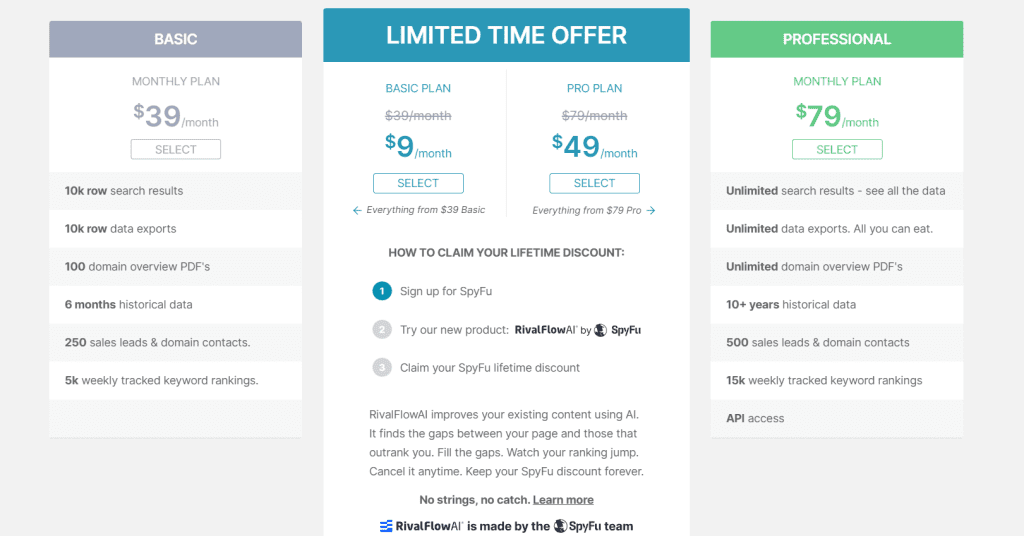
    Role of a Digital Marketing Agency

    As a business owner, you want to focus on growing your business. However, it can be a daunting task to keep up with the ever-changing world of digital marketing. That’s where a digital marketing agency comes in. A digital marketing agency or AI marketing agency can help you achieve your business goals by providing a wide range of services that focus on growing your business.

    One of the primary roles of a digital marketing agency is to help businesses grow. They do this by providing various services such as search engine optimization (SEO), pay-per-click (PPC) advertising, social media marketing, email marketing, and more. These services are designed to increase your online visibility, drive traffic to your website, and ultimately, increase your revenue.

    A digital marketing agency will work with you to understand your business goals and create a customized strategy that is tailored to your specific needs. They will help you identify your target audience, develop a messaging strategy, and create a plan to reach your audience through various digital channels.

    The focus of a digital marketing agency is to help you achieve your business goals. They will work with you to develop a plan that is focused on driving results. Whether you want to increase your online sales, generate more leads, or build brand awareness, a digital marketing agency can help you achieve your goals, while your internal teams benefit from AI Agents for HR that streamline operations and support overall business growth.

    Services Offered by Digital Marketing Agencies

    Services Offered by Digital Marketing Agencies

    Digital marketing agencies offer a wide range of services to help businesses improve their online presence and reach their target audience. Here are some of the services that digital marketing agencies typically offer:

    SEO Services

    One of the core services offered by digital marketing agencies is search engine optimization (SEO). This involves optimizing your website to rank higher in search engine results pages (SERPs) for relevant keywords. Digital marketing agencies can help with keyword research, on-page optimization, technical SEO, and other aspects of SEO to help you drive more organic traffic to your website.

    Content Marketing

    Another important service offered by digital marketing agencies is content marketing. This involves creating high-quality content, such as blog posts, infographics, videos, and audio, to attract and engage your target audience. Digital marketing agencies can help with content creation, content promotion, and other aspects of content marketing to help you build your brand and attract more leads.

    Link building is an important aspect of SEO, and it involves getting other websites to link back to your website. This helps to improve your website’s authority and increase its visibility in search engine results pages (SERPs). A digital marketing agency can help you with link building by creating high-quality content that other websites will want to link to, as well as by reaching out to other websites to request links.

    Social Media Marketing

    Social media marketing is another key service offered by digital marketing agencies. This involves building and maintaining a strong social media presence on platforms like Facebook, Instagram, Twitter, and LinkedIn. Digital marketing agencies can help with social media strategy, social media posts, social media management, social media advertising, and other aspects of social media marketing to help you reach and engage your target audience.

    Email Marketing

    Email marketing is a highly effective way to reach and engage your target audience. Digital marketing agencies can help with email marketing strategy, email newsletters, email automation, and other aspects of email marketing to help you build your brand and drive more conversions. However, the success of these campaigns depends heavily on the accuracy and quality of your subscriber database. Maintaining a clean contact list through regular email verification ensures that your messages reach the intended recipients instead of triggering spam filters.

    Digital marketing agencies can also help with paid advertising, such as Google Ads and other digital ads. This involves creating and managing ad campaigns to drive more traffic and leads to your website.

    Influencer Marketing

    Influencer marketing is a growing trend in digital marketing, and digital marketing agencies can help you leverage the power of influencers to reach and engage your target audience. This involves identifying and partnering with influencers who can promote your brand and products to their followers.

    Affiliate Marketing

    Finally, digital marketing agencies can help with affiliate marketing, which involves partnering with other businesses to promote your products or services. This can help you reach new audiences and drive more sales.

    Strategic Approach of Digital Marketing Agencies

    Digital marketing agencies use a strategic approach to help businesses achieve their marketing goals. They work with clients to identify their target audience and design marketing campaigns that effectively reach potential customers. The following sub-sections provide a closer look at the different aspects of a digital marketing agency’s strategic approach.

    Targeting the Audience

    One of the primary goals of a digital marketing agency is to help businesses target their ideal audience. This involves identifying the demographics and interests of potential customers, as well as understanding their behavior and motivations. By understanding the target audience, digital marketing agencies can design marketing campaigns that are tailored to their interests and needs.

    Designing Marketing Campaigns

    Once the target audience has been identified, digital marketing agencies work to design effective marketing campaigns. This involves developing strategies and tactics that will resonate with the target audience and encourage them to take action. Digital marketing agencies may use a variety of marketing tactics, including social media marketing, email marketing, content marketing, and paid advertising.

    Managing the Budget

    Digital marketing agencies also help businesses manage their marketing budgets. This involves investing in marketing tactics that are most likely to provide a return on investment (ROI). Digital marketing agencies use key performance indicators (KPIs) to track campaign performance and adjust marketing strategies as needed to maximize ROI.

    Tracking Performance

    To measure the success of marketing campaigns, digital marketing agencies use analytics tools like Google Analytics. These tools provide valuable insights into campaign performance, including metrics like website traffic, engagement, and conversion rates. By tracking performance, digital marketing agencies can identify areas for improvement and adjust marketing strategies accordingly.

    Improving User Experience

    Digital marketing agencies also work to improve the user experience (UX) of a business’s website and other digital assets. This involves designing websites that are easy to navigate and use, as well as optimizing content for search engines. By improving the UX, digital marketing agencies can help businesses attract and retain more customers.

    Lead Generation

    Digital marketing agencies help businesses generate leads and drive sales. This involves designing marketing campaigns that encourage potential customers to take action, such as filling out a contact form or making a purchase. By generating leads and driving sales, digital marketing agencies help businesses achieve their marketing goals and grow their bottom line.

    Benefits of Hiring a Digital Marketing Agency

    Benefits of Hiring a Digital Marketing Agency

    If you’re looking to grow your business, hiring a digital marketing agency can be a smart move. Here are some benefits of working with a digital marketing agency:

    1. Focus on Business Growth

    When you hire a digital marketing agency, you can focus on running your business while they focus on driving your growth. Rather than investing in training an in-house team, the agency takes care of all the heavy lifting for you. This allows you to concentrate on what you do best and leave the marketing to the experts.

    2. Save Time and Money

    Hiring a digital marketing agency can save you both time and money. With an agency, you can bundle different digital marketing services together, which can help you save money in the long run. Additionally, you won’t need to hire as many full-time employees to complete the same tasks, which can save you money on salaries and benefits.

    3. Access to Marketing Technology

    Digital marketing agencies have access to the latest marketing technology. They use advanced tools and software to analyze data, track performance, and optimize campaigns. By working with an agency, you can leverage their expertise and technology to get the best results for your business.

    4. Increased ROI and Sales

    Digital marketing agencies are experts in driving ROI and sales. They know how to create effective campaigns that generate leads and convert them into sales. By working with an agency, you can increase your ROI and sales, which can help you grow your business.

    5. Improved Brand Awareness

    Digital marketing agencies can help you improve your brand awareness. They use a variety of tactics, such as social media marketing, content marketing, and search engine optimization, to increase your online visibility and reach. They ensure that all content and campaigns reflect your brand’s personality, creating a consistent and authentic presence online. By improving your brand awareness, you can attract more customers and grow your business.

    Challenges Faced by Digital Marketing Agencies

    Challenges Faced by Digital Marketing Agencies

    As with any business, digital marketing agencies face their fair share of challenges. However, the constantly evolving landscape of digital marketing makes the challenges unique and ever-changing. Here are some of the most common challenges faced by digital marketing agencies:

    Budget Constraints

    One of the biggest challenges faced by digital marketing agencies is budget constraints. Clients often have limited budgets, and it can be difficult for agencies to deliver the desired results within those constraints. Agencies must find ways to maximize the impact of their campaigns while staying within the budget.

    Competitors

    Competition is fierce in the digital marketing world, and agencies must constantly work to stay ahead of their competitors. Agencies must stay up-to-date on the latest trends and technologies and continually innovate to provide their clients with the best possible results.

    Market Research

    Digital marketing agencies must conduct extensive market research to understand their client’s target audience and create effective campaigns. This research can be time-consuming and expensive, but it is essential for creating campaigns that resonate with the target audience.

    Technology

    Digital marketing agencies rely heavily on technology to create and execute campaigns. However, technology is constantly evolving, and agencies must stay up-to-date on the latest tools and platforms to remain competitive.

    Talent Acquisition

    Digital marketing agencies require a team of skilled professionals to create and execute effective campaigns. However, finding and retaining top talent can be a challenge in a competitive job market.

    Conclusion

    To sum up, digital marketing agencies are crucial in today’s business landscape, offering a comprehensive suite of services to help businesses enhance their online presence and reach their target audience effectively. From SEO to social media marketing, these agencies bring expertise and innovative strategies that are essential for navigating the digital world, driving growth, and achieving success in an increasingly digital-centric market.

    Frequently Asked Questions

    What services can a digital marketing agency provide for my business?

    A digital marketing agency can offer a wide range of services to help your business succeed online. Some of the most common services include search engine optimization (SEO), social media marketing, pay-per-click (PPC) advertising, email marketing, content marketing, and website design and development. These services are designed to help you reach your target audience, build your brand, and increase your online visibility.

    How important is content creation for a digital marketing agency?

    Content creation is a crucial element of any digital marketing strategy. By creating high-quality, relevant content that resonates with your target audience, you can establish your brand as an authority in your industry and build trust with potential customers. Content can take many forms, including blog posts, infographics, videos, and social media posts.

    What are the key elements of a successful digital marketing strategy?

    There are several key elements that are essential to a successful digital marketing strategy. These include identifying your target audience, developing a clear brand message, creating high-quality content, optimizing your website for search engines, using social media to engage with your audience, and analyzing your data to measure your results and make informed decisions.

    What is the role of data analysis in digital marketing?

    Data analysis is a critical part of any digital marketing strategy. By tracking your website traffic, social media engagement, and other metrics, you can gain insight into your audience’s behavior and preferences. This information can help you refine your strategy and optimize your campaigns for maximum effectiveness.

    How can a digital marketing agency help increase my business’s online presence?

    A digital marketing agency can help increase your business’s online presence by developing a comprehensive strategy that includes SEO, social media marketing, content marketing, and other tactics. By working with an agency, you can leverage their expertise and experience to create a strategy that is tailored to your business’s unique needs and goals. This can help you reach your target audience, build your brand, and increase your online visibility and sales.

  • How to Get a Job in Digital Marketing: The Ultimate Step-by-Step Guide

    How to Get a Job in Digital Marketing: The Ultimate Step-by-Step Guide

    If you are interested in pursuing a career in digital marketing, you’re in luck! This field is experiencing rapid growth, and there are plenty of opportunities for motivated individuals to enter the industry. However, with so many paths to choose from, it can be challenging to know where to start.

    In this article, we will provide you with a step-by-step guide on how to get a job in digital marketing.

    Understanding Digital Marketing

    Understanding Digital Marketing

    Digital marketing is the practice of promoting and selling products or services using digital channels, such as the Internet, social media, search engines, and mobile devices. It encompasses a range of tactics and strategies that businesses use to connect with their target audience, increase brand awareness, and drive conversions.

    In today’s digital age, online channels have become essential for businesses to reach their customers. Digital marketing allows you to leverage these channels to create targeted campaigns that deliver your message to the right people at the right time. By understanding the different digital marketing channels available, you can create a comprehensive strategy that meets your business goals.

    Some of the most common digital marketing channels include:

    • Search Engine Optimization (SEO): This involves optimizing your website to rank higher in search engine results pages (SERPs) for specific keywords and phrases.
    • Pay-Per-Click (PPC) Advertising: This involves placing ads on search engines and other websites and paying each time someone clicks on your ad.
    • Social Media Marketing: This involves using social media platforms like Facebook, Twitter, and Instagram to promote your products or services and engage with your audience.
    • Content Marketing: This involves creating and sharing valuable content, such as blog posts, videos, and infographics, to attract and retain a clearly defined audience.
    • Email Marketing: This involves sending targeted emails to your subscribers to promote your products or services, nurture leads, and build relationships with your audience.

    By utilizing these different digital marketing channels, you can create a comprehensive strategy that reaches your target audience and achieves your business goals.

    Required Skills for Digital Marketing

    To succeed in a career in digital marketing, you need to have a combination of technical, communication, creativity, and writing skills. Here are some of the most important skills you need to develop:

    1. Technical Skills

    Digital marketing requires a solid understanding of various technical tools and platforms. You should be comfortable working with website analytics tools, content management systems, email marketing platforms, and social media management tools. You should also have a basic understanding of HTML, CSS, and JavaScript.

    2. Communication Skills

    As a digital marketer, you will need to communicate with a variety of people, including clients, customers, and team members. You should be able to communicate effectively in both written and verbal formats. You should be able to explain complex technical concepts in simple terms and be able to write compelling copy that engages your target audience.

    3. Creativity

    Digital marketing is all about creativity. You need to be able to come up with fresh and innovative ideas that will capture the attention of your target audience. You should be able to think outside the box and be willing to take risks to achieve your marketing goals.

    4. Writing Skills

    Writing is a critical aspect of digital marketing. You need to be able to write compelling copy that will engage your target audience and persuade them to take action. You should be able to write in a variety of formats, including blog posts, social media posts, email newsletters, and website copy.

    Education and Certifications

    Education and Certifications

    To become a successful digital marketer, you need to have a solid educational background. While a bachelor’s degree in marketing is not a requirement, it can give you an edge over other applicants. A degree in digital marketing, business administration, or a related field can provide you with the knowledge and skills you need to succeed in this field.

    If you don’t have a degree, don’t worry. Many companies are willing to hire individuals without formal university degrees as long as they have relevant experience. However, it’s important to note that a degree can help you stand out in a sea of applicants.

    When choosing a certification program, it’s important to consider the reputation of the provider and the specific skills you want to develop. Look for programs that are recognized by industry leaders and provide hands-on experience. You should also consider the cost of the program and the time commitment required to complete it.

    Hands-On Experience and Internships

    One of the most effective ways to get a job in digital marketing is by gaining hands-on experience. Employers often look for candidates who have practical knowledge and experience in the field. An internship is one way to gain this experience.

    An internship provides you with the opportunity to work in a real-world setting and gain practical experience in digital marketing. It also helps you build your network and make valuable connections in the industry. Many companies offer internships to students and recent graduates, and some even offer paid internships.

    To find an internship, you can start by looking for opportunities on job boards, company websites, and social media platforms. You can also reach out to companies directly and inquire about any internship opportunities they may have available.

    Another way to gain hands-on experience is to work on your own digital marketing projects. You can start by creating your own website or blog and experimenting with different digital marketing techniques such as SEO, PPC, and social media marketing. This will not only help you gain practical experience but also showcase your skills to potential employers.

    Completing a digital marketing program is also a great way to gain the skills you need to land a digital marketing internship. Many private boot camps and courses are available online. If you prefer the traditional route, some colleges and universities also provide them.

    Building a Portfolio

    Building a Portfolio

    Building a portfolio is an essential step towards getting a job in digital marketing. Your portfolio showcases your skills, creativity, and experience to potential employers. Here are some tips to help you create an effective digital marketing portfolio:

    1. Choose the Right Platform

    There are many platforms to choose from when creating a digital marketing portfolio. You can use websites like Behance, Dribble, or even LinkedIn to showcase your work. Choose a platform that aligns with your personal brand and the type of work you want to showcase.

    2. Design Your Portfolio

    Design is a crucial aspect of your digital marketing portfolio. Your portfolio should be visually appealing and easy to navigate. Use a clean and simple design that highlights your work. Make sure to include your logo, contact information, and a brief bio. If you don’t have a professional logo yet, consider using a logo generator to make one, as it needs to be used across your portfolio and marketing materials too

    3. Showcase Your Best Work

    Your portfolio should showcase your best work. Choose projects that demonstrate your skills and experience in digital marketing. Include case studies that highlight your contributions to the project. Use visuals like images, videos, and infographics to make your portfolio more engaging.

    4. Highlight Your Content Marketing Skills

    Content marketing is a critical component of digital marketing. Make sure to highlight your content marketing skills in your portfolio. Include examples of your writing, social media campaigns, and email marketing campaigns. Show how you can create compelling content that drives engagement and conversions.

    5. Keep Your Portfolio Up-to-Date

    Your portfolio should be a living document that evolves with your career. Make sure to update your portfolio regularly with your latest work. Remove outdated projects and replace them with new ones. Keep your portfolio fresh and relevant to showcase your current skills and experience. Platforms like Global Work can also help connect skilled digital marketers with opportunities that match their evolving experience and portfolio.

    By following these tips, you can create an effective digital marketing portfolio that showcases your skills and experience to potential employers. Remember to choose the right platform, design your portfolio well, showcase your best work, highlight your content marketing skills, and keep your portfolio up-to-date.

    Networking and Personal Branding

    Networking and personal branding are essential components of a successful job search in digital marketing. By building a strong network and personal brand, you can increase your visibility and credibility in the industry, which can lead to more job opportunities.

    One way to build your network is to attend industry events and conferences. These events provide opportunities to meet other professionals in the field, learn about the latest trends and technologies, and make valuable connections. You can also join professional organizations and online communities, such as LinkedIn groups, to expand your network and stay up-to-date on industry news and developments. To build your personal brand, start by defining your unique value proposition.

    What skills and experience do you bring to the table? What sets you apart from other candidates? Once you have a clear understanding of your value proposition, you can start to develop your personal brand messaging and visual identity. Consider incorporating custom resume designs that reflect your style and professionalism, as they can leave a lasting impression on potential employers.

    Your online presence is also an important aspect of your personal brand. Make sure your LinkedIn profile is up-to-date and complete, and consider creating a personal website or blog to showcase your work and expertise. Use social media platforms, such as Twitter and Instagram, to share industry news and insights and engage with other professionals in the field.

    By building a strong network and personal brand, you can increase your chances of landing your dream job in digital marketing.

    Job Search Strategies

    Job Search Strategies

    When searching for a job in digital marketing, it’s important to have a clear idea of what you’re looking for. Start by reviewing job descriptions to get a sense of the skills and qualifications employers are seeking. Use job search engines like Indeed to find job postings that match your interests and qualifications.

    Once you’ve found a job that interests you, take the time to tailor your application to the specific job requirements. Highlight your relevant skills and experience in your resume and cover letter. Consider using an AI resume builder to optimize your resume for the job, ensuring it aligns with the role and stands out to employers. Be sure to include any certifications or training you have completed that are relevant to the job.

    Networking is also an important part of job searching in digital marketing. Attend industry events and conferences to meet other professionals in the field. Join online communities and groups related to digital marketing to connect with others and stay up-to-date on industry news and trends.

    Using Digital Marketing Tools

    Digital marketing tools can help you optimize your campaigns and measure their success. There are many tools available, and it can be overwhelming to choose which ones to use. Here are a few essential tools to get you started:

    Analytics

    Analytics tools help you track and measure the performance of your campaigns. Google Analytics is a popular free tool that allows you to track website traffic, user behavior, and conversion rates. By analyzing this data, you can make informed decisions about your digital marketing strategy.

    Ahrefs

    Ahrefs is a powerful SEO tool that allows you to analyze your website’s backlink profile, track your rankings, and research your competitors. With Ahrefs, you can identify opportunities to improve your website’s search engine rankings and increase your organic traffic.

    Canva

    Canva is a graphic design tool that allows you to create professional-looking images for your digital marketing campaigns. With Canva, you can create social media posts, infographics, and other visual content that will help you stand out from your competitors.

    Later

    Later is a social media scheduling tool that allows you to plan and schedule your social media posts in advance. With Later, you can save time by scheduling your posts for the week or month ahead, and ensure that your social media accounts are consistently updated.

    Role Specifics and Salaries

    If you’re interested in pursuing a career in digital marketing, it’s important to understand the different roles available and their corresponding salaries. Digital marketing is a broad field, and there are many roles you can pursue depending on your interests and skills.

    Some common roles in digital marketing include digital marketer, digital marketing specialist, and digital marketing manager. As a digital marketer, you’ll be responsible for creating and executing digital marketing campaigns across various channels, such as social media, email, and search engines. A digital marketing specialist typically has a more specialized focus, such as SEO or PPC advertising. A digital marketing manager oversees a team of digital marketers and is responsible for setting strategy and managing budgets.

    Salaries in digital marketing can vary widely depending on your role, experience, and location. According to CareerFoundry, the average base salary for a director of digital marketing is $249,813 USD on Glassdoor, $182,410 USD on Salary.com, $104,259 USD on ZipRecruiter, and $108,132 USD on Payscale. However, keep in mind that these are just averages and your salary may be higher or lower depending on various factors.

    In general, digital marketing is a growing field with plenty of opportunities for career advancement and salary growth. As you gain experience and develop your skills, you may be able to move up to higher-level roles with higher salaries. It’s also worth noting that salaries in digital marketing can vary depending on your location. For example, Glassdoor reports that the average base salary for a digital marketing manager in San Francisco is $97,000 USD, while the average base salary for the same role in New York City is $85,000 USD.

    Industry Trends and Keeping Up-To-Date

    Digital marketing is a dynamic field that is constantly evolving. As such, staying up-to-date with the latest industry trends is essential for anyone looking to succeed in this field. Here are some tips on how to stay on top of the latest developments in digital marketing:

    Research

    Research is a critical component of staying up-to-date with industry trends. Take advantage of the wealth of resources available online, including blogs, forums, and social media platforms. Follow industry leaders and influencers on social media and subscribe to their newsletters. Attend industry events, webinars, and conferences to learn about the latest trends and best practices.

    Articles and Books

    Reading articles and books is another great way to stay informed about the latest developments in digital marketing. There are many excellent books and articles available on topics such as SEO, social media marketing, content marketing, and more. Look for books and articles written by industry experts and thought leaders. Some popular digital marketing books include “The Art of SEO” by Eric Enge, “Contagious” by Jonah Berger, and “The New Rules of Marketing and PR” by David Meerman Scott.

    Trends

    Keeping up with the latest trends is essential for staying ahead of the curve in digital marketing. Some of the current trends in digital marketing include voice search, chatbots, artificial intelligence, and personalized marketing. Stay informed about these trends by reading industry publications, attending conferences, and following industry leaders on social media.

    Conclusion

    Congratulations! You now have a clear plan and strategy to improve your chances of getting a job in digital marketing. By following the steps outlined in this guide, you can confidently apply for digital marketing positions and stand out from other candidates.

    Remember to tailor your resume and cover letter to each job you apply for, highlighting your relevant skills and experience. Utilize your creativity and problem-solving skills during interviews to impress potential employers.

    Keep learning and improving your digital marketing skills by staying up-to-date with the latest trends and tools. Consider taking online courses or attending industry events to expand your knowledge and network with other professionals.

    With dedication and hard work, you can successfully launch a career in digital marketing and achieve your professional goals. Good luck!

    Frequently Asked Questions

    What are some entry-level digital marketing jobs?

    If you’re just starting out in digital marketing, some common entry-level jobs include social media specialist, content marketing coordinator, SEO specialist, and digital marketing assistant. These roles typically involve executing specific tasks within a larger marketing strategy, such as creating social media posts, conducting keyword research, or analyzing website traffic.

    What qualifications do I need to become a digital marketer?

    While there is no one-size-fits-all answer to this question, many digital marketers have a bachelor’s degree in marketing, communications, or a related field. However, some employers may prioritize relevant experience or certifications over formal education. To be successful in digital marketing, you should have a solid understanding of marketing principles, as well as proficiency in digital tools and platforms.

    What does a digital marketer do on a day-to-day basis?

    The day-to-day responsibilities of a digital marketer can vary depending on their specific role and employer. However, common tasks may include creating and executing marketing campaigns, analyzing data to measure campaign success, managing social media accounts, conducting keyword research, and writing content for websites and other digital channels.

    Is digital marketing a good career choice?

    Yes, digital marketing can be a rewarding and lucrative career choice for those who are passionate about marketing, technology, and creative problem-solving. According to the Bureau of Labor Statistics, the median annual salary for advertising, promotions, and marketing managers was $135,900 in May 2020. Additionally, the field is constantly evolving, which means there are always opportunities to learn and grow.

    How can I start learning digital marketing for free?

    There are many free job training available online for those who want to learn digital marketing. Some popular options include Google’s Digital Garage, HubSpot Academy, and Moz’s Beginner’s Guide to SEO. Additionally, you can gain hands-on experience by creating your own website or social media accounts, and experimenting with different marketing strategies.

    Are there remote digital marketing jobs available?

    Yes, remote work is becoming increasingly common in the digital marketing industry. Many companies are open to hiring remote workers, particularly for roles that don’t require in-person collaboration. Some job boards that specialize in remote work include Remote.co, FlexJobs, and We Work Remotely.

  • How to Become a Digital Marketing Manager: Essential Tips and Strategies

    How to Become a Digital Marketing Manager: Essential Tips and Strategies

    Are you dreaming of becoming a Digital Marketing Manager? It’s a great goal! Digital marketing is an exciting, fast-paced world where creativity meets technology. But how do you get started? What do you need to know and do to land that role? In this easy-to-follow guide, we’ll share some essential tips and strategies that will set you on the path to becoming a successful Digital Marketing Manager.

    Whether you’re just starting out or looking to take your career to the next level, these practical steps will help you build the skills and knowledge you need to shine in this dynamic field.

    Let’s dive in!

    What Is a Digital Marketing Manager?

    What Is a Digital Marketing Manager?

    A digital marketing manager is a professional who is responsible for developing and implementing digital marketing campaigns and strategies for businesses. They work to increase brand awareness, drive traffic to websites, and generate leads and sales through various digital channels such as social media, email, search engines, and mobile apps.

    As a digital marketing manager, you will need to have a strong understanding of digital marketing and its various channels. You will also need to be familiar with marketing analytics tools and be able to analyze data to measure the performance of your campaigns and make data-driven decisions.

    Your responsibilities as a digital marketing manager will include developing digital marketing strategies that align with your organization’s goals, identifying target audiences, creating content, managing social media accounts, optimizing websites for search engines, and monitoring and analyzing campaign performance.

    To become a digital marketing manager, you will need to have a bachelor’s degree in marketing, communications, public relations, or a related field. You will also need to have a strong portfolio of past digital marketing campaigns, including but not limited to paid ads and search, social media posts, and SEO content. Additionally, you will need to have excellent communication, project management, and analytical skills.

    What Does a Digital Marketing Manager Do?

    As a digital marketing manager, you will be responsible for developing and executing digital marketing strategies. You will work to promote a brand, product, or service on all available digital marketing channels. This includes planning and overseeing digital marketing campaigns, analyzing data to evaluate campaign performance, and managing a team of digital marketing professionals.

    Your role will involve developing and implementing long-term digital marketing campaigns and short-term advertising techniques through digital platforms. You will be responsible for enhancing brand awareness, driving traffic to the company’s website, and generating sales leads.

    To achieve these goals, you will need to stay up-to-date with the latest digital marketing trends and technologies. You will also need to have a solid understanding of search engine optimization (SEO), pay-per-click (PPC) advertising, email marketing, social media marketing, and content marketing.

    Role and Responsibilities of a Digital Marketing Manager

    Role and Responsibilities of a Digital Marketing Manager

    As a digital marketing manager, you will have a variety of roles and responsibilities. Your job will be to plan, execute, and monitor digital marketing campaigns that promote a brand, product, or service on all available digital marketing channels. Here are some of the key responsibilities that you will have:

    Job Description

    Your job description will vary from company to company, but most organizations require digital marketing managers to increase brand awareness, drive traffic to their platforms, and improve conversions through various digital marketing campaigns.

    Work

    You will work with a team of professionals who specialize in areas such as search engine optimization (SEO), search engine marketing (SEM), content creation, email marketing, social media marketing, and more.

    Campaigns

    You will be responsible for constructing campaign decks to show the starting points, how it worked, and the results. You will also need to present campaigns to the entire team.

    Planning

    Your role will include planning and executing a digital marketing campaign. You will need to develop a strategy that aligns with the company’s goals and objectives.

    Execution

    You will need to execute the digital marketing campaign by utilizing various digital marketing channels such as social media, email, search engines, and more.

    Monitoring

    You will be responsible for monitoring the performance of the digital marketing campaign and making necessary adjustments to improve performance. This includes analyzing data and metrics to identify areas for improvement.

    Digital Marketing Management

    Your role as a digital marketing manager will also include managing a team of digital marketing professionals. You will need to provide guidance, support, and feedback to ensure that the team is working effectively and efficiently.

    Skills Required for a Digital Marketing Manager

    Skills Required for a Digital Marketing Manager

    To become a successful digital marketing manager, you need to possess a variety of skills. Here are some of the essential skills you should have:

    Technical Skills

    Digital marketing is a technical field, and as a digital marketing manager, you must be comfortable with technology. You should have a solid understanding of digital marketing tools, such as Google Analytics, social media platforms, and email marketing software. You should also be familiar with SEO, PPC, and other digital marketing techniques.

    Strategic Thinking

    A digital marketing manager must be able to develop and execute a comprehensive digital marketing strategy. This requires strategic thinking and the ability to analyze data and market trends. You should be able to identify opportunities and develop plans to capitalize on them.

    Communication Skills

    As a digital marketing manager, you will be responsible for communicating with a variety of stakeholders, including clients, team members, and vendors. You should be able to communicate your ideas and strategies clearly and effectively. You should also be able to listen actively and ask questions to ensure that you understand the needs and expectations of your stakeholders.

    Leadership Skills

    A digital marketing manager must be a strong leader. You should be able to motivate and inspire your team to achieve their goals. You should also be able to provide guidance and support to your team members and help them develop their skills.

    Project Management

    Digital marketing campaigns involve multiple tasks and deadlines. As a digital marketing manager, you should be able to manage projects effectively. You should be able to develop project plans, allocate resources, and track progress. You may also want to consider exploring alternatives to smartsheet to find a project management tool that best suits your team’s needs.

    Soft Skills

    Soft skills are essential for any digital marketing manager. You should be able to work well under pressure, manage your time effectively, and be adaptable to change. You should also be able to collaborate with others and build strong relationships with your team members and stakeholders.

    Education and Certifications

    To become a digital marketing manager, you will need to have a strong educational background in marketing, communications, or a related field. A bachelor’s degree is typically required for this position. While it is not a requirement, a master’s degree in marketing or business administration can be beneficial and can help you stand out from other candidates.

    Some popular certifications include the Google Ads certification, the Google Analytics certification, the HubSpot Inbound Marketing certification, and the Facebook Blueprint certification. These certifications can demonstrate to potential employers that you have expertise in specific areas of digital marketing.

    Another option is to attend a digital marketing boot camp. These intensive programs provide hands-on training in various aspects of digital marketing and can be a great way to gain practical experience and build your portfolio. However, keep in mind that boot camps can be expensive and require a significant time commitment.

    Ultimately, the best way to become a digital marketing manager is to combine formal education with practical experience. Consider taking courses or obtaining certifications to build your skills, but also look for opportunities to gain real-world experience through internships or entry-level positions in digital marketing.

    Building a Digital Marketing Portfolio

    As a digital marketing manager, having a strong portfolio is essential to showcase your skills and experience to potential employers. Your portfolio should demonstrate your ability to develop effective marketing strategies, create engaging content, and analyze data to improve campaign performance.

    When building your digital marketing portfolio, consider including personal projects and social media profiles that showcase your skills and sensibilities. For example, you can showcase your own content, such as an email newsletter that you write biweekly, or a strong Twitter or Instagram presence. These platforms can be used to demonstrate your ability to create engaging content and build a strong online presence.

    When it comes to creating your digital marketing portfolio, there are many platforms and tools available to help you get started. Some popular options include WordPress, Wix, and Squarespace, which offer easy-to-use templates and design tools to help you create a professional-looking website or blog.

    Career Path and Salary Expectations

    If you’re interested in becoming a digital marketing manager, you’ll typically need a Bachelor’s Degree in computer science or a related field. However, some employers may accept candidates with a degree in marketing or a related field, as long as they have relevant experience in digital marketing.

    According to the U.S. Bureau of Labor Statistics (BLS), the median annual wage for advertising, promotions, and marketing managers was $135,900 as of May 2022. However, this figure can vary depending on factors such as industry, location, and experience.

    As a digital marketing manager, you may have the opportunity to earn a higher salary than other marketing professionals due to the increasing demand for digital marketing skills.

    In terms of job growth, the BLS projects a 10% increase in employment for advertising, promotions, and marketing managers from 2020 to 2030. This growth is due to the increasing importance of digital marketing in today’s business landscape.

    To increase your chances of success in this field, it’s important to stay up-to-date with the latest trends and technologies in digital marketing. This can include attending industry events, reading industry publications, and taking online courses or certifications.

    Staying Updated with Digital Trends

    As a digital marketing manager, it is essential to stay up-to-date with the latest digital trends. This will help you create effective marketing strategies that resonate with your target audience. Here are some tips to help you stay updated with digital trends:

    1. Follow industry leaders and influencers: Following industry leaders and influencers on social media platforms like LinkedIn and Twitter can help you stay updated with the latest digital trends. Some of the top digital marketing influencers include Neil Patel, Gary Vaynerchuk, and Ann Handley.
    2. Join professional organizations: Joining professional organizations like the American Marketing Association can help you stay updated with the latest digital trends. These organizations often host conferences, webinars, and workshops that cover the latest trends and best practices in digital marketing.
    3. Attend conferences and events: Attending conferences and events is a great way to learn about the latest digital trends and network with other digital marketing professionals. Some of the top digital marketing conferences include Social Media Marketing World, Content Marketing World, and MozCon.
    4. Read industry publications: Reading industry publications like Adweek, Marketing Land, and HubSpot can help you stay updated with the latest digital trends. These publications often feature articles and case studies that cover the latest trends and best practices in digital marketing.

    By following these tips, you can stay updated with the latest digital trends and create effective marketing strategies that drive results for your business.

    Essential Tools for Digital Marketing Management

    Essential Tools for Digital Marketing Management

    As a digital marketing manager, you need to be familiar with a variety of tools to help you manage and analyze your campaigns effectively. Here are some essential tools you should consider:

    Google Analytics

    Google Analytics is a free web analytics service that allows you to track and analyze website traffic. It provides valuable insights into your website’s performance, such as the number of visitors, where they came from, and how long they stayed on your site. With this information, you can make data-driven decisions to improve your website’s user experience and increase conversions.

    Hootsuite

    Hootsuite is a social media management tool that allows you to manage multiple social media accounts from one dashboard. It enables you to schedule posts, engage with your audience, and track your social media performance. With Hootsuite, you can save time and streamline your social media management.

    Mailchimp

    Mailchimp is an email marketing platform that allows you to create and send email campaigns to your subscribers. It provides a variety of templates and customization options to help you create professional-looking emails. Mailchimp also offers analytics to help you track your email performance and improve your campaigns.

    SEMrush

    SEMrush is an all-in-one digital marketing tool that provides insights into SEO, PPC, social media, and content marketing. It allows you to track your competitors, find new keywords, and analyze your website’s performance. With SEMrush, you can optimize your digital marketing campaigns and stay ahead of the competition.

    Google Ads

    Google Ads is an online advertising platform that allows you to create and display ads on Google’s search results pages and other websites. It provides a variety of targeting options to help you reach your ideal audience. With Google Ads, you can increase your website traffic and generate leads for your business.

    Data Studio

    Data Studio is a free data visualization tool that allows you to create interactive dashboards and reports. It integrates with Google Analytics, Google Ads, and other data sources to help you analyze your data and track your performance. With Data Studio, you can create custom reports to share with your team or clients.
    Conclusion

    Becoming a digital marketing manager requires a combination of education, experience, and skills. By following the steps outlined in this guide, you can set yourself on the path to a successful career in this exciting and rapidly growing field.

    Throughout your journey, you will need to rely on a variety of tools to help you manage campaigns, analyze data, and stay up-to-date on the latest trends. Some of the most important tools to consider include Google Analytics, SEMrush, Hootsuite, Mailchimp, and Google Ads. Each of these tools offers unique features and benefits that can help you achieve your goals as a digital marketing manager.

    In addition to these tools, it’s also important to stay up-to-date on the latest industry news and trends. This can be accomplished by following industry blogs and publications, attending conferences and events, and networking with other professionals in the field. By staying informed and connected, you can position yourself as a thought leader and stay ahead of the competition.

    Ultimately, becoming a digital marketing manager requires hard work, dedication, and a commitment to lifelong learning. But with the right mindset and approach, you can achieve your goals and build a rewarding career in this exciting and dynamic field.

    Frequently Asked Questions

    What skills do I need to become a successful digital marketing manager?

    To become a successful digital marketing manager, you will need a combination of hard and soft skills. Hard skills include knowledge of SEO, PPC, email marketing, social media marketing, and analytics. Soft skills include communication, leadership, creativity, and problem-solving. Having a good understanding of the target audience and the ability to adapt to the constantly changing digital landscape are also important.

    What are the responsibilities of a digital marketing manager?

    The responsibilities of a digital marketing manager may vary depending on the company and industry. However, some common responsibilities include developing and implementing digital marketing strategies, managing campaigns, analyzing data and performance, collaborating with other departments, and staying up-to-date with industry trends.

    What is the average salary for a digital marketing manager?

    According to Forbes Advisor, the average annual salary for a digital marketing manager is about $71,500 as of May 2023. However, the salary can vary depending on factors such as experience, location, and industry.

    What courses or certifications can help me become a digital marketing manager?

    While a college degree is not necessary for a career in digital marketing, some employers may prefer candidates with a bachelor’s degree. Additionally, there are various courses and certifications that can help you gain the necessary skills and knowledge to become a digital marketing manager. Some popular options include Google Ads certification, HubSpot Inbound Marketing certification, and Facebook Blueprint certification.

    What is the difference between a digital marketing manager and a social media manager?

    While both roles involve digital marketing, a digital marketing manager is responsible for developing and implementing overall digital marketing strategies, while a social media manager focuses specifically on social media platforms. A digital marketing manager may oversee a team of social media managers and other digital marketing specialists, while a social media manager may work more closely with content creators and community managers to manage social media accounts.

  • Product Page SEO for Ecommerce: Boost Your Online Sales with These Tips

    Product Page SEO for Ecommerce: Boost Your Online Sales with These Tips

    If you’re running an ecommerce store, optimizing your product pages for search engines is crucial to driving traffic and sales. Product page SEO involves optimizing each individual product page to rank higher in search engine results pages (SERPs) and attract more potential customers.

    By optimizing your product pages, you’ll increase your visibility and improve your chances of attracting qualified traffic to your site.

    Understanding SEO for EcommerceUnderstanding SEO for Ecommerce

    When it comes to ecommerce SEO, there are a few key things to keep in mind. First, you need to understand how search engines like Google work. Google uses complex algorithms to determine which pages should rank highest for a given search query. These algorithms take into account factors like the relevance and quality of your content, the structure of your website, and the authority of your domain.

    To improve your rankings, you need to optimize your product pages for relevant keywords. This involves researching which keywords your target audience is searching for and incorporating them into your page titles, meta descriptions, and content. You also need to ensure that your product pages are well-structured and easy to navigate, with clear headings, bullet points, and other formatting elements.

    Another important aspect of ecommerce SEO is monitoring your rankings and traffic. You can use tools like SEMrush to track your rankings for specific keywords and see how your traffic is changing over time. This can help you identify areas where you need to improve and make adjustments to your SEO strategy accordingly.

    Overall, ecommerce SEO is a complex and ever-evolving field. But by understanding the basics and staying up-to-date with the latest trends and best practices, you can improve your rankings, drive more traffic to your product pages, and ultimately grow your business.

    Here are some best strategies for developing your product page SEO for Ecommerce.

    Keyword Research for Product Pages SEO Keyword Research for Product Pages

    When it comes to optimizing your product pages for search engines, keyword research is a crucial step. By identifying the keywords and phrases that your target audience is searching for, you can create product pages that are more likely to appear in search results and attract potential customers. In this section, we’ll cover the importance of long-tail keywords and how to develop a keyword strategy that takes into account competition.

    Importance of Long-Tail Keywords

    Long-tail keywords are longer, more specific phrases that are less frequently searched for than broader, more general keywords. While they may not have as high of a search volume as broader keywords, they can be highly valuable for ecommerce businesses. That’s because long-tail keywords are more likely to attract visitors who are further along in the buying process and are more likely to convert into customers. For example, someone searching for “women’s red leather ankle boots” is likely closer to making a purchase than someone searching for “women’s shoes.”

    When conducting keyword research for your product pages, be sure to include long-tail keywords in your analysis. Look for phrases that are relevant to your products and that your target audience is likely to search for. You can use tools like Google Keyword Planner, SEMrush, or Ahrefs to help identify long-tail keywords with lower competition.

    Keyword Strategy and Competition

    Developing a keyword strategy for your product pages involves identifying the keywords and phrases that you want to target and optimizing your pages accordingly. When developing your strategy, it’s important to take into account the level of competition for each keyword. If you’re targeting highly competitive keywords, it may be difficult to rank in search results and attract visitors to your product pages.

    To develop a successful keyword strategy, consider targeting a mix of high- and low-competition keywords. Focus on long-tail keywords with lower competition to attract visitors who are further along in the buying process. Choosing precise keywords like “best treadmill” can attract visitors who are ready to buy. Additionally, consider creating content around broader, more competitive keywords to help establish your authority in your industry and attract visitors to your site.

    By conducting thorough keyword research and developing a targeted keyword strategy, you can improve the visibility of your product pages in search results and attract more potential customers to your ecommerce site.

    Optimizing Product Page ElementsOptimizing Product Page

    When it comes to optimizing your ecommerce product pages for search engines, there are several elements you need to consider. In this section, we’ll discuss the importance of optimizing your title tags and meta descriptions, product images and alt text, product descriptions, URLs, and breadcrumbs.

    Title Tags and Meta Descriptions

    Your title tag and meta description are crucial elements of your product page’s SEO. The title tag tells search engines what your page is about, while the meta description provides a brief summary of the page’s content. Here are some tips for optimizing these elements:

    • Use your primary keyword in the title tag and meta description.
    • Keep your title tag under 60 characters and your meta description under 160 characters.
    • Make sure your title tag and meta description accurately reflect the content of your product page.
    • Use action-oriented language in your meta description to encourage clicks.

    Product Images and Alt Text

    Product images are an important aspect of your ecommerce product pages, both for customer experience and SEO. Here are some tips for optimizing your product images and alt text:

    • Use high-quality images that showcase your product from multiple angles.
    • Optimize your image file names with descriptive keywords.
    • Use descriptive alt text that accurately describes the image and includes relevant keywords.

    Product Descriptions

    Your product descriptions are another important element of your product page’s SEO. Here are some tips for optimizing your product descriptions:

    • Use descriptive, keyword-rich product titles.
    • Write unique product descriptions that accurately describe the product’s features and benefits. To help search engines and potential buyers understand the product better, avoid simply listing generic terms like “tredemølle (treadmill) for home use.” Instead, a more effective description would be: “Compact tredemølle with adjustable incline and smart connectivity for personalized workouts.”
    • Use bullet points to make your product descriptions easier to read.

    URLs and Breadcrumbs

    Your product page’s URL and breadcrumb trail can also impact its SEO. Here are some tips for optimizing these elements:

    • Use descriptive, keyword-rich URLs that accurately reflect the content of your product page.
    • Use breadcrumbs to make it easier for users to navigate your site and for search engines to understand your site’s structure.

    By optimizing these elements on your ecommerce product pages, you can improve your site’s SEO and drive more traffic and sales.

    Avoiding Duplicate Content

    Duplicate content is a common issue that can negatively impact your ecommerce website’s search engine rankings. When multiple pages on your website have identical or substantially similar content, search engines may not know which page to rank higher in search results. This can lead to lower visibility and traffic for your product pages.

    To avoid duplicate content, it’s crucial to ensure that each product page has a unique description. Avoid copying and pasting product descriptions from other websites or manufacturers, as this can result in identical content across multiple pages. Instead, take the time to craft your own unique descriptions that accurately describe the product and its features.

    Another way to avoid duplicate content is to use canonical tags. These tags tell search engines which page is the primary source of content, even if there are multiple pages with similar content. This can help prevent duplicate content issues and ensure that your product pages are properly indexed and ranked in search results.

    In addition to unique descriptions and canonical tags, there are other steps you can take to avoid duplicate content. For example, you can use robots.txt to block search engines from indexing certain pages on your website, such as duplicate product pages or pages with thin or low-quality content. You can also use 301 redirects to redirect users and search engines to the correct page if they try to access a duplicate or outdated URL.

    By taking these steps to avoid duplicate content, you can improve your ecommerce website’s search engine rankings and drive more traffic to your product pages.

    Leveraging Customer Reviews and UGC

    One of the most effective ways to optimize your product page for SEO is by leveraging customer reviews and user-generated content (UGC). Not only does this help with SEO, but it also builds trust with potential customers and can increase conversions.

    One way to do this is by displaying customer reviews prominently on your product page. This not only provides valuable social proof, but it also adds fresh content to your page, which search engines love. Make sure to include a mix of positive and negative reviews to show that your reviews are authentic.

    Another way to leverage customer reviews and UGC is by allowing customers to submit their own photos and videos of your products. This not only adds visual interest to your page, but it also provides valuable user-generated content that can help with SEO.

    You can also encourage customers to leave reviews by sending follow-up emails after their purchase and offering incentives such as discounts on future purchases. This not only helps with SEO, but it also shows customers that you value their feedback and are committed to providing a great experience.

    Overall, leveraging customer reviews and UGC is a powerful way to optimize your product page for SEO and build trust with potential customers. By providing valuable social proof and fresh content, you can improve your search engine rankings and increase conversions.

    Enhancing User ExperienceEnhancing User Experience

    Improving user experience on your ecommerce site is crucial for increasing conversions and sales. Here are some key ways to enhance user experience on your product pages.

    Site Structure and Navigation

    Your site structure and navigation play a crucial role in how users interact with your product pages. Make sure your site is easy to navigate and your product pages are easy to find. Use clear and descriptive labels for your categories and subcategories, and make sure your product pages are linked to from relevant pages.

    Page Load Times

    Slow page load times can significantly impact user experience and increase bounce rates. Make sure your product pages load quickly by optimizing images and reducing the number of HTTP requests. Use a content delivery network (CDN) to ensure fast loading times for users across the world.

    Mobile Friendliness

    With the increasing use of mobile devices for online shopping, it’s essential to ensure your product pages are mobile-friendly. Make sure your site is responsive and adapts to different screen sizes. Use larger fonts and buttons for easy navigation on smaller screens.

    By implementing these strategies, you can enhance user experience on your product pages and increase conversions. Remember to regularly test and optimize your site for the best results.

    Structured Data and Rich Results

    Structured data is a standardized format for providing information about a page and classifying the content on it. Rich results, on the other hand, are search results that go beyond the basic blue link and provide additional information, such as images, ratings, and reviews. By using structured data, you can enhance your product pages with rich results that can help improve your click-through rates and ultimately, your sales. Pairing structured data with ecommerce personalization software can further optimize user experience by tailoring content to individual shopper preferences.

    There are several types of structured data that are relevant for product pages, but the most important ones are review schema and product schema. Review schema is used to mark up ratings and reviews, while product schema is used to provide details about the product, such as its name, description, price, and availability.

    By using review schema, you can display star ratings and review snippets in search results, which can help increase your click-through rates. To use review schema, you need to provide the rating and review information on your product page in a specific format. You can use tools like Google’s Structured Data Markup Helper to generate the necessary code.

    Product schema, on the other hand, provides search engines with detailed information about your product, such as its name, description, price, and availability. By using product schema, you can also display additional information, such as product images, in search results. This can help increase your click-through rates and ultimately, your sales.

    To use product schema, you need to provide the necessary information on your product page in a specific format. You can use tools like Google’s Structured Data Markup Helper to generate the necessary code. It’s important to note that product schema is only relevant for pages that sell a single product. If you sell multiple products on a single page, you need to use the aggregateOffer property to provide information about each product.

    When it comes to optimizing your product pages for SEO, internal linking and backlinks play a crucial role. These strategies can help improve your website’s authority, increase traffic, and boost your search engine rankings.

    Internal Linking

    Internal linking refers to linking to other pages within your website. When done correctly, it can help search engines understand the structure of your website and the importance of each page. Here are some tips for effective internal linking:

    • Use descriptive anchor text: Make sure the text you use to link to other pages is descriptive and relevant to the page you’re linking to. This helps search engines understand the context of the link.
    • Link to relevant pages: Only link to pages that are relevant to the content on the page you’re linking from. This helps search engines understand the topic of your website.
    • Use a reasonable number of links: Don’t overdo it with internal links. Use a reasonable number of links that make sense for the page.

    Backlinks are links from other websites to your website. They can help improve your website’s authority and increase traffic. Here are some tips for building backlinks:

    • Create high-quality content: The best way to get backlinks is by creating high-quality content that people want to link to. This could be in the form of blog posts, infographics, or videos.
    • Reach out to other websites: If you have high-quality content, reach out to other websites in your industry and ask them to link to your content.
    • Use social media: Share your content on social media and encourage others to share it as well. This can help increase the visibility of your content and increase the chances of getting backlinks.

    Overall, internal linking and backlinks are important strategies for ecommerce businesses looking to improve their SEO. By following these tips, you can help improve your website’s authority and increase traffic to your product pages.

    Technical SEO Considerations

    When it comes to optimizing your ecommerce product pages for search engines, there are some technical considerations you need to keep in mind. Here are some key things to consider:

    HTTPS

    Using HTTPS (Hyper Text Transfer Protocol Secure) is a must for any ecommerce website. Not only does it provide a secure connection for your customers to make purchases, but it’s also a ranking factor for Google. Make sure your website is using HTTPS to ensure the safety and security of your customers’ data, along with a high-risk merchant account for sensitive industries.

    CMS

    Your CMS (Content Management System) plays a crucial role in your website’s SEO. To get the best results, consider partnering with an experienced E-commerce SEO Agency that can help ensure your CMS  is SEO-friendly and allows you to easily optimize your product pages for search engines. Some popular E-commerce CMS options include Shopify, Magento, and WooCommerce.

    Technical Issues

    Technical issues can negatively impact your website’s SEO. Make sure your website is free of any technical issues such as broken links, slow loading times, and duplicate content. Regularly check your website for any technical issues and fix them promptly to ensure your website is running smoothly.

    Conclusion

    In conclusion, optimizing your product pages for SEO can greatly improve the visibility of your ecommerce website and increase conversions. By implementing a solid SEO strategy, you can ensure that your products are easily discoverable by potential customers.

    One of the most important aspects of product page SEO is ensuring that your page titles and meta descriptions accurately reflect the content of the page. This will help search engines understand the context of your products and show them to users who are searching for relevant keywords.

    In addition, using high-quality images and videos can also improve the user experience on your product pages, which can lead to higher conversion rates. Make sure to optimize your images by compressing them and including alt tags with relevant keywords.

    Another important factor to consider is the use of structured data. By adding structured data to your product pages, you can provide search engines with additional information about your products, such as price, availability, and reviews. This can help your products stand out in search results and increase click-through rates.

    Overall, optimizing your product pages for SEO requires a combination of technical and creative strategies. By following best practices and staying up to date with the latest trends and algorithms, you can ensure that your ecommerce website is visible to potential customers and ultimately drive more sales.

  • 9 Grey Hat SEO Tactics In 2026

    9 Grey Hat SEO Tactics In 2026

    When it comes to SEO, there are three types of tactics: white hat, black hat, and grey hat. While white hat tactics are ethical and follow search engine guidelines, black hat tactics are unethical and violate those guidelines. Grey hat tactics, on the other hand, fall somewhere in between. They are not necessarily illegal, but they may not be entirely ethical either.

    Grey hat SEO tactics can be a risky strategy to implement. While they may provide short-term gains, they can also result in long-term damage to your website’s reputation and rankings.

    In this article, we’ll be discussing some top Grey Hat SEO Tactics.

    So, let’s dive into this.

    What Is Grey Hat SEO?

    Grey hat SEO refers to a set of search engine optimization tactics that fall somewhere between white hat and black hat SEO techniques. While white hat SEO tactics follow search engine guidelines and black hat SEO tactics manipulate them, grey hat SEO tactics are ambiguous and may or may not violate search engine guidelines.

    Grey hat SEO techniques are often used by website owners who want to improve their search engine rankings quickly but without resorting to black hat SEO tactics that could result in penalties from search engines like Google. However, grey hat SEO tactics can still be risky and may result in penalties if search engines deem them to be manipulative or in violation of their guidelines.

    Grey Hat SEO Techniques

    Grey Hat SEO Techniques

    Here are some top grey hat SEO tactics include:

    Expired Domain Redirects [#1]

    Expired domain redirects are a grey hat SEO tactic that involves purchasing an expired domain with a good backlink profile and redirecting it to your website. This tactic can be effective in boosting your website’s ranking in search engine results pages (SERPs), but it does come with some risks.

    From a black hat SEO perspective, expired domain redirects can be used to manipulate search engine rankings by redirecting a domain with a high authority to a website that may not have earned that authority organically. However, if done ethically and according to best practices, this tactic can be a legitimate strategy to improve your website’s ranking.

    When using expired domain redirects, it’s important to ensure that the domain you’re purchasing has a good backlink profile and is relevant to your website’s niche. You should also check if the domain has any penalties or negative history that could harm your website’s ranking.

    It’s important to note that using expired domain redirects is not in line with Google’s webmaster guidelines. Google has stated that using this tactic solely for the purpose of manipulating search engine rankings is considered a violation of their guidelines. However, if you’re using this tactic to improve your website’s authority and relevance, it can be an effective strategy.

    Expired domain redirects can be a grey hat SEO tactic that can be effective in boosting your website’s ranking, but it does come with some risks. If you decide to use this tactic, make sure to do it ethically and according to best practices, and always keep Google’s webmaster guidelines in mind.

    Article Spinning

    Article spinning is a Grey Hat SEO tactic that involves taking an existing article and rewording it to create new content. The idea is to create multiple versions of the same article and then submit them to different article directories or other websites to generate backlinks.

    While article spinning may seem like a quick and easy way to generate content, it is considered a Black Hat SEO tactic by Google and can result in penalties if detected. This is because spun articles are often of low quality and provide little value to readers.

    If you choose to use article spinning as part of your SEO strategy, it is important to do so ethically and responsibly. This means creating high-quality, original content that provides value to your readers, and avoiding the use of automated spinning tools that can produce low-quality content.

    It is also important to follow Google’s Webmaster Guidelines and avoid any tactics that are considered Black Hat or unethical. This includes avoiding keyword stuffing, cloaking, and other tactics that are designed to manipulate search engine rankings.

    While article spinning can be a useful Grey Hat SEO tactic, it should be used with caution and only as part of a larger, ethical SEO strategy. By creating high-quality, original content and following best practices, you can use article spinning to generate backlinks and improve your search engine rankings without risking penalties from Google.

    Link Purchasing

    One of the controversial tactics in the SEO world is link purchasing. This is a grey hat SEO technique that involves buying links from other websites to improve your search engine ranking.

    While link purchasing can be tempting to get quick results, it is not an ethical strategy and goes against Google Webmaster Guidelines. Google considers buying links as a black hat SEO technique and can penalize your website for it.

    Link purchasing can also be expensive, and there is no guarantee that the links you buy will be of high quality or relevant to your website.

    Instead of resorting to link purchasing, it is best to focus on white hat SEO techniques such as creating high-quality content, building relationships with other websites, and earning links organically. These practices are in line with Google Webmaster Guidelines and are more sustainable in the long run.

    Keyword Stuffing

    Keyword stuffing is a Grey Hat SEO tactic that involves overusing keywords on a page to manipulate search engine rankings. This practice involves adding an excessive number of keywords to a webpage’s content, meta tags, and other on-page elements. Keyword stuffing is a technique that was commonly used in the past to manipulate search engine rankings, but it is now considered a Black Hat SEO tactic and can result in penalties from search engines.

    Keyword stuffing was once considered a legitimate SEO strategy, but search engines have since updated their algorithms to penalize websites that use this technique. Google’s Webmaster Guidelines specifically state that keyword stuffing is a violation of their guidelines and can result in a penalty.

    While keyword stuffing may increase a website’s visibility in search engine results pages (SERPs), it can also result in a poor user experience. Pages that are stuffed with keywords often lack readability and are difficult to understand. This can lead to a high bounce rate, which can negatively impact a website’s search engine rankings.

    In addition to negatively impacting user experience, keyword stuffing is also considered an unethical SEO practice. It goes against White Hat SEO best practices, which prioritize creating high-quality content that is relevant and useful to users. Instead, keyword stuffing prioritizes search engine rankings over user experience and can result in a poor reputation for a website.

    Overall, keyword stuffing is a Grey Hat SEO tactic that is not recommended. Instead, focus on creating high-quality content that is relevant and useful to users. By following White Hat SEO best practices and Google’s Webmaster Guidelines, you can create a successful SEO strategy that prioritizes user experience and ethical practices.

    Cloaking

    Cloaking is a grey hat SEO tactic that involves showing different content to search engines and users. Essentially, it involves presenting one version of a page to search engines and another version to users. This is done to manipulate search engine rankings by showing search engines content that is different from what users see.

    Cloaking can be done in a number of ways, such as using IP addresses to identify search engine crawlers and serving them different content, or using JavaScript to redirect users to a different page than the one they clicked on in search results.

    While cloaking can be an effective way to manipulate search engine rankings, it is considered a black hat tactic and is against Google’s webmaster guidelines. If you are caught using cloaking, your site may be penalized or even banned from search results.

    It is important to note that not all forms of cloaking are unethical or against Google’s guidelines. For example, serving different content to users based on their location or device type is considered acceptable as long as it is done in a way that is transparent to both users and search engines.

    In general, it is best to avoid using cloaking as a strategy for improving search engine rankings. Instead, focus on ethical white hat SEO techniques that comply with Google’s guidelines and best practices.

    Clickbait Titles and Meta Descriptions

    When it comes to SEO, clickbait titles and meta descriptions are considered grey hat tactics. Clickbait titles are designed to grab the attention of the reader and entice them to click on a link, often by making exaggerated or false claims. Meta descriptions, on the other hand, are the short snippets of text that appear below the title in search engine results pages (SERPs) and are intended to provide a brief summary of the content on the page.

    While clickbait titles and meta descriptions can increase click-through rates, they can also result in high bounce rates and low engagement. This can negatively impact your SEO efforts, as search engines like Google prioritize user experience and engagement when ranking pages.

    In addition, clickbait titles and meta descriptions can be seen as unethical and not in line with best practices and Google’s webmaster guidelines. It’s important to prioritize creating high-quality content that provides value to your audience and accurately represents what is on the page.

    Here are some tips for creating effective titles and meta descriptions while still adhering to best practices:

    • Use clear and concise language that accurately represents the content on the page.
    • Avoid making exaggerated or false claims.
    • Incorporate relevant keywords in a natural way.
    • Provide a clear and compelling reason for the reader to click on the link.
    • Keep titles under 60 characters and meta descriptions under 155 characters to ensure they display properly in SERPs.

    By following these best practices, you can create titles and meta descriptions that effectively represent your content and encourage clicks without resorting to clickbait tactics.

    Social Media Automation

    Social media automation is a grey hat SEO tactic that involves using tools to automate social media tasks such as posting, liking, commenting, and following. While this technique can save time, it can also be risky if not used correctly.

    Using social media automation tools to engage with your audience can be a great way to increase your reach and build your brand. However, it’s important to note that excessive automation can be viewed as spammy and could result in penalties from search engines.

    To avoid penalties, it’s important to follow best practices and guidelines set forth by search engines. This means using automation tools responsibly and ethically, and not engaging in any black hat tactics such as buying followers or likes.

    When using social media automation, it’s important to keep your content relevant and engaging. Avoid using generic or spammy messages and instead focus on creating high-quality content that resonates with your audience.

    Social media automation can be a useful tool for SEO, but it should be used responsibly and ethically. By following best practices and guidelines set forth by search engines, you can avoid penalties and build a strong online presence.

    Negative SEO Attacks

    Negative SEO attacks are a type of Grey Hat SEO tactic that involves using unethical methods to harm a competitor’s website’s search engine rankings. This can be achieved by using a variety of tactics, including:

    • Building spammy backlinks to the competitor’s website
    • Creating duplicate content and publishing it on low-quality websites
    • Hacking the competitor’s website and injecting malicious code or malware
    • Reporting the competitor’s website to Google for violating webmaster guidelines

    These tactics are considered unethical and can result in severe penalties from Google, including a drop in search engine rankings or even a complete removal from search results.

    It’s important to note that negative SEO attacks are not a recommended strategy for improving your own website’s search engine rankings. Instead, focus on ethical and best practices for SEO, such as creating high-quality content, building natural backlinks, and following Google’s webmaster guidelines.

    If you suspect that your website has been a victim of negative SEO attacks, it’s important to take action immediately. This may include disavowing spammy backlinks, removing duplicate content, and securing your website against potential hacks or malware infections.

    Negative SEO attacks are a dangerous and unethical Grey Hat SEO tactic that should be avoided at all costs. Stick to ethical and best practices for SEO, and focus on improving your own website’s search engine rankings through high-quality content and natural backlinks.

    Review Gating

    Review gating is a gray hat SEO tactic that involves selectively soliciting reviews from customers to avoid negative reviews from being posted publicly. This practice is considered unethical by Google and violates their webmaster guidelines.

    Review gating is a process where businesses use software to filter out negative reviews before they are posted online. This is usually done by sending an email to customers after they make a purchase, asking them to rate their experience. If the customer rates the experience positively, they are asked to leave a review on the business’s website or social media page. If the customer rates the experience negatively, they are asked for feedback but not prompted to leave a review.

    This practice is considered unethical because it skews the overall rating of a business and prevents customers from seeing negative reviews. Google has explicitly stated that review gating violates their guidelines and can result in penalties for businesses that use this tactic.

    In contrast, white hat SEO practices involve following ethical guidelines and best practices to improve a website’s ranking in search engine results pages. Black hat SEO practices involve using unethical tactics to manipulate search engine rankings. Gray hat SEO tactics, like review gating, fall somewhere in between these two extremes.

    Overall, the best practice for businesses is to encourage all customers to leave reviews, whether positive or negative. This allows potential customers to make informed decisions about the quality of the business’s products or services. By following ethical practices and avoiding gray hat SEO tactics like review gating, businesses can improve their online reputation and attract more customers.

    Is Grey Hat SEO Illegal?

    Is Grey Hat SEO Illegal

    Grey hat SEO tactics are those that fall somewhere between the ethical practices of white hat SEO and the unethical practices of black hat SEO. While some of these tactics may be considered questionable, they are not necessarily illegal. However, it’s important to note that just because something is not illegal does not mean it’s ethical or in line with best practices.

    Google’s Webmaster Guidelines clearly state that any tactics used to manipulate search engine rankings are considered against their guidelines. This includes grey hat SEO tactics that may not necessarily be illegal. Google’s algorithms are designed to detect and penalize websites that use these tactics to manipulate rankings.

    Using grey hat SEO tactics can be risky, as they may result in penalties from search engines. This can lead to a decrease in rankings, loss of traffic, and ultimately harm your website’s reputation. It’s important to consider the long-term consequences of using these tactics before implementing them in your SEO strategy.

    It’s important to consider the risks and potential consequences before implementing any questionable tactics in your SEO strategy. Stick to white hat SEO tactics and follow Google’s Webmaster Guidelines to ensure a long-term, sustainable SEO strategy.

    Grey Hat SEO and Search Engine Guidelines

    When it comes to SEO, it’s essential to follow the guidelines set forth by search engines like Google. These guidelines are designed to ensure that websites are optimized in a way that is fair and beneficial to everyone involved. However, some SEO practitioners may choose to use “grey hat” tactics that fall somewhere between the white hat (ethical) and black hat (unethical) spectrum.

    While grey hat SEO techniques may not be explicitly against search engine guidelines, they do push the boundaries and can potentially result in penalties or lower search rankings. It’s important to understand the risks involved with grey hat SEO and make informed decisions about which tactics to use.

    One common grey hat SEO tactic is buying or exchanging links to improve PageRank. While Google’s guidelines state that buying or selling links that pass PageRank is against their policy, some SEO practitioners still engage in this practice. However, it’s important to note that this can result in penalties or even a loss of PageRank for the website.

    Another grey hat tactic is keyword stuffing, which involves overusing keywords in an attempt to manipulate search rankings. While it may be tempting to use this technique to improve your website’s visibility, it’s important to remember that it can result in penalties and lower search rankings.

    Ultimately, it’s up to you to decide which SEO tactics to use. However, it’s important to be aware of the risks involved with grey hat techniques and make informed decisions based on your goals and the guidelines set forth by search engines.

    Is Grey-Hat SEO Safe?

    When it comes to SEO, the line between “white-hat” and “black-hat” tactics is often blurred. Grey-hat SEO tactics fall in the middle of this spectrum and can be seen as a risky approach to SEO. While some grey-hat tactics can be safe, others can lead to severe penalties from search engines.

    It is important to approach SEO in a natural and organic way and avoid manipulative tactics. While some grey-hat tactics may seem like a quick solution, they can have long-term consequences for your website’s search engine rankings.

    Check out Also White Hat SEO Hacks

    Conclusion

    Grey Hat SEO tactics can be an effective way to boost your website’s search engine ranking, but they come with a level of risk. While these tactics may provide short-term gains, they can also result in long-term consequences such as penalties or even getting your website banned from search engines.

    It is important to understand that search engines are constantly updating their algorithms to detect and penalize websites that use manipulative tactics to rank higher. Therefore, it is crucial to stay up-to-date with the latest SEO techniques and trends.

    When it comes to building backlinks, it is important to focus on quality over quantity. Building backlinks from reputable sources can help improve your website’s authority and credibility, while low-quality backlinks can have the opposite effect.

    Overall, it is important to approach SEO with a long-term mindset and focus on creating high-quality content that provides value to your audience. By doing so, you can build a strong online presence and improve your website’s search engine ranking without resorting to risky Grey Hat SEO tactics.

  • Benefits of Guest Posting: Boost Your Online Presence and Build Authority

    Benefits of Guest Posting: Boost Your Online Presence and Build Authority

    Guest posting is a popular strategy used by bloggers and website owners to increase their traffic, build their online reputation, and improve their search engine rankings. In essence, guest posting involves writing and publishing an article on someone else’s blog or website.

    One of the main benefits of guest posting is that it can help you reach a wider audience. By publishing your content on other websites, you can tap into their existing readership and attract new visitors to your own site. This can be especially valuable if you’re just starting out and don’t have a large following of your own yet.

    This article will explore the benefits of guest posting and how it can help you achieve your online goals.

    Let’s get started.

    What is Guest Posting

    What is Guest Posting

    Guest posting, also known as guest blogging, is the act of writing and publishing an article on someone else’s website or blog. This is done with the aim of reaching a new audience and driving traffic back to your own website or blog.

    Guest posting is a win-win situation for both the guest blogger and the host website. The guest blogger gets exposure to a new audience, while the host website gets fresh content for their readers. It is also a great way to build relationships with other bloggers and website owners in your niche.

    When you write a guest post, you are essentially borrowing someone else’s audience. This means that you need to provide high-quality content that is relevant and valuable to their readers. In return, you get to include a link back to your own website or blog, which can help to drive traffic and improve your search engine rankings.

    Guest posting is not just about getting backlinks and driving traffic. It is also a great way to establish yourself as an authority in your niche. By writing high-quality content that provides value to readers, you can build your reputation and increase your credibility.

    Overall, guest posting is a great way to reach a new audience, build relationships with other bloggers and website owners, and establish yourself as an authority in your niche.

    Benefits of Guest Posting

    Benefits of Guest Posting

    Increased Website Traffic

    One of the most significant benefits of guest posting is the increased traffic it can bring to your website. By creating high-quality content for other websites, you can attract new readers who may not have otherwise found your site.

    When you include a backlink to your website in your guest post, you also improve your search engine optimization (SEO) efforts. Backlinks are an essential factor in determining a website’s domain authority, which can impact its search engine rankings on Google and other search engines.

    By creating high-quality backlinks through guest posting, you can improve your website’s domain authority and search engine rankings, leading to increased traffic and visibility for your site.

    To maximize the SEO benefits of guest posting, it’s important to choose websites that are relevant to your niche and have a high domain authority themselves. Tools like SEMrush can help you identify potential guest posting opportunities and evaluate the domain authority of different websites.

    In addition to improving your SEO strategy, guest posting can also help you target specific keywords and topics that are relevant to your business. By creating content that aligns with your target audience’s interests, you can attract new readers and potential customers to your website.

    Enhanced Authority and Credibility

    One of the most significant benefits of guest posting is the enhanced authority and credibility it can provide. By contributing to other websites, you can establish yourself as an industry expert and thought leader in your field. This can help you build authority and online credibility, which can be invaluable for your personal brand or business.

    When you publish guest posts on reputable websites, you gain exposure to a wider audience. This can help you reach new potential customers or clients and increase your online authority. Additionally, when you provide valuable insights and information, you can establish yourself as an industry expert and build trust with your audience.

    Guest posting can also help you establish relationships with other thought leaders in your industry. By contributing to their websites, you can demonstrate your expertise and build connections with other experts. This can help you stay up-to-date on industry trends and developments, and potentially lead to new opportunities for collaboration or partnerships.

    If you’re looking to build your online authority and establish yourself as an industry expert, guest posting is a strategy worth considering.

    Wider Reach and Exposure

    Guest posting is an effective way to gain wider reach and exposure for your brand or website. By publishing articles on other websites, you can tap into their existing audience and attract new visitors to your website.

    One of the main benefits of guest posting is the potential for increased traffic to your website. When you publish an article on another website, you can include a link back to your own website. This link can drive referral traffic to your website, as readers of the guest post may click through to your website to learn more about you or your brand.

    In addition to referral traffic, guest posting can also help improve your website’s visibility in search engine results pages. By publishing articles on high-authority websites, you can earn backlinks to your website, which can improve your website’s search engine rankings. This can result in increased organic traffic to your website, as more people are able to find your website through search engines.

    Guest posting can also help you establish yourself as an authority in your industry. By sharing your knowledge and expertise with a wider audience, you can build your reputation and gain more followers on social media. This can lead to more opportunities for collaboration and partnerships with other brands in your industry.

    Improved Search Engine Rankings

    One of the most significant benefits of guest posting is the improvement in search engine rankings. When you write a guest post for another website, you can include a backlink to your own website. These backlinks are valuable because they signal to search engines that your website is a credible source of information.

    When search engines see that your website is linked to from other high-quality websites, they consider your website to be more authoritative and trustworthy. This can lead to higher search engine rankings, which can result in more traffic to your website.

    Guest posting can also help you target specific keywords and phrases that are relevant to your niche. By including these keywords in your guest post and linking back to your website, you can improve your website’s search engine rankings for those keywords.

    In addition to improving your search engine rankings, guest posting can also help you build relationships with other bloggers and website owners in your niche. By networking with other bloggers, you can gain new audiences and social media followers, as well as opportunities for collaboration and guest posting on other websites.

    Networking Opportunities

    Networking Opportunities

    One of the biggest benefits of guest posting is the networking opportunities it provides. When you write a guest post for another blog, you have the opportunity to connect with other bloggers and website owners in your industry. This can lead to new relationships, collaborations, and even business opportunities.

    Guest posting allows you to showcase your expertise and knowledge to a new audience, which can help you establish yourself as an authority in your niche. By providing high-quality content, you can attract the attention of other bloggers and website owners who may be interested in working with you or promoting your content.

    Guest posting can also help you build backlinks to your own website, which can improve your search engine rankings and drive more traffic to your site. By including links to your own content in your guest posts, you can attract new readers and potential customers to your site.

    Enhancing Business and Sales

    Guest posting is an excellent way to enhance your business and sales by reaching out to a wider audience and generating leads. By publishing your content on high-authority websites, you can attract potential clients and customers to your business and increase your brand awareness.

    One of the most significant benefits of guest posting is that it allows you to reach out to a new audience. By publishing your content on other websites, you can tap into their existing readership and attract new visitors to your website. This can help you generate more leads and increase your chances of converting them into paying customers.

    Another advantage of guest posting is that it can help you attract qualified leads. When you publish your content on websites that are relevant to your niche, you can be sure that the readers who come across your content are interested in what you have to offer. This means that you are more likely to attract leads that are genuinely interested in your products or services.

    Guest posting can also help you improve your sales by driving traffic to your landing pages. By including links to your website or landing pages in your guest posts, you can direct readers to your products or services and increase your chances of making a sale.

    Guest posting is an effective way to enhance your business and sales by reaching out to a new audience, attracting qualified leads, and driving traffic to your landing pages. By publishing your content on high-authority websites, you can increase your brand awareness and generate more leads for your business.

    Brand Awareness

    One of the most significant benefits of guest posting is the increased brand awareness it can bring to your business. By contributing to other websites, you can expand your online presence and attract new audiences to your brand.

    When you guest post on a website that has a similar target audience to your own, you can reach potential customers who may not have heard of your brand before. By providing valuable content and insights, you can establish yourself as an expert in your industry and build trust with your audience.

    Guest posting also allows you to showcase your brand’s unique voice and personality. By writing in your own style and tone, you can differentiate yourself from competitors and create a memorable impression on readers.

    By providing valuable content and establishing yourself as an expert in your industry, you can attract new customers and build a loyal following for your brand.

    Enhanced Writing Skills

    Guest posting can be a great way to improve your writing skills. When you write for another website or blog, you are forced to step outside of your comfort zone and adapt to a new audience and writing style. This can help you hone your writing skills and become a better writer overall.

    Writing for different websites and blogs can also help you develop your voice and style. You may find that you need to adjust your tone or writing style to fit the audience or topic, which can help you become more versatile as a writer.

    In addition, guest posting can help you develop your research and organization skills. When you write for another website or blog, you need to do your research and organize your thoughts in a way that makes sense for their audience. This can help you learn how to research effectively and organize your writing in a way that is clear and concise.

    By guest posting on other websites, you can also increase your brand awareness and online presence. This can help you reach new audiences and build your reputation as an expert in your field. So, if you’re looking to improve your writing skills and build your online presence, guest posting is definitely worth considering.

    Generate Qualified Leads

    Utilizing guest posting as a powerful lead generation tactic is a wise choice. Providing valuable content to a specific audience allows you to draw individuals genuinely interested in your products or services. Incorporating pertinent calls-to-action within your guest posts, such as encouraging readers to subscribe to your newsletter or access free downloads, positions you to capture qualified leads for your business.

    Feedback and Engagement

    One of the most significant benefits of guest posting is the opportunity it provides for feedback and engagement. When you guest post on a reputable blog or website, you are opening yourself up to a new audience, and that audience is likely to have opinions and feedback on what you have written. This feedback can be incredibly valuable, as it can help you to improve your writing and gain a better understanding of your target audience.

    In addition to feedback, guest posting can also help you to build engagement with your audience. By sharing your expertise and knowledge with a new audience, you are establishing yourself as an authority in your field. This can lead to increased brand awareness and online presence, which in turn can help to attract new customers and clients.
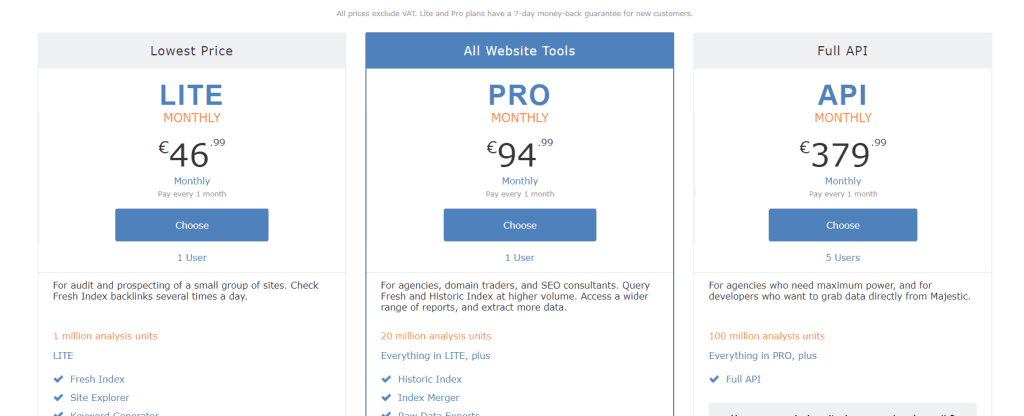
    When it comes to feedback and engagement, there are a few things to keep in mind. First, be sure to respond to any comments or feedback you receive on your guest post. This shows that you are engaged with your audience and that you value their opinions. Second, be open to constructive criticism. While it can be difficult to hear negative feedback, it can also be incredibly helpful in improving your writing and your overall approach to your business.

    Overall, guest posting is an excellent way to build feedback and engagement with your target audience. By sharing your knowledge and expertise with a new audience, you can establish yourself as an authority in your field and build valuable relationships with potential customers and clients.
    Learning Opportunity

    Guest posting is a great way to improve your writing skills and learn from other bloggers. You get the chance to write for a new audience, which means you have to adapt your writing style and tone to fit their needs. This can be a valuable learning experience as it forces you to step outside your comfort zone and try new things.

    When you guest post on a reputable blog, you also get the chance to learn from the blog owner. They may offer feedback on your writing, which can help you improve your skills. You can also learn from their writing style and techniques, which you can then apply to your own blog.

    In addition to improving your writing skills, guest posting can also help you learn about different industries and topics. If you guest post on a blog that is related to your niche, you can learn about new trends, techniques, and strategies that you can apply to your own blog. This can help you stay ahead of the curve and offer your readers valuable insights.

    Guest posting can also help you build relationships with other bloggers. When you guest post on a blog, you are essentially building a relationship with the blog owner. This can lead to future collaborations, such as joint webinars, podcasts, or blog posts. These collaborations can help you expand your audience and increase your brand awareness and online presence.

    Overall, guest posting is a great learning opportunity that can help you improve your writing skills, learn about different industries and topics, and build relationships with other bloggers.

    Long-term Benefits

    One of the most significant benefits of guest posting is the potential for long-term benefits. When you publish a guest post on a reputable website, it can continue to drive traffic to your website for months or even years to come.

    By including a link to your website in your guest post, you can improve your website’s search engine rankings, which can lead to increased organic traffic over time. This increase in traffic can lead to increased brand awareness, which can help you establish yourself as an authority in your industry.

    In addition to improving your website’s search engine rankings, guest posting can also help you build your online presence. By publishing high-quality content on reputable websites, you can establish yourself as a thought leader in your industry, which can help you attract more followers on social media and other online platforms.

    Overall, guest posting is an excellent way to build your online presence and increase your brand awareness. By publishing high-quality content on reputable websites, you can establish yourself as an authority in your industry and attract more followers to your website and social media accounts.
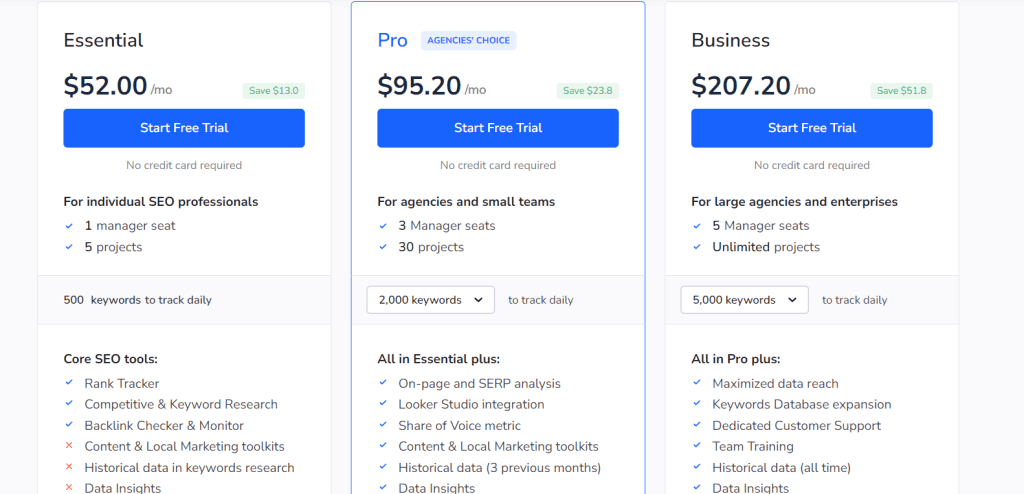
    Guest Posting Guidelines and Tips

    Guest Posting Guidelines

    If you are interested in guest posting, it is important to follow certain guidelines to ensure that your content is well-received and meets the standards of the website you are submitting to. Here are some tips to help you get started:

    1. Research the website: Before submitting a guest post, make sure you are familiar with the website’s content and style. This will help you tailor your post to fit the website’s audience and tone.
    2. Read the guidelines: Most websites have specific guidelines for guest posts. Make sure you read these carefully and follow them closely. This will increase the chances of your post being accepted and published.
    3. Choose timely topics: When selecting a topic for your guest post, try to choose something that is timely and relevant. This will increase the chances of your post being shared and gaining traction on social media.
    4. Use subheadings and bullet points: To make your post easier to read and understand, use subheadings and bullet points to break up the text. This will make it more visually appealing and help readers navigate the content.
    5. Include a bio and headshot: Most websites will allow you to include a short bio and headshot with your guest post. This is a great opportunity to promote yourself and your website or business.
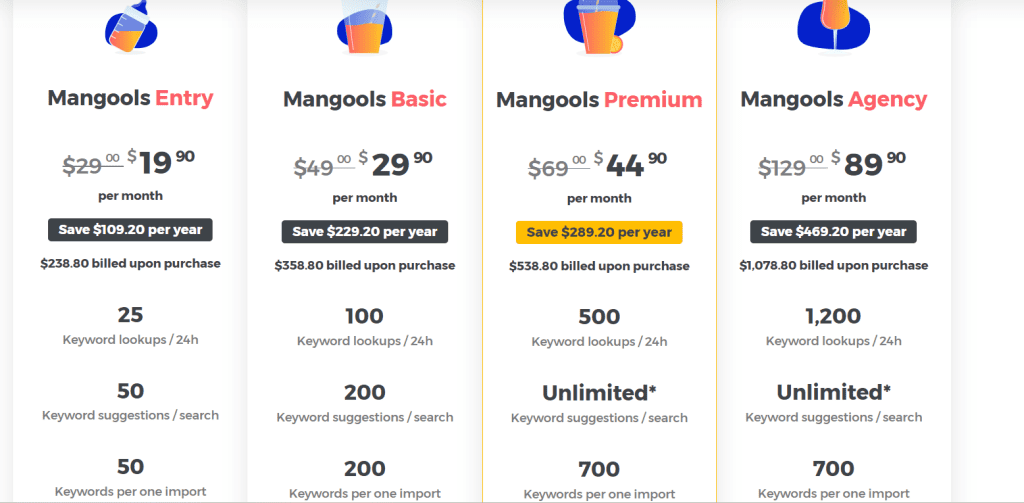
    By following these guidelines and tips, you can increase the chances of your guest post being accepted and published, and ultimately help you reach a wider audience.
    Conclusion

    Guest posting is an effective way to achieve your goals of increasing traffic to your website, building your brand, and establishing yourself as an authority in your niche. By providing high-quality content to other websites, you can attract new readers to your own site and gain valuable backlinks that will improve your search engine rankings.

    Overall, guest posting is a win-win for both you and the websites you contribute to. By sharing your expertise with a wider audience, you can increase your reach, build your reputation, and drive more traffic to your website. At the same time, the websites you contribute to benefit from fresh, high-quality content that keeps their readers engaged and coming back for more. So why not give guest posting a try today and see the benefits for yourself?

  • Topical Authority Vs Link Building: Which One is More Effective for SEO?

    Topical Authority Vs Link Building: Which One is More Effective for SEO?

    Are you struggling to decide between topical authority and link building for your website’s SEO strategy? Both are important factors in ranking high on search engine results pages (SERPs), but which one should you prioritize? In this article, we’ll explore the differences between topical authority and link building, and help you determine which one is right for your website.

    Topical authority refers to the level of expertise and authority your website has on a particular topic or niche. It’s measured by the quality and relevance of your content, as well as the engagement it receives from your audience. In other words, if your website consistently produces high-quality content that’s relevant to your niche and is shared and linked to by other reputable websites, you’ll have a higher topical authority. On the other hand, if your content is thin or irrelevant, or if it’s not shared or linked to by other websites, your topical authority will suffer.

    Link building, on the other hand, refers to the process of acquiring backlinks from other websites to your own. Backlinks are essentially “votes of confidence” from other websites that your content is valuable and relevant. The more high-quality backlinks you have, the higher your website will rank on SERPs. However, not all backlinks are created equal – links from low-quality or spammy websites can actually hurt your website’s ranking. So, while link building is an important part of SEO, it’s important to prioritize quality over quantity.

    Understanding Topical Authority

    Definition of Topical Authority

    Topical Authority refers to the level of expertise and knowledge that a website or a specific page has in a particular subject or topic. It is a metric that search engines like Google use to determine the relevance and quality of a website or a page in relation to a particular topic. In other words, Topical Authority is the measure of how well a website or a page covers a specific topic, and how much trust and credibility it has as a source of information on that topic.

    Importance of Topical Authority

    Topical Authority is an essential factor in SEO because it helps search engines understand the relevance and quality of a website or a page in relation to a particular topic. Websites or pages with high Topical Authority are more likely to rank higher in search results for relevant queries. Additionally, Topical Authority is an important factor in building trust and credibility with your audience. When your website or a page is considered an expert in a particular topic, it can attract more visitors and establish a loyal following.

    Establishing Topical Authority

    To establish Topical Authority, you need to have a clear content strategy that focuses on creating high-quality, informative, and engaging content on a specific topic. This means that you need to have a deep understanding of your niche and the needs of your target audience. You also need to ensure that your content is well-researched, accurate, and up-to-date.

    Another way to establish Topical Authority is by building brand mentions and links from other authoritative websites in your industry. When other websites link to your content, it signals to search engines that your website or page is a credible source of information on a particular topic. However, it’s important to note that building links should never be the sole focus of your SEO strategy. Instead, focus on creating quality content that establishes you as a subject matter expert and a trusted source of information in your industry.

    Topical Authority is an important metric in SEO that measures the level of expertise and knowledge that a website or a page has in a particular topic. By establishing Topical Authority, you can attract more visitors, build trust and credibility with your audience, and improve your search engine rankings.

    Understanding Link Building

    Understanding Link Building

    Definition of Link Building

    Link building is an essential SEO technique that involves acquiring links from other websites to your website. These links, also known as backlinks, are crucial because they signal to search engines that other websites consider your content valuable and relevant. The more high-quality backlinks you have, the more likely search engines are to rank your website higher in search results.

    Importance of Link Building

    Link building is an essential aspect of SEO because it helps to improve your website’s domain authority, which is an important factor in search engine ranking. The more high-quality backlinks you have, the higher your domain authority will be, and the more likely your website will rank higher in search results.

    Effective link building strategies involve creating high-quality content that other websites will want to link to, guest blogging on other websites, and building relationships with other bloggers and website owners in your niche. It’s important to focus on building high-quality, relevant links rather than just acquiring as many links as possible.

    Effective Link Building Strategies

    Here are some effective link building strategies that you can use to improve your website’s ranking:

    • Create high-quality content that other websites will want to link to.
    • Guest blog on other websites in your niche.
    • Build relationships with other bloggers and website owners in your niche.
    • Use internal links to help search engines understand the structure of your website.
    • Use external links to provide additional value to your readers.
    • Focus on building high-quality, relevant links rather than just acquiring as many links as possible.

    By following these effective link building strategies, you can improve your website’s ranking and drive more traffic to your website.

    Topical Authority vs Link Building

    Differences Between Topical Authority and Link Building

    Topical authority and link building are two different strategies that can be used to improve your website’s ranking on search engine results pages (SERPs). Topical authority involves establishing your website as an expert in a particular niche or topic area. This is achieved by creating high-quality content that demonstrates your expertise and authority on the subject. On the other hand, link building focuses on obtaining backlinks from other websites to your own website. The idea is that the more high-quality backlinks you have, the more authoritative your website appears to search engines like Google.

    One key difference between the two strategies is that topical authority is more focused on creating high-quality content, while link building is more focused on obtaining backlinks. Topical authority is a long-term strategy that requires consistent effort and dedication to building a reputation as an expert in your niche. Link building, on the other hand, can be a quicker way to improve your website’s ranking, but it can also be riskier if you obtain low-quality backlinks.

    How Topical Authority Complements Link Building

    While topical authority and link building are different strategies, they can complement each other when used together. Topical authority can help to establish your website as a credible source of information in your niche, which can make it easier to obtain high-quality backlinks. When other websites see that you are an expert in your field, they are more likely to link to your content and share it with their own audience.

    At the same time, link building can help to improve your website’s topical authority by increasing its visibility and exposure. When you obtain backlinks from other high-authority websites, you are effectively “borrowing” some of their authority and credibility. This can help to establish your website as a trusted source of information in your niche.

    In conclusion, both topical authority and link building are important strategies for improving your website’s ranking on SERPs. While they are different approaches, they can work together to create a powerful SEO strategy that establishes your website as an expert in your niche and improves its visibility and credibility. By focusing on creating high-quality content, building relationships with other websites, and obtaining high-quality backlinks, you can establish your website as a trusted source of information and improve its ranking on search engine results pages.

    Practical Applications

    Applying Topical Authority in SEO Strategy

    When applying topical authority in your SEO strategy, it’s important to focus on creating high-quality content that demonstrates your expertise in a particular niche. This means creating content that is relevant, informative, and engaging for your audience. Your content should be well-researched and provide valuable information that your readers can’t find elsewhere.

    To establish topical authority, you should also focus on building a strong brand reputation. This can be done by consistently producing high-quality content that is shared and linked to by other reputable sources. You should also engage with your audience on social media and other platforms, responding to comments and questions and building a community around your brand.

    When it comes to keywords, focus on long-tail keywords that are relevant to your niche and target audience. This will help you rank higher in search engine results pages (SERPs) for specific queries and establish yourself as an expert in your field.

    Applying Link Building in SEO Strategy

    Link building is another important aspect of SEO strategy. By building high-quality backlinks from reputable sources, you can improve your website’s authority and visibility in search engine rankings.

    To build backlinks, focus on creating high-quality content that other websites will want to link to. This can be done by creating informative blog posts, infographics, and other types of content that provide value to your audience.

    You should also focus on building relationships with other websites in your niche. This can be done by guest blogging on other websites, participating in online forums and communities, and reaching out to other website owners to request backlinks.

    When building backlinks, it’s important to focus on quality over quantity. A few high-quality backlinks from reputable sources will be more valuable than hundreds of low-quality backlinks from spammy websites.

    In conclusion, both topical authority and link building are important aspects of SEO strategy. By focusing on creating high-quality content and building relationships with other websites in your niche, you can improve your website’s authority, visibility, and rankings in search engine results pages.

    Conclusion

    In this article, you have learned about two important concepts in SEO: Topical Authority and Link Building. Topical Authority refers to the expertise and relevance of a website on a particular topic, while Link Building is the process of acquiring backlinks to a website to improve its search engine rankings.

    Both Topical Authority and Link Building are important for SEO, but they serve different purposes. Topical Authority helps to establish a website as a credible source of information on a particular topic, while Link Building helps to increase a website’s visibility and authority in search engines.

    When it comes to choosing between Topical Authority and Link Building, it’s important to consider your goals and resources. If you are looking to establish your website as an authority on a particular topic, then Topical Authority should be your primary focus. On the other hand, if you are looking to improve your search engine rankings and visibility, then Link Building should be a key part of your strategy.

    Ultimately, the best approach is to focus on both Topical Authority and Link Building. By establishing your website as an authority on a particular topic and acquiring high-quality backlinks, you can improve your search engine rankings and attract more traffic to your website.