Blog

  • Marketing Without Borders: How International Business Majors Gain a Competitive Edge in Global Campaigns

    In the age of global connectivity, marketing is no longer confined to geographic borders. Today’s successful brands are those that think globally, act locally, and communicate across cultures with authenticity. For digital marketers, understanding the global marketplace is not a luxury — it is a necessity.

    That is where a degree in international business, such as the Bachelor of Science program at Potomac College, becomes a valuable asset. Far beyond the basics of business theory, this program equips students with the cultural intelligence, economic insight, and operational knowledge required to thrive in global marketing environments.

    This article explores how international business education empowers marketing professionals to create effective, inclusive, and competitive global campaigns. We will also highlight how the skills acquired through programs like Potomac College’s BS in International Business align with real-world marketing demands, offering graduates a powerful advantage in cross-border campaigns.

    The Rise of Global Marketing

    Before diving into how international business education fits into the picture, it is important to understand the forces shaping global marketing.

    Businesses of all sizes are going international. Whether it is an e-commerce brand shipping worldwide, a SaaS product serving multinational clients, or a DTC label sourcing materials from overseas, globalization is the new norm. The internet has erased many traditional barriers to entry, and social media has given brands a direct line to audiences in virtually any country.

    Yet marketing globally is not simply about translating content or running paid ads in multiple currencies. It is about understanding people — their cultures, behaviors, values, and expectations. This complexity calls for marketers who can think strategically, act diplomatically, and move fluidly across diverse markets. These are precisely the qualities cultivated in a strong international business program.

    What Is an International Business Degree?

    An international business degree provides a comprehensive foundation in global commerce. It typically covers a wide range of subjects including international economics, cross-cultural communication, global finance, international law, and supply chain logistics.

    Potomac College’s BS in International Business takes this a step further by integrating practical training with theoretical knowledge. Students gain insight into how international markets function, how businesses expand across borders, and how to navigate regulatory environments in different regions. The degree also emphasizes strategic thinking and global leadership — both essential for international marketing success.

    1. Cultural Intelligence: The Foundation of Global Campaigns

    Cultural intelligence, or CQ, is the ability to understand and adapt to different cultural contexts. It is one of the most critical skills for global marketers.

    What works in one country may fall flat — or even backfire — in another. A color that signals luxury in one culture may signal mourning in another. Humor that goes viral in the United States may be offensive in Japan. A brand slogan that sounds catchy in English might translate awkwardly or inappropriately elsewhere.

    Students in Potomac’s international business program are trained to recognize these nuances. Through case studies, international business simulations, and cultural immersion projects, they develop an understanding of regional sensitivities, communication styles, and behavioral norms. This allows them to craft marketing campaigns that resonate authentically with diverse audiences.

    2. Economic and Market Analysis Skills

    Marketing professionals often focus on creativity, storytelling, and branding. But to succeed globally, they also need to understand economics — both at the macro and micro levels.

    International business students are trained to analyze global markets. They learn how to interpret economic indicators, assess political risk, and forecast consumer trends in different regions. This allows marketers to make data-informed decisions about product-market fit, pricing strategies, and media investments.

    For example, launching a product in Southeast Asia requires a different go-to-market approach than in Northern Europe. The disposable income levels, purchasing behavior, regulatory environments, and competitive landscapes differ significantly. A marketer with a background in international business is better equipped to interpret these variables and build a localized, data-driven marketing strategy.

    3. Legal and Ethical Considerations in Cross-Border Marketing

    Global campaigns are not just creative ventures — they are legal minefields. Issues like data privacy, advertising regulations, and intellectual property vary by country. A marketer who is unaware of local regulations can inadvertently expose a company to fines, legal actions, or reputation damage.

    International business education includes training in international law and business ethics. Students explore case studies involving compliance failures and learn how to align their marketing strategies with global legal standards. This proactive understanding reduces risk and ensures campaigns are both effective and compliant.

    For example, marketers working in the EU need to be GDPR-compliant in how they collect and use customer data. In China, digital marketing may be subject to state-imposed content restrictions. Understanding these legal dynamics is crucial, and international business graduates are equipped to handle them responsibly.

    4. Strategic Partnerships and Global Expansion

    Many successful global marketing campaigns are built on strategic partnerships — joint ventures, influencer collaborations, and local agency integrations. Forming and managing these relationships requires negotiation skills, business diplomacy, and an understanding of local market dynamics.

    Potomac’s BS in International Business helps students develop these skills. Courses in international negotiations and strategic alliances prepare graduates to navigate partnership development with confidence and professionalism. This is especially valuable for marketers working in global brand teams or agencies that coordinate with regional partners.

    Whether launching a co-branded campaign with a local business or establishing influencer networks across multiple countries, the ability to foster productive international relationships is a powerful competitive edge.

    5. Global Consumer Psychology and Buying Behavior

    Understanding customer psychology is a cornerstone of effective marketing. When working globally, this involves grasping the different motivations, values, and decision-making patterns across cultures.

    For instance, American consumers might prioritize individuality and convenience, while Japanese consumers may value harmony, precision, and formality. In many Middle Eastern cultures, family-centric messaging resonates more strongly than individualistic narratives.

    International business programs expose students to comparative consumer behavior, often through market research projects and global case studies. These insights help marketers create personas that reflect local realities, not just generalized assumptions.

    This cultural empathy allows for the creation of messaging and visual language that feels native, not foreign, which can dramatically improve campaign performance.

    6. Digital Transformation in Global Commerce

    Modern marketing relies heavily on digital platforms — SEO, social media, email marketing, programmatic advertising, and more. Global marketers must understand how these platforms function across borders, and how digital behavior varies from one region to another.

    Potomac College’s approach to international business includes awareness of digital infrastructure, access disparities, and platform preferences around the world. For example, while Instagram and Facebook dominate in Western markets, platforms like WeChat, LINE, and VK may be more influential elsewhere.

    Understanding these differences is crucial for digital marketers planning international campaigns. It affects everything from content format and language to advertising placement and budget allocation.

    Real-World Application: From Degree to Career

    Graduates of the BS in International Business program often pursue careers in global marketing, brand management, market research, digital strategy, and international trade. They are particularly well-suited for roles at multinational corporations, international agencies, NGOs, and startups with global ambitions.

    Here are some examples of roles where this degree makes a direct impact:

    • Global Marketing Manager: Oversees campaigns in multiple regions and ensures alignment with brand strategy while adapting to local markets. 
    • International Market Analyst: Evaluates new market opportunities and helps marketing teams target expansion initiatives effectively. 
    • Cross-Cultural Communications Consultant: Advises brands on cultural adaptation, translation strategies, and brand positioning in diverse markets. 
    • Export Marketing Coordinator: Supports product launches and promotions for international distribution. 

    The combination of strategic thinking, cultural sensitivity, and market knowledge gives international business graduates a leg up in these competitive roles.

    Why This Matters to Digital Marketers Today

    The digital marketing field is becoming increasingly global, whether you are working for an international company or managing remote freelance clients from around the world. The days of thinking solely in local terms are over.

    Marketers who understand the complexities of international business can lead expansion efforts, localize campaigns intelligently, and avoid costly mistakes. They are also better equipped to build inclusive brands that reflect the diversity of global audiences.

    The Potomac College BS in International Business offers marketers an excellent educational foundation to grow in these areas. Whether you are early in your career or looking to pivot into international marketing, this degree can open new opportunities in an increasingly borderless business world.

    Conclusion

    In today’s interconnected marketplace, the ability to market across borders is a powerful skill set. As businesses grow beyond their domestic markets, they need marketing professionals who can navigate cultural differences, understand international regulations, and craft campaigns that resonate globally.

    A degree in international business, like the one offered by Potomac College, prepares students to meet this challenge. It bridges the gap between theory and practice, blending cultural literacy with economic insight and strategic vision.

    If you are a digital marketer looking to future-proof your career or a business professional aiming to lead global growth, investing in an international business education can be your passport to opportunity. Marketing without borders is not just a possibility — it is the future.

  • Virtual Reality Marketing: Why Brands Are Reaching Gamers in 2026

    Virtual Reality Marketing: Why Brands Are Reaching Gamers in 2026

    According to Exploding Topics, there are over 3.32 billion active video gamers globally.

    This shift marks a new way for brands to connect with audiences. Traditional ads and pop-up ads don’t work in these highly interactive worlds, as gamers expect experiences, not interruptions. 

    That’s when you can implement virtual reality marketing to help brands blend entertainment with engagement, creating ads that seem like a natural part of the game. With VR marketing, you get:

    • Real-time engagement in immersive virtual worlds
    • Brand storytelling through interactive gameplay
    • Higher retention and emotional connection with your audience

    If your brand wants to stay relevant in a gamer-first world, it’s time to reconsider your virtual reality marketing strategy. Read on to explore how brands are using VR to reach gamers.

    Rise of VR in Gaming

    Remember when gaming meant sitting in front of a screen with a controller? Well, those days are still around, but they’ve evolved. Virtual reality has completely transformed the gaming industry.

    VR has taken gaming from something you play to something you actually experience. You no longer control the character, you are the character.

    Think about playing Beat Saber, where you cut through neon blocks in sync with music or exploring alien planets in No Man’s Sky VR. It’s immersive, intense and feels like you’re inside the game, especially with platforms like Steam supporting VR integration through the Steam API, which helps developers sync gameplay, leaderboards, and player data across devices.

    Moreover, it’s not just limited to indie studios. VR gaming is now more accessible to well-known brands like Sony with the PlayStation VR2 and Meta with the Quest series.

    So, what’s the reason behind this growth? It’s partly because technology is finally catching up. Virtual reality in gaming is becoming more than just cool with:

    • Better graphics
    • Motion tracking
    • Affordable headsets

    Top VR Marketing Techniques for Brands

    The world of the gaming industry is immersive and virtual reality marketing is at the center of it all. VR provides many innovative possibilities for organizations looking to establish lasting and meaningful connections with gamers.

    Here’s how brands are making the most of the virtual reality marketing strategies to reach gamers:

     1. Branded VR Experiences

    Think of branded VR experiences as digital theme parks designed around your brand. Instead of merely watching an ad, gamers get to engage with your brand in a completely new and interactive way.

    For example, a beverage brand may design a fantasy setting where players gather ingredients and craft the perfect drink. The key here is to make the experience fun first and promotional second.

     2. In-Game Advertising

    Just like product placements in films, in-game advertisements in virtual reality are integrated into the world you are already in.

    Let’s say you see ads for an actual brand all over the track while playing a virtual reality racing game or you’re walking through a futuristic city and coming across a known retailer’s digital storefront. These ads fit in organically without interfering with gameplay.

    The beauty of in-game virtual reality advertising is its intricacy and relevance. Instead of interrupting gamers in the middle of the game:

    • You meet them where they are
    • It feels native and non-intrusive

    Plus, it keeps businesses at the forefront of consumers’ minds.

     3. Virtual Events & Launches

    Imagine launching your product in a setting where guests participate rather than just observing. Virtual launches and events provide exactly that. Instead of a traditional live stream or press release, brands can host VR events, supported by esports gaming platform development, where gamers:

    • Navigate digital spaces
    • Interact with products
    • Engage with other participants

    And they do all this from their headsets or other devices. These virtual launches eliminate the burden of physical logistics and reach audiences worldwide. 

     4. Interactive Product Demos

    Watching a static video of a product isn’t always convincing. But allowing someone to interact with your products in a virtual space can be a game-changer. 

    With the help of interactive virtual reality demos, gamers can test out a product’s design and features and understand its benefits. Interactive demos build confidence and excitement around your product, be it’s about:

    • Testing with gaming gear
    • Trying out a new controller
    • Traversing a virtual reality auto showroom

    It’s like a virtual “try before you buy” which is a very effective way to attract clients.

     5. Gamified Brand Quests

    Transform your brand message into a real mission inside a virtual world. That’s exactly what gamified brand quests do.

    Instead of traditional ads, you provide gamers with a task to complete within a virtual reality game, with your brand discreetly integrated into the experience. Here’s how:

    • Treasure hunts sponsored by your brand
    • Product-themed puzzles
    • Rewards players with discounts or digital goods

    These quests give the impression that your brand is enjoying itself rather than interfering. 

     6. Collaborations with VR Game Developers

    Partnering with VR game developers is one of a brand’s best decisions. Why? Since it gives you direct access to loyal and active gaming communities. So, when you team up with developers, you can:

    • Create branded in-game items
    • Sponsor new levels
    • Co-create immersive experiences

    Think about a beverage brand creating a custom in-game energy drink that increases a character’s strength. Or a tech company funding a virtual reality in gaming that features a futuristic city. These aren’t just ads but captivating brand placements that seem natural to the gamer.  Collaborating with Room 8 Studio – game art provider can make these experiences even more engaging by delivering high-quality visuals and immersive 3D game art.

     7. VR-Integrated Social Campaigns

    Social sharing is part of the gaming culture, whether a high score, a humorous glitch or an incredible moment. VR brand engagement integrated social campaigns can help with it. Brands are using VR to develop immersive experiences that encourage gamers to engage, compete, and share their experience on sites like:

    • Twitch
    • Discord
    • Instagram

    Let’s say you’re hosting a virtual scavenger hunt or a branded VR game where players can win actual prizes. This increases brand awareness in the areas where gamers are most engaged.

     8. Personalized VR Shopping

    With personalized VR shopping, brands transform the purchasing process into a completely immersive experience. Instead of browsing static product pages, you can try virtual clothing for your:

    • In-game avatar from the headset
    • Go to a digital store where products adapt based on your preferences

    Gamers love customization, so this tailored interaction speaks directly to their needs. Plus, it gives online buying a creative, futuristic twist that makes it far more engaging.

    Challenges and Considerations in VR Marketing

    As exciting as virtual reality marketing may look, there are always challenges down the road. Let’s discuss a few challenges to be aware of before getting started:


     1.High Production Costs

    Challenge: Creating VR brand engagement content isn’t cheap. It requires specialized tools, technology, and talent.

    Considerations:

    • Start with 360° videos instead of full VR apps to keep costs low
    • Work with AR & VR development services providers to avoid heavy in-house spending
    • Focus on ROI, engaging experiences can justify the cost

     2. Limited Audience Reach

    Challenge: Not everyone owns a VR headset, so your audience might be smaller than you’d like.

    Considerations:

    • Make your VR content mobile and desktop-friendly for a wider reach
    • Collaborate with gaming platforms or VR influencers to tap into active audiences
    • Create scalable VR content that can grow with future user adoption

     3.User Experience Complexity

    Challenge: Virtual reality in gaming can be overwhelming or even uncomfortable if not designed with care.

    Considerations:

    • Keep navigation simple so users can explore without instructions
    • Test often with real users to catch confusion or motion issues
    • Aim for smooth, user-first immersion, not complicated features

    Final Thoughts

    Virtual reality marketing is the future of gaming. As more businesses use immersive experiences to engage with gamers, they will benefit greatly in engagement and loyalty.

    However, you can miss out on many opportunities if you don’t have the right strategy for leveraging VR for eCommerce. That’s why it’s crucial to team up with experts who thoroughly understand the game industry and VR tech, which can make all the difference.

    Get ready to create campaigns that feel more like adventures than ads. Connect with top experts today for customer journey optimization!

  • How Agency Management Software Simplifies Business Growth

    How Agency Management Software Simplifies Business Growth

    Managing multiple projects, clients, and teams can quickly become overwhelming for agencies relying on outdated tools or scattered processes. Missed deadlines, poor communication, and billing chaos are just a few signs things are spiraling. These inefficiencies not only impact productivity but also client satisfaction and revenue. That’s where agency management software steps in—offering a streamlined, all-in-one solution to help agencies regain control and scale operations efficiently.

    The State of Agency Growth in 2025

    The agency world is evolving rapidly. Here’s what’s shaping growth this year:

    • Integrated Service Demand: Clients increasingly expect agencies to offer bundled services—SEO, PPC, social media, content, and more—under one roof.
    • Remote & Hybrid Teams: The rise of flexible work arrangements demands better digital coordination.
    • Efficiency Over Everything: Agencies face tighter budgets and shorter deadlines, making “doing more with less” the new normal.
    • Systems, Not Just Sales: Growth is now about scalable systems, not just landing more clients.

    Key Insight: Growth isn’t just about acquiring more clients—it’s about delivering more value, more efficiently, and more sustainably.

    What Is Agency Management Software?

    At its core, agency management software is a suite of digital tools designed to centralize, automate, and optimize agency operations. It often includes a contact management tool to keep client and partner information organized and accessible. Here’s how its main components drive growth:

    ComponentDescriptionImpact on Growth
    Project ManagementTask tracking, timelinesOn-time delivery
    Resource AllocationTeam scheduling, workload balancingEfficiency
    Financial TrackingInvoicing, time logsProfitability
    CRM IntegrationLead tracking, client dataClient retention
    Reporting & AnalyticsKPIs, dashboardsData-driven scaling

    By integrating these functions, AMS enables agencies to transition from reactive problem-solving to proactive growth planning.

    Core Growth Benefits Unlocked by AMS (Agency Management Software)

    Let’s break down the most common agency growth challenges and how AMS directly addresses them:

    Growth ChallengeSoftware SolutionReal Business Impact
    Bottlenecks & DeadlinesWorkflow automationFaster client delivery
    Staff BurnoutSmarter resource planningHigher employee retention
    Scope CreepReal-time trackingBetter profit margins
    Low VisibilityCentralized reportingSmarter decision-making
    Manual BillingIntegrated invoicing15–30% time savings

    Example: A mid-sized agency struggling with missed deadlines can use AMS to automate task assignments, set reminders, and visualize project progress—leading to faster, more predictable delivery.

    How Software Simplifies Scaling Across Agency Sizes

    Every agency is unique, but the right AMS adapts to your growth stage:

    Agency SizeSimplification AreasBest-Fit Features
    Small (2–10)Focused deliveryAll-in-one dashboards
    Mid-size (10–50)Team alignmentTask dependencies, resource mapping
    Large (50+)Governance, oversightCustom workflows, enterprise reporting
    • Small Agencies: Benefit from simple, unified dashboards that minimize tool-switching.
    • Mid-size Agencies: Need robust resource mapping to handle multiple projects and teams.
    • Large Agencies: Require advanced reporting and workflow customization for oversight and compliance.

    From Chaos to Clarity: Implementation Roadmap

    A successful AMS rollout follows a clear, phased approach:

    Phase 1: Evaluation

    • Define specific growth goals (e.g., 30% faster delivery, 20% higher revenue).
    • List must-have vs. nice-to-have features.

    Phase 2: Selection

    • Compare platforms for integrations, cost, support, and user experience.
    • Use scorecards and free trials to assess fit.

    Phase 3: Rollout & Onboarding

    Phase 4: Optimization

    • Automate repeatable tasks (e.g., billing, reporting).
    • Analyze monthly KPIs to identify improvement areas.

    Future-Ready Features Fueling Growth in 2025

    The latest AMS platforms are packed with features designed for the future:

    • AI Assistants: Automate repetitive tasks, suggest smart scheduling, and flag potential bottlenecks. For agencies looking to boost efficiency, learning how to use AI to automate tasks can unlock valuable time savings and streamline daily operations.
    • Predictive Analytics: Spot profit leaks and forecast resource needs before issues arise.
    • Integrations: Seamlessly connect with Slack, HubSpot, Google Drive, ClickUp, and more.
    • Mobile Dashboards: Enable on-the-go decision-making for remote managers.

    Choosing the Right Tool for Growth

    Not all AMS platforms are created equal. Here’s what to prioritize:

    FactorWhy It Matters
    Ease of UseDrives team adoption
    ScalabilityGrows with your agency
    Cost vs. ValueEnsures high ROI, low TCO
    Support & TrainingSmooth transition, faster results
    Reviews & RoadmapLong-term stability and updates

    Pro Tip: Always demo at least two platforms and involve key team members in the decision-making process.

    Comparison Table: Top Agency Management Software/Tools

    PlatformKey FeaturesBest For
    Agency SimplifierCustom workflows, integrationsSMBs
    ClickUpCustom workflows, integrationsSMBs
    Productive.ioTime tracking, budgeting, project managementAgencies of all sizes
    Monday.comVisual dashboards, templatesAll sizes

    Actionable Steps for Agencies

    • Audit current process inefficiencies.
    • Define three core KPIs tied to growth.
    • Demo 2–3 top-rated AMS platforms.
    • Run a pilot with your operations team.
    • Standardize onboarding and SOPs.

    Bonus tip: If you’re managing local clients, streamline your presence by using reliable local citation services to ensure consistent business listings across directories.

    • Dashboard Overview: Show how project statuses and KPIs are visualized.

    • Workflow Automation: Highlight automated task assignment or billing.

    • Reporting Module: Demonstrate real-time analytics and performance tracking.

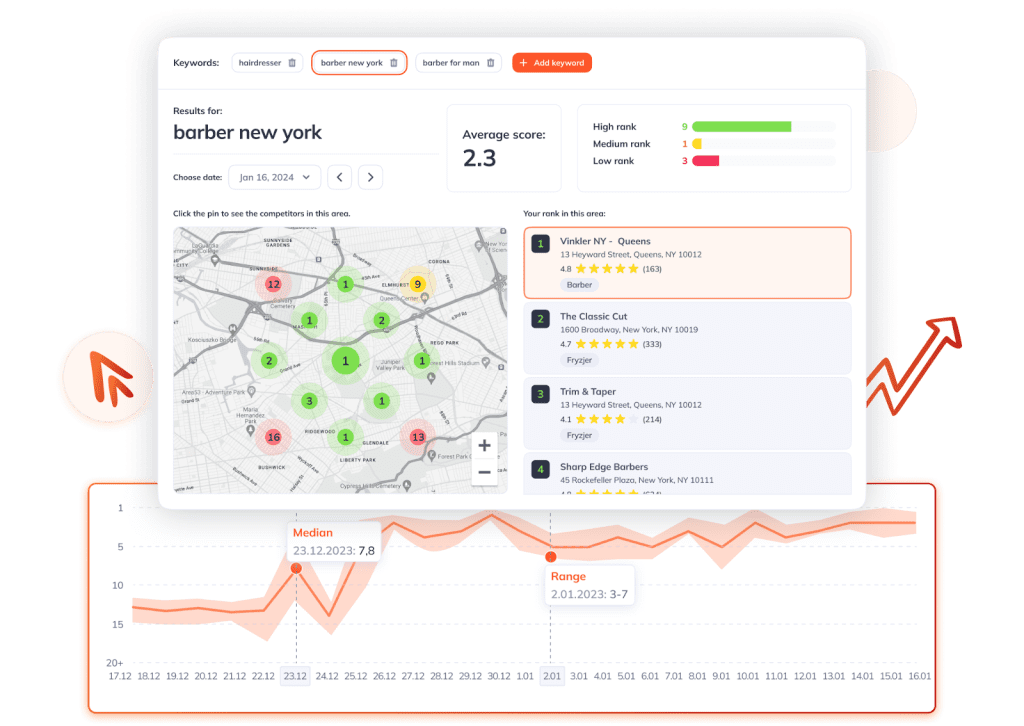
    Want to enhance your agency’s local visibility? Use a local rank checker to monitor how your business performs on Google Maps and track real-time location-based keyword rankings.

    • Resource Allocation: Visualize team scheduling and workload balancing.

    • Dashboard Overview: Show how project statuses and KPIs are visualized.

    For trusted tools and expert support to simplify citation management, visit CitationBuilderPro and see how you can enhance your local SEO success today.

    FAQs about Agency Management Software

    Can AMS help small agencies grow?

    Absolutely. It automates admin work, freeing up your time to win and retain more clients.

    What features help with team growth?

    Resource management, time tracking, collaboration tools, and robust reporting.

    How soon can I see ROI?

    Many agencies report measurable improvements within 60–90 days of implementation.

  • 5 Ways AI Is Revolutionizing College Admissions in Higher Ed Marketing (and What It Means for Students)

    5 Ways AI Is Revolutionizing College Admissions in Higher Ed Marketing (and What It Means for Students)

    The college admissions process has traditionally been complex and time-consuming for both universities and applicants. Sorting through thousands of applications, managing communications, and making timely decisions require significant resources. However, the rise of artificial intelligence (AI) is fundamentally transforming how institutions handle enrollment and admissions.

    Many universities are now turning to AI-powered platforms to streamline their admissions workflows, personalize communications, and speed up decision-making. Among these, Element451 stands out as a leader in leveraging AI to create smarter, more efficient, and more student-friendly admissions processes.

    In this article, we explore five ways AI-driven admissions platforms are revolutionizing college admissions—and why this evolution matters for students and schools alike.

    1. Personalized Communication That Connects

    Universities receive tens of thousands of inquiries and applications each year. Sending generic emails or newsletters can overwhelm students and reduce engagement. AI-powered systems solve this problem by analyzing each prospect’s data and delivering highly personalized messages tailored to their academic interests, geography, and behavior.

    Datagrid AI platform can track a prospective student’s website visits, social media activity, and past interactions. It then automatically sends targeted content about specific programs, campus events, or scholarship opportunities. This personalized outreach feels more like a conversation than a broadcast, helping students make informed decisions while increasing application conversion rates.

    Why this benefits students:
    You receive information relevant to your unique interests and needs, making it easier to discover programs and opportunities that truly fit you. This reduces confusion and keeps you engaged throughout the process.

    2. Faster Application Reviews and Decisions

    Traditional admissions committees often struggle to process large volumes of applications quickly. This can delay decisions and leave students anxious about their futures. AI-powered platforms like Element451 use machine learning algorithms to quickly analyze application materials, highlight key attributes, and flag candidates for further review.

    By automating the initial review, universities can make faster, more consistent decisions. AI can identify patterns and predict which students are likely to succeed, helping admissions teams focus their efforts on high-potential applicants. This accelerates acceptance notifications and helps students plan their next steps sooner.

    Why this benefits students:
    You get admissions decisions faster, reducing stress and allowing you to focus on your college transition or explore alternative options without prolonged waiting periods. You can take a quick stress management quiz to better understand and manage any anxiety during the process.

    3. Enhanced Enrollment Management and Predictive Analytics

    Enrollment management is a balancing act. Schools want to admit a diverse, qualified class while meeting enrollment targets and budget goals. AI tools enable data-driven decision-making by predicting yield rates—the likelihood that admitted students will enroll.

    Element451 and similar platforms analyze historical data, application trends, and student preferences to forecast enrollment outcomes. This allows admissions offices to adjust strategies in real time, optimize outreach efforts, and improve financial aid allocation.

    Why this benefits students:
    Better enrollment management means universities can tailor their support and scholarship offers more effectively, increasing your chances of receiving assistance that makes college affordable.

    4. Streamlined Application Processes With AI Assistance

    Filling out college applications can be overwhelming, with complex forms, essay prompts, and deadlines. AI-powered virtual assistants embedded in admissions platforms guide students through each step. They answer common questions, provide reminders, and even help with essay drafting by suggesting improvements like a paper grader does.

    This support reduces errors, prevents missed deadlines, and ensures your application is as strong as possible.

    Why this benefits students:
    You experience a smoother, less stressful application process with personalized help at your fingertips. This can improve your confidence and increase your chances of admission.

    5. Improved Accessibility and Inclusivity

    AI technologies help admissions offices identify and eliminate biases in recruitment and selection. By analyzing data objectively, AI can highlight underrepresented groups or geographic regions and suggest outreach strategies to promote diversity and inclusion.

    Element451 and similar platforms can ensure that admissions efforts reach a wider, more diverse pool of applicants and that evaluations are fairer and more transparent.

    Why this benefits students:
    Greater fairness and targeted outreach mean more opportunities for students from diverse backgrounds to access higher education and receive consideration based solely on merit and potential.

    Why AI-Driven Admissions Platforms Like Element451 Matter

    Element451 combines AI with modern enrollment management tools to empower universities in transforming their admissions. Its intelligent automation, predictive analytics, and personalized communication features enable schools to attract, evaluate, and enroll the best-fit students efficiently.

    For students, this technology delivers a more responsive, personalized, and transparent admissions experience. It breaks down barriers caused by slow processes and generic outreach, offering a clearer path from application to enrollment.

    Final Thoughts

    The future of college admissions is here, and AI is leading the way. By harnessing artificial intelligence, universities improve how they connect with prospects, speed up decisions, and manage enrollment with precision. Meanwhile, students benefit from personalized communications, faster responses, and fairer, more accessible processes.

    If you’re navigating the college admissions landscape, understanding how AI is shaping this journey can give you an edge. Platforms like Element451 are setting new standards for what applicants and universities can expect from modern enrollment management.

    To learn more about how AI is revolutionizing admissions and enrollment, visit Element451’s AI in Enrollment & Admissions.

  • The Smart Way to Build an Email Funnel from Scratch

    The Smart Way to Build an Email Funnel from Scratch

    Email funnels are one of the most underrated tools for growing a business. They quietly turn cold strangers into warm leads, and warm leads into loyal buyers — all without constant manual effort. But despite their potential, many small business owners either overthink the process or avoid it completely. Some assume it’s too technical. Others believe it requires a full team, expensive software, or advanced marketing skills. The truth is, none of that is necessary. You can build an effective, high-converting email funnel on your own — as long as you have the right mindset and follow a clear process.

    In this guide, you’ll learn how to build an email funnel from scratch, even if you’re starting with nothing. We’ll walk through each step in plain language, with examples you can actually use. No fluff, no jargon, and no overwhelming tech. Just a smart, simple system that works in the real world.

    What Is an Email Funnel?

    An email funnel is a sequence of emails that guide a subscriber through a journey — from the moment they opt in to the moment they make a decision (buy, book, or engage). Think of it as a digital relationship builder.

    Instead of pushing for a sale right away, a good funnel earns trust, solves problems, and offers the right solution at the right time.

    Here’s a basic structure:

    • Lead magnet (to get sign-ups)
    • Welcome series (to build trust)
    • Nurture emails (to educate and engage)
    • Sales emails (to make the offer)
    • Follow-up (to re-engage or upsell)

    Let’s break each step down and show you how to do it from scratch.

    Step 1: Start with the End Goal in Mind

    Before writing a single email, decide what the funnel is for.

    Ask yourself:

    • What product or service am I leading people to?
    • Who am I trying to help?
    • What problem does my offer solve?

    Your funnel needs one clear goal — not five. Are you selling a course? Booking a discovery call? Promoting a product? Pick one.

    Clarity here makes everything else easier — your lead magnet, messaging, tone, and timing all depend on this goal.

    “The biggest mistake people make is building an email list without knowing what they want subscribers to do,” says Dan Mogolesko, Owner of JD Buys Homes. “Start with the end offer and reverse-engineer from there.”

    Step 2: Know Your Audience Inside Out

    This is where most funnels fail. If you don’t understand your audience’s pain points and desires, your emails will fall flat.

    Do this:

    • Talk to a few real customers
    • Join forums, groups, or subreddits where your people hang out
    • Pay attention to the words they use
    • Identify what they’re frustrated with and what they want instead

    Here’s a tip: Build your funnel for one reader, not the whole internet. Write every email as if you’re helping a single person solve a real problem.

    “Your emails should sound like a conversation, not a pitch, If your ideal customer wouldn’t say it out loud, it probably doesn’t belong in your funnel,” explains Gary Hemming, Owner and Finance Director at ABC Finance.

    Step 3: Create a Lead Magnet That Solves One Small Problem

    You need a way to get people into your funnel. A good lead magnet is something free that offers real value — and it should tie directly into your paid offer.

    Don’t overthink this. The best lead magnets solve one small problem quickly.

    Examples:

    • A checklist for busy moms who want to meal prep
    • A free template for solopreneurs writing their About page
    • A mini-course that shows photographers how to book more clients

    Give people a quick win. That builds trust and gets them to open your next email.

    Step 4: Set Up a Simple Landing Page

    You don’t need a fancy website. Just a clean landing page with one goal: Get the email address.

    A solid landing page includes:

    • A clear headline (what they’re getting)
    • One short paragraph (why it matters)
    • A strong visual (optional)
    • A call to action (email sign-up box)

    Tools like MailerLite, ConvertKit, or Systeme.io make this part easy, even if you’re not tech-savvy.

    Here’s a simple formula for your headline:


    “Free [type of resource] to help you [achieve specific result] in [short time]”

    Example: “Free 3-Day Workout Plan to Build Strength Without a Gym”

    Step 5: Write a 5-Part Welcome Series

    Once someone opts in, don’t wait a week to email them. The welcome sequence is your chance to make a great first impression.

    Here’s a smart 5-email sequence:

    Email 1: Deliver the Freebie

    • Thank them for signing up
    • Link the lead magnet
    • Set expectations (“I’ll send a few more tips this week”)

    Email 2: Your Story

    • Share why you do what you do
    • Relate to their struggle
    • End with a small win or tip

    Email 3: A Quick Win

    • Give a useful tip or resource
    • Show them you’re helpful
    • Build momentum

    Email 4: Break a Myth

    • Address a common mistake or belief
    • Offer your unique approach

    Email 5: Transition to the Offer

    • Mention your paid offer casually
    • Make a soft pitch (“If you want help with X, check this out”)

    Each email should sound like a human, not a sales robot. Keep it short, honest, and helpful.

    Step 6: Nurture with Weekly Emails

    Once the welcome series ends, don’t disappear. Stay in touch with weekly or bi-weekly emails.

    Ideas for nurturing emails:

    • Stories or case studies
    • Common mistakes people make
    • Behind-the-scenes insights
    • Tips and how-tos
    • Personal updates that tie into your message

    The goal? Stay top of mind and continue building trust.

    You’re not selling in every email — you’re reminding people you exist and can help them when they’re ready.

    “If your list forgets who you are, your open rates will tank fast,” says Jacob Hale, Lead Acquisitions Specialist at OKC Property Buyers. “Regular emails are how you stay relevant and valuable.”

    Step 7: Craft a Simple Sales Sequence

    Once you’ve built trust, it’s time to sell. This part should feel natural, not pushy.

    Here’s a 4-email sales sequence:

    Email 1: Introduce the Offer

    • What it is
    • Who it’s for
    • Why now

    Email 2: Share a Success Story

    • Real results from a past customer
    • Show the transformation

    Email 3: Answer Objections

    • “I don’t have time” → “That’s exactly why I made this quick and easy”
    • “I’ve tried other things” → “Here’s how this is different”

    Email 4: Urgency and Close

    • Remind them the offer is open
    • Include a reason to act now (limited spots, deadline, bonus)

    Always include a clear call to action and a link to buy, book, or sign up.

    Step 8: Automate the Whole Funnel

    Now that your funnel is written, you can set it up to run automatically. Most email platforms let you create automations or “sequences” that trigger when someone signs up. To improve deliverability and avoid spam filters, it’s smart to use pre-warmed email accounts when launching your sequences.

    Make sure:

    • Emails are spaced out properly (1 per day for welcome, then 1–2 per week)
    • Each email flows into the next
    • Your tech is tested (links work, emails go to inbox)

    Once it’s live, your funnel will run 24/7 — even while you sleep.

    One often overlooked factor in automation success is sender reputation. Even the best-written funnel can underperform if your emails land in spam. This is where an automated email warmup strategy becomes valuable, gradually building trust with inbox providers so your campaigns reach the right audience consistently.

    “Automation doesn’t mean ‘set and forget’ forever, It just frees you to focus on improving the message, not sending it manually,” explains Lacey Jarvis, COO at AAA State of Play.

    Step 9: Track, Tweak, Improve

    No funnel is perfect the first time. The smart move? Watch how people respond and improve based on real data.

    Key metrics to track:

    Funnel PartWhat to TrackWhat It Means
    Landing PageConversion rateIs your headline working?
    EmailsOpen and click ratesAre your subject lines good?
    OfferSales or bookingsDoes your pitch convert?

    Tweak one thing at a time. Try a new subject line. Shorten your emails. Add a stronger CTA. Small changes often lead to big results.

    Real-World Example: A Niche Funnel in Action

    Let’s say you help dog owners train their puppies.

    Your offer: A $97 course on crate training

    Your funnel might look like this:

    1. Lead magnet: “Free Puppy Training Checklist”
    2. Landing page: Highlights the stress of new puppy chaos and offers checklist
    3. Welcome emails: Deliver the checklist, share your story, give one quick tip, bust a myth about crate training, introduce your course
    4. Nurture emails: Share success stories, offer tips, link to helpful videos
    5. Sales emails: Introduce course, show happy clients, answer objections, offer a limited bonus

    This funnel is built around solving one clear problem — and it feels like help, not hype.

    Common Mistakes to Avoid

    Here are a few traps that trip people up when building email funnels:

    • Trying to sell too soon: Build trust first.
    • Being too vague: Use clear benefits, not general promises.
    • Writing like a marketer: Sound like a real person.
    • Overloading the funnel: Keep it simple to start — you can always add more later.
    • Ignoring follow-up: Most sales happen after the first offer — stay in touch.

    Tools to Help You Get Started

    You don’t need expensive tools, especially when starting out. Here are a few that work well for beginners:

    TaskTool Recommendation
    Email MarketingMailerLite, ConvertKit
    Landing PagesSysteme.io, Carrd
    Writing EmailsGoogle Docs or Notion
    AutomationBuilt-in in most platforms
    AnalyticsYour email dashboard

    Pick one tool, learn it well, and don’t switch every month. Simplicity beats shiny objects.

    Conclusion

    Building an email funnel from scratch can feel overwhelming, especially if you’ve never done it before. But when you break it down, it’s just a series of steps stacked in the right order. You don’t need to have everything perfect from day one. You don’t need a giant list, fancy tools, or a complex strategy. You just need to start small, solve one clear problem, and talk directly to one person. That’s how trust is built.

    Think of your funnel as a quiet engine that works behind the scenes. When done right, it runs every day — bringing in new leads, building real relationships, and turning interest into steady income. It’s not about doing everything at once. It’s about showing up consistently with value. The smartest way to build your funnel? Keep it simple and get started. One step, one email, one reader at a time — that’s all it takes to build momentum.

  • Discover The 10 Best SEO Audit Services For Your Web Performance Boost

    Discover The 10 Best SEO Audit Services For Your Web Performance Boost

    With today’s highly competitive web environment, website success now largely rests on business credibility, user behavior, and conversion. Whether a small local company or a multinational company, it is no longer an issue but a necessity to use your web presence to be SEO-friendly through regular auditing. 

    Apart from the capability of detecting likely root faults that would lead to performance discontinuities, an audit also creates strategic suggestions for improved visibility, ease of use, and, more importantly, revenues.

    A good seo agency will probably start with a solid SEO audit in trying to create performance targets and see growth potential. What is an audit, though? Let’s discuss ten great SEO audit services which can have the power to propel your website.

    Technical SEO Audit

    Technical SEO audit is the very backbone of every website’s performance plan. A technical SEO audit confirms how crawlable and indexable a site is for search engines. Technical SEO audit checks issues such as URL structure, page speed, mobile usability, canonical tags, 404s, XML sitemaps, and robots.txt configuration. Healthy technical without which even if the content is great, it will never be.

    Besides that, fixing problems such as broken links, redirect loops, or image compressing will cause instant crawlability and usability restoration.

    On-Page SEO Audit

    On-page SEO is pushing individual pages up in rankings and getting more targeted traffic. On-page SEO audit considers title tags, meta descriptions, header tags, image alt text, keyword density, and internal linking structure.

    A correctly implemented on-page SEO audit will spider-intensively code your site and load it with content. Good pages would be able to induce search engine results page (SERPs) visibility and click-through rates (CTR). 

    Content Quality & Relevance Audit

    Content is the king, if only it is relevant and worthwhile to the search intent of the user. This audit ensures that your content is worth your time, answers repetitive questions, and receives the occasional refresh. It also ensures that there is no duplicate content, keyword stuffing, or content vacuum.

    Optimizing your content will keep your users interested longer, you’ll increase dwell time and reduce bounce rate—both of which search engines factor into how to rank a site.

    Backlink Profile Audit

    A backlink check-up examines the quantity and quality of sites linking to your site. Quality links are quality links from quality sites. Toxic or spam links harm more than good.

    Toxic links can be identified with Ahrefs or SEMrush tools in a backlink audit that will invite a penalty. It can greatly increase domain authority and SERP ranking by disavowing them and getting quality backlinks.

    Mobile Usability Audit

    Since over half of world wide web traffic originates from cell phones, the mobile usability test is justified. The service checks how your site will behave on varying screen widths and operating systems.

    Spacing of targets, font sizes, responsive layout, load time, and interactive elements must all be asked about. Mobile-friendly sites on mobiles provide higher engagement and better ranking because mobile friendliness is also a ranking signal for the Google algorithm.

    Website Speed & Core Web Vitals Audit

    Page speed is both a ranking signal and a user experience. FCP, TTI, and CLS will all be taken into consideration for this audit–a set of Core Web Vitals.

    CDNs, compression of images, and server response will all contribute to speed and performance, and it has a direct bearing on search visibility and user stickiness.

     Local SEO Audit

    If your company relies on local search, then don’t miss this audit. A local SEO audit verifies your Google Business Profile, local citations, reviews, and location-based keywords.

    It also verifies NAP (Name, Address, Phone number) listing consistency in directories. Local SEO signal relevance and consistency can generate foot traffic, calls, and leads from nearby searchers who are ready to convert.

     UX/UI and Conversion Path Audit

    SEO is not just about traffic—traffic volume conversion, either. UX/UI audit is all about your users’ emotional attachment to your site, with things like navigation, structure, CTA placement, and overall design drawing.

    Concurrent with this, a conversion path audit identifies the order in which a user traverses from landing page to form submission or checkout. Once you know the friction points, you can now design reasonable user flows and offer maximum conversion rates. It is also work aligned with a Paid Marketing agency agenda, where ad spend performance is as on-site user experience reliant.

    Competitor SEO Benchmarking Audit

    Having insight into where you sit relative to the competition can be pure gold. This audit contrasts your website’s SEO metrics with leading competitors by keyword ranking, content depth, backlink builders, and technical readiness.

    Competitor analysis enables you to glimpse opportunities like hidden keywords, types of content, and link targets. Data-based intelligence equips organizations to outmaneuver their opponents at more strategic SEO decisions.

    Indexation and Crawl Budget Audit

    You don’t crawl every page either, and search engines’ crawls also have a crawl budget—what and how much of it they are crawling on your site. Auditing here is to ensure the priority pages are being crawled and repeated, or unwanted pages aren’t crawled at all properly through meta tags or robots.txt.

    Incorrect indexation wastes crawl budget, decreases update frequency for high-priority pages, and results in visibility problems. Crawling the content properly with the proper crawl strategy ensures that the search engines index the content properly, and that results in precise and faster indexing by schema markup & structured data audit.

    Schema markup is a code on your website that helps search engines know more about the content of your website. The audit reviews utilization of schema tags such as product information, reviews, FAQs, breadcrumbs, and local business information.

    Correct application of schema markup elevates your listing on SERPs by way of rich snippets, hence generating additional click-through rates and user interaction. It is most effectively used on eCommerce websites, service companies, and content websites that must fight against spam search results.

    Conclusion

    A good SEO audit is more of a strategic approach to enhancing your online presence than. From technical flaws to content errors, to satisfying user experiences and other sources of traffic, each of these ten audit services is an individual performance value.

    Periodic SEO audits keep businesses at the forefront, responsive, and in step with changing search engine algorithms. Whether a small business or corporate enterprise, investment audits will have your site up and running, active, and converting in an ever-changing online environment.

  • Thought Leadership Content that Drives Links, Rankings, and Trust

    Thought Leadership Content that Drives Links, Rankings, and Trust

    In the world of digital marketing, trust is currency. Authority is influence. And visibility is power. Brands that want to stay ahead are not just pumping out content-they’re crafting thought leadership pieces that attract links, boost rankings, and build trust across audiences. But achieving that trifecta isn’t about luck. It’s about strategy, consistency, and delivering unmatched value. Let’s explore how thought leadership content can elevate your brand while integrating advanced tools like a direct mail API and address verification API to deepen your impact.

    What Is Thought Leadership Content?

    Thought leadership content positions your brand or executives as go-to experts in a specific industry. It goes beyond basic how-tos and product pushes; instead, it delivers insights, predictions, and unique takes that others in the space haven’t yet considered- or articulated as clearly.

    Whether it’s a well-researched whitepaper, a data-rich blog post, or an in-depth industry analysis, this content is designed to:

    • Solve real-world problems
    • Inspire strategic thinking
    • Provoke meaningful discussions
    • Influence decision-making

    But most importantly for SEO and digital reputation, thought leadership content drives natural backlinks, boosts search engine rankings, and cultivates audience trust.

    Why Thought Leadership Content Works

    Today’s buyers are research-driven. They read, compare, validate, and seek advice before ever talking to sales.

    Here’s why thought leadership content is so powerful:

    • Links: Authoritative content naturally earns backlinks from blogs, news sites, and industry publications.
    • Rankings: Google rewards high-quality, original, informative content, especially when it earns engagement and backlinks.
    • Trust: When your brand demonstrates deep understanding, people are more likely to follow, share, and buy.

    It’s not about pushing your product; it’s about proving your expertise in solving the same problems your target audience faces daily.

    How to Create Thought Leadership That Builds Authority

    Creating effective thought leadership content isn’t about having a big brand. It’s about adding real value. Here’s how to build it:

    1. Understand Your Niche Pain Points

    Begin by identifying the challenges your ideal clients face. For example, marketers managing multichannel campaigns often struggle to integrate offline marketing like direct mail with their digital stack.

    This is an opportunity to position your brand as a solution provider by showcasing how integrating a direct mail API allows seamless, automated, and measurable offline campaigns.

    2. Use Data to Tell a Story

    Original data, benchmarks, or case studies make for powerful content. Instead of generic claims, back your insights with real metrics.

    For instance:

    • Show how verifying addresses through an address verification API reduced returned mail by 40%.
    • Highlight campaign improvements when marketers included automated mail triggers based on user behavior.

    This kind of information is incredibly link-worthy and positions your brand as an innovator.

    3. Publish In-Depth, High-Quality Pieces

    Don’t aim to write the most content- aim to write the best content. Long-form guides, original research, expert interviews, or industry roundups often outperform shorter blog posts.

    The added bonus? Evergreen thought leadership content keeps attracting traffic and links long after publication.

    SEO & Link-Building Benefits of Thought Leadership

    SEO isn’t just about keywords- Google’s algorithm rewards authority, trustworthiness, and relevance. Thought leadership content scores high on all fronts:

    Natural Link Attraction

    High-authority blogs, journalists, and resource pages often cite or link to in-depth, well-researched content. That means your piece on improving ROI with a direct mail API can earn backlinks from marketing publications, agency blogs, and CRM tool directories.

    Keyword Rankings

    By addressing real problems with substance and including well-placed keywords, you position your content to rank. Phrases like “automate offline marketing,” “improve address accuracy,” or “boost multichannel campaign ROI” naturally fit into thought leadership on tools like direct mail or address verification APIs.

    Increased Dwell Time

    Engaging, informative content keeps users on your page longer- an important user signal Google notices.

    Building Trust Through Thought Leadership

    While traffic and links are great, trust is what closes deals. Readers must walk away from your content thinking:

    “These guys really know their stuff.”

    To build that level of credibility, consider these elements:

    Feature Real-World Use Cases

    People want proof. Include client success stories or practical applications- like how one healthcare company used a direct mail API to trigger appointment reminders, boosting attendance rates by 30%.

    Prioritize Transparency and Accuracy

    Don’t just hype your solutions. Be clear about what works, what doesn’t, and under what circumstances. Audiences reward honesty.

    Collaborate with Industry Voices

    Interviews, quotes, or partnerships with other respected names elevate your credibility and expand your reach.

    Bonus: Supercharge Content with Smart Tech

    Let’s say you’ve published a great article about hyper-personalized marketing strategies. What’s next? Bridge content with product in a seamless, non-salesy way.

    For instance:

    • Embed a demo or video showing how your direct mail API automates postcard campaigns directly from your CRM.
    • Add a CTA to test your address verification API by pasting in an address right on the page.

    This isn’t about hard selling- it’s about contextual value, reinforcing your message with real-world solutions.

    Thought Leadership + SEO = Long-Term Growth

    Marketing strategies come and go. But high-value content that demonstrates leadership stands the test of time. A single, well-crafted thought leadership piece can:

    • Boost rankings for years
    • Drive continuous organic backlinks
    • Enhance brand recognition
    • Build deep trust with your audience

    Tools like a direct mail API and address verification API add practical, relevant examples to support your insights and showcase your technological edge. You’re not just talking about innovation- you’re proving it.

    Final Thoughts

    Thought leadership isn’t a buzzword- it’s a brand strategy. In the competitive digital marketing world, standing out requires more than just visibility. You need credibility, consistency, and innovation.

    By creating content that informs, inspires, and includes cutting-edge tools like a direct mail API or address verification API, you’re not only boosting SEO- you’re earning the attention and trust of those who matter most.

    Start now. Invest in content that leads, educates, and converts. Because in this attention economy, the loudest voice doesn’t win- the smartest one does.

  • How to Build Topical Authority with Semantic SEO: A Guide for SaaS Brands

    How to Build Topical Authority with Semantic SEO: A Guide for SaaS Brands

    In the competitive SaaS landscape, distinguishing your brand requires more than just offering a superior product—it necessitates establishing yourself as the authoritative voice that prospects and customers trust above all others. This is where topical authority becomes your strategic advantage.

    What Is Topical Authority?

    Topical authority refers to the perception by both search engines and audiences that your brand possesses deep, consistent expertise in a specific subject area. When your SaaS brand consistently publishes insightful, accurate content around particular topics in your niche, you signal to both Google’s algorithms and your target audience that you truly understand their world. It’s the difference between being seen as just another vendor and being recognized as the industry expert who genuinely gets it.

    Why Topical Authority is a Game-Changer for SaaS Companies

    In the competitive world of SaaS, topical authority is more than just a buzzword—it’s a proven driver of business results. When potential customers search online for solutions to challenges like workflow automation, team collaboration, or productivity optimization, they naturally gravitate toward brands that consistently share in-depth, valuable content.

    If your SaaS company has been publishing educational blog posts, case studies, and industry insights around these topics, you’re already building trust before a sales conversation even begins. This trust can significantly shorten sales cycles and reduce the need for extensive persuasion—prospects come to you already convinced of your expertise.

    The Compound Power of Content in SaaS Marketing

    Topical authority builds over time. Every high-quality article, guide, or thought leadership piece contributes to a growing content ecosystem that showcases your deep understanding of your industry. For example, a project management SaaS platform that regularly publishes expert content on remote work best practices, workflow efficiency, and team communication strategies doesn’t just improve its SEO rankings—it becomes the go-to brand in the minds of potential buyers. To support this, developing a well-structured topical map for SEO can help ensure your content strategy systematically covers the themes your audience and search engines care about most.

    Building Topical Authority: A Strategic, Long-Term Investment

    Establishing this kind of authority requires a focused, strategic approach. It means:

    • Avoiding distractions from irrelevant or trending topics.
    • Doubling down on the issues that matter most to your ideal customer personas.
    • Creating content that answers FAQs from your sales team and support tickets.
    • Sharing unique insights that reflect your deep understanding of the market.

    This isn’t about quick wins—it’s about owning your niche and becoming a trusted voice in your space.

    For SaaS marketers, having a clearly defined content strategy ensures that every piece contributes to long-term topical authority instead of scattered efforts. This isn’t about quick wins—it’s about owning your niche and becoming a trusted voice in your space.

    From Search Visibility to Market Influence

    The benefits of topical authority go beyond just higher search rankings. When your brand consistently leads conversations on key industry topics, you start to shape how the market thinks. You influence the terminology prospects use, the solutions they prioritize, and the way they evaluate vendors.

    In other words, you’re not just participating in the market—you’re helping define it.

    Understanding Semantic SEO and Its Relevance

    Semantic SEO focuses on the meaning behind search queries rather than just matching specific keywords. When mapping out all the related concepts around a core topic—say, “team collaboration software”—a free idea generator can surface adjacent questions and subtopics you might otherwise overlook, from “best integrations for remote teams” to “measuring collaboration ROI.”

    For SaaS companies, this shift is particularly powerful because customers rarely search using your product’s technical terminology. A marketing manager looking for lead scoring software might search for “how to prioritize sales leads” or “identifying hot prospects automatically.” Semantic SEO helps you connect these real-world problems with your solutions, creating pathways for discovery that traditional keyword targeting would miss.

    Search engines reward this approach because semantic optimization typically results in more comprehensive, useful content. Instead of creating thin pages targeting individual keywords, you develop rich resources that thoroughly explore topics and their related concepts. This depth signals expertise and value, two factors that heavily influence modern search rankings.

    Understanding Semantic SEO and Its Relevance

    Key Elements of Building Topical Authority

    Building genuine topical authority isn’t about publishing random blog posts and hoping for the best. Instead, it requires a methodical strategy that establishes your brand as the go-to expert in your field. Let’s explore the essential elements that transform scattered content into a powerful authority-building engine.

    Choose Your Domain Strategically

    The foundation of topical authority begins with selecting your specific area of expertise. Think of this as claiming your territory in the vast landscape of online knowledge. For SaaS companies, this domain should connect directly to your product’s core value while being expansive enough to support ongoing content creation.

    Consider a customer relationship management platform as an example. Rather than trying to cover all aspects of business software, they might focus specifically on sales enablement, customer retention strategies, or revenue operations. Here are some specific domain examples that demonstrate this focused approach:

    • HubSpot’s Inbound Marketing Focus: Instead of covering all marketing topics, HubSpot built authority around inbound methodology, creating thousands of pieces covering lead generation, content marketing funnels, and buyer personas
    • Salesforce’s Customer Success Domain: Rather than general business advice, they focus on customer lifecycle management, renewal strategies, and expansion revenue tactics
    • Slack’s Team Collaboration Territory: They’ve established expertise specifically around remote work productivity, team communication patterns, and workplace culture transformation

    The strategic advantage comes from choosing territories where your product knowledge provides genuine insights that competitors cannot easily replicate.

    This focused approach serves two critical purposes. First, it helps search engines understand exactly what you’re an expert in, making it easier for them to recommend your content to relevant searchers. Second, it creates clarity for your audience about when and why they should turn to you for answers.

    Maintain Consistent Publishing Schedules

    Consistency becomes your most powerful tool in building authority over time. Publishing sporadically or jumping between unrelated topics creates confusion for both search engines and your audience about your true areas of expertise.

    Successful SaaS brands typically establish a weekly publishing rhythm, creating a steady stream of valuable insights within their chosen domain. Consider these content consistency examples from industry leaders:

    • Buffer’s Social Media Content Calendar: They publish 2-3 articles weekly, all focused on social media marketing, audience engagement, and content strategy rather than jumping between unrelated business topics
    • Intercom’s Customer Communication Focus: Their blog maintains consistent weekly publishing around customer support, conversational marketing, and user onboarding best practices
    • Zoom’s Remote Work Content Strategy: Even before the pandemic, they consistently published content about video conferencing best practices, remote team management, and virtual meeting optimization

    This regular cadence signals to search engines that your site is actively maintained and continuously adding fresh perspectives to your topic area.

    Think of consistency as compound interest for content marketing. Each new piece builds upon the authority established by previous articles, creating momentum that becomes increasingly difficult for competitors to match. The key lies in maintaining this rhythm even when immediate results aren’t visible, understanding that authority builds gradually through sustained effort.

    Create Content with Genuine Depth

    Surface-level articles that could apply to any industry will never establish true expertise. Real topical authority requires content that demonstrates intimate knowledge of your customers’ specific challenges, regulatory requirements, industry benchmarks, and operational realities.

    This means investing time in comprehensive guides that may take weeks to research properly, or developing case studies that reveal proprietary insights from your customer base. The goal is creating content that only someone with deep industry experience could produce.

    Compare these two content approaches to understand the difference:

    Generic Content Example:

    • “10 Tips for Better Customer Service” – This could be written by anyone in any industry and offers no unique insights

    Authority-Building Content Examples:

    • Specific and Data-Driven: “How SaaS Companies Can Reduce Churn by 23% Through Predictive Customer Health Scoring” – Shows precise metrics and industry-specific knowledge
    • Process-Focused: “The Complete Guide to Implementing Customer Success Automation for B2B SaaS Platforms” – Demonstrates deep operational understanding
    • Proprietary Insights: “What 50,000 Customer Support Tickets Taught Us About Reducing Time-to-Resolution by 40%” – Uses internal data that competitors cannot replicate

    The authority-building examples demonstrate specific knowledge and provide actionable insights that readers cannot find elsewhere.

    Build an Interconnected Content Library

    As your content library grows, the connections between different pieces become increasingly important for establishing authority. Each article should naturally link to related content, creating a comprehensive web of knowledge that keeps readers engaged while signaling to search engines that you’ve thoroughly covered your topic area.

    This internal linking strategy serves multiple purposes and requires thoughtful planning to execute effectively. Here are the key benefits and implementation approaches:

    Authority Distribution Benefits:

    • Link Equity Flow: When one of your articles gains backlinks and authority, internal links help spread that authority to other related pieces in your content library —helping maximize the SEO impact of earned backlinks, especially if you’re executing a white hat link-building strategy.
    • Topic Clustering: Search engines can better understand the breadth of your expertise when they see how thoroughly you’ve covered interconnected subtopics.
    • User Journey Optimization: Readers who find value in one article can easily discover related content that addresses their adjacent questions or concerns.

    Strategic Internal Linking Examples:

    • Pillar Page Strategy: Create comprehensive cornerstone articles that link out to more specific subtopic pages (similar to a pillar cluster content strategy that improves both SEO and user experience).
    • Content Series Connections: Link sequential pieces in a logical learning progression, such as connecting “Setting Up Customer Health Scores” to “Acting on Health Score Alerts” to “Measuring Health Score ROI”.
    • Contextual Cross-References: Naturally mention and link to related concepts when they support your current point, similar to how academic papers cite supporting research.

    Consider how Wikipedia maintains its authority partly through its extensive internal linking system. Each article connects to related topics, creating a sense that the platform has comprehensive coverage of interconnected subjects. Your content strategy should mirror this approach within your specific domain.

    Engage Actively with Your Audience

    Topical authority extends beyond the content you publish to include how you interact with your community. Active engagement creates multiple touchpoints where your expertise becomes visible and valuable to others. Here are the key engagement strategies that reinforce your authority:

    Direct Community Interaction:

    • Thoughtful Comment Responses: Instead of generic “thanks for reading” replies, provide additional insights, answer follow-up questions, or share related resources that extend the conversation.
    • Industry Forum Participation: Contribute valuable answers on platforms like Reddit, Quora, or industry-specific communities where your target audience asks questions.
    • Social Media Thought Leadership: Share insights, respond to industry discussions, and provide commentary on trends within your expertise area—an essential part of building personal branding through thought leadership that drives long-term authority.

    Content Amplification Activities:

    • Speaking Engagements: Reference your published content during webinars, conference presentations, or podcast interviews to demonstrate the depth of your research. Using a reliable video conference system ensures a professional experience, allowing you to engage with your audience effectively and share supporting visuals or documents in real time.
    • Guest Contributions: Write for industry publications or appear on podcasts, always connecting back to your core content library when relevant.
    • Collaborative Content: Partner with other experts for co-authored pieces, interviews, or research studies that cross-reference your existing authority-building content.

    Practical Examples of Authority-Building Engagement:

    • Drift’s Conversational Marketing Leadership: Their team consistently participates in marketing discussions across LinkedIn, Twitter, and industry events, always tying back to their expertise in chatbots and conversational sales
    • Ahrefs’ SEO Community Involvement: They actively answer technical SEO questions in forums and social media, often linking to their comprehensive guides and original research
    • Gong’s Revenue Intelligence Participation: Their executives regularly contribute to sales methodology discussions, referencing their platform’s conversation analysis data to support broader industry insights

    This engagement creates social proof that reinforces the authority signals you’re sending through your content. When real people consistently turn to you for insights and share your work within their networks, it validates your expertise in ways that purely algorithmic signals cannot match.

    The combination of high-quality content and genuine community engagement creates a reinforcing cycle. Better content attracts more engaged readers, whose participation and sharing further establishes your authority, which in turn attracts even more qualified audience members seeking your expertise. This creates a self-reinforcing content flywheel effect where each asset strengthens the performance of the next.

    How Semantic SEO Enhances Content Strategy

    Semantic SEO transforms your content strategy by focusing on intent-driven, topic-based optimization instead of isolated keywords. Rather than guessing what might rank, you create rich, interconnected content that mirrors how real users search—boosting both visibility and engagement.

    From Keywords to Topics: Align Content with User Intent

    Instead of creating narrow, keyword-stuffed articles—like one focused only on “CRM software features”—Semantic SEO pushes you to develop content around broader, value-based themes such as “how to build stronger customer relationships in growing businesses.” This approach lets you naturally include a wider array of related search terms, increasing your ranking potential and making your content more useful to readers.

    Use an AI Text Generator to Accelerate Content Creation

    One of the most powerful tools for executing a Semantic SEO strategy is an AI text generator. These tools help streamline the content creation process by:

    • Brainstorming new content angles quickly
    • Maintaining a consistent publishing schedule
    • Ensuring your drafts stay fresh, on-brand, and audience-focused

    Combined with paragraph rewriters and editing tools, an AI text generator allows you to scale high-quality content production while staying aligned with your brand’s voice and SEO goals.

    Map Content to the Entire Customer Journey

    Semantic SEO also encourages you to create content that supports each stage of the customer journey. For a SaaS brand selling email marketing software, that could mean building out content on:

    • How to build an effective email list
    • Best practices for email deliverability
    • Creating automated email workflows
    • Tracking campaign performance
    • Troubleshooting integration issues

    Covering these interconnected subtopics reinforces your authority and helps search engines recognize your site as a comprehensive resource.

    Boost Efficiency with Fewer, Richer Pieces of Content

    A well-optimized piece—like a deep-dive guide on email marketing automation—can rank for dozens of related search queries when it covers all relevant angles. This means you can achieve greater reach with fewer articles, as long as each one is detailed, structured, and semantically complete.

    Build Evergreen Content That Stays Relevant

    Unlike keyword-focused posts that age quickly, semantically optimized content remains relevant over time. Content that addresses core business challenges—such as customer onboarding best practices—will continue attracting traffic long after short-term keyword trends fade.

    Leverage Topic Clusters for Higher SEO Performance

    Semantic SEO naturally lends itself to a content cluster strategy. By linking related content pieces together, you create a logical and engaging experience for users while boosting internal link equity. This structure improves your site’s SEO authority and helps readers navigate through connected ideas with ease.

    Creating a Content Plan with Semantic SEO in Mind

    Developing a semantic SEO-driven content plan starts with understanding your customers’ complete problem landscape rather than just their search queries. Begin by mapping out the major challenges your ideal customers face throughout their business operations, not just the problems your product directly solves.

    Customer research becomes your foundation for this planning process. Analyze support tickets, sales call recordings, and customer success conversations to identify the language your audience actually uses when describing their challenges. Once you’ve drafted your pieces, a free AI rewording tool helps refine phrasing, maintain brand voice consistency, and eliminate repetitive language—ensuring every article feels fresh and authoritative.

    How to Build an SEO-Friendly Content Plan Around Core Topic Themes

    Effective content planning starts with topic themes, not just individual keywords. By focusing on broader themes, you can create a cohesive content strategy that demonstrates expertise and improves your visibility in search results. For example, if your target audience includes marketing operations professionals, key themes might include:

    • Campaign performance optimization
    • Marketing technology (MarTech) integration
    • Lead management best practices
    • Marketing attribution and ROI tracking

    Each of these themes can support multiple blog posts, guides, and thought leadership pieces, all while reinforcing your brand’s authority in that niche.

    Align Content to Buyer Journey Stages

    A strong content strategy addresses users at every stage of the buyer’s journey—from awareness to decision. For each theme, plan content that appeals to different levels of user intent and sophistication:

    • Introductory articles for those just identifying their problems
    • How-to guides and implementation walkthroughs for mid-funnel users
    • Comparison posts and case studies for decision-stage prospects
    • Advanced optimization strategies for returning or high-intent users

    This approach improves engagement, boosts dwell time, and increases conversions by serving the right content to the right audience at the right time.

    Factor in Seasonality and Industry Trends

    Timing matters. Plan your content calendar around seasonal trends and industry cycles to increase relevance and traffic. For example:

    • Q4 may drive interest in budgeting tools
    • Pre-peak seasons could see spikes in demand for project management or workflow automation solutions

    By anticipating when your audience is most likely to search for specific topics, you can publish content that captures timely interest and search volume.

    Prioritize High-Quality, Semantically Rich Content

    SEO today rewards semantic relevance over keyword stuffing. Your content should thoroughly cover a topic by answering related questions, incorporating key entities, and connecting to other content in your library. Unlike quick-turn keyword posts, this kind of content often requires:

    • Deep research and subject matter expertise
    • Original data or proprietary insights
    • Expert interviews or real-world examples
    • Time-intensive editing and internal linking

    Allow for longer lead times in your content calendar to ensure your output remains consistent and high-quality.

    Connect Content Planning to Marketing Goals

    Finally, your content plan should directly support your overall marketing strategy. Every piece of content should align with broader goals such as:

    • Lead generation and nurturing
    • Customer education and product adoption
    • Brand positioning and thought leadership

    By integrating your content strategy with business objectives, you ensure that your SEO efforts drive measurable impact—not just traffic.

    Leveraging Topic Clusters for Improved Authority

    Topic clusters represent the architectural foundation of modern topical authority, organizing your content into interconnected groups that demonstrate comprehensive expertise while maximizing search performance. For SaaS brands, this clustering approach mirrors how customers actually think about their challenges and solutions.

    content cluster strategy

    1. Identify Your Core “Pillar” Topics
    Begin by selecting 3–5 broad themes that align tightly with your product’s core value proposition. These pillar topics—such as “email marketing automation,” “revenue operations,” or “customer onboarding”—will each become a long-form, 3,000–5,000-word guide covering all essential aspects someone needs to understand the subject. Validate demand by checking search volume and related query trends in tools like Google Search Console or SEMrush.

    2. Map Out Subtopics & User Questions
    Next, mine your customer-facing teams for real questions and pain points:

    • Support tickets and sales call recordings reveal the language prospects actually use.
    • Community forums and social media surface adjacent challenges.
      Group these into subtopics—under “email marketing automation,” for example, you might include “automation workflows,” “deliverability best practices,” and “A/B testing sequences.” Label each by buyer stage (awareness, consideration, decision) to guide content depth.

    3. Plan & Publish Cluster Content

    • Pillar page: Launch your cornerstone guide first; it serves as the authoritative hub and links out to every cluster page with descriptive anchor text.
    • Cluster pages: Publish 1,000–2,000-word deep-dives on each subtopic, linking back to the pillar and to at least two related cluster pages.
    • Content calendar: Stagger releases—publish the pillar, then roll out 2–3 cluster posts per month. Align seasonally (e.g., “Q4 budgeting automation” in September) and schedule quarterly audits to refresh data and internal links.

    4. Execute Strategic Internal Linking
    A robust internal linking strategy is key:

    • From the pillar, link to all cluster articles.
    • From each cluster page, link back to the pillar and to other relevant clusters.
      This creates multiple pathways for readers to explore your site and helps search engines distribute authority across the entire topic area.

    5. Optimize & Measure Cluster Performance

    • On-page SEO: Use clear URL structures (/pillar-topic/, /pillar-topic/subtopic/), include target keywords and semantic variations naturally in headings and body copy, and optimize meta descriptions.
    • Analytics: Track cluster-wide organic traffic growth, average session duration, and leads attributed to cluster content. Monitor metrics like time on page and scroll depth for each article, and measure how cluster engagement influences demos or trials.

    The long-term value of topic clusters compounds over time. As you continue adding content, your cluster becomes more authoritative and visible in search results. That cumulative authority creates a significant competitive moat, replicating a mature, well-linked topic cluster demands substantial time and expertise that many competitors simply won’t invest.

    Final words

    In summary, Semantic SEO–combined with tools like an AI text generator–empowers SaaS brands to create strategic, evergreen, and high-performing content. It’s about thinking holistically, planning with purpose, and delivering real value that meets both user needs and search engine expectations.

    Luz Pérez

    Luz Pérez is a creative SEO copywriter with a passion for marketing. She stays up-to-date on industry developments and draws inspiration from her love of art, fashion and literature. With experience in online marketing, she has collaborated with different businesses to create engaging content that achieves their goals. When she’s not writing compelling content, Luz can often be found immersing herself in a captivating book, drinking coffee, or exploring the newest art exhibits. You can reach Luz Pérez here.

  • Cold Email Software: Scale Your Sales Outreach

    Cold Email Software: Scale Your Sales Outreach

    Cold email remains one of the most effective B2B sales strategies, but the landscape has evolved dramatically. With increasingly sophisticated spam filters, crowded inboxes, and rising customer expectations for personalized communication, manual cold email campaigns are no longer sustainable.

    Modern cold email software has emerged as the solution, offering automation, personalization at scale, and advanced deliverability features that help sales teams cut through the noise. The right platform can transform your outreach from a time-consuming manual process into a well-oiled conversion machine.

    In this comprehensive guide, we’ll explore the top cold email software solutions, dissect their unique features, and help you choose the perfect tool for your sales objectives.

    What Makes Great Cold Email Software?

    Before diving into specific tools, let’s establish the key criteria that separate exceptional cold email software from the rest:

    Essential Features to Look For

    Deliverability Infrastructure The most beautifully crafted email means nothing if it lands in spam. Top-tier cold email software includes inbox warm-up protocols, spam testing, and reputation monitoring to ensure your messages reach their intended destination. Using a reliable spam checker can further help you 

    Intelligent Personalization Beyond simple name insertion, advanced platforms use AI to analyze prospect data and craft contextually relevant messages that feel genuinely personal rather than templated.

    Multi-Channel Integration Modern prospects interact across multiple touchpoints. The best tools seamlessly coordinate email outreach with LinkedIn messages, phone calls, and SMS for maximum engagement. Many teams also rely on Outlook for contact management to keep their communication organized and consistent.

    Analytics and Optimization Comprehensive tracking goes beyond open rates, providing insights into prospect behavior, optimal sending times, and campaign performance across different segments.

    Scalability and Automation As your business grows, your cold email tool should grow with you, handling increased volume while maintaining deliverability and personalization quality. Platforms that integrate directly with CRMs especially Salesforce offer an edge here. For example, Conquer.io, a Salesforce sales engagement platform, allows teams to scale outreach effortlessly while maintaining tight coordination across email, phone, SMS, and LinkedIn.

    Top Cold Email Software Solutions: In-Depth Analysis

    1. SmartReach.io: The Multi-Channel Orchestration Leader

    SmartReach.io has positioned itself as the comprehensive solution for sales teams requiring sophisticated multi-channel coordination. This AI-powered cold email platform excels at creating cohesive prospect experiences across email, LinkedIn, SMS, WhatsApp, and voice channels.

    Standout Features:

    • Multichannel outreach: Automatically adjusts communication channels based on prospect engagement patterns
    • AI Content Generation: Creates contextually relevant messages that maintain brand voice consistency
    • Advanced Email Deliverability Suite: Includes domain rotation, sender reputation monitoring, and proactive warm-up sequences
    • Integrated Lead Intelligence: Built-in prospecting tools eliminate the need for separate B2B lead finder platforms
    • Analytics Dashboard: Track prospect journeys across all touchpoints with comprehensive reporting

    Best For: Sales teams managing high-volume, multi-channel outreach campaigns requiring sophisticated automation without sacrificing personalization.

    Investment: Starting at $29 per user monthly

    2. Mixmax: Gmail-Native Sales Acceleration

    Rather than forcing users to learn a new platform, Mixmax enhances your existing Gmail or Outlook environment with powerful sales capabilities. This approach reduces adoption friction while delivering enterprise-level functionality.

    Standout Features:

    • Seamless Inbox Integration: Maintains familiar email workflows while adding advanced tracking and automation
    • Behavioral Intelligence: Real-time engagement scoring helps prioritize high-potential prospects
    • Smart Send Optimization: AI determines optimal delivery times based on individual recipient patterns
    • Collaborative Templates: Team-wide sharing of high-performing email sequences and best practices
    • Meeting Intelligence: Automated scheduling with timezone detection and calendar integration

    Best For: Email-centric sales teams seeking to enhance productivity without disrupting established workflows.

    Investment: Starting at $34 monthly

    3. Klenty: Advanced Sequence Management

    Klenty focuses on sophisticated outreach sequencing with robust personalization capabilities. The platform excels at creating complex, behavior-triggered campaigns that adapt based on prospect interactions.

    Standout Features:

    • Dynamic Content Templates: Liquid template system enables deep personalization using prospect data
    • Video Integration: Seamlessly embed personalized videos to increase engagement rates
    • Behavioral Triggers: Automated sequence adjustments based on prospect actions and engagement levels
    • CRM Synchronization: Native integrations with major CRM platforms for seamless data flow
    • Deliverability Optimization: Built-in email validation and reputation management tools

    Best For: Sales teams requiring sophisticated sequence automation with extensive personalization capabilities.

    Investment: Starting at $60 monthly

    4. Snov.io: Comprehensive Sales Ecosystem

    Snov.io offers a complete sales engagement platform combining lead generation, email automation, and CRM functionality in a unified interface.

    Standout Features:

    • Integrated Prospecting: Built-in email finder and verification tools for accurate lead generation
    • AI-Powered Warm-up: Automated inbox preparation to optimize deliverability
    • LinkedIn Integration: Seamless social selling capabilities within email sequences
    • Pipeline Management: Full CRM functionality with advanced analytics and reporting
    • Team Collaboration: Shared templates, sequences, and performance insights

    Best For: Small to medium-sized sales teams seeking an all-in-one solution without multiple tool integrations.

    Investment: Starting at $39 monthly

    5. Lavender: AI-Powered Email Coaching

    Lavender takes a unique approach by focusing on email quality improvement through real-time coaching and optimization suggestions.

    Standout Features:

    • Real-Time Scoring: Instant feedback on email effectiveness as you write
    • Personality Insights: Prospect personality analysis for tailored communication approaches
    • Mobile Optimization: Ensures emails render perfectly across all devices
    • AI Writing Assistant: Generates high-quality email drafts from simple bullet points
    • Performance Benchmarking: Compare your emails against industry best practices

    Best For: Sales professionals seeking to improve email writing skills while maintaining high personalization standards.

    Investment: Starting at $29 monthly

    6. GrowMeOrganic: Unlimited Outreach Platform

    GrowMeOrganic differentiates itself by offering unlimited usage across all features, making it attractive for high-volume outreach campaigns.

    Standout Features:

    • Unlimited Everything: No restrictions on emails, contacts, or features regardless of plan
    • Advanced Personalization: Rich media integration including videos, images, and dynamic content
    • Behavioral Automation: Sophisticated follow-up sequences based on prospect interactions
    • Integrated CRM: Complete lead management system with task assignment and stage tracking
    • Deliverability Focus: Comprehensive warm-up and reputation management tools

    Best For: Growing businesses requiring scalable outreach without usage limitations.

    Investment: Starting at $49 monthly

    7. Venturz: AI-First Approach

    Venturz leverages artificial intelligence throughout the platform to streamline campaign creation, optimization, and management.

    Standout Features:

    • AI Content Creation: Generates complete email campaigns from minimal input
    • Visual Email Builder: Intuitive design interface for creating engaging email templates
    • Audience Segmentation: Advanced targeting based on demographics, behavior, and engagement history
    • Intelligent Scheduling: AI-optimized send times for maximum engagement
    • Comprehensive Analytics: Deep insights into campaign performance and optimization opportunities

    Best For: Marketing teams seeking AI-powered campaign creation with minimal manual input.

    Investment: Custom pricing available upon consultation

    8. Respona: Content-Driven Outreach

    Respona specializes in content-based outreach tool, making it ideal for link building, PR, and content marketing campaigns.

    Standout Features:

    • Content Discovery: Advanced search engine for finding relevant outreach opportunities
    • Contact Database: Access to over 450 million verified professional contacts
    • AI Personalization: Intelligent snippet generation for relevant, engaging outreach
    • Automated Sequences: Sophisticated drip campaigns with custom variables
    • Centralized Management: Unified inbox for managing all outreach communications

    Best For: Content marketers, PR professionals, and link builders requiring specialized outreach capabilities.

    Investment: Starting at $198 monthly

    9. Close CRM: Integrated Sales Hub

    Close provides cold email capabilities as part of a comprehensive CRM platform, offering unified customer journey management.

    Standout Features:

    • Unified Communication: Handle calls, emails, and SMS from a single interface
    • Email Synchronization: Connect multiple accounts with automatic activity logging
    • Pipeline Automation: Triggered sequences based on deal stages and prospect actions
    • Team Performance: Comprehensive analytics for individual and team productivity
    • Revenue Forecasting: Advanced reporting for pipeline health and sales predictions

    Best For: Sales teams needing cold email functionality integrated with comprehensive CRM capabilities.

    Investment: Starting at $29 monthly

    Advanced Strategies for Cold Email Success

    Deliverability Best Practices

    Domain Warming Protocol: Start with low sending volumes and gradually increase over 2-4 weeks. Monitor bounce rates, spam complaints, and engagement metrics to ensure healthy sender reputation.

    List Hygiene Management: Regularly clean your contact lists, including your Workday email list, by removing bounced emails and unresponsive contacts. Maintain bounce rates below 2% and spam complaint rates under 0.1%.

    Authentication Setup: Properly configure SPF and DKIM records, and use a dmarc record generator to establish sender legitimacy and provide clear instructions to ISPs on how to handle unauthenticated mail, significantly improving deliverability rates.

    Personalization at Scale

    Dynamic Content Insertion: Use prospect data to personalize beyond names—reference company news, recent achievements, or industry-specific challenges.

    Behavioral Triggers: Set up automated sequences that adapt based on prospect actions, such as email opens, link clicks, or website visits.

    Industry-Specific Templates: Create template variations tailored to different industries, roles, or company sizes for maximum relevance.

    Performance Optimization

    A/B Testing Framework: Continuously test subject lines, email content, send times, and call-to-action placement to optimize performance.

    Engagement Tracking: Monitor not just open rates, but click-through rates, response rates, and conversion rates to understand true campaign effectiveness.

    Iterative Improvement: Use performance data to refine targeting, messaging, and timing for ongoing campaign optimization.

    Choosing the Right Cold Email Software for Your Business

    Small Business Considerations

    For startups and small businesses, focus on platforms offering:

    • Affordable pricing with essential features
    • Easy setup and minimal learning curve
    • Good customer support and resources
    • Scalability for future growth

    Recommended Options: SmartReach.io, Snov.io, or Close CRM

    Enterprise Requirements

    Large organizations should prioritize:

    • Advanced security and compliance features
    • Extensive integration capabilities
    • Team collaboration and management tools
    • Comprehensive analytics and reporting

    Recommended Options: SmartReach.io, Mixmax, Klenty, or Respona

    Industry-Specific Needs

    B2B Technology Companies: SmartReach.io or Klenty for sophisticated automation 

    Content Agencies: Respona for content-driven outreach 

    Sales Teams: Close CRM for integrated CRM functionality 

    Marketing Agencies: Venturz for AI-powered campaign creation

    Implementation Best Practices

    Getting Started Right

    1. Define Clear Objectives Establish specific goals for your cold email campaigns, whether lead generation, meeting booking, or sales conversion.
    2. Audience Research: Invest time in understanding your ideal customer profile and creating detailed buyer personas.
    3. Content Strategy: Develop email templates that provide value, address pain points, and include clear calls-to-action.
    4. Compliance Preparation: Ensure your outreach complies with GDPR, CAN-SPAM, and other relevant regulations.

    Ongoing Optimization

    Weekly Performance Reviews: Analyze campaign metrics weekly to identify trends and optimization opportunities.

    Monthly Strategy Adjustments: Based on performance data, refine targeting, messaging, and campaign structure monthly.

    Quarterly Tool Evaluation: Assess whether your current platform meets evolving needs and consider alternatives if necessary.

    Future Trends in Cold Email Software

    AI and Machine Learning Integration

    Expect increased AI capabilities in content generation, send time optimization, and prospect scoring. Advanced platforms will offer predictive analytics to identify the most promising leads and optimal engagement strategies. With these improvements, cold email automation can become more precise and effective, reaching the right prospects at the right time.

    Enhanced Personalization

    Future tools will leverage more data sources for deeper personalization, including social media activity, company news, and behavioral patterns across multiple touchpoints.

    Compliance and Privacy Features

    As data privacy regulations evolve, cold email software will incorporate more sophisticated compliance features, automated opt-out management, and consent tracking capabilities.

    Integration Ecosystem Expansion

    Platforms will offer broader integration capabilities with marketing automation, customer success platforms, and business intelligence tools for comprehensive customer journey management.

    Conclusion: Selecting Your Cold Email Solution

    The right cold email software can dramatically transform your sales outreach effectiveness, but success depends on choosing a platform aligned with your specific needs, budget, and growth objectives.

    Consider your team size, technical requirements, integration needs, and budget when evaluating options. Start with a trial period to test functionality, user experience, and customer support quality before making a long-term commitment.

    Remember that software is just one component of successful cold email campaigns. Combine the right tools with compelling content, targeted prospecting, and consistent optimization to achieve maximum results.

    Ready to explore marketing automation solutions that complement your cold email strategy? Discover DesireMarketing.io’s comprehensive marketing tools designed to enhance your outreach effectiveness. 

    For more insights on scaling your sales operations, check out our sales automation best practices guide to maximize your cold email ROI.

  • How to share passwords securely: Pitfalls, Tools, and Tips

    How to share passwords securely: Pitfalls, Tools, and Tips

    In many businesses, “sharing” a password often means showing it to someone, and that’s where problems start. You set up a secure system, but then a new employee or a client needs access. What happens next? You might scribble the credentials on a sticky note, send it in an email, or pick something simple you can say over the phone. All of these shortcuts make it easier for hackers or scammers to break in.

    Tools like password managers can’t eliminate all risks- people still make errors, but they’re one of the safest ways to protect your data, customer info, and important business details.

    The State of Password Sharing in Small Businesses

    Even when safer tools are available, many small businesses still share sensitive data with clients or employees the old-fashioned and risky – way: via chat, email, text message, and of course, the most traditional method of all a sticky piece of paper.

    A study found that many companies still use weak passwords like “123456789” or “P@ssw0rd”, and they often reuse the same “ultimate key” in multiple places. This means if one password gets leaked, a hacker might get into everything.

    Example: Dropbox Data Breach (2012)

    What happened: An employee’s reused password, previously compromised on another site, was used to access Dropbox’s systems.

    Consequences: The login credentials of more than 68 million users were exposed on the Dark Web.More than half of companies expect people just to remember their login credentials. But let’s be honest, most of us don’t have perfect memories. So we end up picking easy passwords that are also easy to guess without realizing all the consequences if this information gets into the hands of bad actors.

    passwords security

    Example: KNP Logistics (2023)

    What happened: A weak employee password was compromised in a brute-force attack.

    Consequences: The resulting financial losses and operational instability ultimately forced the company to shut down, as it was unable to recover.

    Key Pitfalls and Why Secure Sharing Matters

    So, what are the risks if your password falls into the wrong hands?

    1. Unauthorized Access:
      • Identity theft
      • Loss of control over your account
      • Unauthorized transactions
      • Data breaches and exposure on the Dark Web
    2. Malicious Activity:
      • Sending scam or harmful messages
      • Inappropriate activity on social media carried out in the name of a hacked user – whether it’s a personal or business account

    Poor security practices can have severe consequences-from damaged reputation and operational disruptions to financial losses and legal issues. Even technical oversights like website errors can contribute to security risks, opening doors to serious vulnerabilities.

    Providing access to sensitive information the right way doesn’t just protect your data-it helps protect your money, your reputation, and your ability to keep your business running smoothly.

    Best Practices for Secure Password Sharing

    1. Utilize tools with Sharing Features

    Password managers like Sticky Password, LastPass, and Keeper offer secure sharing functionalities:

    • Encrypted Sharing: Share without exposing the actual login details .
    • Access Control: Set permissions for who can edit shared data .

    For instance, Sticky Password provides a secure feature that lets businesses grant access management without compromising security. 

    2. Implement Multi-Factor Authentication (MFA)

    Two-step login (also called multi-factor authentication or MFA or 2FA) adds extra protection. Even if someone gets your password, they still need a second code (like one sent to your phone) to log in. It might seem like a small step, but it goes a long way in keeping you safe. Using an Identity and Access Management (IAM) solution can make it easier to enforce MFA across your organization.

    3. Teach Your Team About Secure Access Practices 

    Make sure your employees know the importance that you as the business owner place on secure access. Providing the right tools as well as security awareness training sessions can help employees understand the importance of credential security and the risks associated with poor practices. Topics should include recognizing phishing attempts, creating strong passwords, and the dangers of reusing them. After all, when running a business, it’s essential to treat cybersecurity as a key component of both digital growth and marketing strategy.

    4. Don’t Send Passwords Over Email or Chat

    Never send login details through email, chat, or write them on sticky notes. It might be quick, but it’s sloppy and also risky. Hackers can easily grab that information. A password manager helps you store and share login details safely without exposing them. Always use a secure tool to share instead.

    Example: Wright Hotels (2015)

    What happened: An attacker gained access to the owner’s email account, which contained extensive correspondence with the bookkeeper. 

    Consequences: This information was used to commit wire fraud, resulting in the theft of over $1 million from the company’s bank accounts.

    Tools to Consider for Secure Credential Sharing

    If you’re looking for a tool to share login information safely, here are some good options:

    • Sticky Password: Offers secure sharing, encrypted storage, and supports multiple platforms.
    • LastPass: Combines user management, permission-based sharing, and robust admin tools in one platform.
    • Keeper: Offers protected sharing capabilities, access controls based on roles, and reporting features to support compliance.

    These tools not only facilitate secure sharing but also help in managing and organizing credentials efficiently.

    Conclusion

    Sharing login credentials safely isn’t just a tech thing- it’s a smart move to protect your small business. Using tools like password managers, turning on two-step login, and teaching your team good habits can help you avoid data leaks, lost time, and big headaches.

    Bottom line? Securely sharing sensitive information helps maintain a strong and smoothly operating business.

  • Marketing Strategy for Recruitment Agency: 7 Proven Ways to Attract More Clients

    Marketing Strategy for Recruitment Agency: 7 Proven Ways to Attract More Clients

    In today’s competitive recruiting landscape, keeping your pipeline overflowing often feels like chasing a moving target. Today’s hiring managers ignore generic pitches, and simple job board postings barely move the needle. To stay competitive, recruitment agencies must use a multi-pronged lead generation approach. By combining data-driven sourcing, targeted outreach, and relationship-building tactics, you can attract high-quality clients and fill roles faster. In this guide, we’ll explore seven proven marketing strategy for recruitment agency that will also help recruiters, full desk recruiting and staffing firms propel faster towards growth.

    1. Hyper-Targeted Job Posting Mining

    Hyper-targeted job posting mining uses automated alerts to track new openings by industry, location, and job title, ensuring recruiters contact only the most relevant companies. By leveraging a recruitment agency CRM, instead of broad outreach, concentrate on companies currently hiring within your specialty. Set up automated alerts within the recruitment agency CRM for new job postings filtered by industry, location, and role. Instead of broad outreach, concentrate on companies currently hiring within your specialty. Set up automated alerts for new job postings filtered by industry, location, and role. For example:

    • Industry Filters: Focus on sectors where you have deep experience—technology, healthcare, finance.
    • Location Targeting: Limit alerts to regions where you have local insights or existing networks.
    • Role Specifications: Track specific job titles, skill requirements, or seniority levels.

    Continuous monitoring keeps you the first to reach out, giving your agency a head start on competitors. If you want to go beyond alerts and quickly identify which companies are actively hiring (and the right decision-makers to contact), tools like GTM AI can automate account research, contact discovery, and enrichment so your outreach is timely and targeted. In healthcare staffing, this speed is crucial for matching qualified professionals with time-sensitive openings.

    2. LinkedIn Outreach Campaigns

    LinkedIn remains the top platform for professional networking. Recruitment agencies can use LinkedIn automation tools to run outreach campaigns that connect and engage with contacts without additional time investment. Use advanced search filters to find hiring managers and decision makers:

    • Boolean Searches: Combine keywords, company names, and geographic terms.
    • Saved Leads: Bookmark relevant profiles and tag them by vertical or role.
    • Personalized Connection Requests: Reference a recent post, mutual group, or shared connection.

    Once connected, send concise, value-focused messages. An example template:

    “Hi [Name], I noticed you are responsible for hiring for [Department] at [Company]. We’ve helped similar firms reduce time-to-hire by 30%. Do you have 10 minutes to discuss your current challenges?”

    Personalization tokens and clean formatting boost reply rates—key metrics to generate recruiting & staffing leads.

    3. Content Marketing for Recruiters

    Thought leadership builds credibility and attracts inbound leads. Create content that answers real questions hiring managers search for:

    • Blog Articles: “How to Reduce Turnover in Remote Teams” or “Top Interview Questions for Cybersecurity Roles.”
    • SEO-Optimized FAQs: Target queries like “best staffing solutions” or “how to find top talent.” Use schema markup for Q&A sections to secure featured snippets.
    • Resource Pages: Offer checklists or templates—“Remote Onboarding Guide”—in exchange for contact details.

    Voice-Search Trigger:
    “Hey Google, what’s the best way to screen candidates for sales roles?”

    Consistent publishing and strategic keyword use drive organic traffic and position your agency as the go-to expert.

    4. Email Drip Sequences

    Email remains a cost-effective way to nurture both cold and warm prospects. When paired with a reliable VoIP service, your team can follow up faster through calls, making outreach more seamless and responsive. Build drip campaigns based on recipient behavior:

    • Cold Sequences: Begin with a brief intro followed by your core value proposition.
    • Behavioral Triggers: Whenever a prospect opens your email more than once or clicks a link, move them to a warm sequence.
    • Warm Sequences: Share case studies or whitepapers relevant to their industry.

     Keep your emails brief—use just three short paragraphs and include a single, clear call to action (CTA). Schedule follow-ups at two-day, one-week, and two-week intervals to maintain momentum without overwhelming inboxes. Reverse email lookup tools can also help verify contact details and enrich lead data for more accurate outreach.

    5. Webinars & Virtual Roundtables

    Virtual events attract engaged audiences and position your agency as a thought leader. To maximize recruitment agency lead generation:

    • Topic Selection: Choose issues hiring managers care about—diversity hiring, employer branding, or talent retention.
    • Guest Speakers: Invite HR executives or industry experts to share insights, increasing attendance and credibility.
    • Interactive Elements: Polls and Q&A sessions boost engagement and reveal real-time needs.

    Wondering how to generate leads with webinars?
    Host interactive webinars on recruitment challenges and solutions, invite industry experts, and follow up with attendees to convert interest into recruitment opportunities.

    After the event, send recordings, slides, and a short survey. Use responses to segment leads and schedule one-on-one consultations.

    6. Referral Partnerships

    Building a network of complementary service providers can unlock steady streams of referral leads:

    • Identify Partners: HR consultants, payroll providers, or training firms often encounter companies in hiring mode.
    • Formalize Agreements: Offer reciprocal referrals or a finder’s fee to incentivize introductions.
    • Joint Marketing: Collaborate on webinars or co-author whitepapers to effectively double your audience reach.

    Tracking referral performance in your CRM lets you see which partnerships deliver the highest recruitment leads, enabling you to refine incentive structures over time. Partnering with project manager recruitment agencies can also help you tap into specialized talent pools and generate high-quality referrals for leadership and operational roles.

    7. Paid Search & Social Ads

    Complement organic efforts with targeted paid campaigns:

    • Google Ads: Bid on keywords like “hiring help” or “staffing solutions,” focusing on high-intent search queries.
    • LinkedIn Sponsored InMail: Deliver personalized messages directly to inboxes of HR directors and C-suite leaders.
    • Retargeting Ads: Re-engage website visitors who viewed your services or content pages.

    Keep a close eye on your cost per recruitment lead by dividing your total ad spend by the number of qualified leads you generate. Optimize budgets toward the highest-converting keywords and audience segments.

    Conclusion & Next Steps

    A single tactic won’t solve your recruitment agency lead generation challenges. By integrating these seven marketing strategies—job-posting mining, LinkedIn outreach, content marketing, email drips, webinars, referral partnerships, and paid ads—you build a resilient, multi-channel pipeline.

    Next Steps:

    • Audit Current Tactics: Identify gaps in your lead sources and prospecting tools.
    • Create a 90-Day Plan: Assign channels to team members and set clear metrics—open rates, reply rates, and leads generated.
    • Measure and Adjust: Use CRM dashboards and custom reports to track lead-to-client conversion rates. Refine your approach based on data.

    By combining these marketing strategies, your recruitment agency will secure a steady flow of high-quality leads, strengthen client relationships, and drive sustainable growth—today and in the years to come.

  • Enterprise SEO Services: Why They Matter for Large-Scale Businesses

    Enterprise SEO Services: Why They Matter for Large-Scale Businesses

    Enterprise SEO services are essential for companies managing large-scale websites with hundreds or thousands of pages. Unlike standard SEO, enterprise-level optimization requires a strategic, data-driven approach that addresses complex site structures, international SEO needs, and ongoing algorithm changes. If your business operates in a competitive space and handles high-volume web operations, investing in enterprise SEO can unlock long-term organic growth and scalable success.

    In this article, we’ll explore what enterprise SEO services involve, the key benefits they offer, and how they differ from traditional SEO strategies. Whether you’re a marketing leader or part of an in-house SEO team, understanding this approach is critical for staying ahead.

    What Are Enterprise SEO Services?

    Enterprise SEO services refer to specialized strategies and techniques designed for large organizations with complex digital footprints. These services go beyond on-page optimization, they include technical SEO audits, scalable content strategies, automation, structured data implementation, and performance reporting across multiple departments and stakeholders. They also focus on creating helpful content for project leaders and decision-makers, ensuring that SEO efforts align with organizational goals and drive meaningful engagement.

    Core Elements of Enterprise SEO:

    • Advanced Technical SEO Audits
    • Automated Keyword Targeting and Clustering
    • Scalable Content Creation & Optimization
    • Multi-location & International SEO
    • SEO Governance and Workflow Automation
    • Cross-team Collaboration and Reporting Dashboards

    7 Powerful Benefits of Enterprise SEO Services

    1. Scalable Optimization Across Thousands of Pages

    Large enterprises typically have thousands of web pages. Enterprise SEO services use automation and advanced platforms to apply changes at scale, ensuring consistency across the site.

    2. Advanced Technical Infrastructure

    From page speed optimization to crawl budget management, enterprise SEO includes in-depth technical improvements that can significantly enhance site health and performance. To achieve these results efficiently, working with an Enterprise SEO Agency can provide the expertise needed to implement advanced strategies.

    3. Strategic Keyword Targeting

    Keyword targeting at the enterprise level involves massive data sets. These services help prioritize opportunities that can bring high ROI, using AI and clustering tools for scale.

    4. Cross-Department Collaboration

    Enterprise SEO integrates with marketing, development, sales, and product teams. This collaboration ensures SEO best practices are implemented across all touchpoints. Enterprise SEO integrates with marketing, web development, sales, and product teams. This collaboration ensures SEO best practices are implemented across all touchpoints.

    5. Enhanced Reporting and Forecasting

    With customized dashboards, enterprises can track performance, ROI, and future growth opportunities-critical for long-term digital strategy.

    6. Local and International SEO Execution

    Whether your business has hundreds of locations or serves multiple countries, enterprise SEO helps implement and manage multilingual and location-based optimization strategies.

    7. Long-Term ROI and Cost Efficiency

    Enterprise SEO is a long-term investment that pays off by reducing reliance on paid channels and building a sustainable flow of organic traffic.

    If you’re an agency or reseller looking to offer SEO solutions at scale, check out our White Label SEO Services to expand your offerings without extra workload.

    Conclusion

    Enterprise SEO services are not just an upgrade from traditional SEO they’re a necessity for large websites aiming to dominate search visibility and maximize ROI. With scalable strategies, technical precision, and a long-term growth mindset, these services help businesses compete at the highest level of search.

    Whether you’re managing SEO in-house or partnering with an agency, investing in enterprise SEO is a strategic move that can future-proof your digital presence and drive exponential growth.

    FAQs about Enterprise SEO Services

    Who should use enterprise SEO services?

    Large businesses with complex websites, multiple departments, or international presence should use enterprise SEO services to manage their scale effectively.

    How does enterprise SEO differ from regular SEO?

    Enterprise SEO focuses on large-scale execution, technical depth, automation, and collaboration across departments, whereas traditional SEO suits smaller sites with simpler structures.

    What tools are used in enterprise SEO?

    Common tools include enterprise-level platforms like BrightEdge, Conductor, Botify, and SEOclarity, along with automation, analytics, and reporting software.

    How long does it take to see results from enterprise SEO?

    It typically takes 3–6 months to see measurable improvements, but long-term enterprise SEO efforts can result in substantial and sustainable traffic growth over time.