Blog

  • 8 WhatsApp Marketing Tools Every B2B Business Needs

    8 WhatsApp Marketing Tools Every B2B Business Needs

    Communication is everywhere, whether you are starting a B2B business, connecting with leads, nurturing customers, or supporting users. WhatsApp has become an essential platform for real-time, personal interaction.

    But if you’re still managing your WhatsApp messages manually, you’re missing out on the power of automation, team collaboration, and CRM integrations.

    That’s where WhatsApp marketing tools come in. These tools streamline customer communication, improve team productivity, and help you close more deals faster.

    Role of WhatsApp for B2B Businesses

    Direct decision-maker access: WhatsApp enables you to reach key stakeholders, procurement teams, and business owners directly on a platform they check multiple times daily, cutting through crowded email inboxes.

    Real-time deal progression: Instant responses to pricing inquiries, quote requests, and contract negotiations significantly reduce sales cycle time compared to traditional communication channels.

    Personalized relationship building: Unlike mass email campaigns, WhatsApp allows for one-on-one conversations that build trust and rapport with potential clients, making B2B relationships feel more human and less transactional. Businesses that manage social media engagement across multiple platforms can also use tools like Ingram Story View to anonymously explore Instagram stories and better understand audience content preferences.

    Multi-stakeholder engagement: Create broadcast lists and groups to keep multiple decision-makers within the same organization informed throughout the sales process, ensuring alignment across their team.

    Automated yet personal lead nurturing: Intelligent chatbots and automated workflows qualify leads, answer common questions, and schedule meetings without losing the personal touch that B2B buyers expect. AI agents for customer support take this further by learning from ongoing WhatsApp conversations, identifying recurring buyer questions, and continuously improving responses across sales and support teams without manual rule updates.

    Seamless CRM integration: The WhatsApp Business API connects with your existing CRM systems, ensuring every client conversation is tracked, logged, and accessible to your entire sales and support team for consistent communication.

    Enhanced support for high-value clients: Dedicated account management through shared team inboxes allows multiple team members to collaborate on client requests while maintaining a single, professional conversation thread.

    WhatsApp Marketing: 6 Tools Your Business Needs

    Here we’ll discuss six essential WhatsApp marketing tools your business can use to connect with customers, boost engagement, and grow sales.

    1. Timelines.ai – Centralize WhatsApp Conversations for Sales & Support Teams

    marketing tool

    👉 Best for: Teams managing high-volume WhatsApp chats
    👉 Ideal use case: CRM integration, multi-agent inbox, message automation

    Timelines.ai is built specifically for B2B businesses and sales teams that use WhatsApp to communicate with prospects and clients. It helps you manage multiple conversations from a shared inbox, automate replies, and even integrate with CRMs like HubSpot, Pipedrive, and Salesforce.

    Key features:

    • Shared WhatsApp inbox for teams
    • Automatic sync with your CRM
    • WhatsApp message templates and automation
    • Supports multiple WhatsApp numbers

    2. WATI – Powerful WhatsApp API Solution for Businesses

    B2B businesses

    👉 Best for: Scaling customer support
    👉 Ideal use case: WhatsApp Business API + automation

    WATI (WhatsApp Team Inbox) is another great tool for startups looking to leverage the official WhatsApp Business API. It’s ideal for automating notifications, customer support, and broadcast messaging.

    Key features:

    • Official WhatsApp API access
    • Chatbot builder
    • Team inbox and live chat
    • Supports Shopify, WooCommerce, and more

    3. Kommo – The Messenger-Based Sales CRM

    👉 Best for: B2B sales teams that prioritize lead nurturing through messaging apps.
    👉 Ideal use case: Unifying chats from multiple messengers (WhatsApp, Instagram, etc.) into a visual sales pipeline.

    Kommo positions itself as one of the world’s first messenger-based sales CRM. Instead of forcing leads into traditional email funnels, Kommo allows B2B companies to engage, qualify, and sell directly within messaging apps like WhatsApp, Facebook Messenger, and Instagram.

    Its main strength lies in centralizing all prospect conversations into a single, practical, and visual sales pipeline, making it ideal for teams that generate leads through social media and direct messages.

    Key features:

    • Unified inbox: Centralizes conversations from WhatsApp, Instagram, Facebook Messenger, and more.
    • Visual sales pipeline: Track lead progress with a drag-and-drop system.
    • Salesbot: Customizable chatbot for lead qualification and automated responses.
    • Lead management & scoring: Integrated tools for lead management, scoring, and task automation.

    4. Zoko – E-commerce Focused WhatsApp Marketing Tool

    👉 Best for: E-commerce SaaS platforms
    👉 Ideal use case: Cart recovery, broadcasts, campaigns

    If your SaaS product targets online sellers or you run an e-commerce platform, Zoko is a WhatsApp and e-commerce marketing tool tailored for you. It supports WhatsApp campaigns, upselling, and even tracking abandoned carts.

    Key features:

    • Broadcast to customer segments
    • Automate cart recovery messages
    • Track campaign performance
    • Integrates with Shopify and CRMs

    5. Respond.io – Omnichannel Messaging for SaaS and Support Teams

    👉 Best for: Multi-channel communication
    👉 Ideal use case: Centralize all customer chats (WhatsApp, Messenger, Telegram)

    Respond.io unifies all messaging channels, including WhatsApp, into one dashboard. For SaaS startups juggling multiple platforms, this is a great way to streamline customer support and sales conversations.

    Key features:

    • WhatsApp + multiple messaging platform integration
    • Automation workflows
    • CRM and Zapier integration
    • Advanced reporting

    6. 360dialog – Direct API Access for Developers and Marketers

    👉 Best for: Startups that want full control over WhatsApp API
    👉 Ideal use case: Build custom WhatsApp flows, alerts, and bots

    360dialog gives SaaS companies access to the official WhatsApp API without jumping through too many hoops. It’s perfect for developers and marketing teams who want to create tailored automation experiences.

    Key features:

    • Direct WhatsApp Business API access
    • Scalable pricing
    • Easy integration with CRMs and chat platforms
    • Partnered with Meta (Facebook)

    7. WANotifier – WhatsApp Marketing & Automation for Growing Businesses

    👉 Best for: Small businesses and marketers running WhatsApp campaigns

    👉 Ideal use case: Customer lifecycle marketing, drip sequences, and automation without a developer

    WANotifier is a WhatsApp marketing and automation tool built for end-to-end customer lifecycle marketing. As an official Meta Tech Partner, it gives your businesses direct access to the WhatsApp Business API.

    With no markup on API charges, you can send personalised campaigns, automate follow-ups, and manage customer communication with zero technical setup. Its core strength is simplicity. WANotifier offers both an embedded signup flow for quick onboarding and the option to connect your own API credentials for advanced use cases.

    Key features:

    • End-to-end customer lifecycle marketing on WhatsApp
    • Official Meta Tech Partner with 0% markup on API charges
    • Automated drip campaigns and follow-up sequences
    • Interactive message templates with buttons and media support
    • Webhook and API access for custom workflows
    • Campaign-level delivery and engagement analytics

    8. AiSensy – AI-Powered WhatsApp Marketing and Engagement Platform

    👉 Best for: Businesses scaling WhatsApp marketing and customer support
    👉 Ideal use case: Click-to-WhatsApp ads, chatbots, and broadcast campaigns

    AiSensy is a comprehensive WhatsApp Business API platform designed for marketing, lead generation, and customer engagement. It enables businesses to launch high-ROI ads on Facebook and Instagram that direct users straight to WhatsApp chats, automate responses with chatbots, and manage multi-agent live chats. 

    It’s particularly strong for e-commerce and B2B companies looking to boost conversions and automate up to 80% of manual queries.

    Key features:

    • Official WhatsApp Business API access
    • Intuitive drag-and-drop chatbot builder
    • Broadcast messaging and abandoned cart notifications
    • Click-to-WhatsApp ads integration

    To Summarize

    Here’s the table, comparing the WhatsApp marketing tools, what they are best for, and what their key features are for smoother communication and automation:

    .

    ToolBest forKey Feature
    Timelines.aiTeam needs CRM syncShared inbox + automation
    WATISupport automationChatbots + API
    ZokoE-commerce SaaSChat recovery + broadcasts
    Respond.ioOmnichannel teamsUnified inbox
    360dialogDevelopersDirect API
    WanotifierSmall businessesCustomer lifecycle marketing
    AiSensyScaling marketing and supportClick-to-WhatsApp ads+ automation

    Final Thoughts

    Choosing the right WhatsApp marketing tool can significantly enhance your team’s productivity, lead nurturing, and overall customer experience.

    If you’re a B2B startup aiming to centralize communication, automate follow-ups, or sync messages with your CRM, tools like TimelinesAI offer a powerful, plug-and-play solution.

    Start by identifying your key needs, support, sales, automation, or all three, and choose a tool that integrates with your existing stack.

  • Top 7 Link QR Code Generators to Share URLs Instantly

    If you’re a marketer wanting to drive traffic to your website, a small business owner using a digitalized menu, or an individual sharing a portfolio, you know that the web address is vital in allowing anyone to access your online content.

    However, a study by Penn State researchers found that more than 75% of the links shared online are never clicked, and this number is much higher when they are in print.

    The solution? Convert link to QR codes. URL-type QR codes make sharing online content fast and convenient.

    How do you make a QR code from a link? 

    Let’s look at the five best QR code generators for custom URL QR codes you can use to create one.

    Why use a QR code instead of just sharing a link?

    Some web addresses are quite long to type. While shortened URLs are customizable, easy to share, and have tracking capabilities, they’re still inconvenient, especially in offline contexts. In this case, engagement is likely to nosedive.

    But guess what happens when you convert a link to QR code? You retain the attention and engagement while sparking curiosity.

    This is primarily because they lead users directly to the content without extra steps. They’re also more attention-grabbing than a URL and can adapt to digital or physical spaces.

    QR codes are not behind when it comes to branding and tracking. They’re much advanced, so to speak. They are customizable and trackable, and you can monitor engagement to better understand audience patterns. 

    You may even retarget them with fresh content even when they only scanned the code once.

    How to choose the right QR code generator 

    These are the crucial factors to consider when picking a QR code generator to turn link into QR codes:

    • Speed and Ease of Use: The URL to QR code tool should have an intuitive interface with clear steps for inputting your URL and generating your code in seconds, even if you’re not tech-savvy.
    • Customization and Branding: These factors can give you a competitive advantage, especially in a saturated market. It’s important to use a platform that allows you to add your logo, colors, frames, and shapes. For best results, follow practical branding tips to ensure your visuals stay consistent and recognizable across all touchpoints.
    • Dynamic and Static QR Codes: A tool that offers both types gives you the option to turn a link to QR for different goals. Static codes are free and store links permanently. Dynamic ones are paid and let you change or edit the links behind them. They also have a short link.
    • Analytics and Insights: Choose a generator that offers scan data like scan time, scan location, scan frequency, and devices used in scanning. This can help you uncover insights to understand your audience better and improve your campaign.
    • Budget: Use a generator that fits your needs and budget. Some platforms offer generous features in their free plans and budget-friendly premium plans. 

    Top recommended link to QR code generators for URL-sharing

    After assessing a range of generators, here are our top recommendations for creating URL QR codes and the use cases in which they excel the most.

    *The features, services, and plans discussed in this list are available as of July 2025. Changes may apply without notice. For more updated information, visit the platforms’ official websites.

    1. QR TIGER – Best for professionals and businesses

    QR TIGER is a leading QR code generation platform for turning a link to QR code and more. The software offers excellent flexibility with dynamic QR codes, extensive customization, advanced analytics, and security.

    It is ISO-27001-certified software. With it, you can ensure the security of your links from the time you create the code to when you share them with end users.

    QR TIGER also has other security features, such as password protection for QR codes and two-factor authentication for accounts, to help keep sensitive information safe. 

    Pricing:

    • Freemium plan – unlimited static QR codes and three dynamic QR codes with 500 scans each
    • Paid plans starting at $7 per month

    2. Uniqode – Best for small-to-medium-sized businesses 

    Uniqode is another great link QR code creator that offers features like dynamic QR codes, customization, and real-time analytics.

    Regarding security, it is a SOC2 Type II certification, making it a reliable tool for creating QR codes for sensitive content or information.

    It has additional features like role-based access controls and custom domains, making it suitable for product-based QR code campaigns. 

    Pricing:

    • 14-day free trial 
    • Paid plan starts at $5 per month

    3. Free QR Code Generator – Best for quick personal use

    Free QR Code Generator is a user-friendly generator and your best bet for simple QR code needs. It requires no logins, no subscriptions, and no learning curves. 

    It supports creating static and dynamic QR codes with extra features like tracking and analytics. 

    The only drawback is that it does not offer advanced-level branding or enterprise-level analytics. 

    This free QR code maker is reliable if your situation does not call for full-blown advanced features. 

    Pricing: 100% free 

    4. Canva – Best for creatives and designers 

    Canva also has a QR code generator. It allows creatives, designers, and users familiar with the platform to create static URL QR codes within minutes. 

    It does not provide for the creation of dynamic QR codes, tracking, or scan data analytics. However, it has app integrations, letting you connect your QR TIGER or Uniqode generator to it.

    Regardless, it is a secure, reliable URL QR code creator for creatives, educators, and small businesses that want to share content links in a simple, appealing, and accessible way. For those looking for more advanced features or flexibility, several Canva alternatives also offer QR code generation with added customization and analytics.

    Pricing: 

    • Free plan 
    • Canva Pro starts at $12.99 per month

    5. The QR Code Generator (TQRCG)

    The QR Code Generator stands out as one of the best QR Code creator solutions available, catering to both static and dynamic QR Code needs. Trusted by numerous businesses, it boasts an intuitive dashboard that consolidates all necessary information in one place. With in-built analytics, you can effortlessly track the performance of your QR Codes and make necessary adjustments to ensure successful marketing campaigns. Additionally, The QR Code Generator prioritizes security and adheres to industry standards, offering peace of mind for your business. Seamless integration with various CRMs and automation tools further enhances its utility, making the entire process effortless and efficient. Plus, plans start from as low as $5/month, making it an affordable choice for any business.

    6. Design.com – Best for brand-consistent link sharing

    Design.com’s QR code generator is a comprehensive tool that converts links to QR codes while maintaining perfect brand consistency across all marketing materials. The software offers instant QR code generation with complete visual customization, making it easy to create professional URL QR codes that drive traffic to websites, portfolios, or digital menus.

    Marketers and small business owners benefit from Design.com’s unified design ecosystem, where link QR codes automatically match logos, business cards, social posts, and websites, ensuring visual consistency across print and digital campaigns without manual formatting work.

    Design.com also provides complete file format coverage with vector downloads (SVG, EPS, PDF) for professional printing on flyers, menus, and signage, plus high-resolution formats (PNG, JPG) for social media sharing and digital displays.

    Pricing:

    • Free plan – create and customize QR codes at no cost
    • Paid plans starting at $3 per month (annual) or $9 per month (monthly) with perpetual file storage and 50+ design tools

    7. BrandCrowd – Best for quality-focused link sharing

    BrandCrowd’s QR code maker delivers designer-quality link QR codes through thousands of professionally crafted templates. BrandCrowd ensures polished, professional URL QR codes that increase click-through rates by making links visually appealing and trustworthy.

    Regarding quality assurance, BrandCrowd specializes in designer-created templates, making it a reliable tool for professionals who want their link QR codes to reflect credibility and encourage scanning. This is especially important for print materials where link visibility matters most.

    It has intelligent brand color inheritance that automatically synchronizes QR code colors with business cards, websites, and marketing materials, making it suitable for businesses driving traffic to portfolios, online stores, or digital content where professional presentation influences engagement.

    Pricing:

    • Free plan – browse and customize professional link QR code templates at no cost
    • Paid plans starting at $3 per month (annual) or $9 per month (monthly) with commercial usage rights and permanent storage


    Discover why The QR Code Generator is a top choice for many and elevate your marketing efforts today!

      Final Words: Use the right QR generator to share links fast.

      Start deploying links more strategically today by sharing them as QR codes. 

      The five generators we’ve discussed cater to diverse link-to-QR code needs, ranging from simple and personal use to more complex, organizational-level needs.

      You can make the best choice for your use case by assessing your needs and project demands.

    • 10 Marketing Strategies to Attract Customers to Your Business

      Customer acquisition is how your business keeps on going, but a lot of people have trouble finding the right marketing strategies to attract these customers, ending up with hardly any results; if any at all. 

      Solid marketing efforts need more than just flashy/quick ads and jumping on trends; it’s more about smart, targeted actions that build trust long-term, grab attention, and turn interest into conversions.

      If you want steady growth and better profits, you need a game plan that works. 

      In this article, you’ll see 10 tried and tested marketing strategies that are designed to do exactly that. And, no, we aren’t talking about vague theories and buzzwords.

      Let’s dive in!

      Why a Multi-Faceted Approach to Marketing Campaigns is Key to Increased Sales

      You can’t make more sales if you rely on just one marketing strategy, funnel, or tactic. Customers are bombarded with marketing messages and ads, from social media to emails, websites, etc. Because people interact with brands in many different ways, it makes sense to reach them through multiple channels at once

      When you create a marketing campaign that has a mix of tactics like combining social media posts, email, newsletters, ads, and content paired with various marketing materials, you have a better chance of catching the attention of your target audience. 

      This approach helps you connect with people no matter where they spend their time and allows your message to come through clearly and consistently. If you use several marketing tools, you build trust because customers see your brand in different places, so it feels more real and reliable.

      Top 10 Marketing Strategies to Attract Customers

      Attracting customers takes way more than just luck or something you do once, expecting fast results, and then forgetting about it. 

      Below are 10 proven marketing strategies that help businesses stand out, grow steadily, and get more sales. 

      Strategy 1: Leveraging Content Marketing for Engagement and Authority

      This means creating and sharing useful, relevant content that speaks directly to your ideal customers on a platform of your choice. Instead of pushing products, you provide value by answering queries, solving problems, or sharing your insights on topics your target audience cares about. 

      This helps build your reputation as an expert, it earns trust, and makes people more likely to choose your business when they’re ready to buy. Over time, consistent user-generated content and brand storytelling will attract/retain hot leads instead of just non-returning cold ones.

      Using Blogs and Articles as an Inbound Marketing Tactic within Content Marketing

      When it comes to written content, blogging and articles are at the heart of it. 

      According to the HubSpot State of Marketing Report, 2025, blog posts are the fourth most popular/consumed content format (19.47%), just behind interviews (21.64%), short-form video (28.95%), and images (29.18%). While blogs aren’t in first place, they’re the only written-type format.

      A massive advantage of written content compared to the other three is links, which can be used to navigate/steer users towards a goal (like a funnel), meaning written content also has the highest potential for conversions.

      When you produce high-quality content that addresses common challenges or interests your target audience has, you naturally draw people to your website. The way this inbound method works is by attracting visitors who are searching for solutions, rather than interrupting them with ads. 
      If you can answer questions and offer helpful information, you create new customer relationships that lead to conversions, plus you don’t need to spend any extra money on ads.

      Strategy 2: Mastering Search Engine Optimization (SEO) for Visibility and to Boost Sales

      SEO is all about making your website easy for search engines to understand, as well as making the website user-friendly to improve UX, so that search engines (e.g., Google, Bing, DuckDuckGo, Yahoo!, etc.) can index its pages and rank them (high, ideally). And if your website shows up near the top of search results, more people will visit it without you having to pay for ads – this is also known as ‘organic traffic’.

      Provided you’ve matched the user’s search intent, continuous and long-term organic traffic from satisfied customers who are actively looking for products/services/information you offer will increase your sales because people who are visiting you are already interested in what you have to offer and are more likely to commit. 

      Think of SEO strategies as planting seeds today, so that they eventually become trees, bearing fruit for you to continuously harvest.

      On-Page and Technical SEO Best Practices for Search Engine

      To rank well, your website needs on-site SEO – relevant keywords in the right places, quality content that matches search intent ( it’s extremely important that your content matches the users search intent), and clear meta descriptions/titles (what you see on the search engine results page; or SERP) to attract clicks.

      But SEO is more than just words on a page; there are also the technical elements that should not be ignored.

      These elements are fast loading speeds, mobile-friendly design, secure connections, and things like that; usually considered as ‘behind-the curtain’ elements. 

      This is what helps web crawlers understand and trust your site. Also, according to a Decathlon-Amazon study, investing in search engine marketing (SEM), combined with SEO, to reach people even faster might help get the ball rolling faster.

      On-page SEOTechnical SEO
      site architecturesite speed
      interlinkingmobile-friendliness + AMP
      keywordssecurity
      broken linkssitemap + robots.txt
      404 pagesschema markup
      redirectstags (canonical, hreflang)
      metadatapagination

      Strategy 3: Harnessing Social Media Marketing to Connect with Your Target Audience

      Social media platforms (e.g., Instagram, TikTok, X, Facebook, etc.) are powerful channels to reach your customers and engage with them because this is where a lot of them spend some of their time every day. You can use social media to share valuable content, respond to comments, and build a loyal following.

      Social media marketing (SMM) also directs a chunk of the traffic towards your site. The key to SMM success is to find your target audience, create quality content, and stay consistent.

      Strategy 4: The Power of Email Marketing for Nurturing Leads and Driving Sales

      Even though many consider email a relic of the past, numbers don’t agree with that. Email is still one of the most effective ways to build (and maintain) direct customer relationships, generate leads, send useful information, promote your products/services, and encourage repeat purchases.

      In fact, Statista reports that email marketing revenue (worldwide) is forecasted to reach approximately 11.48 billion USD in 2025, with an annual growth rate of 3.50%. Moreover, it has the highest return on investment (ROI) of all the digital marketing strategies.

      Segmentation and Personalization in Email Marketing Campaigns

      Not everyone wants the same emails, which means you need to group your email list based on interests or past actions. This way, you can send more messages that fit each group better, plus you’re increasing the chance of turning lookers into buyers.

      Personalized (segmented) emails typically get more opens and clicks because they feel relevant, and as if effort was put into them (the opposite of bulk spamming).

      According to HubSpot, segmented emails drive approximately 30% more opens and 50% more clickthroughs than unsegmented ones.

      Strategy 5: Collaborating with Influencers Through Influencer Marketing

      This means you work with people who already have a loyal audience that trusts them. When an influencer talks about your product or service, their followers listen. 

      However, you need to make sure you’ve chosen the right influencers (based on their online persona and audience), otherwise, it can do more damage than good.

      Strategy 6: Generating Leads with Effective Referral Marketing Programs

      Referral marketing (not to be confused with affiliate marketing), also known as ‘word-of-mouth marketing’, is where you encourage your customers to spread the word about your business, and in return, they’re compensated with rewards (e.g., discounts, free products, cash).

      Traditional advertising can be quite expensive. Instead, you can tap into the trust/relationships your current customers already have with their friends, family, and colleagues. Personal recommendations carry a lot more weight than your typical ad. 

      You’re basically motivating satisfied customers to share their positive experiences and bring in new leads who are more likely to convert into paying customers, plus these leads usually have a high conversion rate

      A win-win!

      Strategy 7: Expanding Reach with Partnership and Affiliate Marketing Channels

      Another highly effective way to grow your customer base and increase sales is to form strategic partnerships with other businesses or use affiliate marketing programs.

      When you partner with businesses that offer products or services that complement yours, you get access to their existing customers who are likely interested in what you have to offer. These partnerships are based on a mutual benefit because this approach helps both businesses expand their reach without having to spend as much on finding new potential customers on their own.

      Affiliate marketing takes this approach one step further and, unlike referral marketing, where existing customers spread the word, affiliate marketing encourages others (called affiliates) to bring in potential customers (via the affiliates’ personal platforms or ads) in exchange for a commission.

      According to the research paper named ‘Two decades of research on affiliate marketing’ (2024) paper, affiliate marketing is a highly lucrative sales channel, with it being a 13 billion USD market in 2022, and later 15.7 billion in 2024. That figure is still rising.

      Both strategic partnerships and affiliate marketing are cost-effective because you’re only paying for results, like actual sales or leads, which isn’t the case with paid advertising, where you pay first and hope for the best.

      Strategy 8: Utilizing Paid Advertising for Targeted Marketing Campaigns to Increase Sales

      If you have the budget, one of the most direct and effective ways to get your business in front of others is paid advertising. That could be through PCP (pay-per-click) ads on search platforms or sponsored posts on social media. 

      Paid ads let you reach a very specific target audience based on audience segmentation (targeting criteria).

      This kind of targeting means your message gets shown to people who are already more likely to be interested in your product or service. Partnership Ads are a powerful way to extend this reach by working with trusted partners who can amplify your message to the right audience. It can lead to quick results – more traffic on your website, more leads, more sales.

      What makes paid advertising especially useful is how measurable with all the metrics available (e.g., clicks, conversions, impressions, engagement rate, etc.), allowing you to tweak your campaigns in real-time.

      When you properly manage your ROI and results and have a clear plan, paid targeted advertising is very powerful.

      Strategy 9: Engaging Audiences with Video Marketing Strategies

      Video has become one of the most powerful formats to attract and engage customers. People are watching more video content than ever (especially short-form video), and they tend to pay closer attention to videos than almost all other types of content.

      Video gives you the chance to connect with your target audience in a more personal way and lets you not only tell, but also show what you have to offer. Think about all the possibilities – you could walk someone through how your product works, do a product review, share a success story from a happy customer, or film behind-the-scenes clips and interviews during your industrial training in Chandigarh.

      Instagram, TikTok, Facebook, Snapchat, X, YouTube – all of these are highly leaning (or built exclusively) for the video format. And since video combines visuals, sounds, and storytelling, it makes a stronger impression than just text/images. This’ll help people remember your brand, trust it more, and feel more confident when making a purchase. You just need to make sure that you seek the right video services to produce videos that convert. For instance, if you are producing an engaging animated video, seek video animation services that have the skills to deliver what you need in the video.

      Strategy 10: Building Authority with a Strategic Link Building Approach

      If one of your business objectives is to rank high on search, then link building is one of the best ways to raise your website’s authority and help more people find you. The way it works is, you get other reputable sites to link back to yours, which is something search engines see as a vote of confidence. 

      Think of it this way: You walk into a party and no one knows you – it’s a bit awkward. However, if someone introduces you to others saying, “Hey, this is Jack. Jack is an alright dude.”, suddenly everyone is thinking, “Alright, Jack seems to be cool. I’ll give him a chance.”

      And the more powerful/popular the person who did the introduction, the more respected/noticed you suddenly are.

      But before you think you can just go ahead and collect links from wherever, remember that you don’t want just any kind of links. You need to be strategic because only backlinks from trusted, relevant sites will benefit you (relevancy is extremely important).

      The benefit of a backlink is twofold:

      1. You raise your site’s authority, resulting in higher rankings, which means more organic (non-paid) traffic
      2. If the site linking back to you has high traffic, a portion of that traffic will come to your website via the link

      To do it right, a lot of companies turn to professionals who offer an outreach link building service because link building is very labor-intensive, time-consuming, skill-dependent, and expensive (even if you DIY!). 

      When done properly, link building is a long-term investment in your online presence, but if you cheap out and decide to look for shortcuts, you can actually hurt your rankings.

      Selecting the Most Effective Marketing Channels for Your Business Growth

      Before you choose your marketing strategy, consider your goals, your audience, and of course, your budget. Think of what you want to achieve – leads, increasing brand awareness, sales? Once you have a clear objective, you can match your goal(s) to the channels that are most likely to deliver results and align with your sales process.

      You also need to conduct market research and see where your audience spends most of their time. If your potential customers love social media and are active on it, that’s where you need to be. If they’re searching for solutions on Google, then SEO and content should be your focus. 

      Budget is a huge consideration. Paid ads get you fast results, but that can be pricey (upfront cost). On a smaller budget, email and content strategy will give you better long-term value, although you’ll wait a little longer for results. 

      Start with, say, 2-3 channels that make the most sense for your business and do them the best you can. Then, test, measure, and adjust based on what works.

      Integrating Your Marketing Channels for Cohesive Marketing Campaigns

      An integrated marketing approach means that all your marketing strategies work together as one clear, connected system. 

      This’ll make your brand feel more reliable and professional, which builds trust with your audience. When your messaging, tone, and goals are all aligned across all platforms, you reinforce your message every time someone interacts with your business. Just like aligning your marketing channels, using the right tools—such as online accounting software will helps you manage finances efficiently, track ROI from campaigns, and make data-driven decisions that support overall growth.

      For example, someone might see your ad on social media, click through to your website, sign up for your email list, and eventually buy something (a sales funnel). If the experience feels connected and clear at every step, they’re more likely to stick around and act. Not only does integrated marketing look better, but it works better.

      Implementing These Marketing Strategies to Boost Sales and Achieve Sustainable Growth

      Marketing is not a one-trick pony. In order to attract potential customers and grow your business, you need the right mix of strategies that work well together. Each of these approaches can help you reach the right people and transform their interest into sales. One of the most powerful, but often overlooked marketing tools is link building. 

      If you can get quality links from trusted websites, it’ll boost your visibility on search providers and build your website’s authority over time, leading to long-term results. To be successful in marketing, you need to be strategic, stay consistent, and always look for what you could improve. 

      It’s a continuous effort, but it’s what can make even the smallest pebble visible to the entire world.

      Frequently Asked Questions About Marketing Strategies to Attract Customers

      How Do I Know Which Marketing Channels Are Best for My Specific Business?

      Think about your audience – their age, their interests, etc. Gen Z users predominantly use social media platforms (TikTok, Instagram) and YouTube. Millennials (Gen Y) use Facebook and LinkedIn, while Gen X usually stick to search, email, etc. If you’re a local business, Google and Facebook might be better places to focus. A website filled with content and backed by backlinks is always a good idea. You can also check what your competitors are doing and what’s working for them.

      What’s the Difference Between Inbound Marketing and Content-Driven Marketing?

      Content marketing is a subset of Inbound Marketing. Content strategy focuses primarily on creating valuable/relevant content to attract/engage audiences. Inbound marketing includes the other, plus it goes beyond to cover the entire customer journey: attraction, conversion, closing, support.

      How Can Small Businesses With Limited Budgets Effectively Use These Marketing Strategies to Increase Sales?

      There’s no need to have an unlimited budget to see results. Start with something more affordable, like posts on social media, blogs, and email newsletters. Also, ask happy customers for reviews and referrals.

      How Long Does It Typically Take to See Results From Content-Based Marketing or SEO Efforts Designed to Increase Sales?

      (Usually) 3 to 6 months for a noticeable traffic increase. This is because Google needs time to determine the value/quality of your content, and it does so by monitoring how users interact with your site. But once your content starts ranking/gaining followers, the results can snowball.

      Can Influencer Marketing Genuinely Lead to Business Growth for Any Type of Company?

      Yes. If an influencer (even a micro-influencer) is someone their followers trust and they recommend your product/service, it can lead to real interest/sales. 

    • How AI Tools Drive Business Growth from Start to Finish

      How AI Tools Drive Business Growth from Start to Finish

      Just think about working with someone who never sleeps, never misses a deadline, and processes thousands of data points in seconds, all while staying on track with your goals.

      That isn’t science fiction anymore. From coming up with ideas to keeping customers and employees happy, AI tools are now a necessary part of starting and growing a business. AI can speed up, make smarter, and more accurate almost every part of your business, whether it’s a new startup or a global company.

      Did You Know?

      • According to IBM (2024), 35% of businesses already use AI and 42% are looking into it.
      • According to McKinsey, using AI can improve operational performance by 20% to 30%.
      • Companies that use AI to tailor customer experiences see three times more engagement.

      Now that AI is becoming the backbone of modern business, let’s explore the most powerful ways founders and teams are using it to launch, grow, and scale faster than ever before.

      What Are AI Tools in Business?

      Artificial intelligence (AI) tools for business are systems that use machine learning (ML), natural language processing (NLP), and automation. They are meant to:

      • Look at huge amounts of data and guess how customers or the market will act.
      • Make content creation automatic
      • Talk or chat with users
      • Make the most of internal operations

      AI has gone from “nice to have” to “mission critical.” It now includes everything from AI writing assistants and coding tools to HR bots and predictive analytics platforms. Today, AI ML development services help companies turn these capabilities into tailored business solutions, bridging the gap between strategy and execution. With a clear understanding of what AI tools are, it’s time to see how they create impact across every stage of building and running a business.

      employees using AI tools

      Source: Freepik

      How AI Tools Accelerate Every Stage of Business

      Let’s walk through how AI impacts each phase of building and scaling a company.

      1. Ideation and Market Research

      Any outstanding business begins with a good idea, and AI makes the process intelligent. Whether it comes to unmasking unseen customer preferences or competitive gaps, performing research, AI will expedite the initial investigatory period and eliminate guesses. This process often involves utilizing AI visibility tools like Cairrot to analyze how a brand currently appears in search rankings and generative engine responses compared to its top rivals. It allows you to check and improve on your ideas before making serious investments.

      How AI helps:

      • Analyze customer feedback, forum discussions, and reviews
      • Find new trends in the industry and gaps in the competition.
      • Come up with ideas for products, content topics, and ways to position them.

      Top Tools:

      • ChatGPT, Simplified, Copy.ai, Jasper for ideation
      • Crayon, Exploding Topics, GrowthBar for trend analysis

      2. Product Development and Design 

      AI is revolutionizing how products are built, making the process faster, more cost-effective, and customer-centric. AI fills in the gaps between ideas and execution, from making design prototypes to writing code. For example, an AI logo generator can help startups quickly create professional brand identities without hiring a full design team during the early growth stage. This is especially helpful for startups with small teams.

      Key Capabilities:

      • Make wireframes from a prompt (e.g., Uizard, Figma AI)
      • Run tests to see how easy it is to use and simulate user flows.
      • Help with development or write code (GitHub Copilot, Replit AI)

      3. Marketing and Branding

      AI is a game changer in marketing, allowing brands to deliver relevant content, visuals, and messages at scale. It not only boosts efficiency but also helps brands deeply connect with audiences through personalization and automation.

      What’s possible:

      • Write content that is good for SEO (via Surfer SEO, Clearscope, Writesonic)
      • Create visual images and logos (Looka, DALL·E, Midjourney)
      • Segment audiences, personalize emails, predict purchase behavior (Salesforce Einstein, HubSpot AI, Instantly Copilot)

      4. Customer Service and Sales Enablement

      Customers have never had higher expectations, and AI helps businesses provide personalized service 24/7 without putting too much stress on their support staff. With AI context engineering, businesses can enhance customer engagement by understanding their needs better. It also gives sales teams access to powerful data that helps them close deals more quickly.

      In customer support:

      • AI-powered chatbot can answer common questions 24/7 in customer support (Freshchat, Drift, Intercom). A reliable IVR service provider can help businesses implement automated voice systems that guide callers, route queries smartly, and reduce human load—creating a seamless experience from the first touchpoint.
      • NLP engines interpret customer intent and escalate only critical issues

      In sales:

      • AI analyzes call data and gives rep-specific recommendations (Gong, Clari)
      • Predicts deal closure likelihood and auto-suggests follow-up steps

      5. Operational Functions and Decision Making

      Behind every successful business is a streamlined operation, and AI ensures nothing falls through the cracks. It brings speed and precision to supply chains, logistics, reporting, and strategic planning by detecting inefficiencies in real-time. By leveraging AI technologies, companies can transform complex processes into seamless, efficient workflows that drive growth and competitiveness. Businesses can also use OpenClaw without installation, enabling instant automation and enhanced operational control.

      Capabilities:

      • Spot anomalies and generate reports with Power BI, Tableau, Looker
      • Forecast demand, automate reorders, and optimize logistics (Zoho Analytics, SAP Leonardo, Otto AI)
      • Handle bookkeeping and financial predictions (QuickBooks AI, Xero)

      6. AI in Finance and Compliance

      Financial health and compliance are critical to business longevity. AI automates repetitive financial tasks, improves accuracy, and reduces the risk of fraud or costly regulatory errors—saving time and boosting confidence in your data. To make these processes even more seamless, expense report software can help automate tracking and reporting, ensuring financial workflows stay organized and efficient.

      Capabilities:

      • Create financial summaries and automatically classify transactions.
      • Use anomaly detection to keep an eye on questionable activity.
      • Monitor regulatory changes to ensure compliance, particularly in the fintech and healthcare sectors.

      Popular Tools:

      • Klarity, MindBridge AI, AppZen, KPMG Ignite

      7. Employee Support and Human Resources

      AI helps businesses create a better workplace by handling administrative HR work, leaving your team free to focus on people, not paperwork. It also helps match the right candidates to the right roles and boosts retention through engagement. AI employees can further enhance workplace efficiency by automating repetitive HR tasks, providing data-driven insights, and supporting managers in making faster, more informed decisions. Many teams also rely on AI recruitment software to match candidates more accurately and reduce manual workload during hiring.

      How AI helps:

      • Automates onboarding, time-off tracking, and policy responses with the hr chatbot
      • Answer employees’ questions based on company policies.
      • Evaluates resumes using HireVue, Turing, and Pymetrics.
      • Uses performance monitoring and pulse surveys to increase employee engagement.

      Popular Tools:

      • Winslow, Leena AI, Spoke

      8. Customer Retention and Loyalty

      AI helps businesses keep customers instead of getting new ones, which is much more efficient. It finds users who might leave and starts personalized retention strategies, which leads to stronger loyalty and higher lifetime value.

      AI-Driven Strategies:

      • Examine patterns of behavior to identify churn risk.
      • Based on usage, send customized retention emails.
      • Auto-recommend loyalty deals according to user preferences

      Tools to try:

      • Mixpanel, Amplitude, Retently, Optimove
      corporate business people

      Source: Freepik

      Why AI Is Non-Negotiable for Modern Growth

      AI tools aren’t just futuristic add-ons — they’re fundamental to staying competitive today.

      AI tools for businesses aren’t just something for the future—they are necessary to succeed in today’s competitive marketplace. Here’s why: 

      1. Faster Execution: Cut timelines by automating repetitive processes
      2. Cost Savings: Fewer manual hours, leaner teams, lower overhead
      3. Better Decisions Making: Data-rich insights support confident action
      4. Scalability: AI grows with your user base or product line effortlessly
      5. Improved Experience: AI-driven personalization drives loyalty and satisfaction
      6. Risk Mitigation: AI predicts issues before they become expensive problems
      7. Employee Empowerment: AI handles routine — teams handle creativity

      Conclusion

      AI is a business growth engine that powers everything from idea validation to brand building, customer loyalty, and employee engagement.

      AI is not limited to tech companies worth billions of dollars. To work smarter, not harder, you simply need the right mindset. AI tools benefit businesses whether they are starting from scratch or improving an enterprise workflow.

      • Create more quickly
      • Serve more intelligently
      • Increase in size

      AI will not replace people in the workplace of the future; rather, it will elevate them. Tomorrow’s leaders will be the companies that adopt this change early.

    • How a Facebook Marketing Agency Can Create Campaigns That Work

      How a Facebook Marketing Agency Can Create Campaigns That Work

      Whether to boost visibility or attract new consumers, local businesses are running ads on Facebook, a platform with 3.07 billion monthly active users. Yet ads alone can’t attract customers. You need campaigns that actually convert users! This requires effective strategies, and that’s where a Facebook marketing agency steps in. So, if you’re wondering how they help, keep reading.

      Key Strategies for Building High-Performing Facebook Ad Campaigns

      Here are the main tactics to ensure your Facebook marketing campaigns deliver real results:

      1. More Focus on Strategies Before Ads

      Often, businesses that are new to Facebook marketing jump into creating ads without much thought. However, a Facebook marketing agency understands that an ad alone won’t make it. It’s a powerful social media strategy that pays off in the long run.

      Before working on visuals or copy, the agency defines your business goals and identifies your target audience’s demographics, concerns, and behaviours. They perform a competitor analysis to identify what strategy works best in your niche. Then, they build a customer journey based on your audience’s position in the funnel.

      Such a detailed strategy makes every ad serve your purpose, ensuring you get every dollar’s worth.

      2. Great Targeting Abilities

      Facebook is a great marketing tool owing to its targeting abilities. A professional Facebook marketing agency knows how to leverage its full power.

      Rather than running ads for a broad and general group, they refine the audience with different strategies. For instance, they use “custom audiences” consisting of website visitors, past buyers, and email subscribers, and target people similar to the ideal customers.

      To trace individuals with similar hobbies, job titles, or purchase histories, they use “interest and behaviour targeting.” For local businesses, they implement geo-targeting features.

      The right agency will segment audiences and forward different messages, such as educational content for cold leads and special promotions and retargeting ads for warm audiences.

      3. Eye-Catching Content

      Facebook is filled with sponsored posts. You need to make your ad worth noticing. Renowned agencies have creative professionals, including copywriters, graphic designers, and video editors. They craft content that not only grabs attention but also deeply resonates with the audience.

      They use different ad formats, including images, short reels, carousel ads, story ads, and experience ads.

      According to the funnel stage, they tailor the ads. For instance, the top-of-funnel audiences may get brand story ads, while the bottom-of-funnel ones see carousels about product features.

      4. Craft Compelling Ad Copy

      While great visuals play an important role, the ad copy is the heart of Facebook marketing. The right agency will craft headlines, descriptions, and CTAs that will persuade users.  In display advertising too, strong visuals and clear messaging work together to grab attention and encourage clicks.  

      They use emotional triggers and focus more on benefits for users than on features. With clear calls to action and even a sense of scarcity, they make the target audience take quick action.

      5. Continuously Analyze and Adjust

      Compelling Facebook campaigns aren’t just about posting the ad content. Facebook marketing agencies try A/B testing and monitor Facebook analytics to understand what works.

      They focus on diverse variables, such as headlines, copy, ad creatives, CTA buttons, ad placements, and targeting groups.

      They also use significant tools (Facebook Ads Manager) to track metrics like conversion rates, CTR (click-through rate), CPC (cost-per-click), and ROAS (return on ad spend).

      Based on the gathered data, they tailor their high-performing ads and stop the underperformers so your investment gets the best returns.

      6. Design Full-Funnel Campaigns

      Successful campaigns involve the customer’s journey from the beginning to the end. It doesn’t end with a single interaction. These agencies create multi-step funnels to make users aware of your business and then finally convert them into paying customers.

      For instance, they build brand awareness and engaging ads to attract a cold audience at the top of the funnel (TOFU). They work on ads for people in the middle of the funnel (MOFU) who have interacted with the previous content. Lastly, they craft conversion-based ads to target those at the bottom of the funnel (BOFU) who are ready to buy your offering.

      By following this strategy, they nurture potential customers until they are ready to buy from you.

      7. Stay Updated with the Latest Changes

      Facebook’s algorithm and ad policies change frequently, which is challenging to track. If you are unaware of these, your campaigns may get rejected or heavily penalized.

      A reliable agency’s team will always stay updated about the latest compliance rules, trends, and ad formats, making your campaigns successful.

      8. Clear Reports and Insights

      An FB marketing agency won’t just help you get results. They’ll ensure you understand every stage of the process with detailed, easy-to-understand reports. This lists what works, what doesn’t, and the next steps.

      You’ll get insights regarding past expenses and earnings from ads, engagement, conversion tracking, and improvement suggestions. These reports let you make well-informed choices.

      Closing Thoughts

      A Facebook marketing agency understands the Facebook Ads platform, the best practices for building ad campaigns, and the way to resonate with your audience. So, leverage their strategic approach and let your business thrive.


    • AI Employee and Marketing Automation: How to Build Smarter Campaigns 

      Just think of having a marketing team in which one employee can read accurately ten times and never misspell a word, never fall asleep, and crunch thousands of analytical data in a few seconds, and at the same time is flexible to your approach as an old hand.

      And that is not sci-fi anymore. It is the entry of the AI employee, and it is restructuring and redefining how contemporary campaigns are developed, managed, and optimized.

      Did you know?

      • Marketing that is AI-driven is witnessing an increase of 15-20% in the ROI because of smart automation and targeting.
      • By 2026, 60% of the CMOs are likely to partner with AI employees to execute their campaigns.
      • With the help of real time data insights and automated personalization, marketing companies can see three times higher engagement rates.

      In this blog, we will discuss what an AI employee is, and how it functions. We will learn further how marketing automation can build fruitful campaigns and give intelligent insights.

      AI-employee image


      What Is an AI Employee?

      An AI employee is a robot powered by artificial intelligence and trained on a large dataset, capable of complementing or augmenting human employees.

      In other words, it is an artificial, smart agent for business automation that is conditioned to perform complex business tasks that otherwise would demand, at least, human cognition, which includes, of course, analyzing the customer behavior, conducting campaigns, qualifying leads, or even writing content.

      In contrast to traditional automation platforms which use pre-specified rules, AI employees grow, learn and evolve with every databank that they can interact with.

      The Rise of AI Employee in Marketing

      The determinants of a successful market were speed, timing, and precision. There are many marketing campaigns launched at the wrong time and failed miserably, which otherwise would have rocketed if projected prudently.

      Earlier, the timing and precisions were determined by the spreadsheets and segmented email lists combined by human intelligence, which is not static.

      AI employees can work autonomously by understanding past purchase patterns and giving intelligent insights without having any chance of error. In larger organizations, this is often paired with software for monitoring employees to give managers visibility into how human teams interact with automated workflows, helping ensure productivity improves without creating blind spots or uneven workloads.

      What shift did it bring in?

      • Without sacrificing personalization, work is executed faster.
      • Considering the real-time campaign insights, adjustments are made.
      • Humans are liberated from doing repetitive tasks such as emailing, targeting, and scheduling.

      How AI Employees Handle Campaigns

      AI employees do not only serve as digital assistants. They are running multitaskers who tend to work on many aspects of the campaign engine simultaneously.

      Their core responsibilities are:

      • Smart Segmentation

      Divide large contact lists into high-performance micro-audiences relative to interest, behavior and lifecycle stage

      • Personalized Content Automation

      Create personalized email copy, product suggestions, or variation of landing pages on the basis of user specific paths.

      • Multichannel Optimization

      Track the record of campaigns from all the customer touchpoints such as email, website, social media, and ads. Optimize the channels as per the user’s requirements. An omnichannel customer engagement platform unifies these disparate data streams into a single source of truth to ensure every interaction remains consistent and personalized.

      • Lead Scoring and Routing

      Look at behavior cues and activity history to create high-intent leads and set them to fit in right funnels or representatives.

      • Performance Analytics and Reporting

      Produce visual dashboards and reports of bottlenecks in the campaigns, the top converting assets, and content gaps. You can also streamline your campaign monitoring by using OpenClaw without installation, enabling quick access to multichannel insights without complex setup.

      The Role of AI in Marketing Automation

      The emergence of AI employees is not considered to be a purely technological change but rather intellectual. It transforms the way marketing automation is planned, carried out, and perceived.

      Marketers are no longer restricted to rule-based systems that need continuous human fine tuning. Automation with AI at its core is dynamic, responsive and individualized to each and every real-time individual.

      Let us learn how AI employee is changing marketing automation dynamics:

      1. Smart Segmentation and Personalization

      Effective marketing has always been based on segmentation. However, the traditional ways use fixed parameters of location, age, and job title that usually fail to produce true intent or emotional appeal. This practice among AI employees is advanced to the point of being behavioral and contextual.

      While leveraging AI powered segmentation:

      • Real-time engagement patterns, purchase ability, and content consumption behaviors are used to cluster users in groups.
      • Segments are automatically updated once new information is introduced into the system.
      • Micro-audiences are shown an extraordinarily individualized campaign talking about their motivation and place within the buyer’s journey.

      2. Predictive Analytics and Real Time Optimization

      Marketing has been futuristic by nature and in most cases, it was based on hindsight. We already had quarterly reports, A and B testing cycles, and retrospectives of campaigns and could tell what worked, but only retrospectively. AI employees move up that time scale. They predict what is going to be operational even before its launch and optimize campaigns during the process.

      Their key capabilities include:

      • Budget Allocation
      • Behavioral Forecasting
      • Outcome Simulation

      Such predictive intelligence will mean fewer squandered budget items and greater insight earlier. The days where campaigns are run in a linear manner are over. They teach and readjust and self-correct at each touchpoint.

      3. Adaptive Content and Customer Journeys

      Traditional automation sends messages at given intervals and with set messages. AI employees go the extra mile to coordinate customer journeys in accordance with channel interaction signals and contextual triggers. As customer interactions become more dynamic, AI call prompt engineering helps create more relevant responses based on real-time conversations and user needs. The experience turns effortless, not constrained.

      How adaptive content looks like:

      • When a user is surfing through high-end products, they are given aspirational messaging, whereas, when a bargain seeker, they are offered value messaging.
      • The frequency of emails is restricted by the reactions to emails and does not exhaust the client, increasing the open rates.
      • In real time, content variants are chosen according to device type, previous involvement, and user attitude.

      Benefits of Integrating AI Employees into Your Marketing Stack

      The marketing environment no longer competes on the basis of how hard teams can work, but on how smartly their systems may react. The idea of integrating AI employees within your marketing stack is not that of following all the current trends; it is that of creating a base capable of thinking, adjusting, and growing in a precise manner.

      Below are four main advantages that can answer why AI employees are gaining currency among high-performing marketing departments.

      1. Enhanced Speed, Accuracy and Consistency

      The creativity of human marketing is a fact, but so is its essential time constraint, fatigue, and manual regulation. An AI employee provides a high level of consistency in any campaign regardless of whether it being small or complex.

      2. Lower Operational Cost

      Most companies believe that employing AI will simply increase overhead costs. On its contrary, AI employees save on operational expenses through less manual labor work, shorter production cycles, and the low requirement of heavy teams to be involved in executions. Heavy teams to be involved in executions, a major advantage for companies partnering with a whitelabel AI agency.

      3. 24/7 Campaign Execution

      Contrary to human marketers who need to sleep, AI employees work around the clock. They do not take breaks. They do not fail to meet deadlines. And most importantly, they never lose context.

      4. Empowered Teams Through AI Collaboration

      Integration of AI agents is not related to replacing marketers, but rather to setting them free. In cases where the onus of execution has been removed, creative minds are then at liberty to attend to what machines cannot imitate; intuition, narration and emotional intelligence. With AI handling repetitive marketing tasks and providing deeper performance insights, businesses can also apply these learnings to improve their search visibility and organic growth strategies. SEO agencies like Nine Peaks Media help brands turn data-driven insights into actionable SEO campaigns by optimizing content, improving website performance, and building strategies that align with evolving customer behavior.

      Conclusion

      The emergence of AI employees should not be just a milestone on the technological path. It promises us a new age of marketing: where automation is not functional, mechanical, but perceptive, dynamic, and highly human in its perception and understanding of human dynamics.

      The tools no longer define whether you have a smart campaign or not; it is the intelligence within the tools. AI employees bring complexity to light. When you command them, they send the appropriate message to the appropriate person, at the appropriate time. They take any guesswork out of segmentation, remove delay in optimization, and make customer journeys feel personal at scale.

      It is the time to re-dream your marketing stack, not as a set of separate tools, but as a live, thinking machine, which is energized by an AI agent. The more intelligent your technology will be, the more humane your marketing will be.

    • Boost Your eCommerce Brand with Streak Ranker’s Effective Marketing Strategies

      In the ever-evolving landscape of online retail, elevating your eCommerce brand demands an innovative and layered strategy. One of the leading digital marketers, Streak Ranker, employs an integrated approach that incorporates the latest technology alongside traditional marketing methods to improve one’s online visibility and achieve desired outcomes. They work on the digital impact to growth ratio and work on measurable aspects such as branding, audience segmentation and targeting, the content roadmap, smart automation, etc.

      Foundational Pillars of eCommerce Success

      To achieve the expected value, a brand strategy should be anchored on a few essential pillars which depend on visibility, engagement, as well as conversion. Based on the online marketing strategies developed by Streak Ranker, many critical components exist to eCommerce and social media marketing that together make the strong foundation to market for eCommerce success.

      Mastering Search Engine Optimization (SEO) 

      Robust SEO strategy is one of the most critical elements of an eCommerce strategy. It is important to note here also that search engines like Google provide free listings and phalanx of clicks to businesses capable of claiming the top organic positions.

      With focused SEO efforts, paid advertising does not have to be relied upon continuously. eCommerce brands are able to achieve visible, long lasting growth organically.

      A pictorial representation of the systematic method in developing effective marketing strategies for eCommerce.

      The Impact of Customer Relationship Management Systems 

      In these challenging market conditions, providing mass-customized products is essential and vastly beneficial. Meeting the needs of individual customers increases sales and retention boosts engagement significantly.

      This approach cultivates relationships and enhances engagement to boost retention transforming buyers into advocates. 

      Using Interactive Technologies and AI

      The field of digital marketing continues to change with new technologies emerging ranging from artificial intelligence (AI) and interactive technologies which are now considered eCommerce growth strategy essentials.

      Marketing Campaigns Enhanced with AI

      The power of AI in marketing cannot be understated, and Streak Ranker understands this best. AI opens opportunities to process and interpret data swiftly thus creating a competitive advantage.

      By integrating AI, brands can achieve higher efficiency, better targeting, and superior ROI across their campaigns. 

      Interactive Product Visualizations 

      To bridge the gap between online browsing and physical interaction, incorporating interactive product visualizations is key. Technologies like Augmented Reality (AR) and Virtual Reality (VR) allow customers to explore products in an immersive way, enhancing their shopping experience and confidence in buying. For online stores aiming to offer these features, investing in WooCommerce website development ensures the platform can support advanced visual tools and a seamless user experience.

      Multi-Channel Engagement and Retention Strategies 

      A holistic eCommerce marketing plan integrates various channels to maximize reach and engagement, while also focusing on retaining valuable customers. 

      Comprehensive Multi-Channel Digital Marketing 

      To ensure maximum reach and impact, Streak Ranker advises a multi-channel approach.

      The synergy between channels creates a cohesive and powerful marketing ecosystem. 

      Building Trust through Social Proof and User-Generated Content (UGC) 

      In eCommerce, trust is paramount. Positive ratings, reviews, photos, and testimonials from real customers (UGC) significantly boost conversion rates and encourage purchases.

      Customer Retention and Loyalty Programs 

      Acquiring new customers is important, but retaining existing ones is often more cost-effective and profitable. Tools like Referral Rock can help you build effective referral programs that keep your current customers engaged while bringing in new ones.

      Strategic Implementation and Measurement 

      Effective marketing isn’t just about implementing strategies; it’s also about measuring their impact and continuously optimizing. Streak Ranker emphasizes data-driven decision-making and continuous improvement. 

      Data-Driven Strategies and ROI Tracking 

      Utilizing data analytics to understand campaign performance and audience behavior allows for continuous improvement and optimization. Integrating with tools like Google Analytics is essential for end-to-end ROI tracking. 

      Brand Management and Brand Uniformity

      Brand management improves customer retention and trust, drives sales, and enhances brand recognition by delivering positive brand interactions. This includes the voice of the brand, visual identity, and messaging that must be trademarked for the brand. Therefore, a brand presence must be cohesive and recognizable to all.

      The Importance of A/B Testing

      Ongoing testing, particularly A/B testing, ensures relevance and impact of the strategy or content being implemented. A/B testing involves testing different versions of the same headlines, calls-to-action, ad creatives, and landing pages to identify the most performing one and using it as a basis if not testing further. This leads to slow but sure improvements over time.

      Other Important Strategic Marketing Channels

      It is important to understand what channels to concentrate on, their cost, and the expected return in terms of investment for the targeted budget impact.

        Strategy Category  Core Components  Primary Benefit  Impact on Growth
      Search EngineOptimization (SEO)Keyword research, technical optimization, link buildingIncreased organic traffic & visibilityLong-term sustainable growth, reduced ad spend
      Al & PersonalizationPredictive analytics, dynamic content, automationHighly relevant customer experiencesHigher engagement, conversion rates & repeat purchases
      Social MediaMarketingOrganic engagement, paid campaigns, community buildingBrand awareness, customer engagement, trafficExpanded reach, brand loyalty, direct sales
      Email MarketingList building, segmentation, personalized campaignssegmentation, personalized campaignsCustomer retention & repeat salesHigh ROI, fostering loyalty, direct communication
      User-GeneratedContent (UGC)Reviews, testimonials, customer photos/videosBuilds trust & authenticity(Social Proof)Increased conversion rates, stronger brand credibility
      Paid AdvertisingGoogle Ads, social media ads, retargetingImmediate visibility & new customer acquisitionRapid lead generation, targeted reach, direct sales
      Content MarketingBlog posts, videos, guides, case studiesEducates customers, establishes authorityImproved SEO, brand value communication, customer trust
      Interactive VisualsAR/VR try-ons, 3D product viewsEnhanced shopping experience, reduced uncertaintyHigher confidence in purchases, lower return rates

      This table provides an overview of key marketing strategies aimed at enhancing an eCommerce brand, outlining their main features, benefits, and effect on growth. It serves as a glimpse into grasping the significance and hierarchy of tactics within a fully fleshed out digital marketing arsenal.

      This bar chart provides an “Impact Score” (on a scale of 0 to 10) for various digital marketing channels in boosting an eCommerce brand. The scores represent an opinionated analysis of the relative effectiveness and potential ROI of each channel, with higher scores indicating greater impact. Channels like SEO and User-Generated Content/Reviews are highlighted for their significant long-term and trust-building impacts, while others like Email Marketing and Paid Ads offer immediate and strong returns. 

      Maximizing ROI through Strategic Channel Selection 

      When selecting marketing channels, it’s essential to consider which ones offer the highest potential ROI for eCommerce. Channels like search, paid advertising, and email marketing are consistently cited as top performers. Streak Ranker’s expertise lies in integrating these channels into a cohesive plan, ensuring maximum reach and efficient use of resources. For instance, combining long-term SEO efforts with immediate impact from paid ads can create a powerful growth engine for an eCommerce store. To further amplify results, many brands also turn to ecommerce outsourcing partners that help streamline operations while maintaining customer experience at scale.

      Conclusion 

      Boosting an eCommerce brand with Streak Ranker’s effective marketing strategies involves a holistic and data-driven approach. By prioritizing SEO, leveraging AI for personalization, engaging across multiple digital channels, fostering trust through social proof, and focusing on customer retention, online businesses can achieve significant growth. The integration of advanced technologies with proven marketing tactics ensures sustained visibility, increased customer engagement, and ultimately, higher conversion rates and revenue in the competitive eCommerce landscape of 2025 and beyond.

    • Top 15 E-commerce Marketing Strategies to Improve Sales

      The year 2024 saw some major developments, among which the global retail sales (online) played a major part. As per the estimates, the global ecommerce industry owns 20% of the entire market value and is on track to command a whopping 95% of total retail sales by 2040. 

      The current competitive online business environment is highly dynamic, and effective marketing is no longer a choice; it is a necessity. The trouble is that there are so many brands all vying to gain attention, businesses must find innovative e-commerce marketing ideas to increase visibility and sales.

      Driven by digital marketing tactics and tools, the global e-commerce industry sees growth because of developments in the e-commerce marketing strategy. Here are 15 such digital marketing strategies that attract customers and improve sales of e-commerce websites: 

      #1: Build authority with content marketing

      An effective e-commerce marketing strategy is incomplete without a sound e-commerce content marketing strategy. Whether you are creating and distributing a blog post, a video, or a podcast, original, high-quality content positions you as an industry leader. In fact, 62.8% of content marketers reported traffic growth year-over-year into 2025, marking content marketing as a cornerstone for online success. 

      #3: Being social on social media

      Over the last few years, social media has emerged as an ace game for marketers. From selling flats to shoes, one can find all sorts of vendors flooding newsfeeds. Meanwhile, more than 70% of Americans use at least one social media platform every day, making social media the go-to channel for every other marketer. Store owner tips can help you stay ahead with the latest news and trends on these platforms. Social media sites such as Instagram and Facebook are gold mines as far as e-commerce marketing is concerned. Employ reels, stories, and user-generated content to remind people about your brand.

      #4: SMS Marketing 

      SMS marketing for e-commerce is having a boom. Text messages are fast, direct, and have high open rates that make announcements of flash sales, cart abandonments, and special offers. With consumers constantly on their phones, SMS provides an immediate touchpoint that few other channels can match. Its simplicity and urgency make it ideal for driving quick actions, especially during limited-time promotions.

      Many businesses use ecommerce SMS to maintain a personal connection with their customers, sending timely updates and reminders that feel immediate and relevant. Campaigns can be scheduled around promotions, product launches, or seasonal offers, ensuring consistent engagement without overwhelming recipients. To make these campaigns even more efficient, partnering with an SMS API provider allows businesses to automate message delivery, personalize content for individual users, and monitor key performance metrics in real time. These capabilities help ensure messages reach the right customers at the right time, boosting open rates, click-throughs, and overall conversions.

      #5: Staying in touch with emails

      Email marketing has been in the news for its returns. For every dollar you spend on the channel, you get an average return on investment (ROI) of USD 42. This explains what makes email marketing a significant part for 90% of marketers. The idea behind it is simple. Collect email addresses of your customers through deals or by downloading a tool, and then send relevant and timely emails to your list. To ensure your messages reach the right inboxes, you can also use an email verifier to check the validity of your addresses.

      One of the greatest digital marketing strategies is email. Segment your user base and send them emails based on their past purchase and interests. This includes: 

      • Welcome emails
      • Exclusive offers
      • Order confirmation
      • Product launches
      • Newsletters

      … and several others.

      #4: Invest in pay-per-click strategies

      If organic channels don’t cut the ice, it’s time to switch to paid advertising. Pay-per-click strategies have emerged as one of the best strategies to get clients these days. Most D2C, or direct-to-customer, use paid ads to get customers. These ads are targeted and retargeted to a particular set of people across a geography with other specific traits to get the best results for your campaigns. 

      #5: Optimizing for mobile

      When working on an e-commerce website, here’s a no-brainer: optimize for mobile. Not only does it enhance the aesthetics of the website, but it also makes the user journey engaging and impactful. From the “add to cart” button to images, every aspect of the site plays an important role in increasing the dwell time of the users and hence is hard to miss.  In this process, choosing the right Ecommerce Platforms can ensure your website runs smoothly across all devices and provides a consistent shopping experience.

      #6: Add a chatbot to your website

      When it comes to live chat support, 73.5% of the users suggest they are “satisfied” with the service. Backed by AI chatbots, a hybrid strategy of sing an AI receptionist along with human professionals, companies can now offer support around the clock. This solves challenges to a great extent and can be used to improve the dwell time of visitors. AI-enabled ecommerce bots can initiate live chats for customers looking for a particular item on the website, thus improving customer support extensively. AI-enabled chatbots don’t just improve response times—they’re setting new standards for personalized retail experiences. Retailers are steadily increasing sales and customer loyalty by using conversational ai for retail to guide users through product selections, handle queries instantly, and provide seamless support at every stage of the customer journey.

      #7: Content Marketing

      Post blogs, videos, and manuals. Content is a market development strategy that will never go away, and it is a long-term strategy. n effective e-commerce marketing strategy is incomplete without a solid content marketing foundation. Whether you’re publishing blog posts, videos, or podcasts, original, high-quality content positions you as an industry leader. The key is to start developing a content strategy for e-commerce, you don’t need to wait for it to be perfect, just get started. In fact, 62.8% of content marketers reported traffic growth year-over-year into 2025, marking content marketing as a cornerstone for online success

      #8: SEO-Oriented Product Pages 

      Search engine optimisation of the product descriptions and product images is a marketing strategy that is underestimated. This assists in organic traffic without massive advertisement spending. You can opt for services like Dresma to ensure that your product listings are well optimized. 

      #9: Celebrity/Influencer Partnerships 

      Collaborate with influencers to gain access to new audiences. Select those that have their followers who are also your target customers to have the right marketing tactics. Ecommerce brands can also use Social Cat to run influencer marketing campaigns with niche creators who can introduce products through authentic social content and product recommendations.

      #10: Organise and Run Advertisements 

      Traditional marketing strategy examples include paid advertisement. Use different modes of advertising to establish what will generate the best ROI. Here, you can consider integrating Bandy AI to quickly produce UGC-style ads and professional product visuals that help you test which ad formats perform best.

      #11: Loyalty Schemes 

      Reward customers who make a repeat purchase. Special discounts, rewards, or previews of new items ensure customers will come back.

      #12: Cross-Selling and Upselling

      See to it that the customers add related products. This is among the easiest types of marketing strategies to enhance average order value.

      #13: Provide Free Shipping 

      Free shipping is an effective e-commerce marketing strategy to mitigate shopping cart abandonment and to increase conversions.  Reliable logistics services play a key role in making free shipping possible without hurting profit margins.

      #14: Testing and Analysis 

      Always measure and adjust. See what is and what is not working by accessing tools such as Google Analytics, and make changes to your e-commerce marketing strategies as per such findings. 

      #15: Exit-Intent Popups 

      Catch the leaving visitors by offering them last-minute discounts or email enrolment. It is a slight adjustment that can win back lost sales.

      Final Thoughts 

      No matter whether you learn some new marketing strategy examples or double down on the tested marketing tactics, these concepts can change your business. Begin by implementing two to three strategies that are relevant to your objectives, test, and scale through what works. 

      It is important to keep in mind that the making of a smart ecommerce marketing strategy does not imply doing everything all at once, nor does it mean doing the right things once. Cheers to selling! 

    • Sales Coaching Effectiveness: Our Journey from Struggling to Stellar Results

      Sales Coaching Effectiveness: Our Journey from Struggling to Stellar Results

      Sales coaching effectiveness became our team’s lifeline that reshaped the scene of our struggling sales department into a high-performing revenue engine. Our reps spent only 25% of their time selling, while administrative tasks and poor processes consumed the rest.

      The trip from frustration to success took time. At the time we started exploring sales coaching, our team faced pushback and confusion about a sales coach’s role. The leadership team didn’t see coaching benefits right away. We also struggled to measure coaching effectiveness to show clear ROI. Through trial and error, we found practical coaching examples that improved our performance metrics and created lasting changes in behavior.

      This case study shows our complete transformation—from tough beginnings to the well-laid-out coaching culture we built. You’ll see how we increased selling time, cut down sales cycles, and lifted team spirits. You’ll learn specific frameworks and approaches that work whatever your team’s current performance level.

      Where We Started: The Sales Team’s Pain Points

      Our sales organization struggled with inefficiencies and frustrations before we started effective sales coaching. Looking back, three critical issues held us back from reaching our full potential.

      Inefficient Sales Processes – only selling 25% of the time

      We made a shocking discovery when we analyzed our sales reps’ time allocation. Only one-quarter of their workday was dedicated to actual selling activities. This meant our reps spent just 2 hours of their 8-hour workday talking to customers.

      The remaining 75% of time went to administrative tasks. Our team got buried in CRM data entry, searching across platforms, creating proposals from scratch, and dealing with complicated tools. The reps also wasted time in internal meetings that rarely helped close deals.

      “I often feel like an admin assistant rather than a salesperson,” one sales rep told us. This feeling was common throughout the department. Our salespeople couldn’t focus on their real job – selling – because they didn’t have optimized processes.

      Lack of visibility into rep performance

      We couldn’t see what was happening in the field, which became a big problem. We had simple metrics like closed deals and revenue figures, but these lagging indicators didn’t tell us why some reps did well while others struggled.

      We couldn’t answer these key questions:

      • What behaviors set top performers apart?
      • Where did deals get stuck in the sales process?
      • What objections did prospects raise most often?

      We couldn’t spot coaching opportunities early enough because we lacked this visibility. Our sales director said it best: “We were flying blind, with only the quarterly numbers to tell us if we’d crashed.”

      Coaching was reactive, not proactive

      Our approach to sales coaching turned out to be our biggest problem. Instead of having a consistent, forward-looking program, we only coached reps after they missed their numbers for several quarters.

      The coaching sessions felt more like punishment than opportunities to grow. So reps dreaded these meetings instead of seeing them as tools for development. Managers gave vague feedback like “you need to be more persuasive” or “you should close more deals” without showing how to improve.

      The quality of coaching varied based on who managed the rep. Some managers held occasional one-on-ones while others barely met their teams. We had no standard framework or clear expectations about what good sales coaching should include.

      Not having a proactive coaching culture led to a cycle of poor performance. Problems grew until they became serious enough to notice. By then, reps felt too discouraged or stuck in bad habits to make real changes.

      These combined issues created an environment where morale and performance suffered. Sales targets seemed impossible to reach, and the gap between our best and worst performers kept growing. We needed to change things quickly.

      Our Turning Point: Committing to Sales Coaching

      Our sales data revealed a shocking truth – our reps spent only 25.7% of their time talking to customers. This discovery became our wake-up call that led us down a path of complete transformation.

      Building a systematic training approach

      A time audit of our sales team’s daily work revealed the harsh reality. The majority of their workday disappeared into administrative tasks instead of revenue-generating conversations. Our sales reps wasted precious hours on paperwork, visit reports and follow-up emails rather than selling.

      Our sales director made a statement during a frustrating strategy meeting that changed our point of view: “We’re not facing a talent problem—we’re facing a systems problem.”

      This revelation helped us see that inefficient processes held back even our top performers. Without proper training to spot and fix these issues, we would keep seeing poor results no matter who we brought on board.

      Finding the right tools and frameworks

      The need for better systems became clear, so we started looking for solutions to tackle our specific challenges. We created three main requirements:

      1. Knowing how to give coaching feedback based on real sales conversations
      2. Automation of time-consuming paperwork
      3. Easy integration with our current tech stack

      We ended up choosing Demodesk because its AI-powered coaching and reporting features matched what we needed. The platform offered vital features for our coaching plan:

      • AI-generated meeting summaries and automatic visit reports that work with Salesforce
      • Quick drafting of follow-up emails after meetings
      • Feedback based on recorded conversations
      • Audio uploads and transcripts for detailed documentation

      We chose this platform because it would help our managers become better coaches instead of just adding more technology. Our managers needed to focus on coaching rather than administration.

      Convincing the leadership team

      Getting the executives on board wasn’t easy. They wanted proof that investing in coaching would pay off.

      We showed them data about our salespeople’s limited selling time—a clear warning sign for revenue-focused leaders. Then we shared success stories from companies like ours, highlighting both productivity gains and revenue growth.

      A simple calculator proved how better rep efficiency could boost our bottom line. Showing that even 10% more customer time could generate substantial extra revenue made our case compelling.

      Our CEO asked during a key meeting, “What does a sales coach actually do?” Instead of giving vague answers, we explained how coaches would analyze recorded sales calls, give specific feedback, and track coaching results through clear metrics.

      The executives fully supported us when we showed them a clear plan to measure coaching success. We would track:

      • More time spent with customers
      • Better quality sales conversations from recorded calls
      • Faster training for new reps
      • Consistent sales messaging across teams

      The leadership team not only approved our coaching program but made it their top priority for the year. Our team saw a significant increase in productivity and efficiency after implementing regular sales calls with clients. With both tools and support in place, we could now build a culture focused on coaching excellence.

      Building a Coaching Culture

      Our biggest challenge emerged after securing the right tools and leadership buy-in: creating a sustainable coaching culture. The team needed to move beyond isolated coaching sessions to a detailed approach where feedback became part of our daily operations.

      Training managers to be effective coaches with AI support

      Most of our sales managers knew how to sell but lacked coaching skills. We used AI-assisted tools to develop their coaching abilities. The Demodesk platform played a crucial role by offering customized scorecards and automated feedback mechanisms that guided our managers’ coaching efforts.

      Conversation analysis became our secret weapon. Our managers reviewed recorded sales calls and identified patterns and coaching opportunities they had missed before. A team lead explained, “Now I can point to specific moments in a conversation rather than giving general advice.”

      The AI-powered coaching tools spotted selling behaviors our managers hadn’t noticed. This objective analysis eliminated the “he said/she said” debates that had derailed coaching conversations earlier. The team now had evidence-based approach to improvement.

      Encouraging peer-to-peer feedback

      Our new systems revealed an unexpected benefit: peer learning flourished. The team formalized this process and created structured opportunities for reps to review each other’s calls and share insights.

      Peer-to-peer dynamics eliminated the hierarchical nature of traditional coaching. The reps became more receptive to feedback from teammates who faced similar challenges. Top performers gained recognition as their successful techniques spread throughout the team. The focused conversation method offers a structured approach to these discussions, guiding participants through an objective review and decisive application of lessons learned to improve performance.

      Standardized report structures improved our onboarding process. New hires studied ground examples from our best performers, which shortened their learning curve and promoted mentorship relationships naturally.

      Making coaching part of weekly routines

      The most significant change came from embedding coaching into our regular workflow. The 80% time savings in creating visit reports allowed managers to focus more on actual coaching conversations.

      We created a simple weekly coaching rhythm:

      • Monday: Team review of previous week’s metrics
      • Wednesday: Mid-week check-in with individual coaching moments
      • Friday: “Win share” sessions featuring successful call recordings

      AI-generated meeting summaries and automatic visit reports with smooth Salesforce integration made coaching a natural extension of existing activities rather than “extra work.” For team members facing language barriers, some AI tools also provided meeting feedback and supported English learning, making coaching more inclusive and effective.

      The results showed dramatic improvements in sales coaching effectiveness. Reps started requesting feedback instead of avoiding it. Managers spent less time on administrative tasks and more on meaningful development conversations. The coaching discussions evolved from “what went wrong” to “how do we build on what’s working?”

      Sales Coaching Examples That Worked for Us

      Our sales performance took a huge leap forward after we started using better coaching techniques. We tried different methods and found that there was three coaching approaches that worked wonders for our team.

      Role-playing real sales scenarios

      The old days of basic role-play exercises that had nothing to do with real customer talks are gone. These days, we take tough situations straight from recorded customer conversations. Our team members can use what they learn right away.

      Our “objection laboratory” stands out as one of our best tools. We take the five most common objections from last week’s calls. Team members practice handling these objections while their colleagues act as doubtful customers. The authenticity of these exercises skyrocketed because they came from real customer situations, not made-up ones.

      A junior rep’s story comes to mind. She had trouble with pricing objections at first. We ran three focused practice sessions using actual words from customer calls. The next week, she landed a deal by using the exact same techniques she had practiced.

      Live call reviews with constructive feedback

      Just like athletes study their game videos, our sales team looks at recorded sales calls together. Our old way gave random, unclear feedback. Now we have a well-laid-out format that points out specific areas to improve.

      Everything changed after we set clear feedback rules that looked at:

      • How well reps ask questions and listen
      • How they explain our value
      • Ways they handle objections
      • How they wrap up and get commitments

      Quick feedback right after calls helps people improve faster than delayed coaching. Team members felt uneasy about this openness at first. The mood changed from being defensive to wanting to learn and get better.

      Using AI tools to analyze conversations

      Making use of AI-powered conversation analysis brought the biggest changes to our coaching. After we started using Demodesk’s coaching tools, we found patterns in sales talks that people might miss on their own.

      These tools create meeting summaries and visit reports that work smoothly with Salesforce. Our team saves 80% of the time they used to spend on paperwork. Something that took 45 minutes now takes just 8 minutes. This gives our team more time to sell instead of doing admin work.

      The coaching got better too. The AI spots speaking patterns, tracks questions, and measures how engaged people are. This gives us solid data to base our coaching talks on. One team member said, “The quality remains consistently excellent whatever time meetings happen—even for late calls with international prospects.”

      These three coaching methods created a cycle of constant improvement that raised our whole team’s game. We proved that good sales coaching does more than training alone ever could.

      Benefits of Sales Coaching We Observed

      Our coaching initiative showed clear results in just a few months. The investment in proper sales coaching practices brought several measurable benefits to our organization.

      More consistent sales performance

      We noticed dramatic consistency improvements among our team members. Over 80% time savings in creating visit reports gave our reps extra hours for customer interactions. Documentation quality stayed excellent whatever time the meetings took place—even during late-night international calls.

      Our performance metrics showed:

      • Selling time jumped from 25% to nearly 60% of the workday
      • Month-over-month growth remained steady without previous peaks and valleys
      • Sales cycles became shorter as reps handled objections better

      The automated meeting summaries and visit reports merged with Salesforce to create a standard approach that removed quality variations between reps.

      Faster ramp-up time for new reps

      The benefits became even more apparent during new team member onboarding. New hires studied real-life examples from our best performers through recorded calls and standardized report structures. This made their learning curve steeper.

      One manager said, “What used to take three months now happens in four weeks.” New reps started bringing in meaningful revenue faster, which boosted our team’s productivity and reduced turnover stress.

      Increased accountability and ownership

      AI-generated meeting summaries and automatic visit reports helped our reps take more ownership of their performance. The objective data left no room for excuses and brought transparency to activities and outcomes.

      This accountability culture moved from management-driven to self-driven. Reps started asking for feedback on their own after seeing how sales coaching associated with better results.

      Better alignment between sales and marketing

      The most unexpected benefit turned out to be improved cross-departmental teamwork. The complete documentation and conversation analysis showed exactly which messages appealed to prospects.

      Our marketing team learned unprecedented details about customer objections and reactions to campaign messaging. They created more effective materials based on real customer language from sales conversations.

      These outcomes made measuring sales coaching effectiveness straightforward. The ROI of our coaching investment went way beyond the reach and influence of improved numbers—it revolutionized our approach to customer engagement.

      Conclusion

      We transformed our struggling sales team into a stellar performer by using effective sales coaching. Our team spent only 25% of their time selling before. Now they spend almost 60% of their time with customers thanks to structured coaching practices.

      The right tools and frameworks played a significant role in our success, even though people resisted at first. Demodesk’s AI-powered platform became our coaching strategy’s foundation. It saved time and improved performance quality. We cut 80% of administrative work and saw our team’s coaching conversations improve dramatically.

      The real game-changer was building a detailed coaching culture instead of random feedback sessions. Our managers learned to give analytical guidance that strengthened the team. Everyone learned from each other as coaching became part of daily work. We measured coaching success through clear metrics – shorter sales cycles, quicker onboarding, and steady revenue growth.

      Of course, we faced our share of challenges. Leaders needed proof of ROI, and some team members didn’t like their calls being recorded at first. In spite of that, our sales organization’s transformation speaks volumes. Our team now sells better and keeps improving through structured feedback.

      Your sales team might face similar challenges. Think about how dedicated coaching could change your results. Look at how your reps spend their time first. Then pick tools that cut down paperwork while showing ways to improve. Make coaching part of your routine instead of an occasional activity.

      The results will speak for themselves.

    • From Data to Storytelling: Using AI to Personalize Marketing at Scale

      Most brands have tons of customer data, but hardly any use it well. However, there are marketing professionals who are treating clicks and purchases like numbers, and turning them into personal messages people actually care about.

      Think about creating a video that says your name. Or an email that knows what you were eyeing last night. That’s not guesswork, it’s just a good use of insight using AI.

      Personalized marketing with AI is not about sending more. It’s about saying the right thing, at the right time, in the right way. The ones doing this right? They’re not shouting. They’re connecting.

      This blog breaks down how that shift happens, and how you can turn raw data into real stories that get results with personalized marketing with AI. Read on!

      The Power of Personalization in Marketing

      Let’s put this straight: generic marketing doesn’t work anymore. In 2025, when Netflix predicts your next binge and Spotify streams your mood, your “dear customer” emails don’t stand a chance.

      Here’s the reality: 80% of consumers are more likely to buy from brands that offer personalized experiences (Epsilon). And personalized emails? They drive 6x higher transaction rates

      Amazon doesn’t just recommend products, it knows when you’re running low on detergent. Spotify doesn’t just suggest music, it curates your Tuesday morning. That’s not just random guesses, it’s proper data-driven marketing.

      Consumers now expect relevance. They don’t just want offers, they want timing, context, and familiarity. And if your brand can’t deliver that in real-time? Someone else will. Personalization isn’t a “nice to have” anymore.

      The Role of Data in Personalization

      You can’t personalize what you don’t understand. And in marketing, understanding starts with data.

      We’re talking behavioral data (clicks, scrolls, drop-offs), transactional data (what they bought, how often, at what price), demographics (age, location, device), and even psychographics (interests, lifestyle, values). When put together, these data become a living profile of your customer.

      But yeah, no human team can collect and analyze data at scale. You can’t expect a marketer to interpret 10,000 buying journeys while juggling five campaigns and a Slack full of “quick asks.”

      That’s where AI comes in handy. It sorts the messy data, analyzes it, and spots the signals you’d miss. Not guesses—patterns. And patterns that lead to clicks, conversions, and loyalty.

      How AI Turns Data into Marketing Stories

      Let’s understand the different ways through which AI turns data into meaningful marketing stories —

      AI That Writes for You

      Natural Language Generation (NLG) takes raw data and turns it into real-time content, emails, product descriptions, and chatbot replies. No templates. No copy-paste. Just personalized content that sounds like it was written for one person. AI agents build conversion-focused content by combining SEO optimization with competitive insights, ensuring each message connects deeply with the audience.

      Smarter Targeting, No Guesswork

      Machine learning spots patterns you can’t. It segregates users based on how they behave, not just who they are. The result? Laser-focused campaigns that actually land.

      Predict What Happens Next

      AI doesn’t wait for behavior – it predicts. Personal AI agents monitor patterns in real time, helping you understand intent before it becomes action. That customer who hasn’t clicked in a while? It flags them. The one who keeps hovering over high-ticket items? It knows they’re close to buying. Simple, AI lets you act before the customer even clicks.

      Personalized Videos at Scale

      AI Tools let you drop hyper-personalized messages into your customer journey, at scale. With the help of an AI video maker, brands can easily create tailored videos that include a user’s name, behavior, or cart contents—without needing a full camera crew or studio. AI-generated avatars can deliver UGC-style videos tailored to a user’s behavior, name, or cart contents. All without a camera crew or studio time.

      Real-World Personalization Tactics Powered by AI

      Let’s go through the real ways brands are using AI to get personal and get results.

      Smart Product Recommendations

      AI watches what people browse, buy, and ignore, then suggests what they’ll actually want next. Simple, but effective.

      Emails That Change With Behavior

      Opened twice but didn’t click? Browsed late at night? AI tweaks subject lines, content blocks, and timing based on user behavior. AI agents analyze these patterns in real time to make every email more relevant. No two users get the same email, and that’s the point. In some cases, an AI receptionist might even handle initial responses or direct follow-ups, creating a smoother and faster experience for the user. No two users get the same email, and that’s the point.

      Ads That Match Your Location

      AI sends the right message based on where you are. Near a store? You get a deal. Raining outside? You see boots, not beachwear.

      Benefits of AI-Driven Storytelling at Scale

      AI isn’t just about faster production. There are numerous benefits that AI-driven storytelling brings to the table —

      Consistent Brand Messaging

      Your customers don’t care where they see you; they expect the same voice everywhere. AI keeps your brand consistent across emails, ads, product pages, and push. No inconsistency, no confusion. Just one message, repeated with precision.

      More Clicks, Less Noise

      Personalized content performs. AI uses real data to send messages that actually matter. That’s why tailored emails get opened and smart ads get clicks. Relevance isn’t a nice-to-have; it’s the reason people respond.

      Automation without Killing Personalization

      Earlier, AI was only labeled for quick content, but not for quality. Not anymore. AI writes, adjusts, and sends faster than any human team, and still makes it feel like a one-on-one message. You get to reach without sounding like a robot.

      Reduced Cost and Manual Workload

      AI doesn’t replace your team. It takes the boring, manual workload from them. No more sorting data or rewriting the same thing 50 times. You save hours, reduce spend, and still get better results. With that in mind, ai model training services can help your team use AI more effectively by tailoring it to your specific workflows.

      Challenges & Best Practices

      AI can personalize everything, but it can backfire. Here’s how to stay sharp without crossing the line.

      Avoiding the “Creepy” Factor with Hyper-Personalization

      Using too much personal info can feel creepy. Just because you know what someone clicked last night doesn’t mean you need to bring it up. Personalize, but keep it natural.

      Handle Data the Right Way

      If you’re using customer data, be clear about it. People care about privacy. Show them you’re being careful and not collecting more than you need.

      Keep a Human in the Loop

      AI can write fast, but it doesn’t understand feelings. Let your team review the content to make sure it sounds real and hits the right tone.

      Stick to Your Brand Voice

      AI tools need clear direction. If you don’t train them well, your content might sound off. Make sure every message still feels like it came from your brand, not a machine.

      The Future of Personalized Marketing with AI

      Personalized marketing is getting a major upgrade—and AI is behind it. Brands are now using AI to create video messages that speak directly to each customer. By 2026, 80% of marketing leaders plan to use AI for hyper-personalized video content. 

      AI also helps content change in real-time. A user opens your app in the morning? They see something different from what they would at night. Offers, banners, messages, everything updates based on what’s happening right now.

      And with AI avatars, you can send one-on-one video messages at scale. Thousands of users, each getting a message that feels like it was made just for them. Fast, personal, and way more effective.

      Conclusion

      Customer data talks, but the problem is most brands just aren’t listening.

      Personalized marketing isn’t optional anymore. It’s what people expect. Using data the right way helps you show the right message to the right person, at the right time. 

      Start using data smartly, and you’ll see the difference.

    • How Question AI Is Changing the Role of AI in Digital Marketing

      How Question AI Is Changing the Role of AI in Digital Marketing

      AI is one of the best ways to boost digital marketing efforts. The main thing for improving digital marketing efforts is to manage your digital marketing budget. This Question AI tool can help boost the digital marketing campaign. AI can forecast the digital marketing campaign’s profit margin.  

      Once you know how feasible it is to run the digital marketing campaign on the social media platforms. AI can provide real-time data regarding social media marketing and the total cost of running it. This guide will help you allocate funds to the right channels and strategies to maximize your profitability on your investment.

      It is necessary to know the digital marketing budget to run effective ads on the digital channels. Evaluate how much you can afford to invest in your digital marketing campaign during a fiscal year. The cost of investment on various channels is different; for example, if you are posting on social media, it is free of cost, you simply have to employ two to three personnel for posting on social media. The AI data is a good way to know the digital meeting expenses.

      Analyze the Digital Marketing Channels:

      On the other hand, when you are running a digital marketing campaign on Google, for example, PPC, it can be costly. The question AI is one of the key assets to know how much a business needs to run a digital marketing campaign. Different social media channels have their marketing environment. 

      • Real-time data: AI can provide real-time data to run a social media campaign.  So it is crucial to determine how much your organization can afford to invest in its digital marketing campaign. You can find an AI tool to understand your digital marketing expenses.
      • Complete investment plan: Make a complete investment plan. Determine how much you are going to invest in the five basic digital marketing channels. You can use an AI tool to determine how much is affordable for you to invest in a particular channel.
      • Effective digital marketing strategy: It is critical to choose a principal channel, for example, content marketing, and resolve the other digital marketing channels around it. This can be an effective digital marketing strategy, as you evaluate it.

      Analyze the Competitors:

      It is important to know the competitors’ marketing strategies.  What is your competitor doing? How are they increasing their sales and revenues? For this purpose, a detailed SWOT analysis can be great. The advanced AI tool can do the SWOT analysis of competitors and provide real-time data. 

      • Digital channel strategy: You need continuous improvement in your digital channel strategy by taking a closer look at which channel is yielding the maximum for you. For example, if you are just launching a new product or a service, PPC is a good vehicle to get traffic to your website. 
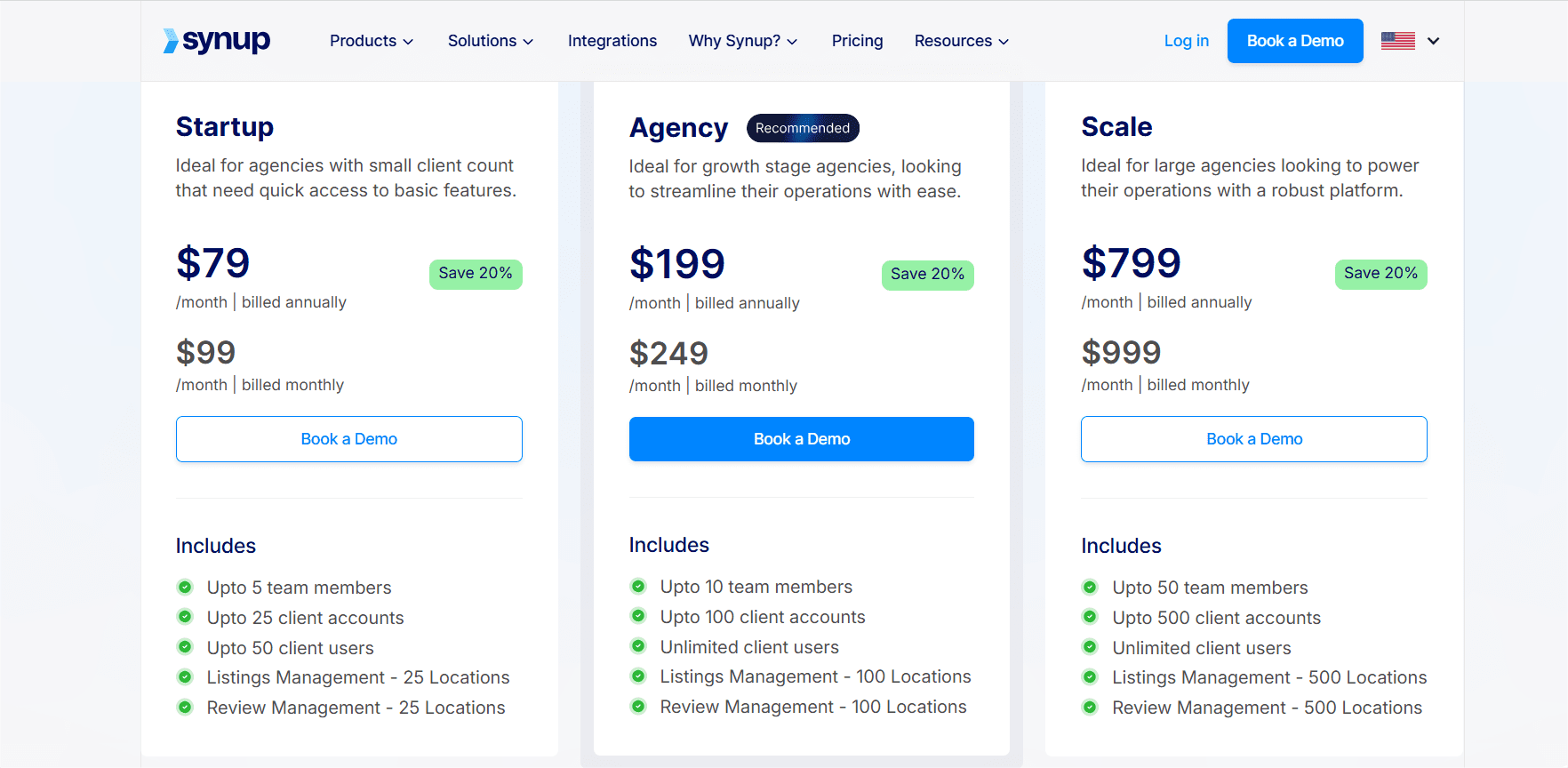
      • SWOT analysis: The AI tool can provide real-time data and provide the SWOT analysis of your digital marketing data. The SWOT (Strengths, Weaknesses, Opportunities, and Threats) analysis.

       This is one of the most important documents for scanning the market, and knowing:

      • What have you done in the past year? 
      • What mistake has been made?  
      • What is your competitor doing?
      •  How are they attracting new customers? 
      • What digital media strategies, your competitors follow? 

      It is necessary to use AI resources to know your digital marketing expenses.

      Answering these questions can be great for devising your digital media strategy

      Profitability on your investment and media channel:

      The AI tool can help with the profitability analysis of your digital marketing campaign on social media. Don’t forget the profitability of your investment. When you are investing in quality content, it can be costly, but unique and well-researched content can bring organic traffic to your website. 
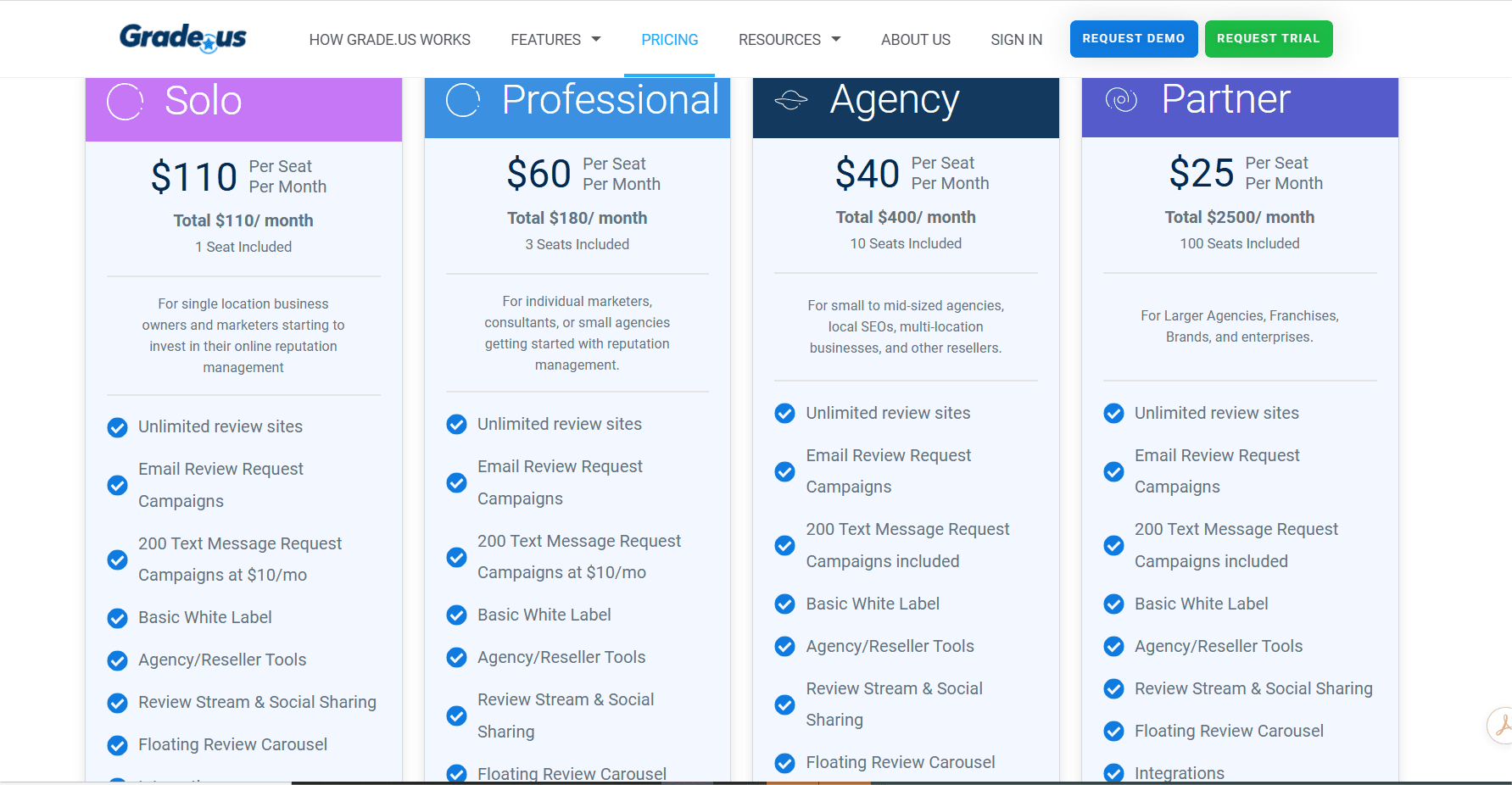
      • Aggressive content strategy: You can adopt an aggressive content strategy like weekly posting on blogs, quarterly publishing of e-books, and continuous SEO of your content. This is beneficial for your product and services marketing efforts. 
      • Boost your revenue: You can outsource the content writer and use the AI for them. Such an aggressive content strategy can boost your revenues greatly beyond your calculations. Your AI tool would indicate a great jump in your revenues when you are adopting the course of an aggressive content strategy. 


      Conclusion:

      The AI prepares the interactive content along with managing the budget of the digital marketing campaign.  When you create quality content about a particular product, you can now avoid PPC and turn your attention to SEO, as it would be more fruitful for you for a longer period. It is good to hire quality content writers for your product and service, as you need continuous updating in your content, so use AI to determine the expense of outsourced content.

    • The Ultimate Guide to Selecting the Right SEO Agency in the UK

      Make the right SEO agency choice and boost your business across the search result pages.

      If you’re reading this, chances are you’re struggling with the overwhelming task of picking the right SEO agency for your business. I get it — there are so many options out there, and let’s be honest, the promises made by agencies can be hard to believe. Maybe you’ve already tried doing SEO on your own or worked with an agency that didn’t quite live up to expectations. You’re left wondering, “How do I find the best seo companies in the UK that deliver results?”


      SEO isn’t just about throwing a few keywords into your website and hoping for the best. It’s complex, ever-changing, and, when done incorrectly, it can hurt your rankings instead of improving them.
      Here’s a guide to help you cut through the noise and find an SEO agency in the UK that truly understands your goals and delivers measurable results. Let’s walk through a step-by-step process that will make choosing the right SEO agency less of a headache and more of a strategic decision.


      Why is SEO important for your business?


      Before we dive into how to choose the best SEO agency, it’s crucial to understand why SEO matters so much. SEO involves optimizing your website to increase its visibility on search engines, driving more traffic to your site. Without SEO, even the best website can remain invisible, and businesses can miss out on significant revenue opportunities.
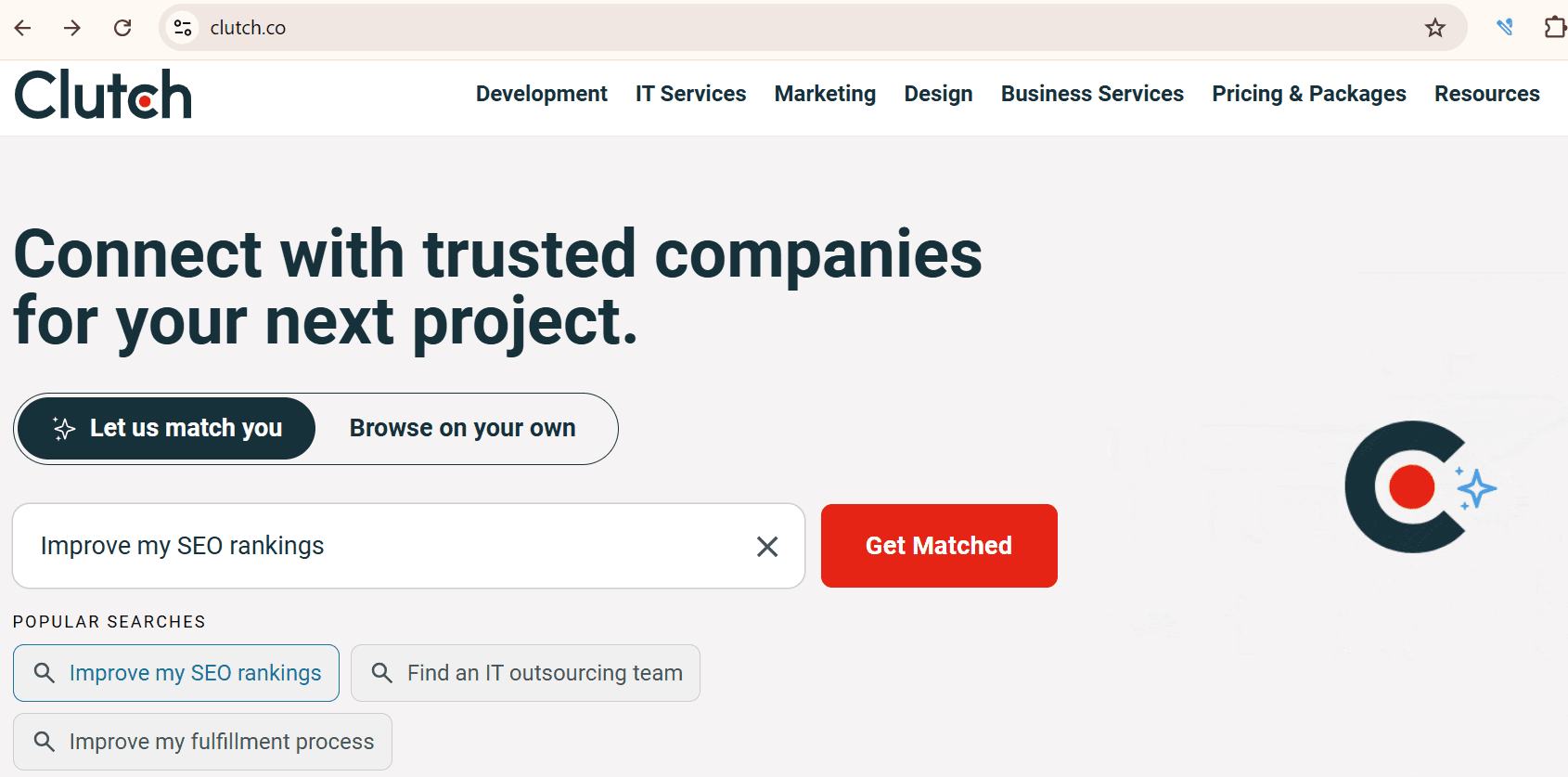
      SEO accounts for the largest share of organic website traffic, with the average monthly share of organic traffic at 58% globally, increasing steadily in 2024. SEO helps you get discovered by potential customers who are actively searching for your services. Whether it’s through better keyword ranking, content optimization, or link-building strategies, SEO can significantly improve your business’s ability to generate qualified leads and close sales. Google has over 90% share of organic traffic share. So, if you try to optimise your website according to Google through a right SEO agency it can provide high returns.
      Step 1: Define Your SEO Goals and Budget


      The most critical initial step is to articulate what you aim to achieve with SEO clearly. Precise, measurable objectives are vital for evaluating agencies and gauging success. Consider if you want to significantly increase overall organic website traffic, improve local search visibility, and generate more leads or sales.
      Or you want to boost brand awareness, improve rankings for specific high-value keywords, recover from a previous search engine penalty, or expand into new markets. Each objective demands a distinct, tailored SEO strategy.


      Step 2: Research and Shortlist Potential Agencies


      Once your goals and budget are clear, embark on a thorough research phase. Don’t simply choose the first agency you find; a meticulous vetting process is crucial. Seek referrals from trusted business contacts who have used SEO services, as word-of-mouth is a powerful quality indicator.
      Scrutinize comprehensive online reviews and testimonials on various platforms, looking for detailed feedback on communication and results, and observing how agencies respond to critiques. A reputable agency will showcase in-depth case studies demonstrating measurable increases in organic traffic or ranking improvements for businesses similar to yours.


      Step 3: Evaluate Their Expertise and Experience


      Delve deeper into your selected SEO company in the UK. Evaluate each of their capabilities and operational philosophies. Assess their proven track record and niche experience, particularly if they have demonstrable experience in your specific industry, as this can significantly reduce the learning curve. Inquire about the qualifications and ongoing development of their team members; SEO is a dynamic field requiring continuous learning.


      A diverse team of specialists is a significant asset. Demand detailed explanations of their approach to technical SEO (e.g., site speed, crawlability), on-page SEO (content optimization), content strategy and creation, and ethical link building.


      Step 4: Assess Reporting, Communication, and Transparency


      You need to be fully informed about actions, progress, and quantifiable impact on your business. Establish the regularity and structure of their reports to ensure they align with your internal review cycles. Reports should highlight relevant Key Performance Indicators (KPIs) directly tied to your business objectives, including an executive summary, visual data, organic traffic, keyword rankings, conversions, backlinks, technical health, and content performance.


      Crucially, reports must provide actionable insights and recommendations, interpreting data to show achievements, challenges, and next steps in a clear, client-centric manner. In terms of communication, inquire about a dedicated account manager and their expected responsiveness. Discuss the frequency and format of regular meetings to review progress and strategy.


      Step 5: Interview and Ask the Right Questions


      Once your shortlist is refined, schedule in-depth interviews with key personnel from each agency, treating this process as you would hiring a crucial team member. Ask them to define and measure success in terms of your specific goals and how they tailor their strategy accordingly. It’s vital to understand how they stay updated with algorithm changes and adapt strategies accordingly.


      Press for a detailed explanation of their ethical link-building approach and how they ensure quality. Understand their process for handling setbacks, such as ranking drops. Request a precise breakdown of their pricing model and any potential hidden costs. Clarify who your primary contact will be and the expected frequency of communication. Additionally, ask how they integrate user experience (UX) improvements into their SEO efforts, and have them describe their client onboarding process for the first few months.


      Step 6: Thoroughly Review Contracts and Pricing Structures


      Before committing to any SEO agency, meticulously review their proposed contract. Do not rush this stage, as a well-structured contract protects both parties. The detailed scope of work must clearly outline all services, deliverables, and timelines to prevent misunderstandings and scope creep, ensuring it covers aspects such as keyword research, content creation, technical audits, and reporting.


      Reconfirm the chosen transparent pricing structure and that all costs are itemised, being wary of ambiguities or hidden fees. Understand the term length and exit clauses, as a reputable agency shouldn’t lock you into excessively long, unbreakable commitments.


      Finally, clarify ownership of all assets created during the engagement, including content and analytics access, ensuring you retain full control. Be cautious of “guarantees” of top rankings, as legitimate SEO involves realistic projections and continuous improvement, not absolute promises.


      Step 7: Watch Out for Red Flags


      Throughout your selection process, remain vigilant for any warning signs that could indicate an unreliable, unethical, or underperforming agency.


      Beware of guaranteed top rankings or instant results. No legitimate SEO agency can promise specific positions or overnight success. SEO is a long-term strategy, with noticeable results typically appearing over several months, and top rankings often achieved after consistent, sustained effort over longer periods.
      Promises of quick fixes often signal manipulative or unethical tactics. A lack of transparency or evasiveness about their methodologies, reluctance to provide detailed reports, or refusal to explain strategies are major warning signs. Similarly, unsolicited outreach with aggressive sales pitches or an emphasis on “secret” or “proprietary” techniques should raise suspicion; legitimate SEO adheres to established best practices.


      Claims of a “gateway to Googlers” or special connections are false and highly suspicious. You should always have direct access to your data and reports; any restriction is a significant red flag. Suspiciously low pricing coupled with unrealistic promises usually points to cutting corners or risky tactics. Lastly, avoid agencies offering generic, one-size-fits-all proposals; your unique business deserves a customized strategy.


      Conclusion


      Choosing the right SEO agency in the UK is a pivotal strategic decision that can have a profound impact on your business’s online visibility, growth, and long-term success. The digital marketing market continues to expand, making a shrewd choice even more crucial for businesses aiming to thrive online.
      By diligently following these structured steps – clearly defining your goals and budget, conducting thorough research, rigorously vetting expertise and ethical practices, insisting on transparent reporting and open communication, asking incisive questions during interviews, and meticulously reviewing contracts.
      Meanwhile, invest the necessary time and effort in this crucial selection process, and you will be well on your way to partnering with one of the top digital marketing companies in the UK—especially those with proven expertise in SEO services. This strategic choice can drive sustainable growth, enhance your digital footprint, and position you to confidently dominate your competitive digital landscape.

      FAQs


      Why is organic traffic so important for UK businesses?


      Organic traffic is crucial as it signifies users actively searching for your services, building trust, and generating higher conversion rates (up to 2.6% for B2B) compared to other channels, offering sustainable growth and strong ROI.


      What is the average cost of SEO services for small businesses in the UK?


      For small businesses in the UK, monthly SEO retainers typically range from £500 to £2,000, with some sources recommending a range of £1,000 to £1,500 for effective and sustainable results, as quality SEO requires consistent investment.


      How long does it typically take to see results from SEO?


      SEO is a long-term strategy; results typically begin to appear within three to six months, and significant changes might take up to a year. Top-ranking pages are often two to three years old on average.


      What’s the difference in conversion rates between organic and paid traffic?


      Organic traffic often converts higher, with B2C rates up to 2.1% and B2B up to 2.6%. This is because users from organic search typically have higher intent compared to those from paid ads.


      What are some key metrics (KPIs) an SEO agency should report on?


      An SEO agency should report on organic traffic growth, keyword rankings, organic conversions/revenue, referring domains (backlinks), Core Web Vitals, click-through rates, and ultimately, the overall Return on Investment (ROI).