We all know the popular saying, “You never get a second chance to make a first impression”.
The same works in the online world. While searching on the web, you find multiple websites with a meta title that gives the first impression of the page you are going to choose.
But what is a meta title, and what function does it have?
To get the answers to these questions and the impact on SEO, let’s start with the basics.
What is a Meta Title?
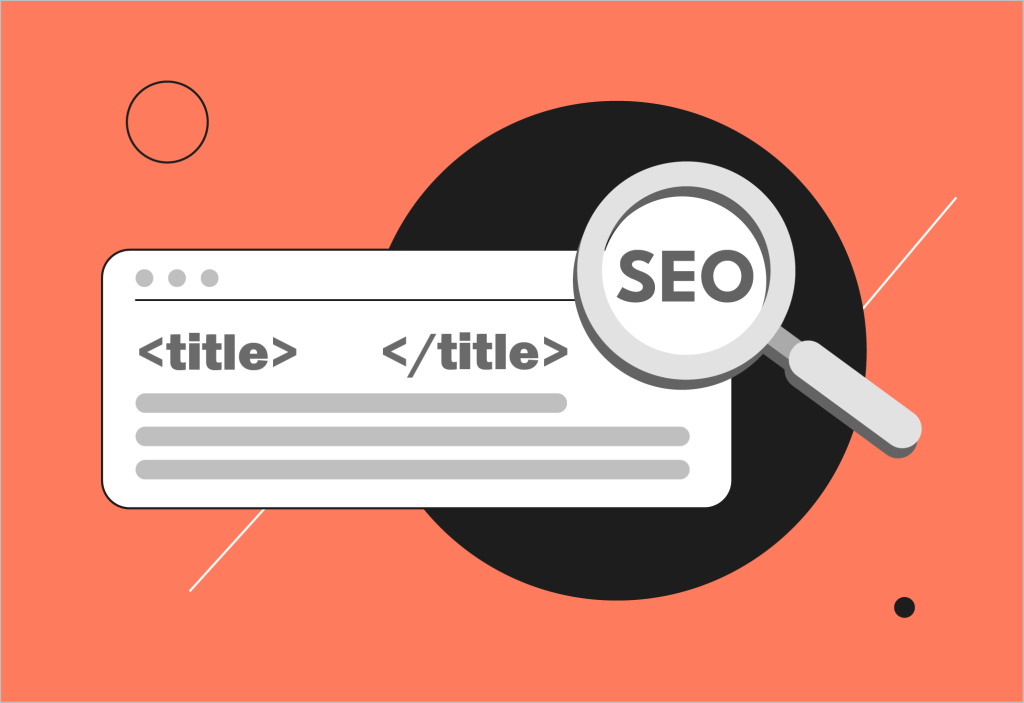
A meta title is an HTML element in the <head> section of a page that specifies the title of a web page. It is displayed on the search engine results page (SERP) as a clickable headline. So, based on your meta title, search engines get all the important information about your webpage.

Meta title vs. Blog title
As we already explored what is a meta title it is important to understand how it differs from the post title. Though very similar, there is still a difference between these two definitions.
Unlike the meta title, which is located on the SERP and serves as an HTML <head> element. The blog title is the H1, the editorial title of the post. It is an on-page heading located in the body of the website that serves as the main hook of the page. If the SEO title initiates the reader’s click, the blog title functions as the trigger of interest in reading the specific text.
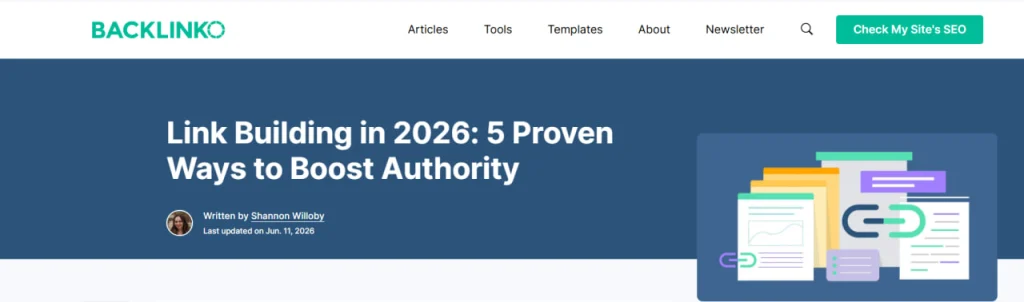
In some cases, you can spot that the title tag and the post title are left the same. However, keep in mind that they have 2 different functions, and even a slight word change can affect the final result and effectiveness of the meta title for SEO.
Main Functions Of A Meta Title
The meta title gives both readers and search engine crawlers a quick insight into the content of the web page. As a result, it serves 2 main functions in SEO:
- Influences search rankings: According to Google guidelines, title tags affect rankings, but their impact is not as big as we think. Your meta title tells search engine bots exactly what your page is about, so they can index you correctly. The ranking boost happens when an optimized keyword matches the content of your page.
- Boosts click-through rate (CTR): The meta title is the first thing users click on in search results. The search engine tracks these clicks to measure user interest in your page. Thus, having a clear meta title gives readers a better understanding of your content, increasing the chance of a CTR boost.
Note: These 2 components are interconnected. Including a relevant keyword in the title increases initial clicks. This search behaviour sends a powerful signal to Google’s ranking system about the relevance of your content. Over time, positive activity signals boost rankings in search results.
5 Steps to Write a Meta Title
Keep It Unique
Every page on your website has a different purpose, and you should provide each with a unique meta title. A unique title helps search engines understand what each page is about and makes it easier for them to display the right page for the right search result.
However, duplicate titles may confuse search engines and make the ranking process harder.
Note:
Do not stick to one single, repetitive template across all pages.
For example: [Primary Keyword], [Specific Benefit]| [Brand Name]
Instead, use different structures for the same title.
For example:
- Combine your focus keyword mentioning with one benefit ( Meta Title Best Practice for Higher Rankings),
- Ask a question (What is a Meta Title?)
- Use numbers in combination with action words (10 Meta Title Tips to Boost Your CTR)
Pay Attention to Title Length and Pixel Width
We usually measure the length of the title by the number of characters, which is max. 60 characters for a standard SEO title. However, Google determines ‘pixel width’ when checking the quality of the title tag, not the characters.
If you’re unfamiliar with this statement, let’s break this down together:
Pixel width is the horizontal space the title occupies on the search results page (SERP). Some letters, e.g., W, take up much more space than others, e.g., i. Thus, 2 titles with the exact number of characters can have different widths. Thus, to keep the structure, keep a maximum of 600 pixels.
Note: Sometimes Google changes the whole title tag if it exceeds 600 pixels, or they find it weak to provide useful results for their users.
To understand this concept, have a look at the following example.
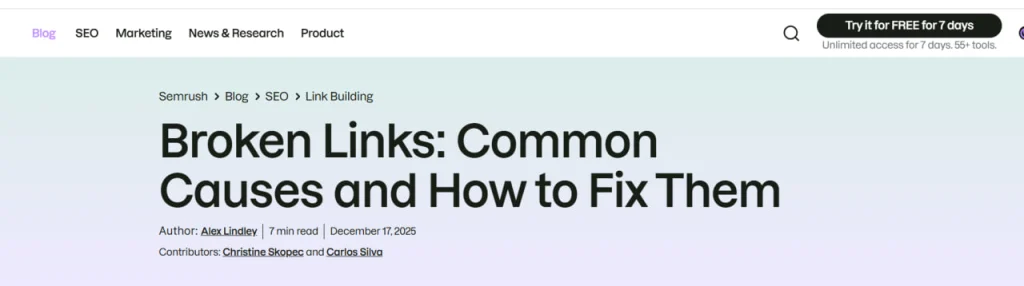
Here is an example of a clear listicle meta title including the primary keyword and all the guidelines kept.
However, in the case below, the number of characters is not kept, and the reader has no access to the whole title. Moreover, there is the use of the same heading for both the SEO title and blog title.
Apply Power Words
Because searchers scan Google results very quickly, standard descriptive words often get ignored. Power words, however, act as an instant trigger that stops the process of scanning information. They catch readers’ attention, making them want to click. Using simple wordplay, you can spark emotions in the minds of your readers.
Ultimately, power words bridge the gap between the “search intent” and “human emotion,” causing immediate curiosity.
Let’s have a look at these meta titles:
Importance of Backlinks: Do They Truly Matter in 2026?
Professional Listicle Service to Maximize AI Search Visibility
Power words ‘truly’ and ‘professional’ build instant trust in your page, catching readers’ attention and responding to search needs. These words show that readers can trust you and rely on your professionalism.
Include Primary Keyword
Search engines’ algorithms need clear signals to understand how to categorize a specific page. When you include your target keyword in the core of the meta title, you immediately give readers and search engines a clear theme and purpose of the page.
If your keyword is, e.g., ‘guest posting’, include it in your SEO title, directly pointing to the main purpose of the blog or page.

Note: Avoid keyword stuffing! It may cause search engines and AI systems to consider your content spammy.
Match Meta Title to Search Intent
To increase the Click-Through Rate (CTR), your meta title must align with the user’s search intent.
At its core, search intent is the primary goal of users. When searching for something, they try to solve a specific, practical problem. For this reason, your SEO title should be as clear and direct as possible. Avoid vague phrasing or clickbait: instead, show the reader that your page has the exact solutions they are looking for.
Here is a good, stick-to-the-point example.

In both cases, we have our core keyword and a brief overview of the main theme, giving the searcher clear and logical reasons to click.
Use AI Tools To Create Meta Titles
Of course, human-written content is good, but each of us comes to a point when we are out of ideas and can’t deal with all the pages of the website. In such cases, using AI can make the process much easier.
Here are free tools you can use:
- SayNine
Inserting your target page title, a short topic description, and your primary keyword, SayNine’s free meta tags generator tool esures you metadata is formatted and ready to copy directly into your code heading.
- Semrush
Using free AI title generator by Semrush, you can generate basic headline ideas by typing target keywords. The built-in AI automatically organizes the results into categories for quick brainstorming.
- Ahrefs
Ahrefs free AI SEO title generator tool suggests SEO titles based on your chosen topic and a selected tone of voice. You can choose from different styles to find the one that matches your brand.
Each of these options has AI title tag generators that can quickly create SEO-friendly suggestions based on your targeted keyword. If you doubt its construction or final look, you can use an AI tool to preview the meta title on SERP and make any corrections if needed.
Wrapping Up
If you want to stand out from the competition and convince searchers to choose your page over millions of results, you need to write click-worthy title tags.
By driving a higher click-through rate, you send a powerful signal to search engines that your content is valuable and relevant. Over time, that positive user behaviour is exactly what brings you a permanent ranking boost.
FAQs about meta titles in SEO
What is the difference between the meta title and the post title?
The meta title is an HTML tag displayed on search engine results pages (SERP) to attract clicks. The post title is an on-page heading that users see once they actually click and open the article.
How to write a meta title?
Keep your meta title short, around 50-60 characters (600 pixels). Include your most important keywords, but make sure it looks natural and click-worthy.
Does the meta title affect SEO?
Yes, title tags are a great way to make a strong first impression with search users. When used properly, it increases click-through rates(CTRs) and boosts your visibility.