
Running paid ads is a great way to boost your business. But managing all the advertising campaigns takes a lot of time and skill. Because of this, many businesses look for outside help.
But with so many agencies online, finding the right partner is hard. A bad choice can waste your budget, while a good choice will help your business grow.
To help you make a safe decision, this guide shows how to choose the right ppc management company in 5 steps.
What is a PPC?
Pay-Per-Click (PPC) is an online advertising method that displays ads on webpages or in search engine results. Based on the number of clicks on your ad, you, as an advertiser, should pay a fee. The rate you pay for each click is called the cost-per-click(CPC). Instead of paying just to show your ad, you only pay when a user takes action and visits your website.
In digital marketing, PPC is rarely used alone. It works best with search engine optimization, content marketing, social media, and email marketing to build unified, real-life results.
The Most Common Ad Formats:
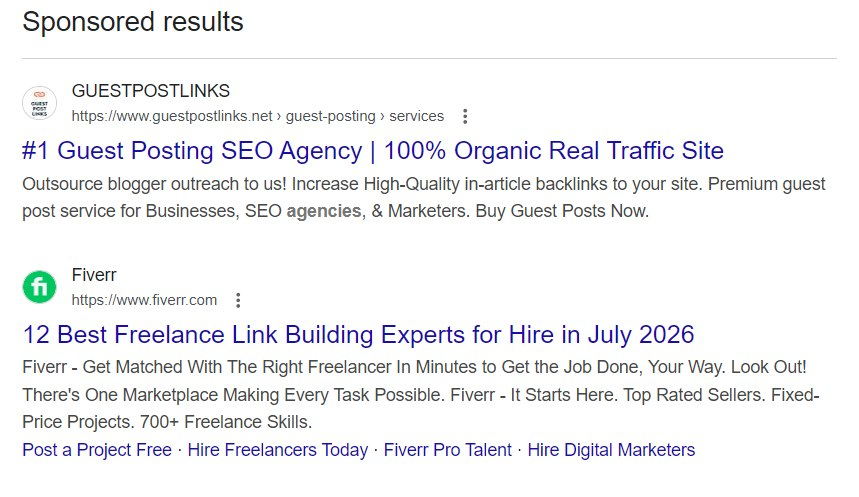
Search Ad: Ads that contain only text appear at the top of search engine results. They are usually marked with the “Sponsored” label.
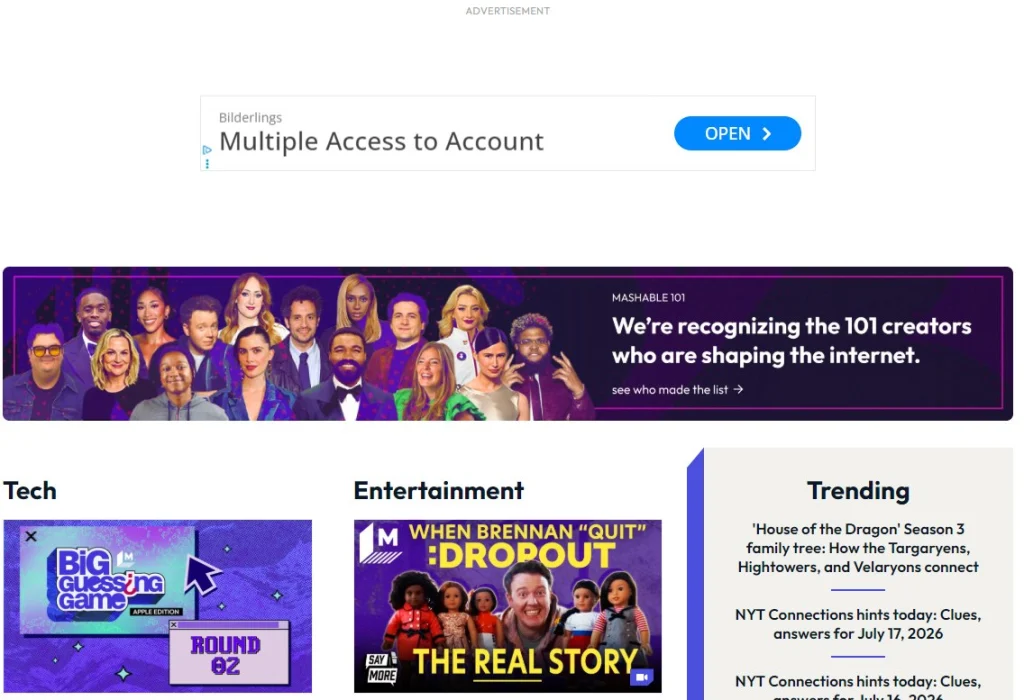
Display Ad: Image-based banner ads that are shown on Google’s partner websites, such as news portals, blogs, or local websites.
Shopping Ad: List of products that are shown on the SERP with the main image, price, and store name.
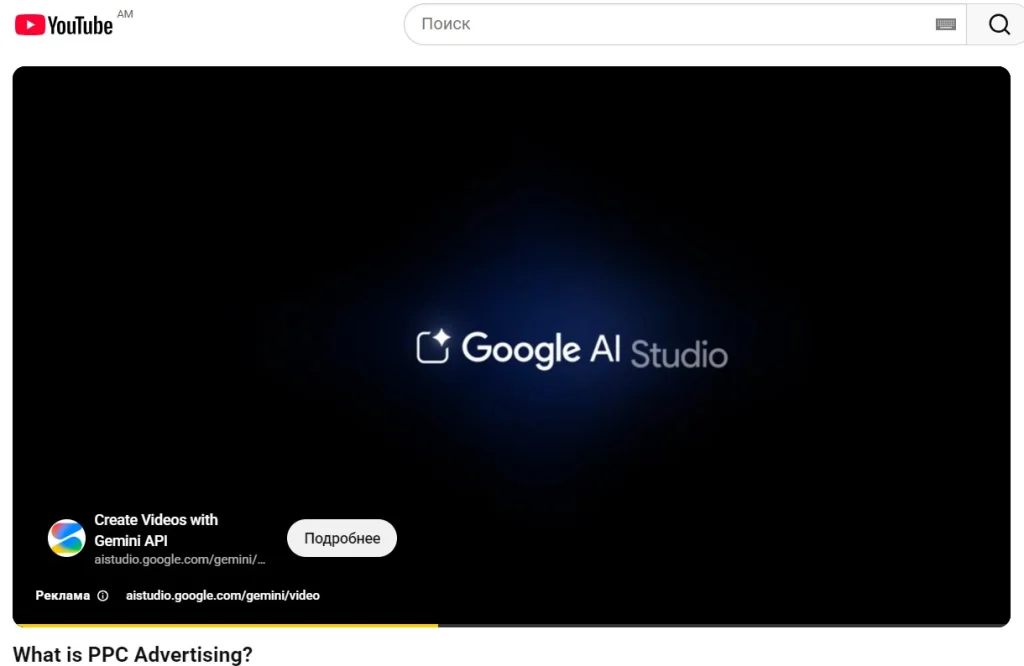
Video Ad: Short video clips (ads) that you can see when watching content on platforms like YouTube
What Is a PPC Management Company?
A PPC management company is a certified team that takes care of everything related to your paid online ads. They build, run, and optimize paid ad campaigns for businesses.
What do they actually do?
- Keyword research: They research keywords that your future customers might type into search engines so your ad shows up at the right moment and place.
- Create Ads and Copy: They create the text and design the banners on your website with a clear call-to-action.
- A/B Testing: They test different versions of your ads against each other to see which one works better.
- Watch the budget: They make sure your money isn’t wasted on clicks from people who aren’t interested in buying.
Thus, their job is to stop you from wasting money on empty clicks and ensure a measurable profit for your business.
4 Types Of PPC Agencies
Not all PPC management companies do the same thing. Hiring the wrong type can waste your ad budget on the wrong platforms.
Here are 4 main categories of PPC management agencies:
- Search Specialists: They focus mainly on text ads that pop up on Google when someone is actively typing in a search bar. If you run a service-based business, e.g., a commercial law firm or dental clinic, where customers need to find you easily in one click, this is the type of agency you will probably choose.
- Social Media Specialists: These agencies focus on visual platforms. Instead of targeting search keywords, they make eye-catching videos and images that catch users’ attention, making them stop scrolling and think of buying the product.
- Retail Specialists: They strictly focus on online marketplaces. Their main purpose is to make your product show up at the very top of shopping search results on different marketplaces l, e.g., Amazon.
- All-in-One Agencies: These are large, full-service ppc management companies that handle search engine, social media, shopping, and banner ads. They are built for big companies with a massive (+$5mln) budget.
Benefits of Working with PPC Management Companies?
Paying for ads and making sure they actually work is quite complex. Google Ads and Microsoft Advertising change their system time from time to time. Thus, working with a PPC management agency has some benefits:
- They have certified specialists who understand how all algorithms work.
- These agencies use good-quality software to analyse your competitors and target keywords.
- If you are a beginner, when self-managing, you can make mistakes connected with payments. PPC management companies, however, know how to set up keywords to avoid paying extra.
The 5 Steps for Choosing a PPC Company
Now, let’s have a look at some steps to make your choice easier.
Step 1: Define Your Goals.
Before speaking to any PPC management company, you must clearly define what you want to achieve by placing ads. Decide on the type of pay-per-click, and on which platforms to be seen.
Step 2: Set Your Budget
You need to set a budget to understand how much you can spend on ads. As you have the number set, you need to share it with agencies.
Keep in mind that ppc companies divide the total cost into 2 parts:
The Ad Spend: This is the money that is directly paid to the platform where your ad needs to be placed.
The Management Fee: There is money that goes to the agency for the realisation of all the processes.
Step 3: Audit Their Tracking
When working with a ppc management company, ask them to prove how their ads work. During calls, you can be free to check on conversions and the attribution methodology they use. You can trust them if they use tools like Google Analytics 4 or custom call-tracking software.
Step 4: Compare Pricing Models
Every PPC company has its own pricing. When you get familiar with it, that pricing helps you to choose the one that fits best with your monthly budget.
Overall, agencies build their management fees based on these 3 ways.
- Setting Monthly Fixed Fee: In this case, the agency sets a fixed price for its services. Thus, no matter how much you want to pay for your Google ads, the price to the company will stay the same each month. This makes your monthly expenses visible and easy to plan.
- Taking a Percentage of Ad Spend: These agencies set their price based on the amount of money you want to spend on ads. Usually, they take 10-20% of your budget. It might be good when you have a small budget for ads. If you start with a small price, the management fee is also small.
- Adding a Performance Bonus to a Base Fee: This is a hybrid model, where you pay a fixed monthly fee for basic labor and tools. When they give you a good result, like bringing a certain number of sales or phone calls, you pay the bonus fee. This model of pricing makes the agency motivated to work well on the statistics to bring better results.
Step 5: Secure Your Account Ownership
This step is one of the most important parts to pay attention to. Never let a management agency run your ads through their personal accounts. Your Google Ads account should be registered under your name and email. While the agency should have only partner access. If you decide to end your work with them, you need to keep all the data from your campaigns.
4 PPC Agency Red Flags to Watch Out For
To avoid bad partnerships, pay attention to these red flags:
- Promising a “Number One” Spot
Ad placements depend on live auctions, quality scores, and many other aspects. If an agency promises top search ranking strategies, they probably use dishonest tactics.
- Demanding Long-term Contracts
Some agencies can suggest having a 12-month contract in a small period of time. However, a confident agency should earn your trust month by month; they can suggest 30-day or 3-month trials.
- Not Updating Account History
Google has a secret list called “Change History.” Its main function is to record all the steps and changes made in your account. Some agencies can set up your account once and never touch or update it again, but still take money. Thus, you need to check this list to see if any updates have been made to adjust your keywords.
Conclusion
Choosing the right agency is an important step for each business. To make the right choice, take your time, define your goals, and ensure your own ad accounts.
Don’t fall for fake promises or confusing words. The right partner will be transparent, explain their work, and show you exactly where your money goes
FAQs
What does a PPC manager do?
They set up and manage your paid online ads to get you more customers without wasting your budget.
What is PPC in digital marketing?
PPC, or Pay-Per-Click. It is an ad model where you only pay when someone clicks on your ad.
What companies pay-per-click?
Almost all top platforms use it, but the biggest ones are Google, Amazon, and Meta(Facebook, Instagram).