Every product starts with an idea. Sometimes it’s a spark in a meeting room. (Other times, it’s a late-night thought scribbled on a napkin.)
But turning that idea into a product people love and buy is where the real work begins.
The product development process can be unpredictable and full of tough calls. Yet some companies make it look effortless. So, what’s their secret?
They build connected teams and invest in people just as much as in the process. They also treat product development as a continuous learning and adaptation system.
Let’s take a closer look at what today’s top-performing product developers do differently. 👇
Key Pillars To Successful New Product Development
Product development suffers from too many moving parts pulling in different directions.
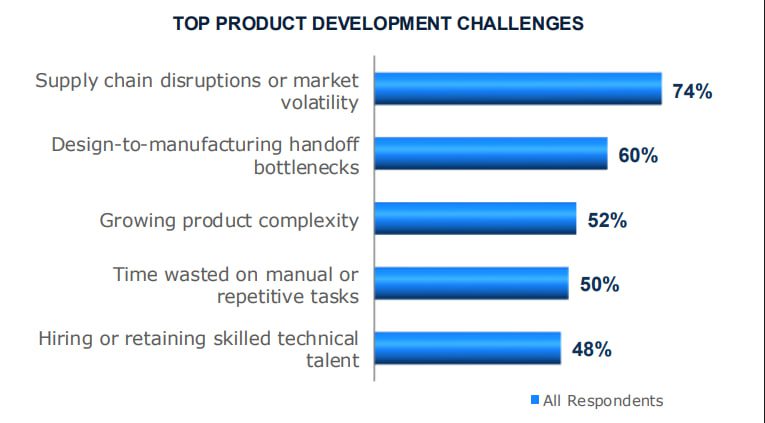
According to Tech-Clarity’s 2025 State of Product Development report, the top product development challenges include supply chain disruptions and process bottlenecks between design and manufacturing.
Top-performing teams do things differently to overcome these challenges.
They focus on fundamentals such as clear communication and continuous feedback. This keeps the product development process moving smoothly from idea to launch.
Here’s how you can follow suit. 👇
1. Understand Your Customers First
According to CB Insights, the second biggest reason startups fail is that there’s no market need for their product. In other words, they never truly understood their target market. (And this is why market research is important)
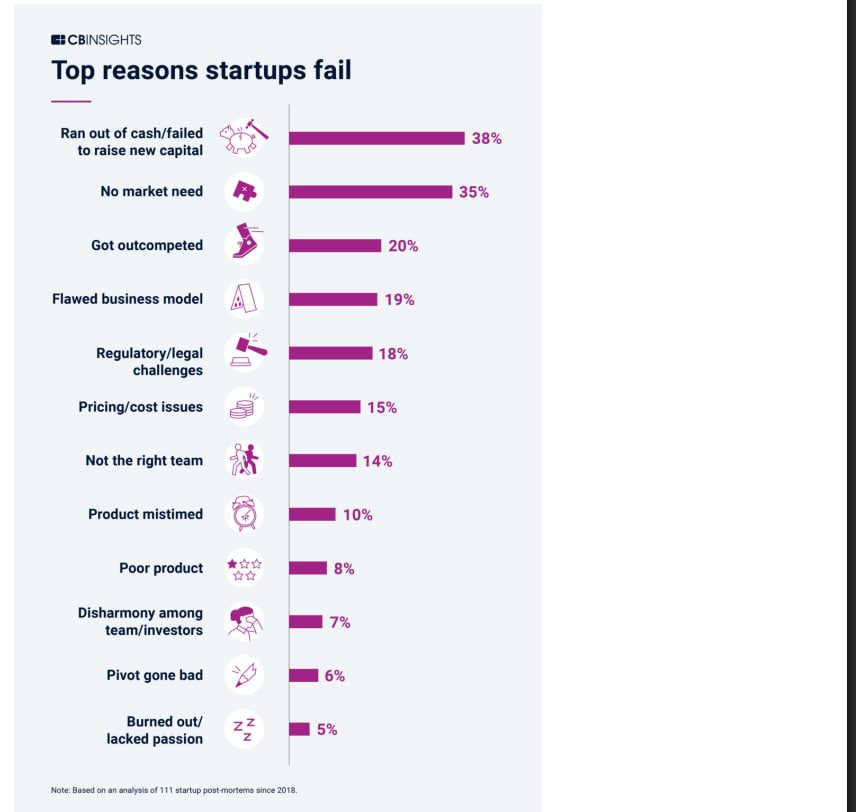
Top Reasons Startups Fail
But knowing your audience is the first step toward building something people want.
And the best place to start? Look at what people are searching for.
Keyword research is your cheat sheet to customer intent. It shows you what they want, what they’re comparing, and what’s missing from the market.
Then go deeper. Social listening tells you how people feel about products like yours. You’ll find their frustrations, favorites, and unfiltered opinions. Combine that with your own customer data, and you’ll see patterns.
Finally, test those ideas before you scale. Launch a minimum viable product (MVP), collect customer feedback, and let real data steer your product innovation. Many teams use an AI form builder to quickly create feedback forms, surveys, and customer research workflows without spending weeks on setup. This is where a Product Owner plays a critical role by aligning stakeholders, development teams, and business objectives to keep product initiatives moving in the right direction.
After you know who you’re targeting and what they want, it’s much easier to build something your potential lead list cares about.
2. Build Bridges Across Teams
Product-Led Alliance’s 2025 State of Product Ops report found that 24% of product teams struggle with cross-department alignment. This is a major problem, since collaboration is what separates top performers from everyone else.
When everyone’s on the same page and has the same resources, work moves faster and more accurately.
Collaborations also help spot issues earlier and solve problems before they slow down the product development process.
For example, when product design and manufacturing teams share real-time updates, they can catch material or dimension changes instantly and prevent weeks of changes.
To achieve better alignment between teams, make sure to have shared tools and transparent workflows. You might also need to host a collaboration training day to show departments how to work together successfully.
3. Let Future-Forward Technology Do the Heavy Lifting
AI is fast becoming a significant part of research and development across all industries. Product development is no different.
In fact, Tech-Clarity found that top product development teams are nearly twice as likely to use AI tools as others.
And for good reason. From generative AI that designs early prototypes to machine learning models that predict demand, AI models free teams from repetitive work and open creative bandwidth.
On top of AI, top product developers are using simulations to test products. Teams can run thousands of virtual experiments before ever touching production.
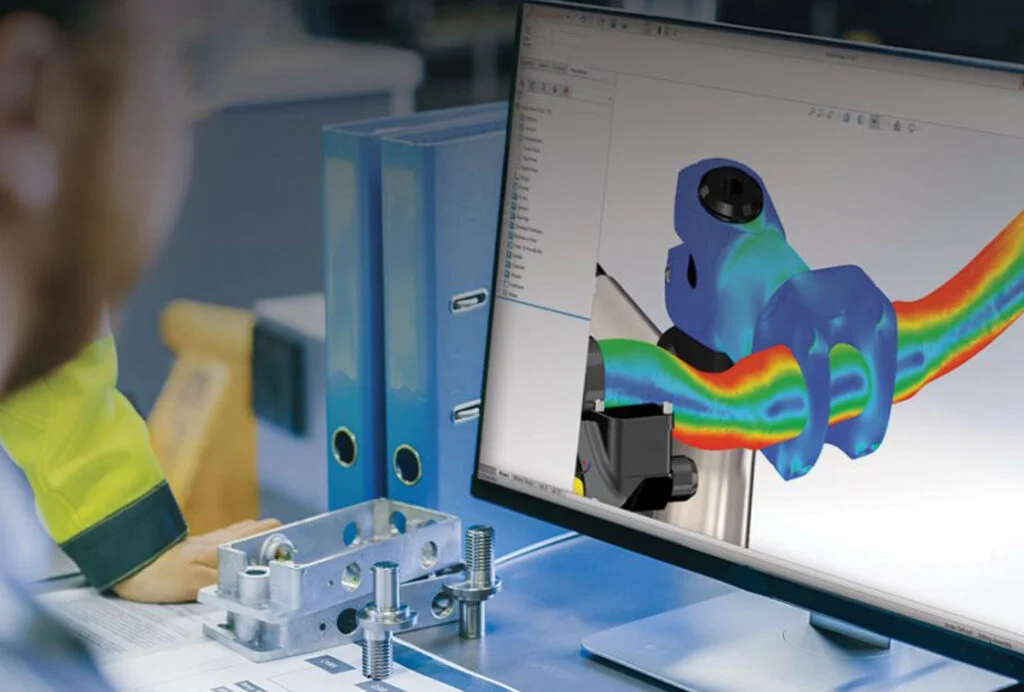
As Tech-Clarity found, 99% of the companies using these tools say it’s improved testing since it reduces physical prototypes and increases efficiency.
4. Streamline the Product Development Workflow
If your product development process feels chaotic, you’re not alone.
The Product-Led Alliance found that 40% of teams believe streamlining workflows would solve most of their issues.
This is where product lifecycle management (PLM) systems are immensely helpful. They help you standardize how work moves through each stage. (From the fuzzy front end of ideation to market launch and beyond.)
Everyone follows the same structure, reducing confusion and making handoffs between teams quicker and cleaner.
5. Invest in Your People and Culture
Even the best product process will fail without strong teams behind it. The problem is that nearly half of the teams struggle to hire or retain skilled technical talent. (See the first chart above.)
Improving this starts with hiring for potential, not solely credentials. You need to look for people who learn quickly, thnk creatively, and collaborate well. You also need to build clear career paths so top performers see a future with your company.
But hiring is only half the picture.
You also need to empower the people you already have. The top organizations invest in continuous learning, mentorship, and collaboration tools that improve knowledge and make it easy to share.
6. Measure, Learn, Repeat
After market launch, be sure to gather customer feedback, monitor the user experience, and track performance metrics. This continuous data loop is the engine of product optimization, allowing you to refine features and fix friction points before they drive users away.
This evaluation process shows you where you can adapt and improve, so you can strengthen the product life cycle and build long-term customer success.
Wrap Up
The best product development teams rely on data, collaboration, and reiteration.
But this all starts with doing market research to understand your audience so you’re building products they want.
This is why you need an agency that understands search from every angle.
Desire Marketing is the partner you’ve been looking for. We use search insights and data-driven storytelling to help you fully understand your audience, so every product idea starts with real customer demand.
Get in touch today to learn how to turn your next great idea into a product people can’t wait to discover and have a successful business growth.